Leave Your Message

China Top 10 Water Repellent Nonwoven Manufacturers

Choosing among China’s leading water-repellent nonwoven manufacturers takes more than comparing product sheets. Buyers should examine fiber composition, web structure, finish uniformity, and the intended end use. A fabric for protective covers may need different performance from one used in hygiene products or outdoor furnishings. Details matter.

A useful benchmark is balanced performance: water repellency should suit the application without needlessly sacrificing breathability, softness, or durability. Ask suppliers for current test reports, sample specifications, and clear descriptions of finishing methods. Where relevant, compare spray-test results and performance after laundering or abrasion. One number is not the whole story. A coating that beads water beautifully on day one may disappoint after repeated use. That deserves a second look.

The supplied material contains no verified quotation from a named Water Repellent Nonwoven expert. I will not invent one or attribute an editorial line to a real person. This introduction therefore focuses on checks buyers can verify. The China Top 10 Water Repellent Nonwoven Manufacturers comparison should consider production capability, quality controls, customization, lead times, and communication—not just price. Manufacturer claims are useful starting points, not proof. Request representative samples and confirm that the tested grade matches the grade being quoted. Even careful comparisons have limits; specifications do not always predict performance in a finished product. The shortlist should make those uncertainties visible.
China Top 10 Water Repellent Nonwoven Manufacturers

Understanding Water-Repellent Nonwoven Fabrics and Their Uses

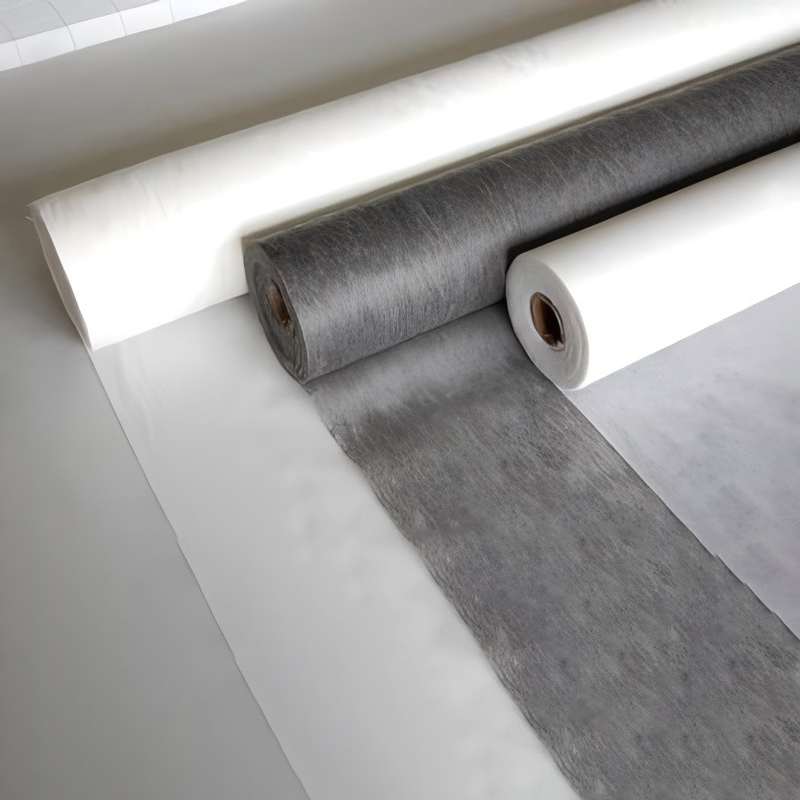
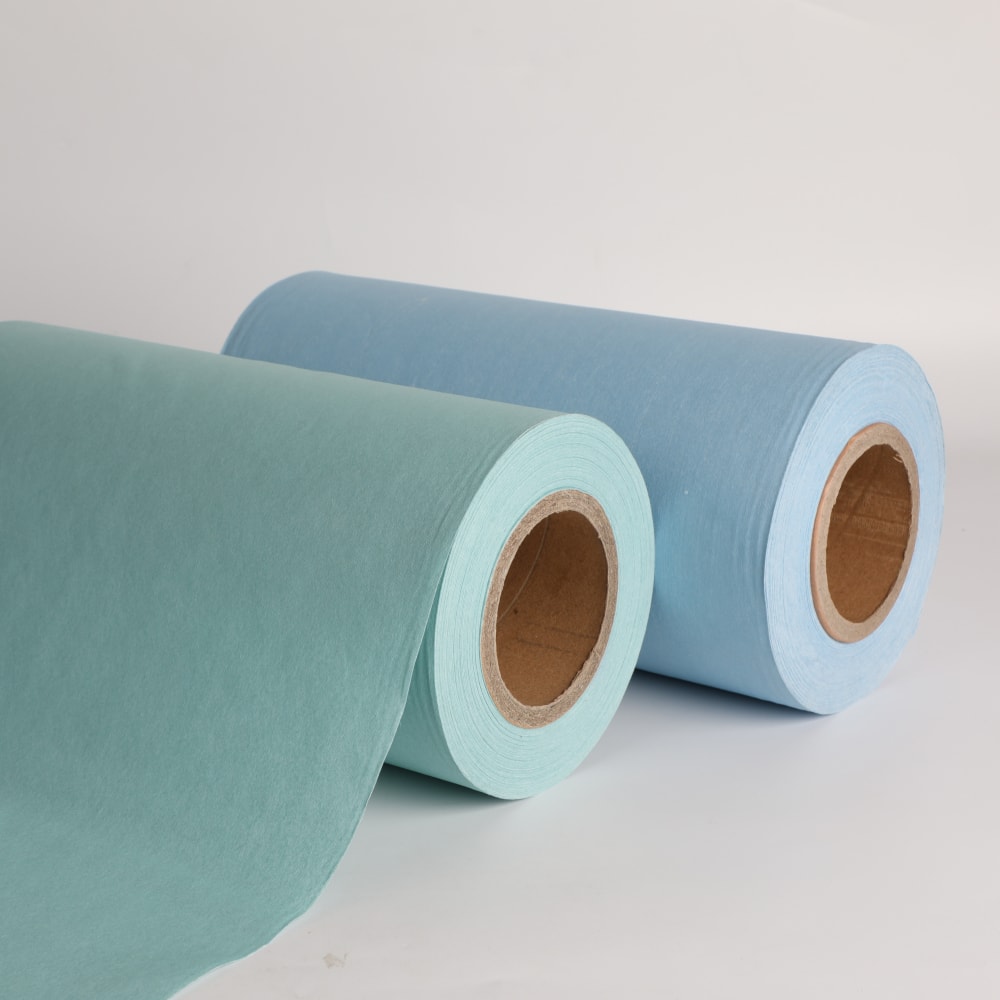
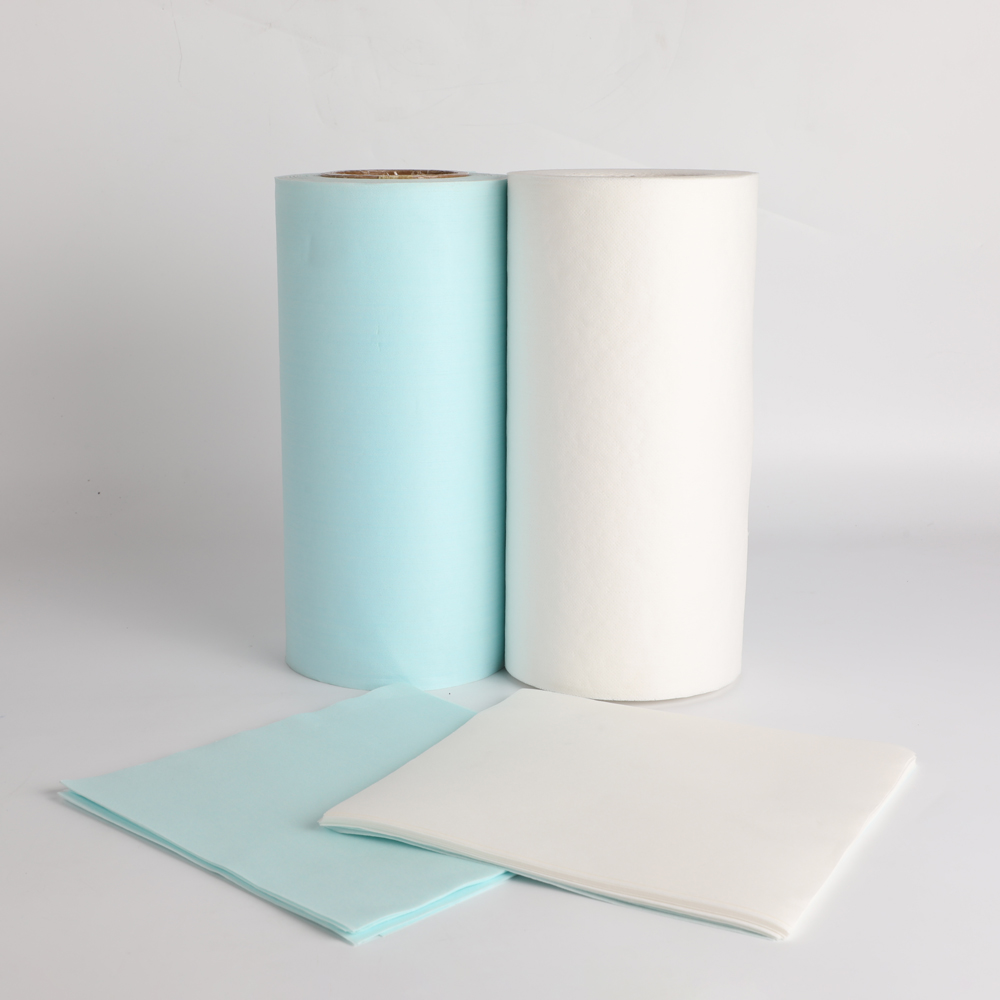
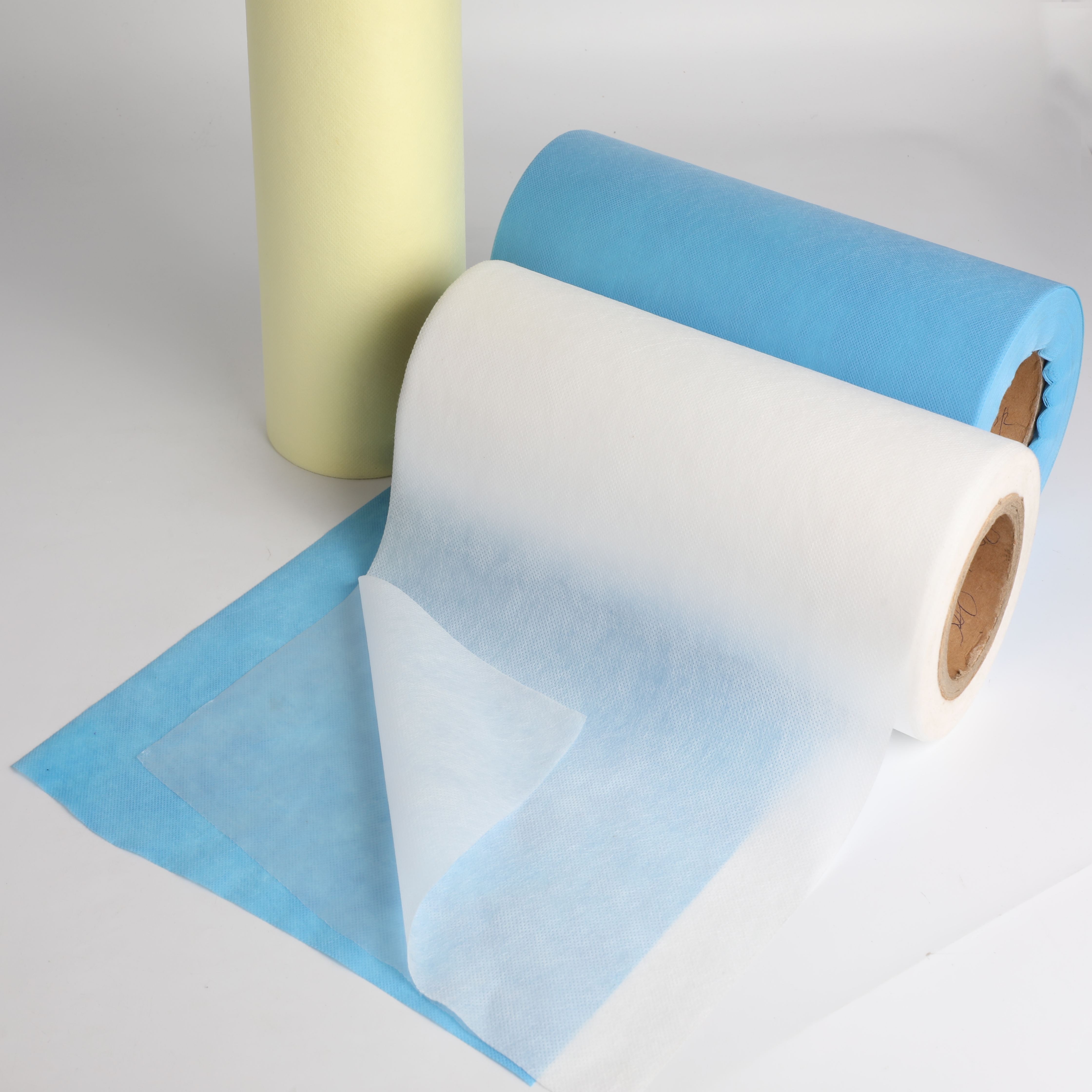
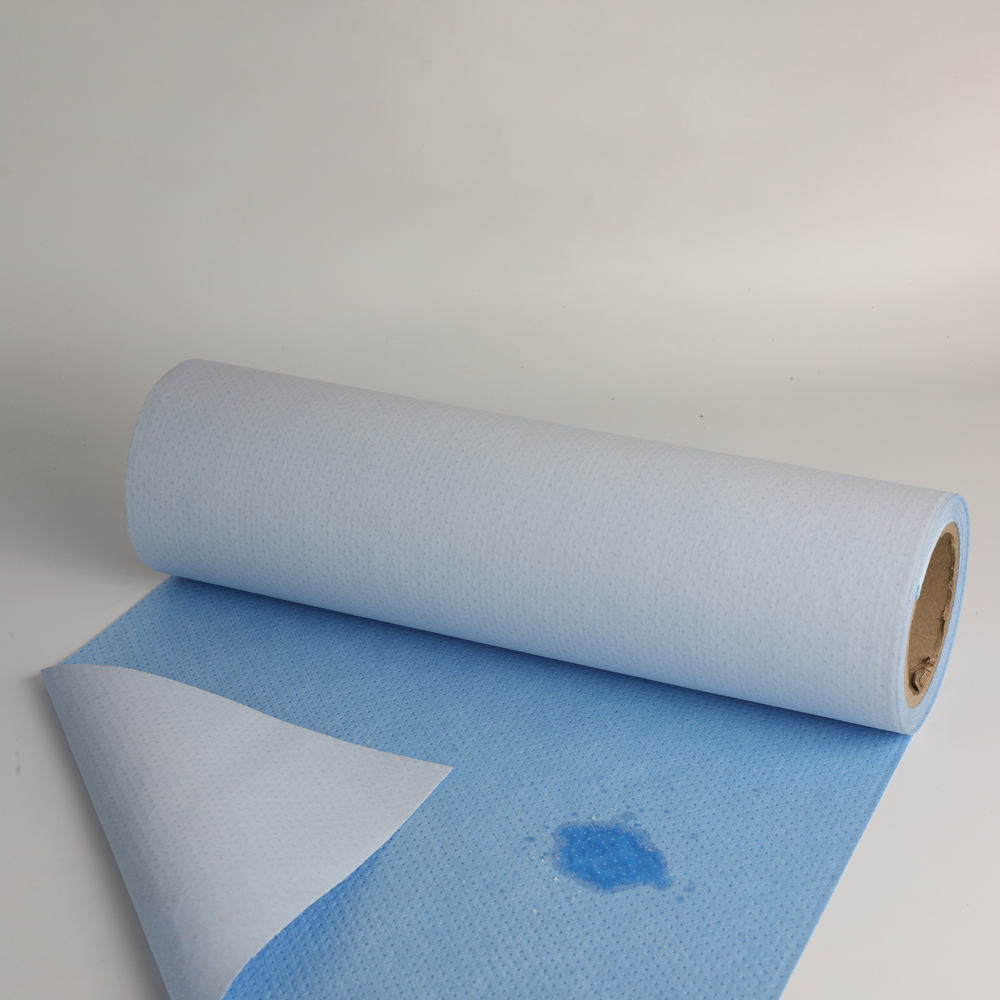
Water-repellent nonwoven fabric is designed to make liquid bead on its surface or run off rather than soak in quickly. Unlike a continuous plastic film, it usually has tiny spaces between fibers, which can allow air and vapor to pass through. The effect may come from fiber choice, surface treatment, fabric structure, or a combination of these. It is not waterproof.

This balance makes the material useful in disposable medical gowns, protective covers, hygiene products, and some agricultural applications. A gown, for example, may resist small splashes while remaining more breathable than a fully coated barrier. In a greenhouse, a cover can shed light rain but still need suitable strength and weather resistance. These are different jobs, so one fabric specification rarely fits them all.

When comparing products, check the test method, liquid type, exposure time, and fabric weight—not just the phrase “water repellent.” A quick spray test can show whether droplets bead, but it cannot prove performance during prolonged contact or pressure. Ask for test data that matches the intended use, and examine seams and edges as well as the fabric itself.

Treatments may lose effectiveness through abrasion, washing, or aging.

That detail is easy to overlook. A practical choice often involves trade-offs between repellency, breathability, softness, and cost.

How Water-Repellent Nonwovens Are Made and Tested

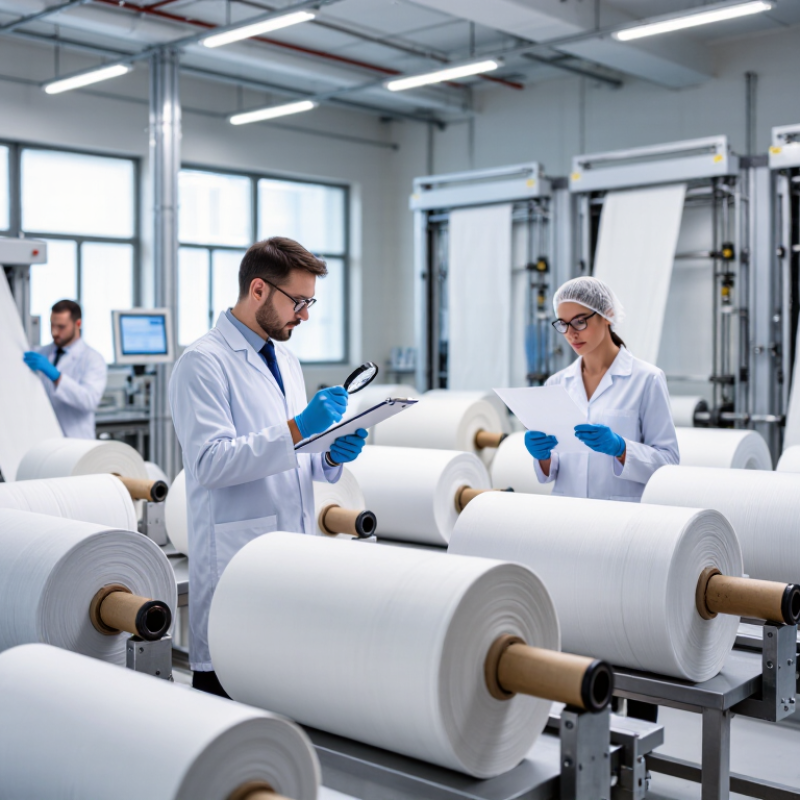
Water-repellent nonwovens are made by choosing a suitable web structure and controlling how water interacts with its fibers. Polypropylene fibers naturally resist water, while other fiber types may need a surface treatment. Manufacturers can apply a finish by spraying, padding, or foaming, then dry or cure the material. The treatment must cover the web evenly without blocking its pores. Small details matter. Uneven coating can leave visible wet spots.

Testing checks performance, not just appearance. A spray test directs water onto a specimen and rates how much wets or clings to its surface. Hydrostatic pressure testing measures how much water pressure the fabric withstands before leakage occurs. These tests answer different questions: a material may shed droplets well but still allow water through under pressure. Results also depend on specimen conditioning, test settings, and the way samples are cut.

Durability needs attention too. Abrasion, flexing, or laundering can weaken a finish, so testing before and after these stresses gives a clearer picture of service life. Contact-angle measurements can help assess surface behavior, but they do not replace whole-fabric tests. There is no single result that describes every use. A practical evaluation compares repeat samples and records the treatment level, web weight, and test conditions. This part is easy to overlook. It can make factory results harder to reproduce.

Criteria for Evaluating Chinese Nonwoven Manufacturers

When comparing Chinese nonwoven manufacturers, start with the end use: protective covers, packaging, or outdoor furniture need different performance. Ask whether the fabric is spunbond, SMS, or another structure, and specify its basis weight, width, color, and finish. For water repellency, request the test method and results, not a vague “waterproof” claim. A spray test evaluates surface wetting; hydrostatic pressure measures resistance to water penetration. They are not interchangeable.

Review how the supplier controls production between batches. Useful evidence includes incoming-fiber checks, treatment records, line-speed monitoring, and dated inspection reports. Ask for samples from separate production runs, then compare droplet beading, fabric weight, and appearance under the same conditions. Confirm defect procedures, applicable tolerances, production capacity, and delivery timelines. One impressive sample is not proof of stable output. Check whether technical staff can explain test results clearly; I might still overlook a detail without a written specification.

Tips: Send a written specification and ask the factory to mark any limits it cannot guarantee. Keep a retained sample for later comparison. Small details matter.

China Top 10 Water Repellent Nonwoven Manufacturers - Criteria for Evaluating Chinese Nonwoven Manufacturers Supplier evaluation framework — suggested criteria and weightings, not company-specific ratings or rankings.
Evaluation Criterion Weight What to Assess Evidence to Request
Water repellency performance 18% Whether the fabric meets the buyer’s specified spray-rating or surface-wetting requirements, including after any required conditioning or treatment. Recent test reports identifying the method, test conditions, sample construction, and results. AATCC 22 and ISO 4920 are commonly used spray-test methods; confirm the required method with the buyer.
Product specification control 12% Ability to manufacture to the agreed fiber composition, basis weight, thickness, width, color, and finish tolerances. Product data sheets, agreed tolerances, inspection records, and test results. ISO 9073-1 covers determination of mass per unit area for nonwovens.
Mechanical properties 12% Strength and elongation appropriate to the intended converting process and end use, assessed in both machine and cross directions where relevant. Test reports using an agreed method. ISO 9073-3 covers determination of tensile strength and elongation of nonwovens.
Production capability 10% Whether available processes, equipment, working widths, and production capacity match the requested material structure and order volume. Process flow, equipment and capacity details, production planning information, and confirmation that the requested construction can be made on the stated line.
Quality management and consistency 10% Whether documented controls are used for incoming materials, in-process production, finished goods, nonconformities, and corrective actions. Quality procedures, batch inspection records, sample certificates, and current third-party management-system certificates where applicable; verify certificate scope and validity.
Water resistance and related properties 8% Additional liquid-barrier requirements, if relevant to the application. Water repellency and resistance to water penetration are distinct properties and should be specified separately. Application-specific test reports. ISO 811 is a method for determining resistance to water penetration under hydrostatic pressure; use it only when that property is required.
Chemical and regulatory documentation 8% Whether the product and its treatments meet the chemical, product-safety, and market-access requirements applicable to the destination and intended use. Current, product-relevant declarations and test reports, with the applicable regulation or customer restricted-substance list identified. Requirements vary by market and end use.
Customization and technical support 7% Ability to discuss and sample requested changes to basis weight, width, color, fiber blend, or water-repellent treatment, subject to production feasibility. Written specification review, sample plans, technical responses, and documented approval of pre-production samples.
Traceability and documentation 7% Ability to connect finished rolls or lots to production and inspection records and to provide clear packing and shipment documentation. Sample lot labels, batch records, inspection documents, packing lists, and the supplier’s process for handling traceability requests.
Delivery and commercial reliability 8% Whether quoted lead times, minimum order quantities, packaging, and shipping terms are clear and suitable for the purchasing plan. Written quotations, confirmed production and shipment schedules, packaging specifications, and records of delivery performance where available.
Suggested total weighting 100% Use the weightings as a starting point and adjust them to the product application, destination-market requirements, and buyer priorities.

Profiles of China's Top 10 Water-Repellent Nonwoven Manufacturers

Profiles of China’s top ten water-repellent nonwoven manufacturers should compare production methods, testing, and end uses—not just headline capacity. China Industrial Textiles Industry Association’s 2023 industry review reported about 8.14 million tonnes of nonwoven production nationwide. That scale supports a broad supplier base, but it does not guarantee consistent repellency or quality.

The ten profiles can distinguish spunbond and SMS producers from needle-punched and composite-material specialists. Look for practical details: fabric weight, surface treatment, roll-width options, and documented spray-test results. AATCC 22 and ISO 4920 are commonly used to assess surface water repellency. A passing result indicates resistance to wetting; it does not, by itself, prove that fabric is waterproof. Details matter.

Strong profiles also explain how manufacturers control variation between batches and whether testing covers finished fabric. A sample may bead water under a quick demonstration yet perform differently after handling or aging. Ask for test conditions and recent records, not only a product sheet. Public information is uneven, and rankings can hide that gap. This comparison is useful, but it should not be mistaken for an independent factory audit.

Applications and Trends in China's Water-Repellent Nonwoven Industry

In China, water-repellent nonwovens are used in hygiene products, medical gowns, agricultural covers, and building materials. Their job is often to slow surface wetting, not to make fabric fully waterproof. That distinction matters. A lightweight spunbond sheet may shed droplets while still allowing air to pass through. For a greenhouse cover, that balance can help manage moisture; for protective apparel, seam design and material structure also affect performance. A finish alone cannot guarantee a complete barrier.

Current development focuses on fluorine-free treatments, consistent coating, and lower material use. Buyers also look for fabrics that retain useful repellency after handling or exposure to moisture. Small details matter. Production teams may check spray performance, air permeability, weight, and strength across several rolls, since uneven treatment can create weak areas. Testing should match the intended application, rather than rely on one rating. Reuse and recycling remain harder questions, especially when finishes complicate material recovery. Progress is real, but not uniform; a cheaper, lighter fabric may lose performance sooner, and that trade-off deserves closer evaluation.

China Top 10 Water Repellent Nonwoven Manufacturers — Applications and Trends

A technical reference for interpreting water repellency—not a manufacturer ranking or a market-size chart.

AATCC TM22 uses discrete spray ratings to assess surface wetting. Higher ratings indicate less visible wetting. Actual performance depends on the fabric, finish, and test conditions; these ratings do not represent the performance of any specific manufacturer or product.