Top Uses of Lamination Nonwoven Fabric in Global Markets?
Lamination Nonwoven Fabric is transforming various global markets. This innovative material offers unique benefits, impacting multiple sectors like healthcare and automotive. According to a recent report by MarketsandMarkets, the global nonwoven fabric market is expected to reach USD 50 billion by 2026, growing at a CAGR of 7.5%. This growth highlights the material’s versatility and relevance in modern applications.
In healthcare, Lamination Nonwoven Fabric serves vital roles in producing surgical gowns and masks. It provides barriers against contaminants while ensuring comfort and breathability. In the automotive industry, this fabric is utilized in insulation and filtration systems. The lightweight nature of Lamination Nonwoven Fabric improves vehicle efficiency and sustainability. Yet, the challenges in sourcing sustainable raw materials remain a concern.
Furthermore, while Lamination Nonwoven Fabric is gaining traction, market stakeholders must consider performance versus environmental impact. Balancing innovation with sustainability is essential. As market demands evolve, ongoing research and development will influence future uses and applications of Lamination Nonwoven Fabric, paving the way for a greener approach in its production and use.
Applications of Lamination Nonwoven Fabric in the Medical Sector
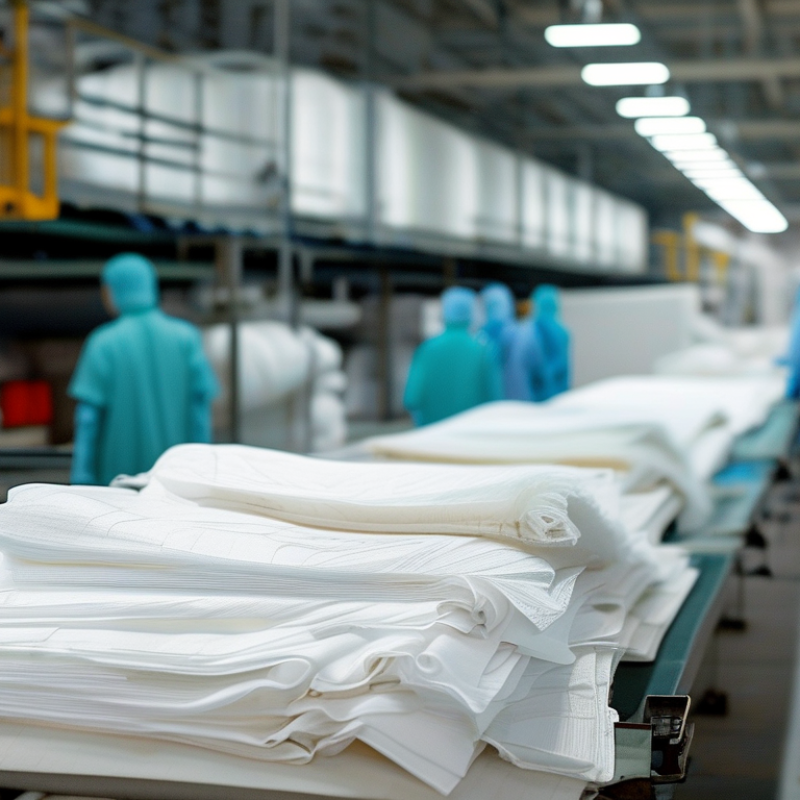
Lamination nonwoven fabric plays a vital role in the medical sector. Its unique properties make it ideal for applications that require hygiene and durability. Medical gowns, masks, and drapes often utilize this fabric. It provides a barrier against fluids while remaining breathable. This feature is essential for healthcare workers and patients alike.
In surgical settings, lamination nonwoven fabric helps maintain a sterile environment. The fabric prevents the penetration of bacteria, reducing infection risks. It also offers comfort and flexibility, crucial for medical staff's mobility. The ability to customize thickness and texture further enhances its applicability in various medical products.
**Tip:** When selecting lamination nonwoven fabric for medical use, consider the thickness and barrier properties. Ensure the material meets the required safety standards.
However, it’s important to reflect on the environmental impact of nonwoven fabrics. While they offer many benefits, some processes can lead to waste. The industry needs to focus on sustainable practices. Innovating recycling methods could mitigate some of the environmental concerns associated with widespread use.
**Tip:** Look for fabrics that prioritize eco-friendly production processes. Awareness in choosing materials can lead to better environmental outcomes.
Top Uses of Lamination Nonwoven Fabric in Global Markets - Applications of Lamination Nonwoven Fabric in the Medical Sector
| Application |
Description |
Benefits |
Market Segment |
| Surgical Masks |
Disposable masks used to reduce the risk of contamination. |
High filtration efficiency, breathable, and cost-effective. |
Healthcare |
| Gowns |
Protective clothing worn during medical procedures. |
Water-resistant, durable, and easy to dispose of. |
Surgical and Infection Control |
| Caps |
Head coverings to maintain sterility in medical settings. |
Comfortable fit, lightweight, and prevents hair fall into sterile areas. |
Operating Rooms and Laboratories |
| Wound Dressings |
Nonwoven fabrics used to protect wounds and promote healing. |
Moisture absorption, breathability, and reduced risk of infection. |
Medical and Pharmaceutical |
| Bed Liners |
Protective sheets for patient beds to maintain hygiene. |
Waterproof, lightweight, and easy to change. |
Long-term Care Facilities |
Market Analysis: Growth of Lamination Nonwoven Fabric in Textiles
The global market for lamination nonwoven fabric is witnessing significant growth, particularly in the textiles sector. According to a recent industry report, the nonwoven fabric market is expected to reach USD 38 billion by 2026, growing at a CAGR of 6.8%. This growth can be attributed to the increasing demand for lightweight and durable materials in various applications, including clothing and protective wear.
Lamination nonwoven fabrics offer a unique combination of strength and flexibility. They are widely used in the production of geotextiles, hygiene products, and medical supplies. In textiles, their ability to enhance barrier properties aids in moisture control and breathability, appealing to both manufacturers and consumers. Notably, more than 45% of the market share in nonwoven fabrics comes from the hygiene segment, emphasizing their importance in everyday textiles.
However, there are challenges to consider. The environmental impact of nonwoven fabrics is under scrutiny. Many manufacturers are exploring more sustainable materials to address these concerns. Additionally, the volatility in raw material prices can affect production costs, making price stability a pressing issue. Evaluating these factors is crucial for industry stakeholders moving forward.
Lamination Nonwoven Fabric in Packaging: Trends and Projections
Lamination nonwoven fabric is transforming the packaging sector globally. Its lightweight and durable qualities make it an attractive option for various applications. According to a report by Smithers Pira, the global market for nonwoven fabrics is projected to reach $54 billion by 2025, with lamination technologies playing a key role in this growth. Manufacturers are increasingly exploring eco-friendly laminating options to meet sustainability goals.
In packaging, lamination nonwoven fabric offers barrier properties that enhance product protection. It is widely used for food packaging, pharmaceutical items, and personal care products. A study by Technavio forecasts a compound annual growth rate (CAGR) of 7% for the nonwoven fabric segment in the packaging industry from 2023 to 2027. This surge is partly driven by rising consumer demands for convenience and longer shelf life.
Despite the positive trends, there are challenges in adopting laminated nonwoven solutions. Recycling these materials remains a significant issue. Many end-users grapple with proper disposal methods. Additionally, the industry faces scrutiny over the environmental impact of laminated products. Continuous innovation and regulation compliance are essential for addressing these concerns and maximizing the potential of lamination nonwoven fabrics in packaging.
Impact of Lamination Nonwoven Fabrics on Automotive Industry Efficiency
The automotive industry greatly benefits from lamination nonwoven fabrics.
These materials are lightweight, durable, and offer excellent sound insulation. A recent report indicates that the use of nonwoven fabrics in automotive applications has grown by 25% in the past five years. This surge is due to the increasing demand for fuel-efficient vehicles. Lamination techniques enhance the performance of these fabrics, making them ideal for various automotive components.
Applications include interior linings, sound-deadening materials, and insulation. The laminated nonwoven fabrics help reduce vehicle weight, which improves fuel economy. Furthermore, they contribute to a quieter cabin, enhancing user experience. However, there are challenges. Quality control in the lamination process is crucial. Inconsistent lamination can lead to weak points in the fabric, potentially affecting vehicle safety.
Another aspect to consider is the production waste from lamination processes. While advancements are being made, there is still room for improvement in sustainability practices. A 2022 study highlighted that reducing waste in nonwoven fabric production can cut costs by up to 15%. This illustrates the importance of efficiency in the lamination process. Continuous innovation is essential for meeting the automotive industry's evolving needs.
Sustainability Considerations in Using Lamination Nonwoven Fabrics
Lamination nonwoven fabrics are gaining attention for their sustainability. Their production often uses fewer resources compared to traditional fabrics. Many manufacturers explore eco-friendly materials to create these nonwovens. The rise of biodegradable options adds to their green appeal. However, the environmental impact varies based on materials used.
Recycling is another consideration. While some lamination nonwoven fabrics are recyclable, others aren’t. It’s crucial for manufacturers to develop materials that can be easily processed. This shift requires innovation and commitment. Awareness among consumers is also growing. Many seek products that align with sustainable practices.
Despite their benefits, challenges remain. The durability of nonwoven fabrics can lead to waste if not managed properly. Considerations must include both end-of-life options and resource use. Companies should continuously evaluate their processes. This reflection ensures that progress aligns with sustainability goals.

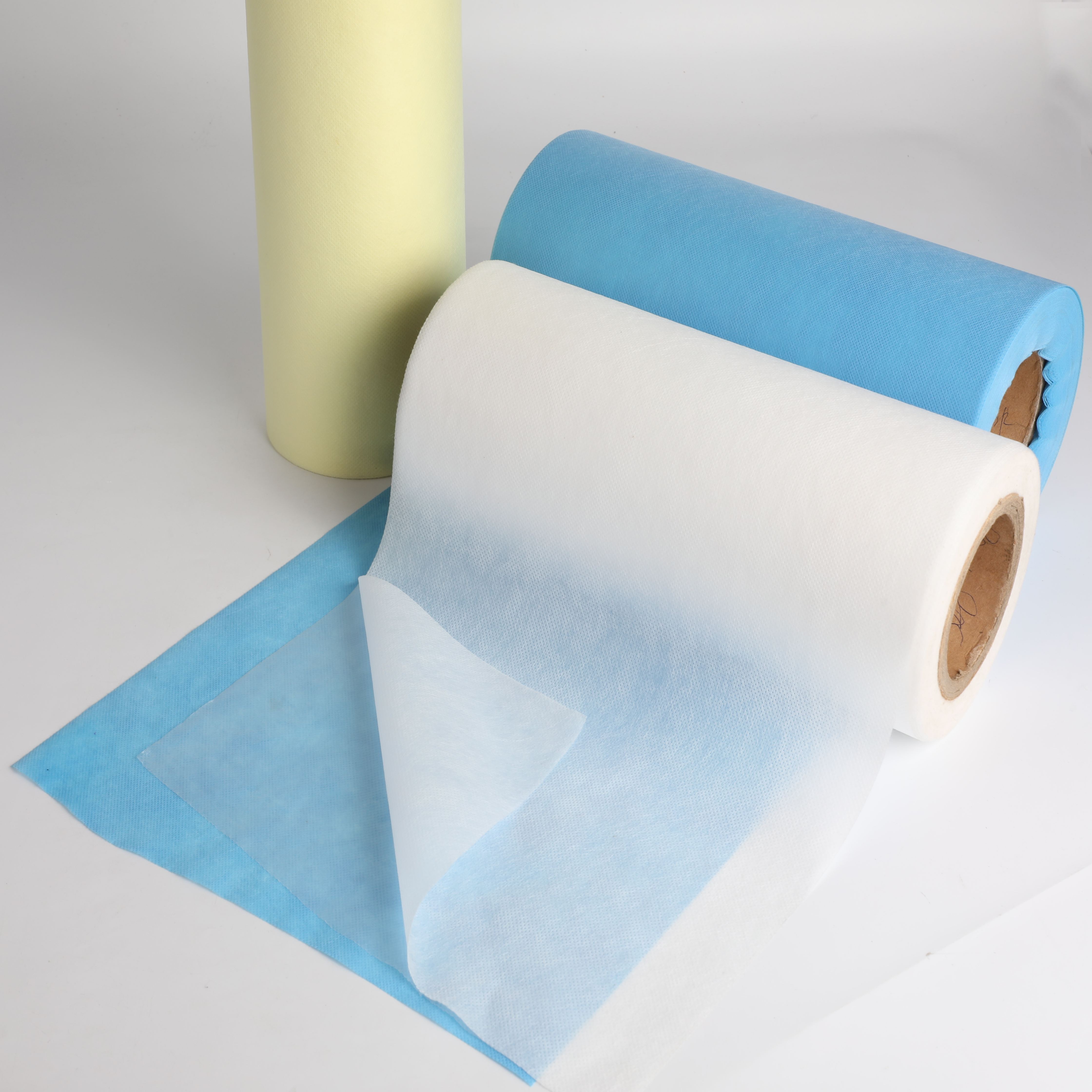 PP Laminates
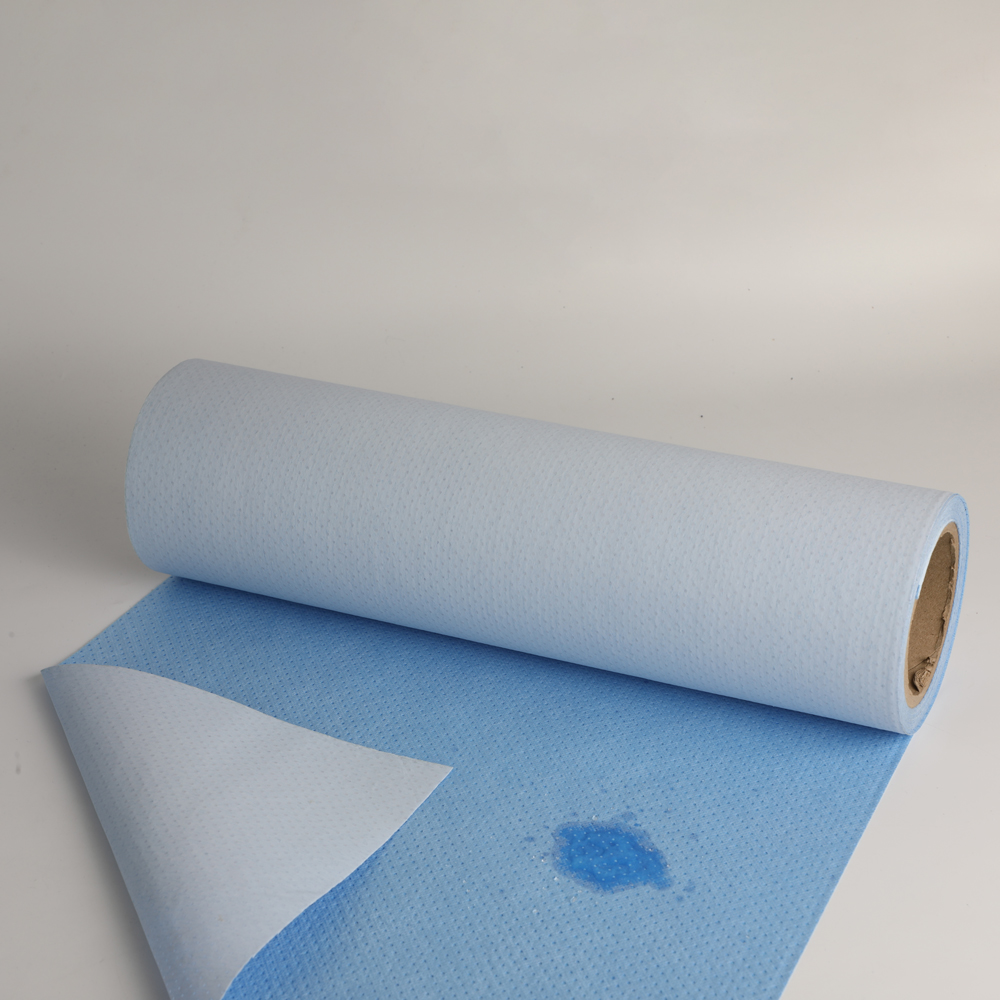 Multi Laminates
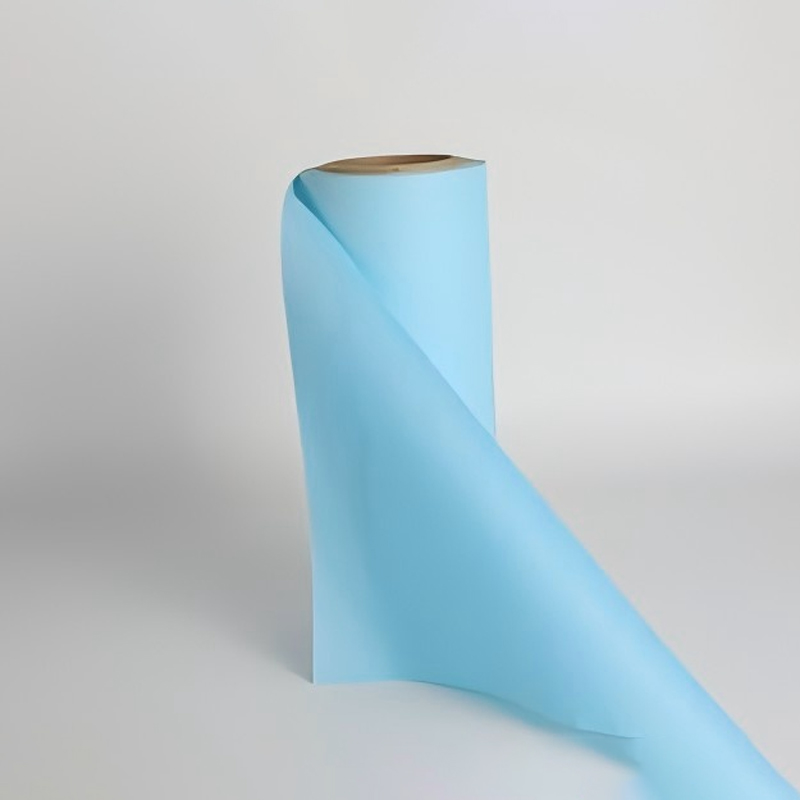 Spunlace Nonwoven Laminates
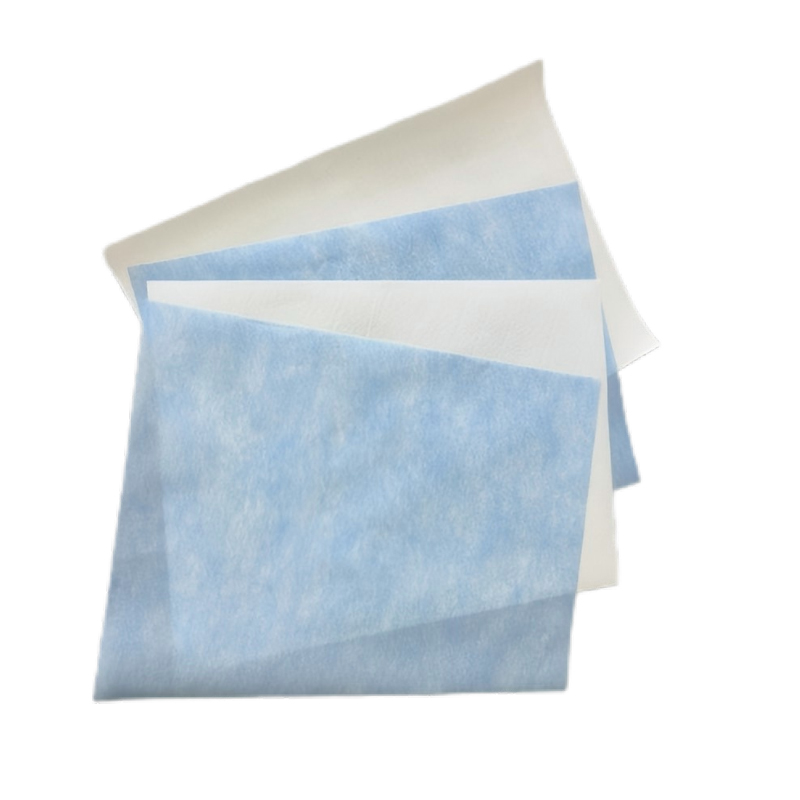 Breathable Film Laminates
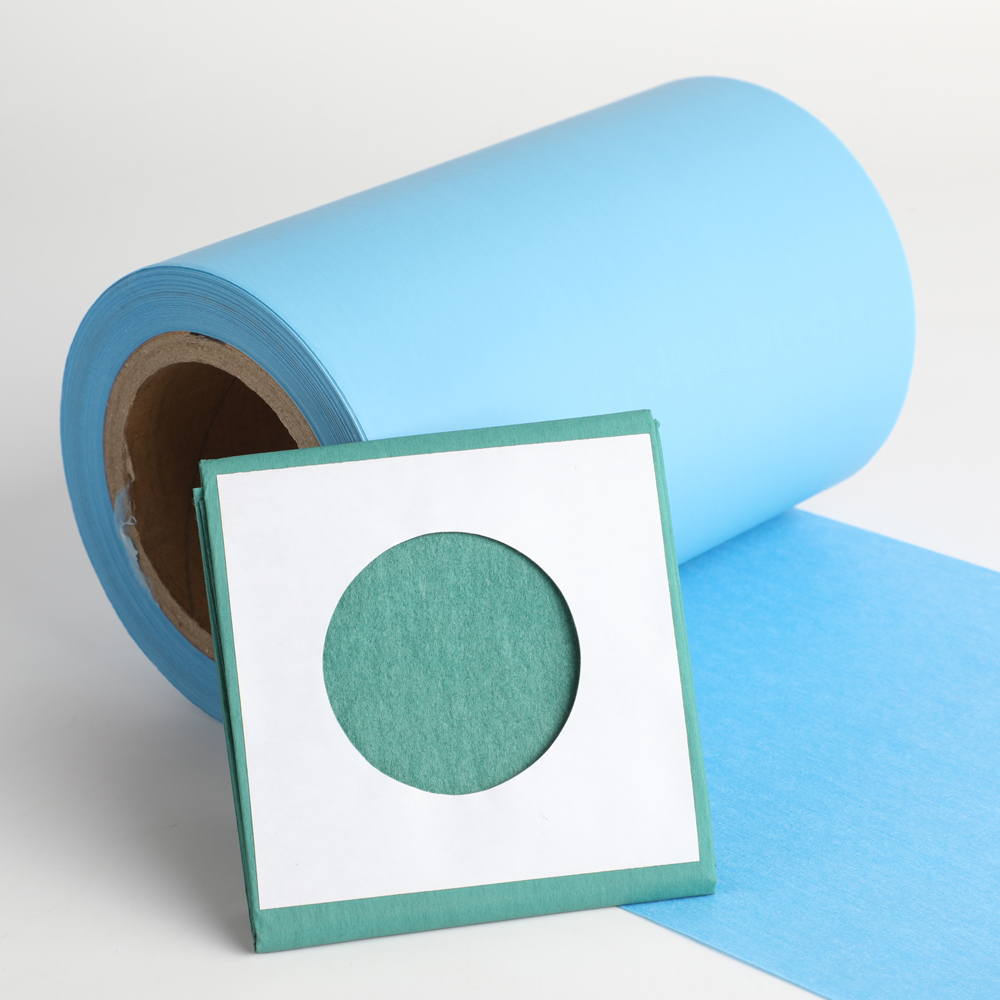 Viscose Laminates
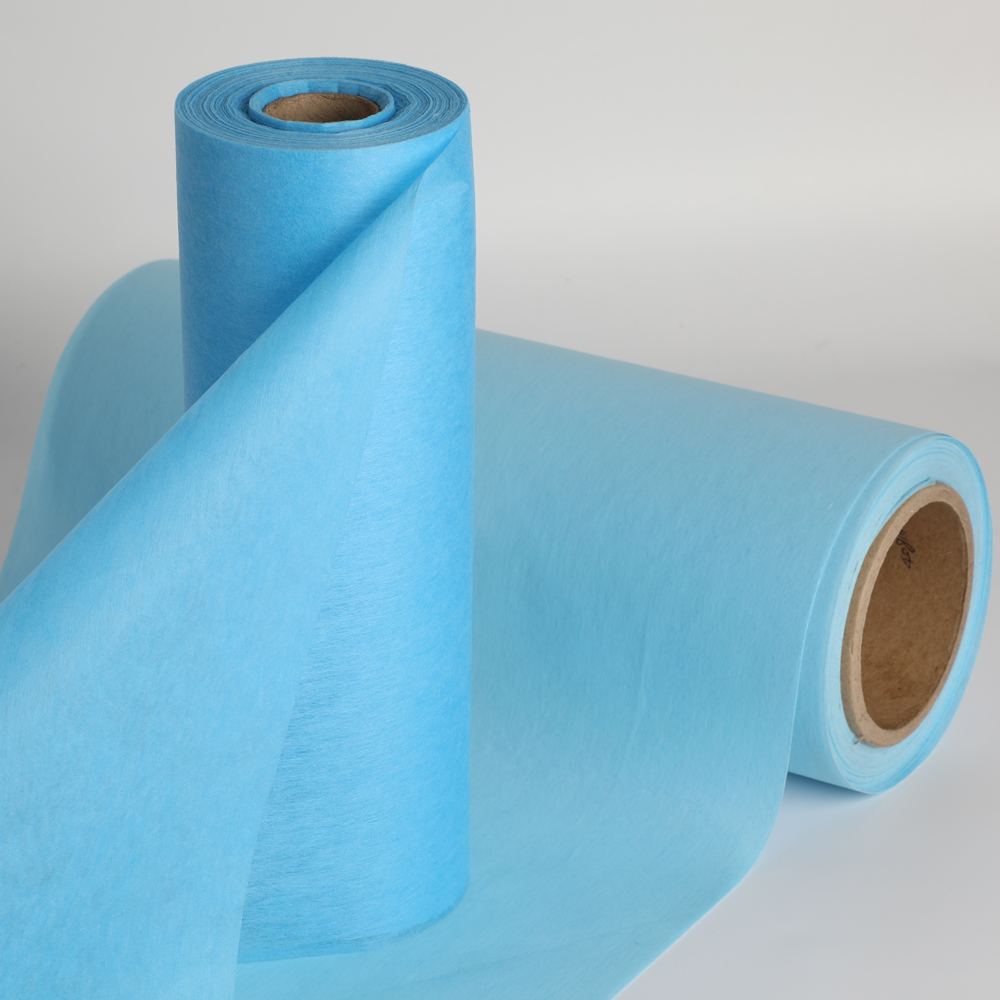 Medical Viscose Nonwoven
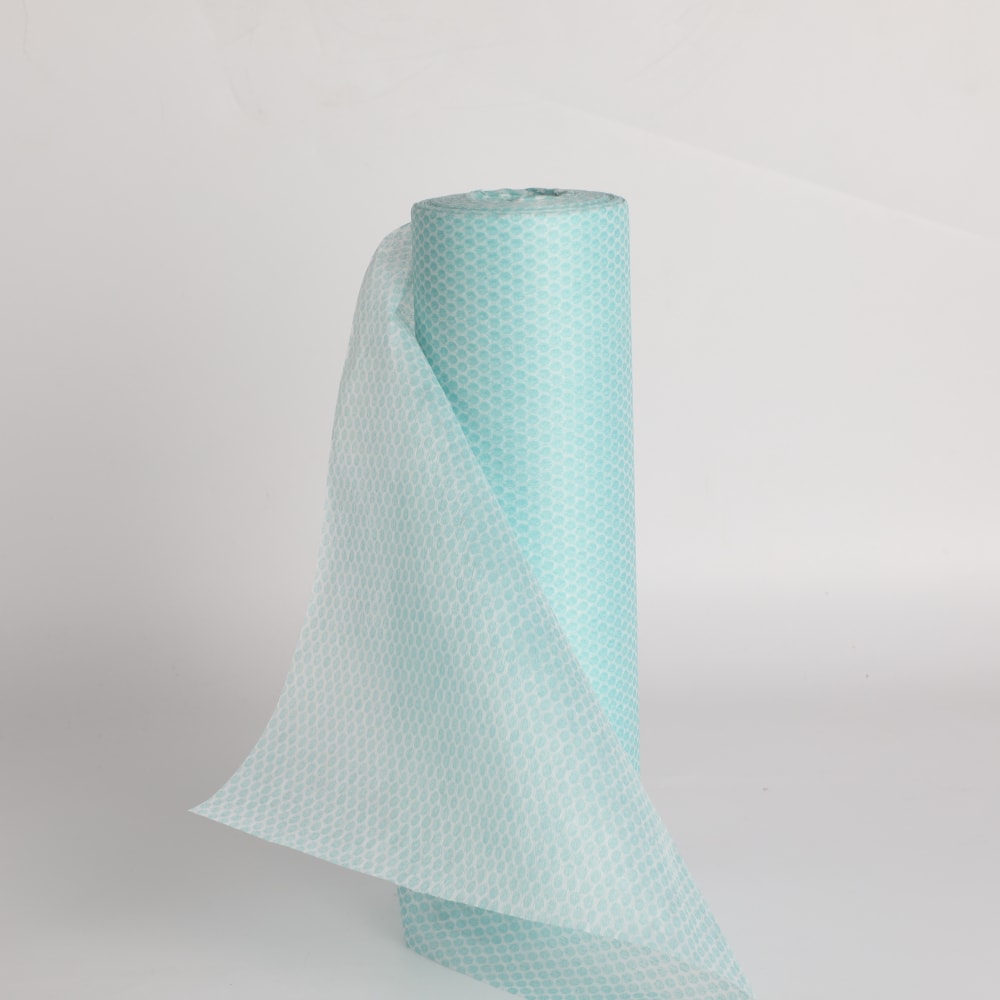 Head Wear Nonwoven
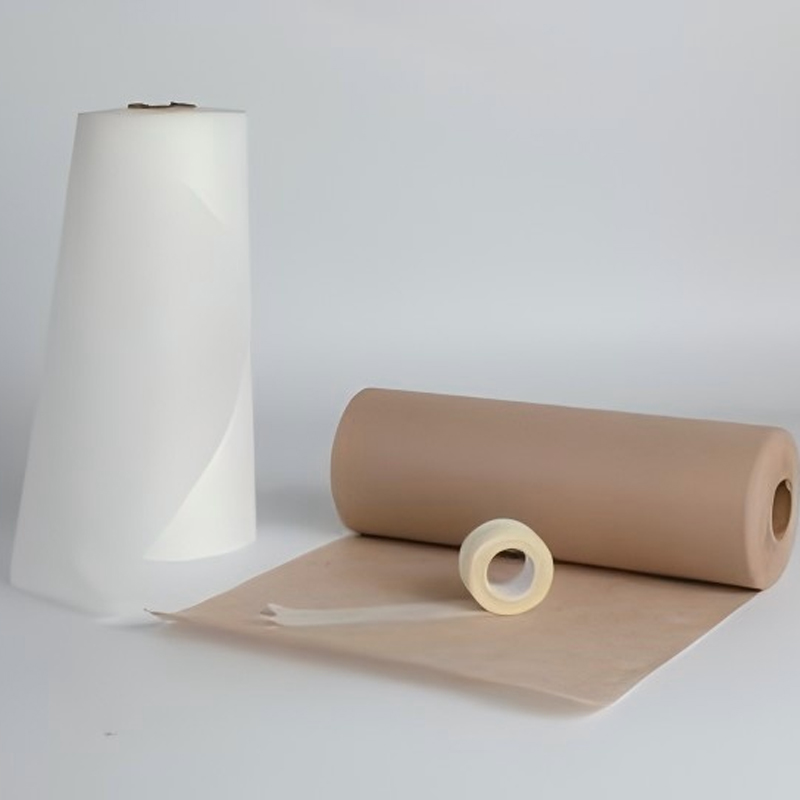 Medical Tape Nonwoven
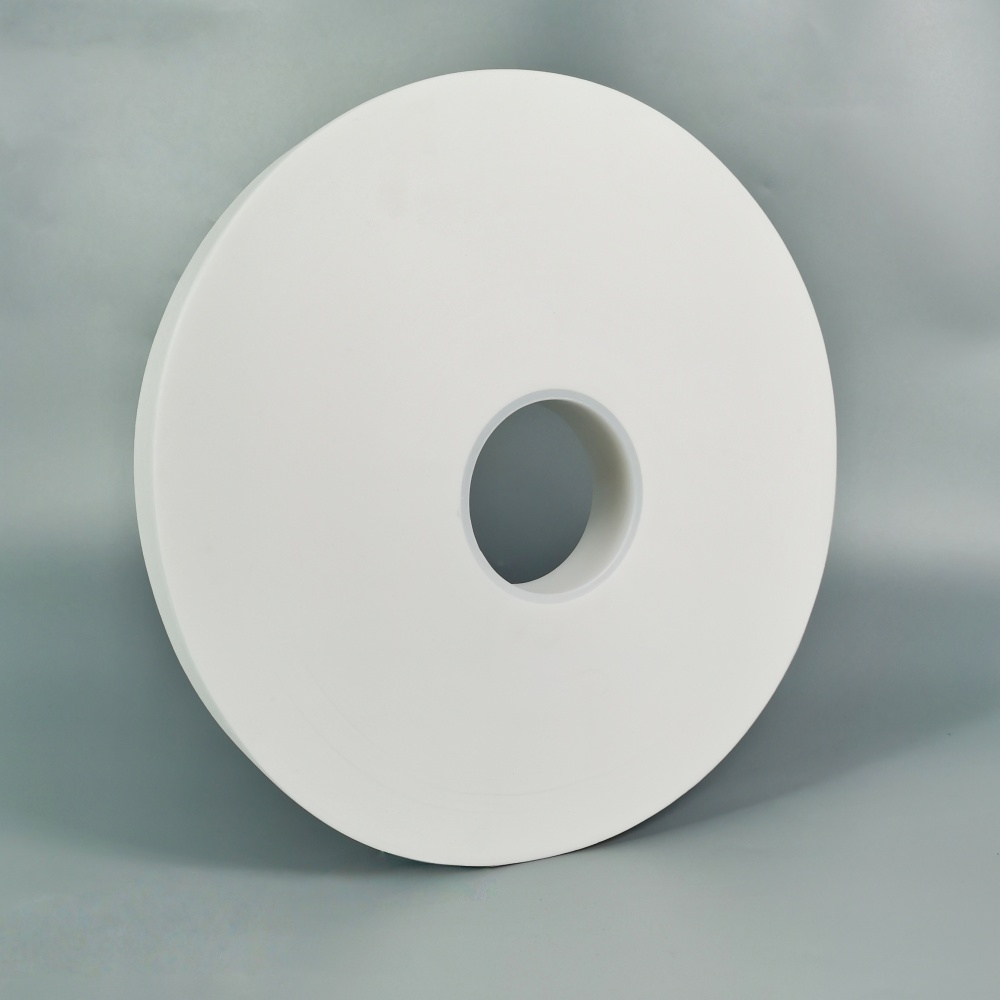 Snus Pouch Nonwoven
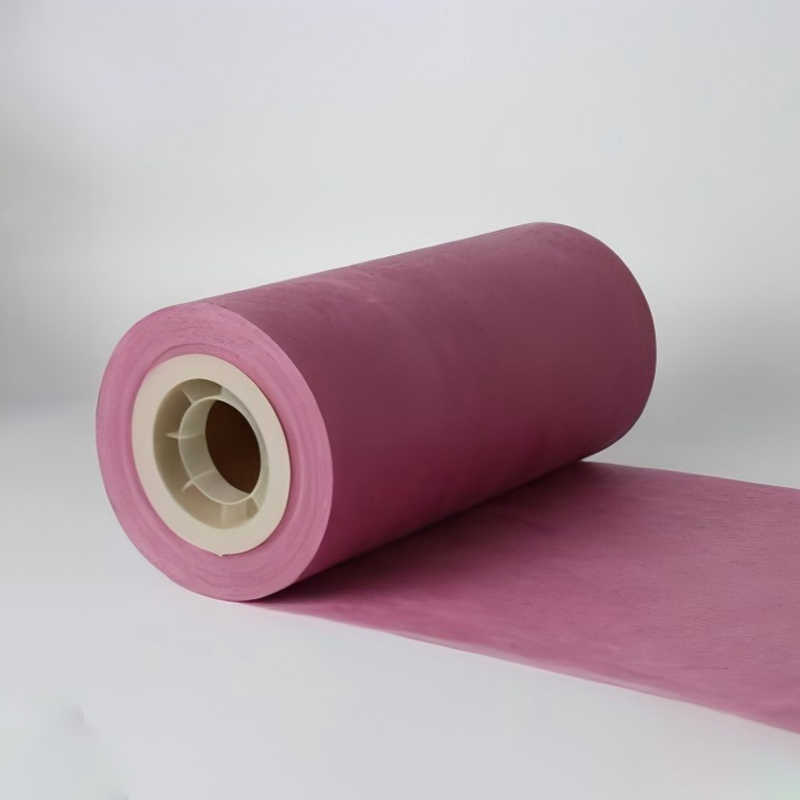 Filtration Nonwoven
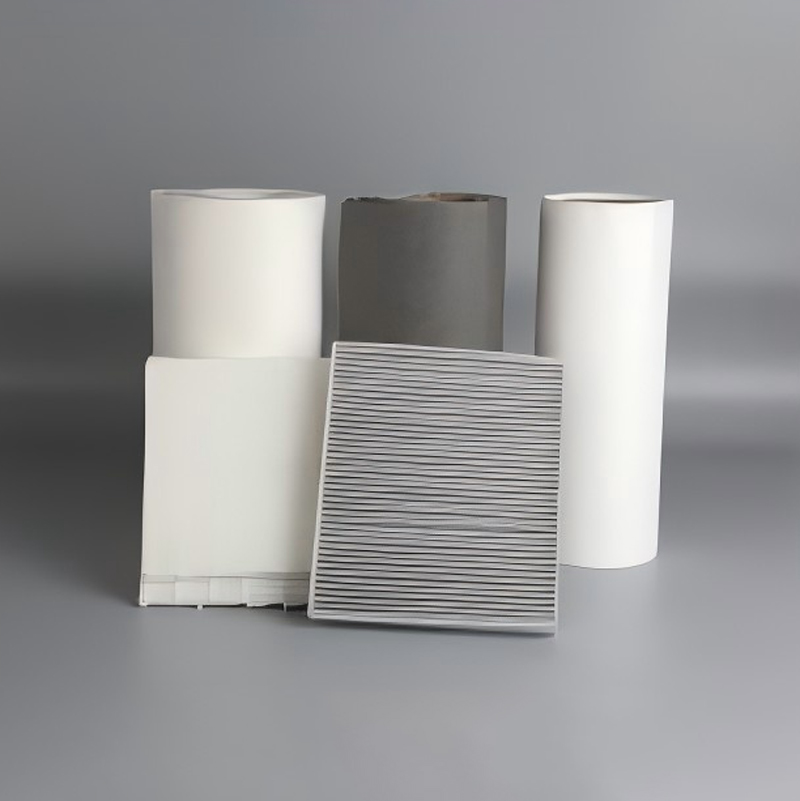 Air Filter Media
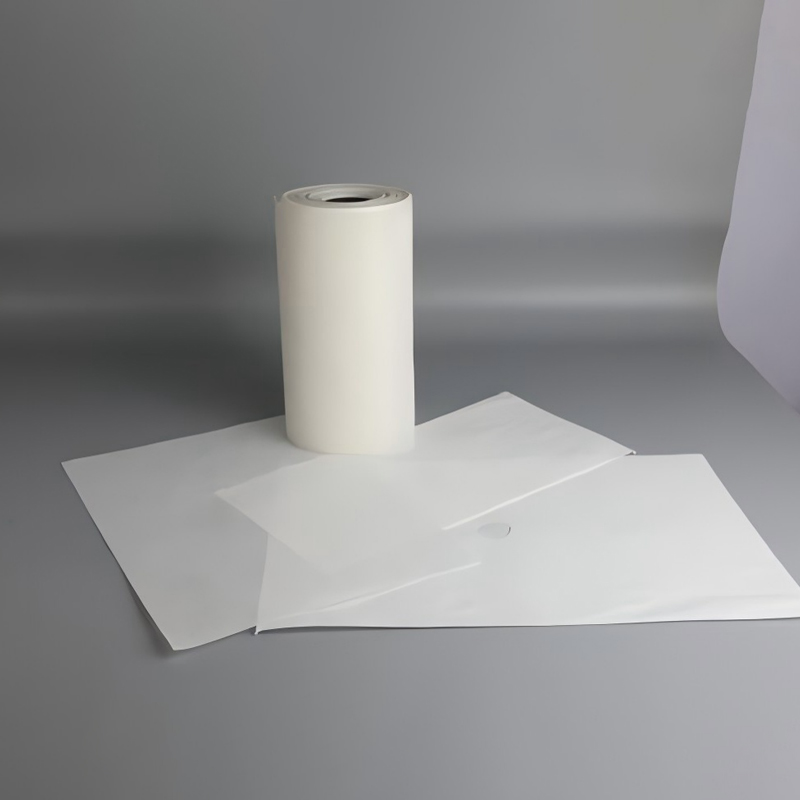 Liquid Filter Media
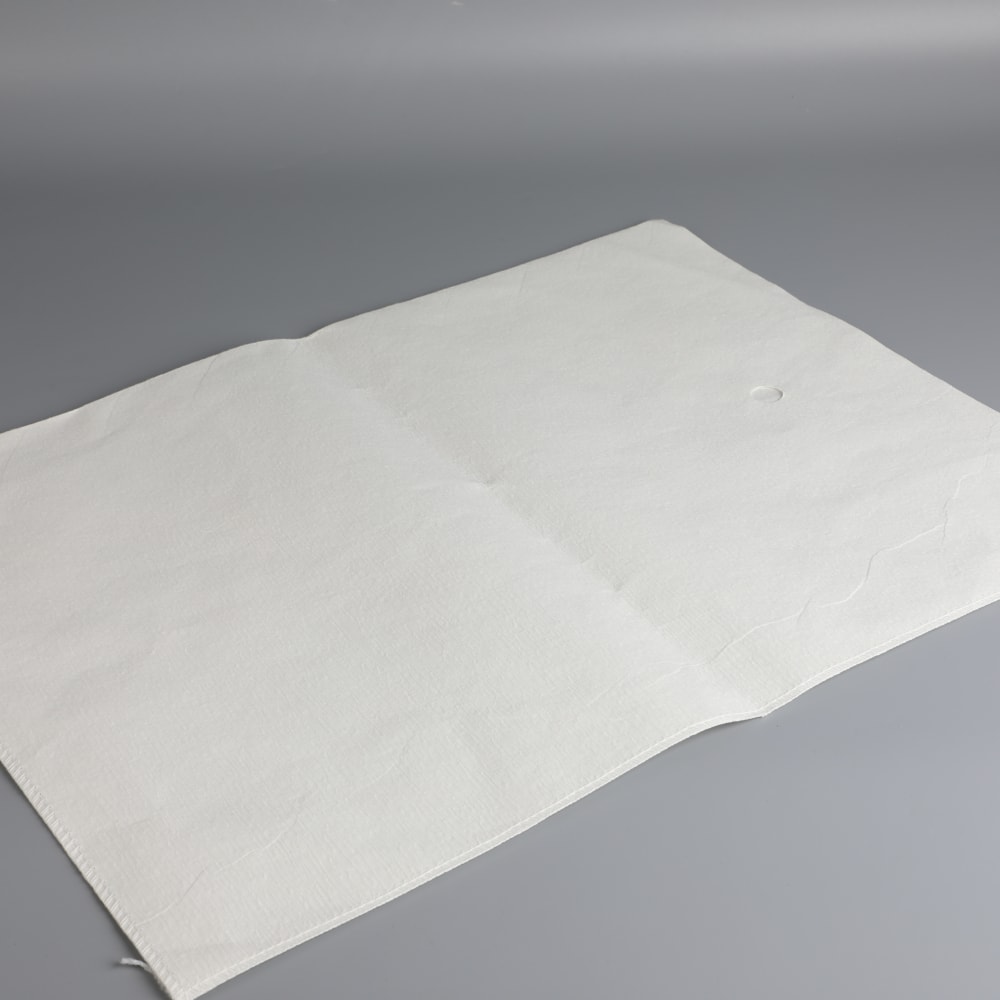 Filter Envelope & Filter Sheet
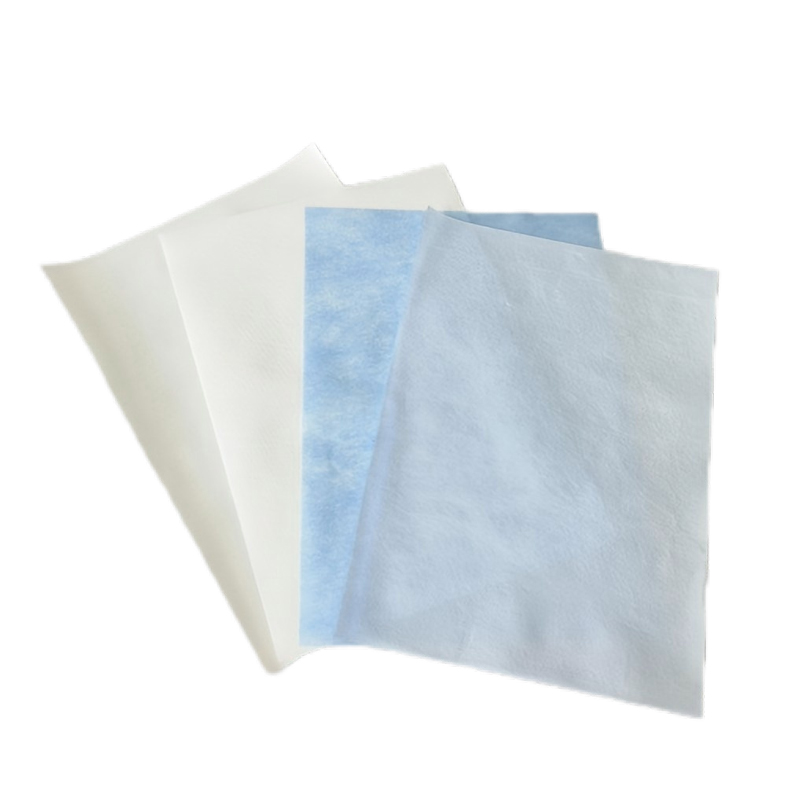 Breathable Film Laminates
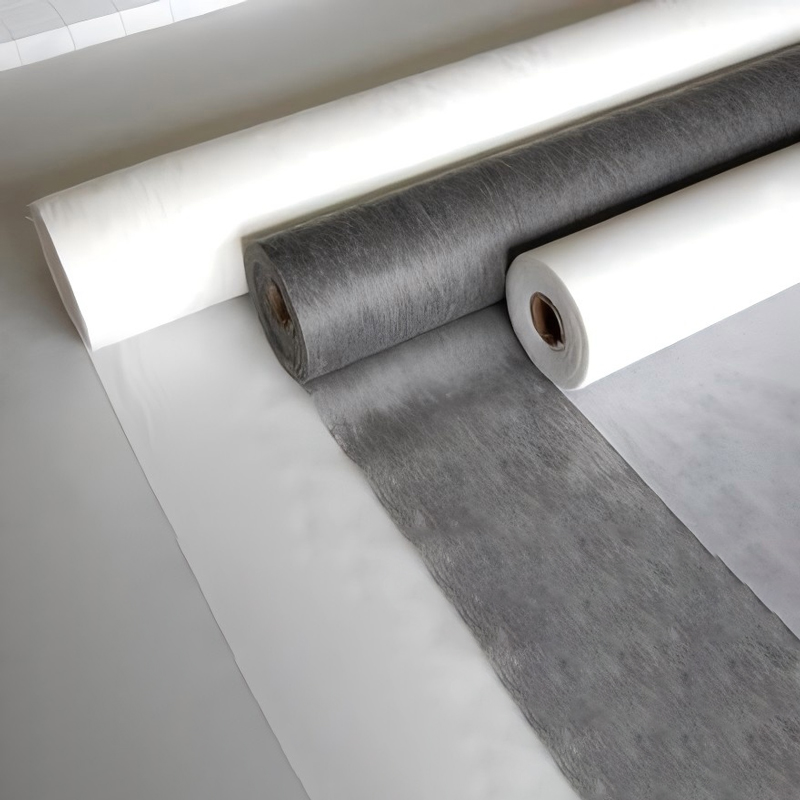 Nonwoven Interlining
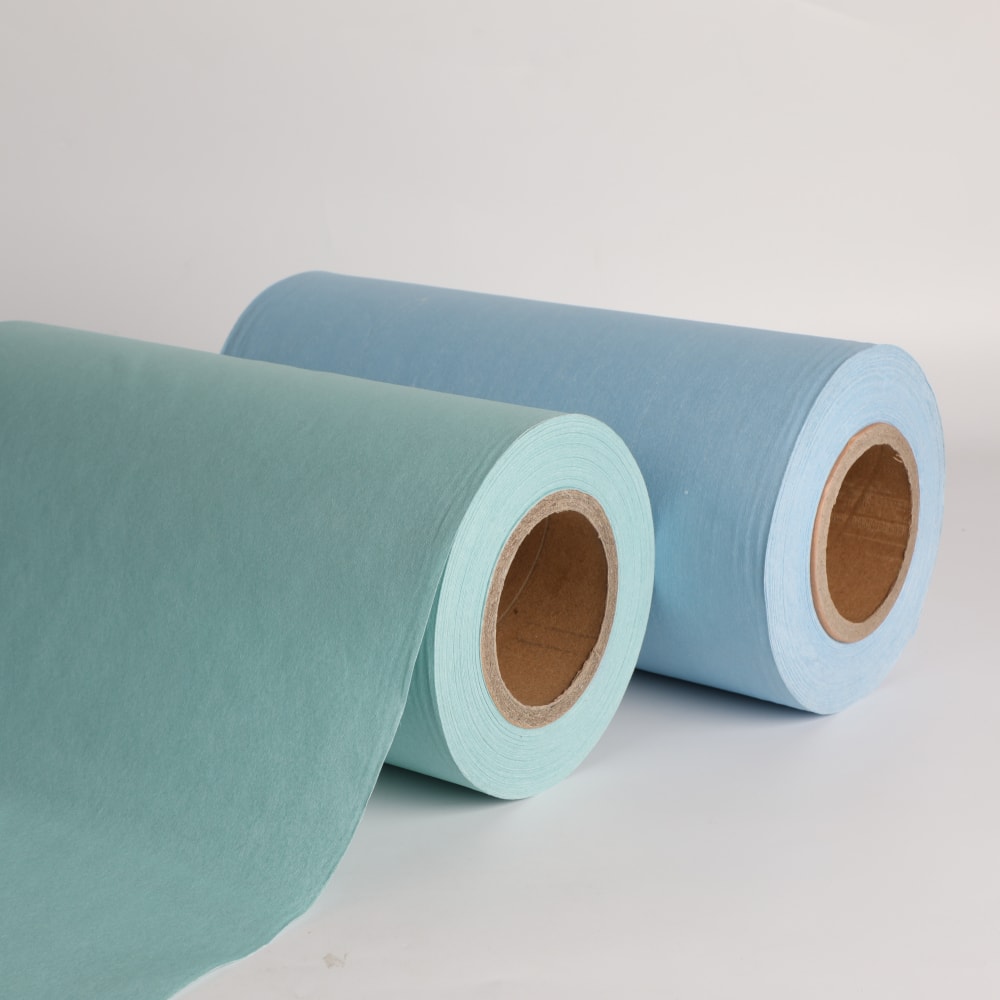 Fluid Repellent Woodpulp Spunlace Nonwoven
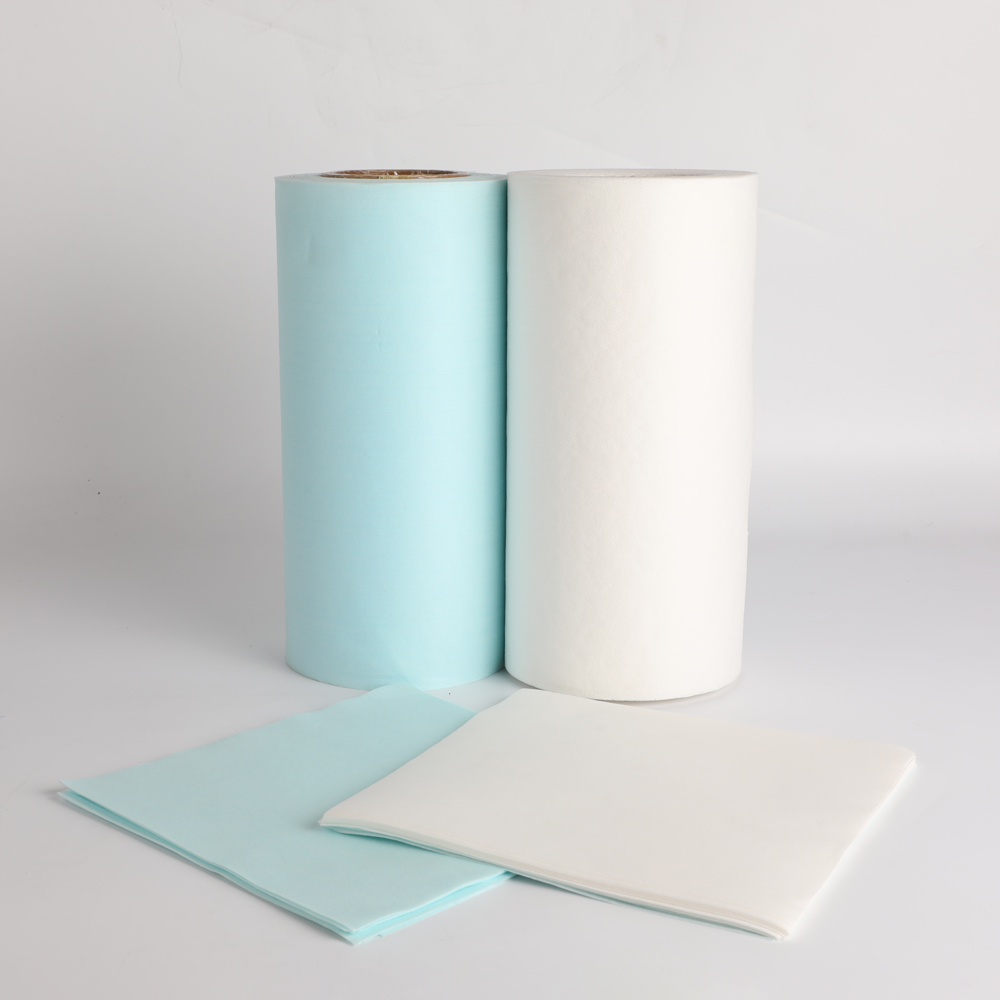 Woodpulp Nonwoven Wipe
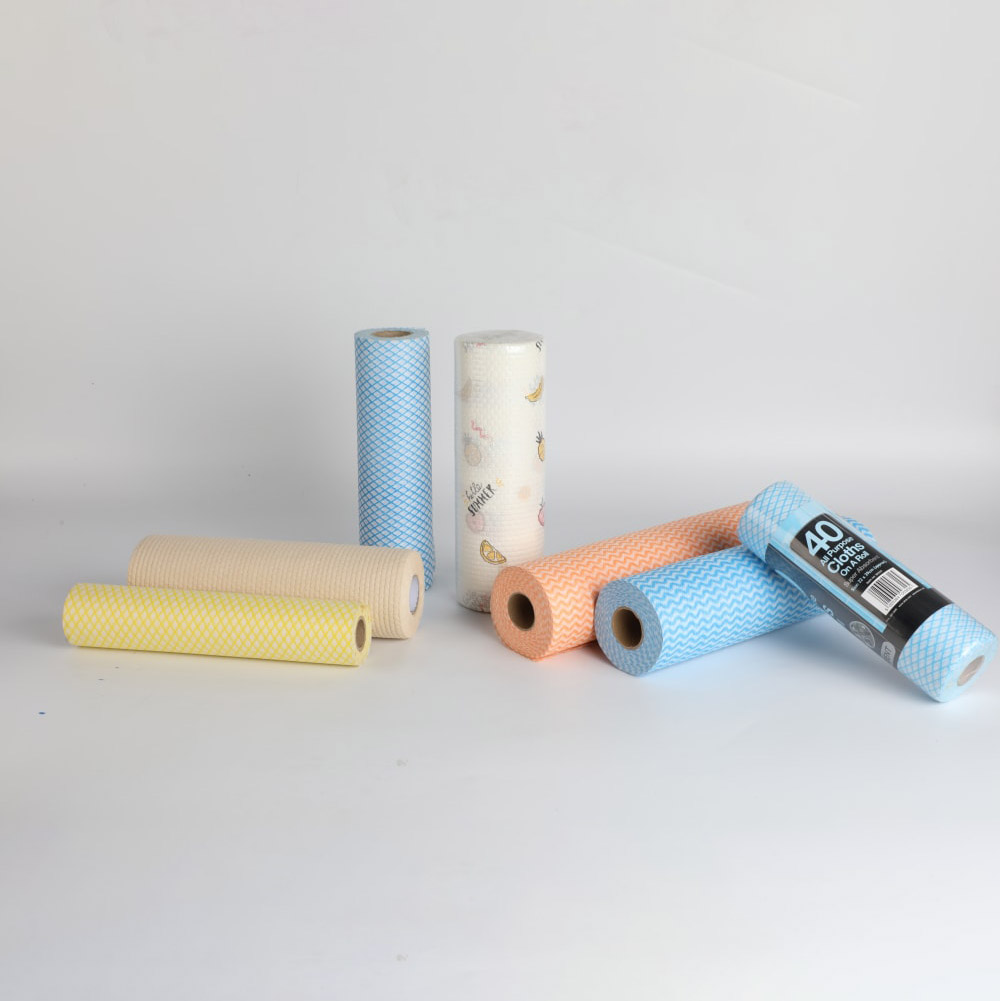 Nonwoven Cleaning Wipe
 Curtain Nonwoven
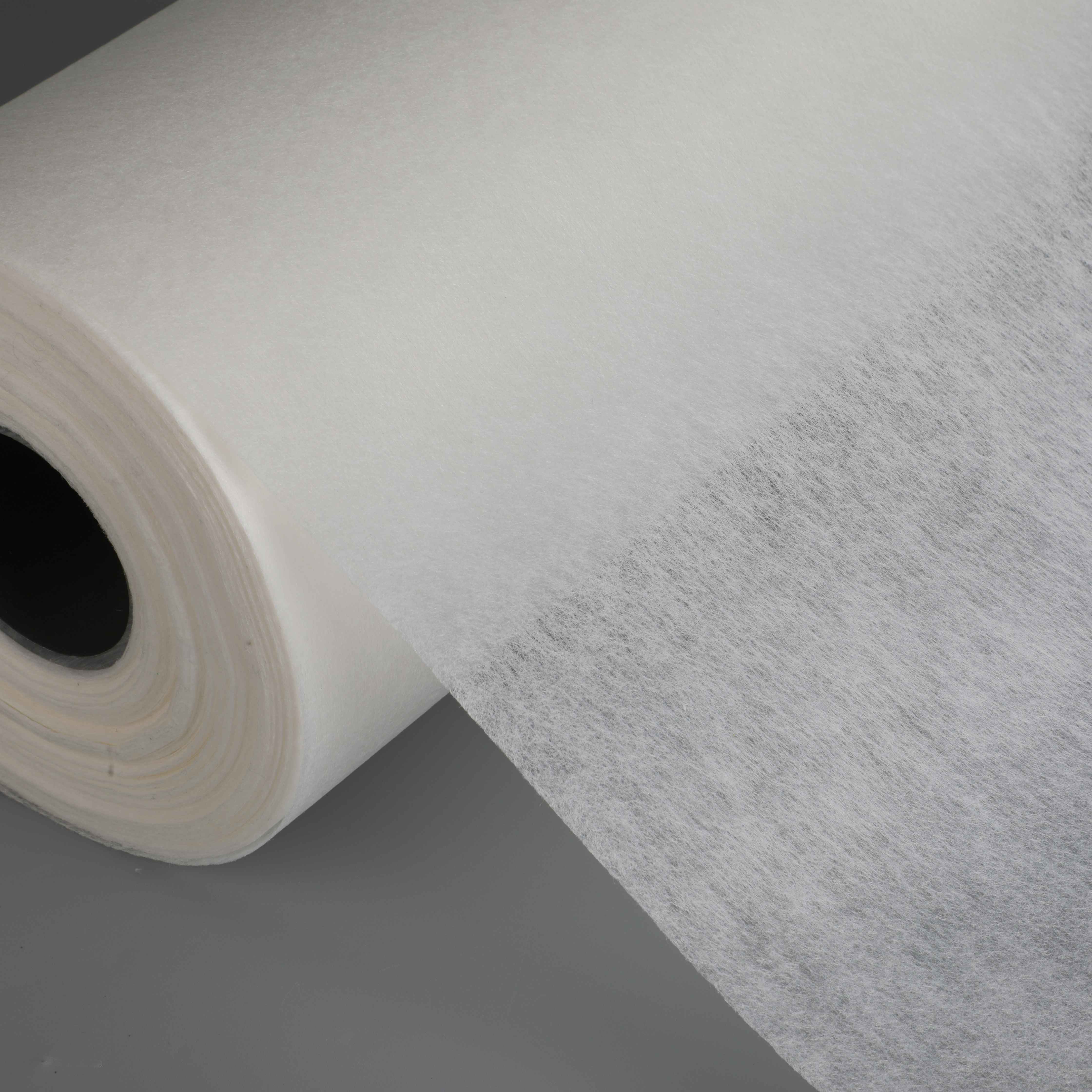 Food Grade Packaging Nonwoven
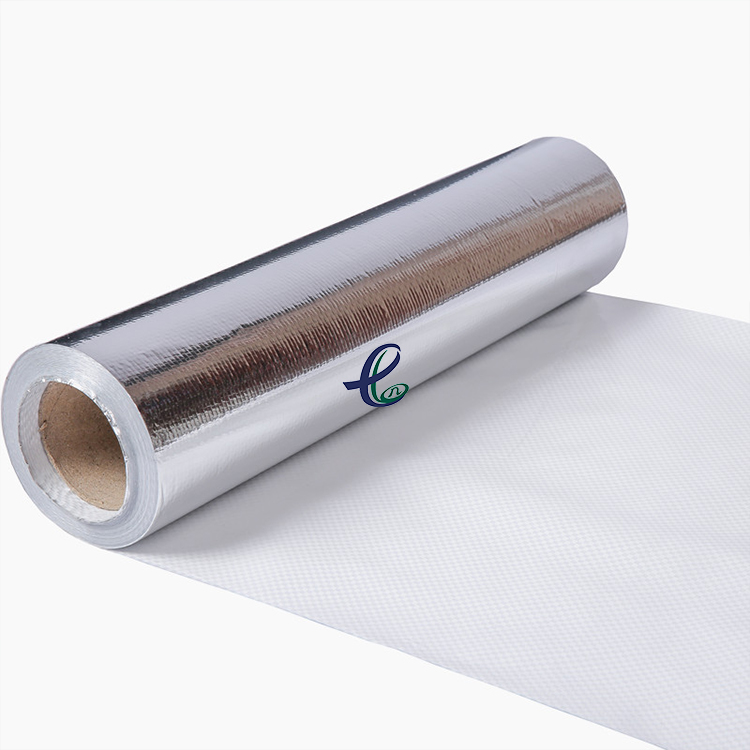 Aluminized Nonwoven
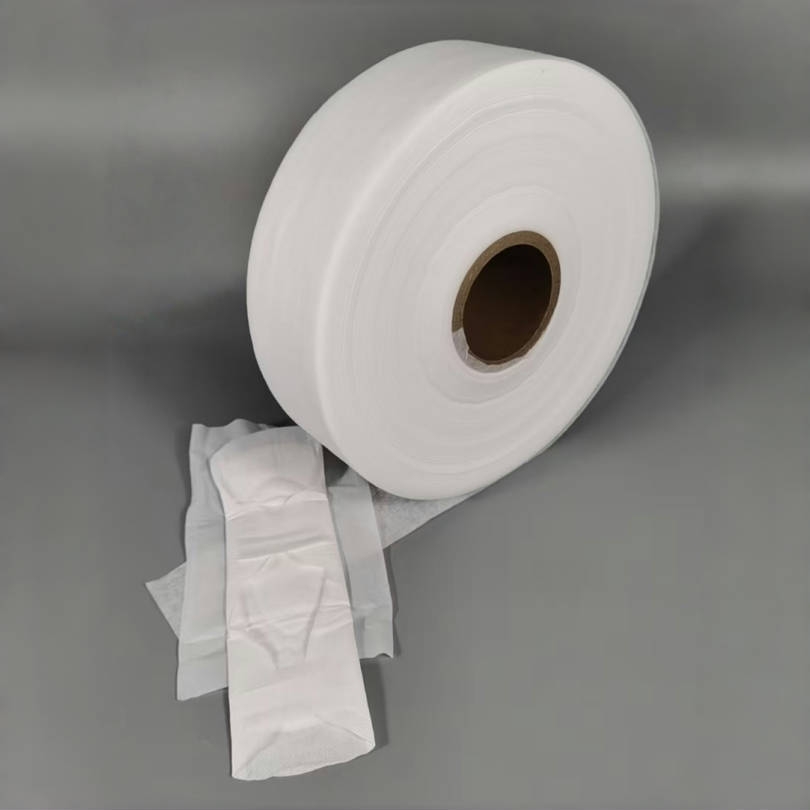 Hot Air Cotton Nonwoven
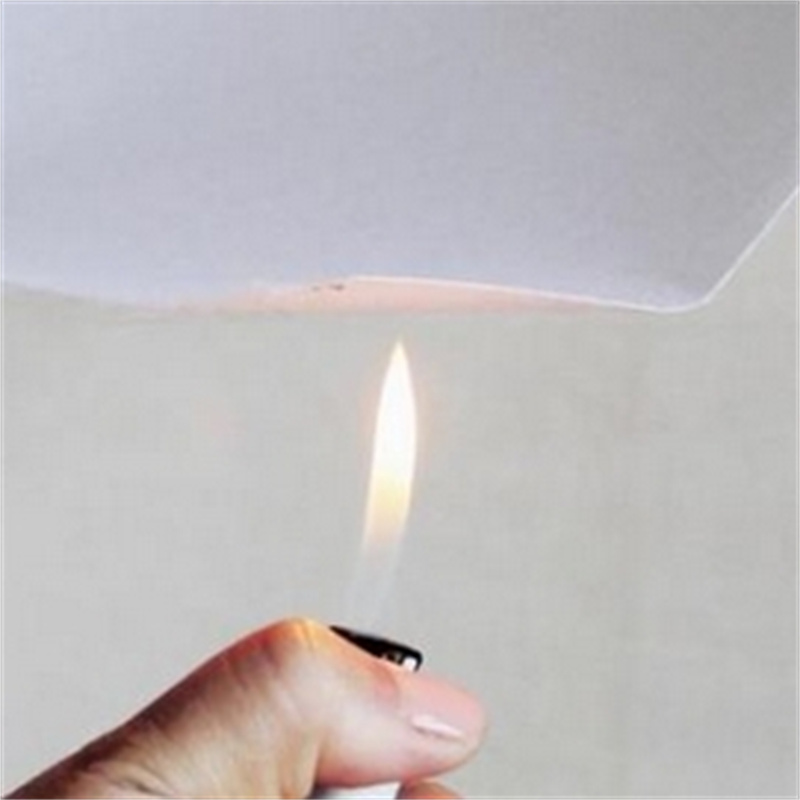 Flame Retardant Nonwoven
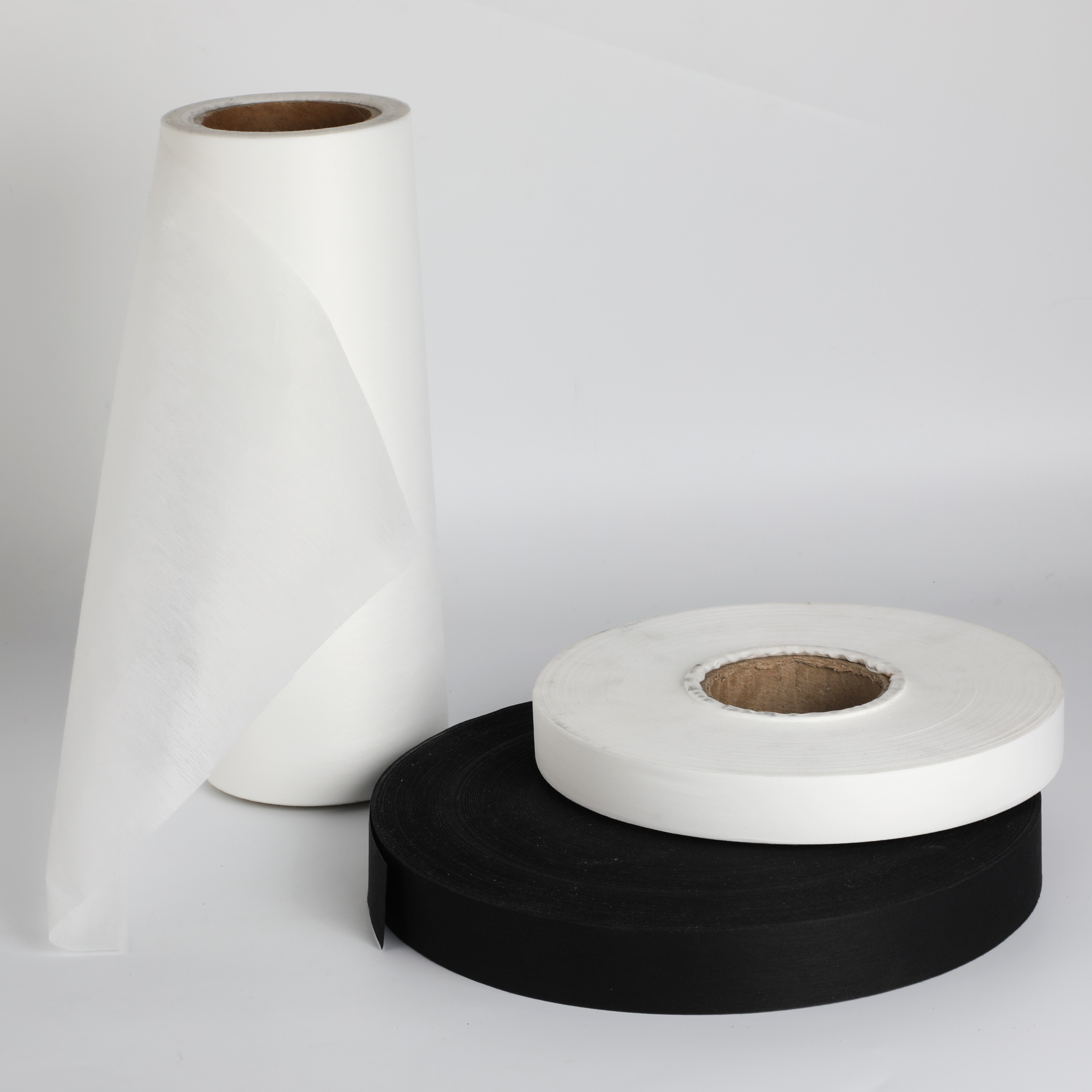 Cable Wrapping Nonwoven
 Semi-conductive Nonwoven
 Anti-Bacterial Nonwoven
 +8613957712400
 CONTACT WhatsApp
 CONTACT WeChat
 CONTACT NUMBER
 CONTACT EMAIL