Top 10 Water Repellent Nonwoven Manufacturers
Water Repellent Nonwoven materials protect products, workers, and structures from moisture without adding the weight of woven fabric. They appear in medical gowns, roofing membranes, agricultural covers, filtration media, and outdoor products. Demand is becoming more technical. Buyers now evaluate water resistance, breathability, tensile strength, softness, and environmental performance together.
Industry reports support this broader view. Smithers identifies hygiene, medical, filtration, and construction as important growth areas across global nonwoven markets. Grand View Research also reports continued expansion in nonwoven applications, driven by healthcare demand, infrastructure investment, and lightweight material design. Fortune Business Insights highlights rising interest in advanced nonwovens with improved barrier performance and sustainability. These findings suggest that Water Repellent Nonwoven production is no longer only about applying a simple surface treatment.
This guide reviews ten manufacturers through practical purchasing criteria. The comparison considers production capacity, coating technology, basis-weight options, hydrostatic pressure performance, breathability, quality control, and certification support. It also examines whether suppliers can provide stable rolls, clear technical data sheets, and traceable raw materials. Small details matter. A poorly sealed edge can compromise an entire protective garment. A rigid finish may reduce comfort during long shifts.
No ranking is flawless. Public data differs between companies, and some manufacturers disclose more than others. Therefore, readers should verify test methods, regional compliance, minimum order quantities, and sample results before making a decision. The strongest supplier is not always the largest one. Sometimes, responsive engineering support matters more. That point deserves careful reflection.
What Water-Repellent Nonwoven Fabrics Are and How They Work
Water-repellent nonwoven fabrics are made from loose fibers bonded without traditional weaving or knitting. The fibers may be polyester, polypropylene, cellulose, or blended materials. Bonding can use heat, pressure, needles, or carefully controlled binders.
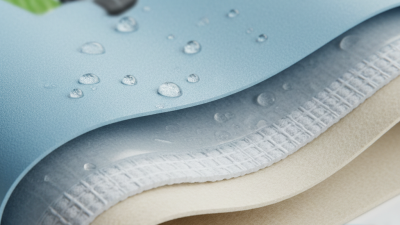
Their water resistance usually comes from fiber selection, surface treatment, or both. A hydrophobic finish lowers surface energy, so water forms beads instead of spreading through the sheet. Imagine rain resting on a jacket sleeve. The droplets stay round and roll away.
But water-repellent does not mean waterproof. A fabric may resist light spray yet absorb water under pressure. Small pores, damaged fibers, repeated washing, and folding can reduce performance. This difference is often overlooked. It matters in medical covers, protective packaging, agricultural wraps, and outdoor products.
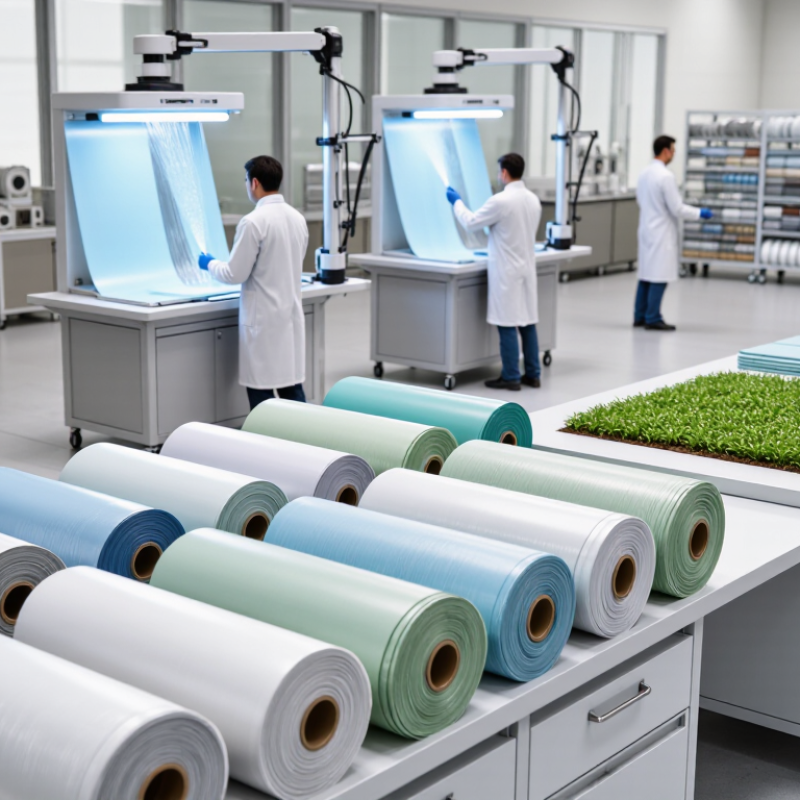
Manufacturers evaluate performance with spray tests, hydrostatic pressure tests, absorbency checks, and air-permeability measurements. Each test reveals a different behavior. A strong water barrier may reduce breathability, while an open structure may feel comfortable but wet faster. The best specification depends on use, not marketing language.
Practical testing should include clean and worn samples. Detergent exposure deserves attention. Some finishes weaken sooner than expected. Even laboratory results need careful interpretation, because real rain, rubbing, seams, and storage conditions are rarely perfect. A balanced design considers repellency, softness, strength, airflow, and disposal requirements together.
Key Criteria for Evaluating Water-Repellent Nonwoven Manufacturers
Top 10 Water Repellent Nonwoven Manufacturers
Key Criteria for Evaluating Water-Repellent Nonwoven Manufacturers
Choosing among the top 10 water-repellent nonwoven manufacturers requires more than comparing prices. Review their production experience, material expertise, and quality records. Ask how they control fiber blending, web formation, and surface treatment. A stable process should produce even texture, consistent basis weight, and reliable water resistance across each roll.
Request recent test data, not only product brochures. Useful evidence includes hydrostatic pressure, spray rating, contact angle, tensile strength, and air permeability. Check the testing method, sample conditioning, and laboratory identity. Compare results from several production lots. One impressive sample proves little. Factory audits can reveal storage problems, worn equipment, or weak inspection routines.
Practical performance matters most.
Evaluate whether the manufacturer can supply pilot rolls before a large order. Test the material after folding, stitching, heat exposure, and repeated handling. Some coatings perform well in a laboratory but crack during converting. Ask about chemical composition, recyclability, traceability, and regulatory documentation for the target market. Clear batch codes and retained samples improve accountability.
Delivery capability also deserves close attention. Examine minimum order quantities, lead times, packaging, and complaint procedures. A technically strong supplier may still struggle with urgent replenishment. I would also question vague claims such as “fully waterproof” without test limits. Water resistance depends on pressure, duration, seams, and end use. No evaluation is perfect, and field conditions may expose weaknesses that factory testing misses.
Top 10 Water-Repellent Nonwoven Manufacturers by Market Strength
Top 10 Water-Repellent Nonwoven Manufacturers
The top ten water-repellent nonwoven manufacturers are best compared by market strength, not factory size alone. This view considers production capacity, regional supply coverage, product consistency, and verified customer experience. Large suppliers often serve construction, medical, filtration, agriculture, and protective packaging markets. Their strength appears in steady deliveries, flexible order volumes, and documented quality controls.
Technical capability separates the leading manufacturers. Strong producers use spunbond, meltblown, or composite structures with controlled surface treatments. They test hydrostatic pressure, spray resistance, air permeability, tensile strength, and aging performance. Clear technical data matters. So does traceability.
The highest-ranked companies usually maintain more than one production site or reliable raw-material channel. This reduces disruption when resin prices rise or shipping routes change. Some manufacturers also develop fluorine-free or lower-impact water-repellent finishes, responding to stricter environmental expectations. Certification can support trust, but it should not replace independent testing.
Market strength is not permanent. A supplier may lead in healthcare fabrics yet perform less strongly in heavy-duty construction materials. Public capacity figures can also be self-reported, which deserves caution. Buyers should request recent test reports, production samples, coating specifications, and delivery records before making comparisons. Small details matter, such as edge curling after treatment or uneven repellency across a wide roll. Those flaws are easy to miss during a short inspection.
How to Select the Right Water-Repellent Nonwoven Supplier
Top 10 Water Repellent Nonwoven Manufacturers
How to Select the Right Water-Repellent Nonwoven Supplier
The global nonwoven fabrics market reached about USD 53.6 billion in 2023, according to Grand View Research’s 2024 market report. It may grow at a 7.8% CAGR through 2030. This expansion creates more supplier choices, but not necessarily better ones. A reliable supplier should show consistent production records, not only attractive samples. Ask for fiber composition, coating chemistry, basis weight, thickness, and lot-to-lot variation.
Test performance under recognized methods. AATCC TM22 measures surface wetting through a spray rating. ISO 811 evaluates resistance to hydrostatic pressure. These tests answer different questions. One sample passing a spray test does not prove long-term waterproofing. Request third-party reports, internal quality records, and aging data after washing, bending, heat, or chemical exposure. The details matter.
Production evidence matters more than polished presentations. Check whether the supplier controls coating pickup, drying temperature, and roll tension. Request three recent lots, not one perfect roll. Compare hydrostatic pressure, air permeability, tensile strength, and water repellency across them. A low price can hide unstable output. Lead time also deserves scrutiny; emergency capacity is often promised too easily. My own selection rule would include a small pilot order before annual commitment. It may feel slower. That hesitation is useful. A certificate can be genuine yet incomplete, and a test result can be correct without matching your actual process. Supplier approval should therefore include application trials, documented corrective actions, and clear acceptance limits.

 PP Laminates
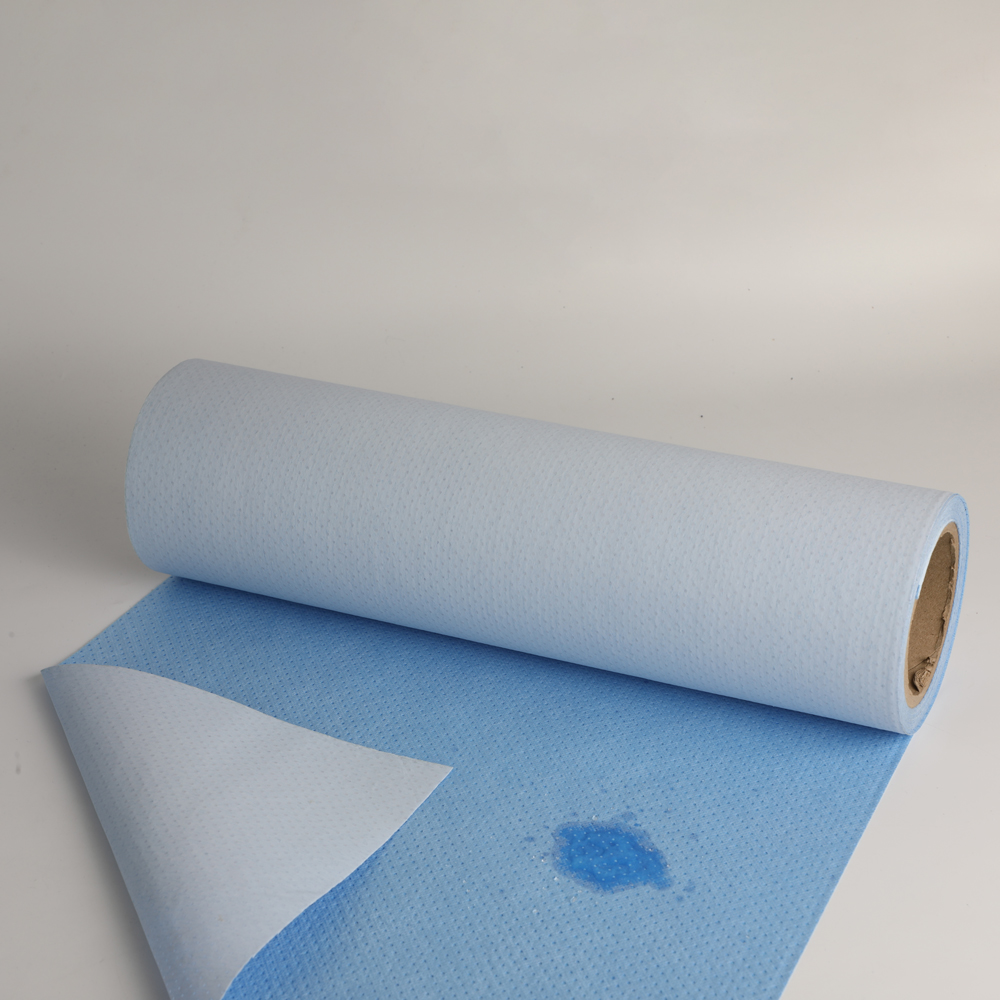 Multi Laminates
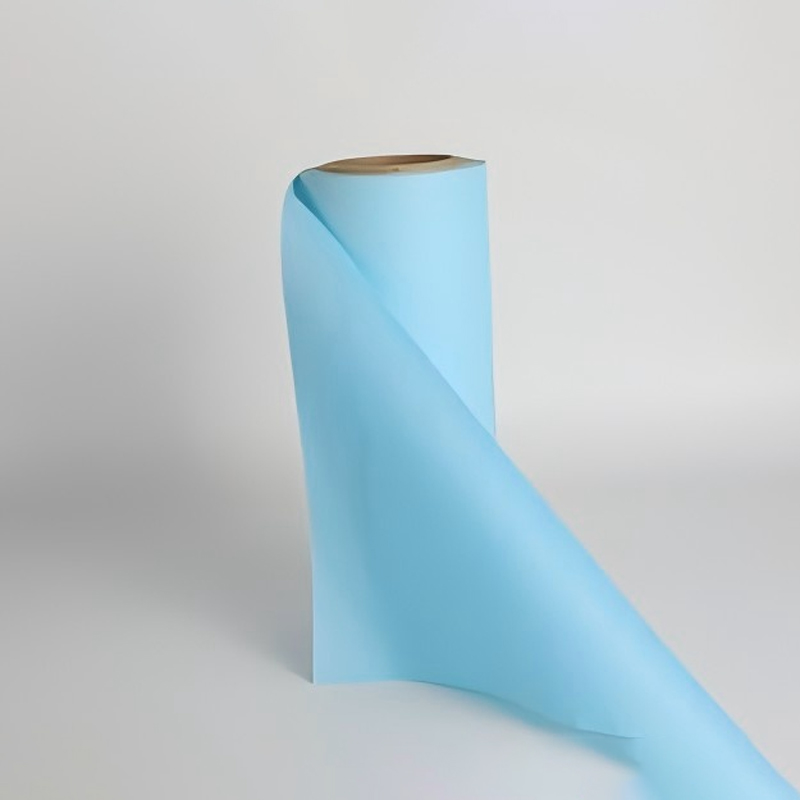 Spunlace Nonwoven Laminates
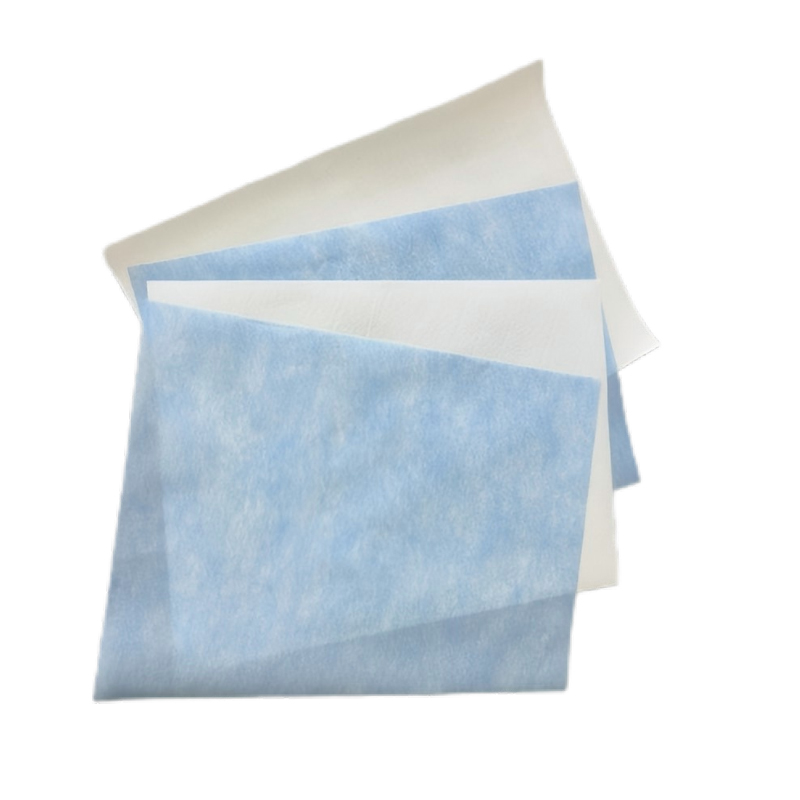 Breathable Film Laminates
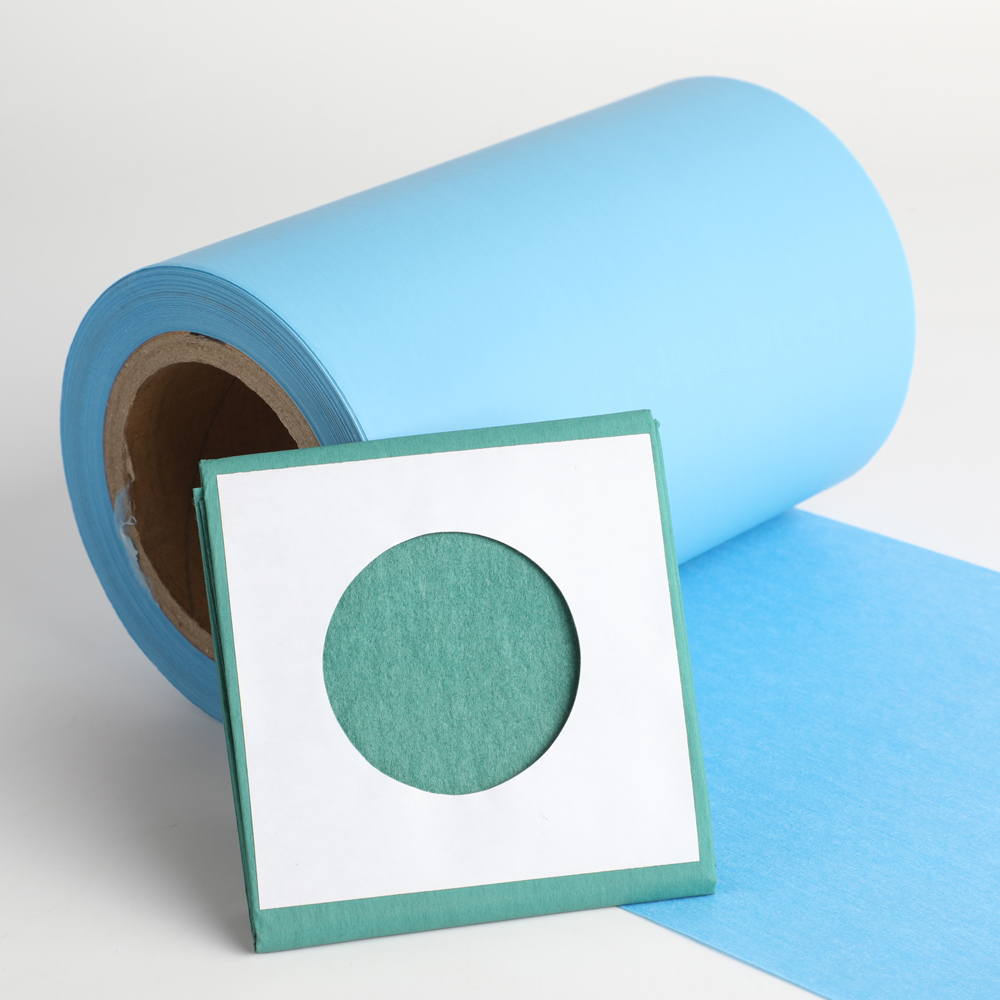 Viscose Laminates
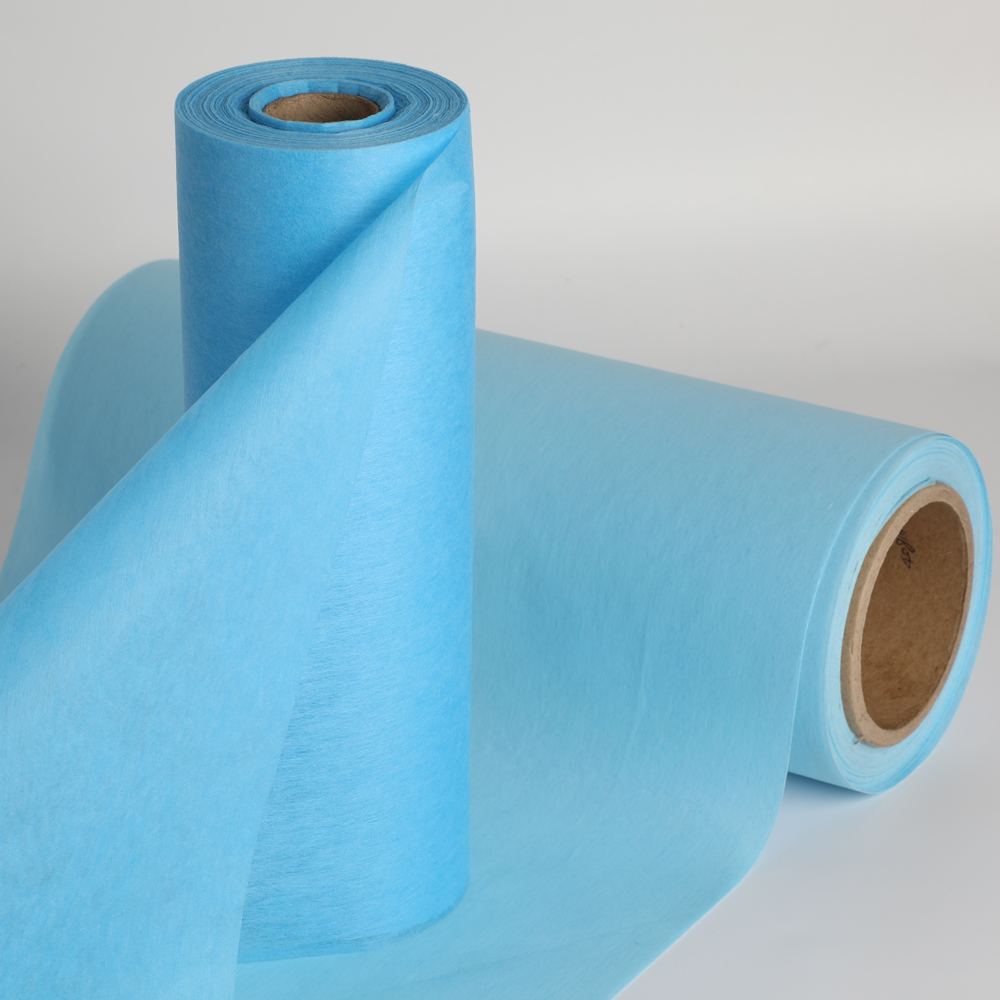 Medical Viscose Nonwoven
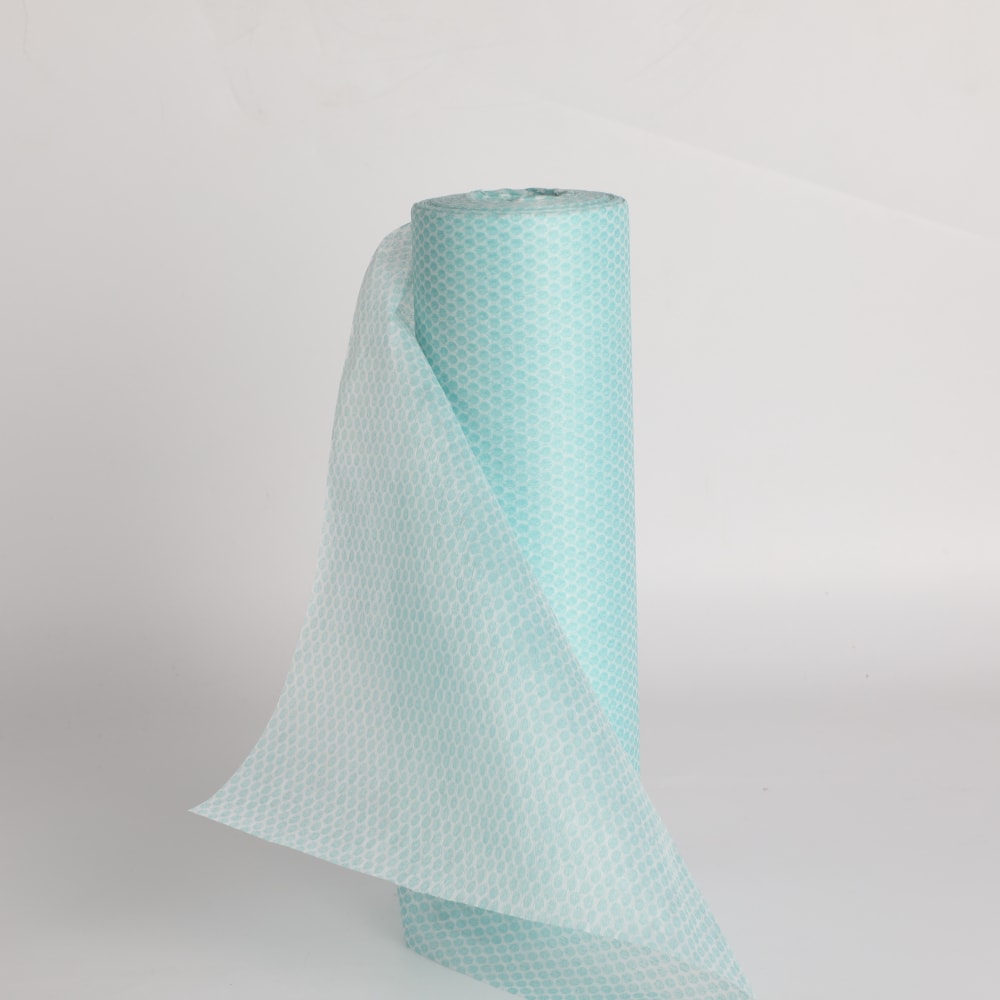 Head Wear Nonwoven
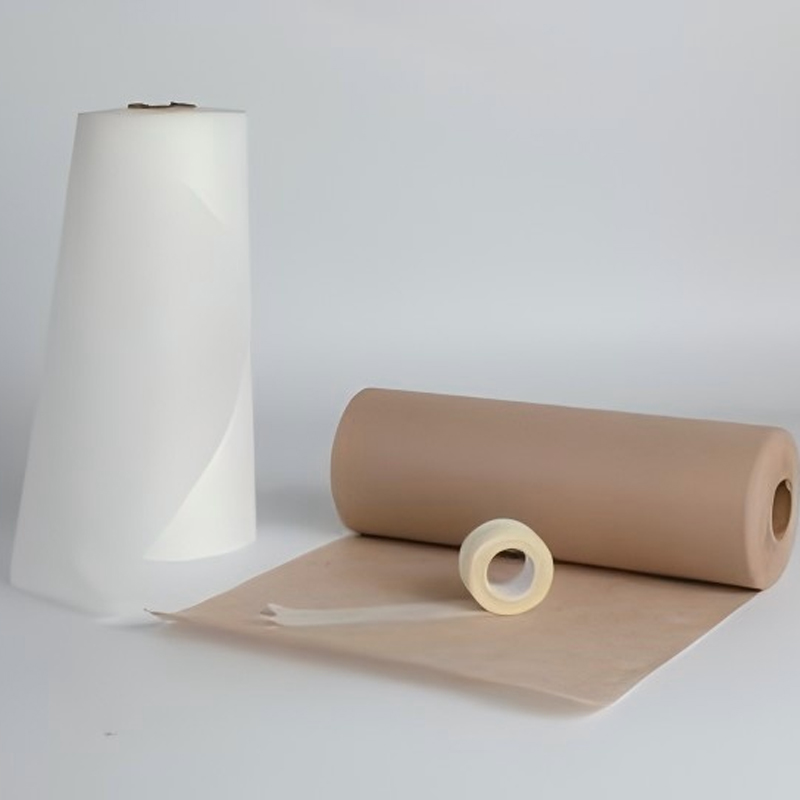 Medical Tape Nonwoven
 Snus Pouch Nonwoven
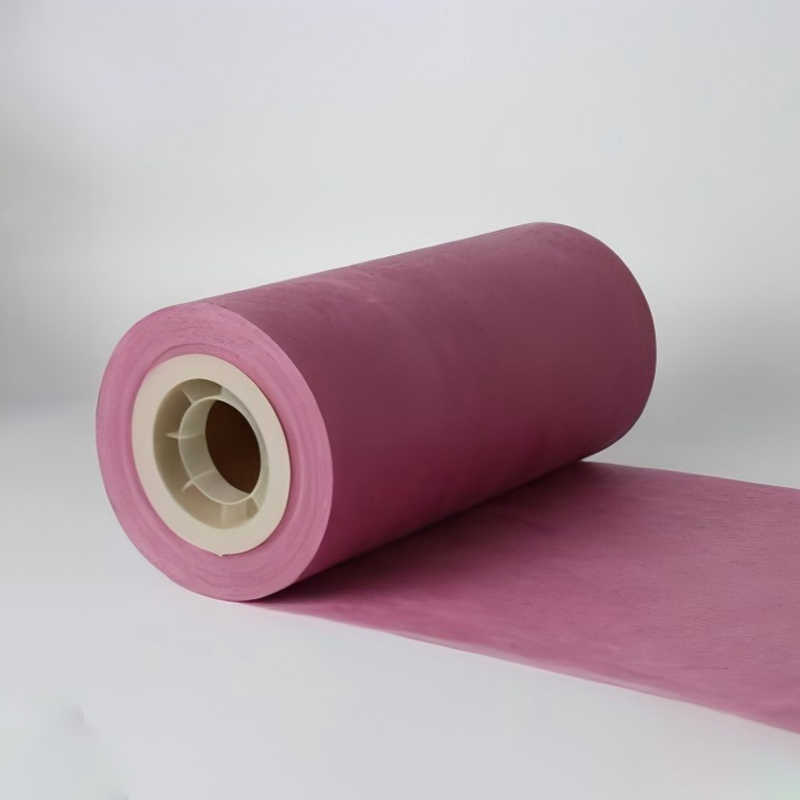 Filtration Nonwoven
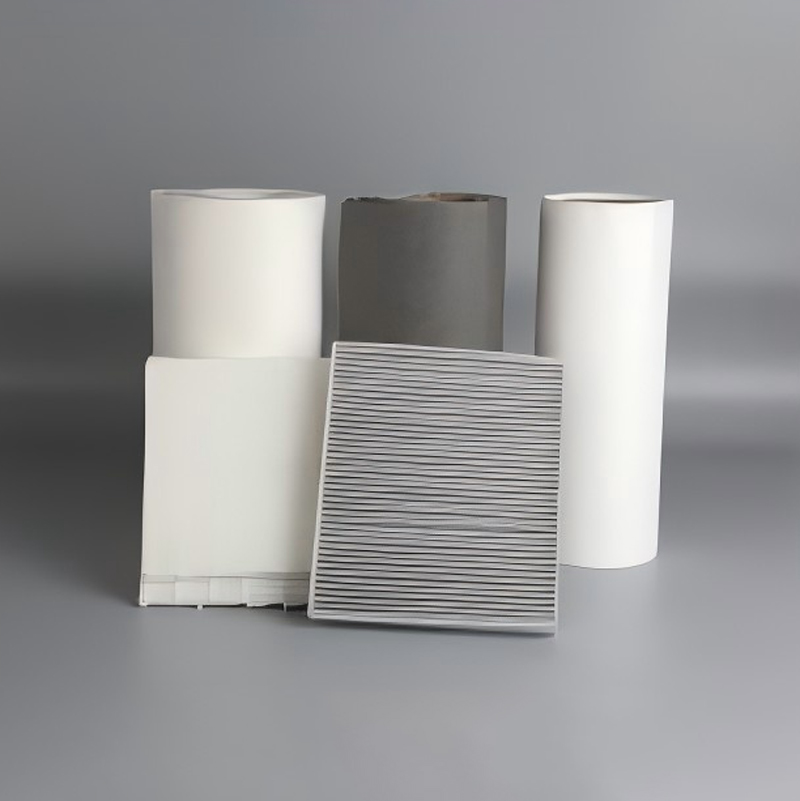 Air Filter Media
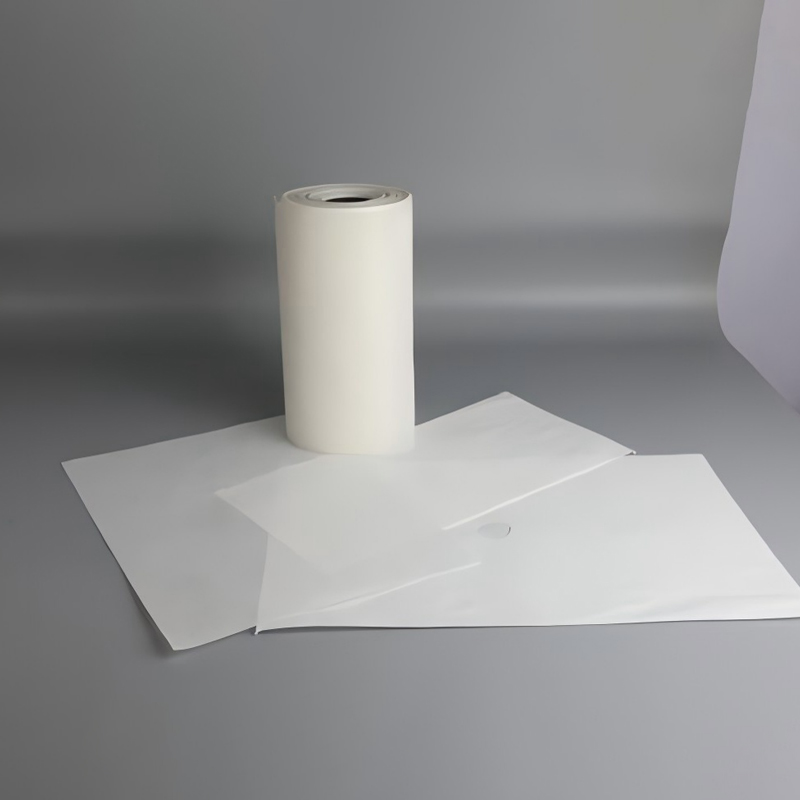 Liquid Filter Media
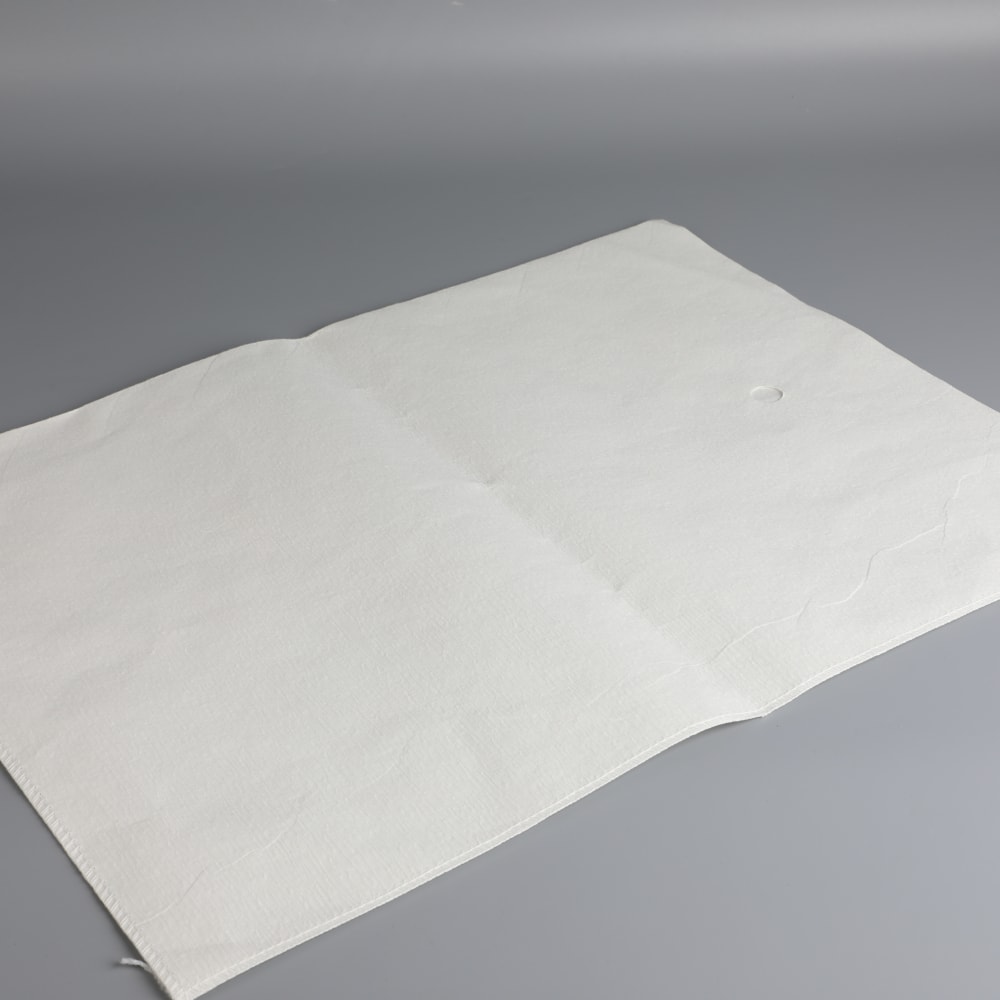 Filter Envelope & Filter Sheet
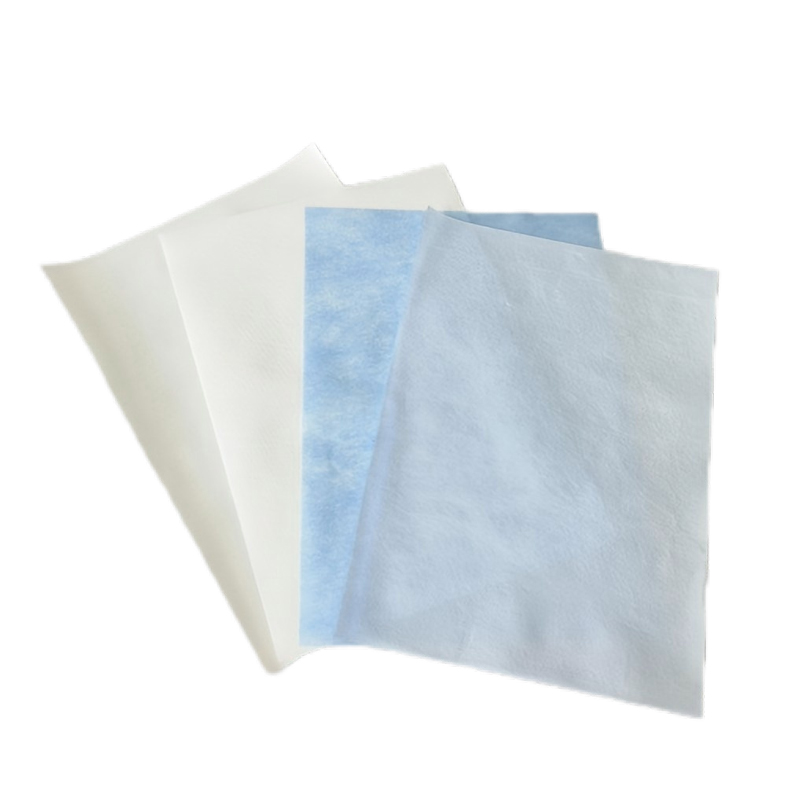 Breathable Film Laminates
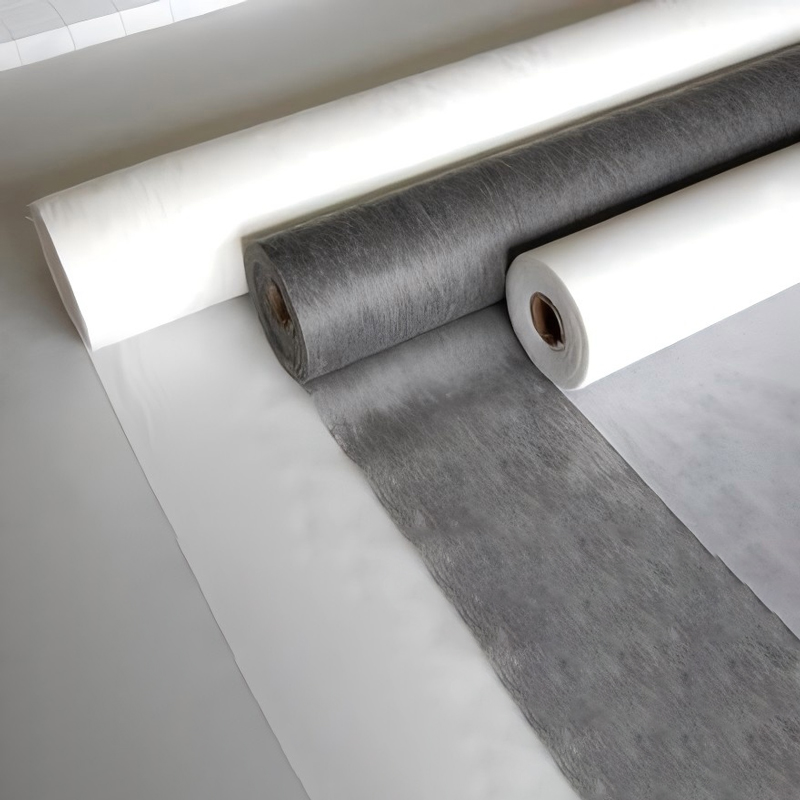 Nonwoven Interlining
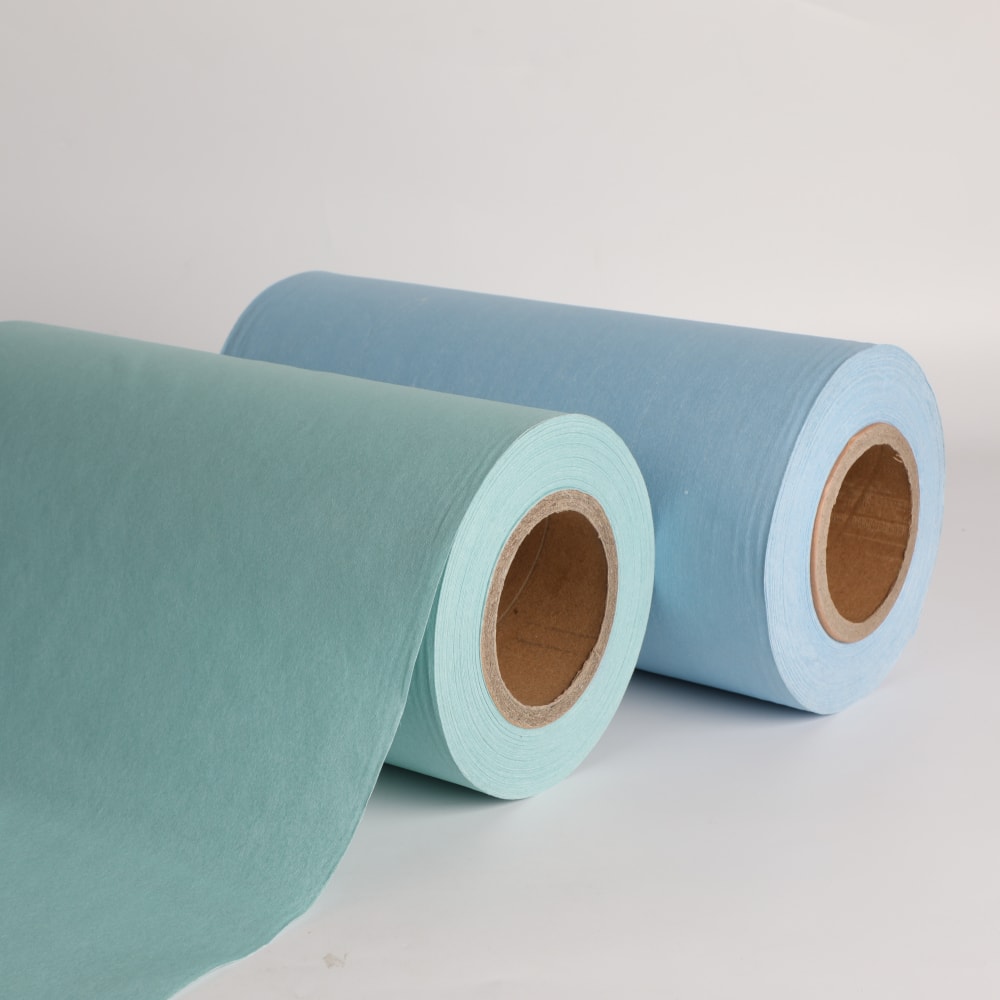 Fluid Repellent Woodpulp Spunlace Nonwoven
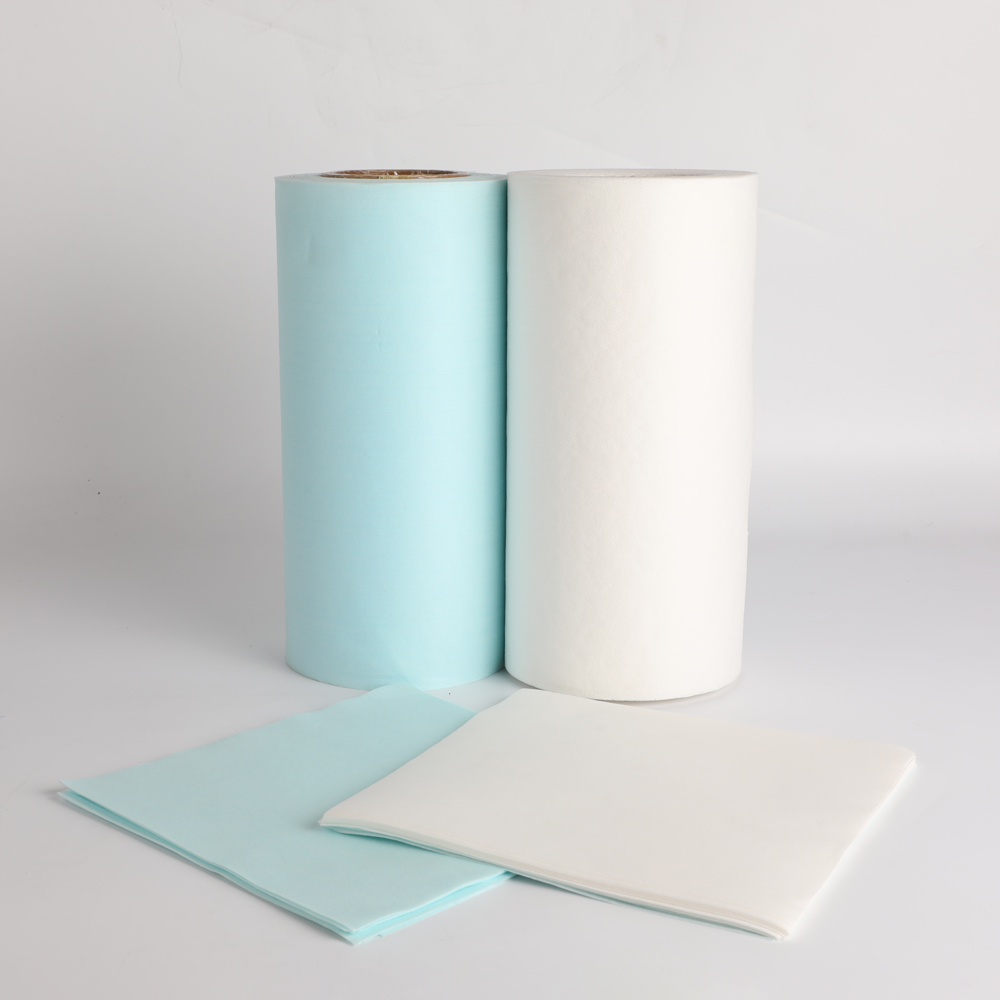 Woodpulp Nonwoven Wipe
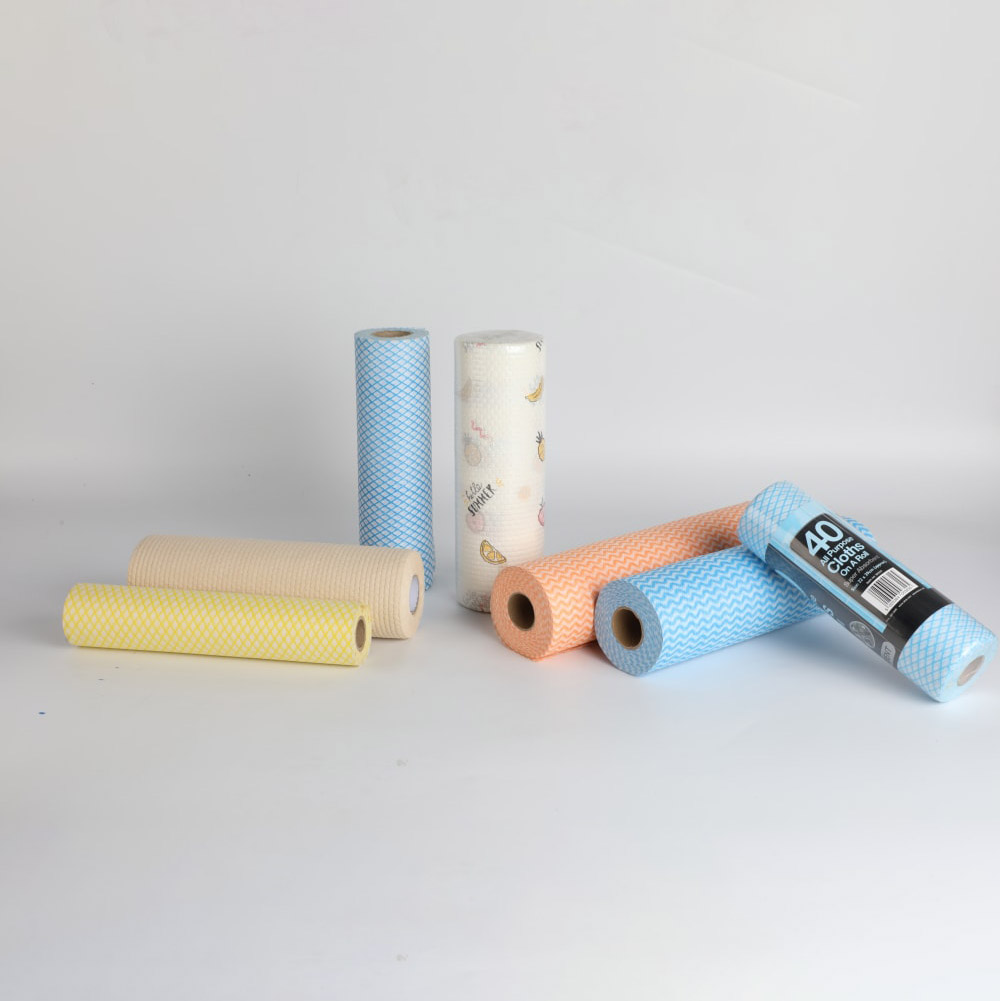 Nonwoven Cleaning Wipe
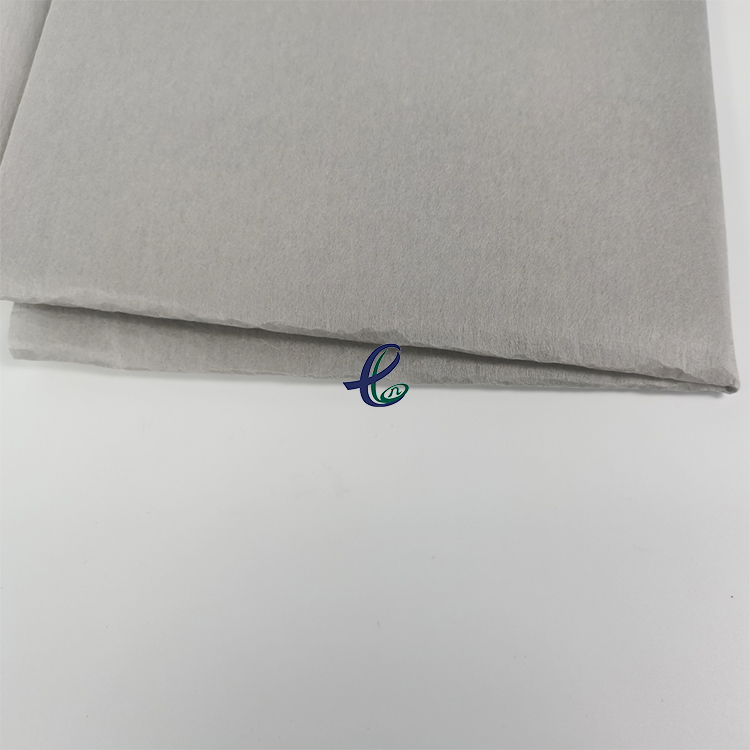 Curtain Nonwoven
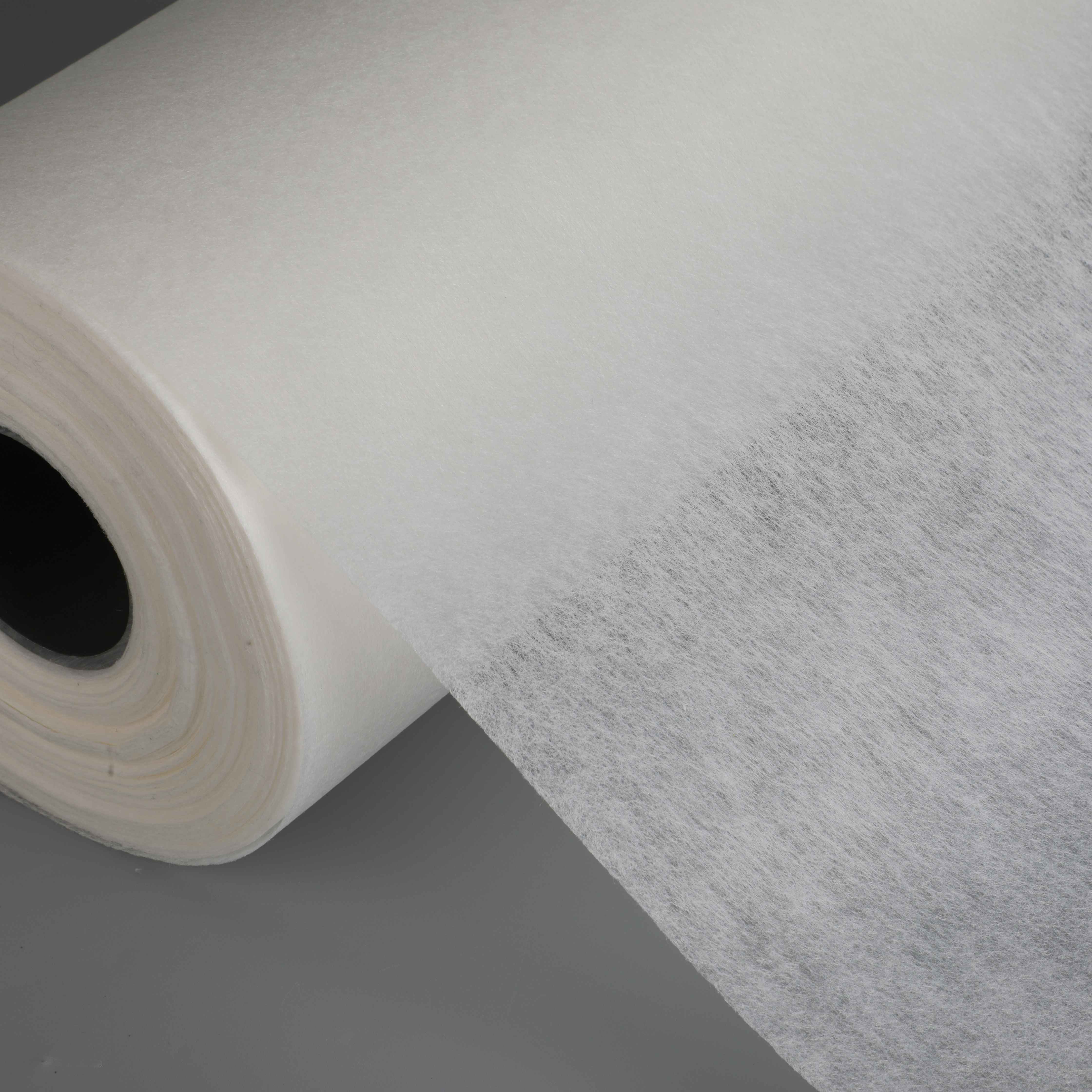 Food Grade Packaging Nonwoven
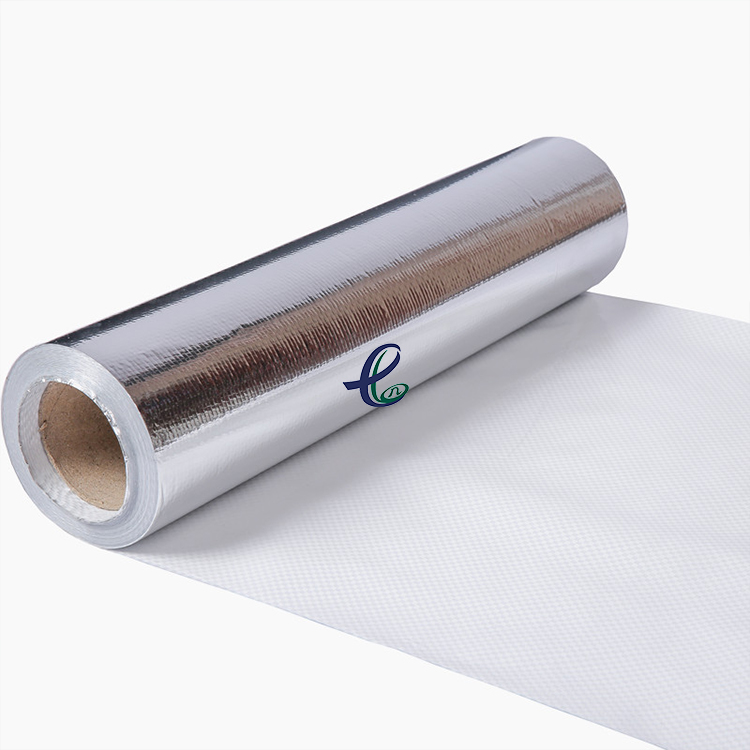 Aluminized Nonwoven
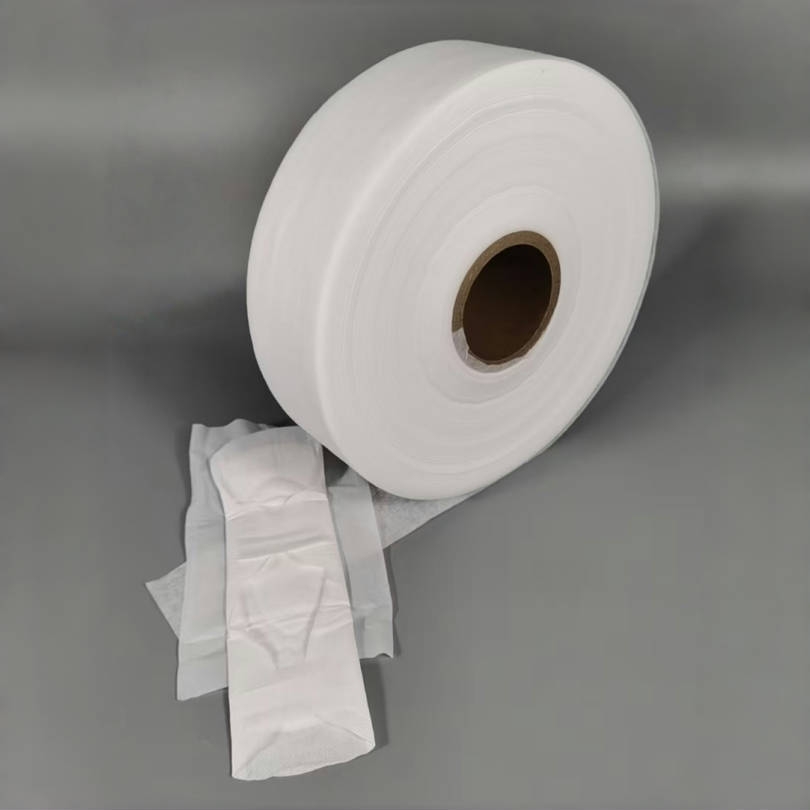 Hot Air Cotton Nonwoven
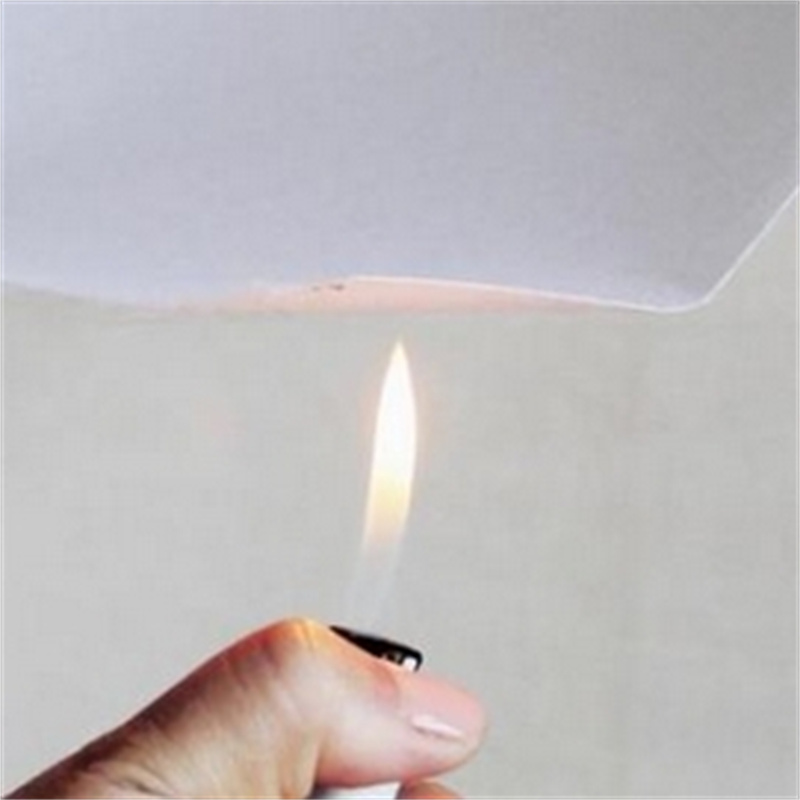 Flame Retardant Nonwoven
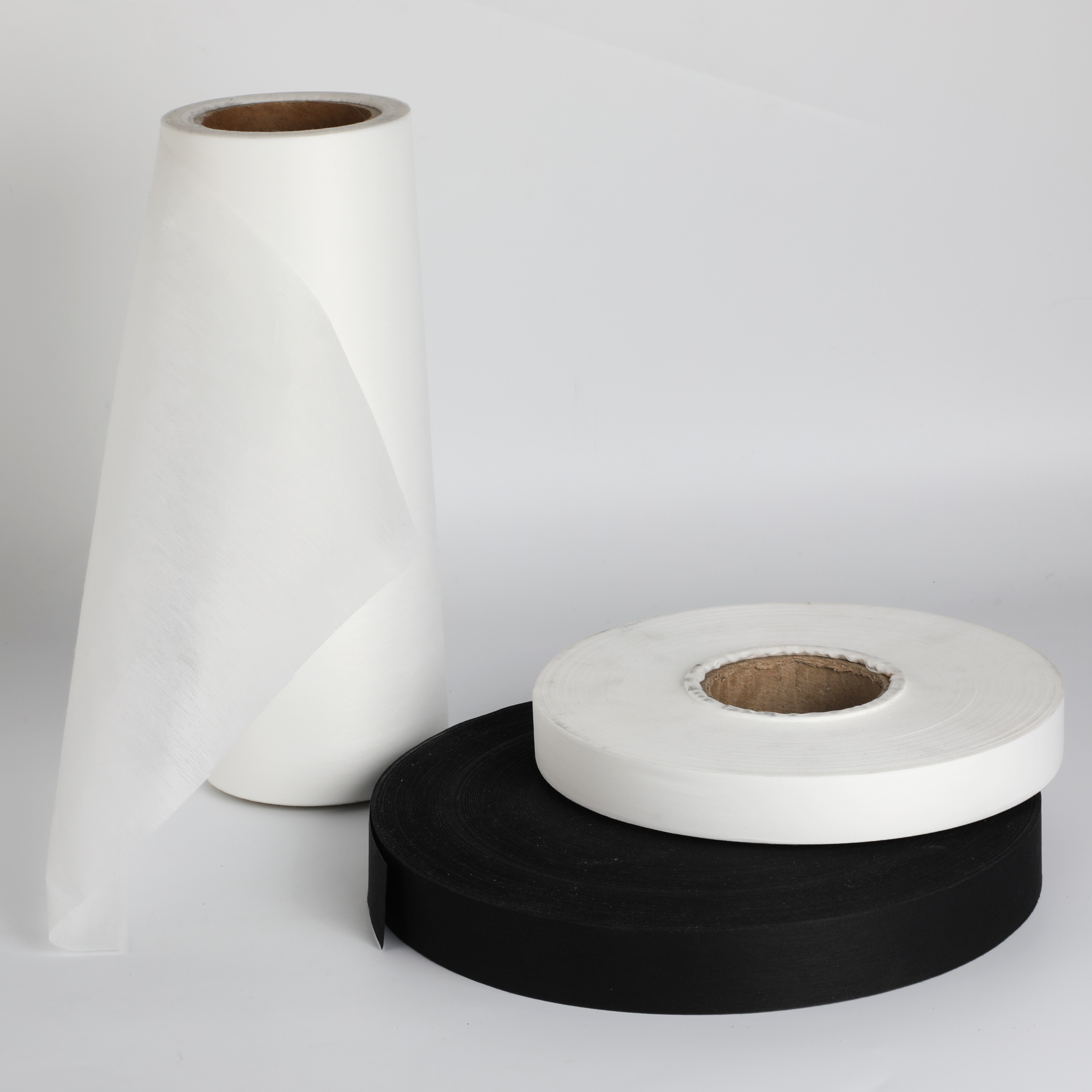 Cable Wrapping Nonwoven
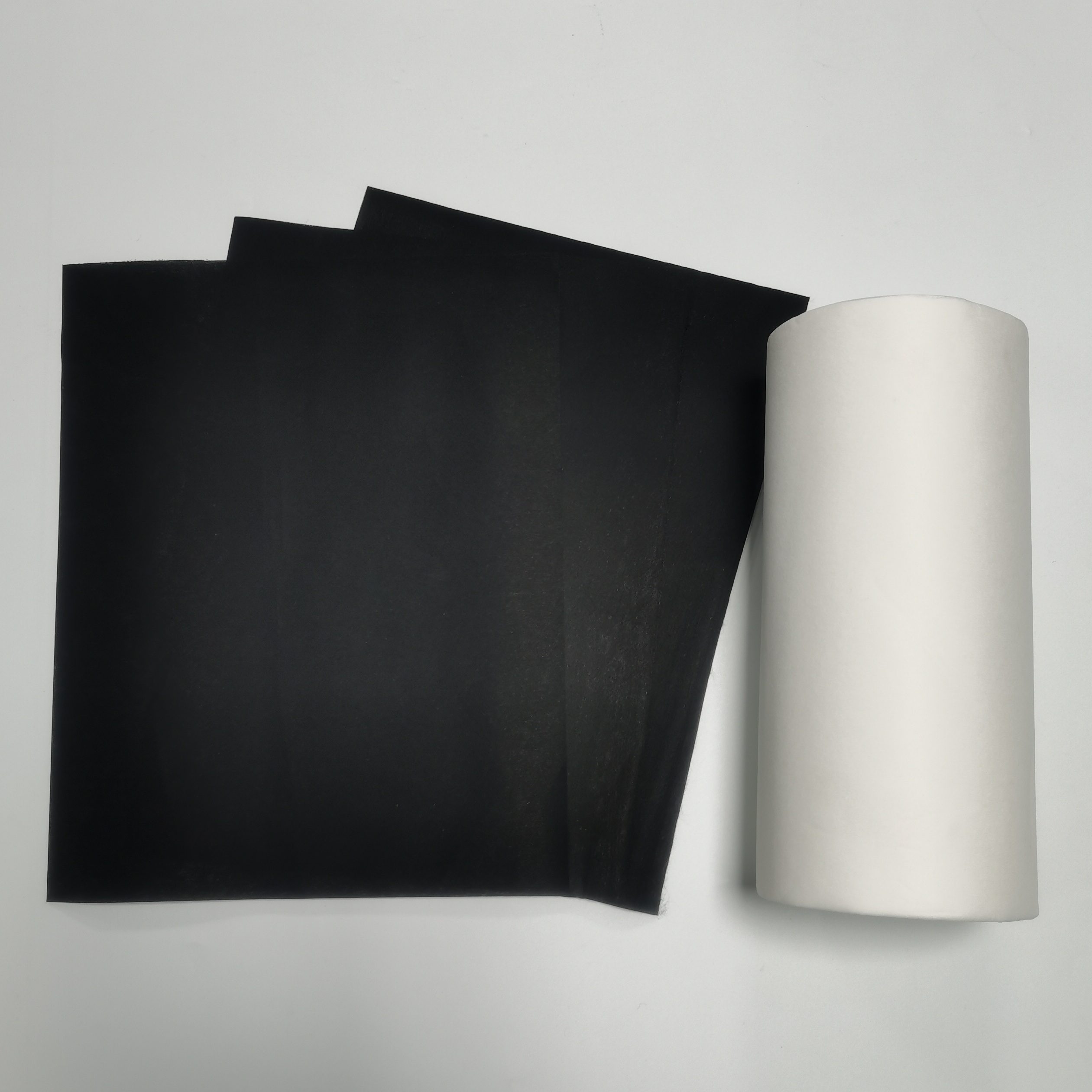 Semi-conductive Nonwoven
 Anti-Bacterial Nonwoven
 +8613957712400
 CONTACT WhatsApp
 CONTACT WeChat
 CONTACT NUMBER
 CONTACT EMAIL