How to Choose the Best Water Repellent Nonwoven for Your Needs?
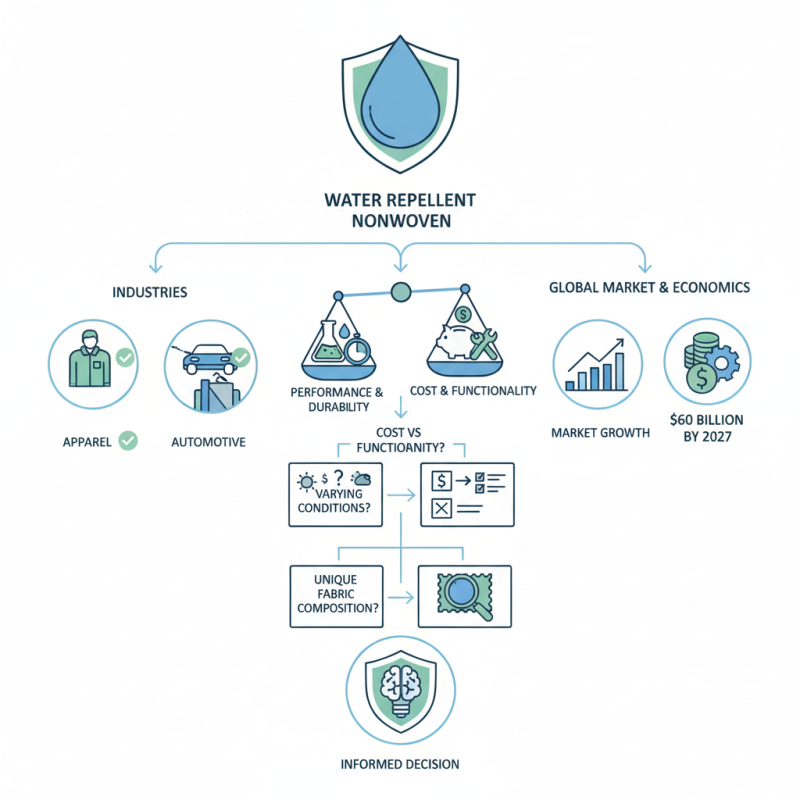
Choosing the right Water Repellent Nonwoven can significantly impact various industries, from apparel to automotive. According to a report from Smithers Pira, the global nonwoven fabric market is projected to reach $60 billion by 2027, reflecting an increasing demand for advanced materials. Experts emphasize that proper selection is critical, especially in applications requiring durability and effectiveness.
Dr. Jane Thompson, a leading expert in nonwoven technology, states, "Selecting the right water repellent nonwoven is not just about performance; it's about finding the perfect balance for your specific use." This balance is essential for ensuring that the material meets both functional and economic requirements.
Though many options are available, consumers often overlook specific needs. Each application may require a unique fabric composition. Questions arise: How does the chosen nonwoven perform under varying conditions? What trade-offs exist between cost and functionality? Understanding these factors is crucial for making an informed decision when selecting Water Repellent Nonwoven materials.
Understanding Water Repellent Nonwovens: Key Characteristics Explained
When considering water repellent nonwovens, it's essential to understand their key characteristics. These materials possess unique properties that cater to various applications. The primary feature is their ability to repel water while maintaining breathability. This balance is crucial for products like apparel and outdoor gear.
In addition to breathability, durability is another important aspect. Water repellent nonwovens should withstand wear and tear. Choosing a product that balances these features can be challenging. Not all materials offer the same level of water resistance. Testing samples in real-life scenarios can provide insights into their performance.
Another factor to consider is the environmental impact. Some water repellent treatments can affect recyclability. It's vital to analyze how these materials align with sustainability goals. A reliable source of information can help make informed choices. Personal experience with the materials can also offer valuable insights. It's essential to remain open to experimenting with various nonwoven types to find what best fits your needs.
Types of Water Repellent Treatments for Nonwoven Fabrics: A Comparison
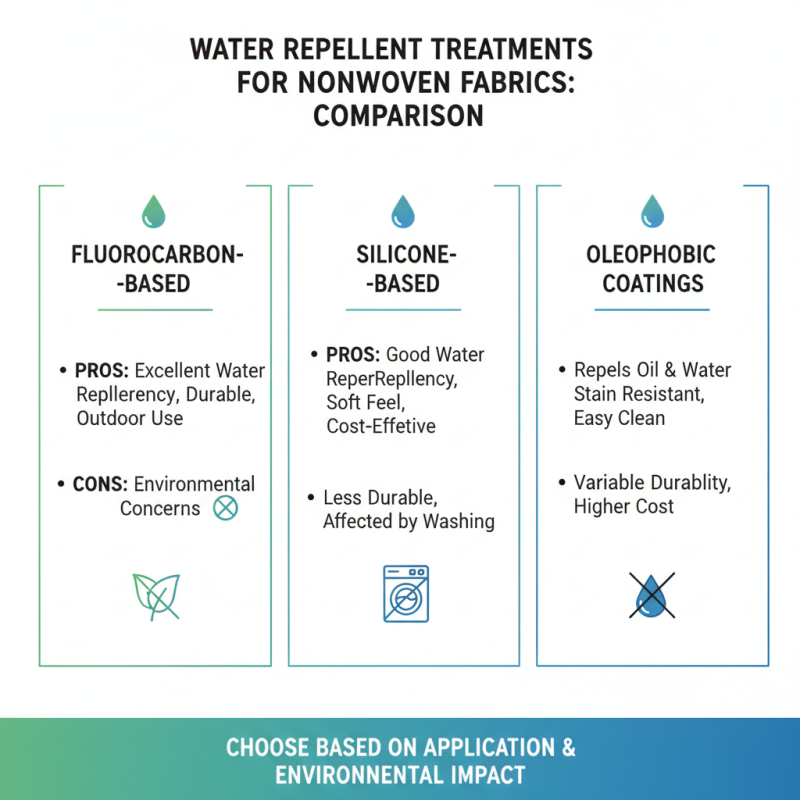
When selecting water repellent treatments for nonwoven fabrics, understanding the types available is crucial. Common options include fluorocarbon-based treatments, silicone-based treatments, and oleophobic coatings. Fluorocarbon treatments offer excellent water repellency and durability. They are ideal for outdoor applications, where long-lasting performance is necessary. However, environmental concerns surround fluorocarbons, requiring careful consideration.
Silicone-based treatments provide a safer alternative. They enhance water repellent properties while minimizing environmental impact. These are often used in clothing and upholstery. However, they may not offer the same level of durability as fluorocarbon options. It’s important to assess your specific needs, such as exposure to the elements and frequency of washing.
Oleophobic coatings are another innovative choice. They repel oils and water, making them suitable for medical and industrial applications. Yet, their effectiveness can diminish over time. Understanding these distinctions can influence your decision heavily. Evaluate the practicality and sustainability of each type. Consider not just performance, but also environmental implications. There’s a balance to achieve between effectiveness and ecological responsibility.
Evaluating Performance: How to Test Water Resistance in Nonwovens
Testing water resistance in nonwoven fabrics is essential for selecting the right material for your project. Different applications require varying levels of water repellency. Understanding these needs can guide your testing process.
Begin with a simple drop test. Place a drop of water on the fabric. Observe how quickly it beads or soaks in. Fast absorption suggests lower resistance. For more rigorous testing, immerse the fabric in water. Check for any signs of leakage. This method should reflect real-world conditions.
Consider the environmental factors as well. Humidity and temperature can affect water resistance. It’s important to conduct tests in the conditions where the fabric will be used. Document your results and monitor variations over time. This reflective practice can lead to better product choices down the line.
Applications of Water Repellent Nonwovens: Finding the Right Fit for Your Needs
Water repellent nonwovens play a crucial role across various industries. Their applications range from medical textiles to automotive interiors, indicating their versatility. A recent report by Smithers Pira states that the global demand for nonwovens is projected to reach 10 million tons by 2025. This growth is driven by their lightweight nature and moisture management capabilities.
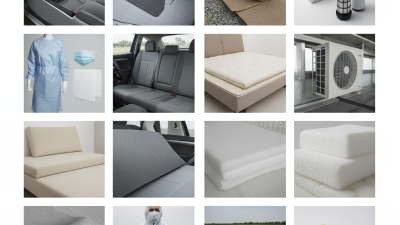
In the medical field, water repellent nonwovens are vital for surgical gowns and drapes. These materials provide protection while ensuring breathability. Meanwhile, the automotive industry utilizes them for seat covers and insulation, enhancing comfort and durability. Choosing the right type can impact performance. However, it’s essential to consider that not all water repellent nonwovens are equal. Some may underperform in specific conditions or applications, leading to potential safety concerns.
Another key area is outdoor gear. Water repellent nonwoven fabrics are integral to jackets and tents. They offer protection from the elements while remaining lightweight. Yet, selecting the proper material requires careful evaluation. The balance between water resistance and breathability is delicate. This complexity highlights the need for thorough research and expertise when selecting nonwoven materials to ensure effectiveness in specific applications.
Factors to Consider When Selecting Nonwoven Fabrics for Water Resistance
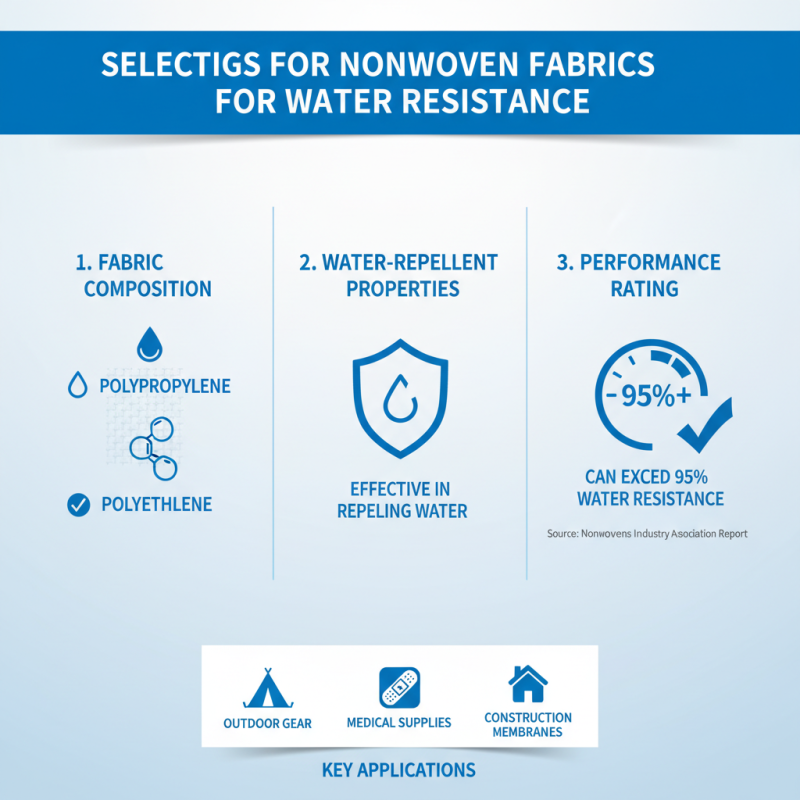
When selecting nonwoven fabrics for water resistance, several key factors are crucial. The fabric's composition largely determines its water-repellent properties. Materials like polypropylene and polyethylene are known for their effectiveness in repelling water. According to a recent report by the Nonwovens Industry Association, fabrics made from these materials can achieve water resistance ratings exceeding 95%. This is significant for applications in outdoor gear, medical supplies, and construction membranes.
Another critical aspect is the fabric's structure. The density and fiber configuration influence how water interacts with the surface. For instance, nonwovens with a higher density can provide better water resistance. Traditional tests reveal that a nonwoven fabric with a weight of at least 60 g/m² typically performs better in wet conditions. However, this alone doesn't guarantee performance across all applications.
It's also essential to consider environmental factors. Humidity and temperature can affect how water-repellent the fabric remains over time. Research shows that certain treatments and coatings can enhance durability, although they may degrade with multiple washes. Users should ponder how often the fabric will be exposed to such conditions. Regular assessments can help identify any performance drops, leading to timely replacements or upgrades. Adapting choices based on specific needs often presents the best path forward.

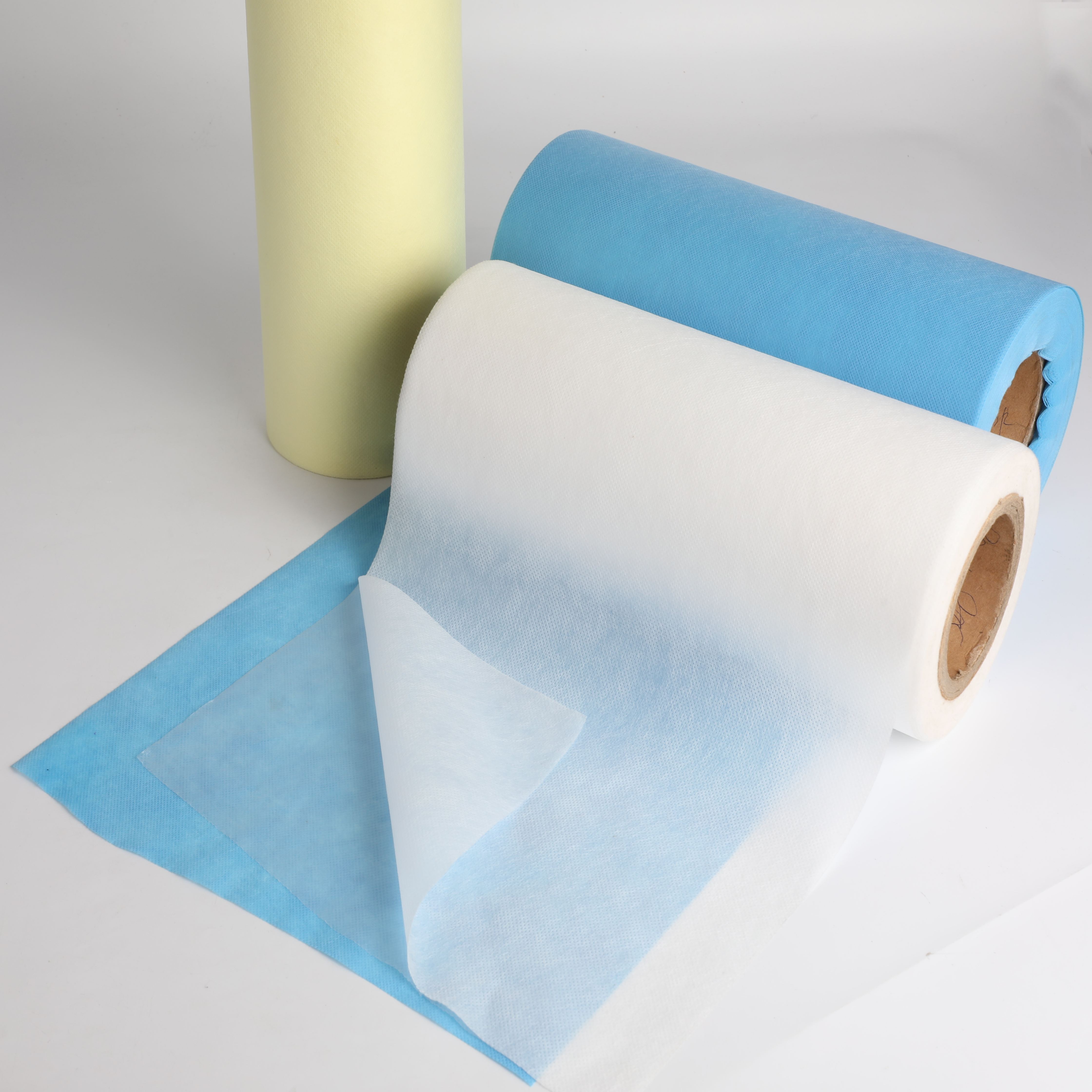 PP Laminates
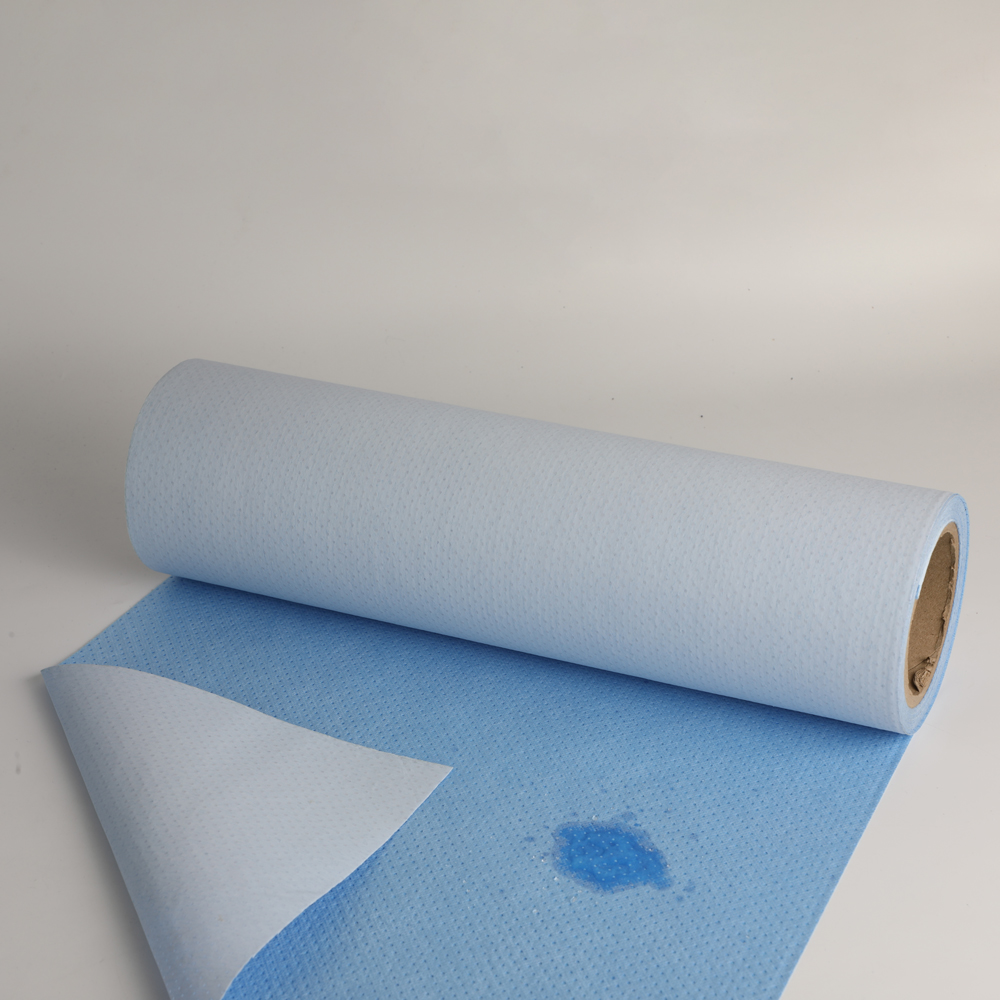 Multi Laminates
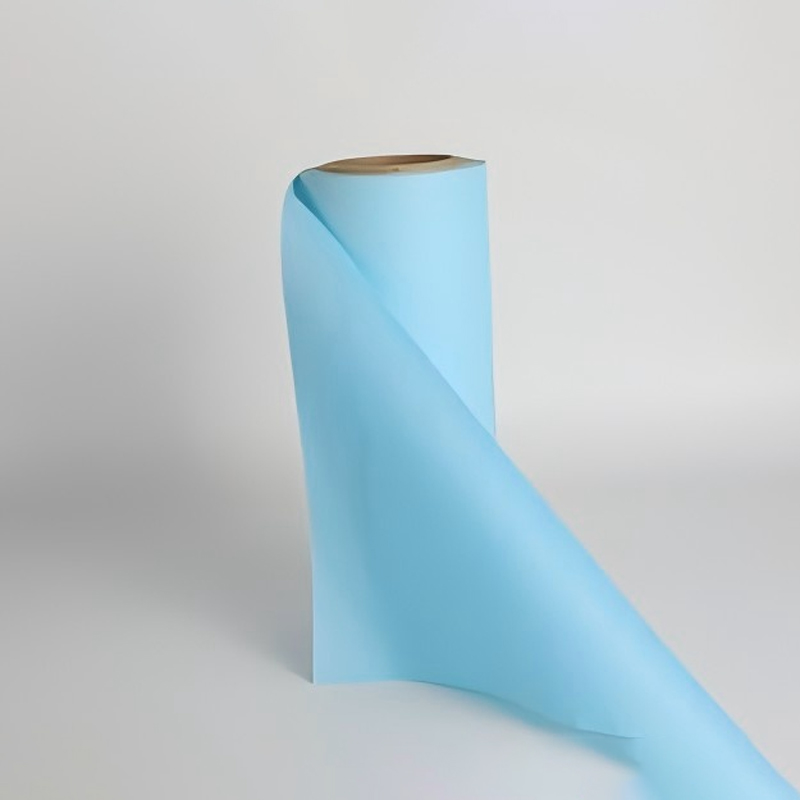 Spunlace Nonwoven Laminates
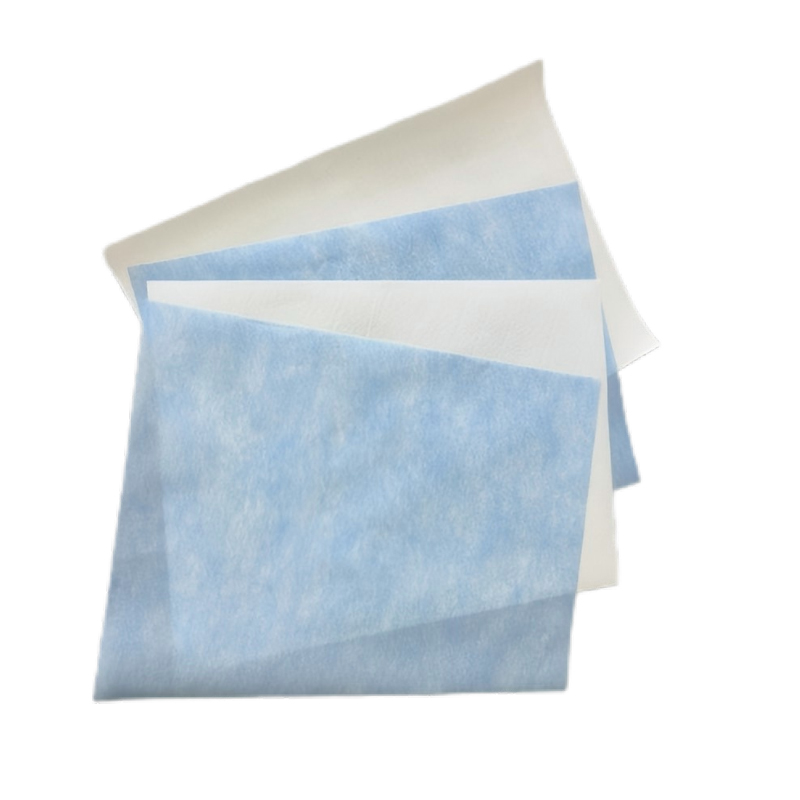 Breathable Film Laminates
 Viscose Laminates
 Medical Viscose Nonwoven
 Head Wear Nonwoven
 Medical Tape Nonwoven
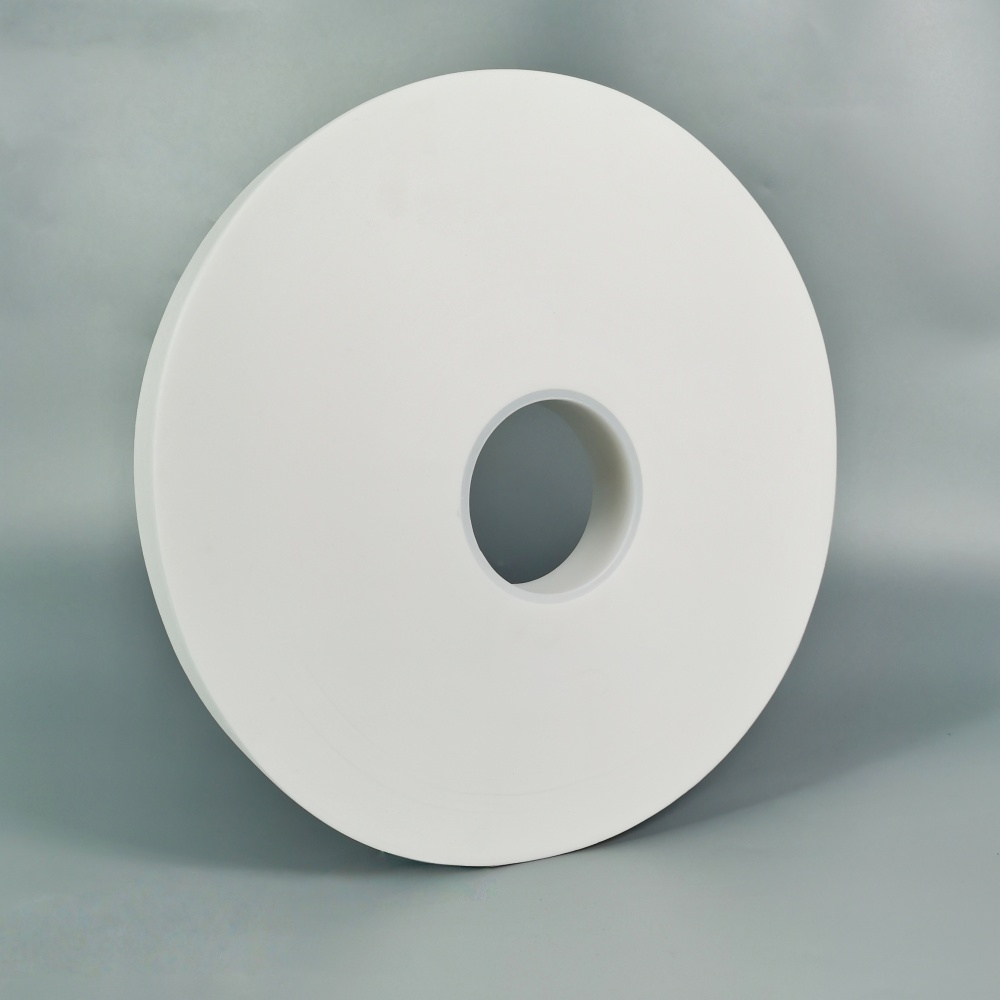 Snus Pouch Nonwoven
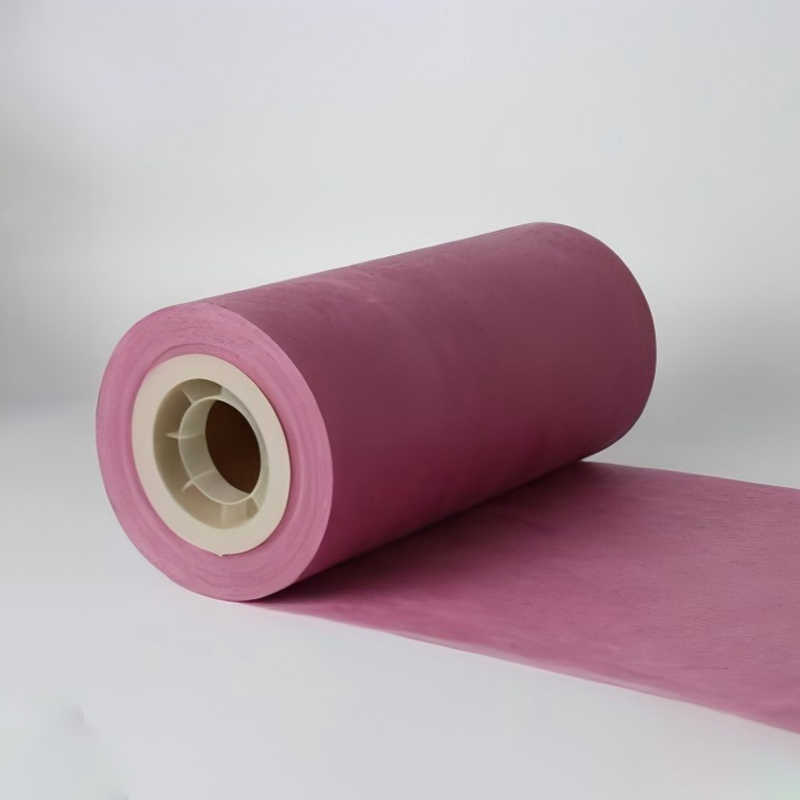 Filtration Nonwoven
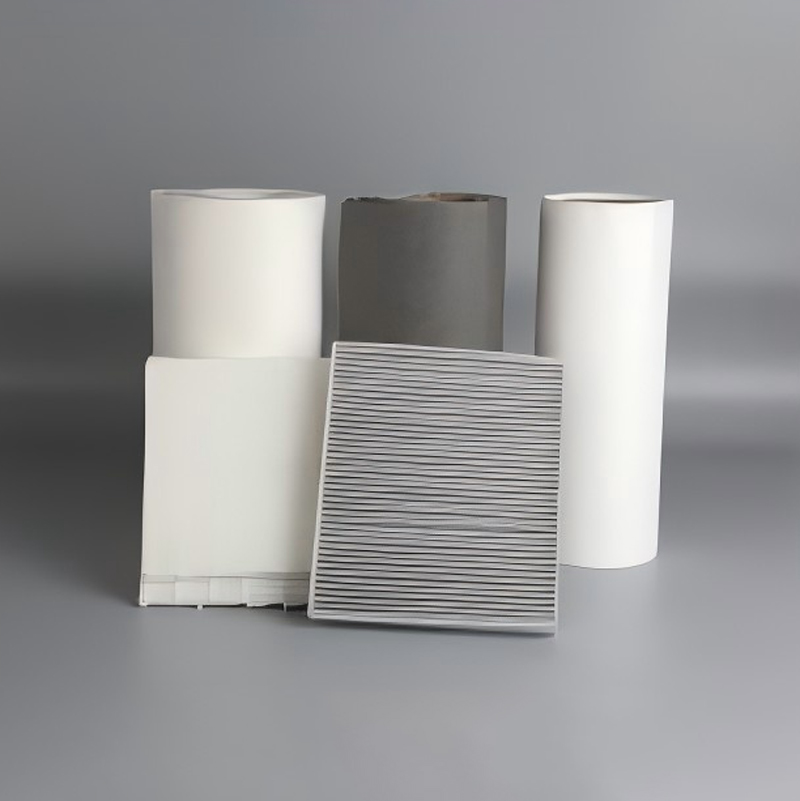 Air Filter Media
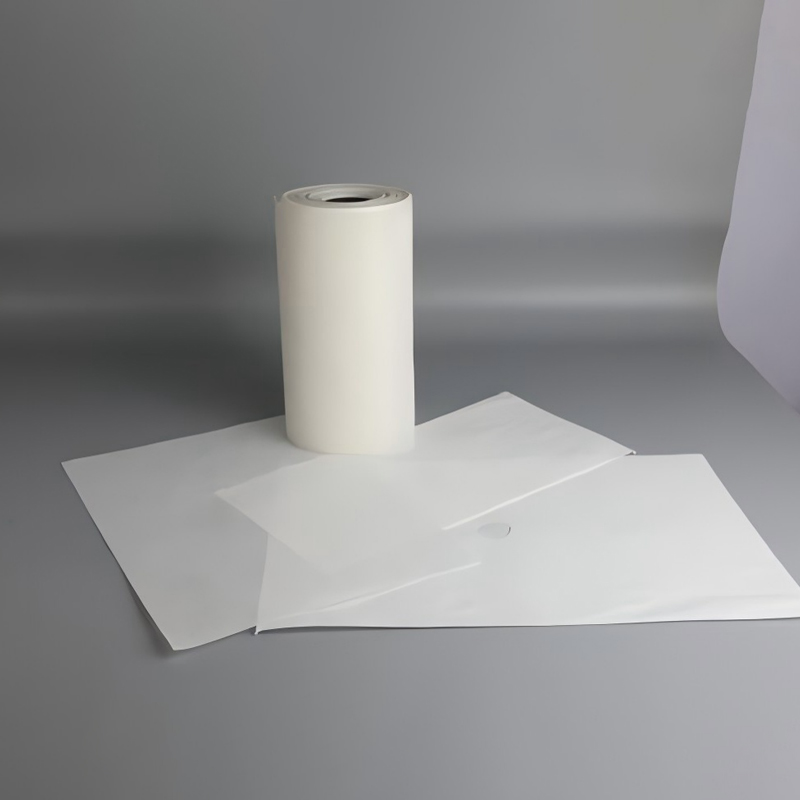 Liquid Filter Media
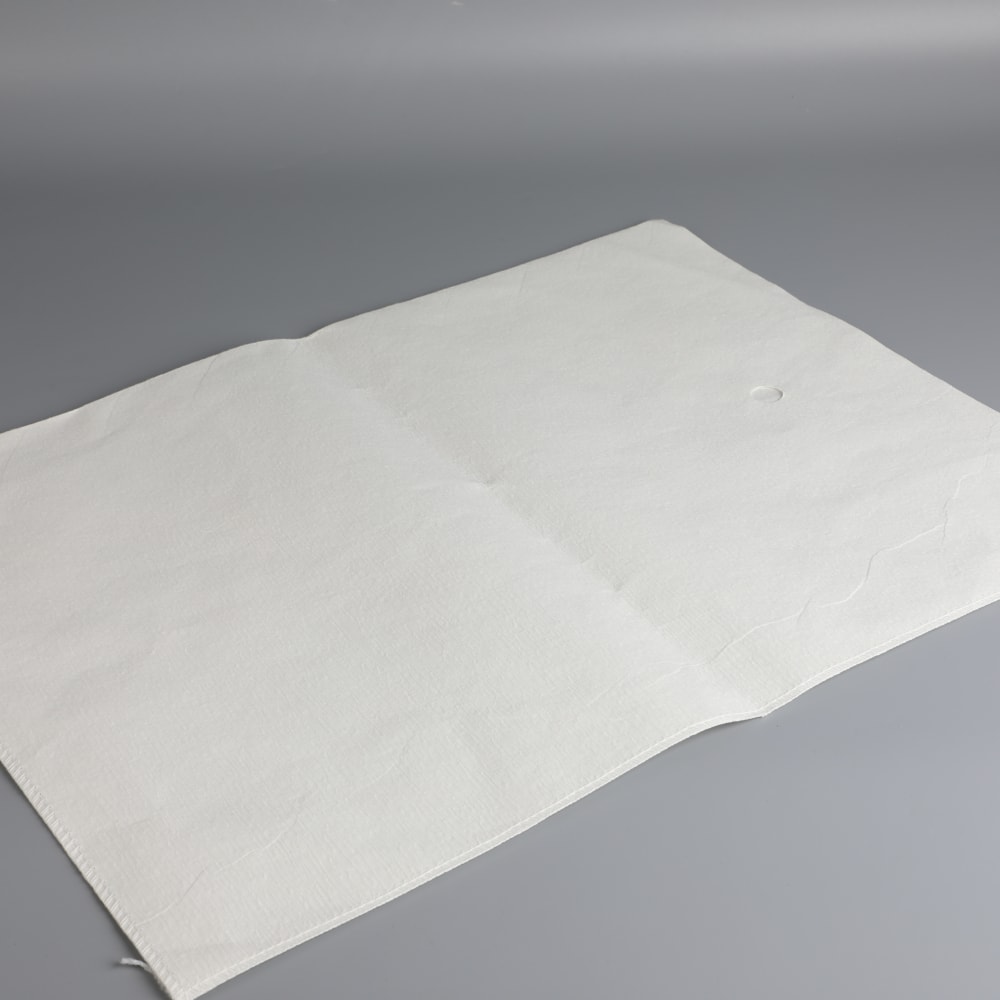 Filter Envelope & Filter Sheet
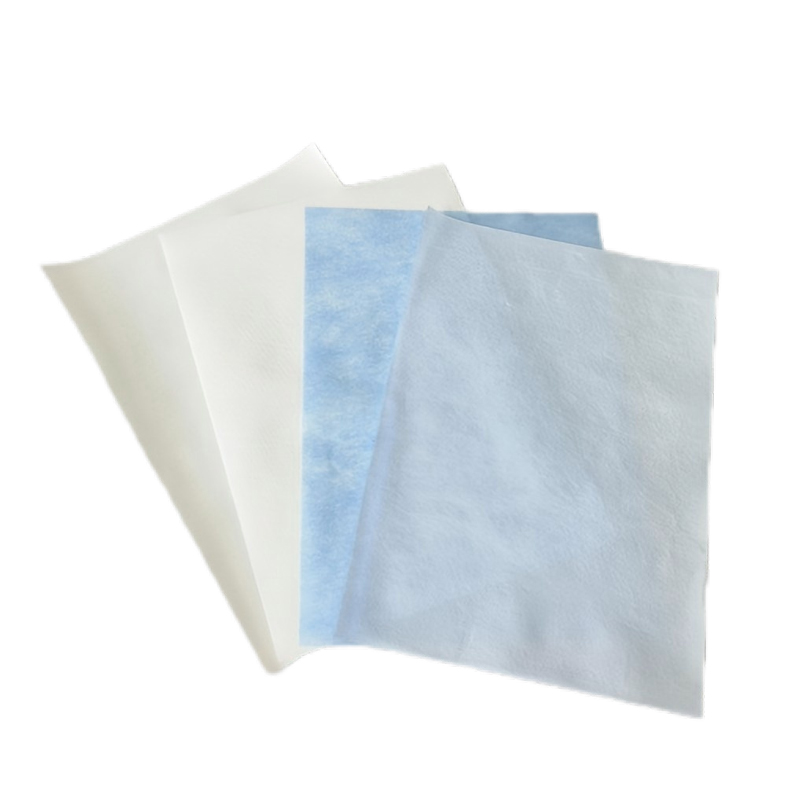 Breathable Film Laminates
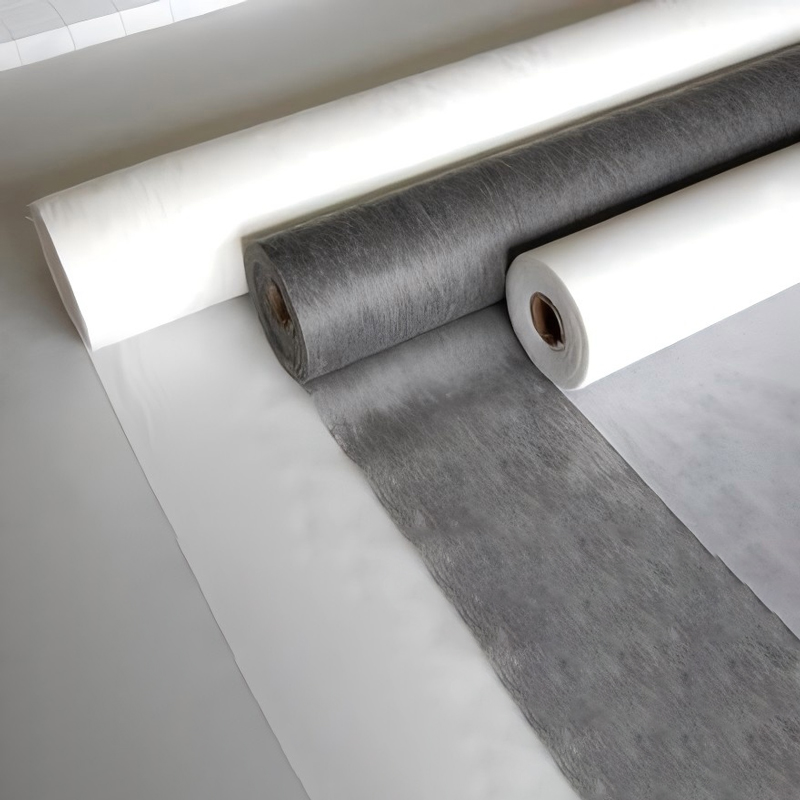 Nonwoven Interlining
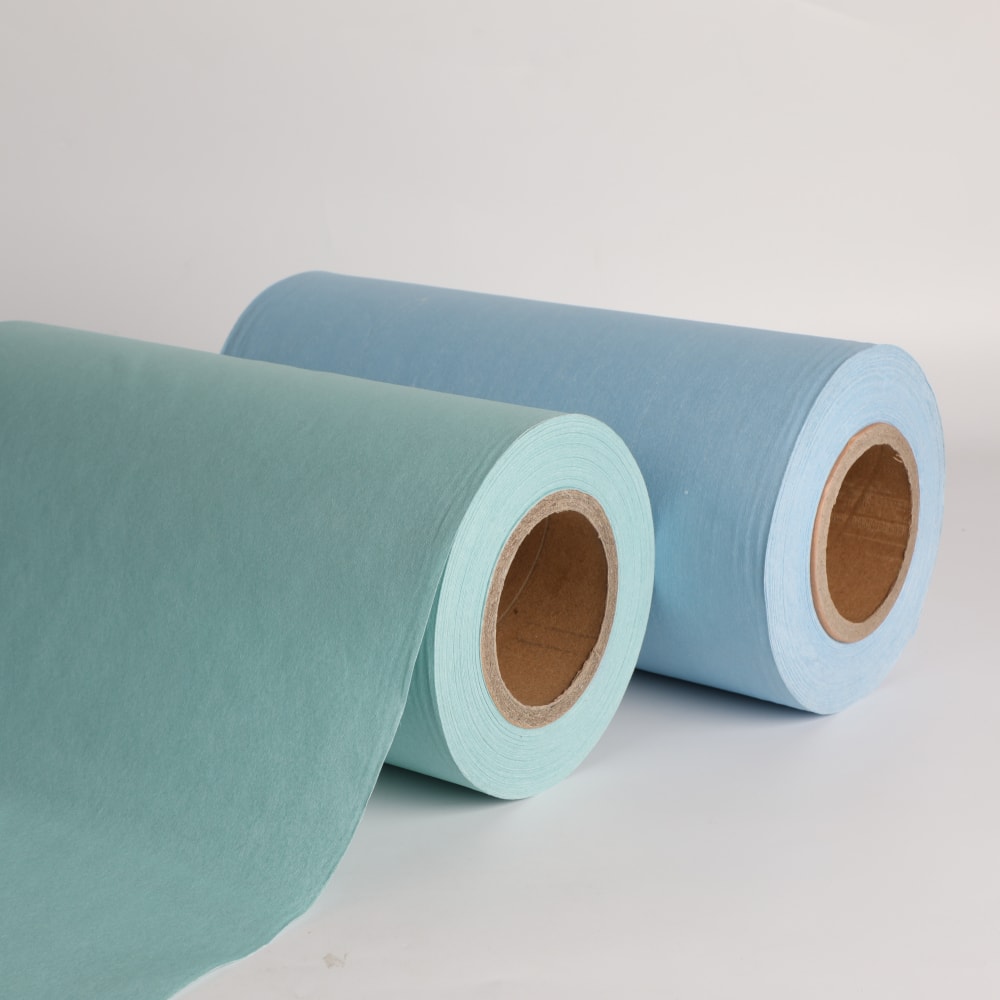 Fluid Repellent Woodpulp Spunlace Nonwoven
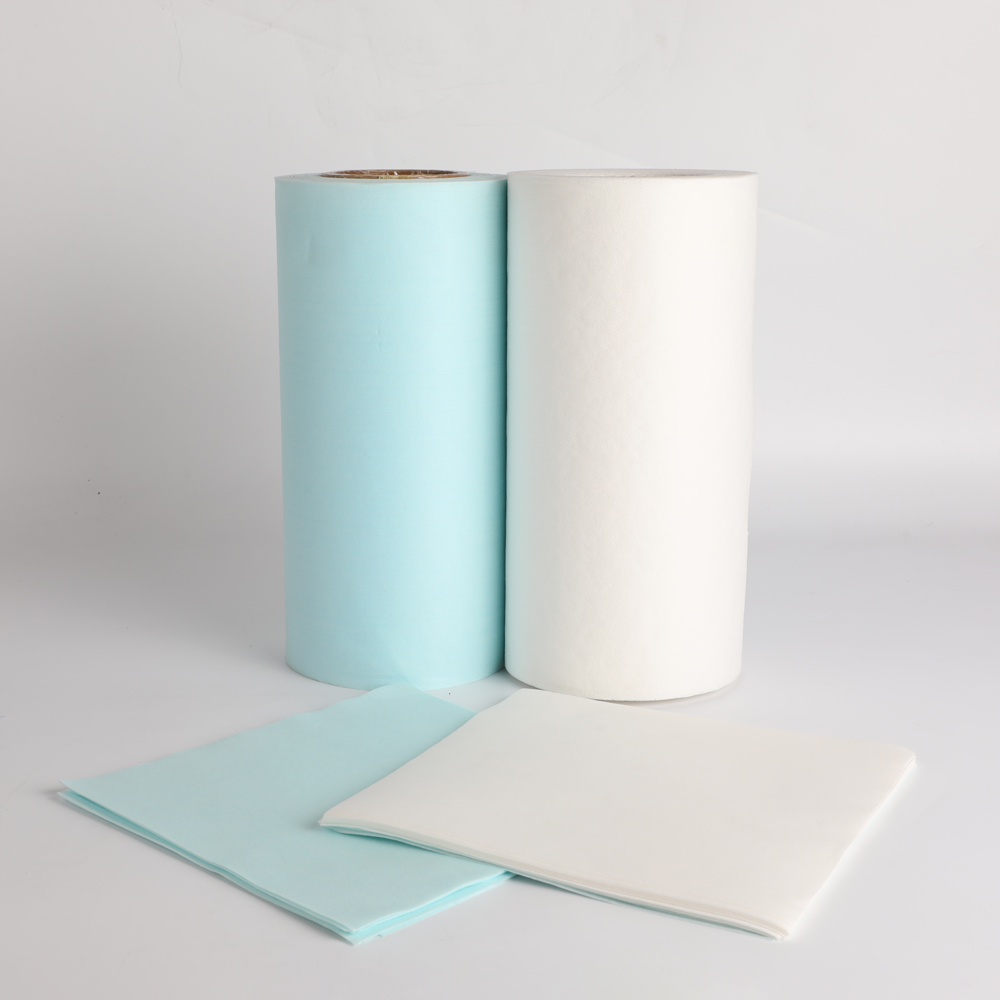 Woodpulp Nonwoven Wipe
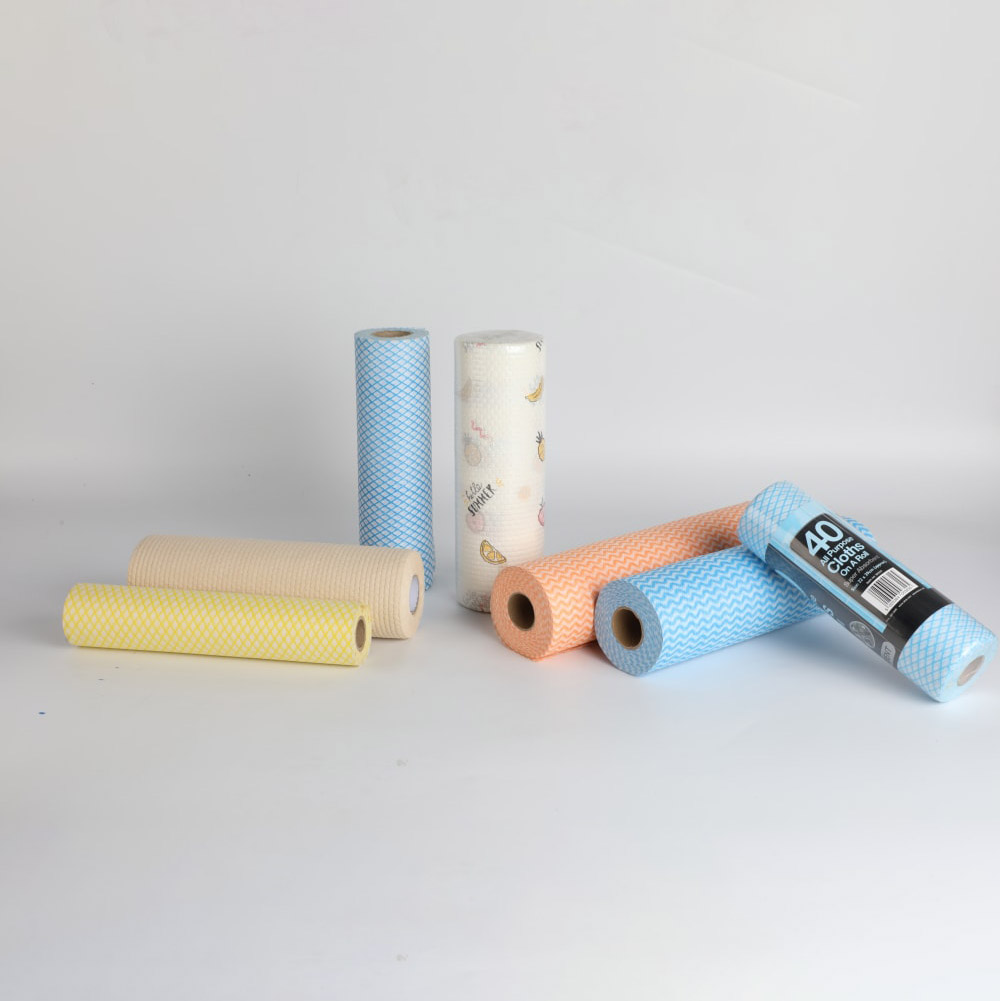 Nonwoven Cleaning Wipe
 Curtain Nonwoven
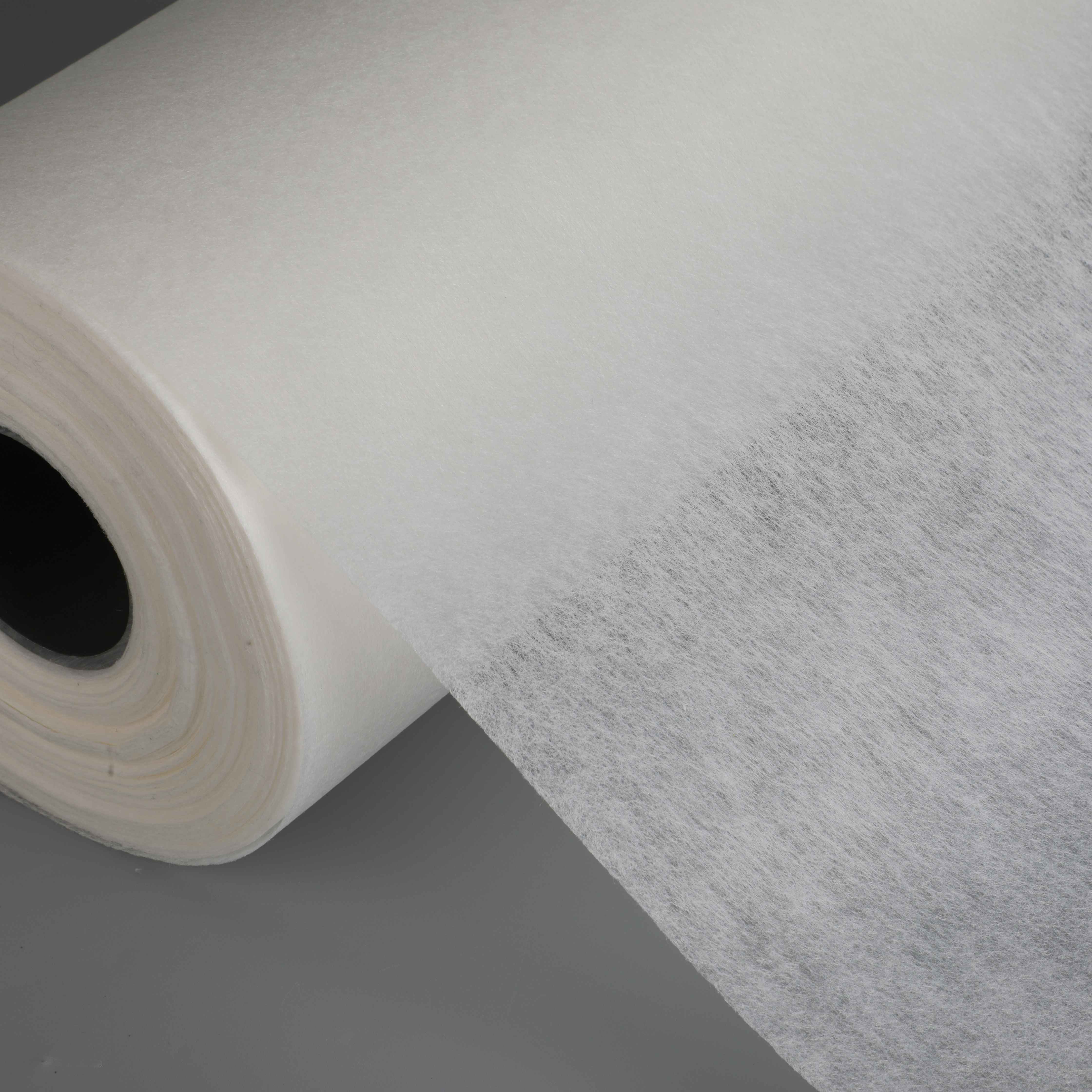 Food Grade Packaging Nonwoven
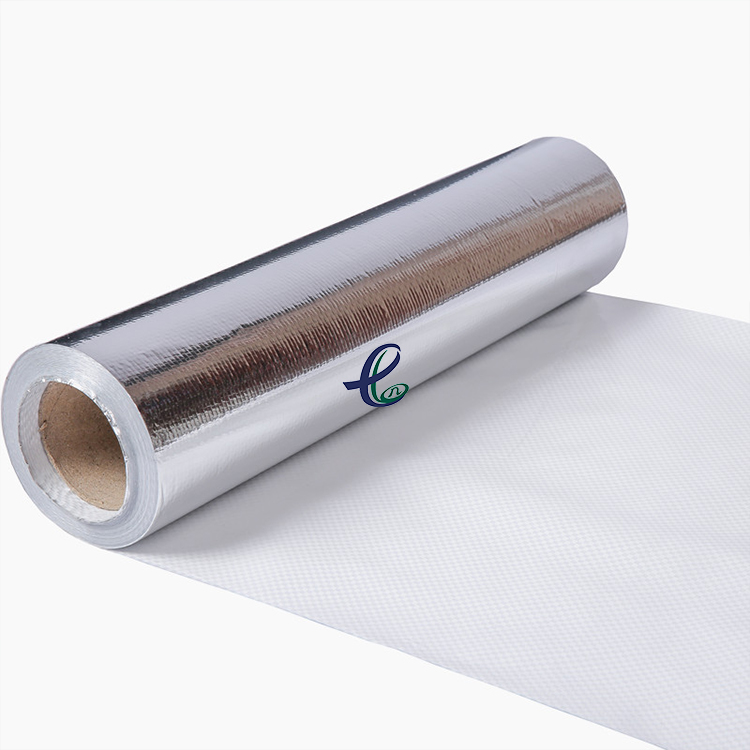 Aluminized Nonwoven
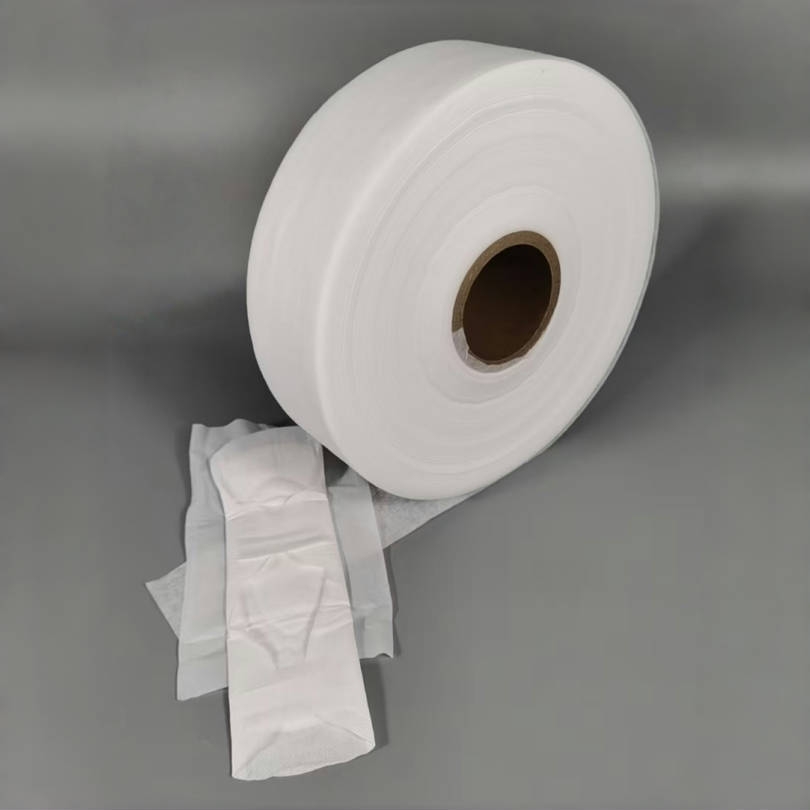 Hot Air Cotton Nonwoven
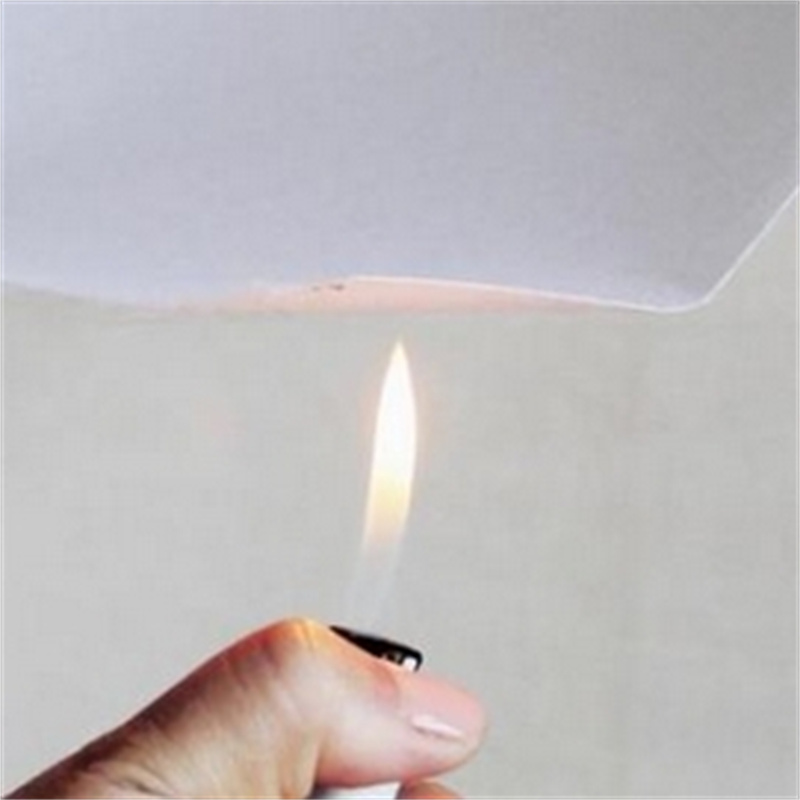 Flame Retardant Nonwoven
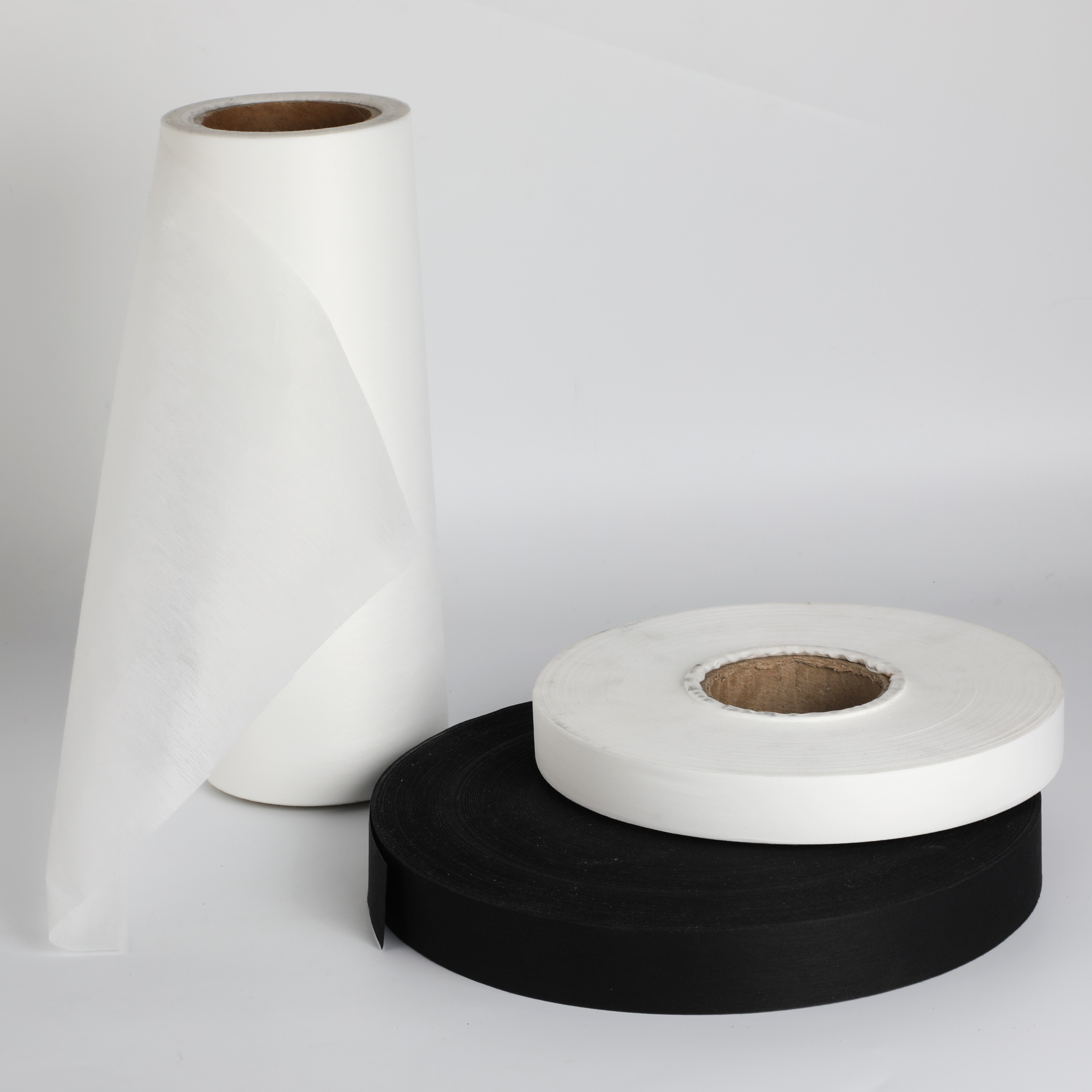 Cable Wrapping Nonwoven
 Semi-conductive Nonwoven
 Anti-Bacterial Nonwoven
 +8613957712400
 CONTACT WhatsApp
 CONTACT WeChat
 CONTACT NUMBER
 CONTACT EMAIL