Top 10 Colorful Nonwoven Fabric Manufacturers Worldwide
Colorful Nonwoven fabrics are moving beyond simple visual appeal. They now support hygiene products, medical materials, filtration media, agricultural covers, packaging, and interior applications. Their colors can improve product recognition, reinforce brand identity, and make safety zones easier to distinguish. Yet color alone does not prove performance.
This guide examines the Top 10 Colorful Nonwoven Fabric Manufacturers Worldwide. It considers manufacturing experience, fiber selection, coloration methods, tensile strength, softness, uniformity, certifications, and production flexibility. A bright blue roll may look impressive under showroom lighting. Its real value appears during cutting, sewing, bonding, washing, or long-term exposure.
Dr. Seshadri Ramkumar, a recognized nonwovens researcher, has stated, “Nonwovens are everywhere, but their potential is far from exhausted.” That observation fits the Colorful Nonwoven sector closely. Manufacturers must balance pigment stability with safety, cost, sustainability, and reliable supply. Some suppliers excel in spunbond production. Others perform better with meltblown, needle-punched, spunlace, or laminated structures.
The ranking is not absolute. It depends on the buyer’s application, region, order volume, and technical requirements. A smaller factory may offer stronger customization than a global producer. That possibility deserves attention. Pricing can also hide important differences in basis weight, color consistency, and testing depth.
This overview uses practical criteria rather than marketing language. It highlights visible strengths and possible limitations. Readers should still request samples, technical data sheets, compliance documents, and batch testing before making a final decision. The best manufacturer is rarely the loudest name. It is the supplier that performs consistently when real production begins.
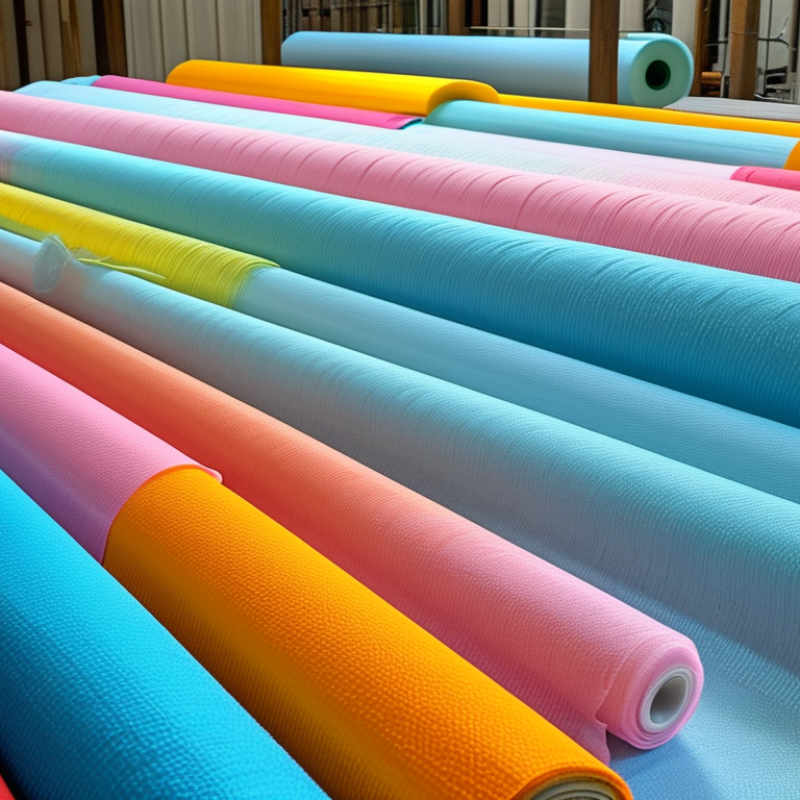
Definition and Applications of Colorful Nonwoven Fabrics
Colorful nonwoven fabric is an engineered textile made by bonding fibers without weaving or knitting. Its color may come from solution-dyed fibers, pigments, printing, or post-treatment. The choice affects shade consistency, lightfastness, abrasion resistance, and recycling considerations. Unlike woven cloth, its structure can be tuned for softness, filtration, strength, or fluid control. That flexibility explains its broad industrial use.
In hygiene products, soft colored layers help identify components and improve visual inspection. Medical packaging and protective garments may use controlled colors for organization, provided performance testing comes first. Furniture liners, wall coverings, shopping bags, agricultural covers, and automotive interiors also use these materials. For example, a dark seat backing can conceal handling marks, while a pale covering can brighten a retail display. Color is functional, not merely decorative.
When comparing leading manufacturers worldwide, buyers should request fiber composition, basis weight, color tolerance, and test reports. Ask how shades behave after washing, sunlight exposure, heat, or disinfectant contact. A sample roll is useful, but it can mislead. Production batches may vary if pigments, recycled content, or bonding conditions change. I have found that a clear specification prevents more trouble than an attractive swatch. Still, color alone cannot prove safety, durability, or environmental performance. Those claims need current, application-specific evidence.
Key Criteria for Evaluating Global Nonwoven Fabric Manufacturers
Top 10 Colorful Nonwoven Fabric Manufacturers Worldwide
Evaluating colorful nonwoven fabric manufacturers requires more than comparing shade cards.
Grand View Research estimates the global nonwoven fabric market reached about USD 53 billion in 2023.
Demand is expanding across hygiene, filtration, medical, agriculture, and packaging applications. This growth makes supplier verification more important.
Start with measurable production controls. Ask for GSM tolerance, tensile strength, elongation, air permeability, and colorfastness results.
ISO 9073 test methods can support consistent comparisons between suppliers.
A reliable manufacturer should provide batch records, pigment specifications, and traceability from fiber to finished roll. Shade stability matters. A bright red roll should not become dull after heat exposure, washing, or sunlight.
Look closely at capacity and process flexibility. Spunbond, meltblown, needle-punched, and laminated structures perform differently. A supplier may produce vivid samples but struggle with repeat orders. That weakness is easy to miss. Request three production batches, not one attractive sample. Check lead times, minimum order quantities, packaging quality, and complaint response procedures. Environmental evidence also deserves scrutiny. The European Disposables and Nonwovens Association reports continuing investment in recycling and resource efficiency across the sector, but claims should include specific water, energy, and waste data. I would also examine certifications, laboratory independence, and factory audit records.
Price is useful, but it is not proof of technical reliability.
Top 10 Colorful Nonwoven Fabric Manufacturers Worldwide
Top 10 Colorful Nonwoven Fabric Manufacturers Worldwide
The top ten colorful nonwoven fabric manufacturers compete through color accuracy, material consistency, and production flexibility. Their portfolios commonly include spunbond, meltblown, needle-punched, and spunlace fabrics. These materials serve hygiene, filtration, medical, packaging, and interior applications.
Grand View Research valued the global nonwoven fabrics market at approximately USD 53.5 billion in 2023. Its report projects a compound annual growth rate of about 7.2% from 2024 to 2030. Smithers also identifies hygiene, healthcare, and filtration as major demand areas in its nonwovens market outlook. These figures explain why leading manufacturers invest in automated dosing systems, digital shade libraries, and inline inspection.
A reliable supplier should provide batch-level color records, basis-weight data, tensile results, and wash or rubbing performance. Independent certifications can strengthen claims, but certificates alone cannot prove practical quality. Buyers should request production samples under real lighting, including warehouse and outdoor conditions. Color drift remains a common weakness, especially after heat treatment or recycled-fiber blending. Claims need testing. Public information also varies widely among manufacturers, so any “top ten” ranking should remain transparent about its scoring method. Experienced buyers may weigh defect rates, delivery stability, technical support, and documented environmental performance more heavily than factory size.
Top 10 Colorful Nonwoven Fabric Manufacturers Worldwide
Color reference spectrum for colorful nonwoven fabric development. The chart uses approximate central wavelengths within the visible spectrum and does not display company or brand data.
Visible light is generally considered to range from approximately 400 to 700 nanometers. These reference values help communicate common color positions during fabric sampling, dye matching, and product design.
Materials, Technologies, and Product Ranges
The world’s leading colorful nonwoven fabric manufacturers compete through materials, technologies, and product range. Smithers estimates that global nonwoven demand could reach about US$67 billion by 2028, supported by hygiene, medical, filtration, and construction applications. Color is no longer only decorative. It can identify product layers, improve handling, and support visual quality checks.
The strongest manufacturers typically work with polypropylene, polyester, viscose, wood pulp, and biodegradable fibers. Spunbond and meltblown lines create lightweight webs with controlled strength. Spunlace technology produces soft, absorbent surfaces for wipes and personal-care products. Needle-punching adds thickness and resilience for automotive interiors, geotextiles, and insulation. According to Grand View Research, filtration and hygiene remain important growth areas, although exact forecasts vary between research firms.
Color consistency requires more than adding pigment. Suppliers must control fiber mixing, masterbatch dispersion, drying, web formation, and heat exposure. Advanced lines use online cameras to detect shade variation across wide rolls. Some facilities also offer hydrophilic, antistatic, flame-retardant, or antibacterial finishes, subject to regional compliance requirements. Product ranges may include rolls, sheets, laminated structures, printed materials, and custom weights.
A practical Top 10 assessment should examine test data, batch traceability, recycled content, and minimum order flexibility. ISO-based quality systems help, but certificates alone cannot prove daily performance. No ranking is flawless. I would still request samples from the same production lot, because a beautiful color card can hide uneven absorbency, weak edges, or fading after use.
Sustainability and Future Trends in Colorful Nonwoven Fabrics
Colorful nonwoven fabrics are moving beyond visual appeal. They now support lower-impact product design, especially in hygiene, healthcare, filtration, and interior applications. Smithers’ The Future of Global Nonwovens to 2028 forecasts continued market growth, driven by hygiene demand, filtration needs, and lightweight materials. Color adds value, but responsible sourcing must come first.
Manufacturers are testing recycled polyester, mechanically recycled fibers, and bio-based polymers. According to Textile Exchange’s Materials Market Report 2024, recycled polyester represented about 12% of global polyester production in 2023. This progress matters, although recycled inputs can still involve energy use, contamination, and difficult sorting. A bright fabric is not automatically a sustainable fabric.
Design teams are also reducing pigment waste through digital coloration, concentrated masterbatches, and process-water controls. The European Disposables and Nonwovens Association highlights circularity, resource efficiency, and end-of-life management as major industry priorities. Color consistency remains difficult when recycled fibers vary between batches. That problem deserves more honesty.
Future leaders will measure carbon, water, durability, and recyclability together. They will also provide traceable fiber data instead of broad environmental claims. In practice, a slightly less perfect shade may be preferable when it lowers chemical use and production waste. Performance still matters. So does restraint.

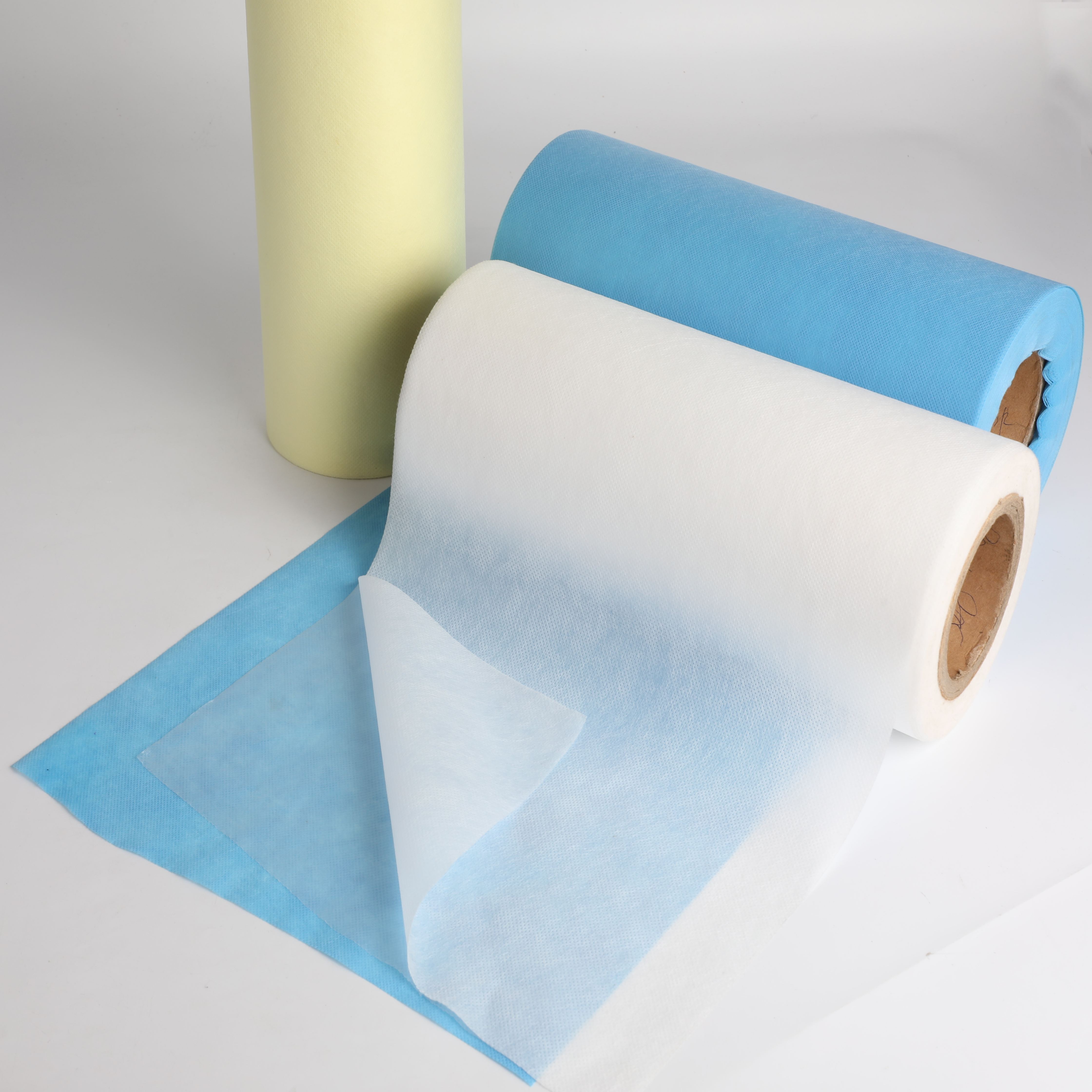 PP Laminates
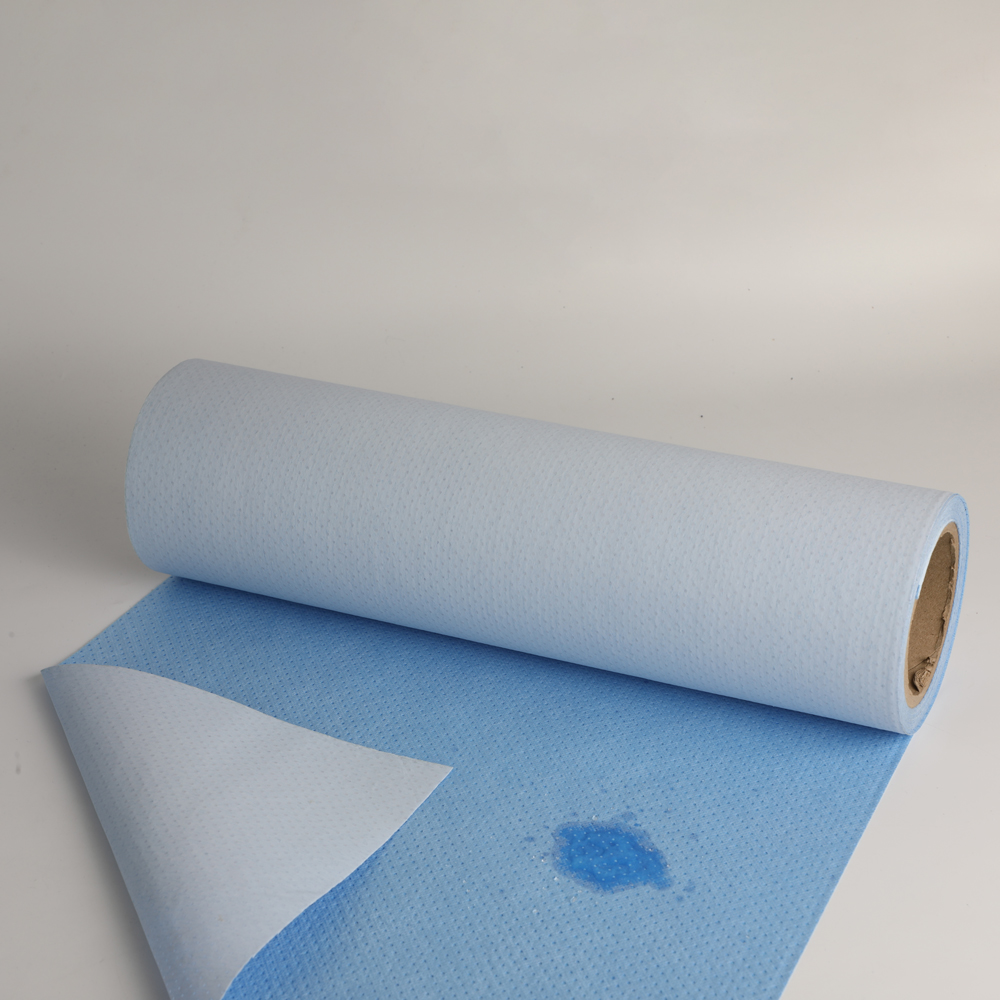 Multi Laminates
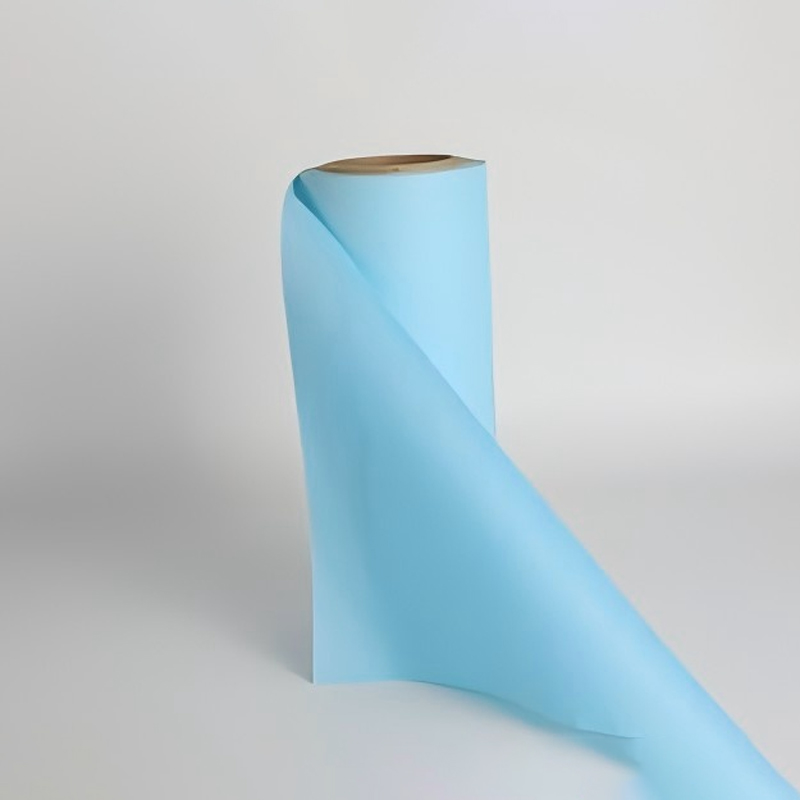 Spunlace Nonwoven Laminates
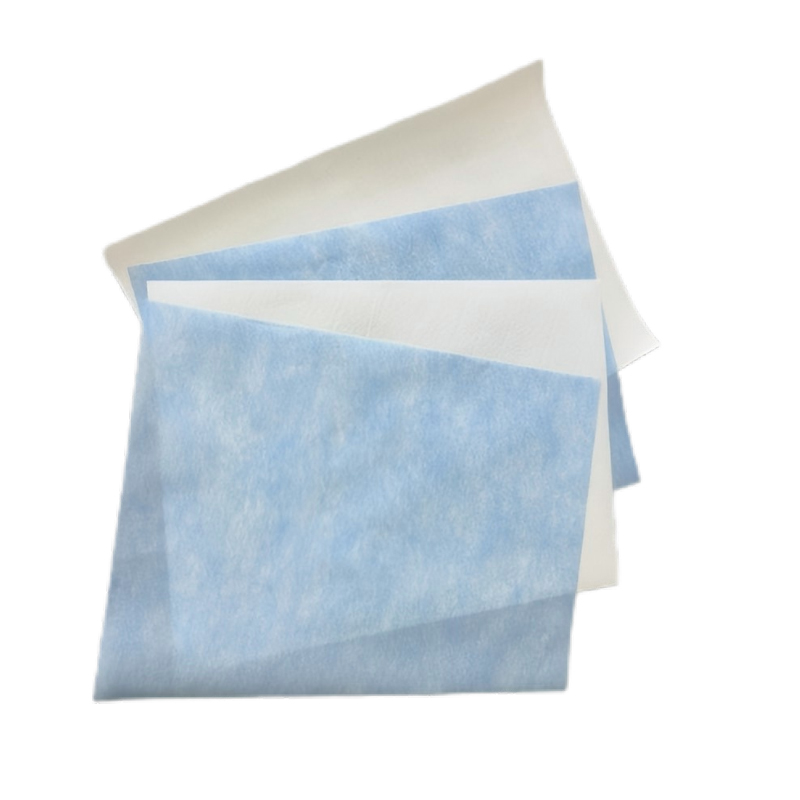 Breathable Film Laminates
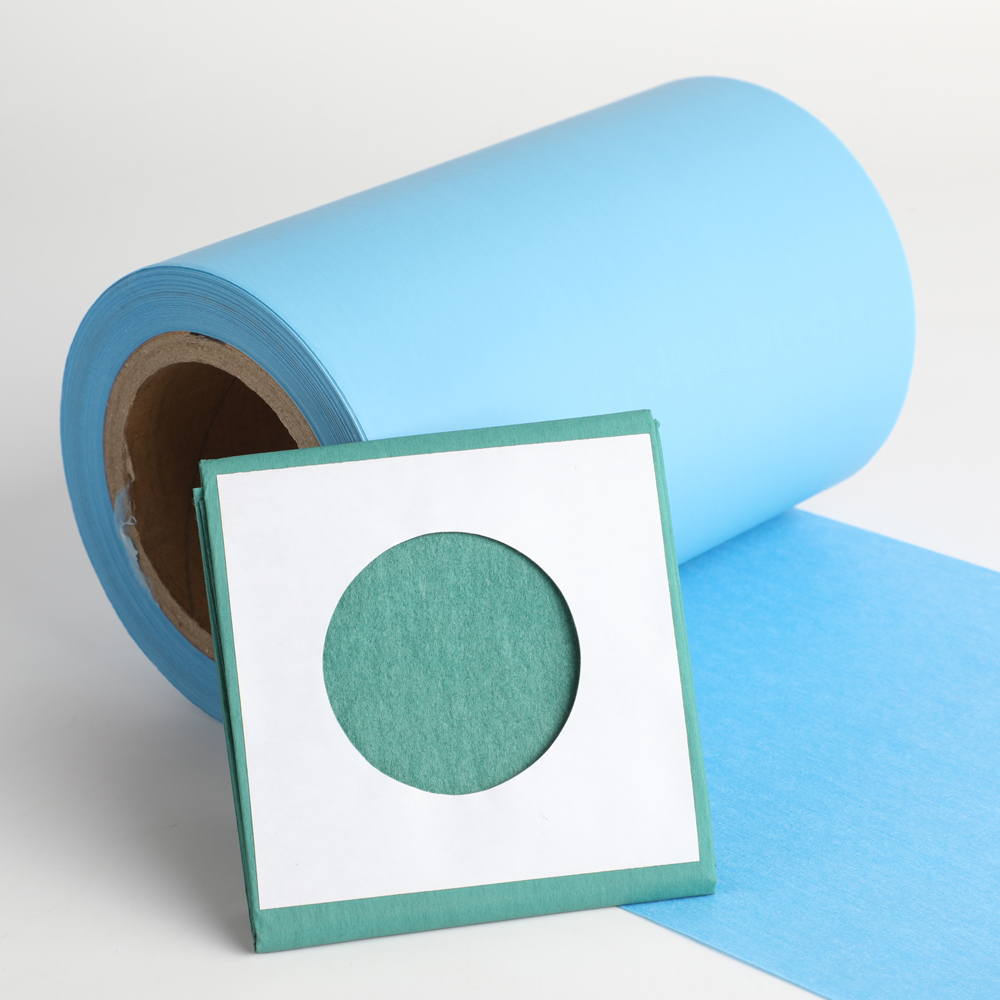 Viscose Laminates
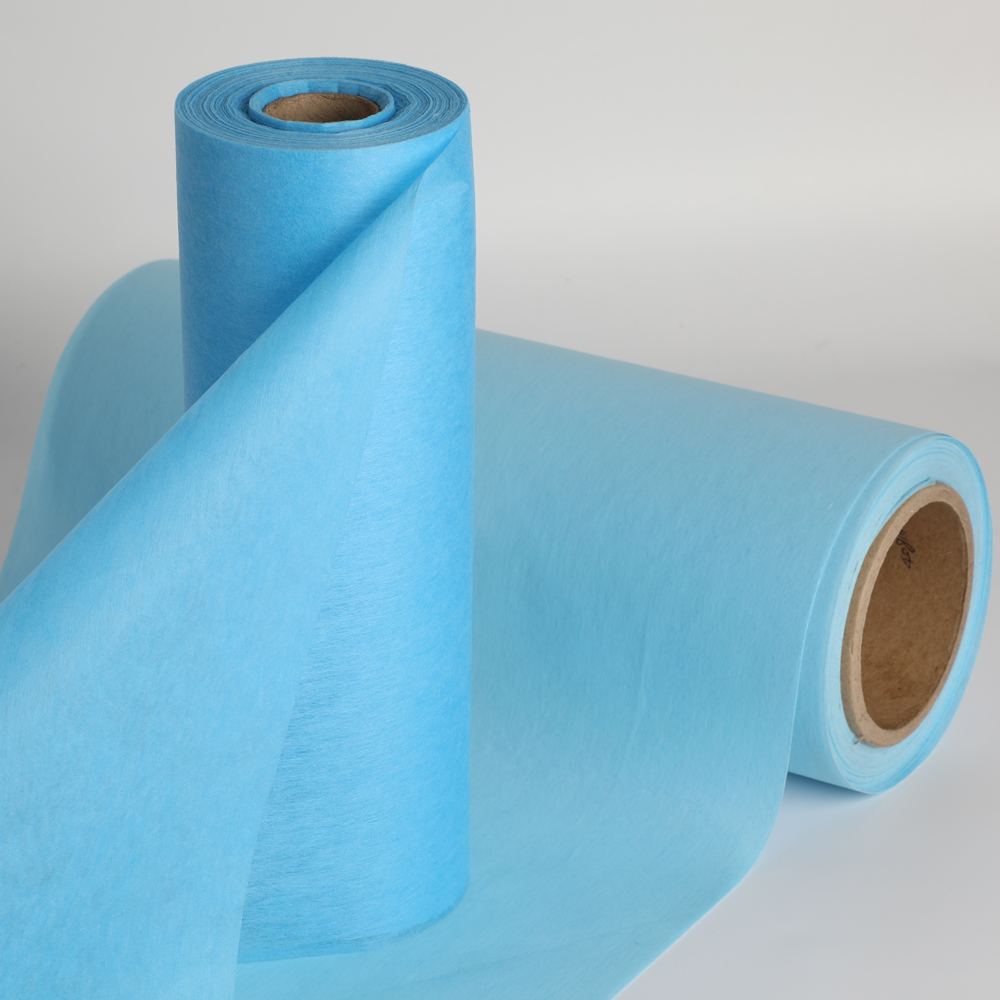 Medical Viscose Nonwoven
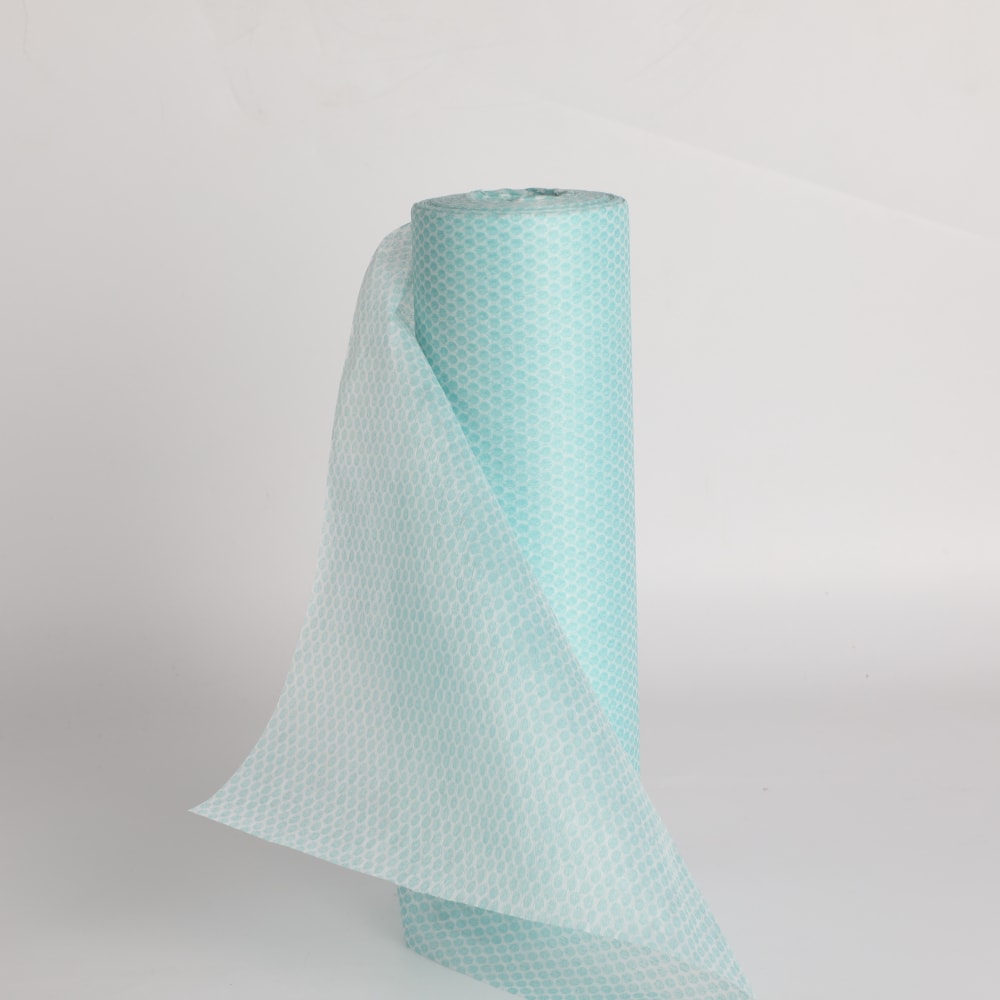 Head Wear Nonwoven
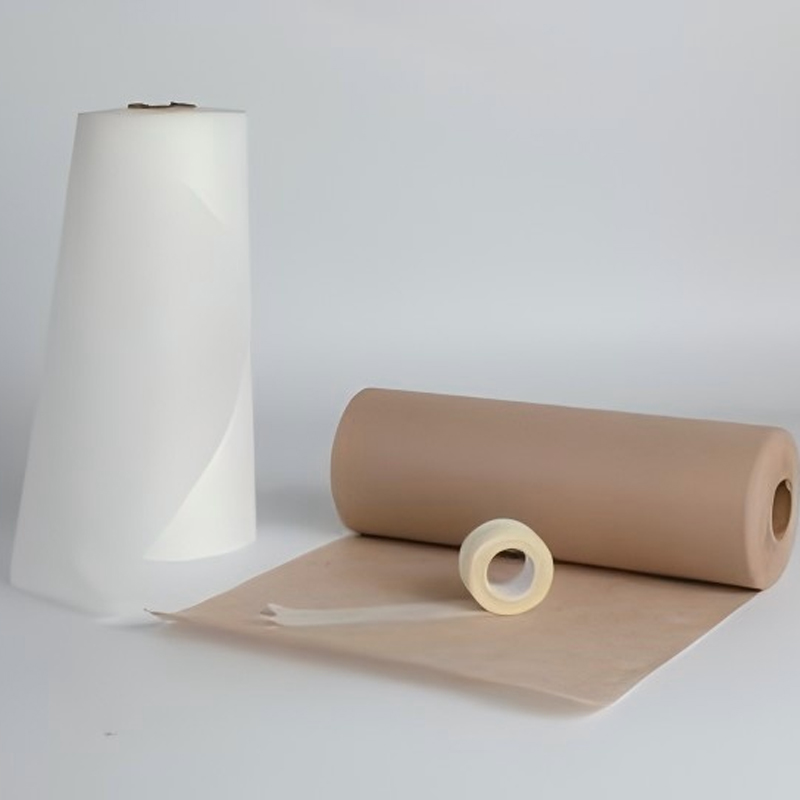 Medical Tape Nonwoven
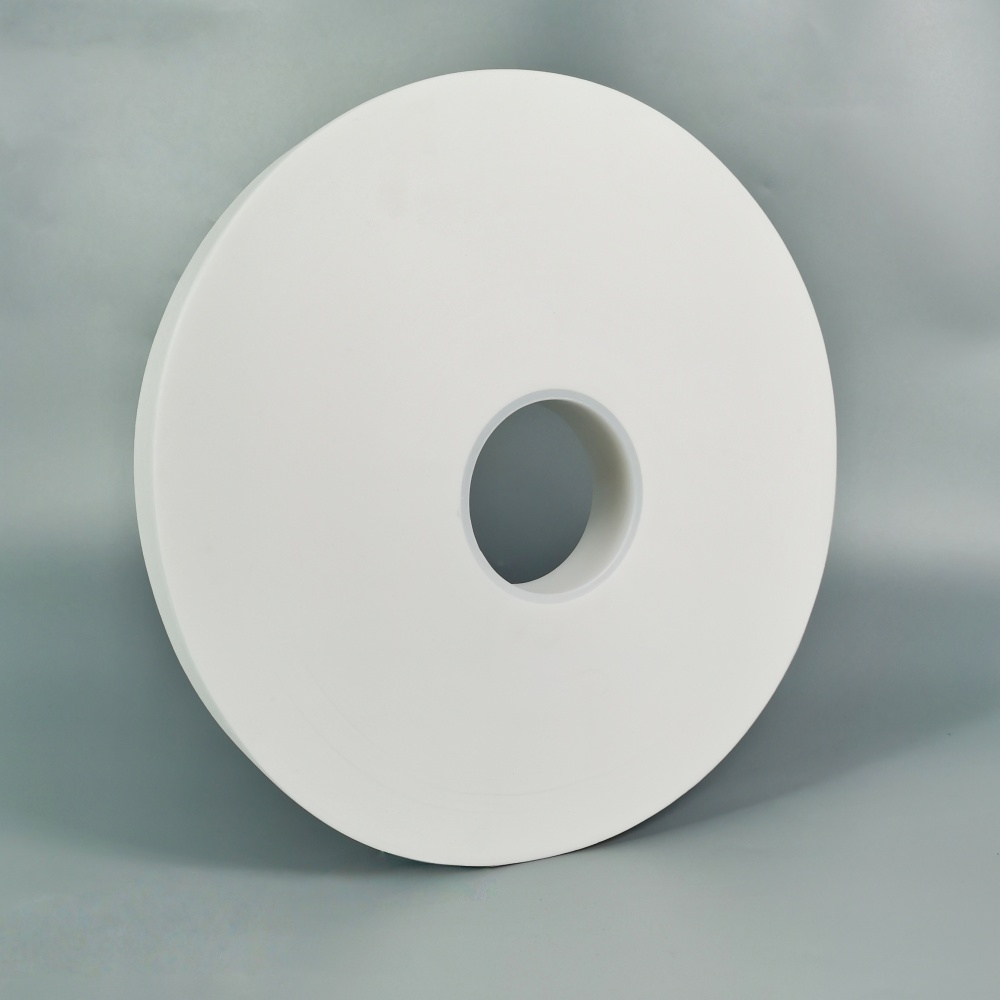 Snus Pouch Nonwoven
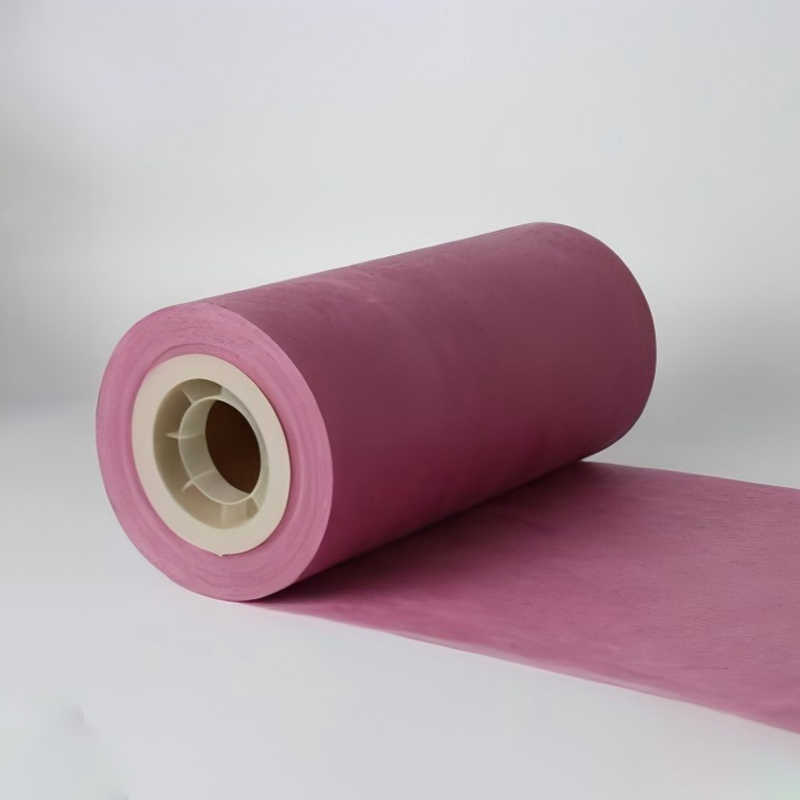 Filtration Nonwoven
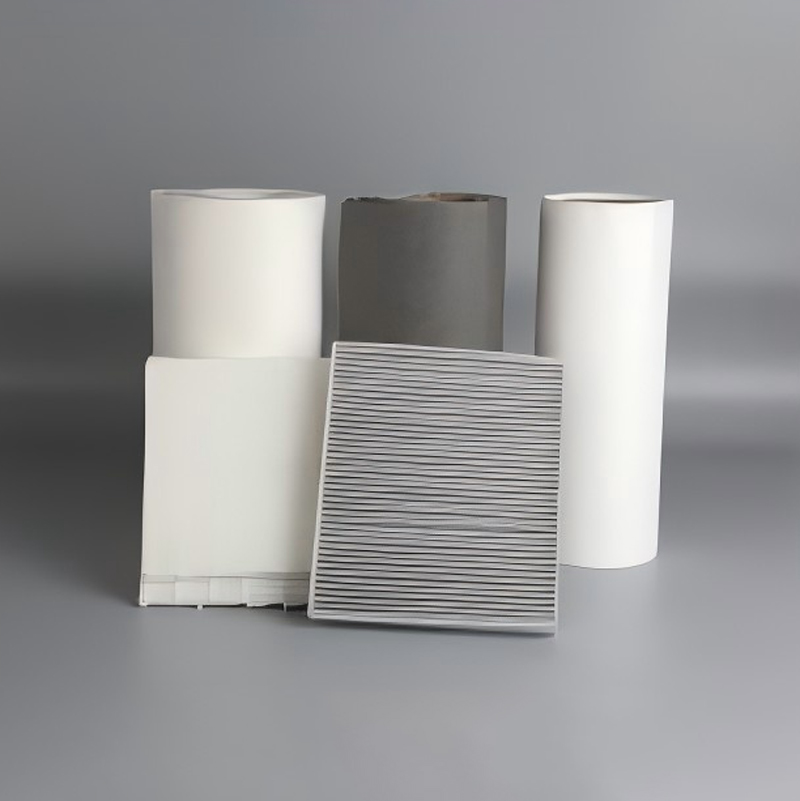 Air Filter Media
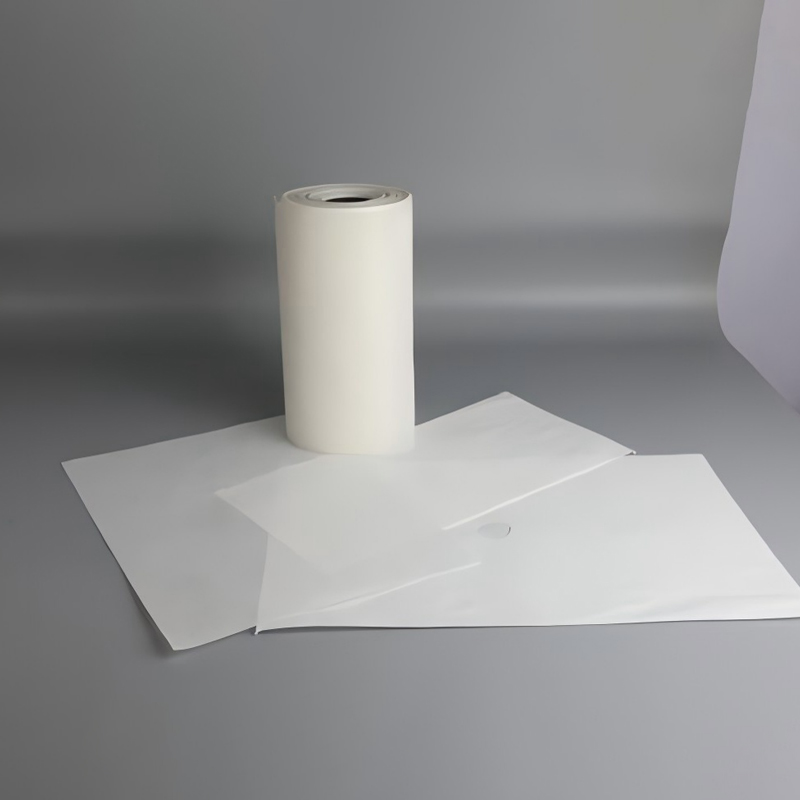 Liquid Filter Media
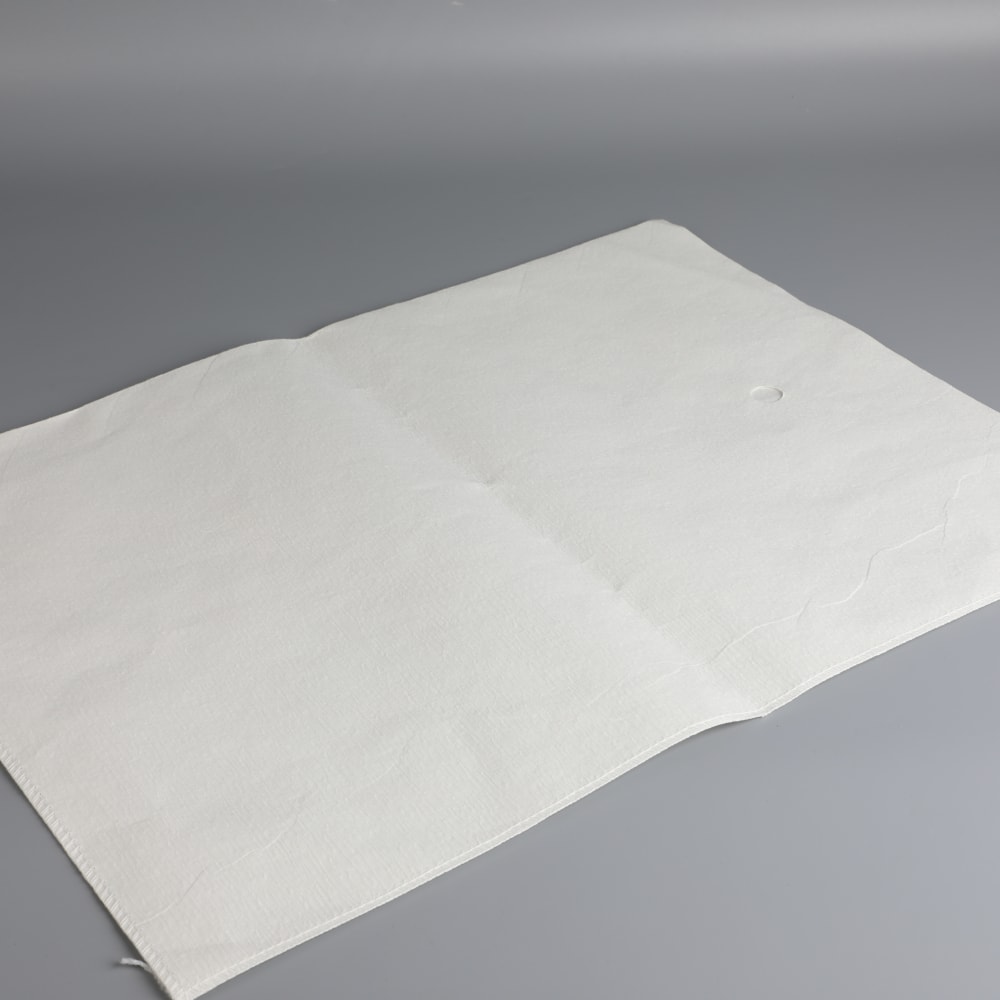 Filter Envelope & Filter Sheet
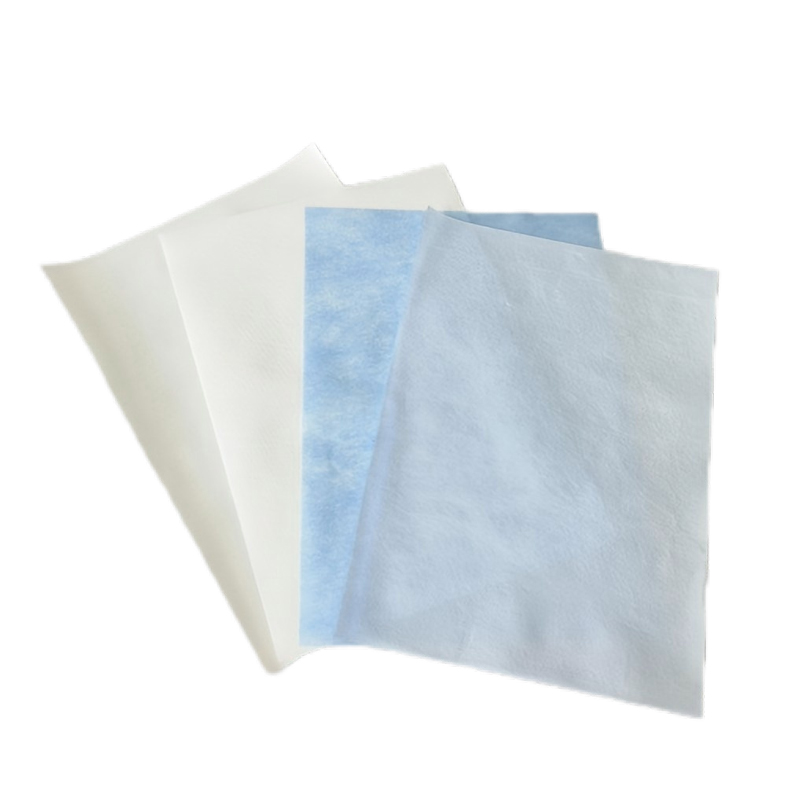 Breathable Film Laminates
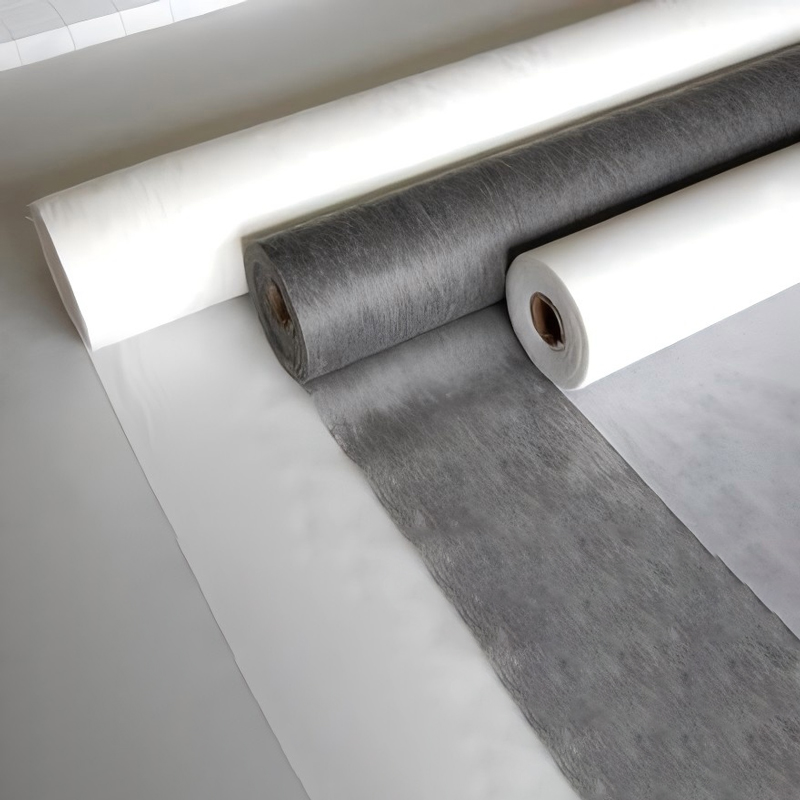 Nonwoven Interlining
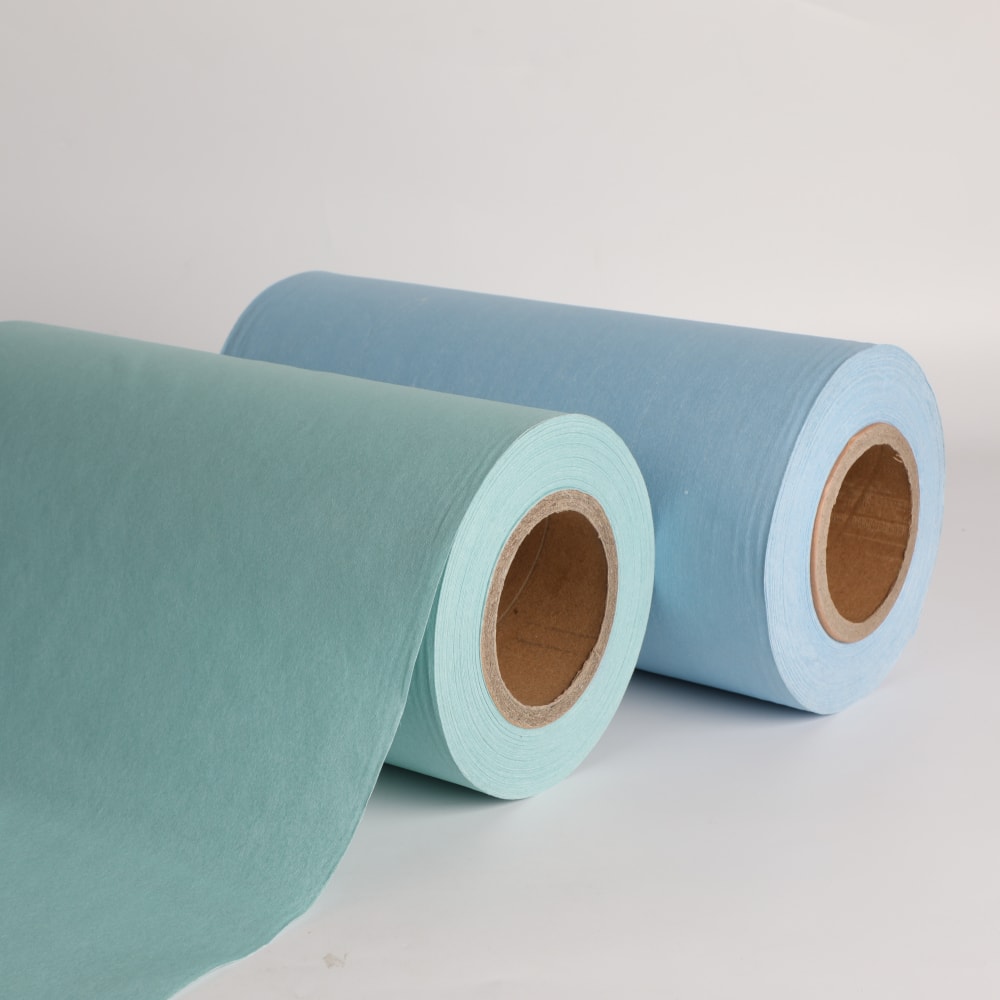 Fluid Repellent Woodpulp Spunlace Nonwoven
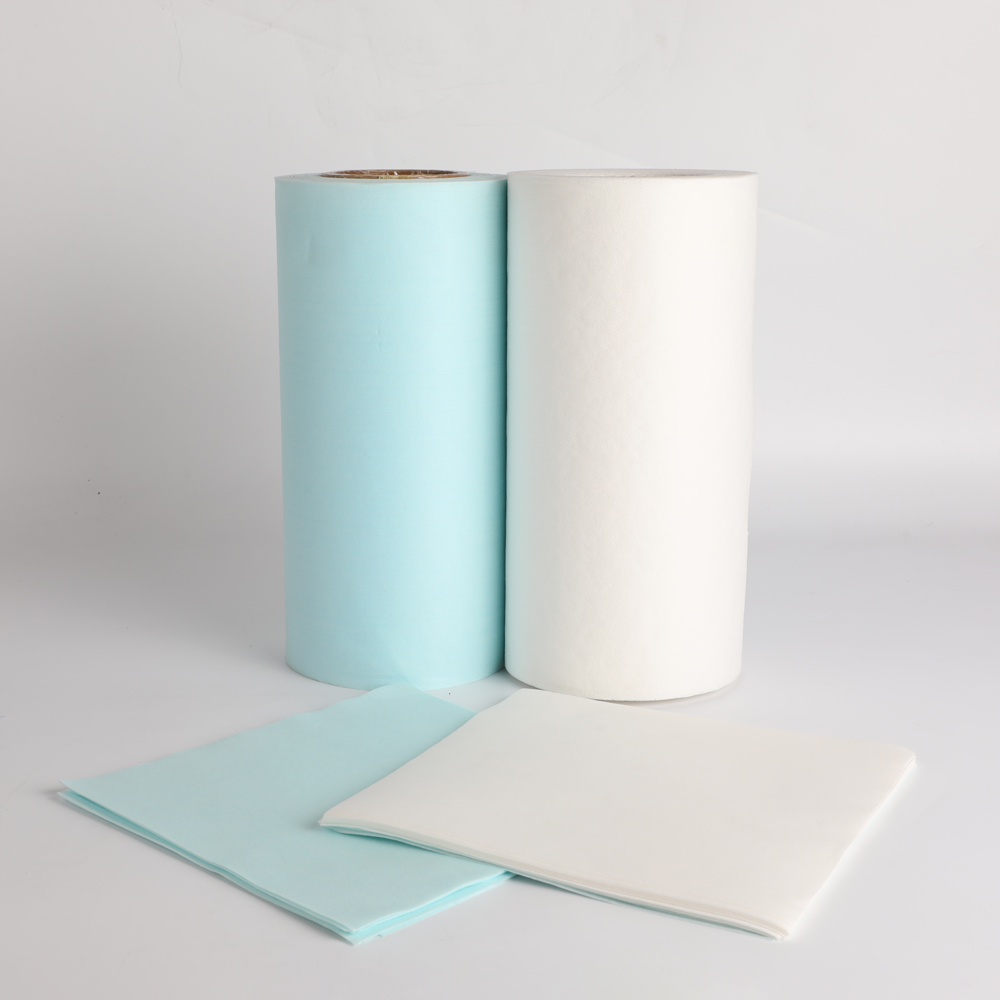 Woodpulp Nonwoven Wipe
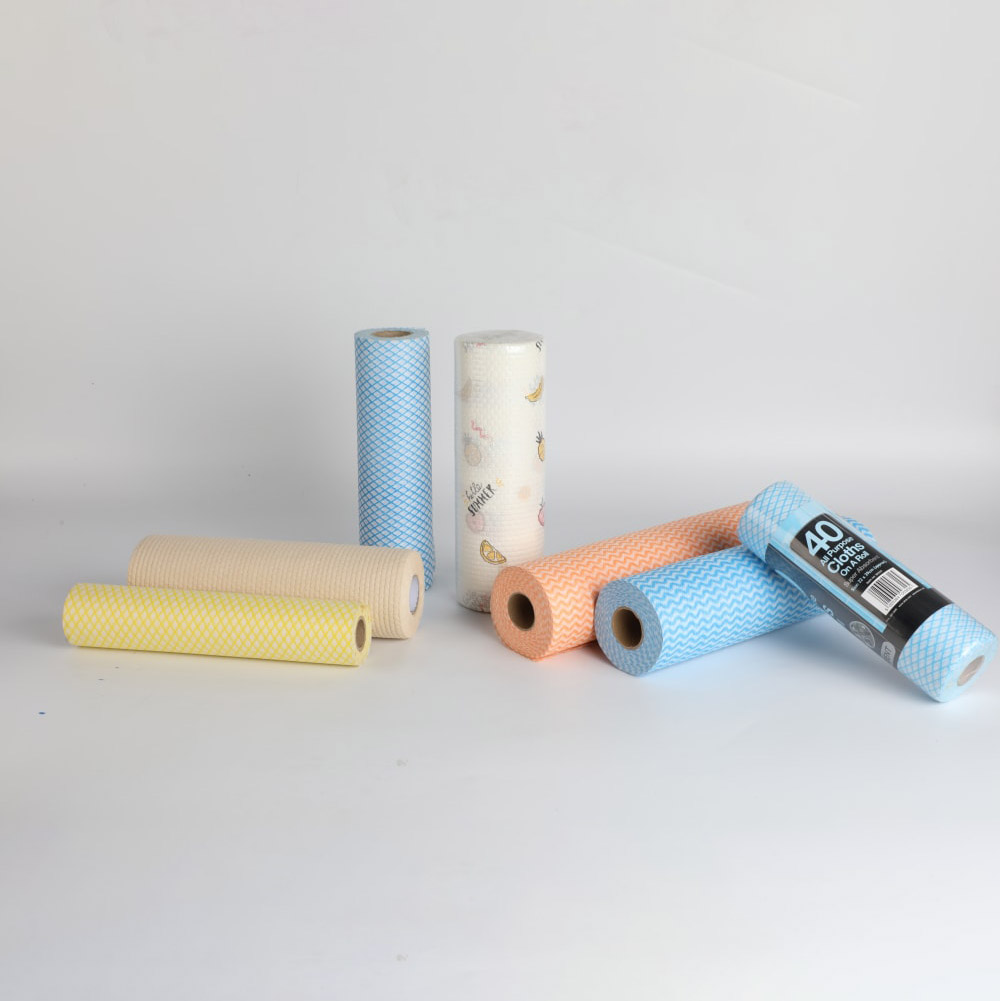 Nonwoven Cleaning Wipe
 Curtain Nonwoven
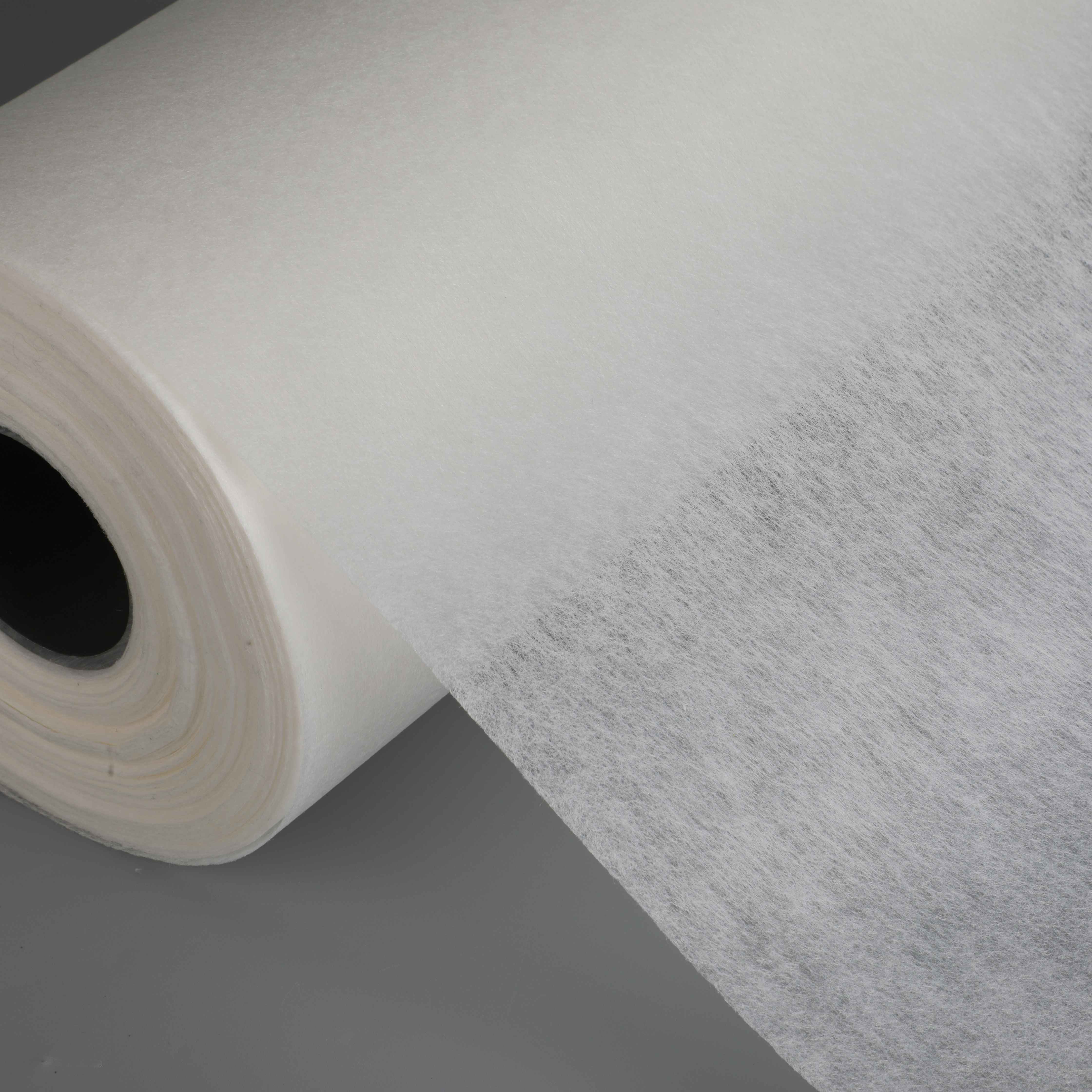 Food Grade Packaging Nonwoven
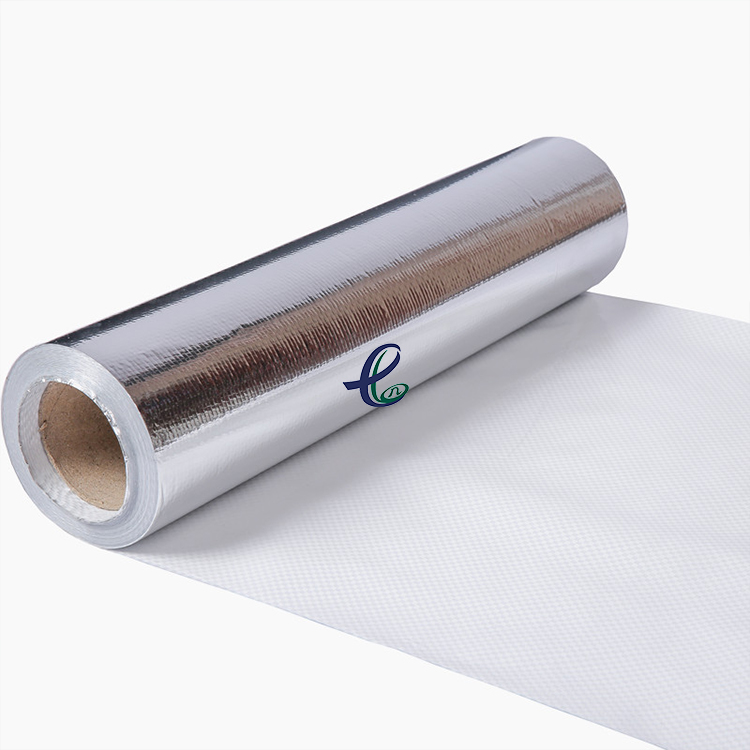 Aluminized Nonwoven
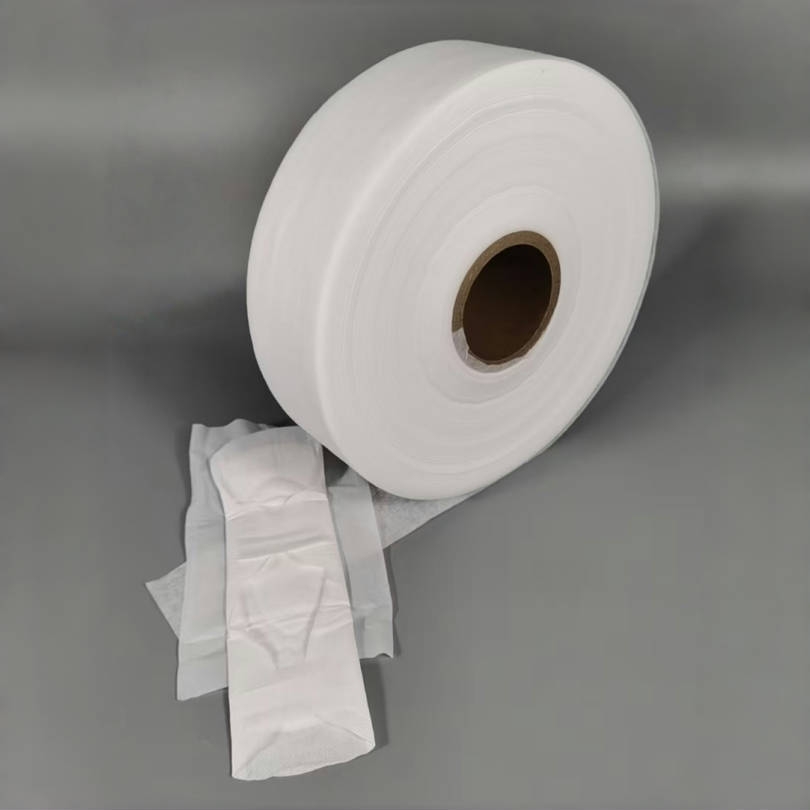 Hot Air Cotton Nonwoven
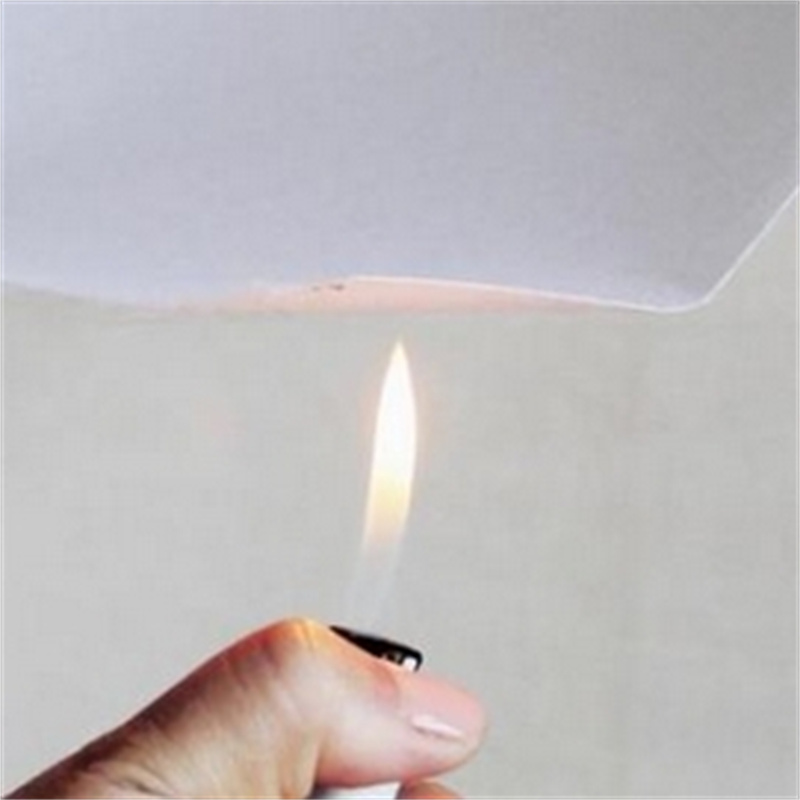 Flame Retardant Nonwoven
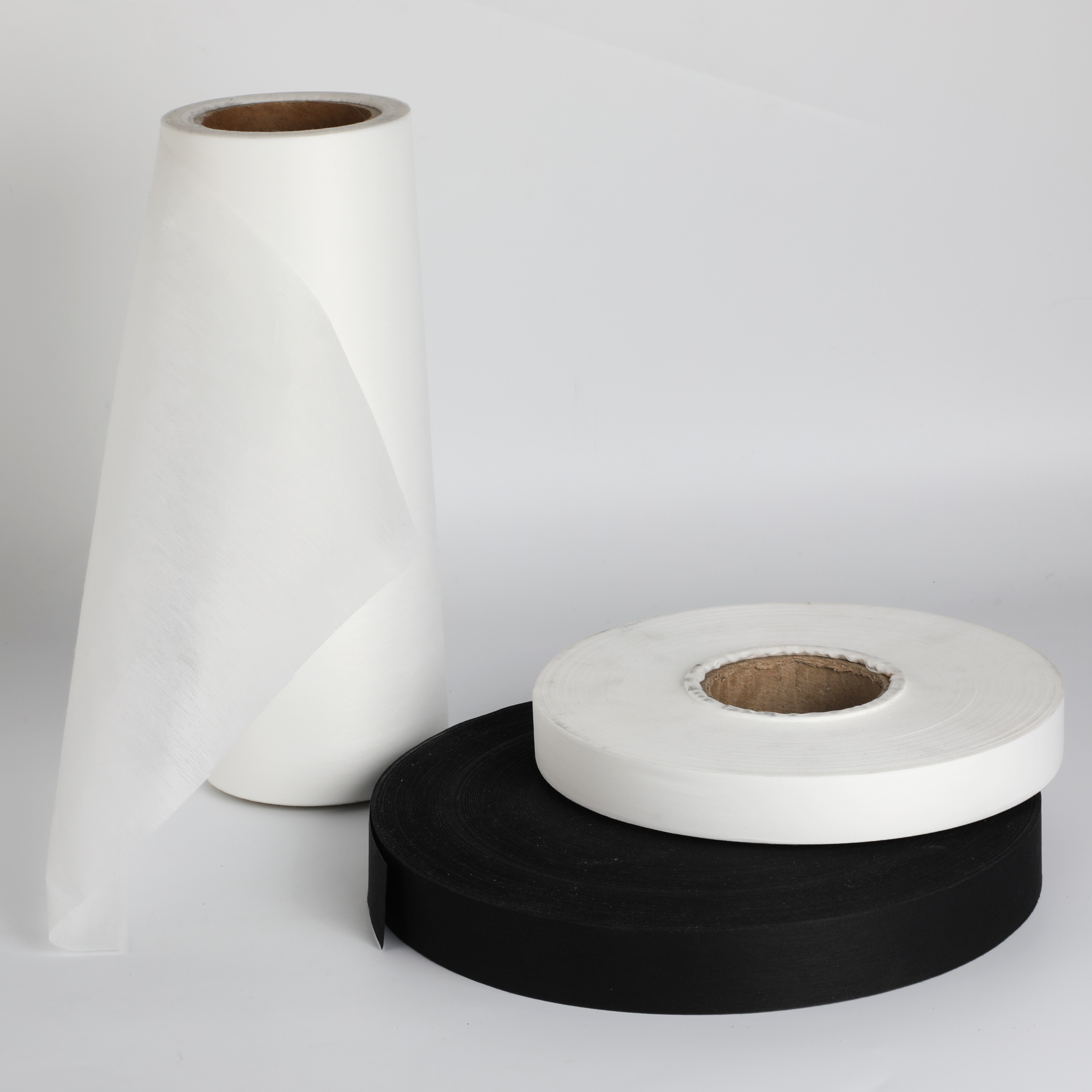 Cable Wrapping Nonwoven
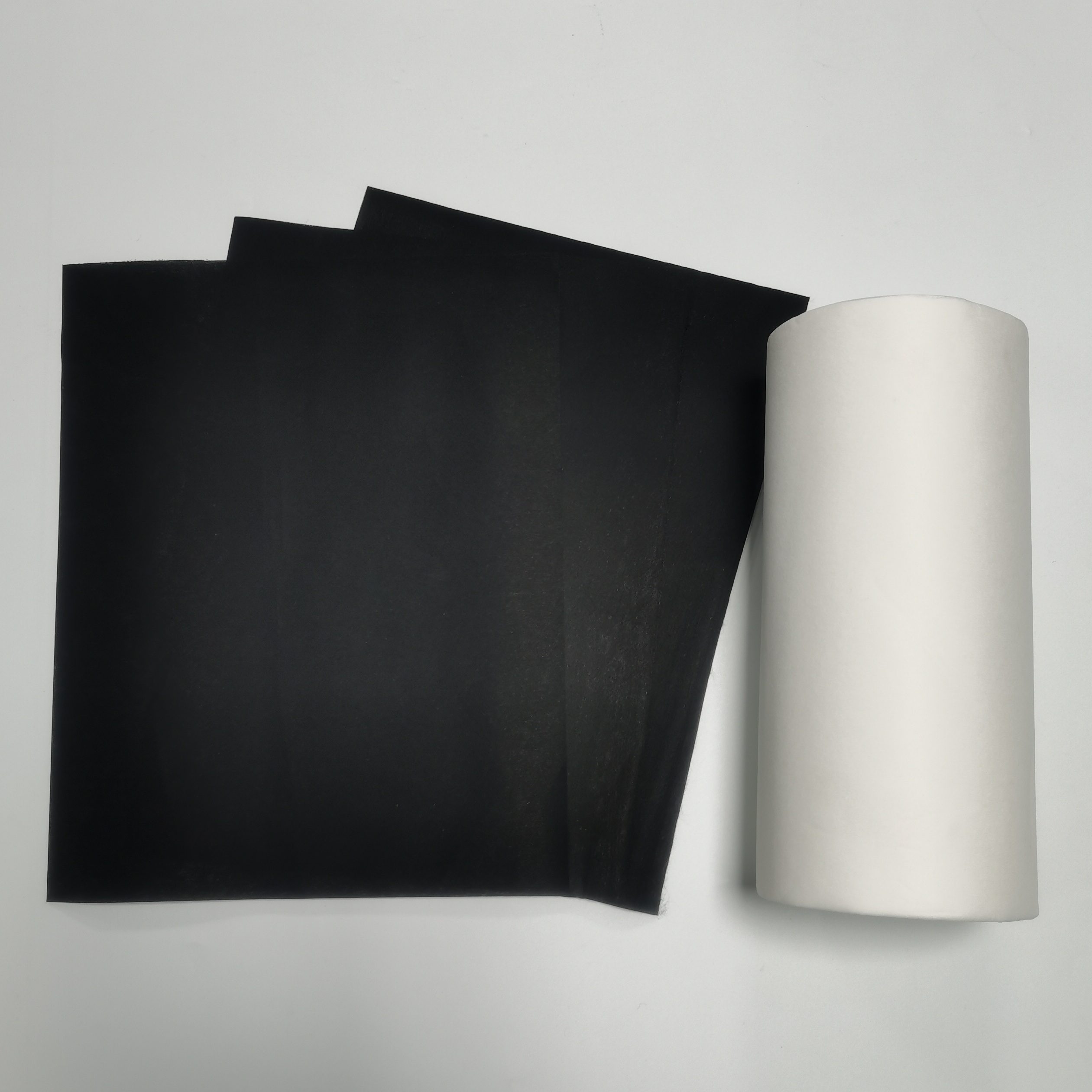 Semi-conductive Nonwoven
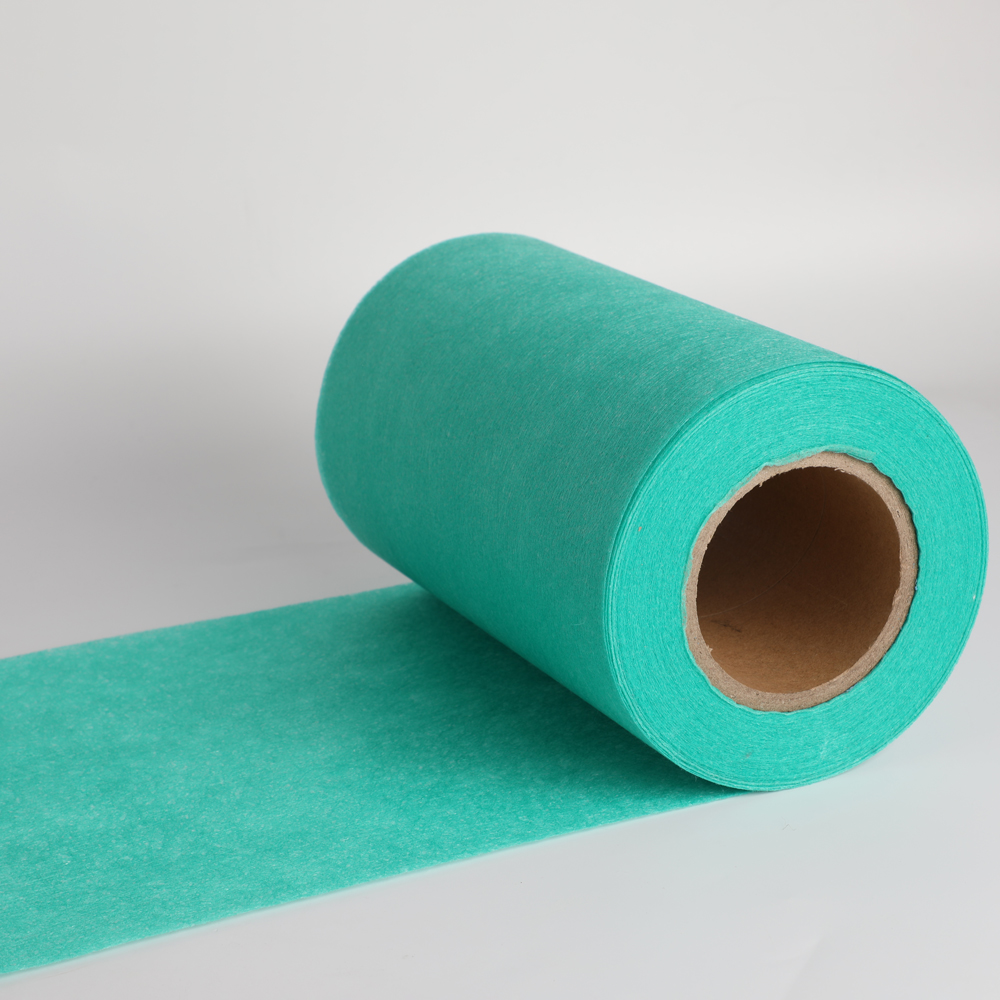 Anti-Bacterial Nonwoven
 +8613957712400
 CONTACT WhatsApp
 CONTACT WeChat
 CONTACT NUMBER
 CONTACT EMAIL