What is Non Woven Material and Its Benefits for Buyers?
Non Woven Material has become a significant player in various industries. According to a report by Smithers Pira, the global nonwoven fabric market is projected to reach $50 billion by 2027, growing at a CAGR of 6.7%. This growth reflects the rising demand for eco-friendly and cost-effective solutions. As industry expert Dr. Jane Holloway noted, “Non Woven Materials are crucial for innovation in sustainable applications.”
These materials offer numerous benefits to buyers. They are versatile, lightweight, and provide excellent durability. Non Woven Materials are also often more affordable than traditional textiles. In healthcare, for instance, disposable nonwoven products improve hygiene while reducing costs.
However, challenges remain in sourcing quality nonwoven products. There is a wide variation in manufacturing standards. Buyers may need to invest time in researching suppliers to ensure reliability. Overall, understanding Non Woven Materials can lead to informed purchasing decisions and greater value.
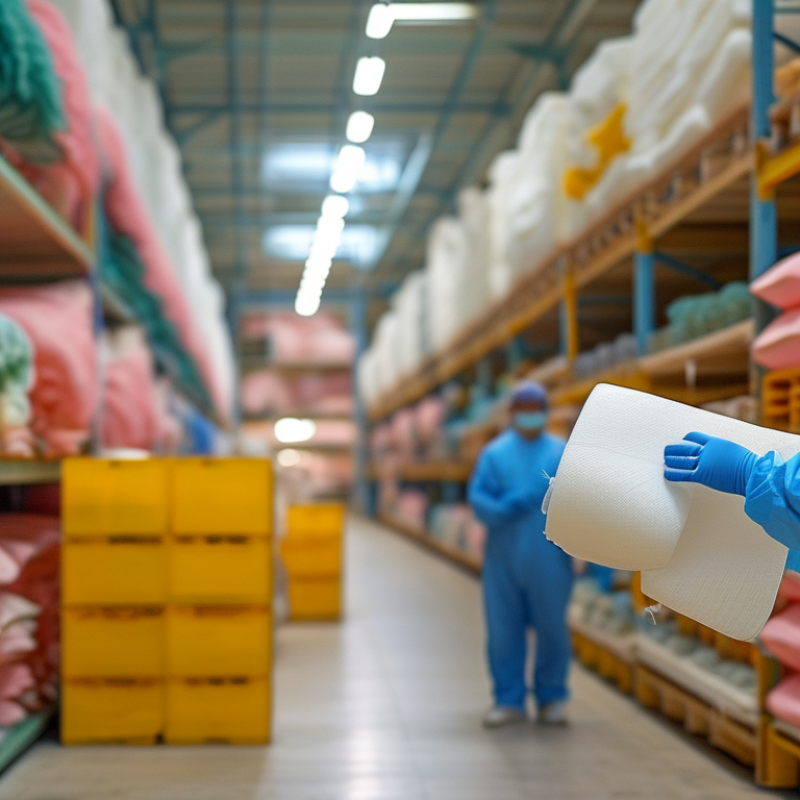
What is Non Woven Material? A Comprehensive Overview
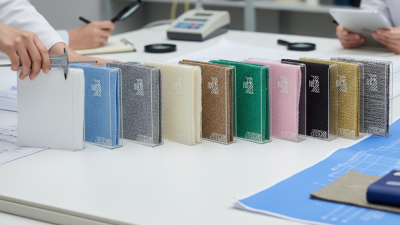
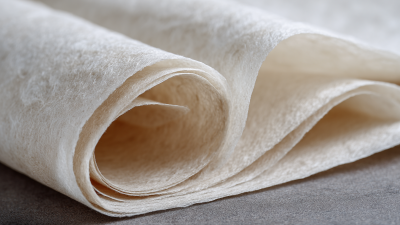
Non-woven material is a versatile fabric made from synthetic or natural fibers. Unlike traditional woven textiles, these fibers are bonded together through various methods, including heat, chemical, or mechanical means. This process creates a strong yet lightweight material often used in many applications. Hospitals use it for surgical gowns, while the fashion industry incorporates it into bags and accessories.
The key benefits of non-woven materials include durability, breathability, and cost-effectiveness. They are resistant to tears and punctures, making them ideal for packaging and construction. Additionally, non-woven fabrics can be produced in bulk, leading to lower costs for manufacturers. Some may question the sustainability of these materials, as many are derived from petroleum-based sources. However, the emergence of biodegradable non-woven products offers a more eco-friendly alternative that meets consumer demands.
Choosing non-woven materials requires careful consideration. Buyers should research the production methods and environmental impact. Some non-woven fabrics may not perform as expected in certain conditions. Quality varies significantly, so it’s vital to assess the product's intended use.
The Manufacturing Process of Non Woven Fabrics Explained
The manufacturing process of non-woven fabrics is fascinating. It starts with raw materials, often fibers like polyester or polypropylene. These fibers are then processed using various methods, including spunbonding and needle punching. This combination creates a versatile fabric that can be tailored for numerous applications.
During the spunbonding method, fibers are extruded and laid onto a conveyor. Hot air then bonds them together. In contrast, needle punching mechanically entangles the fibers, enhancing fabric strength. Each method contributes to the unique characteristics of non-woven fabrics. However, the choice of fiber type and production technique can impact the final product’s quality.
While non-woven materials offer advantages, they also have limitations. The lack of elasticity can restrict use in some applications. Consumers may also question long-term durability compared to woven fabrics. The process itself can lead to variability in quality, which buyers should consider. Ultimately, understanding the production methods helps in making informed decisions about using non-woven fabrics.
Key Properties and Characteristics of Non Woven Materials
Non-woven materials have unique properties that make them appealing to buyers.
These materials are created by bonding fibers together, rather than weaving them. This process leads to a
lightweight yet durable fabric, often used in various applications,
from medical products to household items. The versatility of non-woven fabric comes from its ability to be engineered
for specific purposes.
One key characteristic is breathability. Non-woven materials can allow air to flow through,
which is essential for applications like masks. Additionally, they are highly absorbent, making them ideal for items such
as wipes and hygiene products. Buyers should also consider the impermeability of
certain non-woven fabrics, useful for outdoor gear and medical applications.
Tip: When choosing non-woven materials, look for options with high tensile strength.
This ensures durability in demanding applications.
Another benefit is
customization. Non-woven fabrics can easily
be tinted and treated for additional functions. However, not all non-woven materials are created equally. It's crucial
to understand the specific needs for each project to avoid potential pitfalls.
Tip: Test samples before large purchases. This helps ensure the material meets
quality standards and performance expectations.
Market Trends: Non Woven Materials in Various Industries
Non woven materials are gaining momentum across various industries. These versatile fabrics are made by bonding fibers together, rather than weaving. This process creates a fabric that is strong, flexible, and often biodegradable. Their unique characteristics make them suitable for applications in hygiene products, automotive parts, and construction.
The healthcare sector is one of the largest consumers of non woven materials. Hospitals use them for surgical gowns, masks, and drapes. These materials offer hygiene and comfort, but they also raise concerns about environmental impact. Recycling and disposal methods need to be addressed. In the automotive industry, non woven materials are used in insulation and filtration. They are lightweight and help improve fuel efficiency. Yet, there is ongoing debate about their longevity and sustainability.
In construction, non woven geotextiles play a crucial role in soil stabilization. They prevent erosion and improve drainage. However, not all non woven materials are created equal. Their effectiveness can vary based on the manufacturing process and material quality. Buyers must do their research to ensure they are making informed choices. With the right knowledge, non woven materials can greatly benefit various industries while promoting a more sustainable future.
Benefits of Non Woven Materials for Buyers and End Users
Non woven materials have gained significant traction in various industries due to their unique properties. They are made from fibers bonded together through mechanical, chemical, or thermal processes. The global non-woven fabrics market was valued at approximately $50 billion in 2022, according to industry reports. This figure reflects a steady growth trend, highlighting their increasing importance.
For buyers and end-users, non-woven materials offer several benefits. They are lightweight yet strong, making them ideal for packaging and sanitary products. A study by Grand View Research predicts a compound annual growth rate (CAGR) of 6.3% for this sector from 2023 to 2030. This growth indicates a rising demand for sustainable and cost-effective materials. Additionally, non-woven fabrics are often made from recycled content, promoting eco-friendly practices within industries.
One drawback exists—non-woven materials may not be biodegradable, creating waste management challenges. This concern prompts ongoing research into more sustainable alternatives. Balancing performance with environmental impact is essential. Buyers must weigh these factors carefully when selecting materials.

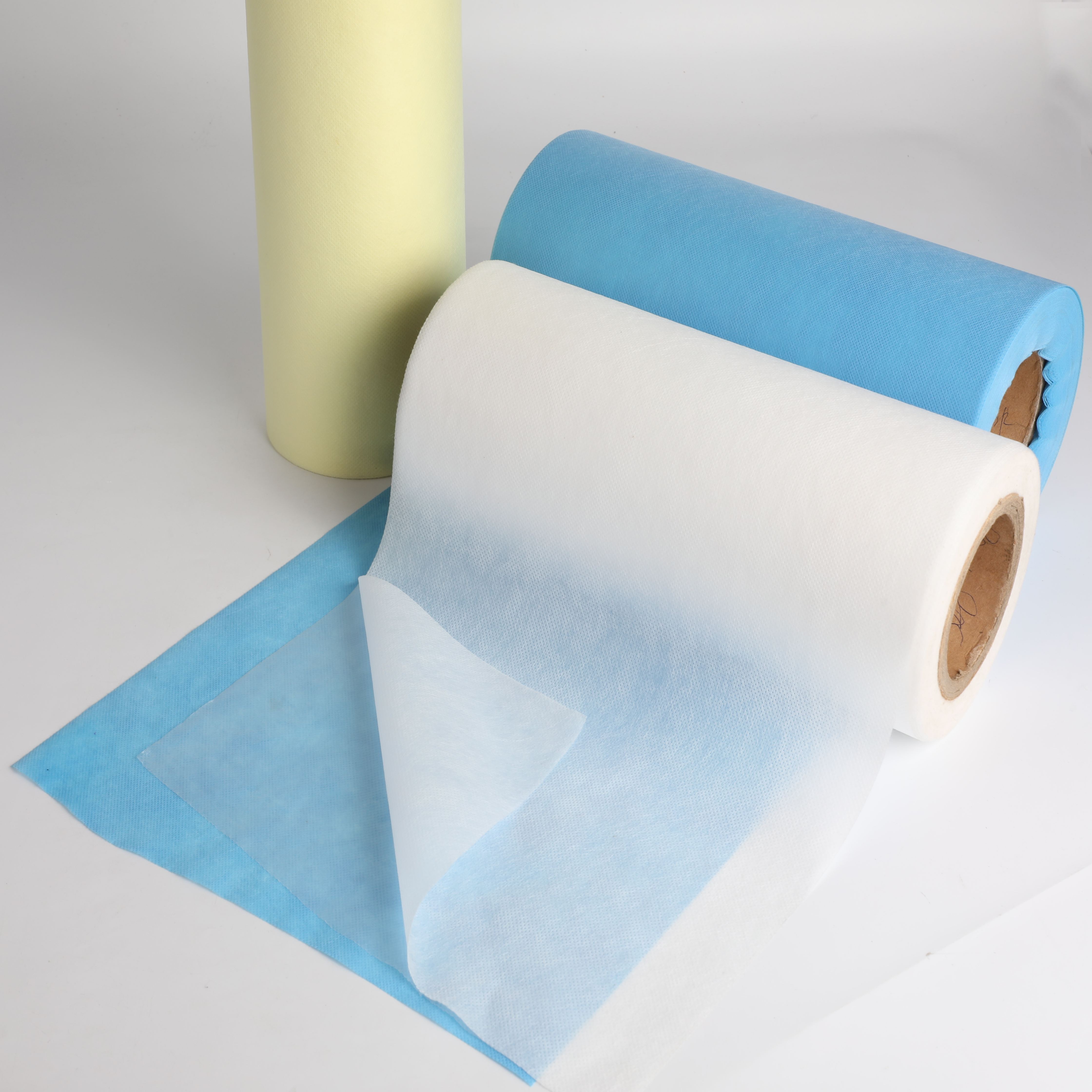 PP Laminates
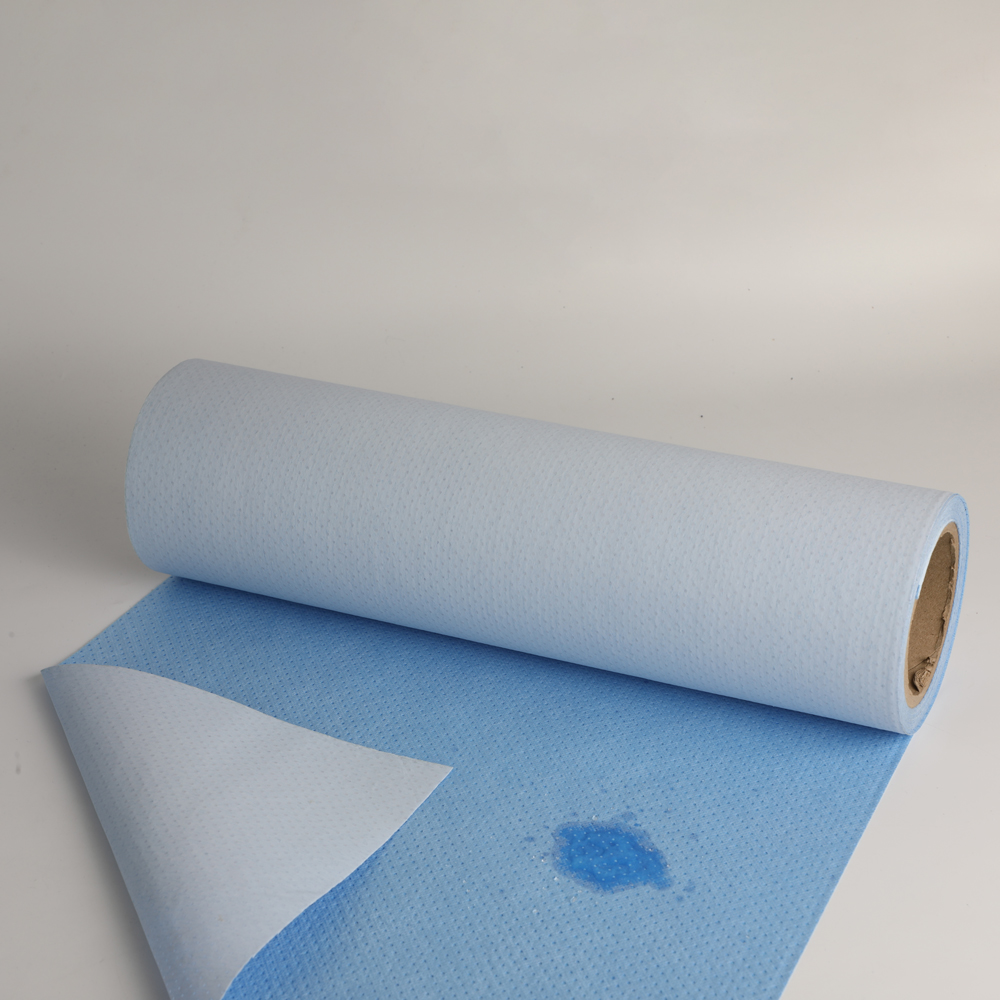 Multi Laminates
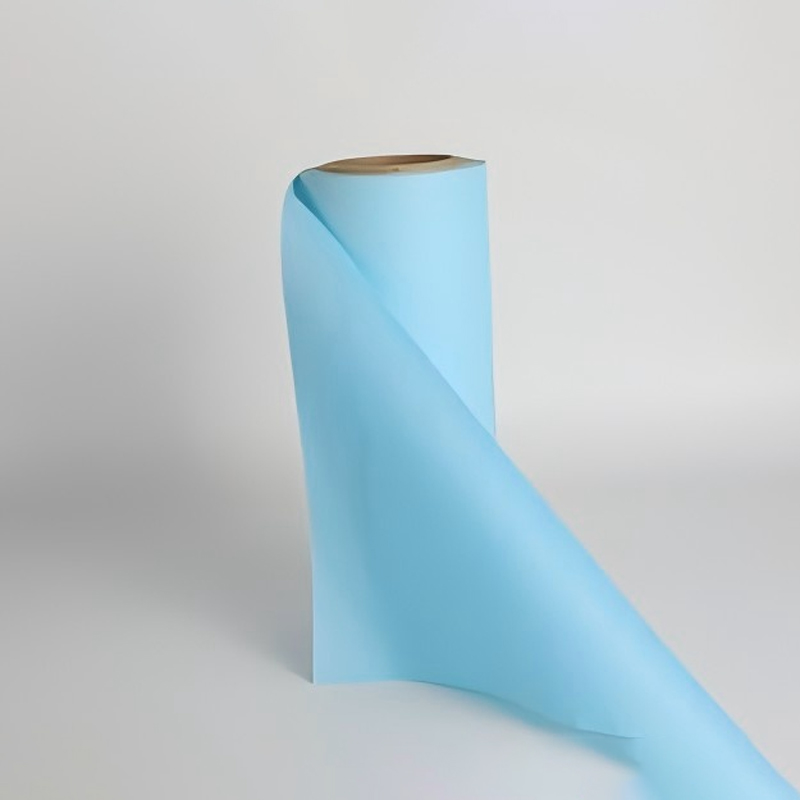 Spunlace Nonwoven Laminates
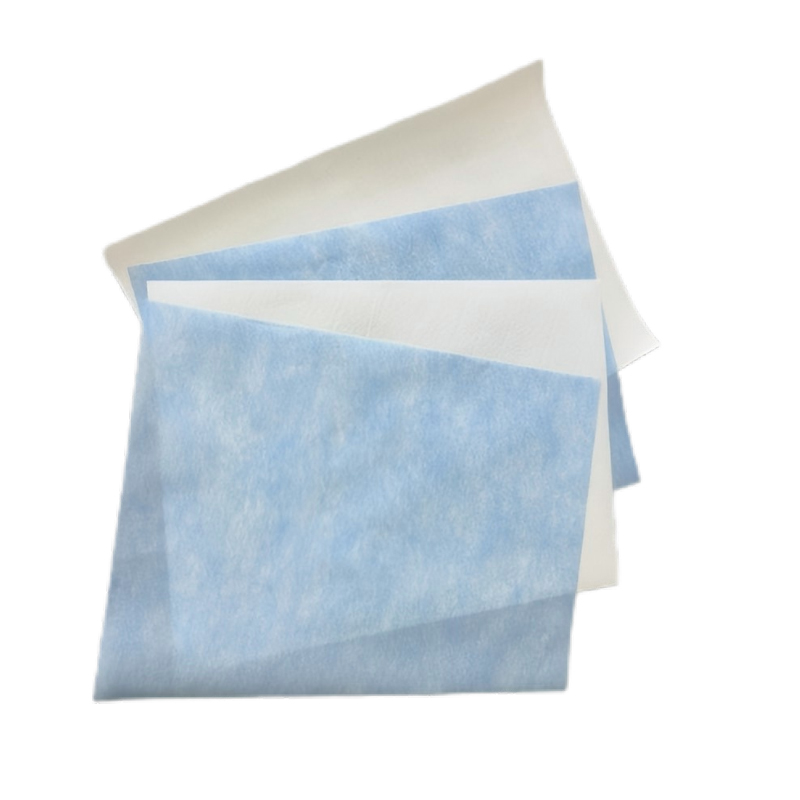 Breathable Film Laminates
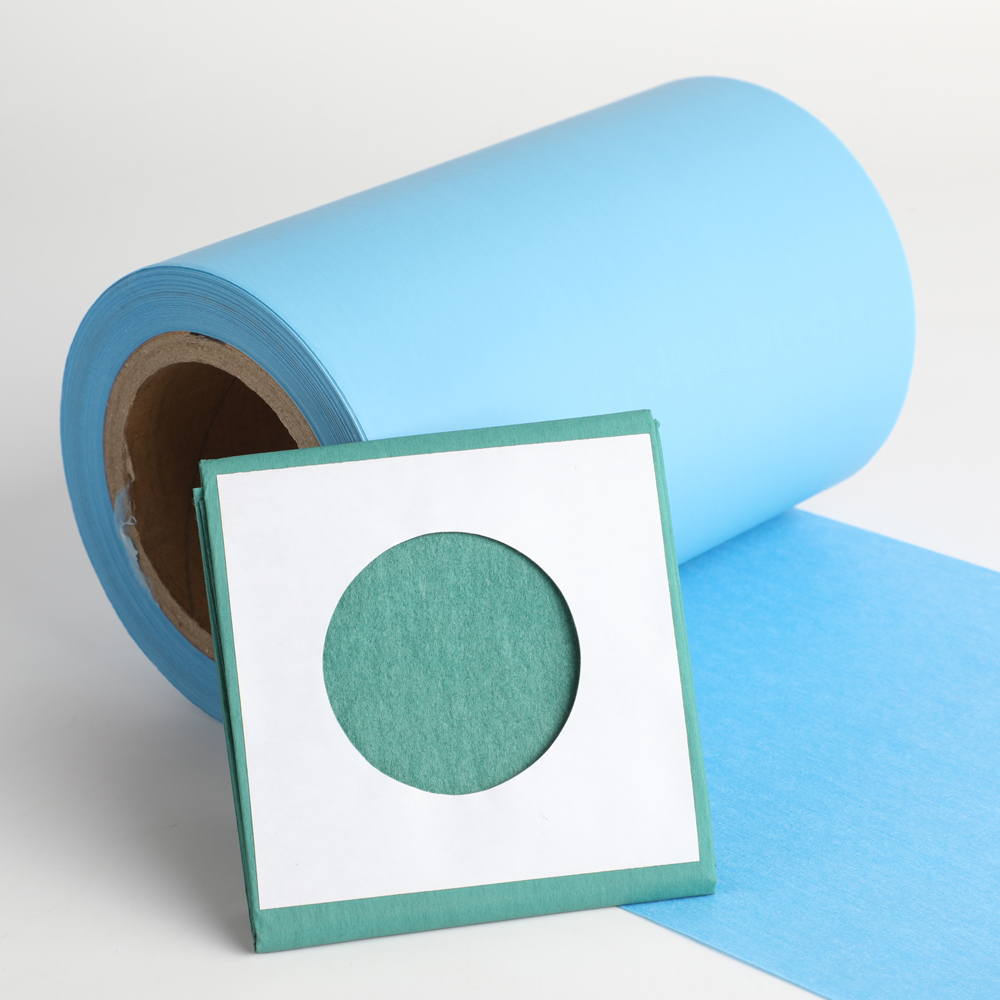 Viscose Laminates
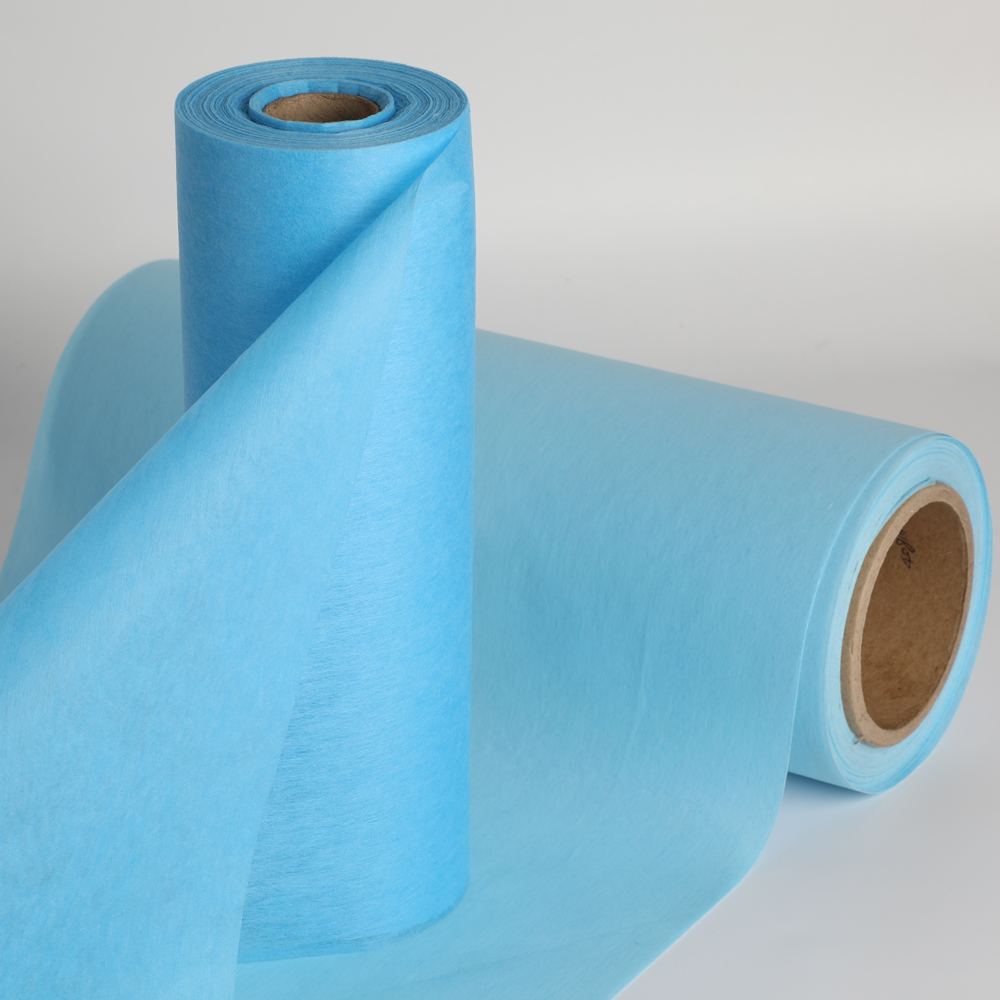 Medical Viscose Nonwoven
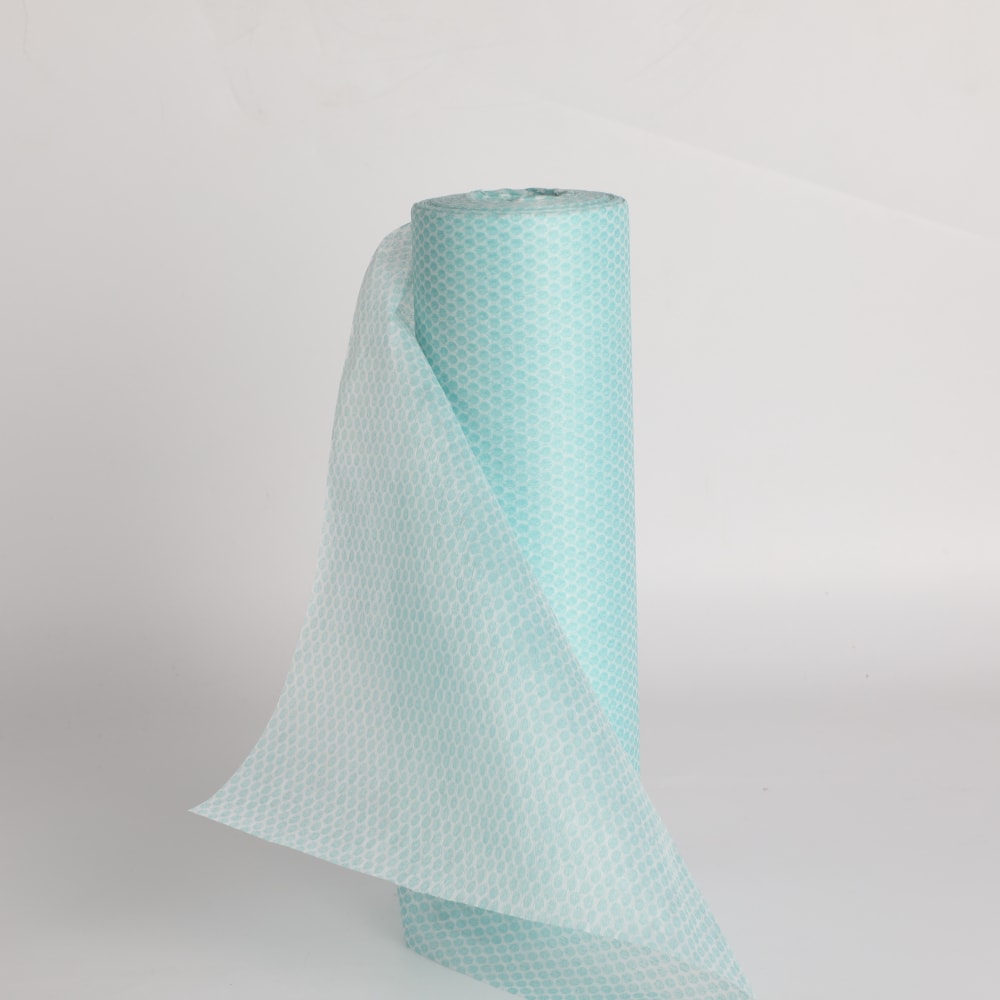 Head Wear Nonwoven
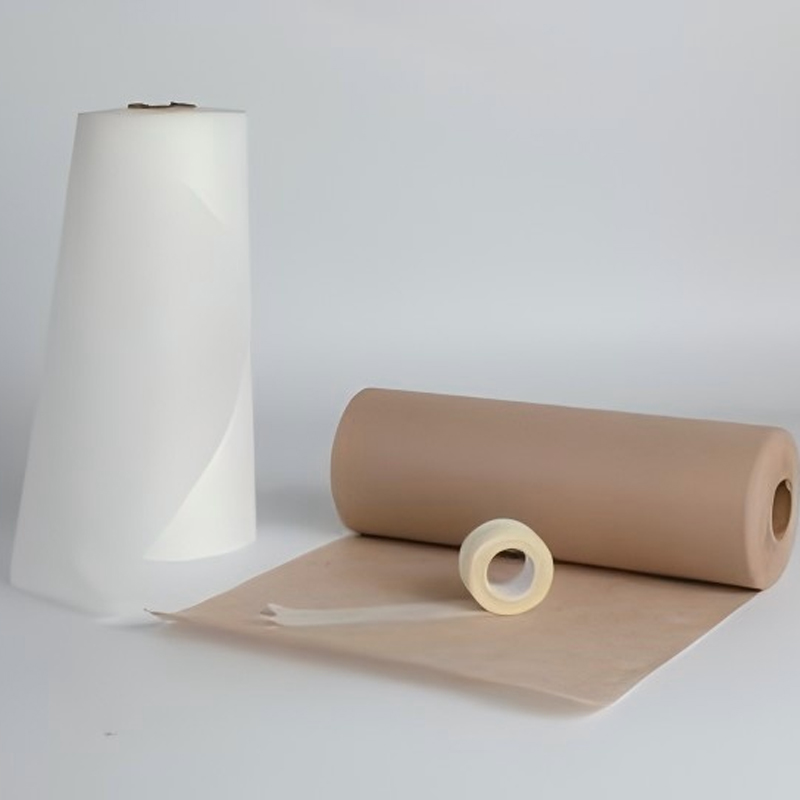 Medical Tape Nonwoven
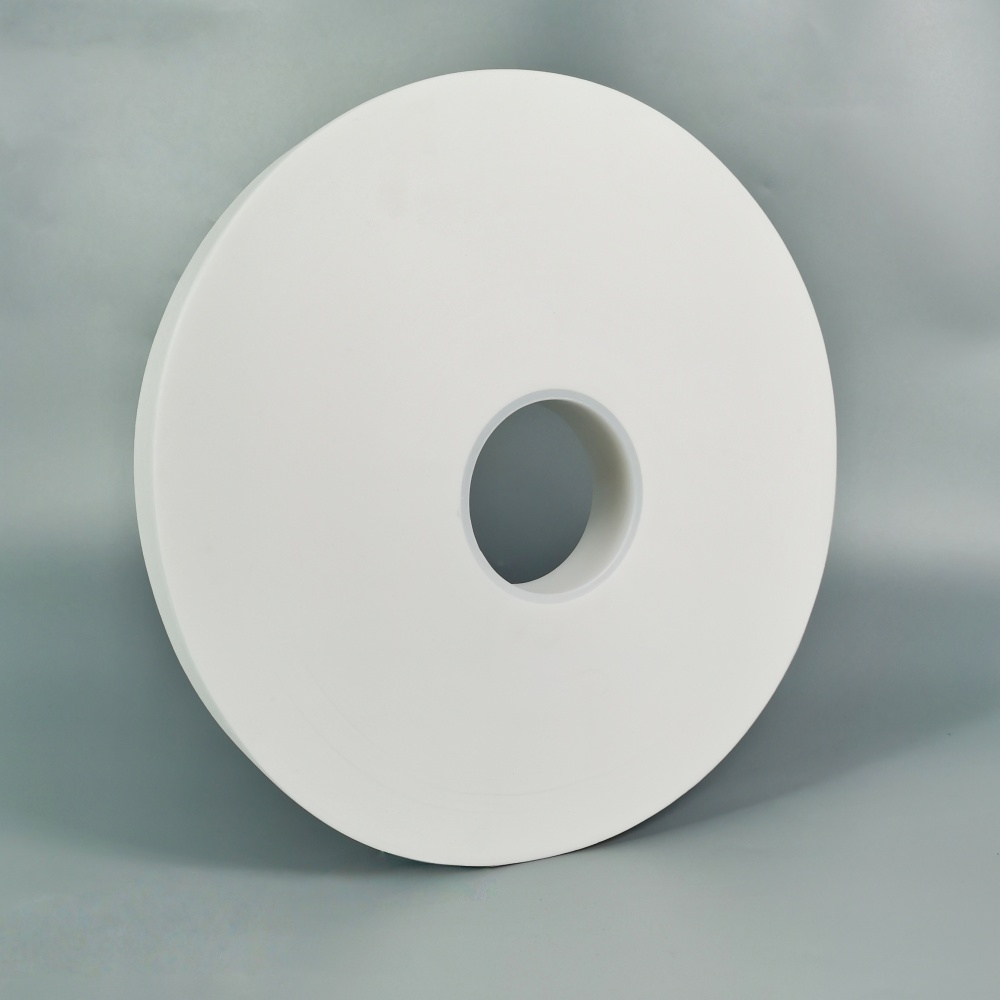 Snus Pouch Nonwoven
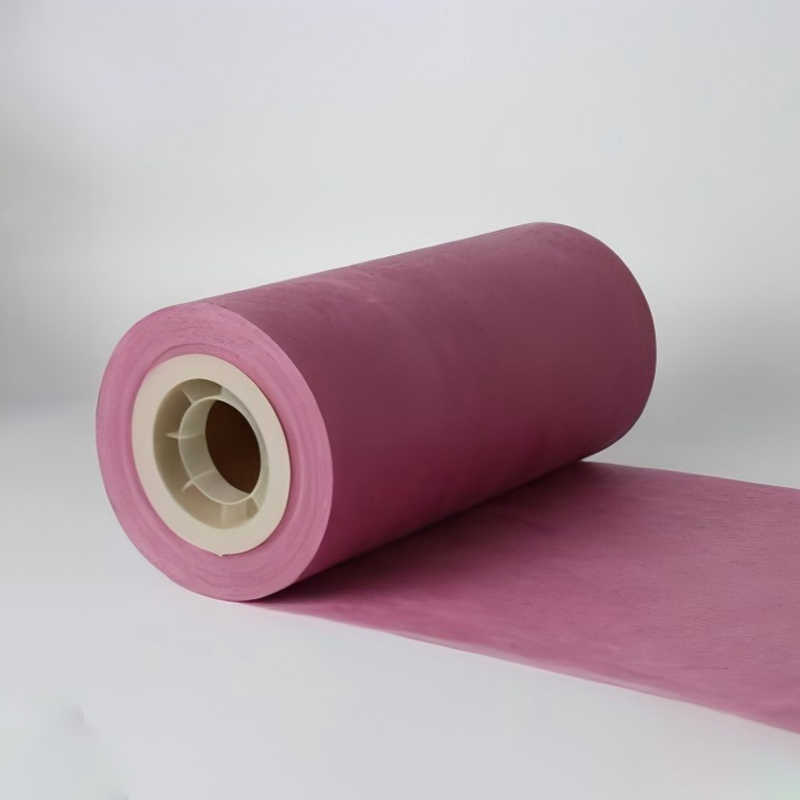 Filtration Nonwoven
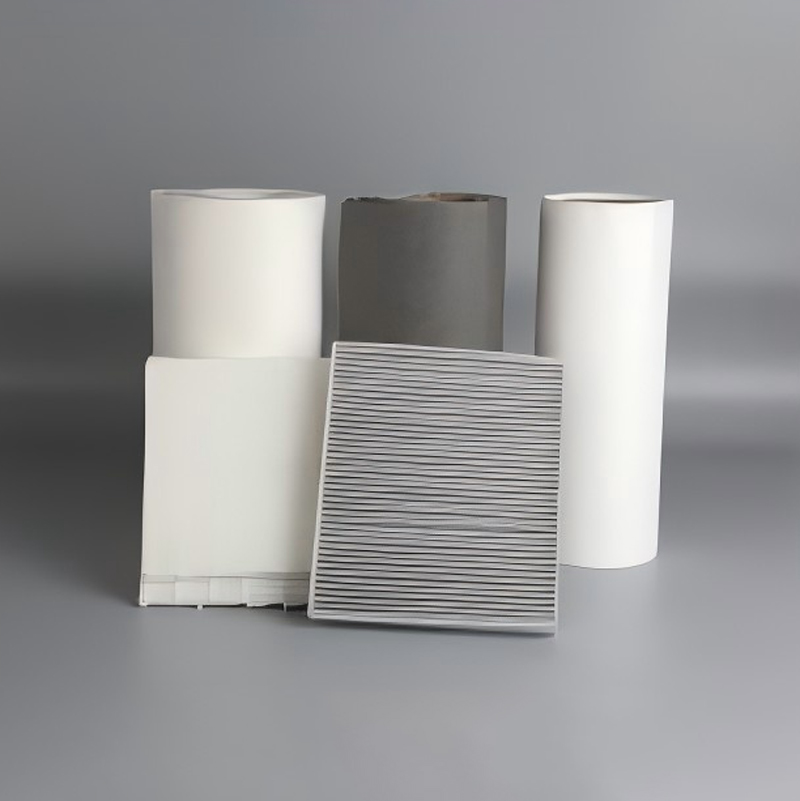 Air Filter Media
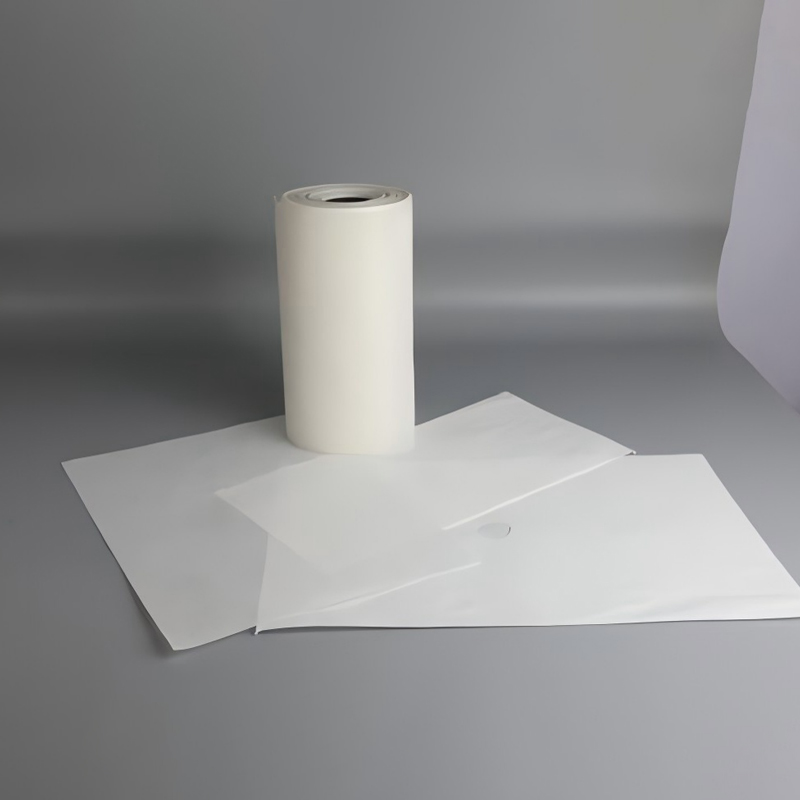 Liquid Filter Media
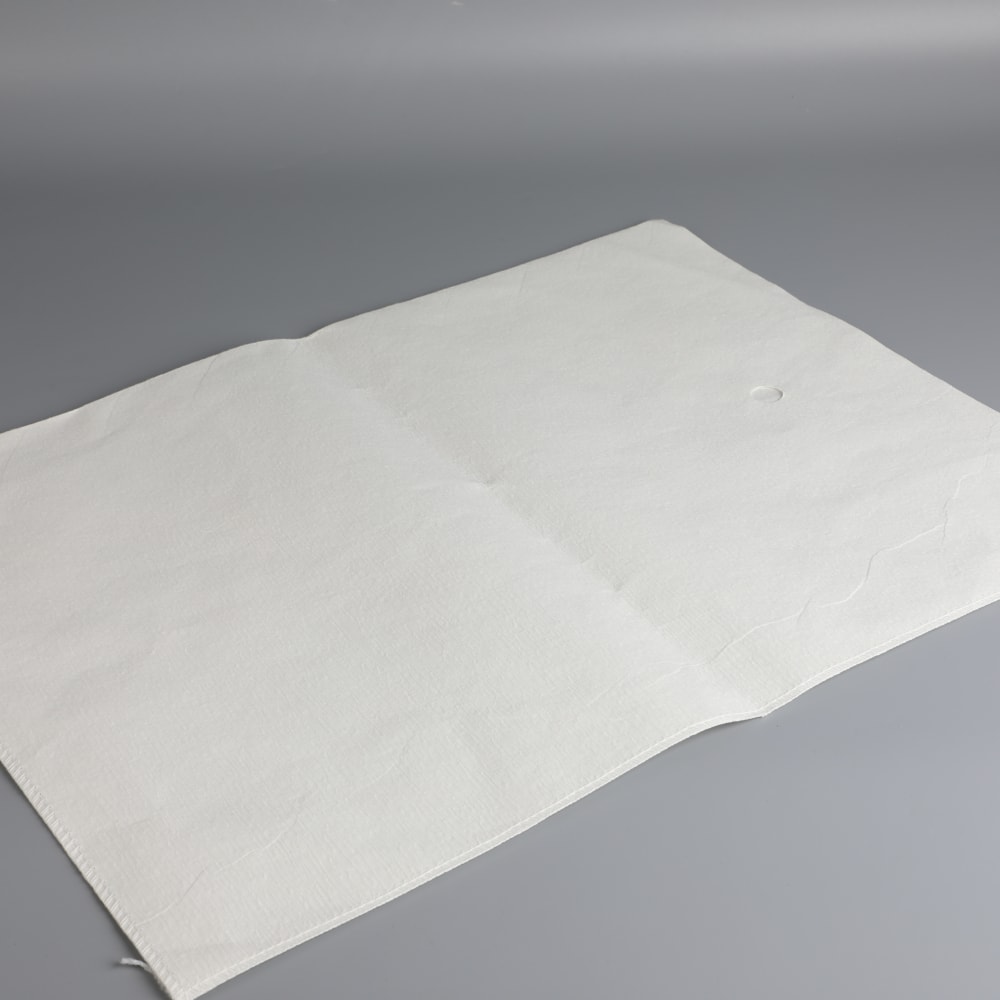 Filter Envelope & Filter Sheet
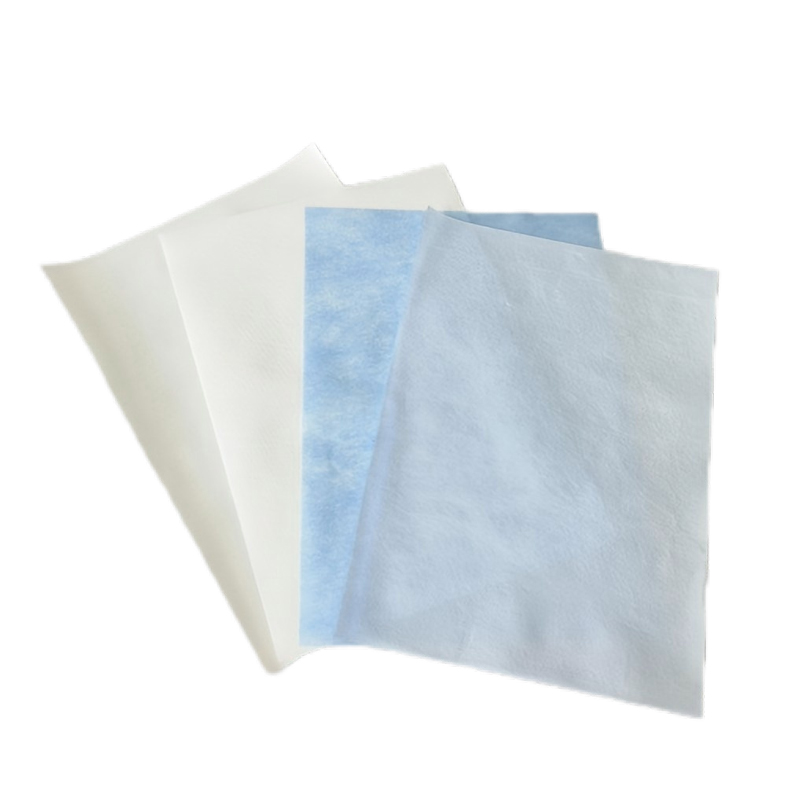 Breathable Film Laminates
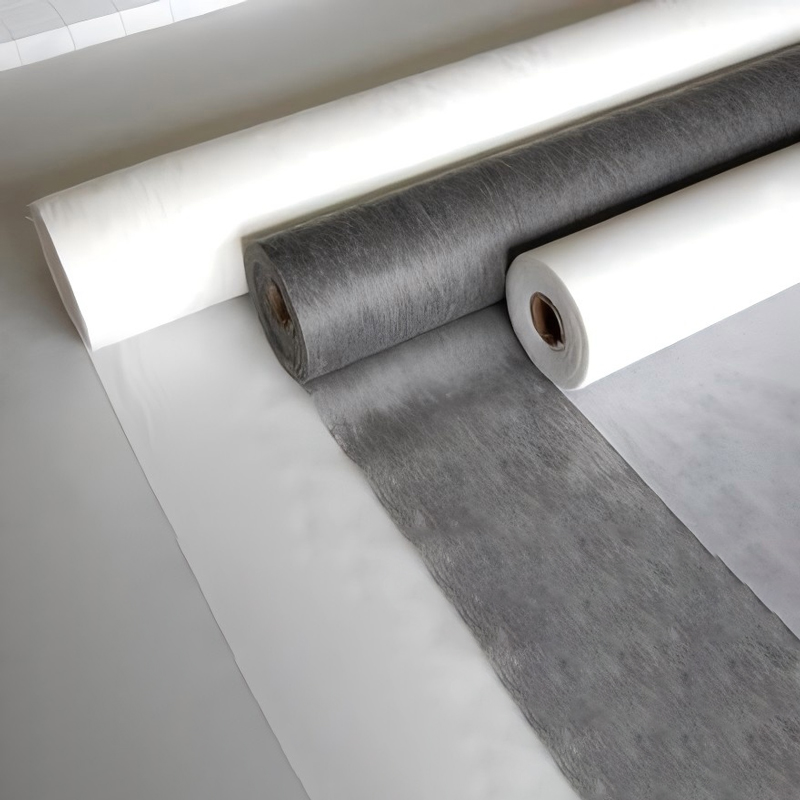 Nonwoven Interlining
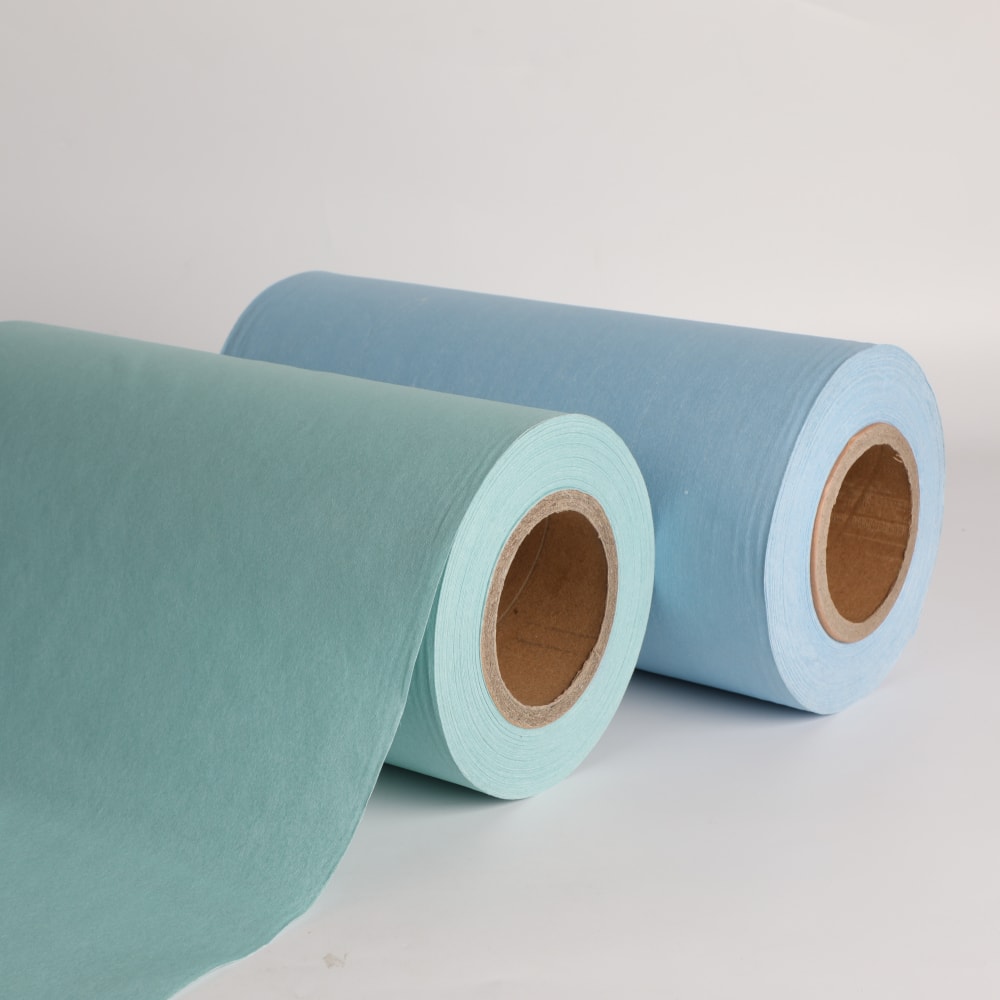 Fluid Repellent Woodpulp Spunlace Nonwoven
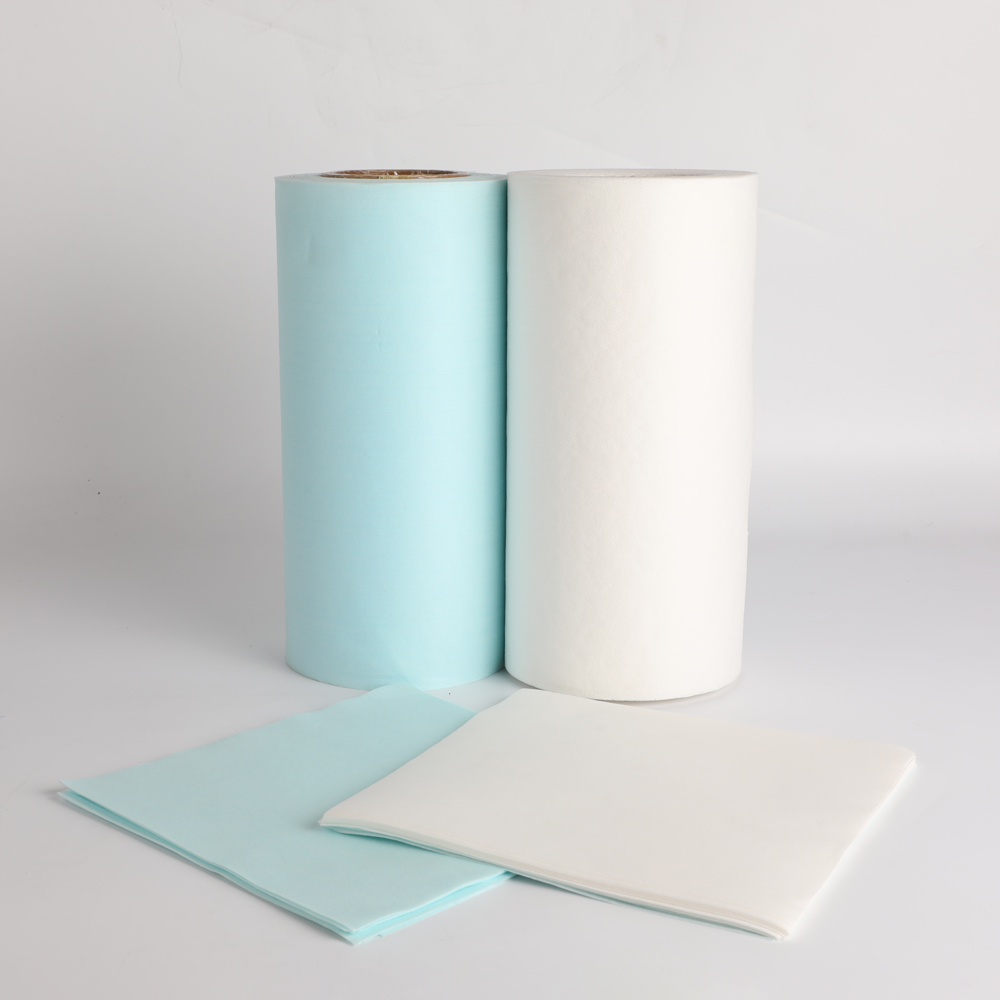 Woodpulp Nonwoven Wipe
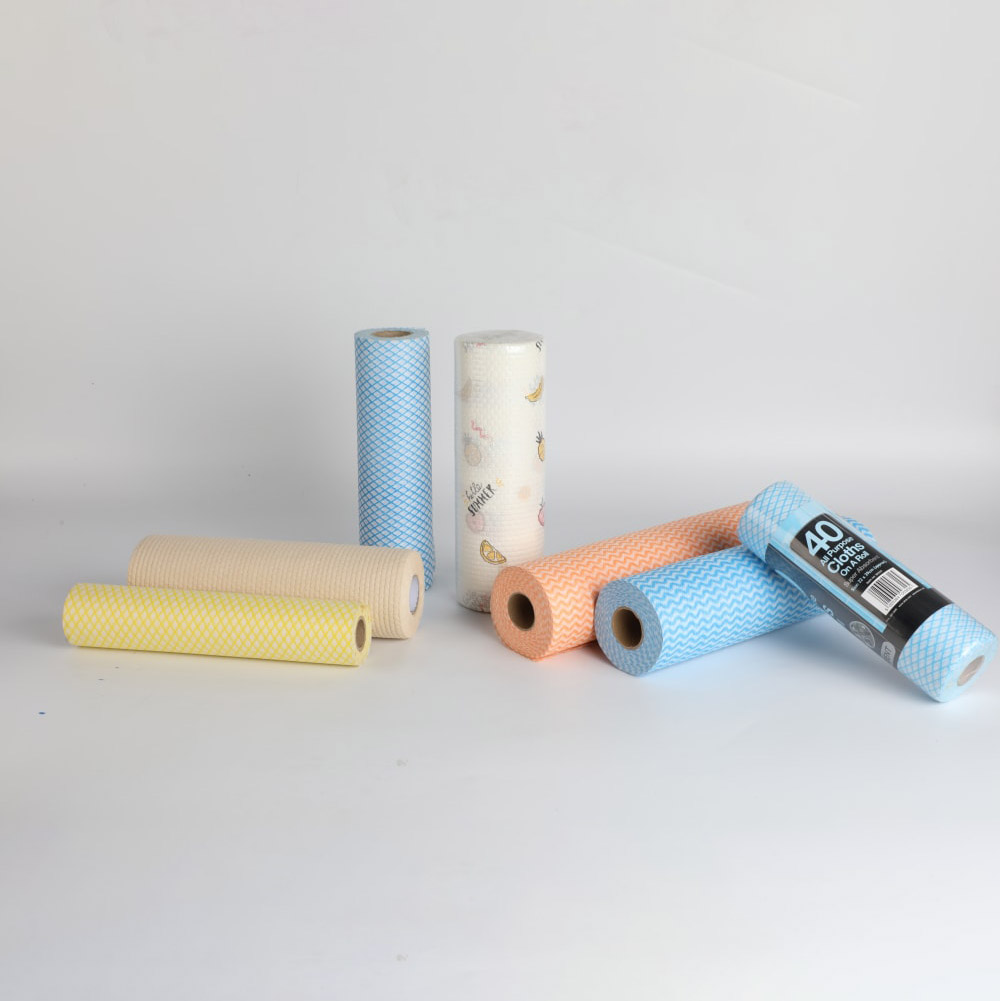 Nonwoven Cleaning Wipe
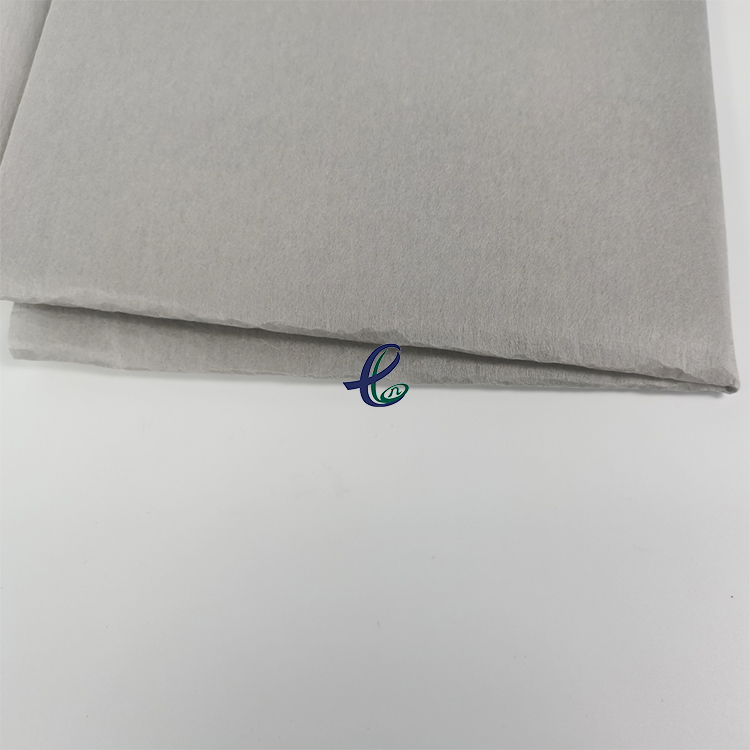 Curtain Nonwoven
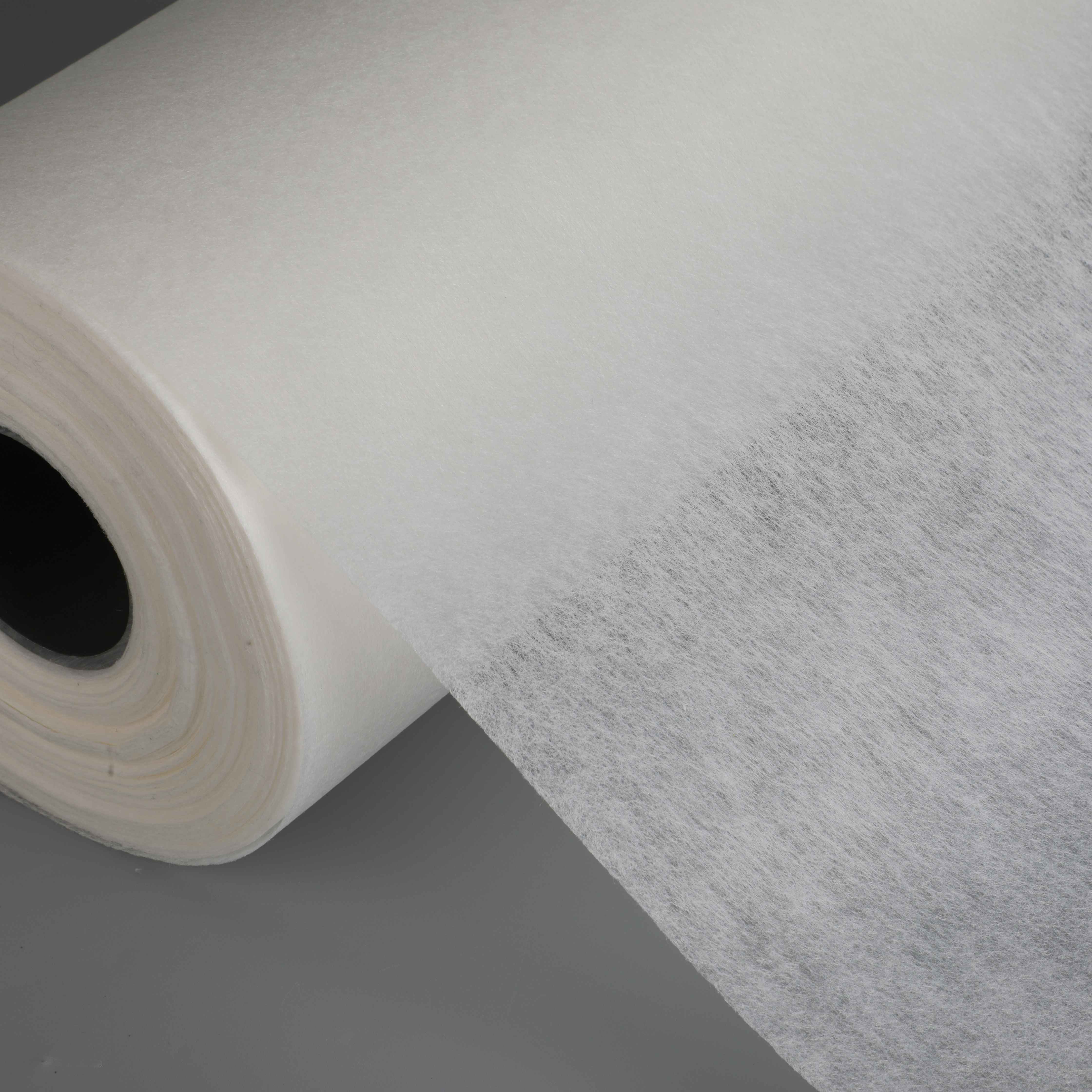 Food Grade Packaging Nonwoven
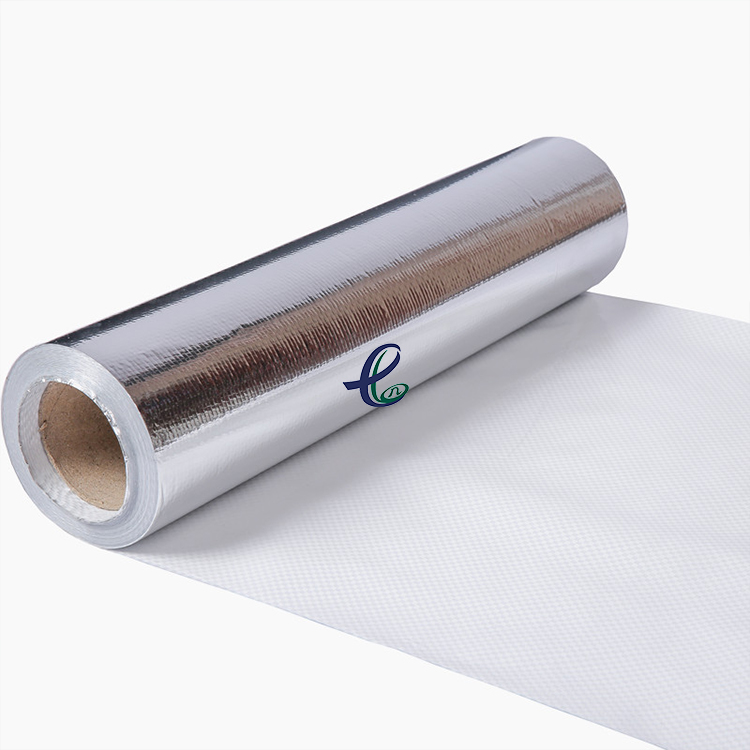 Aluminized Nonwoven
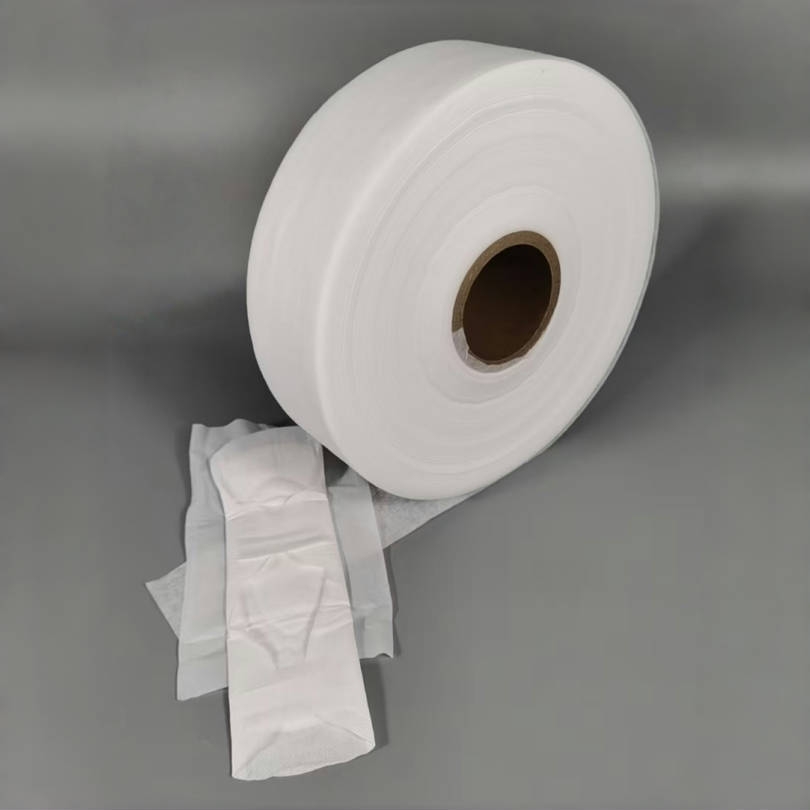 Hot Air Cotton Nonwoven
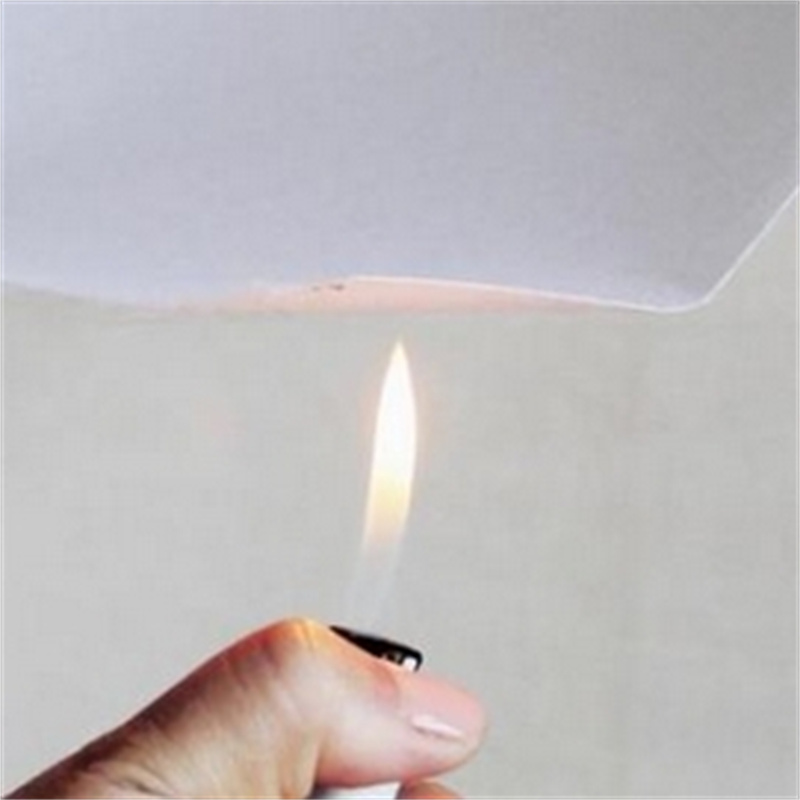 Flame Retardant Nonwoven
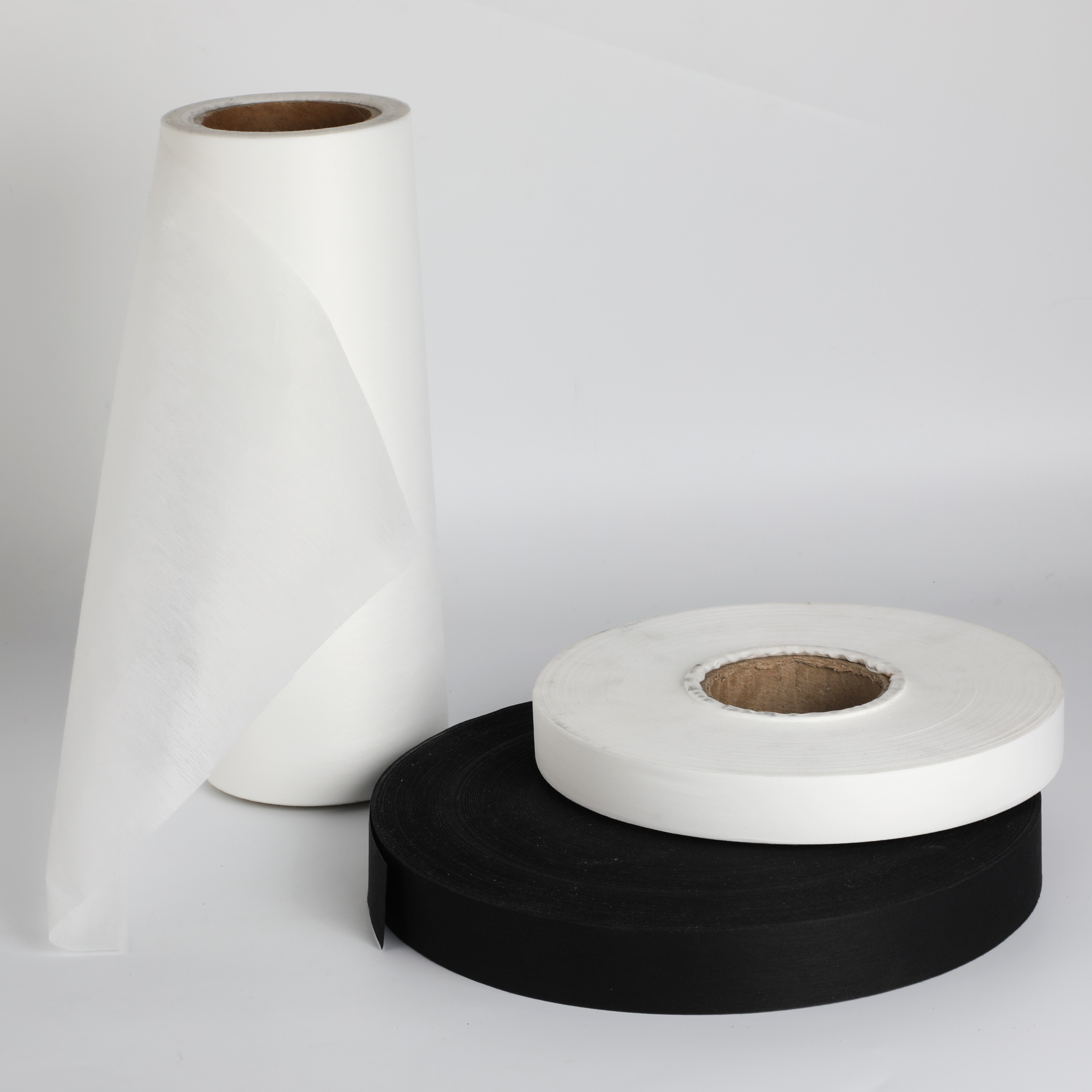 Cable Wrapping Nonwoven
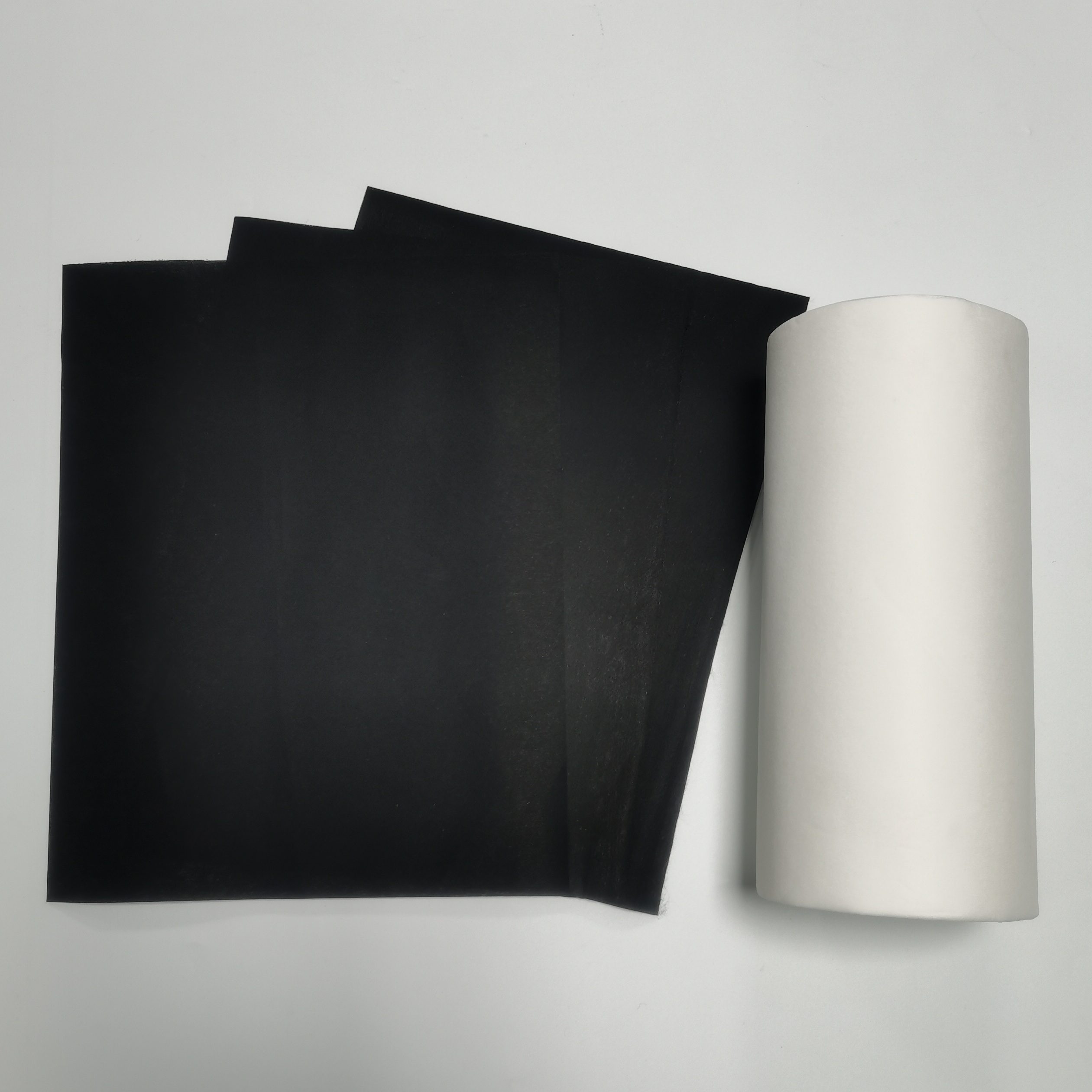 Semi-conductive Nonwoven
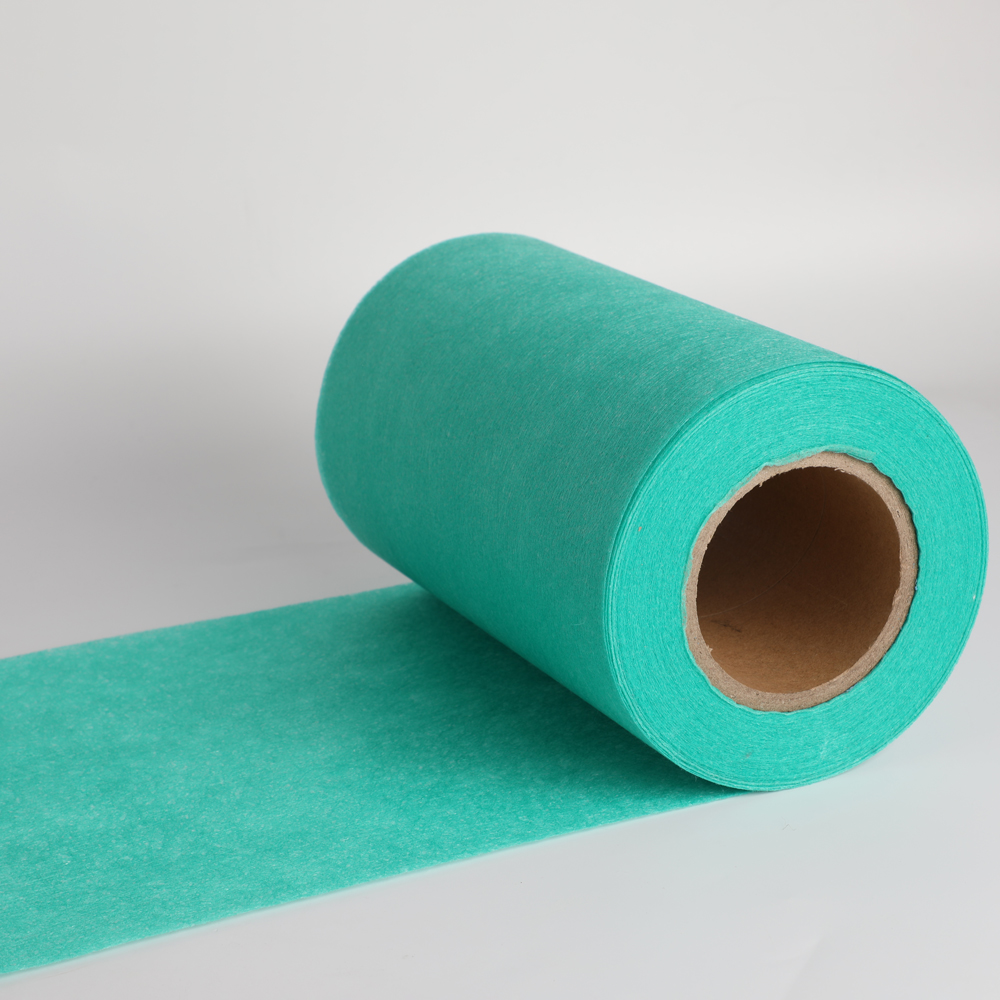 Anti-Bacterial Nonwoven
 +8613957712400
 CONTACT WhatsApp
 CONTACT WeChat
 CONTACT NUMBER
 CONTACT EMAIL