Leave Your Message

Top 10 Benefits of Flame Retardant Nonwoven Materials?

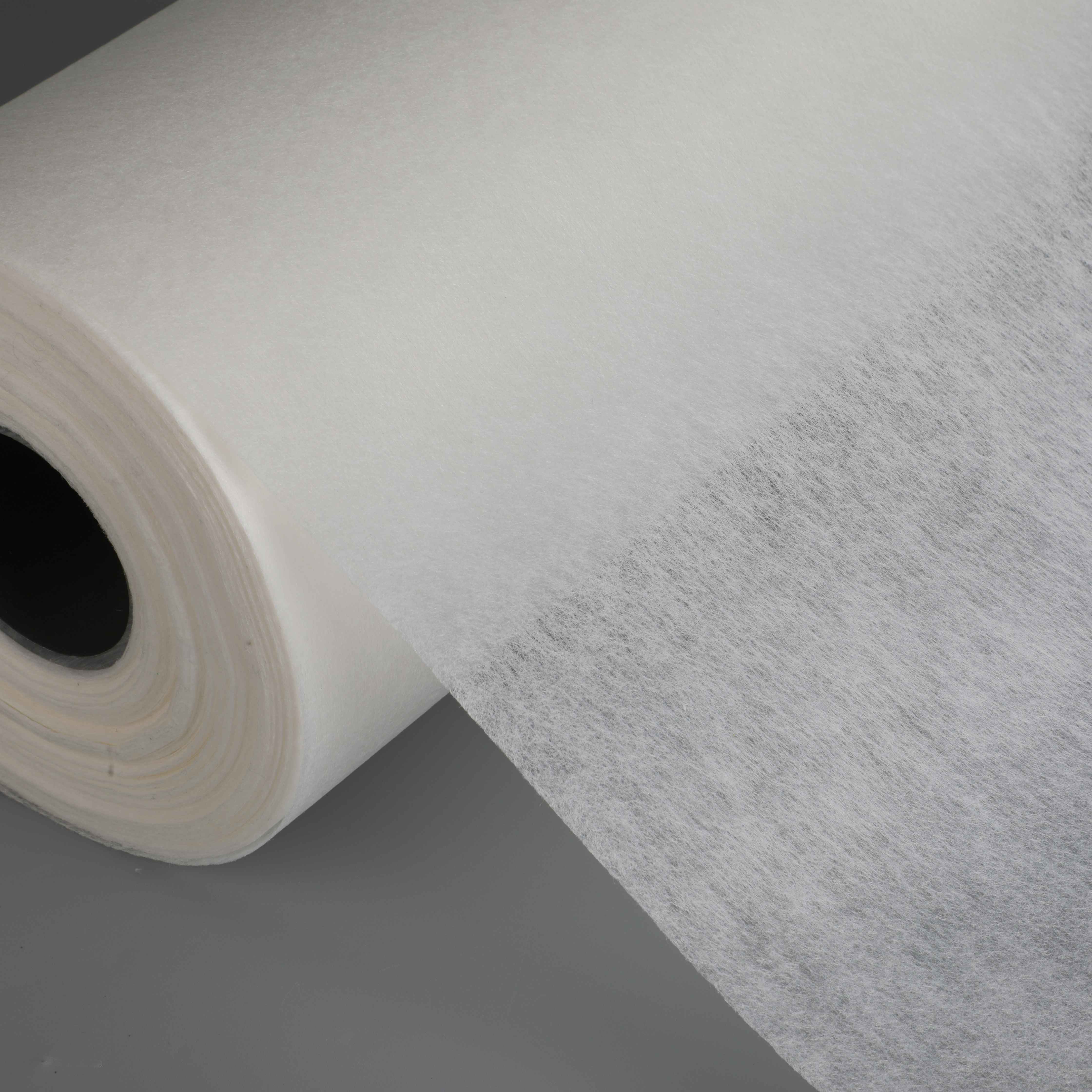
In the world of materials, "Flame Retardant Nonwoven" stands out for its exceptional safety features. According to Dr. Emily Carter, a leading expert in fire safety materials, "The integration of flame retardant properties transforms nonwoven fabrics into reliable protective solutions." This highlights the crucial role these materials play in various industries.

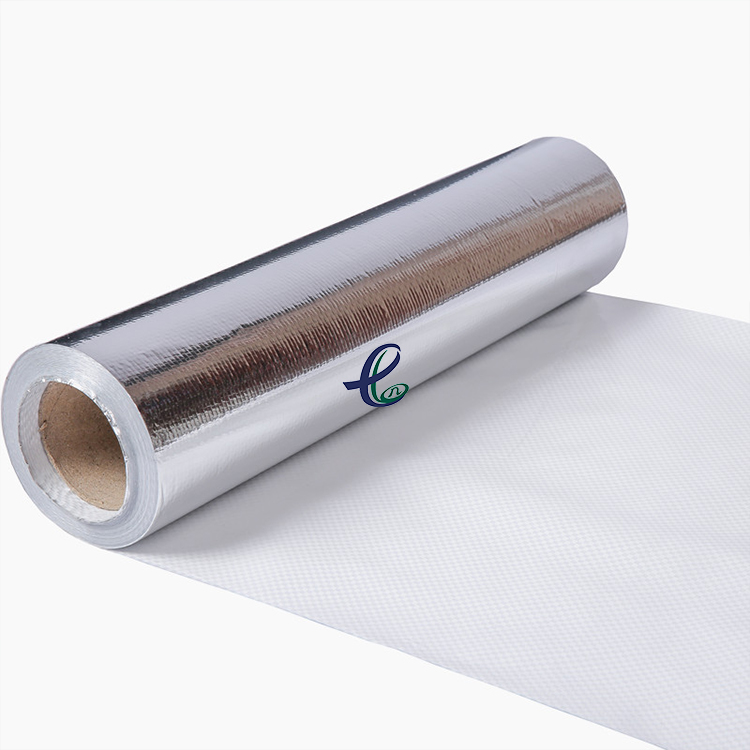
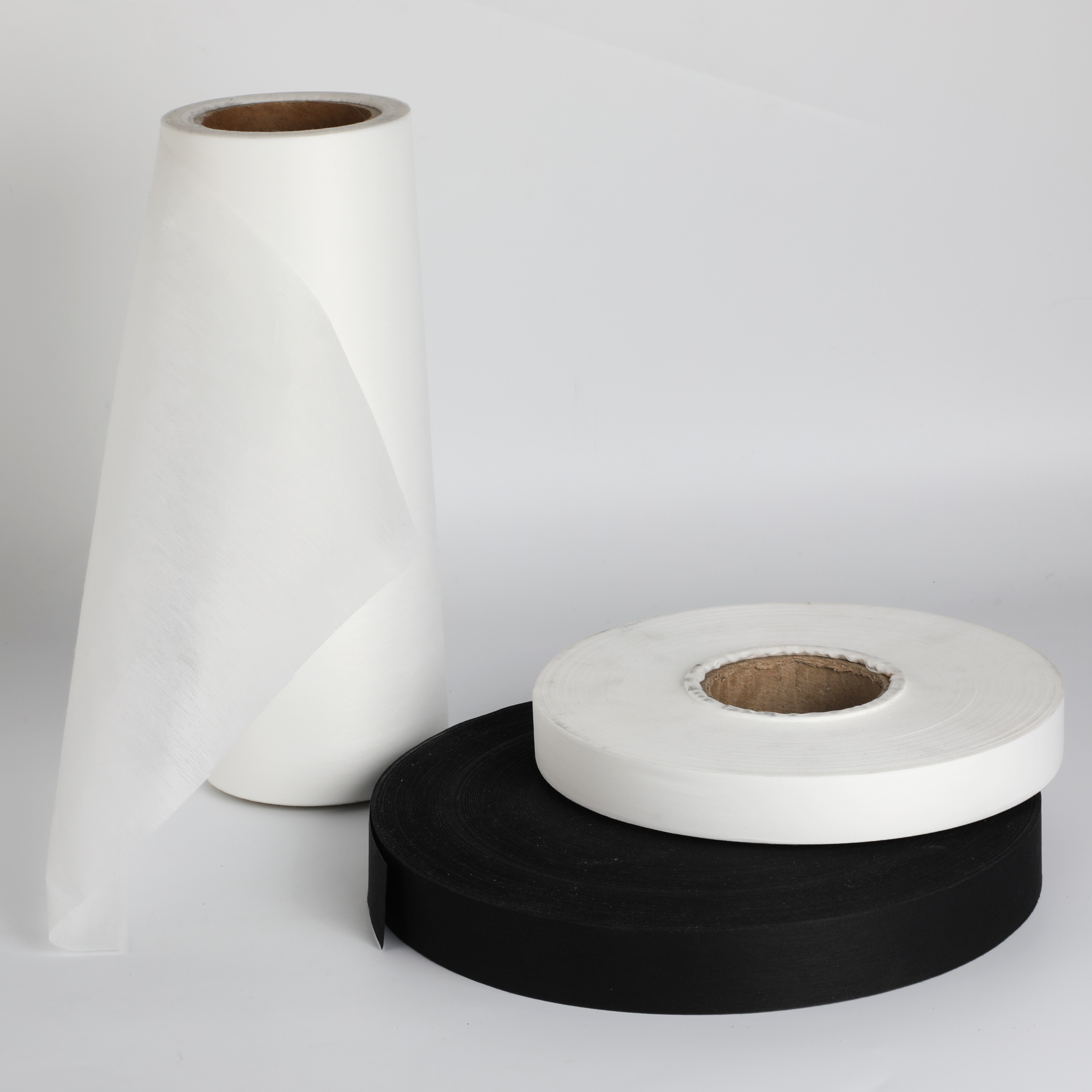
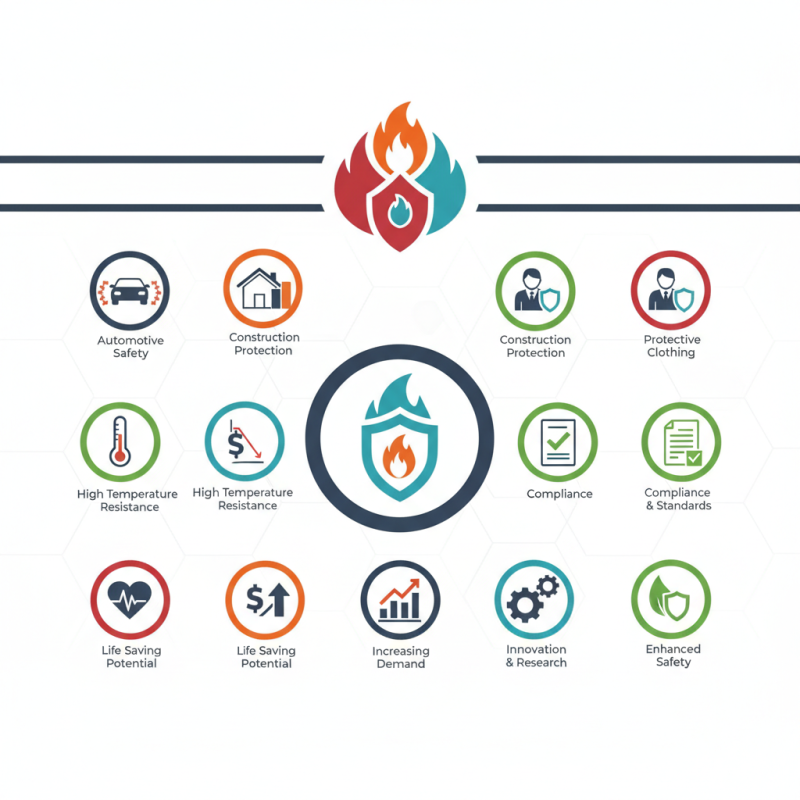
Flame Retardant Nonwoven materials are not just about compliance; they elevate safety standards. These materials are commonly used in automotive, construction, and protective clothing. The ability to withstand high temperatures can save lives and property. The demand for these innovative materials continues to grow, especially in sectors where fire risks are significant.

However, the industry faces challenges, such as balancing cost and effectiveness. As demand increases, it's essential to ensure that quality does not fall behind. While advancements have been made, ongoing research is necessary to improve these materials further. The evolution of Flame Retardant Nonwoven will continue to spark conversations about safety, innovation, and responsibility in material selection.
Top 10 Benefits of Flame Retardant Nonwoven Materials?

Benefits of Flame Retardant Nonwoven Materials in Fire Safety Applications

Flame retardant nonwoven materials play a vital role in fire safety applications.

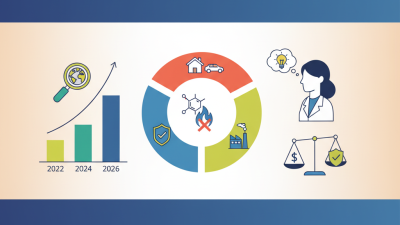
With increasing fire hazards, these materials provide essential protection. According to industry reports, global demand for flame retardant textiles is projected to reach over $5 billion by 2026. This reflects their growing importance across various sectors, including automotive and construction.

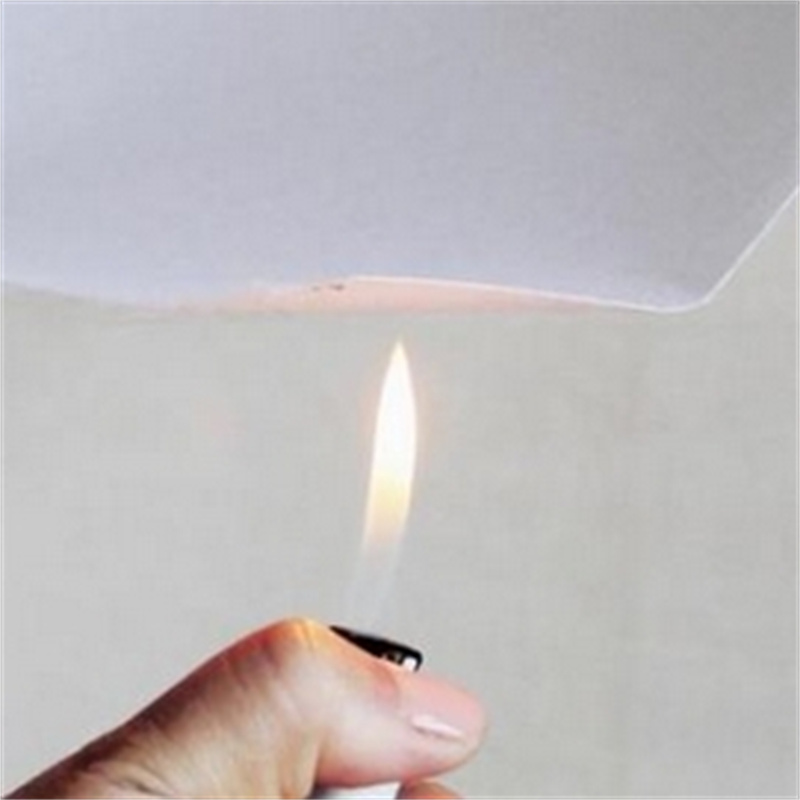
One key advantage of these materials is their effectiveness in slowing down the spread of flames. Studies show that they can reduce flame spread rates by over 30%. This feature is crucial in environments where fire risks are high.

In addition, flame retardant nonwoven materials are lightweight and versatile. They can be easily integrated into different products, from safety clothing to insulation materials.

However, challenges remain. The effectiveness of flame retardant treatments can diminish over time, especially with repeated washing or exposure. Continuous research aims to improve durability while maintaining safety standards.

Moreover, there is a growing need for eco-friendly alternatives. The industry is exploring sustainable options that do not compromise on performance. The evolution of these materials reflects both a commitment to safety and a responsibility towards the environment.


Impact of Flame Retardant Properties on Industry Standards and Regulations

Top 10 Benefits of Flame Retardant Nonwoven Materials?

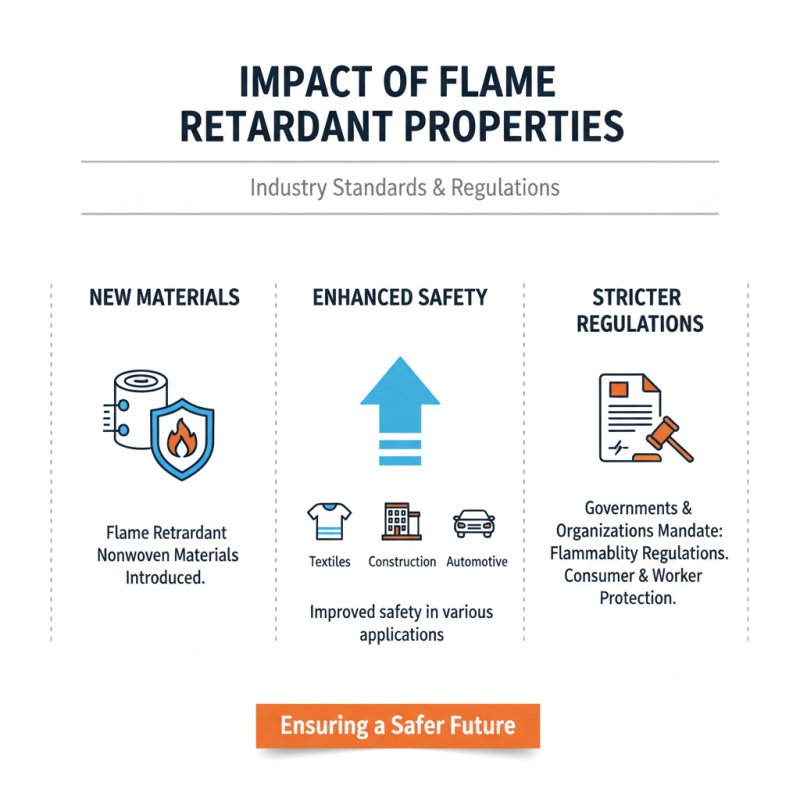
The introduction of flame retardant nonwoven materials has had a significant impact on industry standards and regulations. These materials enhance safety in various applications, including textiles, construction, and automotive industries. Governments and organizations emphasize the need for strict regulations on flammability. This ensures better protection for both consumers and workers.

Incorporating flame retardant properties not only meets regulatory demands but also enhances product durability. However, there are challenges. The effectiveness of flame retardants can vary greatly among materials. This inconsistency may lead to confusion in compliance testing. Additionally, manufacturers must balance performance with environmental impact. Some flame retardants have faced scrutiny over health concerns.

Industry stakeholders must engage in continuous dialogue. Innovation is crucial, but not all solutions are perfect. Developing new materials requires careful consideration of legal standards and safety. Reflecting on these complexities can drive better decision-making for future advancements. With evolving regulations, the quest for safe, effective flame retardant solutions must remain a priority.

Comparison of Flame Retardant Nonwoven Materials with Conventional Fabrics

Flame retardant nonwoven materials stand out when compared to conventional fabrics. These nonwoven options are engineered specifically for safety. Unlike traditional textiles, which can catch fire easily, flame retardant materials significantly delay ignition. This quality is crucial for applications in industries where fire hazards exist, such as construction and transportation.

Moreover, nonwoven fabrics are typically lighter and more breathable than many conventional materials. This characteristic not only enhances comfort but also ensures that safety does not come at the expense of usability. While conventional fabrics may require treatments or coatings to achieve flame resistance, many nonwoven textiles are inherently flame retardant. However, it’s essential to consider that the effectiveness of these materials can vary based on the manufacturing process and usage conditions.

Despite their advantages, flame retardant nonwovens are not without drawbacks. Some users may find the cost higher than conventional fabrics. It’s vital to weigh the performance benefits against budget constraints. Additionally, ongoing research is required to improve and innovate in this field, ensuring materials meet evolving safety standards effectively.

Economic Advantages of Utilizing Flame Retardant Nonwoven Materials in Production

Top 10 Benefits of Flame Retardant Nonwoven Materials?

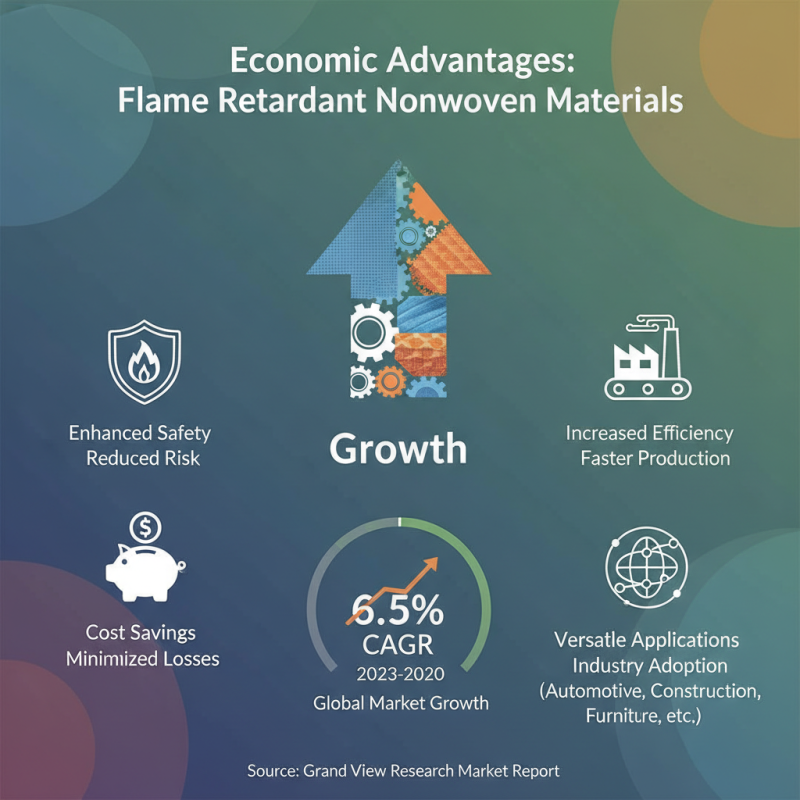
Flame retardant nonwoven materials have gained significant traction in various industries due to their economic advantages. In a recent market report by Grand View Research, the global demand for these materials is projected to grow at a compound annual growth rate (CAGR) of 6.5% from 2023 to 2030. This growth highlights their increasing importance in manufacturing processes.

By utilizing flame retardant nonwoven materials, companies can reduce costs associated with fire risks. For instance, fire-related accidents can lead to huge financial losses. A NFPA report states that U.S. fire departments responded to approximately 1.3 million fires in 2020, resulting in billions of dollars in property damage. Investing in these materials can mitigate such risks and enhance overall safety in production environments.

Tips: Ensure your production facilities are compliant with fire safety regulations. Selecting the right nonwoven materials can streamline compliance processes. Regular training for your staff on fire safety and the proper handling of these materials can further enhance workplace safety and efficiency.

Additionally, flame retardant nonwoven materials are versatile and can be used in various applications, from upholstery to protective clothing. This flexibility makes them a valuable asset for manufacturers seeking cost-effective solutions. However, some companies may find the initial investment daunting. It's crucial to assess long-term benefits, as potential savings from reduced liabilities can outweigh upfront costs.

Environmental Considerations and Sustainability of Flame Retardant Fabrics

Flame retardant nonwoven materials play a significant role in enhancing safety across various industries. These materials are designed to resist fire, providing crucial time to escape in emergencies. However, their environmental impact is a growing concern. The chemicals used in flame retardants are often scrutinized for potential harm to ecosystems. It’s important to choose formulations that prioritize both safety and sustainability.

The production of flame retardant fabrics can lead to pollution. Manufacturing processes may release volatile organic compounds (VOCs) into the atmosphere. Such emissions can contribute to air quality issues. As consumers, we must demand transparent practices from manufacturers. Investing in eco-friendly alternatives can minimize harmful effects. Companies involved in this industry are beginning to explore bio-based and less toxic options. This shift reflects a commitment to better environmental stewardship.

Sustainability in flame retardant materials is not solely about reducing pollution. It also encompasses durability and lifecycle management. Creating products that last longer reduces waste. The aim should be to create textiles that fulfill safety standards without compromising the planet's health. Engaging with scientists and environmentalists will enhance product development. Solutions must evolve with an awareness of both safety and environmental integrity.