10 Essential Tips for Choosing Non Woven Material for Your Projects?
In the ever-evolving landscape of material science, selecting the right non woven material is pivotal for project success. The global non woven fabric market is projected to reach $50 billion by 2025, highlighting the growing demand in various industries, from healthcare to automotive. As industry expert Dr. Emily Hartman states, “Choosing the correct non woven material can significantly impact performance and sustainability.”
When embarking on a project, understanding the unique properties of non woven materials becomes crucial. These materials provide versatility and functionality, yet choices can be overwhelming. Research shows that over 70% of professionals find material selection a challenging task. This reality necessitates a balanced approach to decision-making, considering both technical specifications and project requirements.
While data and trends inform choices, practical insights often come from experience. Even seasoned professionals face hurdles in sourcing quality non woven materials. Every project is distinct, and what works for one may not suit another. This underscores the importance of critical evaluation and reflection in the selection process, ensuring that the chosen materials align with both immediate needs and long-term goals.
Understanding Non Woven Materials: Types and Properties
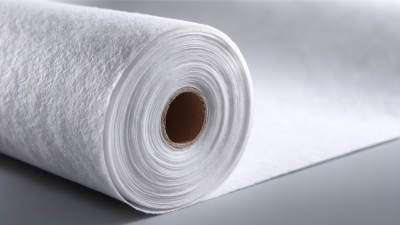
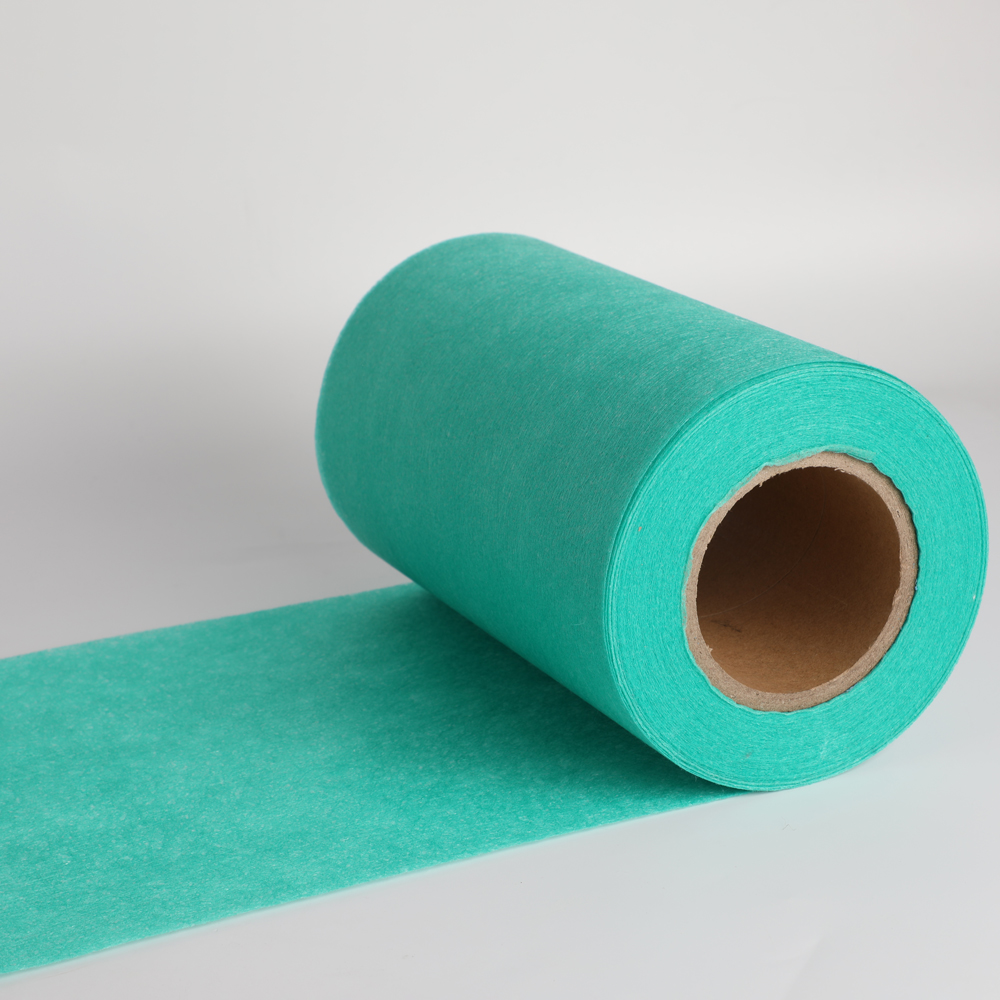
Non woven materials have gained popularity in various projects due to their unique properties. They are made by bonding fibers together through mechanical, thermal, or chemical processes. This results in a fabric that does not require weaving or knitting, making production faster and often more cost-effective. Understanding the different types of non woven materials is crucial for selecting the right one for your project.
There are several types of non woven materials, each with its own properties. For example, spunbonded non wovens offer strength and durability, making them suitable for industrial applications. On the other hand, meltblown non wovens are known for their excellent filtration capabilities. This is why they are commonly used in medical face masks. However, selecting the right type can be challenging. Each type has limitations, especially when it comes to environmental impact and recyclability. Careful consideration should be given to both the intended use and disposal options.
Identifying the Right Non Woven Material for Your Project Needs
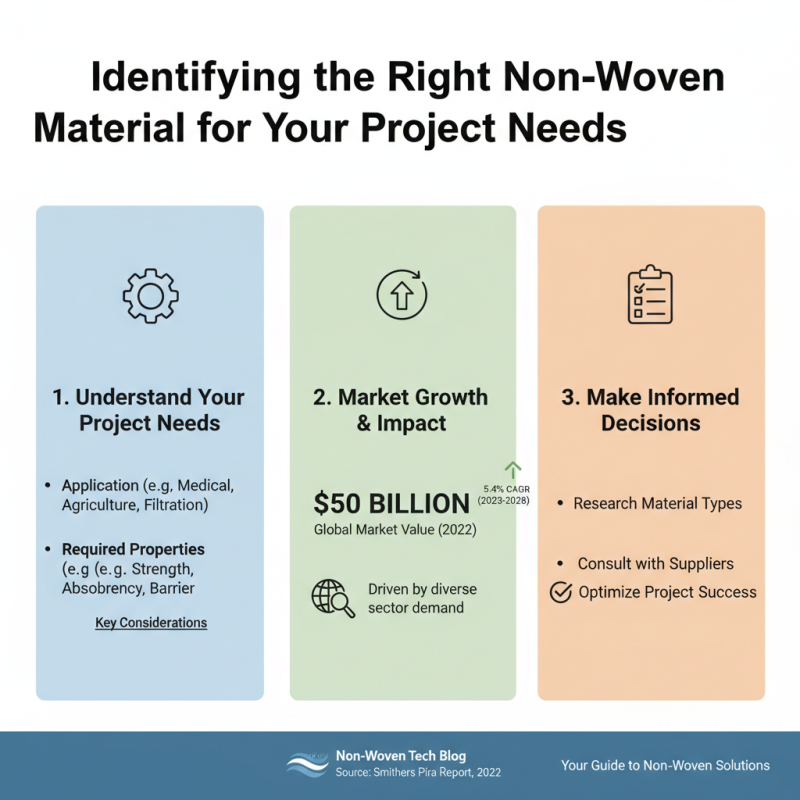
Choosing the right non-woven material can significantly impact your project's success. To make informed decisions, it’s essential to understand your specific needs. Non-woven materials vary widely in applications and properties, from medical fabrics to agricultural covers. According to a 2022 report by Smithers Pira, the global non-woven fabric market was valued at approximately $50 billion and is expected to grow at a CAGR of 5.4% over the next five years. This growth reflects increasing demand across various sectors.
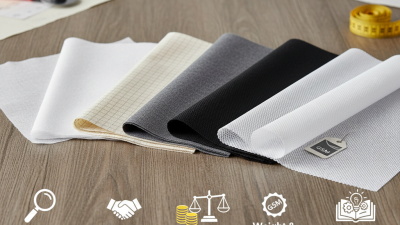
When assessing materials, consider their composition. Various fibers, such as polypropylene and polyester, offer distinct benefits. Polypropylene, for instance, is lightweight and moisture-resistant. Polyester, on the other hand, provides enhanced durability. Choosing appropriately can be the difference between a project that lasts or one that falls short. Additionally, the weight of the fabric—measured in GSM (grams per square meter)—can affect performance. A heavier GSM often indicates greater durability, but it may also reduce breathability.
It’s also crucial to evaluate the environmental impact of your choices. Sustainable options are more available now than ever. The 2023 Nonwoven Sustainability Report states that recycled and biodegradable options are gaining traction. However, finding the right balance can be challenging. For instance, while natural fibers are biodegradable, they may lack the strength required for certain applications. Each project presents unique challenges. Careful consideration is essential.
Evaluating the Environmental Impact of Non Woven Materials
When choosing non-woven materials for your projects, considering their environmental impact is crucial. Non-woven fabrics are often made from polymers, which can have varying effects on the ecosystem. Some materials are recyclable, while others contribute to landfill waste. Evaluate the longevity of the material before purchase. Assess how it will impact the environment and your project’s overall sustainability.
One tip is to research the manufacturing process. Are the materials created using eco-friendly methods? Look for certifications or eco-labels that indicate lower environmental footprints. Another point is to consider biodegradability. Some non-woven materials break down faster than others, reducing long-term waste impact.
When selecting materials, think about your project's lifecycle. Will the product be used once or many times? This decision affects not only the material choice but also its environmental footprint. Some projects may benefit from reusable non-woven fabrics, while others might require disposable options. Each choice comes with its own set of environmental considerations that must be carefully weighed.
10 Essential Tips for Choosing Non Woven Material for Your Projects - Evaluating the Environmental Impact of Non Woven Materials
| Criteria |
Considerations |
Environmental Impact |
| Material Composition |
Check if it's made from recycled or virgin materials. |
Use of recycled materials generally reduces environmental footprint. |
| Biodegradability |
Look for materials that break down naturally over time. |
Biodegradable options help reduce landfill waste. |
| Recyclability |
Determine if the material can be recycled after use. |
Recyclable materials contribute to a circular economy. |
| Production Process |
Evaluate energy and water consumption during manufacturing. |
Lower resource consumption is preferred for sustainability. |
| Durability |
Consider the lifespan of the material under typical usage conditions. |
Long-lasting materials reduce the need for frequent replacements. |
| Toxicity of Chemicals |
Investigate any harmful substances used in production. |
Non-toxic materials are safer for both humans and ecosystems. |
| Local Sourcing |
Choose materials produced locally to reduce transport emissions. |
Local sourcing supports local economies and reduces carbon footprint. |
| Certifications |
Check for relevant eco-labels and certifications. |
Certifications can indicate credible environmental practices. |
| End-of-Life Options |
Understand what happens to the material after its usable life. |
Responsible disposal or recovery methods mitigate waste issues. |
Assessing Cost-Effectiveness: Budgeting for Non Woven Projects
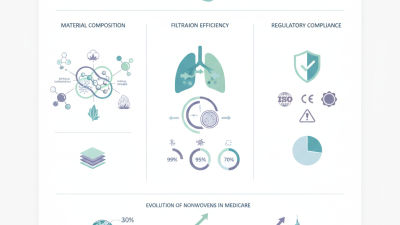
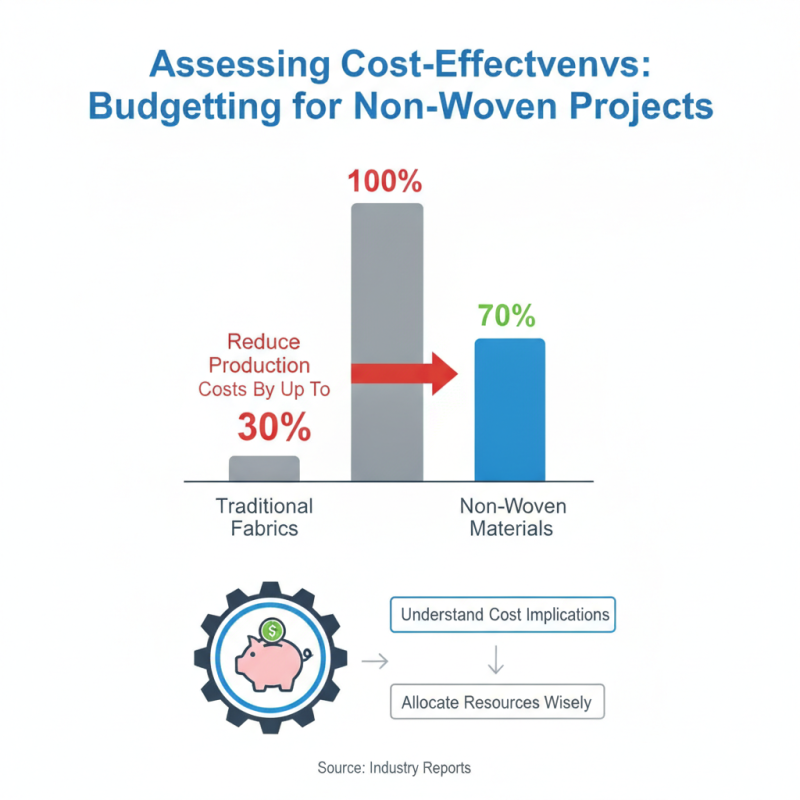
When budgeting for non-woven projects, cost-effectiveness is crucial. Recently, industry reports have highlighted that non-woven materials can reduce production costs by up to 30% compared to traditional fabrics. This factor can greatly impact your project's bottom line. Understanding the cost implications will help you allocate resources wisely.
Consider the overall lifespan of the material. Non-woven fabrics often offer durability, reducing the need for frequent replacements. This longevity translates to lower long-term expenses. Remember to factor in waste generation during production. It’s important to minimize waste to maximize cost savings.
Tip: Always compare suppliers. Costs can vary widely, even for similar materials. This practice can lead you to more budget-friendly options.
Another tip involves testing samples. By investing in small quantities first, you can ensure material quality without overspending. Be sure to assess the material against your project's specific needs. Don't overlook potential for recycling. Certain non-woven materials can be repurposed, providing additional savings.
Balancing initial costs with long-term benefits can be challenging but necessary in your decision process. Ultimately, a well-thought-out budget can yield significant savings across various non-woven applications.
Practical Tips for Sourcing and Selecting Quality Non Woven Suppliers
When selecting non-woven materials for your projects, sourcing quality suppliers is crucial. Start by researching local and international manufacturers. Look for those with a solid reputation in the industry. Reputation often reflects the quality of their materials and services.
Communication plays a key role. Reach out and ask questions about their production processes. A reliable supplier should be transparent about their methods. Observe how promptly they respond to your inquiries; responsiveness can indicate their level of professionalism.
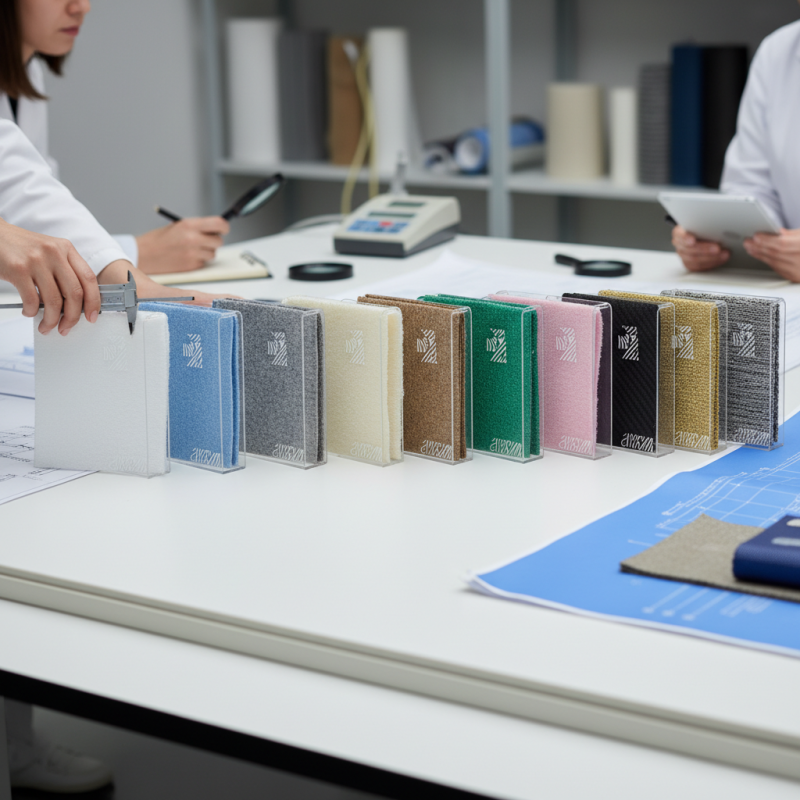
Consider checking references or reading customer reviews. It adds to your understanding of their product reliability. If possible, request samples to assess the material's qualities firsthand. Make notes on texture, durability, and overall suitability for your project. Sometimes, even established suppliers can have inconsistencies, so ensure thorough evaluation. Stay open to feedback from past clients. This can help shape your final decision.

 PP Laminates
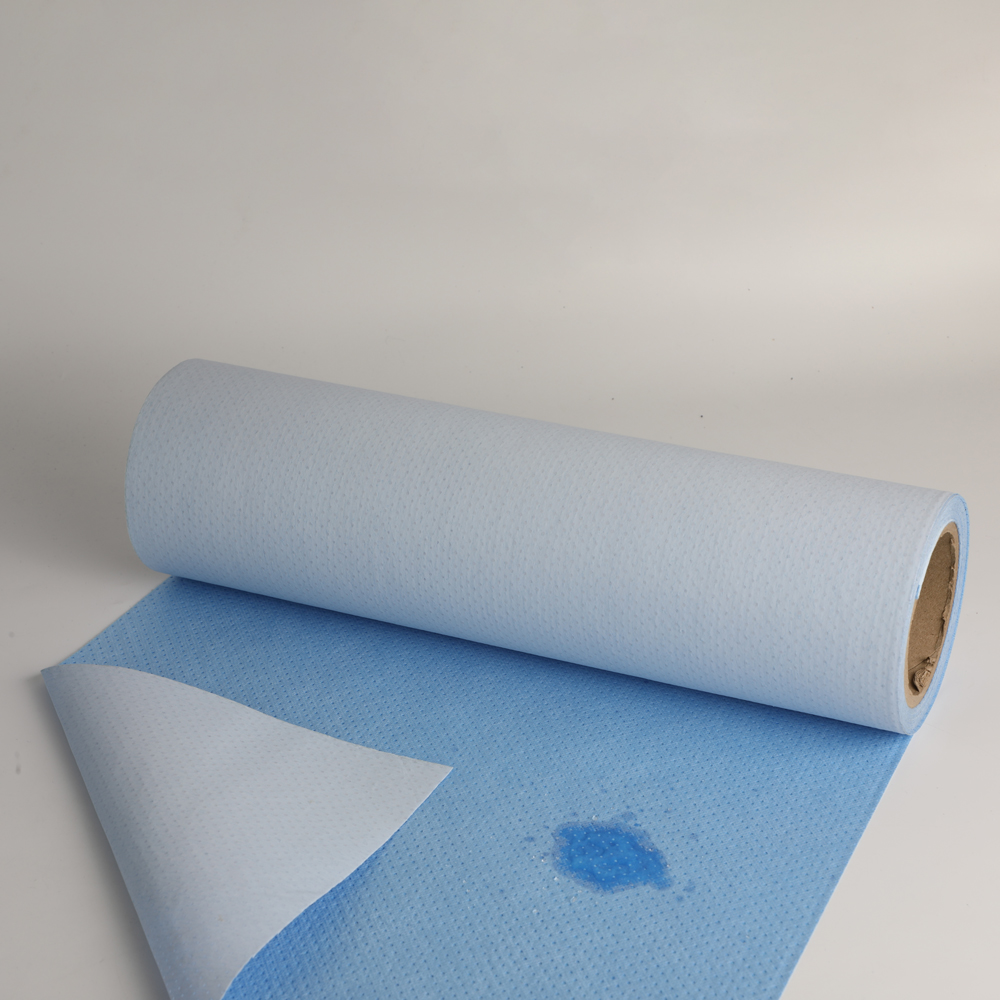 Multi Laminates
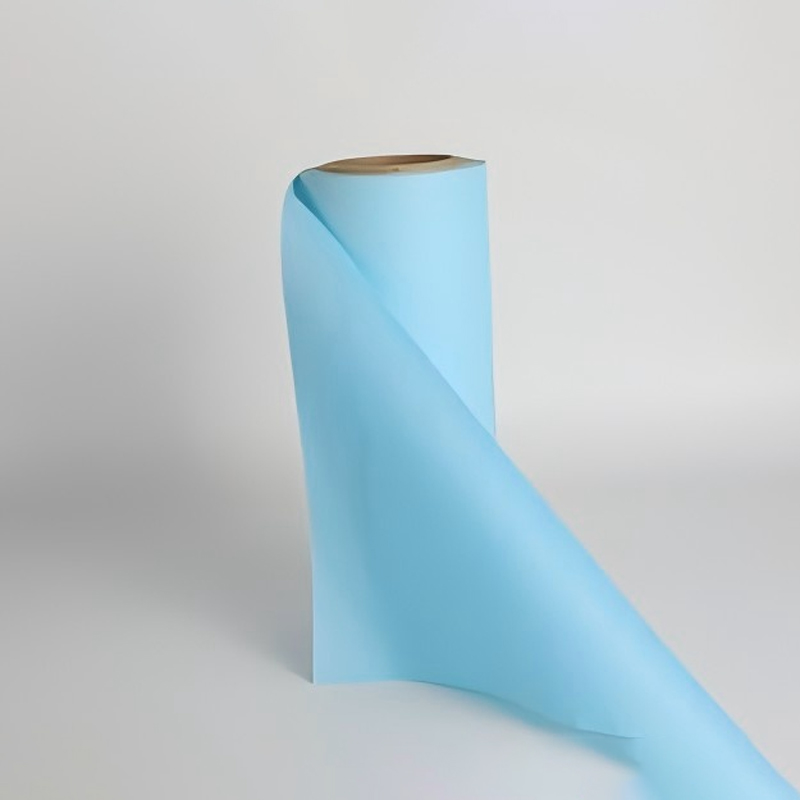 Spunlace Nonwoven Laminates
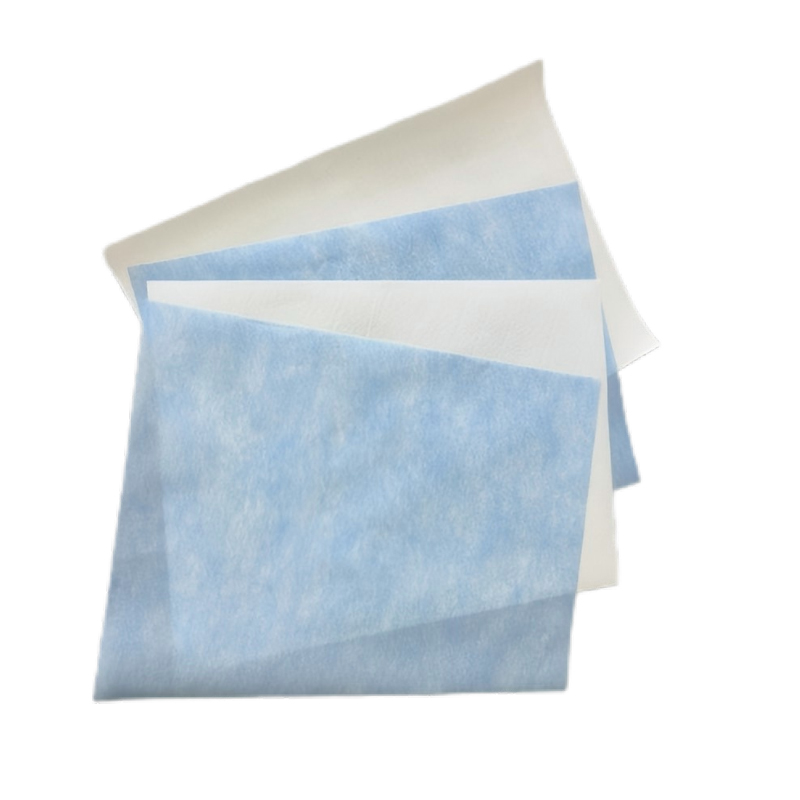 Breathable Film Laminates
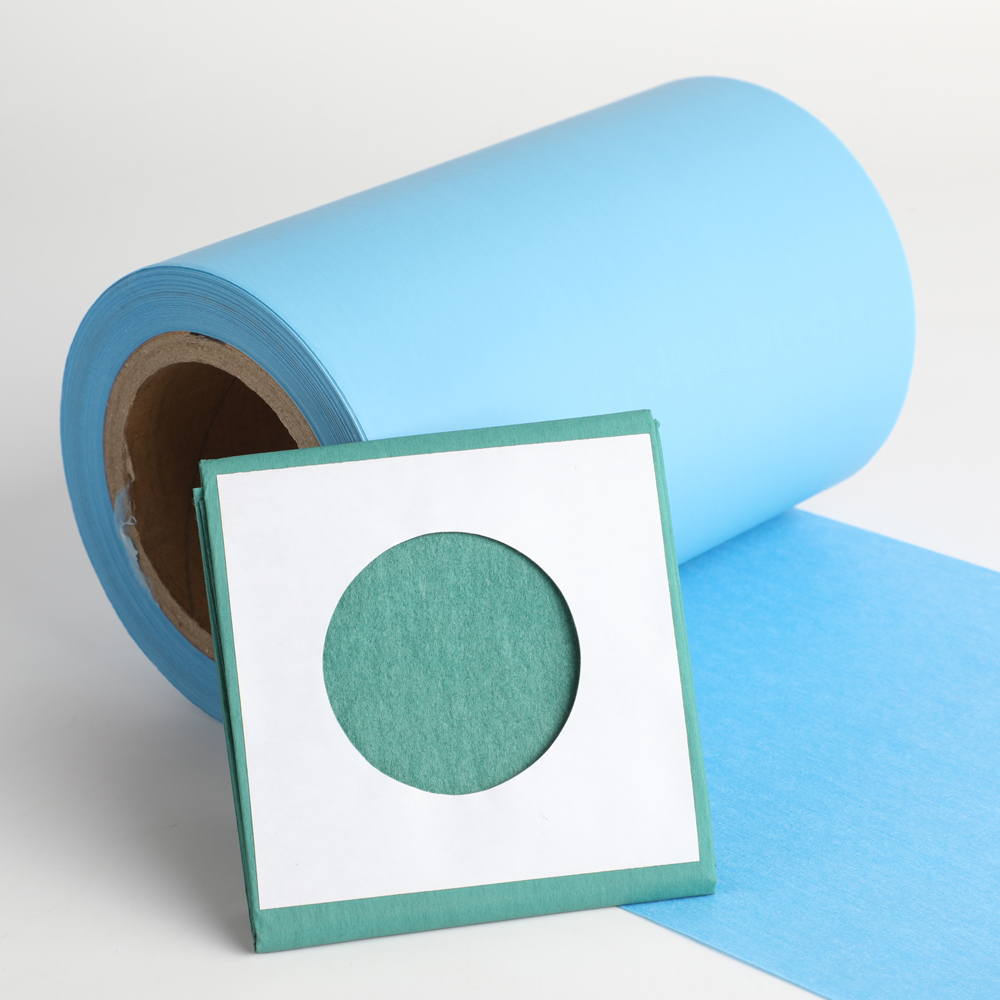 Viscose Laminates
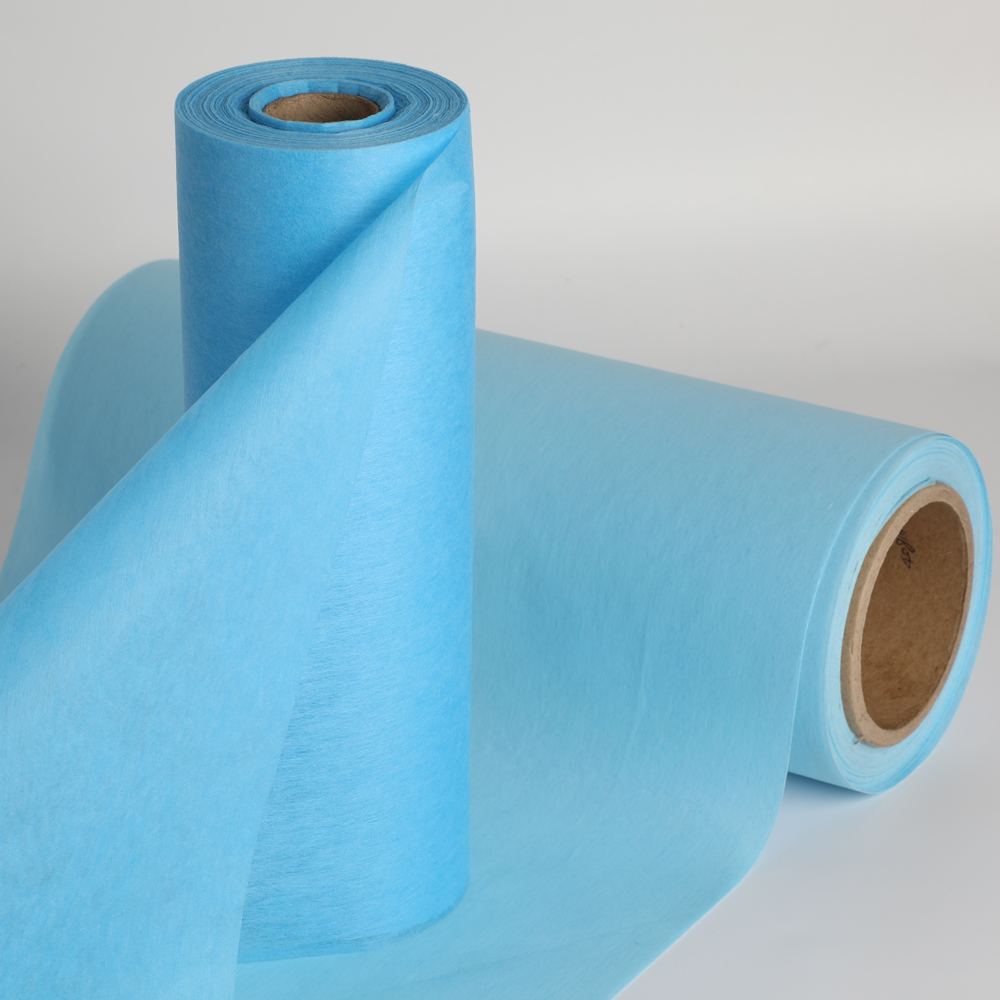 Medical Viscose Nonwoven
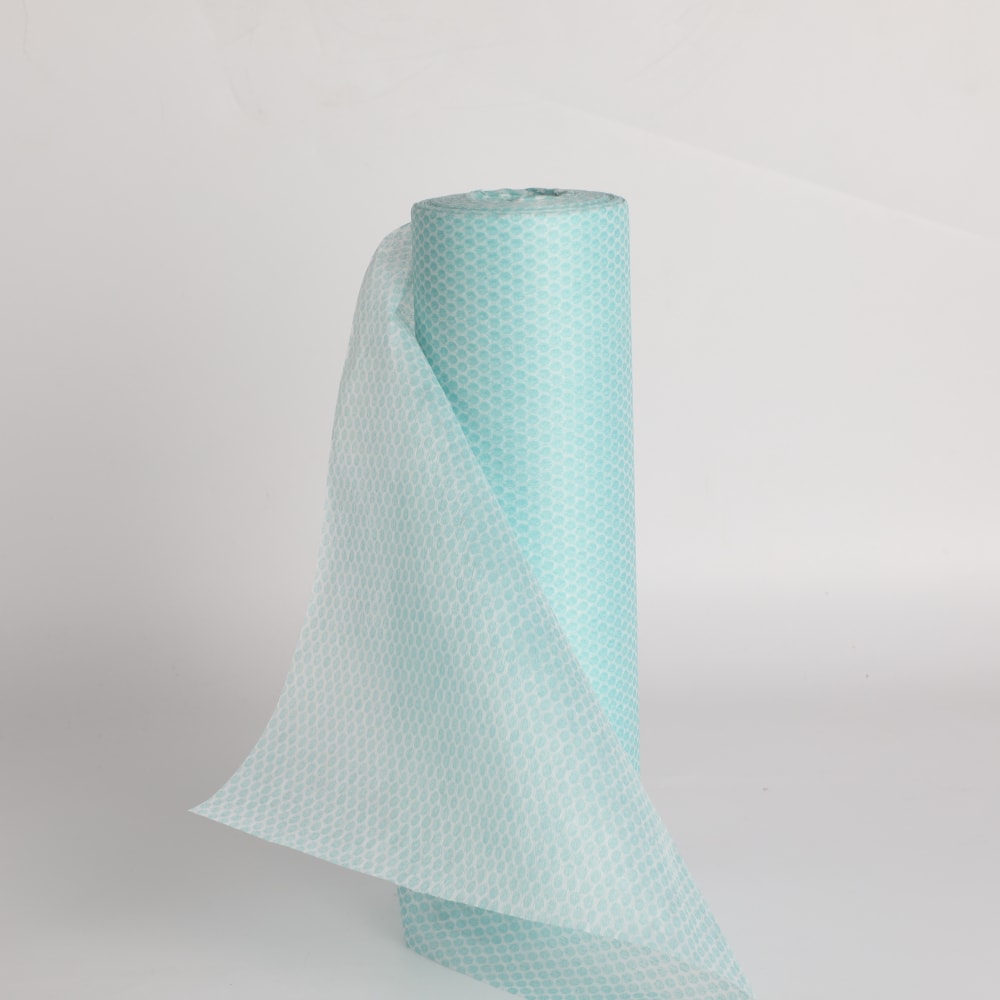 Head Wear Nonwoven
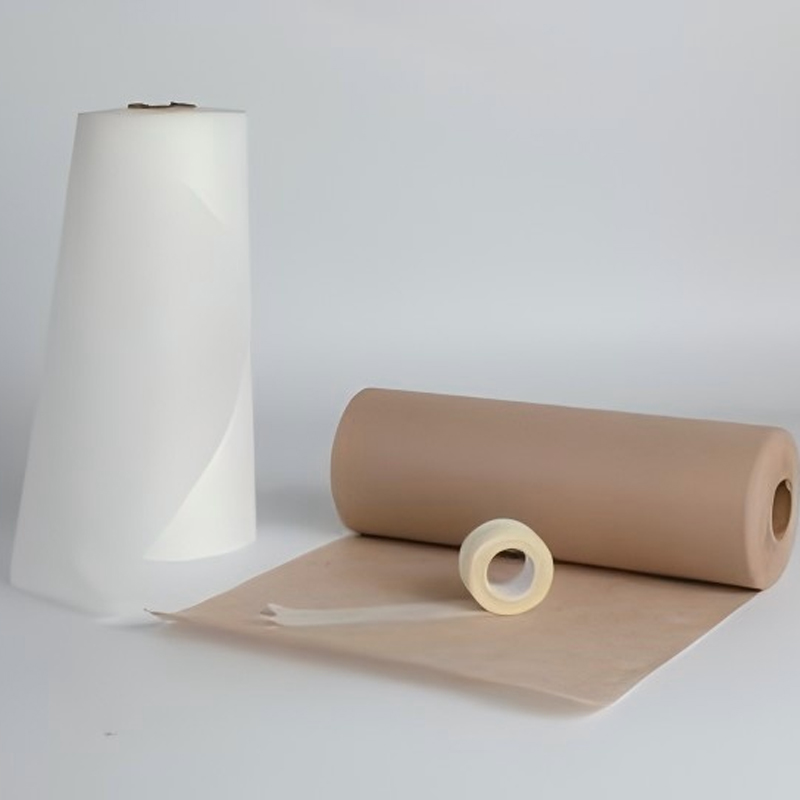 Medical Tape Nonwoven
 Snus Pouch Nonwoven
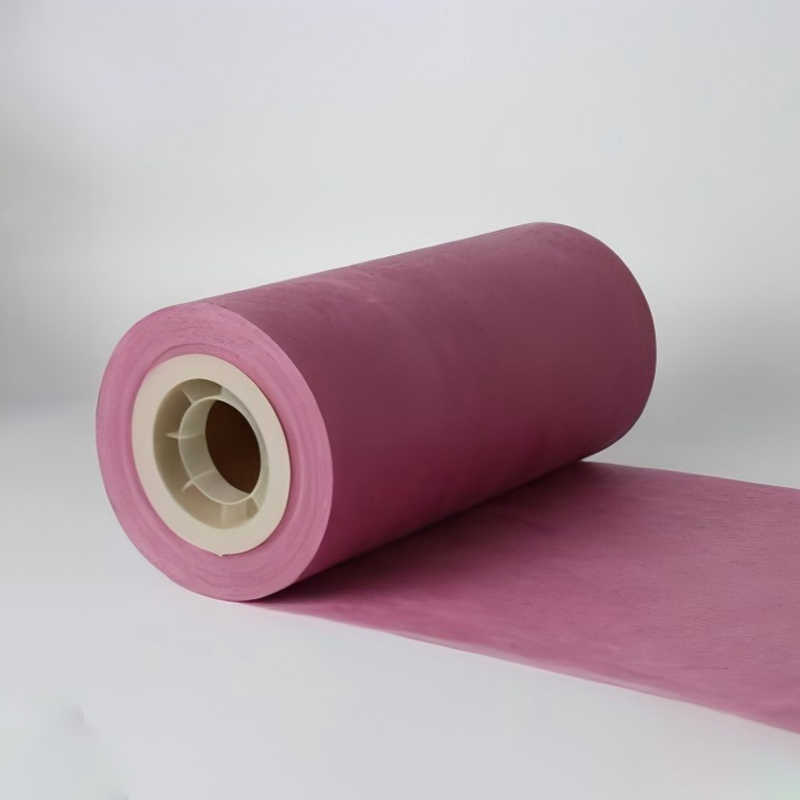 Filtration Nonwoven
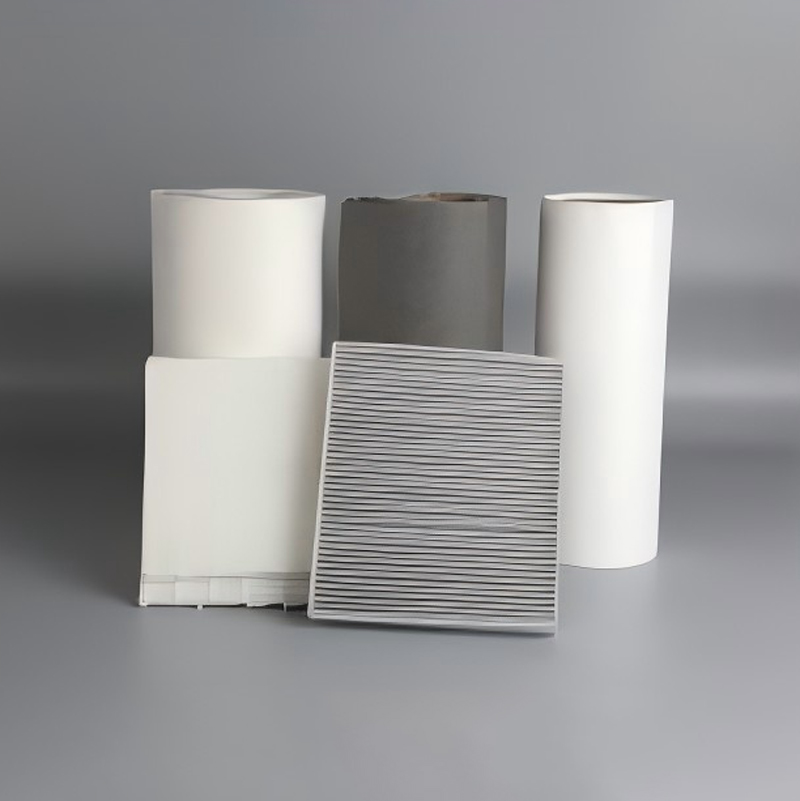 Air Filter Media
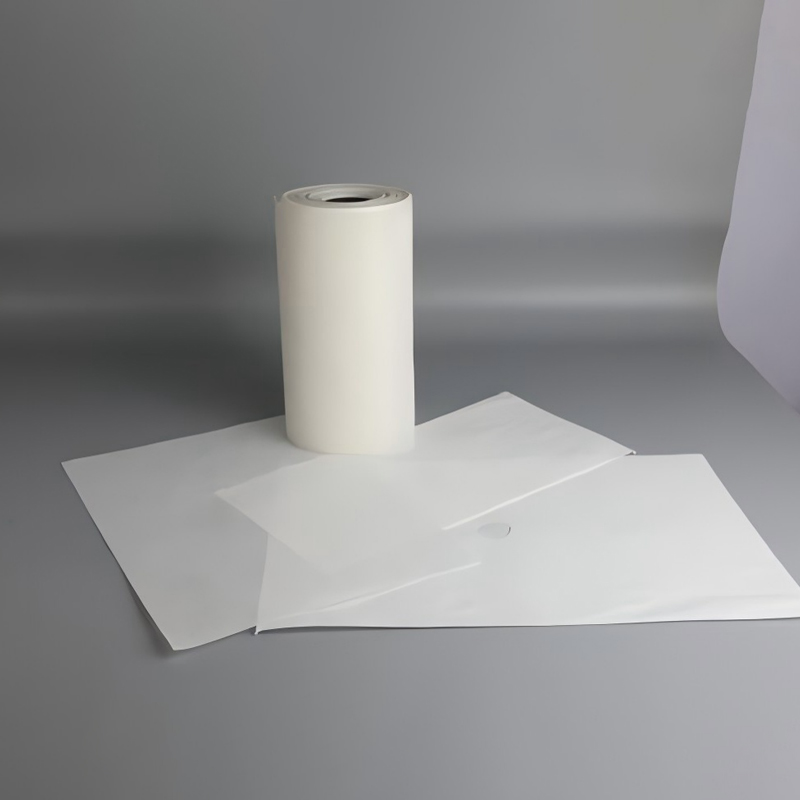 Liquid Filter Media
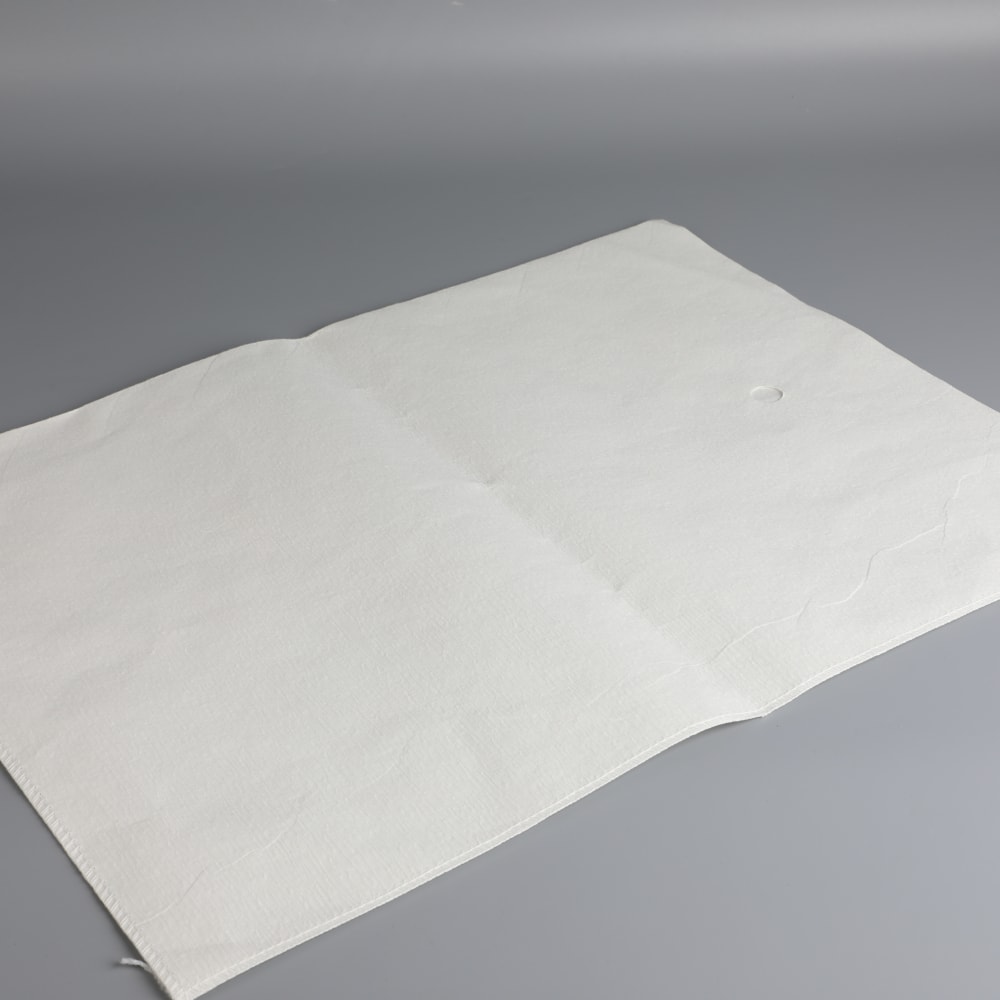 Filter Envelope & Filter Sheet
 Breathable Film Laminates
 Nonwoven Interlining
 Fluid Repellent Woodpulp Spunlace Nonwoven
 Woodpulp Nonwoven Wipe
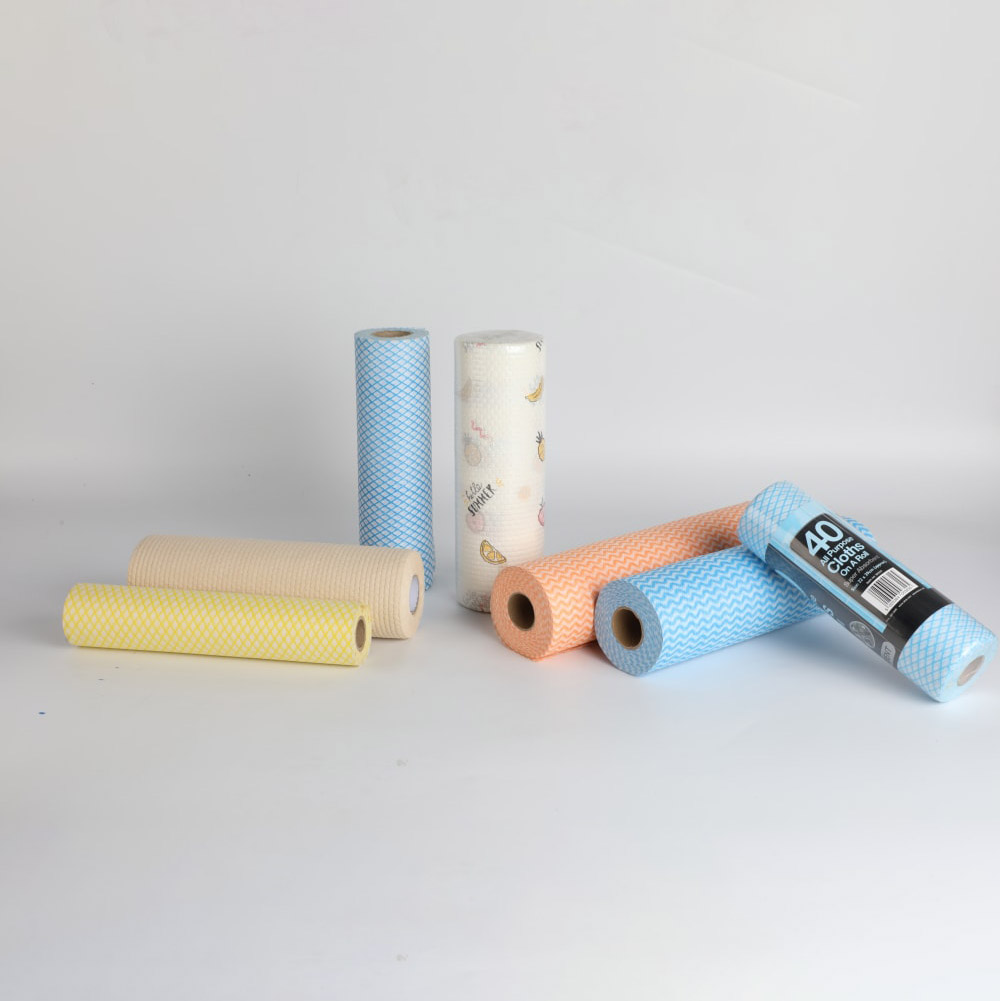 Nonwoven Cleaning Wipe
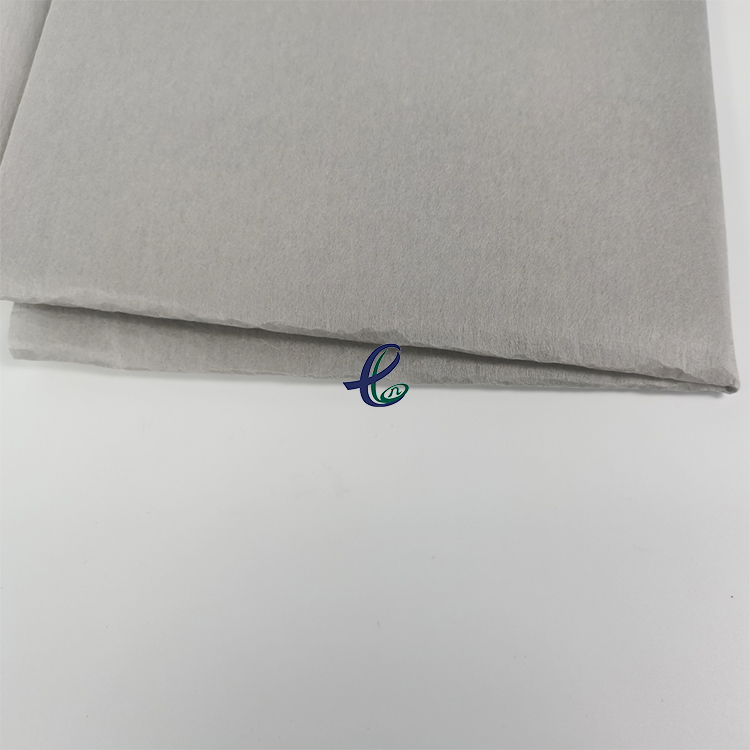 Curtain Nonwoven
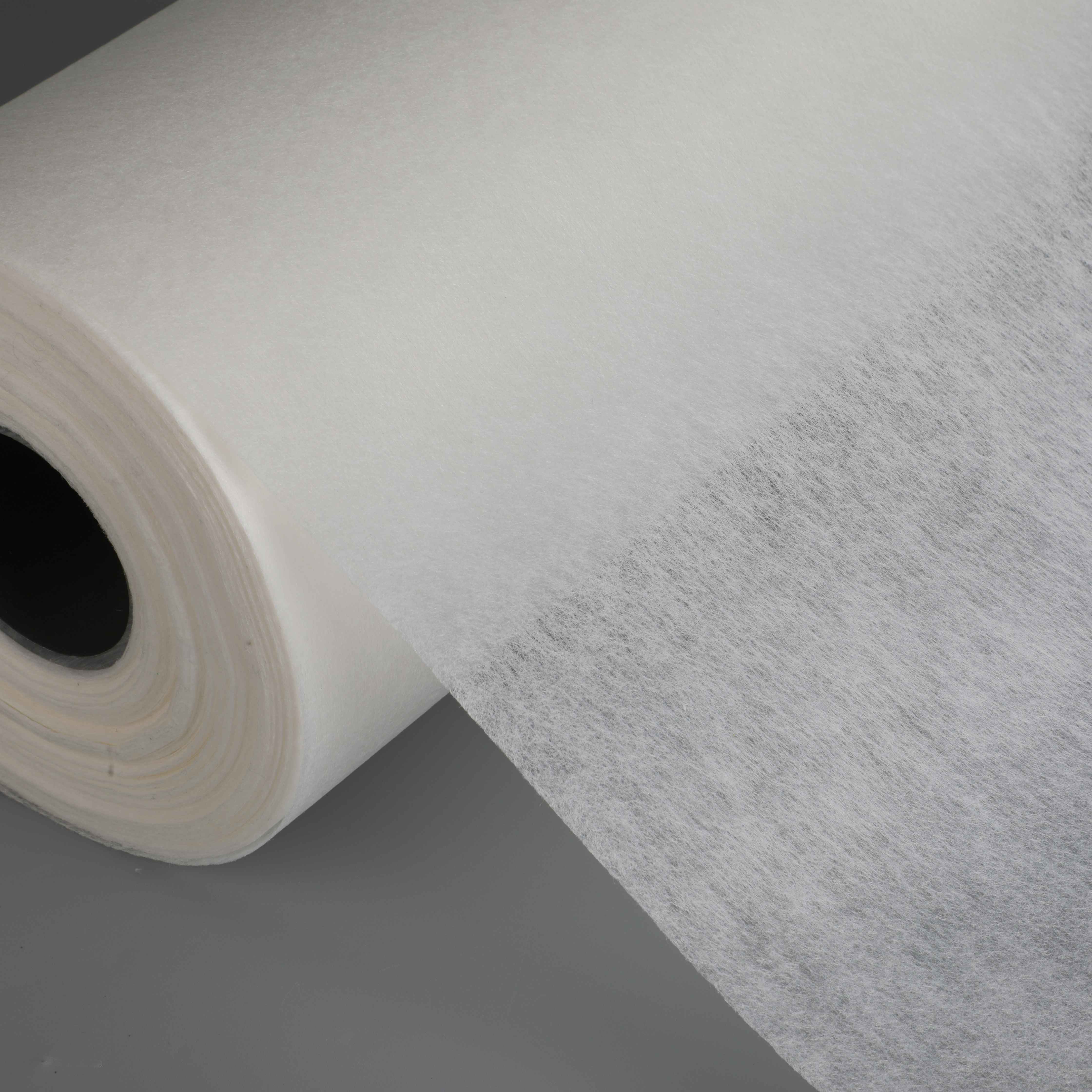 Food Grade Packaging Nonwoven
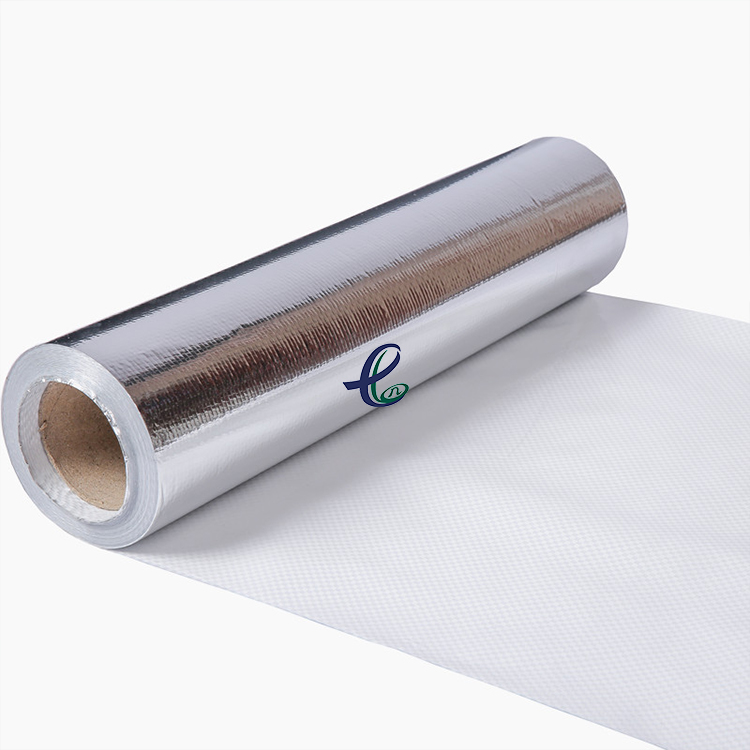 Aluminized Nonwoven
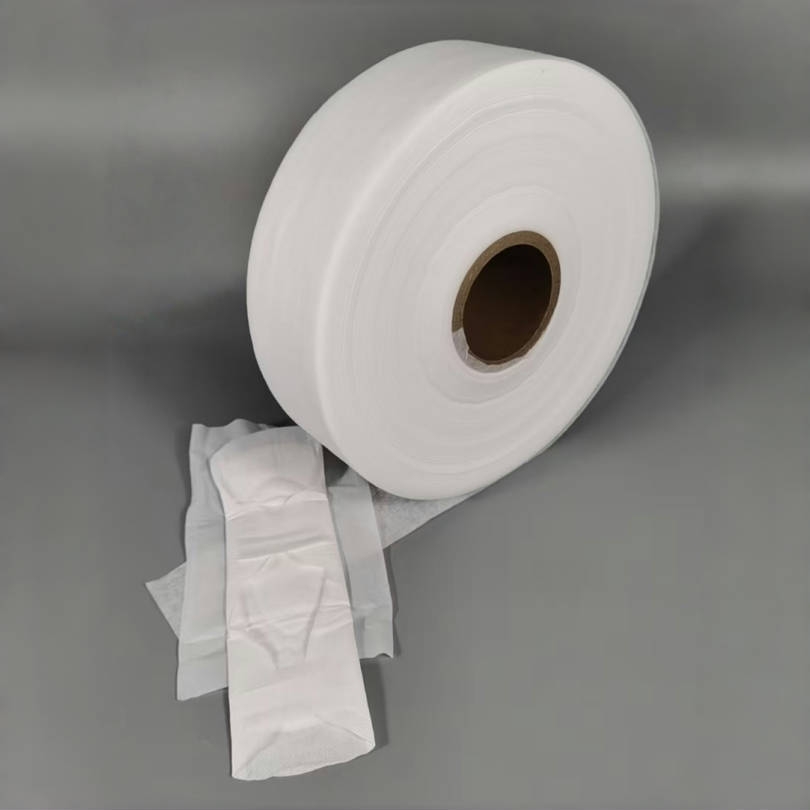 Hot Air Cotton Nonwoven
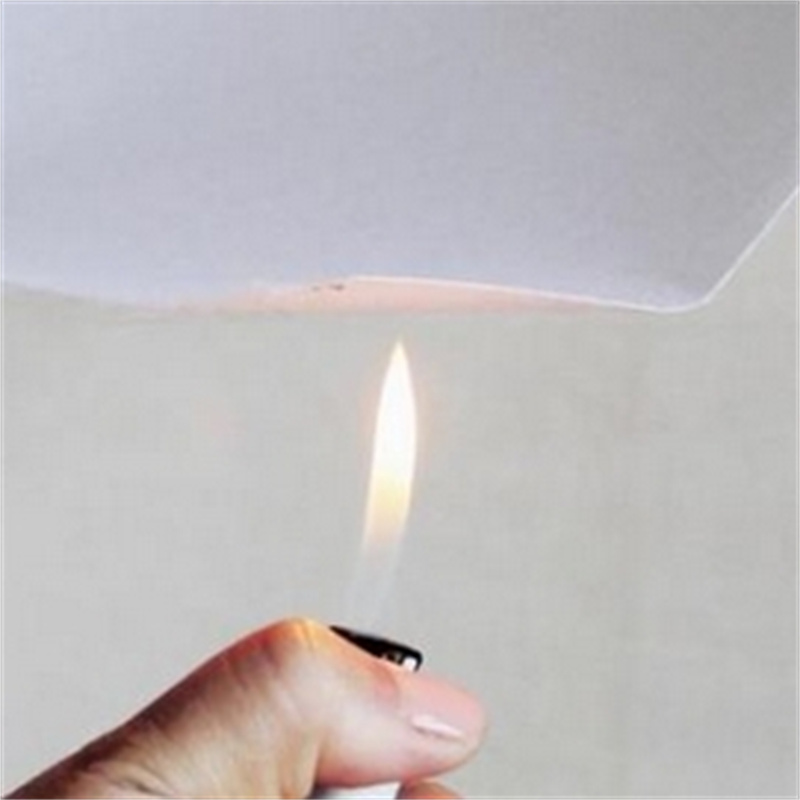 Flame Retardant Nonwoven
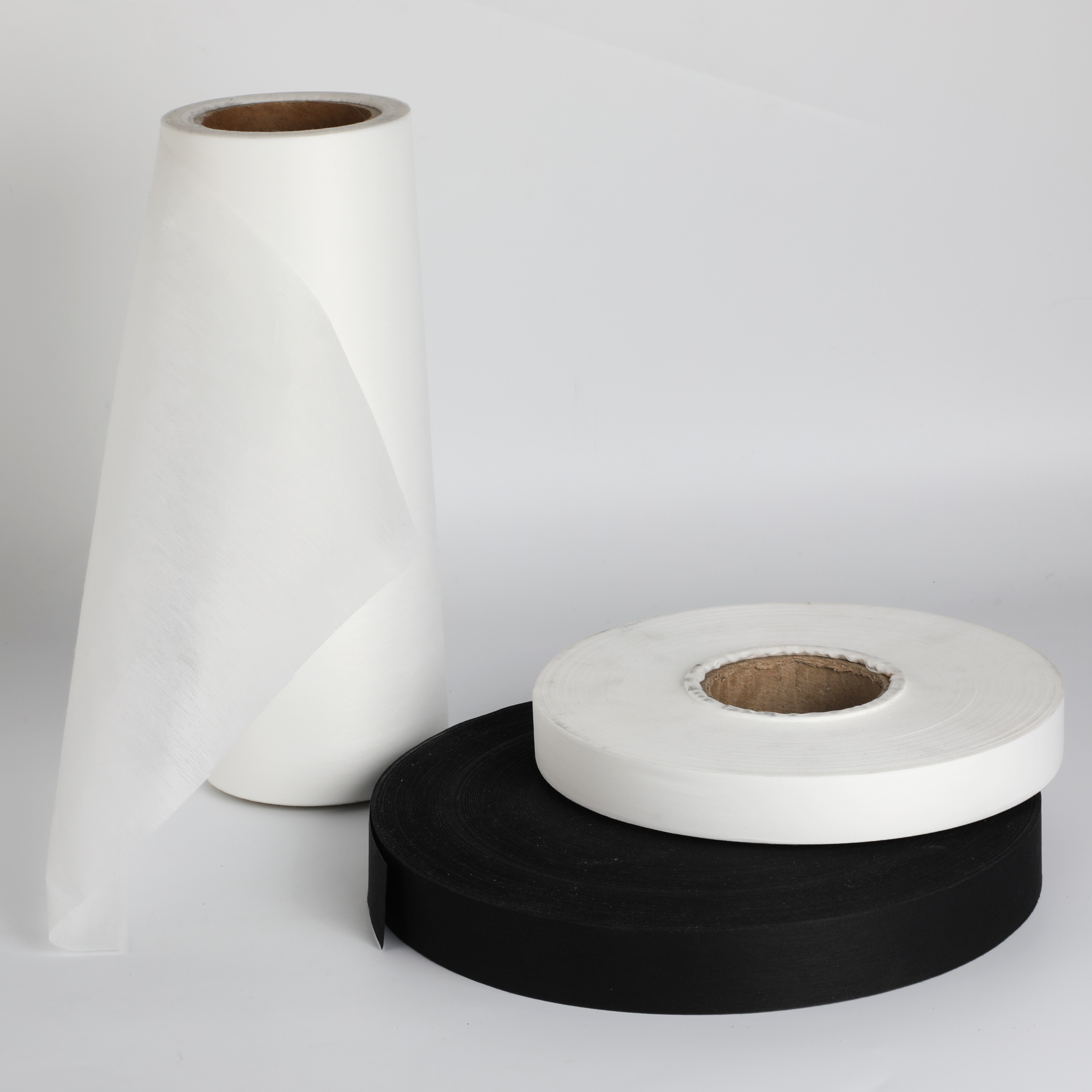 Cable Wrapping Nonwoven
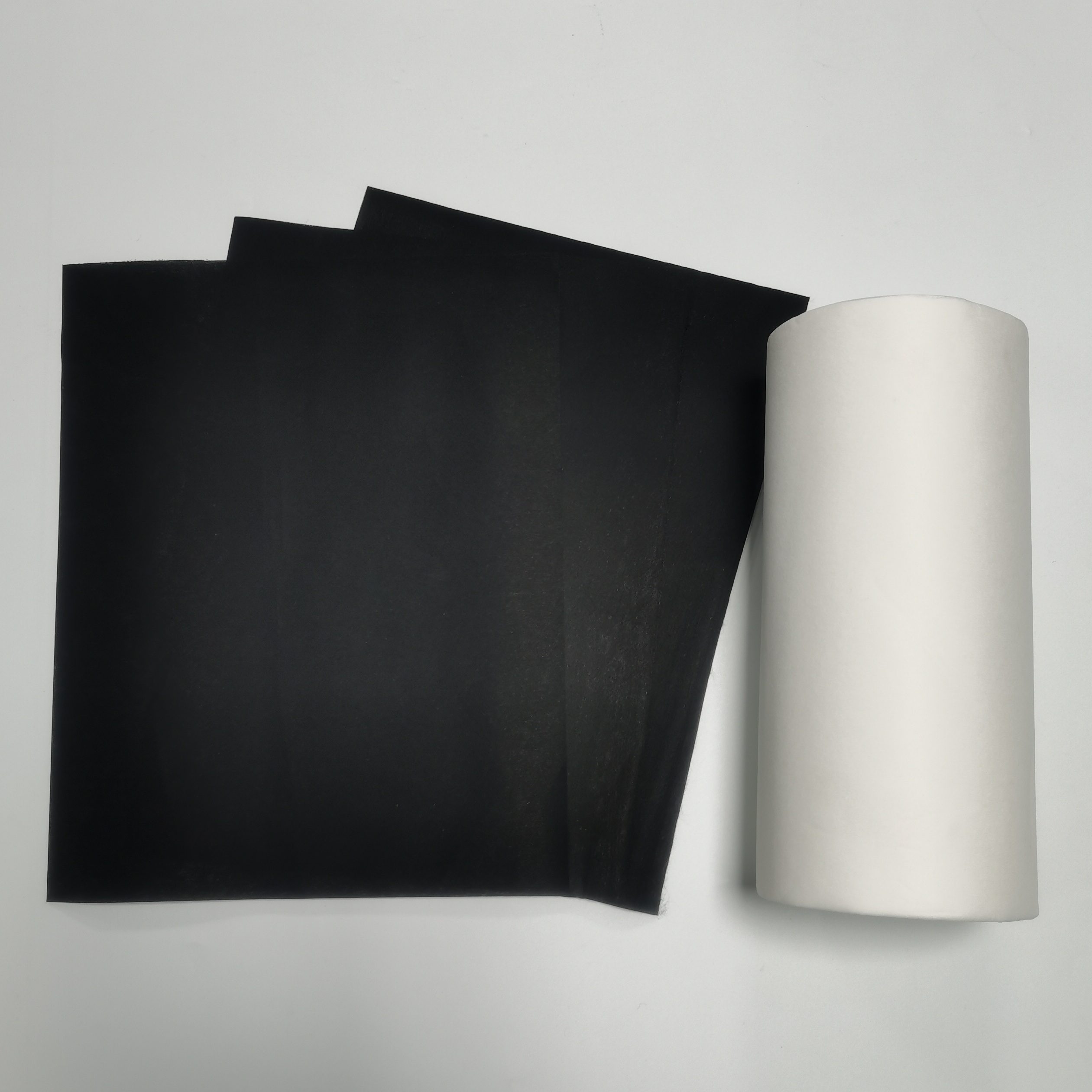 Semi-conductive Nonwoven
 Anti-Bacterial Nonwoven
 +8613957712400
 CONTACT WhatsApp
 CONTACT WeChat
 CONTACT NUMBER
 CONTACT EMAIL