Top 5 Headwear Nonwoven Options for Global Buyers?
In today's dynamic market, buyers are increasingly drawn to innovative headwear options. One area gaining significant attention is Headwear Nonwoven. This material offers unique properties ideal for various applications, from comfort to durability. Buyers are eager to explore nonwoven solutions that combine style and functionality.
Headwear Nonwoven stands out due to its lightweight nature and breathability. These features make it perfect for diverse environments, such as outdoor activities and urban settings. Global buyers are looking for products that not only perform well but also convey a sense of fashion. The right headwear can enhance personal style while providing essential protection.
However, choosing the right nonwoven option can be challenging. There are many products available, each with distinct characteristics and varying quality. Buyers must carefully consider factors like texture, strength, and suitability for their target audience. It is crucial to select high-quality materials that ensure both performance and comfort. Making informed decisions can significantly impact customer satisfaction and brand reputation in the competitive headwear market.
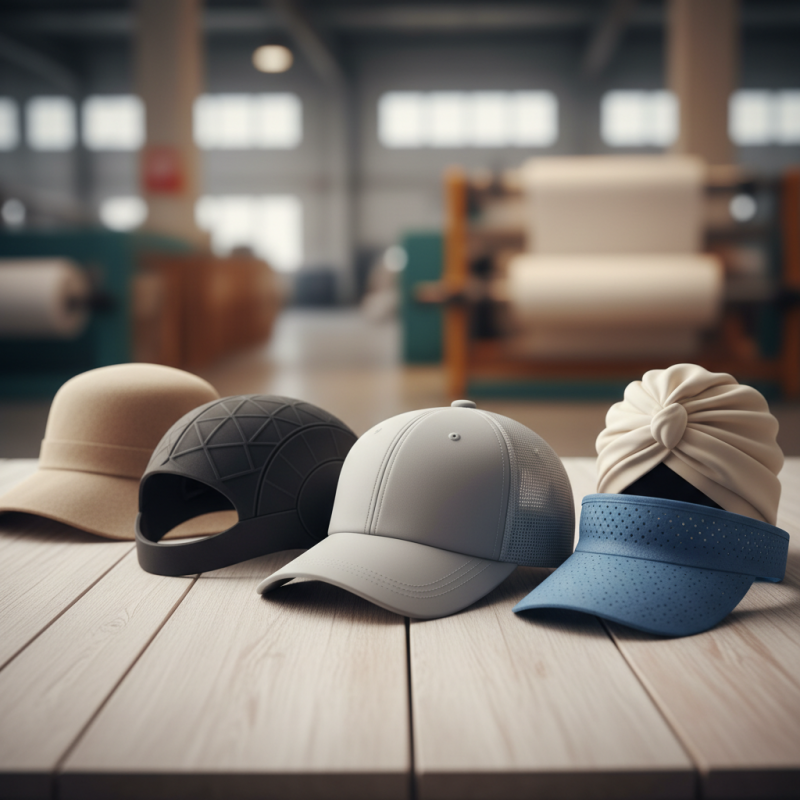
Overview of Nonwoven Headwear Materials in the Market
The nonwoven headwear market has been experiencing significant growth. According to a recent industry report, this sector is projected to expand at a compound annual growth rate (CAGR) of 7.8% from 2023 to 2028. Nonwoven fabrics provide unique benefits such as breathability and moisture-wicking properties. This makes them ideal for headwear applications, particularly in outdoor and active markets.
The main materials used in nonwoven headwear include polypropylene, polyester, and natural fibers. Polypropylene, in particular, holds the largest market share due to its lightweight nature and durability. Many manufacturers are exploring the use of biodegradable materials as consumer preferences shift towards sustainability. Reports suggest that 40% of consumers now prefer eco-friendly fabrics when selecting headwear products. However, the challenge remains for producers to balance cost and performance with environmental impact.
As the market evolves, suppliers are also facing pressure to innovate. The demand for custom designs and functionalities is influencing material choices. More strenuous regulations around manufacturing processes are becoming commonplace. Consequently, suppliers are tasked with ensuring compliance while maintaining quality and cost-efficiency. The complexity in sourcing reliable nonwoven materials can lead to inconsistencies in product performance, requiring ongoing refinement and adaptation.
Top 5 Headwear Nonwoven Options for Global Buyers
| Material Type |
Weight (gsm) |
Breathability |
Water Resistance |
Common Uses |
| Polypropylene (PP) |
50-100 |
High |
Moderate |
Caps, sun hats |
| Polyester |
60-120 |
Medium |
High |
Fashion hats, sports caps |
| Viscose |
70-130 |
High |
Low |
Luxury hats, designer wear |
| Cotton Blend |
80-150 |
Medium |
Moderate |
Casual wear, everyday hats |
| Nonwoven Polypropylene with UV Protection |
60-110 |
High |
High |
Outdoor hats, sun protection gear |
Benefits of Nonwoven Fabrics for Headwear Applications
Nonwoven fabrics have gained popularity in headwear applications due to their unique advantages. These materials are lightweight yet durable. They provide excellent breathability, making them comfortable for prolonged wear. Their moisture-wicking properties help keep the wearer dry. Many outdoor enthusiasts prefer nonwoven headwear for these reasons.
Moreover, nonwoven fabrics can be produced in various textures and colors. This versatility allows for creative designs that appeal to a wide range of consumers. The manufacturing process is efficient, reducing production times and costs. However, some may question the sustainability of these materials. While many nonwoven options can be recycled, it's essential to consider the environmental impact of production methods.
Nonwoven headwear often requires less maintenance than traditional textiles. Machine-washable varieties save time and effort for users. However, wearers should be mindful of potential limitations. For example, while nonwoven options are versatile, they may not provide the same level of warmth as thicker fabrics in colder climates. This is an important consideration for buyers seeking balance between function and aesthetics.
Top 5 Nonwoven Headwear Products for Global Buyers
Nonwoven headwear products have gained popularity among global buyers for their versatility and comfort. These items are lightweight, making them ideal for various applications, from fashion to functional use. Many manufacturers focus on sustainable materials, appealing to eco-conscious consumers.
One notable option is disposable nonwoven caps. They are often used in medical and food-service environments. Their affordability and convenience make them a preferred choice for many.
Another interesting option is nonwoven sun hats. These products provide UV protection and are designed for outdoor enthusiasts. The lightweight fabric allows breathability, making them suitable for warm climates.
There are challenges in the market, such as quality control issues. Ensuring that the products meet safety standards is crucial. Some buyers may find it hard to source reliable suppliers. Establishing trust and communication with manufacturers can mitigate these concerns. Overall, the appeal of nonwoven headwear lies in their practicality and adaptability to various needs.
Key Factors to Consider When Choosing Nonwoven Headwear
When selecting nonwoven headwear, several key factors come into play. Material composition is crucial. Polypropylene is widely used due to its lightweight and breathable nature. According to industry reports, this material constitutes over 50% of nonwoven fabric used in headwear applications.
Comfort and fit are also significant. A well-fitted product reduces discomfort during extended wear. Recent surveys indicate that 70% of users prefer headwear that conforms well to their shape. The design should accommodate various head sizes, further enhancing user experience.
Durability is another noteworthy aspect. Nonwoven headwear must withstand various conditions. Research shows that products with enhanced tensile strength last up to 30% longer. However, achieving this durability can sometimes compromise breathability, affecting overall satisfaction. Thus, finding the right balance is essential for both performance and comfort.
Top 5 Headwear Nonwoven Options for Global Buyers
Sustainability and Innovation in Nonwoven Headwear Options
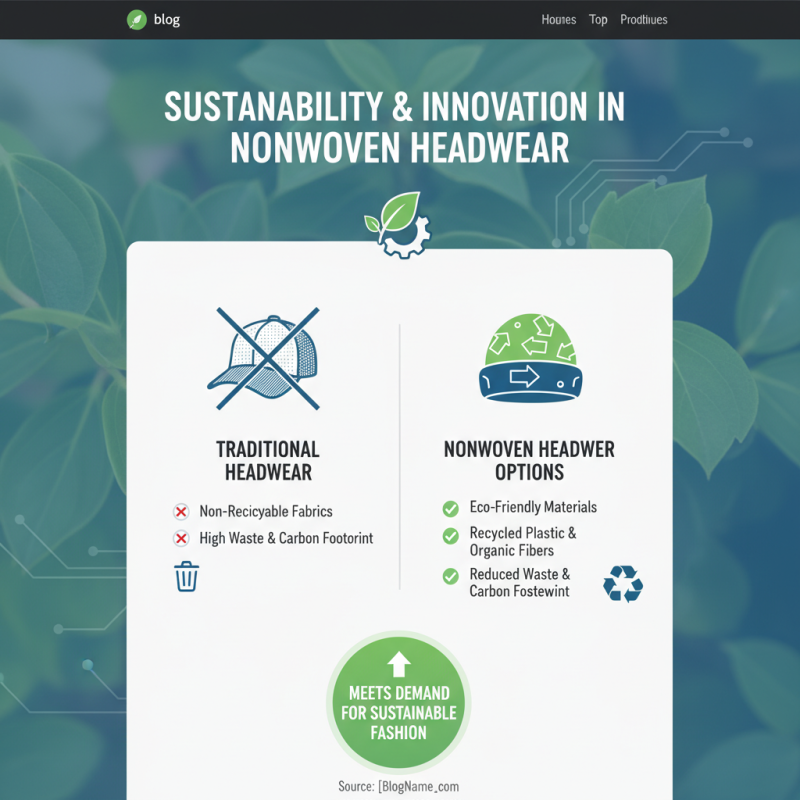
Sustainability is becoming essential in the nonwoven headwear industry. Many manufacturers are now focusing on eco-friendly materials and practices. Traditional headwear often uses non-recyclable fabrics. In contrast, nonwoven options can be made from recycled plastic and organic fibers. These materials reduce waste and carbon footprints. Moreover, they meet the growing demand for sustainable fashion.
Innovation plays a crucial role in nonwoven headwear. Advanced technologies allow for unique designs and improved functionality. For example, breathable fabrics enhance comfort during various activities. Some companies are experimenting with biodegradable materials. This innovation can lead to greater sustainability. Yet, challenges remain. Not all manufacturers prioritize eco-friendly practices. Ensuring reliable sources of sustainable materials is vital for future growth. Continuous improvement in this field requires collaboration and transparency.
Buyers are increasingly aware of the importance of sustainability. They seek products that align with their values. Nonwoven headwear, with its potential for sustainability and innovation, stands out. However, the journey is not without obstacles. Ongoing education and commitment are necessary for lasting change. Embracing these challenges can lead to a more sustainable future in headwear.

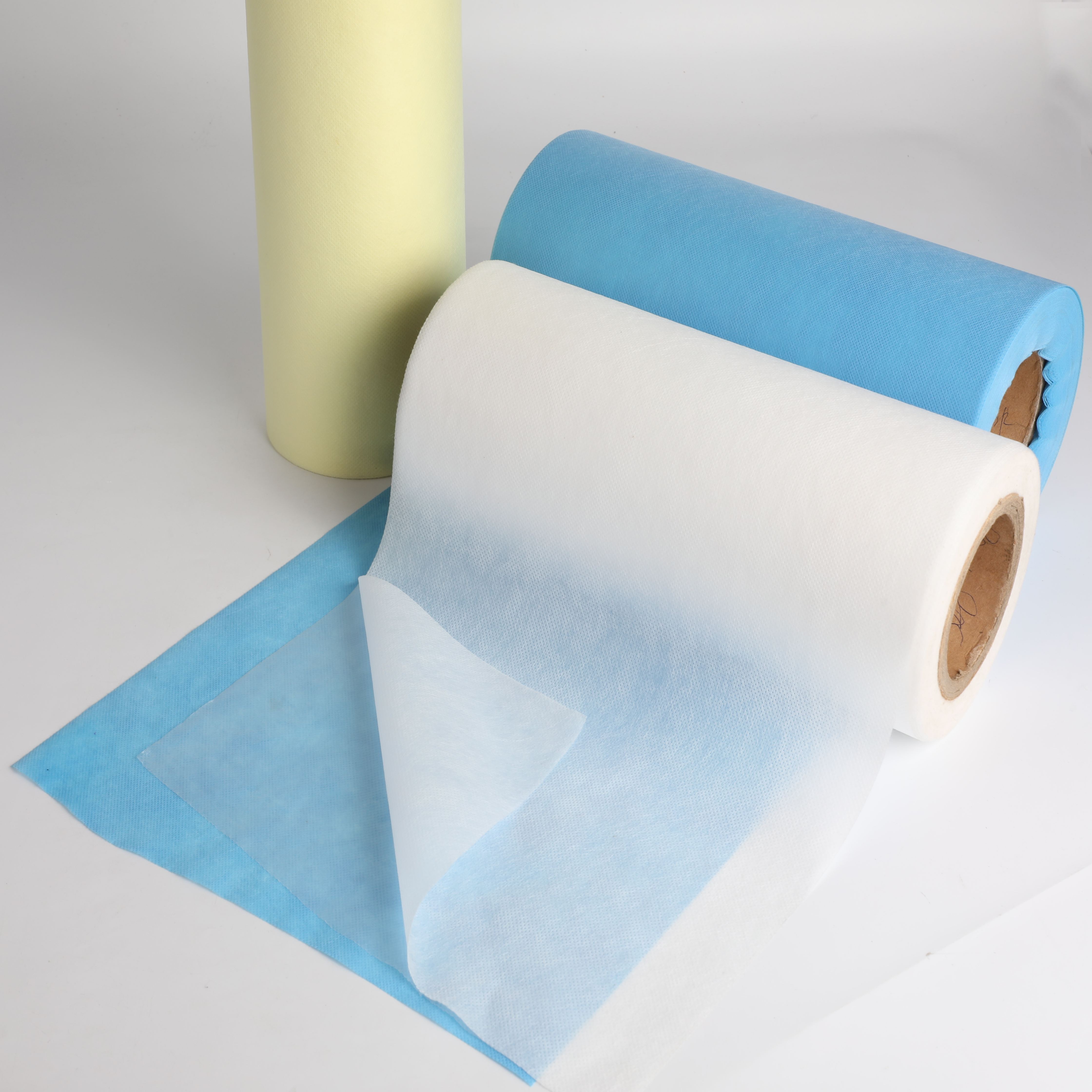 PP Laminates
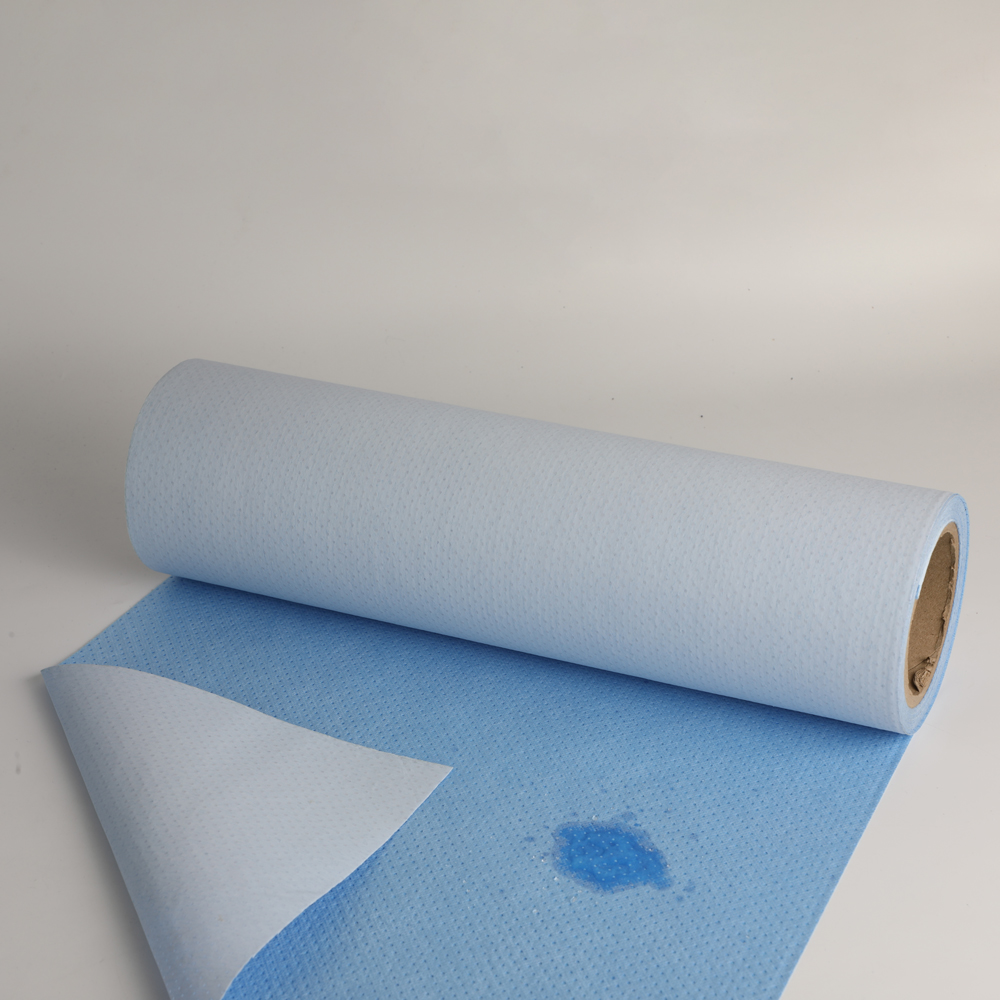 Multi Laminates
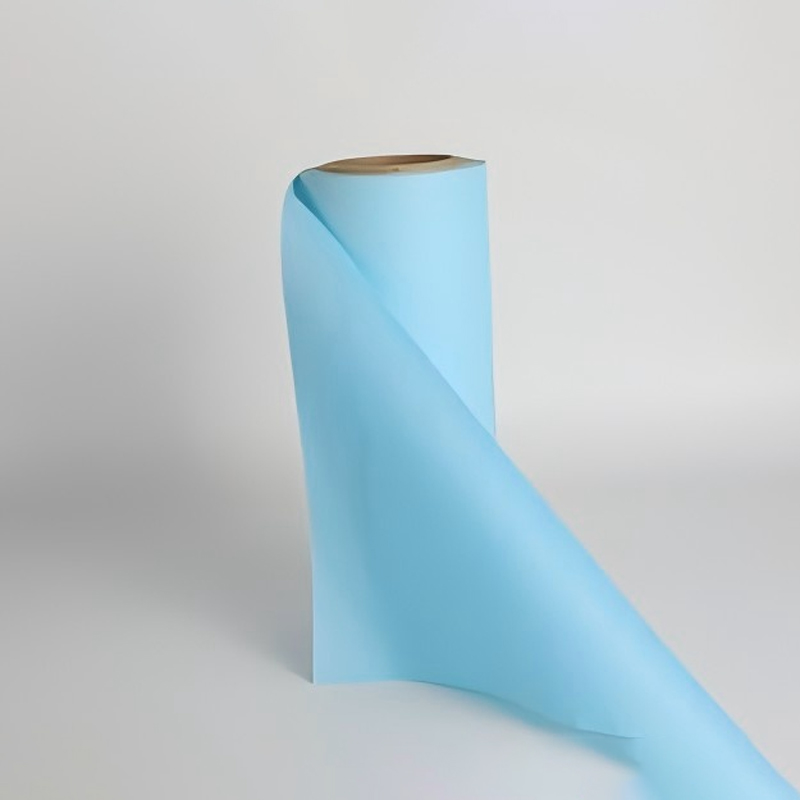 Spunlace Nonwoven Laminates
 Breathable Film Laminates
 Viscose Laminates
 Medical Viscose Nonwoven
 Head Wear Nonwoven
 Medical Tape Nonwoven
 Snus Pouch Nonwoven
 Filtration Nonwoven
 Air Filter Media
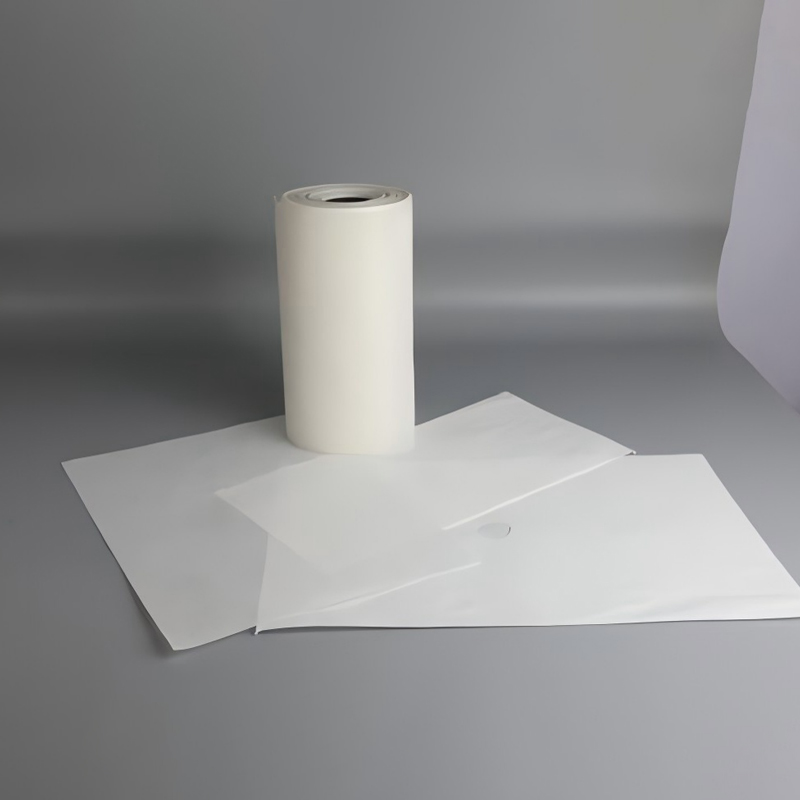 Liquid Filter Media
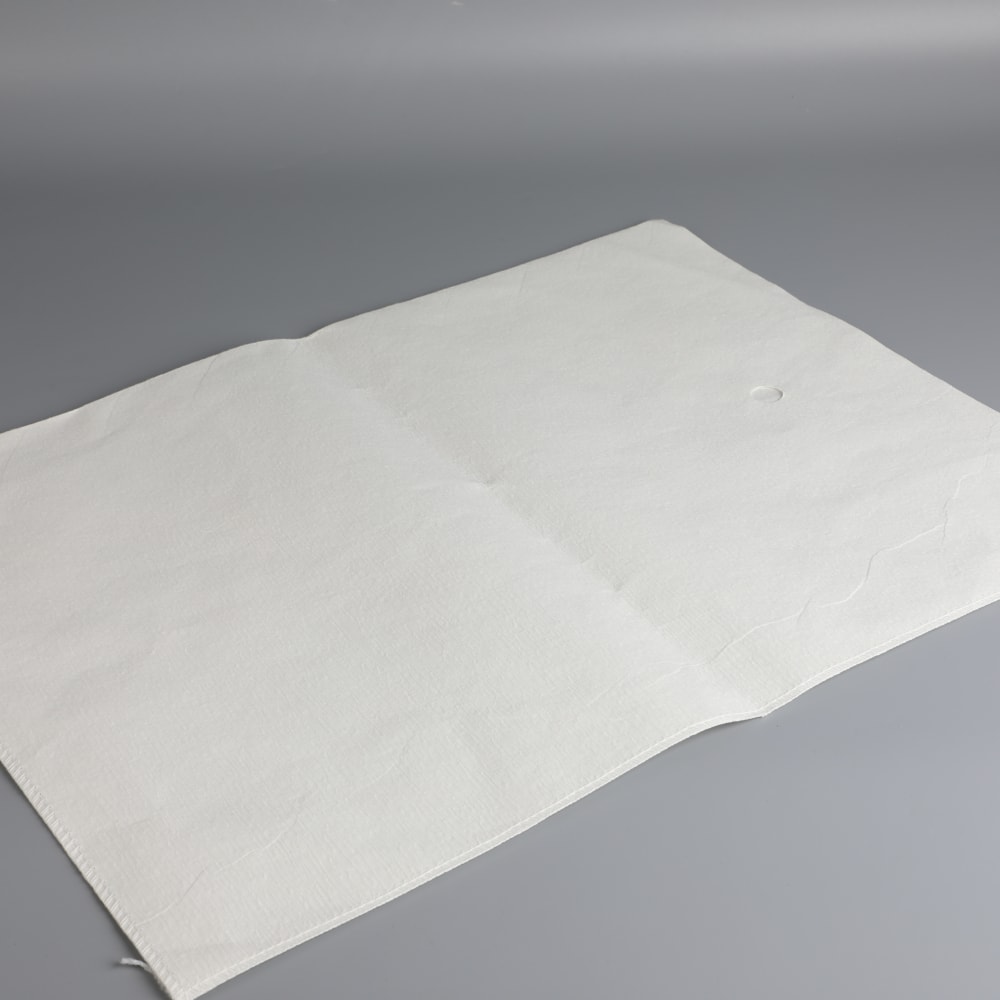 Filter Envelope & Filter Sheet
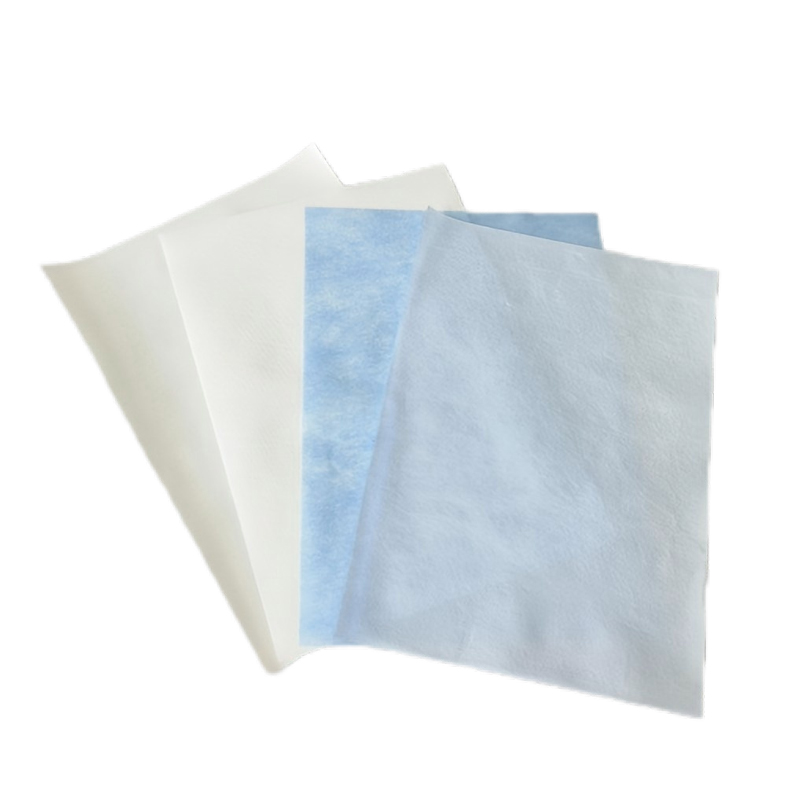 Breathable Film Laminates
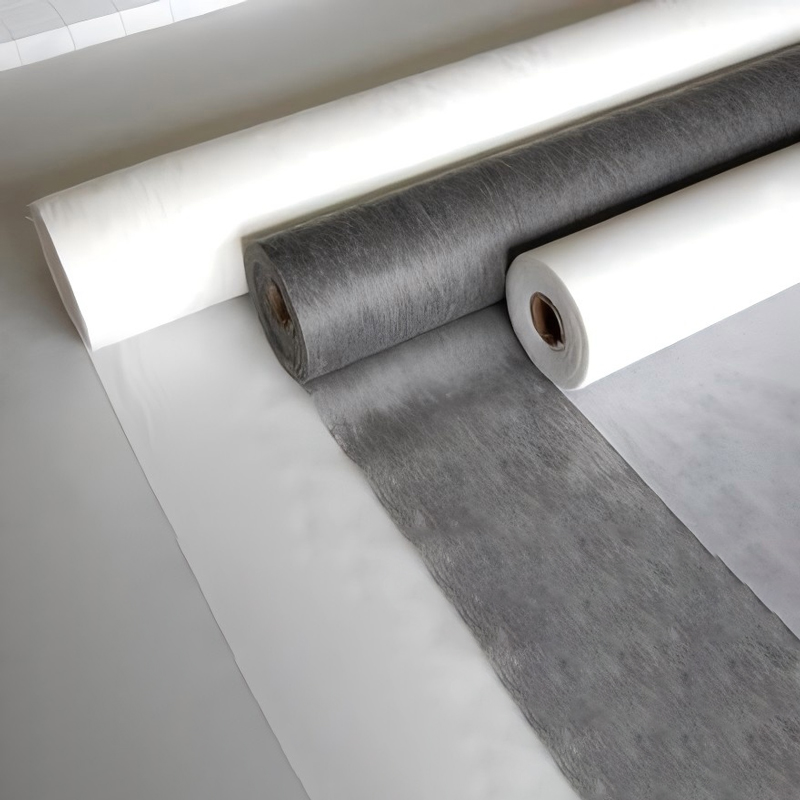 Nonwoven Interlining
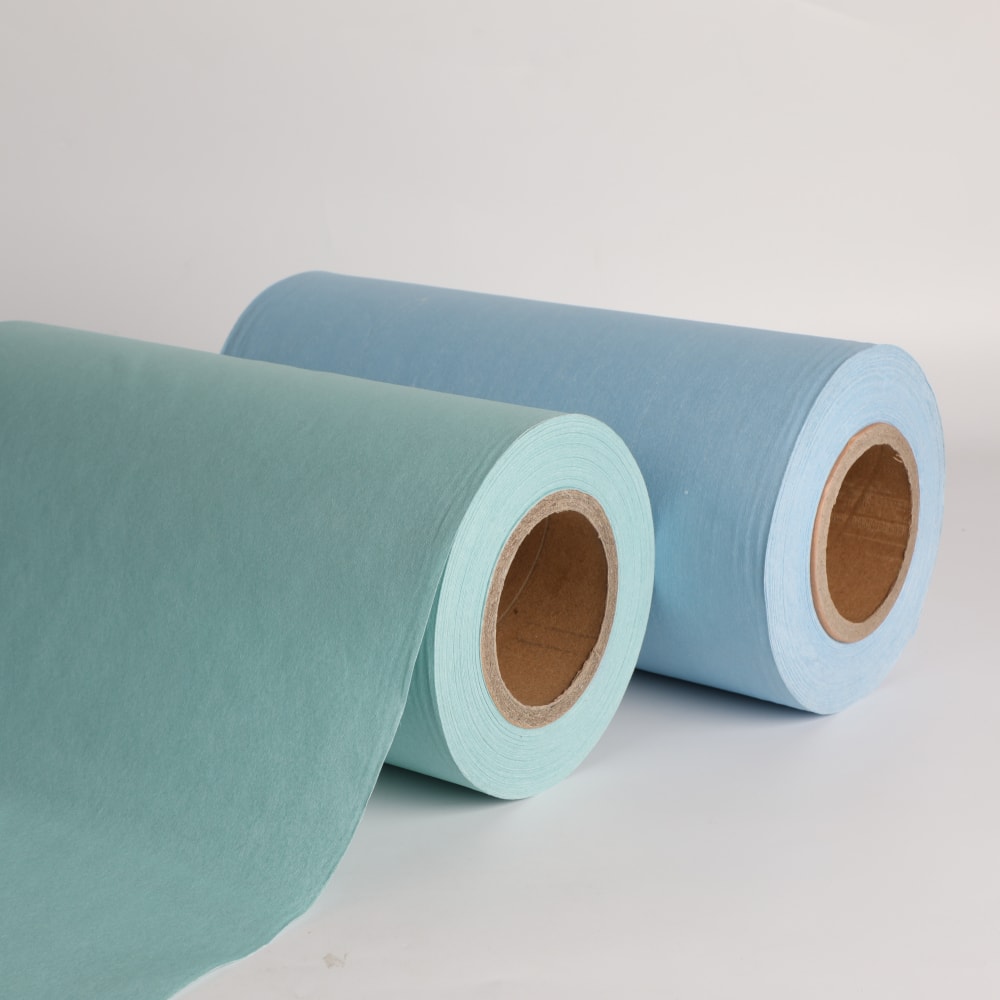 Fluid Repellent Woodpulp Spunlace Nonwoven
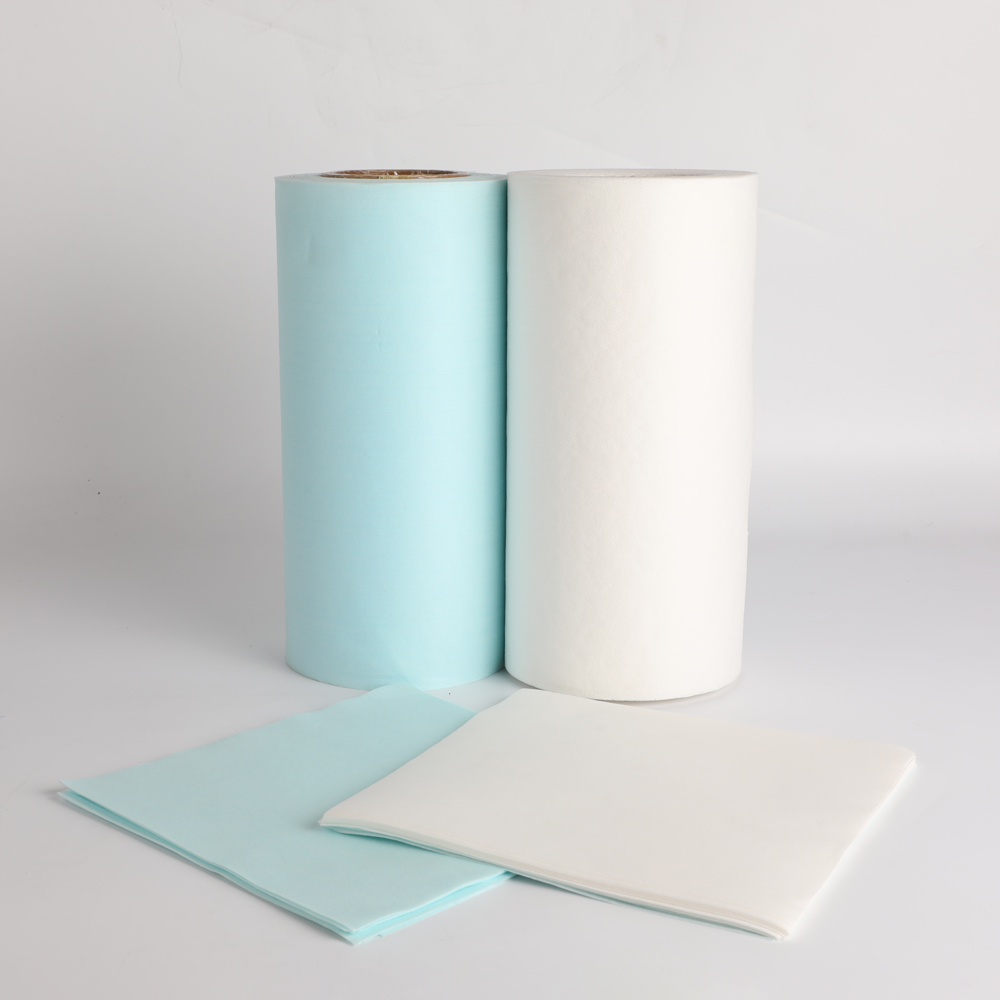 Woodpulp Nonwoven Wipe
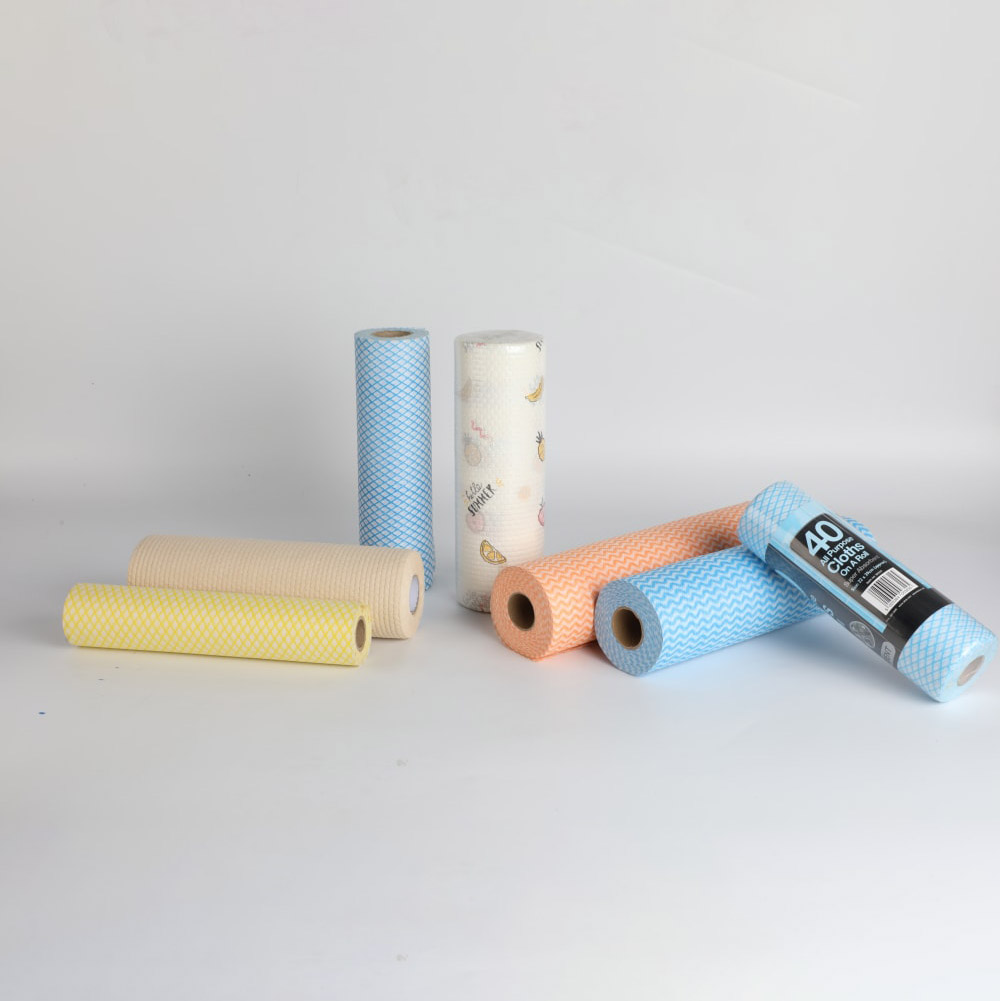 Nonwoven Cleaning Wipe
 Curtain Nonwoven
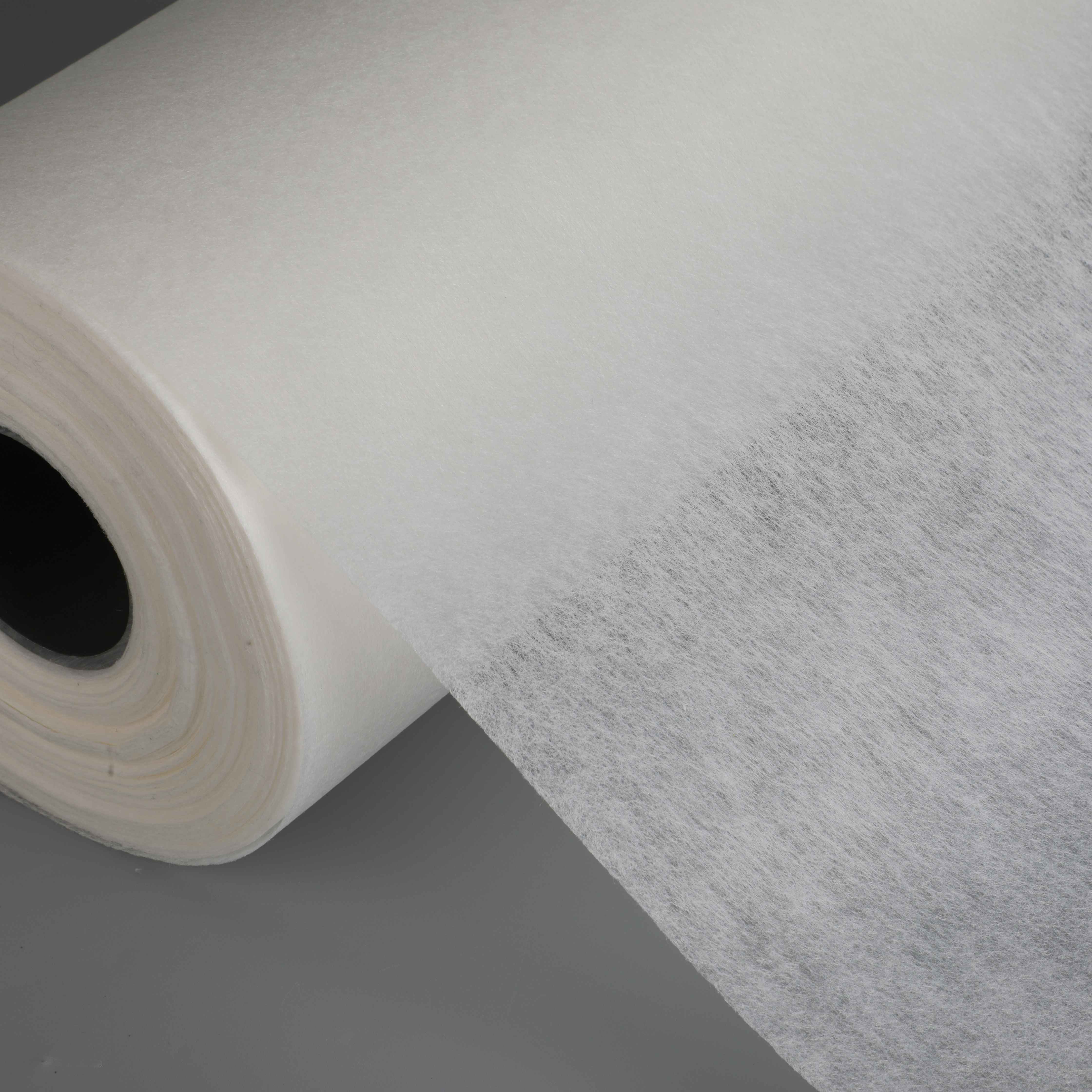 Food Grade Packaging Nonwoven
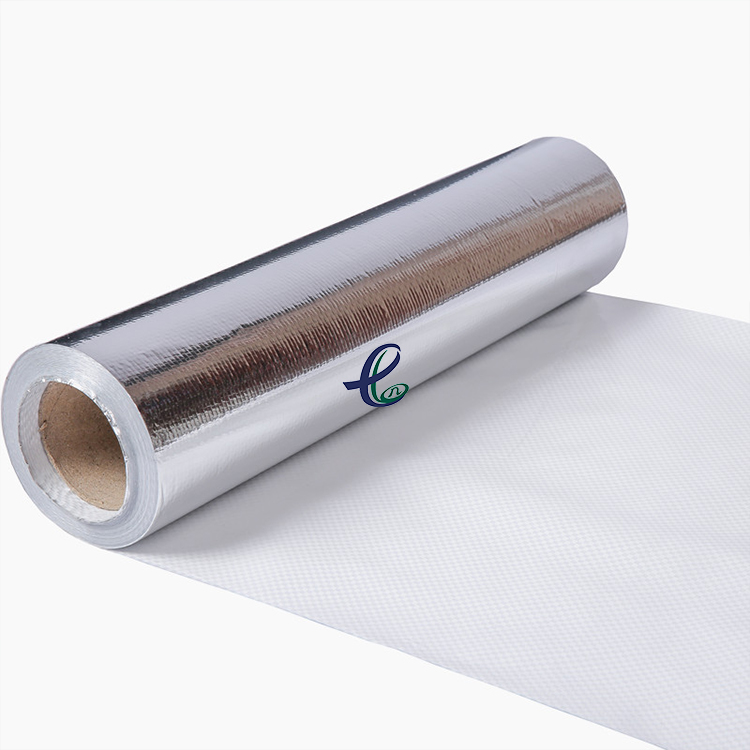 Aluminized Nonwoven
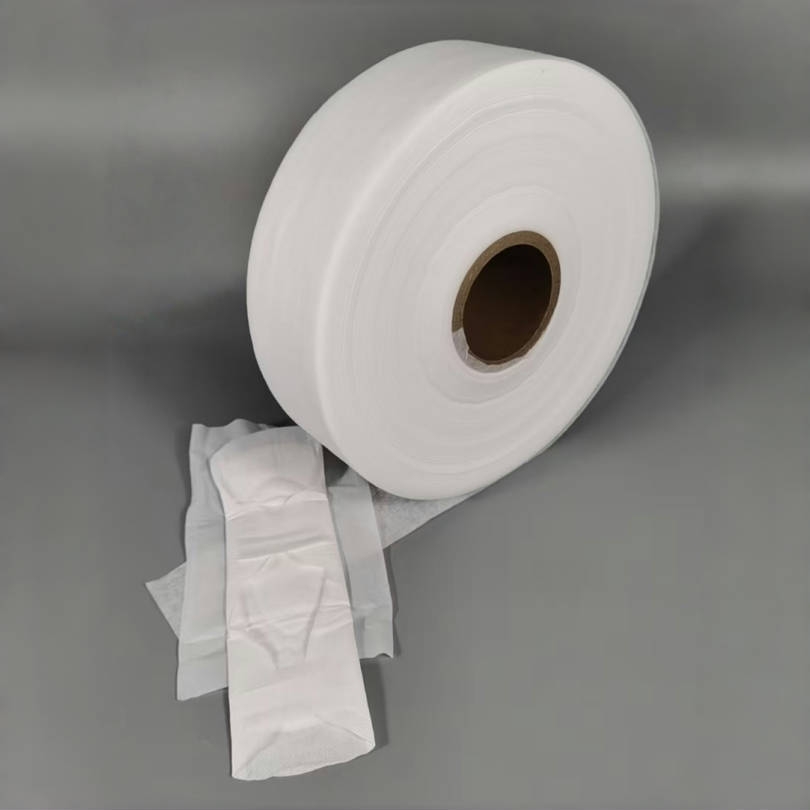 Hot Air Cotton Nonwoven
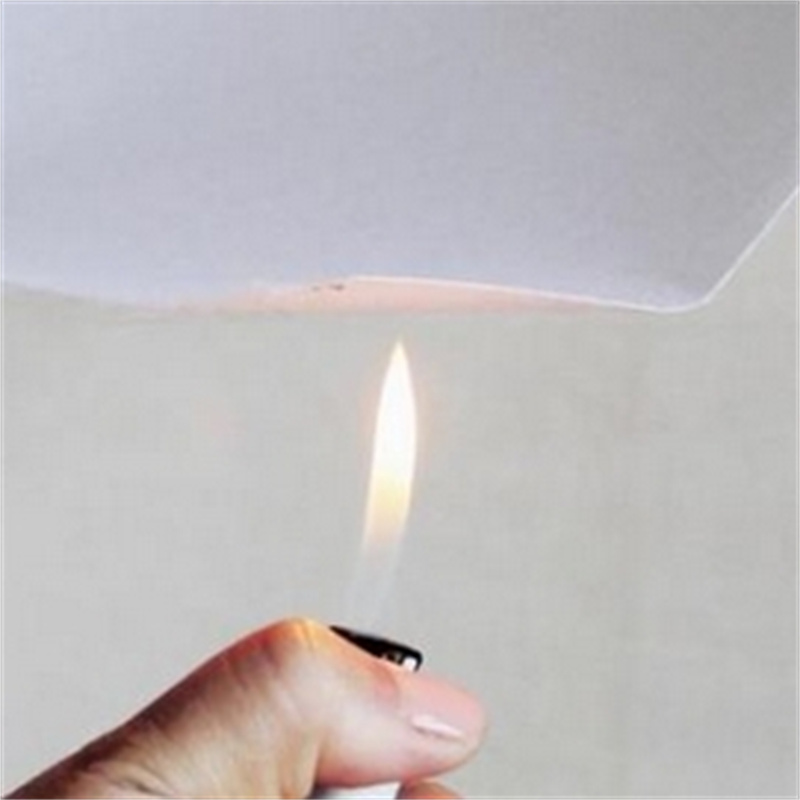 Flame Retardant Nonwoven
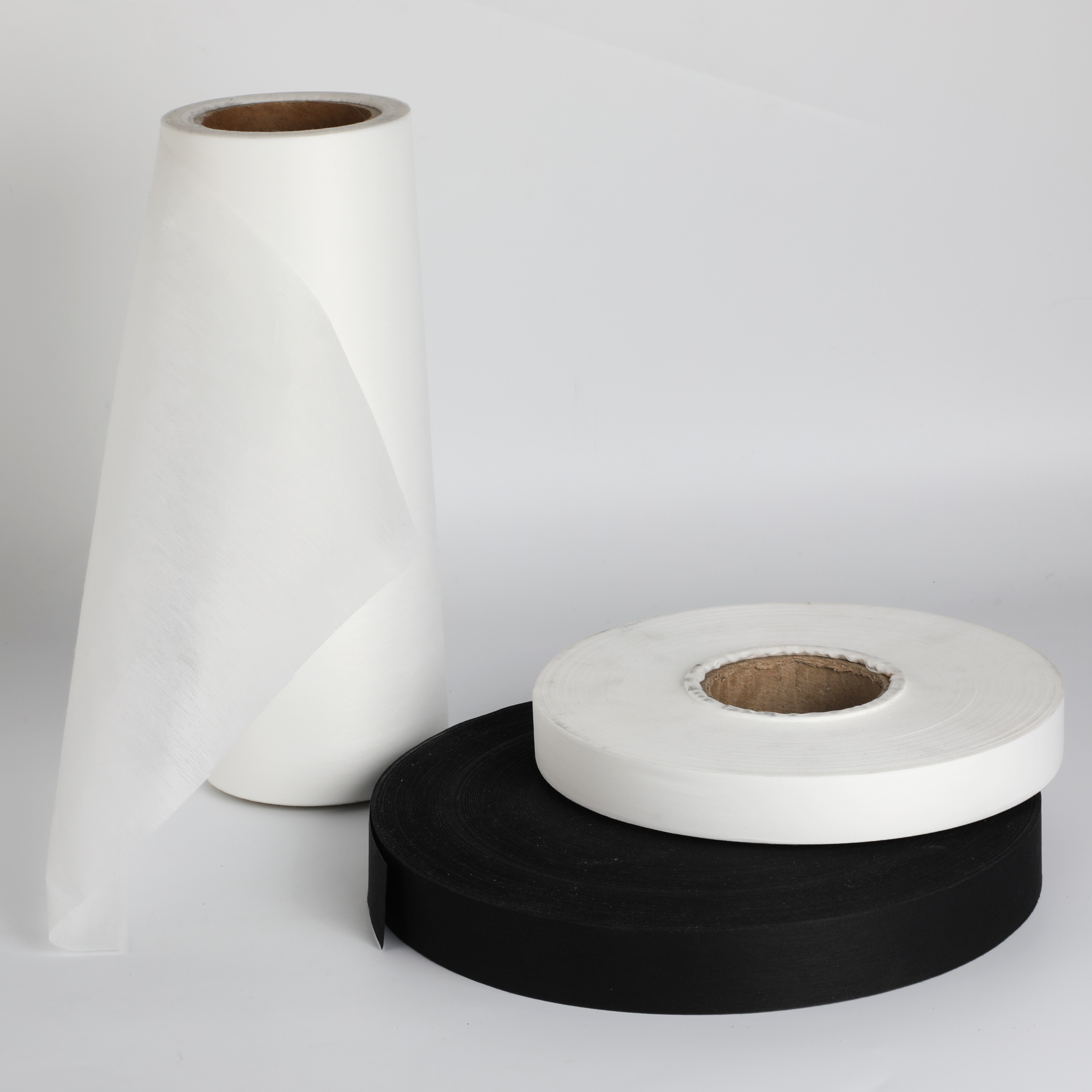 Cable Wrapping Nonwoven
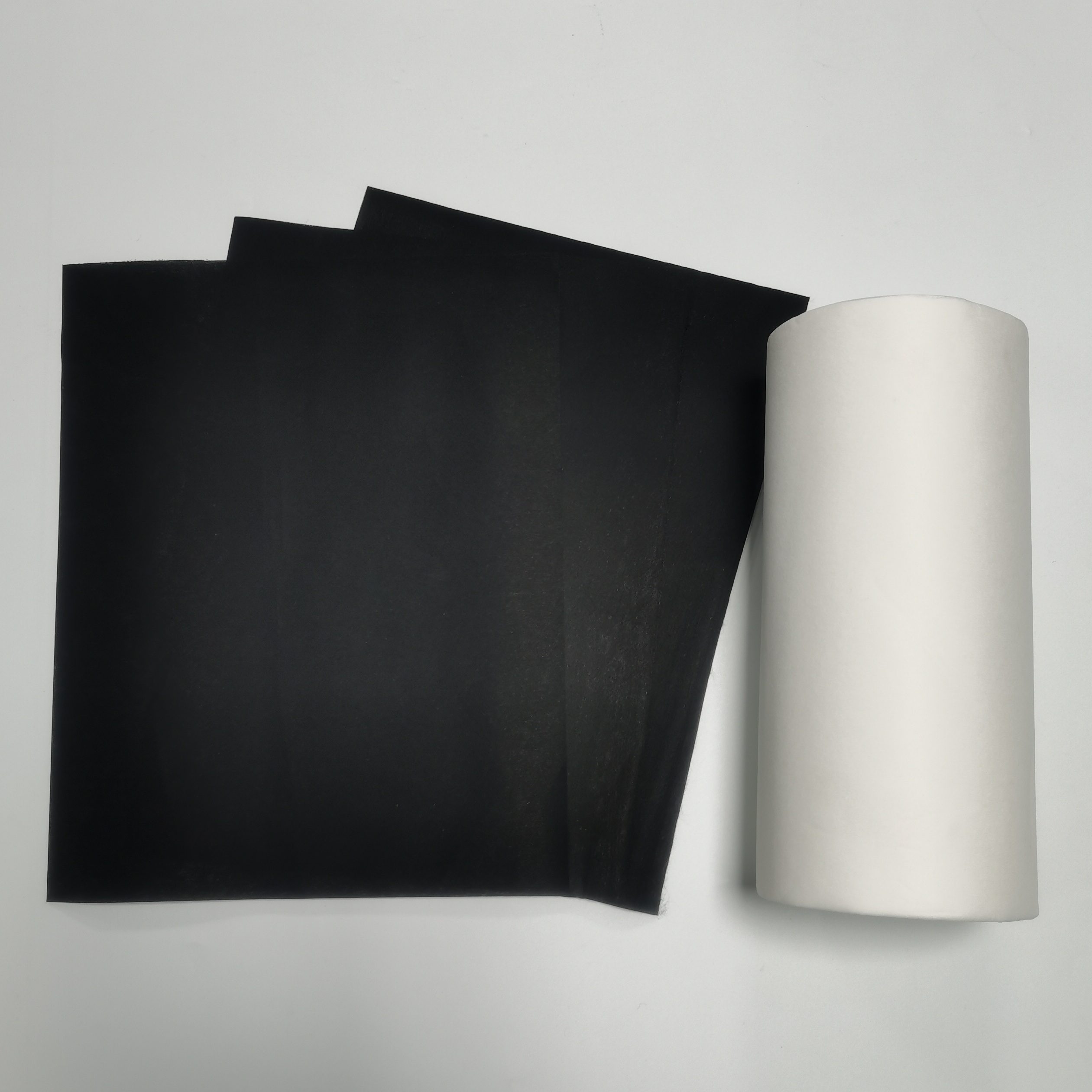 Semi-conductive Nonwoven
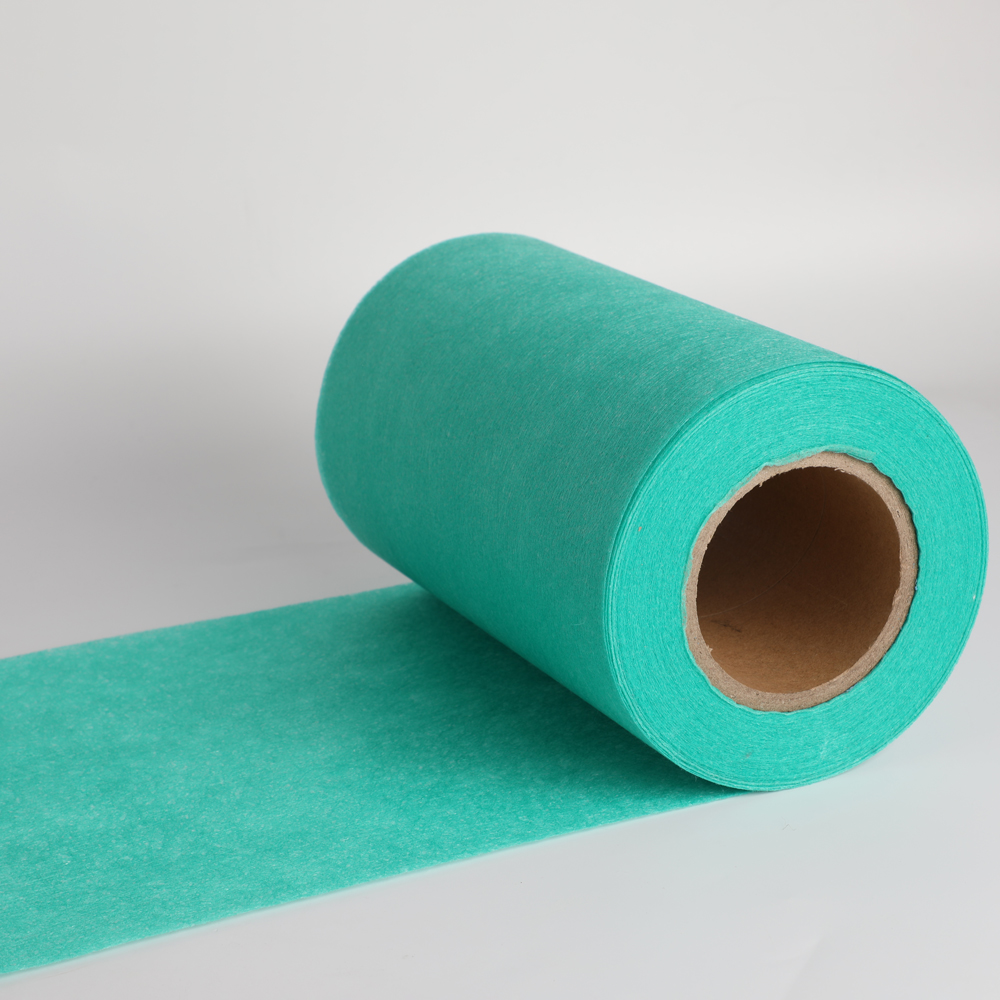 Anti-Bacterial Nonwoven
 +8613957712400
 CONTACT WhatsApp
 CONTACT WeChat
 CONTACT NUMBER
 CONTACT EMAIL