Leave Your Message

China Top 10 Needle Punched Nonwoven Fabric Manufacturers

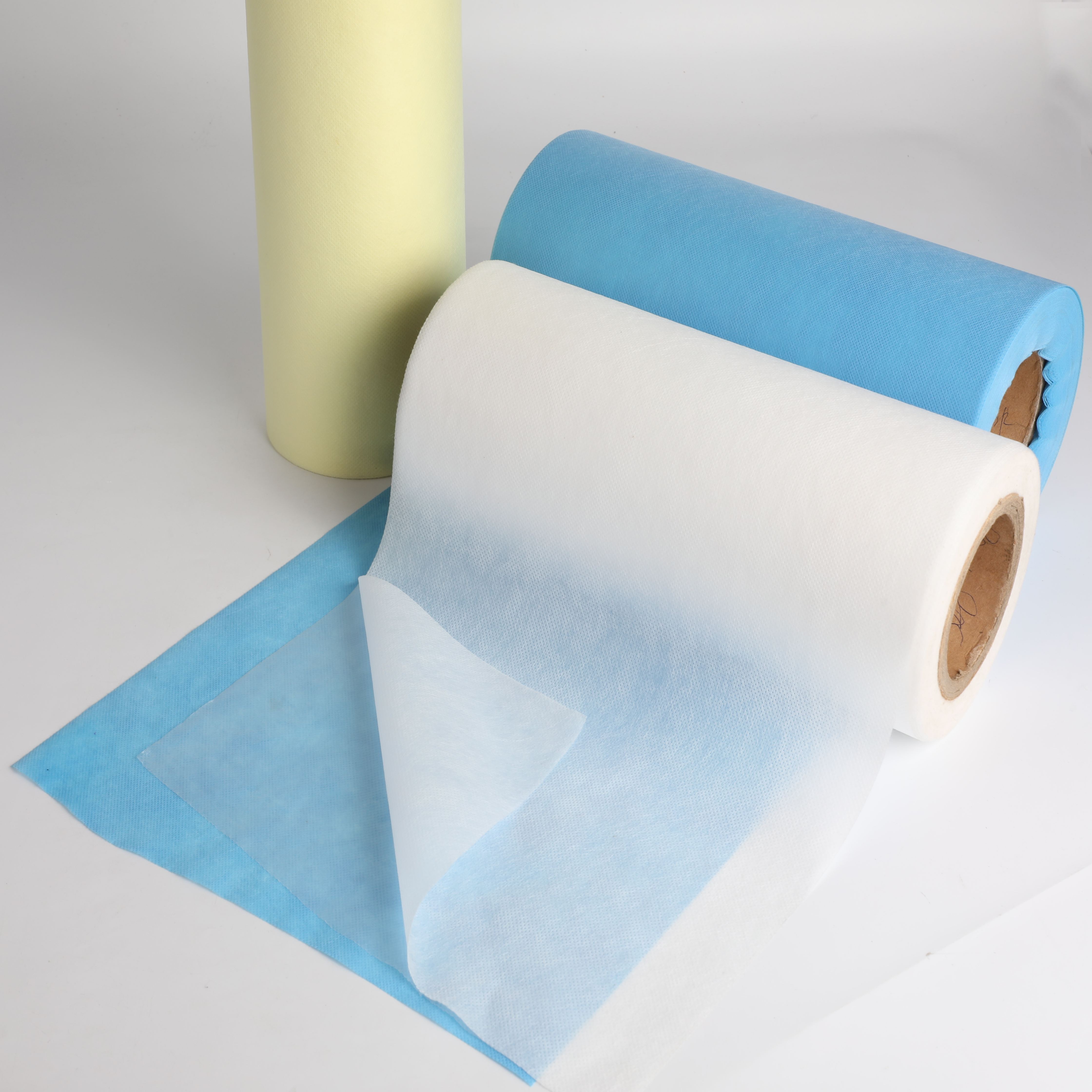
China’s needle punched nonwoven industry serves automotive, filtration, construction, agriculture, furniture, and hygiene markets. This guide introduces ten leading manufacturers worth examining when sourcing Nonwoven Fabric Needle Punched products from China.

The selection focuses on practical evidence, not attractive claims alone. We consider manufacturing experience, fiber options, production capacity, technical support, quality control, and export performance. Product details may include polyester, polypropylene, recycled fibers, different weights, widths, colors, and surface treatments. These details affect strength, air permeability, abrasion resistance, and service life.

Factory experience matters.

Reliable suppliers should explain their needling process clearly. They should also provide samples, technical data sheets, inspection records, and consistent communication. Certifications can support credibility, but certification alone does not prove every product will perform well. Buyers should request current documents and test samples under realistic conditions.

The manufacturers discussed here may serve different purchasing needs. One factory might excel in high-volume industrial felt, while another offers flexible customization for smaller orders. Some companies may appear highly capable online, yet their actual lead times require careful verification. That is an important limitation.

No ranking is permanently perfect. Supplier capabilities change with equipment, raw materials, management, and market demand. Therefore, this overview should support further due diligence rather than replace it. Compare samples, confirm specifications, review factory evidence, and discuss quality responsibilities before placing an order. The goal is a clearer, more practical path toward selecting a dependable Chinese manufacturer.
China Top 10 Needle Punched Nonwoven Fabric Manufacturers

China’s Needle Punched Nonwoven Fabric Industry Overview

China Top 10 Needle Punched Nonwoven Fabric Manufacturers

China’s needle-punched nonwoven industry combines mature machinery, broad fiber access, and strong converting capacity. China Industrial Textiles Industry Association data reported a 1.1% year-on-year decline in nonwoven output during 2023. This softness reflected weaker construction and automotive demand, rather than a complete loss of competitiveness.

The scale remains substantial. Grand View Research estimated the global nonwoven fabric market at about USD 53.6 billion in 2023, with a projected 7.7% CAGR from 2024 to 2030. Needle-punched materials serve filtration, geotextiles, automotive interiors, insulation, and furniture padding. Local manufacturers increasingly adjust needle density, basis weight, and fiber blends for these applications. That distinction is easy to miss.

A credible top-ten assessment should examine line speed, weight tolerance, tensile strength, thickness recovery, and batch consistency. Factory audits should also verify recycled-fiber content and wastewater controls. Many published market reports combine needle-punched, spunbond, and thermal-bonded products, so direct comparisons can be imperfect. The gap matters. Buyers should request laboratory records, production samples, and application-specific test results before ranking suppliers. Experienced producers usually explain process limits clearly, including where lower-cost blends may reduce abrasion resistance or dimensional stability.
Criteria for Selecting China’s Top 10 Manufacturers

China Top 10 Needle Punched Nonwoven Fabric Manufacturers

Selecting China’s top manufacturers requires more than checking production volume. A reliable supplier should show consistent fiber blending, stable needle density, and controlled fabric weight. Ask for recent test reports, production samples, and batch records. Compare tensile strength, thickness, air permeability, and surface uniformity. These details reveal whether factory data matches real material performance. Experienced buyers should also inspect quality checkpoints, from fiber opening to final winding.

Tips: Request samples from different production dates. Test them under the same conditions. Confirm the factory’s quality system, traceability process, and response time for defects. Clear technical communication matters. A supplier that asks about your application may understand manufacturing better than one offering the lowest price. Check export experience and documentation carefully. Certifications can support credibility, but they should be verifiable and relevant to your product use.

Capacity is another important criterion, but larger output does not always mean better control. Review equipment maintenance, operator training, and delivery history. Environmental practices and worker safety should also be examined through records or an on-site audit. No manufacturer is flawless. Even strong suppliers may struggle with urgent custom orders or unusual fiber blends. I would rank transparent communication above impressive brochures. A practical evaluation should combine factory evidence, independent testing, and your own production trial. That process may take longer, yet it reduces costly surprises later.

Profiles of the Top 10 Needle Punched Nonwoven Fabric Manufacturers

Profiles of the Top 10 Needle Punched Nonwoven Fabric Manufacturers

The leading ten manufacturers differ in fiber selection, needle density, production scale, and finishing methods. Their profiles often reveal experience with polyester, polypropylene, recycled fibers, and blended materials. Some focus on automotive insulation, while others serve filtration, construction, agriculture, or furniture markets. Reliable producers usually explain GSM ranges, roll widths, tensile strength, thickness, and color options clearly. They also provide test records instead of relying on broad marketing claims.

Factory experience matters. A capable team monitors carding, web formation, needle penetration, and winding tension during production. Small process changes can affect softness and tear resistance. Profiles with in-house laboratories often show stronger quality control. However, published specifications may not match every batch. That is worth remembering. Buyers should request recent samples and compare them under identical conditions.

Tips: Check sample weight, thickness, odor, surface uniformity, and edge quality. Ask how the factory handles recycled fiber variation. Confirm test methods, tolerances, minimum order quantities, and lead times before signing an agreement. A site visit can reveal storage problems that brochures omit. Keep written records of approvals and corrective actions. Suppliers with responsive technical staff are usually easier to manage, even when their prices are not the lowest.

Product Types, Materials, and Manufacturing Capabilities

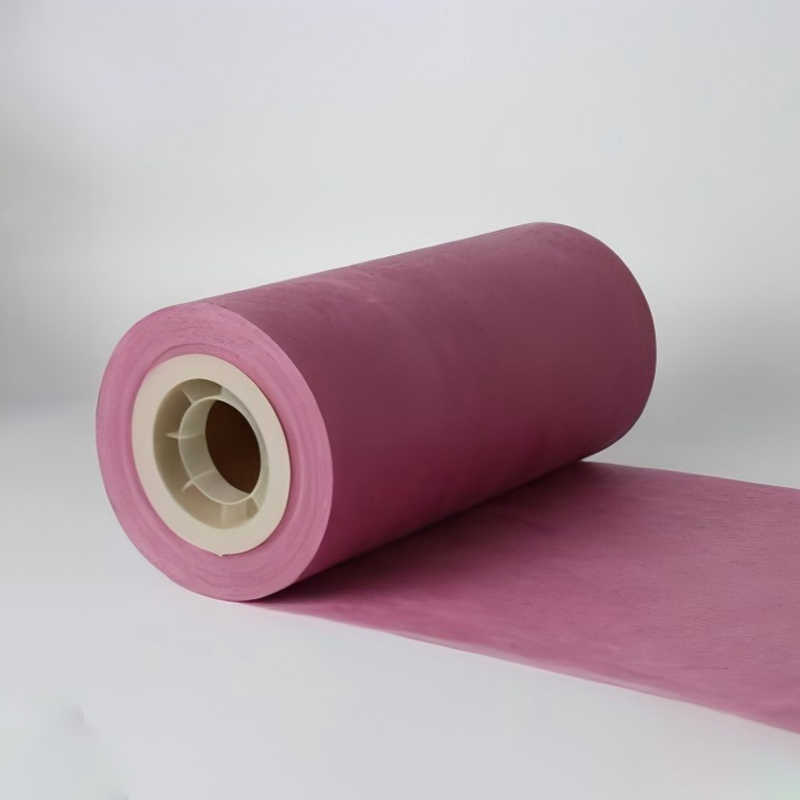
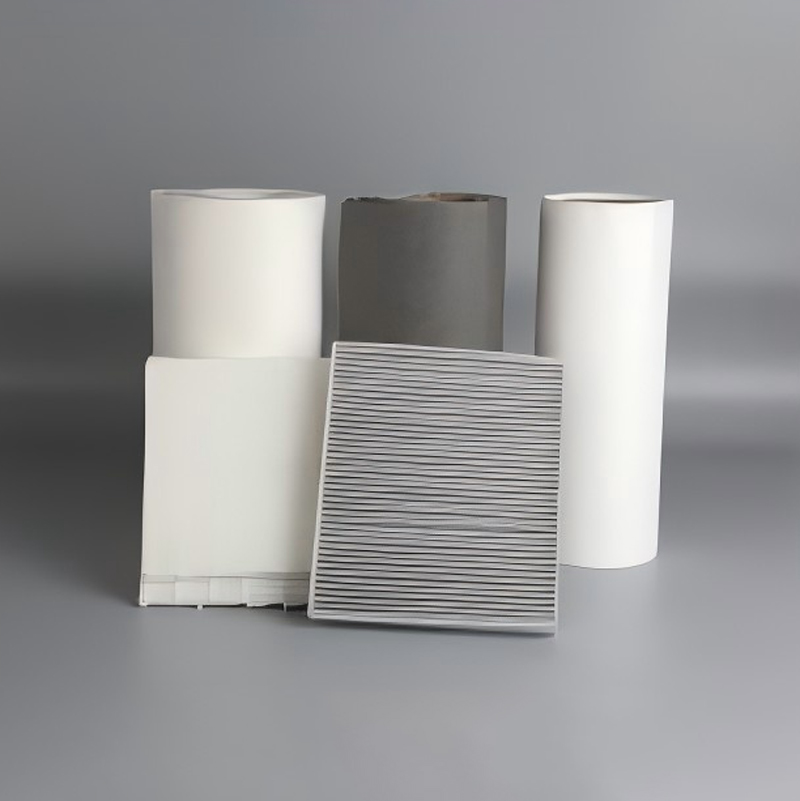
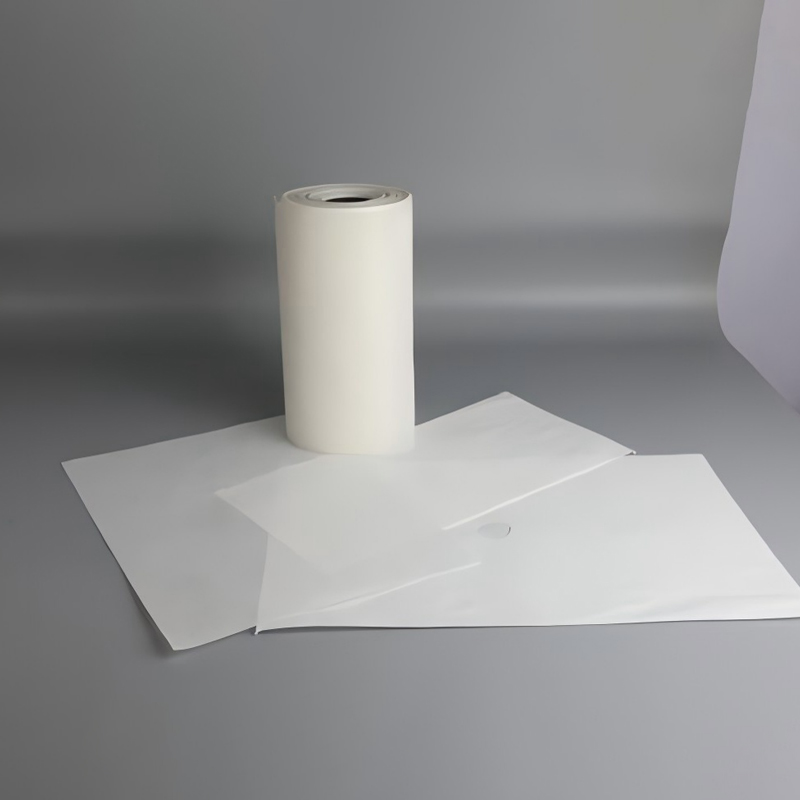
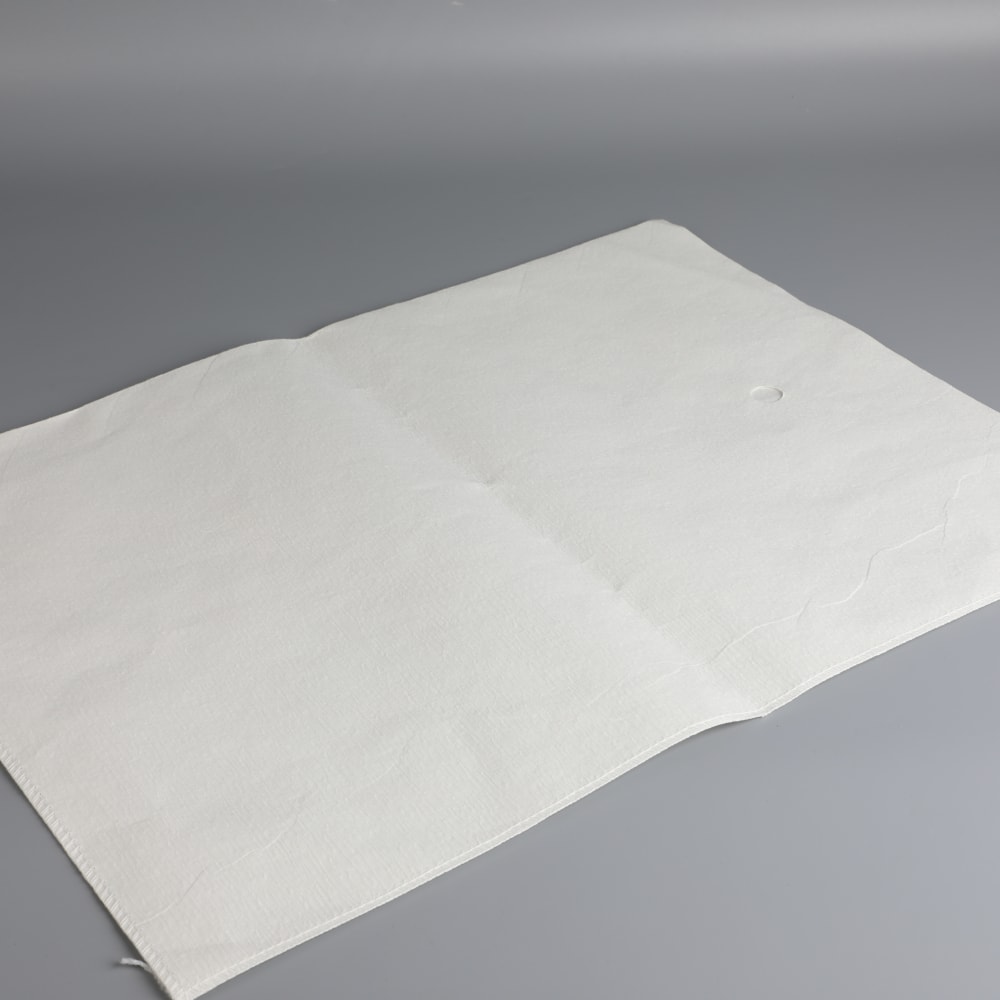
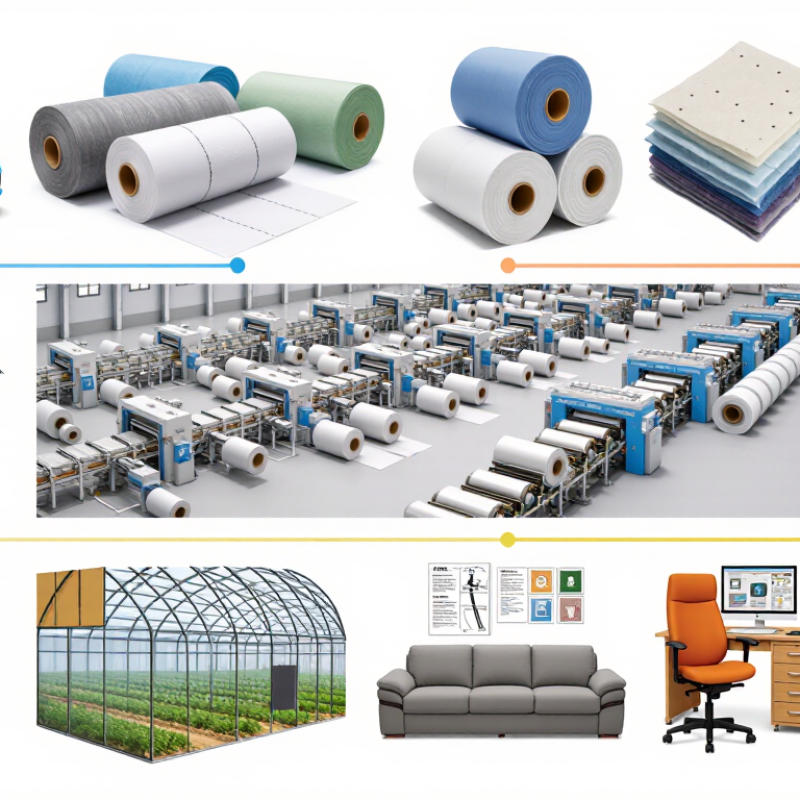
China’s top needle punched nonwoven fabric manufacturers serve automotive, filtration, furniture, construction, agriculture, and protective packaging markets. Their product ranges include felt rolls, molded parts, acoustic panels, insulation layers, geotextiles, and filter media. Each application demands a different balance of thickness, strength, air permeability, and surface texture.

Common materials include polypropylene, polyester, recycled polyester, viscose, wool blends, and specialty fibers. Polypropylene offers low density and moisture resistance. Polyester provides stronger dimensional stability and better heat resistance. Recycled fibers can reduce raw material consumption, but their color and fiber length may vary. That variation needs careful blending.

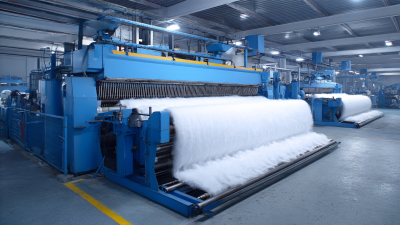
Manufacturing capability often begins with fiber opening and carding. Cross-lapping controls web weight and improves strength direction. Needle density, penetration depth, and line speed shape the final performance. Advanced facilities may add thermal bonding, calendaring, coating, laminating, slitting, and CNC cutting. Some factories produce lightweight materials below 100 grams per square meter, while others handle dense felts exceeding several millimeters in thickness.

Quality checks may include basis weight, tensile strength, thickness, puncture resistance, moisture content, and airflow testing. Production samples matter. A specification can look perfect on paper, yet fail during stitching or molding. This is where practical testing becomes essential. I have found that small changes in fiber blend can alter the hand feel more than expected. Consistency remains difficult. Even experienced manufacturers must review process data, equipment wear, and batch-to-batch variation before confirming large orders.

Applications, Quality Standards, and Export Markets

China’s top 10 needle punched nonwoven fabric manufacturers serve automotive, filtration, construction, agriculture, furniture, and geotextile applications. According to Grand View Research, the global nonwoven fabric market was valued at about USD 53.5 billion in 2022. Needle punched materials remain important because their thickness, resilience, and permeability can be adjusted for different uses. However, a high production volume does not always mean stable quality. Batch variation still deserves attention.

Quality evaluation should include GSM, tensile strength, thickness, air permeability, moisture resistance, and dimensional stability. ISO 9001 supports process control, while ISO 14001 helps assess environmental management. For geotextiles, buyers often check ISO 10319 tensile performance and ISO 9073 test methods. Smithers’ report, The Future of Global Nonwovens to 2028, identifies hygiene, filtration, transportation, and construction as major growth areas. Export demand is strong across Southeast Asia, Europe, North America, and the Middle East. Each market differs. Technical files, traceability, packaging strength, and chemical compliance can affect customs clearance and customer approval.

Tips: Request recent test reports, not only certificates. Compare three production batches. Inspect roll edges, needle marks, odor, and moisture protection. Ask for a sample under actual operating conditions. A laboratory result may look excellent, yet field performance can disappoint. This is where many purchasing decisions need more reflection. Verify standards against the destination country’s current requirements, because regulations and buyer specifications can change.

China Top 10 Needle Punched Nonwoven Fabric Manufacturers - Applications, Quality Standards, and Export Markets
The table presents anonymous, industry-based manufacturer profiles. Company names and brand-specific claims are intentionally omitted. Product ranges, standards, applications, and export destinations reflect commonly used specifications in China's needle-punched nonwoven sector and should be verified against individual supplier documentation.
Profile Primary Manufacturing Focus Typical Fiber Composition Common Product Range Relevant Quality Standards and Controls Main Applications Typical Export Markets Export Product Format
01 Automotive acoustic and thermal nonwovens Polyester, polypropylene, recycled polyester, and bicomponent fibers Approximately 80–1,500 g/m²; molded or flat needle-punched sheets ISO 9001 quality systems; dimensional stability, thickness, air permeability, tensile strength, odor, flammability, and VOC testing. Automotive programs may require IATF 16949. Hood liners, trunk liners, wheel-arch liners, underbody shields, door panels, and cabin sound absorption Europe, North America, Japan, South Korea, and Southeast Asia Rolls, die-cut components, and compression-molded parts
02 Geotextile and civil engineering materials Polypropylene or polyester staple fibers, including recycled grades Approximately 100–1,200 g/m²; standard widths commonly up to about 6 m ISO 9001; tensile strength, puncture resistance, tear strength, elongation, mass per unit area, permeability, and apparent opening size testing. EN ISO 10319 and ASTM D4595 are commonly referenced. Separation, filtration, drainage, erosion control, road construction, railways, landfills, and coastal engineering Middle East, Africa, Europe, Latin America, Australia, and Southeast Asia Heavy-duty rolls with moisture-resistant wrapping and palletized loading
03 Carpet backing and flooring substrates Polypropylene, polyester, jute blends, and recycled textile fibers Approximately 300–2,500 g/m²; single-layer or laminated backing structures Basis weight, thickness, peel strength, dimensional stability, tuft retention, tensile strength, and delamination testing. Fire performance is assessed according to the destination-market requirement. Tufted carpet primary backing, secondary backing, carpet underlay, exhibition flooring, and resilient floor backing Europe, North America, the Gulf region, India, and Southeast Asia Wide rolls, slit rolls, and laminated composite rolls
04 Filtration media for air, liquid, and dust collection Polyester, polypropylene, nylon, acrylic, aramid, and PTFE-containing constructions Approximately 100–1,000 g/m²; surface-treated, laminated, or calendered options ISO 9001; filtration efficiency, pressure drop, dust-holding capacity, burst strength, fiber shedding, temperature resistance, and chemical compatibility testing. EN 779 or ISO 16890 may apply to air-filter products. Industrial dust bags, HVAC prefilters, liquid filtration supports, process filtration, and high-temperature filtration Europe, North America, China, India, the Middle East, and South America Finished filter bags, cut pieces, cartridges, and parent rolls
05 Synthetic leather and coated fabric base materials Microfiber polyester, polyester, nylon, and polyurethane-compatible fiber blends Approximately 300–1,200 g/m²; dense, soft, or microfiber needle-punched structures Thickness, density, tensile strength, tear strength, flex resistance, surface uniformity, absorbency, and coating adhesion testing. Chemical restrictions may be controlled under REACH or equivalent regulations. Footwear uppers, upholstery, automotive trim, luggage, handbags, gloves, and technical coated fabrics Italy, Spain, Turkey, Vietnam, South Korea, North America, and Latin America Parent rolls, slit rolls, laminated sheets, and customized cut panels
06 Construction and roofing reinforcement fabrics Polyester, glass-fiber blends, polypropylene, and mineral-compatible fiber systems Approximately 80–600 g/m²; dimensionally stable rolls for coating or lamination Basis weight, tensile strength, elongation, tear resistance, dimensional stability, bitumen or polymer coating adhesion, and water resistance testing. EN and ASTM methods vary by construction product. Roofing membranes, waterproofing sheets, wall coverings, insulation facings, flooring underlayers, and crack-control composites Europe, the Middle East, Africa, North America, and Southeast Asia Moisture-protected rolls, laminated rolls, and jumbo rolls
07 Agricultural and horticultural covering materials Polypropylene, polyester, recycled polyester, and UV-stabilized fiber blends Approximately 30–250 g/m²; lightweight to medium-weight rolls Mass per unit area, tensile strength, tear resistance, air permeability, water permeability, UV aging, and color fastness testing. UV stabilizer performance is normally verified by accelerated weathering tests. Crop protection, frost protection, weed-control mats, root barriers, nursery containers, and landscape fabrics Europe, North America, Australia, Japan, South Korea, and the Middle East Folded rolls, retail-packed rolls, perforated rolls, and pre-cut pieces
08 Industrial felt and oil-absorbent materials Polyester, polypropylene, wool, acrylic, and blended staple fibers Approximately 200–3,000 g/m²; medium to high-density felt structures Density, thickness, compression recovery, abrasion resistance, oil absorption capacity, tensile strength, and temperature resistance testing. Material selection is matched to the target oil, solvent, or operating temperature. Machine insulation, polishing pads, sealing components, oil-only absorbents, maintenance products, and protective liners North America, Europe, Japan, South Korea, India, and the Gulf region Sheets, rolls, pads, socks, pillows, and die-cut industrial parts
09 Protective, hygiene, and medical support materials Polyester, polypropylene, viscose, rayon, and specialty absorbent fibers Approximately 40–500 g/m²; soft, absorbent, or reinforced constructions ISO 9001; cleanliness, absorbency, liquid retention, tensile strength, lint level, bioburden, and skin-contact safety testing where applicable. Medical products may require ISO 13485 and applicable regulatory controls. Disposable protective products, wound-care support layers, cleaning wipes, absorbent pads, protective packaging, and mattress components Europe, North America, Japan, Australia, the Middle East, and Southeast Asia Sterilizable or non-sterile rolls, sheets, pads, and converted components
10 High-temperature and specialty technical nonwovens Aramid, PPS, polyester, glass fiber, ceramic fiber, and other engineered fibers Approximately 100–1,500 g/m²; needled felts, composites, and heat-resistant laminates Fiber identification, basis weight, thickness, tensile strength, thermal shrinkage, continuous-use temperature, flame response, chemical resistance, and batch traceability testing. Thermal insulation, filtration in demanding environments, battery and electrical insulation, fire-resistant barriers, and aerospace or energy components Europe, North America, Japan, South Korea, India, and advanced manufacturing markets in Asia Technical rolls, precision-cut parts, laminated composites, and engineered assemblies