Top 5 Best Lamination Nonwoven Fabric Options for Your Projects?
In the evolving landscape of textiles, Lamination Nonwoven Fabric has become increasingly essential. This innovative material is engineered to offer superior strength and durability, making it a favorite for various industries. According to a recent market analysis by Smithers Pira, the nonwoven fabric market is projected to reach $50 billion by 2025. This growth is driven by the rising demand for high-performance materials in sectors such as healthcare, automotive, and construction.
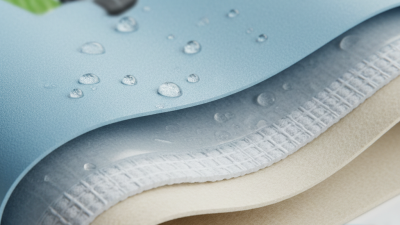
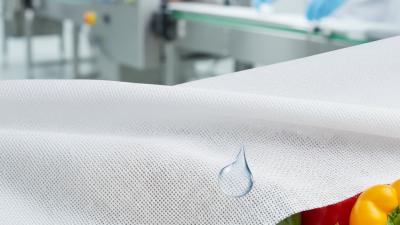
Lamination Nonwoven Fabric stands out due to its unique properties. It combines the benefits of both laminating processes and nonwoven technology, resulting in fabrics that are lightweight yet robust. For instance, in healthcare applications, the demand for breathable yet water-resistant materials is critical. Here, Lamination Nonwoven Fabrics meet these needs effectively, ensuring comfort while providing necessary protection.
Despite its growing popularity, choosing the right Lamination Nonwoven Fabric can be challenging. There are various options available, each with distinct properties and uses. Understanding the specific requirements of your project is vital to making an informed decision. This overview will explore the top five Lamination Nonwoven Fabric options for your next project, helping you navigate the complexities of this versatile material.
Overview of Lamination Nonwoven Fabrics
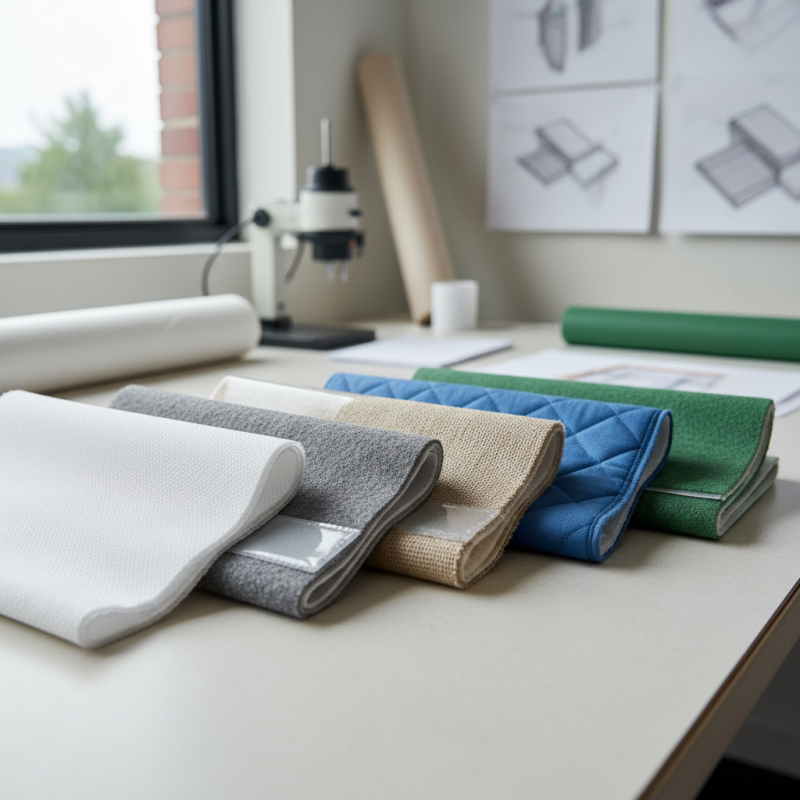
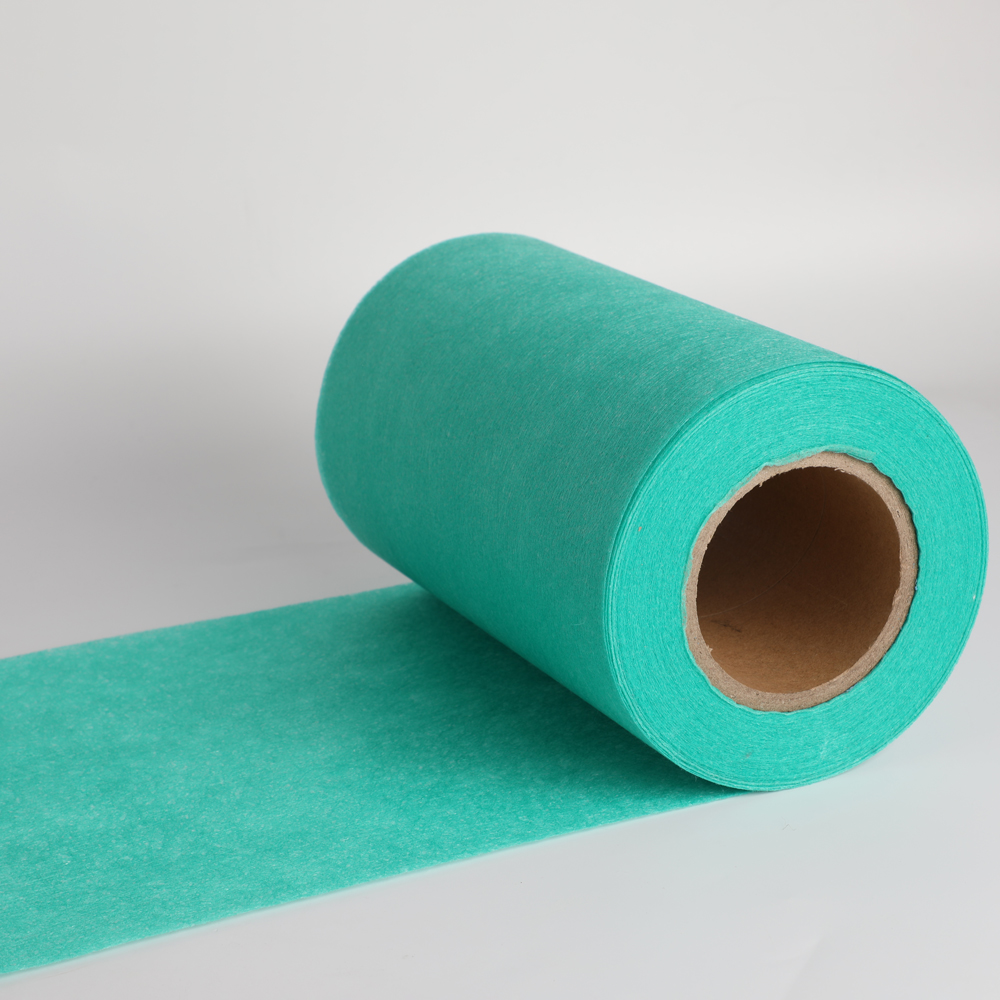
Lamination nonwoven fabrics are versatile and widely used in various projects. They combine the benefits of nonwoven materials with lamination, enhancing durability and strength. These fabrics are resistant to chemicals, moisture, and wear, making them ideal for numerous applications. Their lightweight nature also contributes to their popularity.
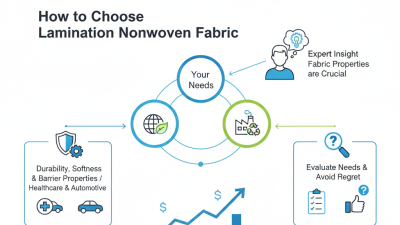
When choosing laminating nonwoven fabrics, it’s essential to consider specific project needs. Is your application for heavy-duty use or a lightweight requirement? Clarity on the intended purpose can prevent costly mistakes. Remember to test materials before full-scale production. Sometimes, a fabric may look suitable but lack the necessary strength.
Tips: Always check the fabric’s specifications. Understanding weight, thickness, and composition helps make informed decisions. Experimenting with small samples can save resources. Be mindful of the lamination process itself. Different adhesives can affect the final product. Adjust your approach based on project feedback for better outcomes.
Criteria for Selecting the Best Lamination Nonwoven Fabrics
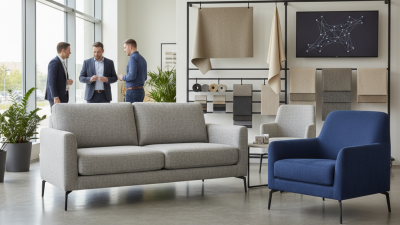
When selecting the best lamination nonwoven fabrics for your projects, several criteria need consideration. First, think about the fabric's weight. Lightweight materials are ideal for applications like clothing. Heavier fabrics, on the other hand, work well for upholstery or industrial use.
Durability is also a key factor. Fabrics with strong tensile strength hold up under stress. Check for resistance to tearing, especially if your project involves frequent handling. Look for water and chemical resistance when applicable. These qualities enhance the longevity of your end product.
Tips: Always test samples before committing to a large order. This allows you to assess feel and performance. Consider your project's specific requirements to guide your choices. Document the results of your tests for future reference. Sometimes, fabric performance may not meet expectations, and adapting your approach can save time and resources.
Top 5 Recommended Lamination Nonwoven Fabric Options
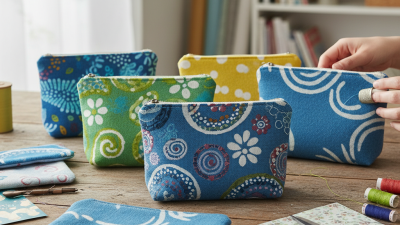
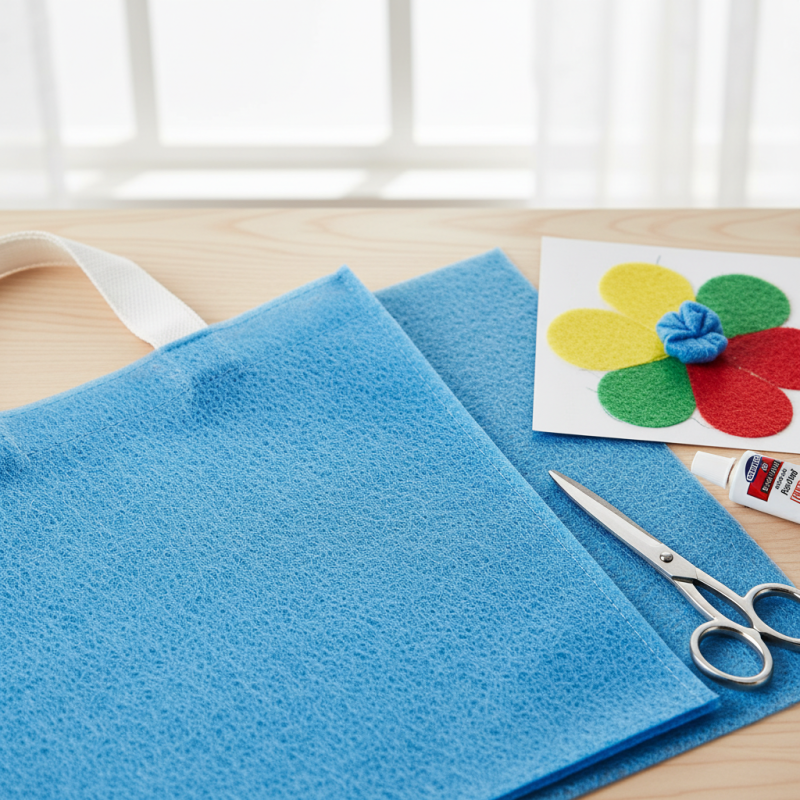
When selecting the right lamination nonwoven fabric, several factors come into play. The choice depends on the intended use, durability, and overall texture. One popular option is spunbond nonwoven fabric. This type offers excellent strength and is lightweight. It's frequently used for making bags and craft projects.
Another viable option is meltblown nonwoven fabric. Known for its filtration capabilities, it’s ideal for medical and hygiene applications. Its soft texture makes it easy to handle, but it can be somewhat fragile. Users must handle it with care to avoid tearing.
For a more eco-friendly choice, consider biodegradable nonwoven fabric. This option is becoming increasingly popular. It breaks down naturally over time, which is a plus for environmentally conscious projects. However, users should be aware of its limited lifespan and be mindful of storage conditions to maintain its quality.
Applications and Use Cases for Lamination Nonwoven Fabrics
Lamination nonwoven fabrics are versatile materials with various applications. Notably used in the medical sector, these fabrics serve as barriers against pathogens. Hospitals utilize them for surgical gowns and face masks, ensuring safety from infection. Many designs focus on durability and fluid resistance, essential for healthcare environments.
In the automotive industry, lamination nonwoven fabrics enhance sound insulation and provide structural support. Their lightweight nature helps in reducing overall vehicle weight. Furthermore, the textile industry employs these materials in fashion and home goods. Designers are increasingly drawn to their flexibility and the ability to combine them with other fabrics, creating innovative fashion statements.
However, the environmental impact of lamination is a growing concern. While durable, not all nonwoven fabrics are biodegradable. This raises questions about sustainability in mass production. As industries evolve, the need for eco-friendly alternatives becomes more crucial. It is a challenge for manufacturers to balance performance and environmental responsibility.
Top 5 Lamination Nonwoven Fabric Options for Your Projects
This chart illustrates the top 5 best lamination nonwoven fabric options based on their applications and use cases. The data showcases the popularity and applicability of each fabric type in various projects.
Comparative Analysis of Features and Benefits for Each Option
When choosing the best lamination nonwoven fabric for your projects, it's vital to analyze specific features and benefits. One option provides excellent durability. This fabric withstands wear and tear. Projects that demand longevity benefit significantly from it.
Another alternative highlights its breathability, which is crucial for applications in the medical field. Breathable fabrics allow air circulation, enhancing comfort. For those creating items like masks or medical gowns, this feature is essential. However, specialized fabrics may come with a higher price tag, which some may find challenging.
A third choice offers an eco-friendly composition. These options cater to environmentally conscious projects. Yet, sourcing can sometimes be challenging. The availability of sustainable choices varies significantly. Without proper research, you may find yourself limited in options.
Each fabric's unique attributes present opportunities, but they also require careful consideration. Mastering these factors will guide you toward the ideal selection.

 PP Laminates
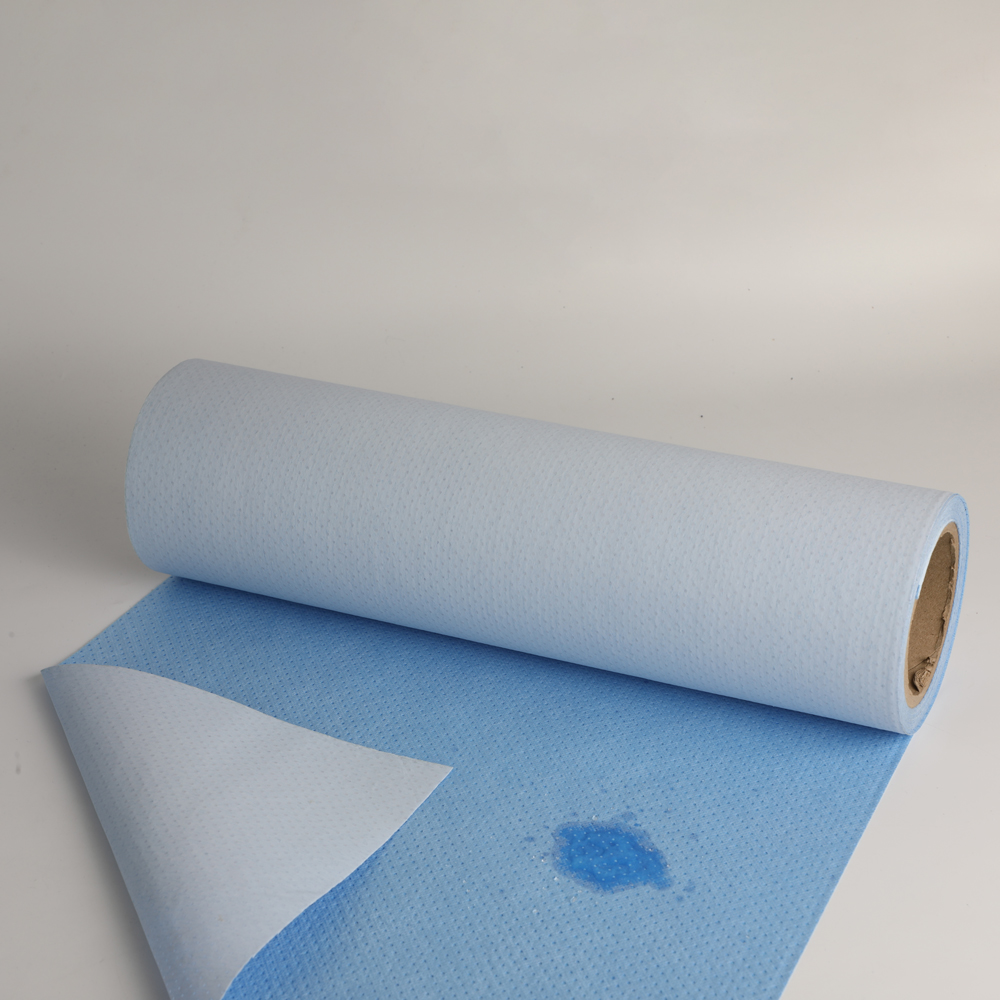 Multi Laminates
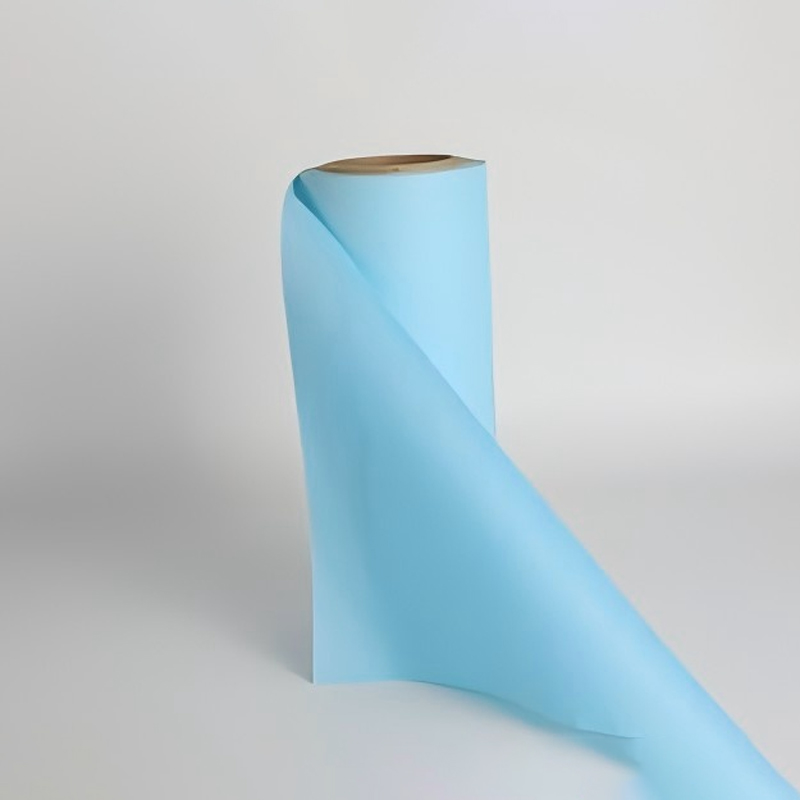 Spunlace Nonwoven Laminates
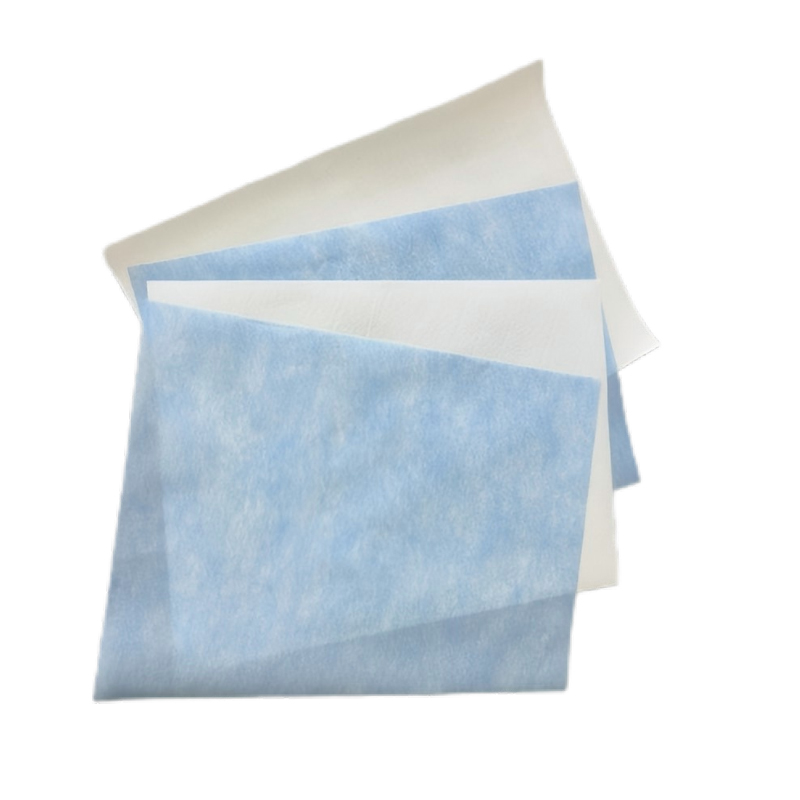 Breathable Film Laminates
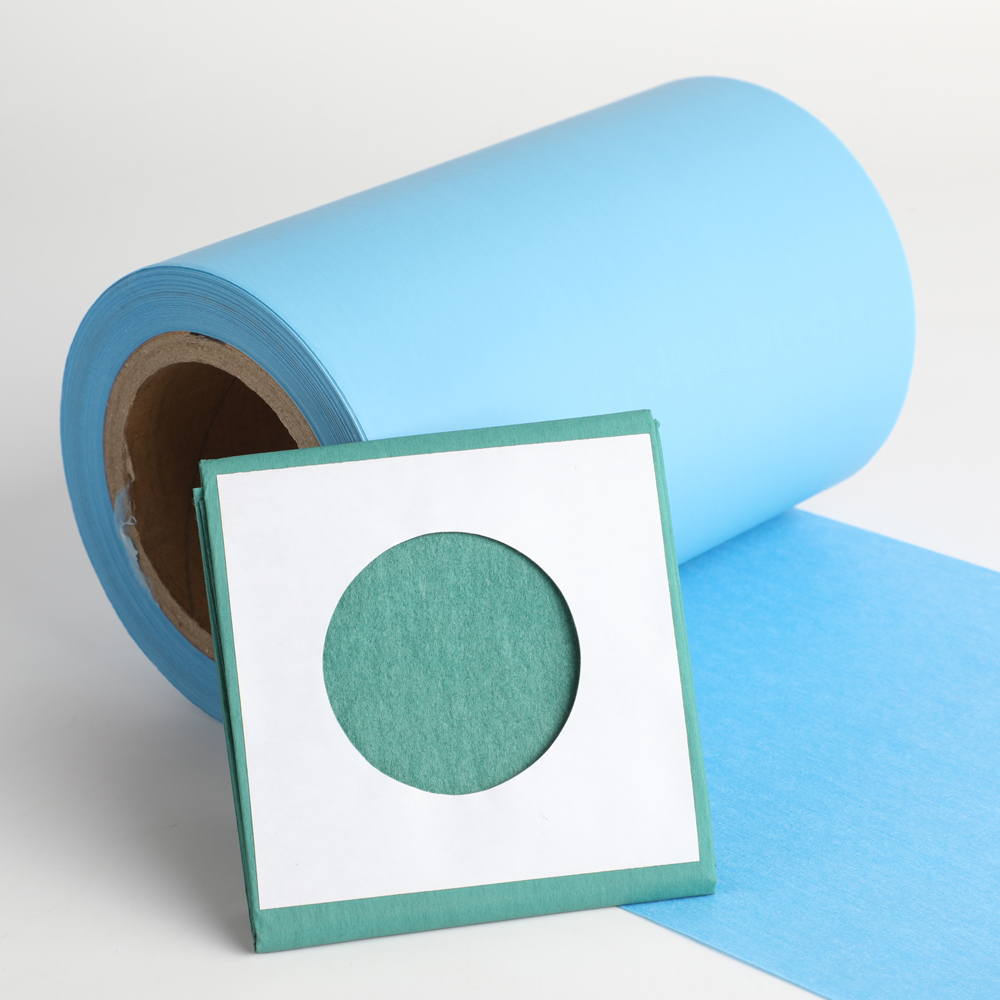 Viscose Laminates
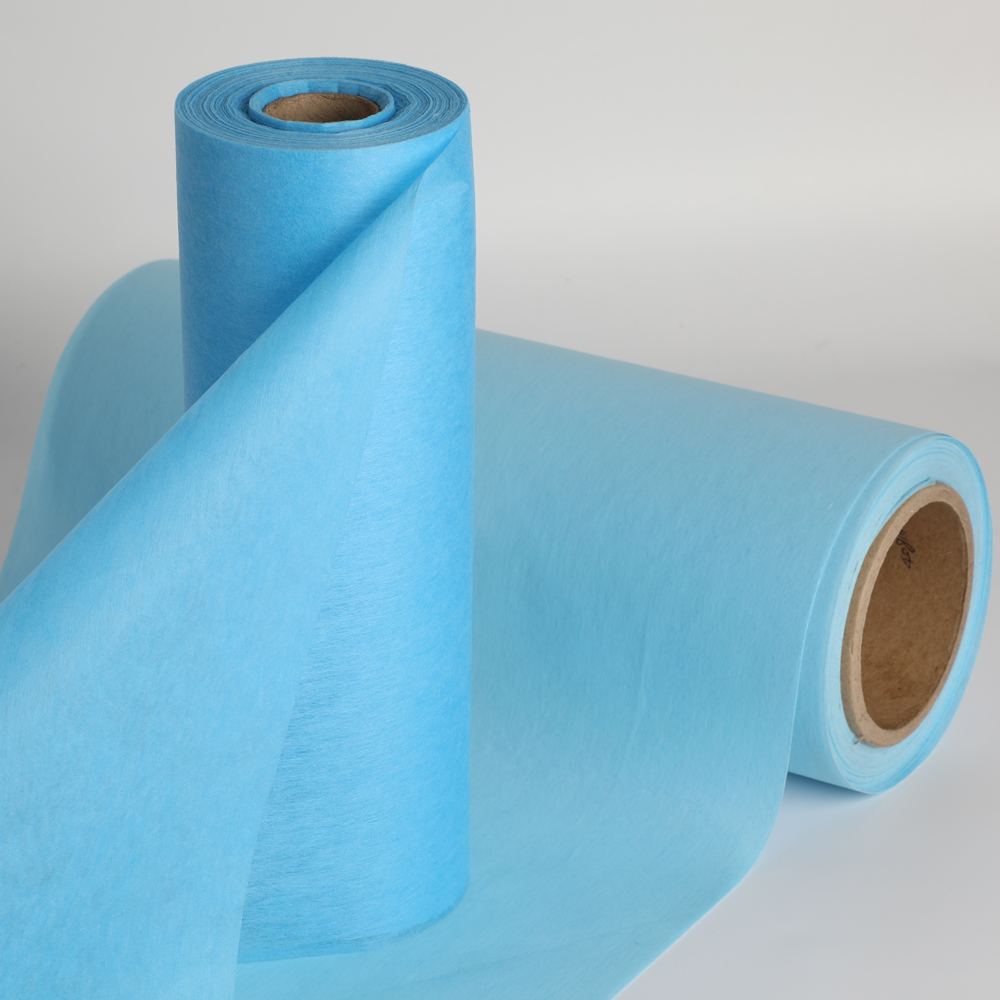 Medical Viscose Nonwoven
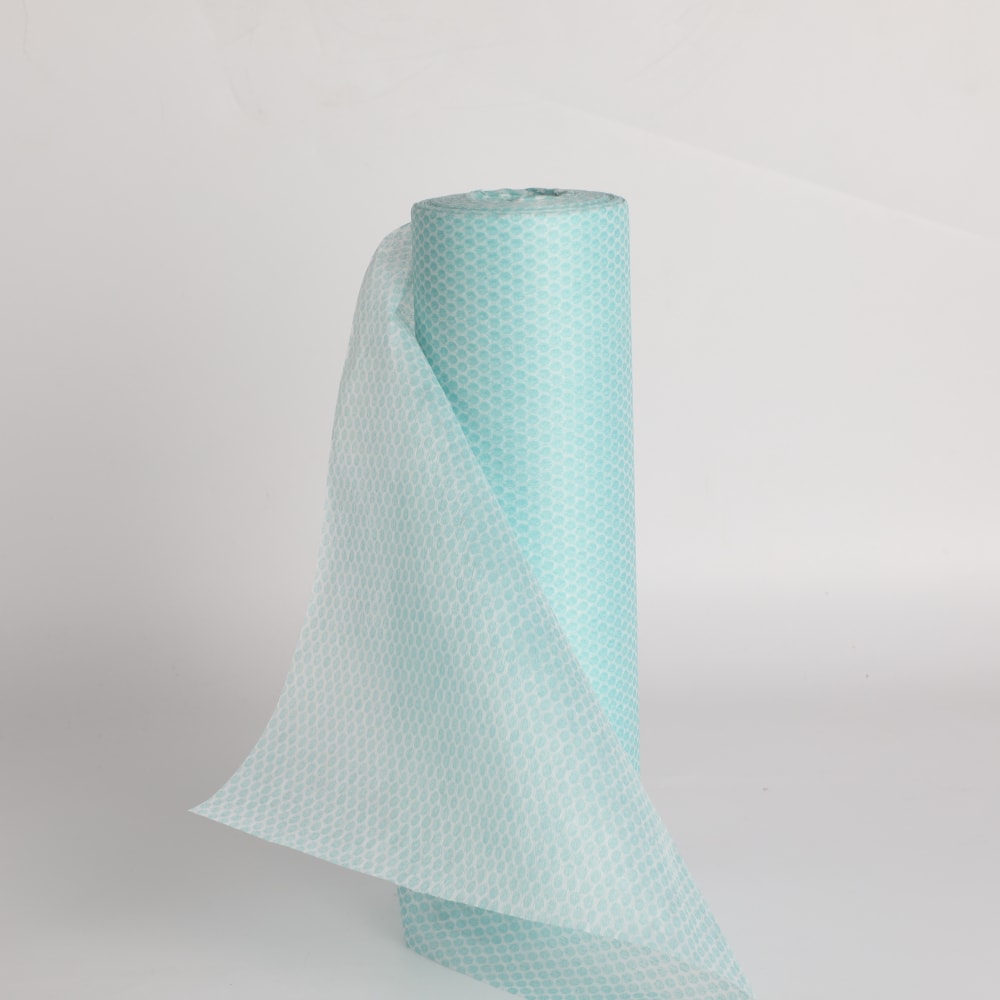 Head Wear Nonwoven
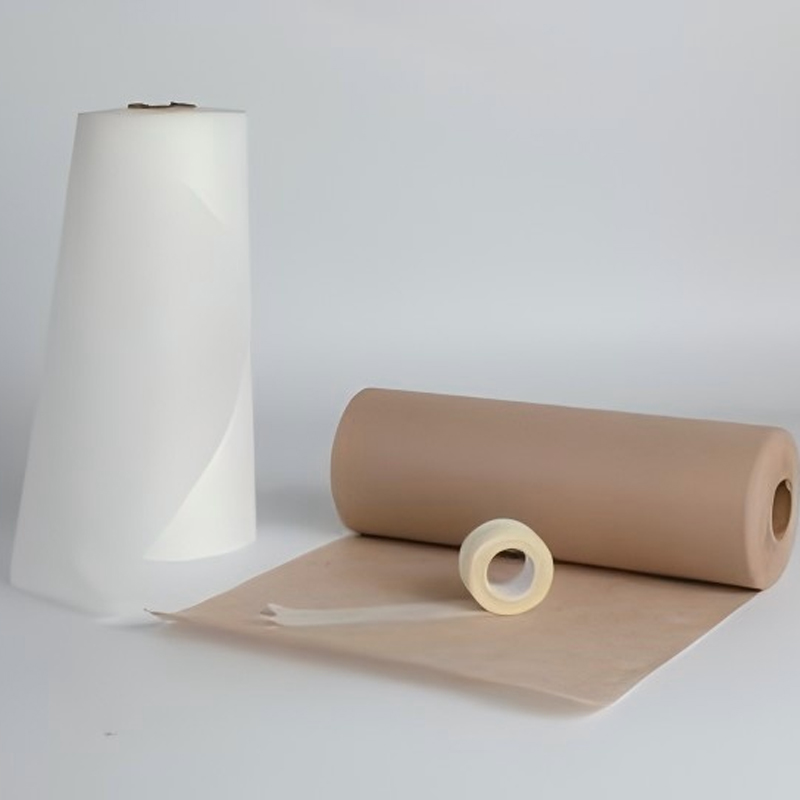 Medical Tape Nonwoven
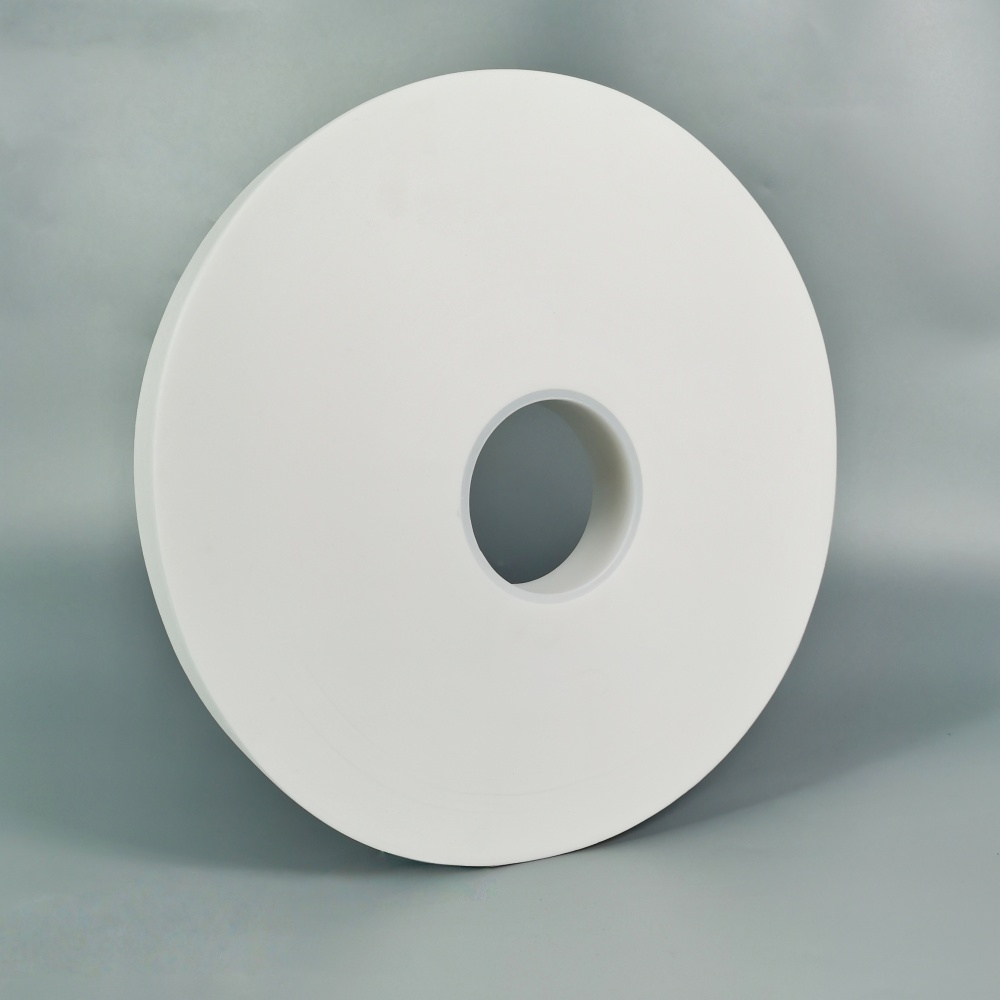 Snus Pouch Nonwoven
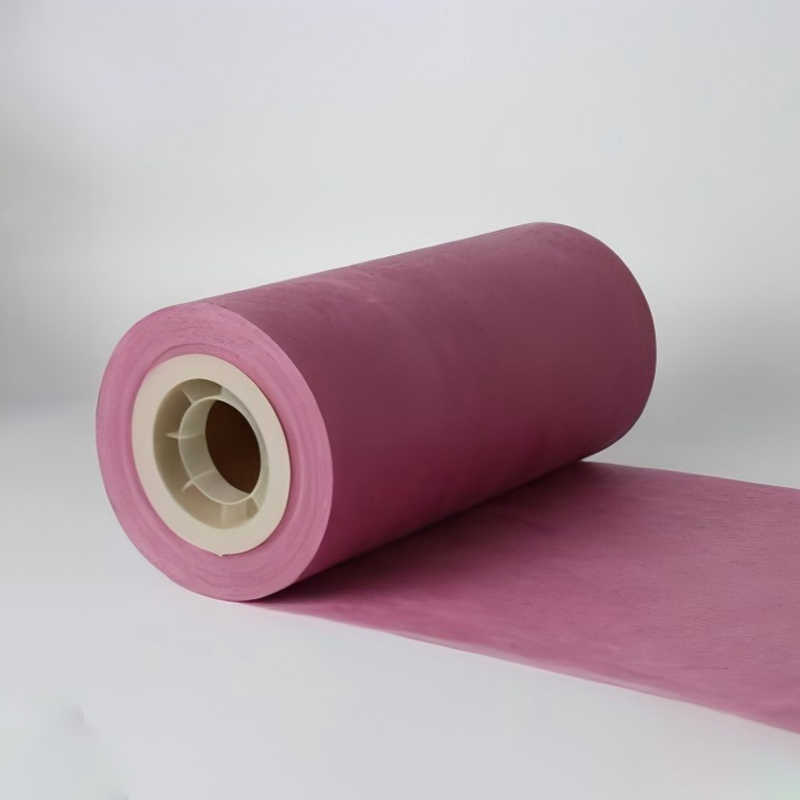 Filtration Nonwoven
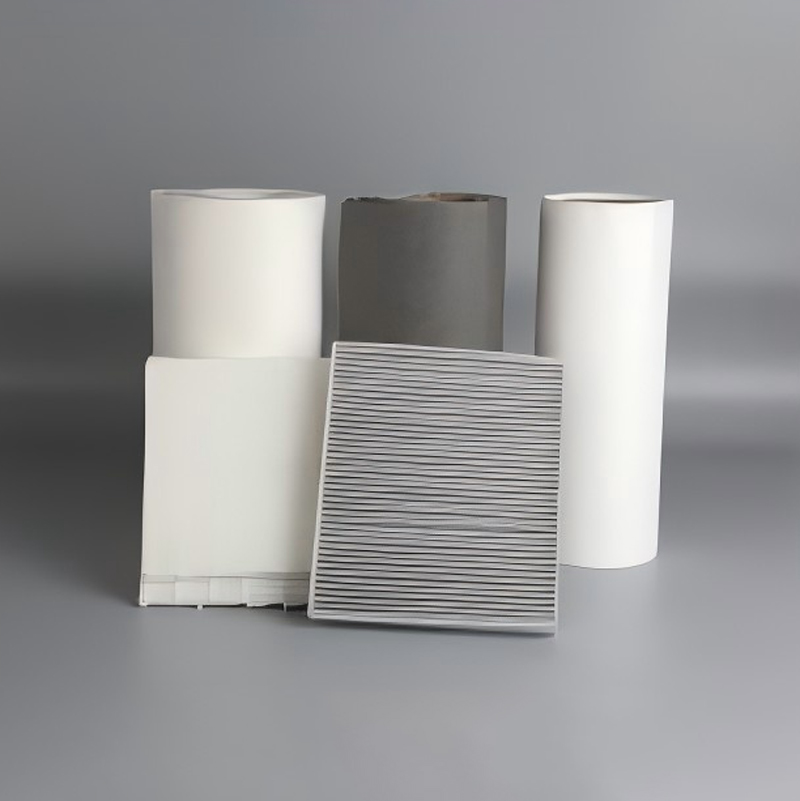 Air Filter Media
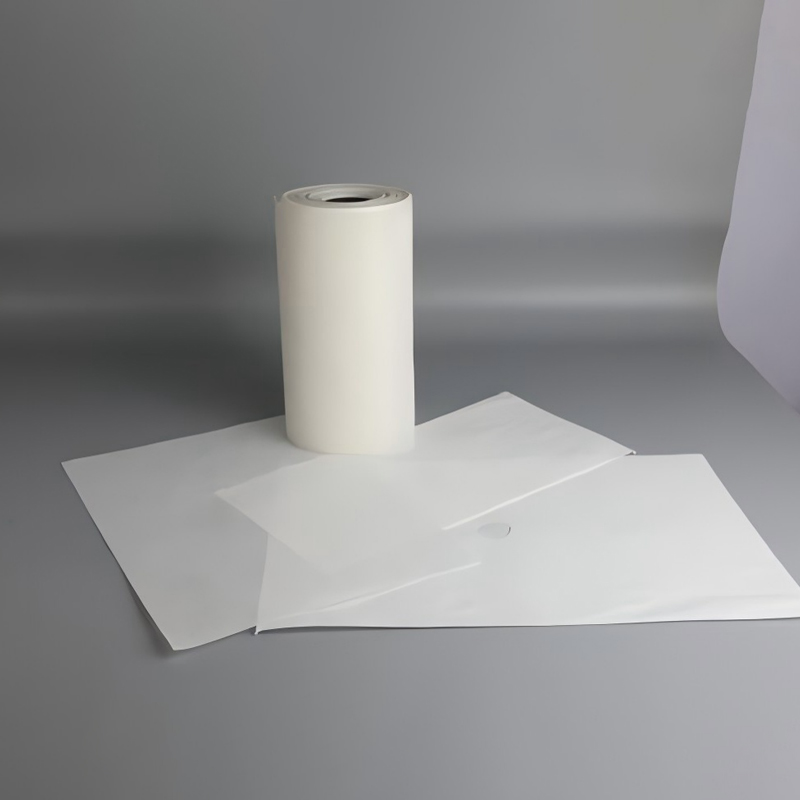 Liquid Filter Media
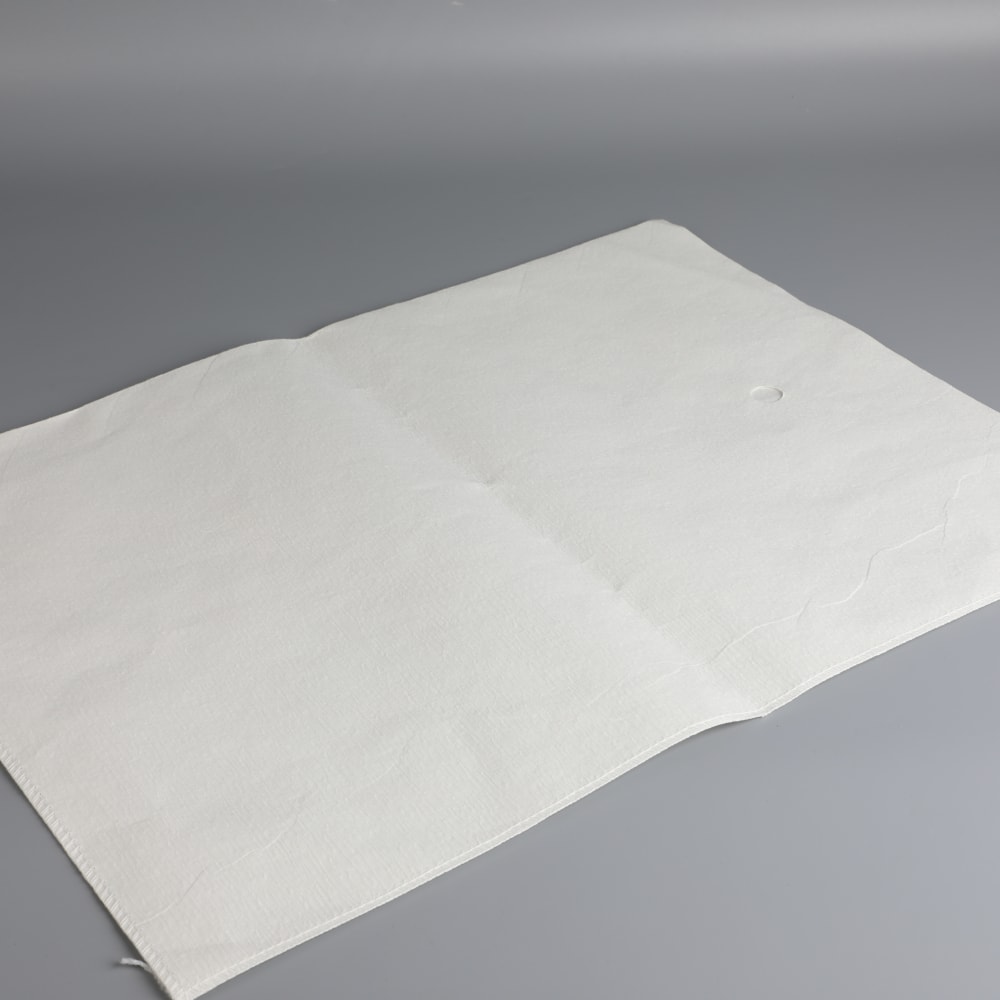 Filter Envelope & Filter Sheet
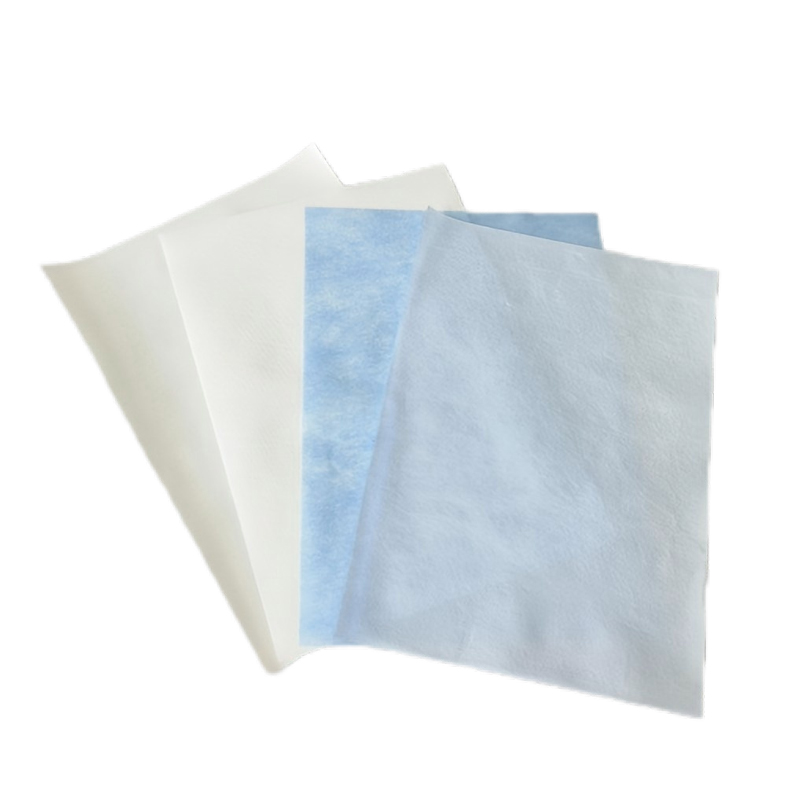 Breathable Film Laminates
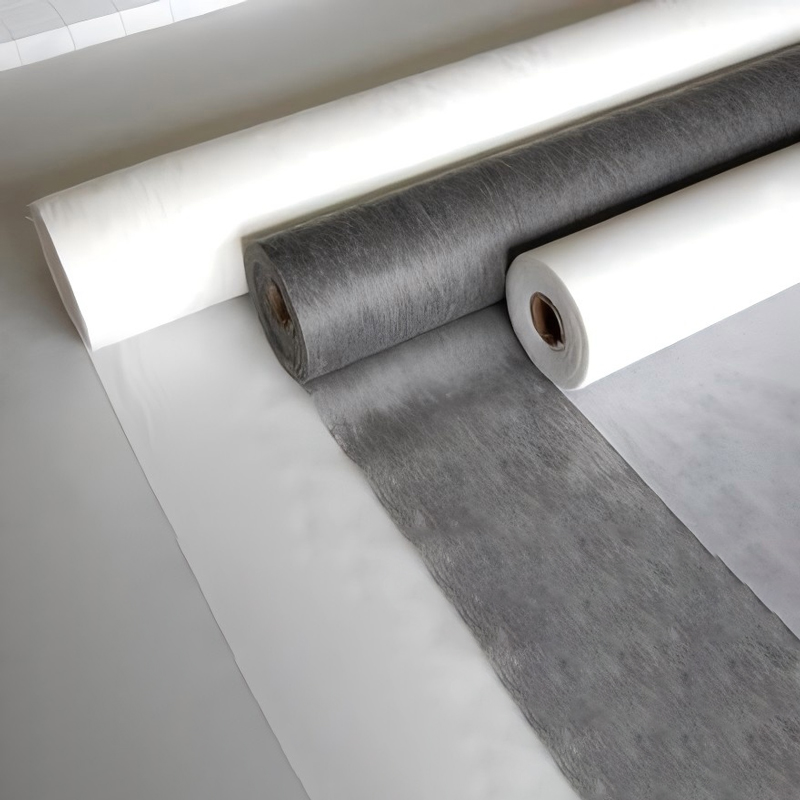 Nonwoven Interlining
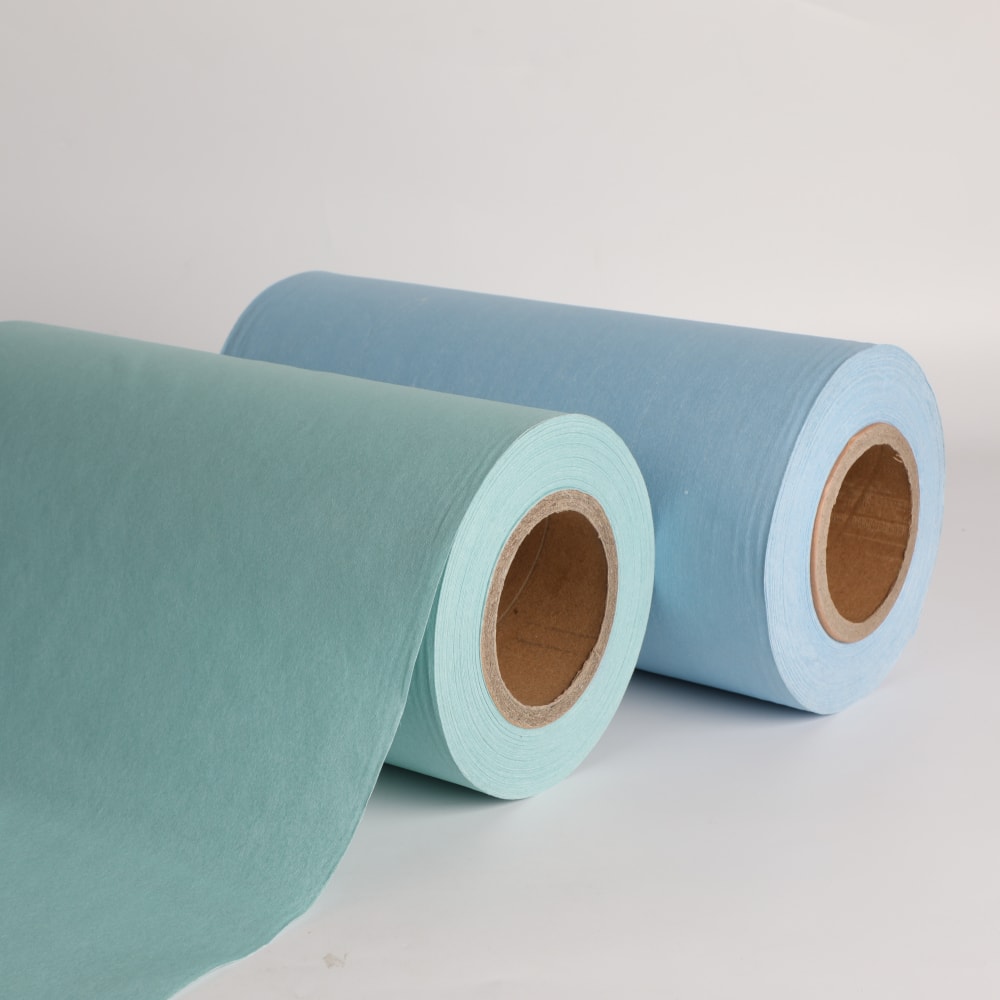 Fluid Repellent Woodpulp Spunlace Nonwoven
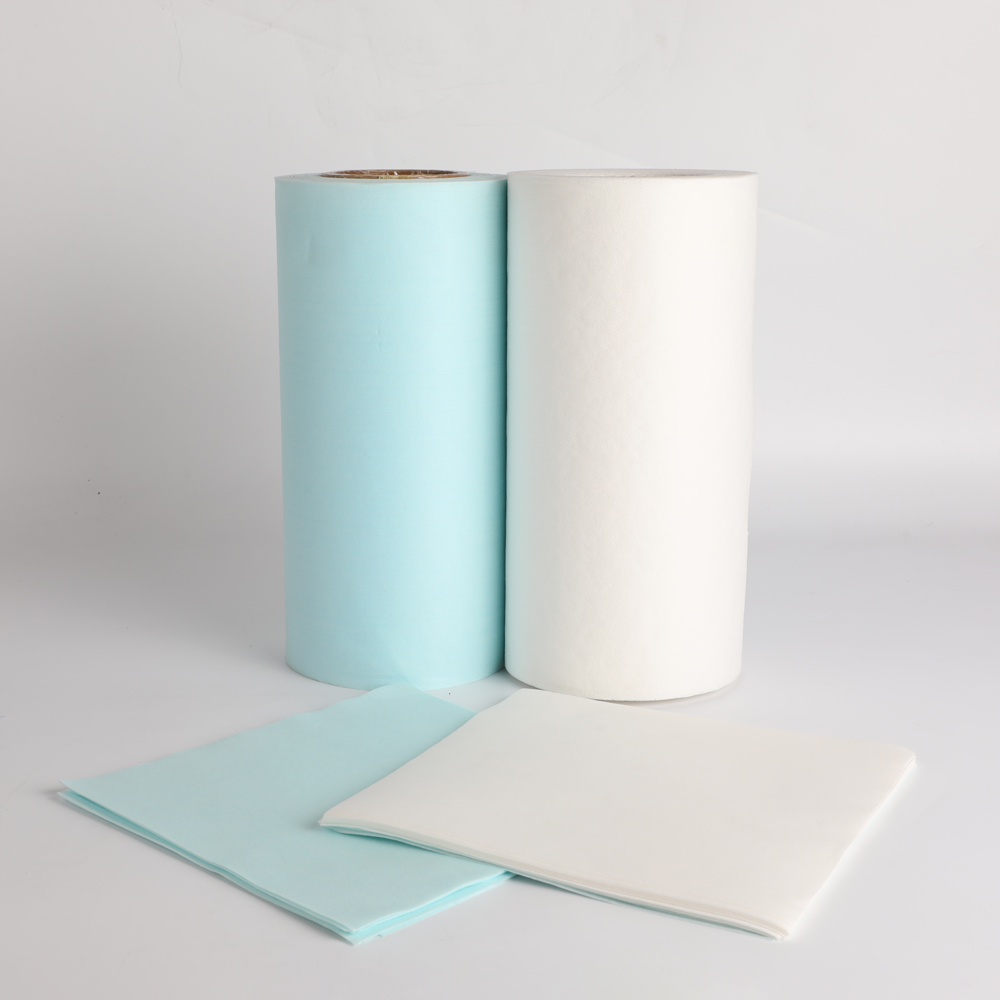 Woodpulp Nonwoven Wipe
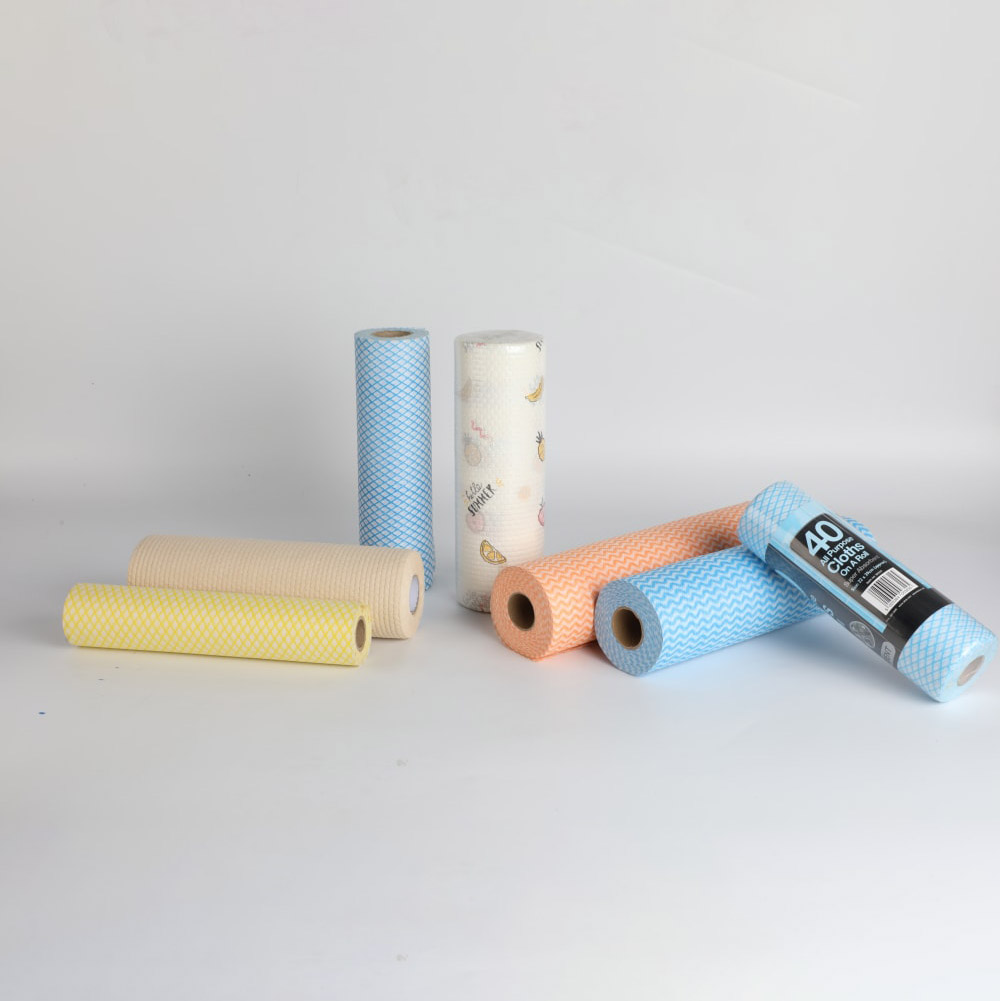 Nonwoven Cleaning Wipe
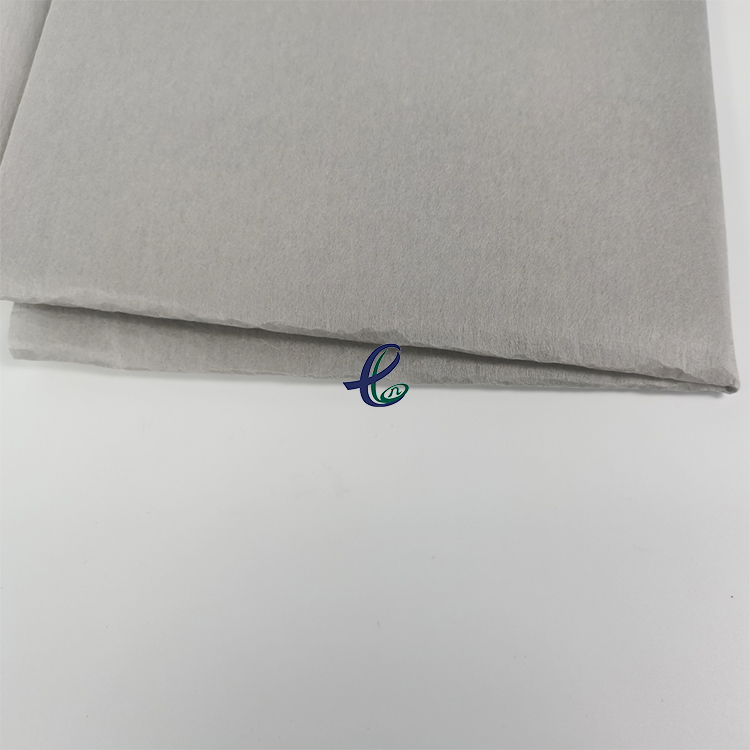 Curtain Nonwoven
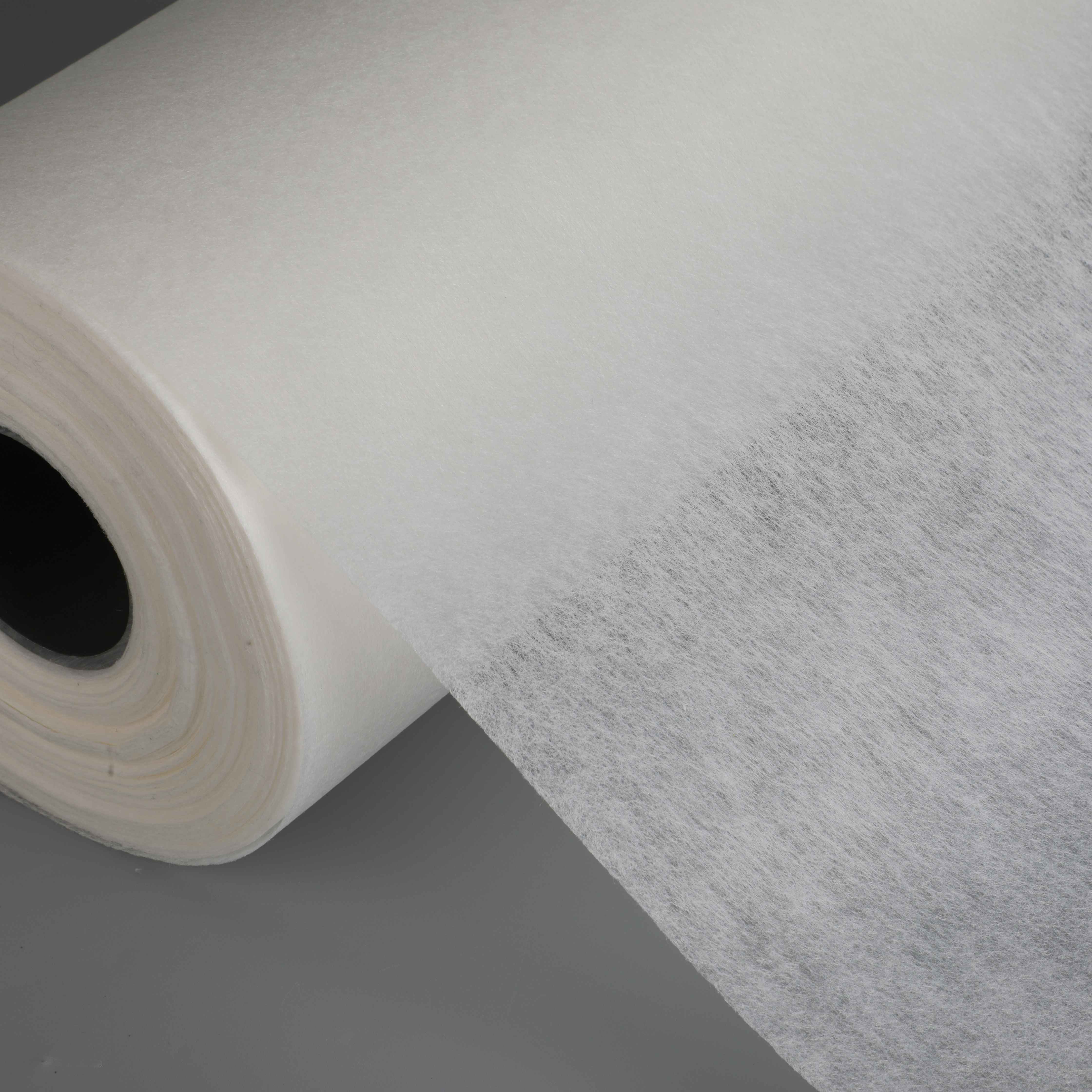 Food Grade Packaging Nonwoven
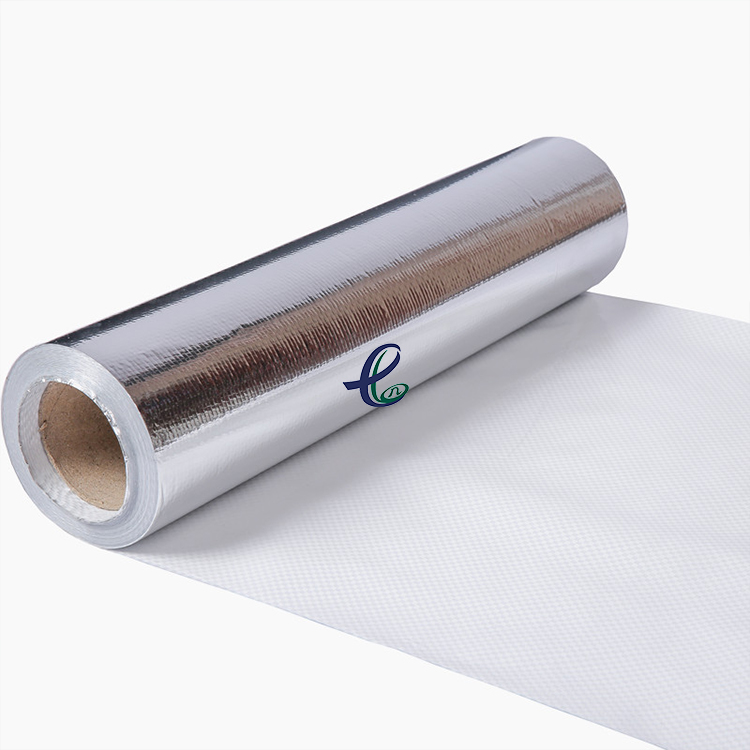 Aluminized Nonwoven
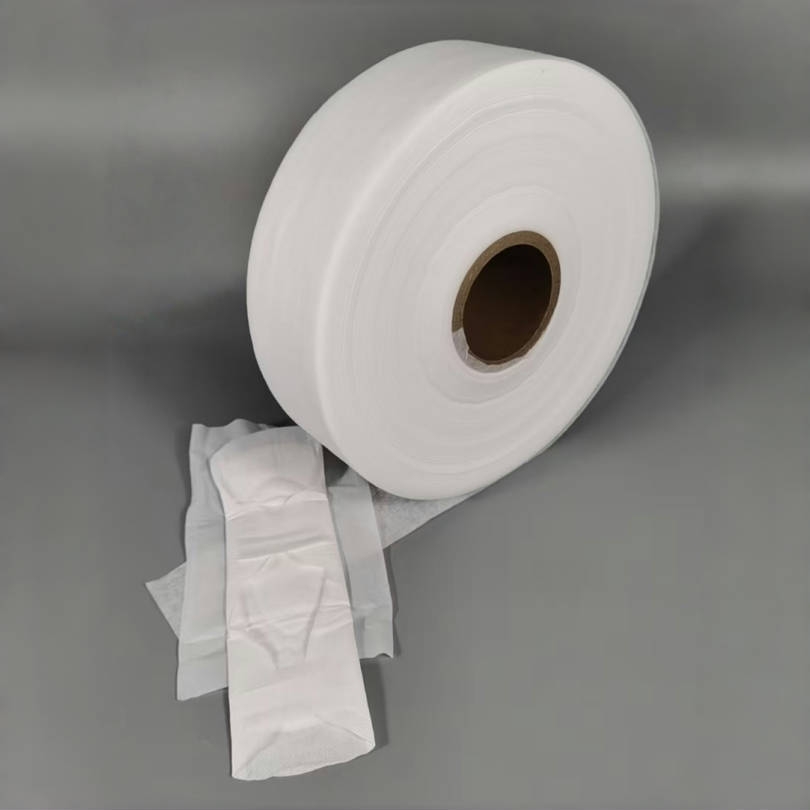 Hot Air Cotton Nonwoven
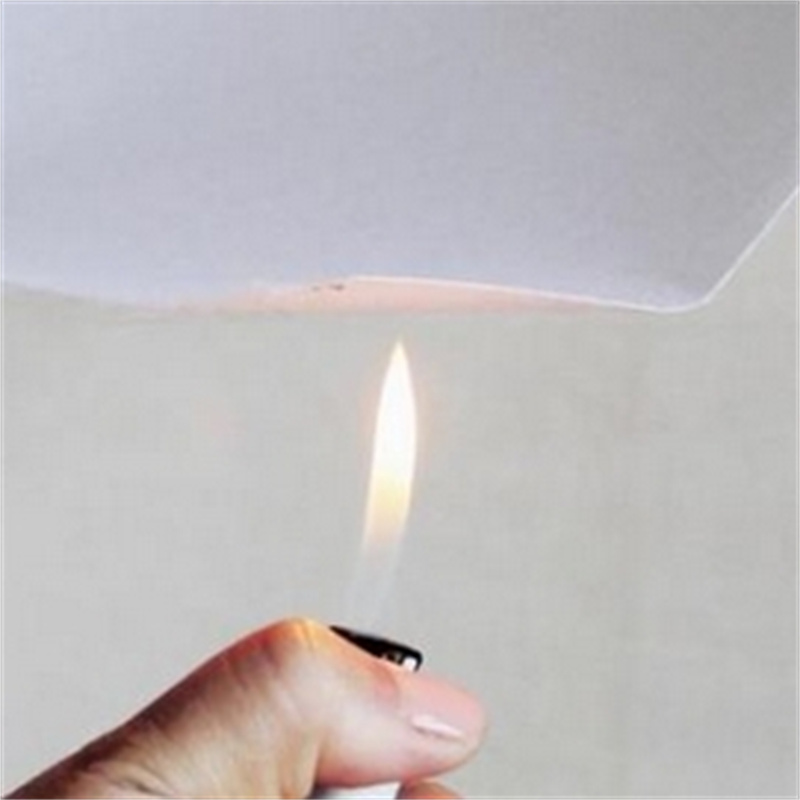 Flame Retardant Nonwoven
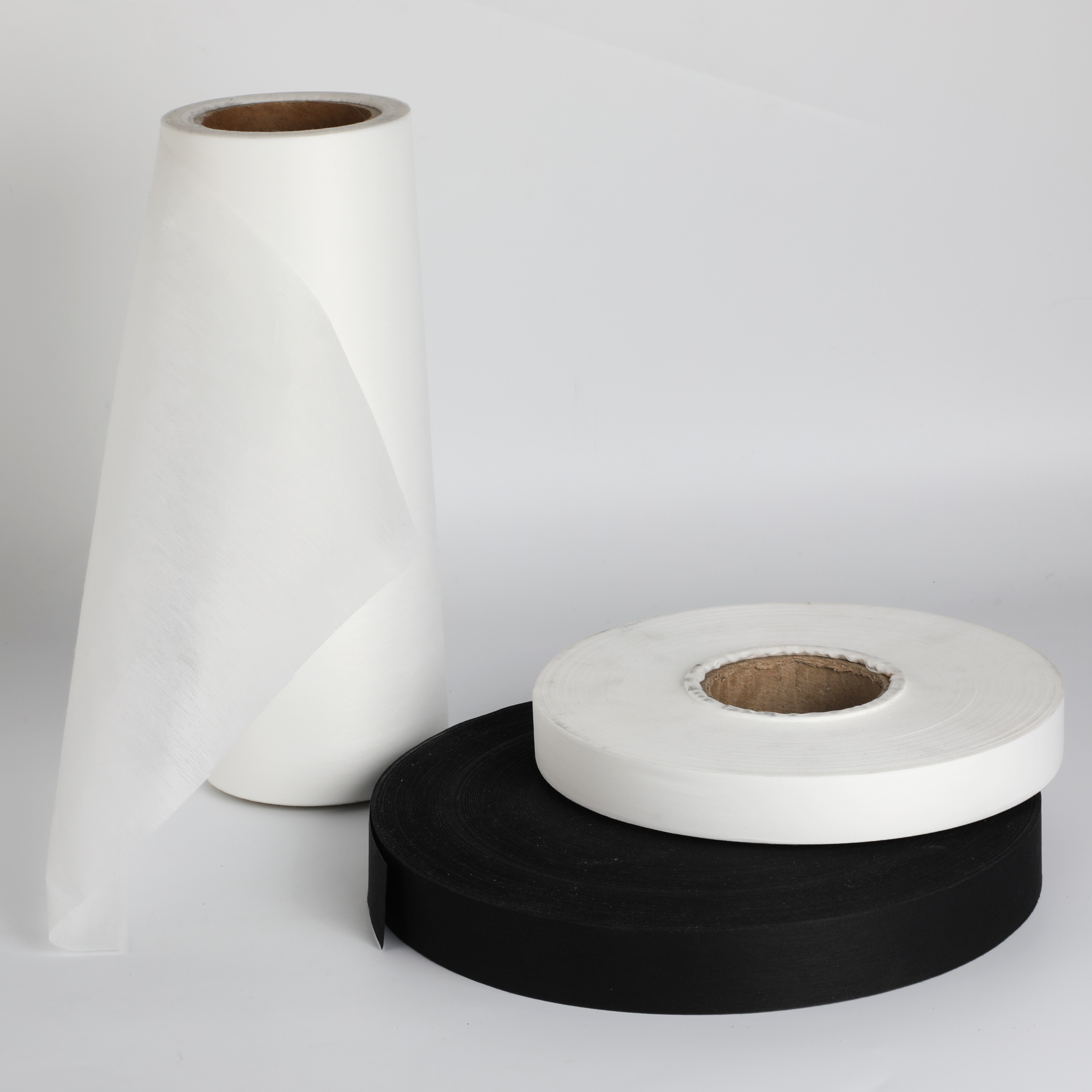 Cable Wrapping Nonwoven
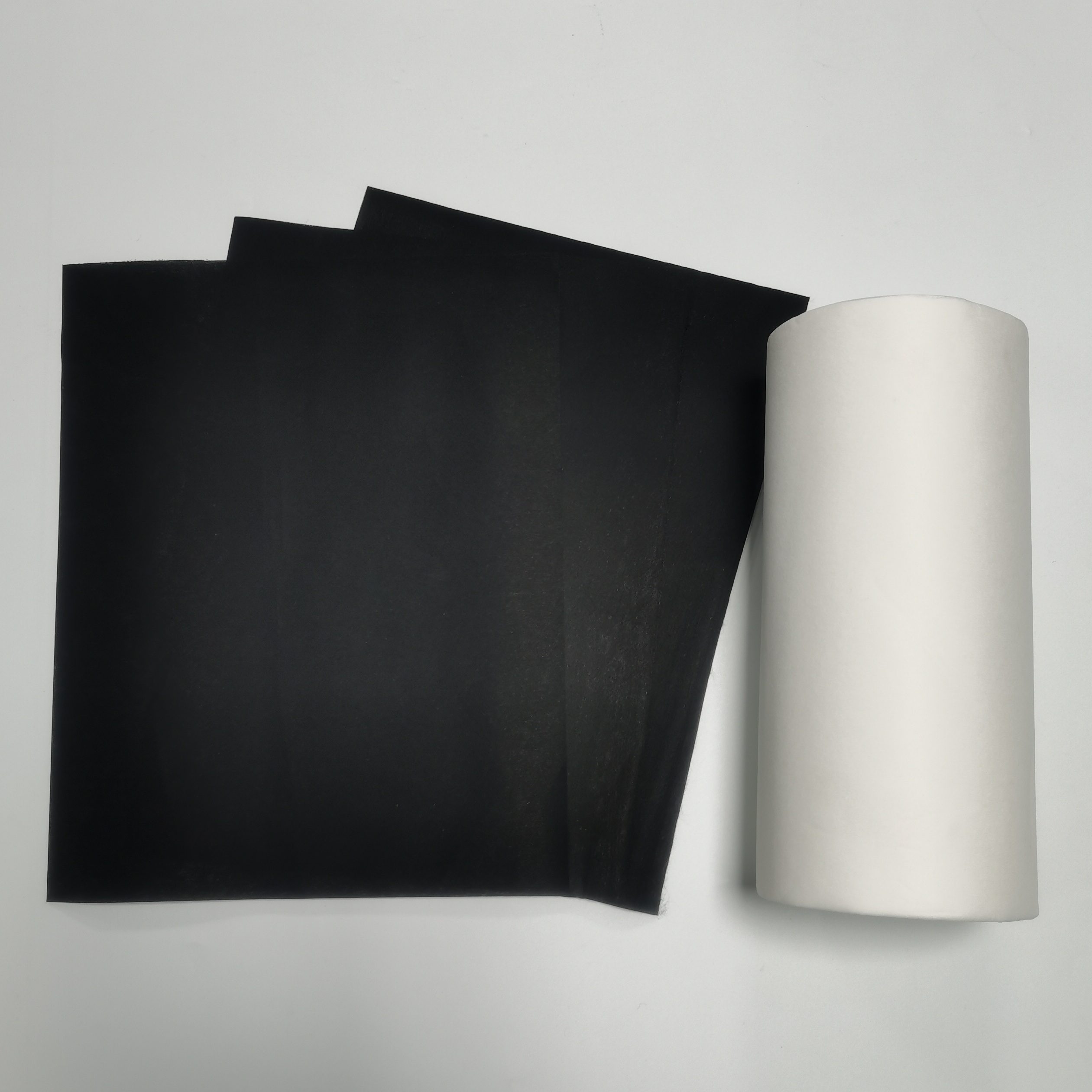 Semi-conductive Nonwoven
 Anti-Bacterial Nonwoven
 +8613957712400
 CONTACT WhatsApp
 CONTACT WeChat
 CONTACT NUMBER
 CONTACT EMAIL