Top 10 Breathable Nonwoven Materials for Global Buyers?
In the growing world of nonwoven textiles, "Breathable Material Nonwoven" has emerged as a key focus for manufacturers and consumers alike. Experts like Dr. Emily Carter, a leading researcher in nonwoven technologies, emphasize its importance: "Breathable materials are essential for maintaining comfort and enhancing performance in various applications." This insight reflects a broader recognition that breathable nonwovens play a critical role in industries ranging from healthcare to fashion.
The demand for breathable nonwoven materials is rapidly increasing. Industries are recognizing their versatility. These materials offer unique properties, such as moisture management and air permeability. For instance, nonwovens in medical gowns help ensure comfort for healthcare workers. They need protection without sacrificing breathability. The challenge is to balance durability and breathability.
There are notable gaps in the market, as not all materials perform equally well. Buyers must critically evaluate options based on specific needs. Many existing products may not fully meet the breathability criteria, leading to discomfort or failures in application. In this evolving landscape, it's crucial for global buyers to make informed choices informed by both performance data and expert advice. The quest for the ideal breathable material continues, with ongoing innovations promising exciting developments ahead.

Overview of Nonwoven Materials and Their Applications
Nonwoven materials are increasingly significant in various industries due to their unique properties and multiple applications. These materials can offer breathability, flexibility, and superior strength, making them ideal for use in medical supplies, hygiene products, and personal protective equipment. According to a report by Smithers, the global nonwoven fabric market was valued at over $50 billion in 2020 and is projected to expand further in the coming years.
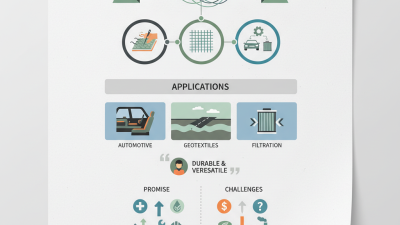
The applications of nonwoven materials vary widely. In healthcare, they are used in surgical gowns, masks, and disposable bedding. In the hygiene sector, baby diapers and feminine hygiene products benefit from their absorbent nature. Moreover, the automotive industry utilizes these materials for insulation and filtration purposes. The diverse characteristics of nonwoven fabrics meet industry demands efficiently. Yet, challenges remain in terms of sustainability and recyclability. As industries strive for greener solutions, the production methods and material sources need careful consideration.
Finding the right nonwoven material requires attention to its properties. Researching the specific application can provide insights into the best materials. Trying samples before making bulk purchases can prevent costly mistakes. Understanding the lifecycle of these materials can also lead to better usage practices. Collaboration with suppliers who prioritize sustainability could enhance product effectiveness while supporting environmental initiatives.
Criteria for Selecting Breathable Nonwoven Materials
When selecting breathable nonwoven materials, several criteria come into play. The material's air permeability is crucial. According to industry reports, optimal air permeability can enhance comfort in applications like clothing and medical textiles. The fabric's ability to allow moisture vapor transmission is equally important. This factor significantly contributes to the overall comfort level in personal protective equipment and apparel.
Understanding the weight and thickness of the material is essential. Lighter fabrics are more breathable and suitable for warm climates. A recent study showed that nonwoven materials with a weight of under 100 grams per square meter offer superior breathability. However, manufacturers must balance weight with strength and durability. Some lightweight options may sacrifice longevity.
While selecting appropriate materials, consider the end use. Nonwoven fabrics used in high-traffic environments require specific features to withstand wear and tear. It's important to evaluate different production methods. Spunbond and meltblown technologies yield varying breathability and mechanical properties. An informed choice can lead to better product performance and user satisfaction.
Breathability alone should not be the only criterion. Other attributes such as water resistance and UV protection deserve attention. Striking a balance can be challenging. Always look for comprehensive test data to support your choices. Evaluation tools and industry feedback can provide valuable insights.
Top 10 Breathable Nonwoven Materials and Their Properties
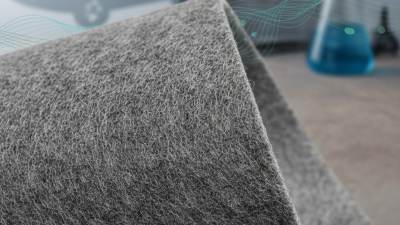
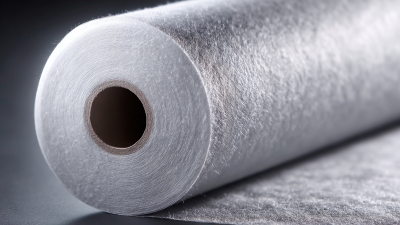
Breathable nonwoven materials are vital for various applications, particularly in clothing and medical products. These materials allow air and moisture to pass through while providing barriers against contaminants. One popular type is spunbonded nonwoven fabrics. They offer excellent tensile strength and durability, making them ideal for protective clothing and hygiene products.
Another noteworthy option is meltblown nonwoven fabric, widely used in filtration and mask production. Its unique fiber structure traps small particles effectively. Additionally, needlepunch fabrics provide a soft texture while maintaining breathability. They are often used in geotextiles and automotive interiors. Each material exhibits distinct properties, influencing their suitability for different applications.
Despite their advantages, challenges exist in the production and recycling of nonwoven materials. Manufacturers need to consider environmental impacts. The selection process requires thorough understanding and testing. Buyers should evaluate their specific needs closely. This ensures they choose the most appropriate material. Knowledge of the material properties can lead to more informed decisions.
Comparative Analysis of Global Manufacturers of Breathable Nonwovens
Breathable nonwoven materials are increasingly important across various industries. They find applications in personal protective equipment, hygiene products, and medical devices. A recent industry report indicates that the global market for nonwoven materials is projected to reach USD 55 billion by 2025. The demand for breathable nonwovens is primarily driven by their lightweight and effective filtration properties.
When comparing global manufacturers, it is crucial to analyze their production capabilities and innovative techniques. For instance, some manufacturers focus on spunbond and meltblown technologies, which enhance breathability. According to market analysis, manufacturers in Europe dominate this segment, holding a 30% share. However, challenges exist, such as rising raw material costs and sustainability concerns. Many companies are now investing in biodegradable options to address these issues, reflecting a shift towards more sustainable practices.
Furthermore, the quality of breathable nonwoven materials varies significantly between manufacturers. Some focus on high-performance fabrics, whereas others prioritize cost-effectiveness. This disparity can create challenges for buyers, who must navigate the trade-offs between performance and price. As the market evolves, continuous improvements in material technology will play a fundamental role in shaping the future landscape of breathable nonwovens.
Top 10 Breathable Nonwoven Materials for Global Buyers
| Rank |
Material Type |
Thickness (mm) |
Air Permeability (L/m²/s) |
Weight (g/m²) |
Typical Applications |
| 1 |
Spunbond Polyester |
0.5 |
200 |
60 |
Medical, Hygiene |
| 2 |
Meltblown Polypropylene |
0.3 |
250 |
30 |
Filtration, Masks |
| 3 |
SMS Nonwoven |
0.5 |
180 |
50 |
Apparel, Hygiene |
| 4 |
Flash Spun Polyethylene |
0.4 |
220 |
70 |
Medical, Protective |
| 5 |
Biodegradable Nonwoven |
0.6 |
150 |
40 |
Packaging, Hygiene |
| 6 |
Spunlace Nonwoven |
0.7 |
200 |
80 |
Wipes, Hygiene |
| 7 |
Airlaid Nonwoven |
0.5 |
160 |
60 |
Hygiene, Absorbents |
| 8 |
Needlepunched Nonwoven |
0.8 |
140 |
100 |
Geotextiles, Furnishing |
| 9 |
Thermal Bonded Nonwoven |
0.4 |
210 |
55 |
Insulation, Filtration |
| 10 |
Wetlaid Nonwoven |
0.6 |
170 |
65 |
Medical, Composite |
Future Trends in Breathable Nonwoven Material Development
The development of breathable nonwoven materials is evolving. As demand for lightweight, flexible fabrics grows, innovation in this sector is vital. Experts predict that future nonwoven materials will highlight sustainability and performance. Manufacturers are exploring bio-based fibers to reduce environmental impact. This shift aligns with global sustainability goals.
Incorporating advanced technologies, such as 3D printing, will enable the creation of bespoke textures and functionalities. These processes promise to enhance breathability and comfort while reducing waste. However, challenges remain. Balancing cost-effectiveness with high performance is complex. Buyers must consider both quality and price points.
As research continues, predicting market trends is crucial. Nonwoven materials might also find applications in health care and personal protective equipment. The potential for multi-functional fabrics is undeniable. While the future is promising, stakeholders must remain adaptable. Continuous feedback from users will guide improvements and innovations in breathable nonwoven materials.
Top 10 Breathable Nonwoven Materials for Global Buyers
This chart displays the breathability index of the top 10 nonwoven materials favored by global buyers. A higher index indicates better breathability, which is crucial for various applications such as healthcare, apparel, and filtration. As trends evolve, understanding these materials helps in making informed purchasing decisions.

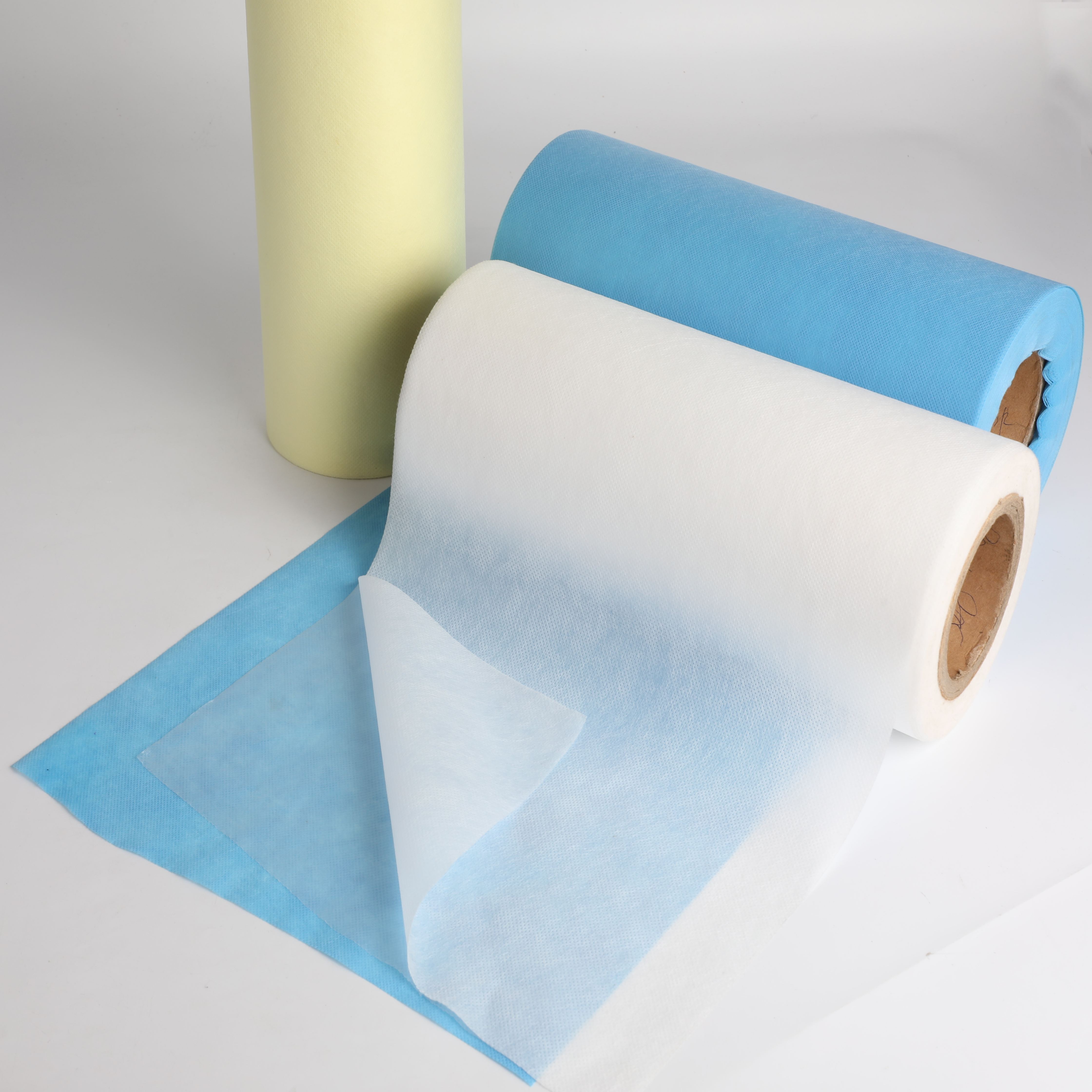 PP Laminates
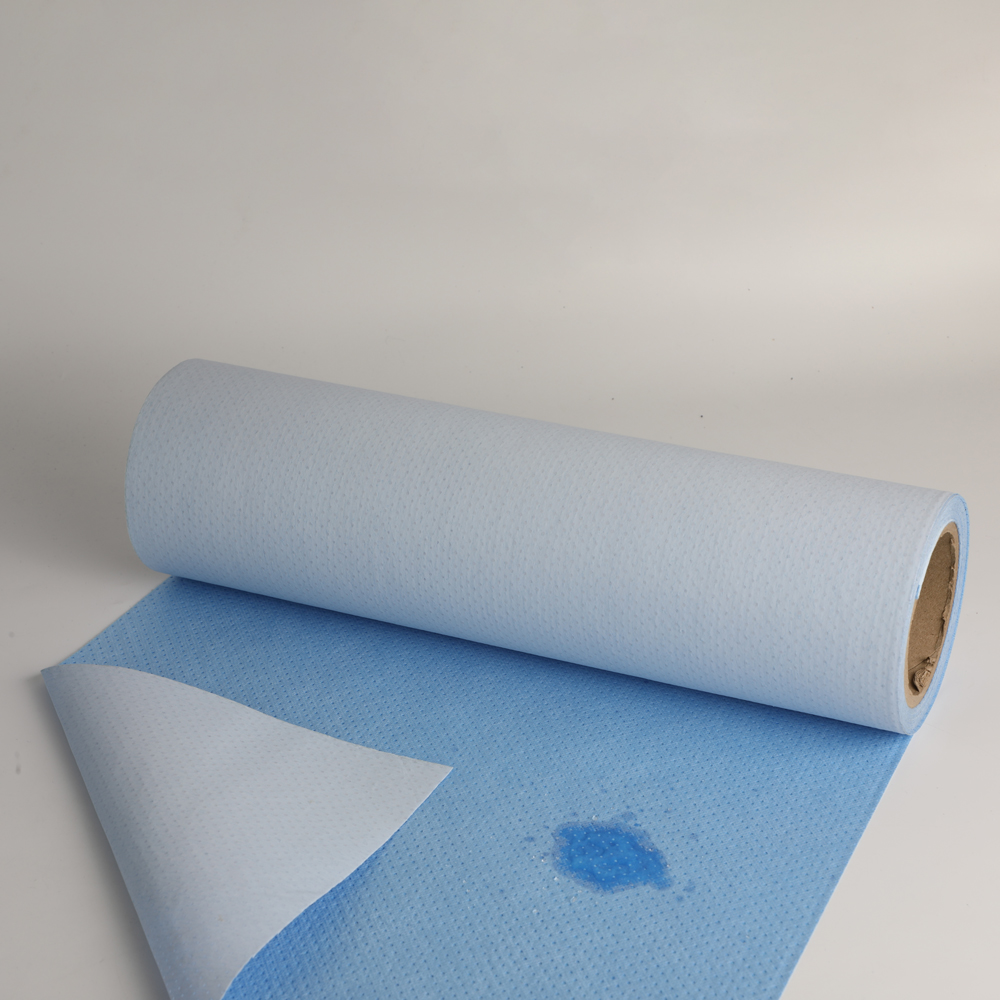 Multi Laminates
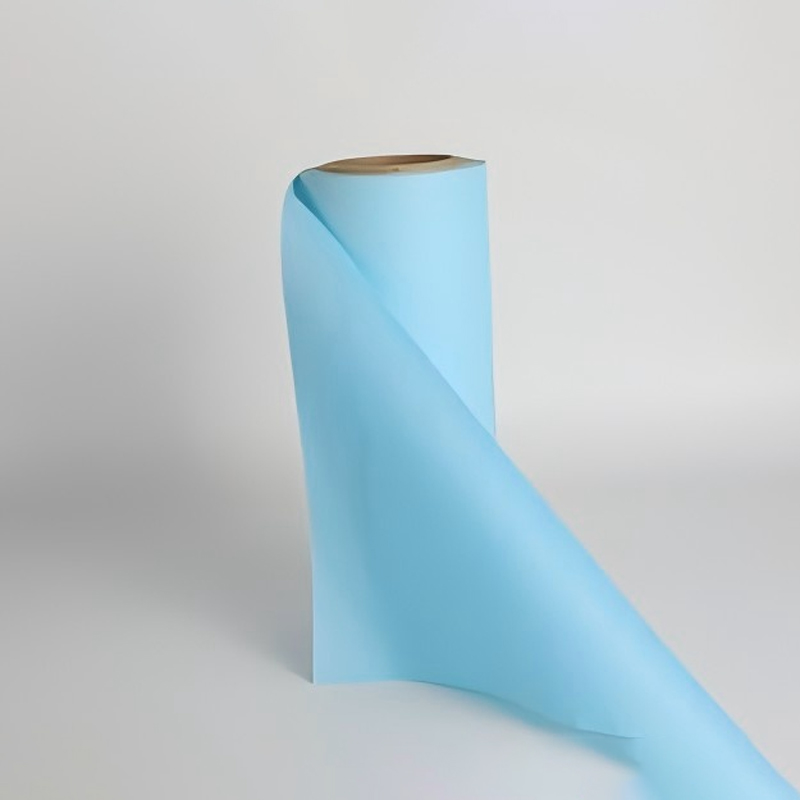 Spunlace Nonwoven Laminates
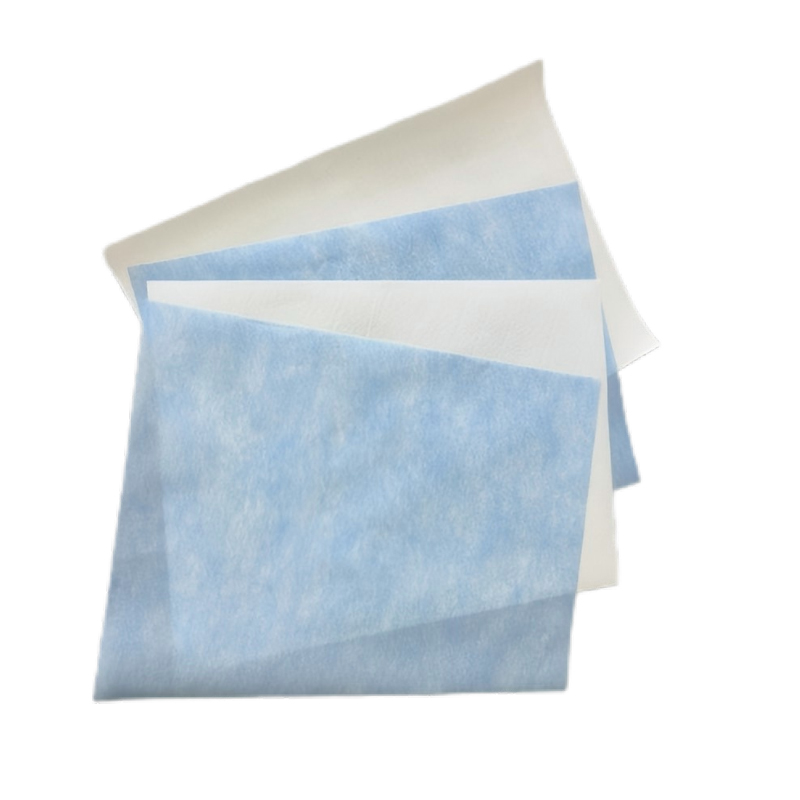 Breathable Film Laminates
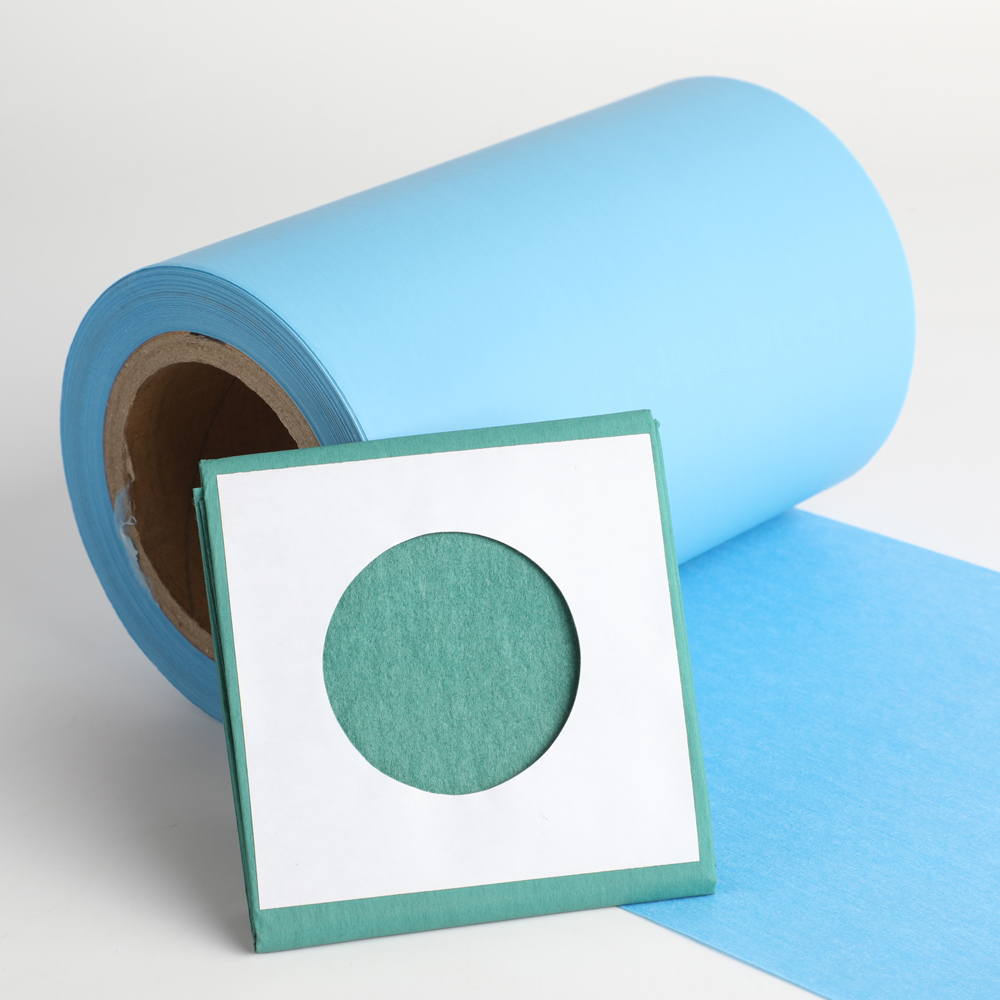 Viscose Laminates
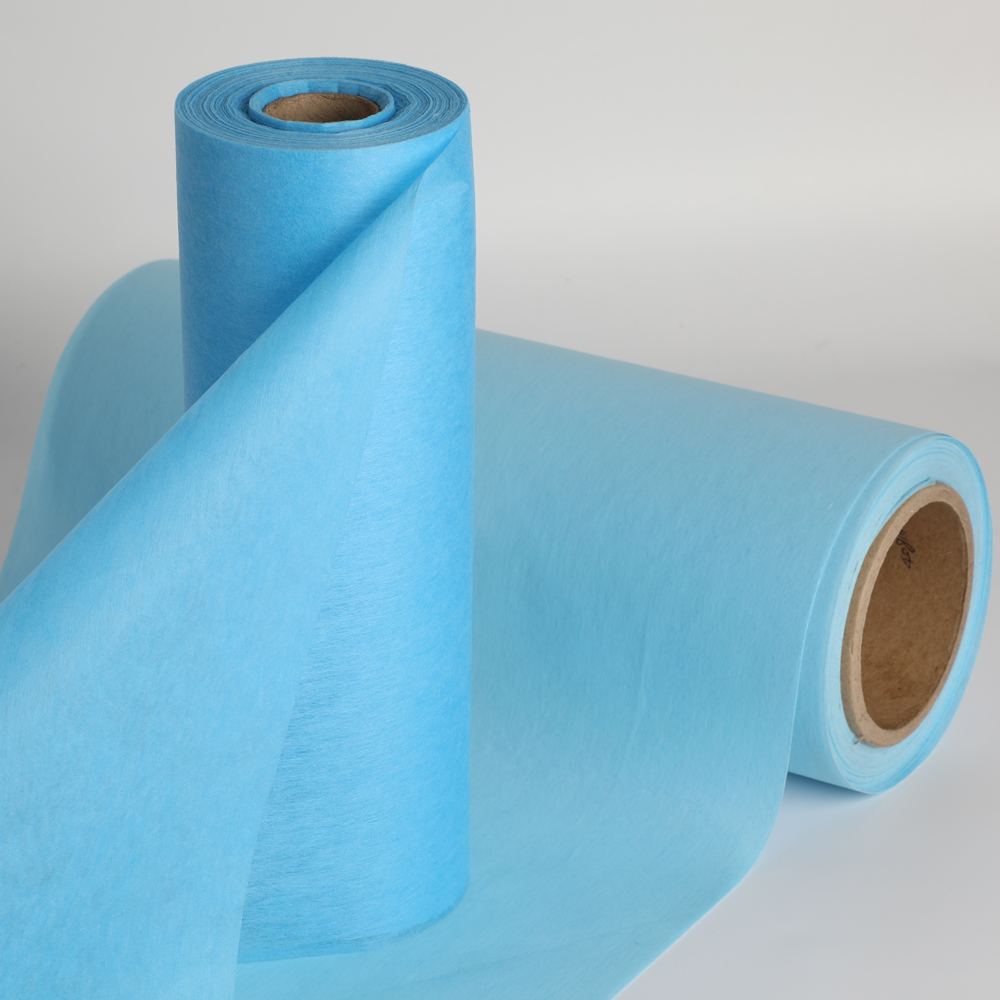 Medical Viscose Nonwoven
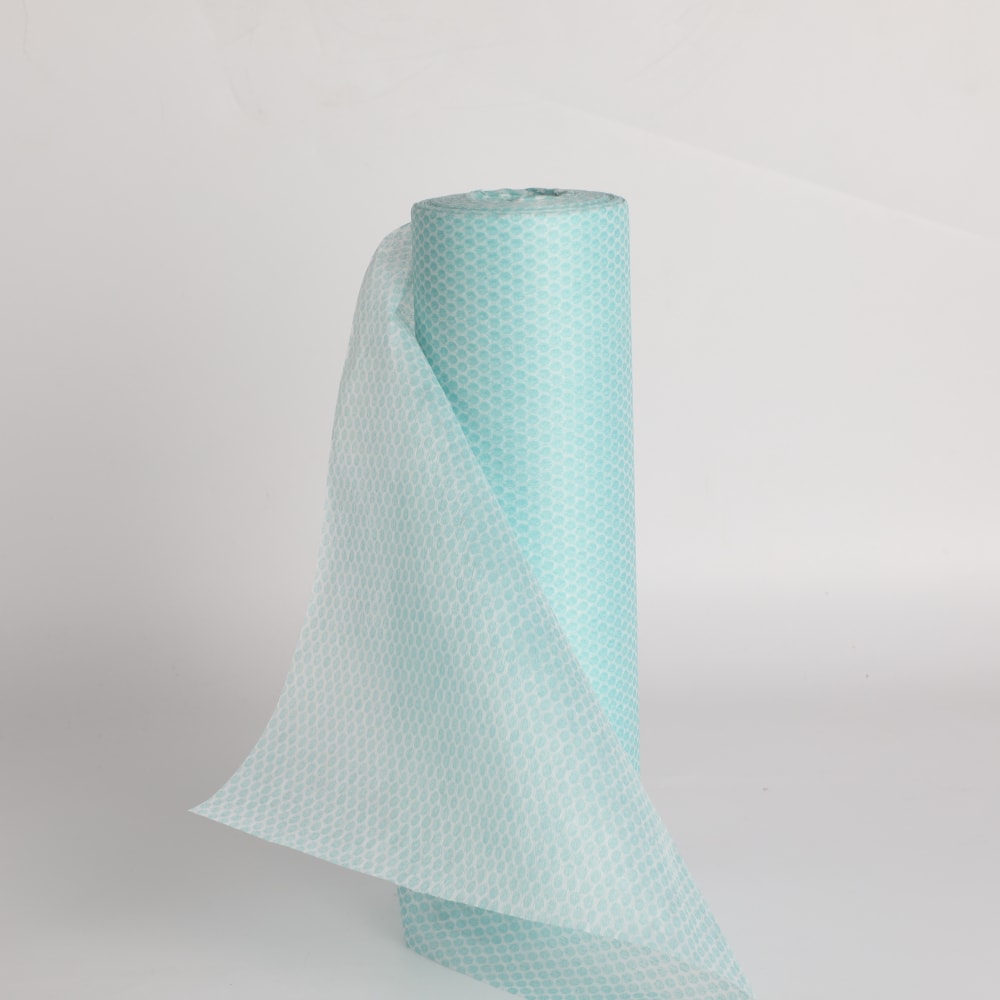 Head Wear Nonwoven
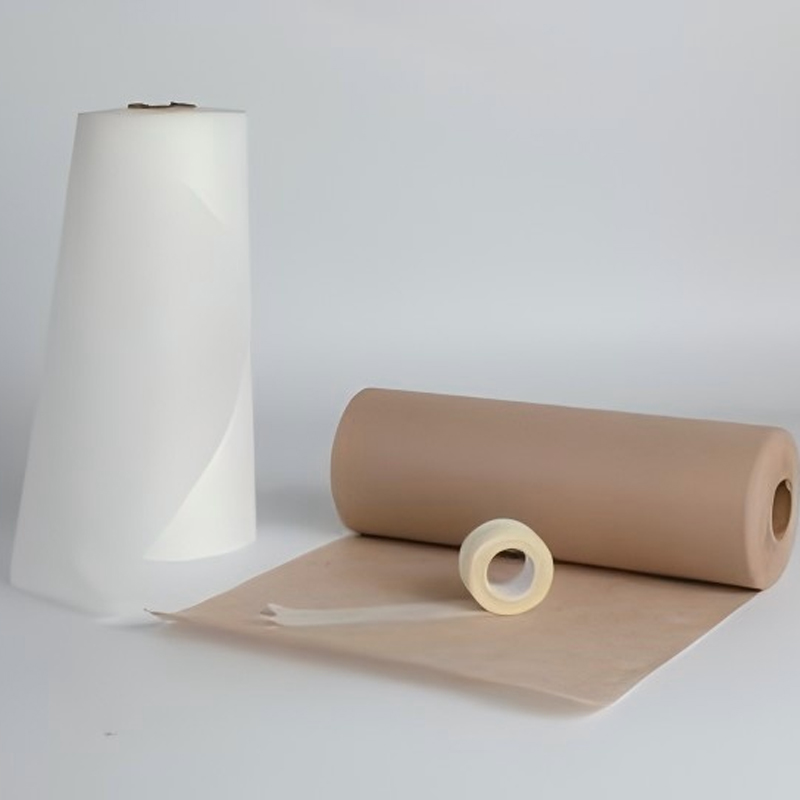 Medical Tape Nonwoven
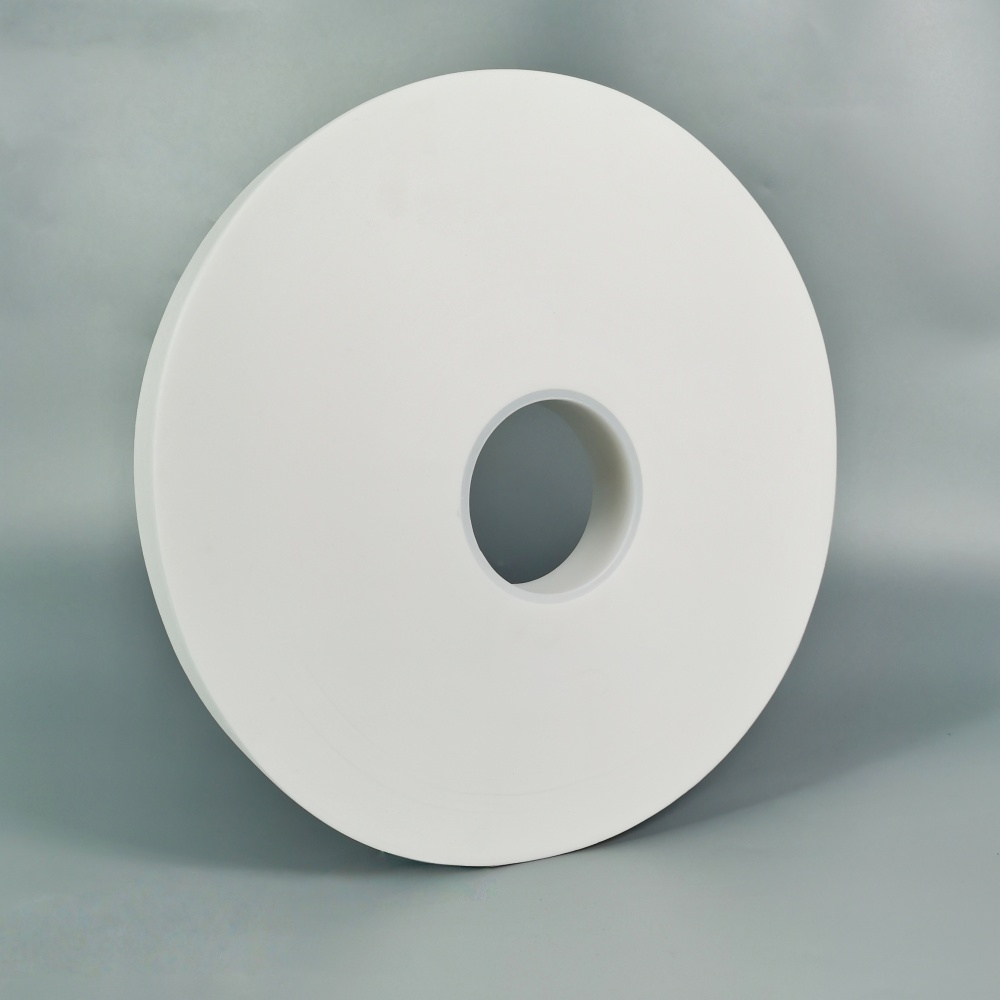 Snus Pouch Nonwoven
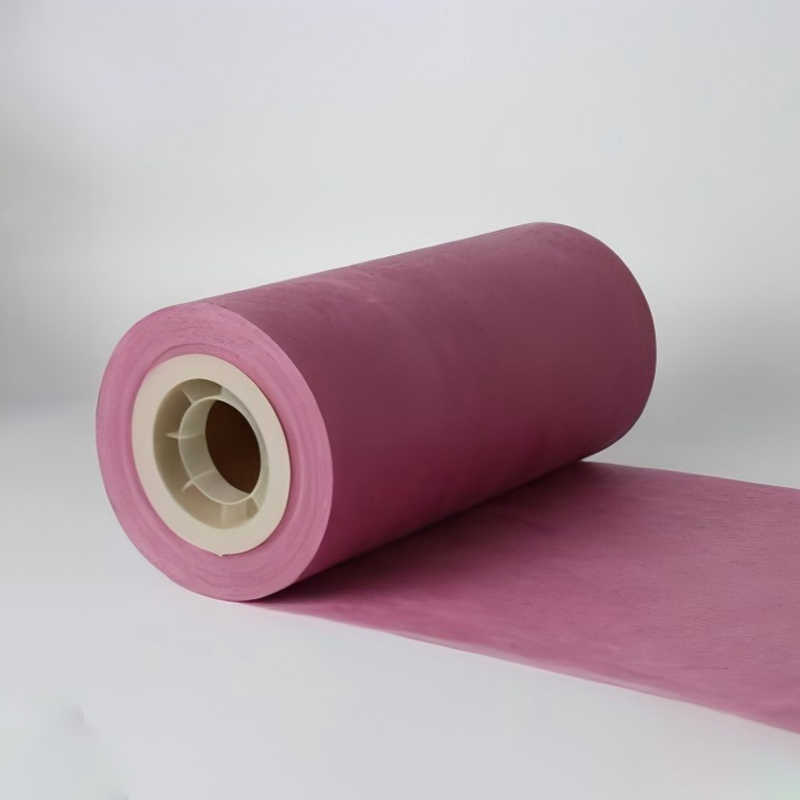 Filtration Nonwoven
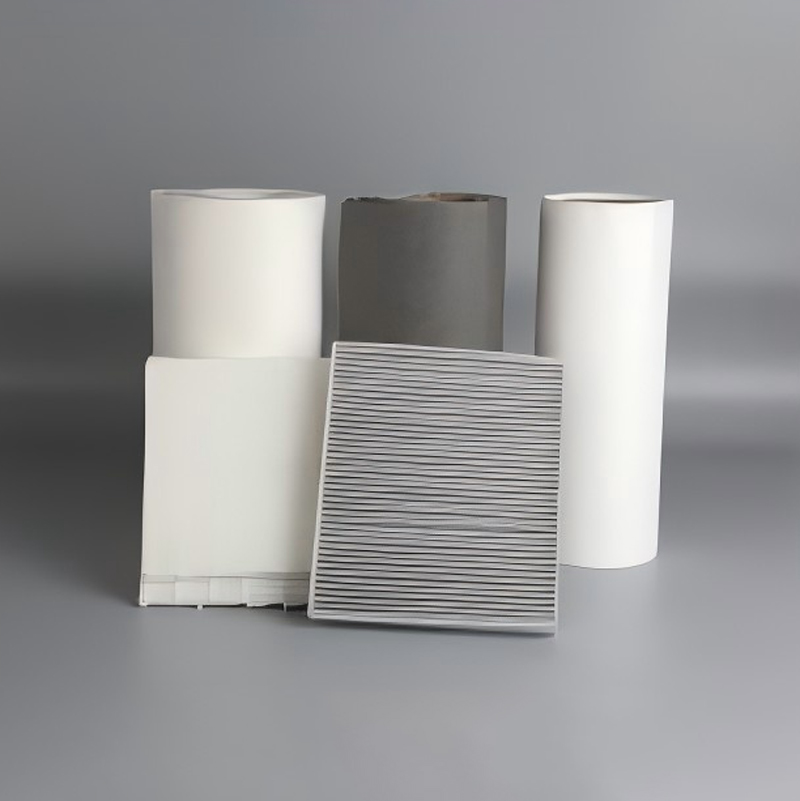 Air Filter Media
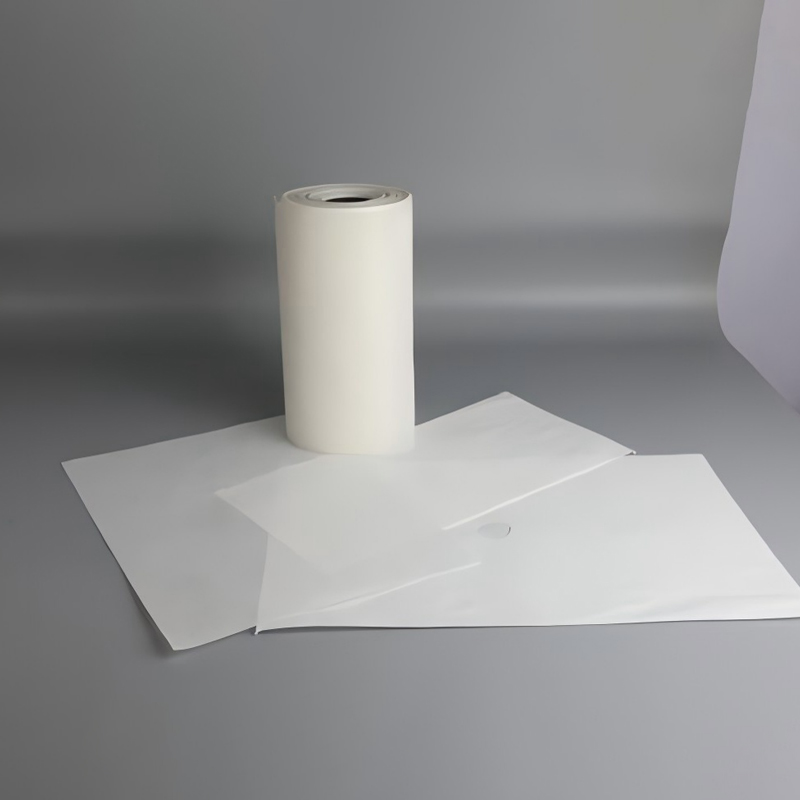 Liquid Filter Media
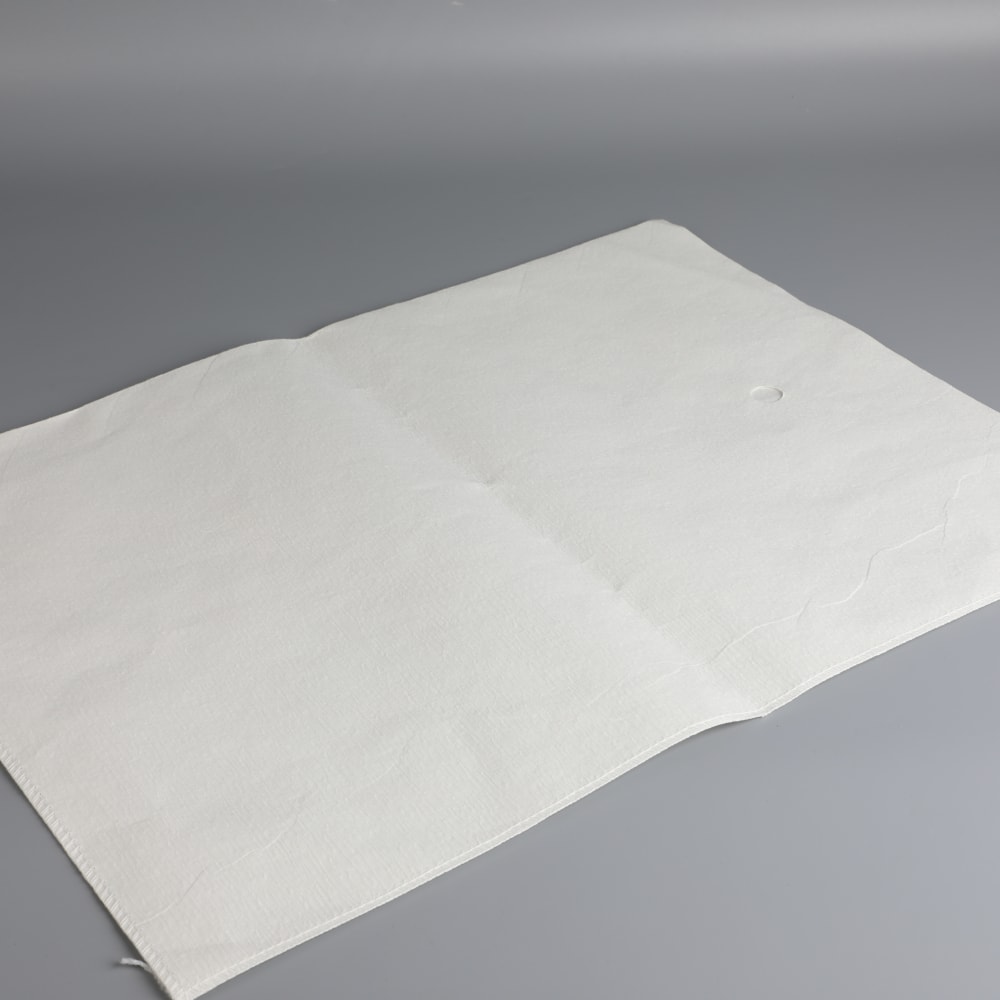 Filter Envelope & Filter Sheet
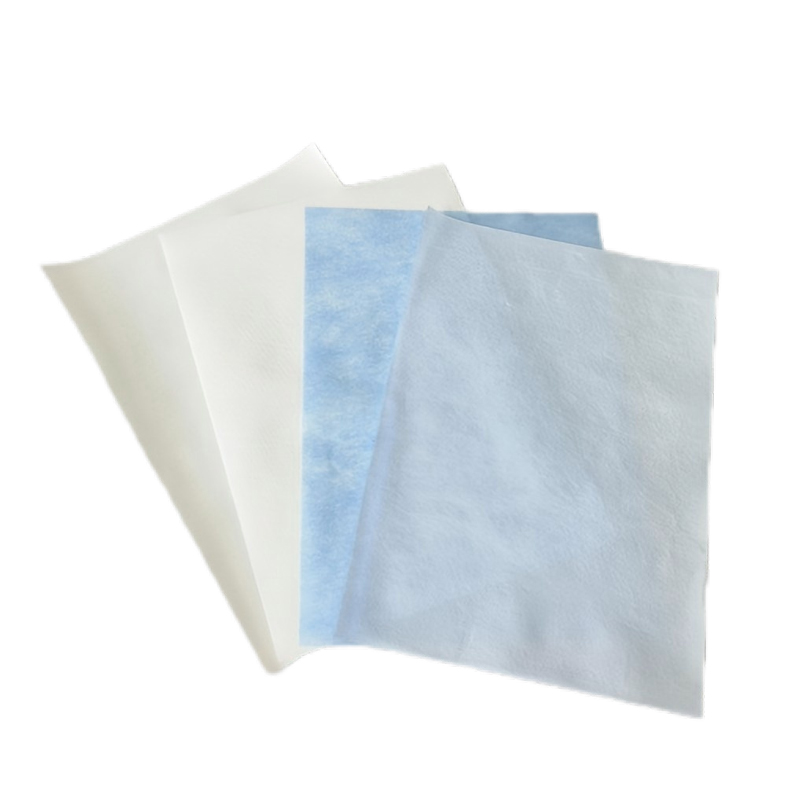 Breathable Film Laminates
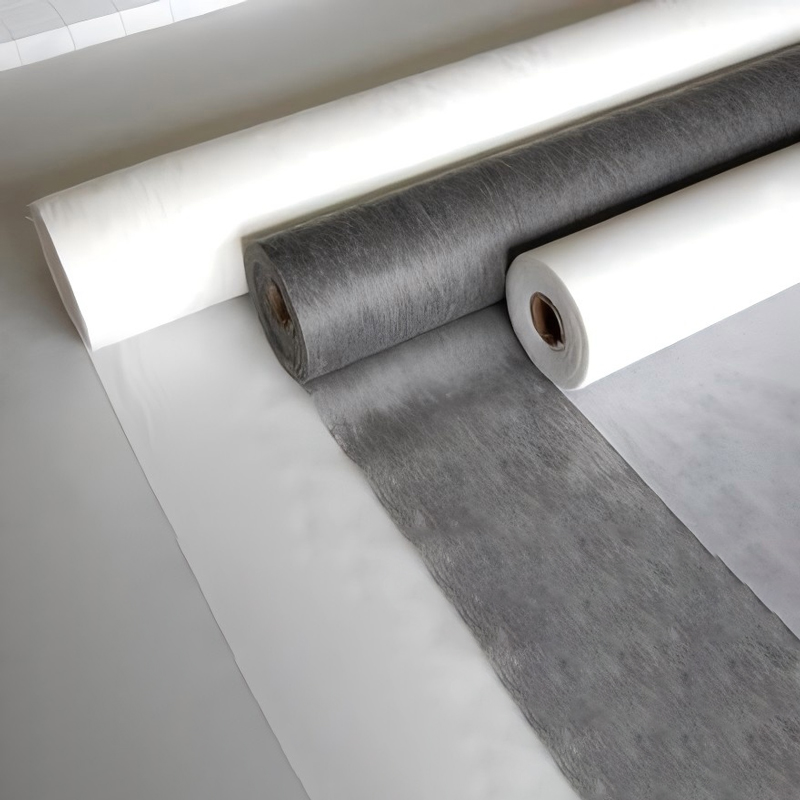 Nonwoven Interlining
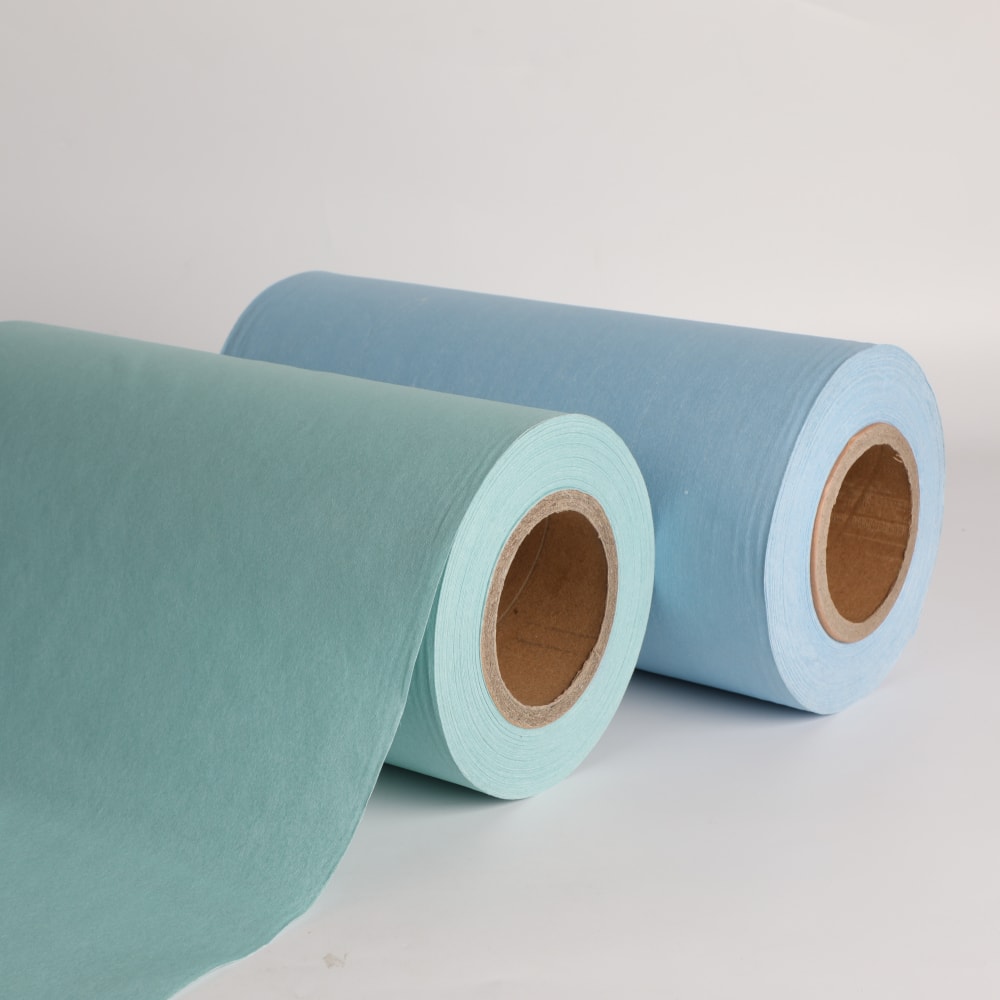 Fluid Repellent Woodpulp Spunlace Nonwoven
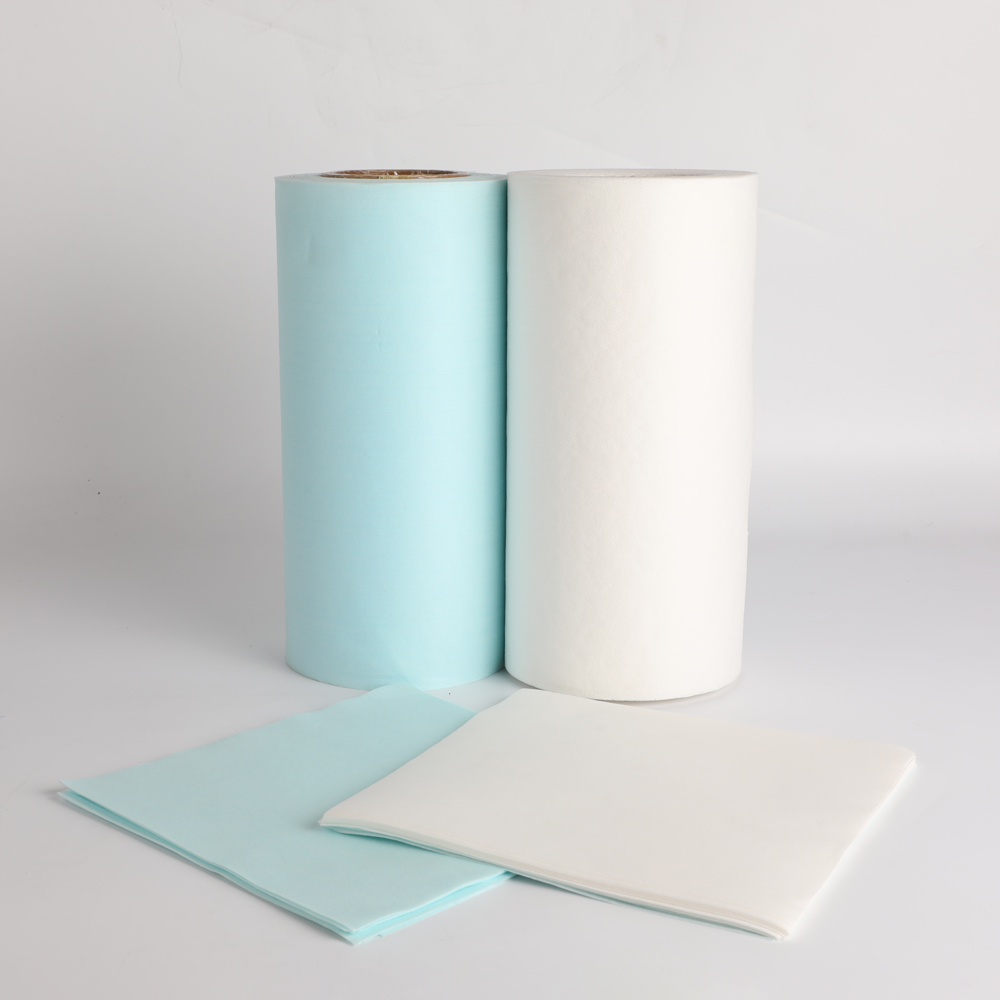 Woodpulp Nonwoven Wipe
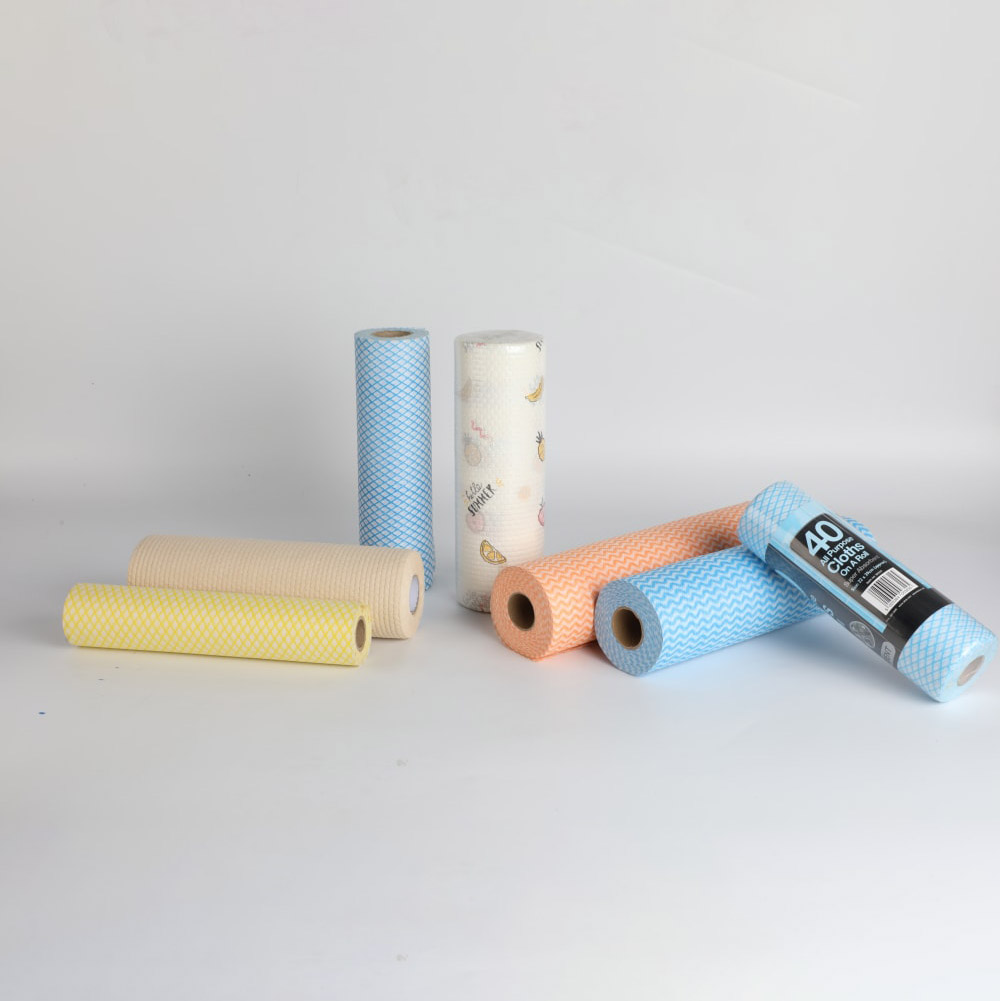 Nonwoven Cleaning Wipe
 Curtain Nonwoven
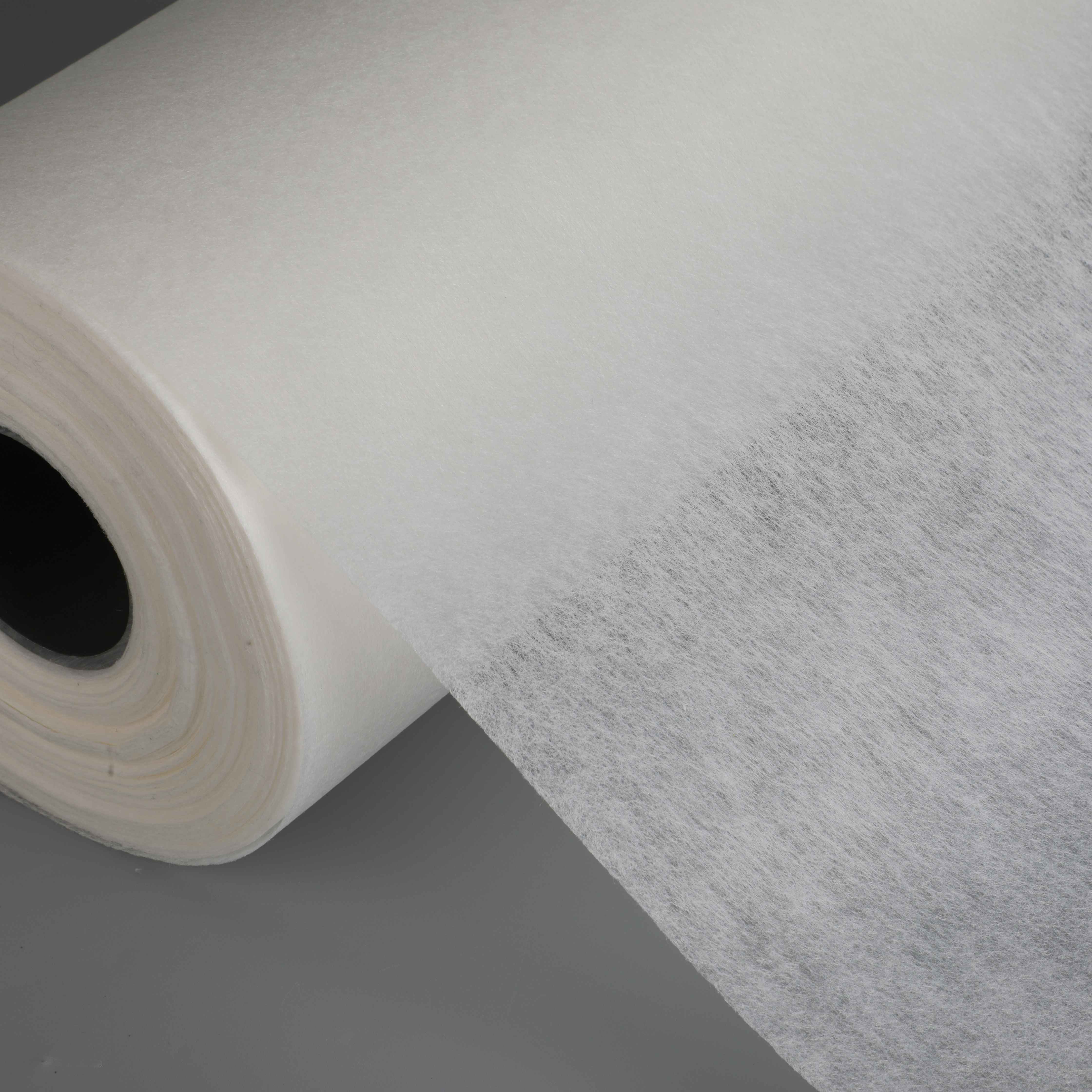 Food Grade Packaging Nonwoven
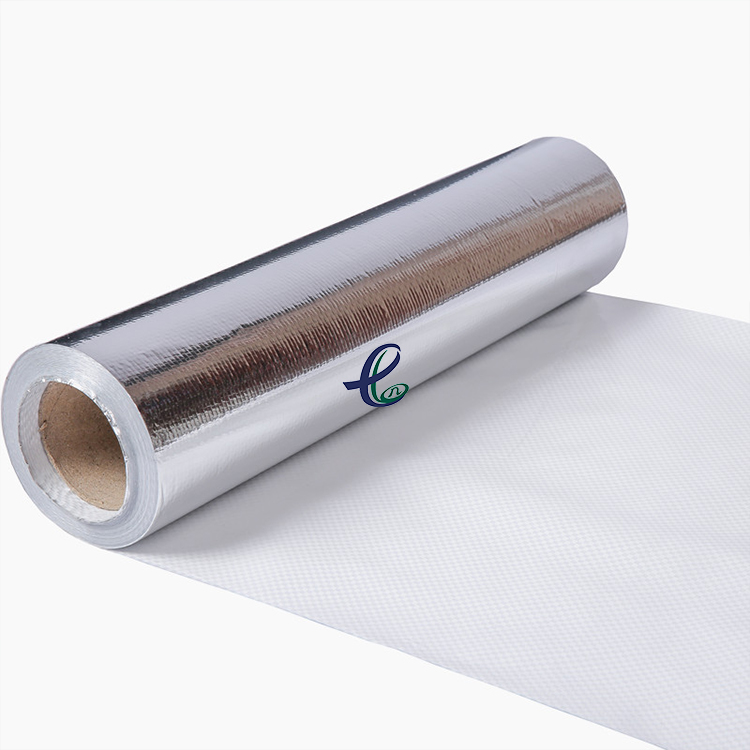 Aluminized Nonwoven
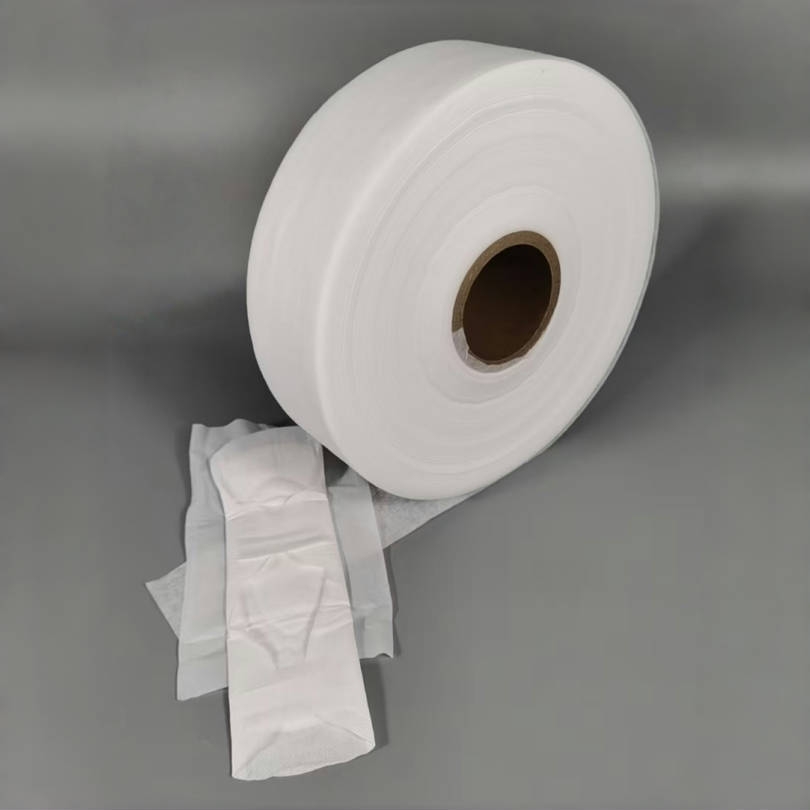 Hot Air Cotton Nonwoven
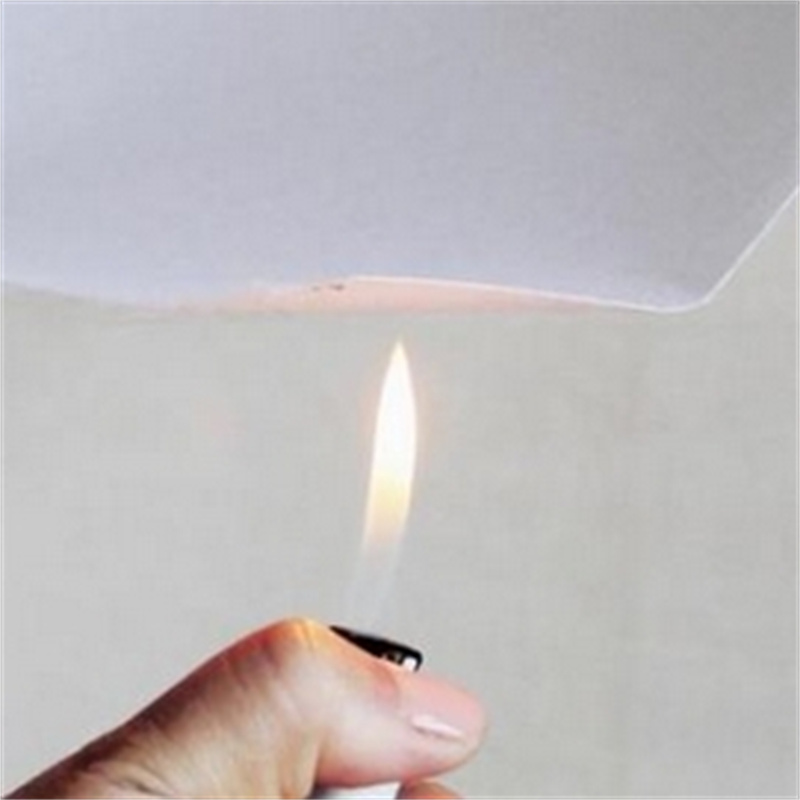 Flame Retardant Nonwoven
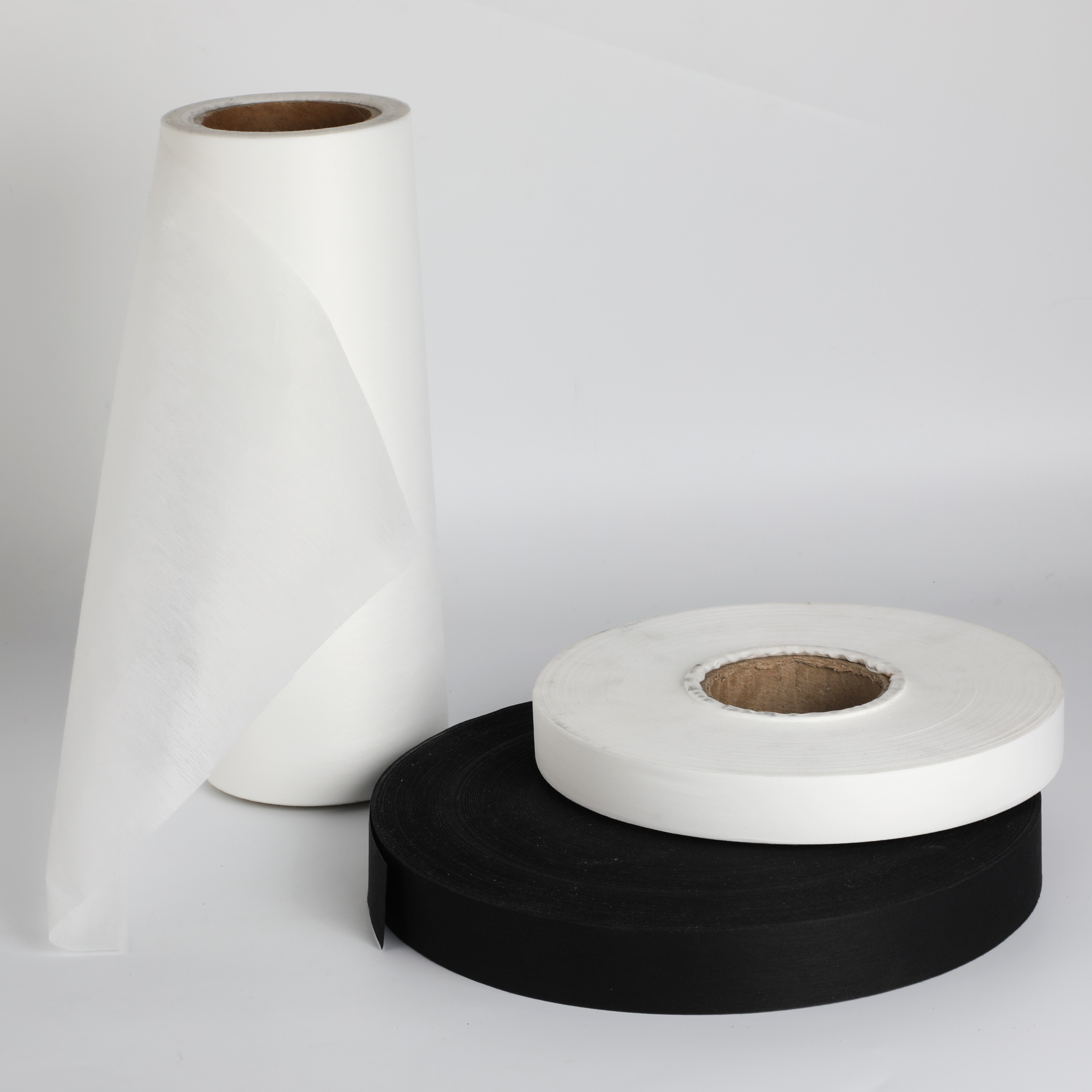 Cable Wrapping Nonwoven
 Semi-conductive Nonwoven
 Anti-Bacterial Nonwoven
 +8613957712400
 CONTACT WhatsApp
 CONTACT WeChat
 CONTACT NUMBER
 CONTACT EMAIL