What is a Nonwoven Wipe and Why is it Essential?
Nonwoven wipes have become an essential tool in various industries, from healthcare to food service. The Global Nonwoven Wipe Market report indicates a projected growth rate of 4.5% annually, showcasing their increasing importance. These wipes offer superior cleaning and sanitizing capabilities compared to traditional cloths. Their unique composition allows for better absorption and durability, making them ideal for demanding environments.
In healthcare settings, nonwoven wipes are vital for infection control. The Centers for Disease Control and Prevention recommend using these wipes for effective disinfection. As a result, they help in minimizing hospital-acquired infections, contributing to patient safety. Many manufacturers have started to innovate, producing wipes that are biodegradable, appealing to eco-conscious consumers.
Despite their benefits, some concerns linger. There is a growing scrutiny over nonwoven materials' environmental impact. While they provide convenience, the sustainability of their production and disposal is questioned. This calls for further research into eco-friendly alternatives. Ultimately, the value of nonwoven wipes is clear; yet, reflecting on their environmental footprint is crucial for the industry's future.
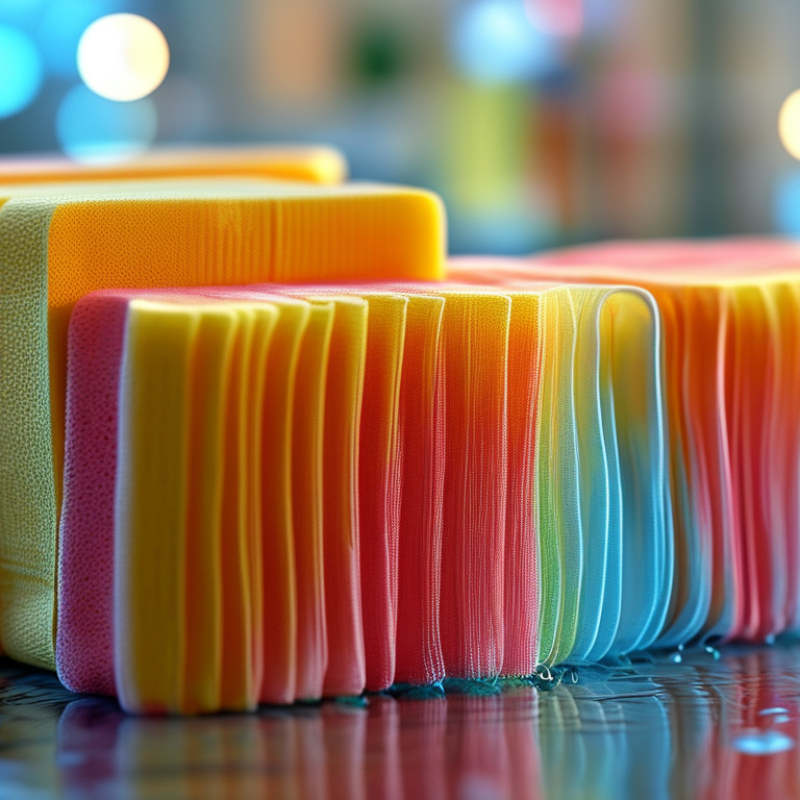
What are Nonwoven Wipes?
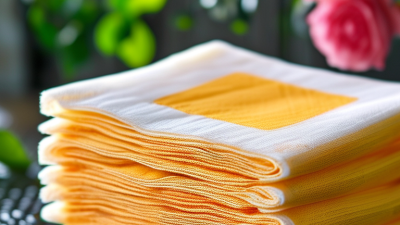
Nonwoven wipes are versatile cleaning materials made from synthetic fibers. Unlike traditional cloths, these wipes are bonded together without weaving. This unique formation enhances their absorbency and durability, making them ideal for various applications. The global nonwoven wipes market is projected to reach $12 billion by 2026, emphasizing their growing importance.
The production process of nonwoven wipes involves various technologies, including spunlace and meltblown. These methods provide wipes with different textures and qualities. Data from industry analysts indicate that spunlace wipes are particularly popular for their softness, making them preferred for personal care.
Tips: Consider the wipe's texture before purchase. Softer wipes suit sensitive skin. Don’t underestimate the importance of proper disposal methods. Many nonwoven wipes aren’t biodegradable, which poses environmental challenges.
While nonwoven wipes offer convenience, they often lead to waste issues, reflecting a need for sustainable options. Manufacturers are exploring eco-friendly materials to address this concern, but the transition remains complex. Balancing convenience with environmental responsibility calls for careful choices in usage and disposal.
The Manufacturing Process of Nonwoven Wipes
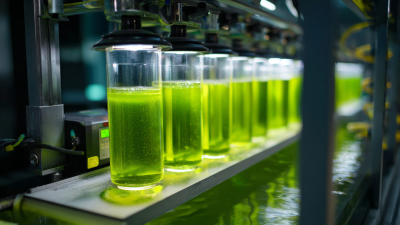
Nonwoven wipes are integral to various industries, owing to their versatile applications. The manufacturing process begins with staple fibers. These fibers undergo either spunlace or meltblown techniques to form a nonwoven fabric. Spunlace involves jetting high-pressure water through layers of fibers, entangling them. In contrast, meltblown technology uses heat to extrude polymer fibers, creating a lightweight fabric. According to a recent market report, the global nonwoven fabric market is projected to reach $35 billion by 2027, showcasing the growing demand for nonwoven wipes.
Quality control is critical during manufacturing. The wipes must meet specific criteria for absorbency and durability. Industry standards dictate that wipes should withstand rigorous use without disintegrating. Testing for these qualities can be a challenge. This phase of production demands meticulous attention to detail. However, some manufacturers may overlook minor flaws, leading to inconsistent product quality. Despite advances in technology, achieving absolute perfection in nonwoven wipes can still be elusive.
Environmental factors also play a role in the process. Many manufacturers face challenges related to sustainability. Biodegradable materials are becoming more popular, but they often come with a higher price tag. A balance must be struck between cost and eco-friendliness. As the industry evolves, these challenges inspire innovation. Manufacturers must continue to reflect on their processes to stay competitive while addressing consumer concerns.
Key Characteristics and Benefits of Nonwoven Wipes
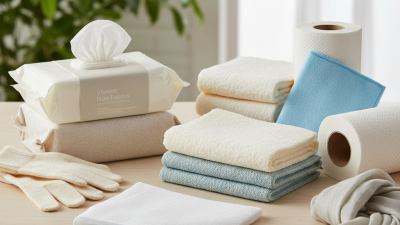
Nonwoven wipes are unique cleaning tools made from fibers bonded together through various processes. They offer several key characteristics that enhance their functionality. Their absorbent nature allows them to soak up liquids effectively. Unlike traditional cloths, nonwoven wipes don't leave lint behind. This makes them suitable for cleanroom environments where cleanliness is critical.
Another advantage of nonwoven wipes is their durability. These wipes are designed to withstand rigorous use without falling apart. They do not fray or break down easily, maintaining their integrity during cleaning tasks. Additionally, they are lightweight and easy to use. This makes them ideal for both professional settings and everyday tasks.
While nonwoven wipes provide many benefits, their environmental impact is a point of concern. Many wipes are single-use and contribute to waste. It's important to reflect on sustainable alternatives that can reduce environmental footprints. Educating users on proper disposal methods can also mitigate some of these issues. Balancing convenience with responsibility is vital when incorporating nonwoven wipes into cleaning routines.
Key Characteristics and Benefits of Nonwoven Wipes
Applications of Nonwoven Wipes in Various Industries
Nonwoven wipes are versatile tools used across various industries. Their unique properties make them ideal for applications in healthcare, automotive, and food service. In healthcare, nonwoven wipes are crucial for disinfecting surfaces. They are designed to trap dirt and bacteria effectively. In hospitals, the use of these wipes supports infection control. However, improper disposal can lead to environmental issues.
The automotive industry benefits greatly from nonwoven wipes as well. They are used for cleaning and detailing vehicles. Their strength ensures that they can endure tough grime without tearing. In food service, these wipes are indispensable for maintaining hygiene standards. They help in quick clean-ups, but time constraints may lead to rushed jobs, compromising cleanliness.
Overall, nonwoven wipes are essential for maintaining quality and hygiene in various sectors. Their diverse applications demonstrate their importance, yet challenges remain in their environmental impact. The balance between effectiveness and sustainability requires ongoing reflection and innovation.
The Importance of Nonwoven Wipes for Hygiene and Safety
Nonwoven wipes play a vital role in maintaining hygiene and safety across various industries. These wipes are designed for single-use, making them efficient and convenient. According to a report by Smithers Pira, the global nonwoven fabric market is projected to reach $45 billion by 2025, indicating a strong demand for products that prioritize cleanliness.
In healthcare settings, nonwoven wipes are essential for infection control. They reduce the risk of cross-contamination, especially in high-touch areas. A study published in the Journal of Hospital Infection highlights that using nonwoven wipes can lower pathogen transfer rates significantly. This is crucial in preventing healthcare-associated infections, which affect millions of patients each year.
Tips: Always check the material composition of wipes. Opt for those without harmful chemicals. Store wipes in a cool, dry place to maintain their efficacy.
Nonwoven wipes are also gaining traction in food safety. The FDA emphasizes the importance of sanitizing surfaces in food preparation areas. Nonwoven wipes can help ensure compliance with cleanliness standards. However, their effectiveness can be compromised if not used properly. Understanding the correct usage can enhance safety measures.
Tips: Use wipes according to the manufacturer's instructions. For maximum efficiency, ensure surfaces are pre-cleaned before sanitizing.

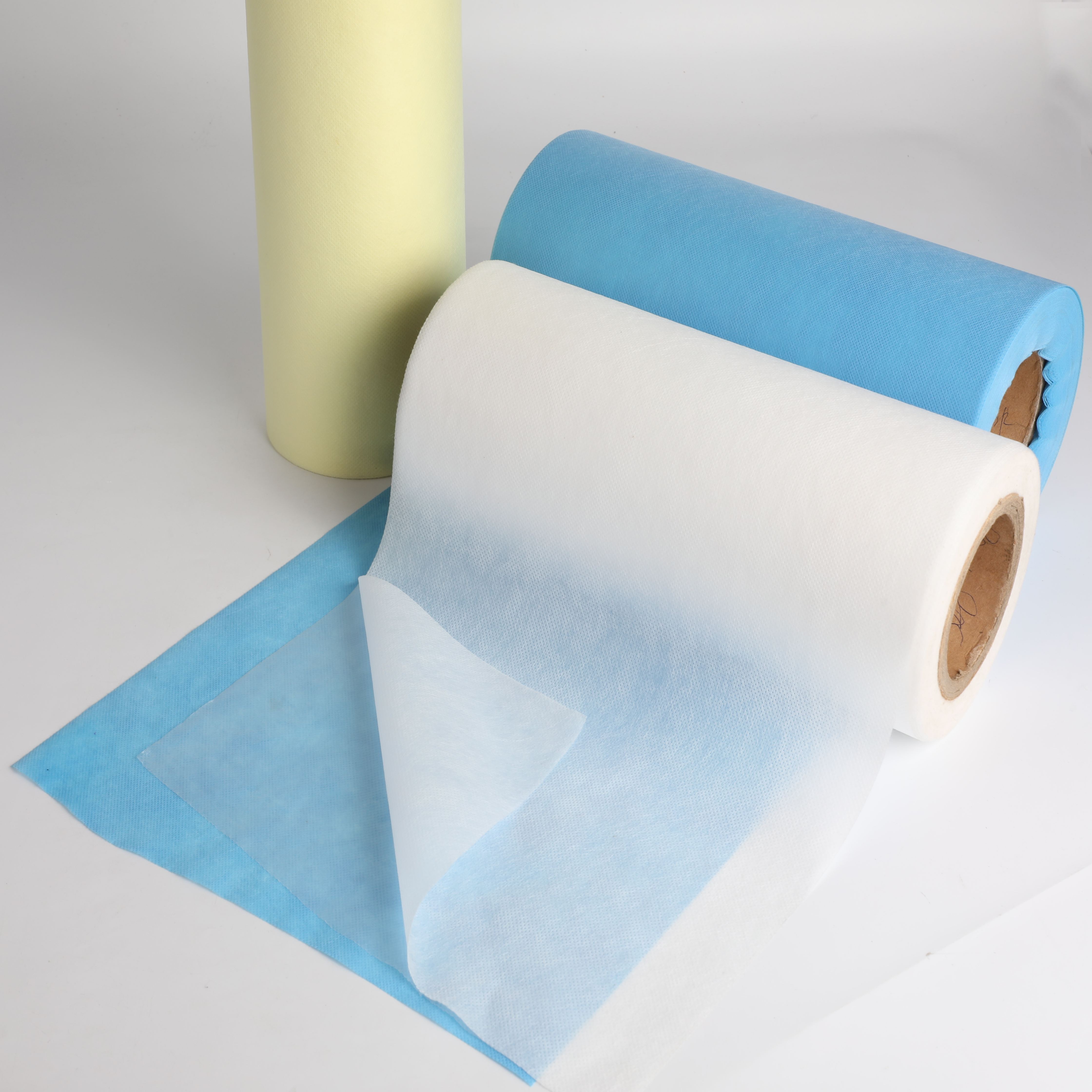 PP Laminates
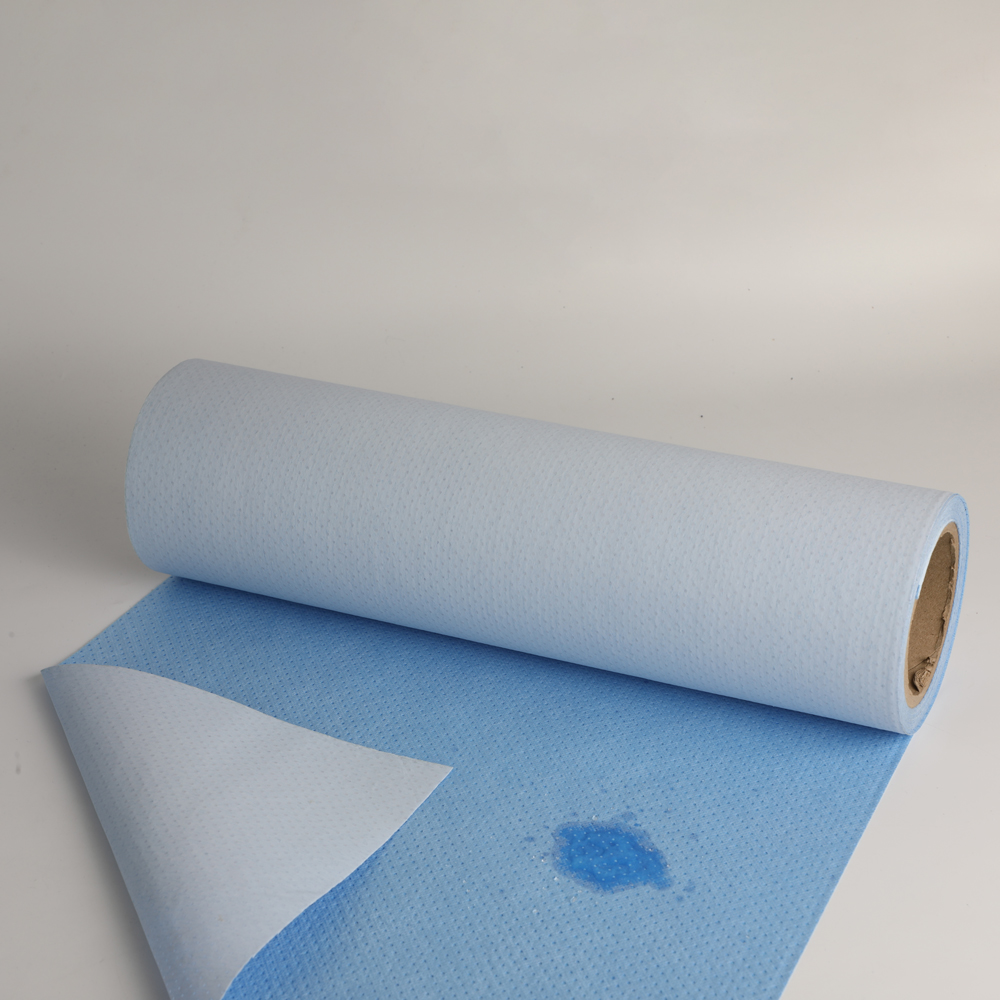 Multi Laminates
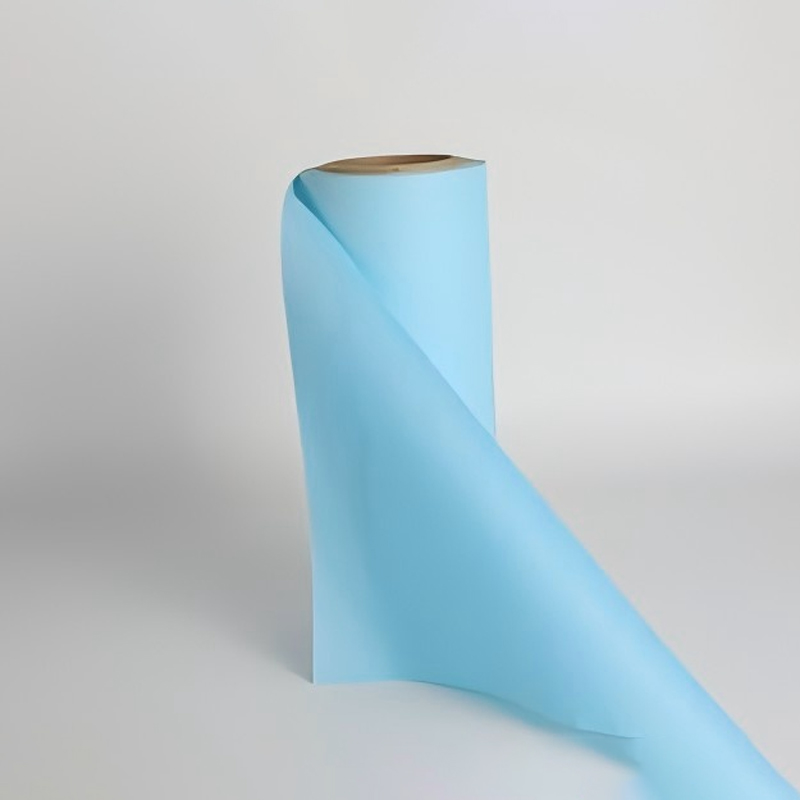 Spunlace Nonwoven Laminates
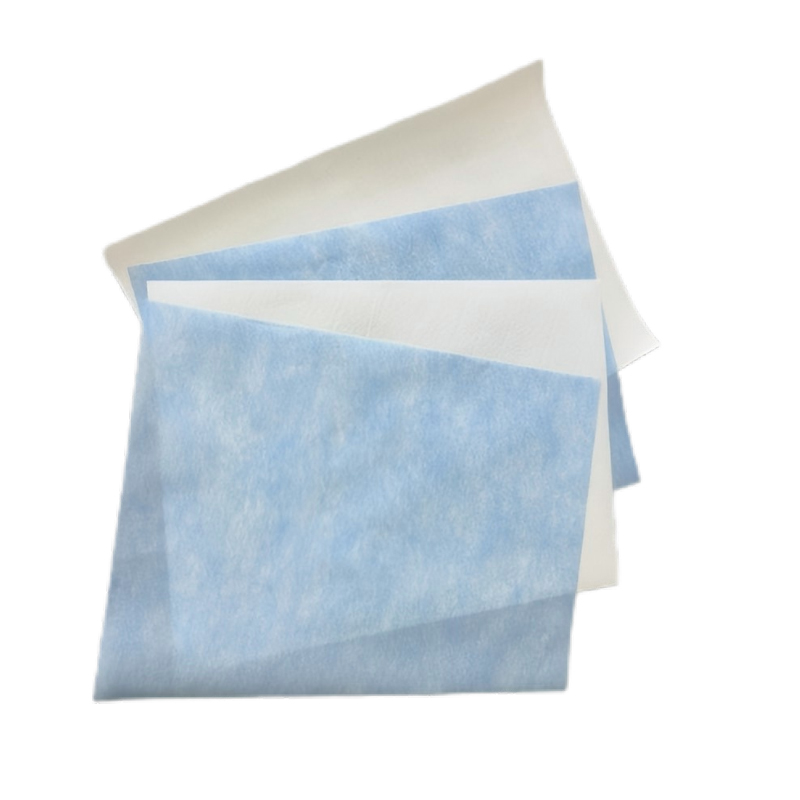 Breathable Film Laminates
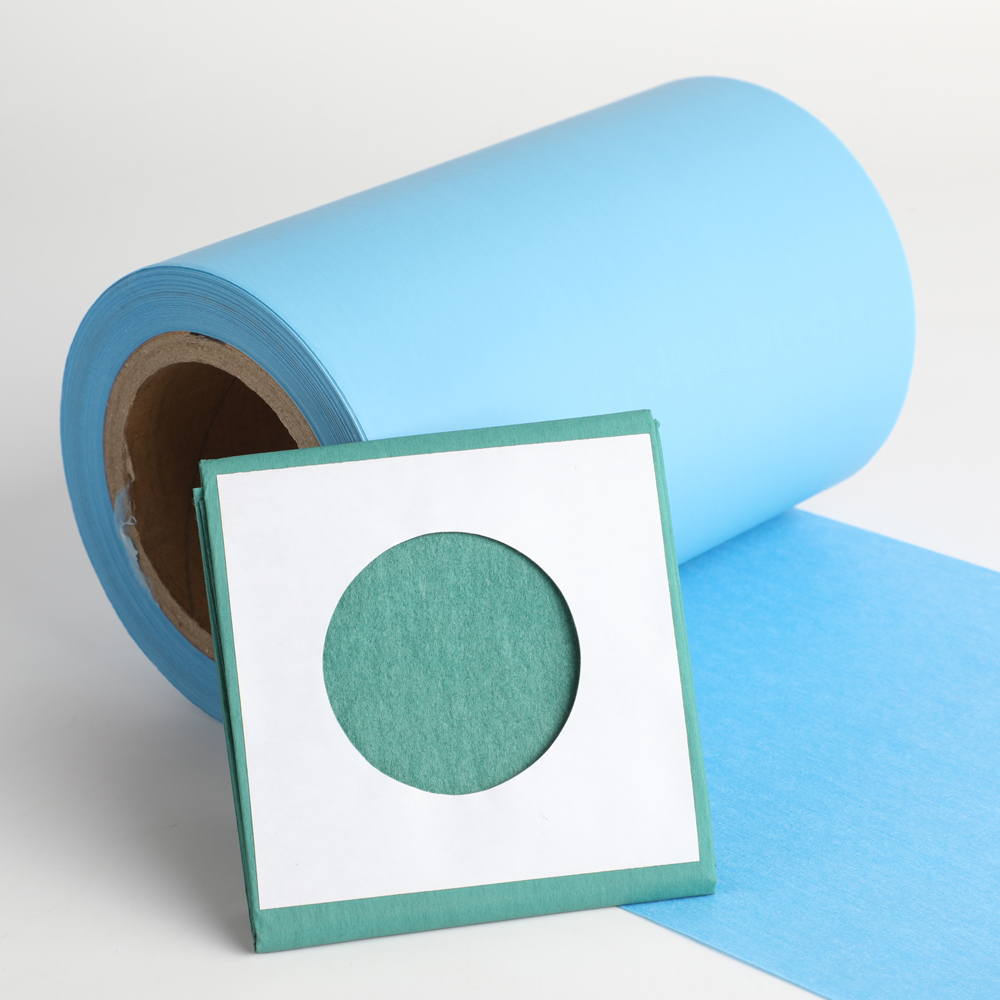 Viscose Laminates
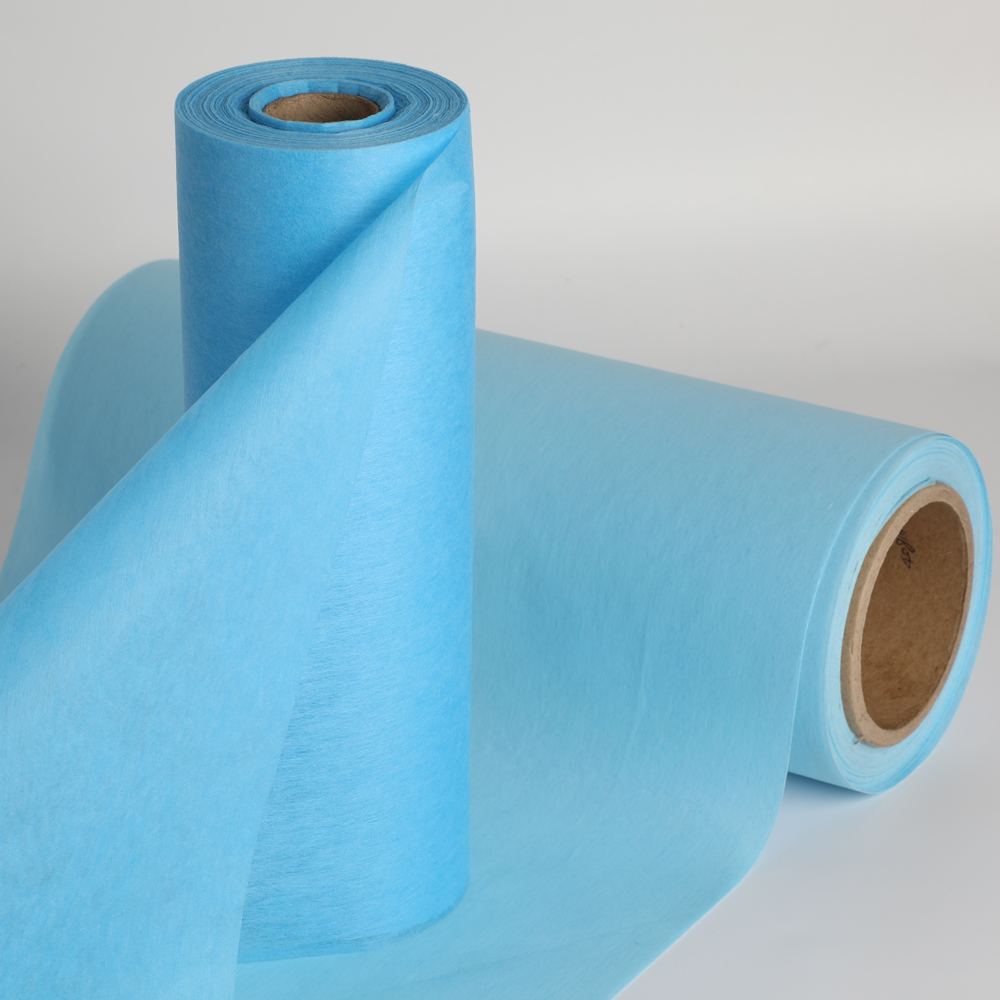 Medical Viscose Nonwoven
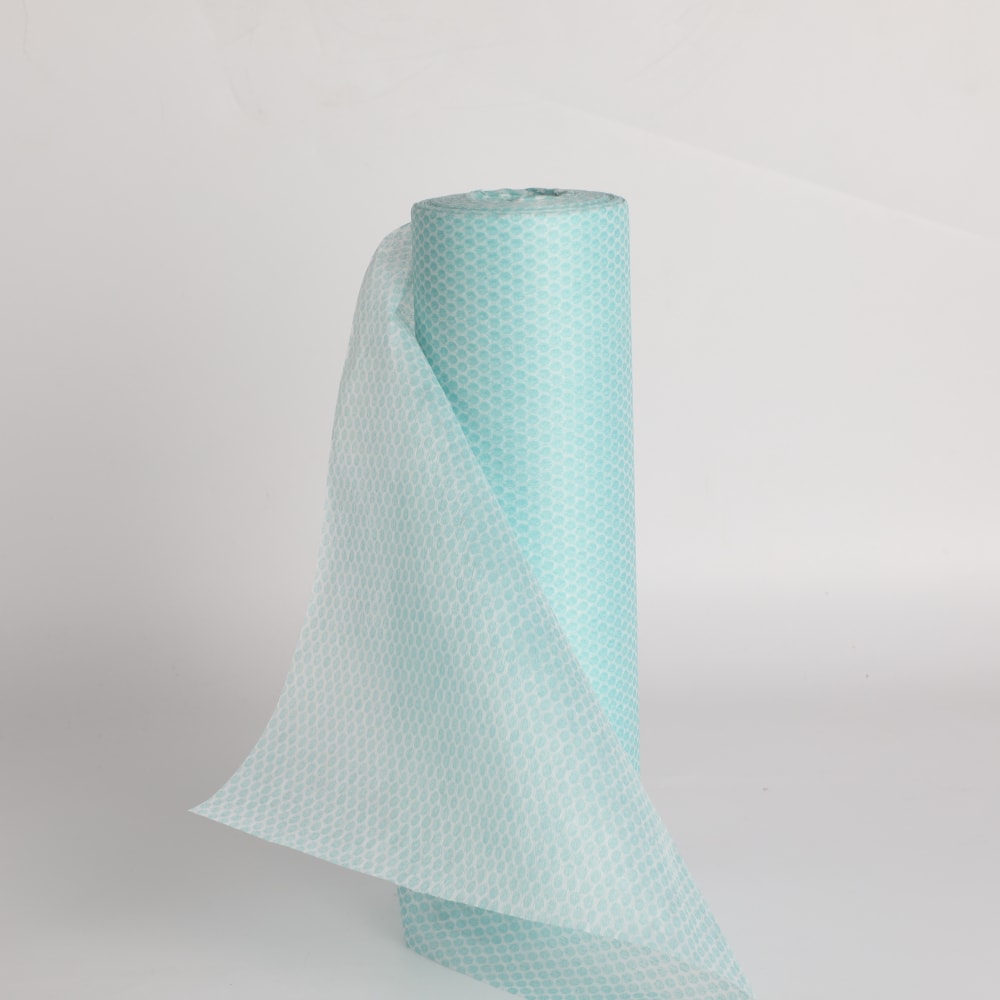 Head Wear Nonwoven
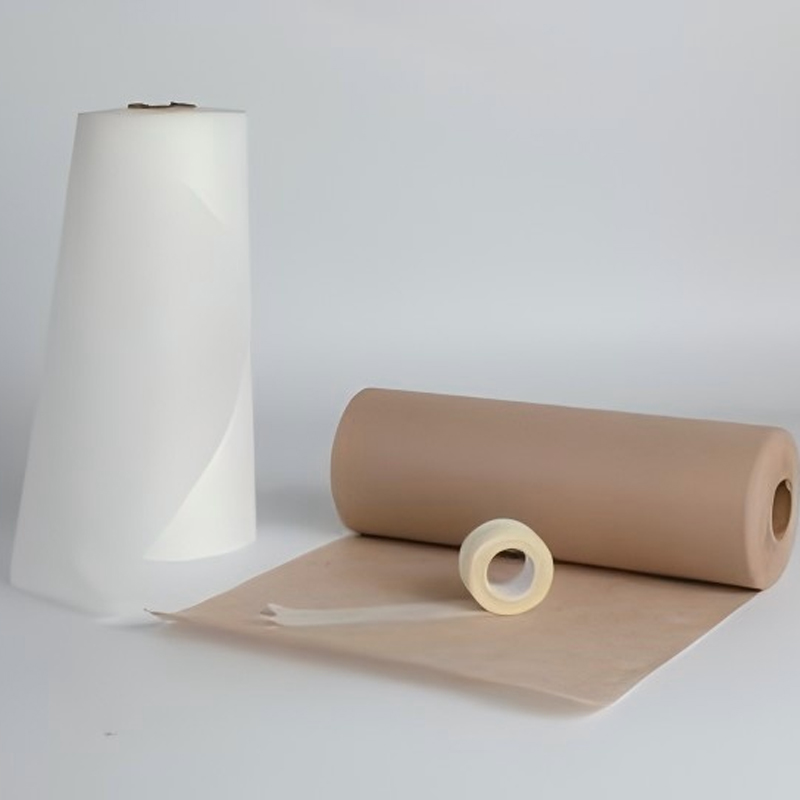 Medical Tape Nonwoven
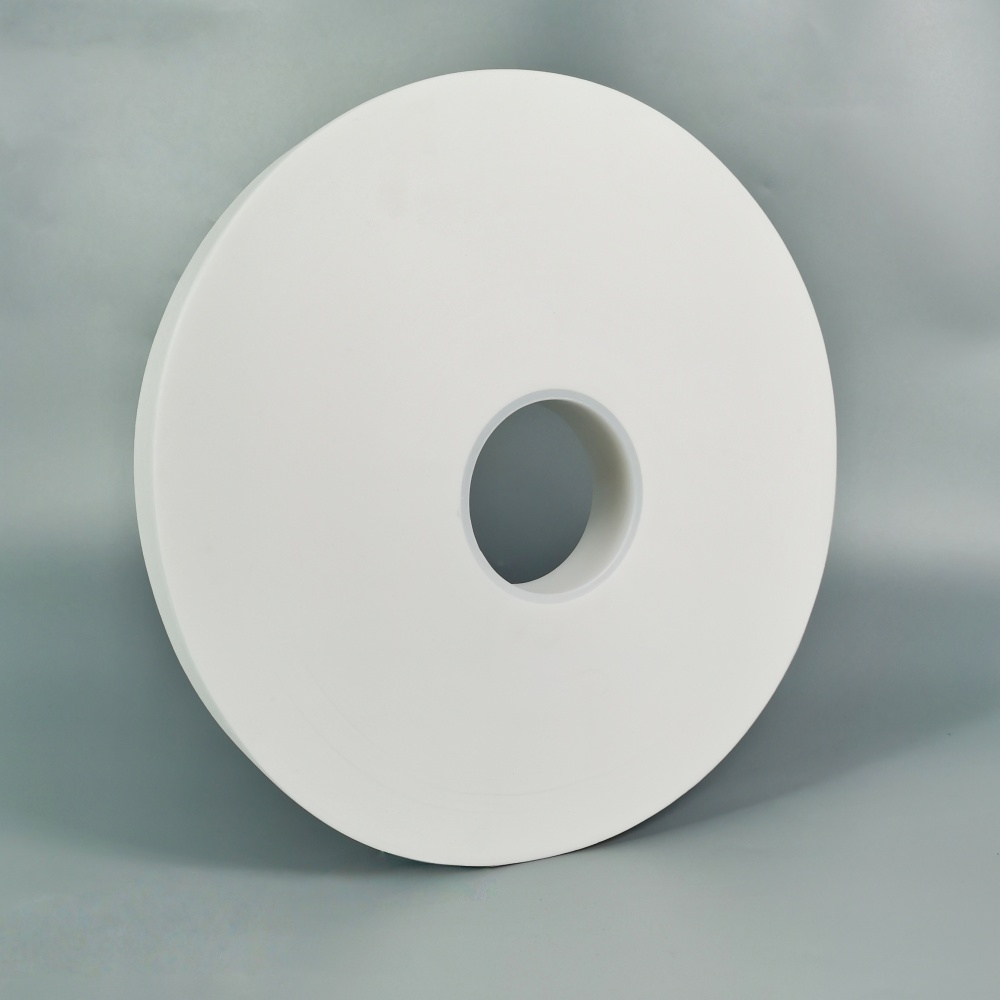 Snus Pouch Nonwoven
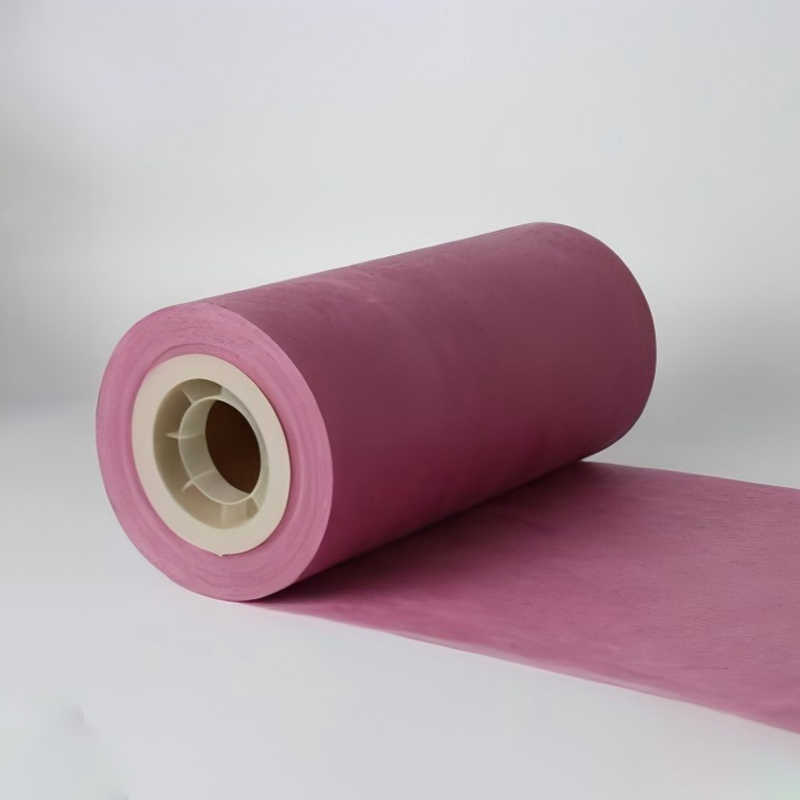 Filtration Nonwoven
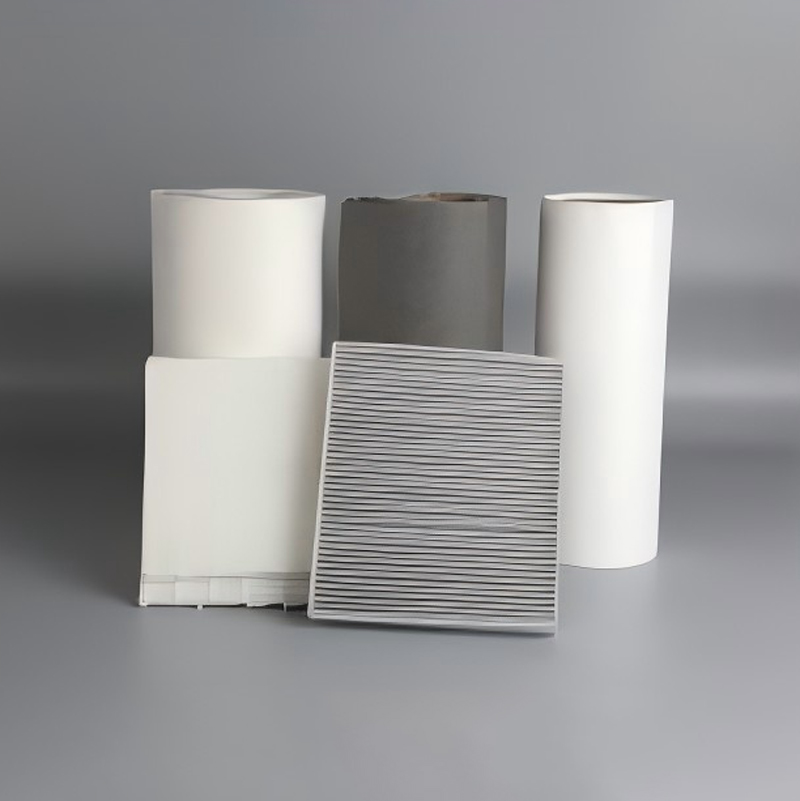 Air Filter Media
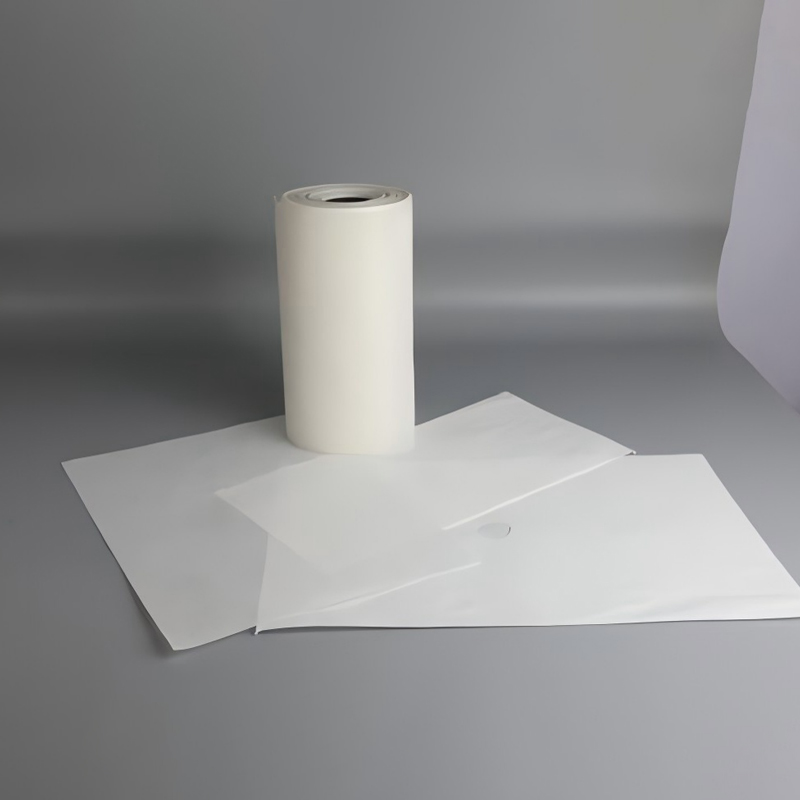 Liquid Filter Media
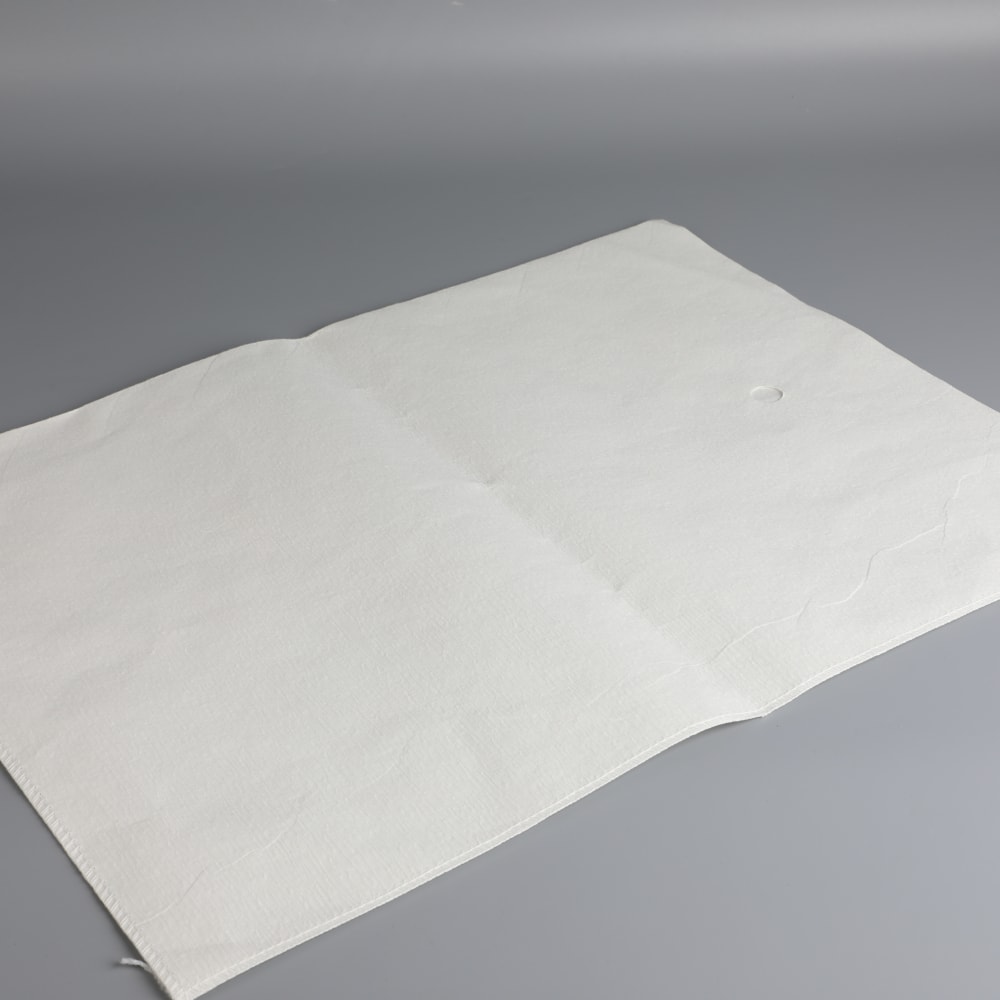 Filter Envelope & Filter Sheet
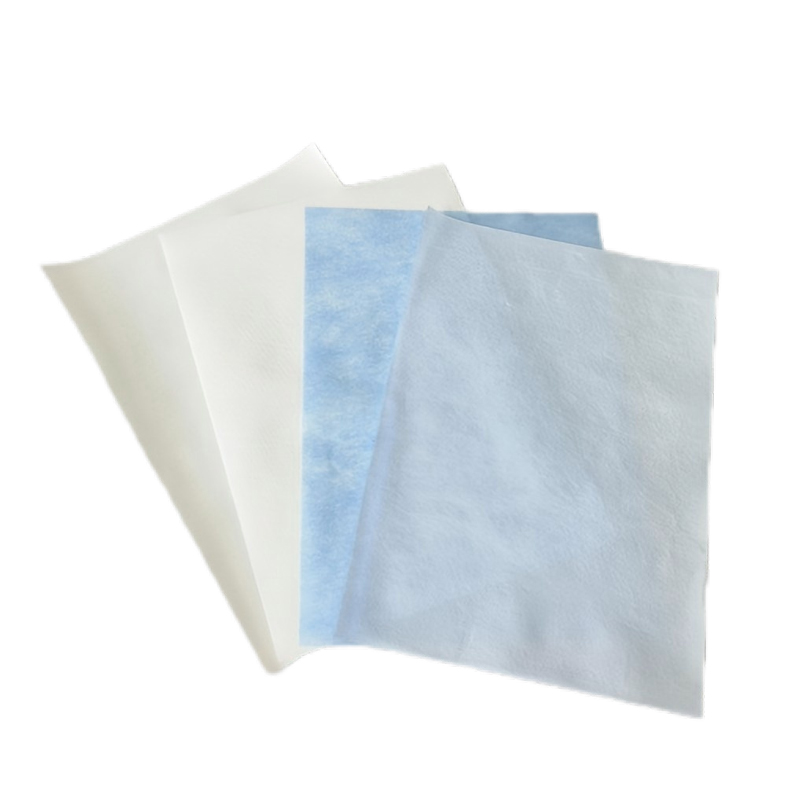 Breathable Film Laminates
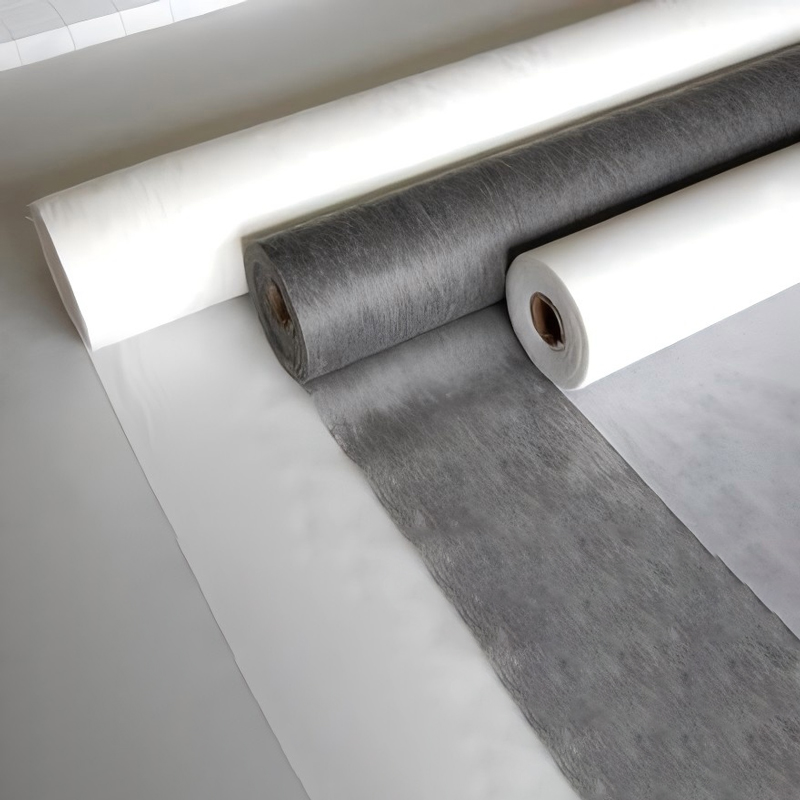 Nonwoven Interlining
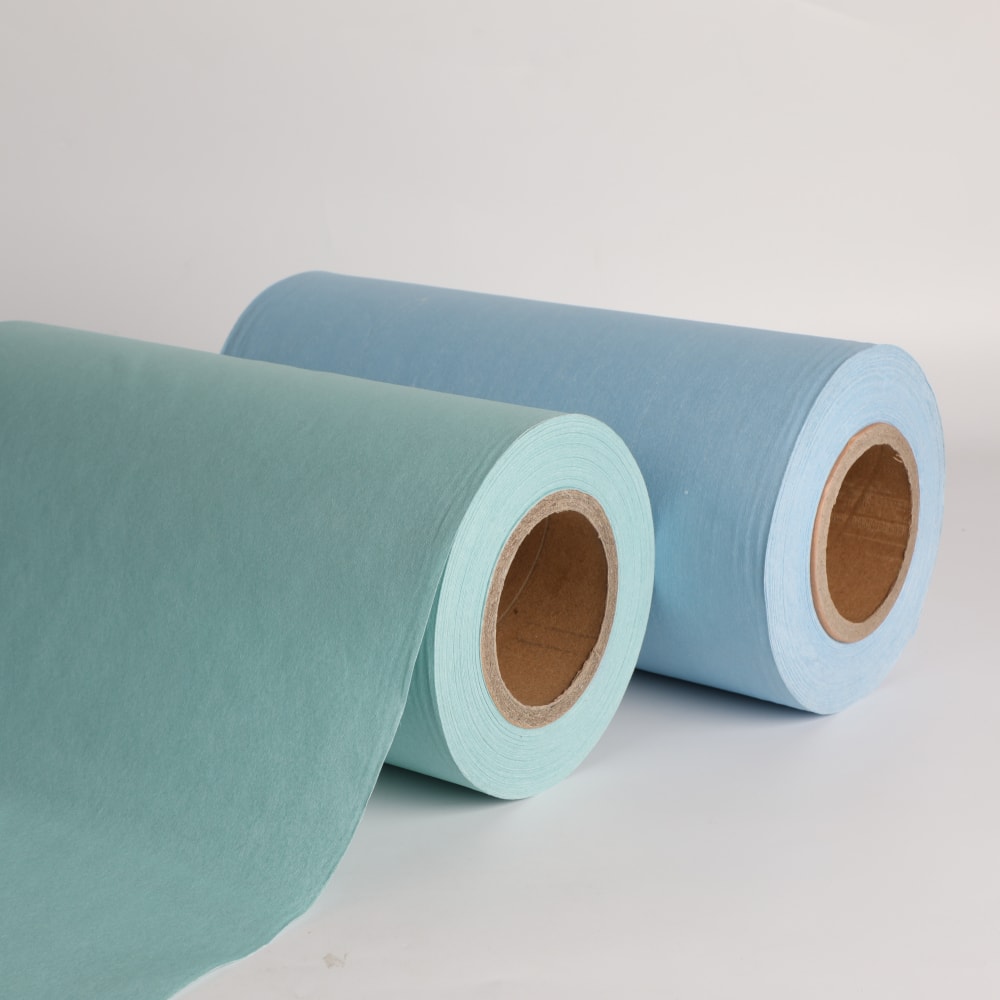 Fluid Repellent Woodpulp Spunlace Nonwoven
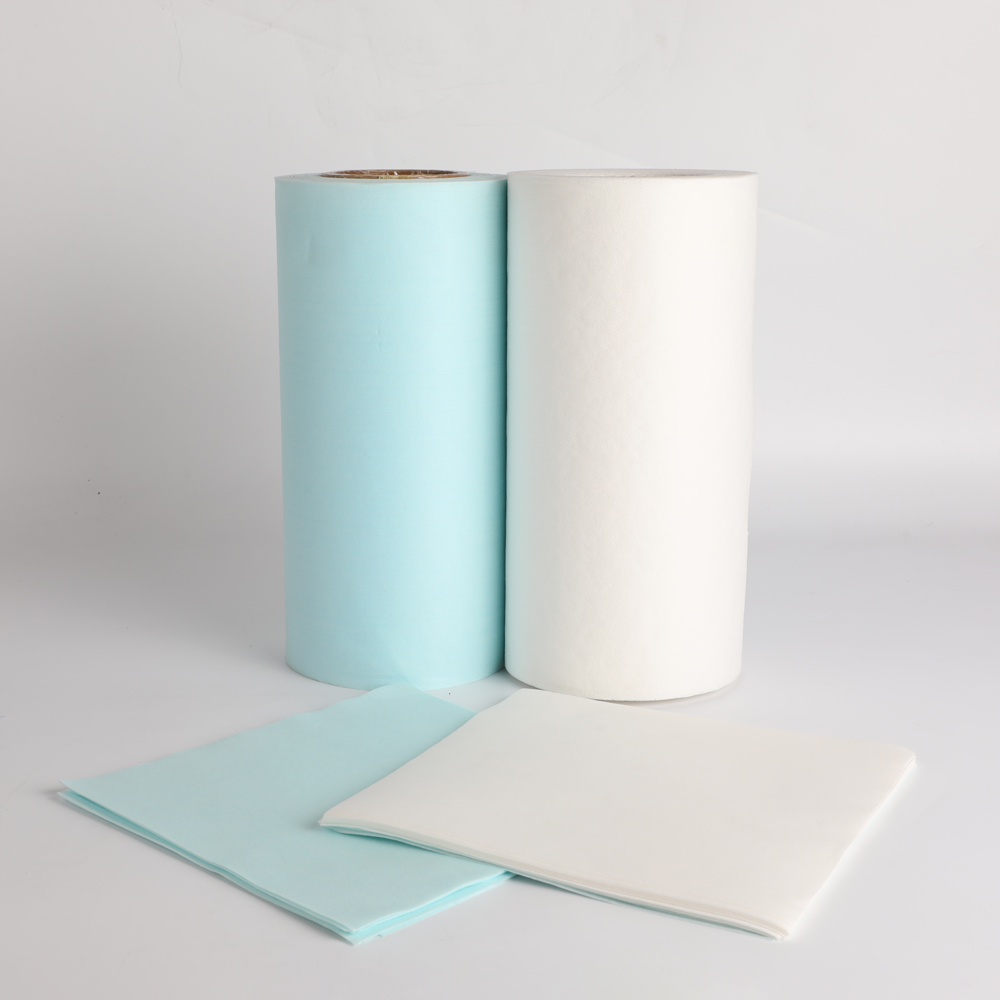 Woodpulp Nonwoven Wipe
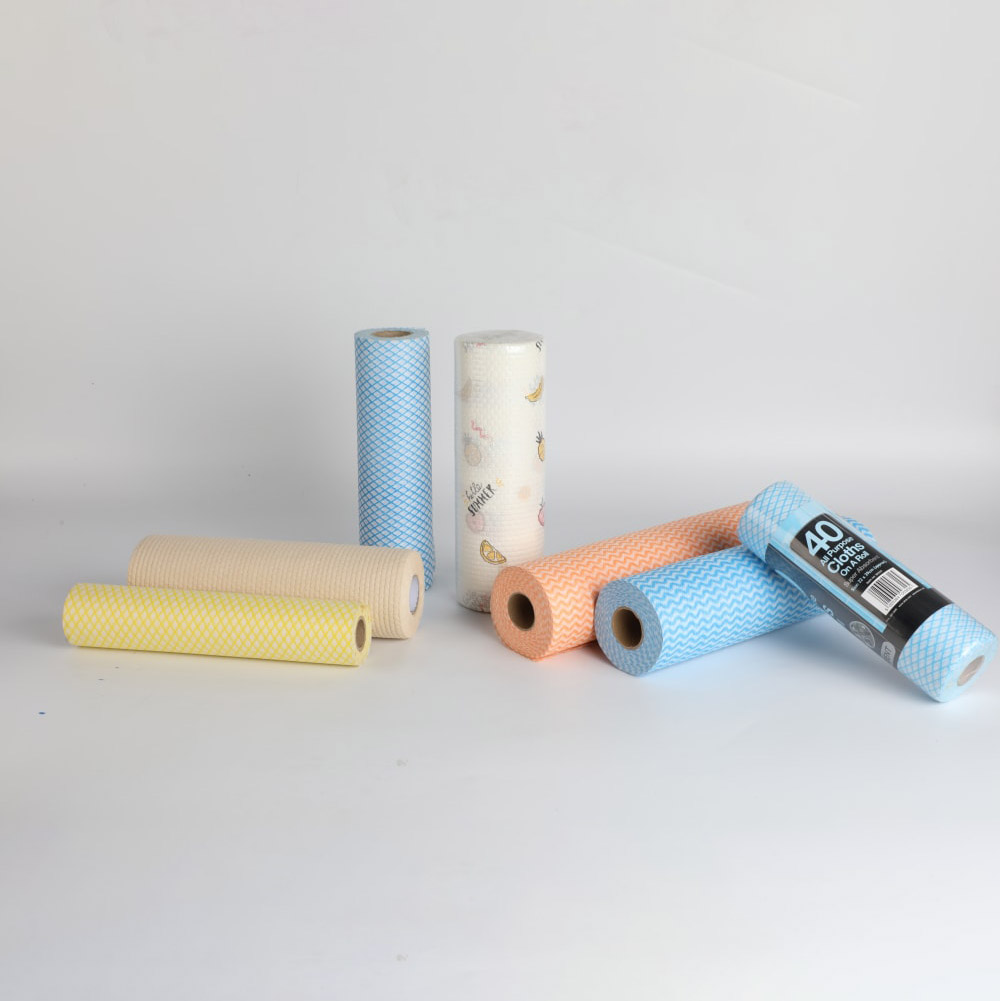 Nonwoven Cleaning Wipe
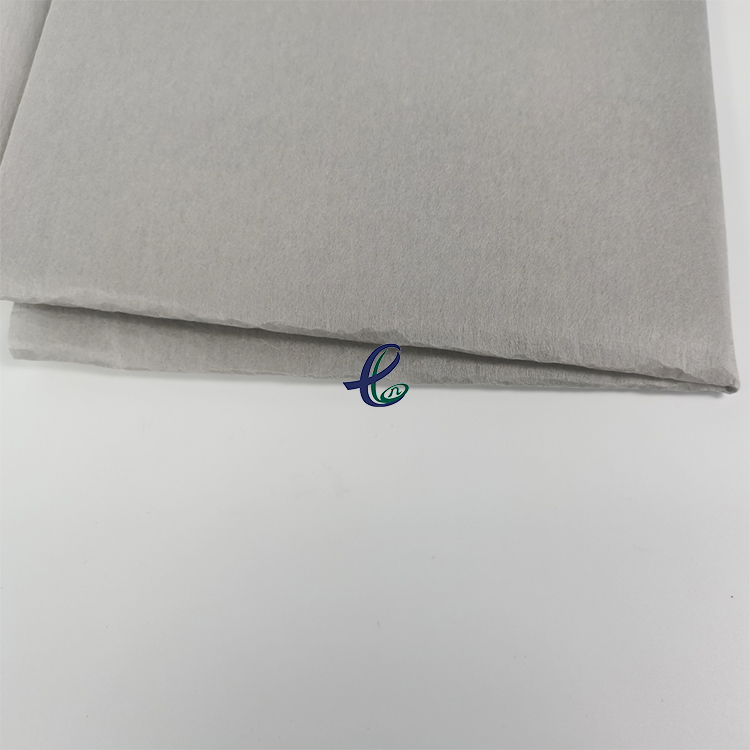 Curtain Nonwoven
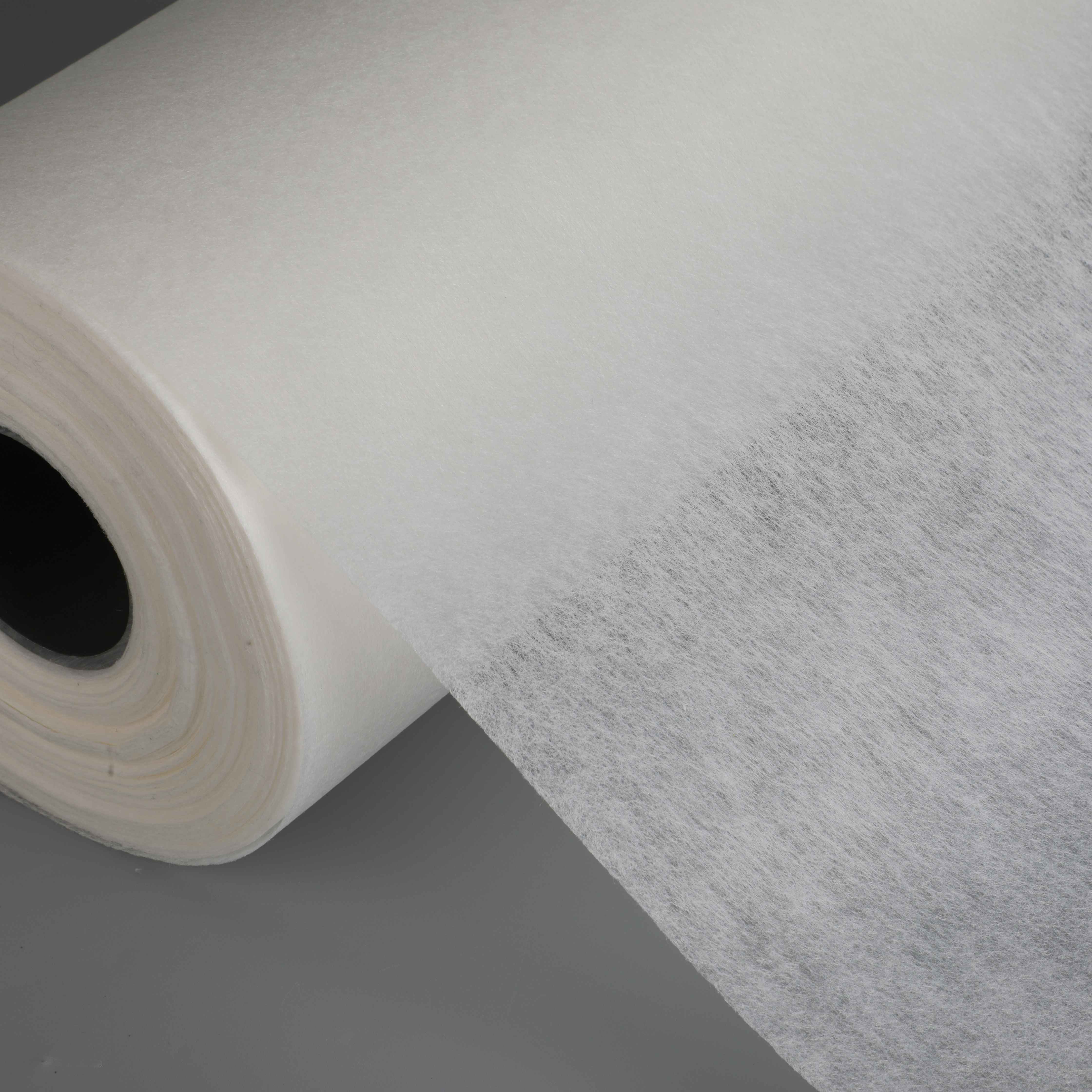 Food Grade Packaging Nonwoven
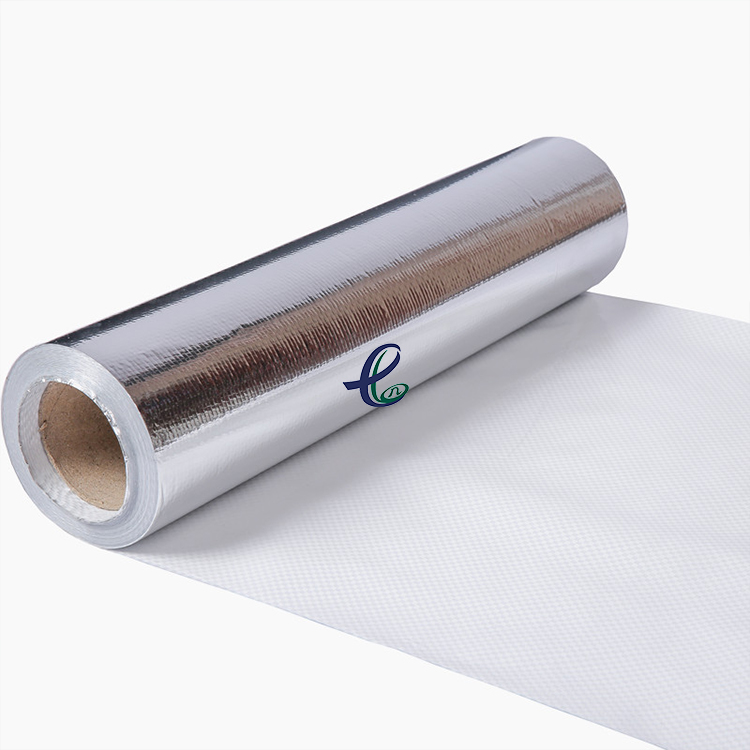 Aluminized Nonwoven
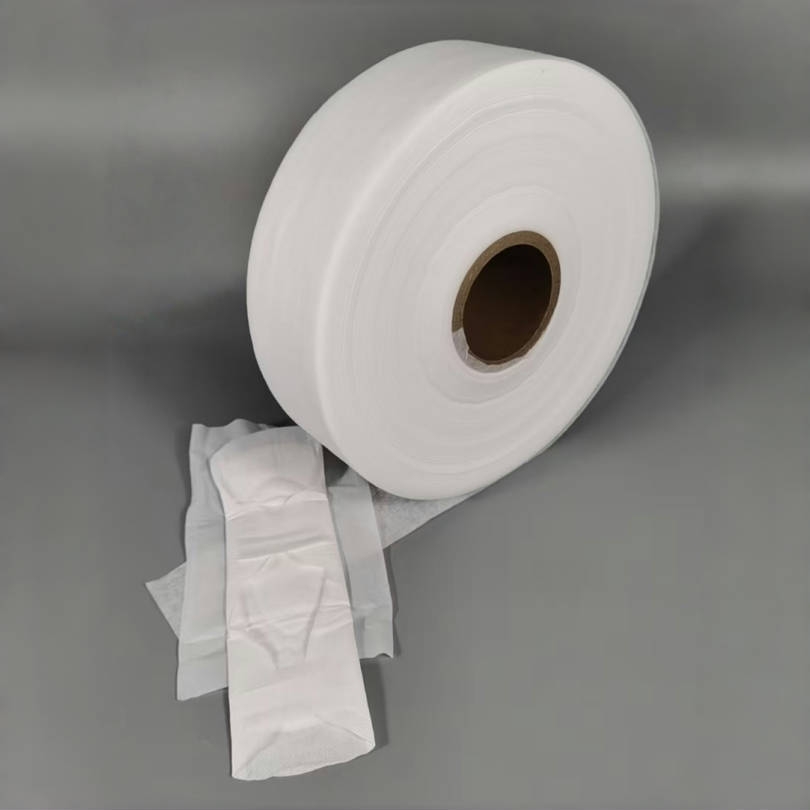 Hot Air Cotton Nonwoven
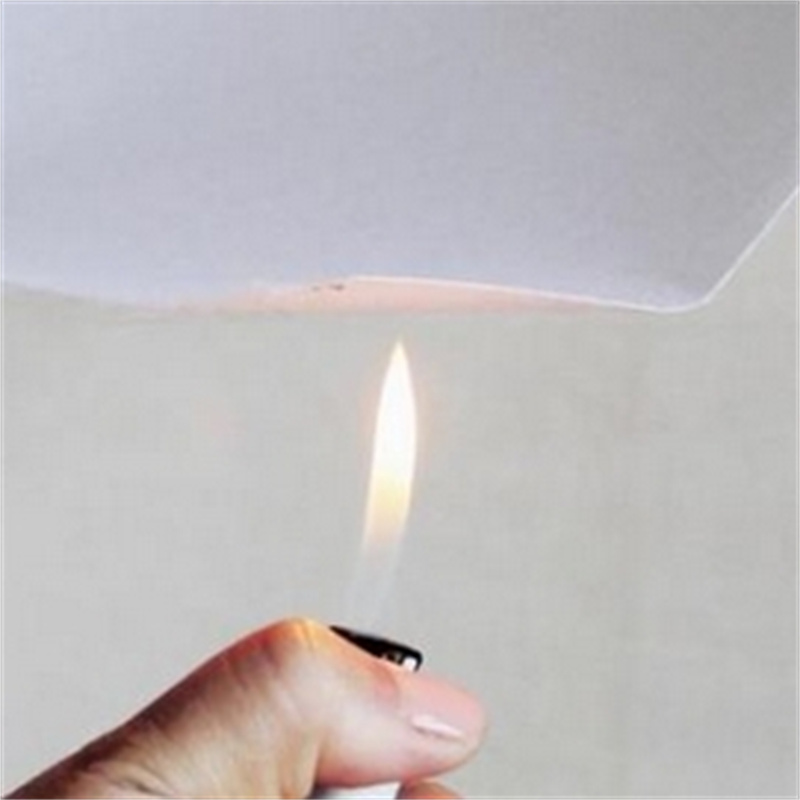 Flame Retardant Nonwoven
 Cable Wrapping Nonwoven
 Semi-conductive Nonwoven
 Anti-Bacterial Nonwoven
 +8613957712400
 CONTACT WhatsApp
 CONTACT WeChat
 CONTACT NUMBER
 CONTACT EMAIL