10 Best Uses of Viscose Nonwoven Fabrics for Everyday Products?
Viscose Nonwoven fabrics have emerged as a versatile material in numerous applications. According to a report by Smithers Pira, the global market for nonwoven fabrics is projected to reach USD $52 billion by 2026, with viscose taking a significant share. This trend reflects growing consumer preference for eco-friendly and biodegradable materials.
These fabrics are not only durable but also soft and comfortable, making them ideal for everyday products. They are commonly used in personal care items, medical applications, and home textiles. Viscose Nonwoven impacts our daily lives, from baby wipes to cleaning cloths. However, the industry struggles with balancing sustainability and production efficiency.
Some manufacturers prioritize cost over quality, leading to issues with longevity and biodegradability. It is essential to educate users about these differences. Understanding the benefits and drawbacks of Viscose Nonwoven can help consumers make informed decisions. As this industry evolves, continuous improvement is vital for maintaining trust and reliability in the market.
Understanding Viscose Nonwoven Fabrics: An Overview
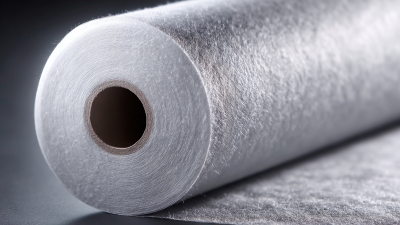
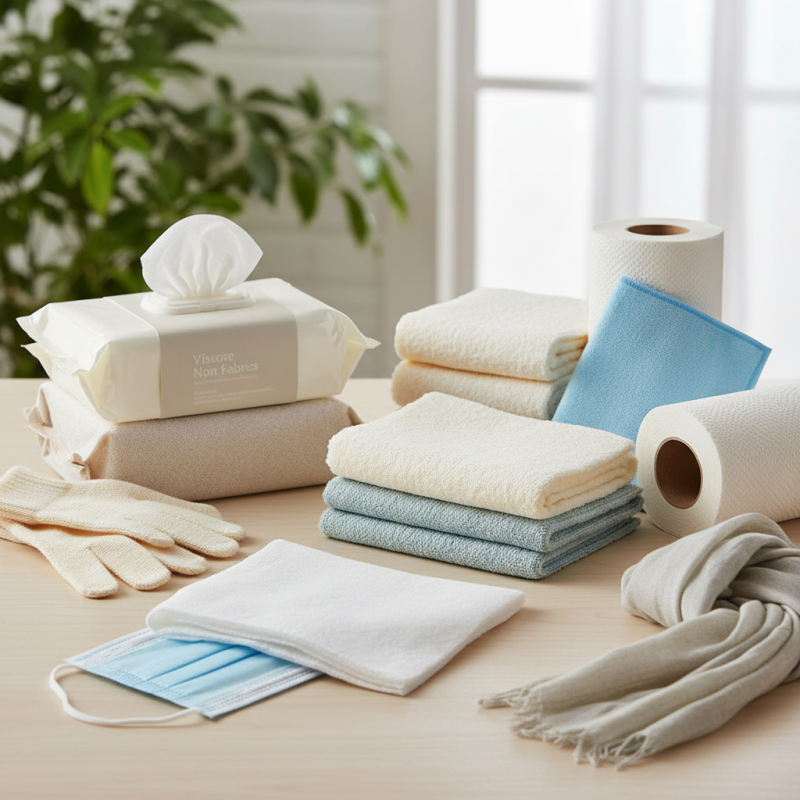
Viscose nonwoven fabrics are increasingly popular in various applications due to their unique properties. These fabrics are made from regenerated cellulose fibers, providing softness and comfort. The production process is versatile, allowing for different textures and strengths. This adaptability makes viscose nonwoven materials suitable for products ranging from hygiene items to medical supplies.
In daily life, you might find these fabrics in face masks, feminine hygiene products, and disposable wipes. Each use necessitates durability yet softness, which viscose delivers efficiently. The breathability of viscose adds to its appeal, especially in applications where moisture management is essential. However, it's critical to evaluate the environmental impact of viscose production, as sourcing practices can vary.
Consumer awareness of material origins is growing. Some viscose fabrics are made from sustainable resources, while others may not be. Understanding these differences helps your choices as a buyer. Transparency in the supply chain is vital for making informed decisions. The expansion of viscose nonwoven usage signals both innovation and the need for critical assessment in their production and application.
10 Best Uses of Viscose Nonwoven Fabrics for Everyday Products
| Use Case |
Description |
Benefits |
| Medical Supplies |
Used in surgical masks, gowns, and drapes. |
Offers breathability and fluid resistance. |
| Hygiene Products |
Applications in diapers, feminine hygiene products, and adult incontinence items. |
High absorbency and softness. |
| Filtration Media |
Used for air and liquid filtration. |
Effective in trapping particles and contaminants. |
| Agricultural Covers |
Used in crop protection and greenhouse covers. |
Promotes plant growth while protecting against pests. |
| Home Furnishings |
In furniture upholstery and curtains. |
Soft texture and aesthetic appeal. |
| Cosmetic Wipes |
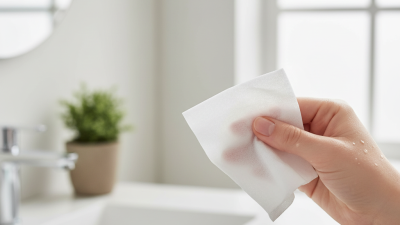
Utilized in facial cleansing and makeup removal wipes. |
Gentle on skin and highly absorbent. |
| Packaging Material |
Environmentally friendly packaging solutions. |
Biodegradable and reduces plastic use. |
| Filters for Beverages |
Used in tea bags and coffee filters. |
Enhances flavor extraction without contamination. |
| Disposable Tableware |
Used in plates, cups, and napkins. |
Convenient and eco-friendly alternatives to plastic. |
| Crafting Materials |
For creating art projects and decorations. |
Versatile and easy to work with. |
The Production Process of Viscose Nonwoven Fabrics
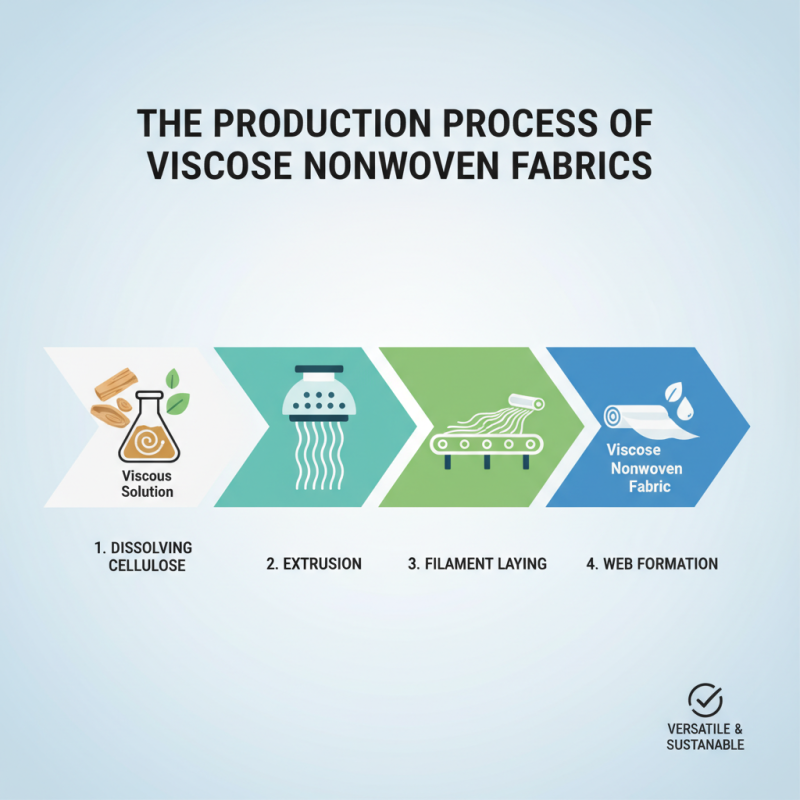
Viscose nonwoven fabrics are becoming increasingly popular due to their versatility in everyday products. Understanding the production process is key to appreciating their benefits. The process begins with dissolving cellulose, often sourced from wood pulp. This creates a viscous solution. This solution is then extruded through spinnerets, forming continuous filaments. These filaments are laid down on a conveyor belt, forming a web.
After the web is formed, it undergoes a bonding process. This can be achieved through thermal bonding, where heat is applied to fuse the fibers. Alternatively, chemical bonding may be used, employing adhesives for strength. This step is crucial, as the bonding method can affect the fabric's texture and durability. Following bonding, the material is further processed through washing, drying, and sometimes, dyeing. Each of these steps influences the final product and its environmental footprint.
There are challenges, too. For example, selecting sustainable materials is essential but can be complex. Also, managing waste during production remains a concern. Innovations in technology are needed to address these issues. Examining each phase of the process reveals both the potential and limitations of viscose nonwoven fabrics in everyday applications.
Common Characteristics and Benefits of Viscose Nonwoven Materials
Viscose nonwoven fabrics are gaining popularity for their unique properties. These materials are derived from natural cellulose fibers, offering versatility and eco-friendliness. In recent years, the textile industry has reported that the global nonwoven fabric market is expected to reach USD 50 billion by 2025, with viscose playing a significant role.
One common characteristic of viscose nonwoven fabrics is their moisture absorption. This property makes them ideal for hygiene products. Studies show that these fabrics can absorb up to 50% more moisture compared to synthetic fibers. They are breathable and soft, which enhances comfort. However, their durability can sometimes be a limitation. While they are great for single-use products, some consumers may seek long-lasting options.
Additionally, viscose nonwoven fabrics are biodegradable. This aligns with growing consumer demand for sustainable products. The environmental impact of textiles is an ongoing concern. The European Commission estimates that textiles account for around 5% of global waste. Surprisingly, not all viscose products meet strict environmental standards. Manufacturers must improve transparency in sourcing and production practices to build trust with consumers. This ongoing challenge highlights the need for constant innovation in developing eco-friendly solutions.
Top 10 Everyday Products Utilizing Viscose Nonwoven Fabrics
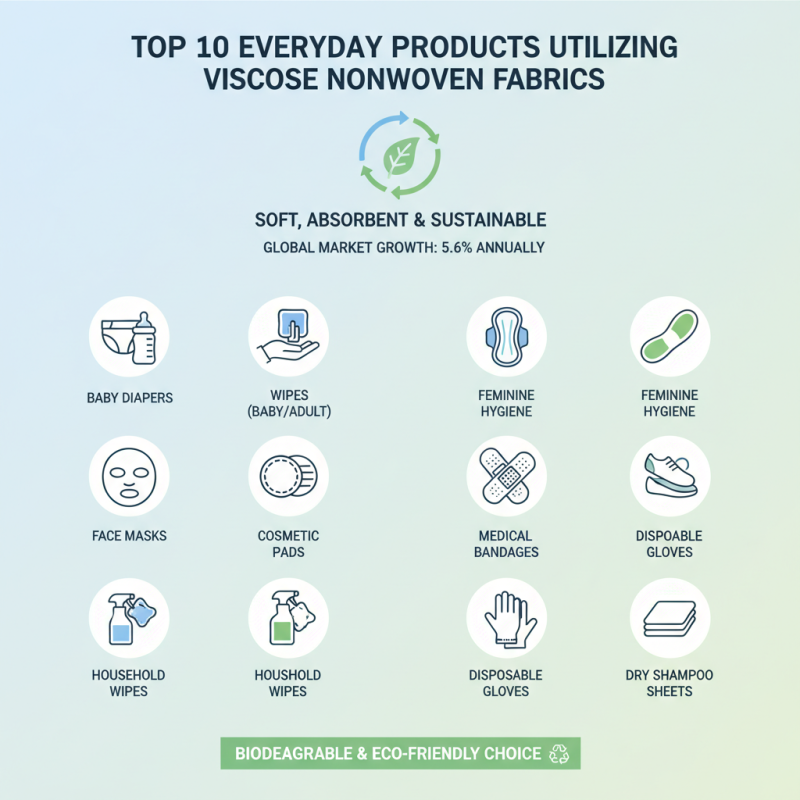
Viscose nonwoven fabrics are becoming increasingly popular in everyday products due to their softness, absorbency, and sustainability. Reports indicate that the global nonwoven fabric market is expected to grow by 5.6% annually, highlighting the demand for versatile materials like viscose. These fabrics are widely used in personal hygiene products, such as wipes and diapers. Their biodegradable nature makes them an eco-friendly choice.
In the medical field, viscose nonwoven fabrics are crucial. They are used in surgical gowns and masks, providing effective protection while being comfortable for long wear. The absorbent qualities help manage moisture, which is essential in healthcare settings. Moreover, they also find their way into household products, like cleaning cloths and kitchen towels, combining functionality with environmental considerations.
Tips: When choosing products made from viscose nonwoven fabrics, check for certifications that confirm their source and biodegradability. Look for items that minimize environmental impact while meeting performance standards. It's worth considering that while these fabrics offer many benefits, continuous improvement methods are necessary to enhance their production processes. Emphasizing sustainable practices in manufacturing can lead to more responsible consumption.
Sustainability and Environmental Impact of Viscose Nonwoven Fabrics
Viscose nonwoven fabrics are gaining attention for their sustainability. Derived from wood pulp, they are biodegradable and often derived from renewable resources. This gives them an edge over synthetic alternatives, which can persist in the environment for decades. The production of viscose nonwoven fabrics typically uses less water compared to cotton. However, balancing the environmental impact requires careful management.
These fabrics are versatile, finding use in various everyday products such as hygiene items and wipes. Their ability to decompose contributes to reducing landfill waste. Nonetheless, there are challenges. Not all manufacturers adopt eco-friendly practices. Some processes may lead to deforestation or hazardous chemical use. This raises concerns about their overall environmental footprint.
Consumers should be informed about these aspects. Choosing products made from viscose nonwovens requires awareness of sourcing and production practices. By supporting companies committed to sustainable manufacturing, consumers can drive positive change. This reflects a growing awareness of our responsibility towards the planet and the materials we choose daily.

 PP Laminates
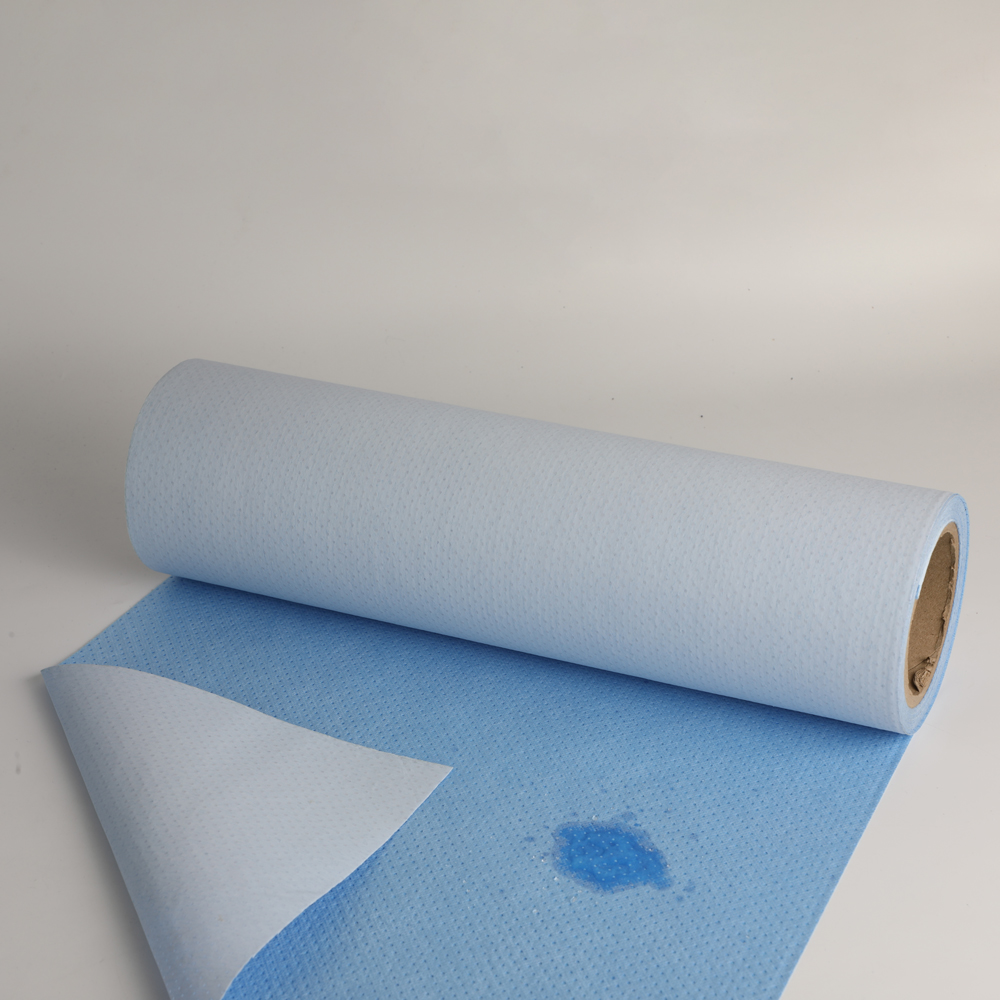 Multi Laminates
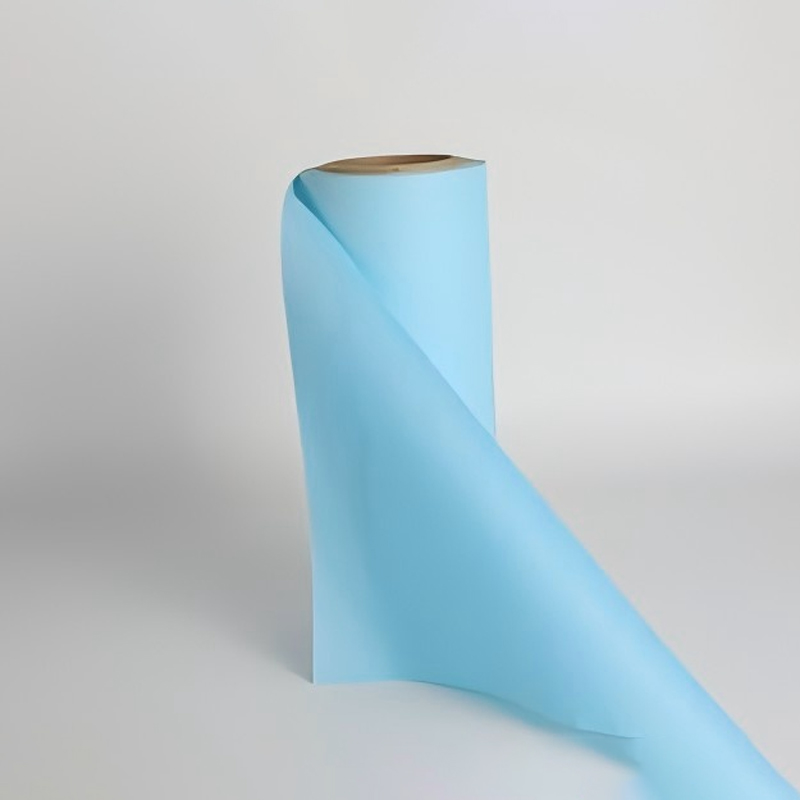 Spunlace Nonwoven Laminates
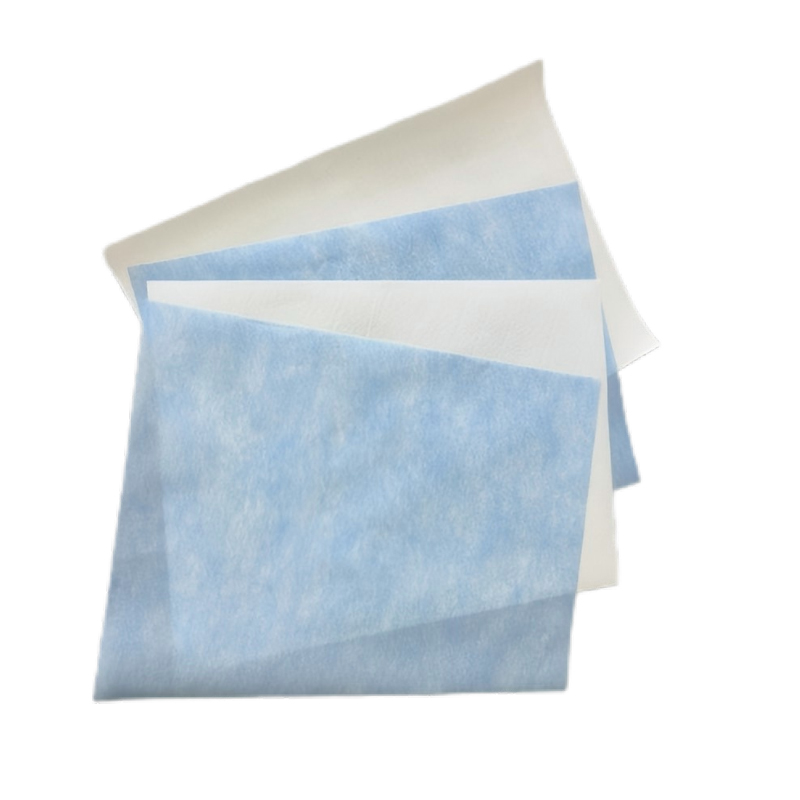 Breathable Film Laminates
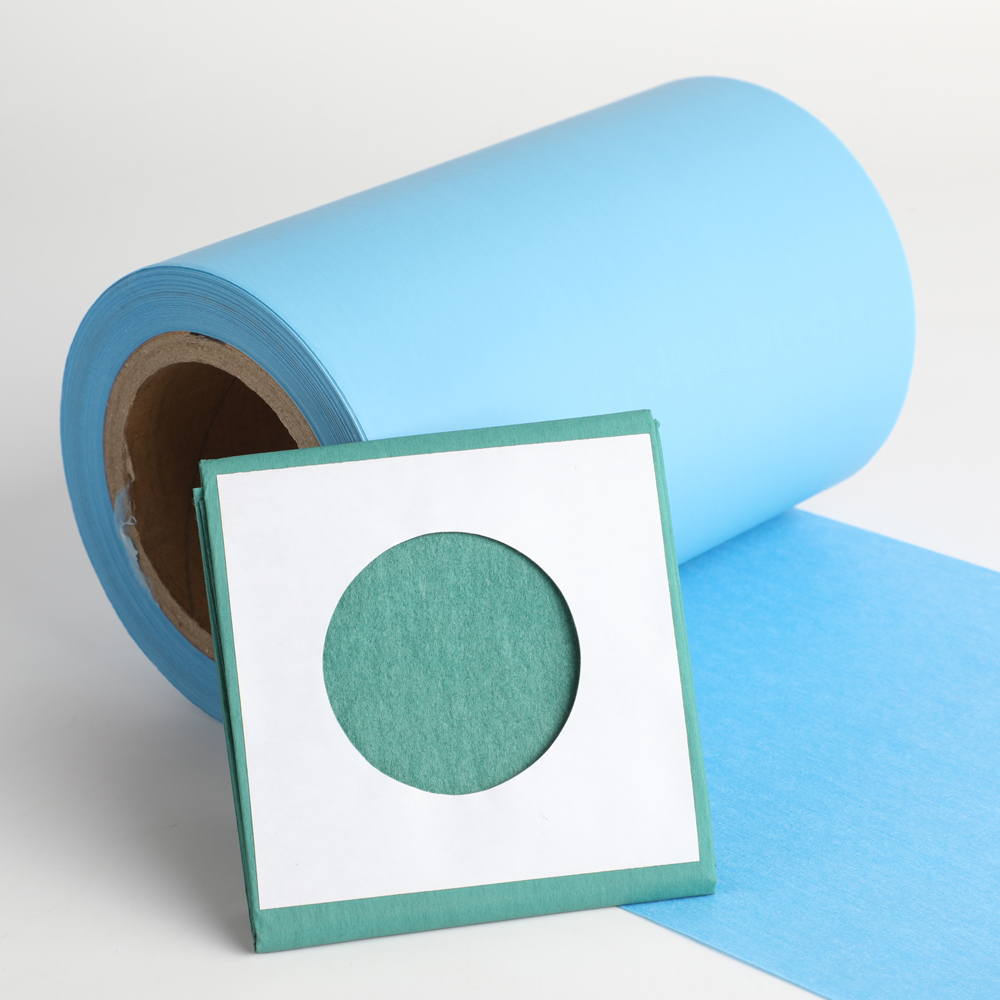 Viscose Laminates
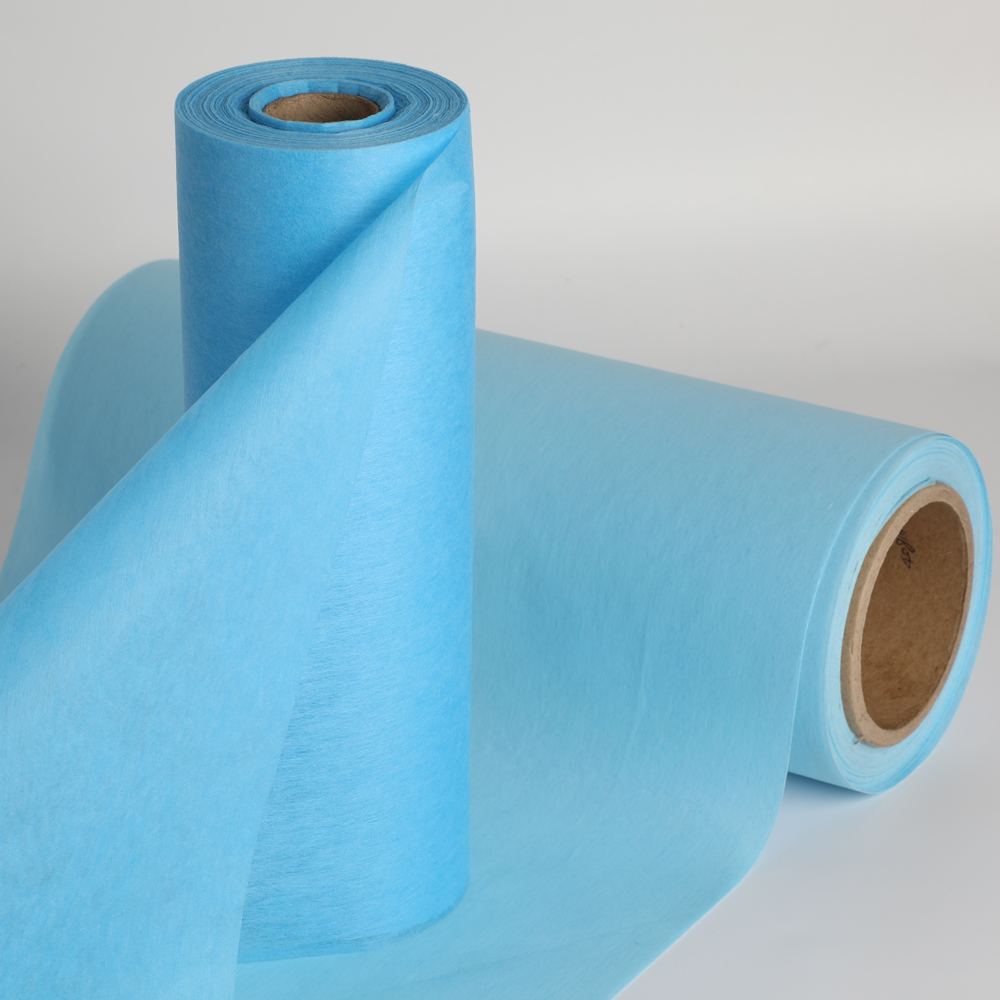 Medical Viscose Nonwoven
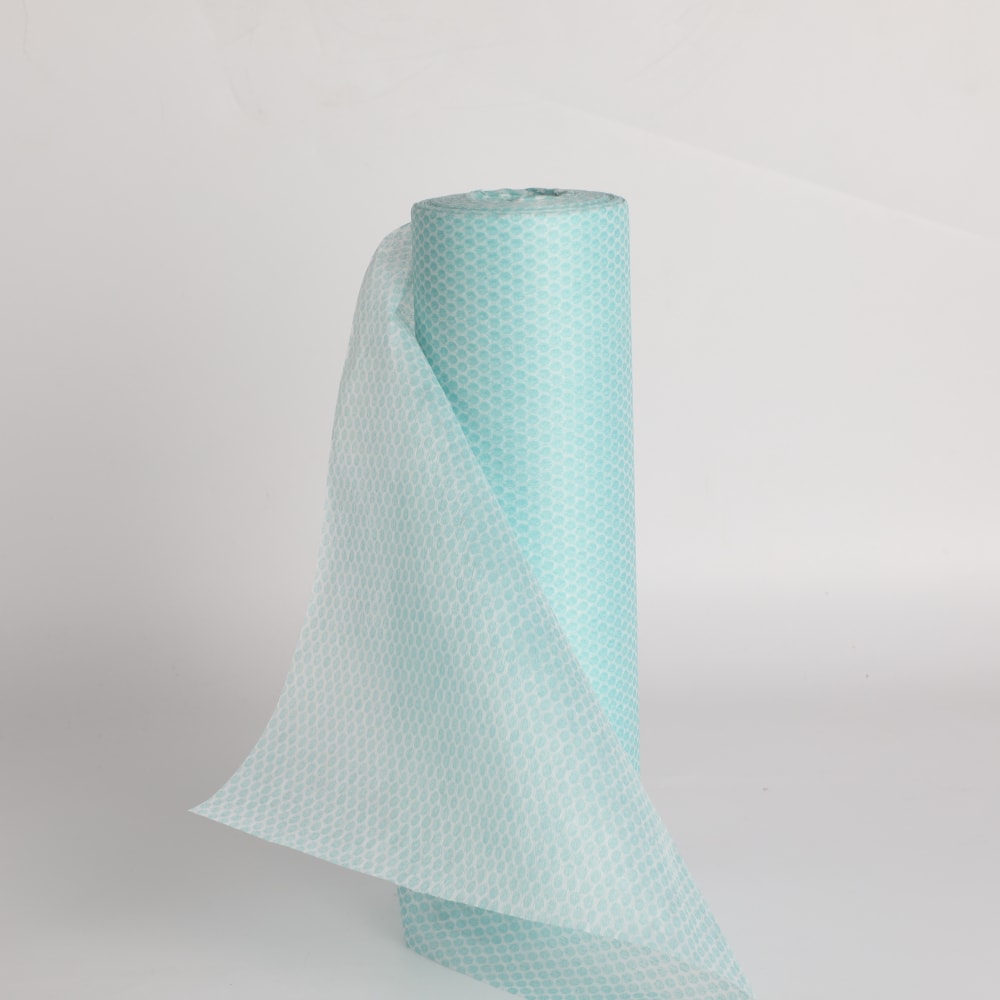 Head Wear Nonwoven
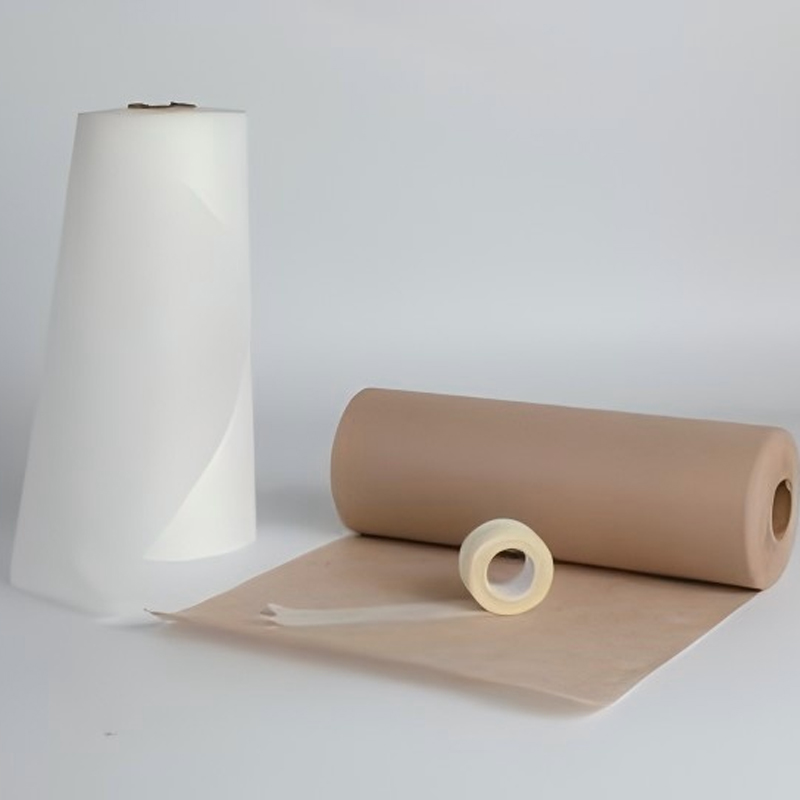 Medical Tape Nonwoven
 Snus Pouch Nonwoven
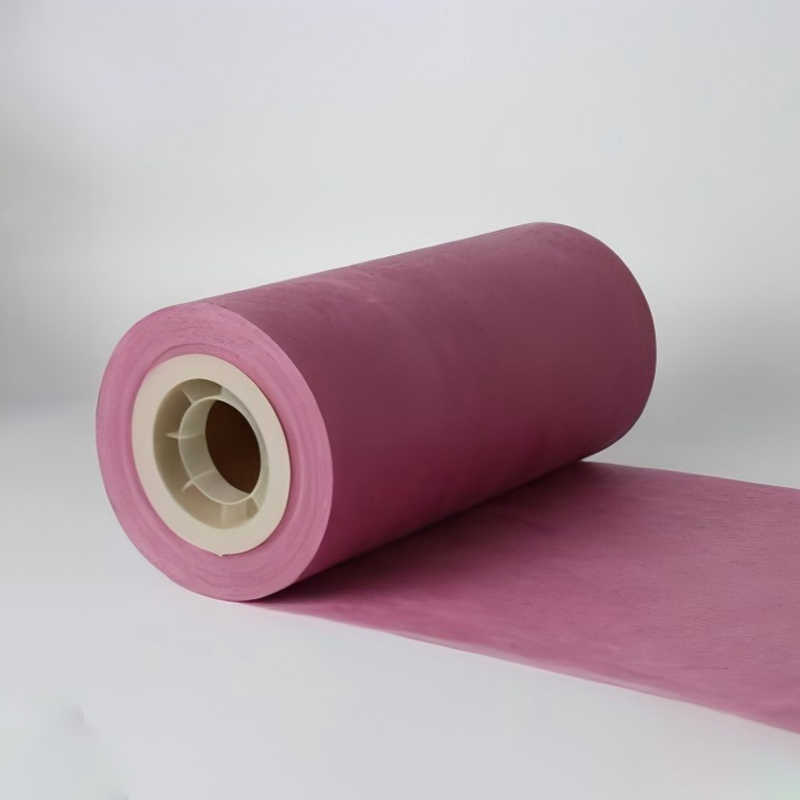 Filtration Nonwoven
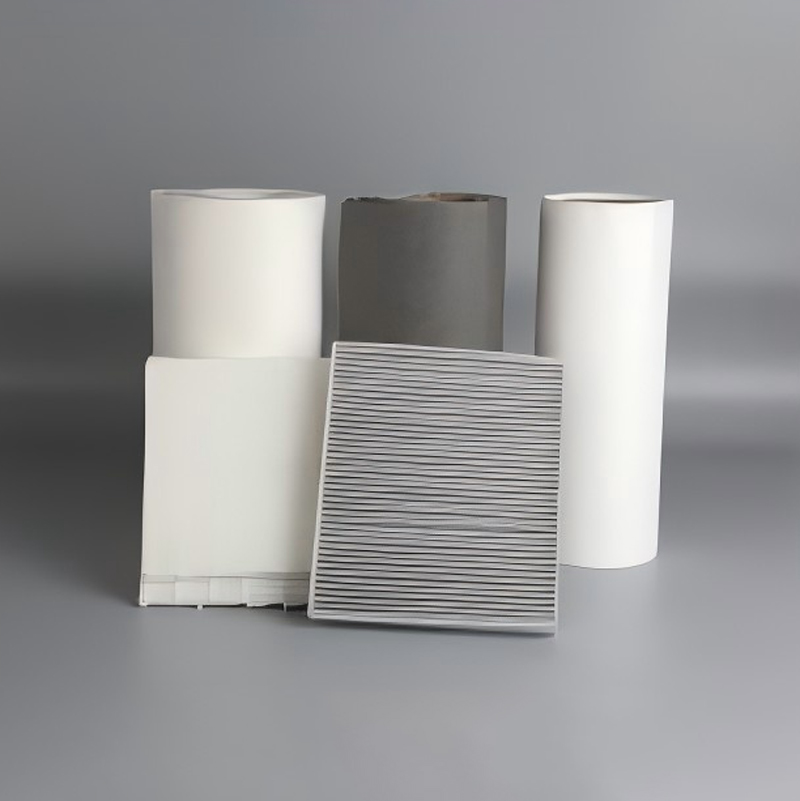 Air Filter Media
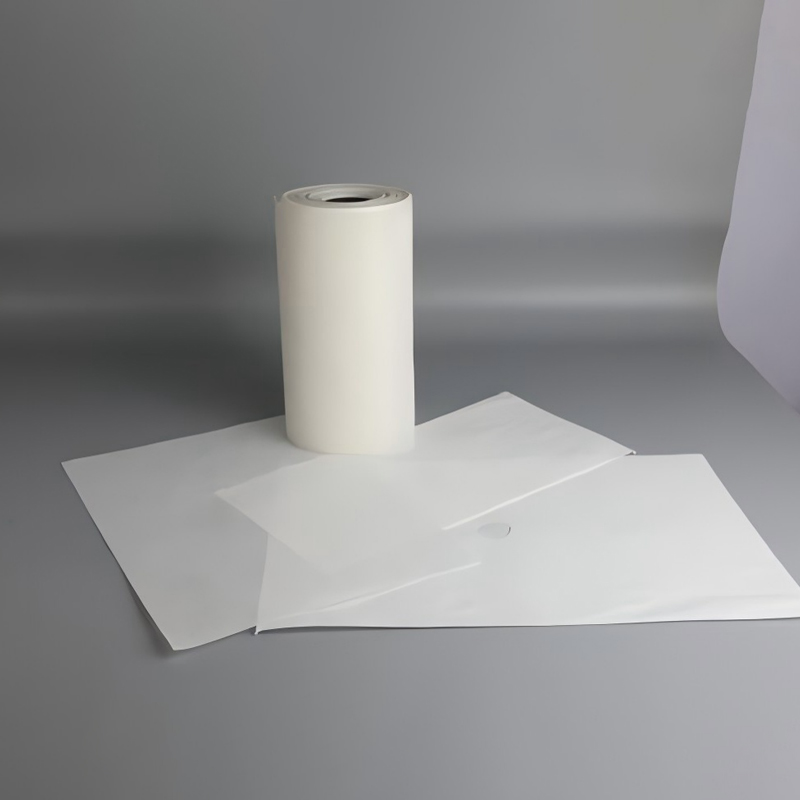 Liquid Filter Media
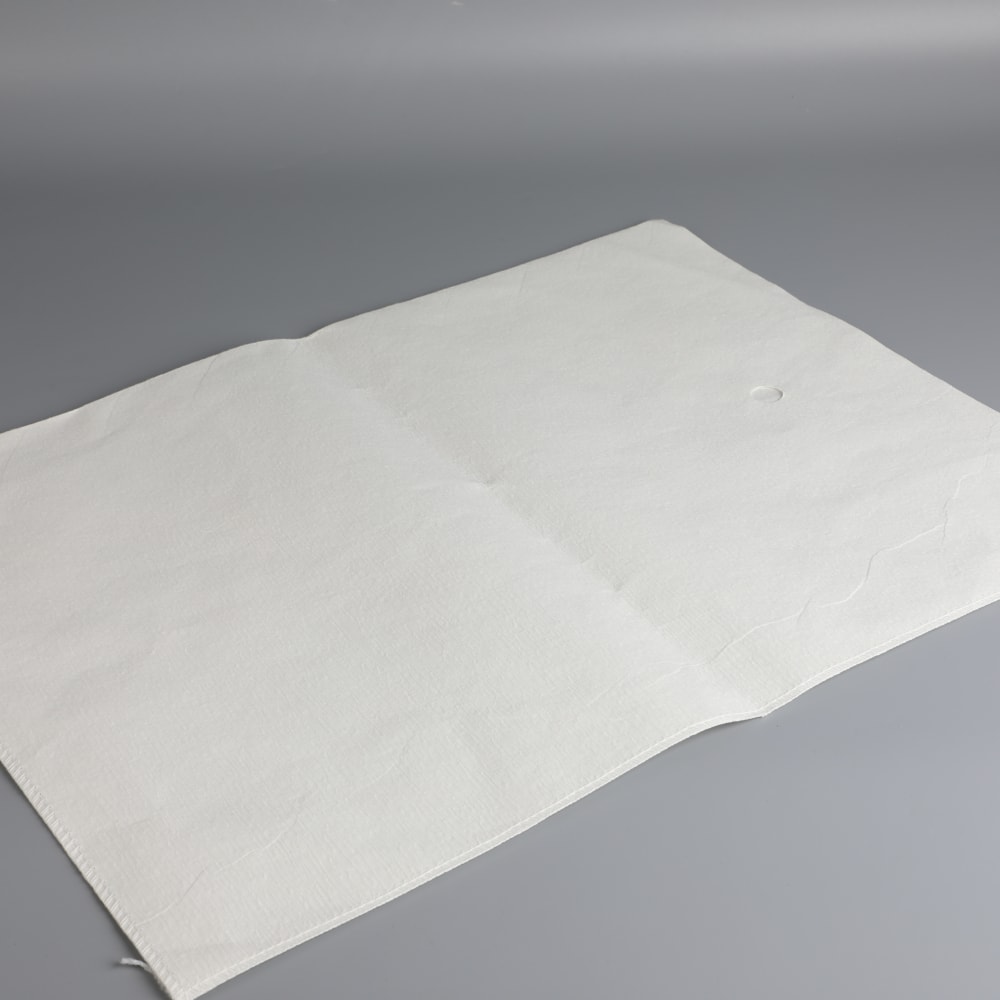 Filter Envelope & Filter Sheet
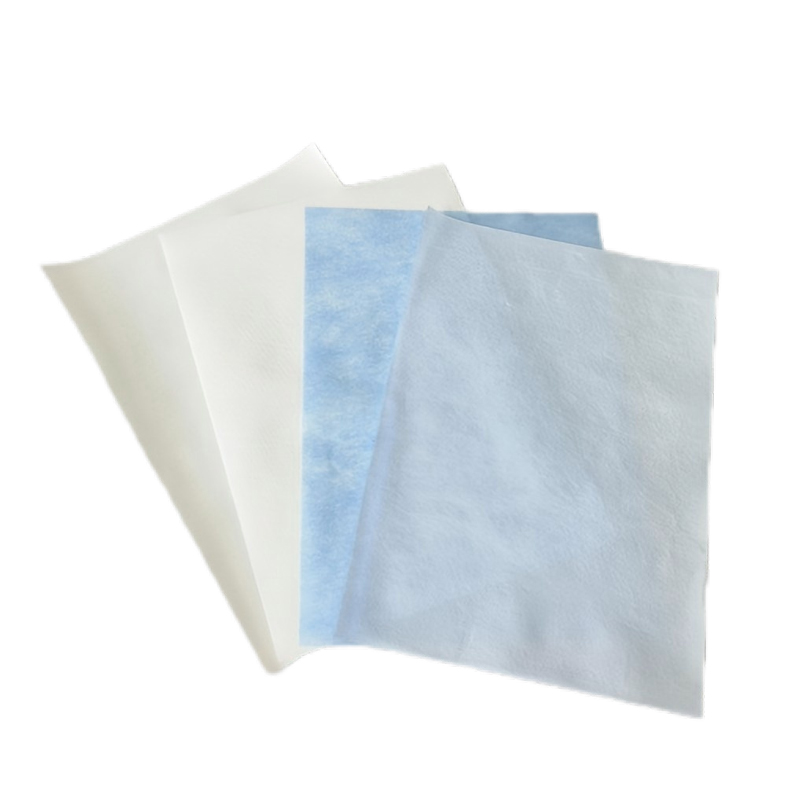 Breathable Film Laminates
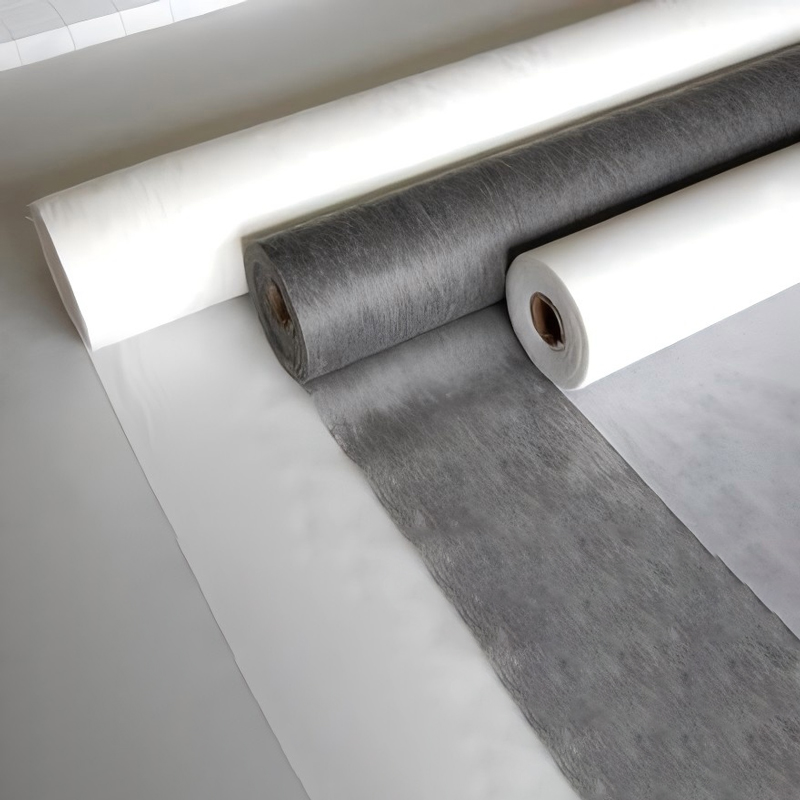 Nonwoven Interlining
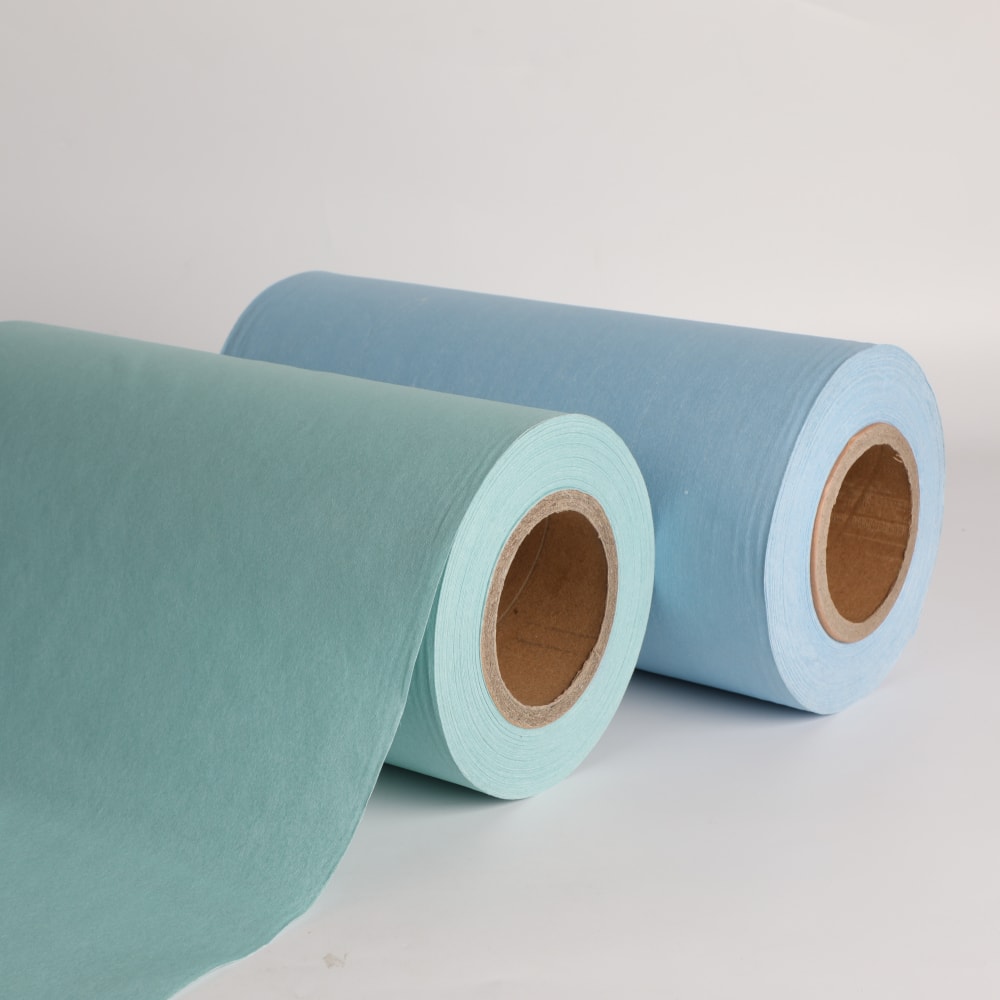 Fluid Repellent Woodpulp Spunlace Nonwoven
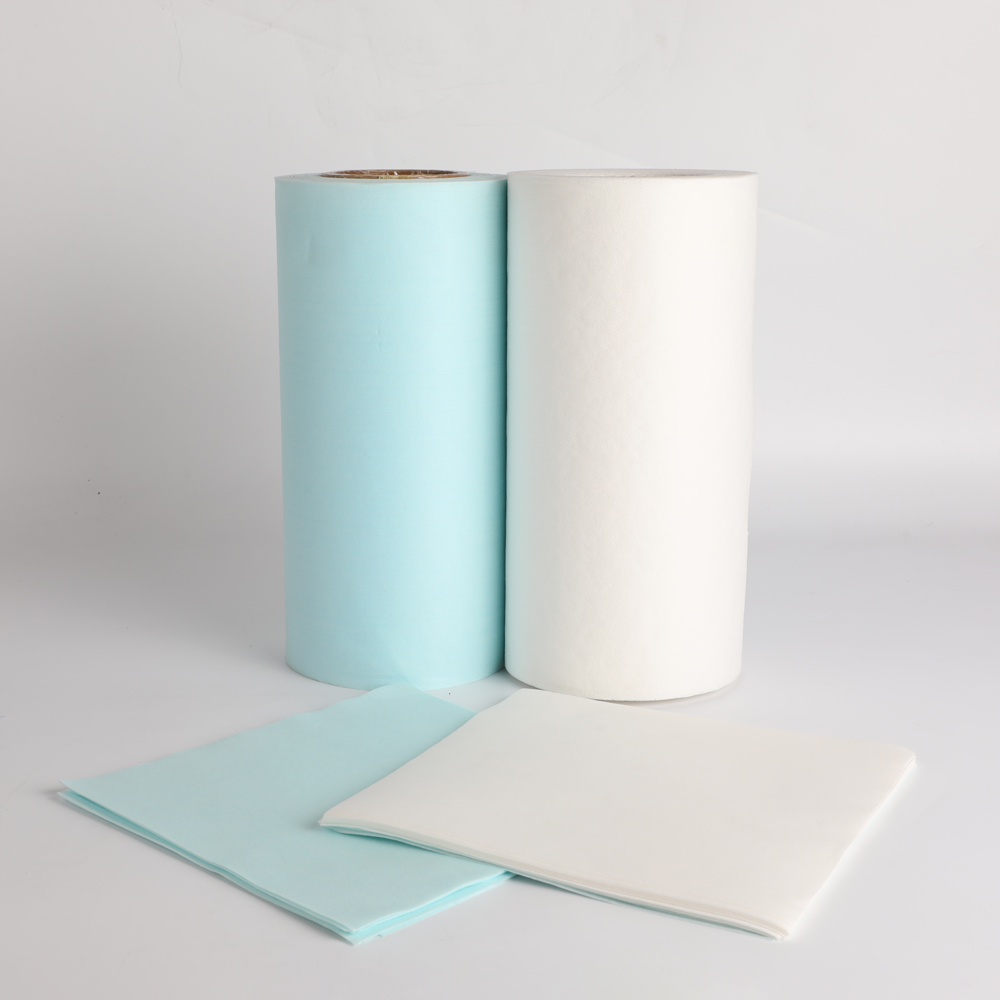 Woodpulp Nonwoven Wipe
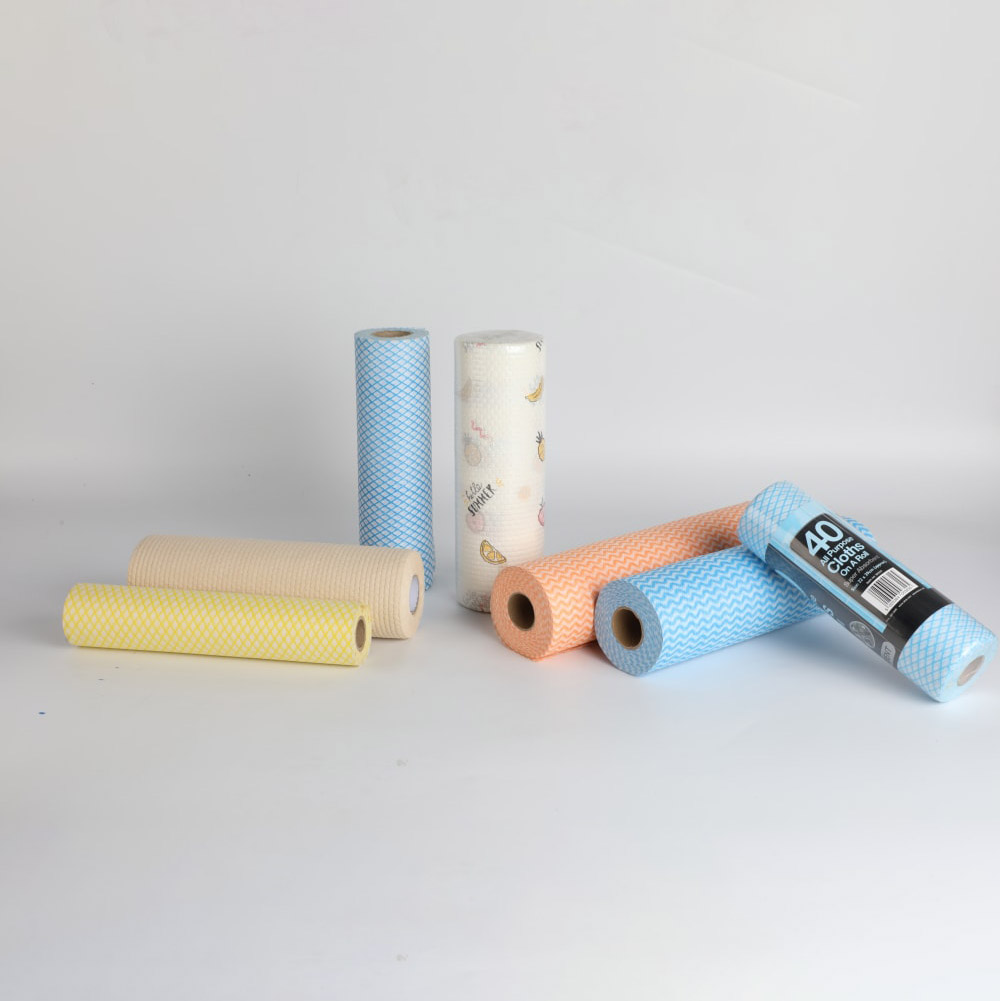 Nonwoven Cleaning Wipe
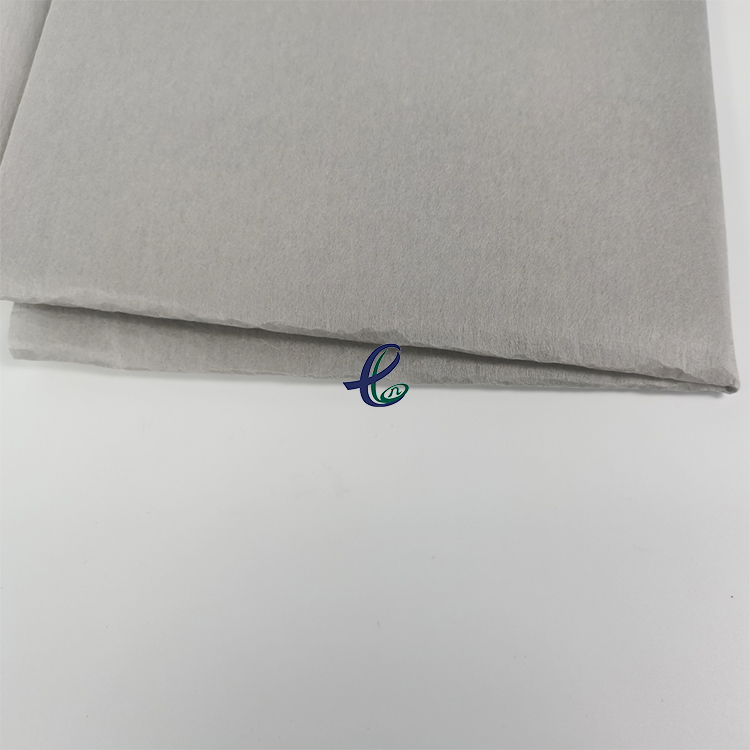 Curtain Nonwoven
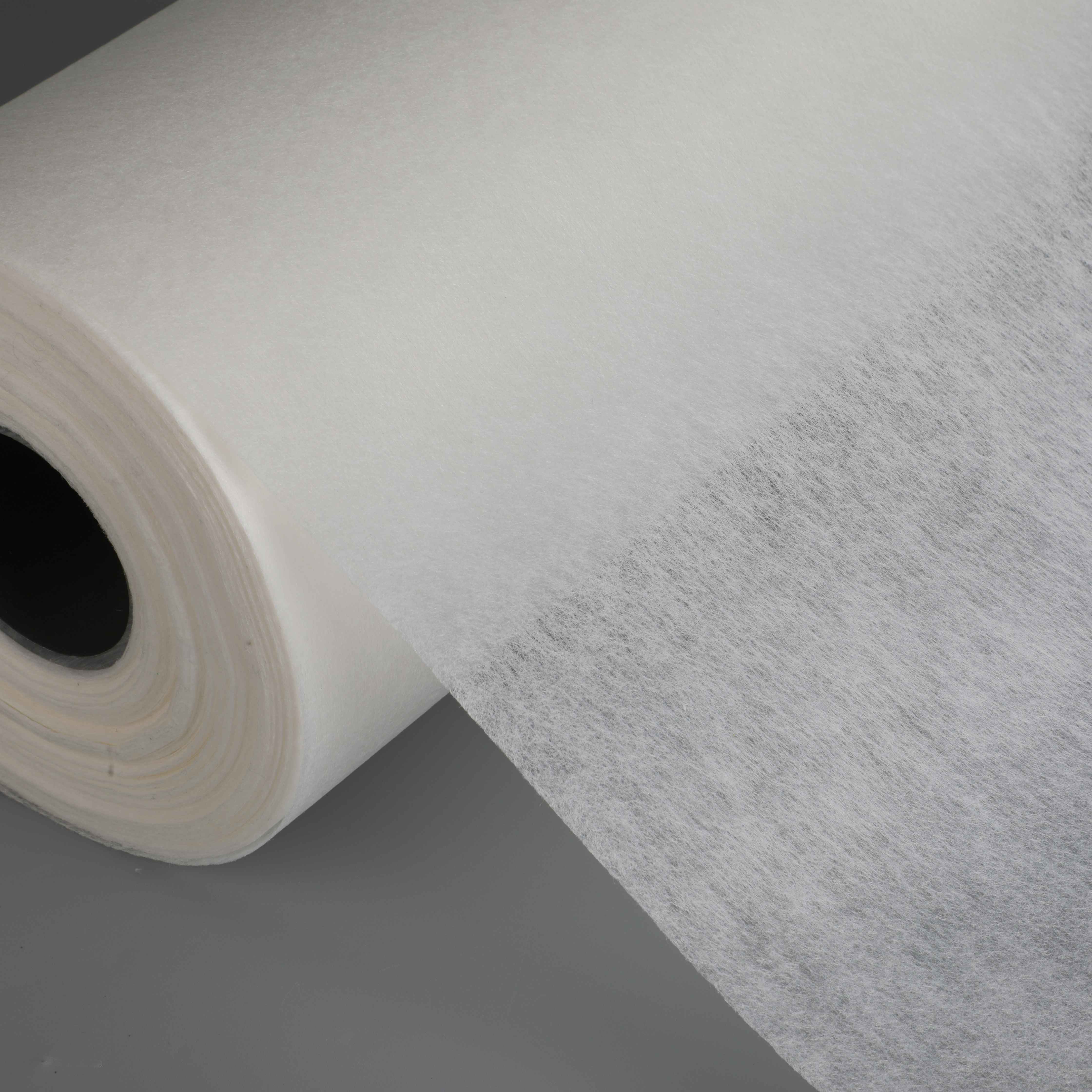 Food Grade Packaging Nonwoven
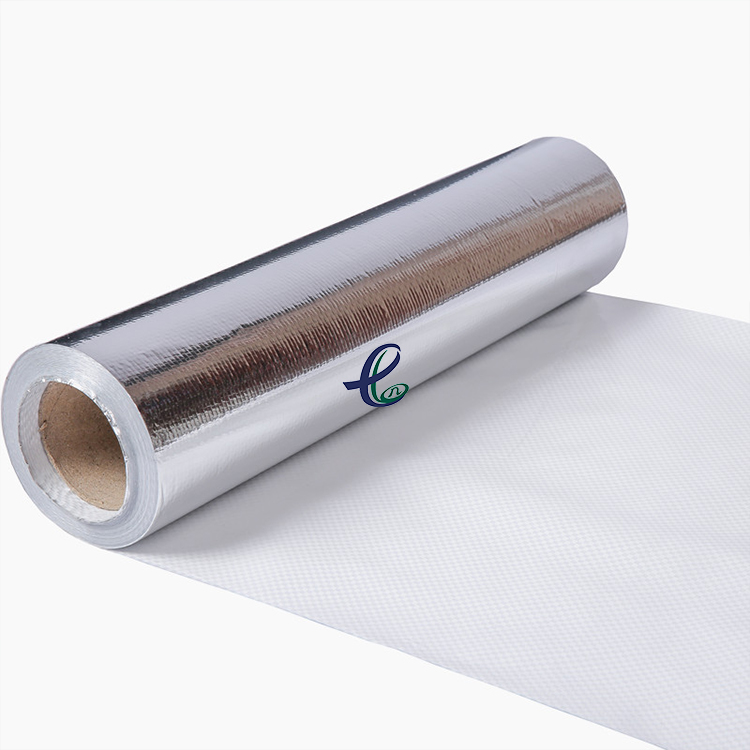 Aluminized Nonwoven
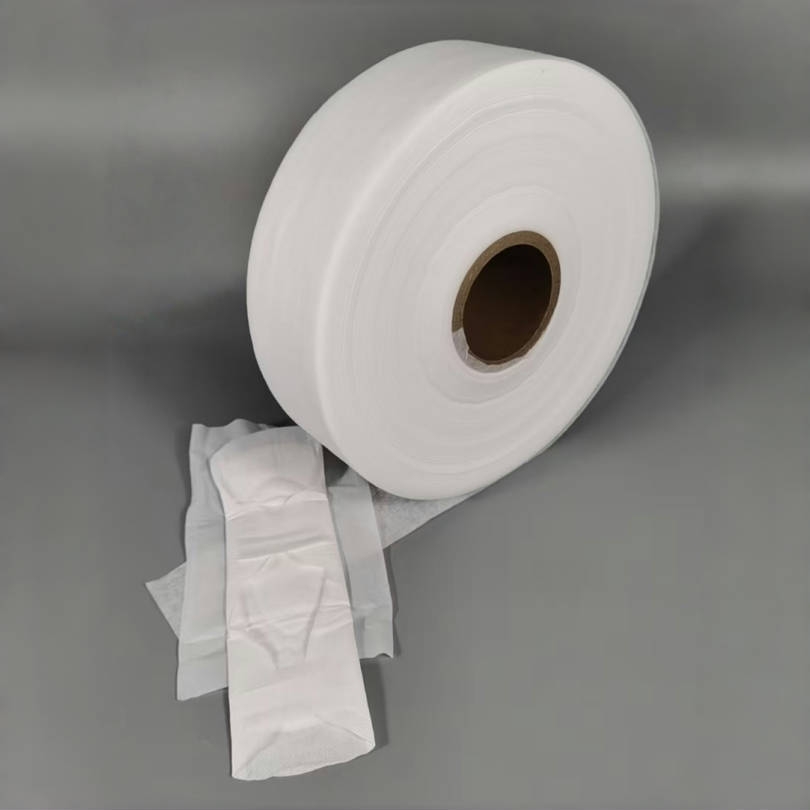 Hot Air Cotton Nonwoven
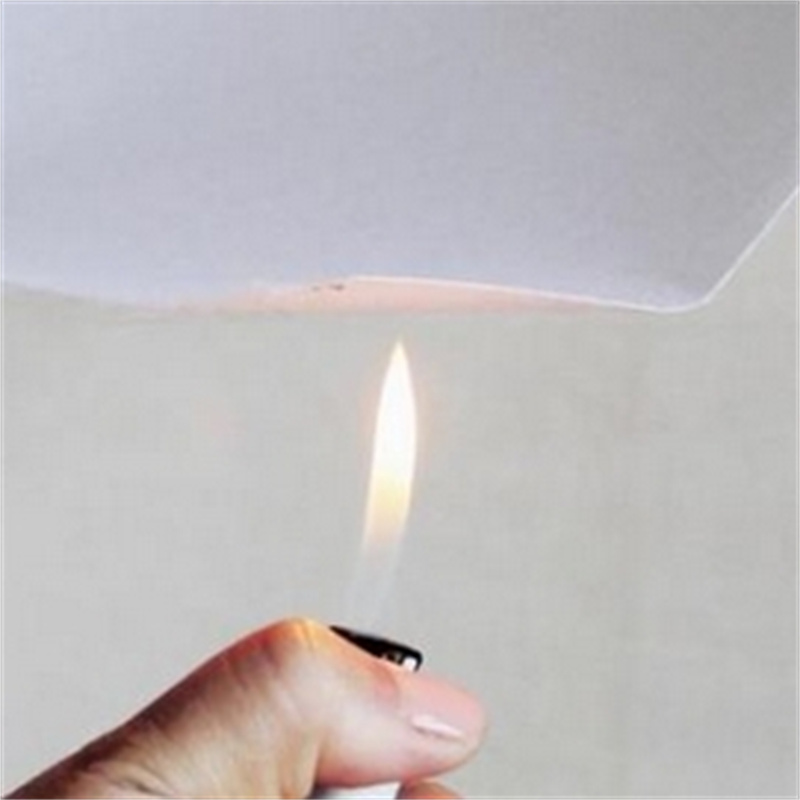 Flame Retardant Nonwoven
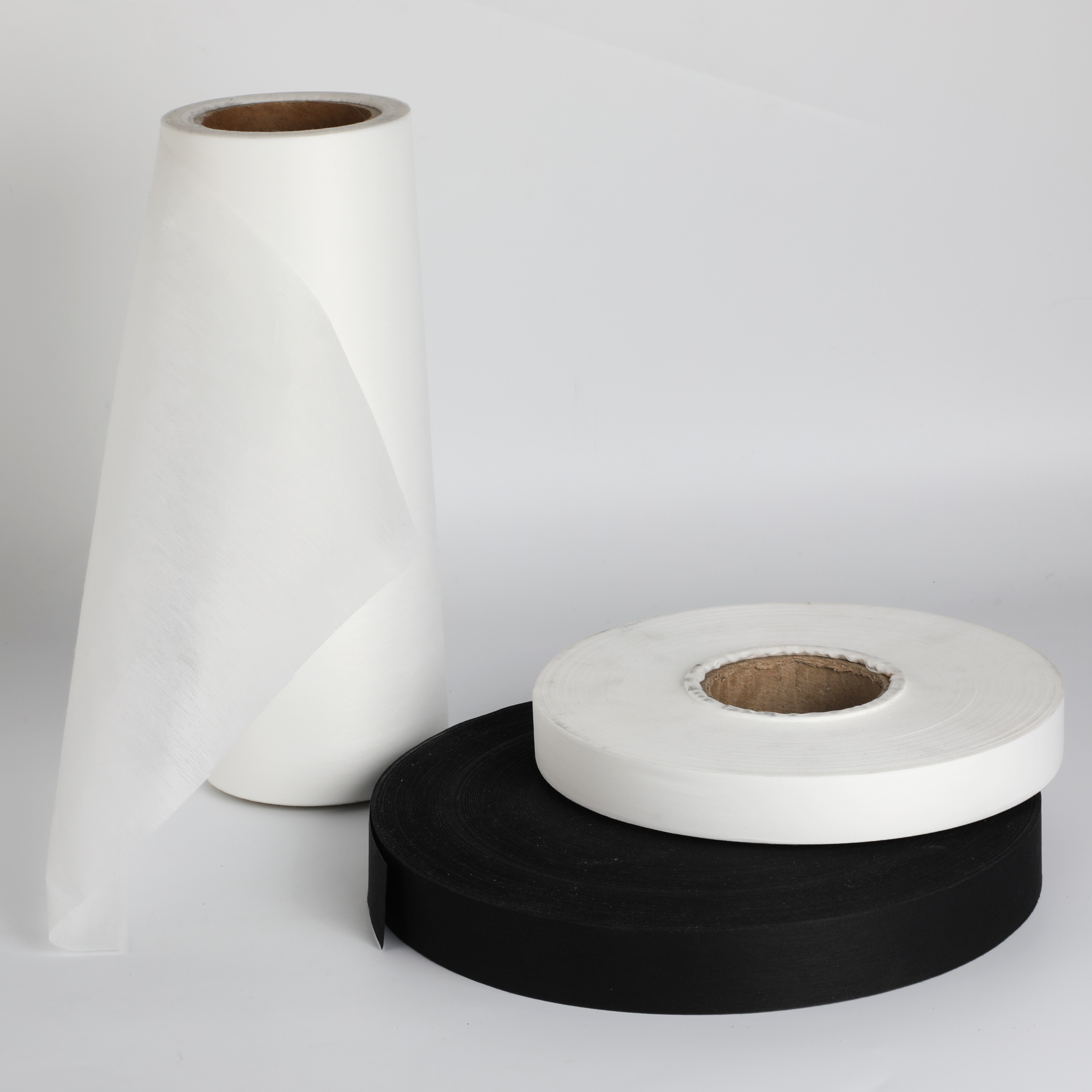 Cable Wrapping Nonwoven
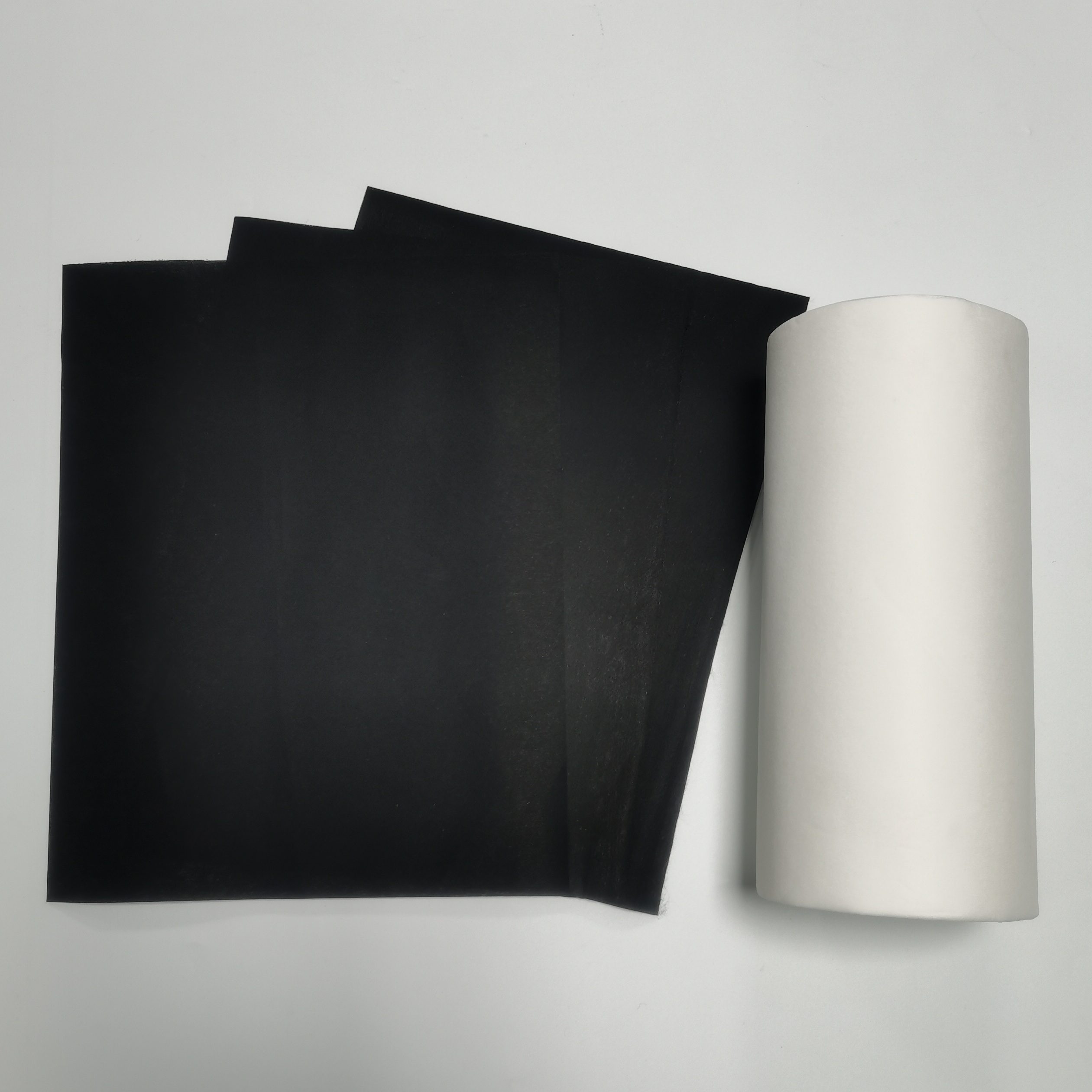 Semi-conductive Nonwoven
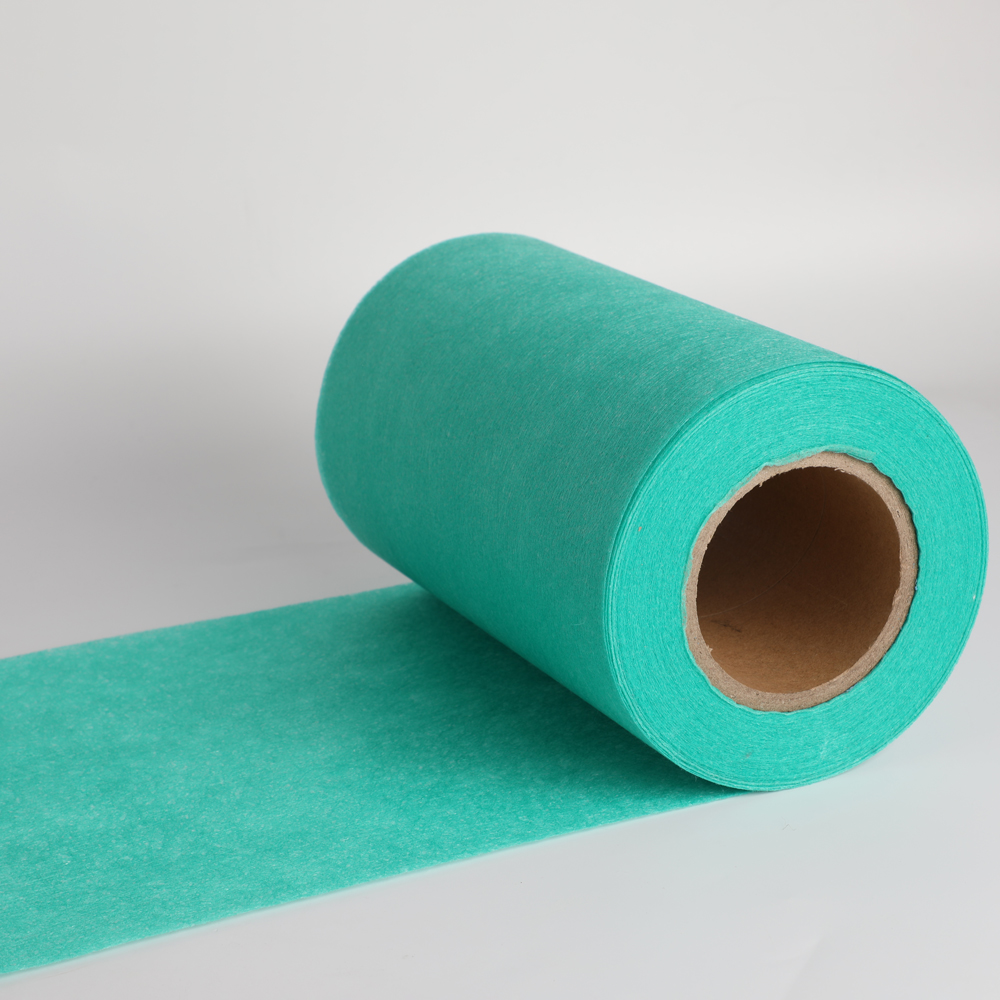 Anti-Bacterial Nonwoven
 +8613957712400
 CONTACT WhatsApp
 CONTACT WeChat
 CONTACT NUMBER
 CONTACT EMAIL