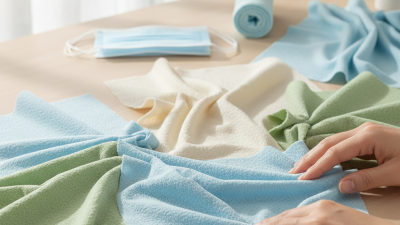
What is a Nonwoven Wipe and How to Choose the Best One?
Nonwoven wipes have become essential in various industries. Their unique properties allow for effective cleaning and disinfecting. According to a report by Grand View Research, the global nonwoven wipes market is projected to reach $17 billion by 2027. This growth underscores their significance in both consumer and industrial applications.
Dr. Emily Strauss, a leading expert in nonwoven materials, stated, “Nonwoven wipes provide a blend of convenience and efficiency that traditional cloths cannot match.” This highlights the advantages these wipes offer in hygiene and cleaning tasks.
Many families and businesses face challenges in choosing the right nonwoven wipe. Factors to consider include absorbency, durability, and the materials used. Not all wipes meet safety standards or performance expectations. Quality and sourcing always need scrutiny. As this market evolves, it is crucial to choose wisely to ensure effectiveness and safety.
What Defines a Nonwoven Wipe?
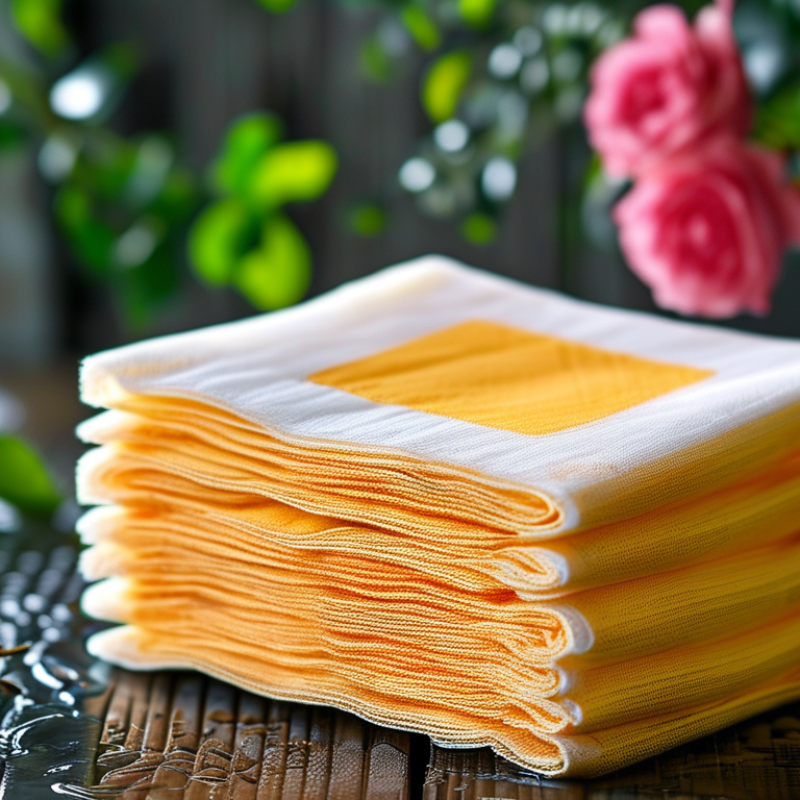
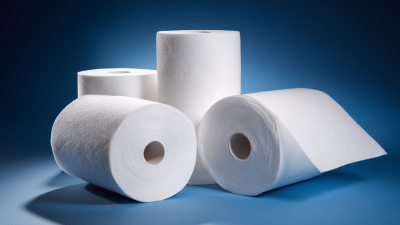
Nonwoven wipes are versatile cleaning tools made from fiber webs. They differ from traditional woven materials. Their unique structure gives them advantages in various applications, from industrial use to personal care.
What sets nonwoven wipes apart is their composition. They are created through bonding processes like heat or chemical treatments. This results in a fabric that is strong and absorbent. Common materials used include polyester and polypropylene. They are designed to be disposable, which adds to their convenience. However, some users may find them less eco-friendly.
When selecting a nonwoven wipe, consider the intended use. For cleaning sensitive surfaces, choose wipes that are soft and lint-free. If you're tackling tougher messes, opt for thicker and more absorbent options. Pay attention to the wipe's chemical composition, especially for skin contact.
Tips: Always check the packaging for any potential allergens. Sometimes, wipes can contain fragrances and preservatives that may irritate the skin. Dispose of wipes responsibly to minimize environmental impact.
What is a Nonwoven Wipe and How to Choose the Best One? - What Defines a Nonwoven Wipe?
| Category |
Material |
Usage |
Benefits |
Environment Impact |
| Medical |
Polypropylene |
Cleaning and disinfecting medical equipment |
Highly absorbent, disposable |
Biodegradable options available |
| Industrial |
Polyester |
Cleaning machinery and tools |
Durable, lint-free |
Reusable, reduces waste |
| Household |
Viscose |
General cleaning and mopping |
Soft, highly effective |
Compostable options available |
| Personal Care |
Cotton blend |
Wiping skin and surfaces |
Gentle, hypoallergenic |
Made from sustainable sources |
Key Materials Used in Nonwoven Wipes
Nonwoven wipes have gained popularity in various applications, primarily due to their unique materials. Understanding these materials can help in choosing the best wipes for specific needs. Commonly used in nonwoven wipes are polypropylene, polyester, and viscose. Each offers different benefits and characteristics.
Polypropylene is lightweight and resistant to chemicals, making it suitable for industrial cleaning. Polyester wipes are durable and can withstand multiple uses, ideal for personal care tasks. Viscose, often chosen for its softness, provides comfort while being absorbent. These materials can be blended, enhancing their properties.
While selecting nonwoven wipes, consider weight, absorbency, and texture. A thicker wipe often means better absorbency, but it may not be as soft. Ensure the chosen material fits the intended purpose. Balancing these aspects is key for effectiveness. It’s crucial to acknowledge that not every wipe may perform as expected. Regular reviews of product performance are essential for ongoing satisfaction.
Advantages of Using Nonwoven Wipes Over Other Types
Nonwoven wipes are gaining popularity due to their unique advantages. Unlike traditional woven fabrics, they are made from fibers that are bonded together. This results in a fabric that is strong, absorbent, and often disposable. They offer versatility in various applications, from cleaning surfaces to personal care.
One major advantage of nonwoven wipes is their superior absorbency. They can hold more liquid than woven materials. This makes them ideal for tasks requiring effective cleaning. Additionally, they are often designed to be softer and more gentle on the skin. Users appreciate how they feel during personal hygiene routines or when cleaning sensitive surfaces.
Moreover, nonwoven wipes are more efficient than alternatives. They often require fewer chemicals for effective cleaning due to their structure. However, not all nonwoven wipes are created equal. It's essential to consider their intended use before selecting one. You might face challenges finding the right type for specific tasks. User reviews can guide you in making informed choices. Reflecting on your needs will help you choose wisely.
Factors to Consider When Choosing Nonwoven Wipes
When choosing nonwoven wipes, several factors play a crucial role in ensuring their effectiveness and safety. The material composition is a primary consideration. Nonwoven wipes are often made from polyester, polypropylene, or a blend, with specific fibers impacting their absorbency and durability. According to a report by Smithers Pira, the global market for nonwoven fabrics is projected to reach over $60 billion by 2025, reflecting their growing importance in hygiene and cleaning applications.
Another important factor is the intended use of the wipes. For instance, medical and industrial applications require wipes that meet certain standards. These wipes often need to be sterile and resistant to contaminants. A study from the Freedonia Group indicates that wipes classified as 'biodegradable' are gaining popularity, driven by consumer demand for eco-friendly products. However, consumers should also consider the packaging and storage, as these can affect the wipes' shelf life and effectiveness.
Lastly, the regulatory compliance of the wipes should not be overlooked. Wipes must adhere to safety standards set by health authorities. This ensures they are safe for the intended population. Failing to adhere to these standards can result in contamination or ineffective cleaning. The importance of carefully evaluating all these factors cannot be overstated, as it contributes to a responsible purchasing decision.
Popular Applications of Nonwoven Wipes in Daily Life
Nonwoven wipes are versatile tools in our daily lives. They find their place in various applications, offering convenience and efficiency. From household cleaning to personal care, these wipes prove to be invaluable.
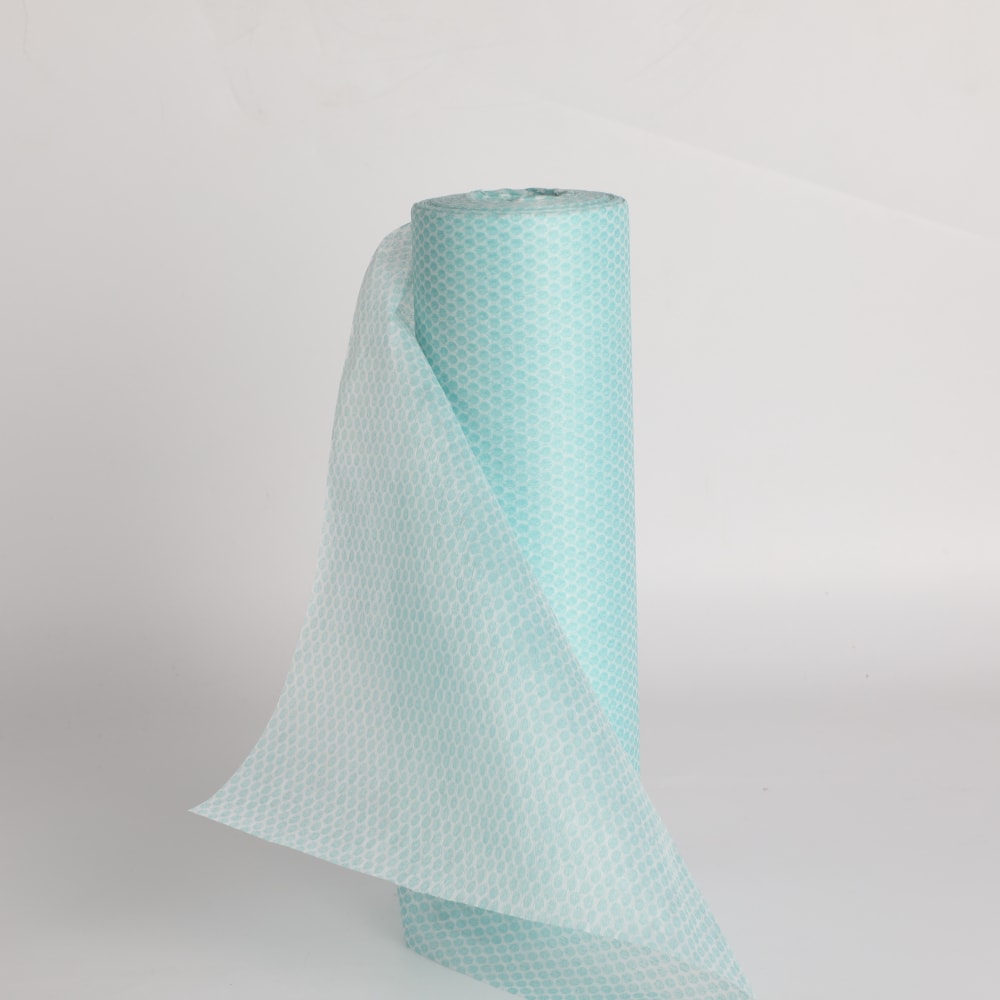
In homes, nonwoven wipes are commonly used for cleaning surfaces. Their structure allows them to trap dirt effectively. Many people rely on them for quick clean-ups. In the kitchen, they tackle spills without leaving lint behind. In the bathroom, they help maintain hygiene by wiping down surfaces.
For personal care, nonwoven wipes serve as skincare companions. They are widely used for removing makeup or refreshing the face. Their texture can provide a gentle touch, making them suitable for sensitive skin. However, some users may find that not all wipes are suitable for their skin type. Evaluating the material and ingredients is essential. Despite their popularity, challenges remain in ensuring eco-friendly options. Finding a balance between effectiveness and environmental impact is crucial in choosing the best nonwoven wipe for daily use.
Popular Applications of Nonwoven Wipes in Daily Life

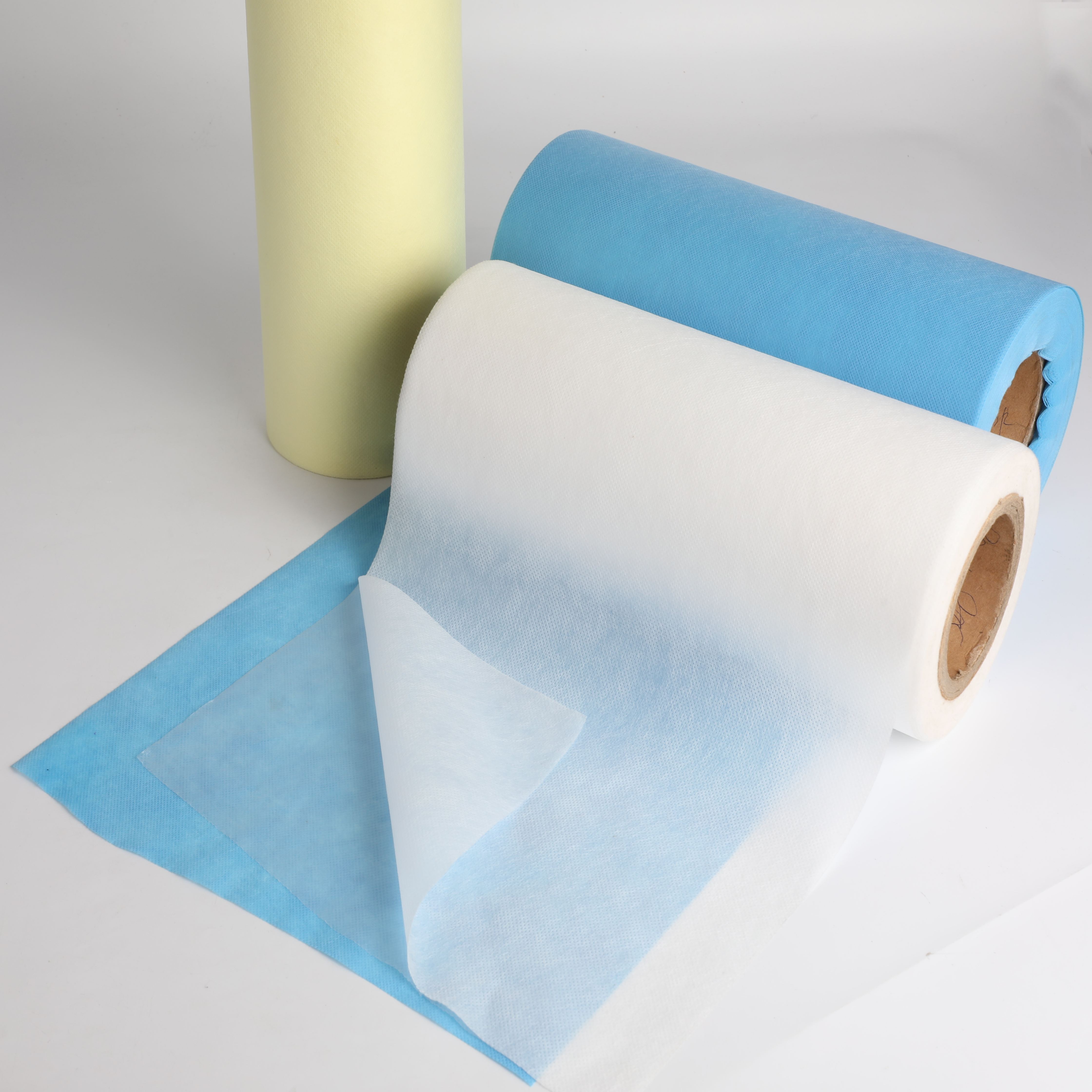 PP Laminates
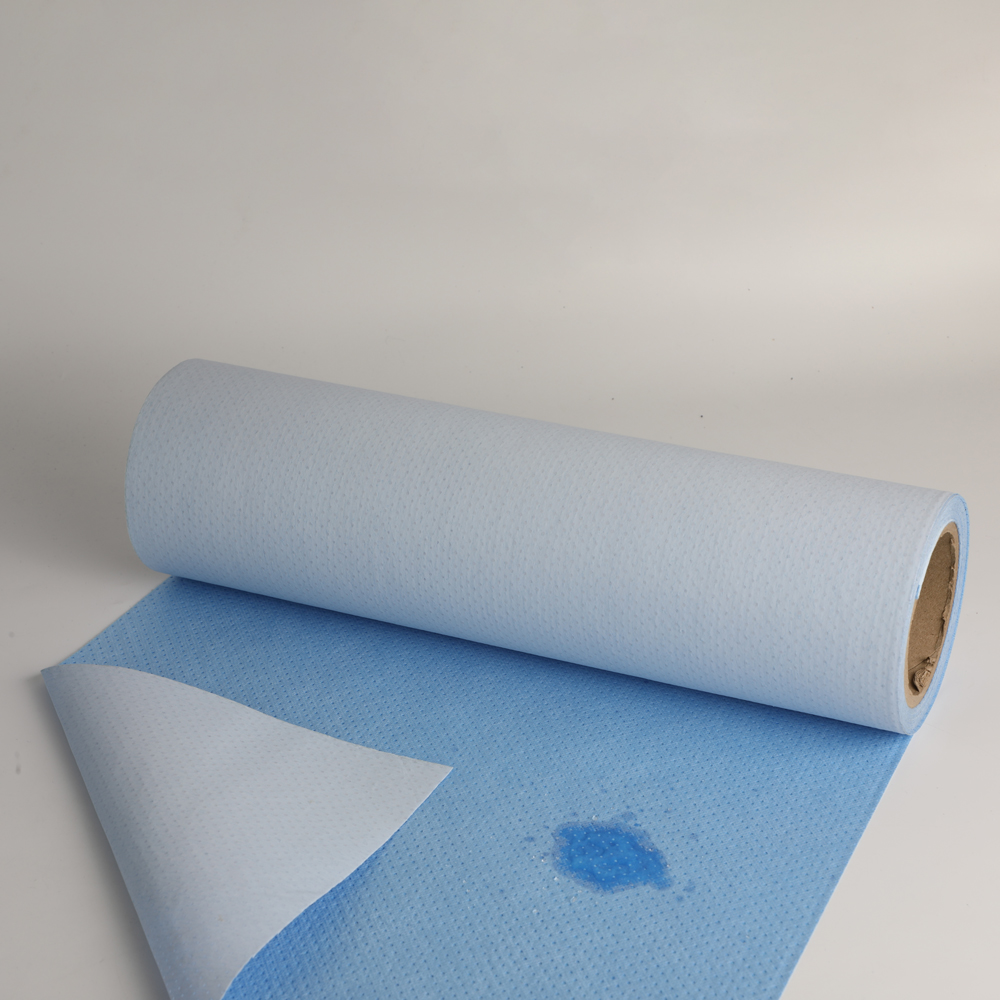 Multi Laminates
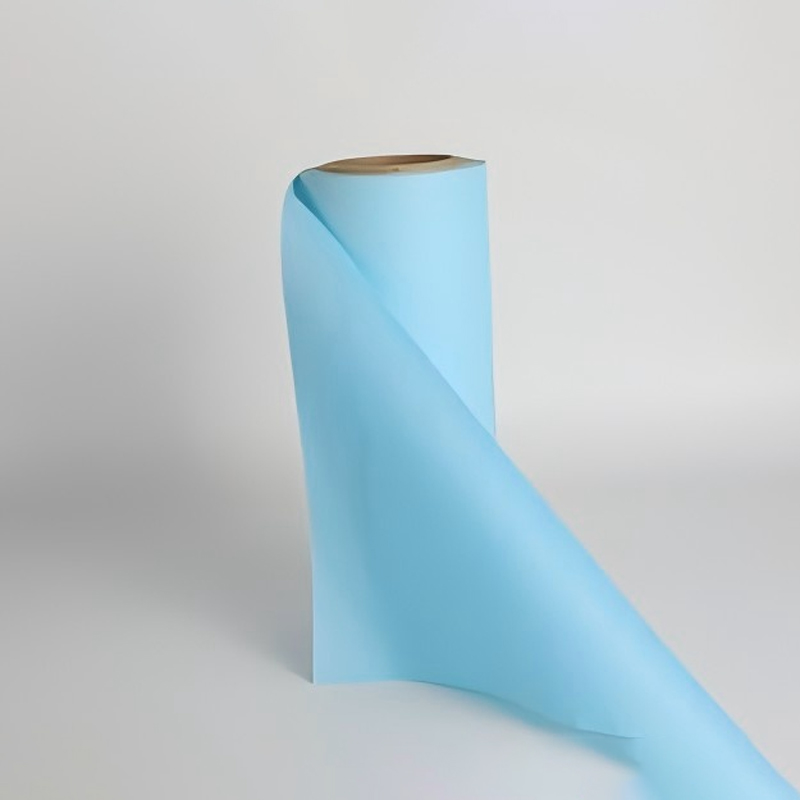 Spunlace Nonwoven Laminates
 Breathable Film Laminates
 Viscose Laminates
 Medical Viscose Nonwoven
 Head Wear Nonwoven
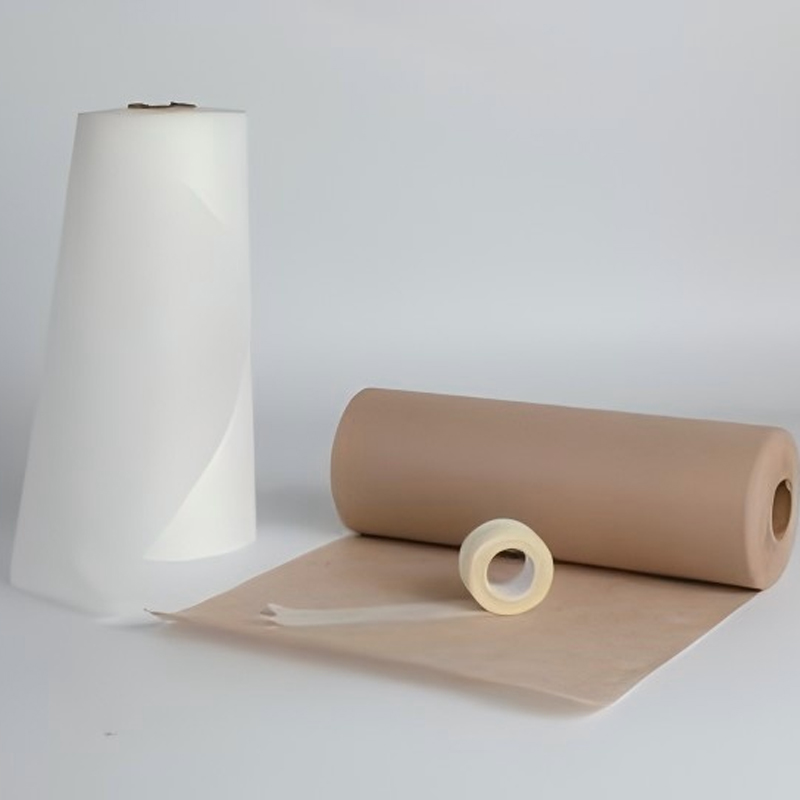 Medical Tape Nonwoven
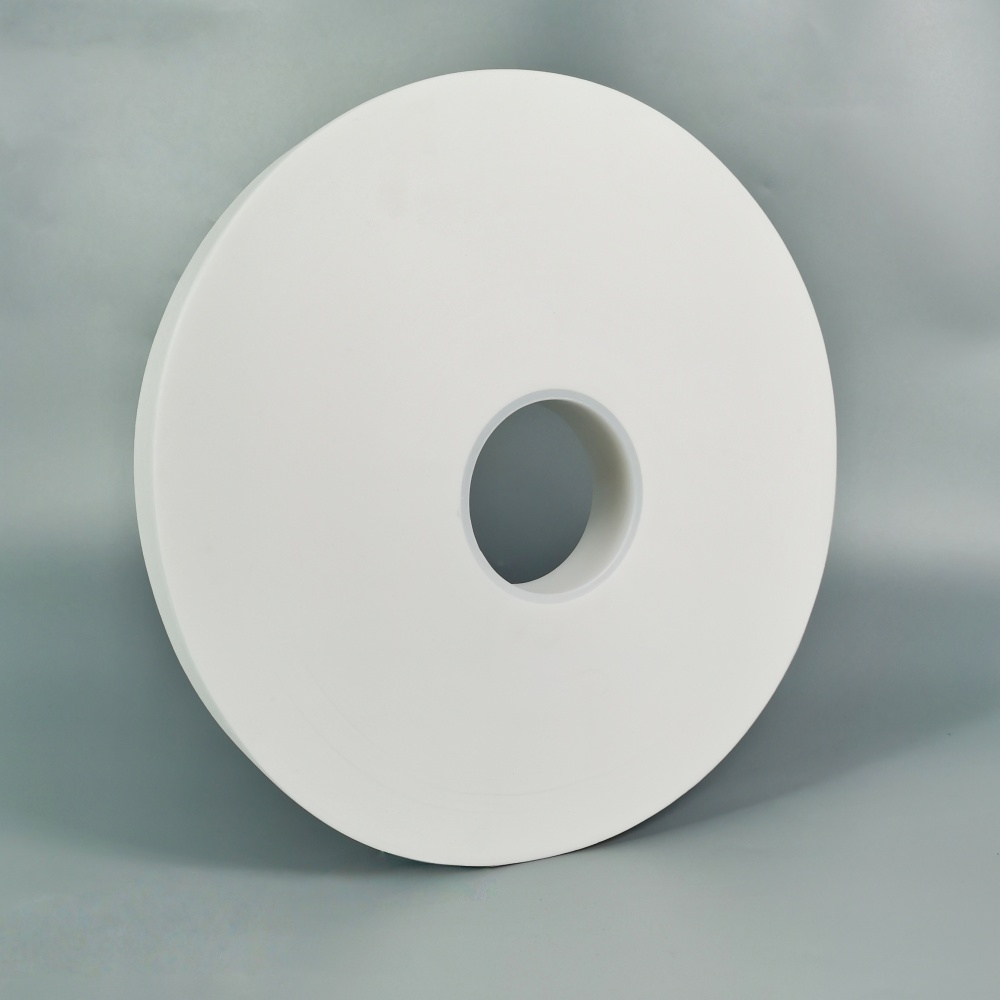 Snus Pouch Nonwoven
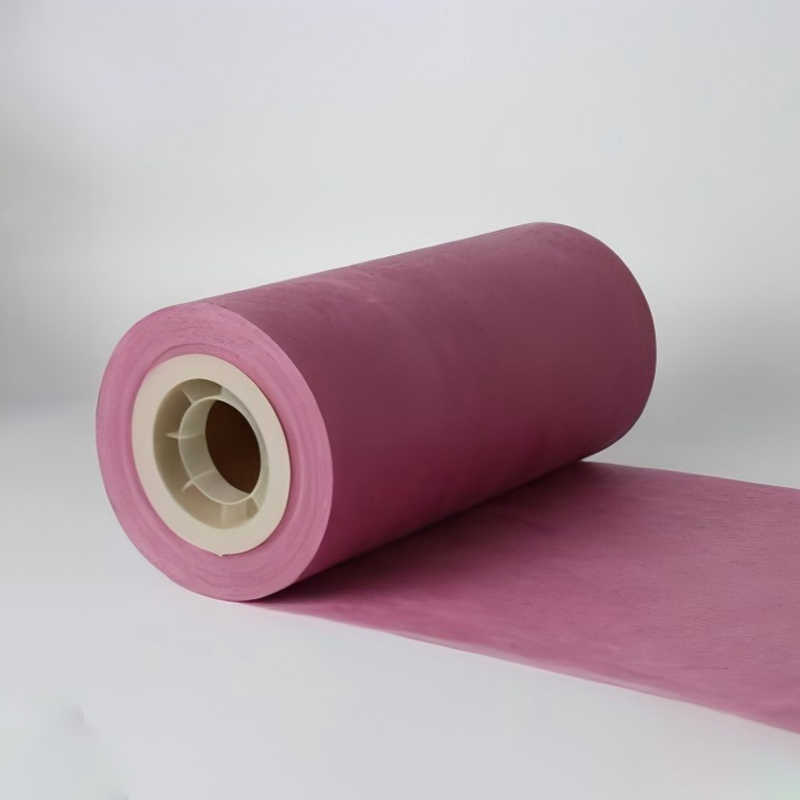 Filtration Nonwoven
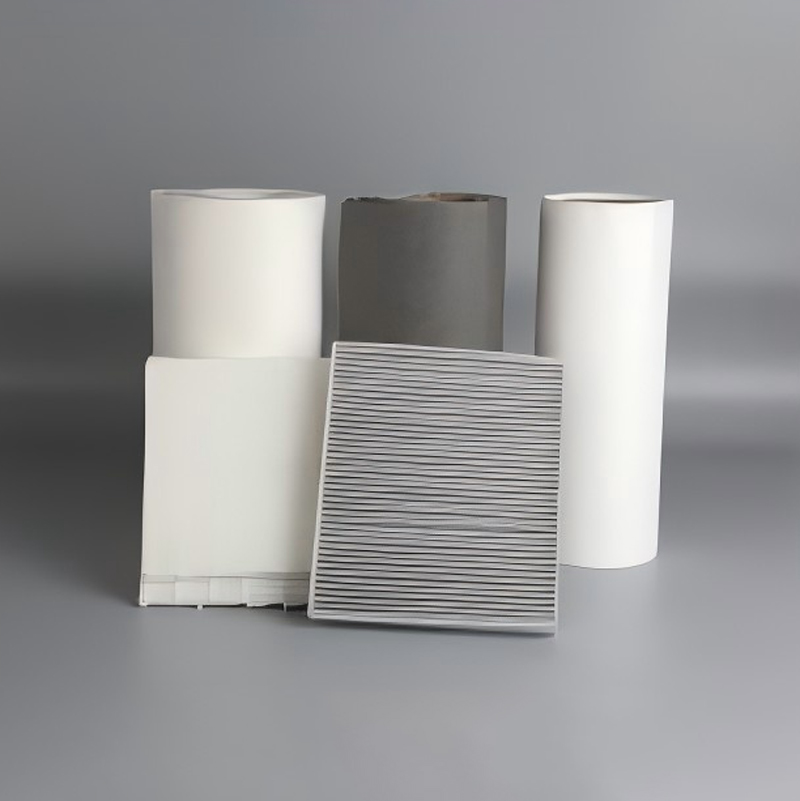 Air Filter Media
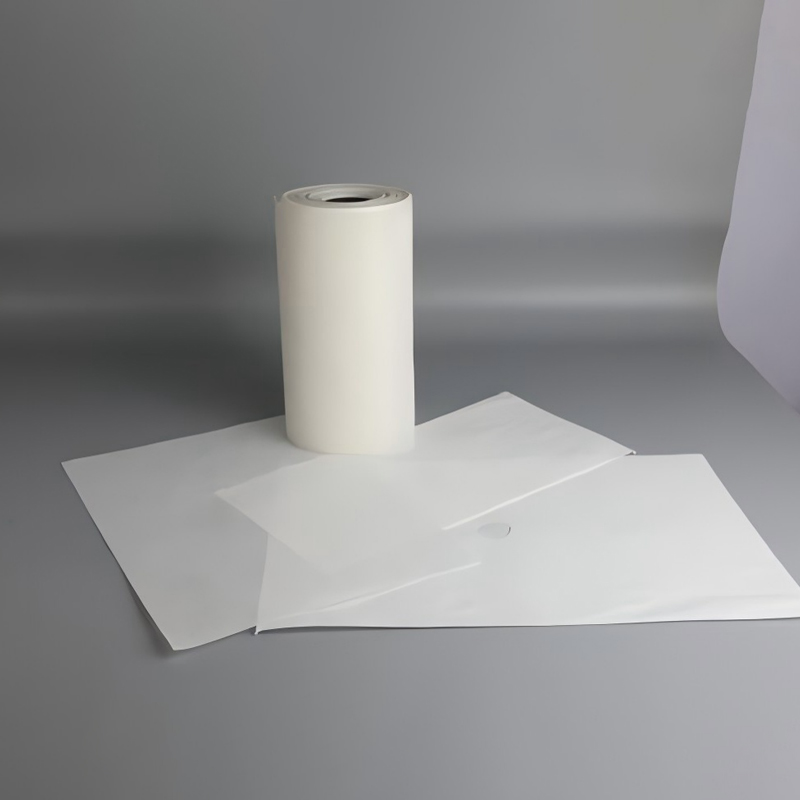 Liquid Filter Media
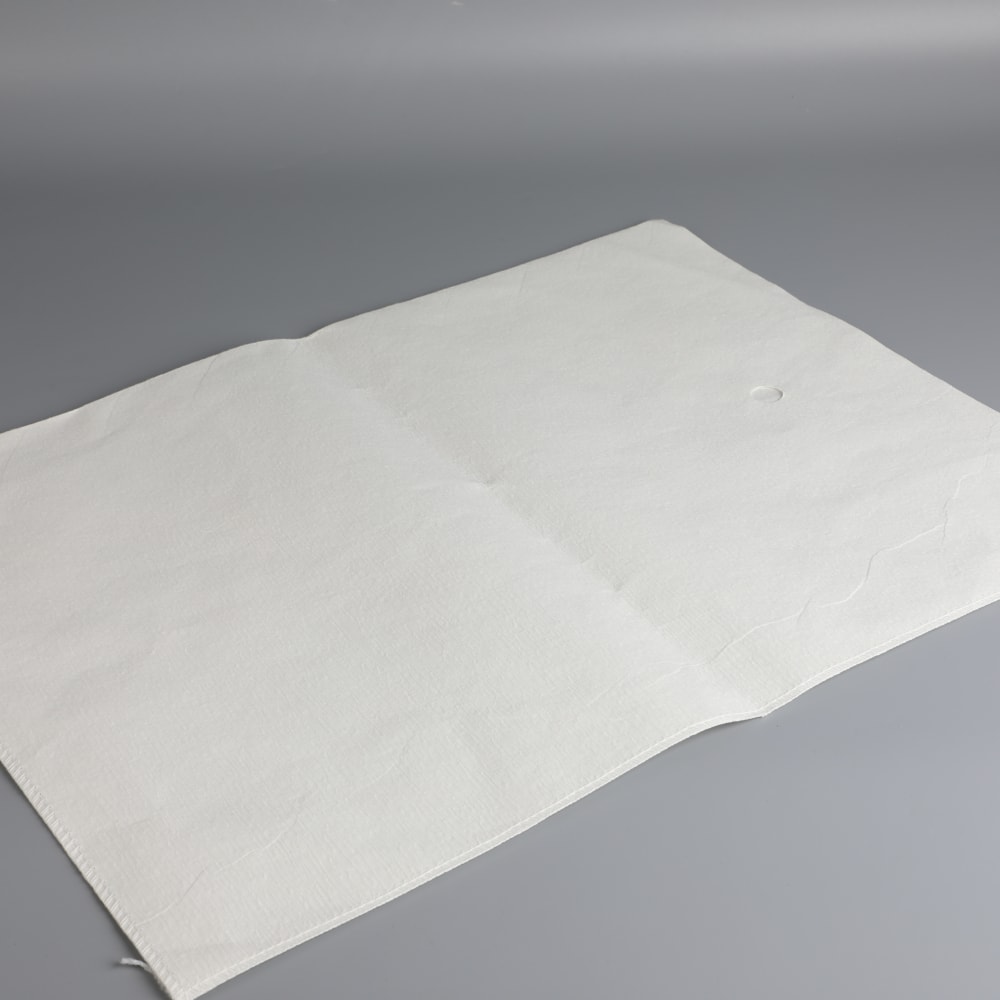 Filter Envelope & Filter Sheet
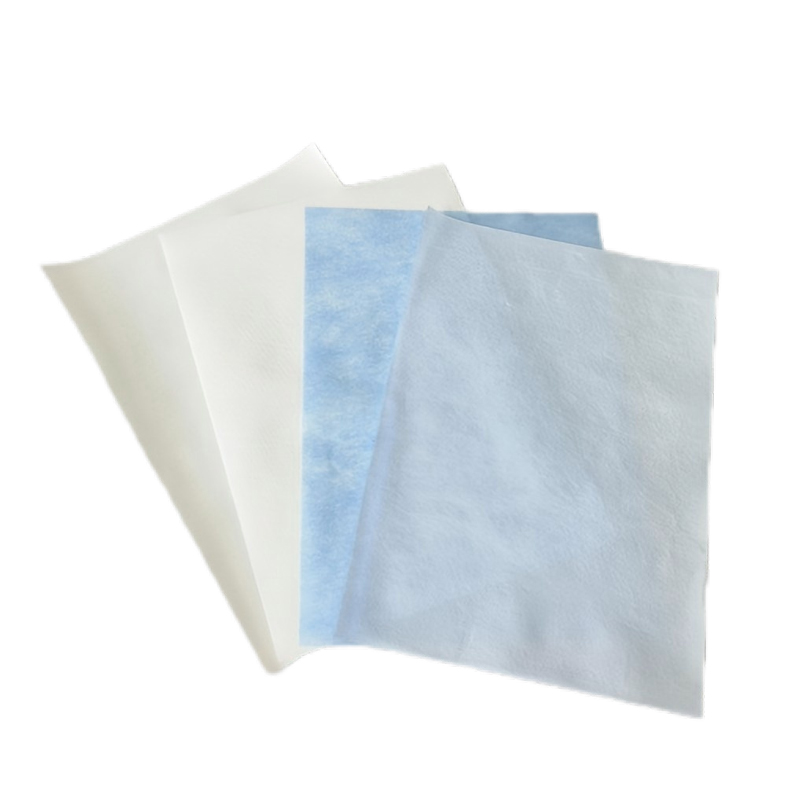 Breathable Film Laminates
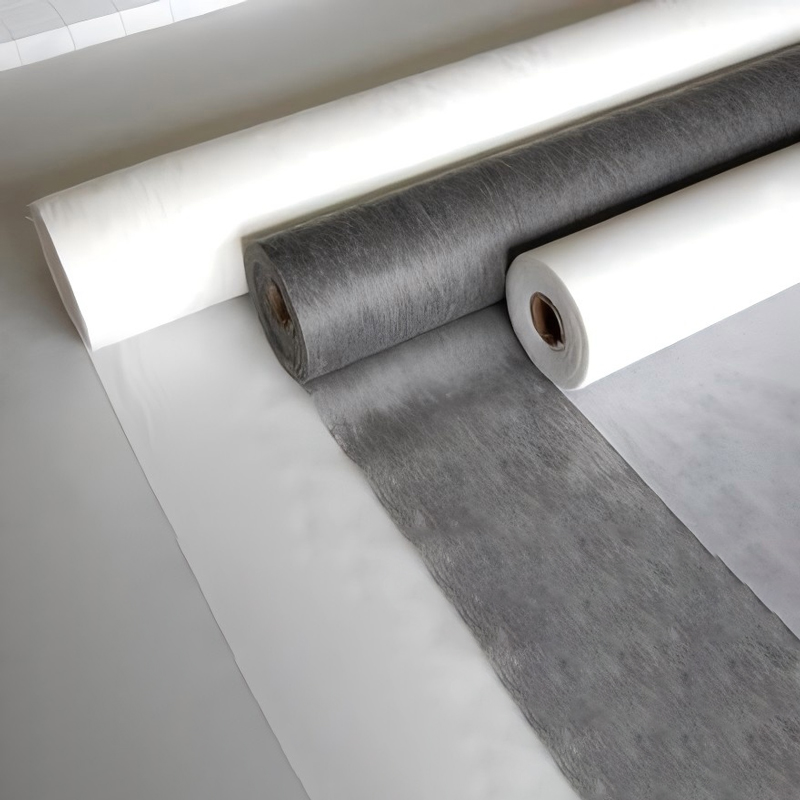 Nonwoven Interlining
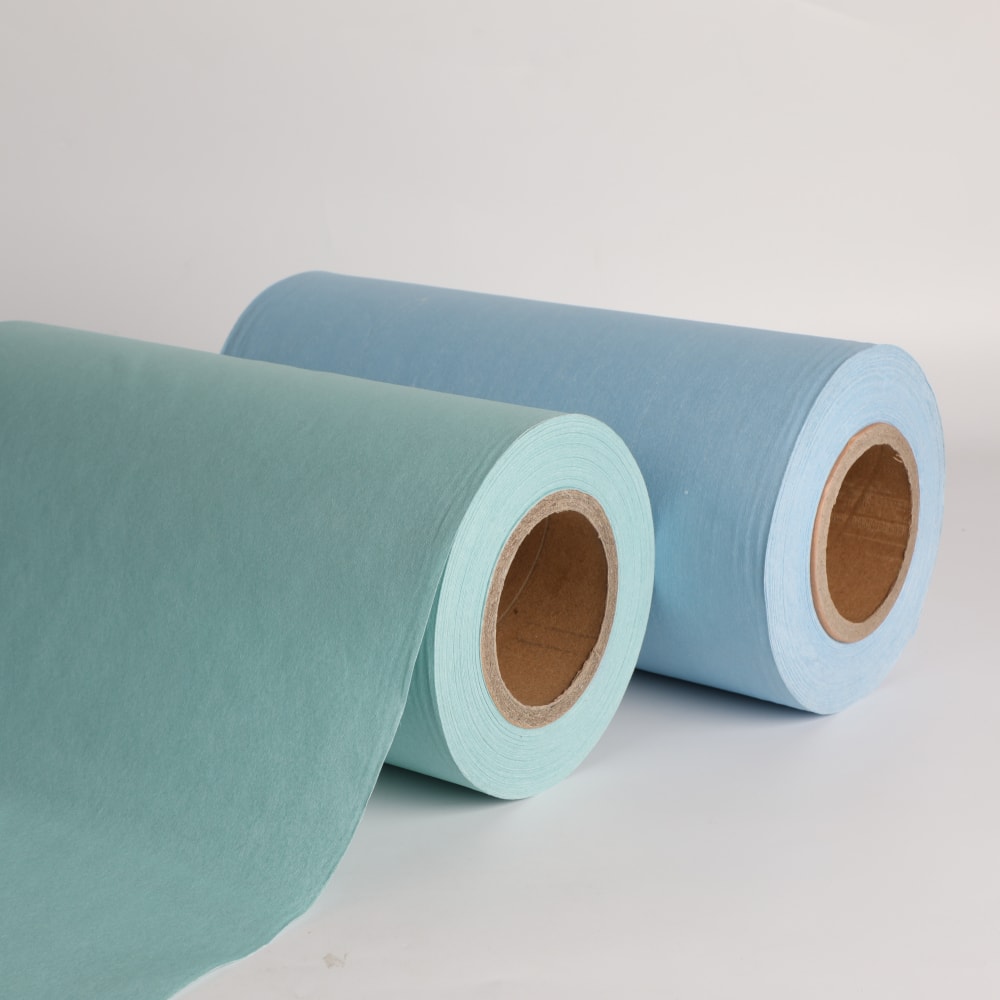 Fluid Repellent Woodpulp Spunlace Nonwoven
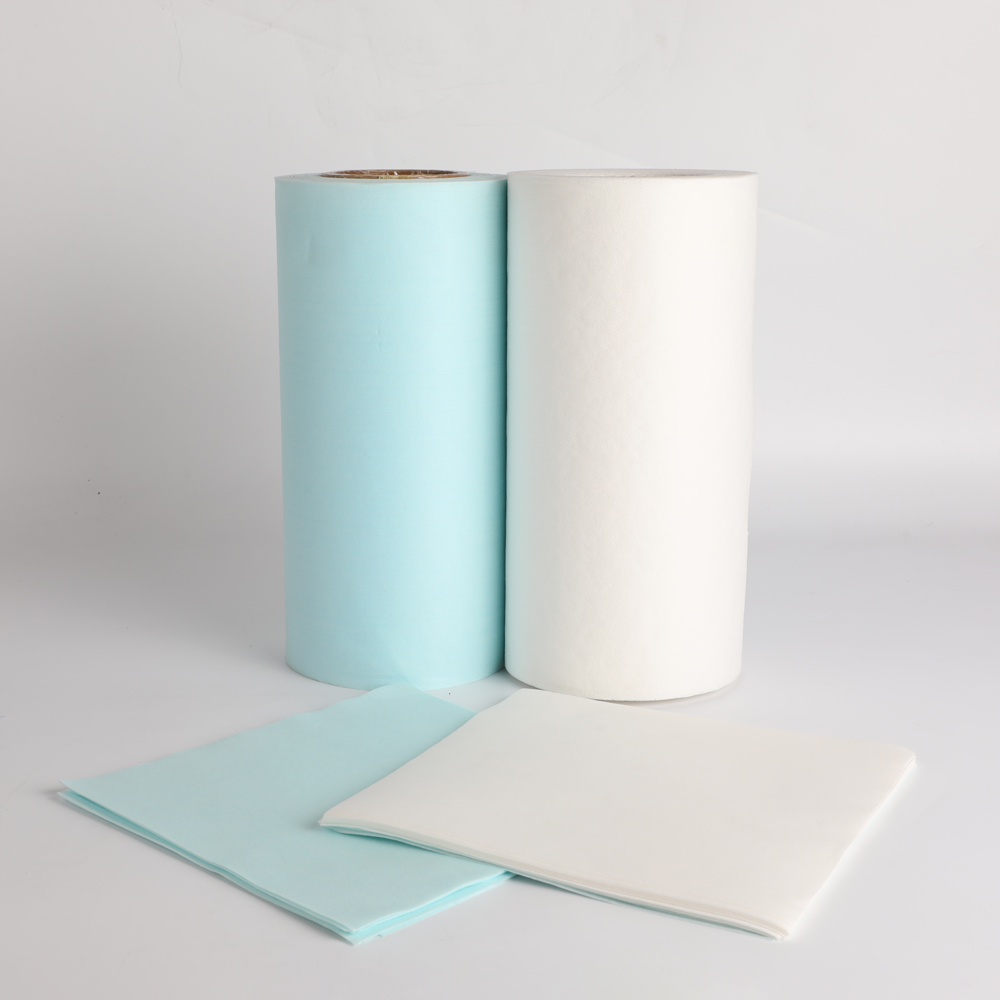 Woodpulp Nonwoven Wipe
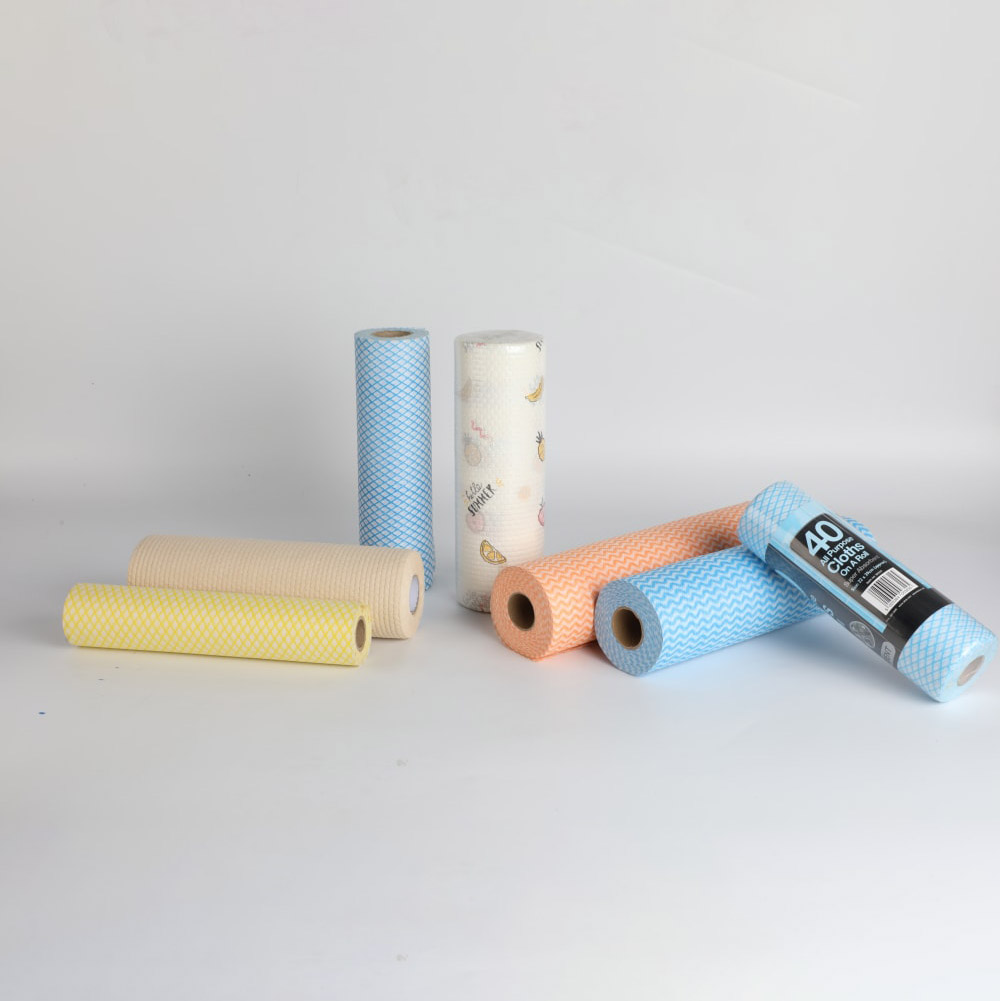 Nonwoven Cleaning Wipe
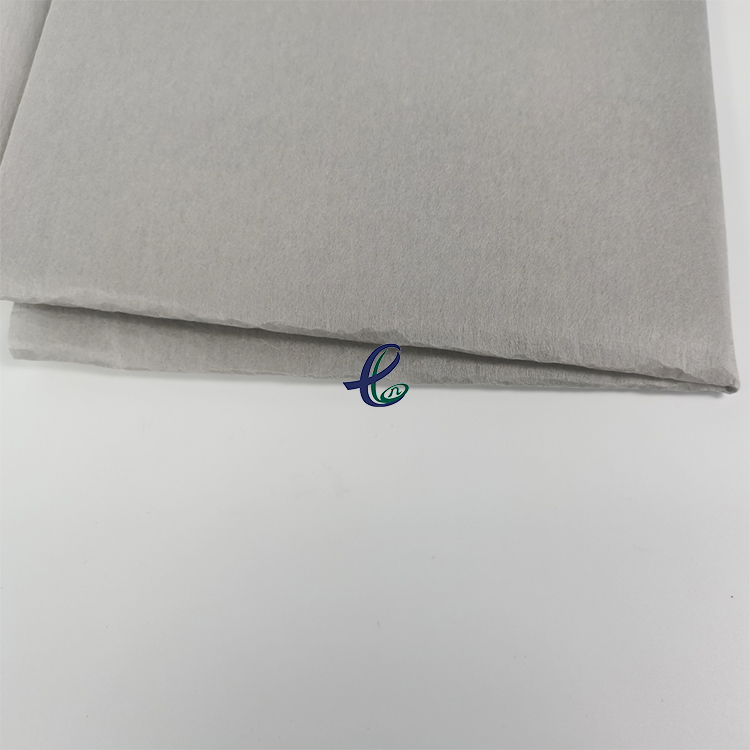 Curtain Nonwoven
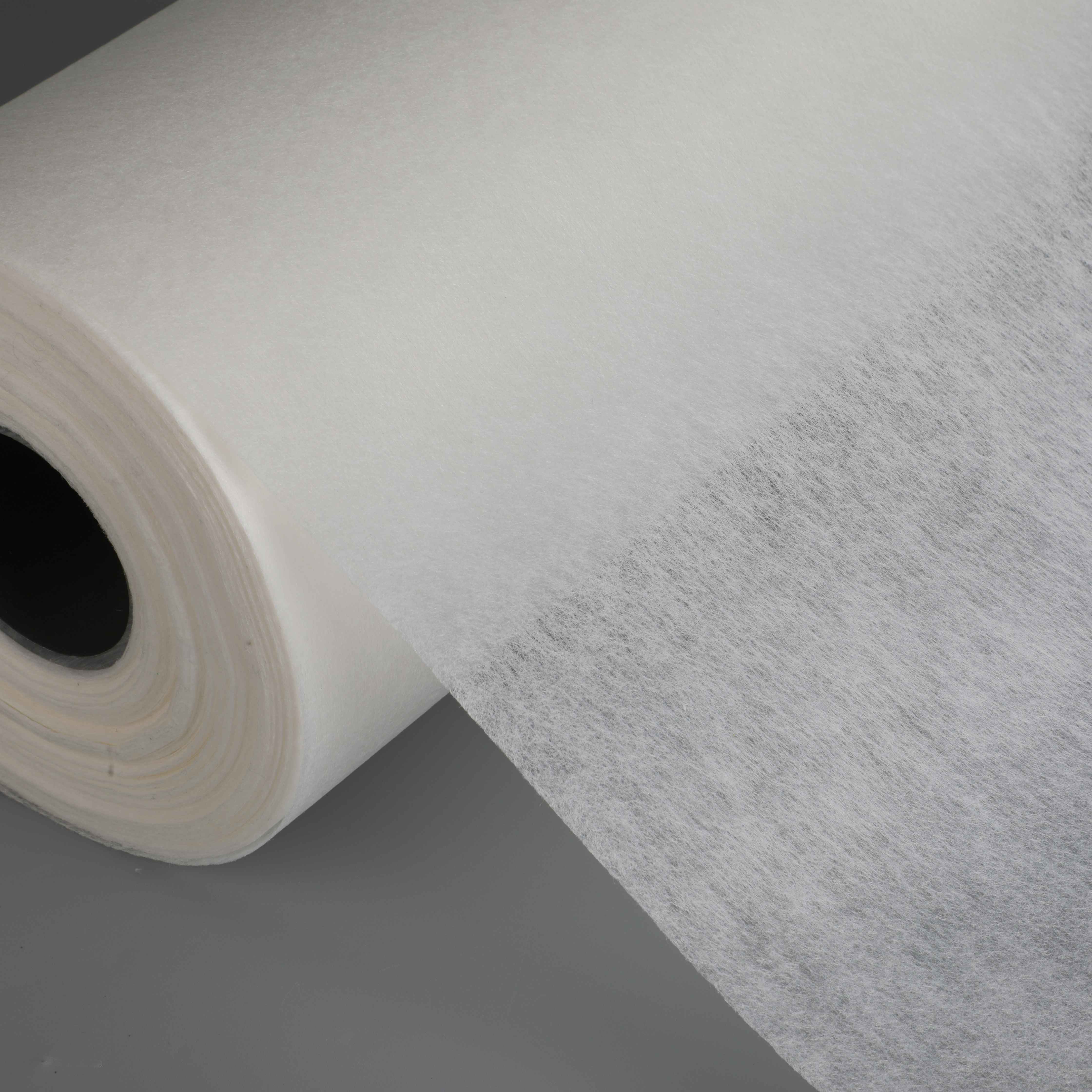 Food Grade Packaging Nonwoven
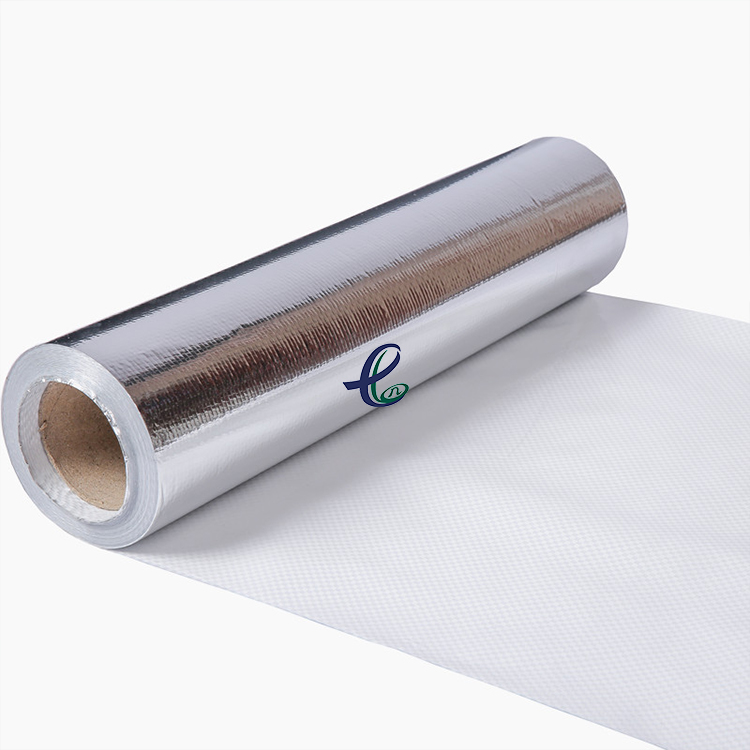 Aluminized Nonwoven
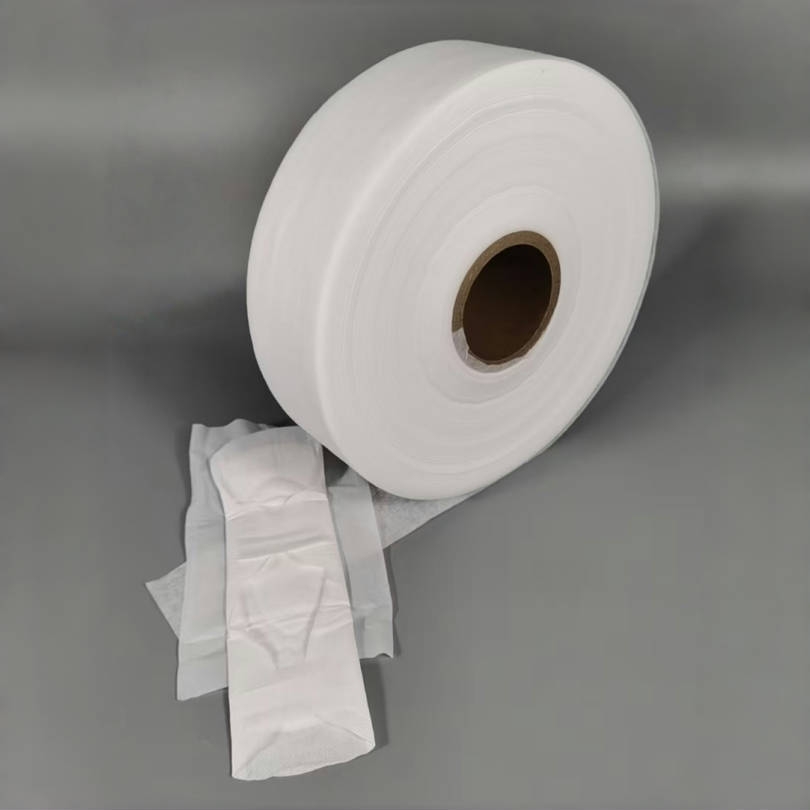 Hot Air Cotton Nonwoven
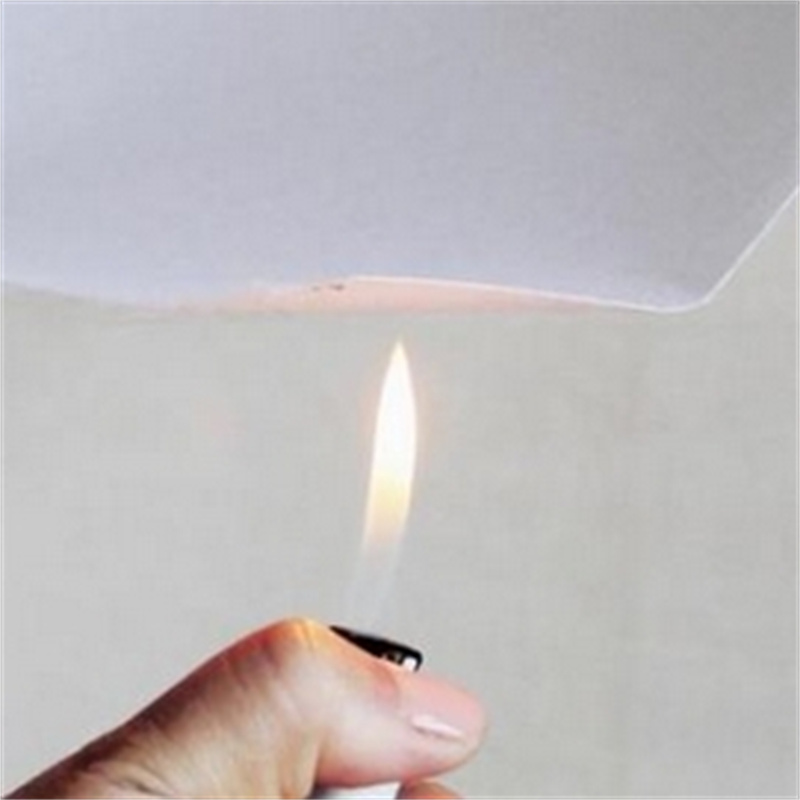 Flame Retardant Nonwoven
 Cable Wrapping Nonwoven
 Semi-conductive Nonwoven
 Anti-Bacterial Nonwoven
 +8613957712400
 CONTACT WhatsApp
 CONTACT WeChat
 CONTACT NUMBER
 CONTACT EMAIL