Leave Your Message

2026 How to Choose Fusible Nonwoven Interlining Fabric?

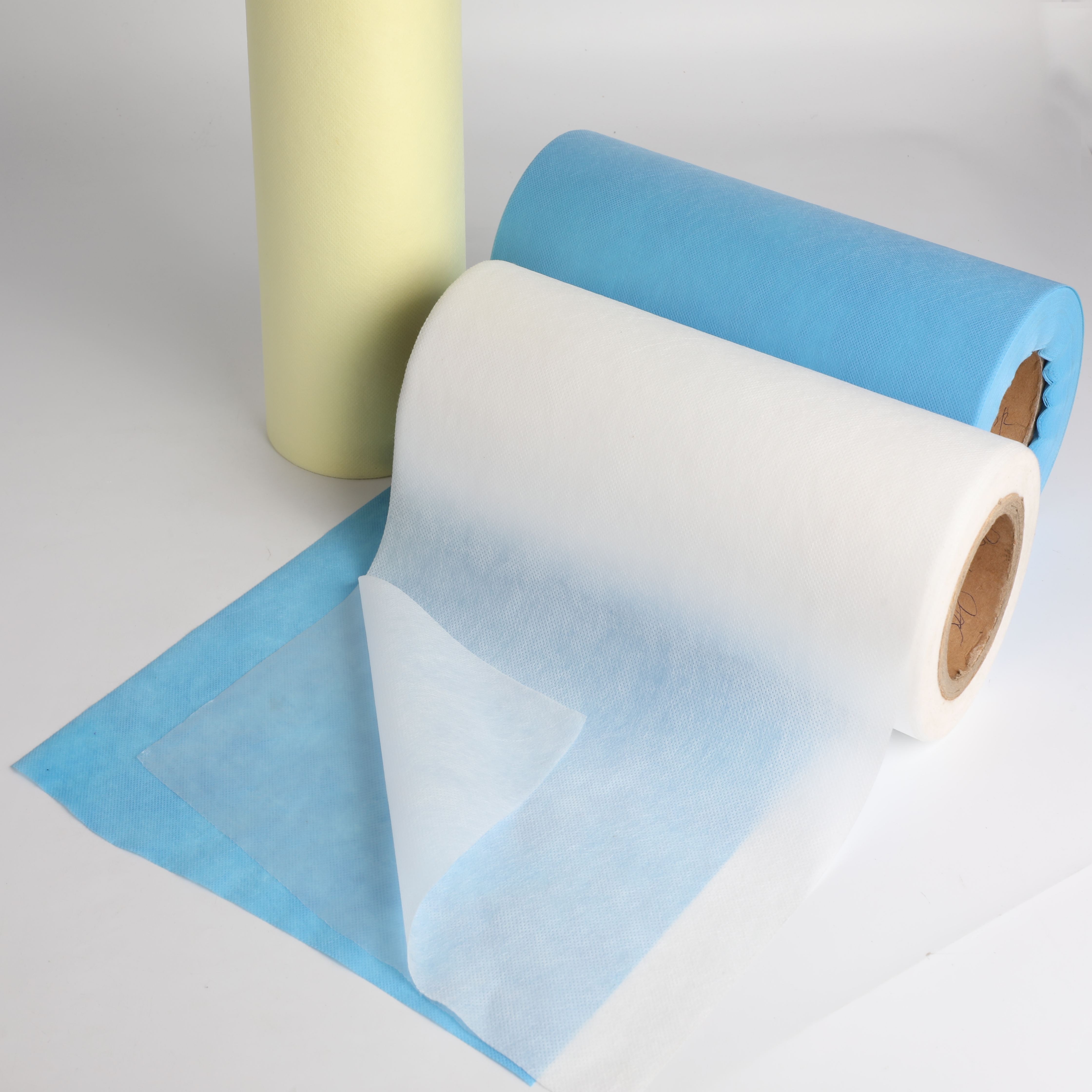
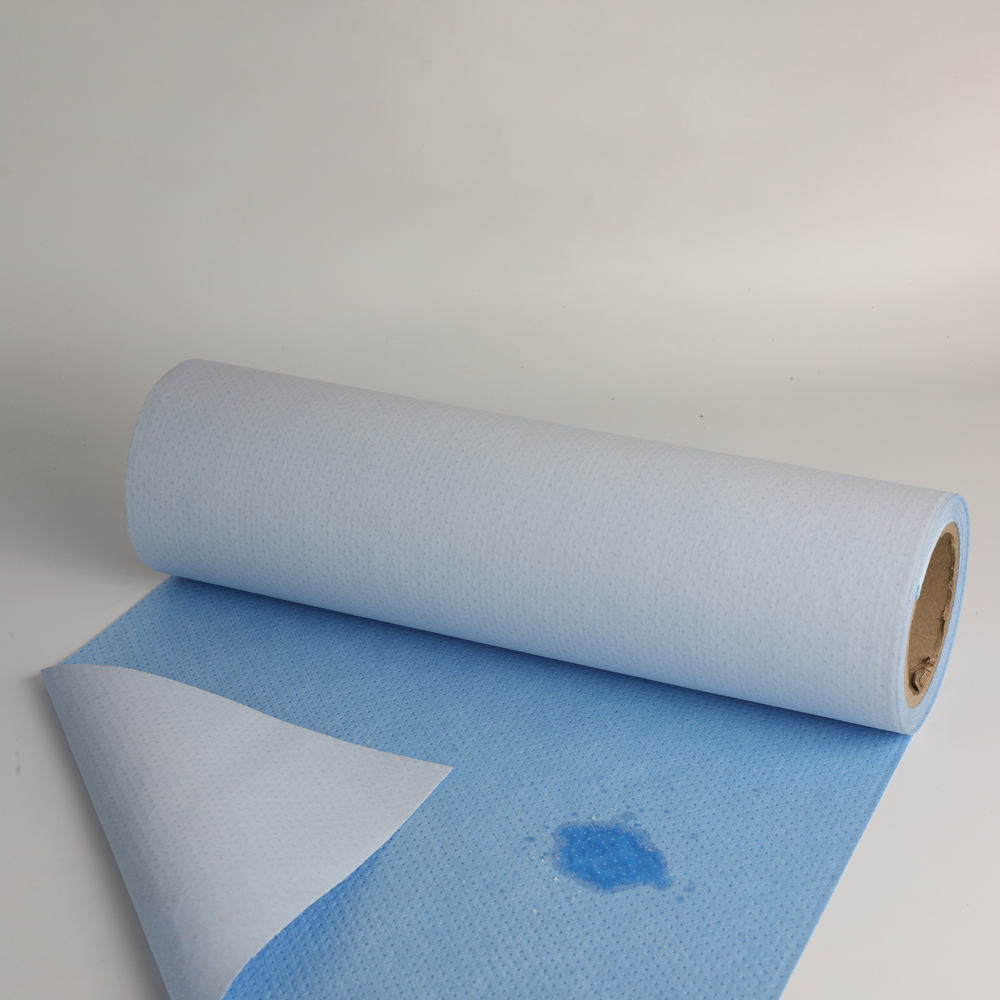
Choosing Fusible Nonwoven Interlining Fabric can shape how a garment feels, holds its form, and wears over time. A collar that stays crisp and a placket that lies flat often depend on the right combination of shell fabric, adhesive, and pressing conditions. Yet the wrong interlining can leave a stiff hand, visible bubbling, or a bond that weakens after laundering. Small differences matter.

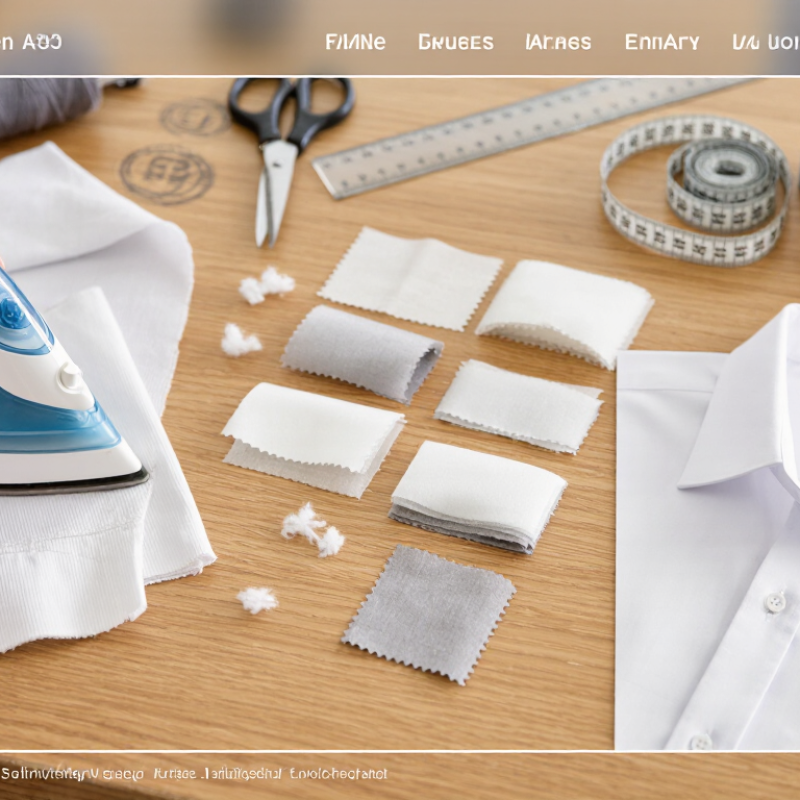
This guide compares weight, thickness, stiffness, fiber composition, adhesive type, and bonding temperature. It also explains how to test a sample on the actual garment fabric. A small press test can reveal problems that a product description cannot: shine on a dark surface, strike-through on a lightweight weave, or distortion around a curved edge. Results vary with the fabric and equipment, so treat supplier specifications as starting points, not guarantees.

No source or verifiable expert quotation was provided, so I won’t invent a named specialist or attribute fabricated words to one. Instead, keep this practical rule in mind: “Test the bond on the actual shell fabric before choosing the interlining.” It is simple advice, perhaps too simple. But skipping that test is an easy way to waste material, time, and a production run.
2026 How to Choose Fusible Nonwoven Interlining Fabric?

Assess the Garment Fabric and Its Intended Use

Assess the garment fabric before choosing fusible nonwoven interlining. Check fiber content, fabric weight, weave or knit, stretch, surface texture, and existing finishes. A crisp cotton poplin and a brushed, stretchy knit need different support and bonding conditions. Textile Exchange’s Materials Market Report 2024 estimates that polyester made up about 57% of global fiber production in 2023. This matters because common fiber blends can react differently to heat and pressure. Always verify the interlining’s adhesive compatibility and activation temperature against the garment fabric, rather than relying on fiber names alone.

Then consider how the garment will be worn and cared for. A lightweight blouse may need soft, flexible support at the collar, while a jacket front may require more body and shape retention. For stretch garments, test whether the fused area still moves without puckering. For washable clothing, check the care instructions and test a fused sample after laundering. A smooth sample is encouraging, but it does not guarantee a good result across the whole garment. Small differences in fabric finish can change adhesion.

Tips: Fuse a small offcut first. Follow the interlining supplier’s time, temperature, and pressure guidance, then let the sample cool flat. Check for bubbles, stiffness, color change, and edge lifting. If the result looks almost right, test again; “almost” can still feel wrong when worn.
How to Choose Fusible Nonwoven Interlining Fabric

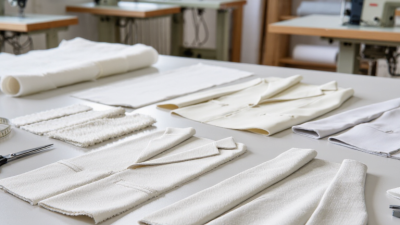
Assess the garment’s shell fabric and intended use. The chart shows indicative interlining weight ranges; the right choice depends on the shell’s weight, drape, and care requirements.

These ranges are general starting points, not universal specifications. Test a sample for bonding, appearance, hand feel, and performance after the garment’s intended care process; follow the interlining supplier’s instructions.

Match Interlining Weight and Structure to the Garment

2026 How to Choose Fusible Nonwoven Interlining Fabric?

Match Interlining Weight and Structure to the Garment

Interlining should support the garment without overpowering its outer fabric. For a light blouse, choose a soft, lightweight option that preserves drape. A stiff layer can make a sleeve placket feel board-like and show through fine fabric. Feel the difference. For a structured jacket front or waistband, a firmer, heavier interlining can help the area hold its shape.

Structure matters as much as weight. A soft nonwoven can suit fluid panels, while a more stable version may work better for collars, cuffs, and facings. Stretch garments need particular care: an interlining with little give may restrict movement or cause rippling. Match its flexibility to the shell, not just its thickness. This is easy to overlook.

Before cutting the garment pieces, fuse a small sample using the fabric and pressing settings recommended for the interlining. Let it cool flat, then check the hand, appearance, and bond. If the panel puckers, feels too rigid, or separates at the edges, adjust the choice or application. Test before cutting. Results can vary with fabric finishes, so a sample is useful even when the weight seems right.

Compare Adhesive Types, Bonding, and Care Requirements

Fusible interlining is bonded with heat-activated adhesive, and the adhesive type affects both handle and care. Polyamide adhesives are commonly used where a soft, flexible bond is needed. Polyester formulations may suit fabrics that need stronger resistance to washing or heat, but performance depends on the specific product. Polyolefin options can work well on selected lightweight materials. Check the supplier’s technical sheet rather than choosing by fiber name alone. A crisp shirt collar and a soft blouse front do not need the same feel.

Bonding depends on temperature, pressure, and dwell time working together. Too much heat can flatten texture or leave shine; too little may cause edges to lift after washing. Test a small swatch. Use the recommended press setting, apply firm, even pressure, then let the piece cool flat before handling. Check both the face and the bond. Small bubbles matter.

Care needs the same attention. Follow the garment and interlining instructions, since their limits may differ. Some bonds tolerate machine washing; others may weaken with repeated heat, harsh cycles, or dry cleaning. When instructions are unclear, test the finished fabric before production. Even a good result on one fabric may not transfer to another. A little uncertainty is useful here. Better to verify than assume.

Test Compatibility on Fabric Samples

Cut swatches from the actual shell fabric, not a similar-looking substitute. Include its face, backing, and any finish. Textile Exchange’s 2024 Materials Market Report estimated global fiber production at 124 million tonnes in 2023, with polyester accounting for 57%. That scale matters: “polyester” alone does not describe a fabric’s weave, coating, or heat response. Small coupons lie. Test several pieces from the same production lot, and mark the grain direction before fusing.

Use the interlining supplier’s recommended temperature, pressure, and dwell time, then record the settings. Check for strike-through, bubbling, shade change, stiffness, and edge lift after cooling. Flex the sample, then wash or dry-clean it as the garment will be cared for. ASTM D2724 covers testing bonded, fused, and laminated apparel fabrics; its framework can help assess bond performance. A single successful press is not enough. Repeat the trial, since uneven pressure across a full-width press can produce a different result. One limitation remains: a small sample cannot reveal every variation in a fabric roll. Keep a fused control swatch beside the unfused fabric, and compare both under the same light.

2026 How to Choose Fusible Nonwoven Interlining Fabric? - Test Compatibility on Fabric Samples
Shell Fabric Sample Suggested Interlining Starting Point Initial Pressing Trial Compatibility Checks Sample-Test Assessment
Lightweight cotton lawn or poplin Lightweight nonwoven, approximately 25–35 g/m²; choose a soft hand for shirts and blouses. Test at 130–140°C for 10–12 seconds using medium, even pressure. Follow the interlining supplier’s temperature scale and instructions. Check for strike-through, surface shine, puckering, and a visible change in drape. Recheck the bond after cooling flat. A lightweight option is a sensible starting point. Use a lower temperature or shorter dwell if the face becomes shiny; increase bonding conditions only within the product instructions.
Medium-weight cotton twill Medium-weight nonwoven, approximately 35–50 g/m²; select a firmer grade where added body is needed. Test at 140–150°C for 10–15 seconds with even pressure. Allow the fused sample to cool flat before handling. Inspect the edges for lifting and the surface for bubbles or distortion. Compare the fused area with an unfused control. Often suitable for structured areas, but the correct weight depends on the desired stiffness and the fabric’s finish.
Polyester lining or lightweight synthetic woven Lightweight, low-temperature-compatible nonwoven; confirm that its adhesive is suitable for synthetic fabrics. Begin with a cautious trial around 110–125°C for 8–10 seconds, then adjust only within the fabric and interlining care limits. Look for heat gloss, shrinkage, color change, adhesive strike-through, and loss of surface texture. Heat sensitivity varies among synthetic fabrics. Reject a setting that marks or distorts the shell, even if the bond appears strong.
Viscose or rayon woven fabric Lightweight to medium-weight nonwoven selected to preserve the shell fabric’s soft drape. Test at a moderate setting, such as 120–140°C for 8–12 seconds, using a pressing cloth if appropriate. Check for water marks, stretching, puckering, color change, and uneven bonding. Keep the sample supported while cooling. Use a small trial first: some viscose fabrics are prone to distortion or marking under heat and pressure.
Wool suiting or wool-blend woven Soft, lightweight or medium-weight nonwoven, chosen to avoid making the fused area board-like. Use a pressing cloth and test around 130–150°C for 10–12 seconds, subject to the fabric’s care limits. Check for flattening, shine, shrinkage, bubbling, and changes in the fabric’s surface texture. Assess both bond and hand. A firm bond is not a good result if the fused panel loses the intended softness or appearance.
Stretch knit fabric Soft, flexible nonwoven intended for stretch applications; match its recovery to the knit. Use low, even pressure and begin near 120–135°C for 8–10 seconds. Avoid dragging the iron or stretching the sample. After cooling, stretch and release the sample. Look for bubbling, edge lift, restricted recovery, and permanent distortion. Choose a flexible grade and test the finished panel in the direction of greatest stretch. A rigid bond can impair garment movement.
Delicate or heat-sensitive printed fabric Very lightweight nonwoven with an adhesive approved for the shell fabric; test print and color stability separately. Start at the lowest temperature permitted by both materials, with a short dwell and a clean pressing cloth. Inspect the print for transfer or fading and the face for gloss, adhesive marks, color change, or texture distortion. Do not proceed to production unless the print, color, and surface remain unchanged after pressing and cooling.
Sample-testing method: Use the same fabric, interlining, pressing equipment, and cooling method planned for production. Test a small fused swatch beside an unfused control, let it cool flat, then check appearance, hand, edge adhesion, and bubbling. For washable garments, follow the care label and repeat the inspection after the intended laundering process. Temperatures and times above are starting points only; the fabric and interlining manufacturers’ instructions take priority.

Confirm Performance Before Selecting the Interlining

2026 How to Choose Fusible Nonwoven Interlining Fabric?

Confirm Performance Before Selecting the Interlining

Before choosing fusible nonwoven interlining, test it with the actual shell fabric. A swatch reveals more than a product description alone. Cut a small panel, apply the planned temperature, pressure, and dwell time, then let it cool flat. Check bond strength, bubbling, strike-through, and changes in surface feel. Inspect near seams and curved edges. Small defects often appear there first. One successful sample is not proof of consistent performance.

Tips: Test two or three settings around the recommended range. Record each setting and result. Wash or dry-clean a sample if the finished garment will face that care process. Check it again after cooling and conditioning. Keep notes; memory is unreliable.

Consider the fabric’s weight, texture, stretch, and intended use. A crisp woven shell may need different support from a soft knit. The interlining should stabilize the garment without making it stiff or causing the shell to pucker. It is easy to focus only on adhesion, but appearance and hand feel matter too. If results vary across the panel, check whether pressure was even or the iron surface was too small. That detail can be frustrating, and it may require another test. Select the option that performs reliably across the full sample, not just one neat corner.