Top 10 Benefits of Water Repellent Nonwoven for Global Buyers?
In the world of textiles, "Water Repellent Nonwoven" has gained significant attention from global buyers. Industry expert Dr. Jane Smith emphasizes its importance by stating, "Water repellent nonwoven materials are transforming how we approach protection in various sectors." This innovation offers a blend of durability and versatility that meets various market needs.
Many industries, from healthcare to automotive, benefit from water repellent nonwoven fabrics. Their unique properties ensure that products remain dry and functional under adverse conditions. These materials are lightweight yet robust, proving essential for applications that require both performance and comfort. However, some manufacturers still struggle with sourcing high-quality options.
Despite these challenges, the advantages of water repellent nonwoven materials are clear. They reduce waste and improve the sustainability of products, which is a crucial consideration in today's market. Buyers must navigate this evolving landscape and reflect on their needs. Adopting these materials can reshape business strategies and lead to more resilient solutions.

Key Advantages of Water Repellent Nonwoven Fabrics for Buyers
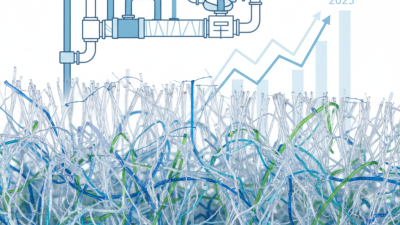
Water repellent nonwoven fabrics offer significant advantages for global buyers in various industries. These innovative materials excel in applications ranging from outdoor gear to hygiene products. According to recent industry reports, the global nonwoven fabric market reached approximately $48 billion in 2022, with water repellent nonwoven fabrics gaining traction due to their unique properties.
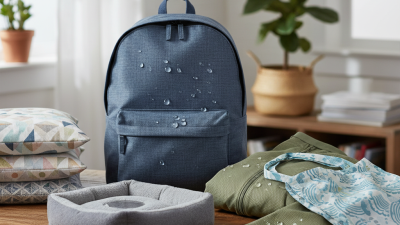
One of the key benefits of water repellent nonwovens is their enhanced durability. Unlike traditional fabrics, they resist moisture infiltration effectively. This characteristic is vital in sectors like construction and automotive, where exposure to water can compromise product integrity. Additionally, these textiles often feature a breathable structure, allowing air circulation while keeping liquids at bay. Reports indicate that the demand for breathable water repellent nonwovens is increasing by around 12% annually, highlighting their growing importance.
In terms of sustainability, many water repellent nonwovens are designed to be eco-friendly. They use less energy and require fewer resources in production. However, the challenge remains in sourcing raw materials that balance performance and environmental impact. Buyers must consider this trade-off carefully. Not all water repellent technologies hold the same environmental standards. As the industry evolves, ensuring transparency in sustainability claims will be crucial for informed decision-making.
Top 10 Benefits of Water Repellent Nonwoven Fabrics
This bar chart illustrates the key advantages of water repellent nonwoven fabrics for global buyers. Each benefit is rated on a scale from 1 to 10, indicating its significance and value in various applications.
Sustainability and Eco-Friendliness of Water Repellent Nonwovens
Water repellent nonwovens have gained attention for their sustainability and eco-friendliness. These materials are designed to resist water while being biodegradable or recyclable. Their production often uses less energy compared to traditional textiles, reducing their overall carbon footprint. This makes them an appealing choice for environmentally conscious consumers.
Many industries benefit from using water repellent nonwovens, including construction, agriculture, and fashion. They provide protection while minimizing waste. Manufacturers are increasingly adopting eco-friendly practices, such as sourcing materials from renewable resources. This shift creates a positive impact on the environment.
Tip: Always check for certifications that indicate sustainable practices. Look for labels like "eco-friendly" or "biodegradable."
One challenge remains: ensuring that water repellency does not compromise the material's breathability. Finding the right balance is crucial for effective use. Investing in research and innovation can lead to improved solutions for this issue.
Tip: Regularly assess the performance of water repellent nonwovens in your products. Adjust your selections based on durability and environmental impact.
Versatility in Various Industries: Applications of Water Repellent Nonwoven
Water repellent nonwoven fabrics are increasingly recognized for their versatility across numerous industries. They provide effective solutions in medical, automotive, and architectural sectors. In healthcare, these materials protect against fluids and contaminants. Surgical gowns and drapes rely on their water-resistant properties to maintain hygiene. Such applications are crucial, especially in environments requiring strict infection control.
In the automotive industry, water repellent nonwoven fabrics enhance the durability of interior components. Upholstery and insulation made from these materials resist moisture, improving longevity and performance. However, manufacturers must continually assess the environmental impact of these materials. The quest for sustainable options remains a work in progress.
Architecture also benefits from these versatile fabrics. Water repellent nonwovens are used in building membranes, providing weather resistance while allowing breathability. This balance is essential for maintaining structural integrity. Designers and builders must remain vigilant, ensuring that new applications do not compromise safety standards. Their adaptability can lead to innovative architectural solutions, but careful consideration is necessary.
Cost-Effectiveness: Economic Benefits for Global Buyers of Nonwovens
Water repellent nonwoven fabrics offer significant economic advantages for global buyers. These materials provide durability and performance at a lower cost compared to traditional fabrics. Businesses can reduce expenses on replacements, leading to long-term savings. The initial investment may seem high, but the lifespan of water repellent nonwovens often justifies the cost.
Cost-effectiveness does not mean compromising quality. These nonwovens resist moisture well, which translates to less maintenance. For instance, they can be used in various applications, including medical supplies and outdoor gear. Such versatility broadens market opportunities and attracts diverse buyers.
Tip: Always assess the specific needs of your business before selecting nonwovens. Consider factors like tensile strength and environmental conditions. Understanding these aspects ensures you choose the right product for your application.
Buyers should also reflect on their supply chain and logistics. Sourcing water repellent nonwovens might streamline operations and reduce waste. This approach can boost overall efficiency and strengthen relationships with suppliers. Each decision counts in creating a sustainable business model.
Enhanced Performance Features of Water Repellent Nonwoven Materials
Water repellent nonwoven materials have gained recognition for their unique performance features. These fabrics resist water while allowing moisture vapor to escape. This balance enhances breathability, making them ideal for various applications. Industries such as healthcare, construction, and fashion benefit from these materials. The ability to create soft yet strong fabrics ensures durability and comfort.
The technology behind water repellency offers significant advantages. Water repellent nonwovens are lightweight, which makes them easy to handle. They are also eco-friendly, often produced from recyclable materials. Nonwoven fabrics can be engineered for specific needs, providing versatility across markets. Their surface treatment can influence performance, showing that not all products are created equal.
Challenges do exist in sourcing quality water repellent nonwovens. Buyers must vet suppliers carefully, focusing on reliability and environmentally friendly practices. The market can be crowded, making it difficult to choose the right material. It's essential to evaluate durability and performance under real-world conditions. This approach ensures the selected fabric meets expectations and offers true value.

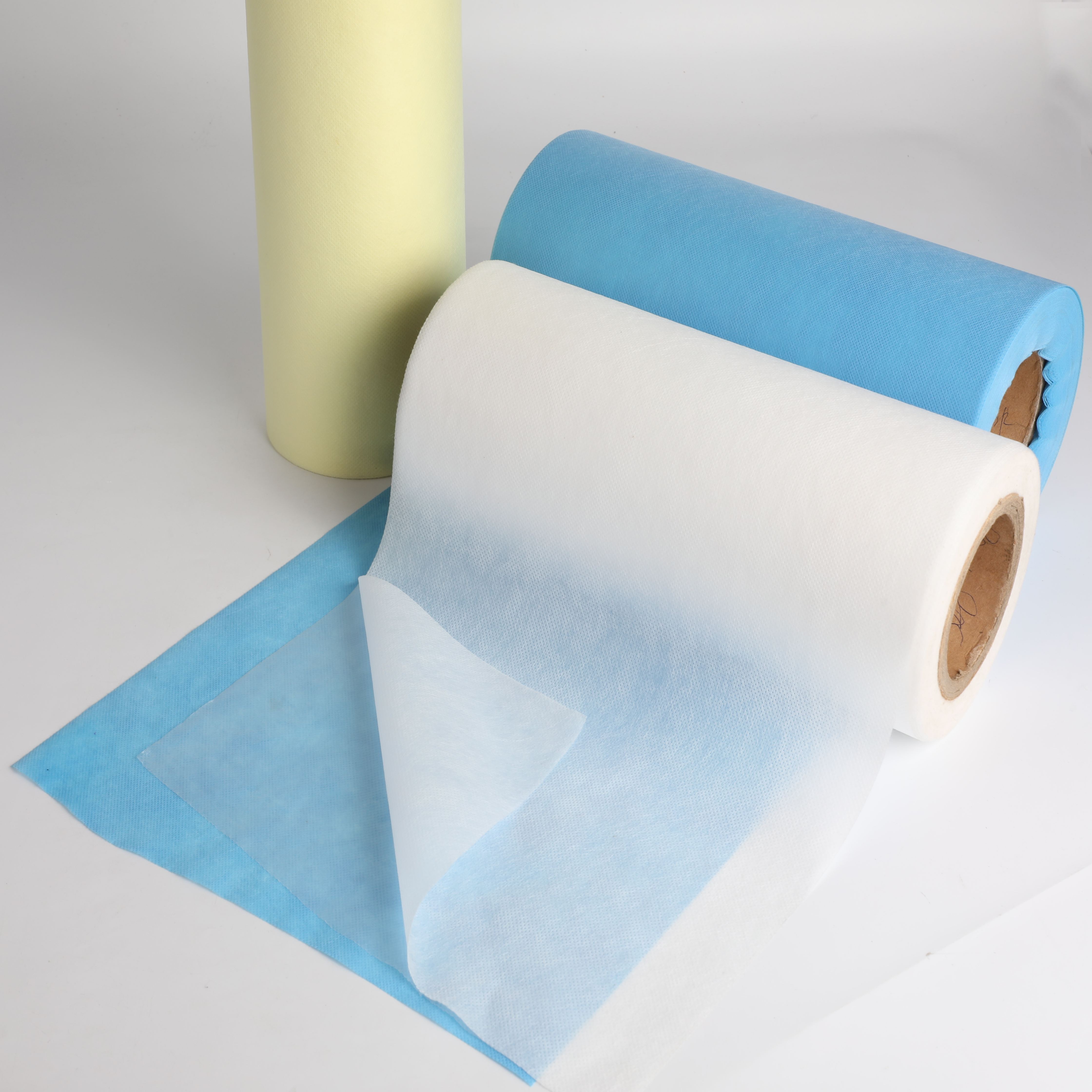 PP Laminates
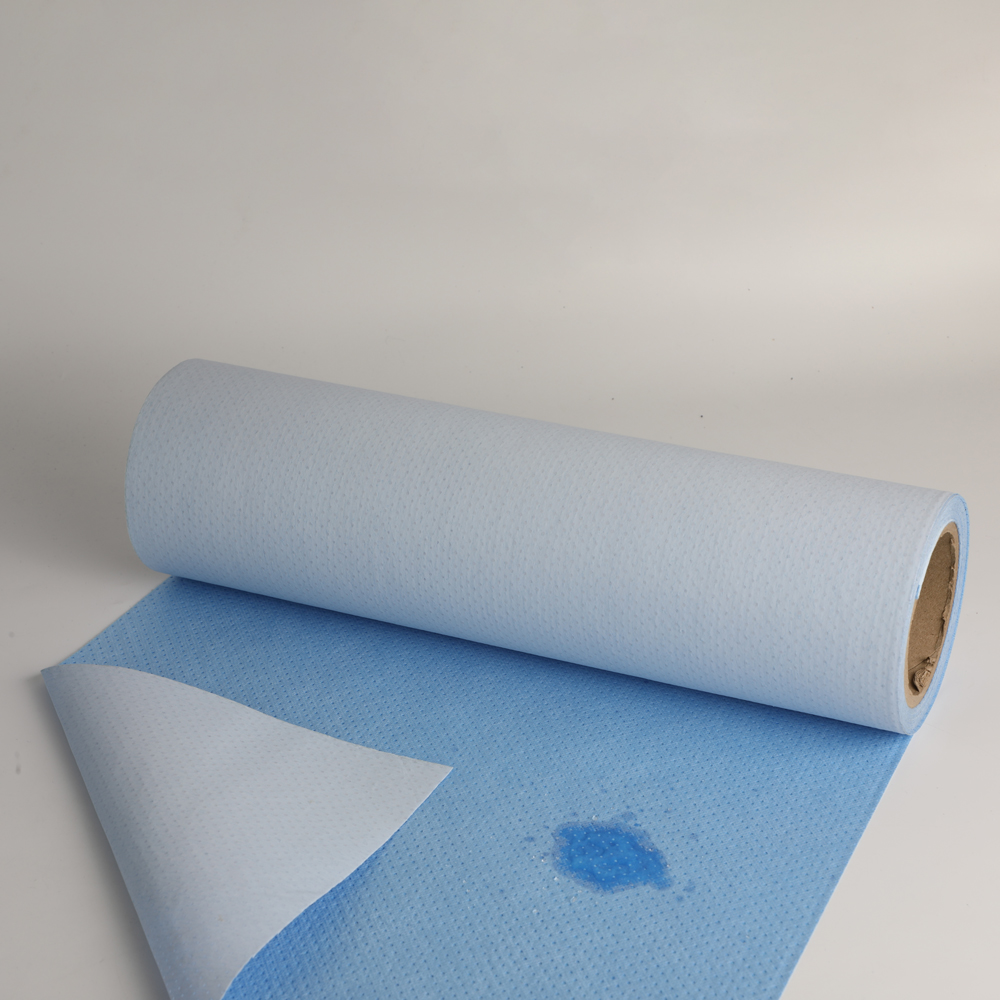 Multi Laminates
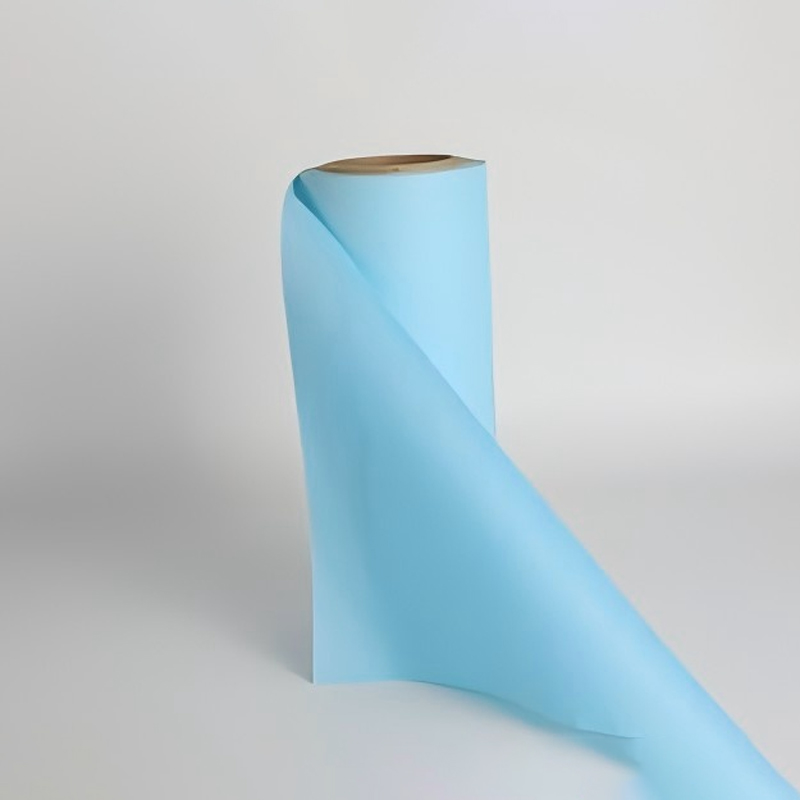 Spunlace Nonwoven Laminates
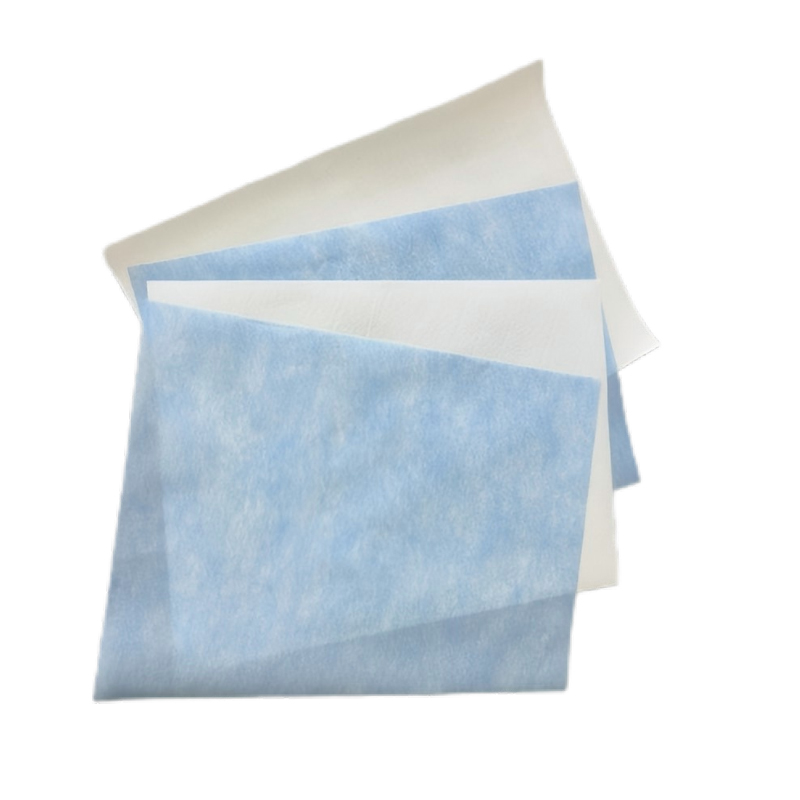 Breathable Film Laminates
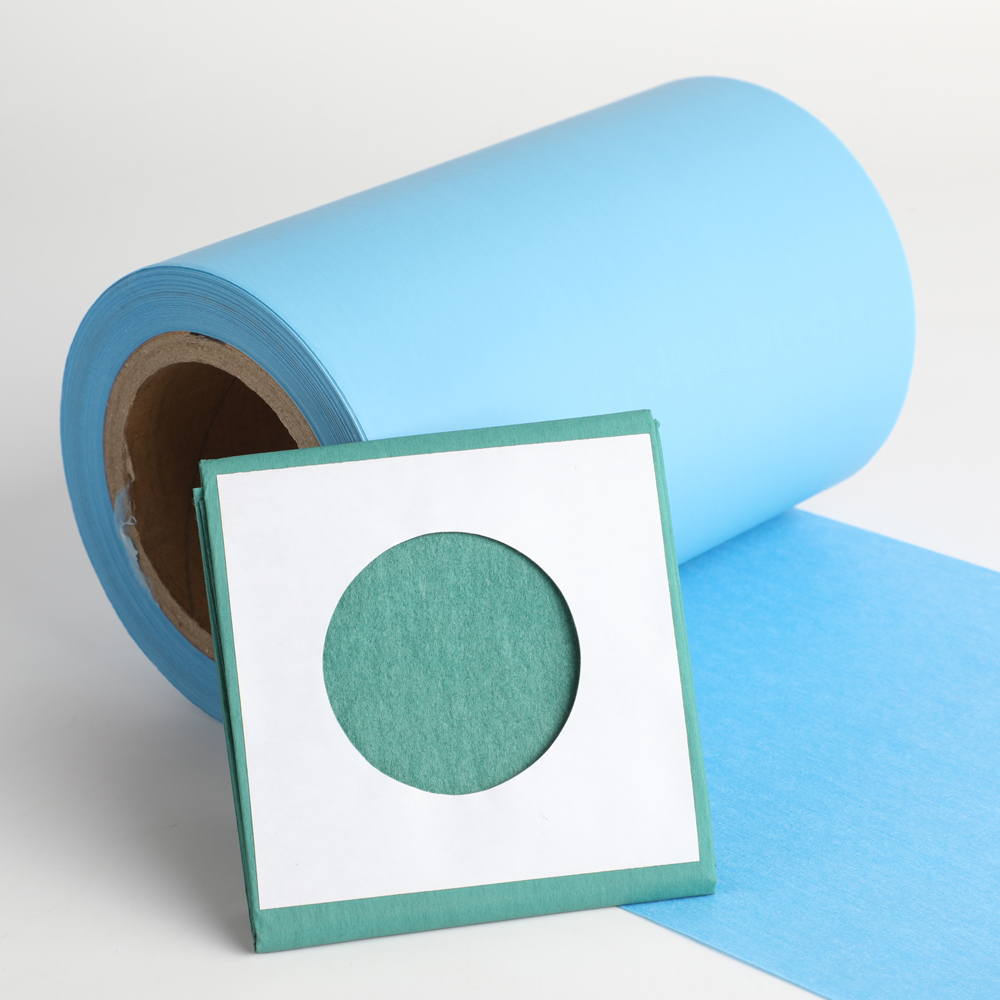 Viscose Laminates
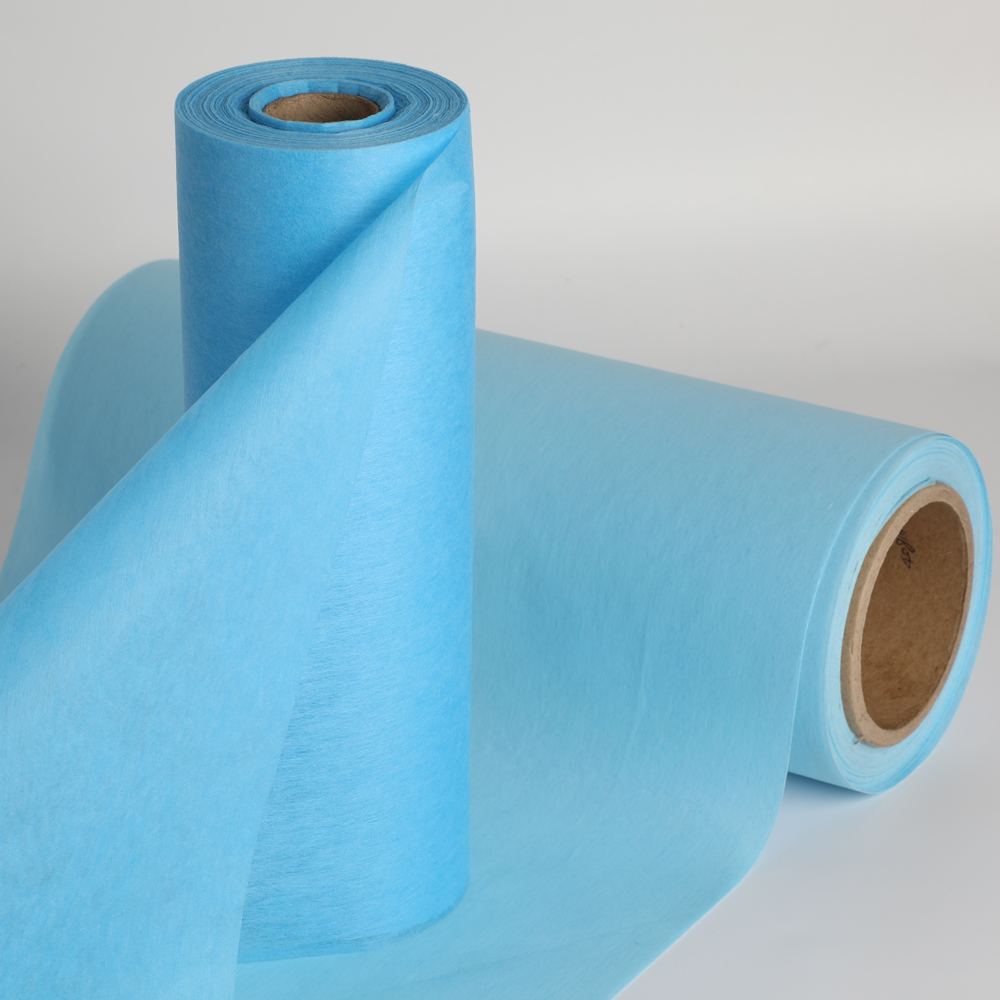 Medical Viscose Nonwoven
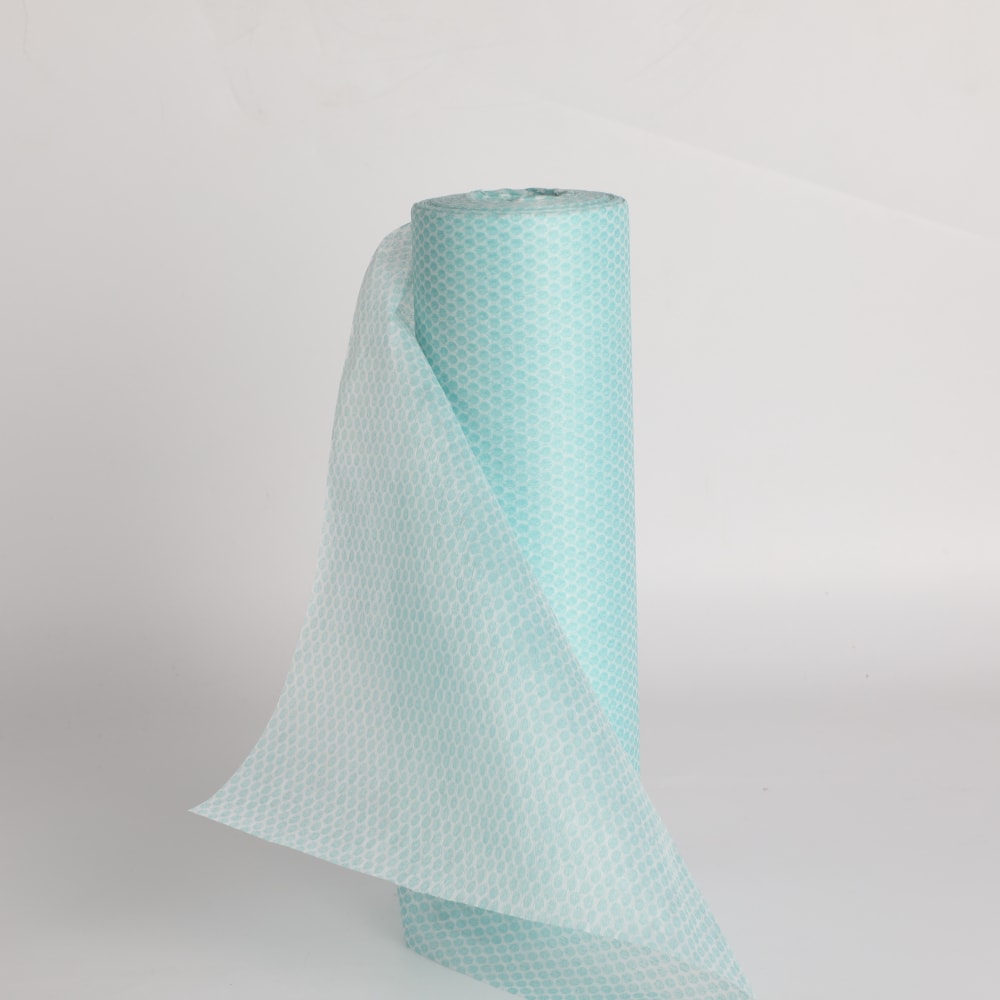 Head Wear Nonwoven
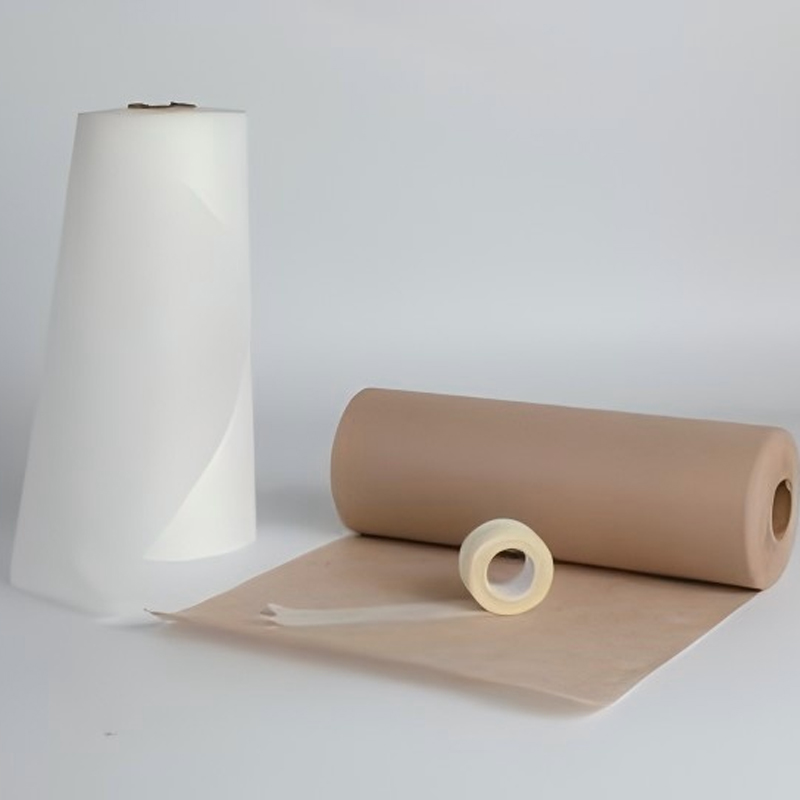 Medical Tape Nonwoven
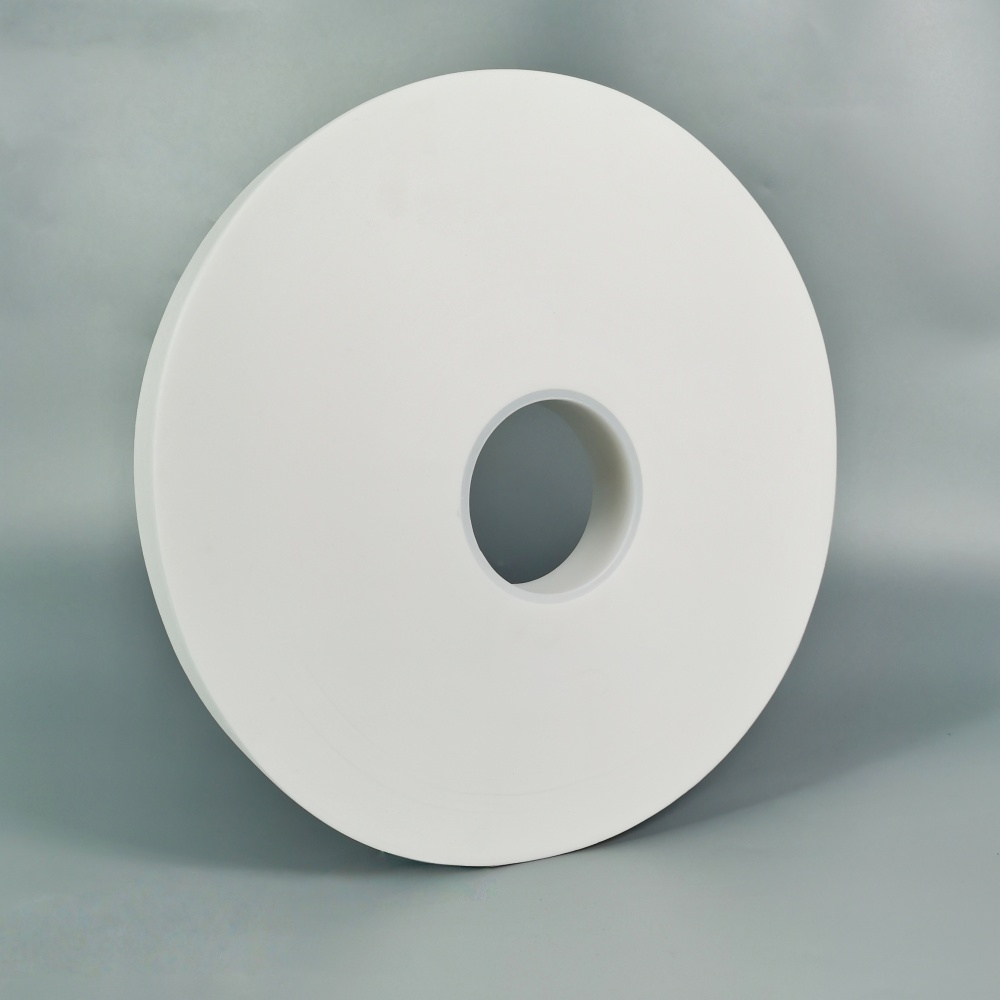 Snus Pouch Nonwoven
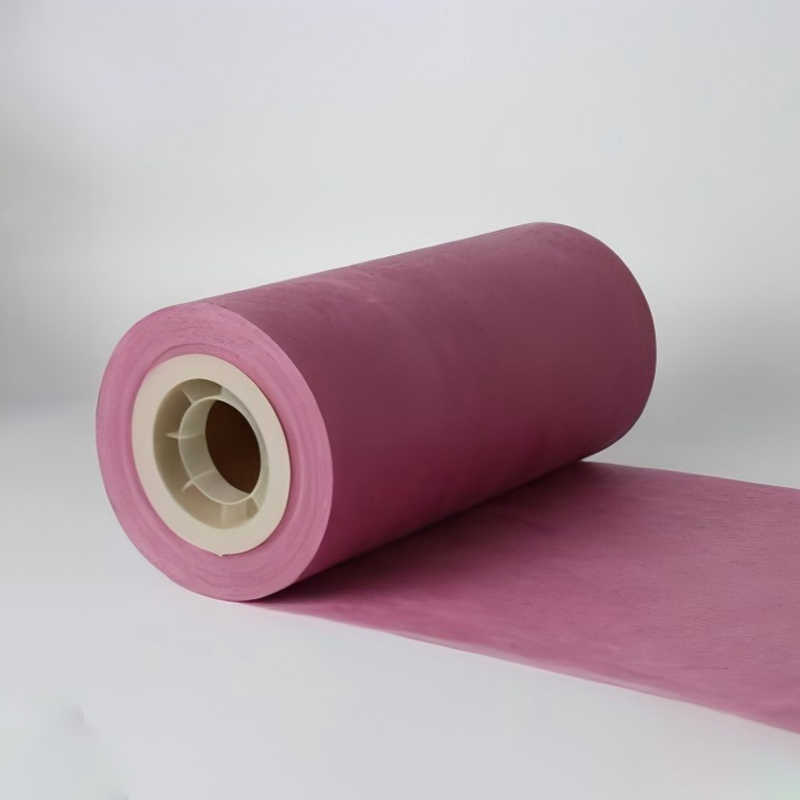 Filtration Nonwoven
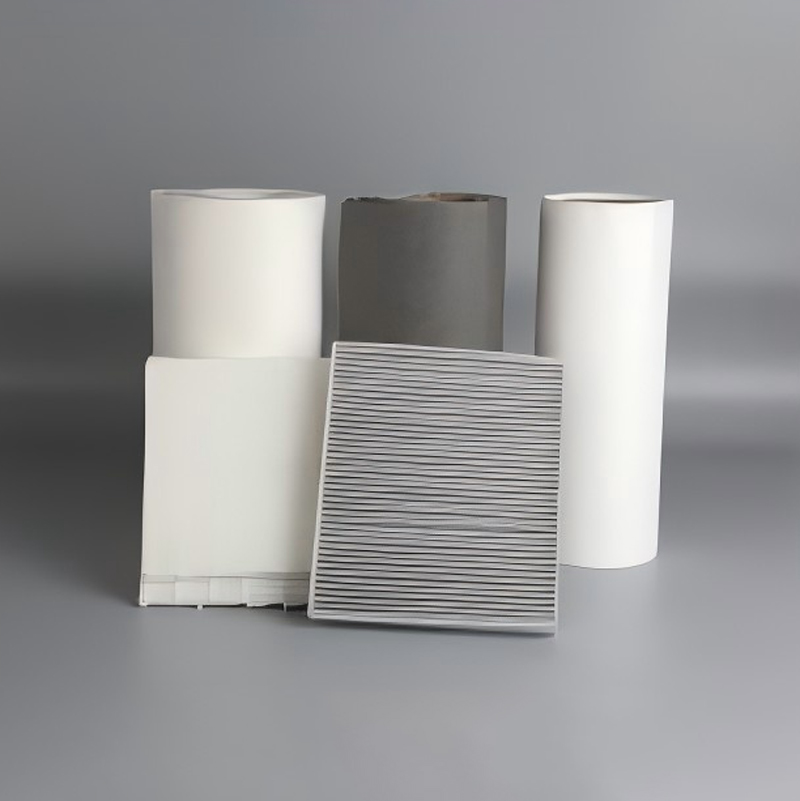 Air Filter Media
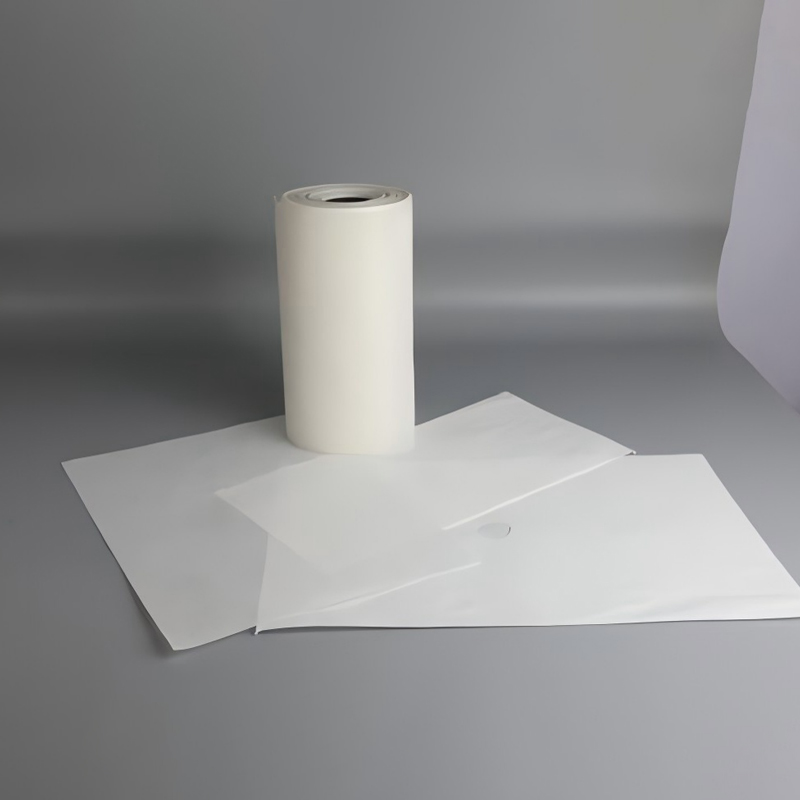 Liquid Filter Media
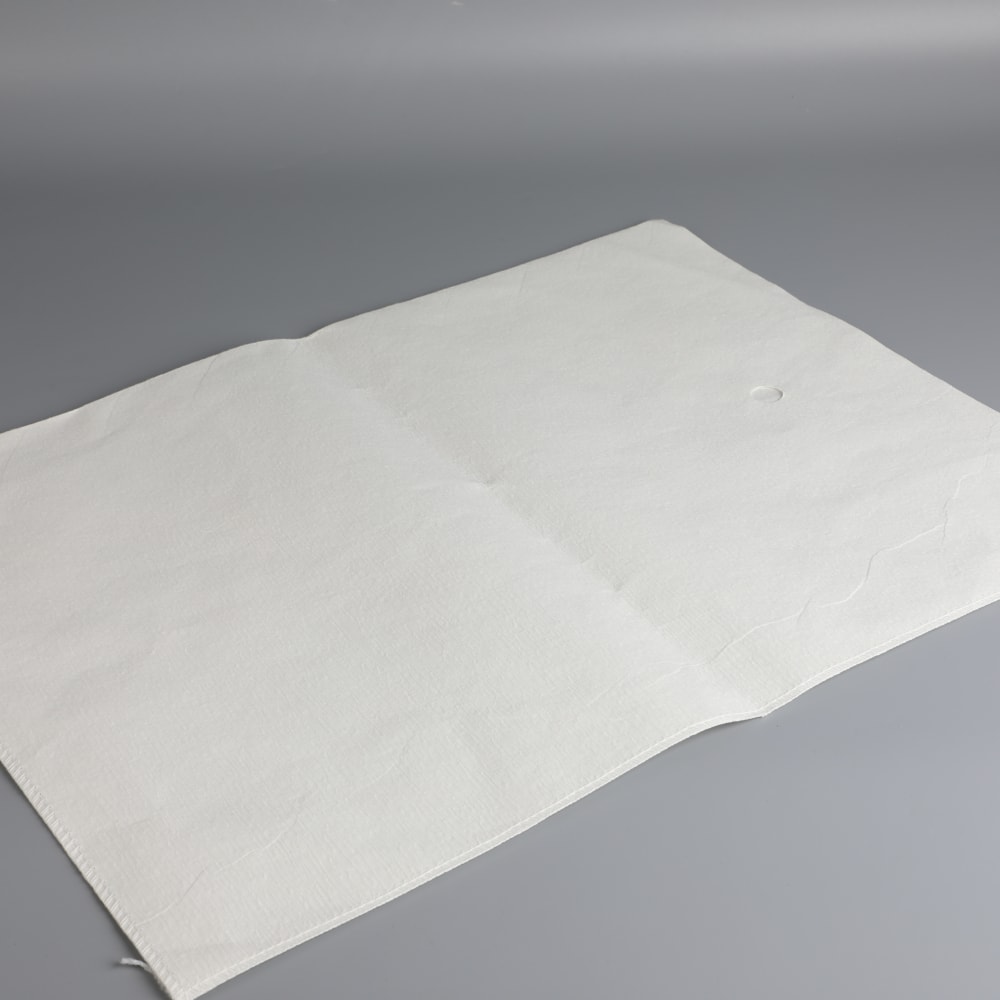 Filter Envelope & Filter Sheet
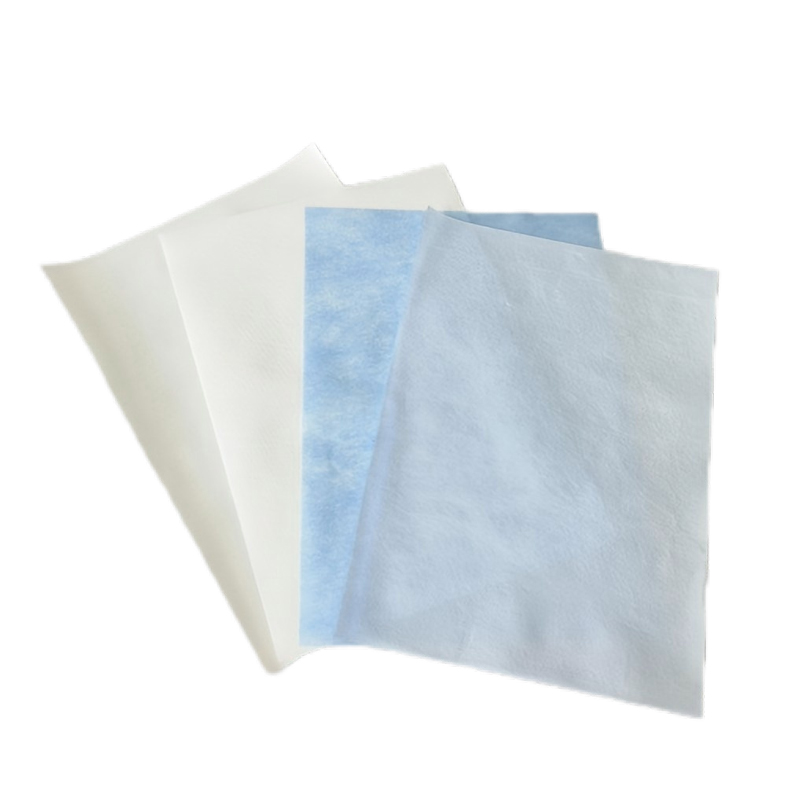 Breathable Film Laminates
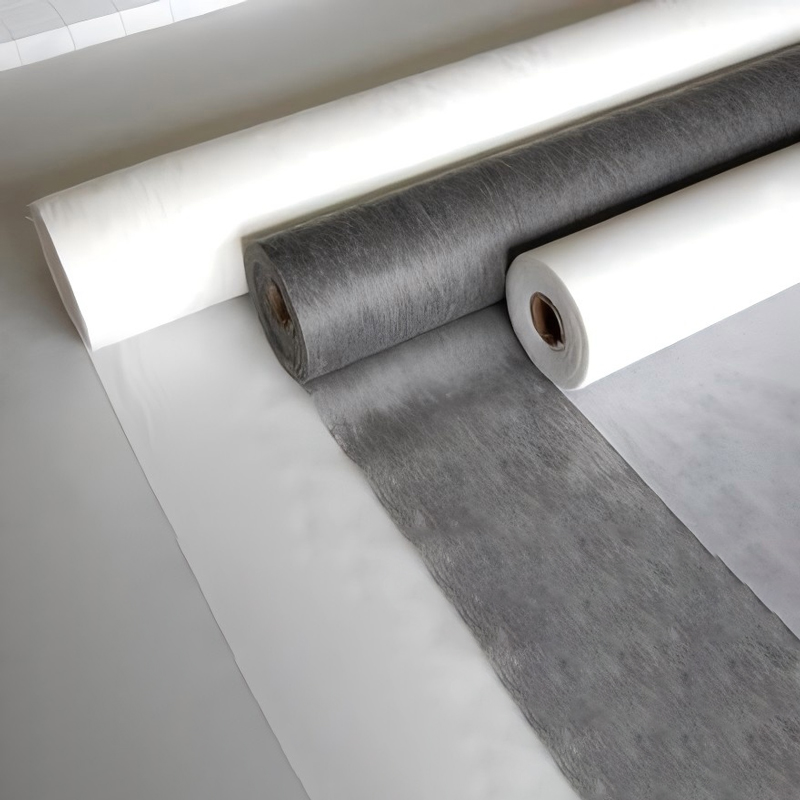 Nonwoven Interlining
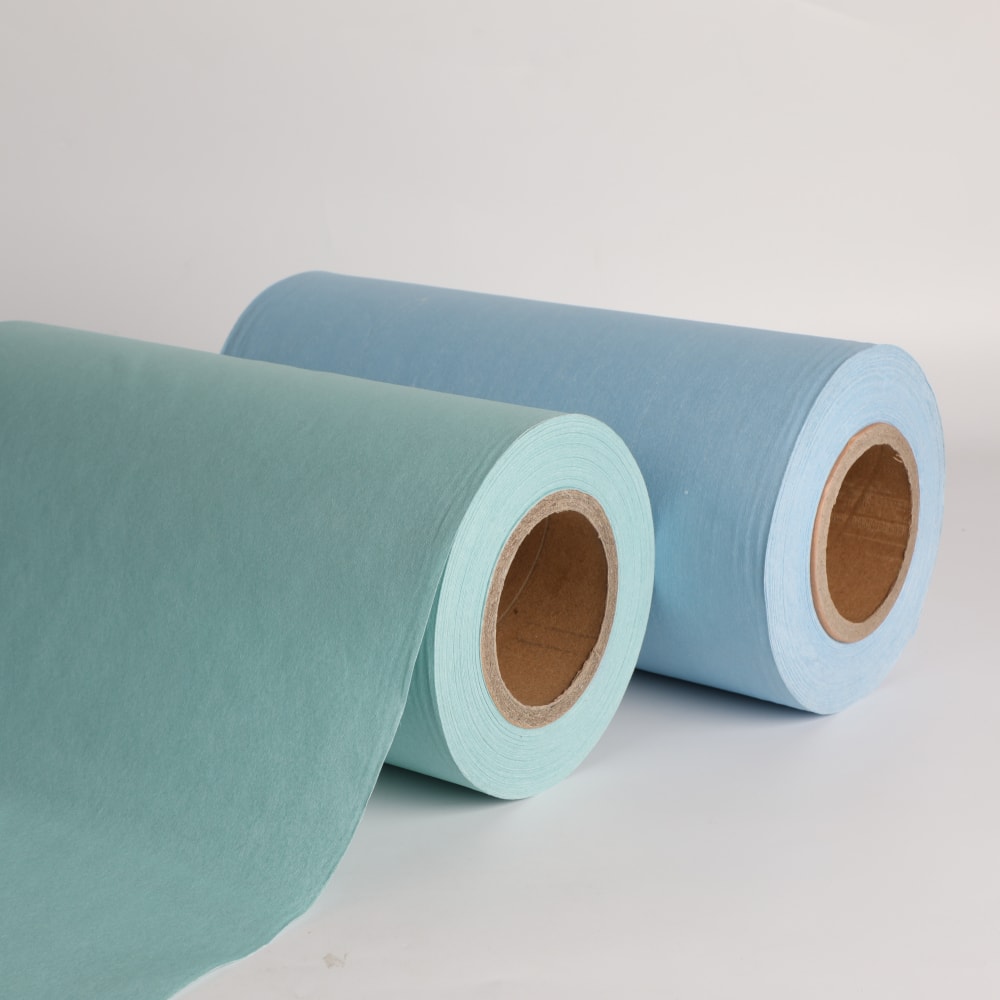 Fluid Repellent Woodpulp Spunlace Nonwoven
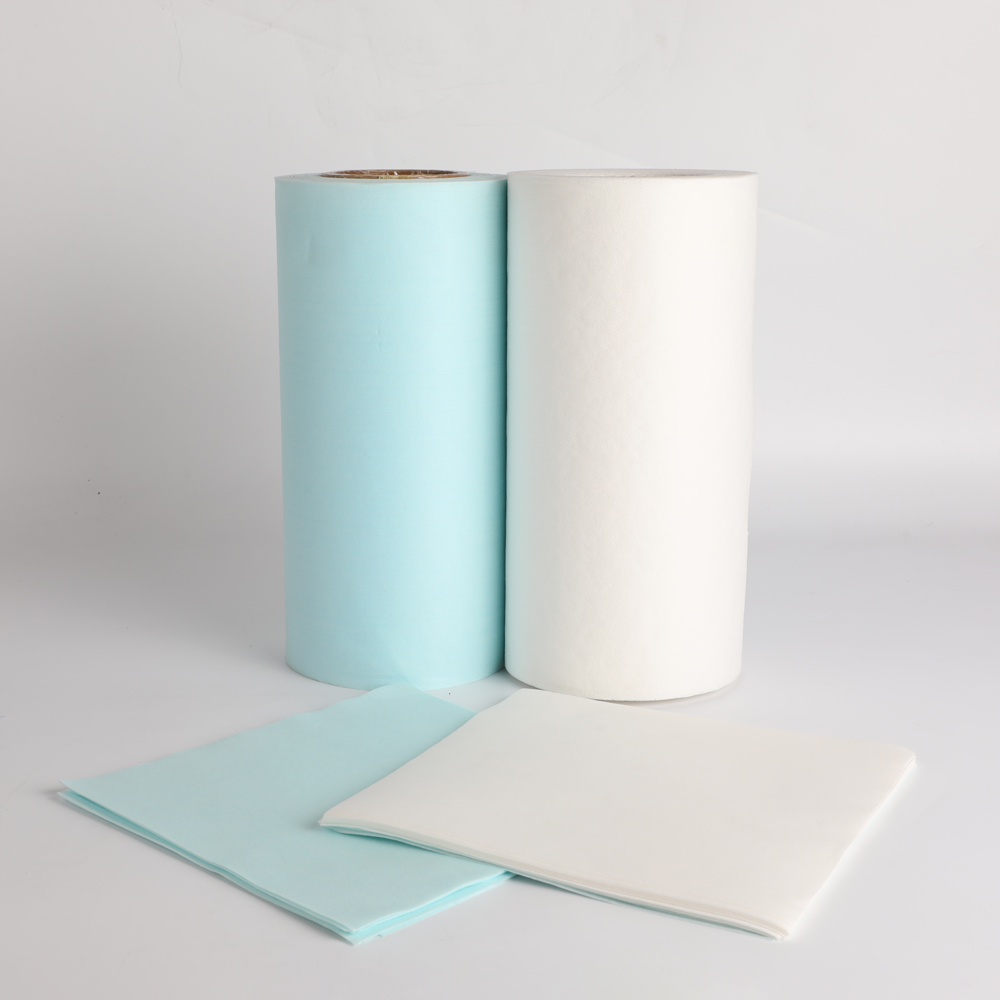 Woodpulp Nonwoven Wipe
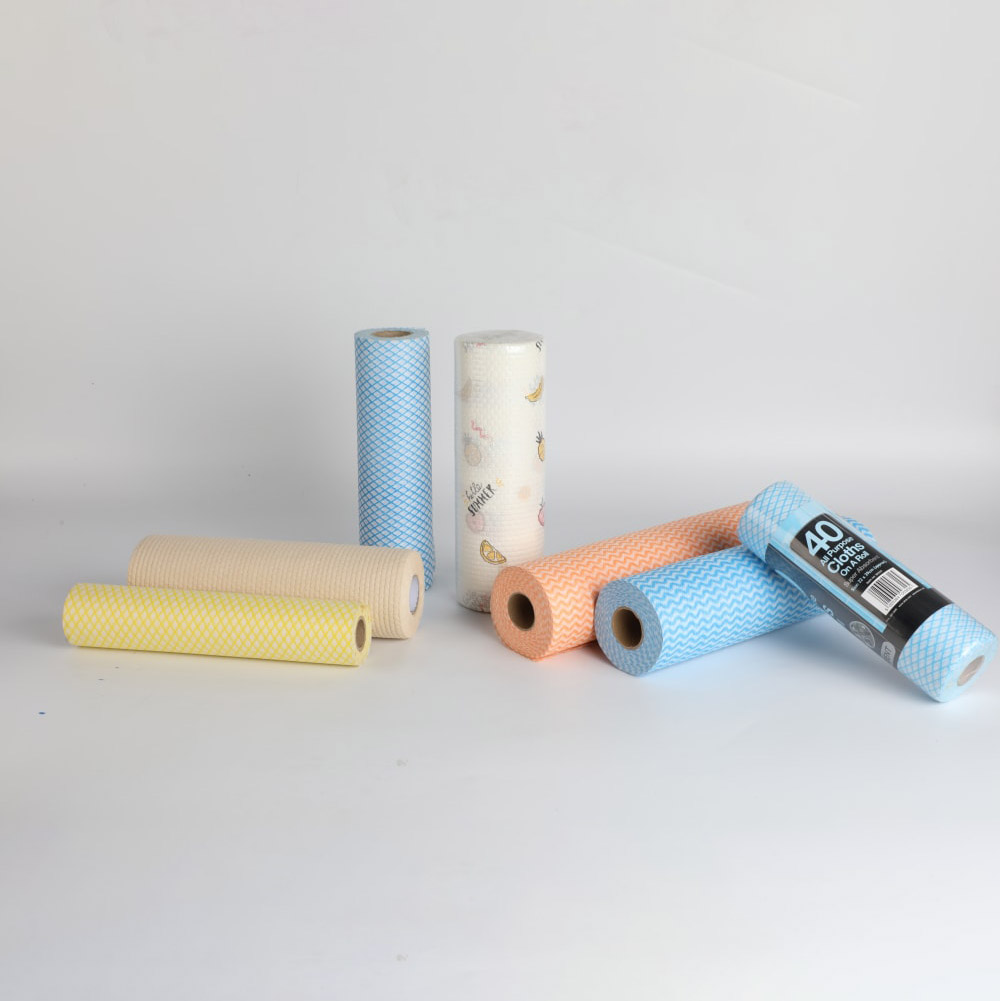 Nonwoven Cleaning Wipe
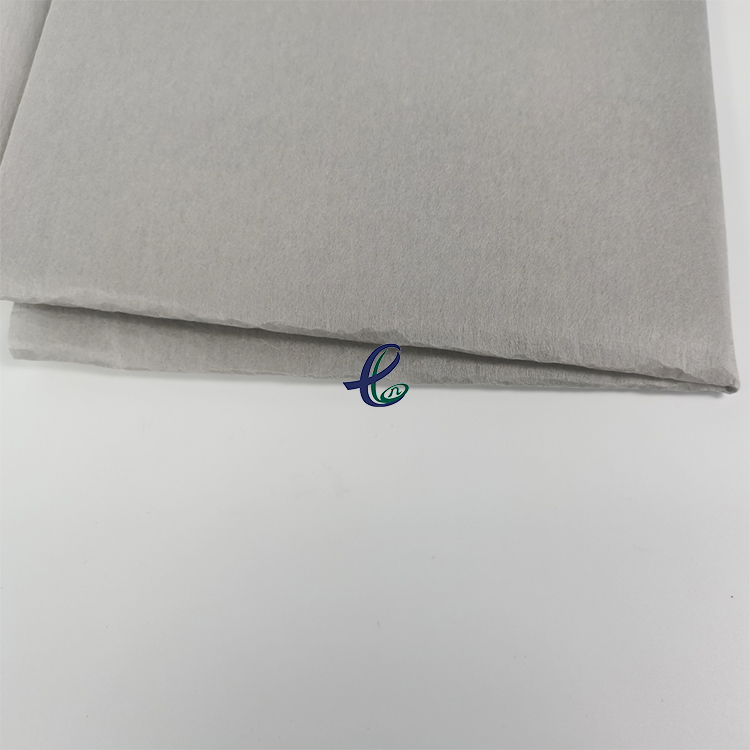 Curtain Nonwoven
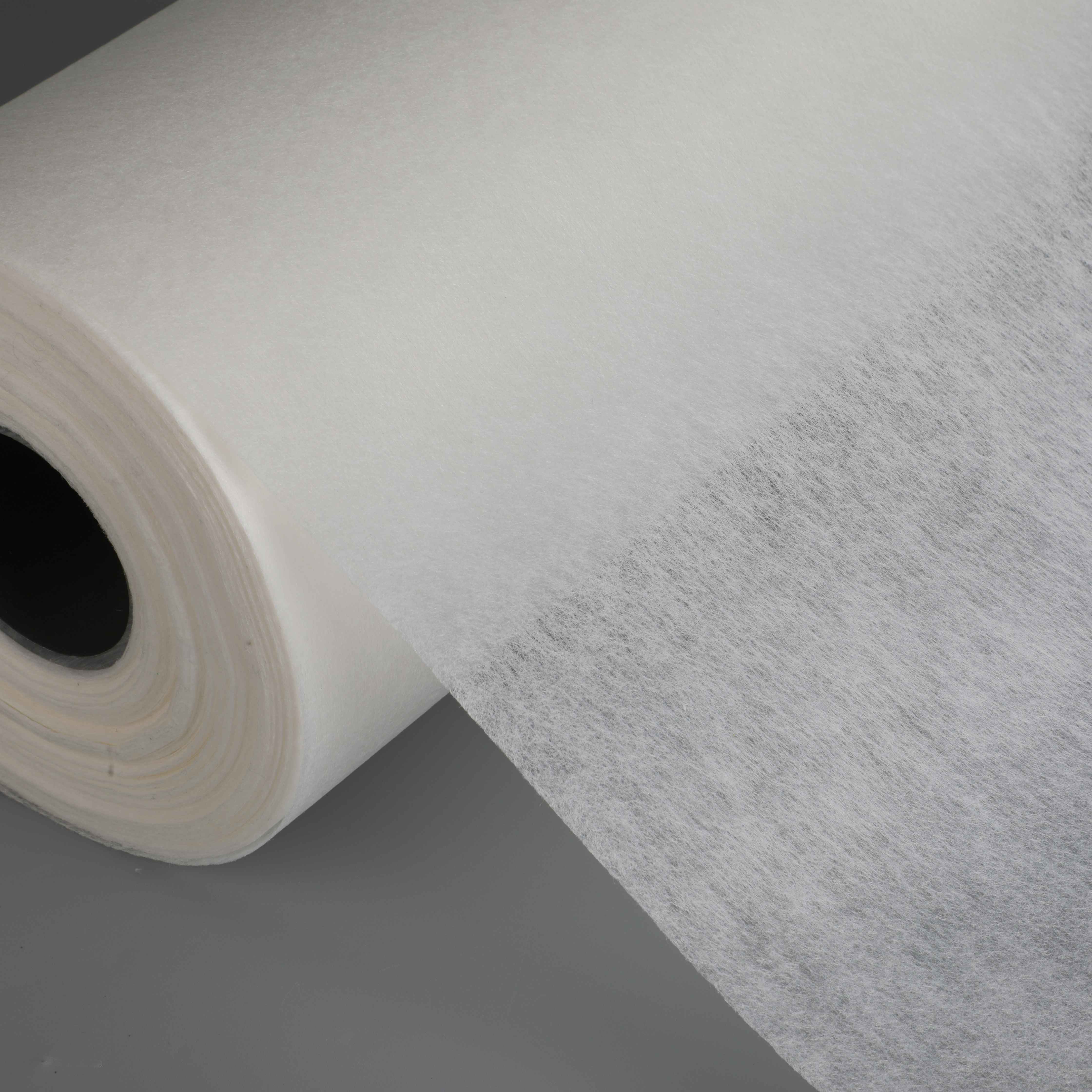 Food Grade Packaging Nonwoven
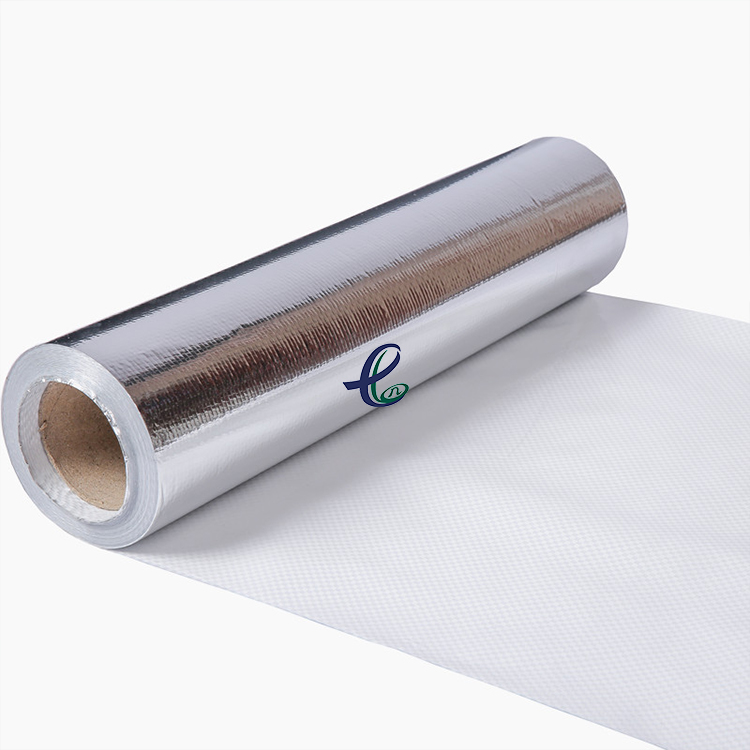 Aluminized Nonwoven
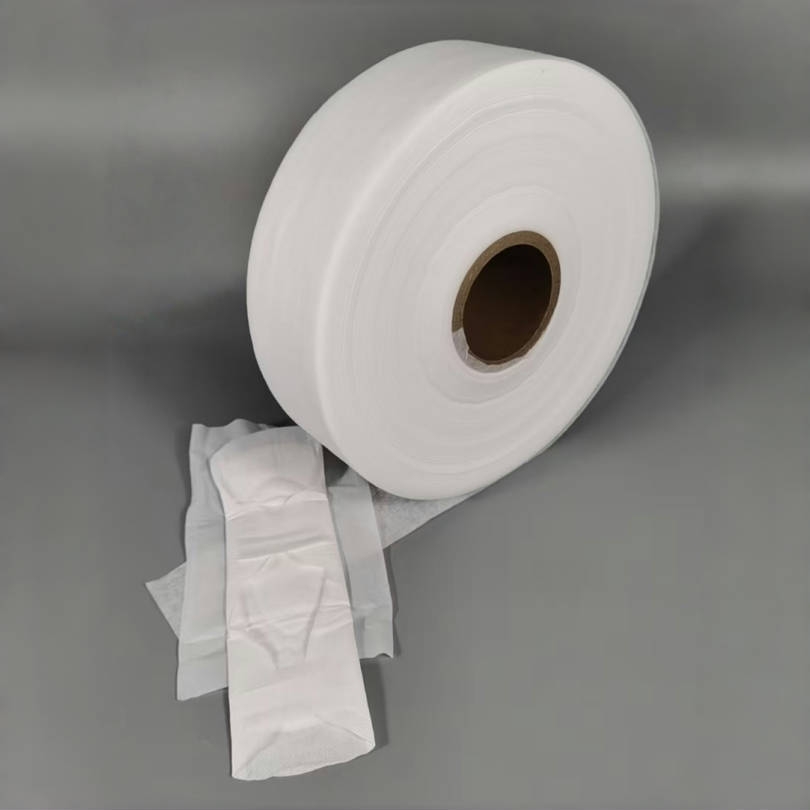 Hot Air Cotton Nonwoven
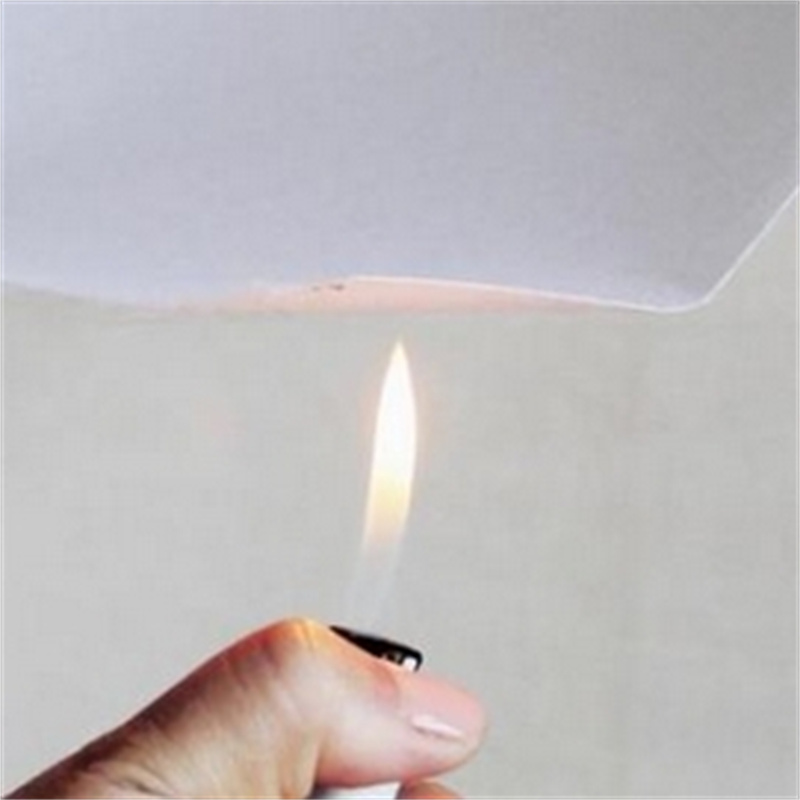 Flame Retardant Nonwoven
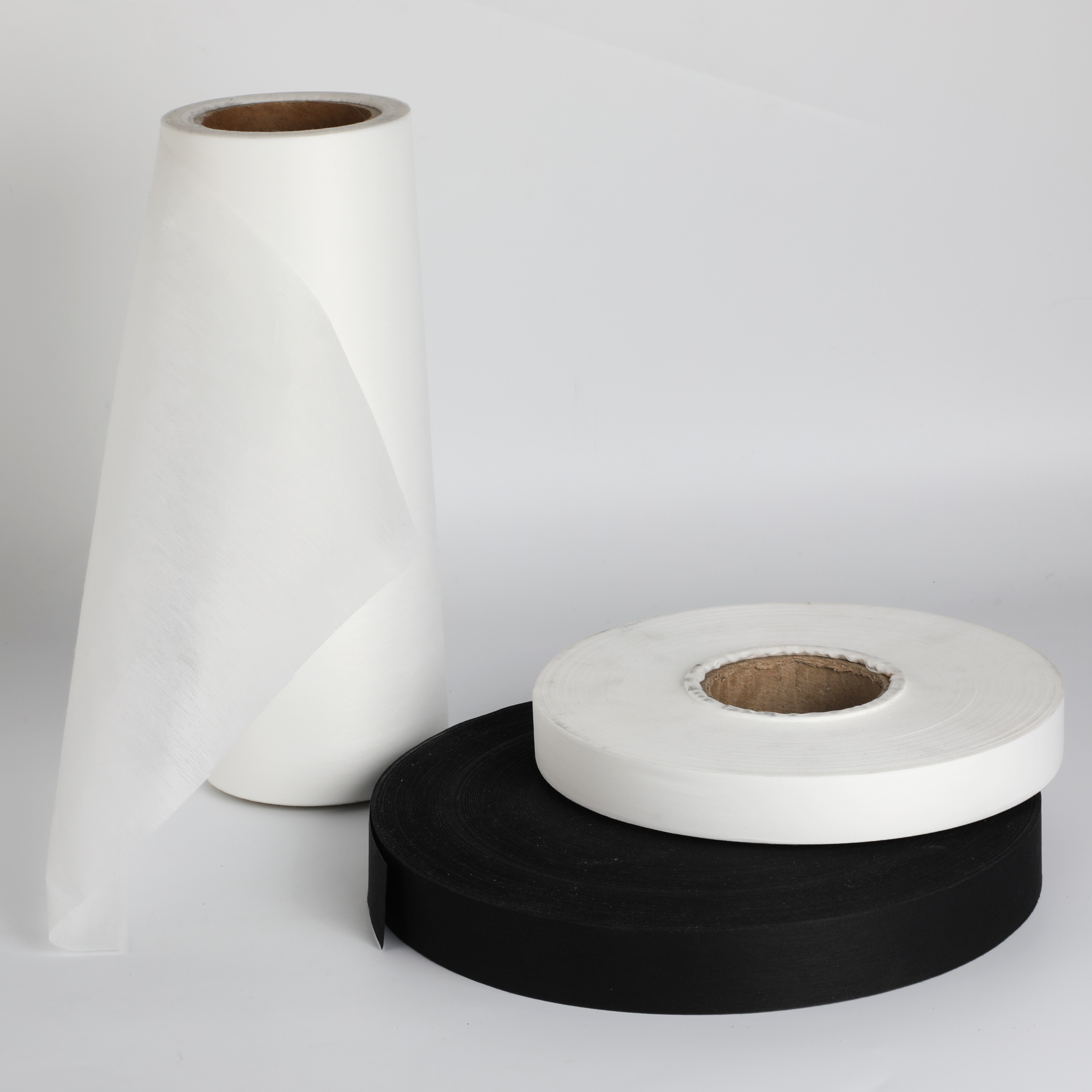 Cable Wrapping Nonwoven
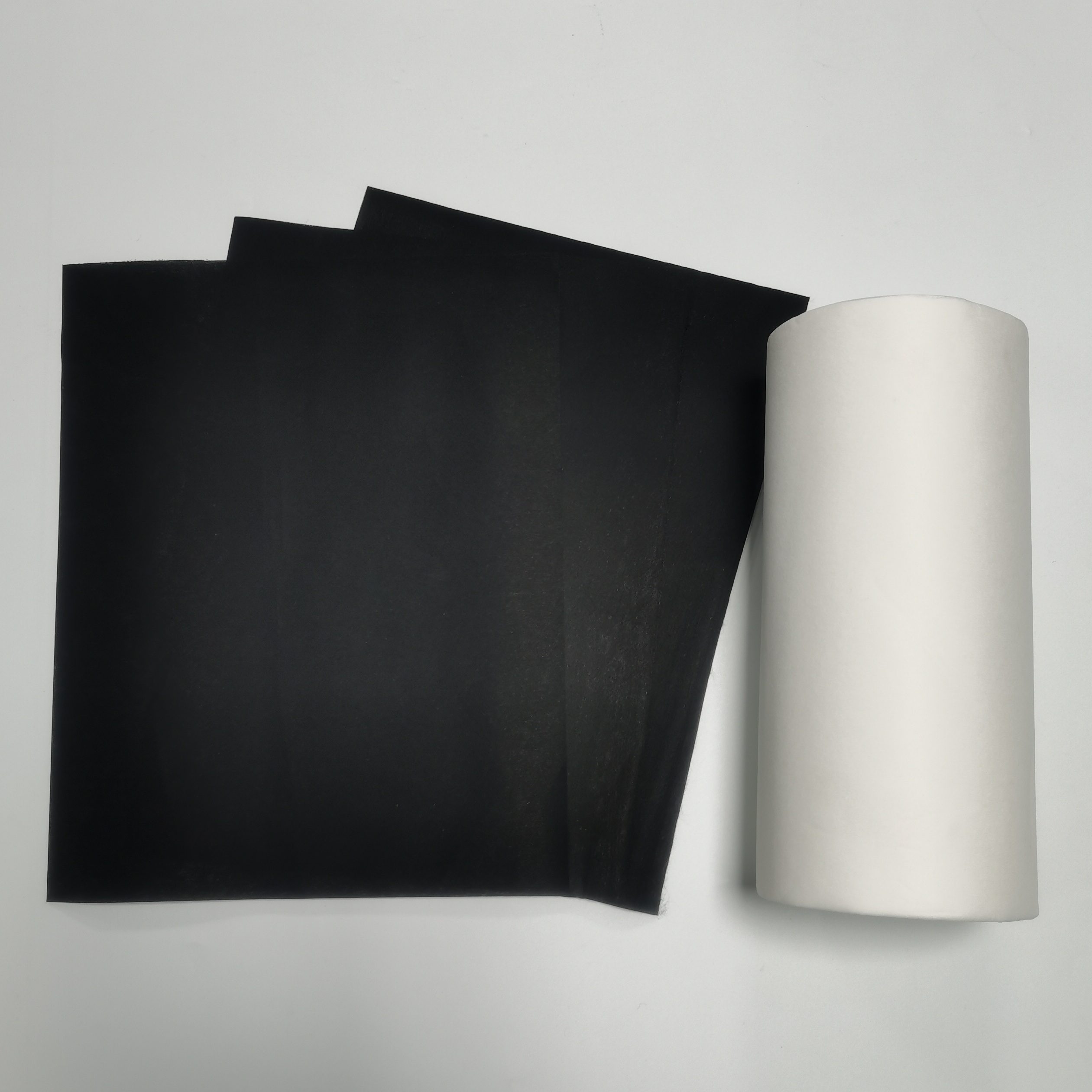 Semi-conductive Nonwoven
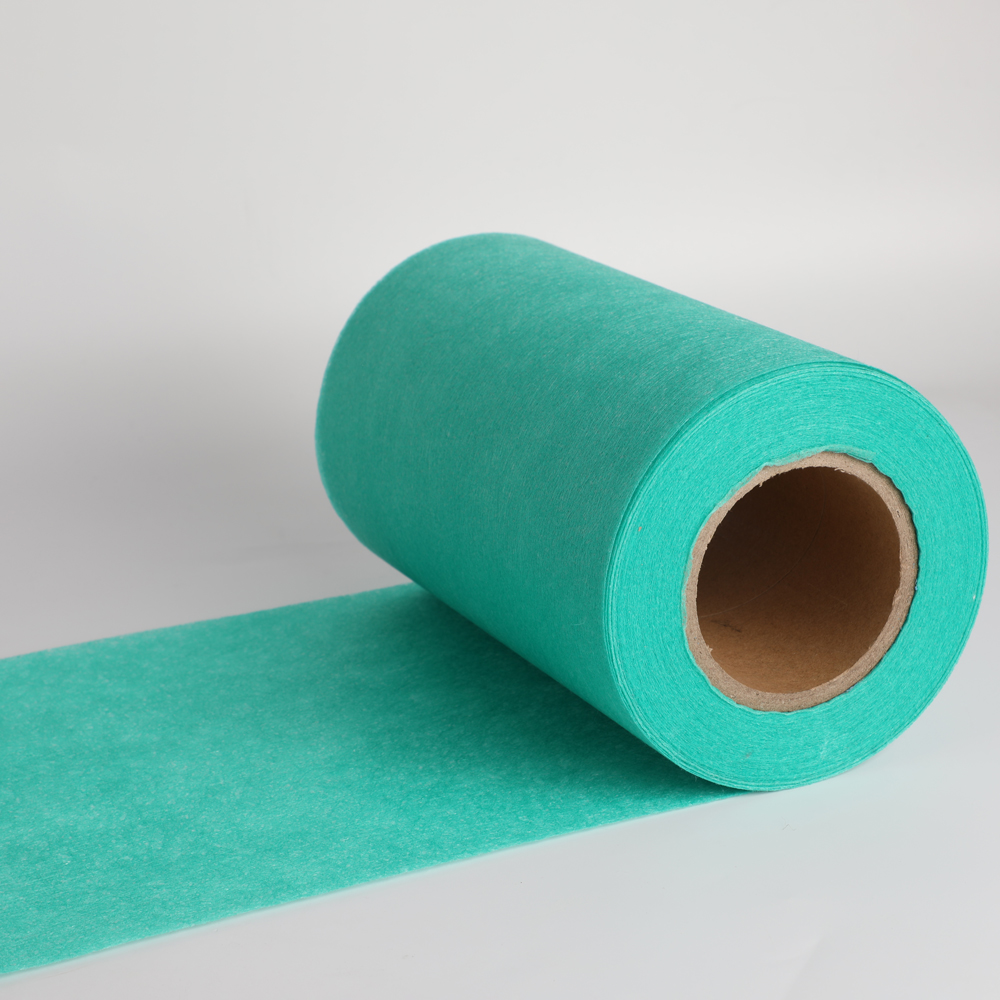 Anti-Bacterial Nonwoven
 +8613957712400
 CONTACT WhatsApp
 CONTACT WeChat
 CONTACT NUMBER
 CONTACT EMAIL