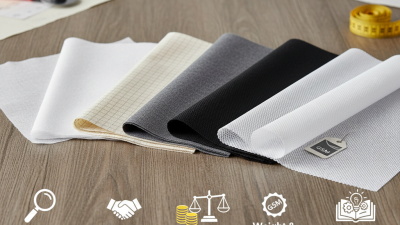
2026 Best Fusible Nonwoven Interlining Fabric for Global Buyers?
The global textile industry is experiencing a significant transformation. One key component driving this change is the demand for Fusible Nonwoven Interlining Fabric. According to a report by MarketsandMarkets, the global nonwoven fabric market is projected to reach $64 billion by 2026, with a substantial portion attributed to fusible interlinings. These fabrics are essential for enhancing the durability and quality of garments.
Industry expert Dr. Emily Chen emphasizes, "Fusible Nonwoven Interlining Fabric is crucial for the fashion sector, as it supports the stability and structure of woven textiles." This expert insight underscores the fabric's importance in maintaining a polished appearance in finished products. With innovation on the rise, manufacturers must continually adapt to consumer demands.
However, challenges remain in sourcing sustainable materials and ensuring quality consistency. The shift towards eco-friendly practices puts pressure on producers. Moreover, the market's volatility can impact pricing and availability. Buyers must remain vigilant and informed when selecting Fusible Nonwoven Interlining Fabric to ensure they meet both performance and ethical standards.
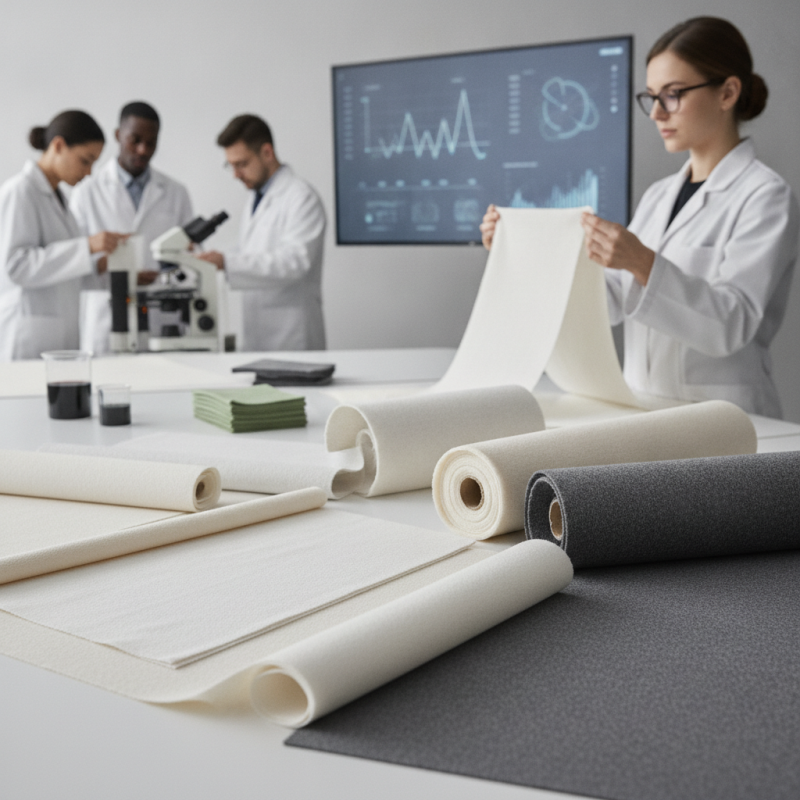
Understanding Fusible Nonwoven Interlining Fabric
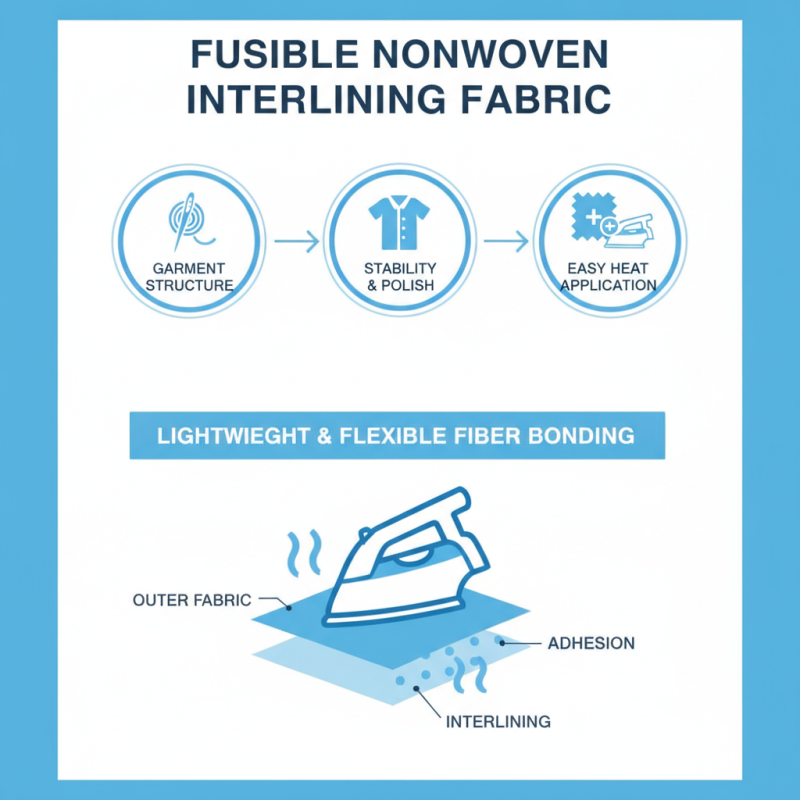
Fusible nonwoven interlining fabric is essential in garment construction. It adds structure and stability to fabrics while ensuring a polished finish. The fabric is composed of fibers that are bonded together. This creates a lightweight and flexible material that can be easily applied to various textiles. The fusible nature allows it to be adhered using heat, making the application process straightforward.
Understanding the properties of fusible nonwoven interlining is crucial for effective use. The weight and thickness can greatly impact the drape of the final garment. Thicker interlining provides more support, while lighter options allow for more flow. The choice can affect durability and the longevity of garments. Some users struggle with selecting the right type for their projects, which can lead to underwhelming results.
The versatility of fusible nonwoven interlining is noteworthy. It can be used in various applications, from collars to cuffs. Yet, improper handling can result in undesirable outcomes. Wrinkles or bubbling can occur if the heat is too high. Finding a balance between heat and pressure ensures better adhesion. Users need to experiment with different settings for optimal results.
Key Properties of Fusible Nonwoven Interlining Materials
Fusible nonwoven interlining fabrics play a crucial role in garment construction. These materials offer several key properties that enhance the performance of apparel. They provide stability and support to fabrics without adding significant weight. This makes them ideal for use in collars, cuffs, and other components requiring structure.
Another important property of fusible nonwoven interlining is its ability to bond securely to outer fabrics. Heat activates the adhesive within the interlining, ensuring a strong and lasting connection. This bonding process may seem straightforward, but achieving a perfect bond can be tricky. Factors like temperature and pressure need careful attention. Skilled professionals often rely on experience to perfect these conditions.
Additionally, fusible nonwovens can vary in thickness and softness. Choosing the right type affects the final garment's drape and feel. It requires thoughtful consideration, as an inappropriate choice can lead to undesired stiffness or sagging. Maintaining the balance between structure and flexibility is essential. Each project presents unique challenges, prompting designers to reflect on their material choices regularly.
2026 Best Fusible Nonwoven Interlining Fabric for Global Buyers
| Material Type |
Weight (g/m²) |
Adhesive Type |
Thickness (mm) |
Application |
Key Features |
| Polyester Nonwoven |
60 |
Heat-activated |
0.5 |
Apparel |
Soft hand feel, good dimensional stability |
| Cotton Blend Nonwoven |
80 |
Polymeric |
0.6 |
Home Textiles |
Breathable, eco-friendly |
| Viscose Nonwoven |
70 |
Hot-melt |
0.4 |
Fashion Accessories |
Soft drape, excellent printability |
| Nylon Nonwoven |
50 |
Spray adhesive |
0.7 |
Outerwear |
Durable, water-resistant |
| Polypropylene Nonwoven |
90 |
Heat-sealable |
0.3 |
Industrial Applications |
Cost-effective, lightweight |
Top Brands Offering Fusible Nonwoven Interlining Fabrics in 2026
As the demand for fusible nonwoven interlining fabric continues to grow, many brands are stepping up their game in 2026. These fabrics are essential for garment construction, providing structure and stability. They are especially favored in tailored wear and home textiles. Buyers now seek high-quality options that combine functionality with durability.
Top manufacturers prioritize innovation in their products. They explore new bonding techniques to enhance the fabric's properties. Some fabrics offer improved breathability, while others focus on better adhesive performance. The challenge lies in balancing these features without driving up costs. Consumers are often left wondering which products truly deliver on their promises.
Quality control must not be overlooked. Some brands have faced criticism for inconsistent fabric quality. Buyers can benefit from thorough research and reviews before making purchases. Understanding the technical specifications can be daunting, yet it is crucial. A knowledgeable buyer can identify fabrics with the right weight and finish for their specific needs.
2026 Best Fusible Nonwoven Interlining Fabric for Global Buyers
This chart represents the estimated market share percentages of different types of fusible nonwoven interlining fabrics in 2026 based on consumer preferences. The data reflects various fabric properties and applications which are anticipated to influence buyer choices globally.
Application Areas for Fusible Nonwoven Interlining in Fashion and Apparel
Fusible nonwoven interlining is crucial in the fashion and apparel industry. Its applications span various areas, providing a flexible solution for garment durability and structure. According to a report by Textile Research Journal, 65% of apparel manufacturers utilize this material for enhancing the quality and feel of garments.
This interlining is widely used in collars, cuffs, and waistbands. It adds stiffness and support where needed. Designers often choose fusible nonwovens for their ability to combine softness with stability. The material allows for better drape, which enhances the overall appearance of clothing. With trends continuously evolving, these fabrics reflect the need for flexibility in design.
Despite its benefits, not all fusible nonwovens are created equal. Some fabrics fail to bond properly, leading to seams that can fray or lose shape. Manufacturers must thoroughly test their interlining choices to ensure a reliable product. In a competitive market, consistency in quality is essential for maintaining brand reputation and consumer trust.
Factors to Consider When Choosing Fusible Nonwoven Interlining Fabrics
When selecting fusible nonwoven interlining fabrics, several critical factors come into play. First, consider the fabric weight and thickness. Lighter fabrics provide flexibility, while heavier options offer support. Industry studies show that a weight range of 60-120 grams per square meter (GSM) is ideal for most applications. Evaluating the fabric's fusibility is essential too. The adhesive quality determines how well it bonds with outer materials.
Another significant aspect to consider is the fabric’s breathability. Fabrics that allow moisture to escape can improve comfort. A report by the Textile Research Journal highlights that breathable interlinings can enhance garment longevity. This detail is crucial for buyers focusing on performance and wearability.
Tips: Always test a small fabric piece before large-scale projects. This helps prevent costly mistakes. Additionally, review fabric certification for quality assurance. Inconsistent quality can lead to issues in production. A keen understanding of textures can elevate the design process. Look for unique textures that add character to the final product.

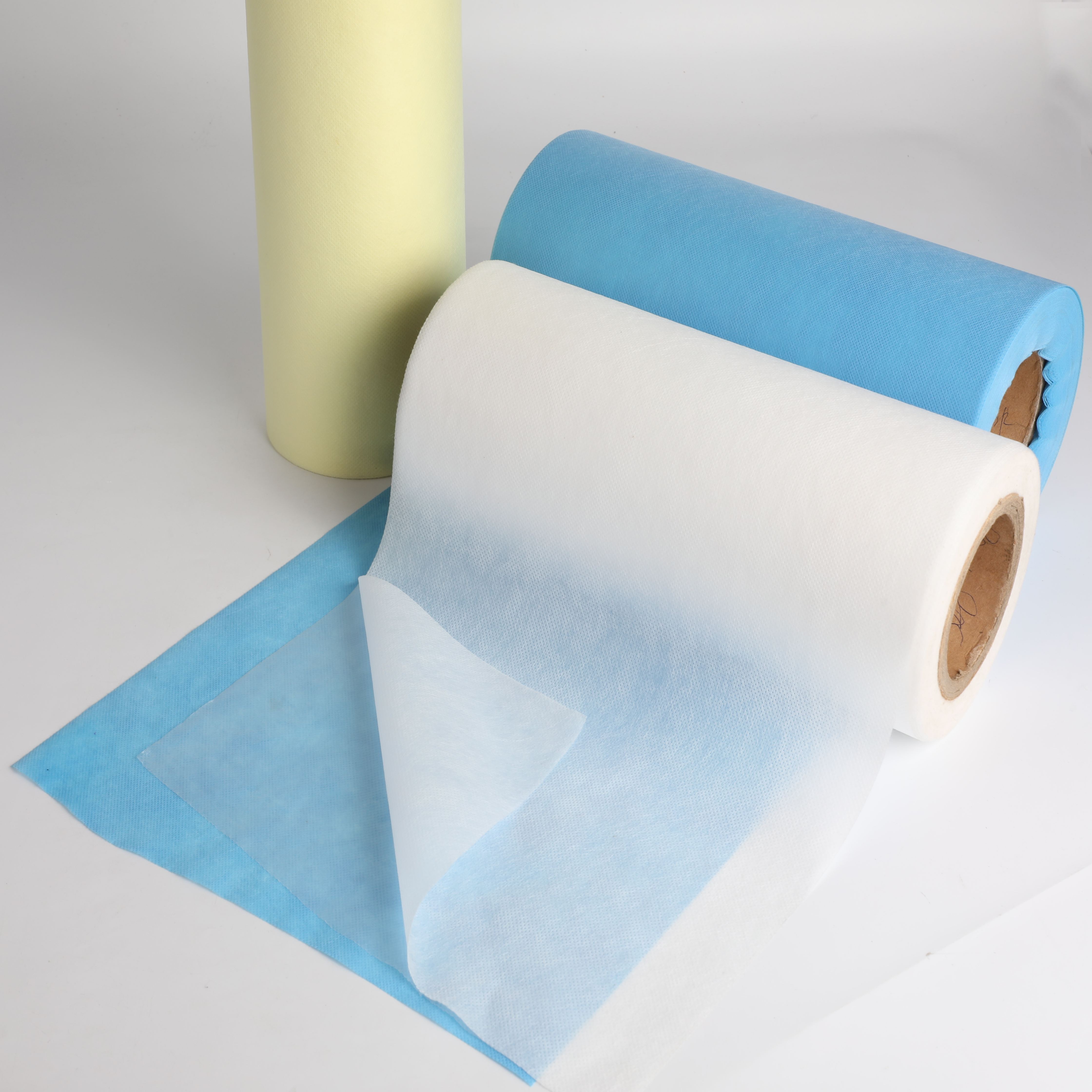 PP Laminates
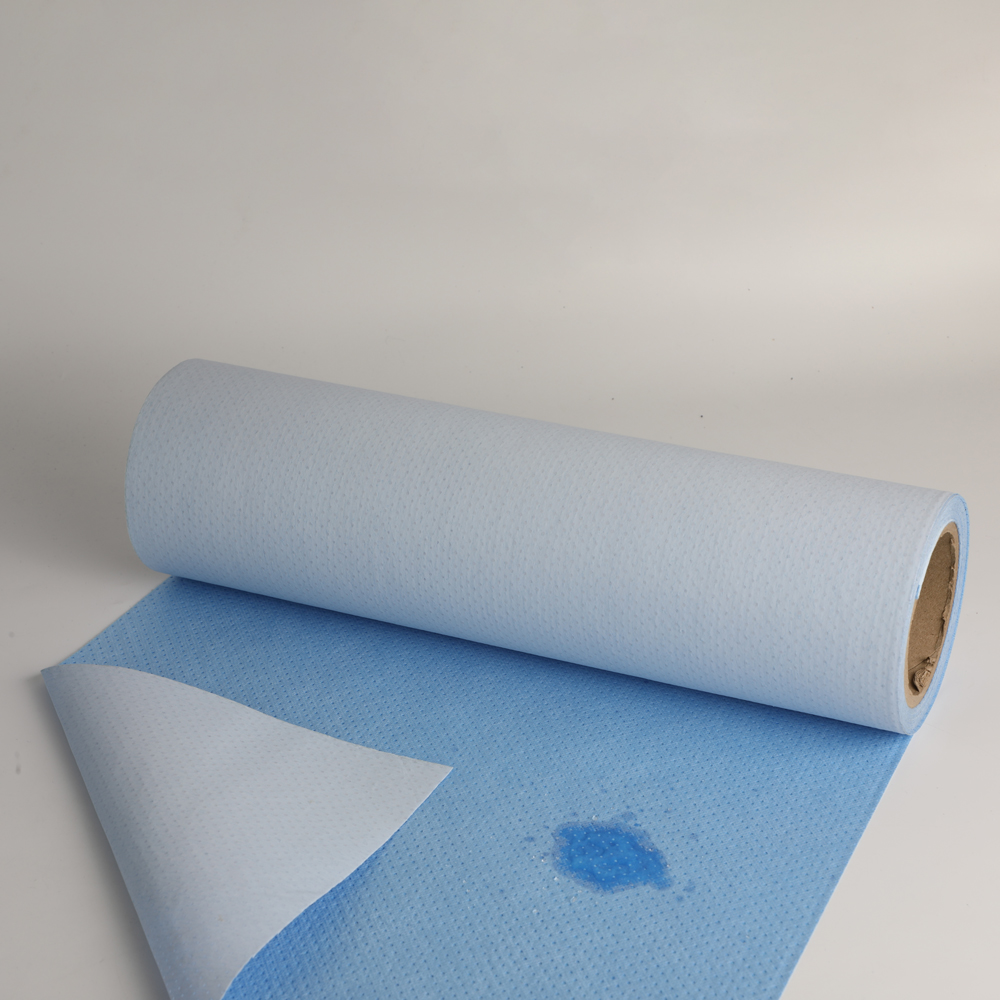 Multi Laminates
 Spunlace Nonwoven Laminates
 Breathable Film Laminates
 Viscose Laminates
 Medical Viscose Nonwoven
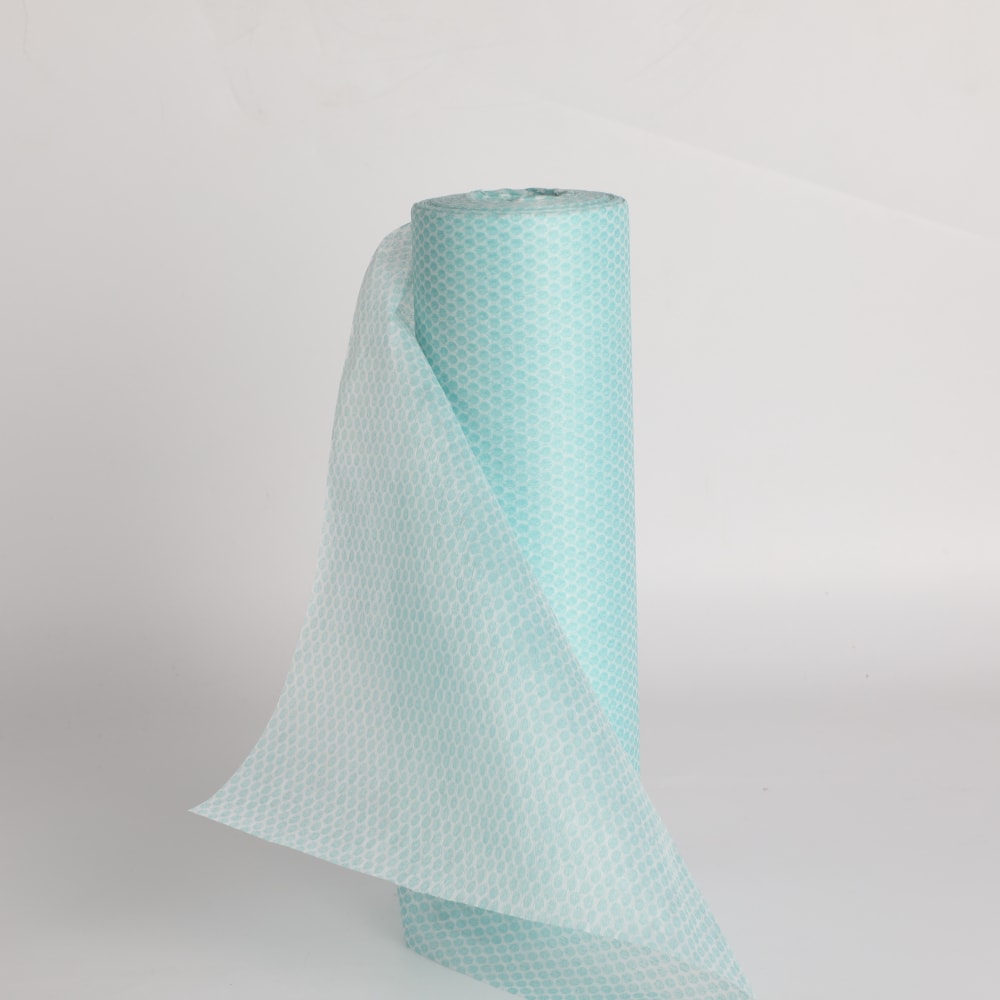 Head Wear Nonwoven
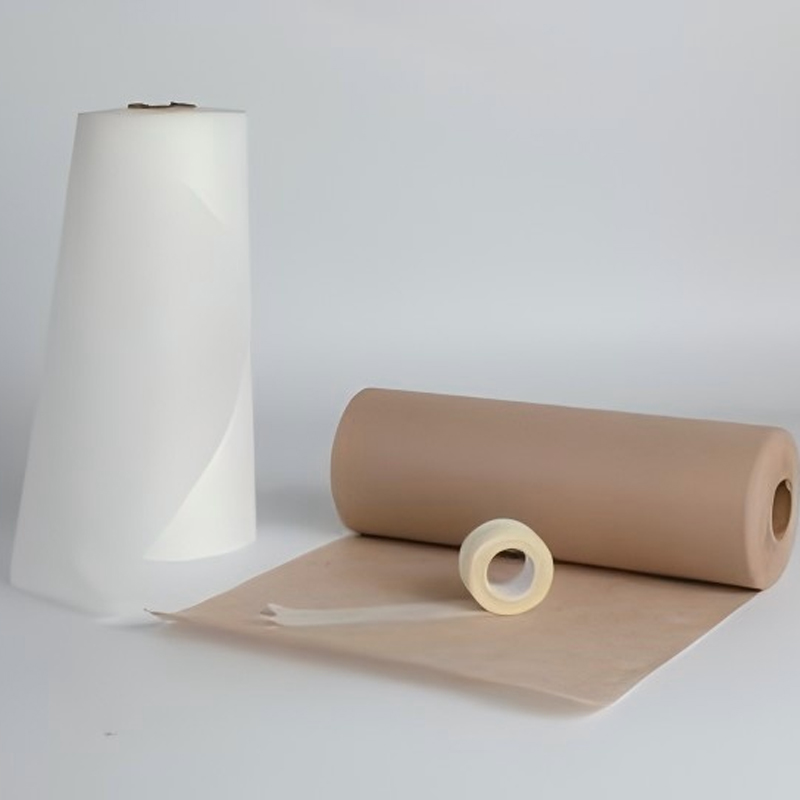 Medical Tape Nonwoven
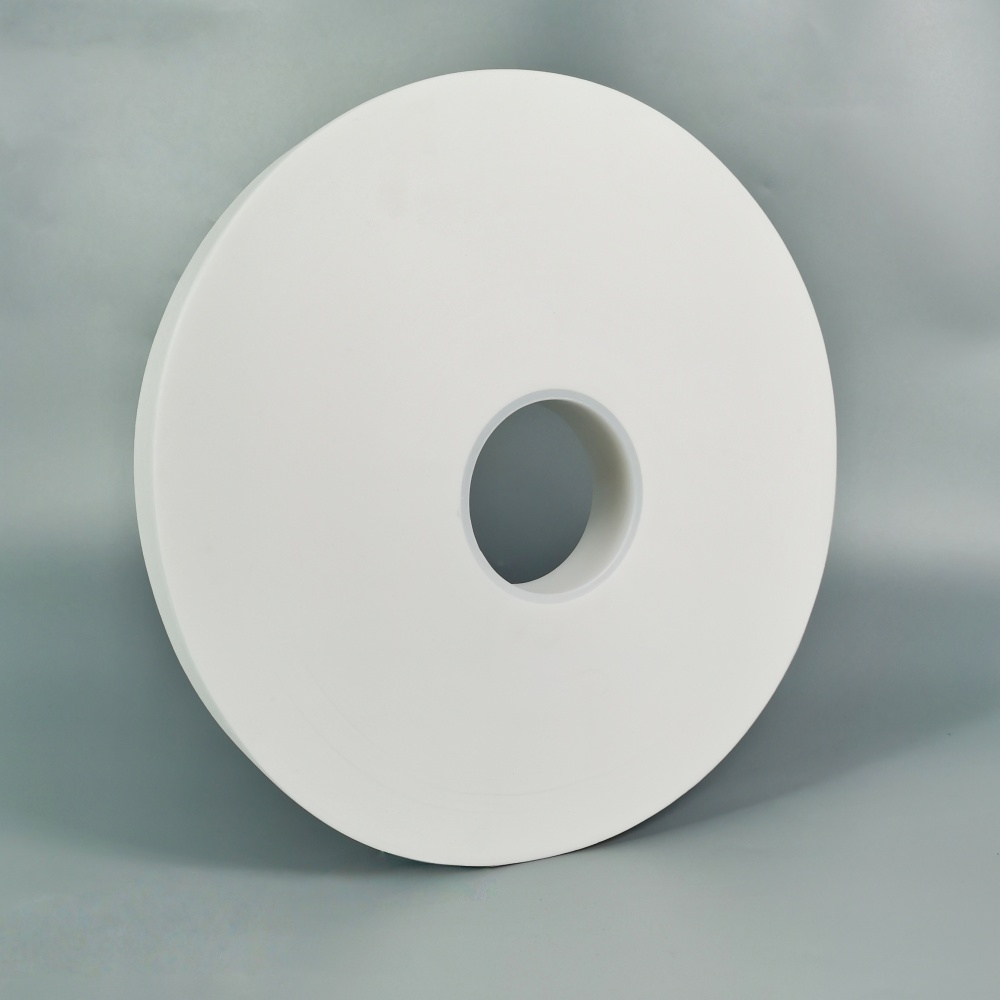 Snus Pouch Nonwoven
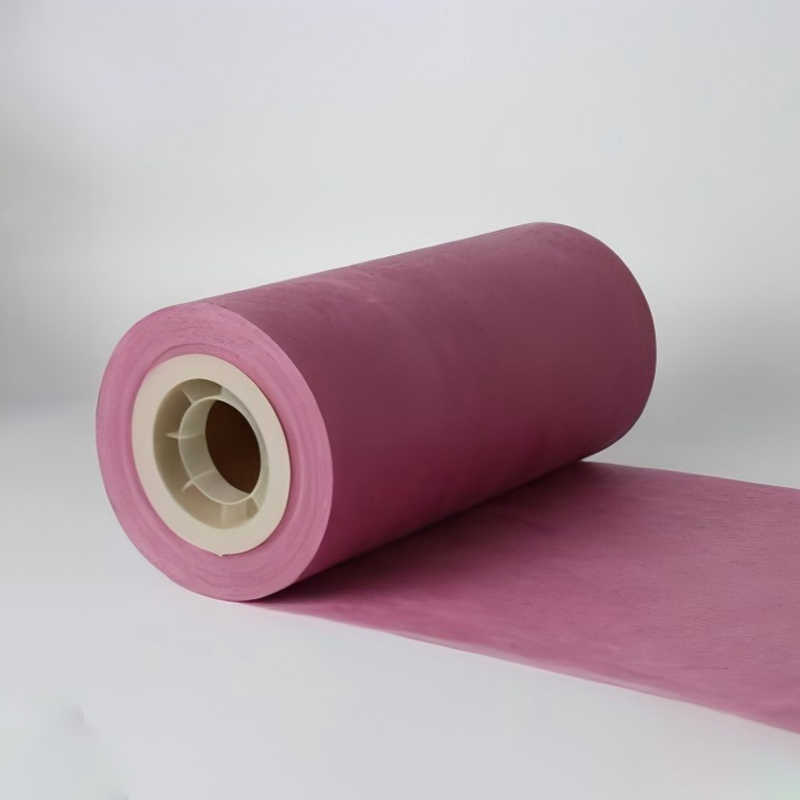 Filtration Nonwoven
 Air Filter Media
 Liquid Filter Media
 Filter Envelope & Filter Sheet
 Breathable Film Laminates
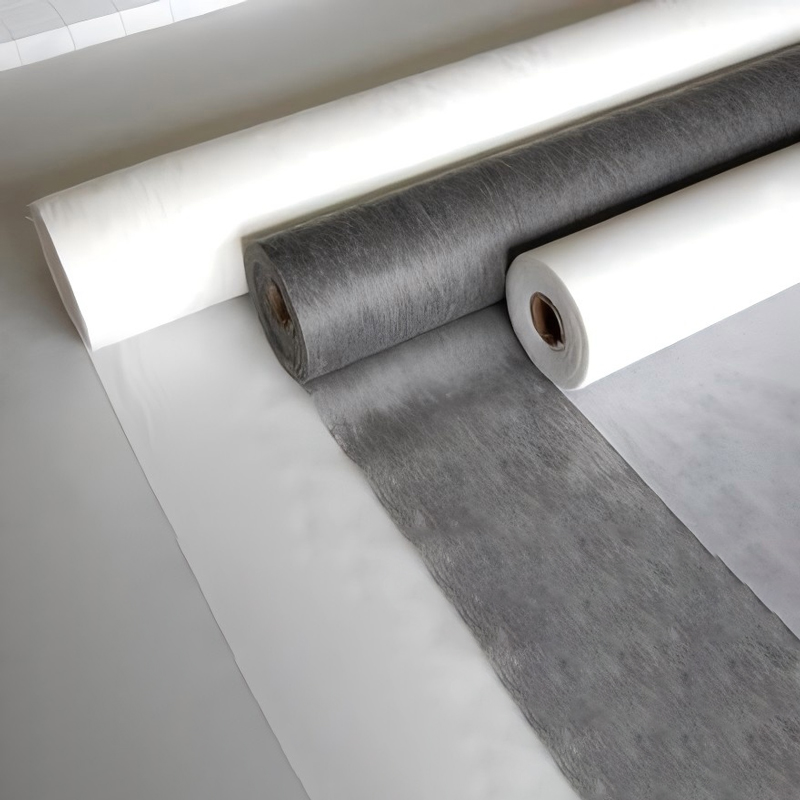 Nonwoven Interlining
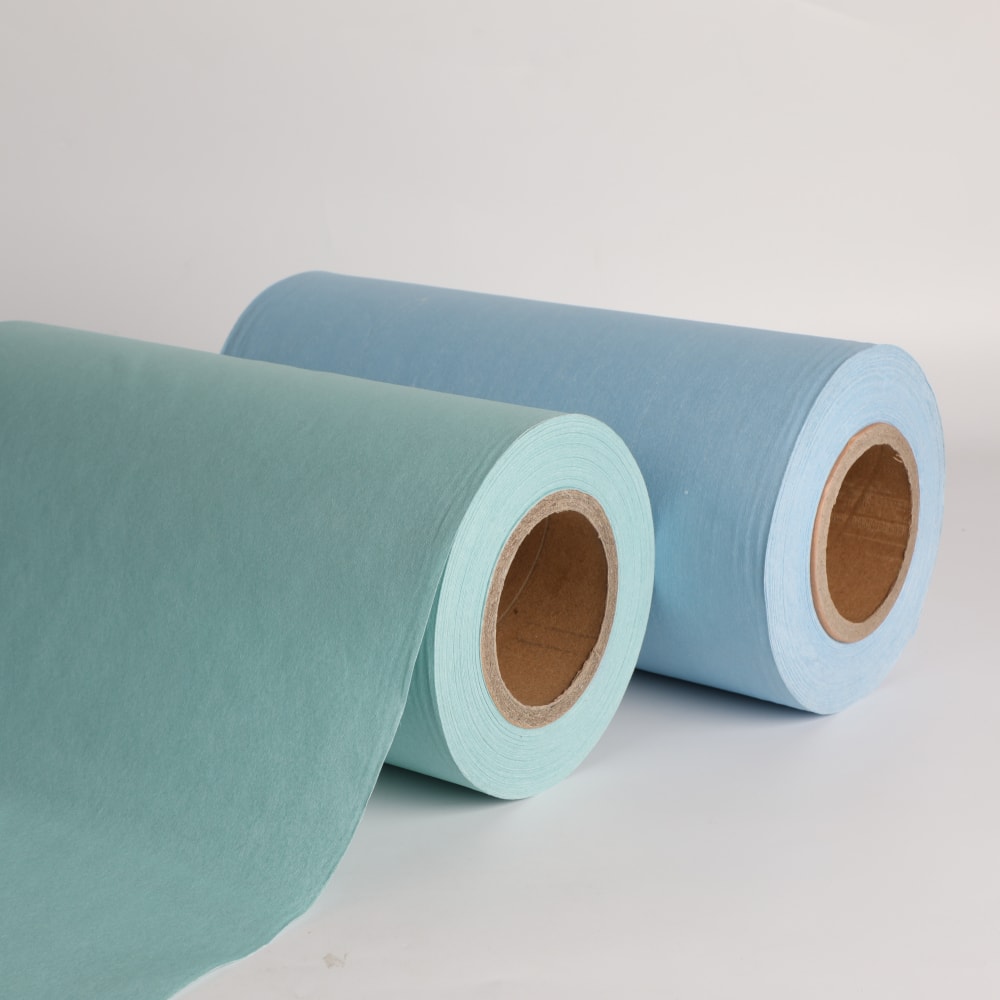 Fluid Repellent Woodpulp Spunlace Nonwoven
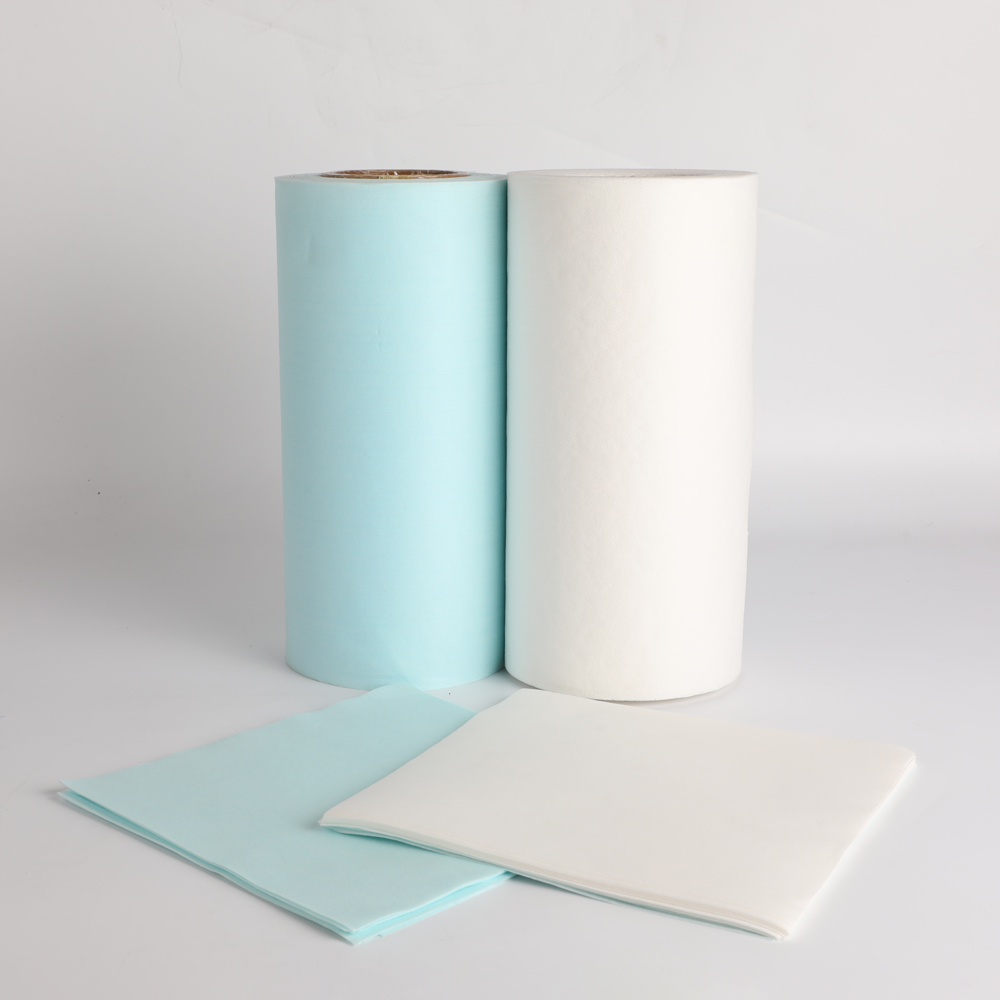 Woodpulp Nonwoven Wipe
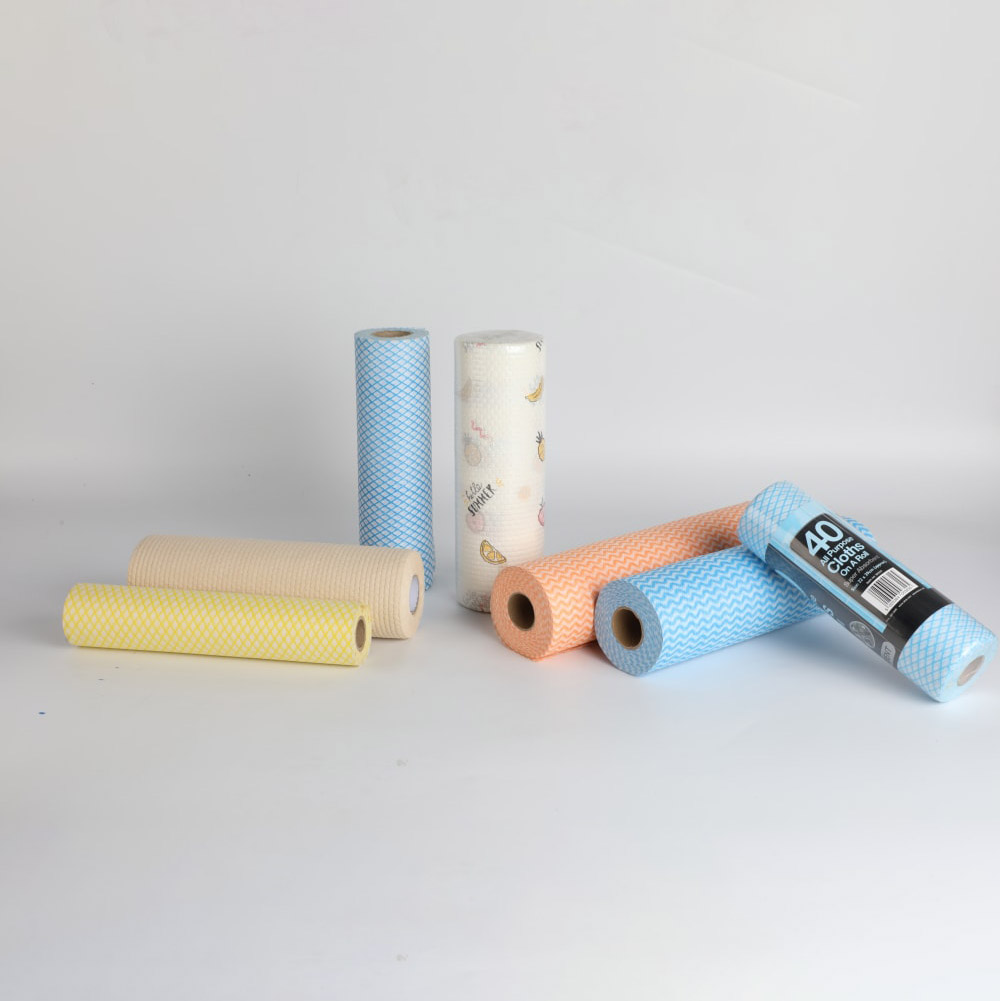 Nonwoven Cleaning Wipe
 Curtain Nonwoven
 Food Grade Packaging Nonwoven
 Aluminized Nonwoven
 Hot Air Cotton Nonwoven
 Flame Retardant Nonwoven
 Cable Wrapping Nonwoven
 Semi-conductive Nonwoven
 Anti-Bacterial Nonwoven
 +8613957712400
 CONTACT WhatsApp
 CONTACT WeChat
 CONTACT NUMBER
 CONTACT EMAIL