Leave Your Message

How to Choose Wet Kitchen Wipes for Your Business?

Choosing Wet Kitchen Wipes for a business is not just a matter of picking a pleasant scent or a low price. The right product should suit the surfaces, messes, and work pace your team faces each day. A café may need wipes for grease near a prep counter. A catering team may value compact packs that fit neatly into a mobile station. Small details matter.

A practical reminder from fictional composite specialist Dr. Lena Park: “Choose wipes for the job your team actually does, not the claims that look best on the label.” This is an original illustrative quotation, not a verified statement from a real expert. It captures a useful starting point: check the intended use, material, wipe strength, moisture level, and pack design before comparing costs. Read product information carefully, and test a sample on an appropriate surface. A wipe that feels sturdy in hand may still leave lint or dry out too quickly.

There is no perfect option for every business. That is worth admitting. Your best choice depends on daily usage, storage conditions, staff preferences, and the kinds of residue you need to remove. This guide will help you compare Wet Kitchen Wipes with those practical needs in mind. It will also show what to ask suppliers, how to assess product details, and where a small trial can reveal problems a brochure cannot. Start with real tasks. Then choose with evidence, not guesswork.
How to Choose Wet Kitchen Wipes for Your Business?

Define Your Business’s Cleaning Needs

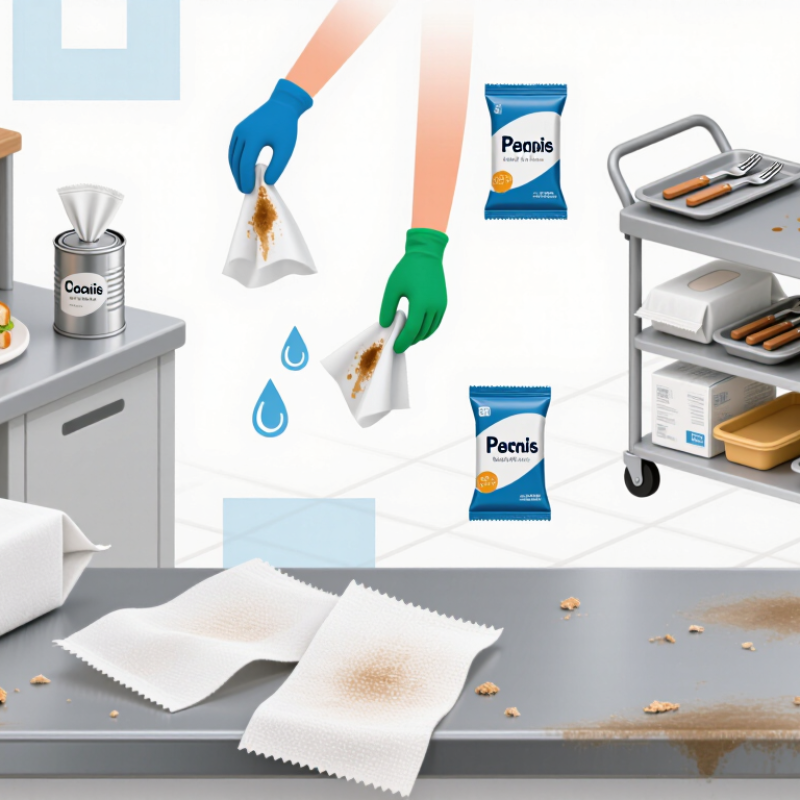
A kitchen’s cleaning needs depend on its pace, layout, and messes. A café serving espresso may face milk residue on counters, while a takeaway kitchen may need to remove grease and sauce splashes. List the surfaces staff wipe most often, such as stainless-steel prep tables, refrigerator handles, and service counters. Note how frequently each area needs attention and who will use the wipes. Small details matter.

Tips: Match wipe size and moisture level to the task. Check the product label before using wipes on food-contact surfaces, and follow its directions for any required contact time. Keep wipes within reach, but away from ingredients and open food.

Think about soil type, too. Grease may need a different cleaning approach from crumbs or light spills. A wipe that dries too quickly can leave staff scrubbing, while an overly wet one may create extra drying work. Observe a typical shift before choosing quantities or formats. Watch where bins fill up and which surfaces get missed. One weak point in this process: teams may estimate usage from a quiet day. Recheck those estimates during a busy service, then adjust ordering and staff routines to fit real conditions.

Identify Suitable Wipe Materials and Formulations

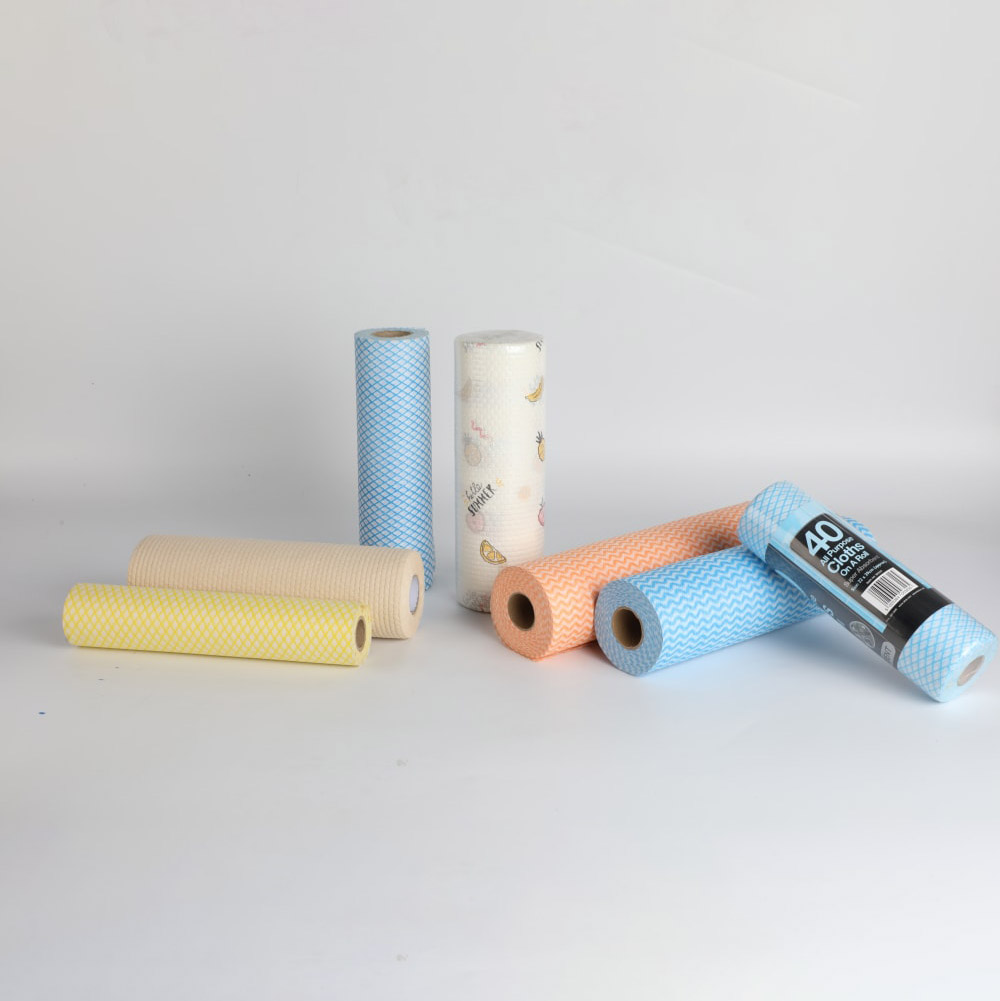
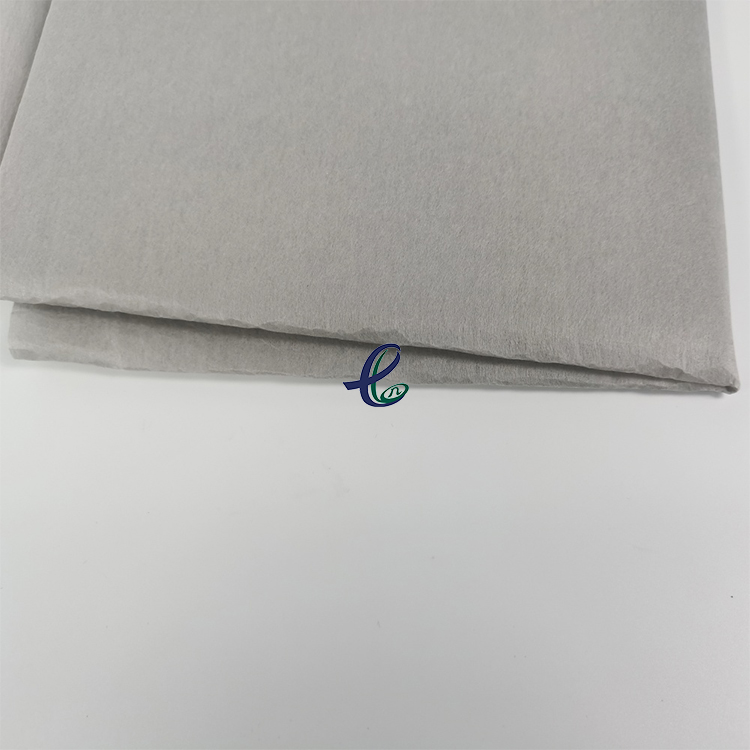
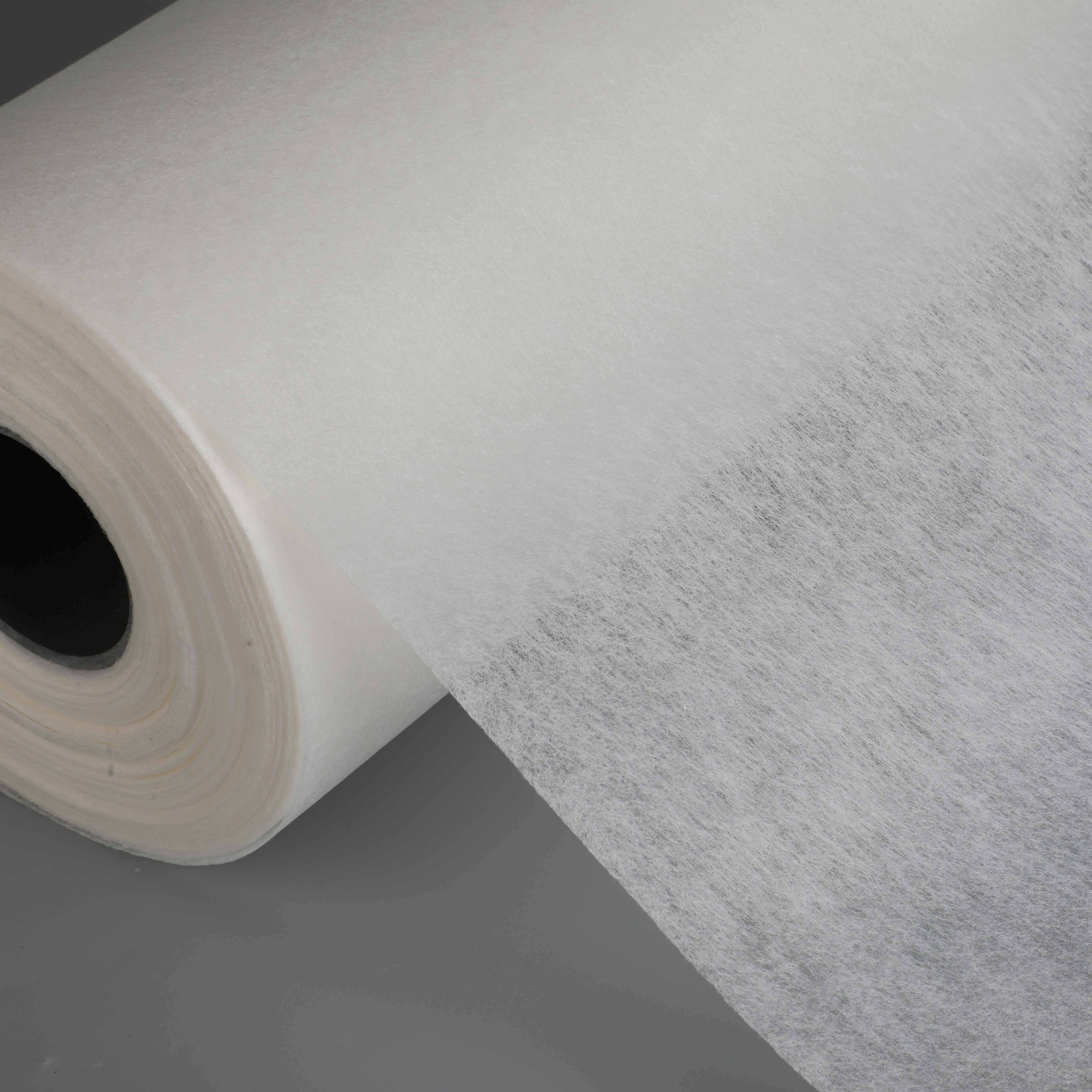
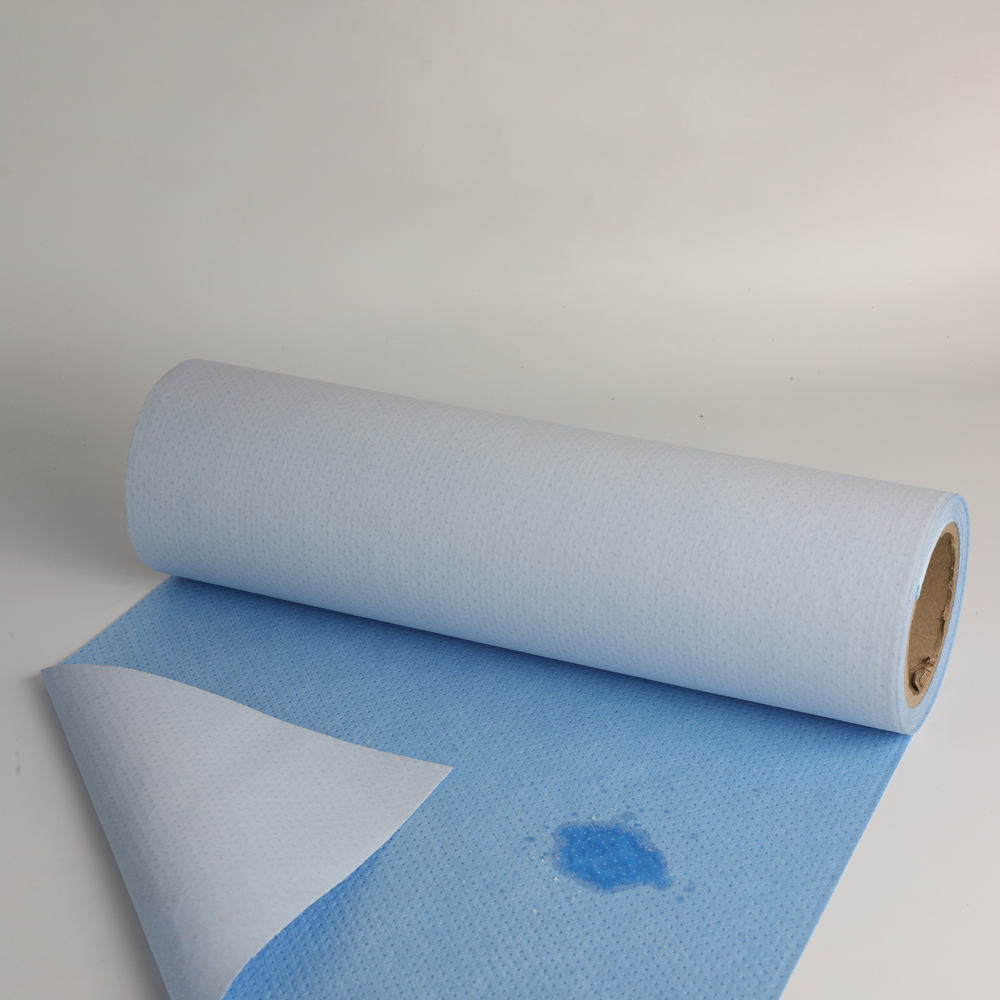
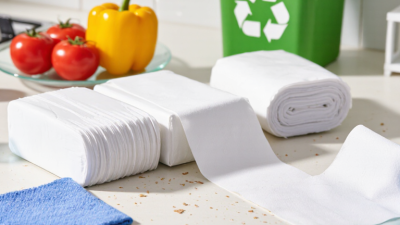
For wet kitchen wipes, match the substrate to the mess and the cleaning routine. Spunlace nonwoven fabric is soft and absorbent, making it suitable for wiping counters and appliances. A stronger, textured sheet can handle dried sauce or greasy stovetops, but excessive abrasion may mark delicate finishes. Check wet strength, lint release, sheet size, and dispenser compatibility. A wipe that feels premium may still tear when pulled from a bucket. Test it under real kitchen conditions.

Formulation matters just as much. For everyday food-preparation surfaces, choose a clearly labeled, low-residue formula suited to the intended surface. Grease-cutting ingredients can help with oily splashes, while excessive fragrance may linger near food. Do not assume “natural” means effective or suitable for every material. Grand View Research estimated the global wet wipes market at USD 24.5 billion in 2023 and projected 5.0% annual growth from 2024 to 2030. This market estimate signals broad demand, not proof that one wipe material performs best; verify supplier specifications and test samples before ordering at scale.

Tips: Wipe a stainless-steel panel, a sealed countertop, and a greasy tile with the same sample. Check for streaks, residue, tearing, and odor after drying. Record results. Small trials can reveal gaps in a product sheet.

Check Safety, Compatibility, and Regulatory Requirements

When choosing wet kitchen wipes, check what surfaces they are designed for. A wipe suitable for a counter may not be suitable for food-contact equipment. Read the label for use directions, contact time, and whether rinsing is required. A fresh scent proves little. Residue can remain even when a surface looks clean.

Match the wipe to your kitchen’s materials. Test it on a small, hidden area of stainless steel, laminate, or sealed stone before routine use. Watch for dull patches, sticky film, or damage to nearby rubber seals. Compatibility issues may appear slowly. That part is easy to miss. Ask the supplier for material compatibility information when the label is unclear.

Review safety documents and regulatory requirements for the locations where the wipes will be used and sold. Requirements can differ by market and intended use. Check ingredient disclosures, hazard guidance, storage instructions, and any restrictions on food-contact claims. Do not assume a general-purpose wipe is approved for every kitchen task. Keep labels and safety data accessible to staff, and train them to follow the stated contact time. Paperwork can feel tedious, but gaps matter. A brief trial with staff may reveal confusing directions before a larger order.

How to Choose Wet Kitchen Wipes for Your Business? — Check Safety, Compatibility, and Regulatory Requirements

Evaluation area What to verify Useful evidence or test Business decision guidance
Intended use Confirm whether the wipes are for general cleaning, sanitizing, or disinfecting, and whether they are intended for food-contact surfaces. Product label, directions for use, and technical data sheet (TDS). Choose a product whose labeled use matches the task. Do not assume that a wipe suitable for counters is also suitable for food-contact equipment.
Food-contact surfaces Check whether the label permits use on food-contact surfaces and whether a potable-water rinse is required after use. Label directions and applicable food-contact or sanitizer documentation for the market where the product will be used. Follow the label’s rinse, dilution, and use instructions. Keep treated surfaces out of service for food preparation until the stated directions are completed.
Cleaning versus antimicrobial claims Distinguish soil removal from claims to sanitize, disinfect, or kill specified microorganisms. Label claims, supporting efficacy reports, and applicable product authorization or registration information. Cleaning alone does not establish sanitizing or disinfecting performance. Use an antimicrobial product only for claims and settings covered by its label and local rules.
Required wet contact time Check how long the surface must remain visibly wet for the claimed antimicrobial effect. Product label and efficacy test information for the relevant organisms and use conditions. Confirm staff can keep the surface wet for the full labeled contact time. A quick wipe followed by immediate drying may not meet the directions.
Surface compatibility Review compatibility with stainless steel, aluminum, plastics, laminates, rubber, seals, and any coated or painted surfaces in the kitchen. Manufacturer compatibility guidance; a small-area trial on an inconspicuous surface where appropriate. Check for corrosion, discoloration, cracking, tackiness, or finish changes. Compatibility can depend on the surface, chemical, concentration, and exposure time.
Active ingredients and hazards Identify the active ingredients, relevant hazard statements, first-aid measures, and precautions for handling and storage. Current Safety Data Sheet (SDS), product label, and workplace chemical inventory records. Provide staff with the required handling information and protective measures. Never mix cleaning chemicals unless the product directions explicitly allow it.
Residue, fragrance, and allergen considerations Check fragrance, dyes, and other ingredients that may be unsuitable for the site or its procedures; verify residue and rinse directions. Ingredient or product information, SDS, and label instructions. For food-contact areas, follow the label’s residue and rinsing directions. “Fragrance-free” or “natural” does not by itself establish safety or regulatory compliance.
Wipe material and performance Assess wipe strength, linting, absorbency, size, and whether the material is suitable for the intended cleaning task. Product specifications and a trial under normal workplace conditions. Confirm the wipe stays intact during use and does not leave unwanted lint on equipment or food-preparation surfaces.
Packaging and dispensing Check that the pack reseals securely, protects wipes from drying out, and allows controlled dispensing. Packaging specifications and an opened-pack trial over the expected usage period. Choose pack sizes that fit daily usage and storage conditions. Follow storage instructions and discard wipes that have dried out or are otherwise unsuitable.
United States regulatory checks For antimicrobial pesticide claims, verify applicable EPA requirements and use directions. For food-contact use, verify the product’s permitted use and any required rinse directions. EPA registration and approved labeling where applicable; relevant food-contact documentation and label instructions. Do not treat an EPA registration as a general endorsement or assume it covers every surface or use. Verify the exact product, claim, and use pattern.
European Union regulatory checks For biocidal claims, check applicable requirements under the Biocidal Products Regulation (EU) No 528/2012. For treated articles, check whether the relevant treated-article rules apply. Product authorization information where required, label details, and supplier documentation for the intended use and market. Regulatory status depends on the product, claims, intended use, and market. Confirm requirements with the relevant national authority or a qualified regulatory adviser.
Supplier quality and traceability Confirm batch identification, shelf life, storage conditions, complaint handling, and availability of current product documents. Batch records, specification sheet, SDS, and documented quality or traceability procedures. Prefer suppliers that can provide current documents and identify affected batches if a quality or safety issue arises.

Selection rule: Match the wipe to the exact surface and task, verify the label and supporting documents for the intended market, and train staff to follow the stated contact, rinse, storage, and handling directions. Regulatory requirements vary by jurisdiction and product claims.

Compare Cleaning Performance, Packaging, and Cost

For a restaurant or food-production site, test wet kitchen wipes on the same stainless-steel panel, using the same measured oil and number of passes. Record the residue left behind, the wipes used, and whether the surface feels streaky. A clean-looking surface is not always a clean one. Check the product’s stated use and test data, especially when staff need to clean and sanitize food-contact surfaces. Compare results under real shift conditions, not just on a quiet bench. Small details matter. A wipe that tears at a greasy corner can slow the whole task.

Packaging affects both handling and cost. Open a pack repeatedly during a busy shift: can staff pull one wipe with a gloved hand, and does the next wipe stay moist? The U.S. EPA’s 2018 Advancing Sustainable Materials Management report estimated that packaging and containers generated 82.2 million tons of municipal solid waste, or 28.1% of the total. That figure covers all packaging, not wipes alone, but it makes pack size and material worth tracking. Calculate cost per usable wipe, including dried-out or torn sheets. I still find that last part easy to overlook. Compare pack price, wipe count, dispensing reliability, and cleaning results side by side. A cheaper pack can cost more in practice.

Evaluate Suppliers, Storage, and Ongoing Supply Needs

When choosing wet kitchen wipes, assess the supplier’s consistency, not just the quoted price. Ask for product specifications, pack counts, wipe dimensions, and material details. Request samples and test them on greasy counters, stainless-steel prep tables, and food-service equipment. Check whether the wipes leave lint or a strong residue. Small differences matter during a busy shift.

Look closely at storage requirements. Some wipes can dry out if packaging is damaged or left open, so check seal quality and storage guidance. Keep cartons in a clean, dry area away from heat and direct sunlight. Use older stock first, and mark delivery dates clearly. Simple habits help prevent waste. Still, storage space is easy to underestimate when ordering large cases.

Ongoing supply needs depend on daily use, seasonal peaks, and delivery lead times. Track case consumption for several weeks, then set a reorder point that leaves room for delays. Ask suppliers about minimum order quantities, dispatch schedules, and how they handle shortages. A low unit price can still be the wrong choice if deliveries are unreliable. It is tempting to forecast too tightly; real usage often fluctuates, so review orders regularly and adjust them as staff routines change.

How to Choose Wet Kitchen Wipes for Your Business

A practical starting-point weighting for comparing suppliers, storage requirements, and ongoing supply needs.

How to use this: These are suggested planning weights, not measured industry statistics. Adjust them to reflect your own hygiene requirements, storage capacity, order frequency, and risk of stockouts.