How to Choose Flame Retardant Nonwoven Fabric
Choosing the right Flame Retardant Nonwoven fabric requires more than comparing prices or reading a product label. In real applications, fabric performance depends on fiber type, weight, thickness, surface treatment, and end-use conditions. A material placed behind an electrical panel faces different risks from one used in protective clothing or mattress construction. Heat, flame exposure, washing, moisture, and abrasion can all change its behavior.
A reliable selection process begins with the application. Define the expected temperature, contact time, ignition source, and mechanical stress. Then review technical data, test reports, and quality-control records from the manufacturer. Look for relevant fire-performance testing, but do not treat one test result as a universal guarantee. Standards measure specific conditions. They may not represent every workplace or installation.
Small details matter. A thin roll may feel strong in the warehouse, yet tear around a stitched edge. A treated fabric may perform well initially, but repeated washing can reduce its protection. This is where practical experience becomes valuable. Ask how the material performs after aging, cutting, bonding, or lamination. Request samples and test them in conditions that resemble actual use. Do not rely on appearance alone.
There is no perfect fabric for every project. Cost, comfort, durability, and fire resistance often compete. A technically impressive material may be unsuitable if workers cannot wear it comfortably. The best choice balances verified performance with realistic operating needs. Review the decision with qualified safety professionals, and document every assumption. Some recommendations may need revision after field testing. That is not failure; it is responsible material selection.
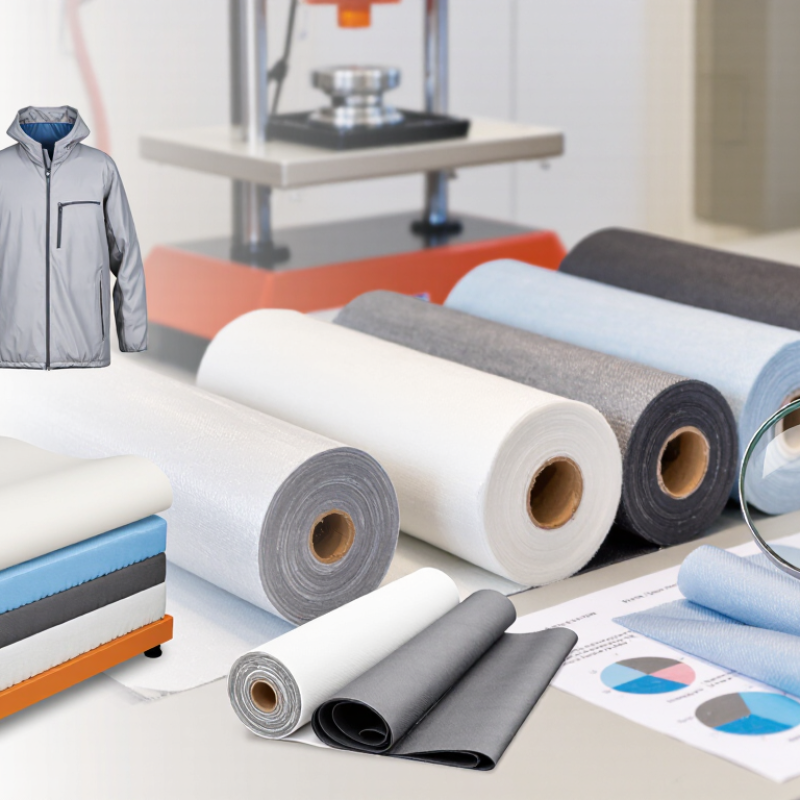
Define the Performance Requirements for Flame Retardant Nonwoven Fabric
Defining performance requirements is the real starting point when choosing flame retardant nonwoven fabric. The fabric should match the heat source, exposure time, and installation environment. A material for an interior panel faces different risks from one used near hot machinery.
Specify measurable targets before comparing samples. These may include basis weight, thickness, limiting oxygen index, afterflame time, afterglow time, and char length. Also define tensile strength and tear resistance. A fabric can resist ignition yet fail during cutting or installation. That detail is easy to miss.
Think about the complete service life. Will the material face repeated washing, compression, vibration, oil mist, or high humidity? Request test conditions, not only performance values. A flame test after dry conditioning may not represent a damp production area. In practical trials, small differences in fiber blend or needling density can change the result. Check both sides of the fabric.
Ask for batch traceability and independent laboratory reports. Confirm the test method, specimen size, conditioning process, and failure limits. Some data looks impressive until the method is examined. Request production samples, then test them after aging or abrasion when relevant. We once treated a clean sample as representative, but later found uneven coating near the roll edge. That mistake was avoidable. Performance requirements should include uniformity, smoke behavior, odor, color stability, and safe handling during fabrication. Suppliers should explain limitations clearly, even when the answer is inconvenient.
Compare Fiber Types, Flame Retardant Treatments, and Fabric Structures
Choosing flame retardant nonwoven fabric starts with the fiber, not the finish. Inherently resistant fibers, such as aramid, modacrylic, and certain treated viscose blends, retain protection after repeated cleaning. Polypropylene and polyester often need additives, coatings, or laminates. These options can reduce cost, but heat exposure may change their strength and shrinkage.
Treatment quality matters. Some finishes sit on the surface and can weaken after abrasion or laundering. Additive-based fibers usually offer better durability, yet they may feel stiffer. A higher limiting oxygen index is not a complete answer. ISO 15025 and ASTM D6413 also assess afterflame, char length, and flame spread. During production checks, I would test the finished fabric, not only the incoming fiber. Small differences in basis weight can alter results.
Structure controls air movement and heat release. Spunbond fabrics provide strength and uniform coverage. Meltblown layers improve filtration but may shrink quickly near flame. Needlepunch and quilted structures add thickness, trapping insulating air. Laminated fabrics can perform well, although delamination creates a hidden weakness. Smithers’ Future of Nonwovens to 2028 forecasts global nonwoven demand above 20 million tonnes by 2028, increasing the need for consistent quality control. The 2024 National Fire Protection Association report recorded 3,010 home fire deaths in the United States during 2023. That figure reinforces careful application testing. Real use is messier than a laboratory test.
Evaluate Fire Safety Standards, Certifications, and Test Methods
How to Choose Flame Retardant Nonwoven Fabric
Fire safety starts with the end use, not the fabric label. A mattress layer, acoustic panel, and filtration media face different ignition sources. NFPA’s Fire Loss in the United States During 2023 reported 1,504,500 fires and 3,670 civilian fire deaths. These figures show why dependable testing matters.
Check the required standard for the installation country and product category. ASTM D6413 measures vertical flame response in textiles, while ASTM E84 evaluates surface flame spread and smoke development. EN 13501-1 classifies construction products, but it does not replace a textile-specific test. ISO 4589 measures limiting oxygen index, yet a higher oxygen index alone cannot predict full-scale fire performance. Certification should include the tested construction, basis weight, color, and treatment level. A certificate for one fabric weight may not cover another.
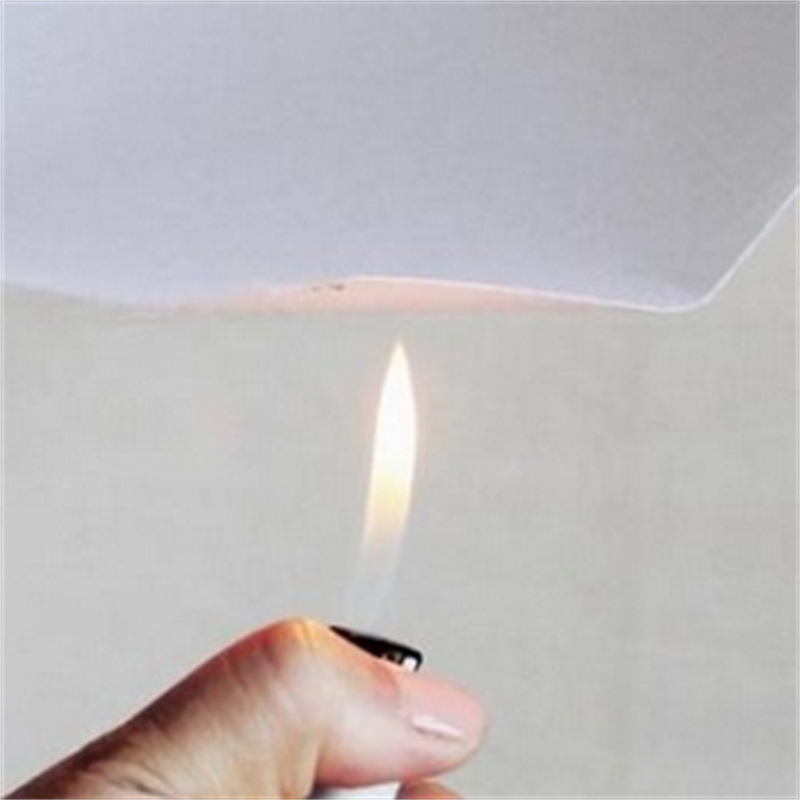
Tips: Request recent, lot-specific reports from an accredited laboratory. Confirm conditioning, specimen direction, wash cycles, and afterflame time. Inspect a cut edge under a flame source during internal screening, but never treat this as certification. Ask whether smoke data is available. It is often overlooked. Also check durability after abrasion, moisture, and cleaning. A material can pass when new and perform differently later. That uncomfortable possibility deserves attention. Review every report against the actual finished product, not just the raw fiber.
How to Choose Flame Retardant Nonwoven Fabric
Compare the flame-application settings used in widely referenced textile fire-test methods. Longer exposure does not indicate a higher safety rating; each method has its own specimen preparation, performance criteria, and reporting requirements.
Evaluation note: ASTM D6413, ISO 15025, and NFPA 701 are test methods rather than universal certifications. Confirm the required standard, product-use category, specimen construction, afterflame or afterglow limits, char length, and smoke requirements for the intended market.
Match Fabric Properties to the Intended Application and Environment
How to Choose Flame Retardant Nonwoven Fabric
Match the fabric to the actual application, not only the flame-retardant label. A wall insulation layer needs different protection from an aircraft interior panel or industrial filter. NFPA reported 1,504,500 fires in the United States during 2023, showing why realistic fire exposure matters. Heat, flame spread, smoke, and ignition time should guide the specification.
Check the temperature range first. Polyaramid, glass fiber, mineral fiber, and treated polyester each respond differently to heat. Compare limiting oxygen index, vertical flame results, afterflame time, char length, and heat-release data. ASTM D6413 and ISO 15025 can support textile testing, while NFPA 701 applies to selected textile and film applications. These methods are not interchangeable. A passing result may still fail after washing, abrasion, compression, or oil exposure.
Environment changes performance. Outdoor barriers need moisture resistance and ultraviolet stability. Cabin materials may require low smoke and low toxicity. Filtration media must also protect airflow and pressure-drop performance. Ask for test reports from accredited laboratories, including conditioning details and production-batch traceability. I have seen specifications focus heavily on flame resistance while ignoring sewing threads, seams, and edge exposure. That is an avoidable weakness. Recheck the complete assembly, because fabric data alone rarely represents field behavior.
Verify Quality, Durability, Cost, and Supplier Reliability
How to Choose Flame Retardant Nonwoven Fabric
Quality verification should begin with the intended application, not the lowest quotation. Request test reports that identify the fabric structure, flame-retardant treatment, and test conditions. Check the report date, sample identification, and laboratory credentials. A small production sample can reveal uneven bonding, loose fibers, or inconsistent thickness. Do not rely on a certificate alone.
Durability needs practical testing. Measure tear strength, tensile strength, abrasion resistance, and dimensional change after washing or heat exposure. If the fabric will face repeated handling, test several production lots. Flame performance may change after aging, cleaning, or lamination.
One common mistake is testing only a fresh sample. That result can look excellent, but service conditions may be harsher. Review the weak points honestly.
Cost includes more than the price per roll. Compare usable width, defect rates, packaging, freight, testing, and replacement risk. Ask whether the quoted treatment remains stable during storage. Supplier reliability also matters. Confirm lead times, minimum quantities, lot traceability, and change-control procedures. A dependable supplier should explain how they handle raw-material changes and failed inspections. Request a written quality agreement. Keep communication clear. Still, no supplier is perfect. Build an incoming inspection plan, record problems, and review performance over time.

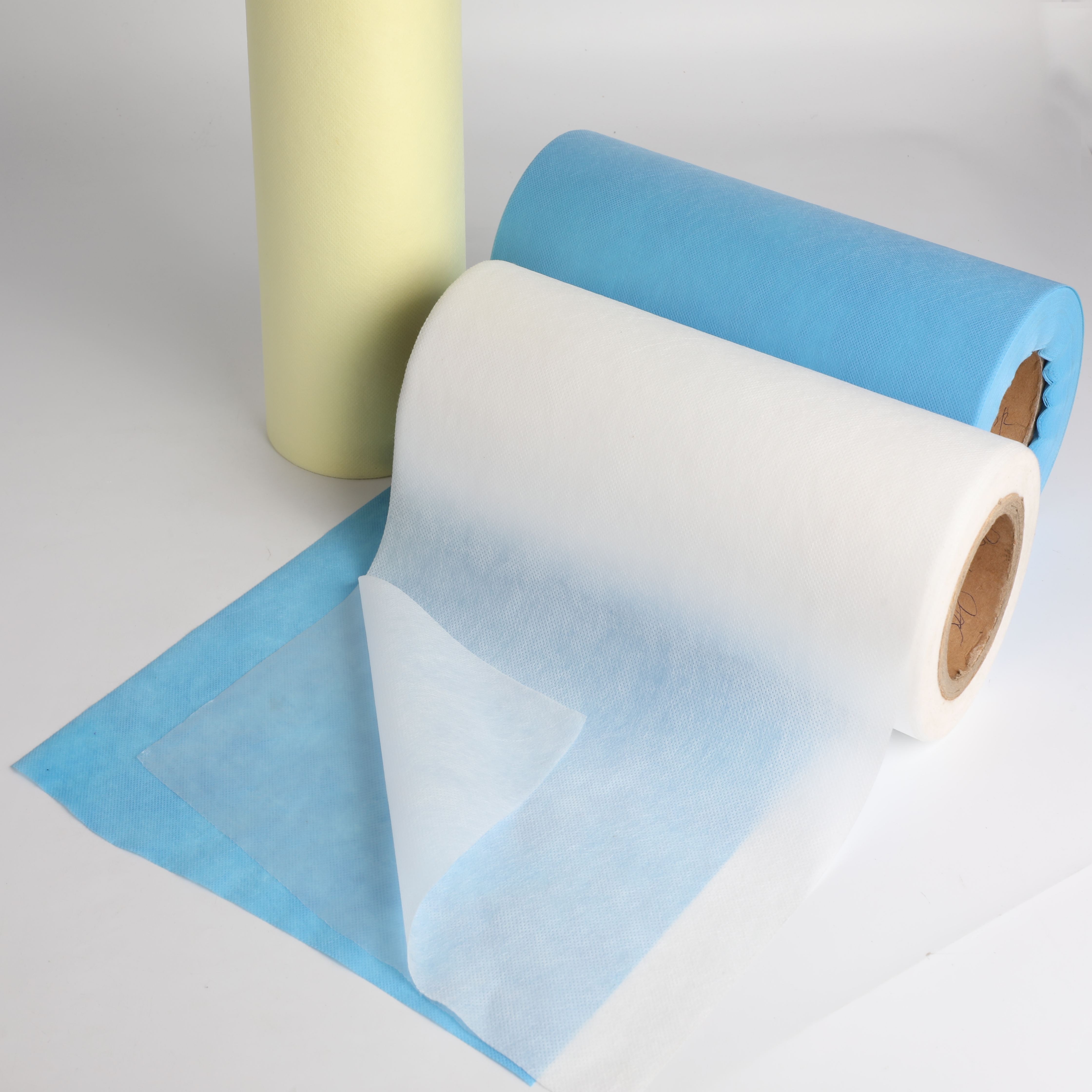 PP Laminates
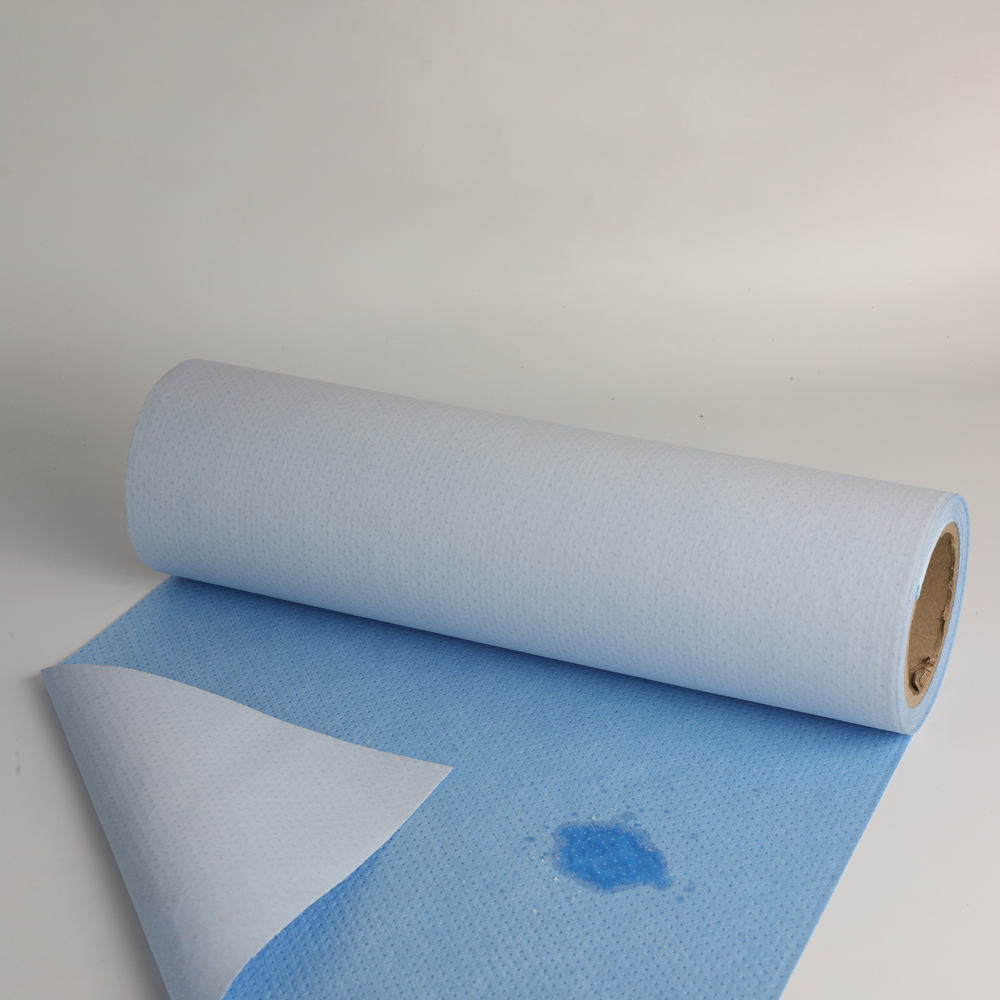 Multi Laminates
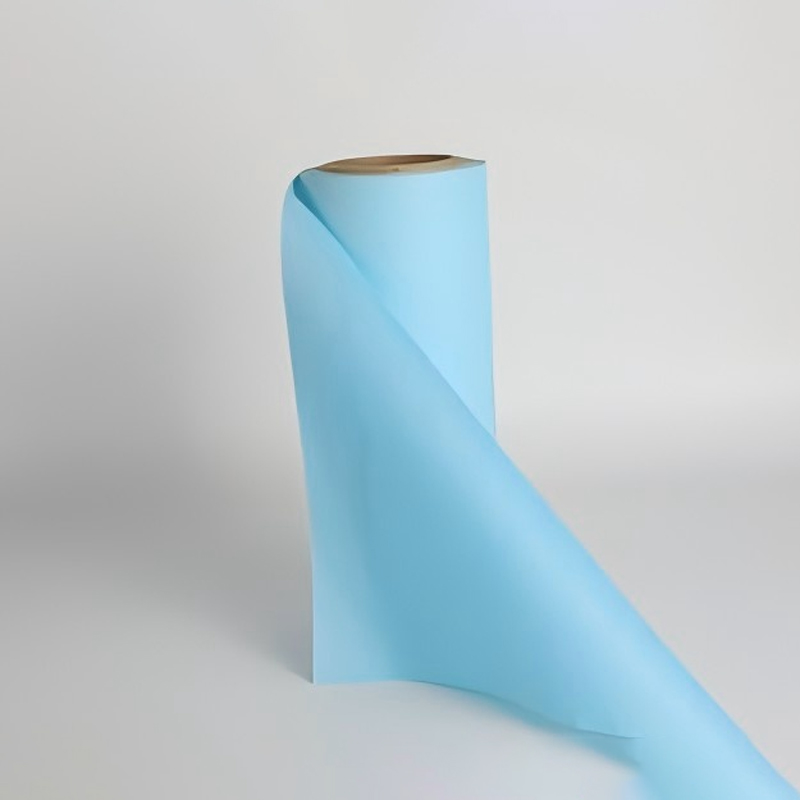 Spunlace Nonwoven Laminates
 Breathable Film Laminates
 Viscose Laminates
 Medical Viscose Nonwoven
 Head Wear Nonwoven
 Medical Tape Nonwoven
 Snus Pouch Nonwoven
 Filtration Nonwoven
 Air Filter Media
 Liquid Filter Media
 Filter Envelope & Filter Sheet
 Breathable Film Laminates
 Nonwoven Interlining
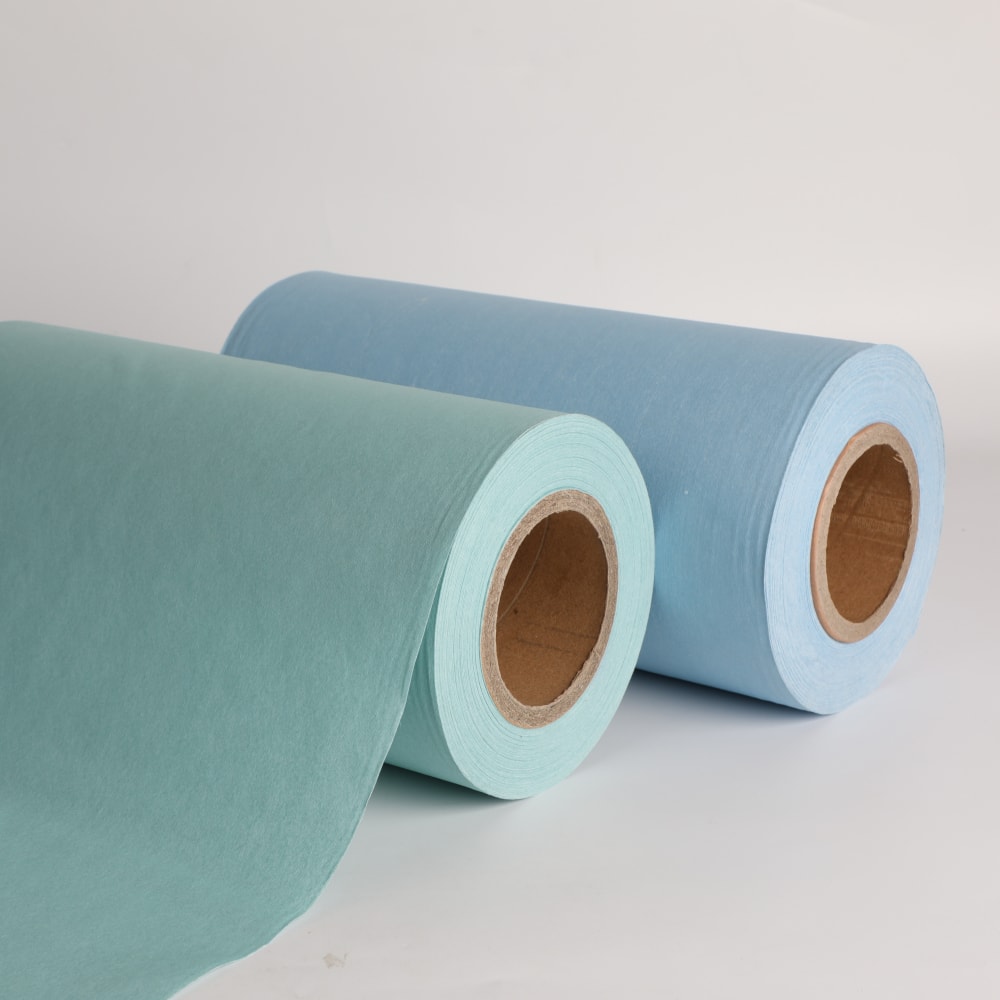 Fluid Repellent Woodpulp Spunlace Nonwoven
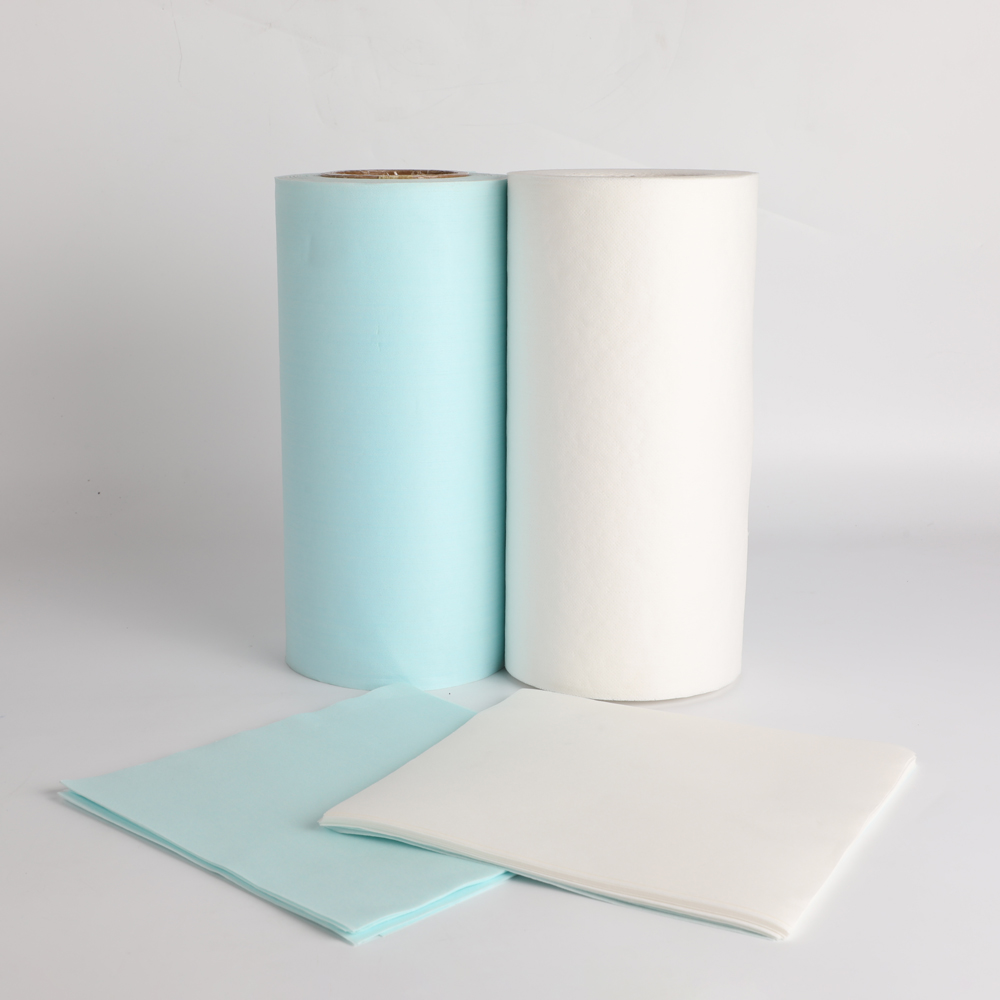 Woodpulp Nonwoven Wipe
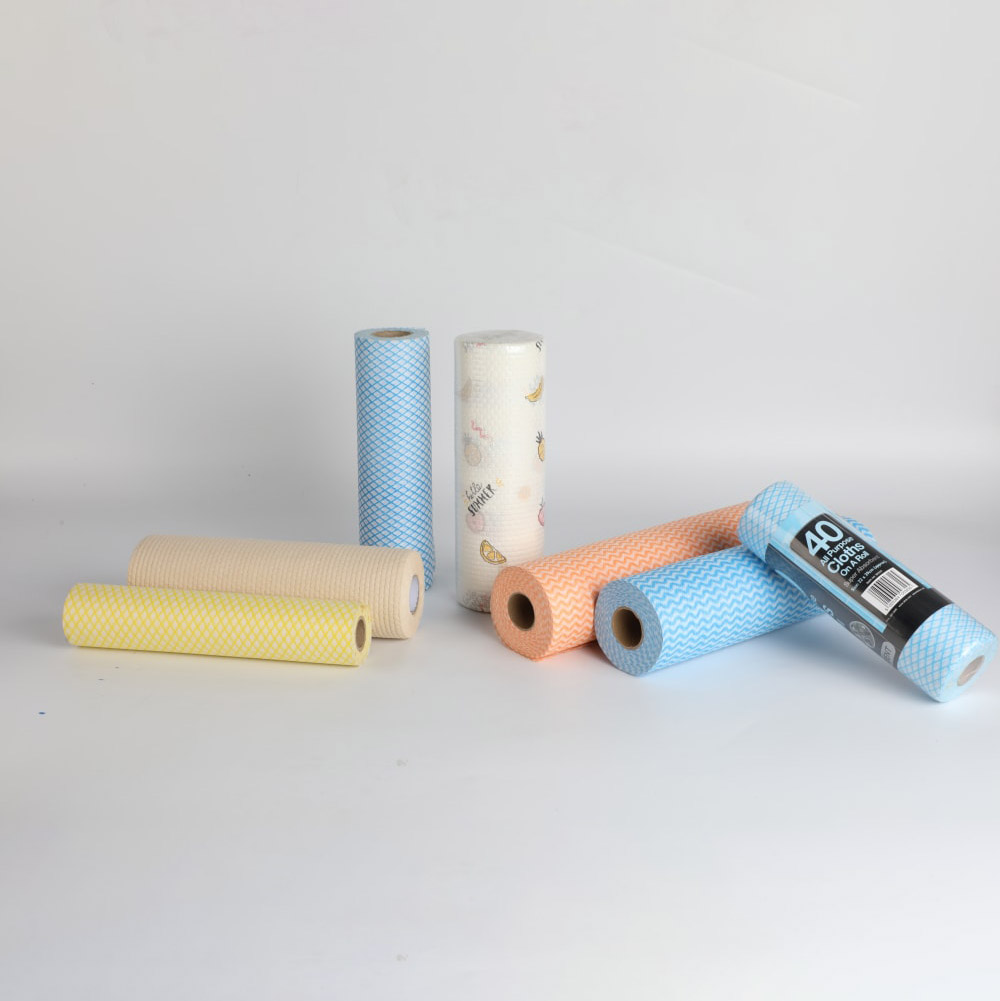 Nonwoven Cleaning Wipe
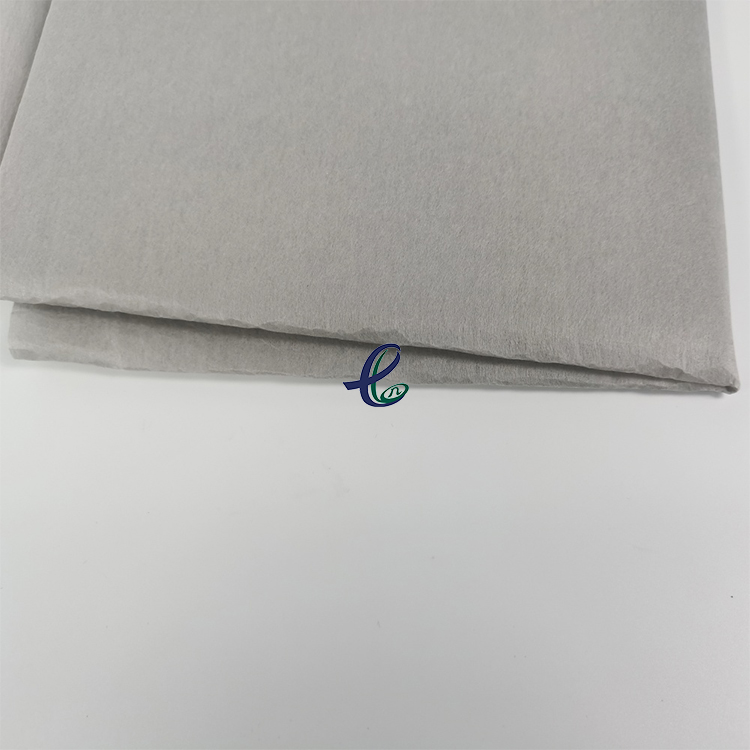 Curtain Nonwoven
 Food Grade Packaging Nonwoven
 Aluminized Nonwoven
 Hot Air Cotton Nonwoven
 Flame Retardant Nonwoven
 Cable Wrapping Nonwoven
 Semi-conductive Nonwoven
 Anti-Bacterial Nonwoven
 +8613957712400
 CONTACT WhatsApp
 CONTACT WeChat

 CONTACT NUMBER
 CONTACT EMAIL