China Top Non Woven Polyester Fabric Suppliers?
Choosing a reliable supplier is not just a search for the lowest quotation. Non Woven Polyester Fabric varies by weight, width, bonding method, and intended use. A roll that looks consistent on the surface may still show uneven thickness or weak edges during converting. Small details matter.
China has a broad manufacturing base, but supplier capabilities differ. Some factories focus on spunbond production, while others offer needle-punched or thermally bonded materials. Buyers should compare the product specification with their actual application, including required GSM, roll width, color, tensile strength, and order volume. Ask for evidence.
This guide explores how to identify China-based suppliers and assess their suitability without treating any list as a permanent ranking. Company profiles and product ranges can change, so verify current factory details, production capacity, and export experience directly. Request recent samples, technical data sheets, and relevant quality documents before placing a bulk order. Then check whether the sample matches the agreed specification after testing or conversion.
Clear communication is useful, though it does not guarantee smooth production. Confirm tolerances, packaging, lead times, and procedures for handling defects in writing. If a supplier gives vague answers about material composition or testing, pause and ask for clarification. I would not rely on polished photos alone; they reveal little about batch consistency. With practical checks and documented requirements, buyers can compare suppliers more fairly and reduce avoidable sourcing surprises.
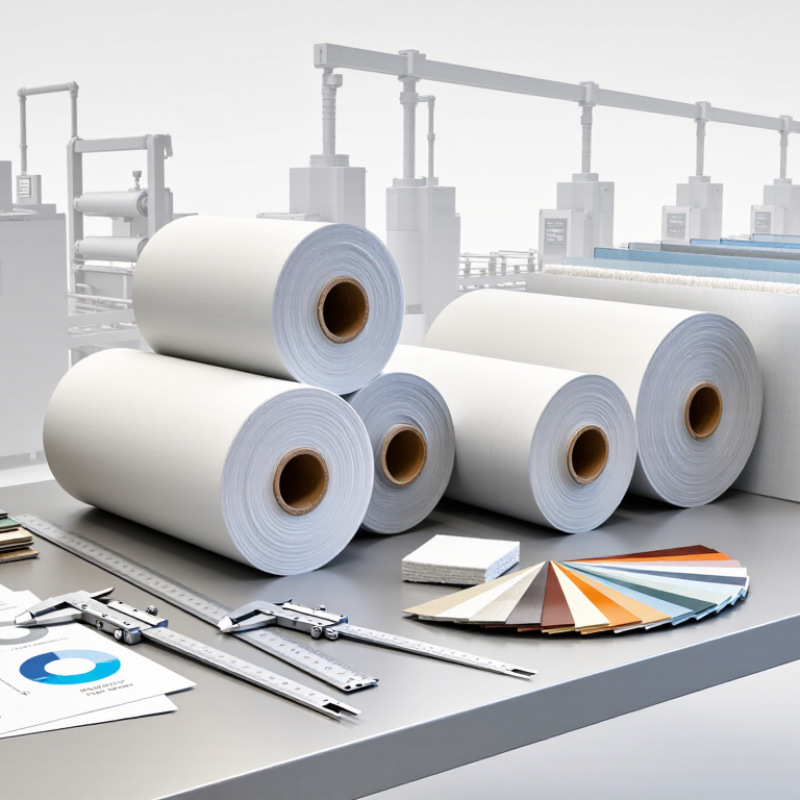
Understanding Nonwoven Polyester Fabric and Its Main Types
Nonwoven polyester fabric is made by bonding fibers into a sheet, rather than weaving yarns over and under one another. The structure can be engineered for softness, strength, filtration, or water resistance. Textile Exchange’s Materials Market Report 2024 estimates that polyester represented 57% of global fiber production in 2023, within a total of 124 million tonnes. That figure describes fiber production, not nonwoven output, so it should not be treated as a market-size estimate for polyester nonwovens.
Main types differ by how fibers are laid and bonded.
Spunbond fabric uses continuous filaments, giving it an even surface and good tensile strength; it appears in construction layers and durable covers.
Meltblown webs use very fine fibers and can capture small particles, making them useful in filtration.
Needle-punched polyester starts with staple fibers, mechanically entangled by barbed needles. The result is often thicker and more porous, as seen in geotextiles and carpet underlay.
Thermal-bonded webs use heat to join compatible fibers and can feel lighter or softer.
A useful distinction. These labels can overlap in commercial descriptions, and “nonwoven” alone does not specify thickness, pore size, or performance. Buyers should check test data for the intended use.
How Chinese Manufacturers Produce Nonwoven Polyester Fabric
China Top Non Woven Polyester Fabric Suppliers?
How Chinese Manufacturers Produce Nonwoven Polyester Fabric
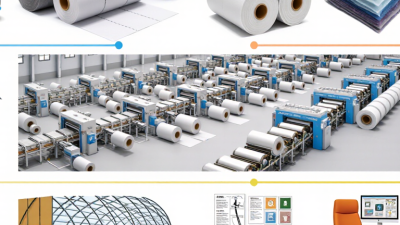
Many Chinese manufacturers begin with polyester chips, which are dried before melting. The molten polymer passes through fine spinnerets, forming continuous filaments. In spunbond production, these filaments cool, stretch, and settle onto a moving belt. Airflow and belt speed help control web thickness. Small details matter.
The loose web is bonded to create a stronger fabric. Heat and pressure can join thermoplastic fibers, while needle punching mechanically entangles them. The best method depends on the intended use, weight, and desired texture. Some lines also add finishes for specific performance needs. Quality checks may measure fabric weight, tensile strength, thickness, and surface consistency. Results can vary across production runs, so samples and clear specifications are important. Not always perfect.
Tips: Ask for a sample made to your target weight and width. Check both sides under steady light for thin spots or uneven bonding. Request test data for the properties your application needs, and confirm how tolerances are measured. A neat sample is useful, but repeatability matters more.
Where Chinese Nonwoven Polyester Fabric Suppliers Operate
China’s nonwoven polyester fabric suppliers are spread across several manufacturing regions rather than one central market. Many operate in Jiangsu, Zhejiang, Shandong, and Guangdong, where textile mills, converting workshops, and freight services are relatively accessible. In Jiangsu, buyers may find producers near industrial zones around Nantong and Changzhou. Zhejiang suppliers often work close to broader textile networks. These locations can make sourcing easier, but they do not guarantee consistent quality.
Factory operations commonly sit inside industrial parks, with warehouses and trucking routes nearby. Coastal access can help with export shipping, while inland factories may offer different cost and lead-time advantages. Ask where the fabric is actually made, not just where the sales office is located. Request details on production method, roll width, weight tolerance, and inspection records. A map alone can mislead. Some supplier profiles describe a region broadly, so confirm the production address and sample origin before comparing quotations.
Tips: Request a small sample from the same production line planned for your order. Check its weight, surface feel, and roll consistency. Then confirm lead time and packing details in writing. Small differences matter. A low quote may reflect a different specification, and buyers sometimes overlook that.
How to Evaluate Supplier Quality, Capacity, and Certifications
When evaluating China-based nonwoven polyester fabric suppliers, ask for recent test reports, not only sample swatches. Check basis weight, tensile strength, elongation, thickness, and air permeability against your specification. Test samples from different production lots; a neat hand-cut swatch can hide variation across a full roll. Record results and tolerances. Small differences matter.
Capacity needs evidence, too. Request monthly output, machine width, current utilization, minimum order quantity, and lead times for both standard and custom grades. Compare these figures with a pilot order and actual delivery records.
EDANA’s 2023 statistics reported European nonwoven production of about 2.88 million tonnes, down roughly 5.6% from 2022. This market-level decline is not proof of any supplier’s capacity, but it underlines why current, verifiable schedules matter. I would still verify them.
Review the scope and validity of certifications. ISO 9001 supports quality-management systems, while OEKO-TEX Standard 100 concerns tested harmful substances; neither alone guarantees fabric performance. For recycled polyester claims, check whether a valid chain-of-custody certificate covers the specific facility and product. Ask for certificate numbers and confirm them with the issuing body. Paperwork can look convincing. So can a sample. Combine document checks with an on-site or independent audit, and keep a written record of unresolved gaps.
Key Applications and Sourcing Considerations for Buyers
Nonwoven polyester fabric serves different jobs depending on its structure and finish. In filtration, buyers may need consistent pore size and low fiber shedding. Automotive liners often require abrasion resistance, stable thickness, and reliable bonding. For packaging or furniture components, softness, color, and cost can matter more. Ask suppliers for the fabric weight, width, thickness, fiber composition, and production method. Small differences show up quickly on a cutting table.
Sourcing from China, request samples made to the same specification as the planned order. Check roll edges, surface uniformity, and whether the material returns to shape after handling. A sample can still mislead. Ask how the supplier controls batch variation and what tests are available for strength, air permeability, or heat resistance. Match tests to the application; more data is not always better. Confirm minimum order quantities, lead times, packaging, and inspection arrangements in writing. Also clarify whether quoted tolerances apply to each roll or only to the overall shipment. This detail is easy to overlook, and it can cause friction later. A low price may be useful, but only when the fabric performs consistently in the buyer’s actual process.

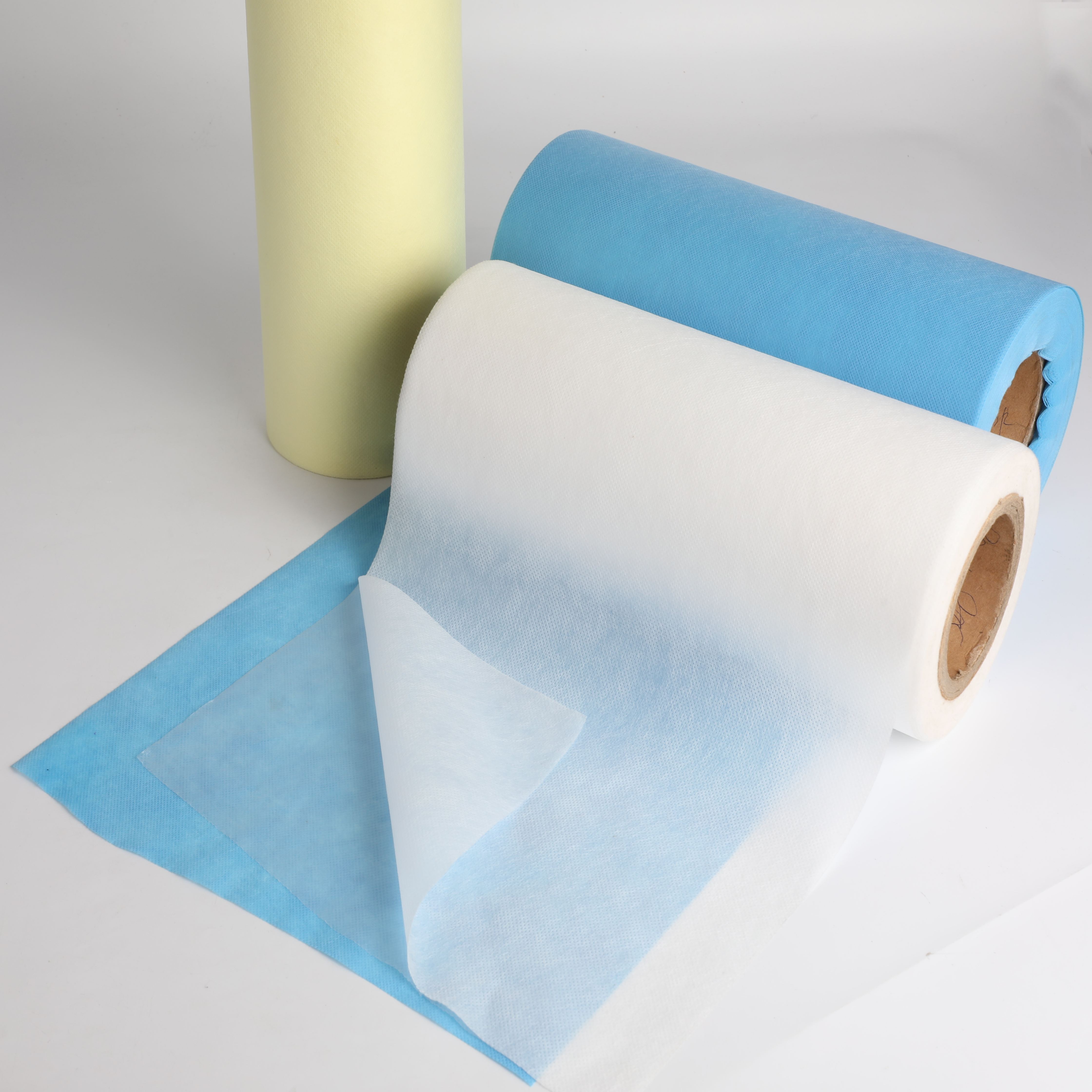 PP Laminates
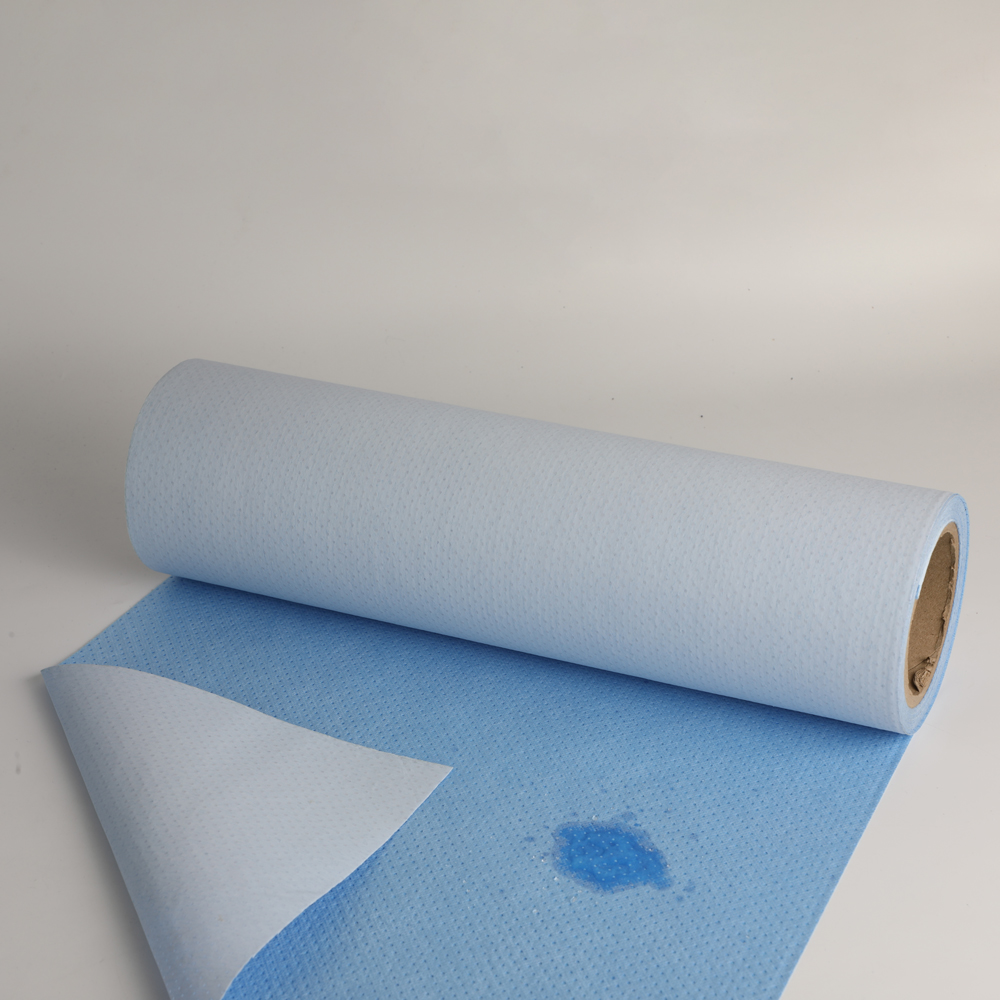 Multi Laminates
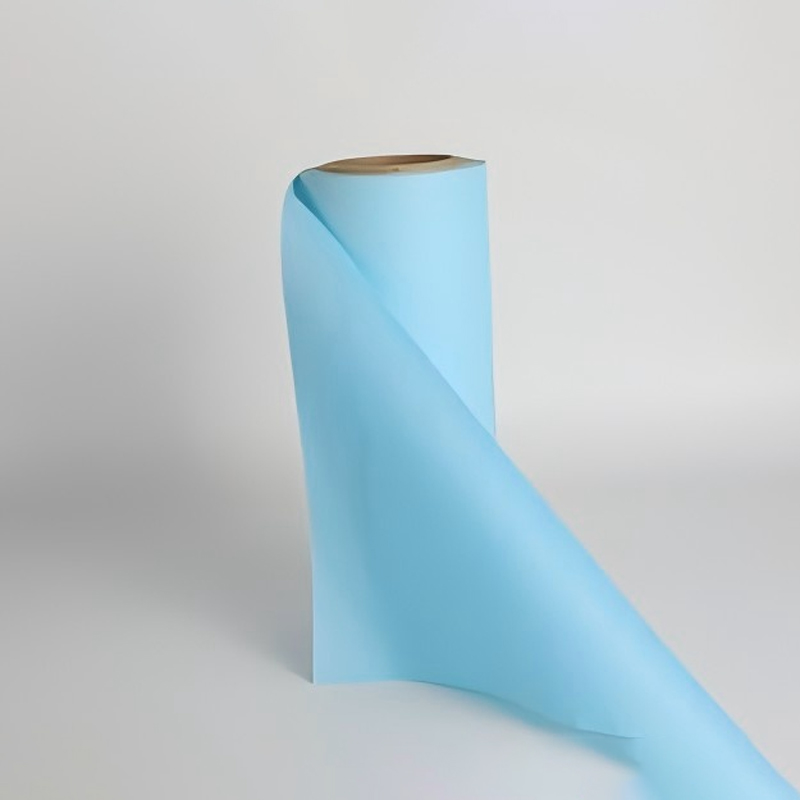 Spunlace Nonwoven Laminates
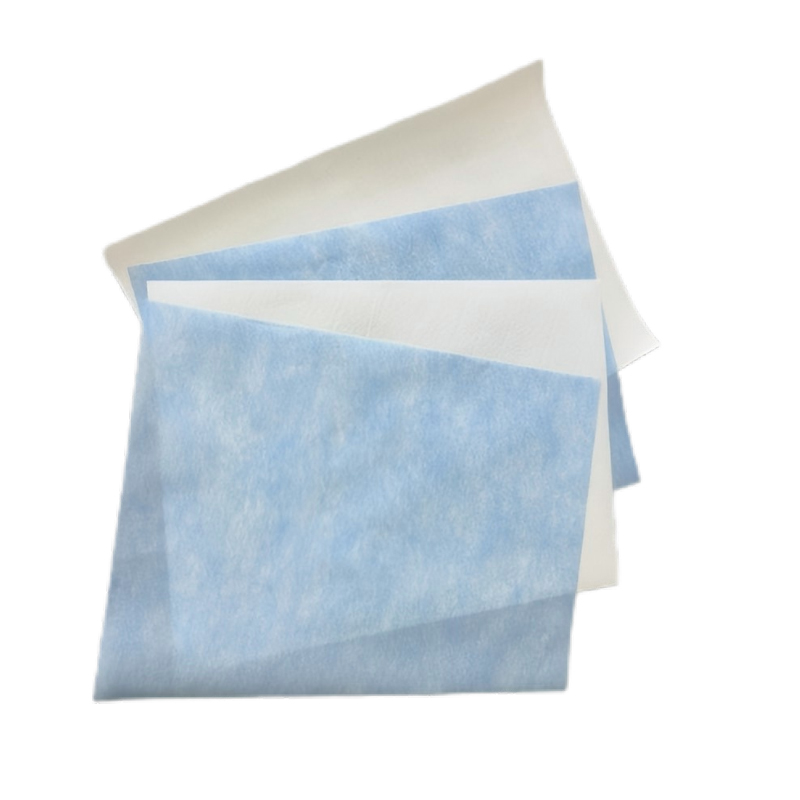 Breathable Film Laminates
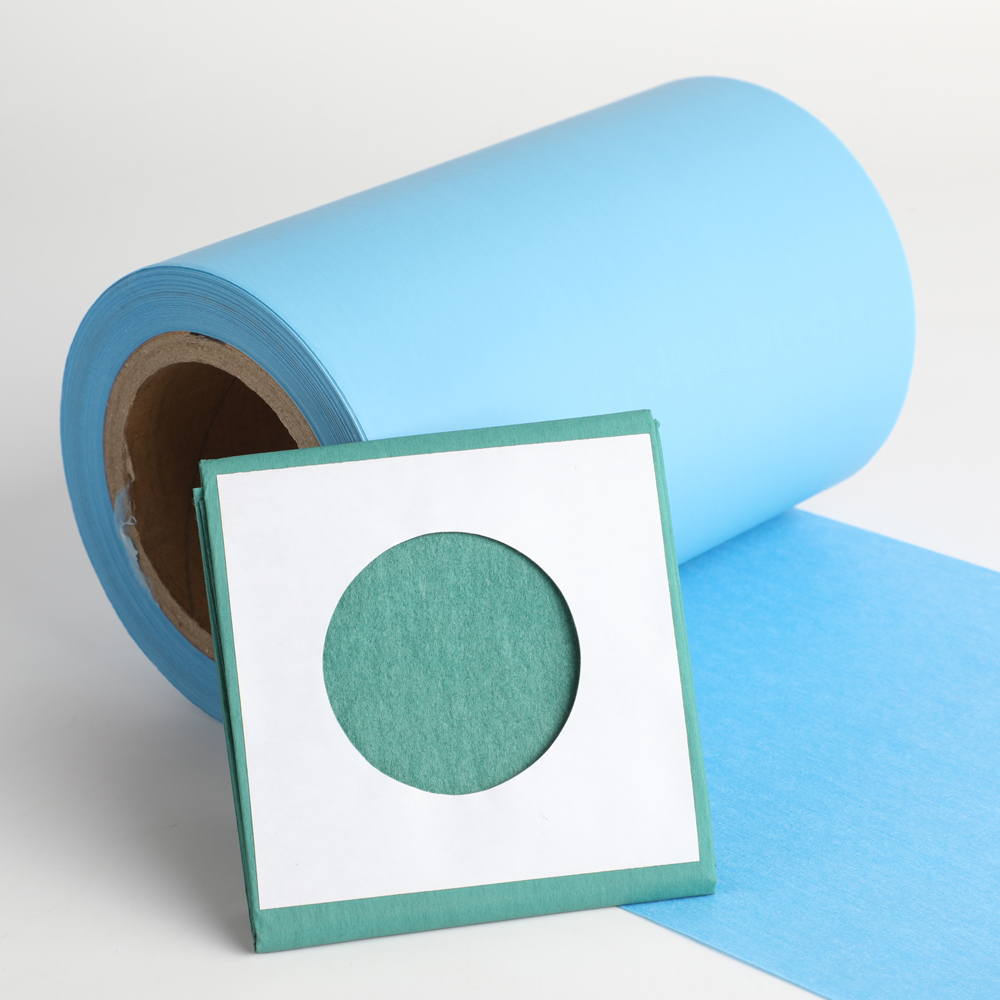 Viscose Laminates
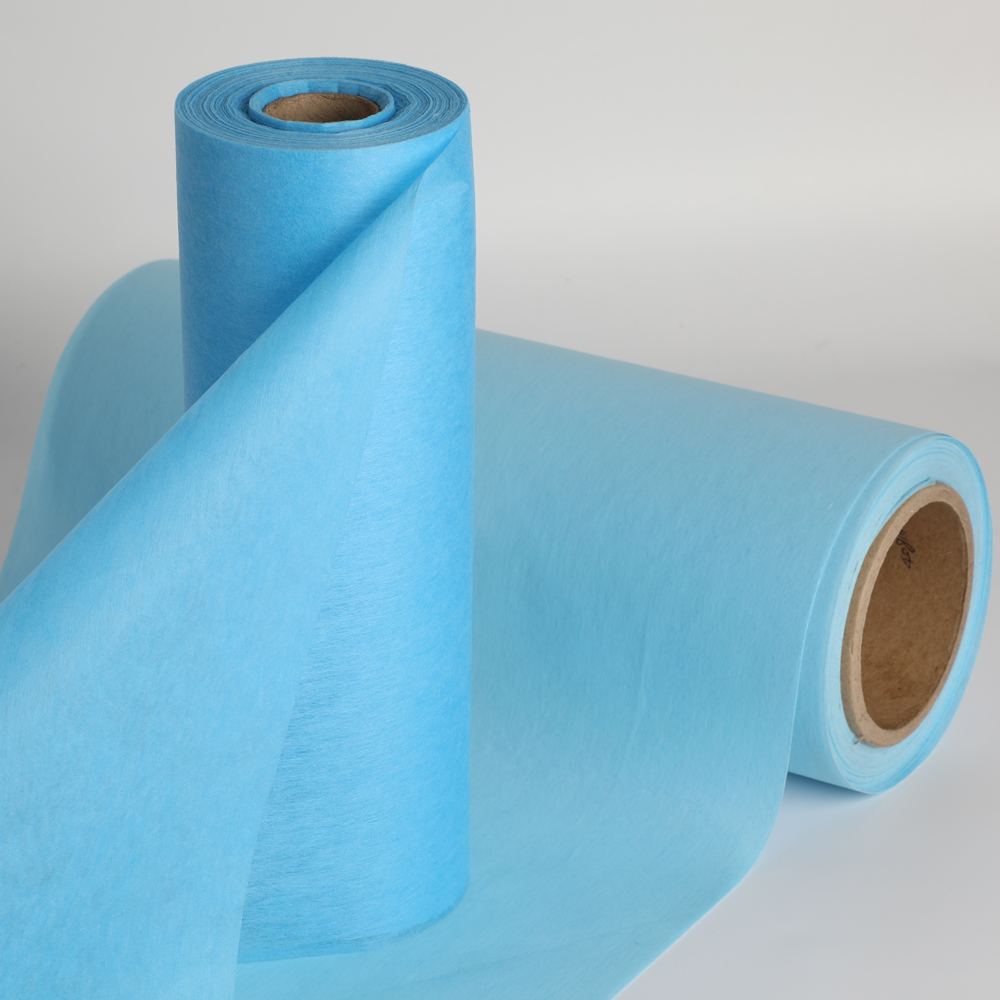 Medical Viscose Nonwoven
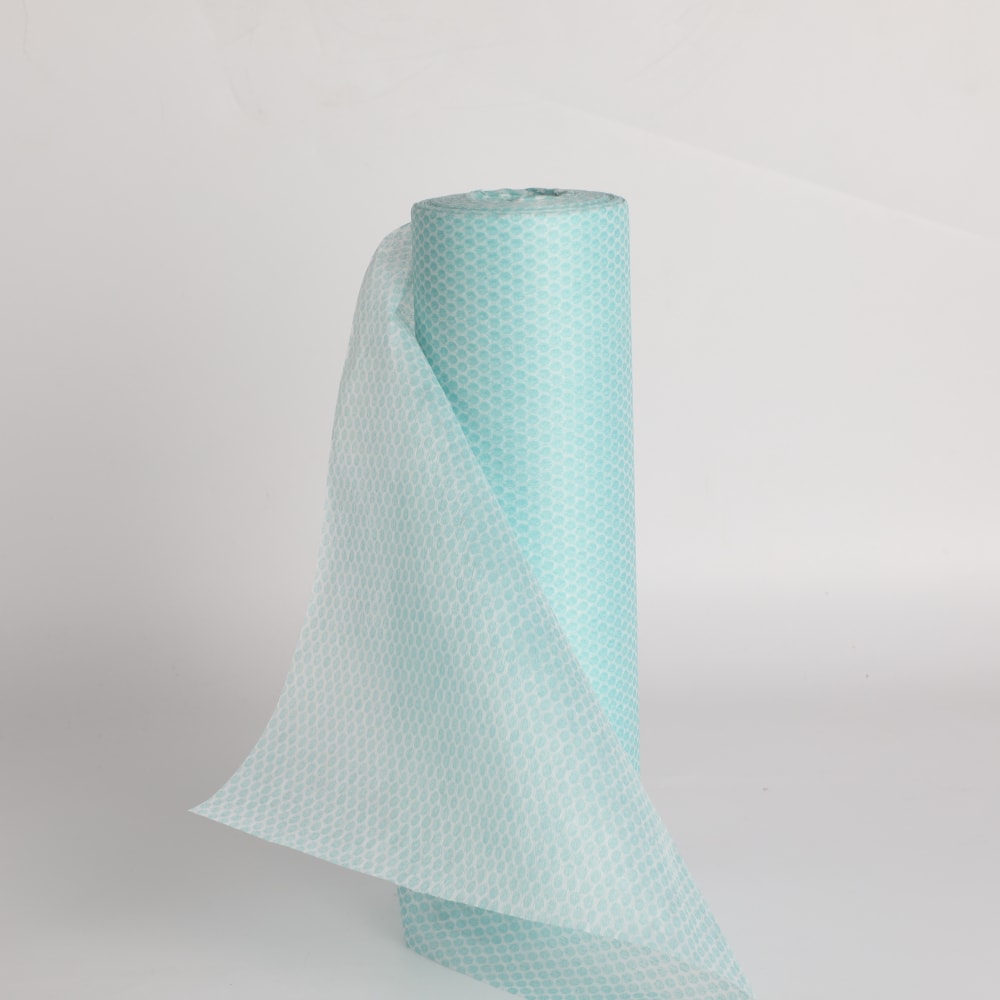 Head Wear Nonwoven
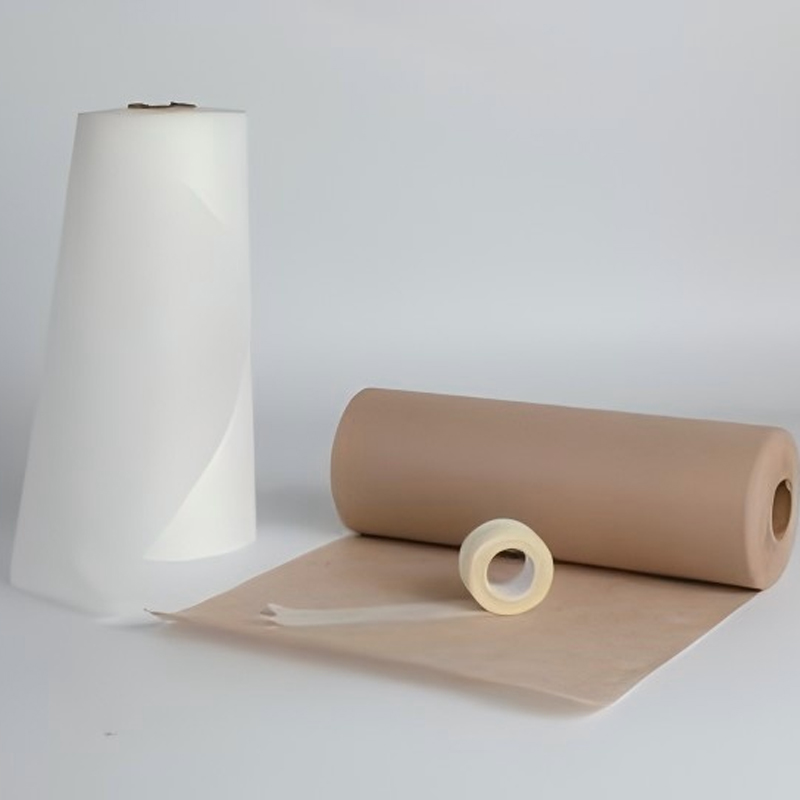 Medical Tape Nonwoven
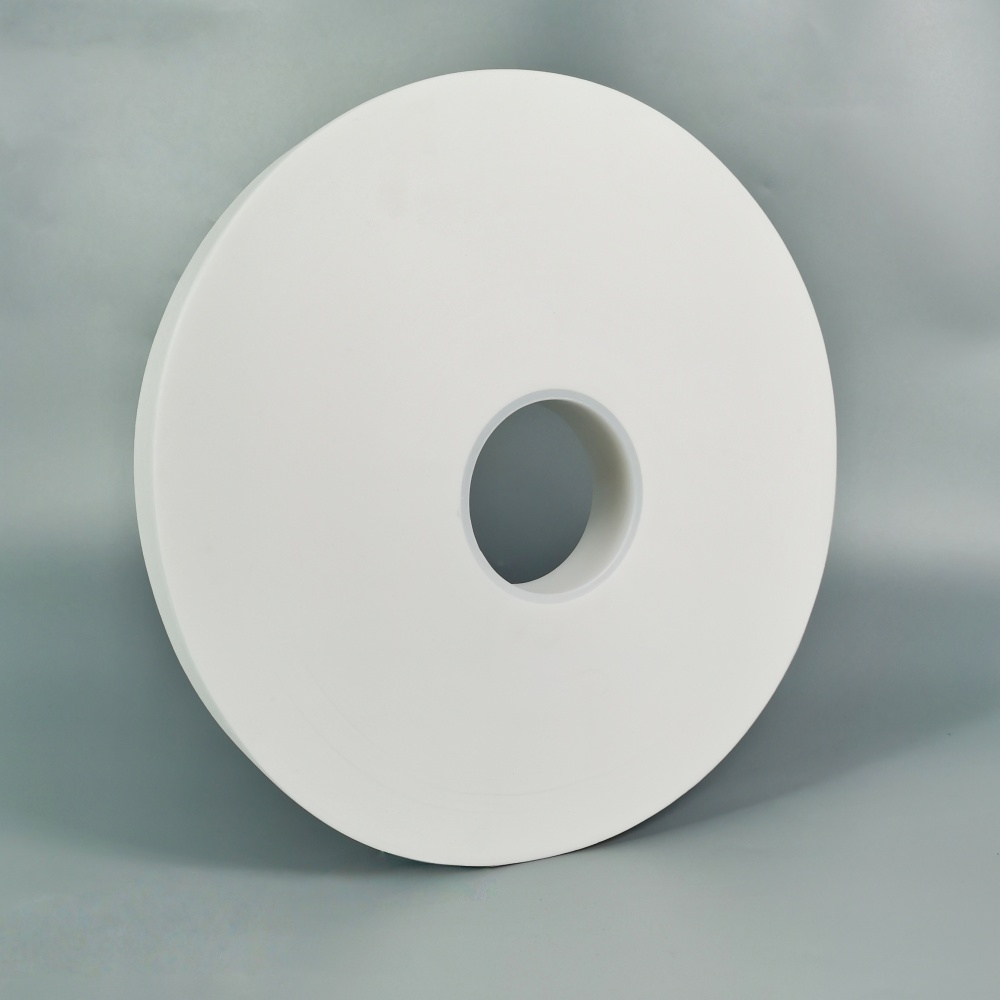 Snus Pouch Nonwoven
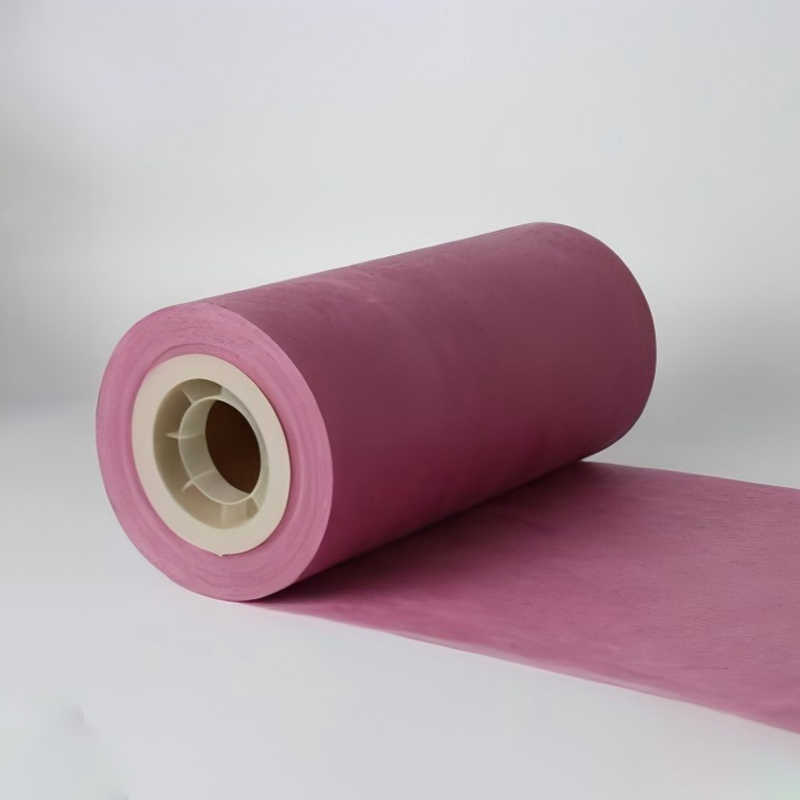 Filtration Nonwoven
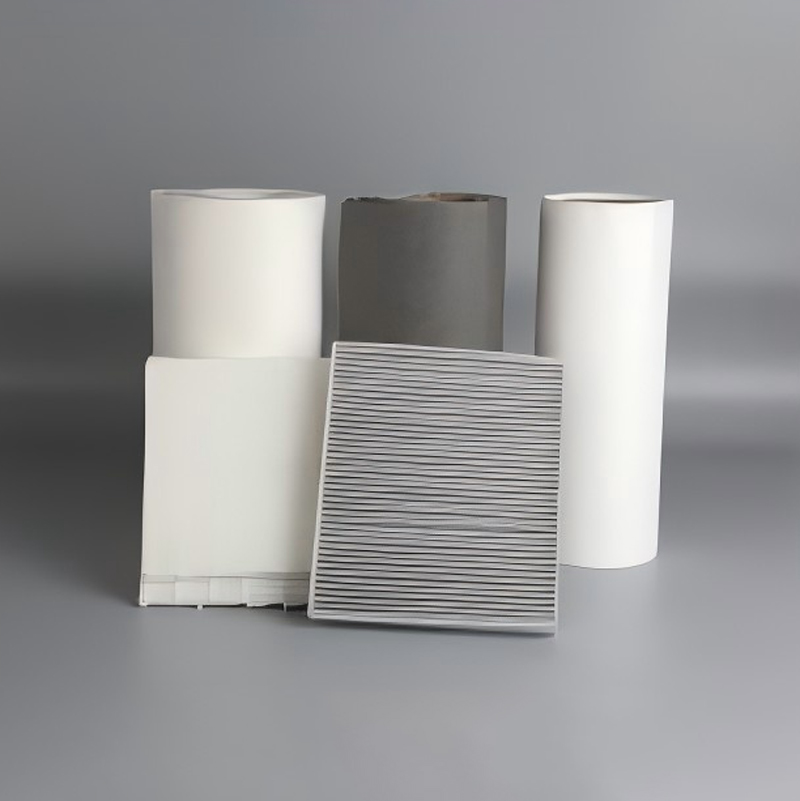 Air Filter Media
 Liquid Filter Media
 Filter Envelope & Filter Sheet
 Breathable Film Laminates
 Nonwoven Interlining
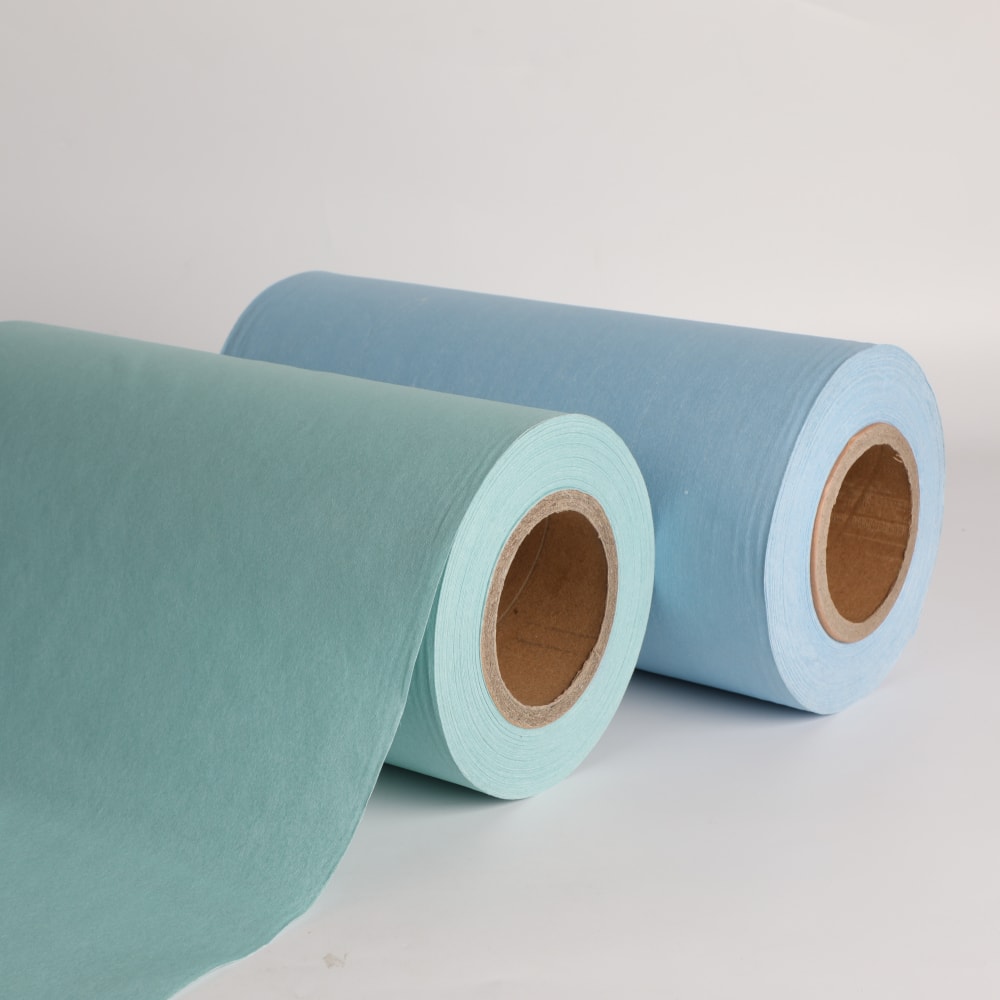 Fluid Repellent Woodpulp Spunlace Nonwoven
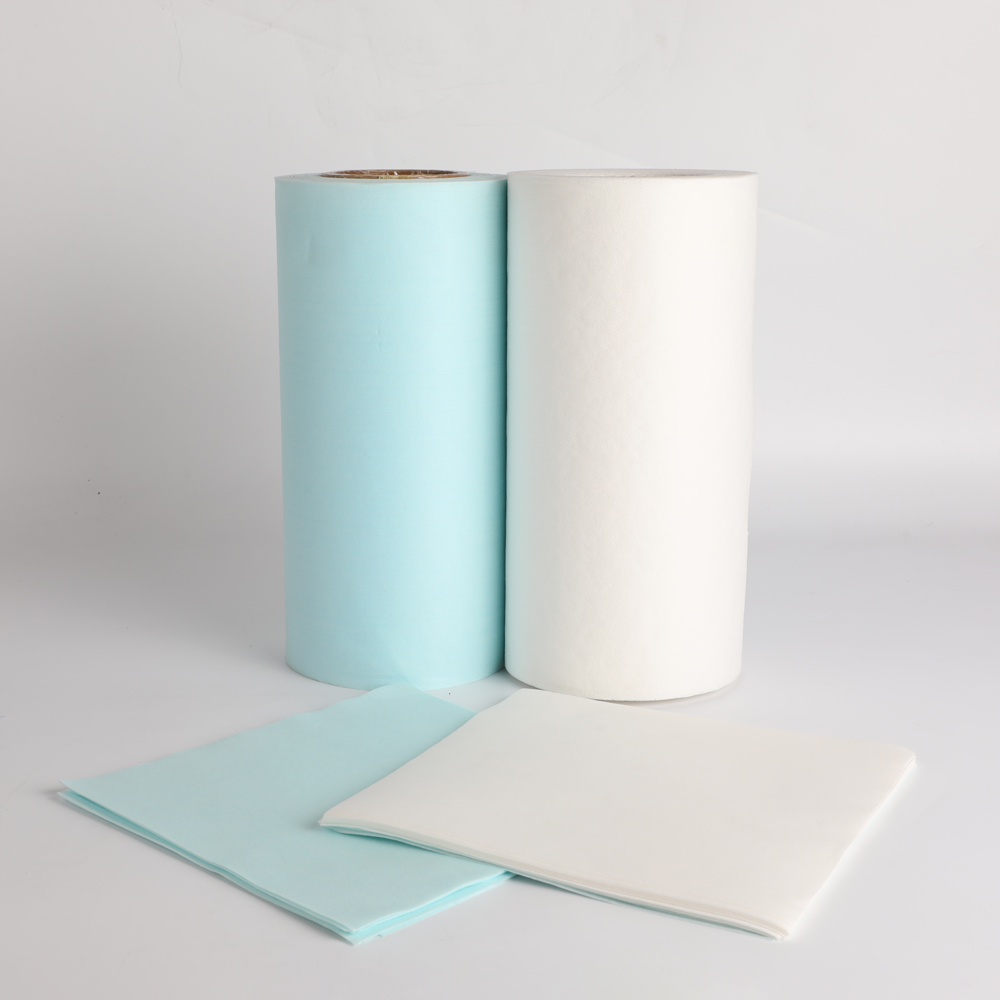 Woodpulp Nonwoven Wipe
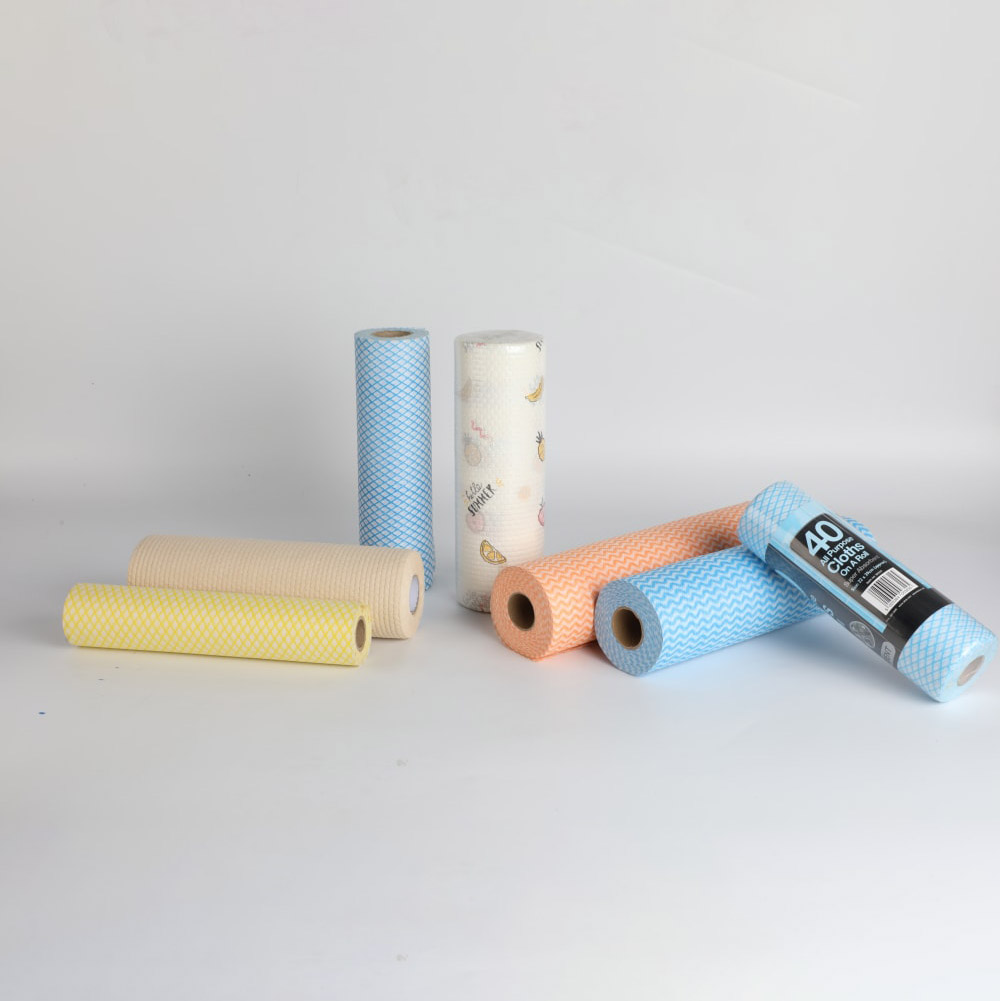 Nonwoven Cleaning Wipe
 Curtain Nonwoven
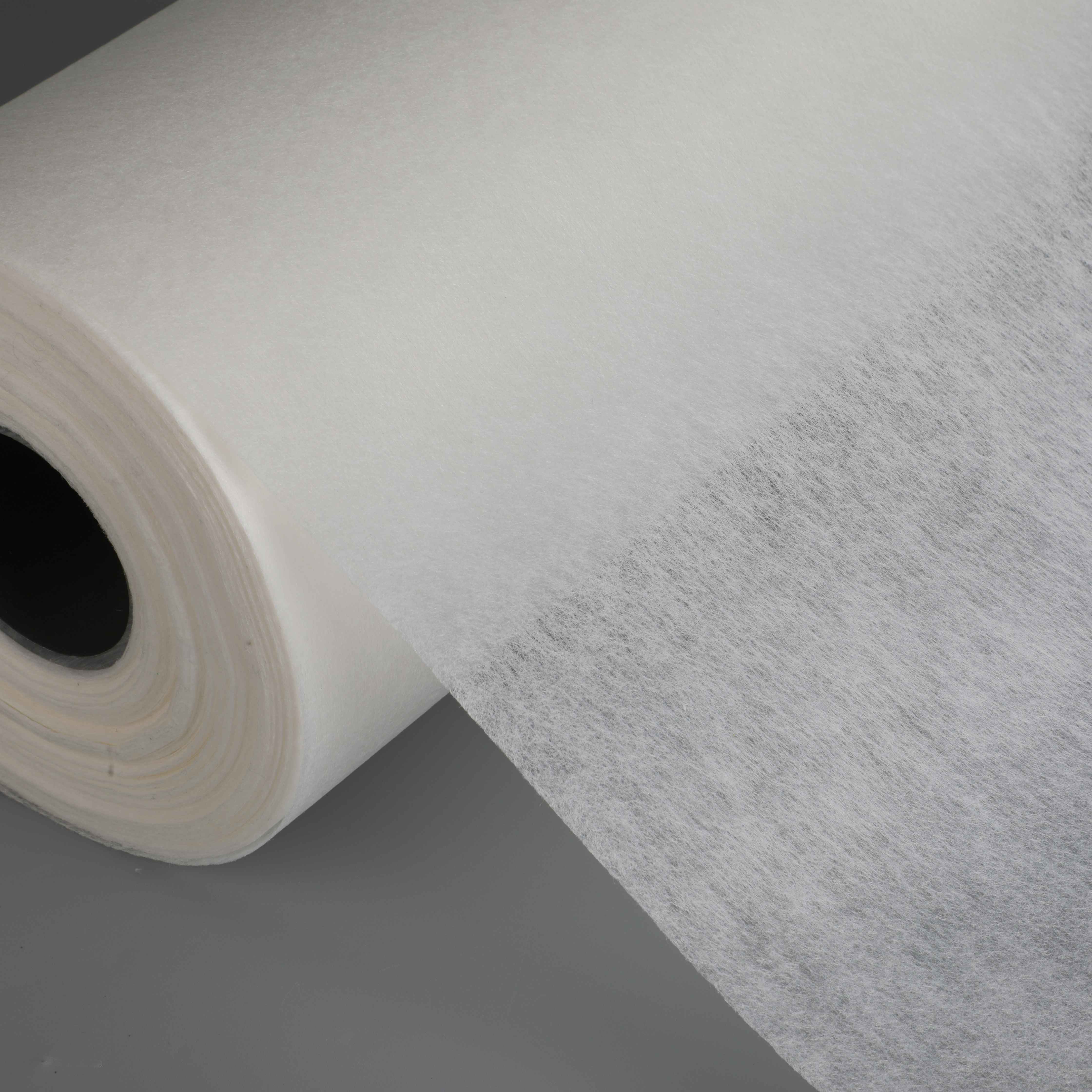 Food Grade Packaging Nonwoven
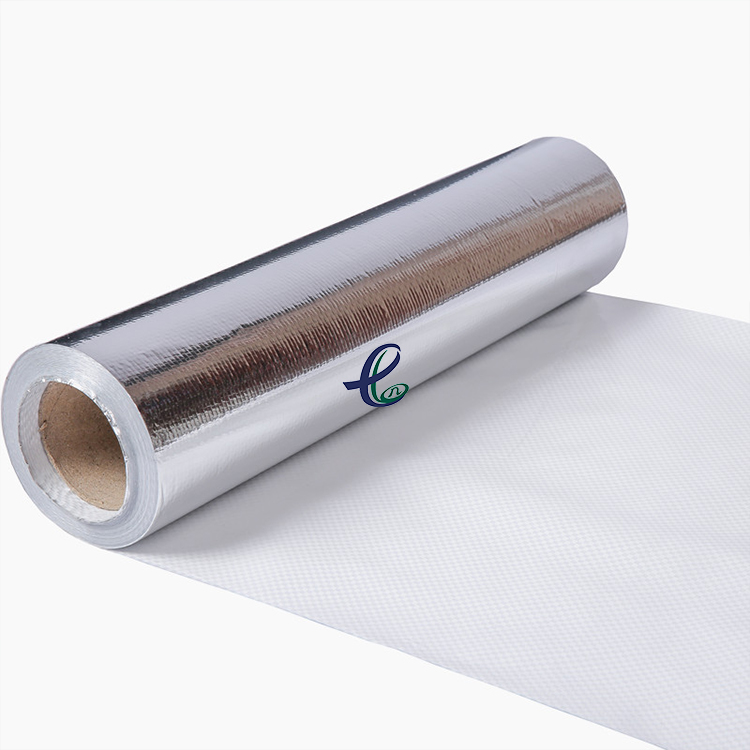 Aluminized Nonwoven
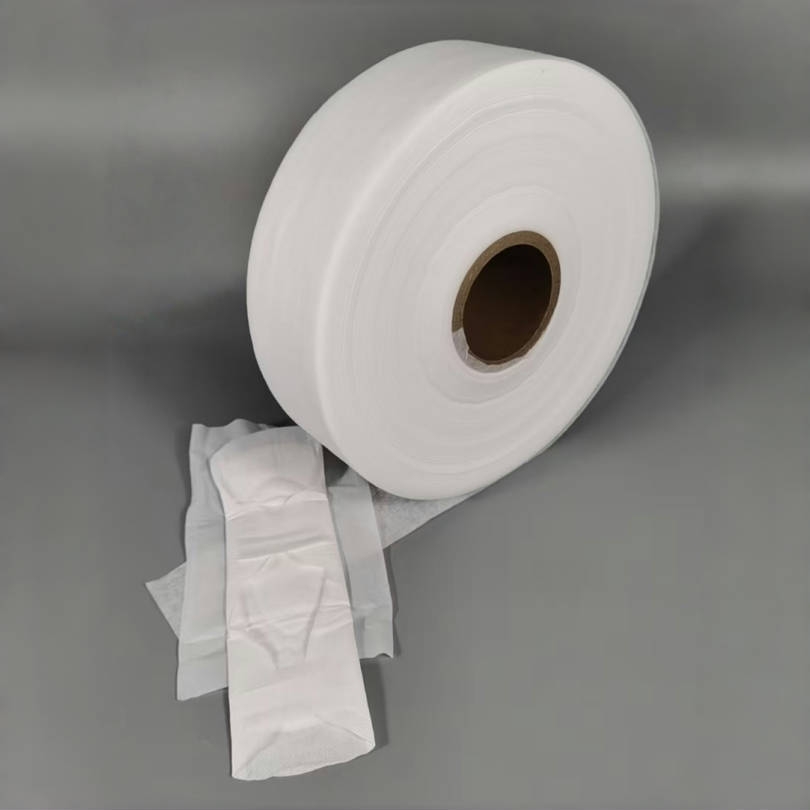 Hot Air Cotton Nonwoven
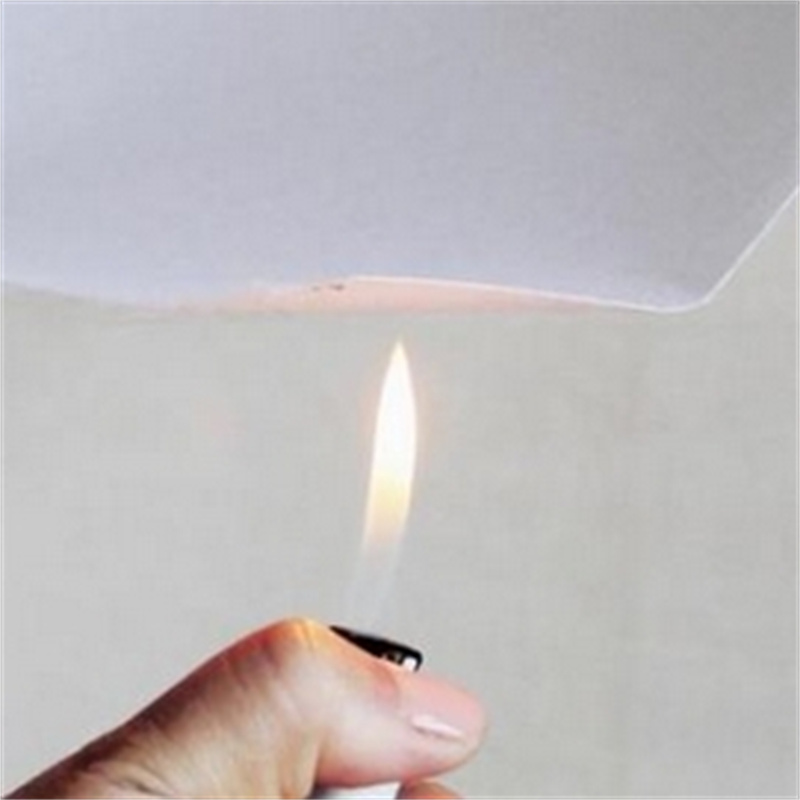 Flame Retardant Nonwoven
 Cable Wrapping Nonwoven
 Semi-conductive Nonwoven
 Anti-Bacterial Nonwoven
 +8613957712400
 CONTACT WhatsApp
 CONTACT WeChat
 CONTACT NUMBER
 CONTACT EMAIL