+8613957712400


Choosing Wet Kitchen Wipes for wholesale requires more than comparing carton prices. Buyers must examine absorbency, liquid retention, surface safety, packaging, and repeat-use performance. A wipe that feels wet at first may dry quickly on stainless steel. That small failure can create customer complaints.
Grand View Research valued the global wet wipes market at approximately USD 6.3 billion in 2023. Its report also forecasts continued growth through 2030. Smithers identifies convenience, hygiene awareness, and nonwoven innovation as important market drivers. These figures show demand, but they do not prove product quality. Wholesale decisions still need practical testing.
“Consumers want effective cleaning, but they increasingly expect responsible products,” says Brian Sansoni, Senior Vice President of Communications at the American Cleaning Institute. This principle matters when reviewing Wet Kitchen Wipes. Ask suppliers for fiber composition, lotion ingredients, fragrance details, microbial testing, and shelf-life evidence. Check whether the cloth removes grease without leaving a sticky film. Test one carton in real kitchens, including tiled counters, cooktops, and food-contact surfaces.
Do not rely only on attractive packaging. Some claims may sound stronger than the evidence. That is where buyers should pause and verify. A useful supplier should provide technical documents, batch traceability, and clear disposal guidance. Sustainability also requires careful judgment. “Biodegradable” can mean different things in different markets. Wholesale buyers should compare material claims with recognized certifications and local requirements before placing large orders.
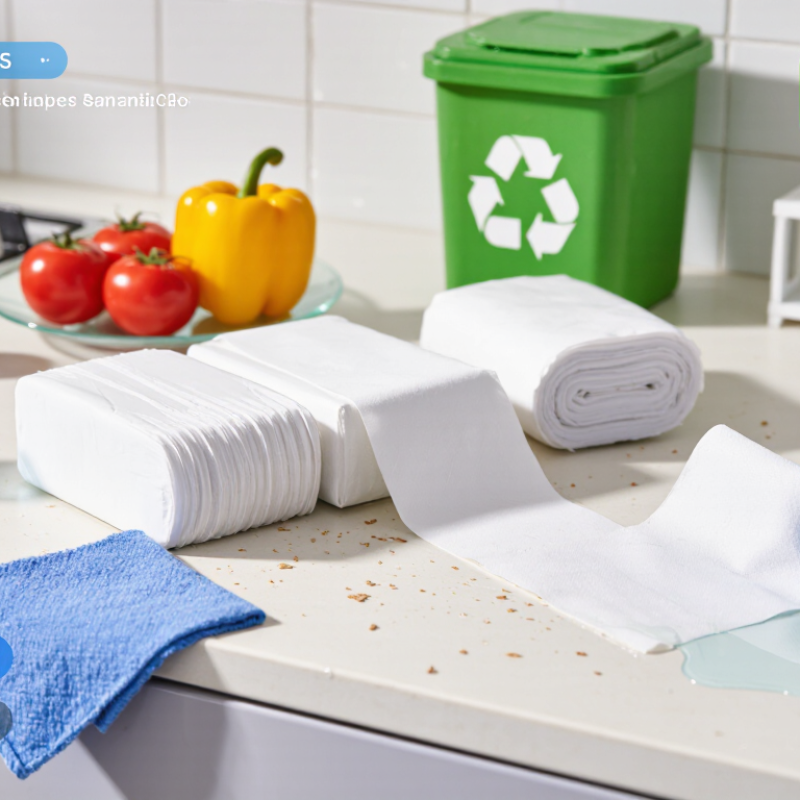
Wet kitchen wipes are pre-moistened, disposable sheets made from nonwoven fibers. They usually contain water, cleaning agents, preservatives, and sometimes mild fragrance. Their main purpose is quick surface cleaning, not automatic disinfection. A 2024 Grand View Research analysis estimated the global wet wipes market at about USD 22.6 billion in 2023. This growth reflects demand for convenient household hygiene products.
In kitchens, users wipe countertops, cabinet handles, appliance surfaces, dining tables, and small spills. The sheet loosens grease and food residue before the surface is dried with a clean cloth. Some formulations suit stainless steel, while others may leave marks on polished stone or untreated wood. Wholesale buyers should check the substrate, liquid ratio, sheet size, and resealable packaging. EDANA’s nonwovens guidance also highlights flushability and disposal concerns, although kitchen wipes should never enter toilets. This detail is often overlooked.
For routine cleaning, a wipe with balanced moisture feels practical. Too wet creates dripping; too dry spreads residue. Products claiming sanitizing performance need verifiable test methods and clear contact-time instructions. That matters in commercial kitchens. No wipe suits every surface. A small compatibility test remains sensible, even when the specification sheet looks convincing. 和盛
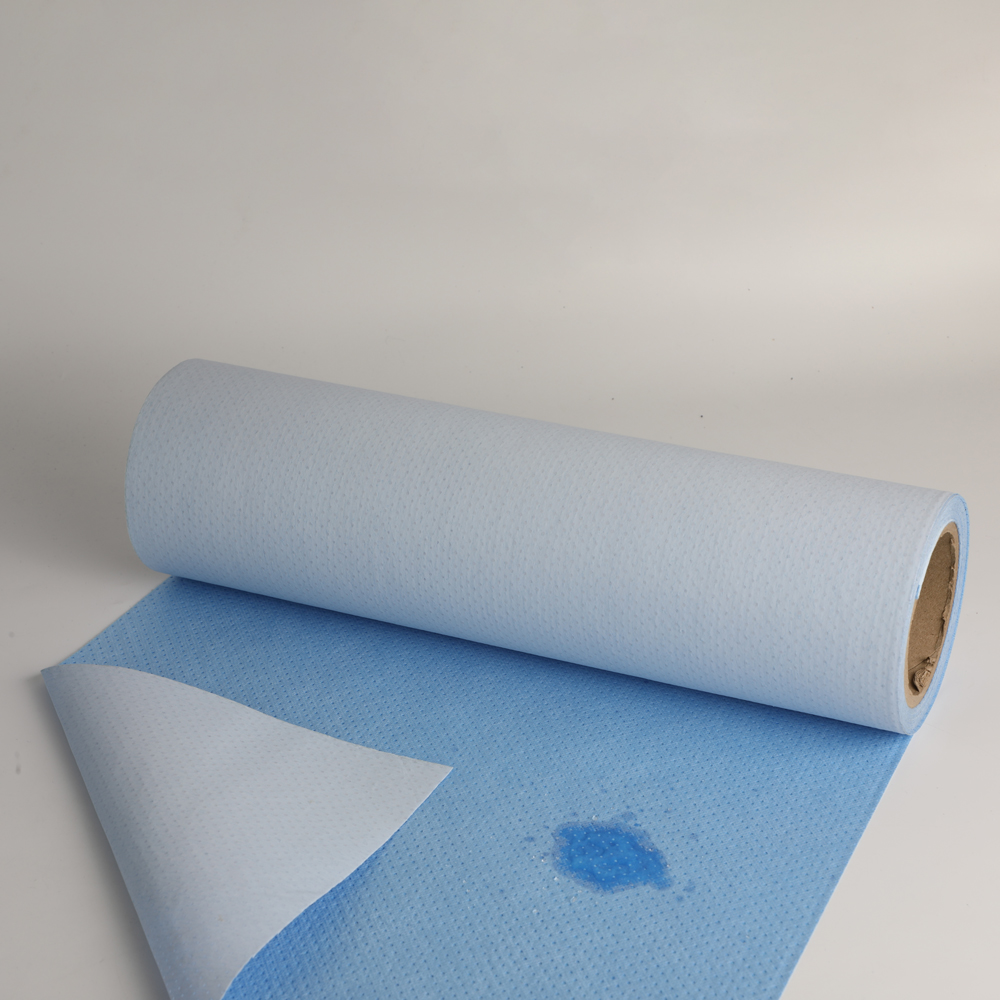
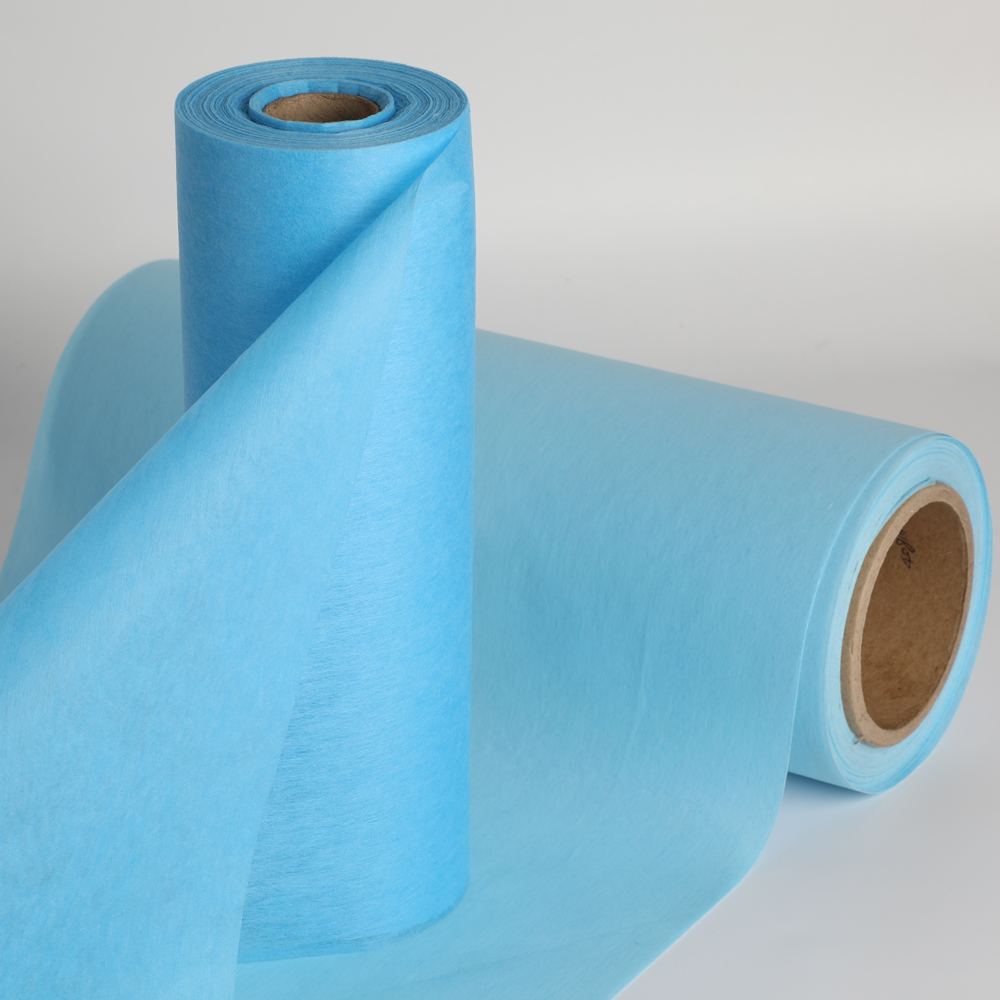
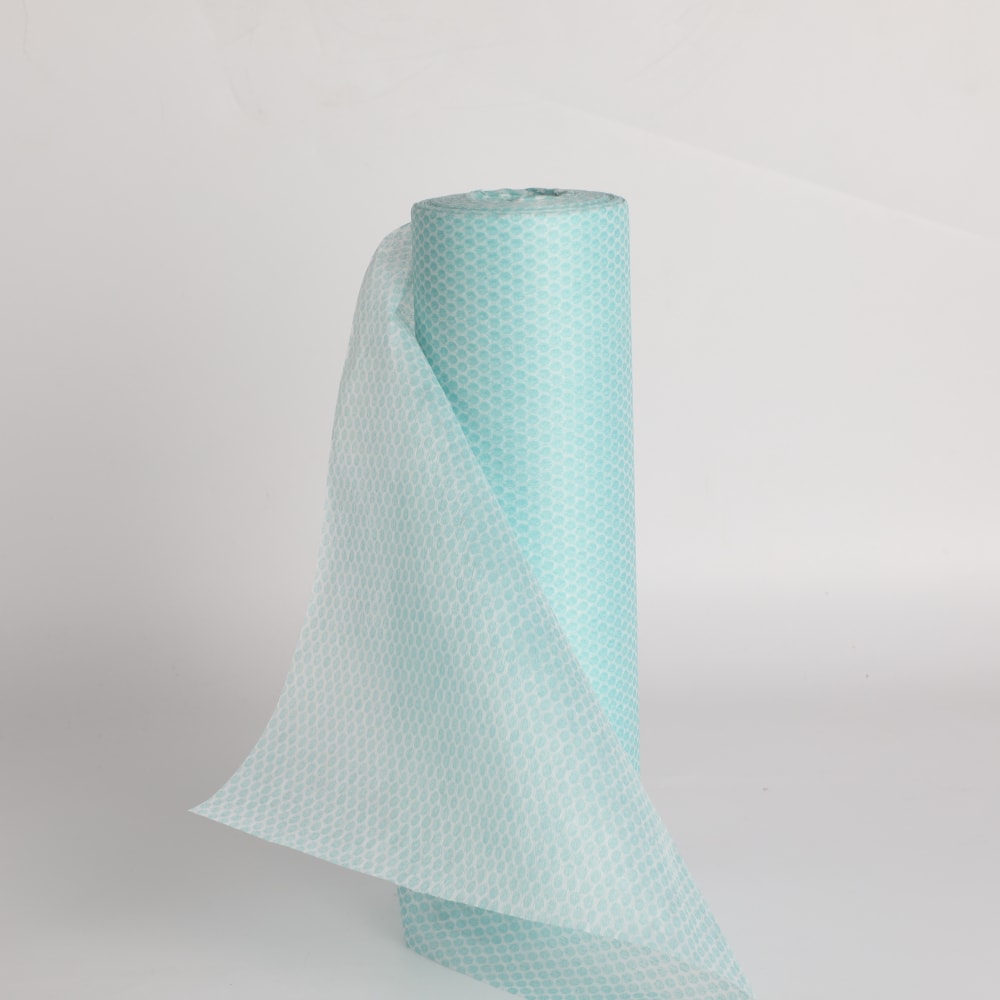
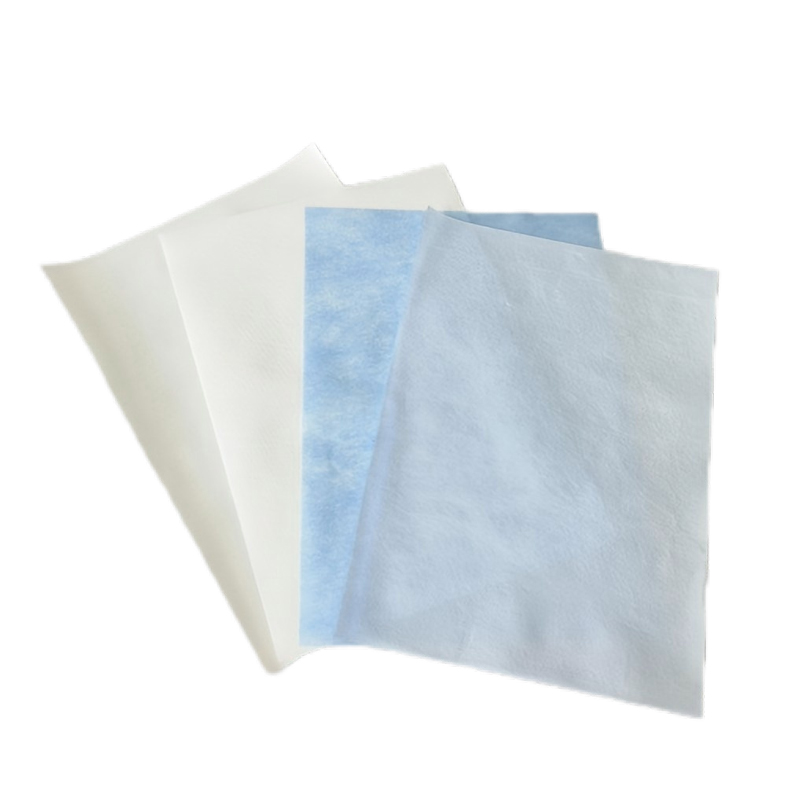
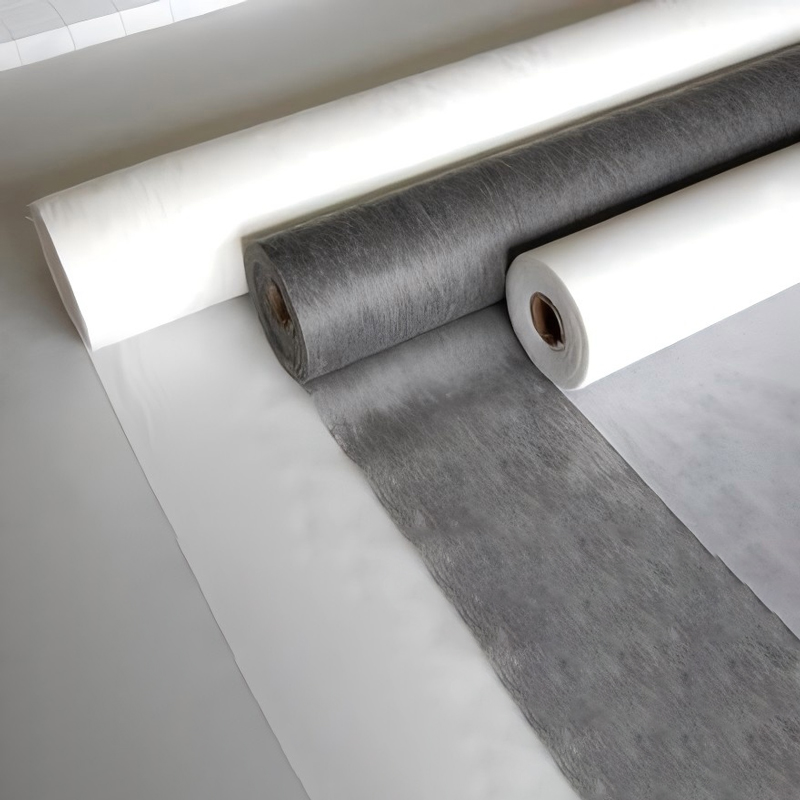
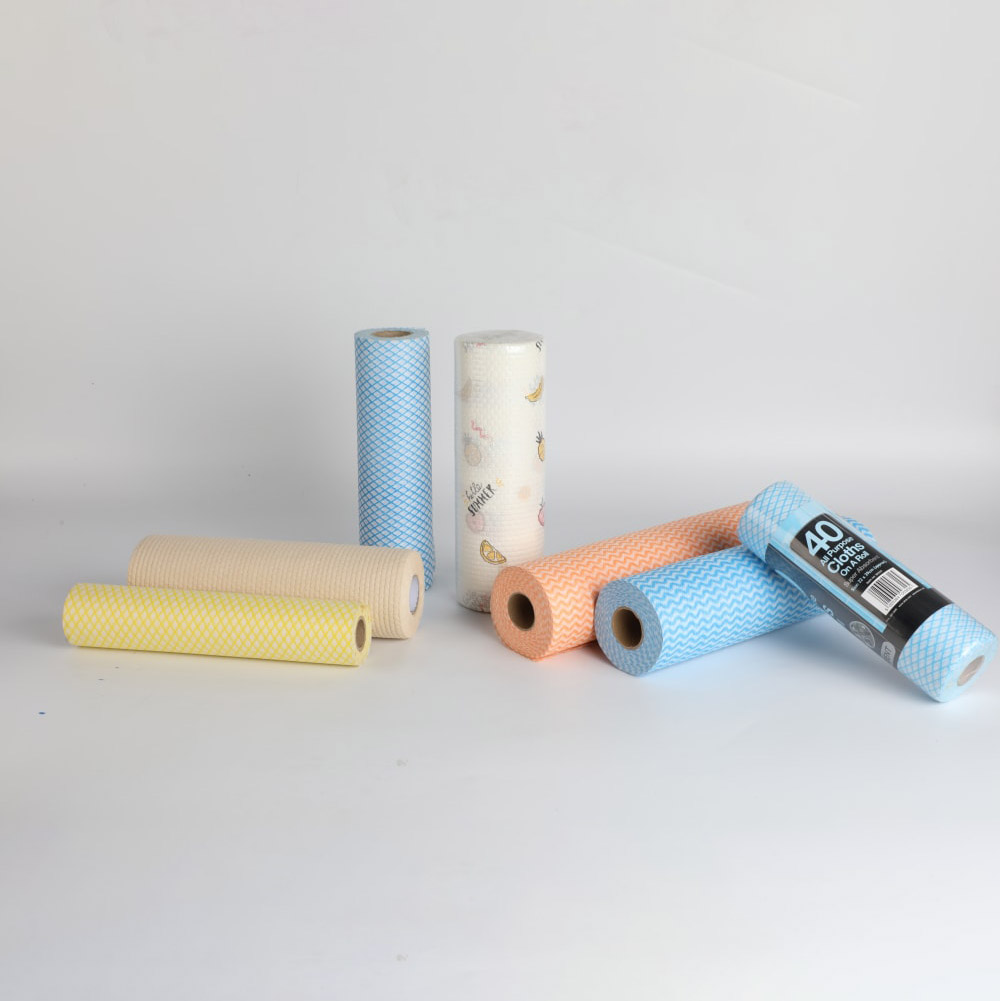
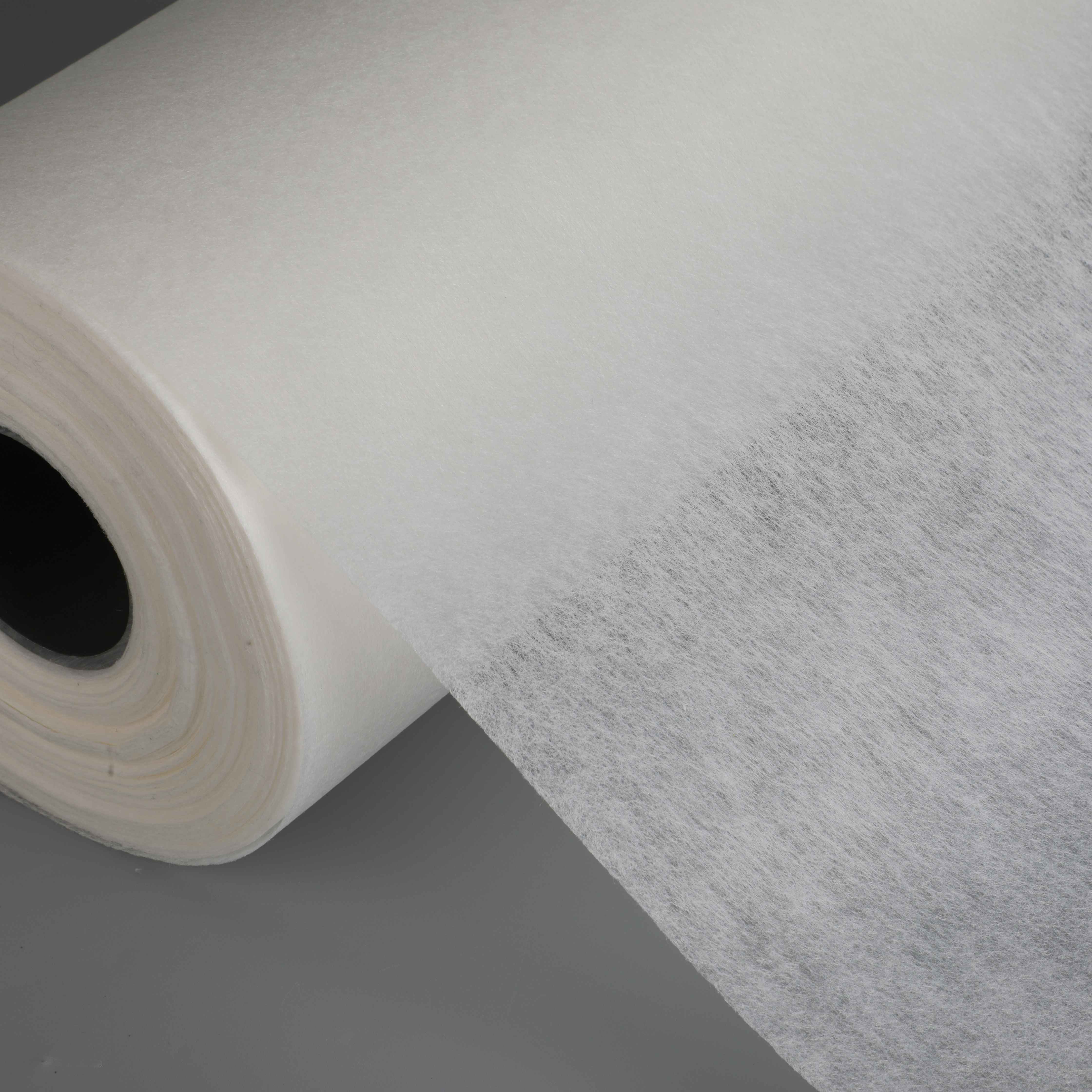
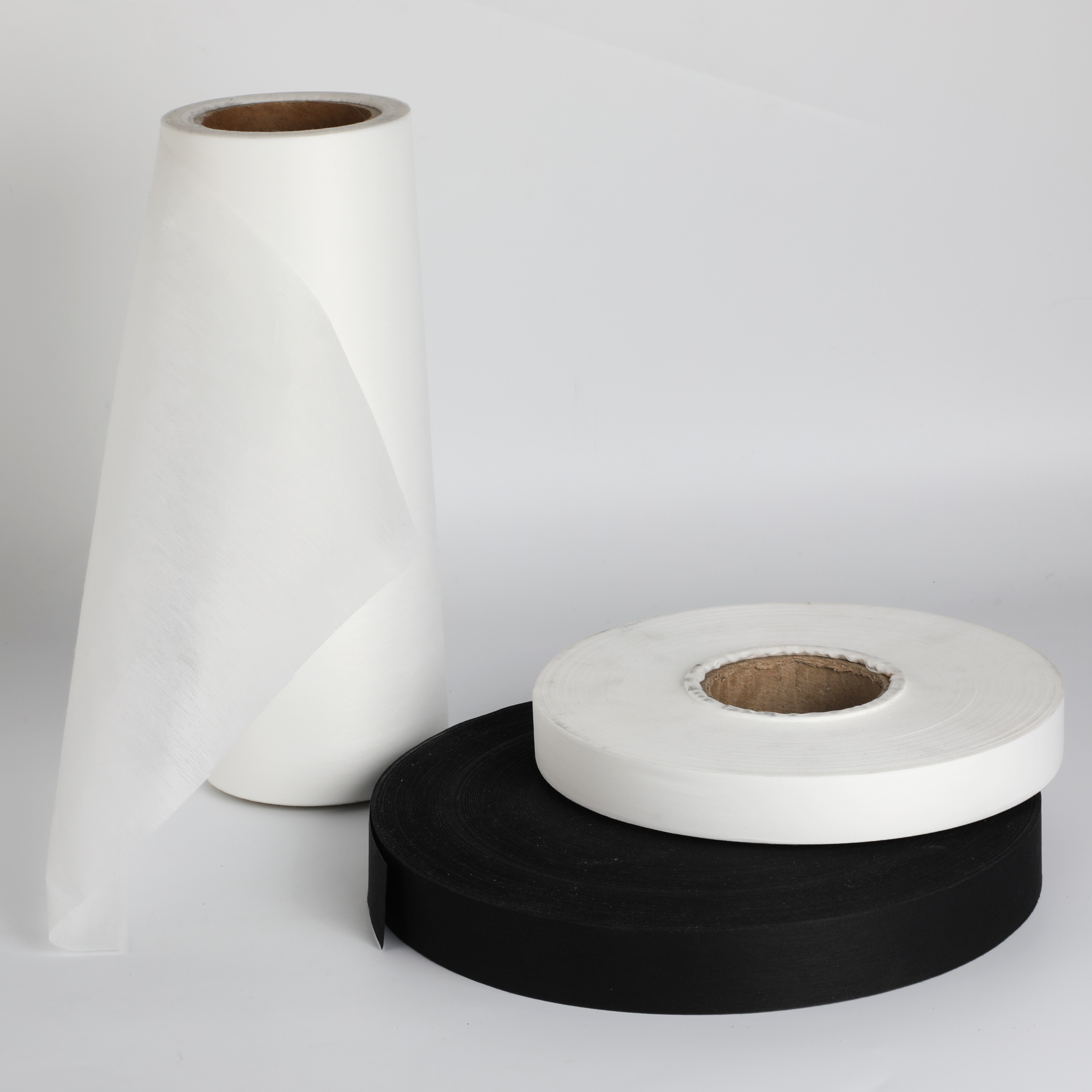
Choosing wet kitchen wipes for wholesale starts with the surface, not the packaging. Spunlace fabric feels soft and absorbs liquid quickly, making it suitable for counters, cabinet doors, and dining areas. A wood-pulp blend usually offers stronger grease pickup and better wiping power. However, cheaper blends may tear around sharp pan edges. Test wet strength before placing a large order.
Different kitchen tasks need different formulas. A mild, neutral cleaner suits daily wiping and leaves less residue on sealed surfaces. For oily stovetops and range hoods, a formula with effective surfactants can loosen cooked-on grease faster. It may also feel harsher on skin or dull delicate finishes. For stainless steel, choose low-residue formulas and check for streaking under bright light. Avoid strong fragrance when wipes may be used near food preparation areas.
Read the ingredient and safety documentation carefully. Preservatives help prevent microbial growth inside the pack, but they should match local requirements and intended use. Do not assume a cleaning wipe is suitable for direct food contact. A reliable wholesale supplier should provide pH data, fabric specifications, wet-strength results, shelf-life testing, and batch traceability. In my experience, buyers often focus on sheet count and miss drying speed after opening. That mistake is costly. Review seal quality, lid design, carton durability, and storage conditions before approving samples. Test real kitchen soil, not only clean countertops. Real grease behaves differently.
| Kitchen Cleaning Need | Recommended Wipe Material | Typical Basis Weight | Suitable Formula | Typical pH Range | Key Performance | Important Considerations | Wholesale Specification Suggestion |
|---|---|---|---|---|---|---|---|
| Daily countertop and table cleaning | Spunlace nonwoven made from a viscose/polyester blend | 40–60 g/m² | Water, low-foaming nonionic surfactant, mild chelating agent, and preservative system | 5.5–7.5 | Soft hand feel, good liquid absorption, and effective removal of light food residue | Avoid excessive surfactant, which may leave a film on glossy surfaces | 20 × 20 cm; 40–60 sheets per pack; resealable lid or label |
| Grease and cooking-oil removal | Hydroentangled polyester-rich spunlace or strong polypropylene nonwoven | 50–70 g/m² | Water, anionic/nonionic surfactant blend, alkaline builder, solvent or solvent-free degreasing aid, and chelating agent | 8.0–10.5 | Improved oil lifting, stronger wet strength, and reduced tearing during wiping | Alkaline formulas may irritate skin and can dull or damage sensitive coatings; include usage warnings | 20 × 25 cm; 40–80 sheets per pack; use a higher-strength seal and moisture barrier |
| Stainless-steel appliances and polished surfaces | Low-lint polyester/viscose spunlace with a smooth or lightly embossed surface | 35–50 g/m² | Water, very low surfactant level, mild pH adjuster, and optional food-contact-surface-compatible cleaning aid | 6.0–8.0 | Low lint, low streaking, and reduced risk of visible residue | Formula and packaging should be tested for streaking; wipe with the grain on brushed stainless steel | 18 × 20 cm; 30–60 sheets per pack; choose a lint-control material specification |
| Food-contact surfaces requiring residue control | Cellulose-rich nonwoven or cellulose/lyocell blend | 45–65 g/m² | Purified water, low-residue surfactant system, and appropriate preservative; use only ingredients and claims permitted by the target market | 5.5–8.0 | Good absorbency and a relatively clean wipe-down profile | Follow label directions; some products require a potable-water rinse before food contact | 20 × 20 cm; 40–80 sheets per pack; document raw-material and formula compliance |
| Cutting boards and textured worktops | Embossed spunlace with a viscose/cellulose component | 50–70 g/m² | Water, moderate nonionic surfactant, mild builder, and compatible preservative system | 6.0–9.0 | Textured structure helps collect crumbs and residue from uneven surfaces | A wipe is not a substitute for washing or sanitizing when microbiological control is required | 20 × 25 cm; 50–80 sheets per pack; select a tear-resistant wet-strength grade |
| Quick cleaning of handles and frequently touched areas | Polypropylene or polyester nonwoven with a smooth, low-lint finish | 35–55 g/m² | Water-based mild detergent formula; an alcohol-containing formula may be used only when surface compatibility and local regulatory requirements are confirmed | 5.5–9.0 | Fast dispensing, good wet strength, and low lint on smooth surfaces | Do not describe the product as disinfecting without appropriate efficacy testing, registration, and label authorization | 15 × 20 cm; 60–100 sheets per pack; optimize for compact canister or soft-pack formats |
| Heavy-duty cleaning in commercial kitchens | High-strength polyester/polypropylene nonwoven or reinforced spunlace | 60–90 g/m² | Higher-active surfactant blend, alkaline builder, chelating agent, and controlled foaming system | 9.0–11.0 | High wet strength, better durability, and improved performance against baked-on or greasy soil | Use gloves where required; test on aluminum, natural stone, coated surfaces, and painted equipment before broad use | 25 × 30 cm; 50–100 sheets per pack; prioritize durable dispensing and leak-resistant packaging |
| Lower-plastic or sustainability-focused product line | Cellulose, lyocell, or cellulose-rich biodegradable nonwoven, subject to verified certification | 45–70 g/m² | Water-based mild detergent formula with readily biodegradable ingredients where technically and legally suitable | 5.5–8.5 | High absorbency and reduced reliance on synthetic fibers | Biodegradability and compostability depend on the complete wipe, additives, inks, and local standards; do not flush unless specifically certified | 20 × 20 cm; 40–80 sheets per pack; request fiber composition and certification documents |
Typical specifications are provided for product-development and wholesale comparison. Final pH, formula concentration, material composition, shelf life, packaging, surface compatibility, food-contact suitability, and any sanitizing or disinfecting claims must be confirmed through stability, safety, performance, and regulatory testing in the intended market.
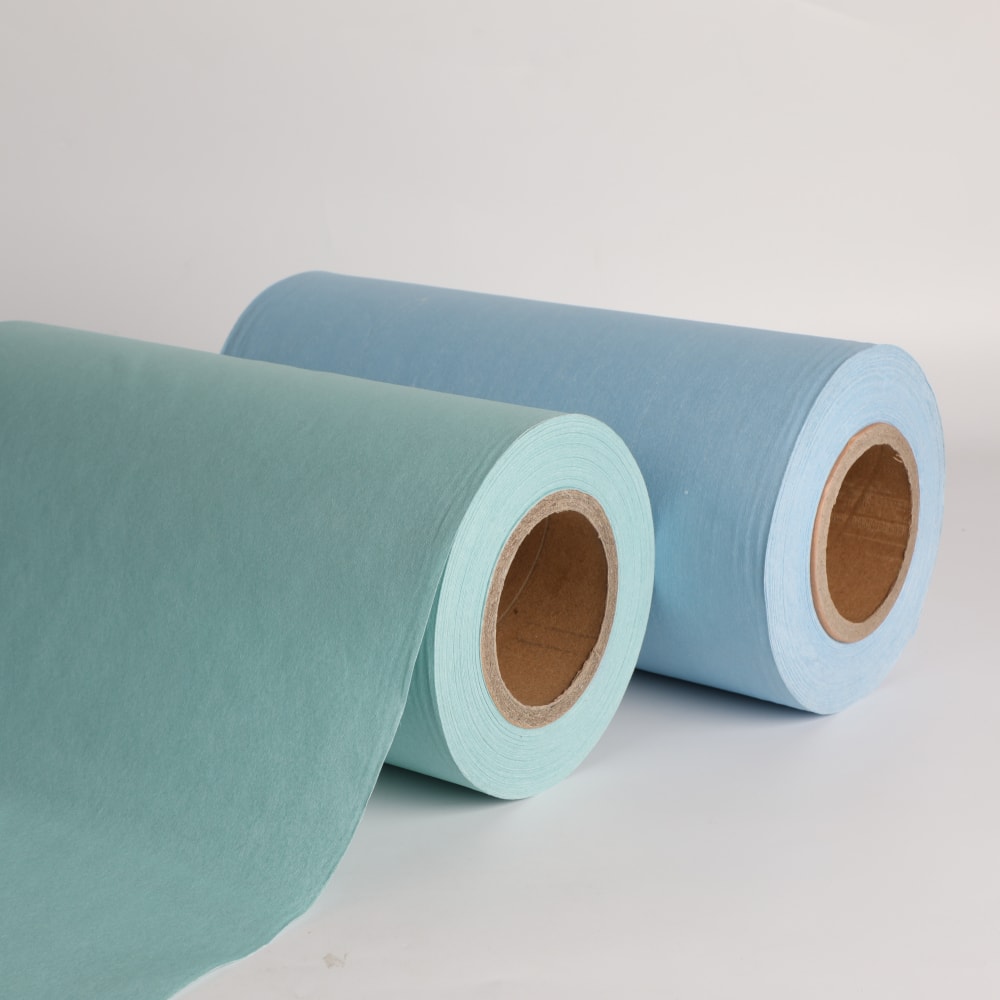
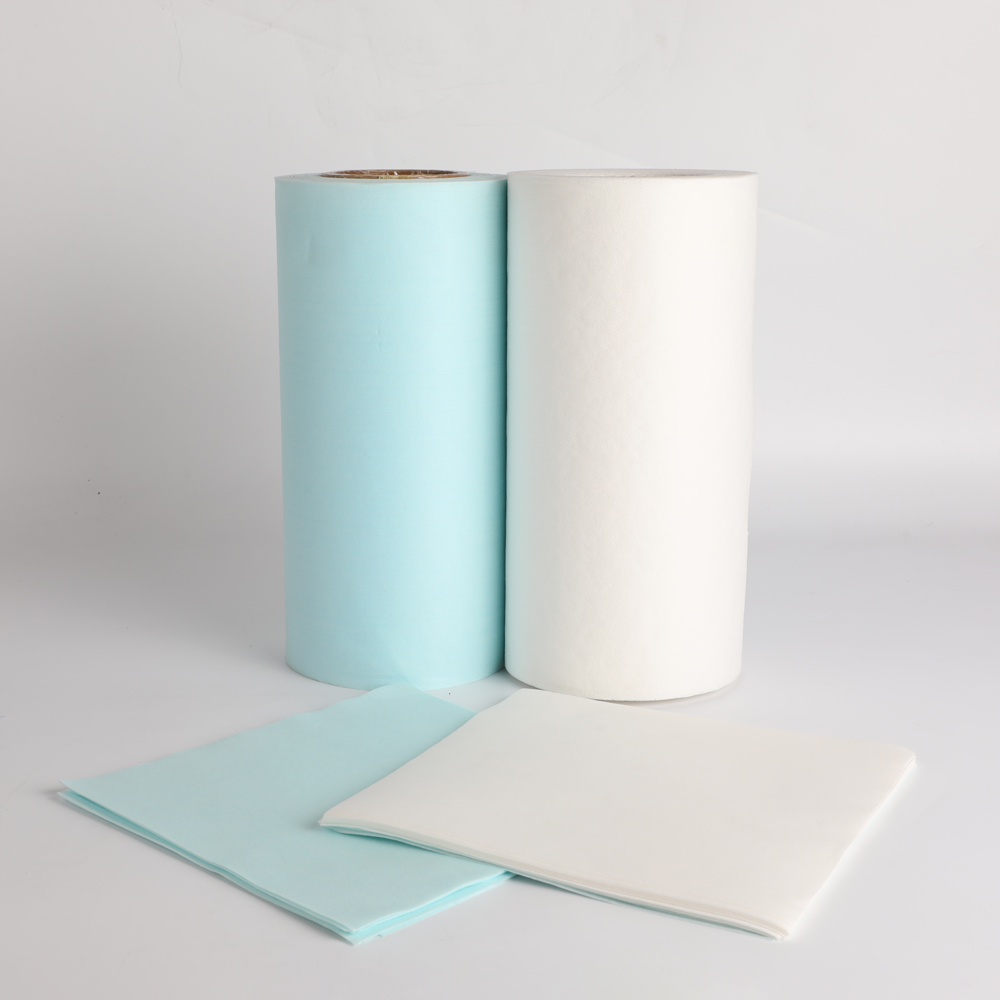
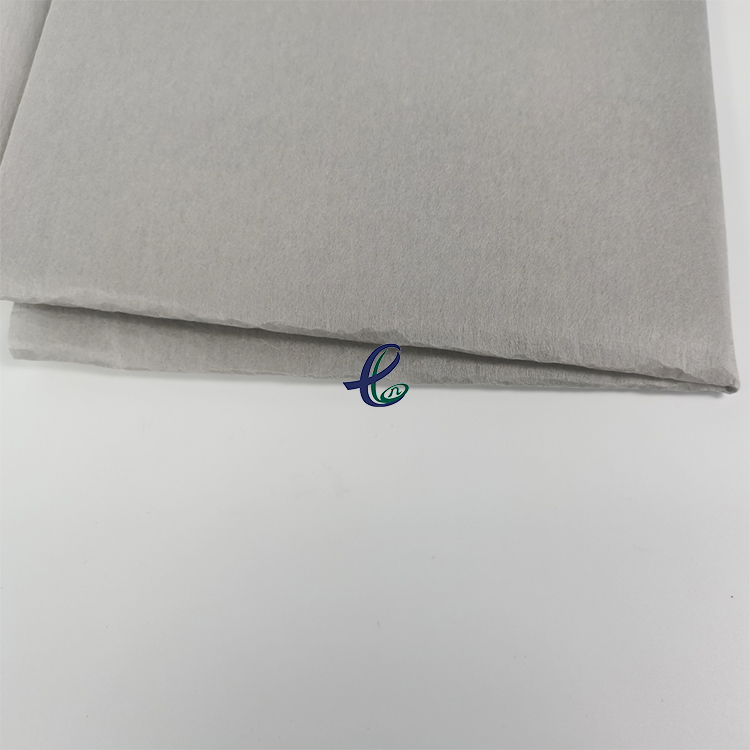
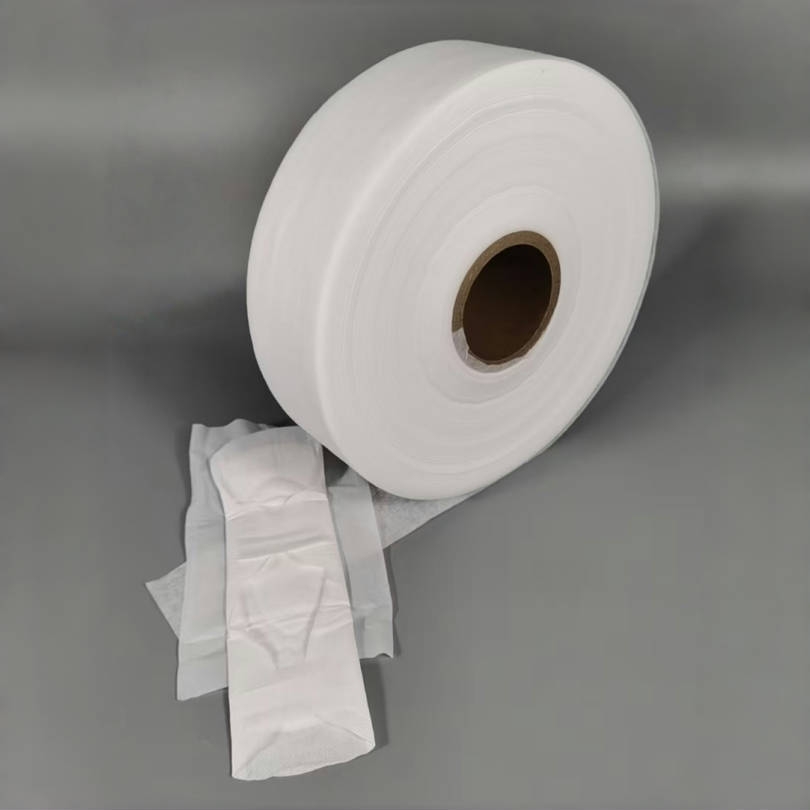
For wholesale buyers, wet kitchen wipe quality starts with the substrate, not the printed package. Check whether the sheet uses durable spunlace or another clearly specified nonwoven material. Hold one sheet under bright light. Uneven fibers often signal weak areas. Pull it gently in both directions. A wipe that tears before use creates waste and complaints. Measure sheet size, thickness, and moisture weight across several cartons, because one sample proves very little. Good purchasing decisions rely on repeated checks.
Test cleaning performance on stainless steel, ceramic, and sealed countertops with the same amount of oil. Record strokes needed, residue left, and drying time. The wipe should lift grease without shredding or leaving loose lint. Smell the unopened pack and the opened sheet. A sharp or excessive odor deserves investigation. Review ingredient information, safety documentation, expiration guidance, and storage requirements before ordering. Packaging should resist leakage, close securely, and protect remaining wipes from drying.
Ask for samples from different production batches, then repeat the tests after warm and cool storage. This reveals moisture migration and sealing weaknesses. Ask suppliers about quality controls, inspection records, and complaint handling. Reliable suppliers can explain their process clearly. Still, documents cannot replace hands-on inspection. One common mistake is choosing the lowest unit price. A cheaper wipe may contain less liquid, fewer sheets, or weaker packaging. Compare usable wipes per carton, not only the quoted price. Run a small trial order before committing to a large volume. Results may not be perfect, so record failures honestly and adjust the specification.
Suggested evaluation weights for a wholesale quality audit. Prioritize material safety, moisture consistency, durability, packaging protection, and microbiological compliance before placing a large order.
Use standardized testing where applicable, such as ISO 9073-3 for nonwoven tensile strength and ISO 17516 for cosmetic product microbiological quality. Confirm the final acceptance limits according to the intended market and product claims.
Packaging and private labeling can determine whether wet kitchen wipes sell smoothly or create costly complaints. Buyers should compare resealable pouches, plastic canisters, and refill packs. Pouches save shelf space, while canisters offer easier one-hand dispensing. Check the lid seal carefully. A weak seal can dry the top wipes during storage.
Choose packaging that protects moisture during transport and repeated opening. Examine the wipe count, folded format, material, and dispensing opening. A wider opening may pull out several wipes together. That wastes product. Private labels should show clear usage instructions, ingredient information, production details, and storage guidance. Artwork must remain readable after printing. Test labels on cold, damp, and slightly oily surfaces before approving a large order.
Tips: Request production samples, not only digital images. Test them for leakage, drying, tearing, and pull-out performance. Confirm minimum order quantities, carton dimensions, barcode placement, and language requirements for each sales market. Avoid unverified claims such as “kills all germs.” They can create trust and compliance problems. A premium-looking package is not always the best choice; simple refill packaging may perform better for cleaning-focused buyers. Some decisions remain uncertain until real users test the product.
Choosing wet kitchen wipes for wholesale requires more than comparing the lowest quotation. A practical buyer should request samples from several suppliers and test them on grease, oil, and dried food stains. Check the wipe’s material, thickness, moisture level, fragrance, and tearing strength. A clear product specification helps prevent misunderstandings during production.
Compare suppliers through factory records, quality-control procedures, and recent test reports. Useful documents may include ISO certificates, material safety information, microbiological results, and certifications required in your sales market. Confirm whether each certificate applies to the finished wipes, not only to the factory. Ask how suppliers control lotion filling, sealing, batch coding, and carton packing. A professional supplier should answer with evidence, not vague promises.
Tips: Compare landed cost, not only unit price. Include shipping, customs, printing, testing, and storage. Ask for prices at different quantities and confirm whether custom packaging changes the MOQ. Some suppliers offer a low MOQ with plain packaging but require a much larger order for printed packs. That detail matters. Also check production lead time and replacement terms for leaking or dry packs. A cheaper offer can become expensive after defects appear. I sometimes prefer a slightly higher quote when the inspection process is clearer, although this judgment is not always perfect. Leave room for testing, delays, and a few unexpected mistakes.