+8613957712400


Choosing a Medical Disposable Nonwoven in 2026 starts with the product’s real job, not a supplier’s headline claim. A surgical gown, patient drape, and face mask face different demands. Barrier performance matters, but so do breathability, strength, lint control, and comfort against skin. A soft sheet that tears at the seam is not a good choice. Neither is a dense barrier that becomes uncomfortable during extended use.
Dr. Behnam Pourdeyhimi, a nonwovens researcher and educator, has advanced application-led material design. A useful paraphrase of that approach is: “Choose by function, then verify through testing.” That means comparing fiber composition, web structure, basis weight, and bonding method against the intended use. Spunbond, meltblown, and SMS constructions each behave differently. Ask for relevant test data, such as tensile strength, air permeability, and liquid-barrier performance. Check that testing reflects the finished product, not just a sample swatch. Details matter.
Procurement teams should also review manufacturing consistency, traceability, packaging, and compatibility with the product’s intended processing and use. Confirm claims with documented evidence and qualified technical review; a datasheet alone is not the whole story. One awkward truth: the lowest-cost material can look attractive until defects, waste, or poor usability appear. Yet premium pricing does not guarantee better performance. The comparison is rarely neat. This guide examines practical selection criteria, supplier questions, and common trade-offs for 2026. It also leaves room for a useful doubt: does the chosen material perform reliably under actual conditions, or only on paper?

Choosing medical disposable nonwovens starts with the task, not the fabric name. A gown used during routine patient care may need a different barrier than one used where splashes are likely. For masks, drapes, and wound dressings, consider what the material must block, touch, or protect. Define the exposure clearly.
Think about fluid contact, particles, contact time, and the body area at risk. Then match those conditions to documented performance data and applicable test methods. A higher barrier is not automatically better: it can affect breathability, comfort, and ease of movement. It is easy to over-specify. It is also easy to overlook how a garment fits during real work.
Ask suppliers for technical documentation, test results, and clear intended-use guidance. Check seams, closures, and coverage, not just the fabric sample. A sleeve that rides up can leave skin exposed. Not always obvious. Include staff who will wear or handle the product in evaluations; their feedback may reveal problems a specification misses. Revisit the choice when procedures, exposure patterns, or workflows change. No single material suits every task. The right level is the one supported by evidence and matched to the actual use.

Match the mask level to expected fluid exposure: Level 1 is intended for low-risk situations, Level 2 for moderate fluid exposure, and Level 3 for high fluid exposure. The bars show the ASTM F2100 synthetic blood penetration resistance thresholds: 80, 120, and 160 mmHg, respectively. These are mask-material performance requirements, not a guarantee of protection in every use; check the applicable standard and product labeling.
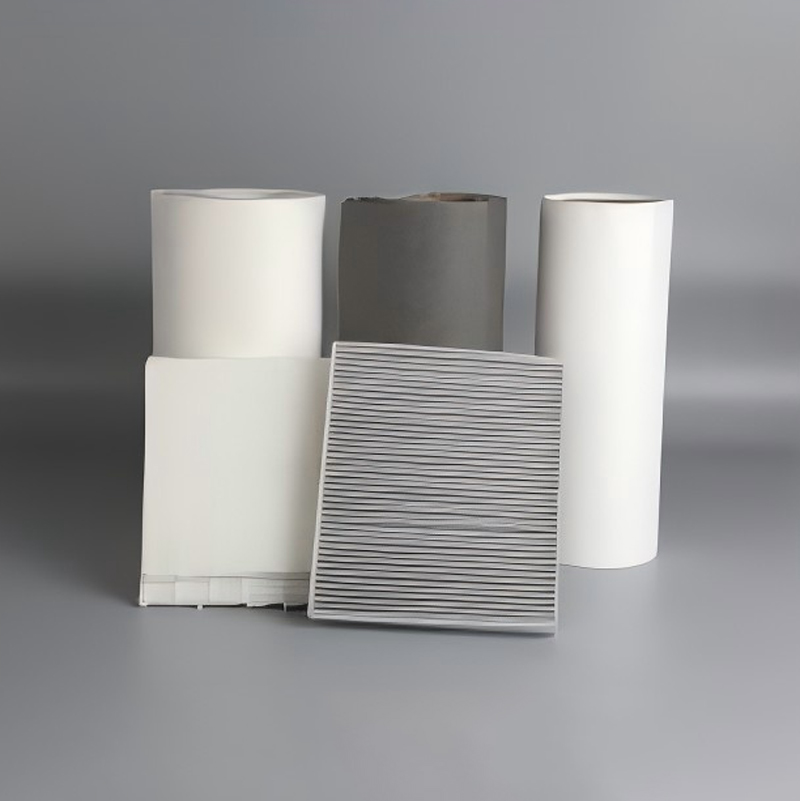
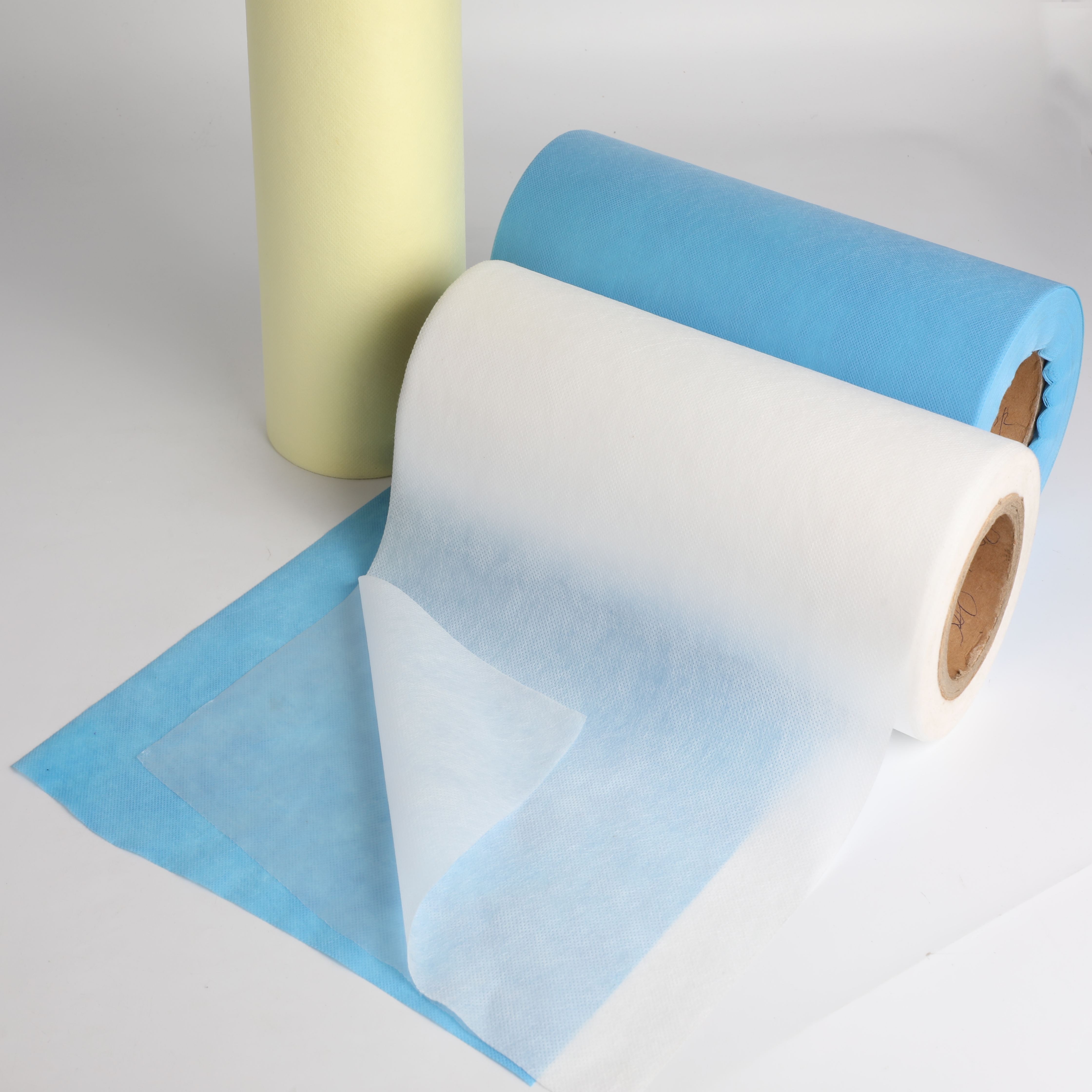
Medical disposable nonwovens differ in fiber, bonding, and surface finish. Spunbond polypropylene is lightweight and may suit covers or gowns with limited fluid exposure. Meltblown layers use finer fibers that can support filtration, but performance depends on the full structure and testing. SMS combines layers to balance strength and barrier function. It is not automatically right for every procedure. Cellulose-rich composites can feel softer and absorb moisture, but may lose strength when wet. Check intended use, validated performance, and handling conditions rather than choosing by material name alone.
Fabric construction affects comfort and protection. Higher basis weight may improve coverage, yet trap heat and restrict movement. Examine seams, edge finishing, drape, lint release, and tear resistance during realistic use. Bonding patterns matter too; point-bonded and hydroentangled webs can feel quite different. Ask for test data on the finished item, not only the raw web. Small details matter. A cuff that gaps at the wrist can undermine an otherwise suitable gown. Compare samples during movement and moisture exposure, while remembering that a quick trial cannot replace controlled evaluation.
Tips: Match the barrier level to the task, then assess breathability and fit. Request relevant product documentation and compare equivalent test methods. Keep a simple scorecard for weight, softness, and tear resistance. If trade-offs remain unclear, consult clinical and procurement teams. No material wins on every measure.
Choosing medical disposable nonwovens in 2026 means matching material performance to the intended use. A surgical drape, wound-contact layer, and patient gown face different fluid, lint, and strength demands. Ask for test data on barrier performance, tensile strength, abrasion, and particle release under relevant conditions. A fabric that feels soft may still tear at a seam. That matters.
Safety review should cover biocompatibility where contact risk requires it, chemical residues, cleanliness, and sterilization compatibility. Confirm that the finished product—not only the base fabric—has supporting evidence. Request lot traceability, change-control records, and clear instructions for storage and shelf life. Regulatory requirements vary by market and product classification, so check current rules with qualified regulatory staff. A certificate alone is not enough; its scope may not match your intended use. Check scope carefully.
Tips: Define the use case before comparing samples. Test the material after the intended sterilization process, then inspect seams and edges. Keep a written acceptance checklist. If results conflict, pause and ask for clarification rather than relying on sales language. Small gaps can matter.
| Material or Construction | Typical Characteristics | Potential Uses | Performance Checks | Safety and Compliance Considerations |
|---|---|---|---|---|
| Spunbond polypropylene (PP) | Continuous filaments form a lightweight, porous web with useful strength for its weight. It is generally not a high-level fluid barrier by itself. | Disposable gowns, caps, shoe covers, and support layers in composite materials. | Check tensile and tear strength, linting, air permeability, seam performance, and resistance to the fluids relevant to the intended use. | Do not infer protective performance from the material name alone. Assess the finished device and its intended use; verify biocompatibility and chemical safety as applicable. |
| SMS (spunbond–meltblown–spunbond) PP | A layered construction combining spunbond outer layers with a meltblown filtration or barrier layer. Performance varies with design and processing. | Selected medical gowns, drapes, and other products where a balance of strength, breathability, and barrier performance is needed. | Test the finished product for liquid penetration, hydrostatic resistance where relevant, breathability, strength, and performance after sterilization or aging. | SMS is not automatically protective or suitable for every risk level. Select and validate against the applicable product standard and intended-use requirements. |
| Meltblown PP | Fine fibers create a web commonly used as a filtration or functional layer. It may have lower mechanical strength than a spunbond support layer. | Filter media and functional layers in certain masks and composite nonwoven structures. | For filtration applications, assess the relevant filtration method, airflow resistance, particle challenge, and conditioning requirements. Check layer integrity in the finished product. | Filtration results depend on the test method and product configuration. Mask requirements differ by product type and jurisdiction; do not apply a mask standard to unrelated products. |
| Spunlace (hydroentangled) nonwoven | Fibers are entangled using high-pressure water jets. Depending on fiber blend and finish, the material can be soft and absorbent. | Medical wipes, wound-care components, and absorbent or patient-care products, where appropriate to the device design. | Check absorbency, wet and dry strength, linting, residue or extractables, and compatibility with any cleaning fluid or active ingredient. | Assess biocompatibility and chemical residues for the intended contact type and duration. A wipe’s claims and regulatory classification depend on its intended purpose and formulation. |
| Nonwoven laminated with a film | A nonwoven layer is combined with a continuous film to improve liquid-barrier performance. Greater barrier can reduce breathability and comfort. | Selected protective gowns, drapes, and other applications requiring a defined fluid barrier. | Evaluate liquid penetration, seam and bond integrity, breathability, flex cracking, and performance after handling, sterilization, and shelf-life aging. | Validate the complete finished product, including seams and closures. Confirm that barrier claims match the applicable test method and intended use. |
| Cellulose or cellulose-blend nonwoven | Often selected for absorbency and softness; properties vary with fiber blend, binders, and manufacturing process. | Absorbent pads, wipes, and selected wound-care or patient-care products. | Check absorbency and retention, wet strength, linting, binder or additive residues, and compatibility with the intended fluid or solution. | Verify material composition and relevant biological and chemical safety data. Confirm suitability for the specific contact type and intended duration. |
| Regulatory and quality review | Requirements depend on product category, intended purpose, market, contact with the body, and whether the product is supplied sterile. | All disposable medical nonwoven products and their finished-device configurations. | Review technical documentation, risk management, specifications, test reports, process controls, traceability, and change-control records. | Consider applicable requirements such as the EU Medical Device Regulation (EU) 2017/745 or U.S. FDA requirements. ISO 10993 series addresses biological evaluation; ISO 11607 addresses packaging for terminally sterilized medical devices. Apply standards according to scope and current regulatory requirements. |
| Sterilization and packaging | Sterilization can affect material properties, packaging, and product performance. Not every nonwoven or package is compatible with every sterilization method. | Products labeled sterile and supplied in a validated sterile barrier system. | Validate the selected process and evaluate material, seal, package integrity, and product performance after sterilization and aging. | Relevant process standards include ISO 11135 for ethylene oxide, ISO 11137 series for radiation, and ISO 17665 for moist heat. Confirm the applicable edition and regulatory expectations for the target market. |
Selection note: Choose based on intended use and verified finished-product performance—not fiber type or fabric description alone. Confirm current standards, regulatory requirements, test methods, and acceptance criteria for each target market.
Choosing medical disposable nonwovens starts with their intended use: a surgical gown, drape, or wound-care layer has different performance needs. Ask suppliers for current specifications, test methods, lot traceability, and documented change controls. Check barrier performance, strength, linting, and comfort against the finished product—not just a fabric sample. The World Health Organization’s 2022 Global Report on Infection Prevention and Control estimates that 7 of every 100 patients in high-income acute-care hospitals acquire at least one healthcare-associated infection; in low- and middle-income settings, the estimate is 15. Material choice cannot prevent every infection, but weak controls are a poor gamble.
Sterilization must be validated for the exact material, packaging, and device configuration. Confirm that the supplier’s evidence covers the chosen method, such as ethylene oxide or radiation, and includes aging and package-integrity testing. Ask how they manage residuals, aeration, and requalification after process changes. Small details matter. A film seal that looks sound may still fail after transport or storage.
Supply reliability deserves the same scrutiny as technical quality. Review capacity, lead times, raw-material sourcing, contingency plans, and communication during shortages. Request recent delivery and defect records, then verify them against your own receiving history. A second source can help, but only after qualification; switching materials under pressure may create new risks. A polished audit file is useful, not conclusive. The uncomfortable question is whether the supplier can keep every promise when demand suddenly rises.
A low purchase price does not always mean a lower lifecycle cost. For medical disposable nonwovens, include inspection time, storage needs, packaging waste, and rejected lots in the calculation. A material that runs poorly on converting equipment can create delays and extra scrap. Small costs add up.
Suitability depends on the intended use, not a product label alone. Check barrier performance, breathability, tensile strength, linting, and compatibility with the planned sterilization process. Review current test reports and confirm that the test methods match your application. Then trial representative samples under normal production conditions. A neat sample is not enough.
Some trade-offs are awkward. A stronger fabric may feel less comfortable, while a softer one may not hold up during handling. Record the criteria that matter most, and ask clinical, quality, and purchasing teams to review them together. Compare suppliers on consistent specifications, delivery reliability, and lot-to-lot variation, as well as price. Keep the evaluation notes. They may reveal that an assumed saving was never real.