What Is the Best Headwear Nonwoven Type in 2026?
Choosing the best Headwear Nonwoven in 2026 is not a simple material ranking. A lightweight cap liner, a disposable bouffant cap, and a structured visor face different demands. One fabric cannot serve every purpose equally well. The right choice depends on contact comfort, airflow, strength, lint control, cost, and the conditions of use.
Dr. Behnam Pourdeyhimi, a recognized nonwovens researcher, has emphasized a useful principle: nonwovens can be engineered for specific functions through their fiber structures and bonding methods. That perspective helps explain why spunbond polypropylene, spunlace, and SMS fabrics each suit different headwear designs. Spunbond can offer a light, economical option for short-use covers. Spunlace often feels softer against the skin, though its cost and composition vary. SMS combines layers to balance softness, strength, and barrier performance, but may feel warmer during extended wear. Small details matter. Think of an elastic edge pressing behind the ear, or a warm workroom where airflow becomes noticeable within minutes.
This guide compares these materials by practical use, not by claims that one type is universally superior. It considers comfort, durability, manufacturing needs, and material trade-offs, while recognizing that supplier specifications and testing can differ. A product label alone is not enough. Ask for the fabric weight, fiber composition, and relevant performance data before selecting a material. Some decisions remain imperfect: a softer fabric may cost more, while a stronger one may feel less breathable. The best answer is the one that fits the wearer, setting, and intended use.
Types of Nonwoven Fabrics Used in Headwear
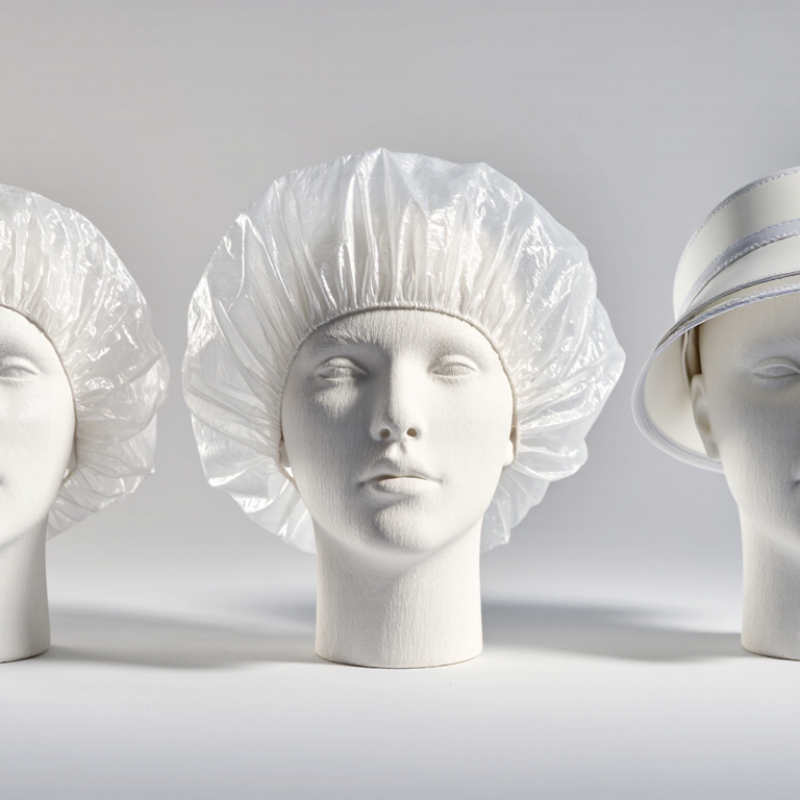
Spunbond polypropylene is a common nonwoven choice for disposable caps and lightweight head covers. Its continuous fibers create a thin, fairly even sheet that is easy to shape. It is light. On a warm production floor, that can help reduce the heavy, trapped feeling of thicker materials. However, basic spunbond may offer limited resistance to fine particles, so it should not be treated as protective without suitable testing.
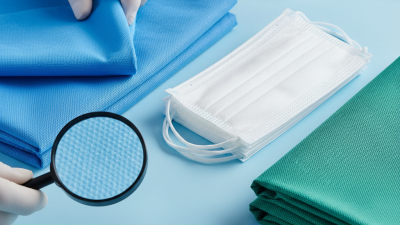
SMS fabric combines spunbond layers with a meltblown middle layer. The outer layers add strength, while the center can improve filtration and help resist liquid droplets. This structure may suit headwear used in clinical, food-handling, or clean-work settings, depending on the required performance. Fit matters too. A stiff edge can rub the forehead after several hours, even when the fabric performs well on paper.
Needle-punched nonwovens use mechanically entangled fibers and can feel thicker and more textile-like. They may work for reusable or structured headwear, but weight and drying time need consideration. Thermally bonded fabrics use heat to join fibers, creating a stable sheet that can hold its shape. Meltblown material is often used as a functional layer rather than a stand-alone cap fabric because it can be delicate. No single type is best for every wearer. A small wear trial helps reveal heat buildup, seam pressure, and slippage—details a specification sheet can miss.
How Spunbond, Meltblown, and SMS Fabrics Differ
Spunbond, meltblown, and SMS behave differently on a head, where heat, fit, and movement matter.
Spunbond uses continuous filaments, giving caps and lightweight hoods a stronger, more breathable structure. It suits routine wear when low weight and shape retention matter. Meltblown fibers are much finer and form a dense web. That can improve particle capture, but meltblown alone may tear more easily and feel warm during long shifts. A close-fitting cap can also make even breathable fabric feel stuffy.
SMS combines spunbond outer layers with a meltblown center. The structure balances strength and filtration, though it may feel stiffer than a simple spunbond cap. There is no universal winner.
EDANA’s 2023 European nonwovens report recorded production of about 2.86 million tonnes, down 5.3% from 2022; this reflects a broad, changing industry, not a headwear performance ranking. For selection, compare fabric weight, air permeability, seam strength, and the intended barrier level. Check performance on a real wearer, too. A sample that passes a bench test may still ride up above the ears. That detail is easy to miss. I would treat SMS as a useful middle ground, not an automatic upgrade.
Key Criteria for Evaluating Headwear Nonwovens in 2026
What Is the Best Headwear Nonwoven Type in 2026?
Key Criteria for Evaluating Headwear Nonwovens in 2026
There is no single best nonwoven for every headwear application. The right choice depends on wear time, contact with skin, and expected exposure to heat or moisture. Spunbond fabrics can offer light weight and useful strength for basic caps. SMS constructions add a meltblown layer, which may improve barrier performance but can feel warmer. Comfort comes first.
Check airflow, softness, absorbency, and resistance to tearing. A cap worn for several hours needs different qualities from a short-use hair cover. Test it wet. Sweat can change how a fabric feels and holds its shape. Simple checks include comparing airflow across samples and examining edges after repeated stretching. These checks are useful, though they do not replace standardized testing.
Fit matters too. Look for bunching at the forehead, rough fibers, or seams that press against the skin. Consider whether the material stays in place during ordinary movement. If lower environmental impact is a goal, ask about fiber composition and disposal options rather than relying on broad claims. One trade-off is easy to miss: a softer, denser fabric may feel pleasant but trap more heat. The best choice is the one that performs well in realistic wear tests, even if the first sample looked ideal.
Best Nonwoven Types for Different Headwear Applications
What Is the Best Headwear Nonwoven Type in 2026?
Best Nonwoven Types for Different Headwear Applications
The right fabric depends on what the headwear must do: block droplets, manage heat, or stay comfortable through a long shift. Spunbond polypropylene suits disposable bouffant caps and basic visitor caps. It is light, economical, and easy to convert. Grand View Research valued the global nonwoven fabrics market at USD 53.5 billion in 2023 and identified spunbond as its largest technology segment. That market figure shows scale, not proof that one fabric fits every cap.
For splash-prone work, SMS fabric combines spunbond layers with a meltblown middle layer. It can offer a useful balance of strength and fluid resistance, but performance depends on fabric weight, construction, and verified test results.
For close-fitting surgical caps, spunlace nonwoven often feels softer against the forehead and can drape more naturally. It may cost more, so comfort needs to justify the added material expense. Lightweight spunbond can work well in hot environments, though it may feel less soft during extended wear.
There is no universal winner. The less tidy part is fit: seams, elastic tension, and cap shape can affect comfort as much as fiber choice. Match the material to the exposure level and wear duration, then check breathability and barrier performance using documented test methods. Ask suppliers for current specifications; a generic “protective” claim is not enough.
How to Choose the Right Headwear Nonwoven Material
What Is the Best Headwear Nonwoven Type in 2026?
How to Choose the Right Headwear Nonwoven Material
There is no single best nonwoven for every headwear application. Start with the intended use, expected wear time, and contact with moisture or dust. Spunbond polypropylene is lightweight and often suits disposable caps used for short periods. SMS material combines layers and may provide a stronger barrier, but can feel warmer. For reusable headwear, check whether the fabric and construction can withstand the required washing. Comfort matters. A heavier material may seem more protective, yet trap heat around the scalp. In wear trials, fit, seam placement, and elastic tension can affect comfort as much as fabric choice.
Tips: Compare fabric samples under the same conditions. Check basis weight, air permeability, and applicable test results. Wear a sample for a realistic shift; a quick touch test is not enough.
Ask suppliers for current technical data, then confirm that it matches the finished cap, not just the raw fabric. Performance can change with coatings, folds, and seams. If workers need to speak or move often, test whether the cap stays secure without pressure.
One detail is easy to miss: user feedback may conflict, because head size and heat tolerance vary. Record those differences before settling on a specification.

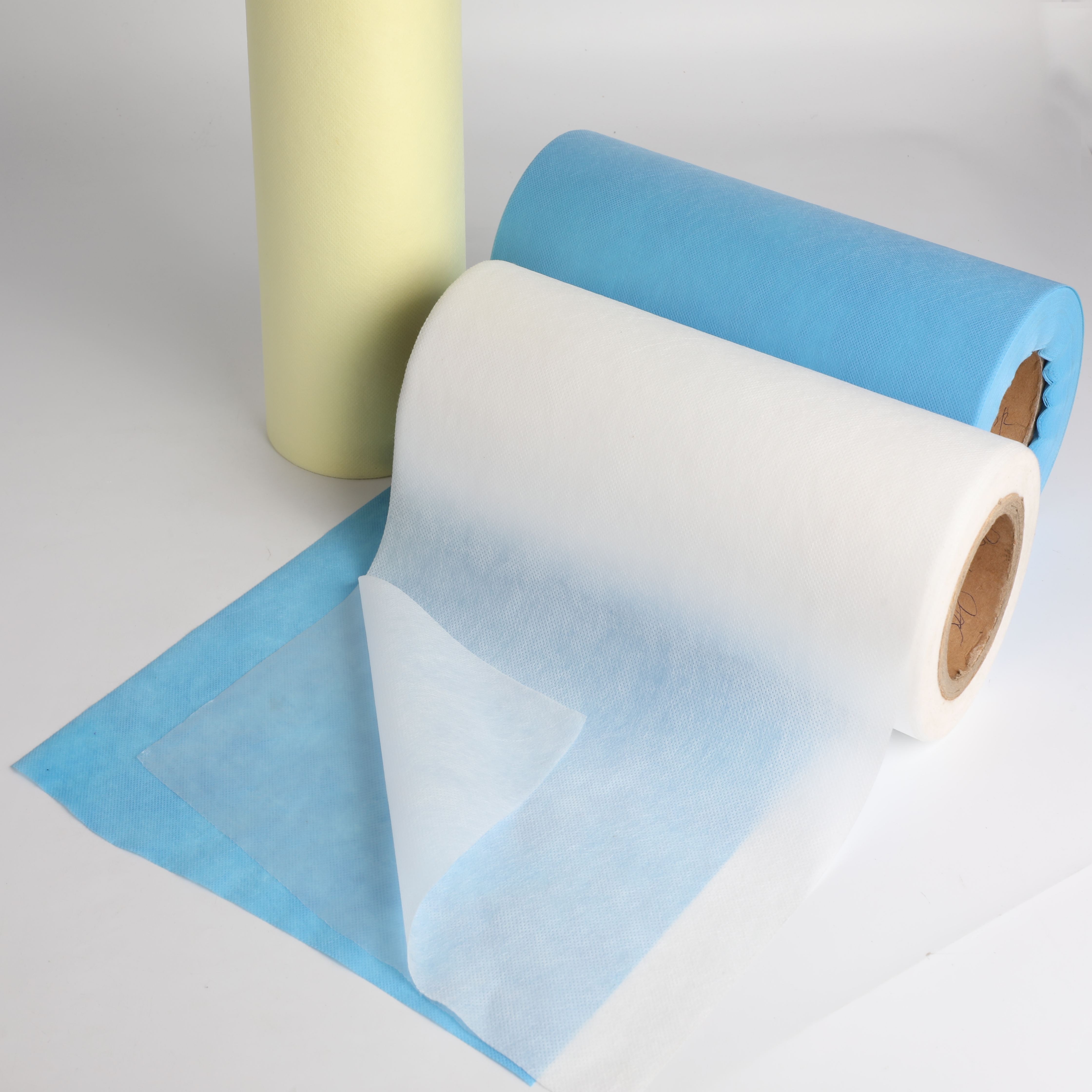 PP Laminates
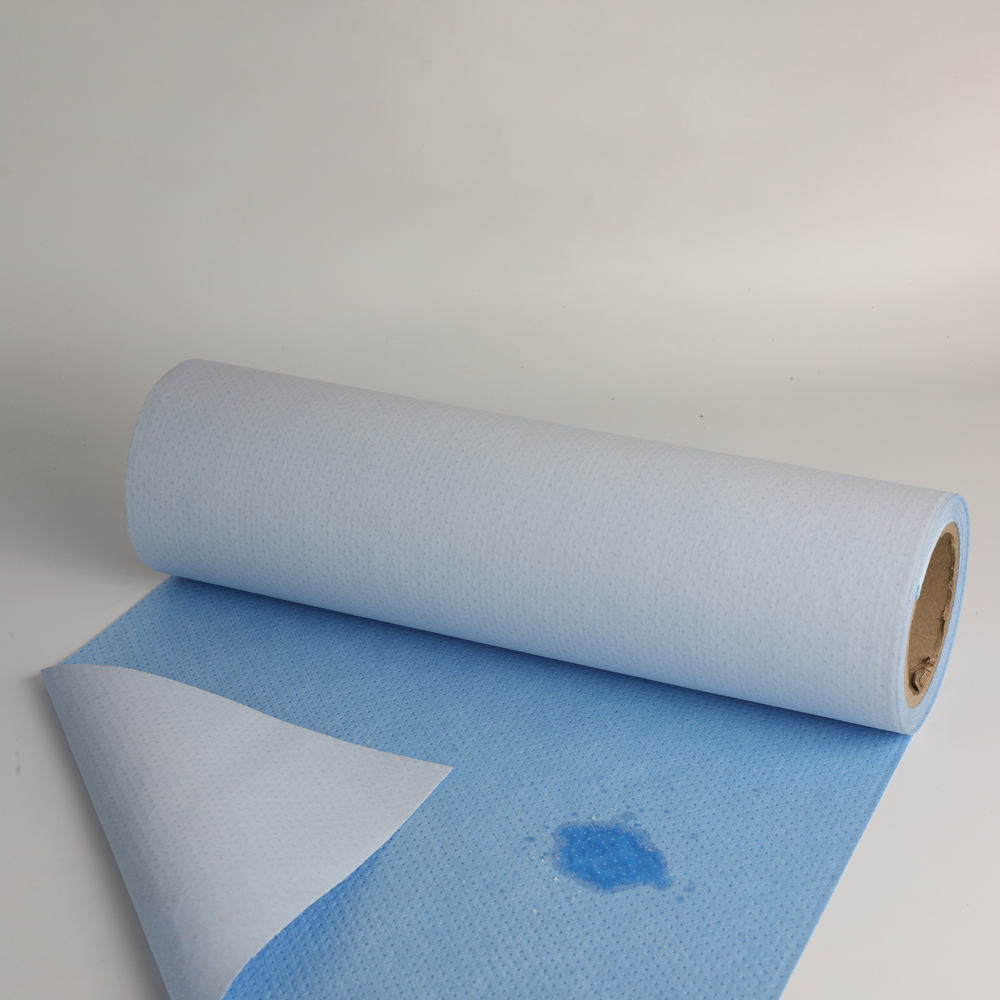 Multi Laminates
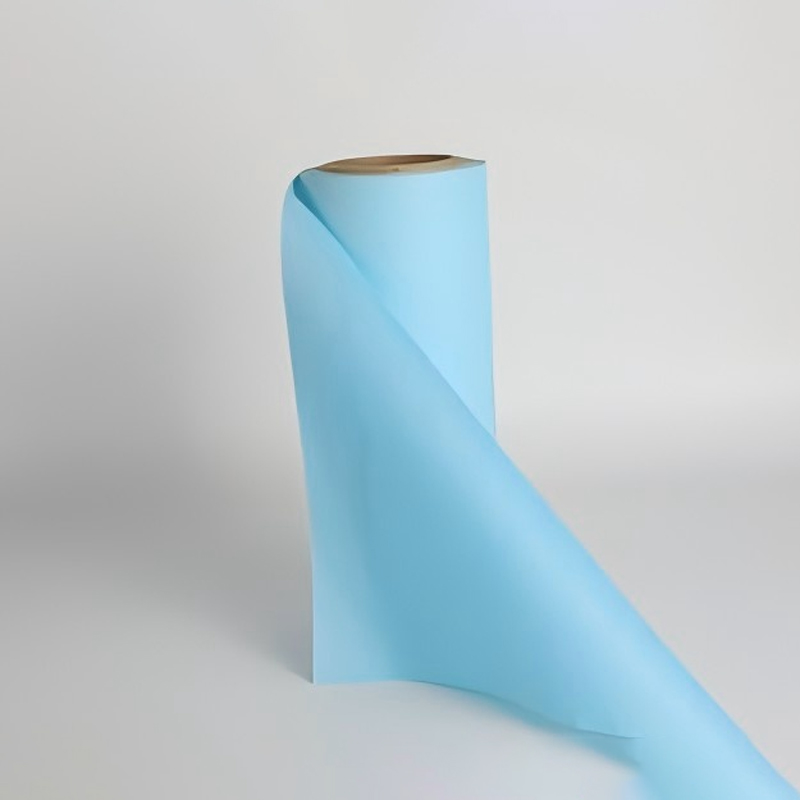 Spunlace Nonwoven Laminates
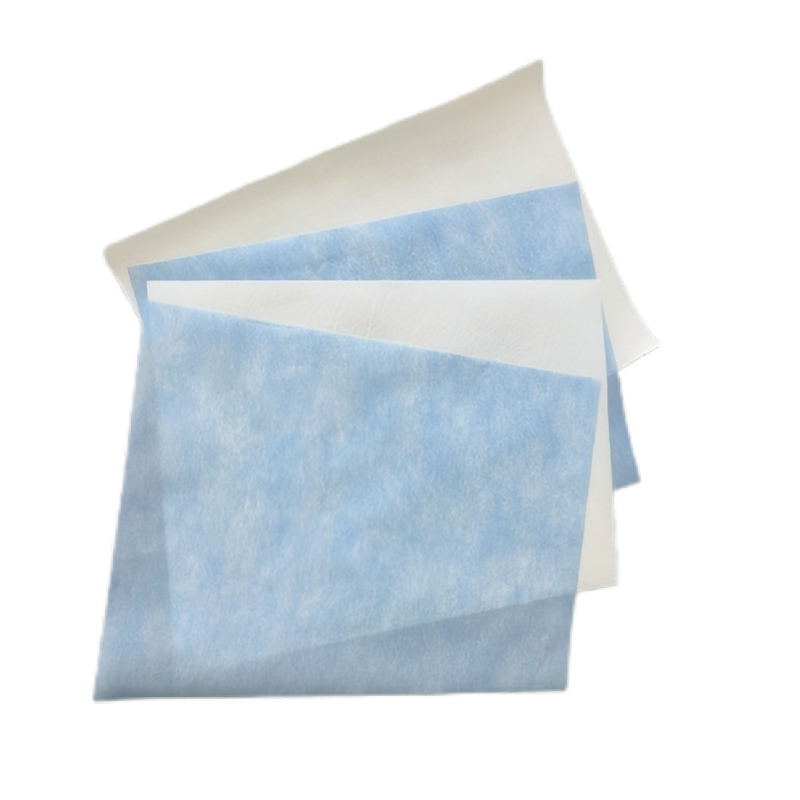 Breathable Film Laminates
 Viscose Laminates
 Medical Viscose Nonwoven
 Head Wear Nonwoven
 Medical Tape Nonwoven
 Snus Pouch Nonwoven
 Filtration Nonwoven
 Air Filter Media
 Liquid Filter Media
 Filter Envelope & Filter Sheet
 Breathable Film Laminates
 Nonwoven Interlining
 Fluid Repellent Woodpulp Spunlace Nonwoven
 Woodpulp Nonwoven Wipe
 Nonwoven Cleaning Wipe
 Curtain Nonwoven
 Food Grade Packaging Nonwoven
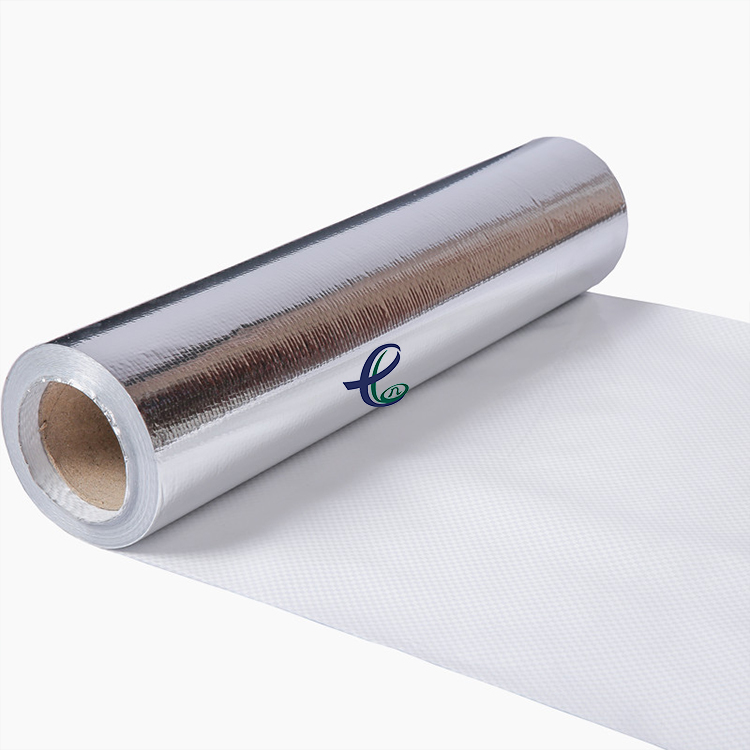 Aluminized Nonwoven
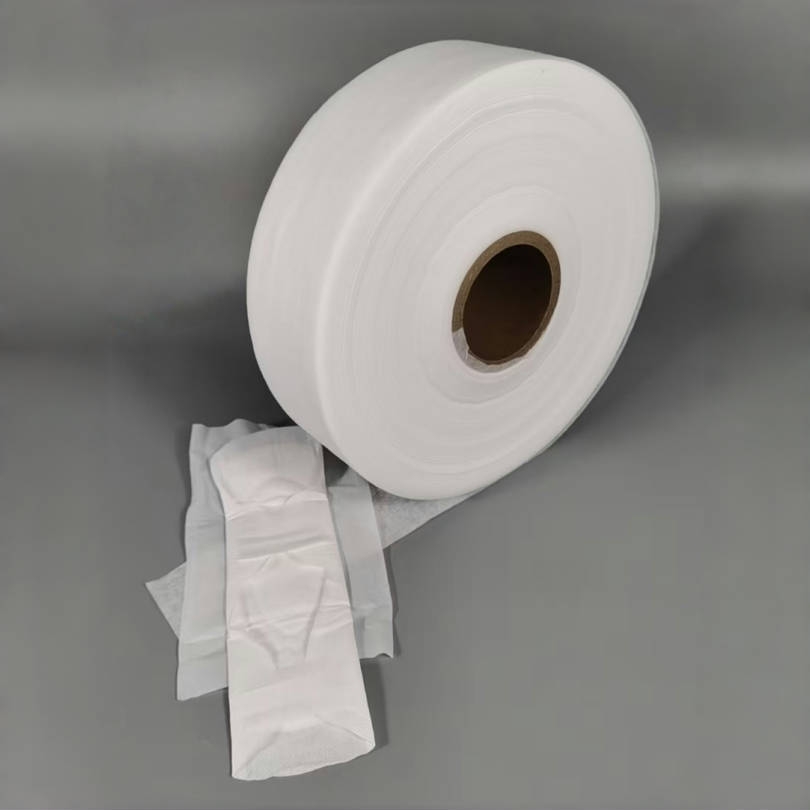 Hot Air Cotton Nonwoven
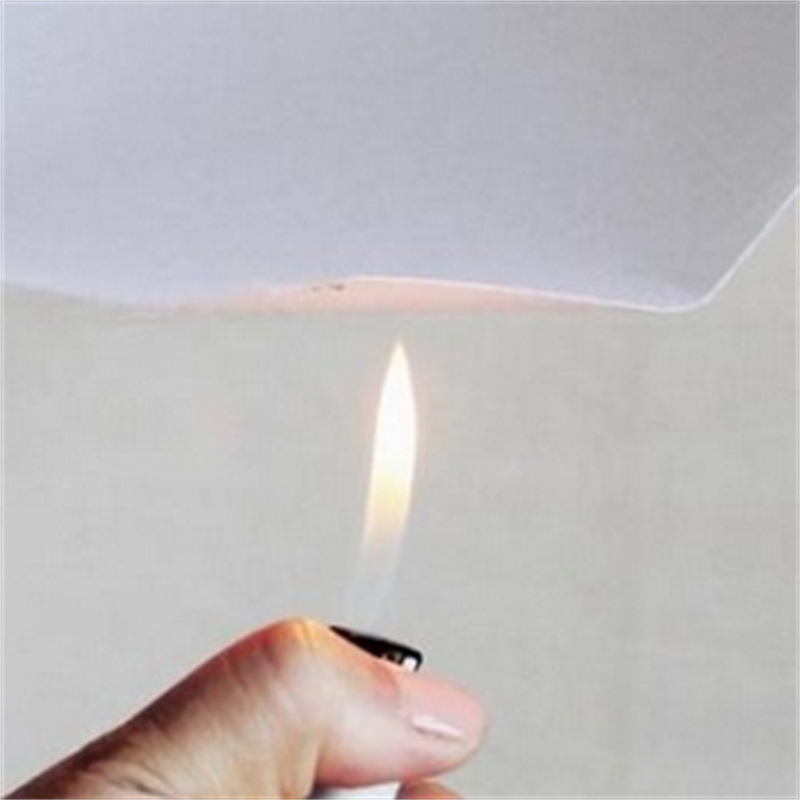 Flame Retardant Nonwoven
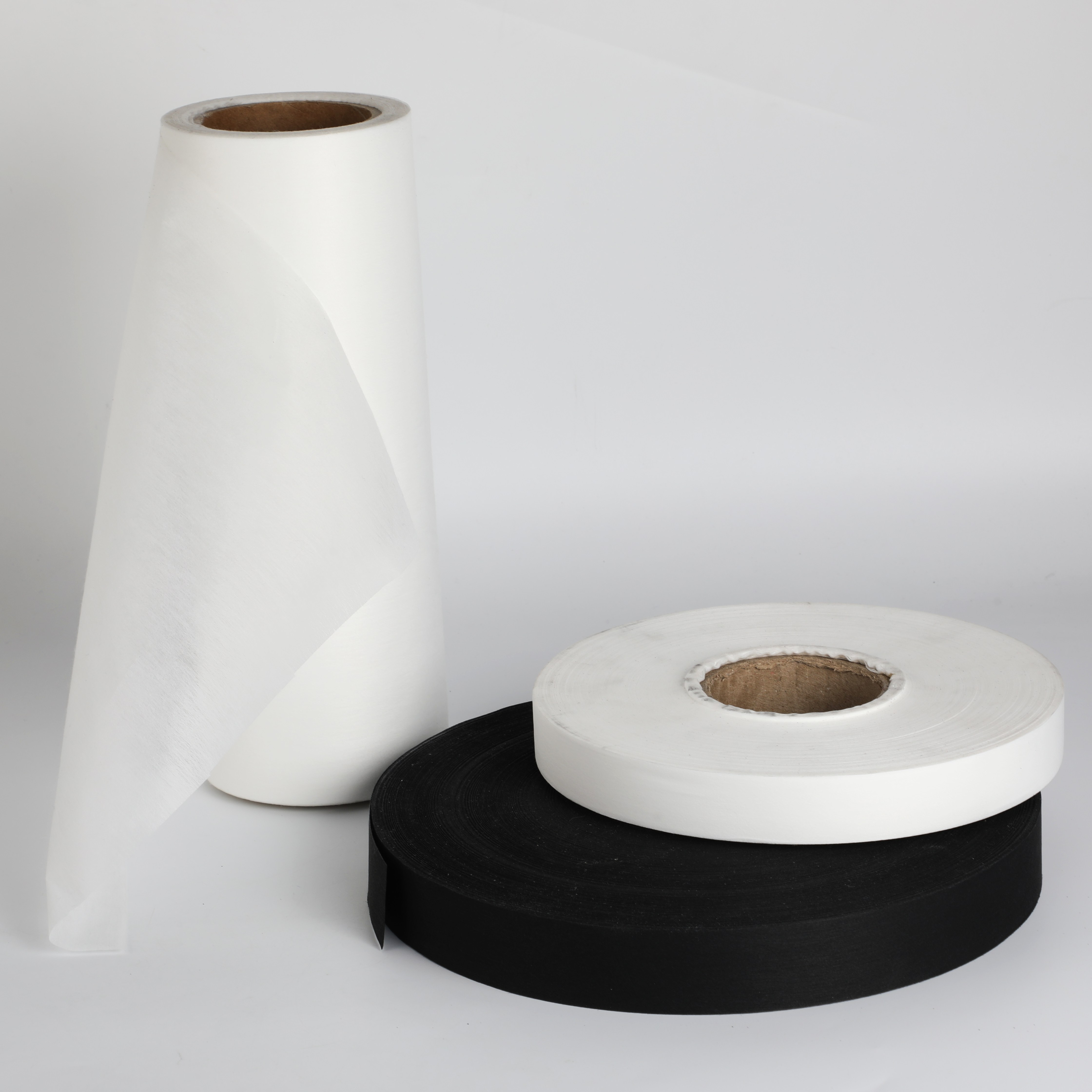 Cable Wrapping Nonwoven
 Semi-conductive Nonwoven
 Anti-Bacterial Nonwoven
 +8613957712400
 CONTACT WhatsApp
 CONTACT WeChat

 CONTACT NUMBER
 CONTACT EMAIL