2026 Top Trends in Headwear Nonwoven Fabrics for Buyers
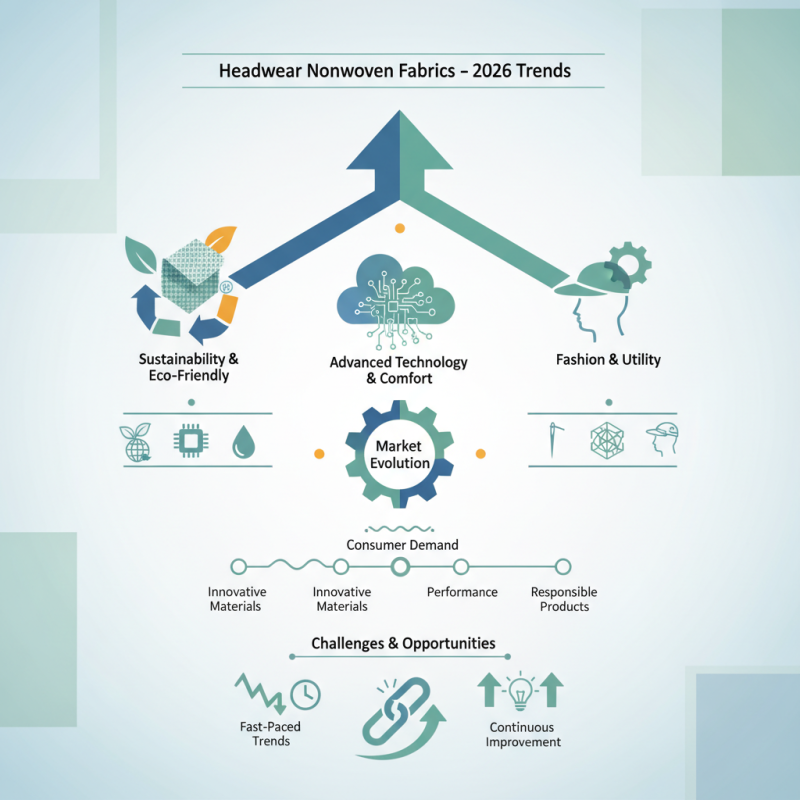
In the evolving landscape of fashion and functionality, Headwear Nonwoven fabrics are making significant strides. As we approach 2026, buyers need to be aware of the latest trends influencing this sector. The market is witnessing a shift towards sustainability and advanced technology. Manufacturers are experimenting with innovative materials that blend comfort and performance.
The potential for Headwear Nonwoven is immense. Brands are exploring eco-friendly options that cater to consumer demand for environmentally responsible products. Additionally, fashion-forward designs are becoming more prominent. This fusion of style and utility creates exciting new possibilities for headwear.
However, there are challenges to consider. The fast-paced nature of trends demands quick adaptation from producers. Some may struggle to keep up with consumer expectations. This imperfection highlights the need for continuous improvement and responsiveness. As the industry evolves, understanding these dynamics will help buyers make informed decisions.
Emerging Materials in Headwear Nonwoven Fabrics for 2026
Emerging materials in headwear nonwoven fabrics for 2026 offer exciting opportunities for innovation.
Lightweight yet durable options are becoming more prominent. These materials feature enhanced breathability and moisture-wicking properties.
As consumers seek comfort, companies are investing in advanced textile technologies.
Recycled fibers are also gaining traction, promoting sustainability. These eco-friendly options reduce waste while maintaining performance.
Brands are increasingly attentive to environmental impact. However, balancing sustainability and product functionality remains a challenge.
The industry must navigate this complexity to meet consumer demands effectively.
Innovation in nonwoven headwear fabrics is necessary. Though promising, not all materials meet stringent durability tests.
Some may fall short under varied conditions. Consumers deserve reliable products that perform consistently.
Testing and refining new materials will be crucial. The path ahead is filled with potential, but vigilance is required for success.
Sustainable Innovations Shaping Headwear Fabric Trends
In 2026, the headwear market is embracing environmentally sustainable innovations. Nonwoven fabrics are at the forefront of this shift. A recent report highlights that 70% of buyers now consider sustainability a crucial factor. Consumers demand products that align with eco-friendly values.
Biodegradable materials and recycled composites are gaining traction. Manufacturers are exploring various natural fibers for nonwoven fabrics. For instance, organic cotton and hemp are popular alternatives. They reduce dependency on petroleum-based materials. However, sourcing these materials sustainably still poses challenges.
Innovation does not come without hurdles. The transition to sustainable fabrics can be costly and complex. Sometimes, production efficiency takes a hit. Quality control remains a pressing concern for many manufacturers. The industry must address these issues to meet consumer expectations. Environmental impact continues to shape fabric trends in headwear. The quest for balance between sustainability and wearability persists.
2026 Top Trends in Headwear Nonwoven Fabrics for Buyers - Sustainable Innovations Shaping Headwear Fabric Trends
| Trend |
Description |
Material Type |
Sustainability Factor |
Target Market |
| Bio-based Fabrics |
Fabrics made from renewable resources, reducing dependence on petroleum. |
PLA (Polylactic Acid) |
Biodegradable and compostable |
Eco-conscious consumers |
| Recycled Polyester |
Utilizes post-consumer plastic waste to create fabric. |
RPET (Recycled Polyethylene Terephthalate) |
Reduces landfill waste |
Fashion-forward brands |
| Water-resistant Nonwovens |
Innovative textiles providing weather protection while being eco-friendly. |
Nonwoven composites |
Durable and sustainable |
Outdoor enthusiasts |
| Biodegradable Coatings |
Natural coatings that enhance fabric performance while being earth-friendly. |
Natural latex |
Non-toxic and compostable |
Health-conscious users |
| Smart Textiles |
Integration of technology for features such as temperature regulation. |
Conductive nonwoven fabrics |
Innovative and functional |
Tech-savvy consumers |
Technological Advancements in Nonwoven Fabric Production
The landscape of headwear nonwoven fabrics is evolving rapidly. Technological advancements are at the forefront of this transformation. Mills are adopting processes that enhance durability and breathability, making headwear more comfortable and functional. For instance, innovative bonding techniques allow for lighter materials without sacrificing strength. This enables users to enjoy extended wear time without discomfort.
Additionally, materials derived from sustainable sources are gaining traction. Biodegradable fibers present in nonwoven fabrics address environmental concerns. These developments reflect a growing awareness of ecological impact among manufacturers and consumers alike. However, some challenges persist, such as balancing cost with quality. Producers are often faced with the dilemma of sourcing sustainable materials that do not compromise the end product.
Efficiency in production is also a key theme. Automation is streamlining manufacturing processes, increasing output while reducing waste. Yet, this shift raises questions about labor and skill dependency in the industry. One must reflect on how these advancements can support not only production goals but also a responsible workforce future. Exploring these facets reveals a complex yet promising industry path.
Consumer Preferences Influencing Headwear Design Trends
In 2026, buyers in the headwear industry must adapt to changing consumer preferences. These preferences are significantly shaping headwear design.
Sustainability is top of mind for many consumers. They prefer eco-friendly materials that do not harm the planet.
Nonwoven fabrics made from recycled materials are gaining traction. These fabrics not only reduce waste but also offer unique textures and styles.
Designs that blend functionality with aesthetics are trending. Consumers want headwear that serves a purpose, like sun protection or moisture-wicking.
Attractive colors and patterns remain essential. However, overly complicated designs can alienate buyers.
Striking a balance is key.
Tip: Stay updated on design trends by observing fashion shows and social media. Follow influencers who align with your brand ethos.
Listen to customer feedback to refine your products. Engage with your audience; it helps in creating materials they truly want.
Remember, not every trend will fit your brand. Assess market demands carefully.
Market Insights: Forecasts for Nonwoven Headwear Fabrics in 2026
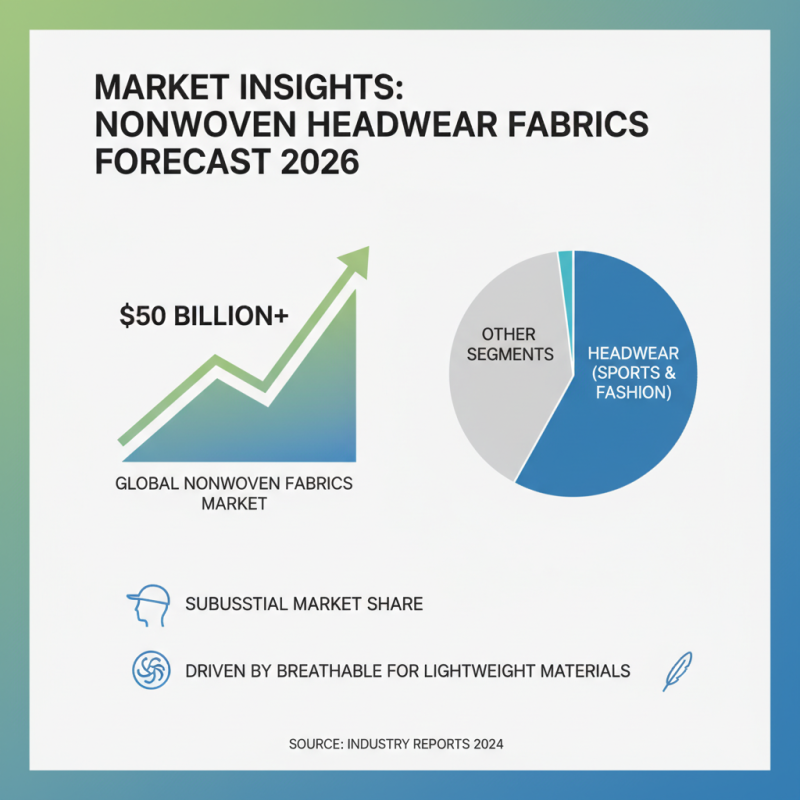
The headwear nonwoven fabrics market is poised for significant growth by 2026. According to recent industry reports, the global nonwoven fabrics market is expected to exceed $50 billion, driven by increasing demand for lightweight, breathable materials. Headwear, particularly in sports and fashion segments, will enjoy substantial market share, estimated to account for nearly 10% of this total.
Key trends include sustainability and innovation. Consumers increasingly favor eco-friendly materials. Nonwoven fabrics made from recycled plastics create a positive environmental impact. Reports suggest that 30% of headwear manufacturers plan to invest in sustainable materials in the next few years. This shift not only addresses consumer preferences but can improve brand image, crucial in today’s market.
Innovation also plays a vital role. Technologies like meltblown and spunbond processes enhance fabric performance, making headwear more comfortable and functional. These advancements create opportunities for businesses to cater to specialized markets, such as protective headwear for health professionals. Nevertheless, challenges remain, including supply chain issues and the need for continuous product development. Companies must adapt to these dynamics to stay competitive in this evolving landscape.

 PP Laminates
 Multi Laminates
 Spunlace Nonwoven Laminates
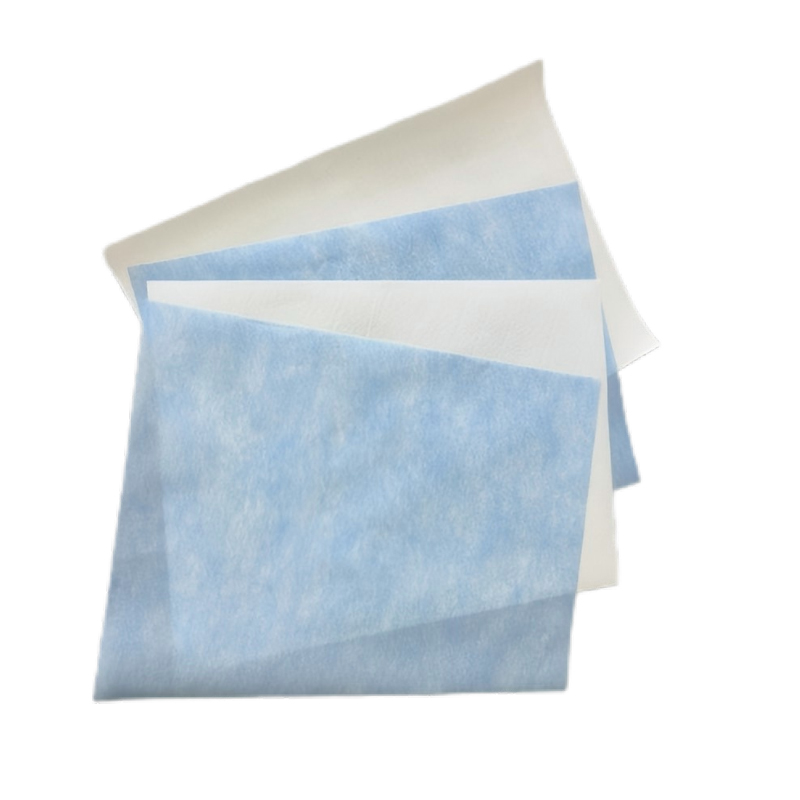 Breathable Film Laminates
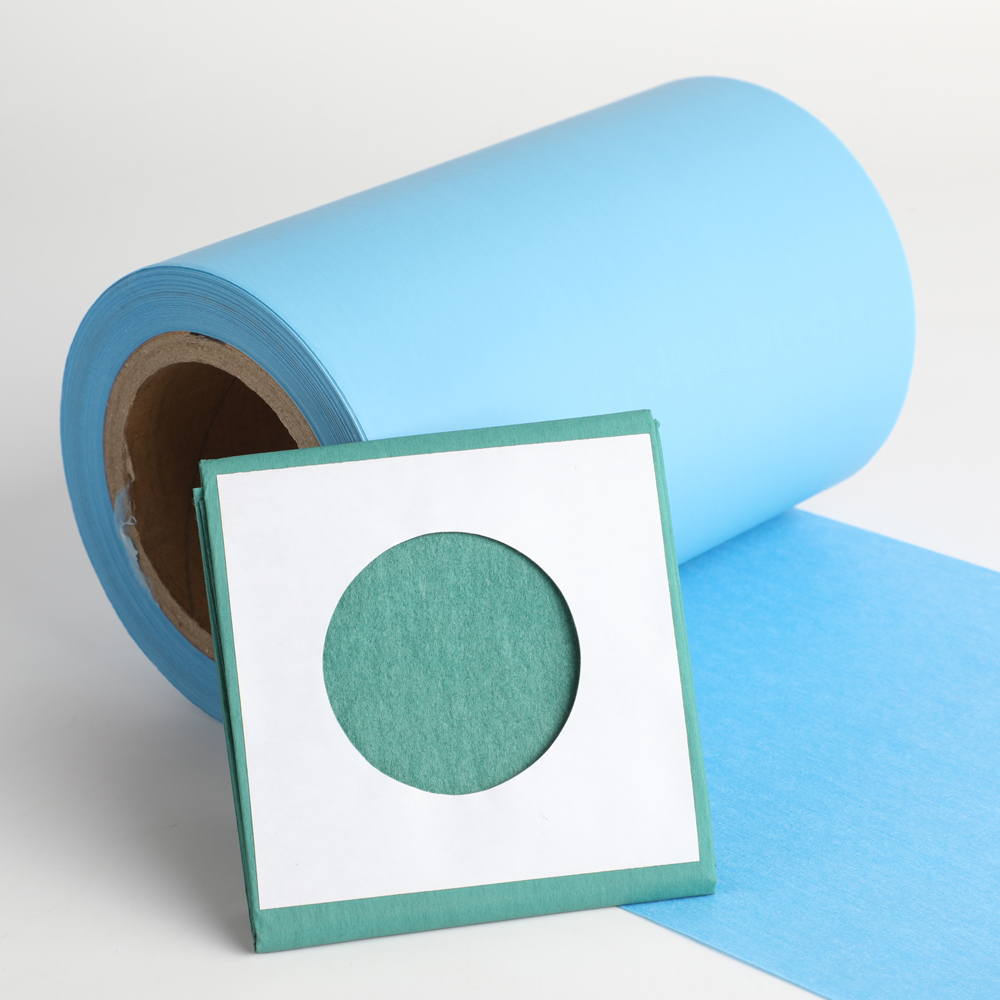 Viscose Laminates
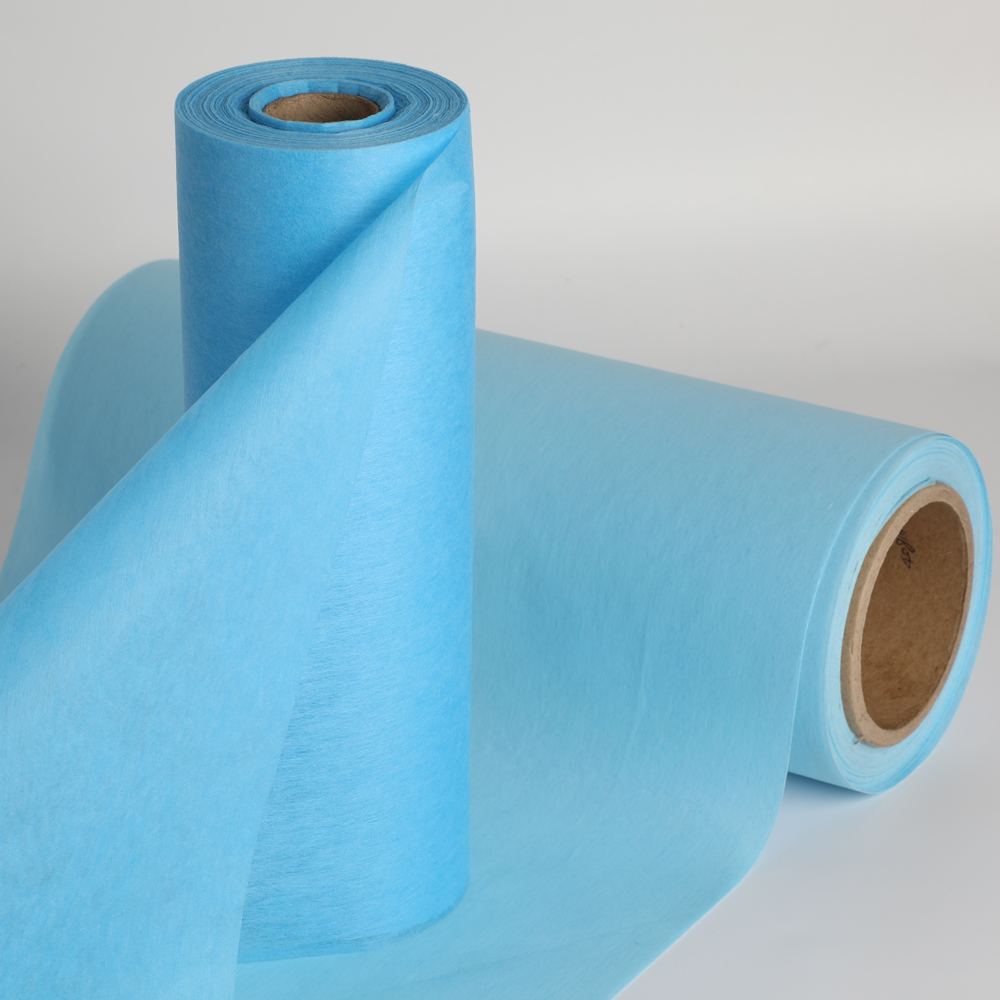 Medical Viscose Nonwoven
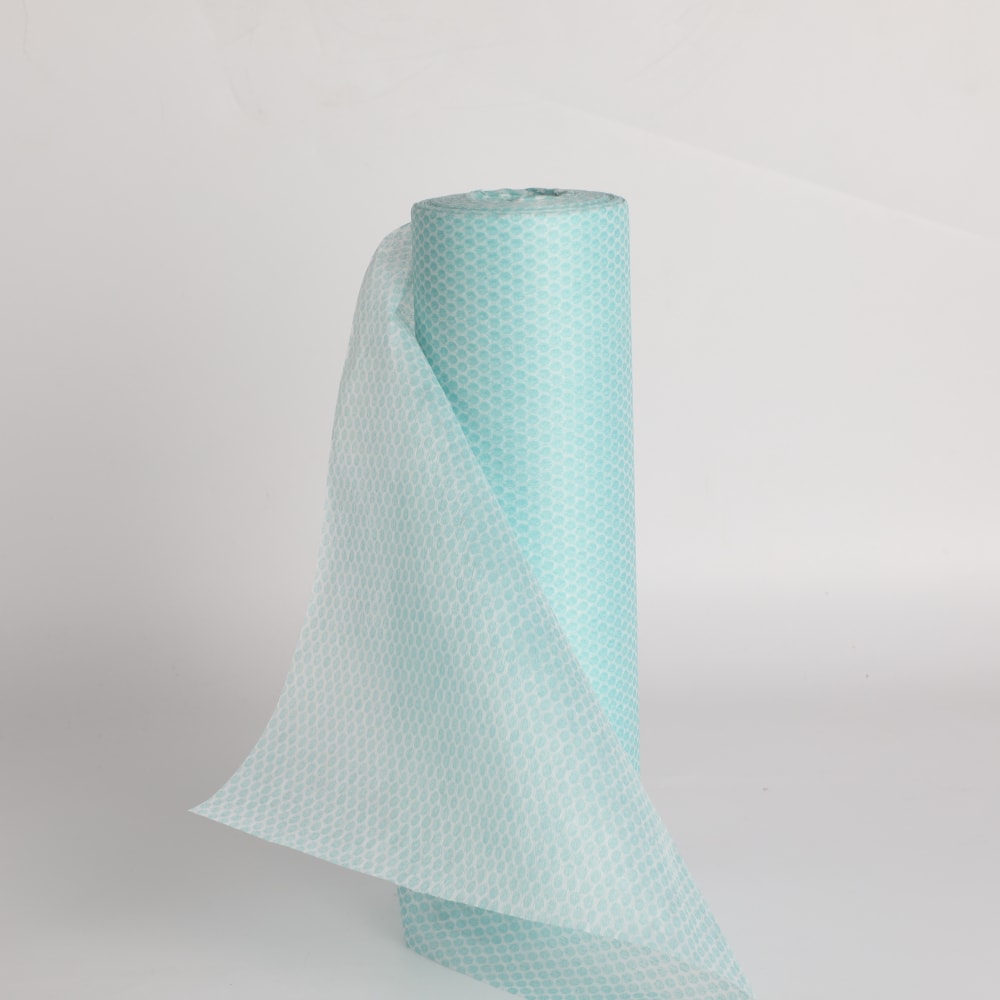 Head Wear Nonwoven
 Medical Tape Nonwoven
 Snus Pouch Nonwoven
 Filtration Nonwoven
 Air Filter Media
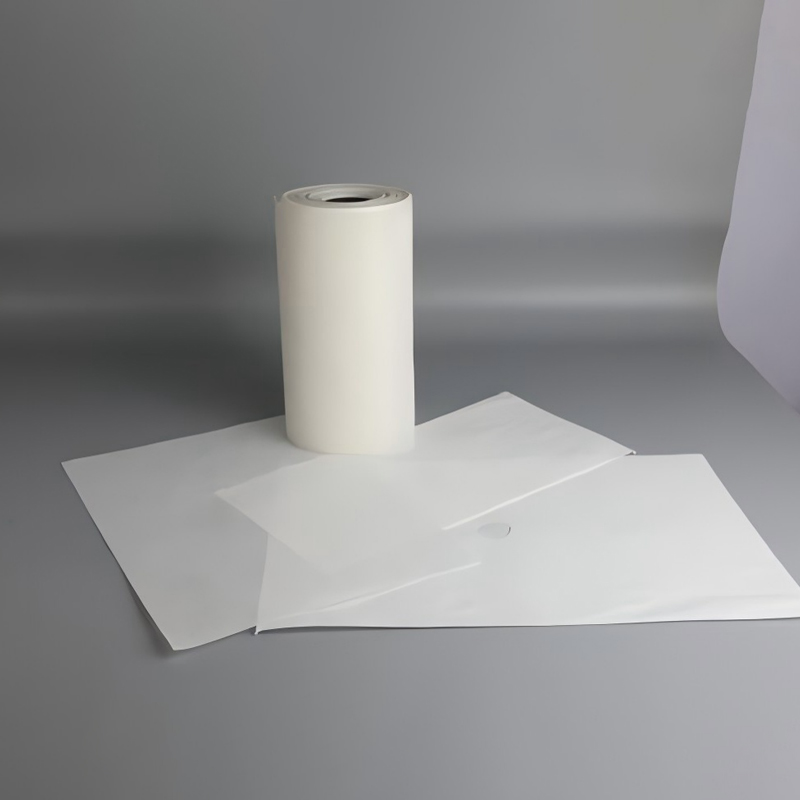 Liquid Filter Media
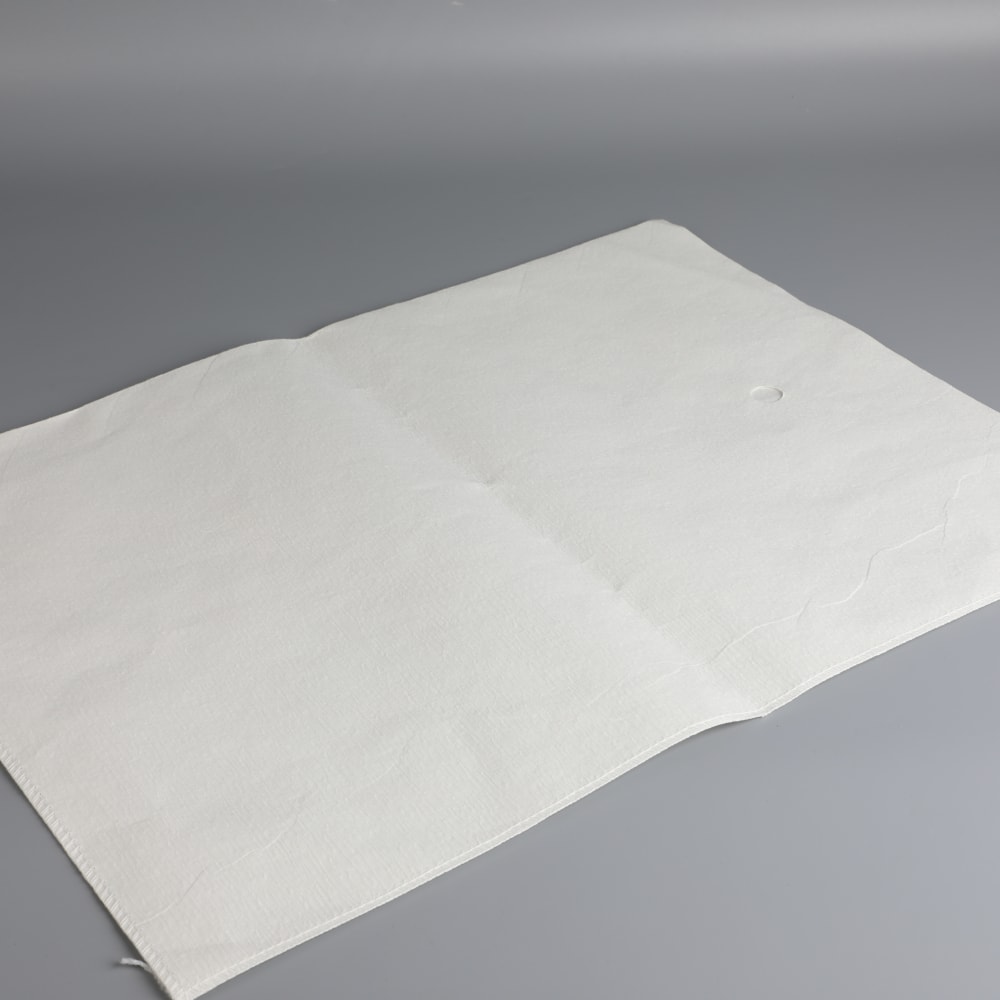 Filter Envelope & Filter Sheet
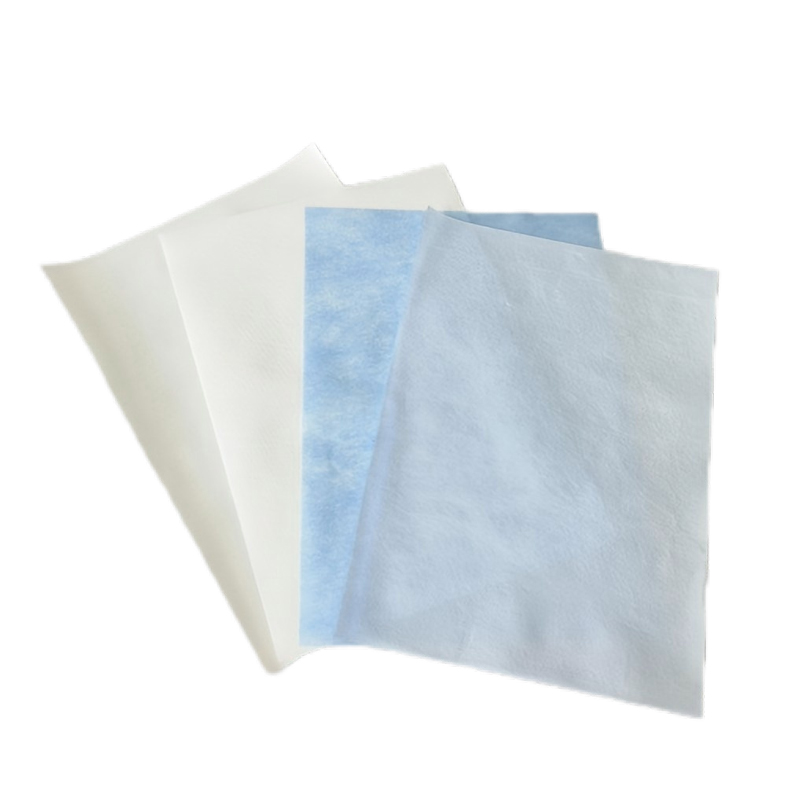 Breathable Film Laminates
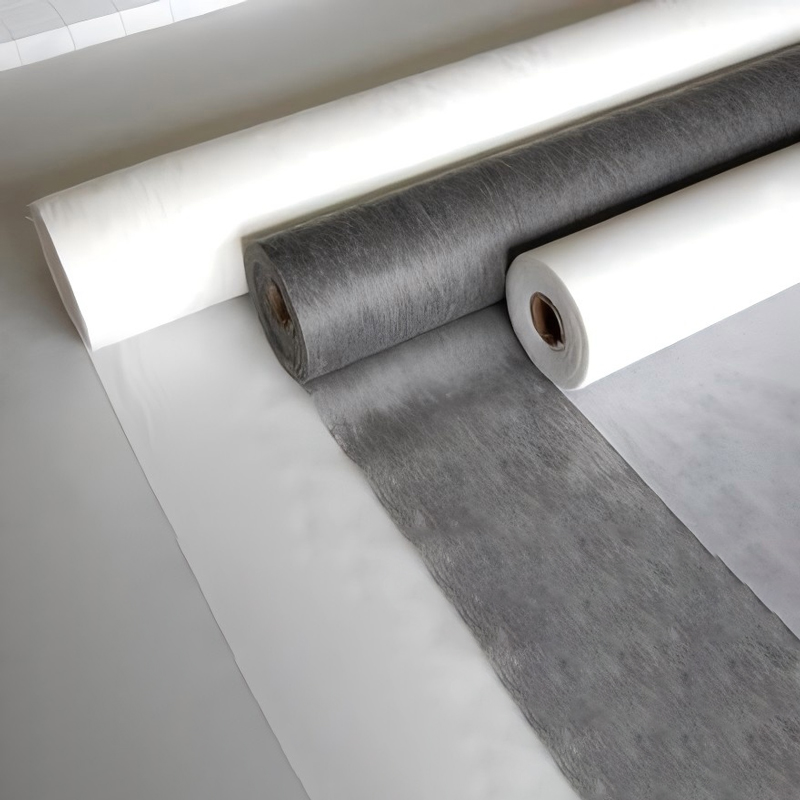 Nonwoven Interlining
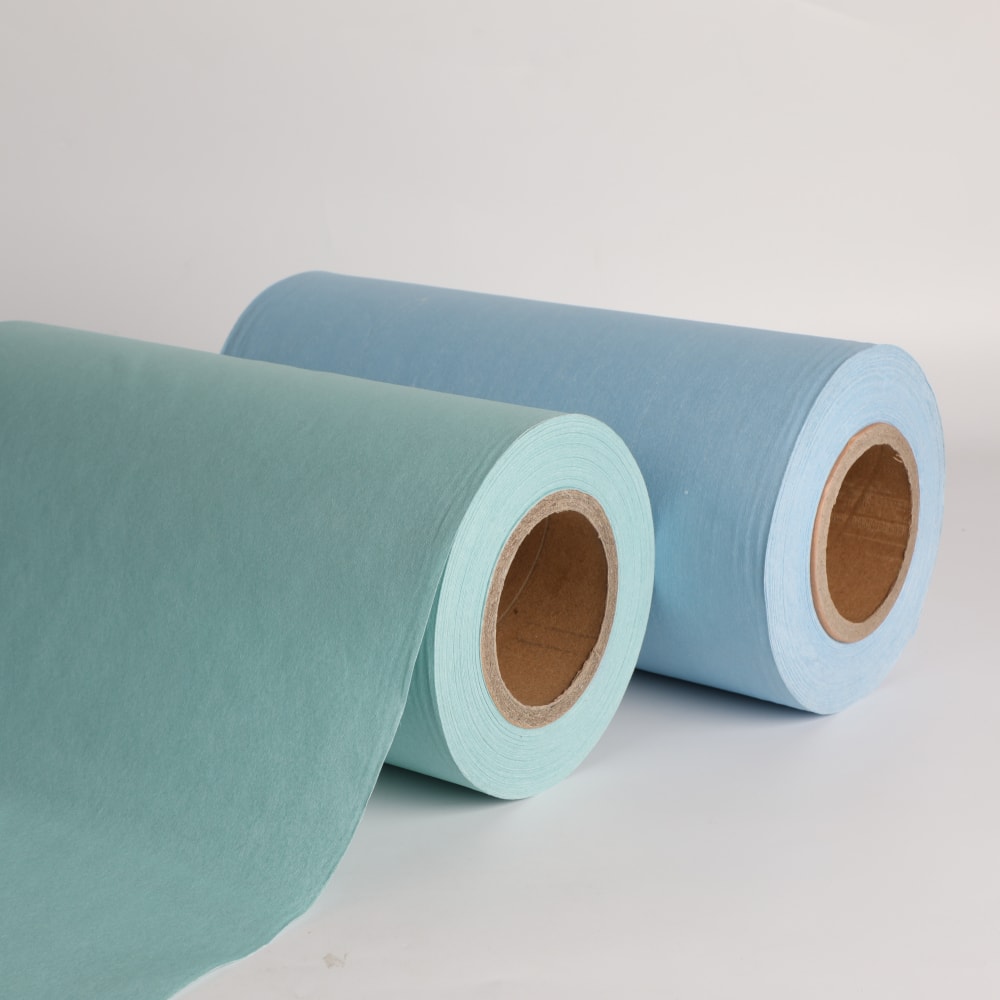 Fluid Repellent Woodpulp Spunlace Nonwoven
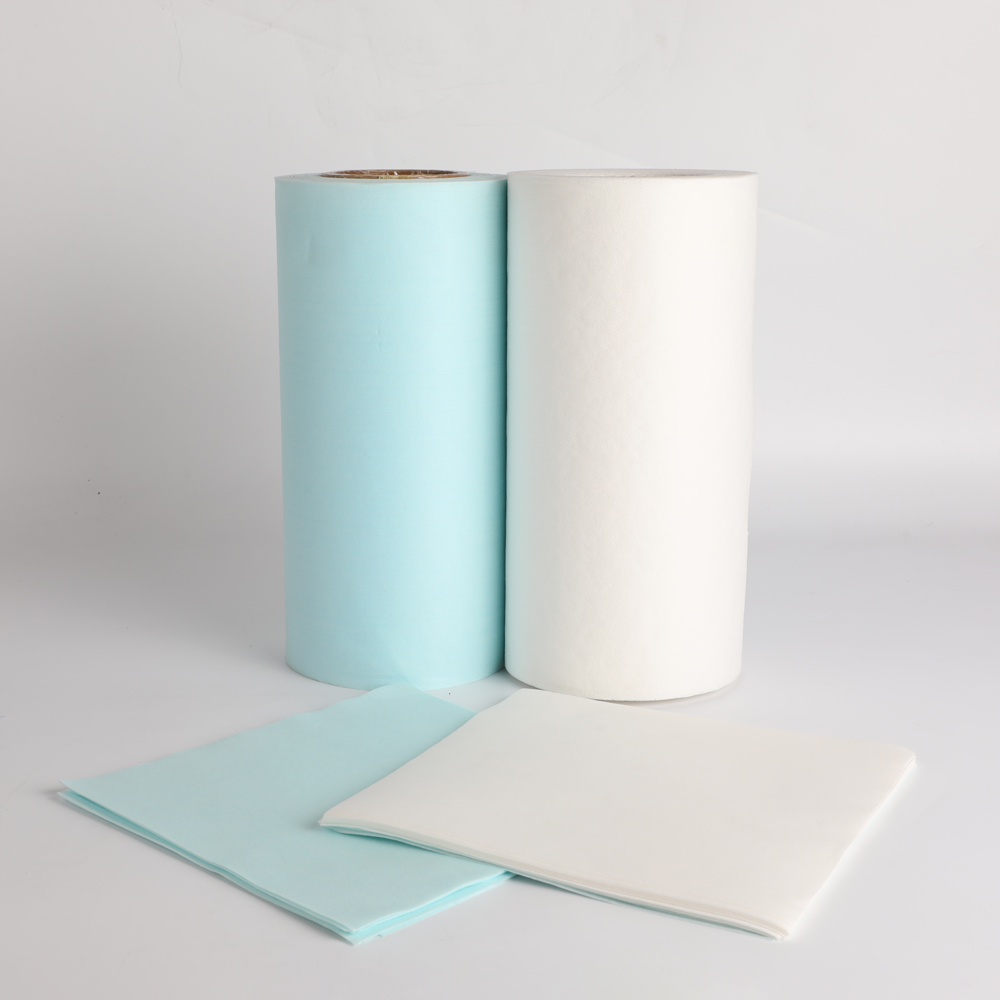 Woodpulp Nonwoven Wipe
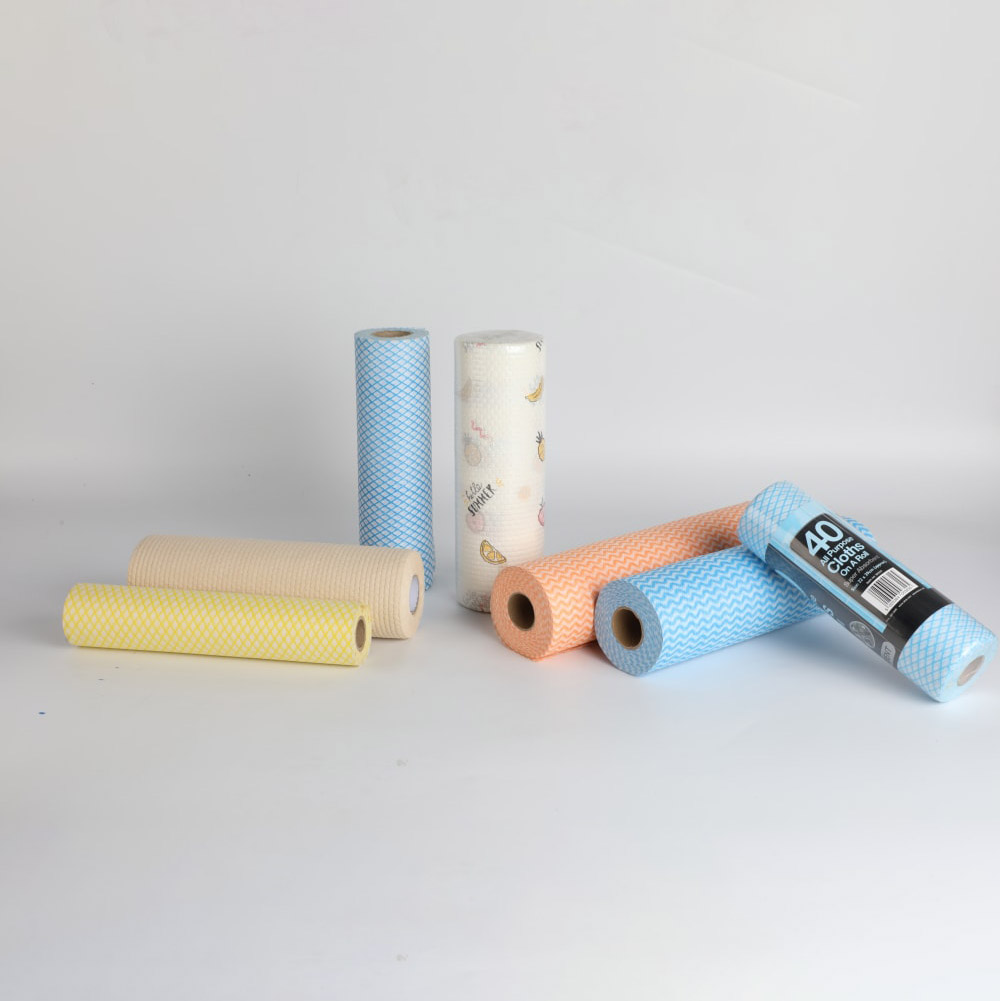 Nonwoven Cleaning Wipe
 Curtain Nonwoven
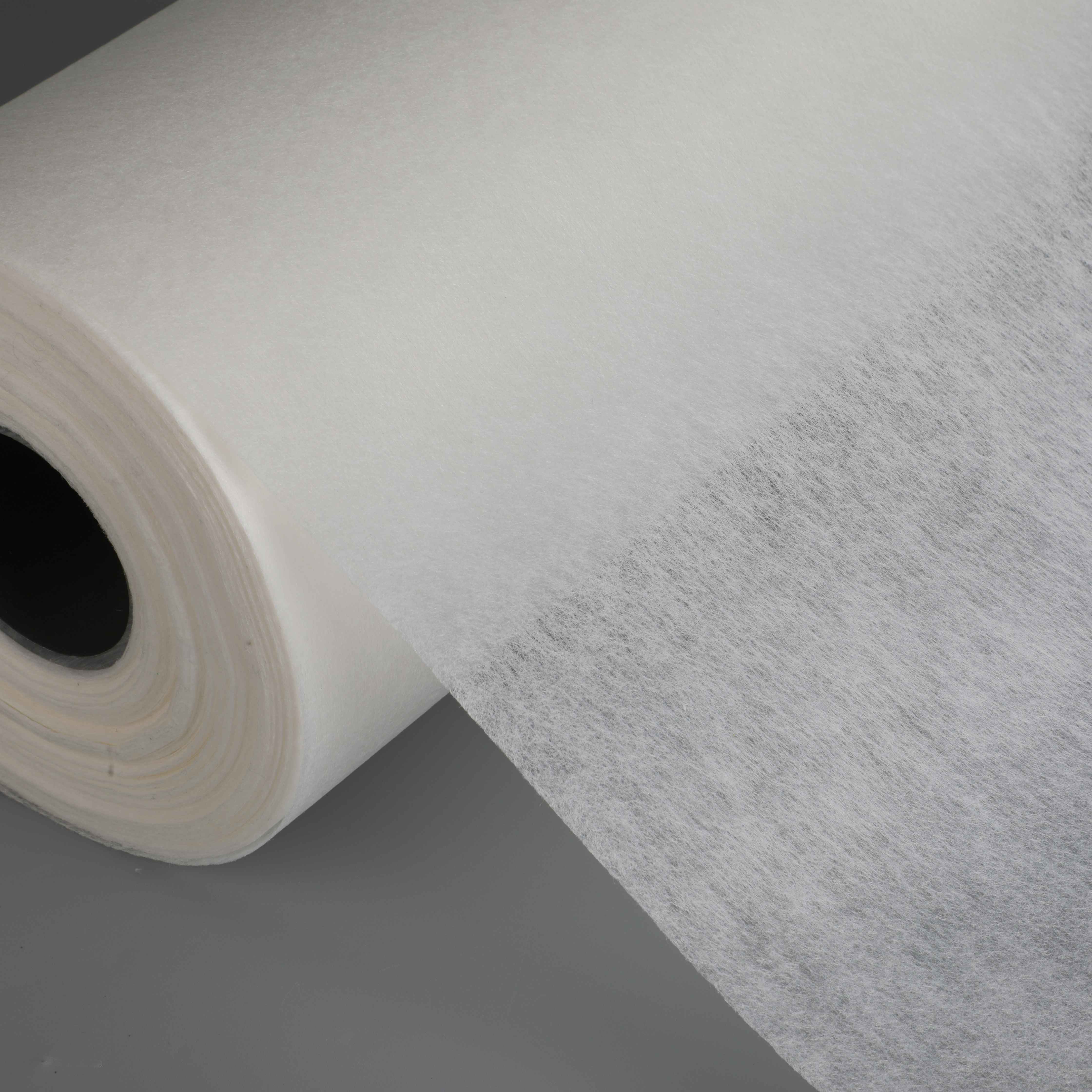 Food Grade Packaging Nonwoven
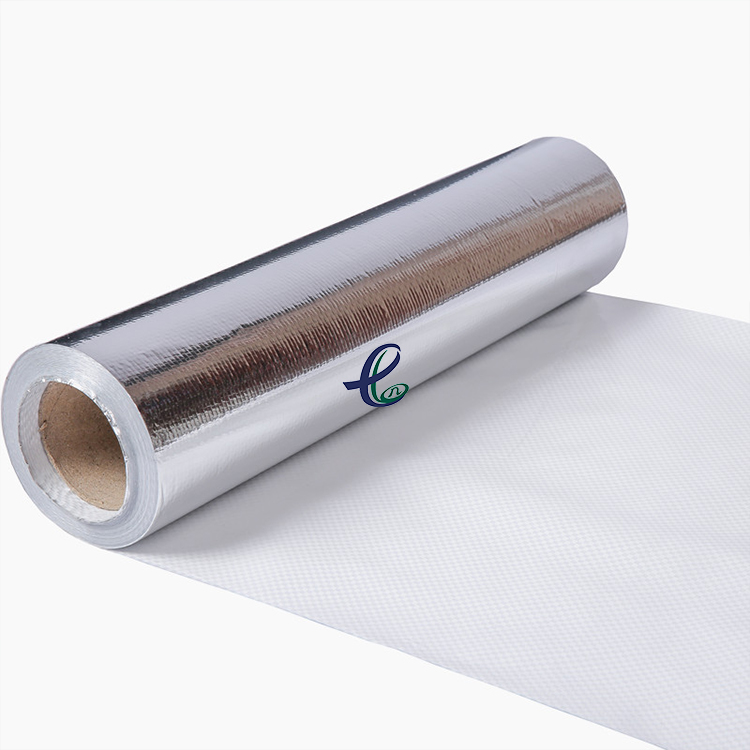 Aluminized Nonwoven
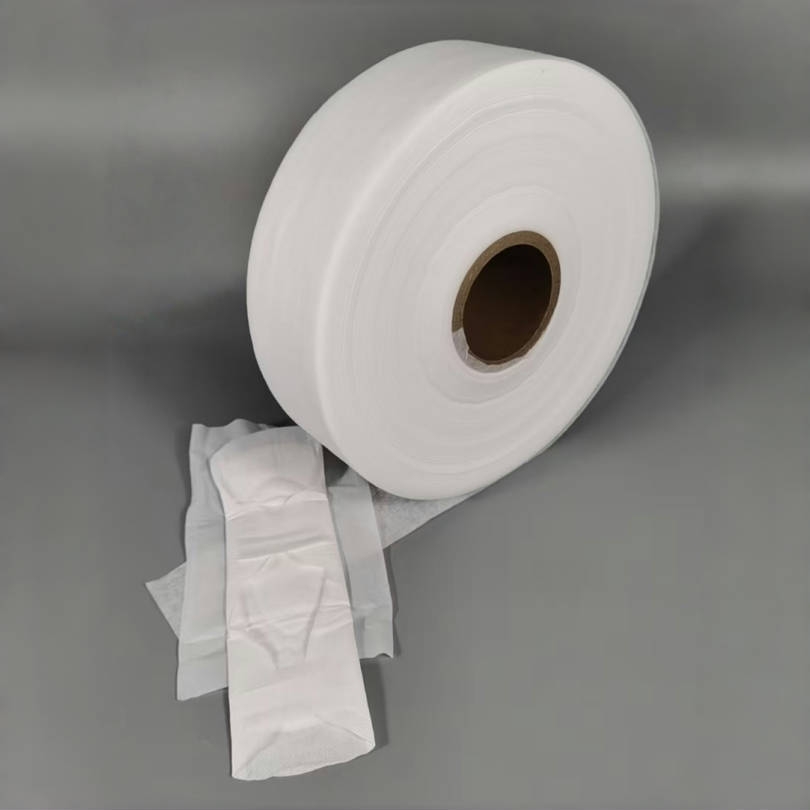 Hot Air Cotton Nonwoven
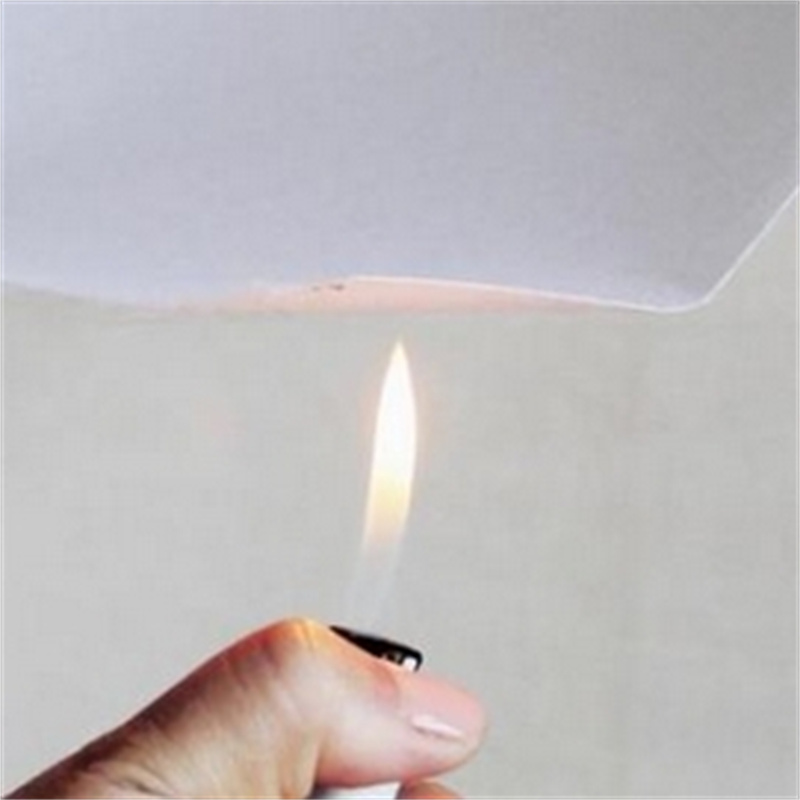 Flame Retardant Nonwoven
 Cable Wrapping Nonwoven
 Semi-conductive Nonwoven
 Anti-Bacterial Nonwoven
 +8613957712400
 CONTACT WhatsApp
 CONTACT WeChat
 CONTACT NUMBER
 CONTACT EMAIL