How to Choose Nonwoven Fabric for Medical Applications?
In the evolving landscape of healthcare, the choice of materials is crucial. Nonwoven for medical fabric plays a significant role in this sector. Dr. Sarah Thompson, a renowned expert in medical textiles, once stated, "The right fabric can enhance patient outcomes and streamline healthcare processes." This highlights the importance of selecting appropriate nonwoven materials.
Selecting the correct nonwoven fabric involves considering multiple factors, such as fluid resistance, breathability, and overall durability. These characteristics directly affect patient comfort and safety. Each application—be it surgical gowns, masks, or drapes—demands specific properties from the fabric. Relying solely on general guidelines can lead to suboptimal choices.
As healthcare professionals seek to improve care quality, understanding the nuances of nonwoven for medical fabric becomes imperative. However, the industry often faces challenges with material inconsistencies and performance issues. It is essential to deepen the knowledge surrounding these fabrics. They must not only meet regulatory standards but also satisfy practical needs in real-world applications.
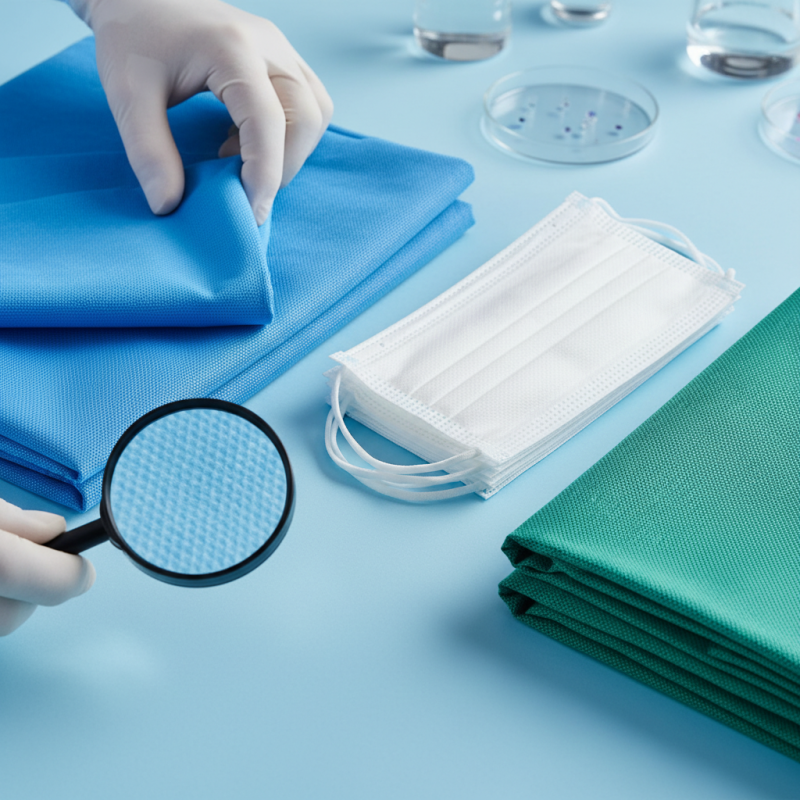
Understanding Nonwoven Fabrics and Their Benefits in Medical Use
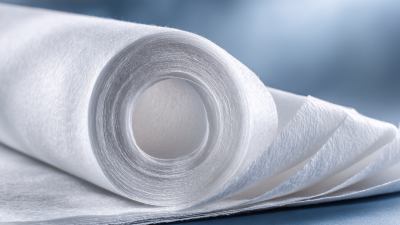
Nonwoven fabrics are essential in medical applications. These materials are designed for a range of uses, including surgical gowns, masks, and wound dressings. Understanding their benefits is crucial for healthcare professionals. Nonwoven fabrics offer unique properties such as breathability, lightweight structure, and fluid resistance. These features enhance patient comfort while providing necessary protection from contaminants.
Tips for selecting nonwoven fabric: Assess the specific requirements of your medical application. Gauge factors like fluid resistance and microbial barrier properties. Choose materials with high tensile strength to withstand wear during use. Always prioritize fabrics that meet relevant health and safety standards.
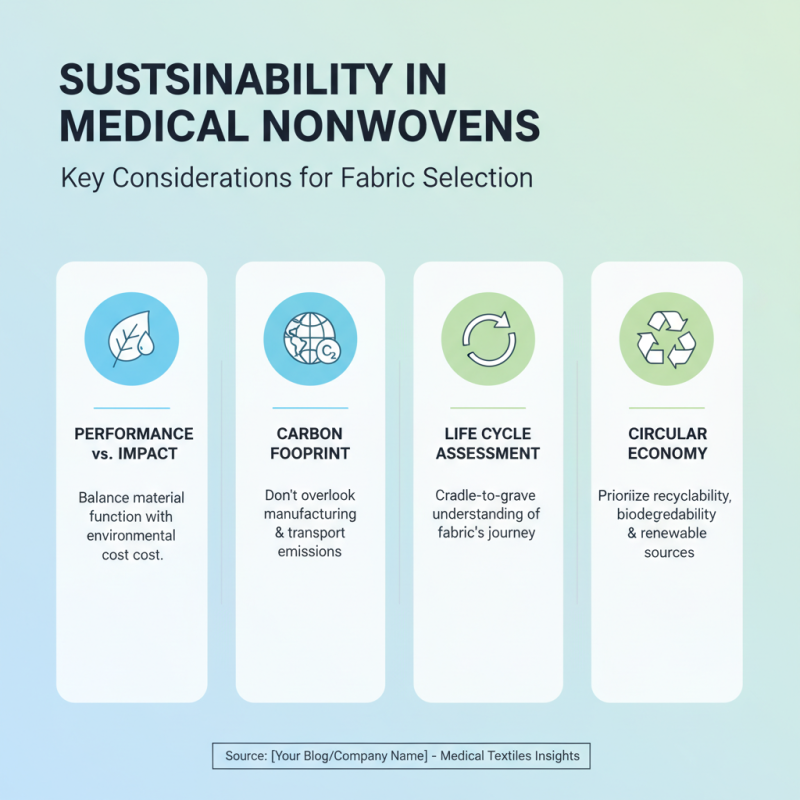
Another important consideration is the environmental impact of nonwoven materials. Many fabrics are made from synthetic fibers. However, there are eco-friendly options available. Investigate materials that are recyclable or made from renewable resources. This helps reduce the carbon footprint associated with medical services. The ongoing challenge is balancing performance and sustainability in healthcare.
Benefits of Nonwoven Fabrics in Medical Applications
This chart displays the importance of various benefits of nonwoven fabrics in medical applications, rated on a scale from 1 to 10. The benefits considered include fluid resistance, breathability, barrier protection, lightweight design, and cost-effectiveness.
Key Properties of Nonwoven Fabrics for Medical Applications
When selecting nonwoven fabric for medical applications, various key properties are essential. Firstly, the material must offer effective barrier protection against fluids and pathogens. According to a report by Smithers Pira, the medical nonwoven market is expected to grow by 6.5% annually, driven by increasing demand for barrier products in healthcare settings.
Another critical property is breathability. Nonwoven fabrics should allow air and moisture vapor while preventing the passage of liquid. Studies show that optimized breathability enhances comfort for patients and healthcare workers. Furthermore, strength and durability are vital. Nonwoven fabrics need to withstand stresses encountered in healthcare environments. Failure in these areas can impact patient safety and the effectiveness of medical procedures.
Moreover, the absorbency of nonwoven materials affects their performance in medical applications. Absorbent nonwovens can manage bodily fluids, playing a crucial role in wound dressings and surgical drapes. A balance of absorbency and strength is often necessary, as excessive absorbency may compromise material integrity. Industries continue to study these nuances to improve product development for diverse medical needs.
How to Choose Nonwoven Fabric for Medical Applications? - Key Properties of Nonwoven Fabrics for Medical Applications
| Property |
Description |
Importance in Medical Applications |
| Biocompatibility |
The ability of the material to perform with an appropriate host response. |
Essential for patient safety and minimizing adverse reactions. |
| Barrier Properties |
Resistance to bacteria, fluids, and contaminants. |
Critical for surgical and protective garments to prevent infection. |
| Tensile Strength |
The resistance of the fabric to being pulled apart. |
Ensures durability during use, especially in surgical settings. |
| Air Permeability |
The ability of air to pass through the fabric. |
Important for breathability in surgical drapes and masks. |
| Fluid Resistance |
The capacity of the fabric to resist liquid penetration. |
Crucial for wound dressings and medical gowns. |
| Comfort |
The level of comfort the fabric provides to the wearer. |
Important for prolonged use in healthcare settings. |
| Cost-effectiveness |
The overall cost in relation to the performance of the fabric. |
Requires balance between budget constraints and quality for healthcare providers. |
Criteria for Selecting the Right Nonwoven Fabric for Medical Products
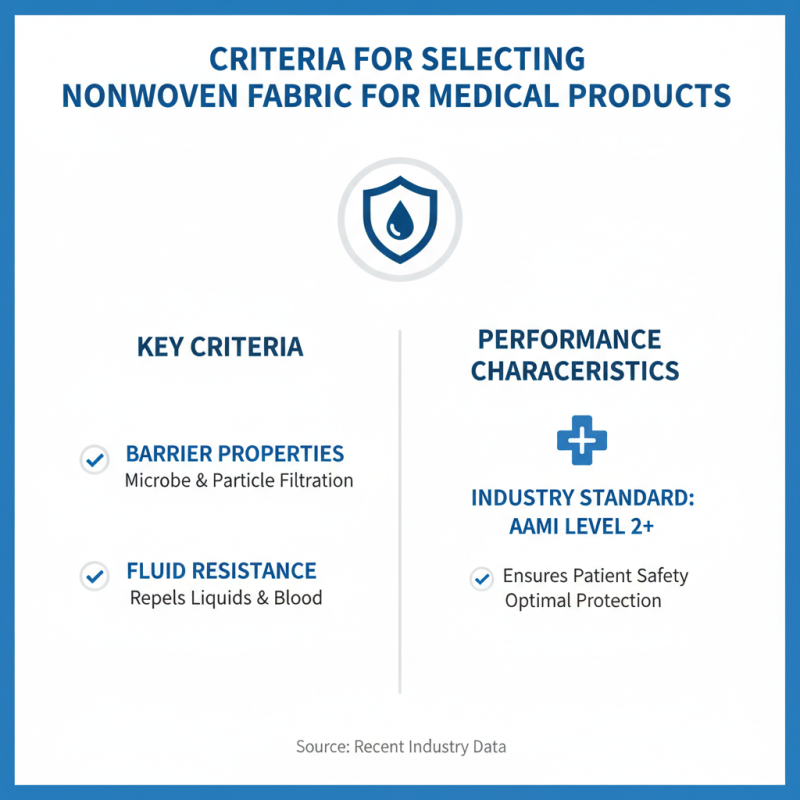
When selecting nonwoven fabric for medical applications, several criteria must be considered. Performance characteristics, such as barrier properties and fluid resistance, are critical. According to recent industry data, nonwoven fabrics used in medical contexts should have a minimum barrier level to ensure patient safety. For example, fluid-resistant fabrics typically achieve ratings of AAMI Level 2 or higher for optimal protection.
Durability and strength are equally important. Nonwoven medical products face rigorous handling during use. Fabrics that demonstrate tensile strength and puncture resistance are more reliable. Reports indicate that materials with a tensile strength of at least 20 N can withstand daily wear and tear effectively.
Biocompatibility is a crucial aspect that cannot be overlooked. Nonwovens must be tested to ensure they do not cause adverse reactions. For instance, materials passing cytotoxicity tests are essential for surgical applications. It is vital to reflect on the potential risks associated with non-compatible materials, even if they meet other criteria. Manufacturers must keep evolving their practices and consider these factors deeply to ensure patient safety and product effectiveness.
Comparative Analysis of Different Nonwoven Fabric Types in Healthcare
When selecting nonwoven fabric for medical applications, the type of material plays a crucial role. Polyester, polypropylene, and rayon are commonly used. Each exhibits unique properties suited for specific healthcare needs. For instance, polypropylene is lightweight and hydrophobic, making it ideal for surgical gowns. In contrast, polyester provides a higher strength-to-weight ratio, suitable for durable medical supplies.
A comparative analysis highlights that the type of fiber influences both comfort and functionality. In 2021, the global nonwoven fabrics market reached $50 billion, with healthcare usage accounting for a significant share. Fabrics with antimicrobial properties are gaining traction, with studies indicating a 30% increase in demand for protective clothing. Moreover, biodegradable nonwovens are emerging, reflecting growing eco-consciousness in healthcare.
Despite these advances, challenges remain. Not all nonwoven fabrics are recyclable, raising questions about sustainability. Additionally, the effectiveness of antimicrobial treatments can vary significantly; some may not withstand multiple washes, thus losing their protective qualities. This inconsistency emphasizes the importance of rigorous testing and certification processes in the healthcare sector.

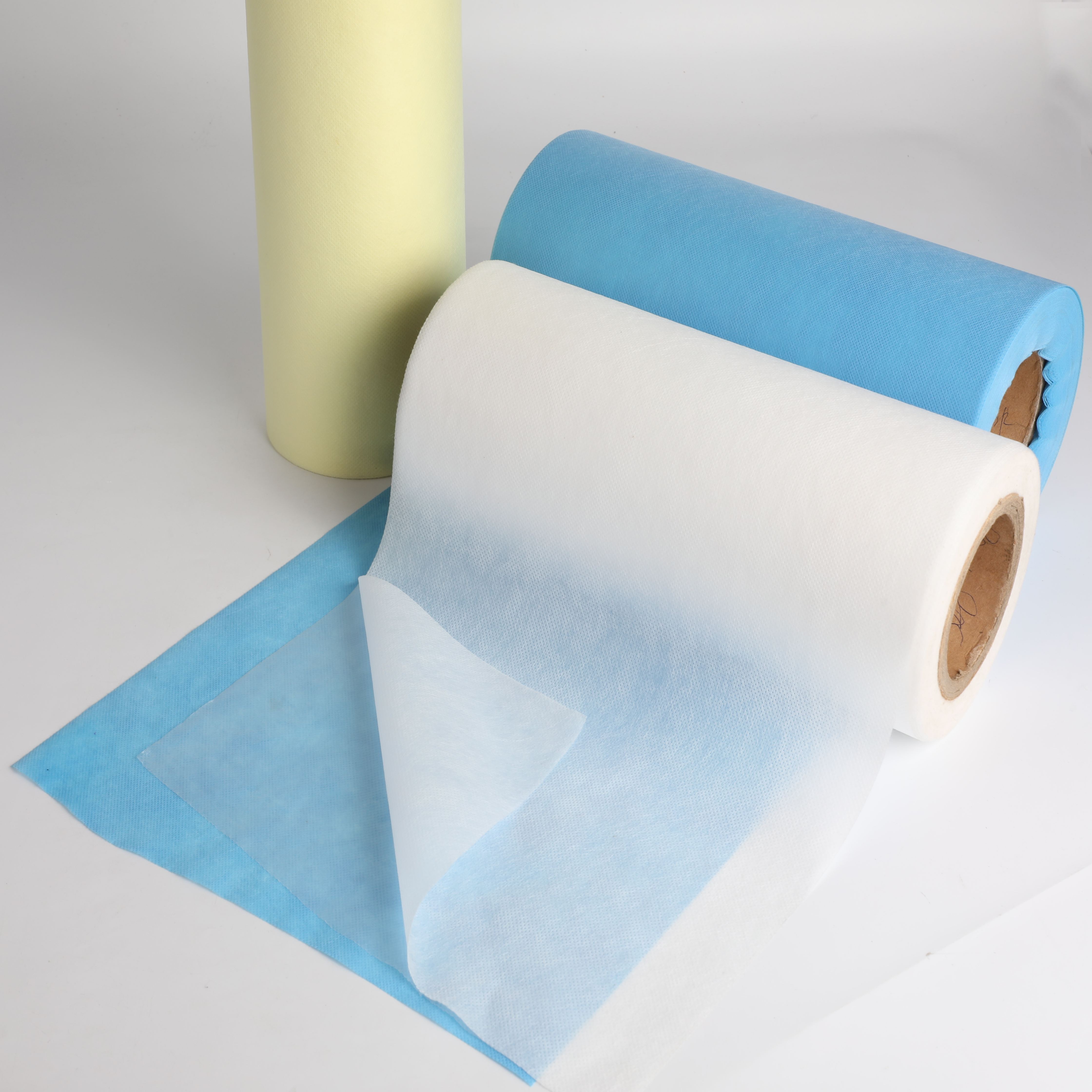 PP Laminates
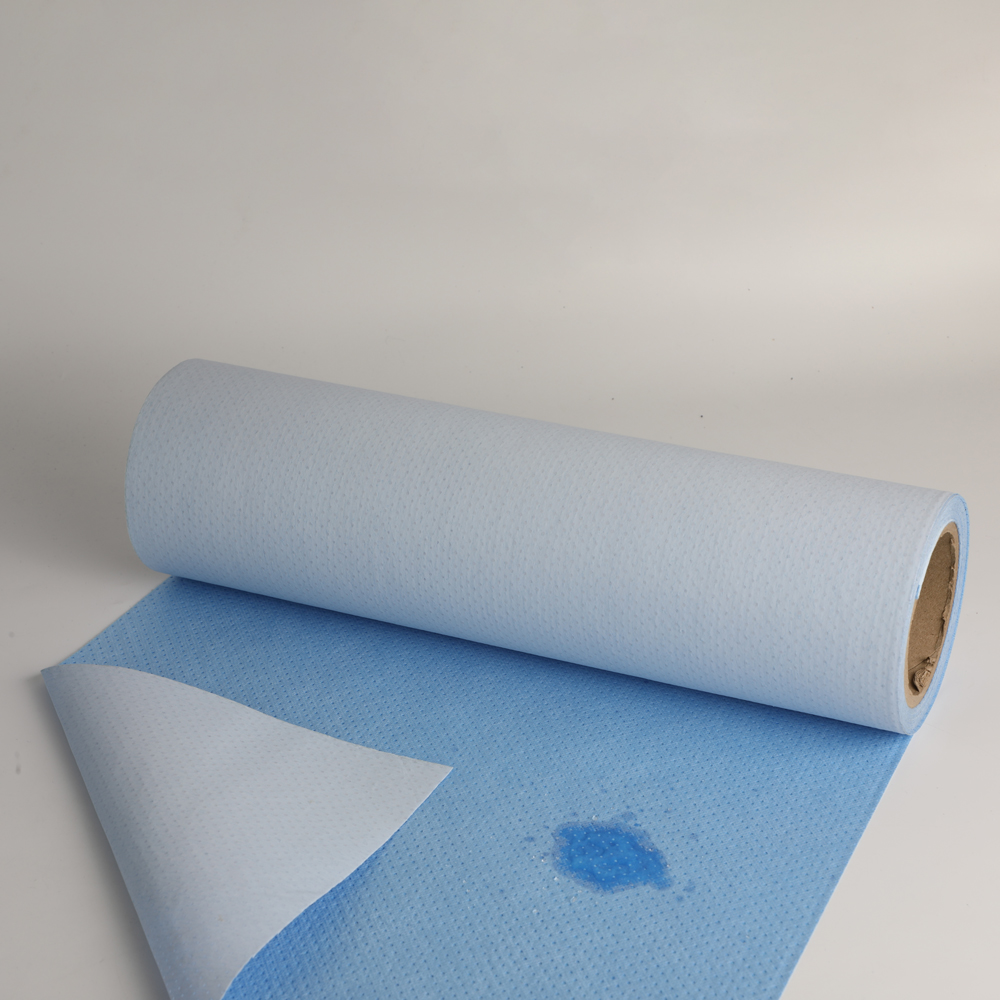 Multi Laminates
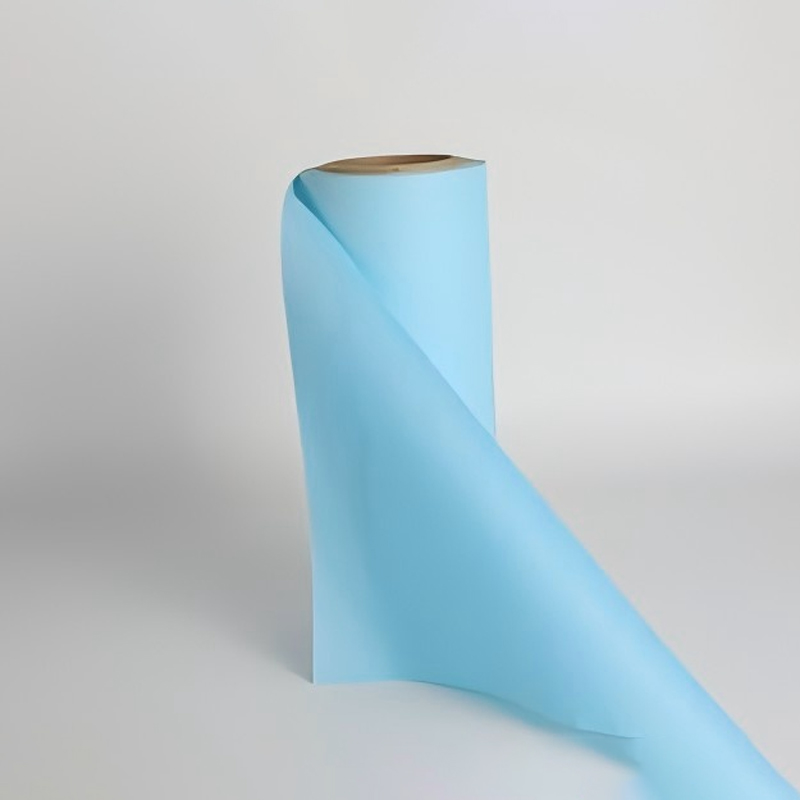 Spunlace Nonwoven Laminates
 Breathable Film Laminates
 Viscose Laminates
 Medical Viscose Nonwoven
 Head Wear Nonwoven
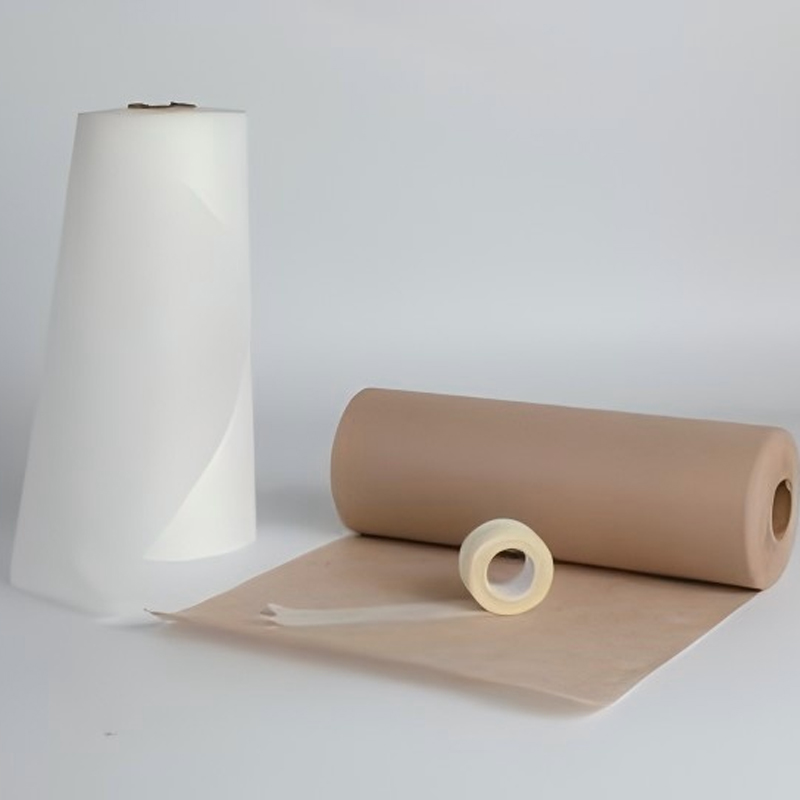 Medical Tape Nonwoven
 Snus Pouch Nonwoven
 Filtration Nonwoven
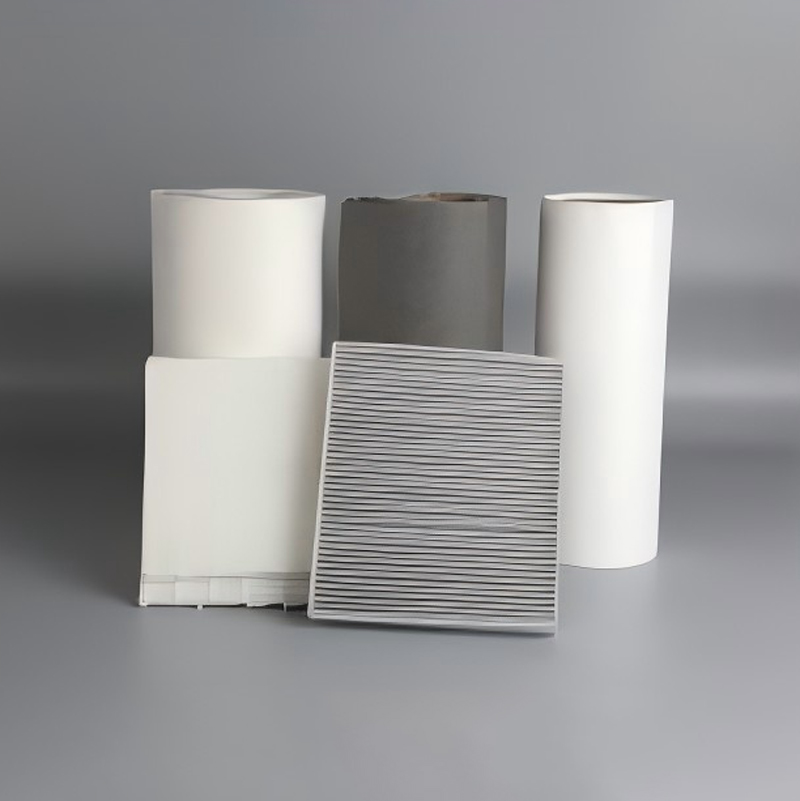 Air Filter Media
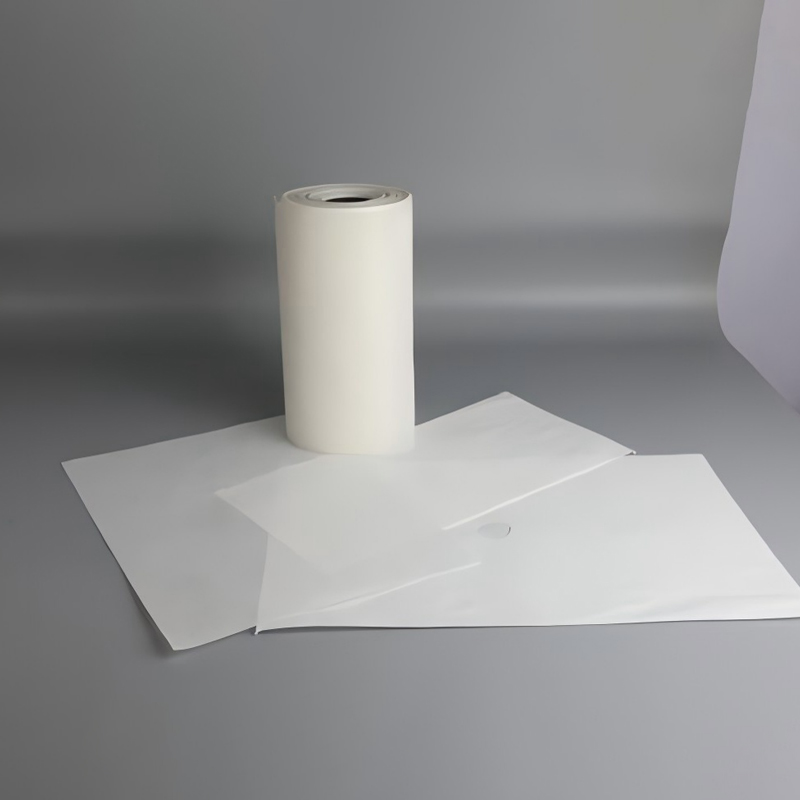 Liquid Filter Media
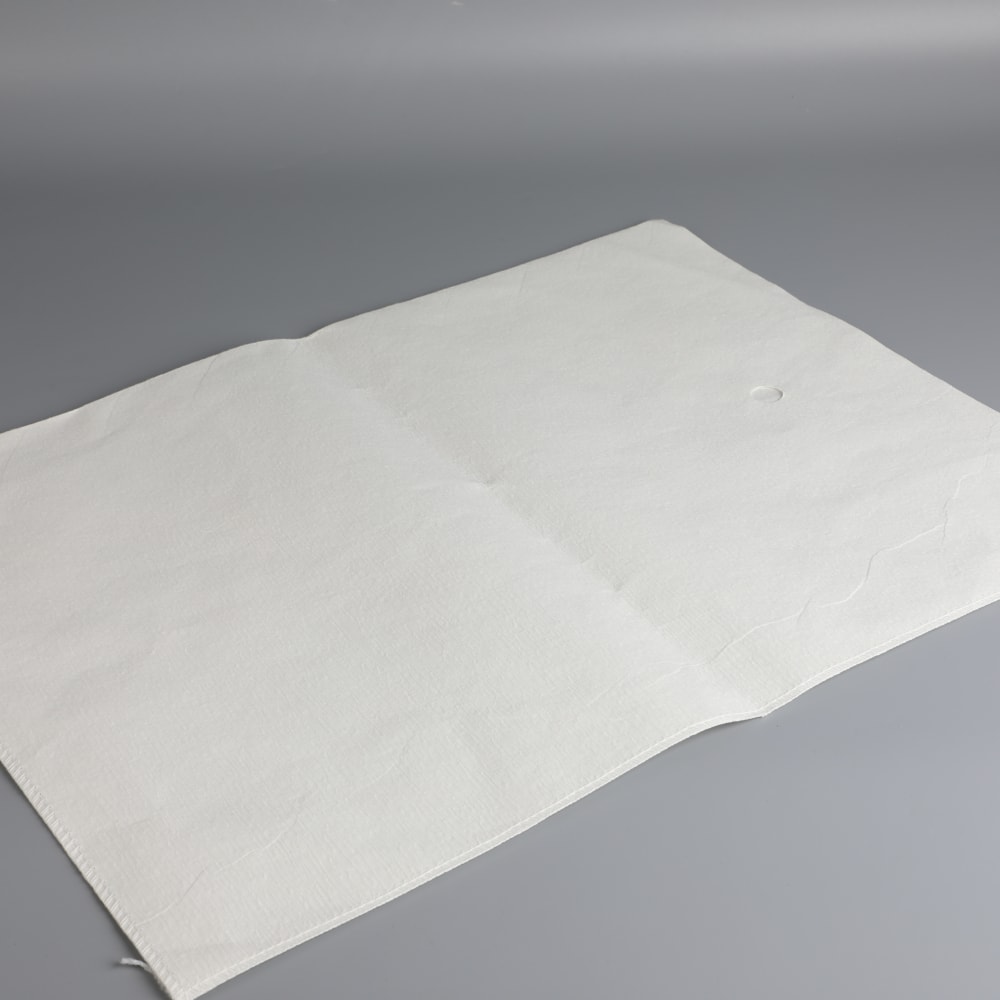 Filter Envelope & Filter Sheet
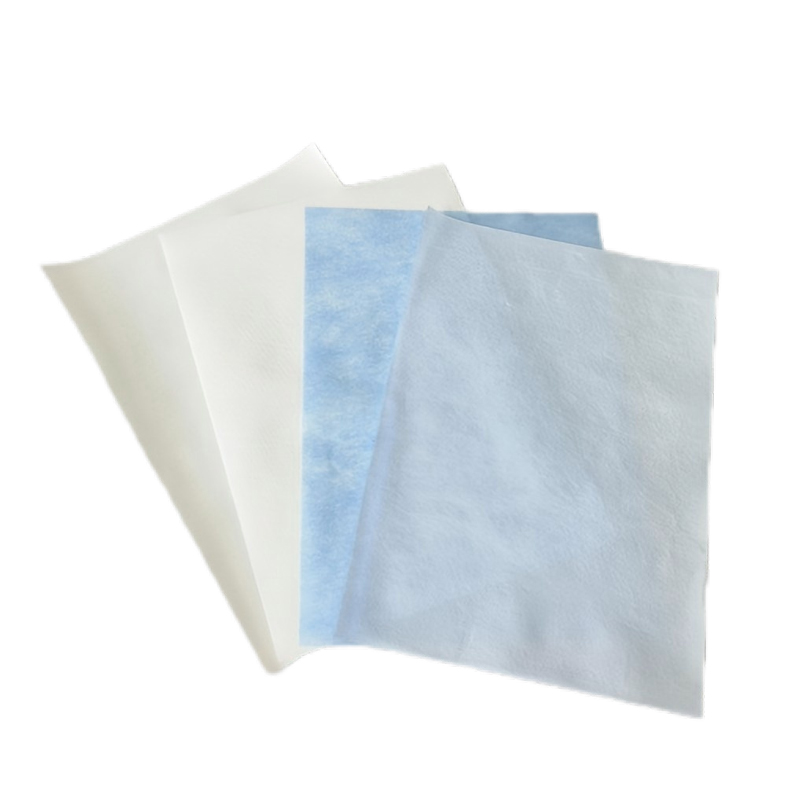 Breathable Film Laminates
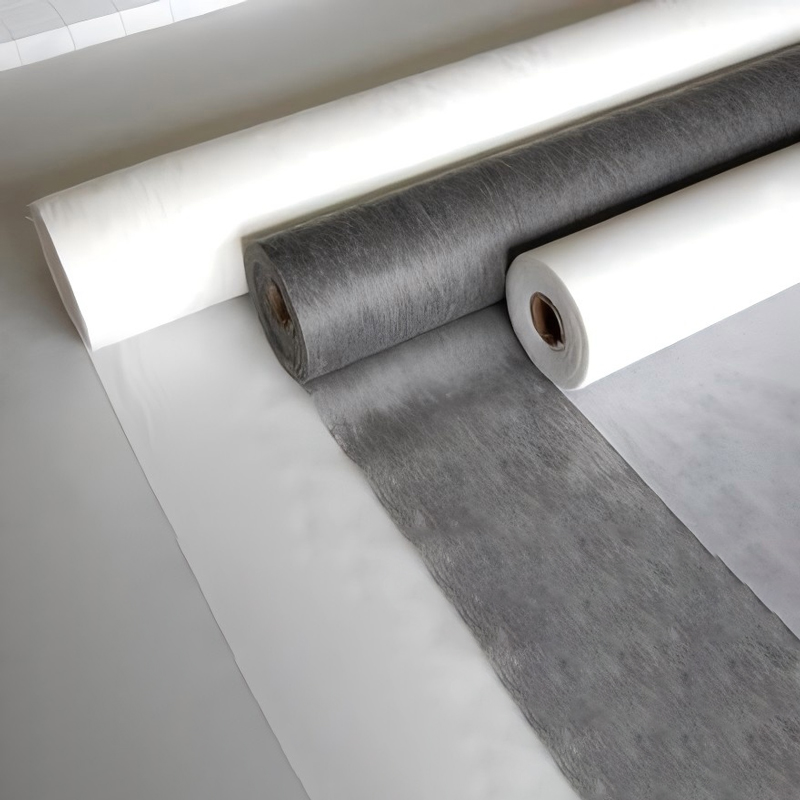 Nonwoven Interlining
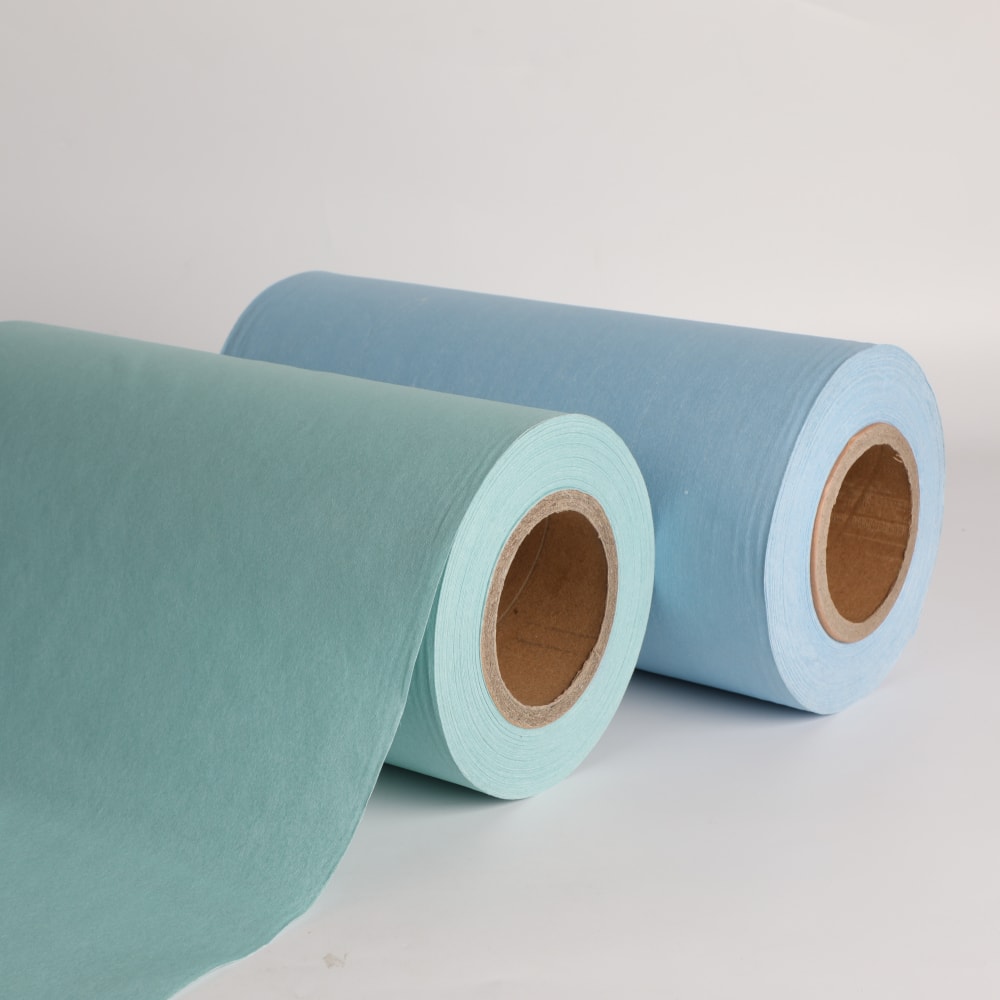 Fluid Repellent Woodpulp Spunlace Nonwoven
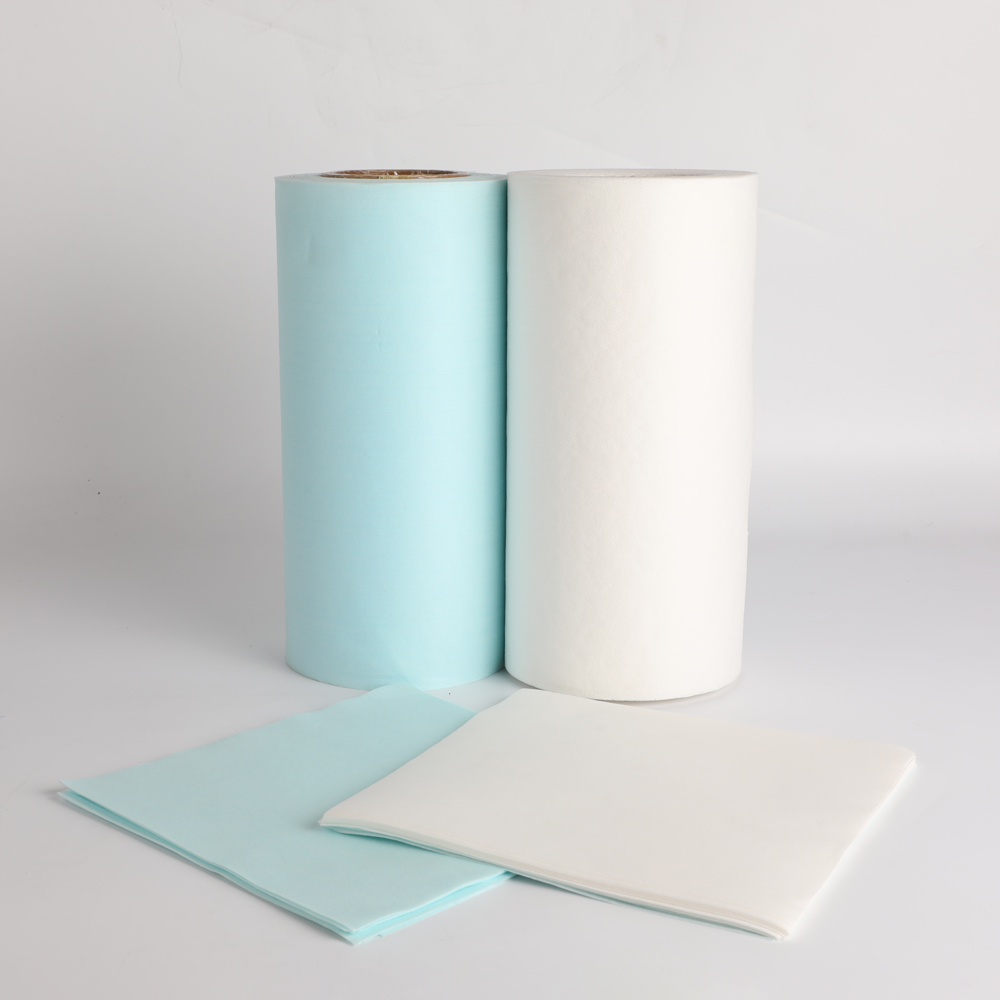 Woodpulp Nonwoven Wipe
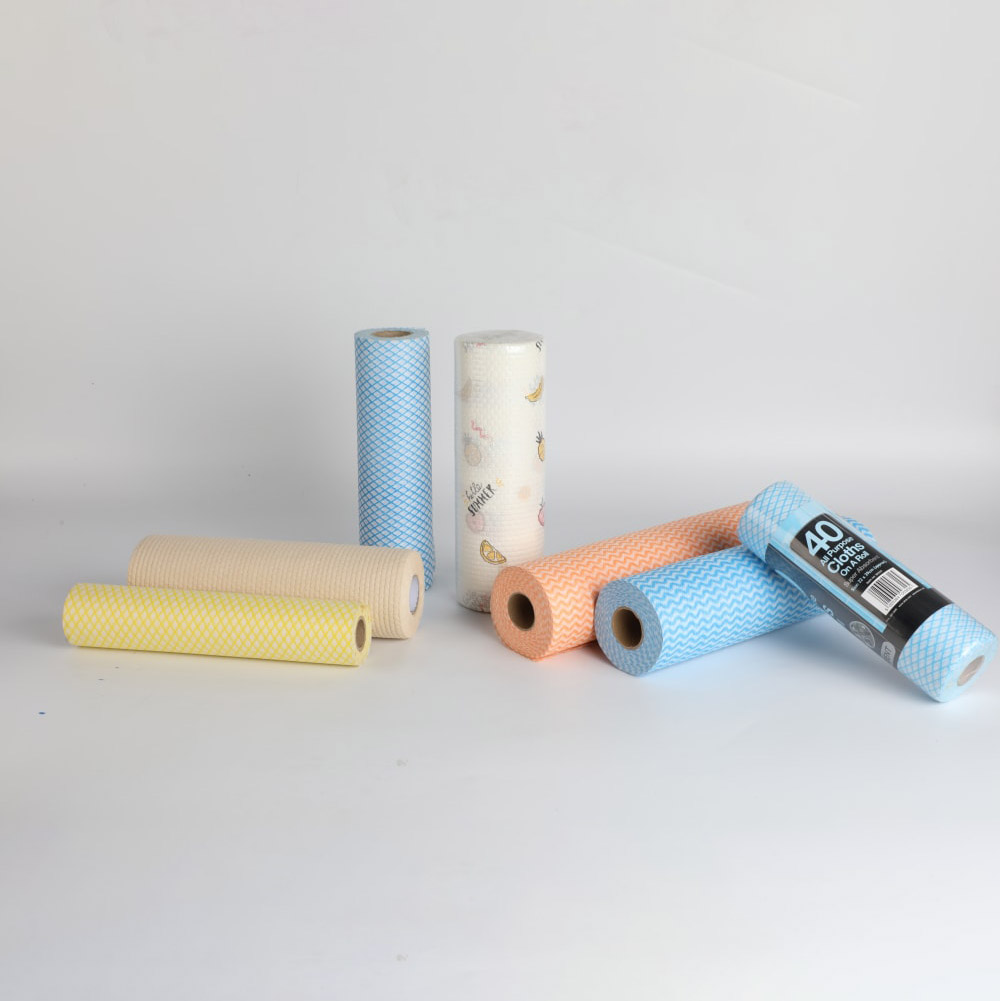 Nonwoven Cleaning Wipe
 Curtain Nonwoven
 Food Grade Packaging Nonwoven
 Aluminized Nonwoven
 Hot Air Cotton Nonwoven
 Flame Retardant Nonwoven
 Cable Wrapping Nonwoven
 Semi-conductive Nonwoven
 Anti-Bacterial Nonwoven
 +8613957712400
 CONTACT WhatsApp
 CONTACT WeChat
 CONTACT NUMBER
 CONTACT EMAIL