Top Durable Nonwoven Filter Fabric Manufacturers Worldwide?
Choosing the top Durable Nonwoven Filter Fabric manufacturers worldwide requires more than comparing product catalogs. It demands practical attention to filtration performance, material consistency, production capacity, and documented quality systems. This introduction frames a careful review of suppliers serving industrial, environmental, medical, automotive, and process filtration markets.
Experienced buyers usually inspect the fabric before accepting impressive specifications. They examine fiber type, basis weight, thickness, air permeability, tensile strength, pore structure, and temperature resistance. A sample may look uniform under warehouse lighting, yet perform differently after humidity, pressure, or repeated cleaning. That detail matters.
Reliable manufacturers should explain their raw material sources, testing methods, batch controls, and technical support. Certifications can strengthen trust, but they should support evidence rather than replace it. Factory audits, traceable reports, production photographs, and customer feedback provide a more realistic picture. Global reach also means understanding regional delivery requirements and application conditions.
No ranking is perfect. Some suppliers publish limited data, while others use different testing standards. That makes direct comparison difficult. This guide therefore considers transparent evidence, manufacturing experience, customization capability, and long-term performance. It also recognizes a common weakness: laboratory results may not fully predict field behavior. Readers should validate critical claims through samples and controlled trials. The manufacturers discussed here represent strong candidates, but final selection should match the filter’s actual dust load, moisture exposure, operating temperature, and maintenance schedule. Small details often decide whether a fabric lasts for months or several demanding years.
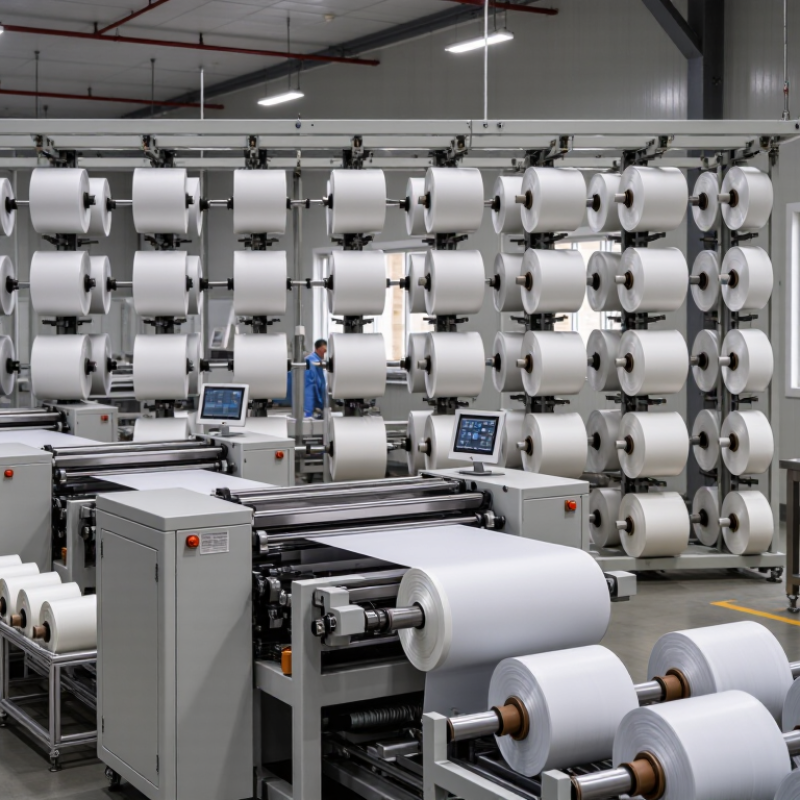
What Makes Nonwoven Filter Fabrics Durable and Effective
Durable nonwoven filter fabrics begin with the right fiber and bonding system. Polypropylene suits many dry filtration uses because it resists moisture and several common chemicals. Polyester can offer stronger heat resistance and dimensional stability. Fiber diameter also matters. Fine fibers capture smaller particles, but they may increase pressure drop. A practical design must balance both needs.
Manufacturers improve durability through thermal bonding, needle punching, or controlled resin treatment. These methods affect tensile strength, abrasion resistance, and resistance to repeated airflow. A filter that looks thick may still tear at its edges. Reinforced seams and stable pleats often prevent this failure. Testing should measure air permeability, burst strength, dust-holding capacity, and performance after moisture exposure. ISO-based test methods can support more reliable comparisons, though laboratory results may not match every operating site.
Real service conditions remain decisive. High humidity, vibration, cleaning cycles, and sudden pressure changes can shorten fabric life. No material performs perfectly everywhere. A heavier fabric is not automatically better. It can consume more energy if airflow becomes restricted. Careful manufacturers examine the full filter assembly, not only the fabric roll. They should provide traceable specifications, consistent production records, and clear guidance for storage and installation. Even then, field feedback deserves attention. Small cracks around a frame may reveal a design weakness that routine testing missed.
Key Applications Across Industrial and Environmental Filtration
Top Durable Nonwoven Filter Fabric Manufacturers Worldwide?
Durable nonwoven filter fabrics support dust collection, HVAC systems, wastewater treatment, and industrial oil-mist control. Common structures include needle-punched, meltblown, spunbond, and wet-laid media. Each handles different pressure, temperature, and particle conditions. Grand View Research reported that the global industrial filtration market reached approximately USD 32 billion in 2023. This growth reflects stricter air-quality targets and expanding process industries.
Environmental filtration needs more than high initial efficiency. Fabrics must resist moisture, chemicals, abrasion, and repeated cleaning cycles. Wastewater plants often use durable media for suspended-solids removal and sludge dewatering. In air systems, ISO 16890 testing helps compare particulate performance across filter classes. However, a higher basis weight does not automatically mean longer service life. Poor pleat design or weak seam construction can shorten performance. That trade-off is easy to underestimate.
Tips: Ask manufacturers for full test reports, not only efficiency claims. Check pressure-drop data at the intended airflow. Request samples for dust-loading and wash-cycle trials. Review fiber compatibility with acids, alkalis, oils, and biological residue. Site conditions can be surprisingly inconsistent. A fabric that performs well in a laboratory may behave differently beside a humid press, boiler, or treatment basin. Specification reviews should include disposal requirements and the total operating cost, not only purchase price.
Leading Global Manufacturers of Durable Nonwoven Filter Fabrics
Durable nonwoven filter fabric manufacturers are expanding as filtration demand moves across air, water, automotive, and industrial processing. Smithers’ The Future of Nonwovens to 2028 estimates the global nonwovens market will approach US$68.9 billion by 2028. Filtration remains a key growth application, supported by stricter efficiency expectations and longer equipment service intervals.
Leading global manufacturers typically combine spunbond, meltblown, needle-punched, or composite structures with controlled fiber diameters. Polypropylene, polyester, and aramid blends serve different temperature and chemical conditions. Buyers should examine basis weight, pore-size distribution, pressure drop, tensile strength, and dust-loading performance.
Laboratory data matters.
Factory visits matter more than polished brochures.
MarketsandMarkets projects the nonwoven filter media market to grow from about US$7.8 billion in 2023 to US$11.4 billion by 2028. This growth encourages new capacity, but scale does not guarantee consistency. That assumption is risky. A reliable supplier should provide batch traceability, ISO-based quality controls, and test results from recognized methods such as EN 779, ISO 16890, or ASTM procedures, where applicable. Regional manufacturers in Asia, Europe, and North America may offer different advantages in automation, customization, lead time, and technical support. Still, reports can simplify reality. Actual performance depends on airflow, humidity, contaminant shape, and installation design. Small pilot trials often reveal weaknesses that specifications miss.
Factors to Consider When Selecting a Filter Fabric Supplier
Selecting a durable nonwoven filter fabric supplier requires more than comparing price per kilogram. Grand View Research estimated the global nonwoven fabrics market at about USD 52 billion in 2023, with continued growth through 2030. Filtration is a major technical application, but market growth does not guarantee consistent quality.
Ask for measurable evidence.
A reliable supplier should provide basis weight, thickness, tensile strength, air permeability, pressure drop, and filtration efficiency. Request test reports using relevant standards, such as ISO 9073, ASTM D737, or ISO 16890. Check whether results come from an independent laboratory. Internal testing is useful, but it may not reveal production bias. This is where many purchasing decisions become too optimistic.
Durability also depends on heat, moisture, chemicals, and cleaning cycles. Request samples from different production batches. Test them after repeated loading, washing, or temperature exposure. Smithers’ technical nonwovens research identifies filtration as a growing demand area, driven by stricter performance expectations and industrial air-quality needs. Yet a strong report cannot replace factory inspection. Review raw-material traceability, defect controls, delivery records, and minimum order quantities. A supplier with excellent samples may still struggle during large-scale production. That uncomfortable possibility deserves attention. Compare total service life, not only the initial fabric cost.

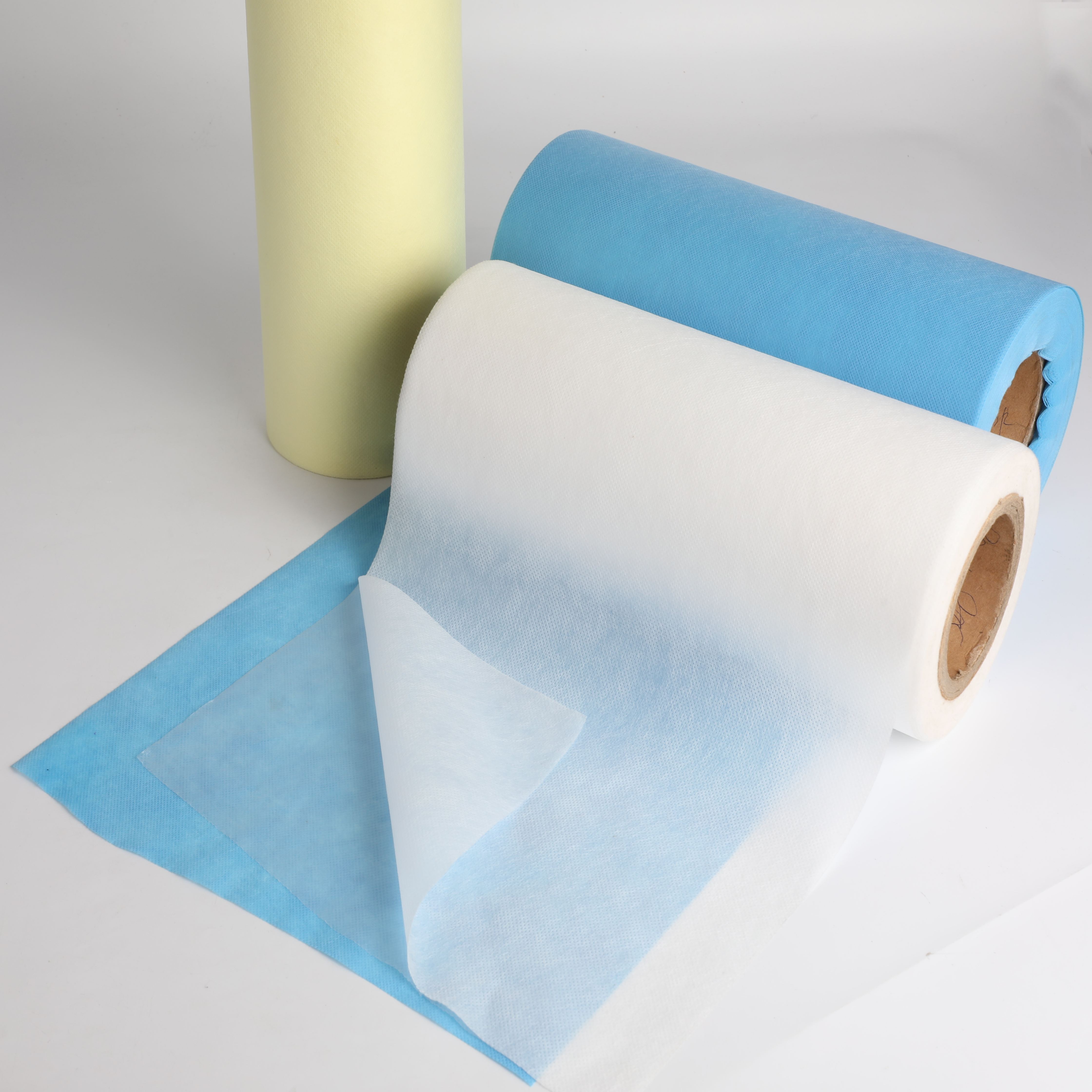 PP Laminates
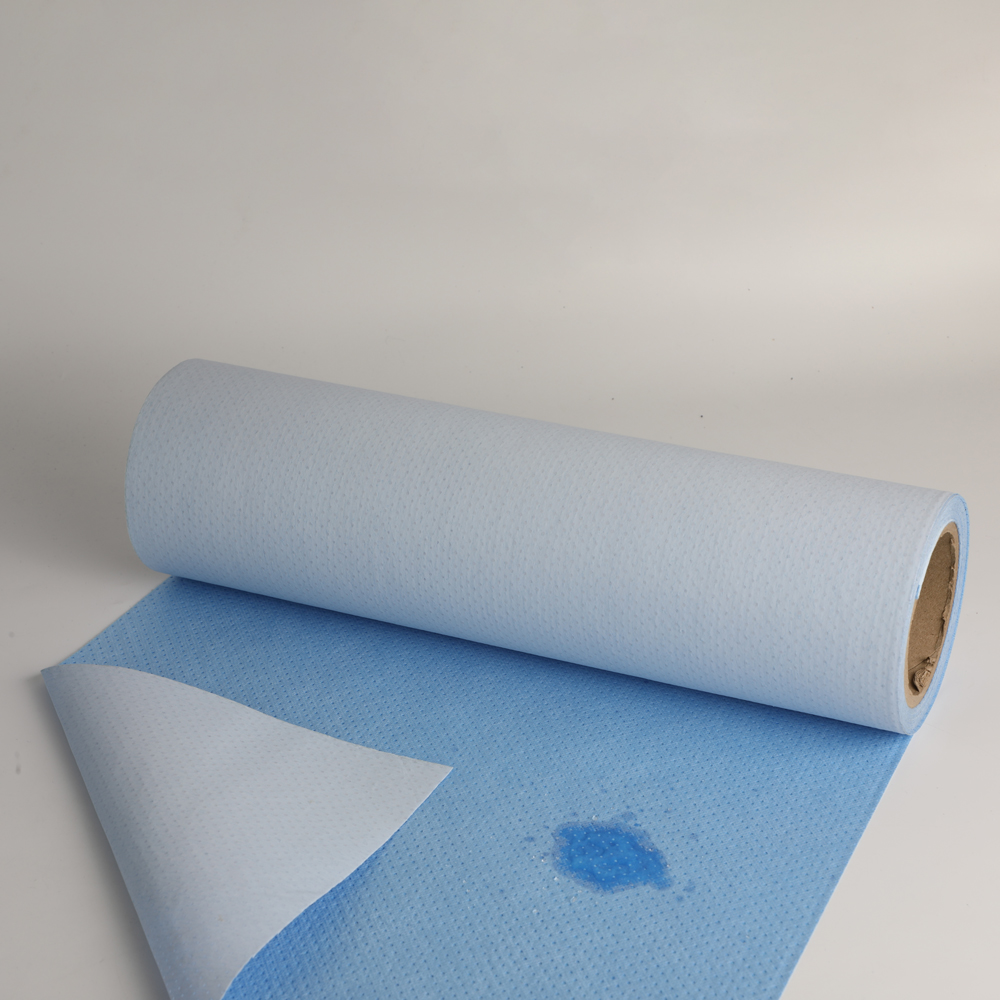 Multi Laminates
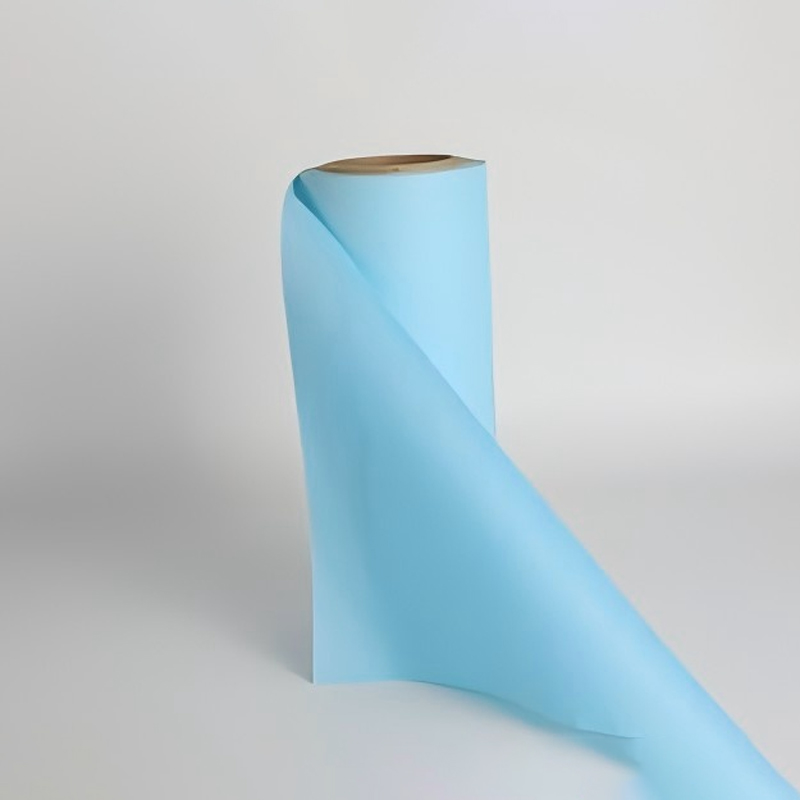 Spunlace Nonwoven Laminates
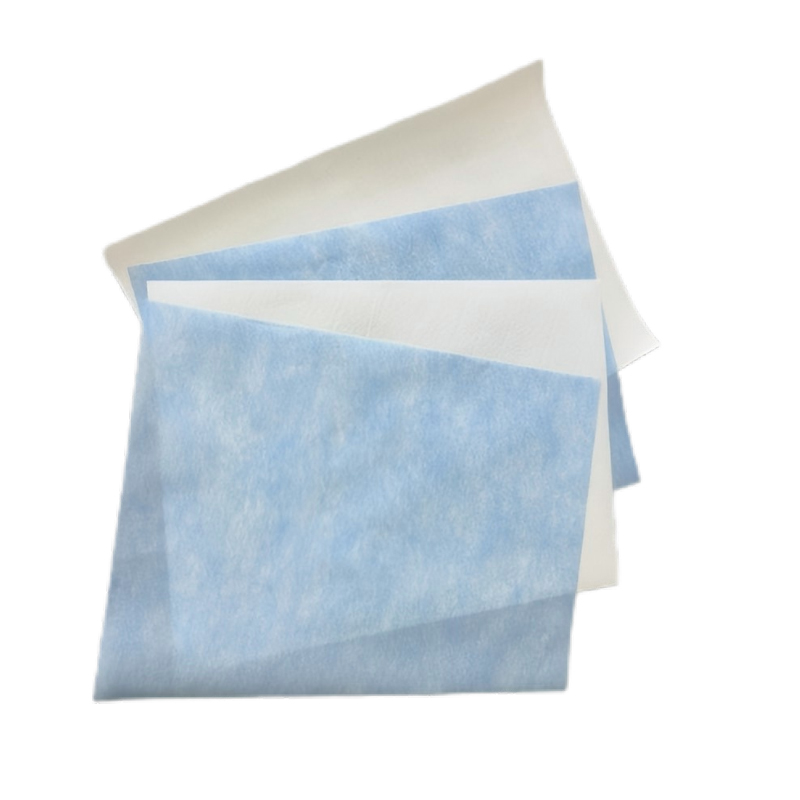 Breathable Film Laminates
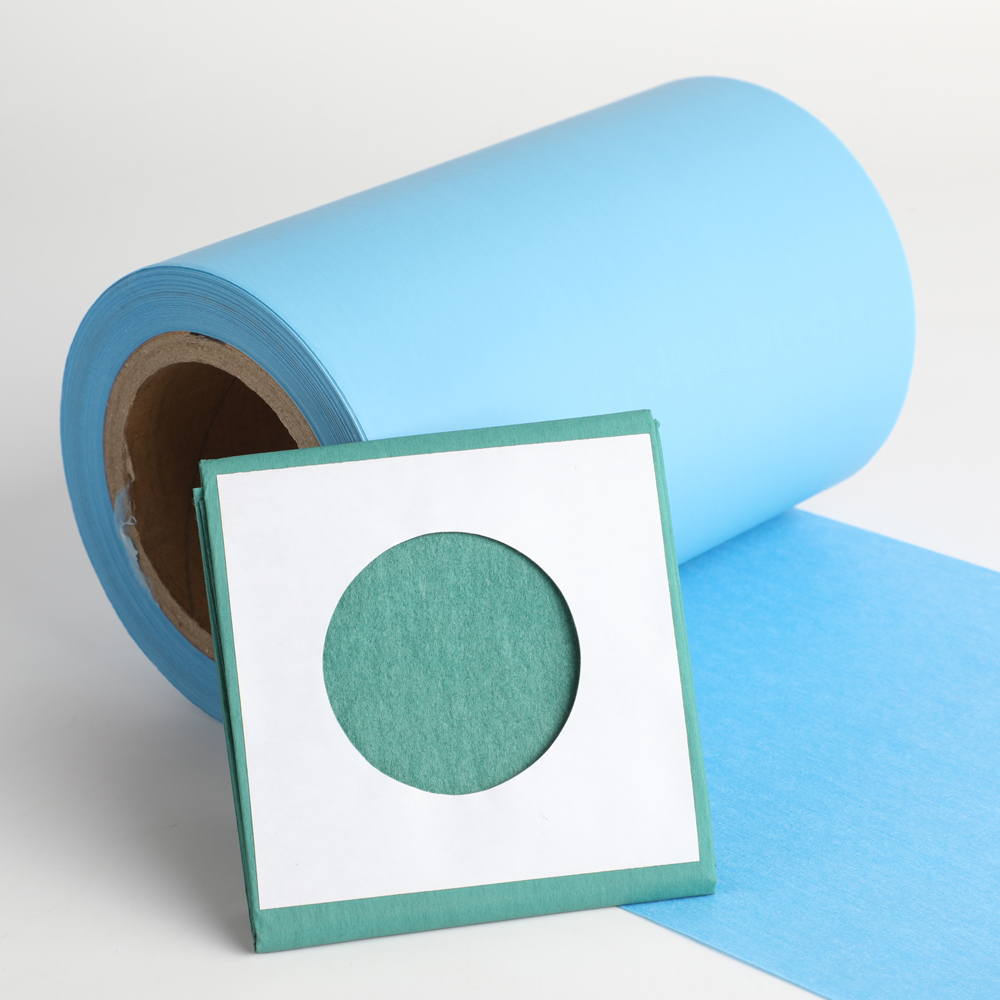 Viscose Laminates
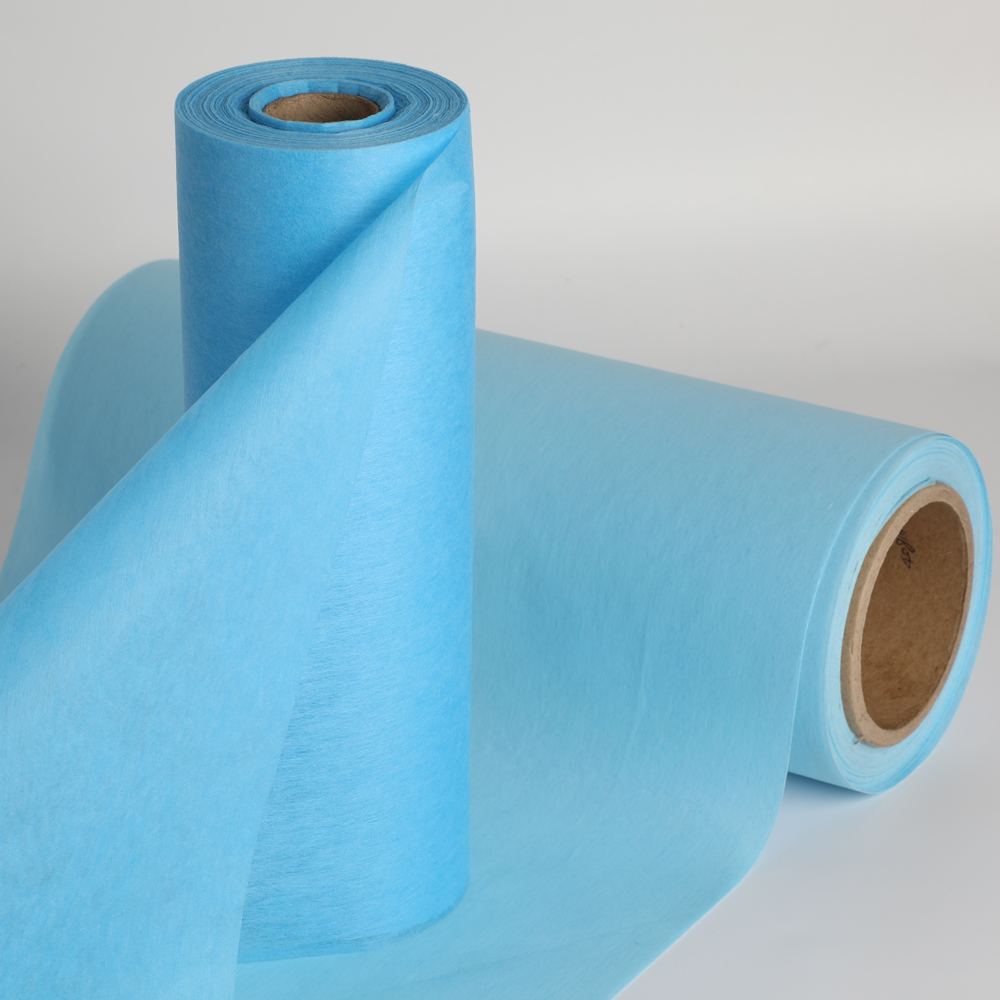 Medical Viscose Nonwoven
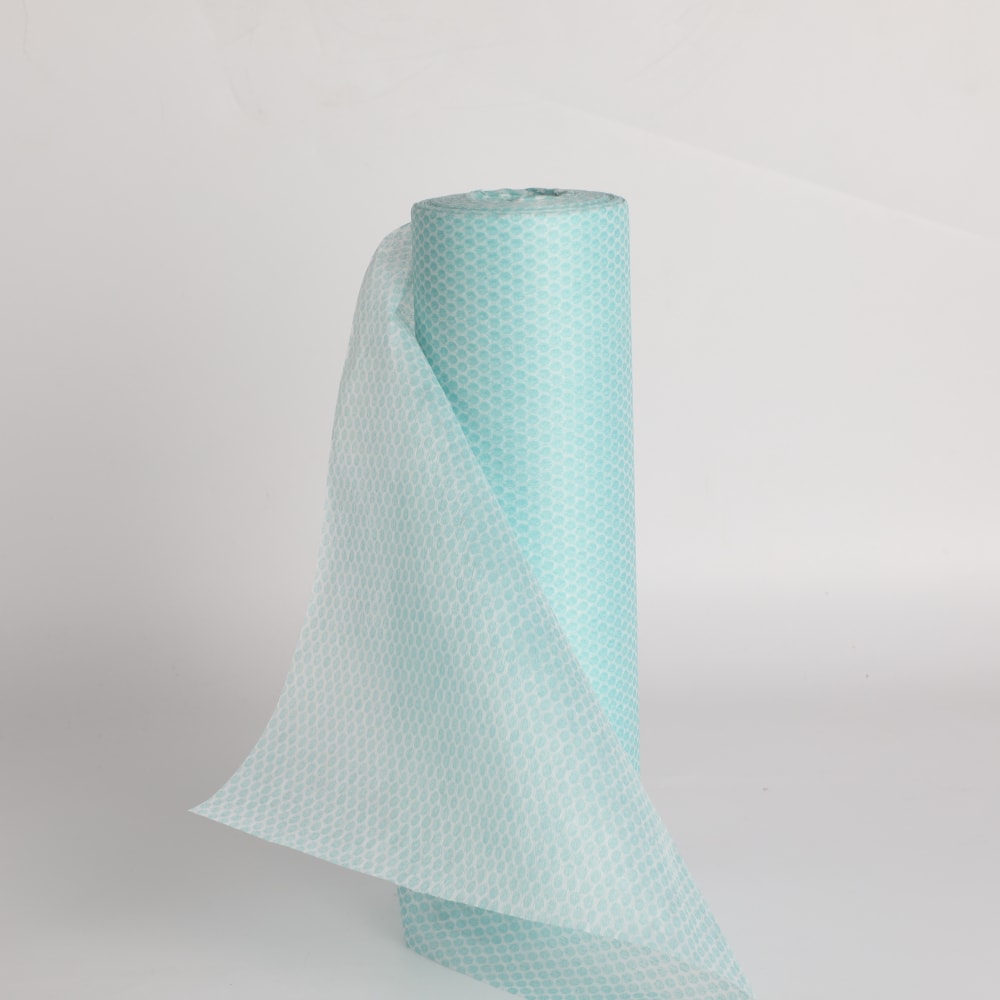 Head Wear Nonwoven
 Medical Tape Nonwoven
 Snus Pouch Nonwoven
 Filtration Nonwoven
 Air Filter Media
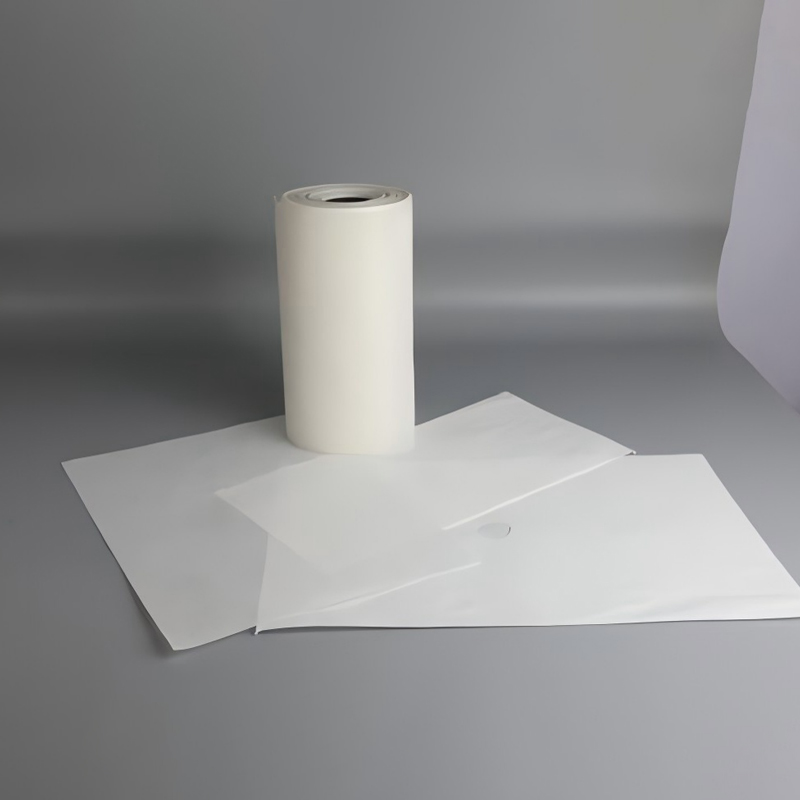 Liquid Filter Media
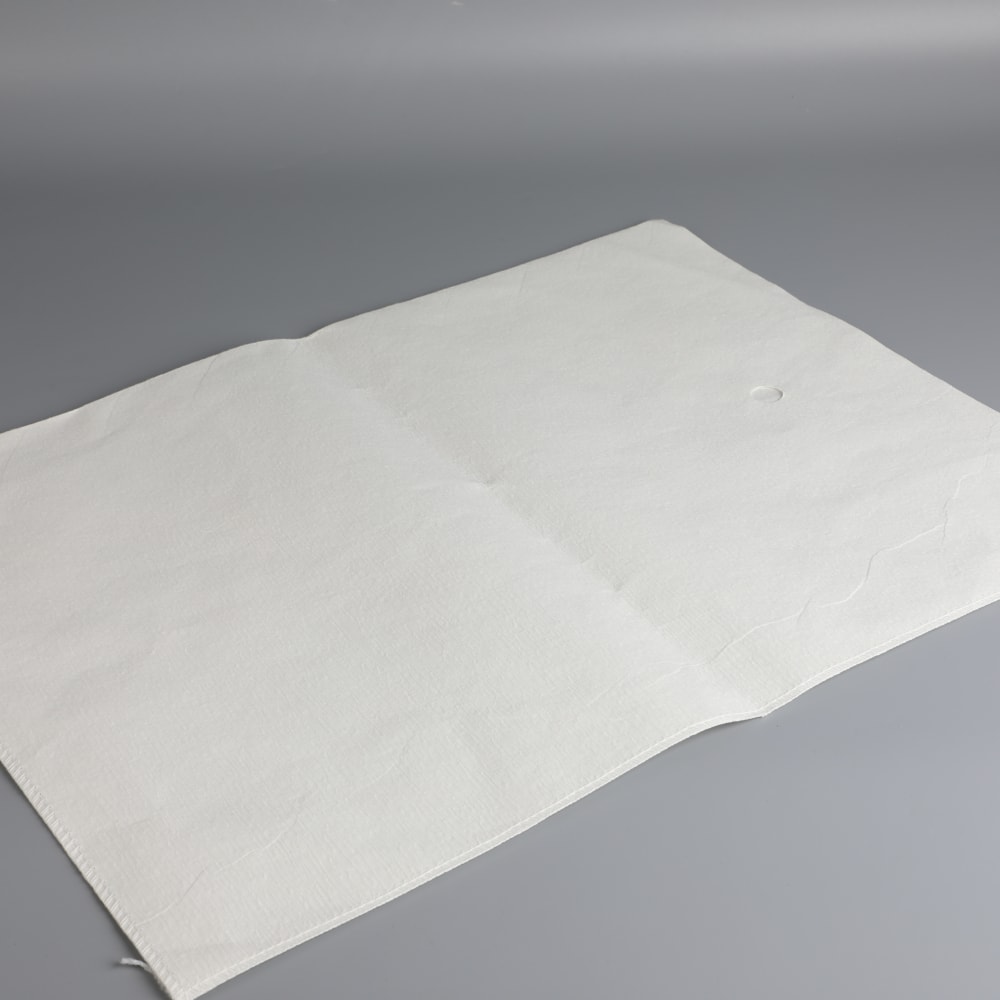 Filter Envelope & Filter Sheet
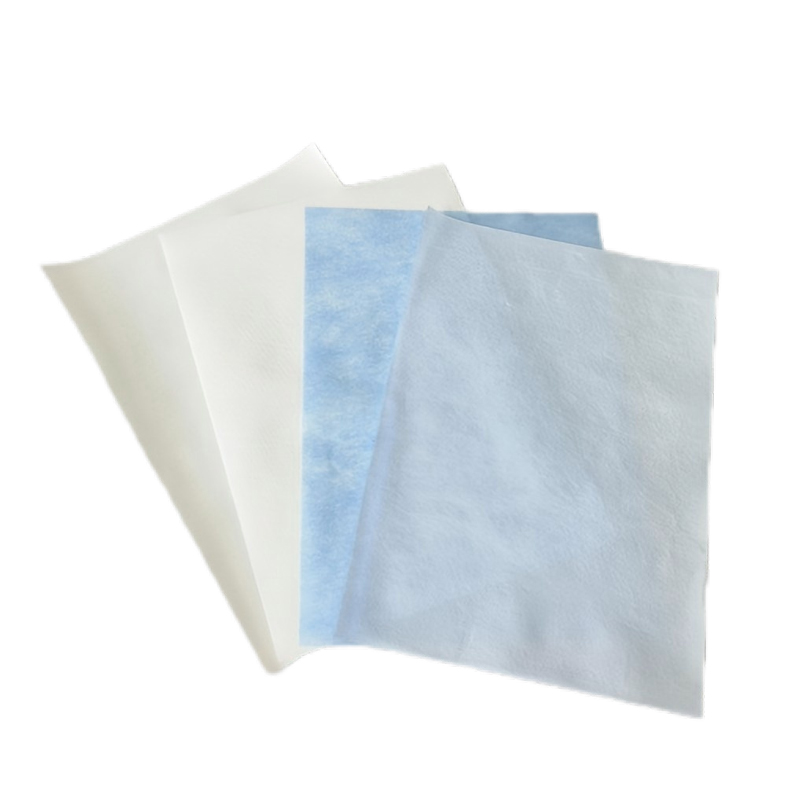 Breathable Film Laminates
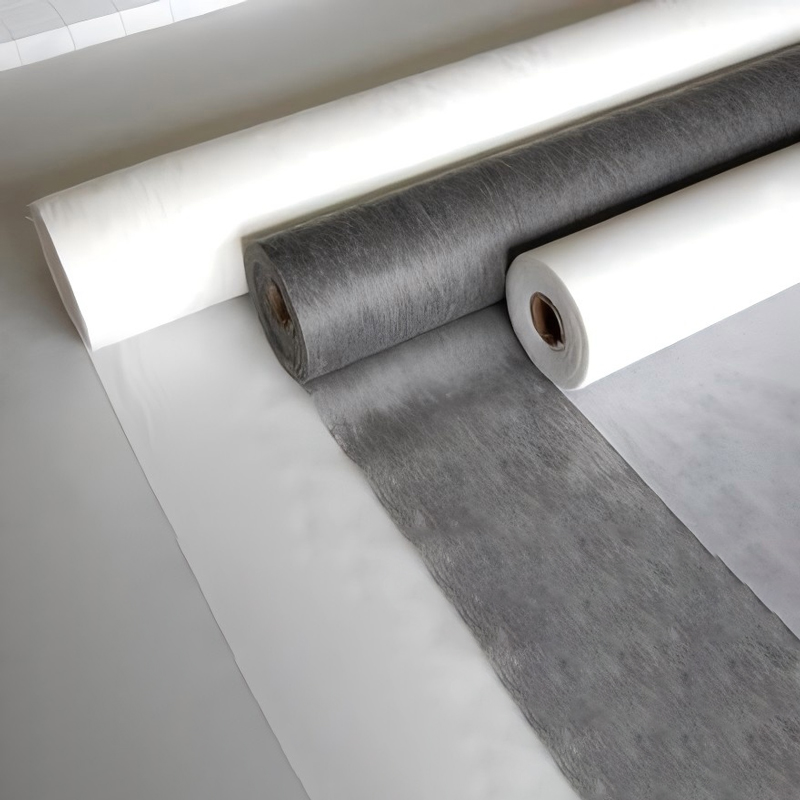 Nonwoven Interlining
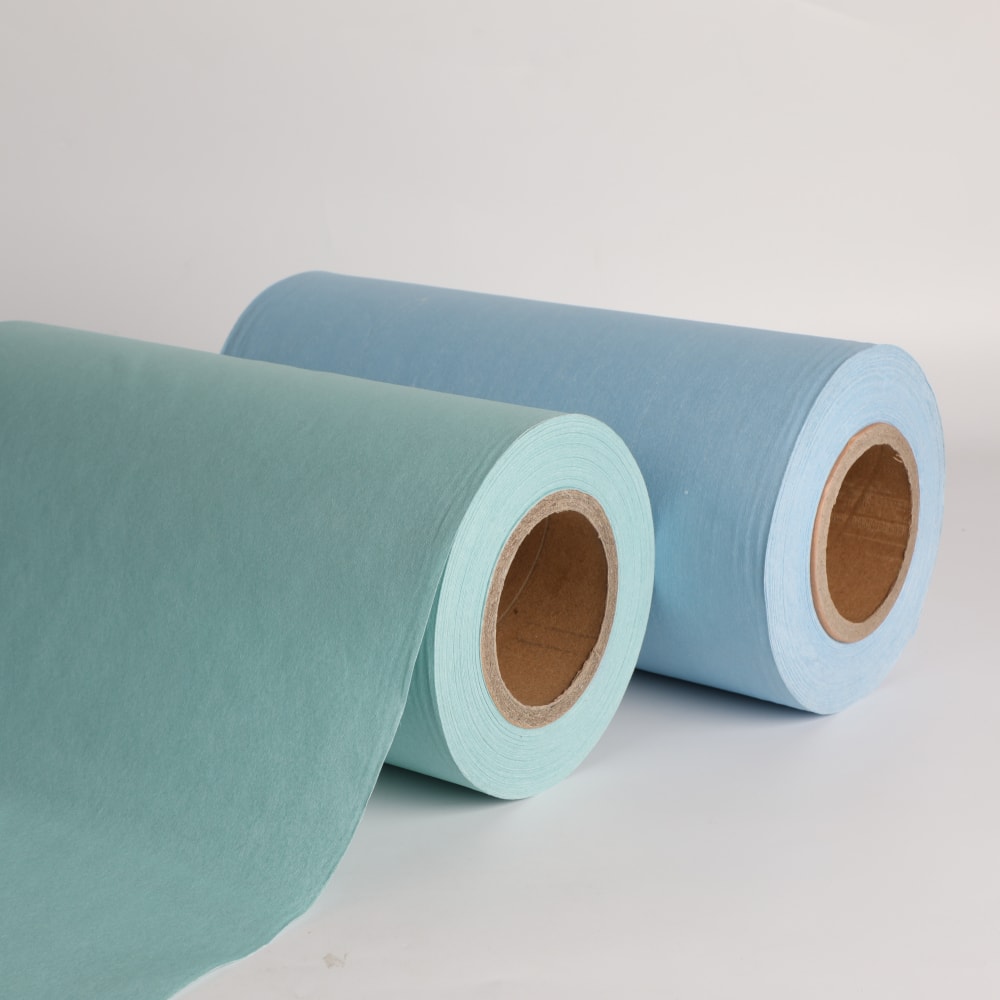 Fluid Repellent Woodpulp Spunlace Nonwoven
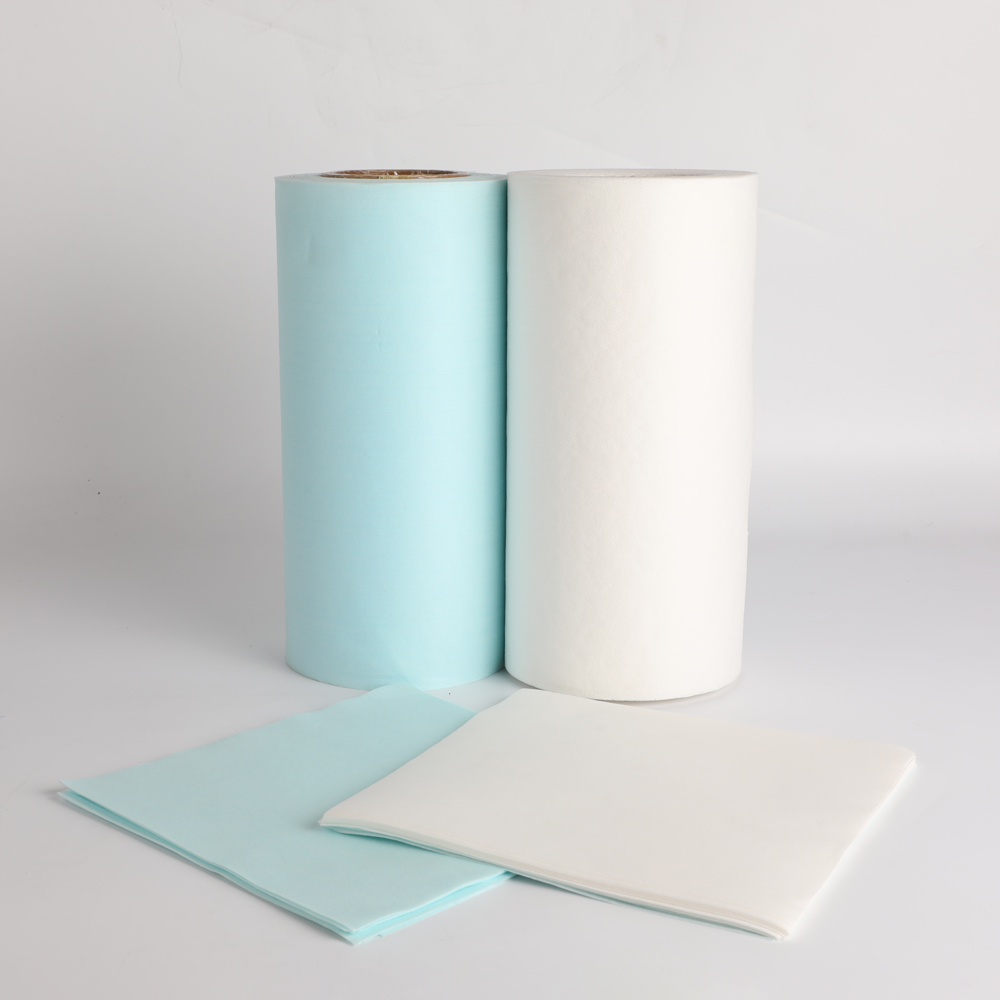 Woodpulp Nonwoven Wipe
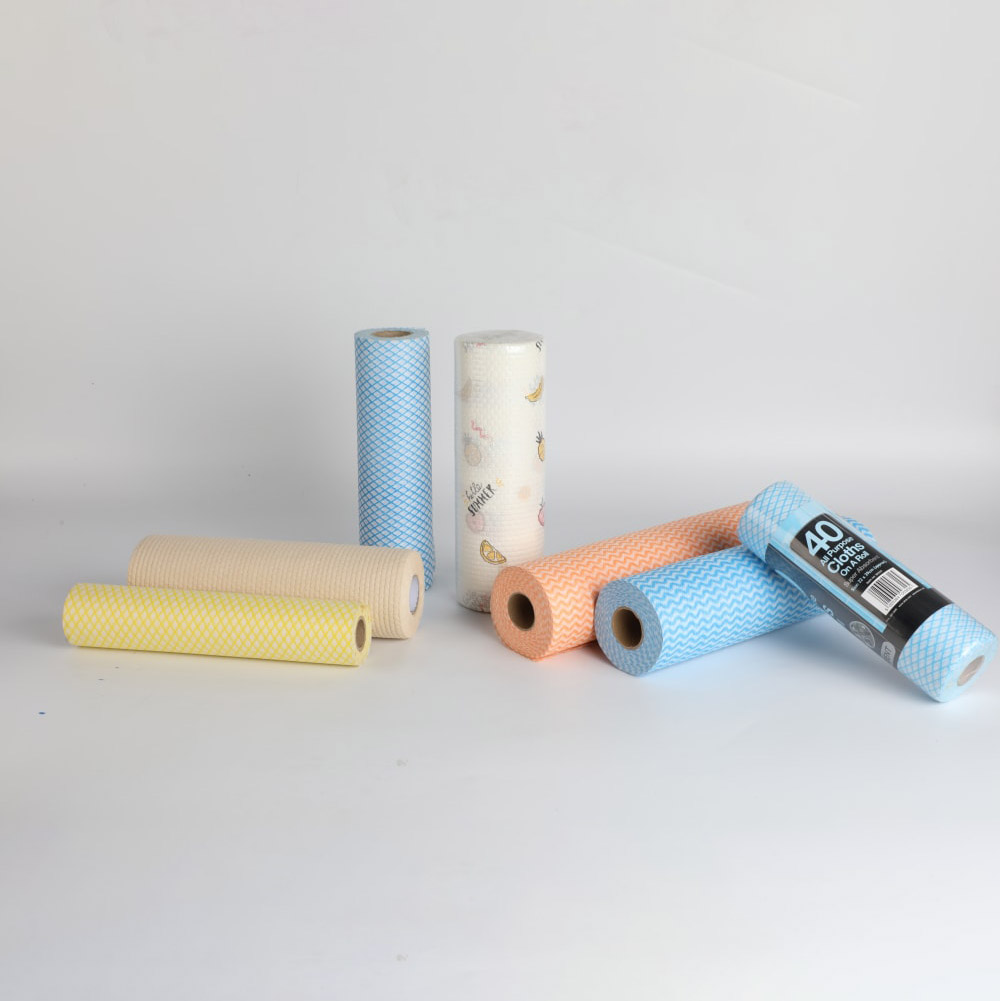 Nonwoven Cleaning Wipe
 Curtain Nonwoven
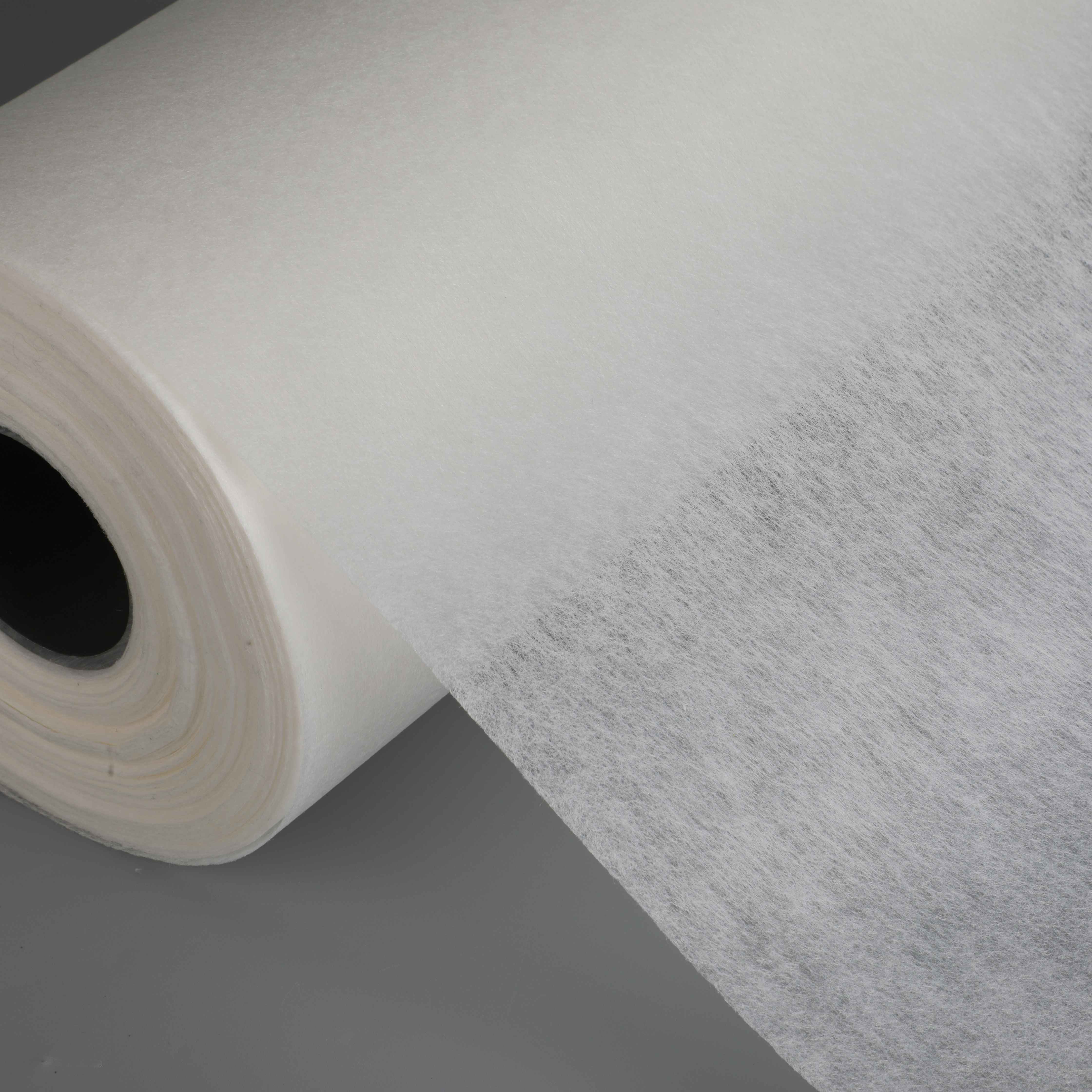 Food Grade Packaging Nonwoven
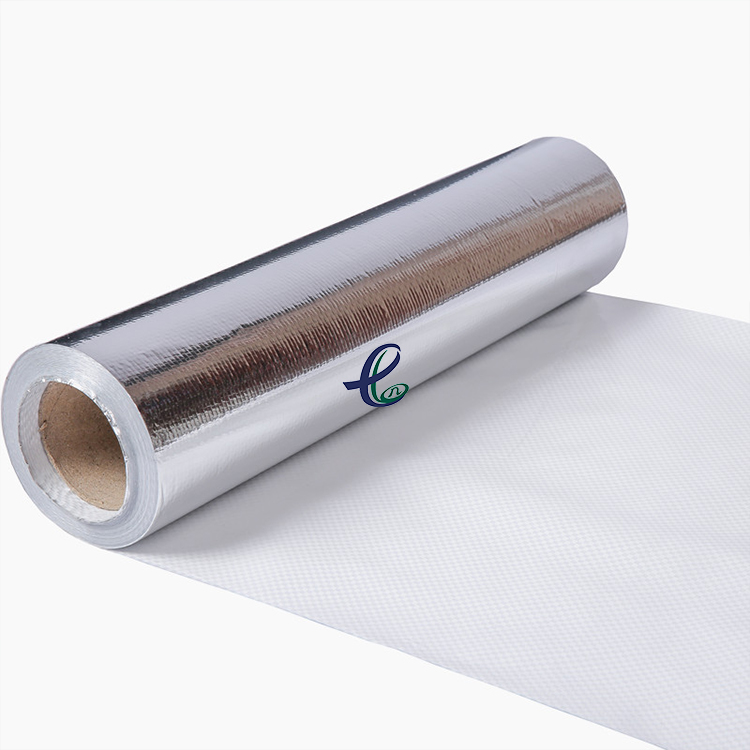 Aluminized Nonwoven
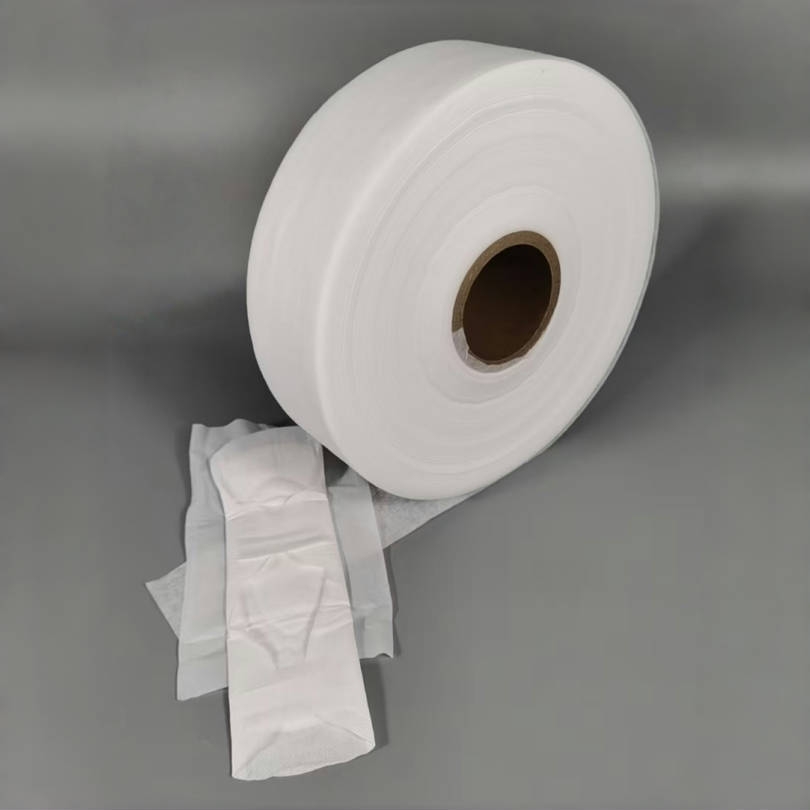 Hot Air Cotton Nonwoven
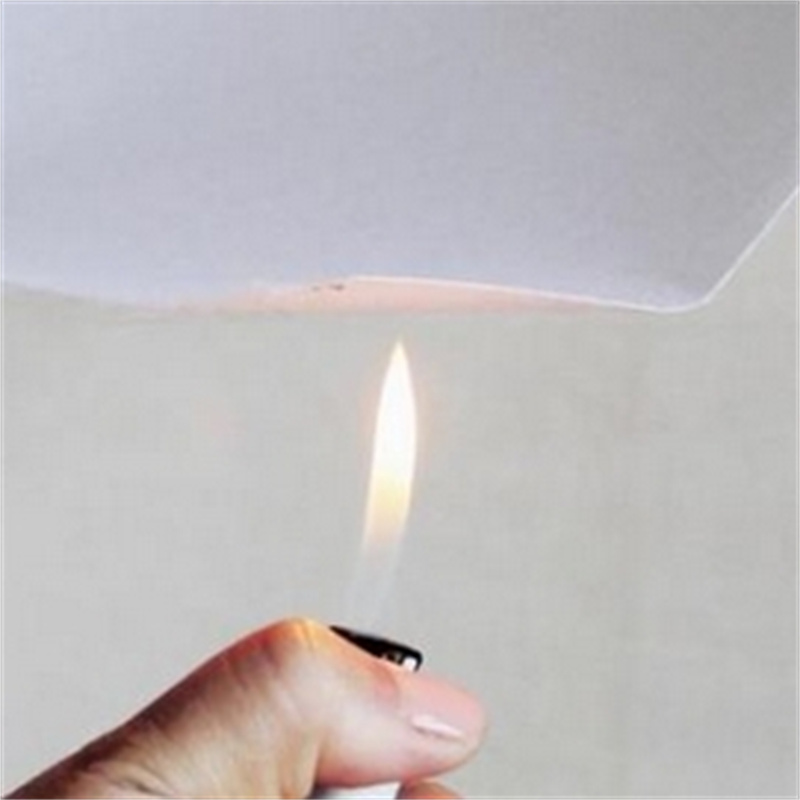 Flame Retardant Nonwoven
 Cable Wrapping Nonwoven
 Semi-conductive Nonwoven
 Anti-Bacterial Nonwoven
 +8613957712400
 CONTACT WhatsApp
 CONTACT WeChat
 CONTACT NUMBER
 CONTACT EMAIL