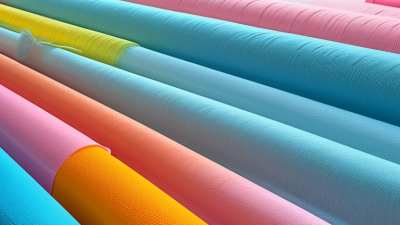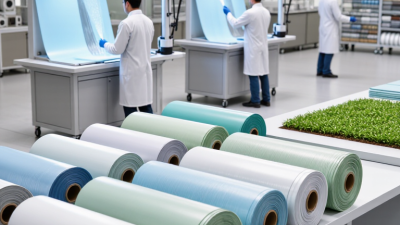
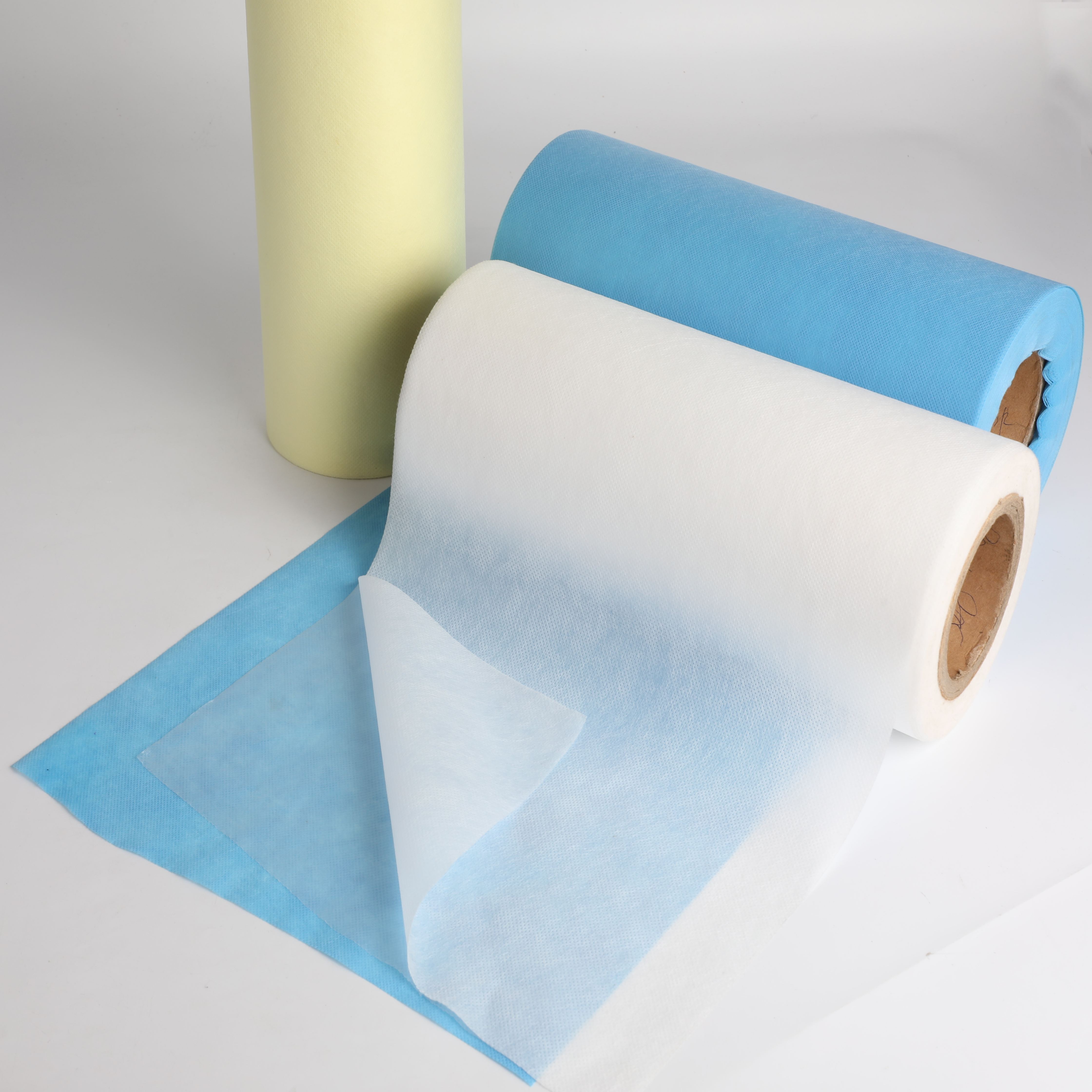
 PP Laminates
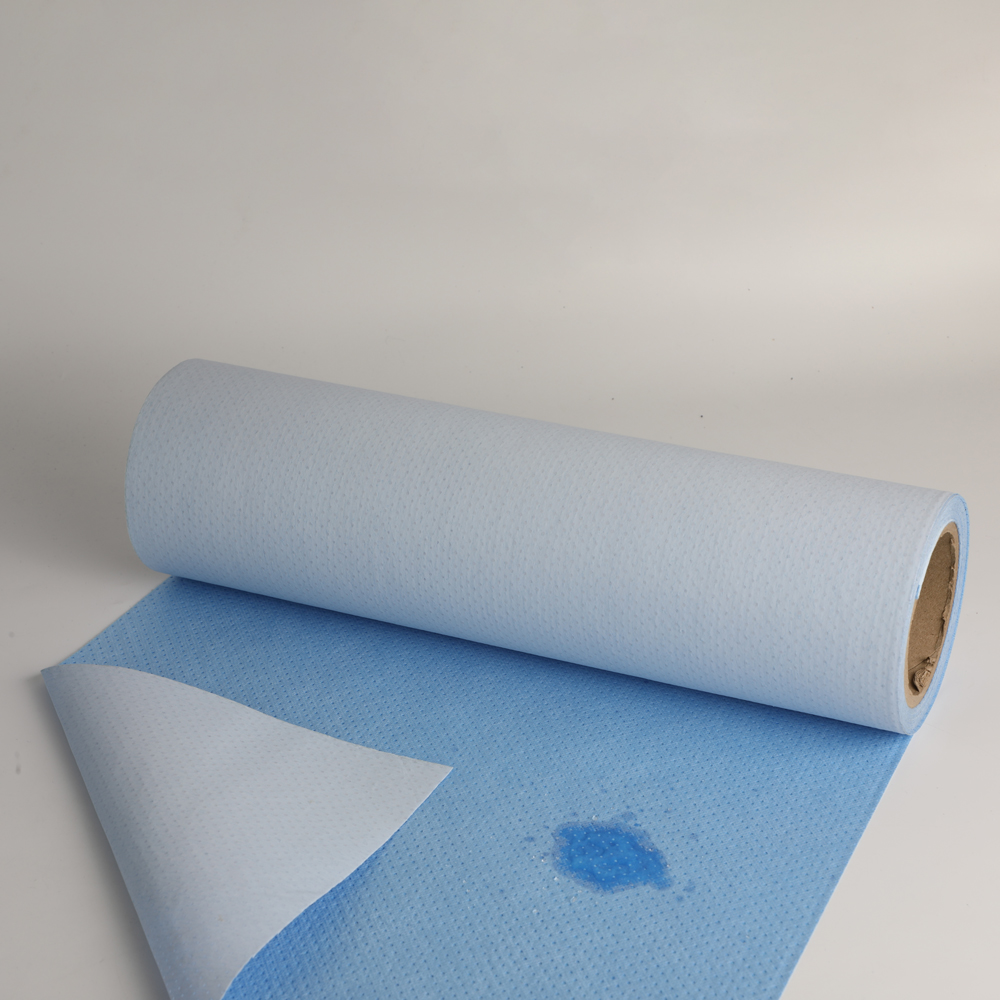 Multi Laminates
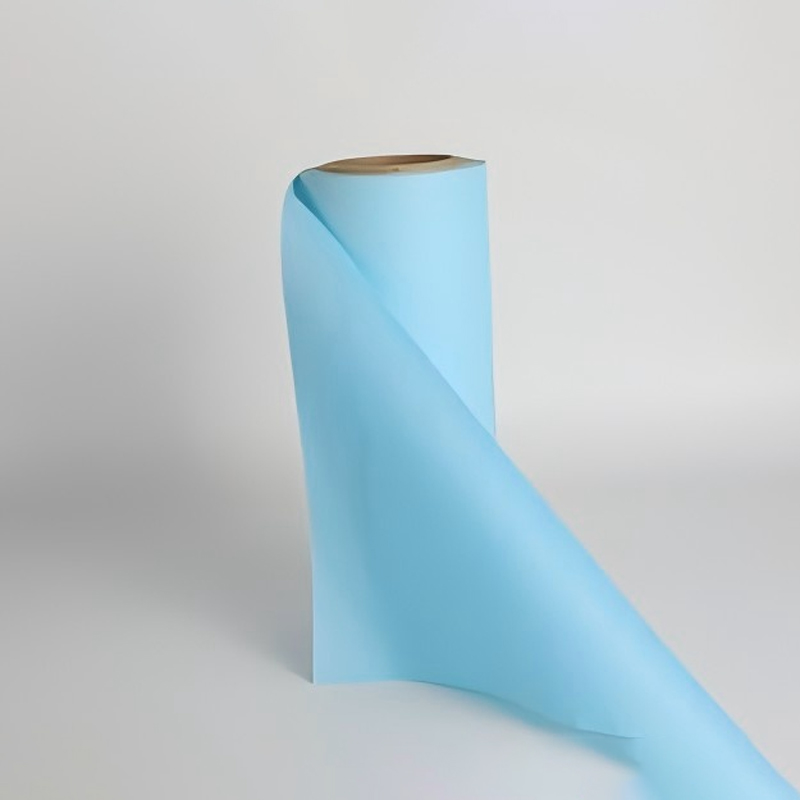 Spunlace Nonwoven Laminates
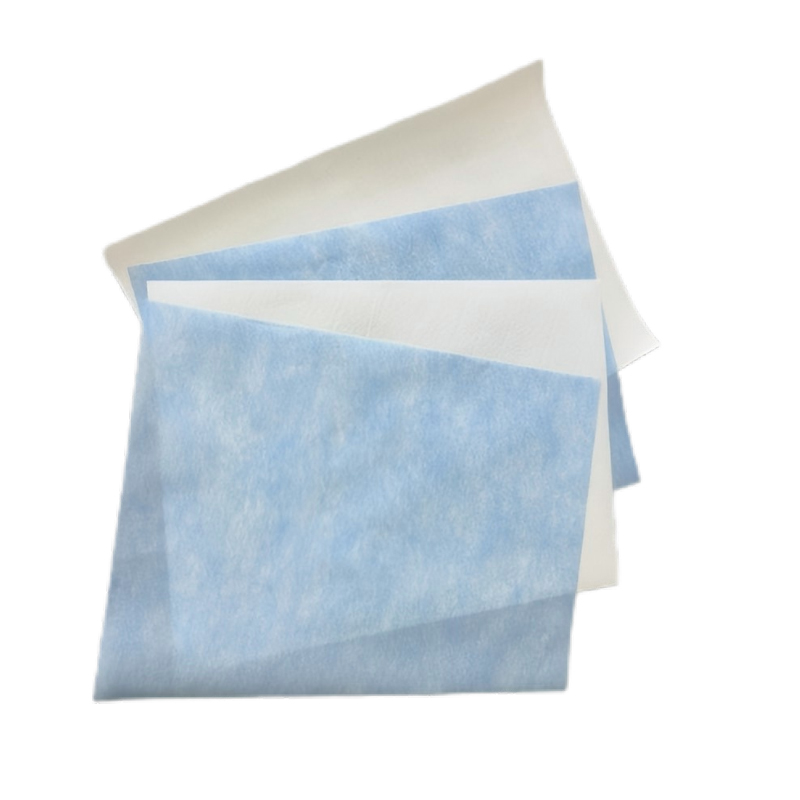 Breathable Film Laminates
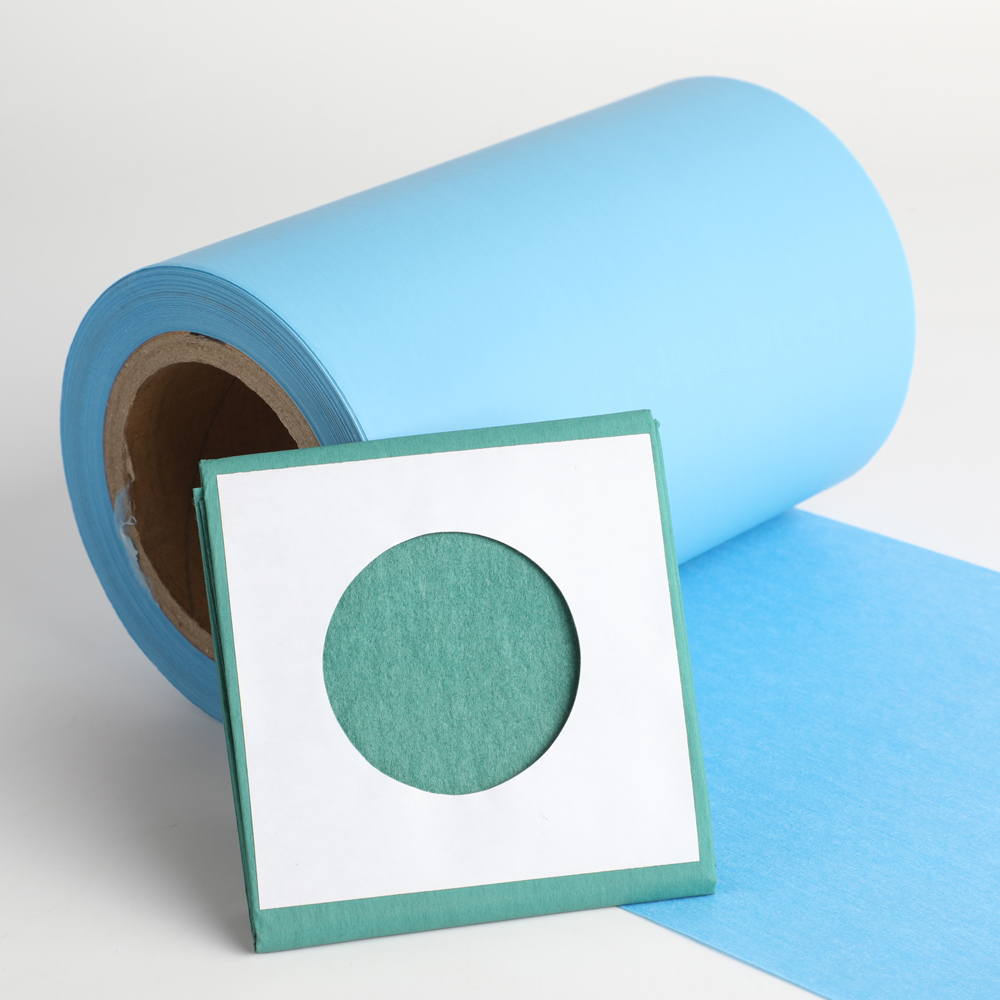 Viscose Laminates
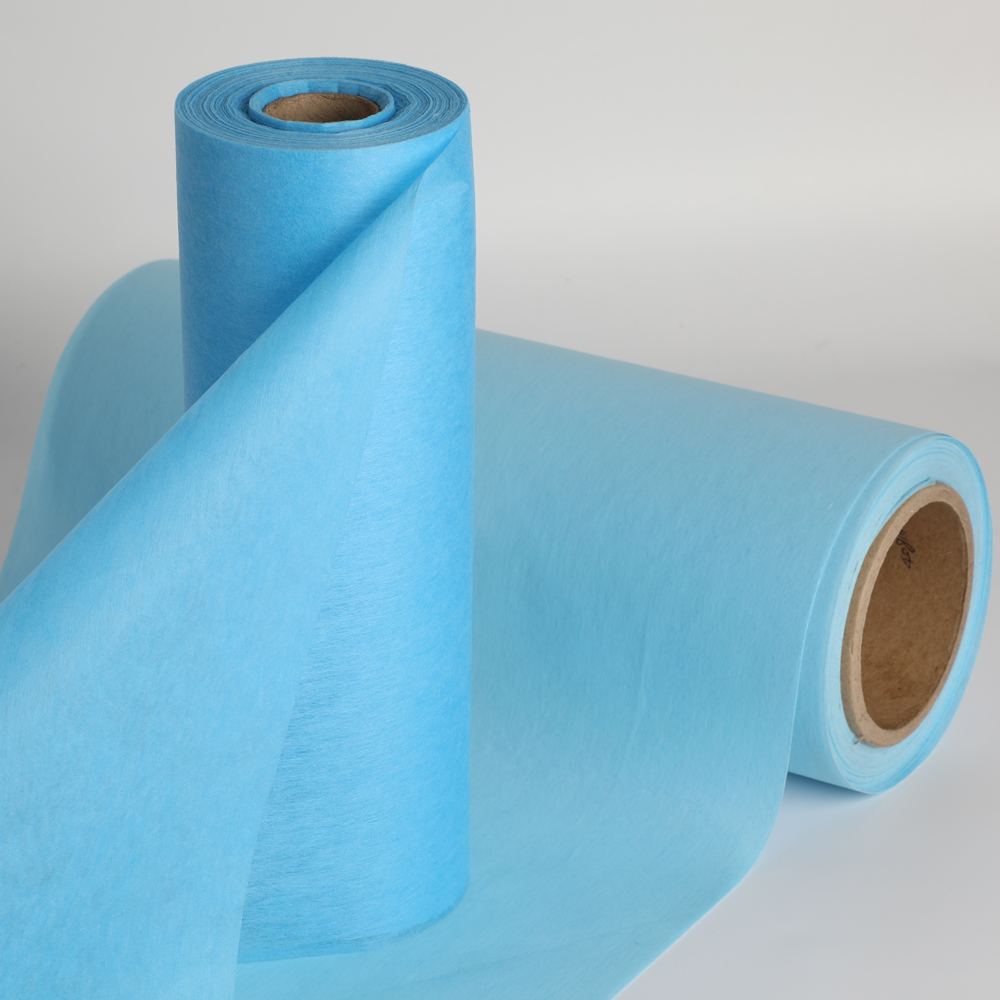 Medical Viscose Nonwoven
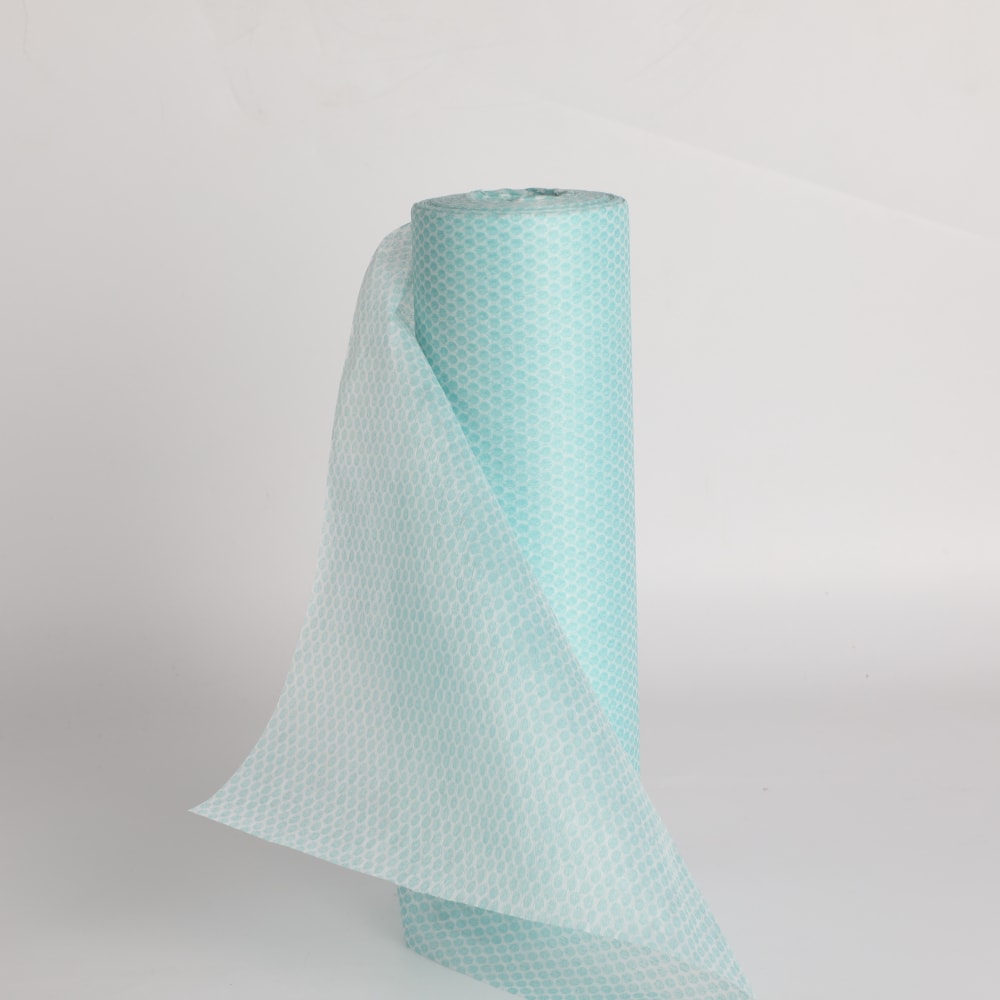 Head Wear Nonwoven
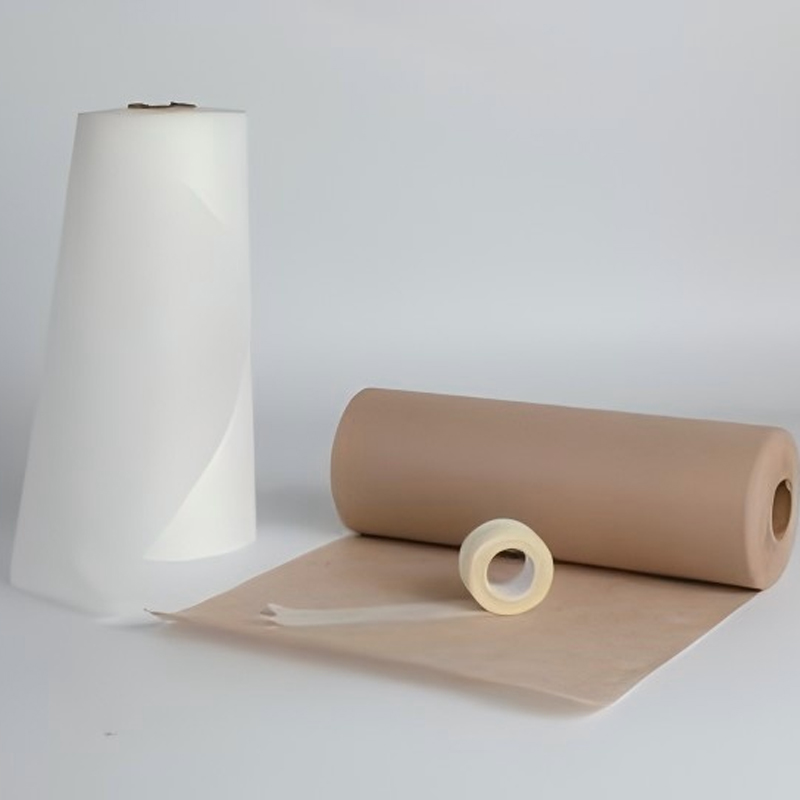 Medical Tape Nonwoven
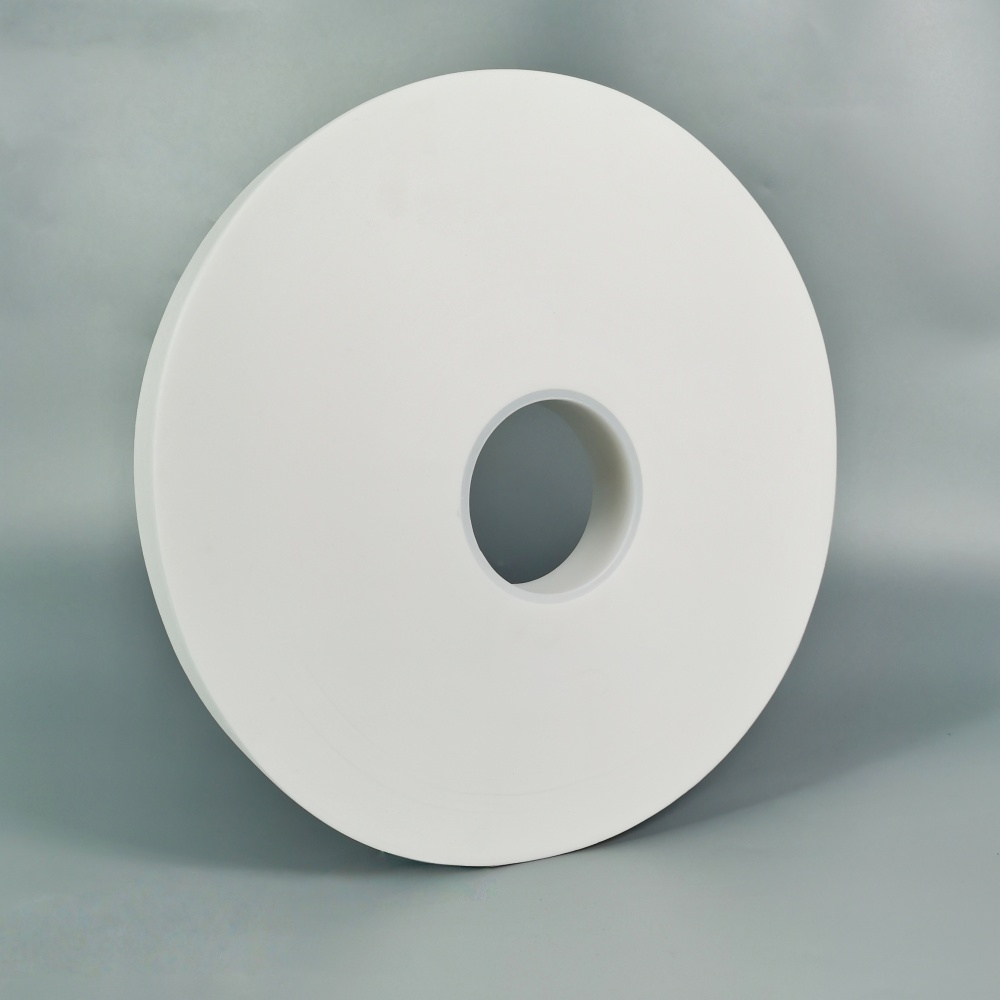 Snus Pouch Nonwoven
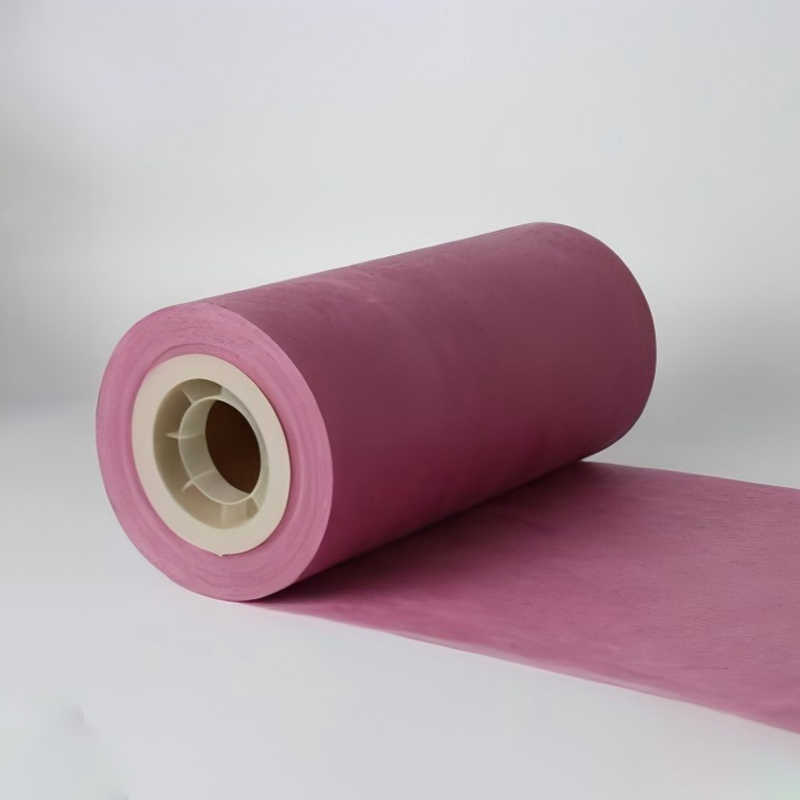 Filtration Nonwoven
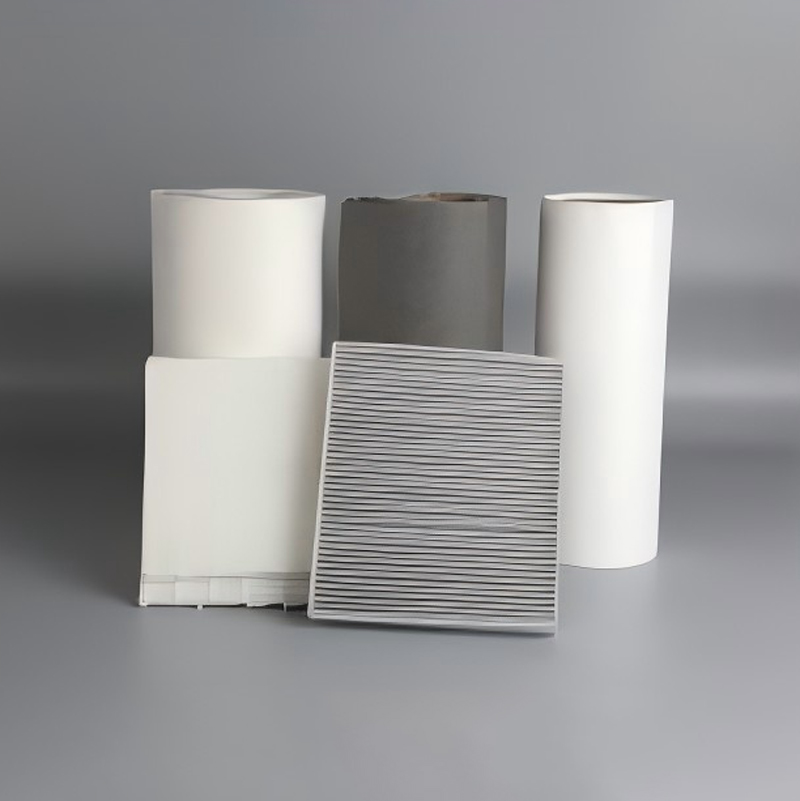 Air Filter Media
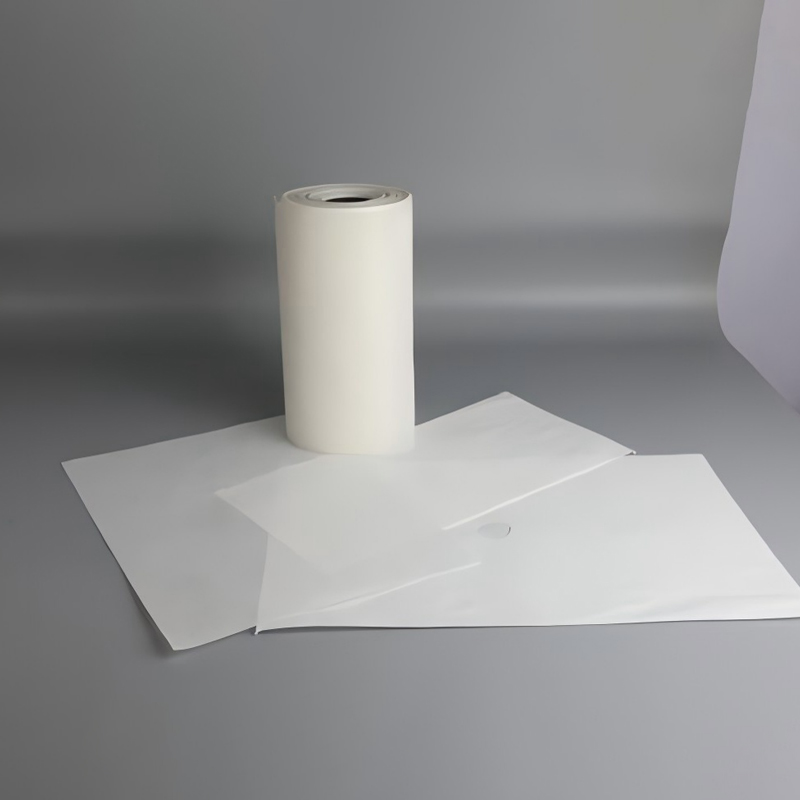 Liquid Filter Media
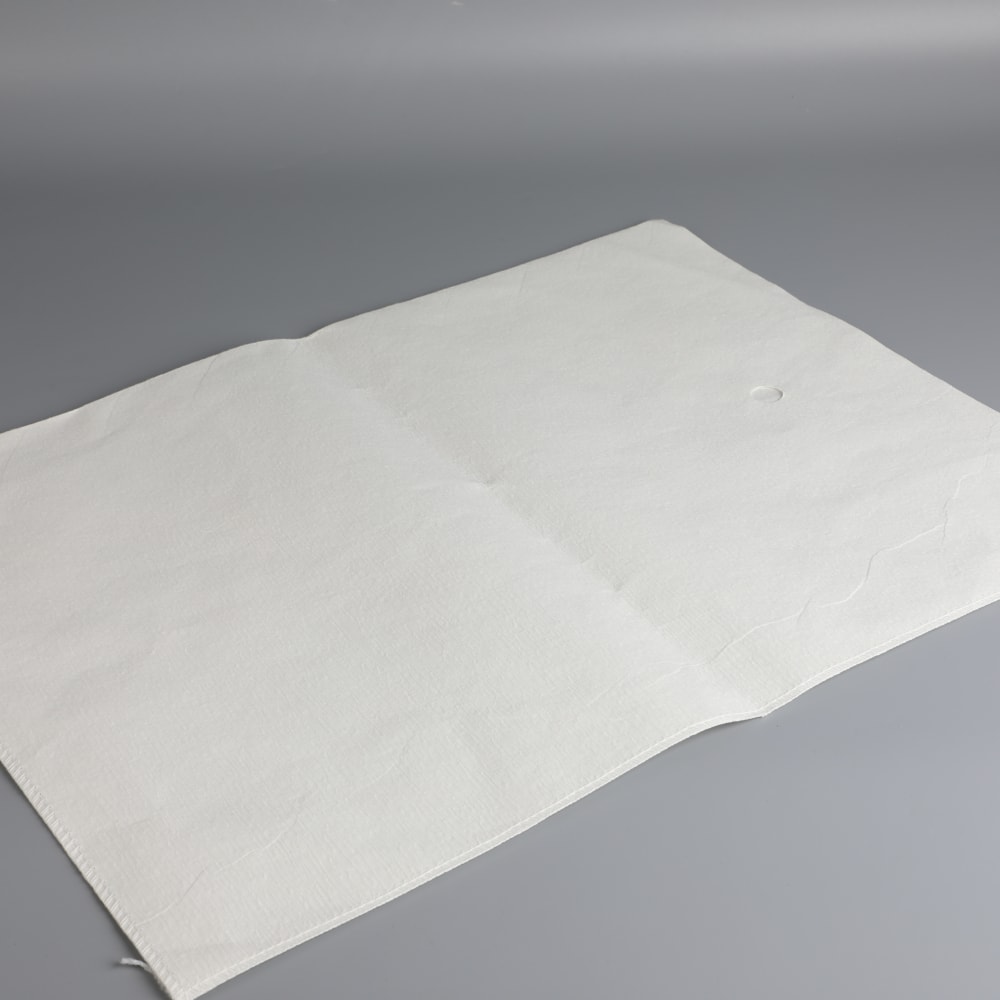 Filter Envelope & Filter Sheet
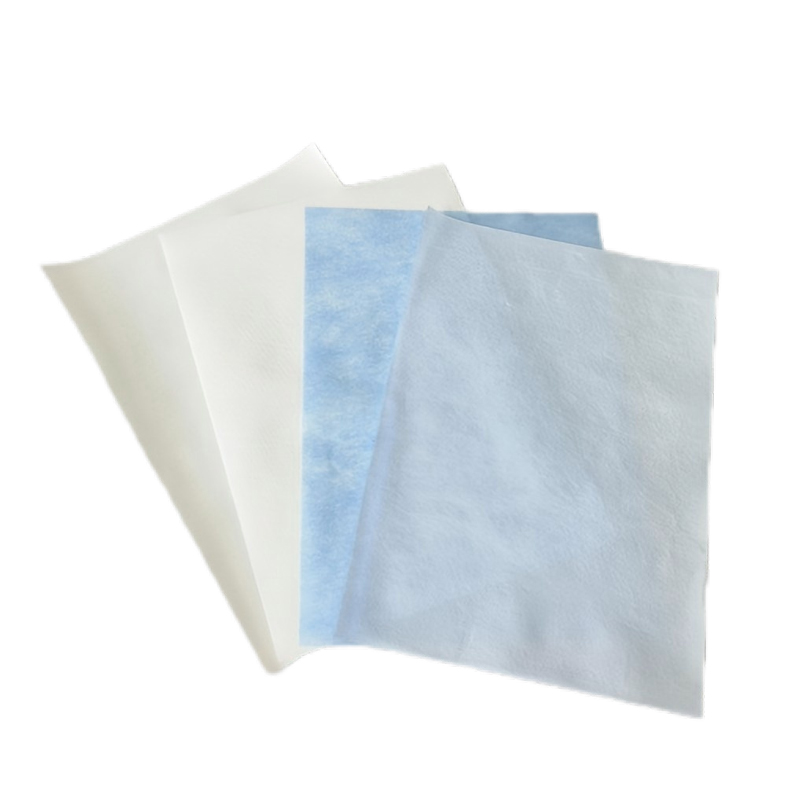 Breathable Film Laminates
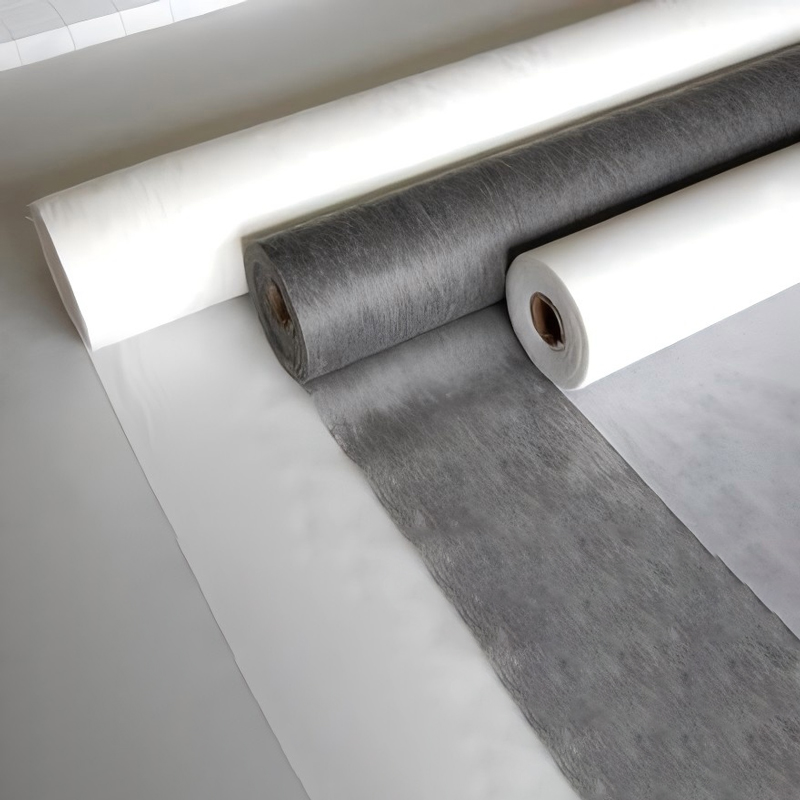 Nonwoven Interlining
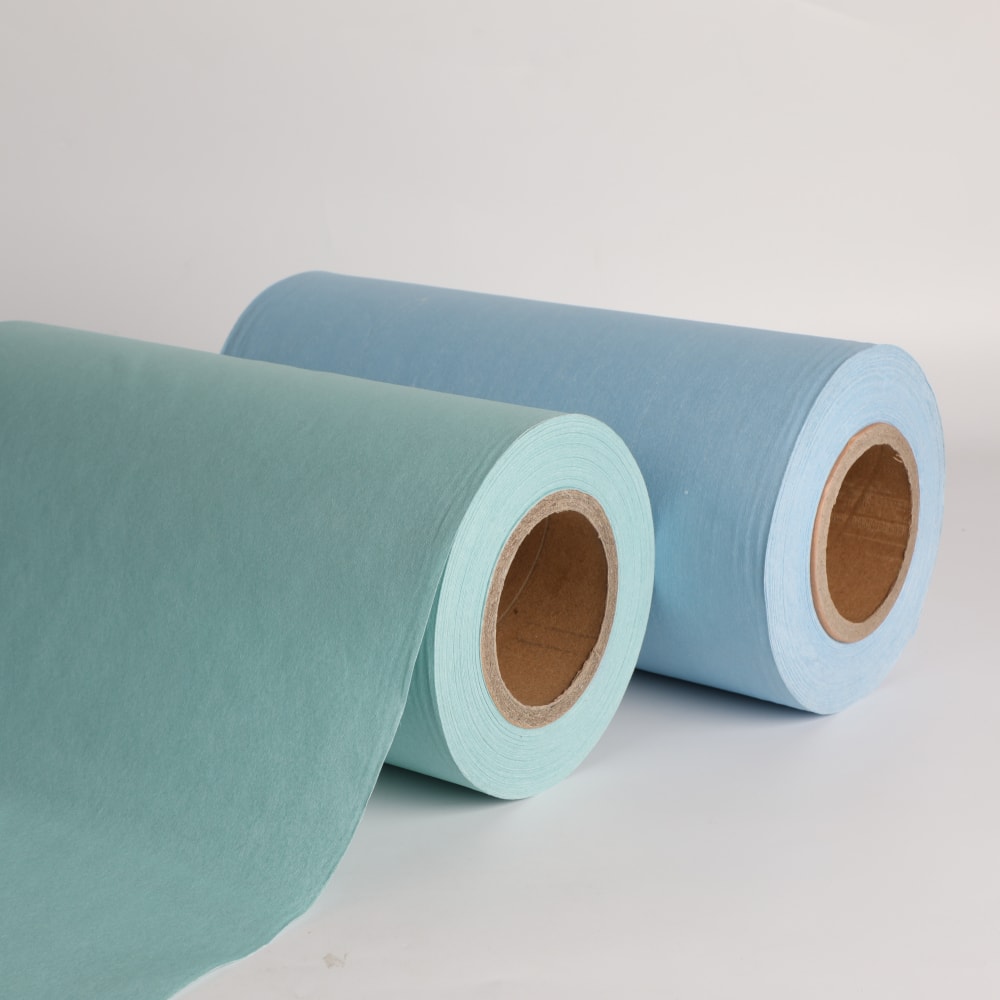 Fluid Repellent Woodpulp Spunlace Nonwoven
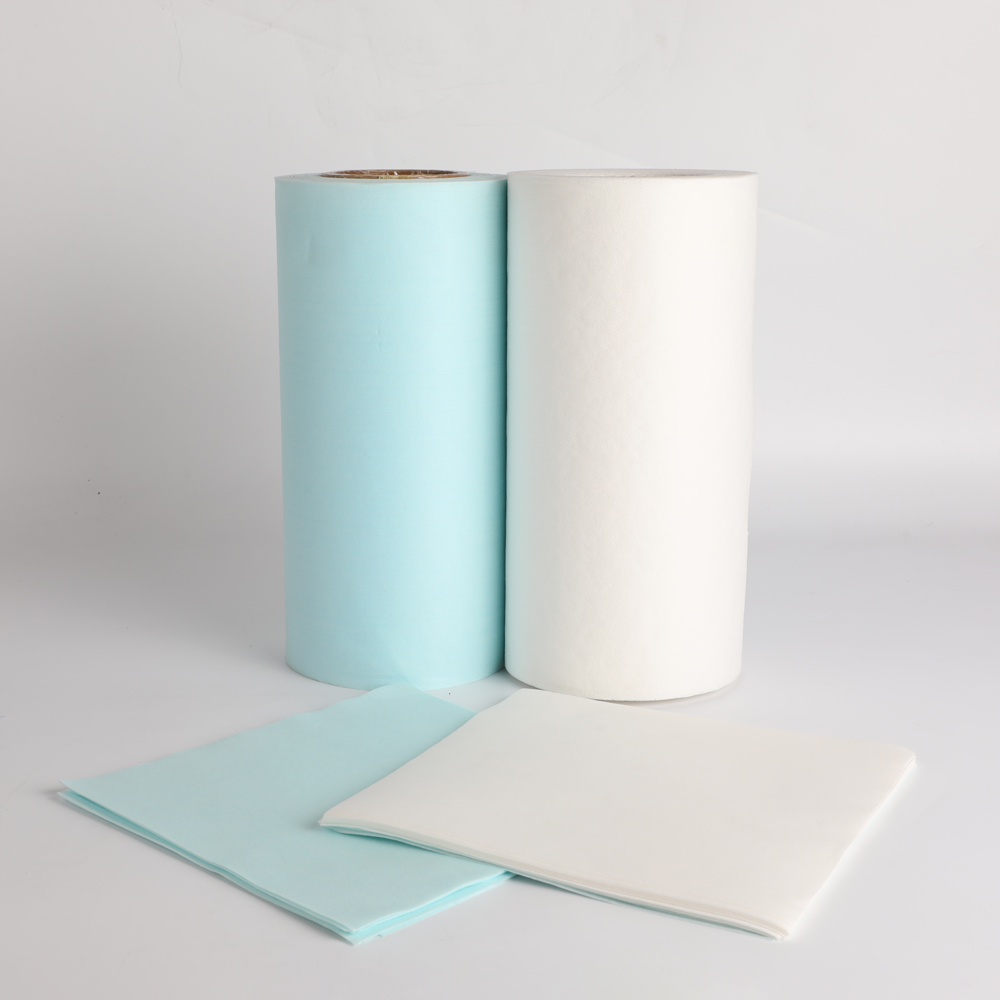 Woodpulp Nonwoven Wipe
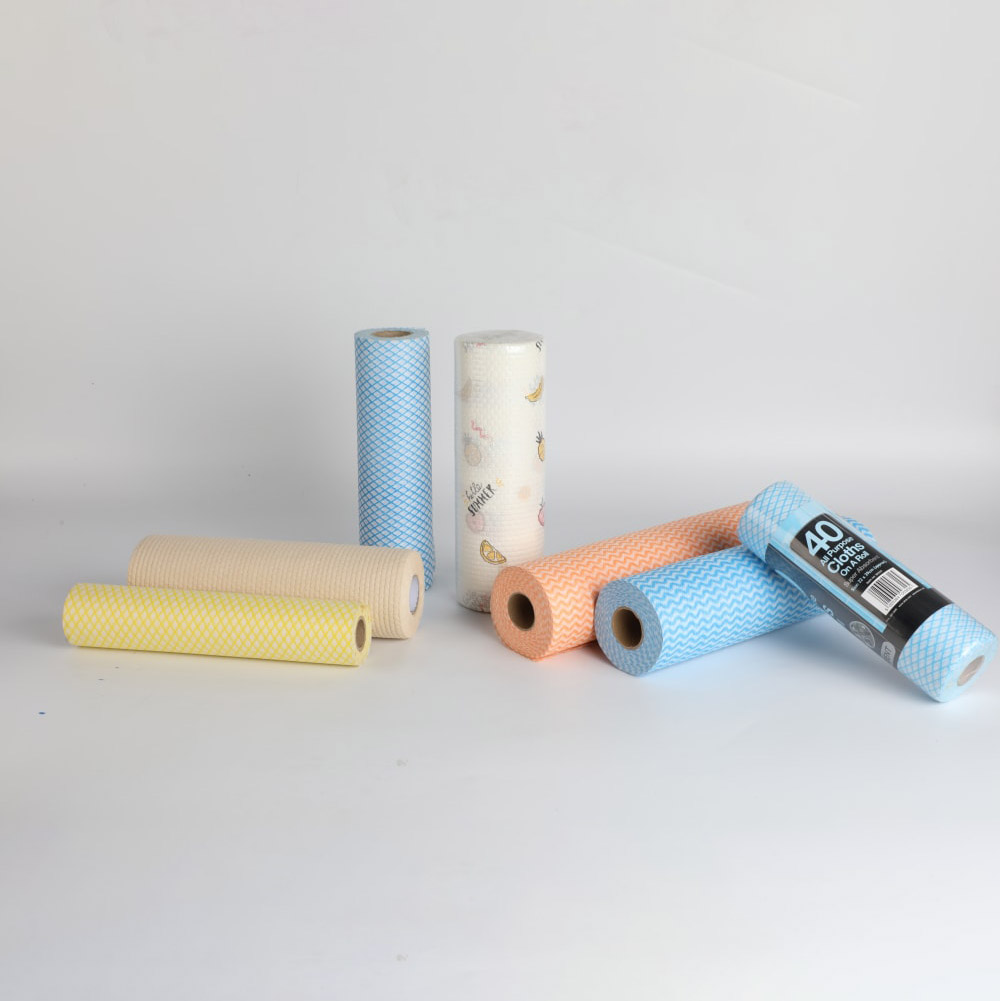 Nonwoven Cleaning Wipe
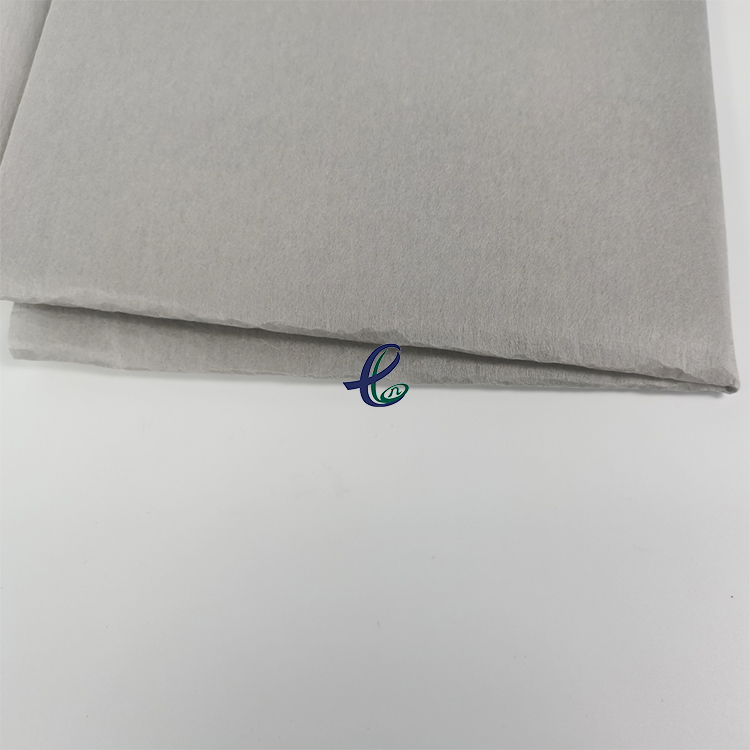 Curtain Nonwoven
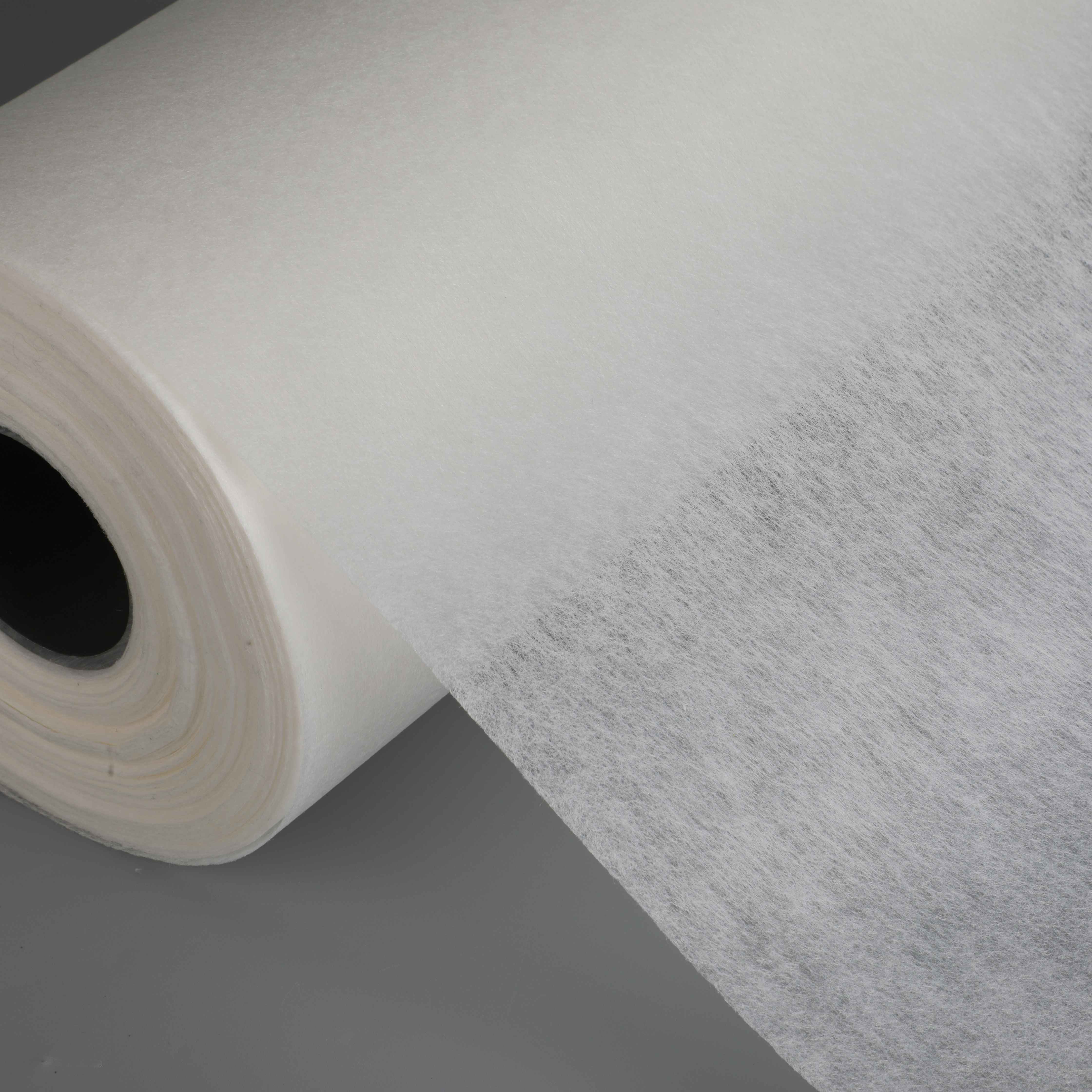 Food Grade Packaging Nonwoven
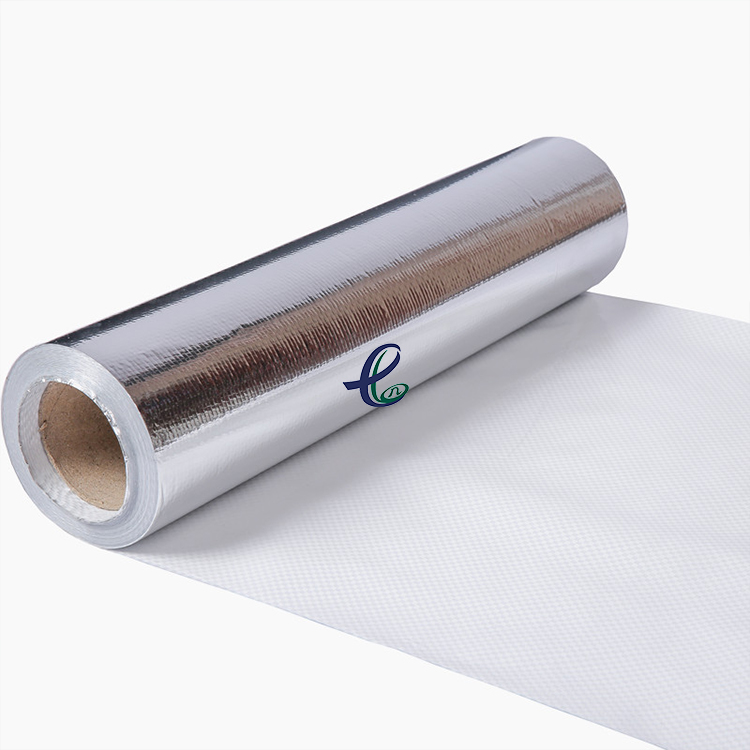 Aluminized Nonwoven
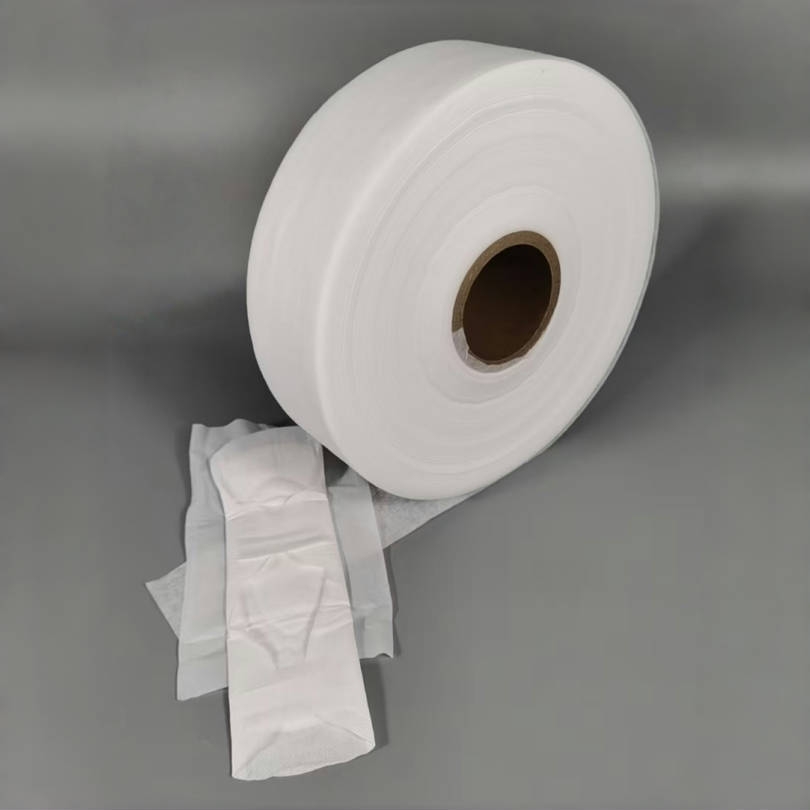 Hot Air Cotton Nonwoven
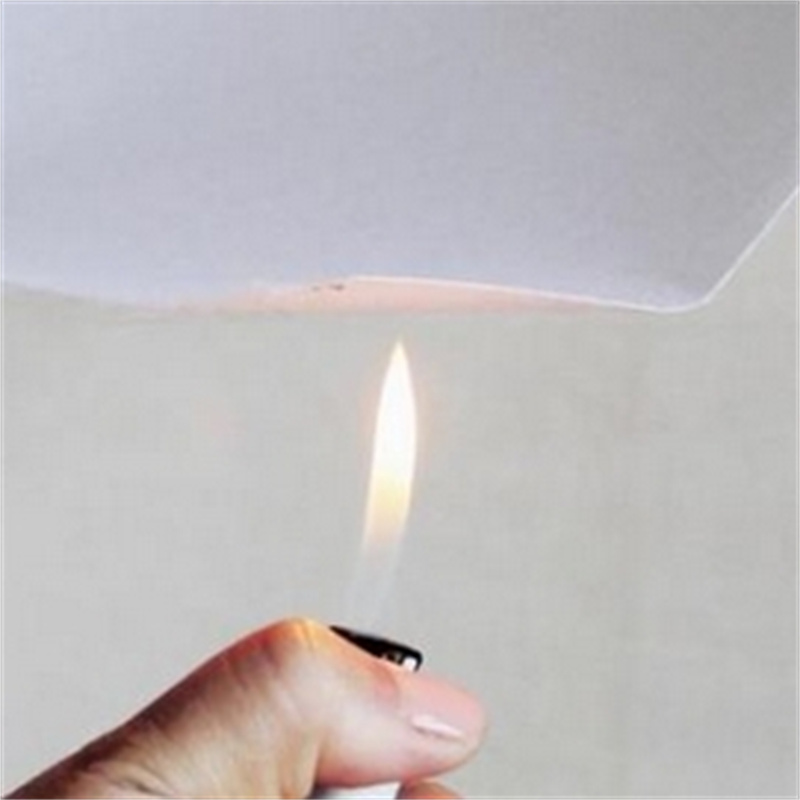 Flame Retardant Nonwoven
 Cable Wrapping Nonwoven
 Semi-conductive Nonwoven
 Anti-Bacterial Nonwoven
 +8613957712400
Leave Your Message
-
 CONTACT WhatsApp
 -
 CONTACT WeChat
-
 CONTACT NUMBER
 -
 CONTACT EMAIL
Choosing reliable Nonwoven Fabric suppliers in 2026 requires more than comparing prices. Global buyers need clear specifications, stable production, and evidence behind every quality claim. This guide introduces manufacturers with practical experience across medical, hygiene, filtration, construction, agriculture, and packaging applications.
A dependable supplier should explain fiber type, fabric weight, width, bonding method, tensile strength, and absorbency. These details affect how a roll performs on a production line. Buyers should also review sample consistency, laboratory reports, factory capacity, minimum order quantities, and realistic lead times. A useful supplier does not hide limitations. It identifies them early.
Transparency matters.
Responsible sourcing also includes traceable materials, documented quality procedures, and communication across different time zones. Certifications can support confidence, but buyers should verify their scope, validity, and issuing bodies. A certificate alone cannot replace product testing. That point is easy to overlook. Even experienced purchasing teams can approve a material too quickly after seeing a familiar label.
This 2026 supplier overview focuses on practical evidence rather than promotional language. It considers product range, technical support, export experience, customization, packaging, and after-sales response. Conditions may change by region, order size, and application. No supplier is perfect. Some may offer excellent pricing but limited customization, while others provide strong engineering support at a higher cost. Buyers should compare those trade-offs carefully, request current samples, and confirm requirements in writing before placing an order.

Nonwoven fabric is an engineered textile made without weaving or knitting yarns. Fibers are bonded mechanically, thermally, or chemically. Common structures include spunbond, meltblown, needle-punched, and airlaid materials. Their properties can be designed for hygiene products, filtration, medical packaging, construction membranes, agriculture, and furniture.
The market is expanding. Grand View Research valued the global nonwoven fabric market at about USD 53.8 billion in 2023 and forecasts a 7.1% compound annual growth rate through 2030. However, market reports use different product definitions, so these figures should guide planning, not replace supplier verification. Smithers also highlights demand for higher-performance filtration and sustainable material solutions. The numbers look strong. The specifications still matter more.
Global buyers need suppliers who can prove consistency beyond a sample roll. Request test data for basis weight, tensile strength, tear resistance, air permeability, absorbency, and hydrostatic pressure. ISO 9073 methods can support comparable testing. A reliable supplier should provide lot traceability, production records, clear tolerances, and repeatable packaging. Small details matter: one uneven roll may disrupt a converting line, raise waste, or delay delivery. I would also check raw-material origin and backup capacity. Price alone is a weak filter. Even experienced buyers can overlook seasonal capacity changes. That deserves a second review.
A practical, brand-neutral sourcing guide for comparing nonwoven fabric categories, specifications, applications, and supplier capabilities.
| Nonwoven Category | Typical Fiber Composition | Common Production Method | Typical Basis Weight | Main Performance Characteristics | Typical Global Applications | Key Buyer Verification Points |
|---|---|---|---|---|---|---|
| Spunbond Nonwoven | Polypropylene, polyester, or polyethylene terephthalate fibers | Continuous filaments are extruded, laid into a web, and bonded with heat, pressure, or both | Approximately 10–200 g/m² | Good tensile strength, tear resistance, dimensional stability, breathability, and cost efficiency | Hygiene backsheet, shopping bags, agriculture covers, protective packaging, furniture lining, and construction membranes | Basis-weight tolerance, tensile strength in machine and cross directions, roll width, bonding uniformity, and recycled-content documentation |
| Meltblown Nonwoven | Usually polypropylene microfibers | High-speed air attenuates extruded polymer into very fine fibers that form a self-bonded web | Approximately 15–120 g/m² | High surface area, strong filtration capability, low fiber diameter, and good liquid or particle barrier potential | Air and liquid filtration media, absorbent products, medical barrier layers, and composite filter structures | Filtration efficiency, pressure drop, bacterial or particulate test method, fiber uniformity, electrostatic treatment stability, and batch consistency |
| Spunlace Nonwoven | Viscose, polyester, wood pulp, polypropylene, or blended fibers | High-pressure water jets entangle fibers without conventional thermal bonding | Approximately 30–250 g/m² | Soft hand feel, drapability, absorbency, low lint potential, and suitability for lotion or liquid impregnation | Wet wipes, dry wipes, medical gowns, cosmetic pads, cleaning cloths, and personal-care products | Wet and dry tensile strength, absorbency, lint level, flushability claims where relevant, fiber shedding, and skin-contact compliance |
| Needle-Punched Nonwoven | Polyester, polypropylene, wool, recycled fibers, or mixed staple fibers | Barbed needles mechanically entangle staple fibers through repeated punching | Approximately 100–2,000 g/m² | High thickness, cushioning, sound absorption, dimensional stability, and strong mechanical reinforcement | Geotextiles, automotive interiors, carpet underlay, filtration, roofing layers, insulation, and furniture padding | Thickness, mass per unit area, puncture resistance, permeability, compression recovery, UV resistance, and durability under site conditions |
| Thermal-Bonded Nonwoven | Polypropylene, polyester, polyethylene, bicomponent fibers, or fiber blends | Heat activates low-melting fibers or binders to bond the web at selected points or throughout the structure | Approximately 15–300 g/m² | Controlled stiffness, good shape retention, clean appearance, and reliable bonding at high production speeds | Hygiene components, apparel interlinings, mattress materials, filtration supports, packaging, and automotive parts | Bond strength, softening point, shrinkage after heating, surface uniformity, stiffness, and compatibility with laminating or coating processes |
| Air-Laid Nonwoven | Wood pulp, cellulose fibers, synthetic staple fibers, or blended materials | Short fibers are dispersed in an air stream and formed into a web before bonding | Approximately 40–1,000 g/m² | High bulk, strong absorbency, adjustable density, and good liquid-holding capacity | Absorbent cores, hygiene products, spill-control materials, wipes, insulation, and filtration layers | Absorbency capacity, liquid retention, density profile, dust or lint generation, compression behavior, and binder or chemical composition |
| Wet-Laid Nonwoven | Cellulose pulp, glass fibers, mineral fibers, or short synthetic fibers | Fibers are dispersed in water, deposited on a forming screen, dewatered, and bonded or dried | Approximately 20–300 g/m² | Uniform formation, smooth surface, controlled porosity, and suitability for fine-fiber structures | Battery separators, filtration media, electrical insulation, roofing materials, and specialty technical papers | Thickness uniformity, pore size, air permeability, wet strength, chemical resistance, and contamination control |
| Coated or Laminated Nonwoven | A nonwoven base combined with polyethylene, polyurethane, polypropylene film, foil, or specialty coatings | Adhesive lamination, extrusion coating, hot-melt coating, or surface treatment | Approximately 30–500 g/m², including coating or film where applicable | Improved water resistance, barrier performance, heat sealability, abrasion resistance, or chemical protection | Medical gowns, roofing membranes, agricultural covers, packaging, protective clothing, and industrial barriers | Peel strength, hydrostatic pressure, water-vapor transmission, seam performance, coating adhesion, chemical resistance, and aging results |
| Biodegradable or Bio-Based Nonwoven | Cellulose, viscose, lyocell, polylactic acid, cotton, bamboo-derived fibers, or certified blends | Spunlace, air-laid, spunbond, needle-punching, or other processes selected for the fiber type | Approximately 20–500 g/m² | Potentially reduced fossil-resource use, renewable feedstock options, absorbency, and tailored end-of-life characteristics | Wipes, tea bags, agriculture products, hygiene components, filtration, packaging, and disposable service items | Exact biodegradation or compostability standard, test environment, fiber blend ratio, additives, certification scope, and disposal instructions |
| Geotextile Nonwoven | Usually polypropylene or polyester staple fibers or filaments | Needle-punching or spunbond production, sometimes followed by calendaring or coating | Approximately 100–1,500 g/m² | Separation, filtration, drainage, reinforcement, erosion control, and resistance to installation stress | Road construction, railways, drainage systems, landfills, retaining structures, coastal engineering, and landscaping | Mass per unit area, tensile strength, elongation, apparent opening size, permittivity, puncture resistance, UV exposure, and project-specific standards |
Buyer note: Basis-weight ranges and performance characteristics are typical industry ranges rather than universal specifications. Final values depend on fiber type, bonding method, additives, finishing, roll construction, and intended application. Global buyers should request a technical data sheet, certificate of analysis, representative samples, applicable test reports, and a written quality-control specification before placing a production order.