+8613957712400


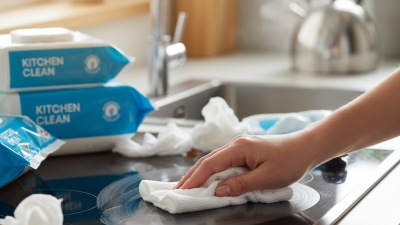
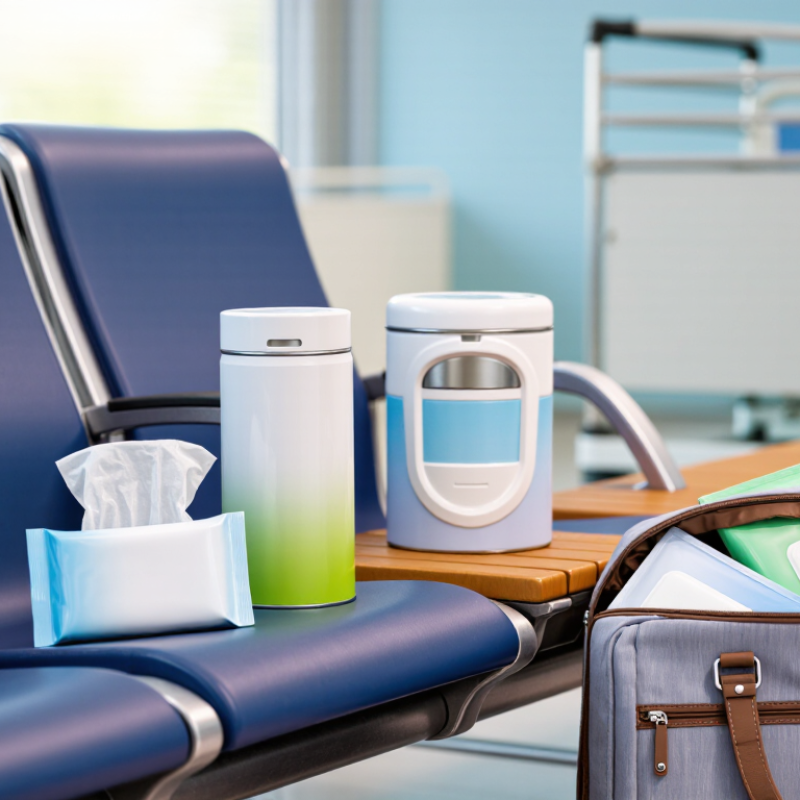
Global buyers increasingly view Hygiene Wipes as practical tools for cleaner, safer daily environments. They support hand hygiene, surface care, travel routines, healthcare settings, hospitality, and workplace maintenance. Their value is visible in small moments: a sealed pouch beside an airport seat, a durable wipe near a hospital trolley, or a soft pack inside a family bag.
Dr. Charles P. Gerba, a respected microbiologist at the University of Arizona, has stated, “The average desktop has 400 times more bacteria than a toilet seat.” This observation explains why buyers examine more than fragrance and packaging. They assess wipe material, liquid distribution, skin feel, drying time, seal quality, shelf life, and manufacturing consistency. They also review test documentation and product claims carefully. Hygiene Wipes should match their intended use, not merely appear convenient.
Small details matter. A weak seal can dry the entire pack. Excess liquid can create waste and discomfort. A rough substrate may discourage regular use. Responsible suppliers therefore provide clear specifications, traceable batches, reliable packaging, and evidence for stated performance. Buyers should also consider disposal guidance and local market requirements.
Still, Hygiene Wipes are not a miracle solution. They cannot replace thorough handwashing or proper cleaning procedures in every situation. That gap matters. The strongest purchasing decisions balance hygiene needs, user experience, environmental considerations, and verified quality. Global procurement teams may need to ask harder questions, because a polished sample does not always represent long-term performance.
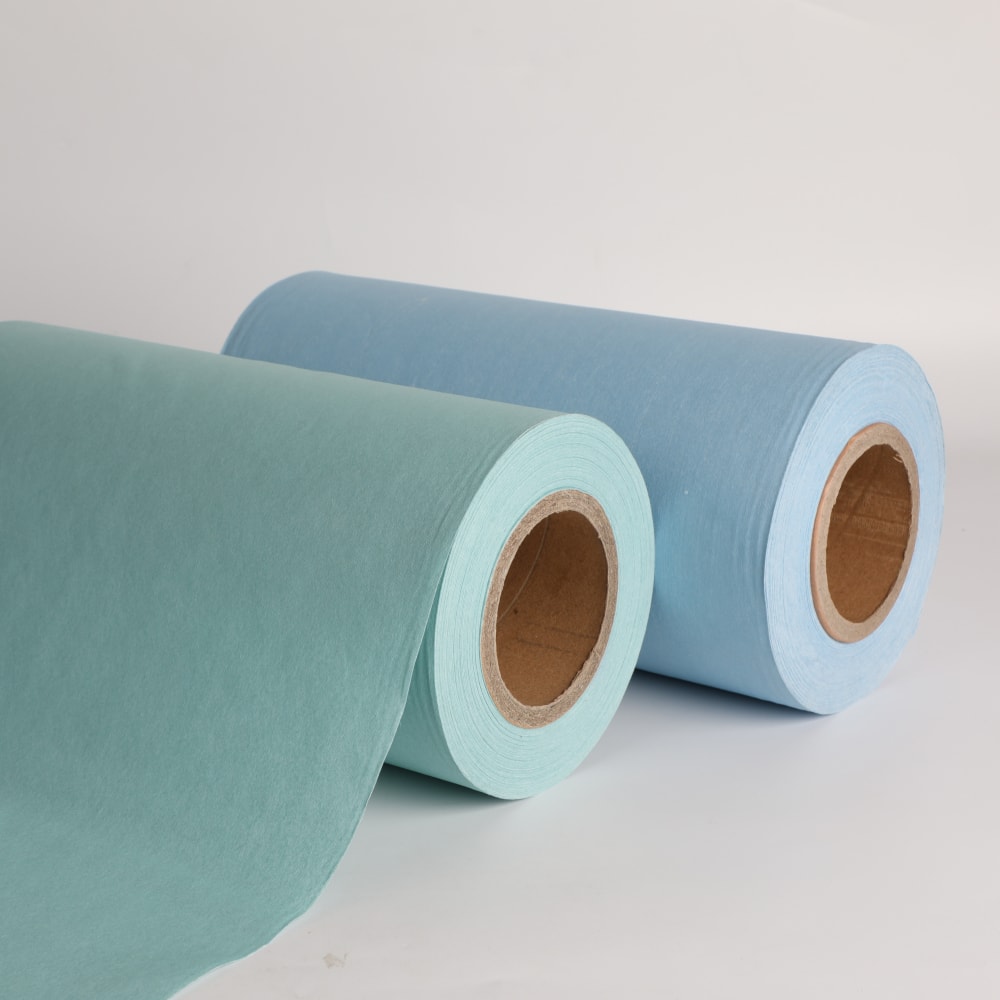
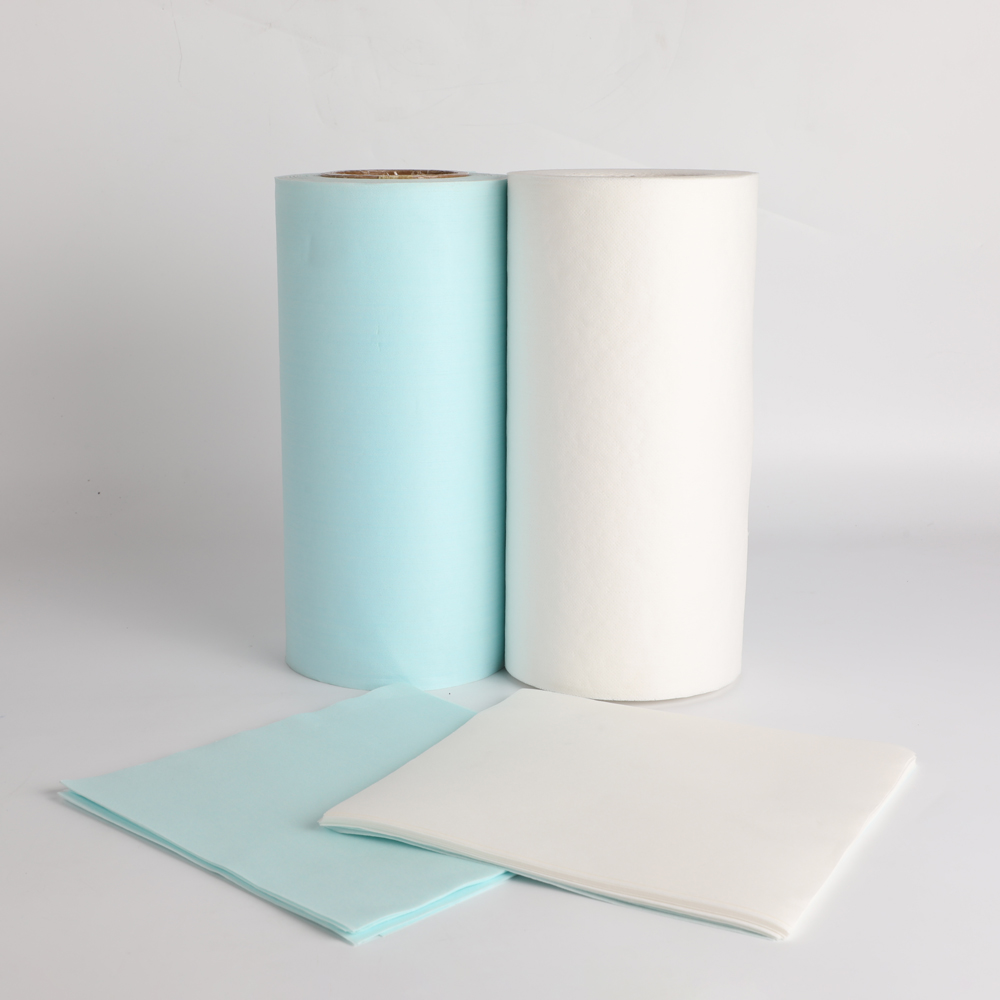
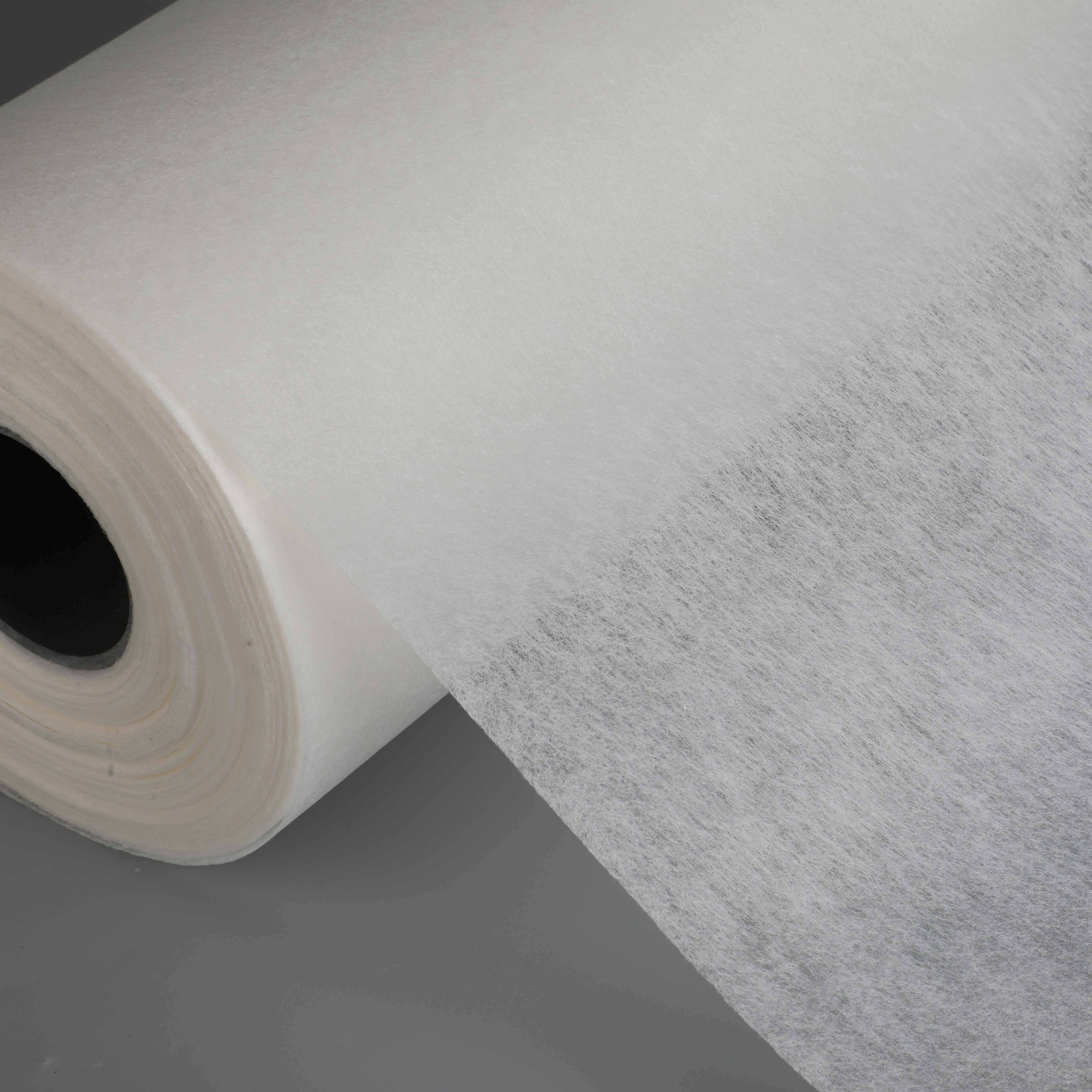
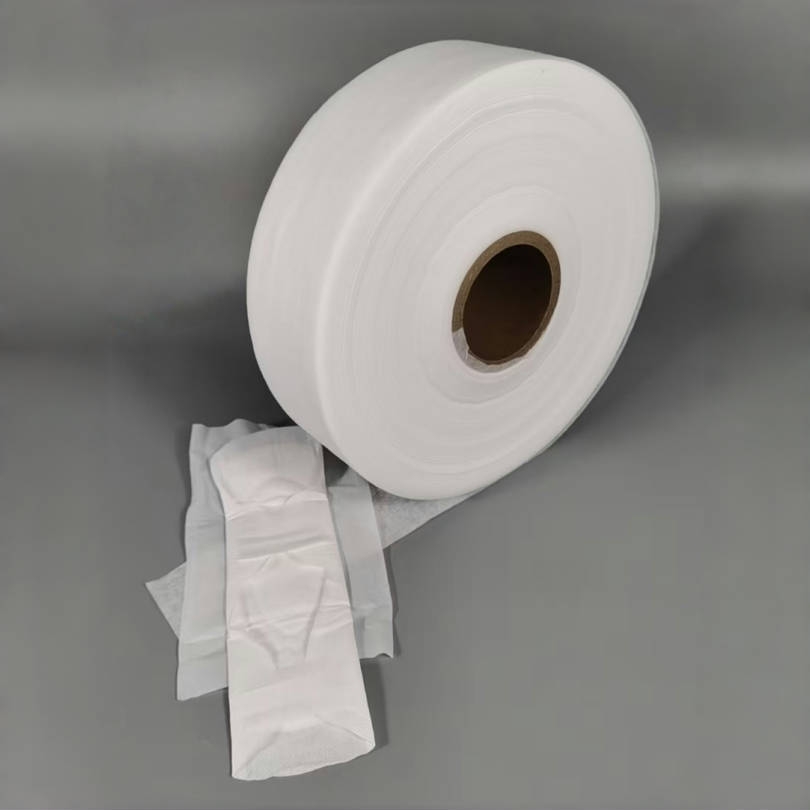
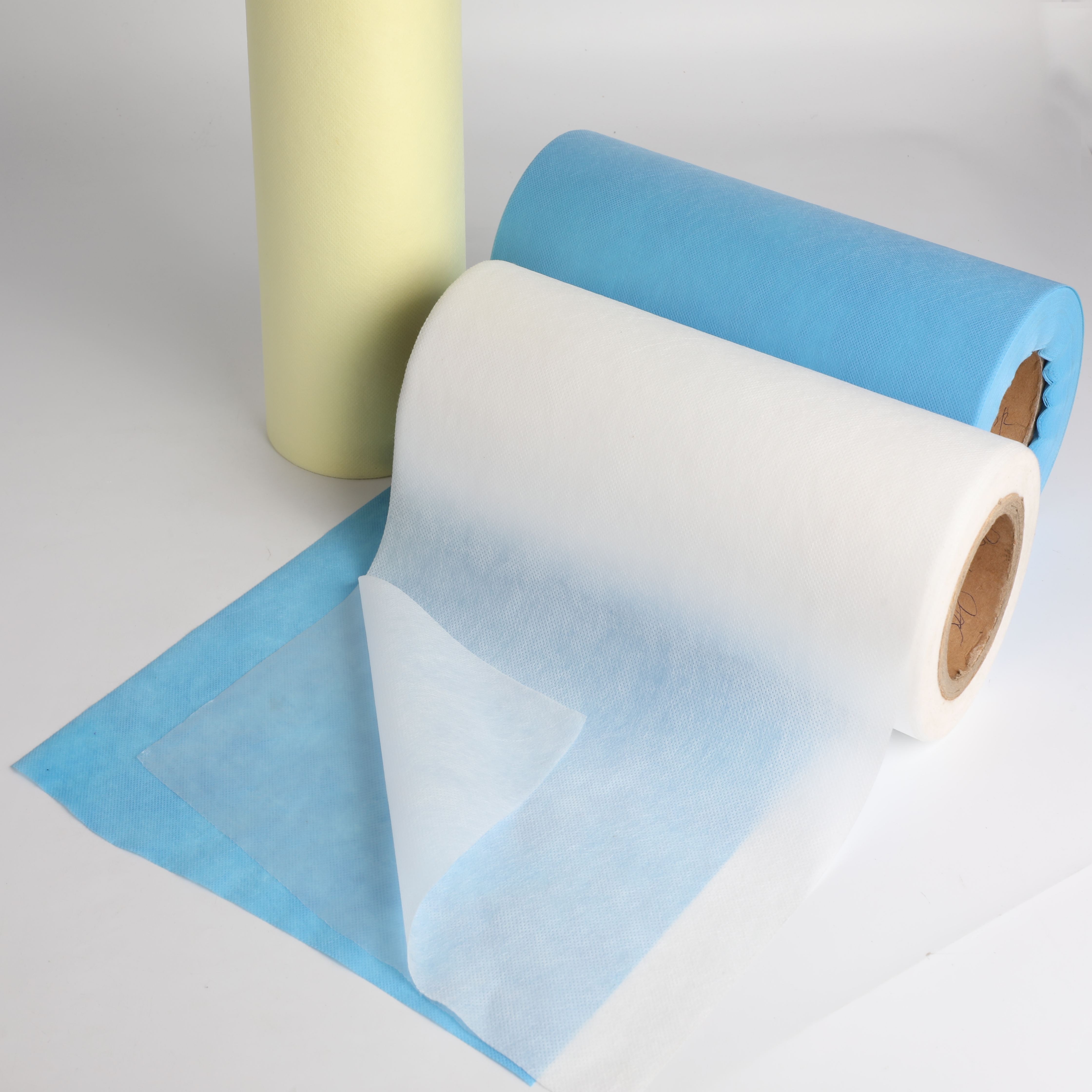
Hygiene wipes are pre-moistened sheets made from spunlace, airlaid, or similar nonwoven materials. Their liquid usually contains purified water, mild cleansing agents, moisturizers, and preservatives. Some products also use alcohol or disinfecting ingredients. These formulas serve different purposes, so buyers should never treat every wipe as a disinfectant.
The wiping action lifts sweat, oils, dust, and microorganisms from the skin or surface. The fabric traps part of the residue, while the liquid loosens contamination. Contact time matters for disinfecting products. A quick swipe may not deliver the stated performance. The Centers for Disease Control and Prevention recommends alcohol-based hand sanitizers with at least 60% alcohol when soap and water are unavailable, but not every hygiene wipe meets this standard.
Demand reflects practical gaps. The WHO and UNICEF Joint Monitoring Programme reported that 2.0 billion people lacked basic hygiene services at home in 2022. About 653 million had no handwashing facility at all. For global buyers, wipes can support travel, healthcare, food handling, workplace, and emergency use.
Procurement should check ingredient disclosure, microbiological testing, packaging integrity, shelf life, and disposal instructions. I would also question vague claims such as “kills germs.” They often hide the target organisms and required contact time. Wipes are useful, but they are not magic.
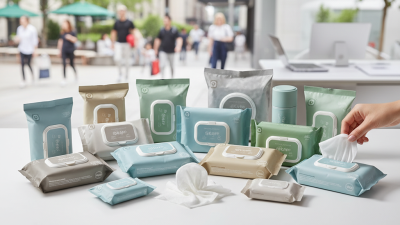
Global buyers need hygiene wipes because cleanliness expectations differ across homes, workplaces, clinics, transport hubs, and hospitality sites. A practical wipe supports quick cleaning when water, soap, or laundry facilities are unavailable. Buyers often assess absorbency, tear strength, skin feel, and drying speed before placing large orders. In humid ports, weak packaging can allow moisture loss. In cold regions, stiff material may reduce usability. These details affect real users, not just product samples. From procurement experience, clear specifications prevent costly misunderstandings between suppliers and distributors. Yet one test cannot represent every climate or routine.
Tips: Request full material details, lot-based quality records, and clear shelf-life information. Check whether the wipes suit the intended surface or skin use. Confirm sealed packaging, carton strength, and storage guidance before shipment. Ask for samples from different production lots. Small differences matter. Buyers should also review labeling and import requirements in each destination market. A low unit price can become expensive after leakage, damage, or rejected documentation. It is easy to overlook disposal instructions, especially when selling across several regions. This deserves a second review.
Reliable sourcing depends on consistent manufacturing, honest communication, and evidence that matches each claim. Buyers can compare test methods, production capacity, lead times, and complaint handling procedures. Independent testing may help verify microbial, physical, or safety-related specifications, depending on intended use and local rules. Hygiene wipes are not automatically suitable for every person or surface. Overstated claims create risk. A better approach is to state measurable limits and provide practical instructions. Evidence should remain available during audits and buyer reviews.
Hygiene wipes provide a convenient cleaning option in healthcare, travel, workplaces, retail, and emergency settings, especially where soap, water, or fixed sanitation facilities are not immediately available.
In 2022, approximately 25% of the global population lacked access to a basic household hygiene service. This gap helps explain why global buyers continue to seek portable, ready-to-use hygiene products for locations with limited infrastructure.
Data source: WHO/UNICEF Joint Monitoring Programme for Water Supply, Sanitation and Hygiene, 2023 estimates. Hygiene wipes complement regular handwashing and should be selected according to local regulations and disposal requirements.
Healthcare teams rely on hygiene wipes for quick hand, skin, and surface cleaning between routine tasks. Nurses often need individually sealed packs near beds, treatment rooms, and mobile carts. Care homes also use gentle wipes for elderly residents, especially when water access is limited.
Childcare centers, hospitality businesses, travel operators, and food-service workplaces use wipes differently. Staff may clean high-touch areas such as tray tables, door handles, counters, and shared equipment.
Parents and travelers prefer compact packs for strollers, luggage, and public spaces. Industrial workers may need stronger surface wipes, but skin-safe products should not be treated as equipment cleaners. One product rarely suits every setting.
Tips: Global buyers should check material strength, drying time, seal quality, and ingredient information. Packaging must remain closed in hot, humid storage conditions. Buyers should also request testing documents and verify local requirements before importing. Avoid vague claims such as “kills everything.” Clear instructions build trust. Small details matter.
Procurement decisions can still be imperfect. A thicker wipe may reduce tearing but increase shipping weight. A stronger formula may irritate sensitive skin. Testing with real users and workplace routines often reveals problems that product sheets miss. Reliable suppliers should explain usage limits, batch consistency, and disposal guidance without hiding practical weaknesses.
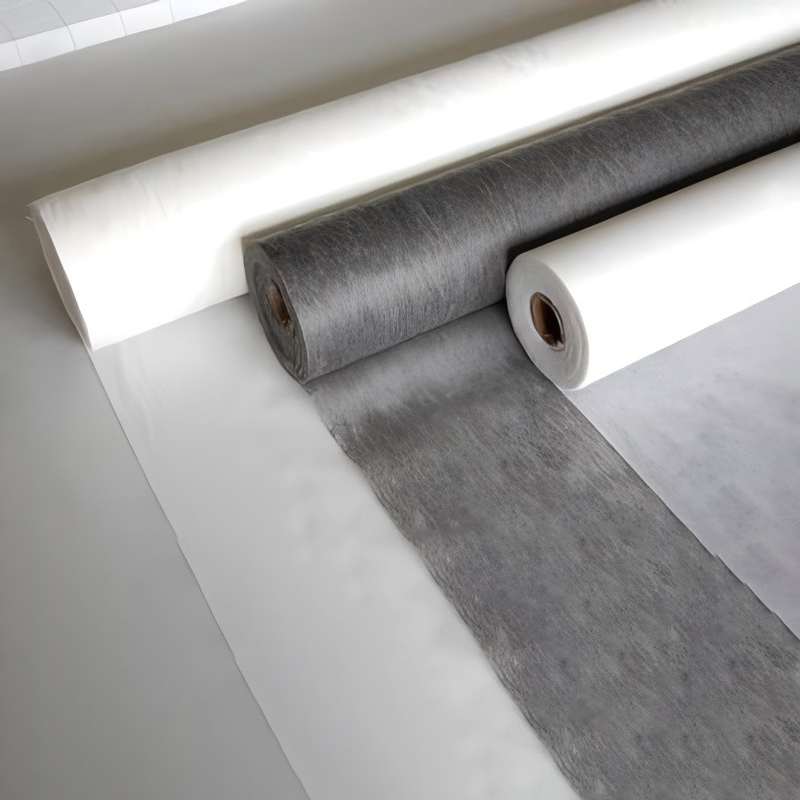
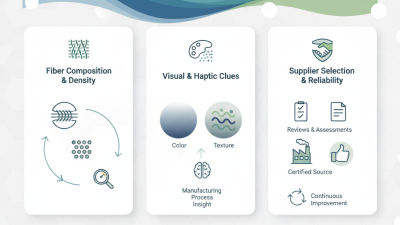
Global buyers need more than attractive packaging when evaluating hygiene wipes. Quality begins with the intended use: skin, hands, equipment, or household surfaces. Each category needs different safety evidence. The material should feel strong, release minimal lint, and remain stable when wet. It should not tear after one firm pull.
Ask suppliers for complete technical files. These should include microbiological test results, preservative checks, material specifications, and shelf-life data. Confirm the testing laboratory, test dates, and sample details. A certificate without traceable evidence is only paper. Manufacturing controls also matter. Review batch records, sanitation procedures, water quality checks, and complaint handling. ISO-based quality systems can support consistency, but they do not replace product testing.
Packaging deserves careful attention. Check seal strength, opening performance, leakage resistance, and label accuracy. Storage trials should reflect real shipping conditions, including heat, cold, and humidity. Claims such as “kills germs” need strong, product-specific evidence and must match the target market’s requirements. Requirements vary across regions, so one approval may not fit every destination. No checklist is perfect. Buyers sometimes overvalue certificates and overlook fragrance irritation, drying effects, or poor resealing. A small factory audit and an independent sample review may reveal more than a polished sales presentation.
| Evaluation Dimension | Why It Matters to Global Buyers | Quality Data or Buyer Benchmark | Relevant Standard or Test Method | Evidence to Request |
|---|---|---|---|---|
| Intended Use and Product Classification | Skin-cleansing, baby, cosmetic, medical, and surface-disinfection wipes are subject to different legal and performance requirements. | The product claim, active ingredients, target surface, and destination market should be defined before testing and labeling. | Applicable cosmetic, biocidal, medical-device, or consumer-product regulations in the destination market. | Product specification, intended-use statement, regulatory classification, and market-specific compliance assessment. |
| Microbiological Quality | Water-based wipes can support microbial growth if preservation, filling, or packaging controls are inadequate. | For cosmetic products under ISO 17516, the commonly applied limits are ≤100 CFU/g or ml for products intended for children under three, the eye area, or mucous membranes, and ≤1,000 CFU/g or ml for other products; specified pathogens must be absent. | ISO 17516: Cosmetics — Microbiology — Microbiological limits. | Finished-product microbiology report, preservative-efficacy or challenge-test results where applicable, and pathogen screening records. |
| Preservative and Formula Stability | Formula instability can cause odor, color change, separation, reduced cleaning performance, or loss of antimicrobial effectiveness. | The product should remain within its approved specification throughout the stated shelf life and after transport-related temperature exposure. | ISO 11930 for cosmetic preservative efficacy; stability testing under defined temperature, humidity, and light conditions. | Stability protocol, accelerated and real-time data, preservative challenge-test report, and batch-release specifications. |
| Disinfection Claims | Claims such as bactericidal, yeasticidal, or virucidal require evidence at the stated concentration and contact time. | The label should state target organisms, contact time, application method, and whether the surface must remain visibly wet. | EN 13727 for bactericidal activity, EN 13624 for yeasticidal activity, EN 14476 for virucidal activity, and EN 16615 for four-field surface testing, when applicable. | Independent laboratory reports, active-ingredient concentration, validated contact time, and complete directions for use. |
| Material Safety and Skin Compatibility | Fragrance, preservatives, alcohols, surfactants, and botanical ingredients may affect sensitive users or specific applications. | All ingredients should be identified using accepted chemical names, with restricted substances reviewed for each destination market. | Applicable cosmetic ingredient, allergen, chemical-safety, and labeling rules in the destination market. | Full ingredient list, Safety Data Sheet where required, allergen declaration, irritation or dermatological assessment, and restricted-substance statement. |
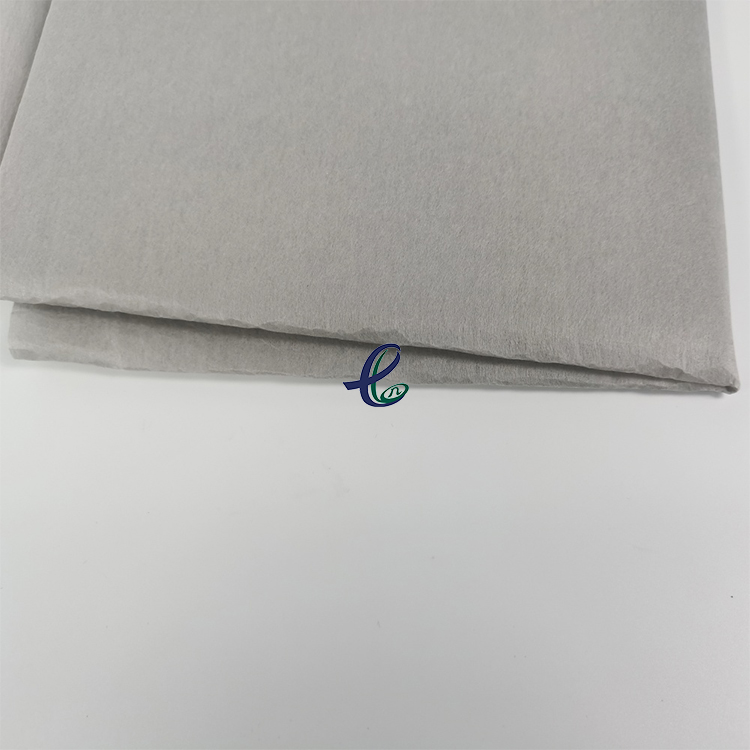
| Wipe Substrate Performance | Basis weight, thickness, absorbency, wet strength, softness, and lint level determine user experience and cleaning efficiency. | Set measurable purchase specifications for basis weight, dimensions, tensile strength, absorbency, and visible lint; acceptance ranges should be agreed before production. | ASTM or ISO textile and nonwoven test methods selected according to the substrate construction and intended use. | Technical data sheet, sample test results, approved golden sample, and batch-to-batch quality-control records. |
| Packaging Seal Integrity | Leaks and weak seals can cause drying, contamination, evaporation of volatile ingredients, and product loss during international transport. | Every package format should have defined seal-strength and leak-acceptance criteria supported by production checks. | ASTM F88 for seal strength, ASTM F1929 for dye penetration of porous packaging, and ASTM F2096 for bubble-leak testing of suitable flexible packages. | Packaging specification, seal-strength results, leak-test records, line inspection plan, and transport simulation results. |
| Shelf Life and Transport Durability | Long-distance shipping may expose wipes to heat, cold, vibration, pressure changes, and repeated handling. | Shelf-life claims should be supported by real-time data or scientifically justified accelerated studies; packaging should remain functional after distribution testing. | Validated stability protocol and applicable distribution or transport simulation methods, such as ASTM D4169 where appropriate. | Expiry-date justification, storage conditions, transport-test report, and post-test inspection of moisture retention and seal integrity. |
| Manufacturing Quality System | Controlled production reduces variation in lotion dosage, wipe count, dimensions, contamination risk, and packaging performance. | The manufacturing site should operate documented procedures for hygiene, traceability, batch release, deviation control, corrective action, and change management. | ISO 22716 for cosmetic Good Manufacturing Practices; ISO 13485 may apply to qualifying medical-device products. | Current certificate, scope of certification, audit summary, batch records, traceability procedure, and complaint-handling process. |
| Labeling and Traceability | Clear labeling supports safe use, customs clearance, recalls, and compliance across multiple markets. | Each retail unit and shipping case should carry a lot or batch code, net quantity, ingredients or active substances, directions, warnings, storage conditions, and expiry or period-after-opening information where required. | Destination-market labeling rules, product traceability requirements, and relevant chemical or consumer-product regulations. | Artwork proof, multilingual label review, barcode details, batch-coding example, and recall or withdrawal procedure. |
| Environmental and Disposal Claims | Claims about biodegradability, compostability, plastic content, or flushability can create regulatory and consumer-liability risks if unsupported. | Environmental claims should specify the tested material, conditions, timeframe, and disposal route; “flushable” should not be assumed from biodegradability alone. | EN 13432 for industrial compostability of packaging; ISO 14855 or equivalent methods for aerobic biodegradation under controlled conditions, when applicable. | Third-party test report, claim substantiation, material composition, disposal instructions, and recycling or packaging declaration. |
Note: Standards and legal requirements vary by product category and destination market. Buyers should confirm the current edition of each standard and use an appropriately qualified or accredited laboratory for claim verification.
Global buyers should select hygiene wipes by use, skin contact, and destination market. A surface disinfecting wipe is not suitable for hands or infants. Check the intended application, material composition, fragrance level, and moisture balance. For sensitive skin, fragrance-free, alcohol-free options may reduce irritation, but individual reactions can still occur.
Review technical documents before comparing prices. Request ingredient lists, safety data, microbial testing, and shelf-life evidence from the supplier. Confirm that claims match the available test methods and local requirements. Packaging also matters. A resealable lid can protect wipes during humid shipping, while single sachets suit clinics, travel kits, and outdoor use. Labels should show batch numbers, usage instructions, warnings, and expiry dates in the destination language.
Test before ordering at scale. Small samples can reveal tearing, lint, unpleasant odor, or drying after repeated opening. They can also expose problems that specifications miss. I once underestimated climate conditions when evaluating moisture retention; a product performing well in a dry warehouse changed noticeably after hot, humid storage. Buyers should simulate transport and storage conditions, then compare several batches. No wipe fits every market. Product quality, documentation, packaging, supply stability, and responsible communication must be assessed together.