How to Choose Colorful Nonwoven Materials for Your Projects?
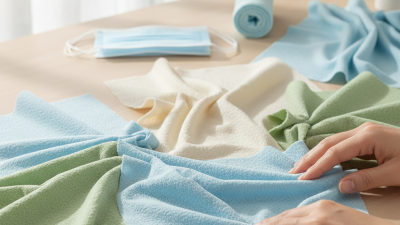
When embarking on projects that require colorful nonwoven materials, it is essential to make informed choices. These materials come in various hues and textures, allowing you to bring your creative visions to life. Selecting the right vibrant nonwoven can enhance your project’s overall aesthetic and functionality.
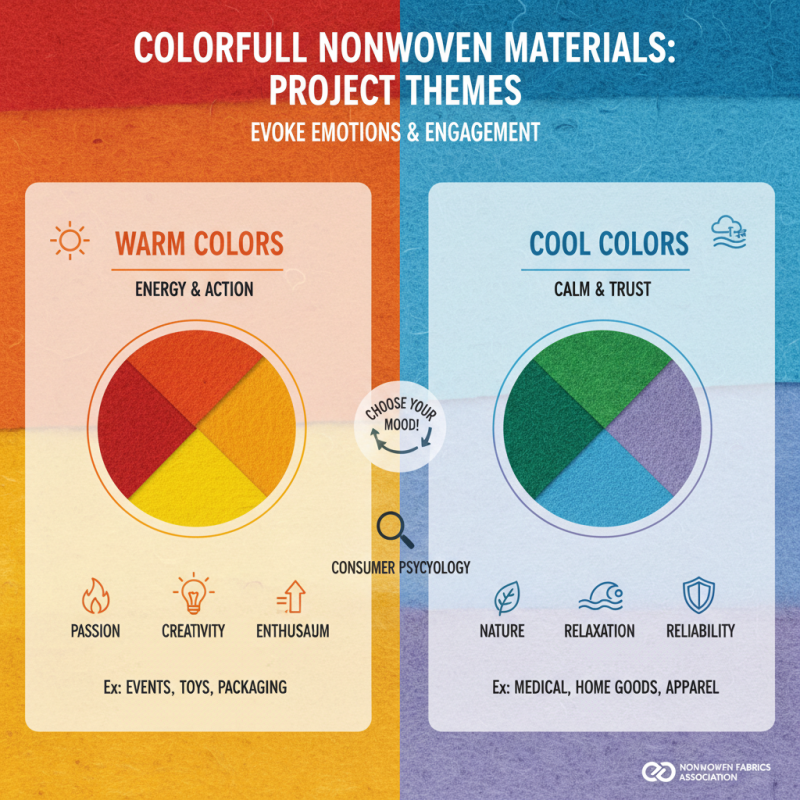
Consider the purpose of your project. Different colors may evoke various emotions or convey specific messages. For instance, warm tones like red and orange inspire energy, while cool hues such as blue promote calmness. The right choice can make significant differences. High-quality colorful nonwoven materials offer durability and versatility, but be wary of products that fall short of these standards.
Reflect on your needs and limitations. Sometimes, the most eye-catching options may not align with your budget or sustainability goals. Exploring various suppliers can help you discover a balance between vibrancy and practicality. Remember, the journey of choosing colorful nonwoven materials is both a challenge and an opportunity to express your unique style. Prioritize what truly matters to your project’s success.
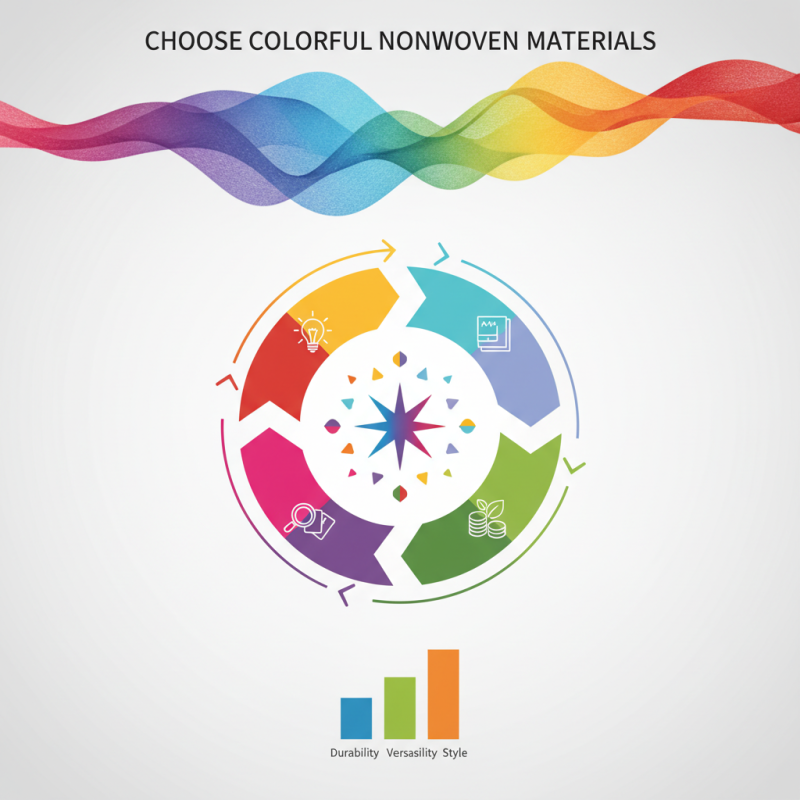
Understanding Nonwoven Materials and Their Color Varieties
Nonwoven materials have gained popularity due to their versatility and unique characteristics. These fabrics are made from fibers that are bonded together rather than woven. This manufacturing process allows for a variety of textures and strengths. Understanding these attributes is key when selecting the right colors and materials for your projects.
Color plays a vital role in conveying emotions and messages. Nonwoven materials come in a rainbow of options. Each color can evoke different feelings or suit various themes. Bright colors can add energy, while muted tones often create a calming effect. However, choosing the right shades requires consideration beyond aesthetics. Factors like fabric type, thickness, and application should influence your decision.
In practice, the variety of colors may not always meet expectations. Sometimes, colors appear differently when printed or displayed in different lighting. Test swatches before committing to a large batch. Additionally, the durability of colors varies across materials. Some shades fade quickly; others resist wear better. Understanding these factors can prevent future disappointment.
How to Choose Colorful Nonwoven Materials for Your Projects?
| Color |
Material Type |
Weight (gsm) |
Usage |
Durability |
| Red |
Polypropylene |
60 |
Medical Supplies |
Moderate |
| Blue |
Polyester |
80 |
Fashion Accessories |
High |
| Green |
Rayon |
50 |
Home Textiles |
Low |
| Yellow |
PP/PE Blend |
100 |
Agricultural Covers |
Moderate |
| Pink |
Nonwoven Spunbond |
70 |
Crafting |
High |
Factors to Consider When Selecting Colorful Nonwoven Materials
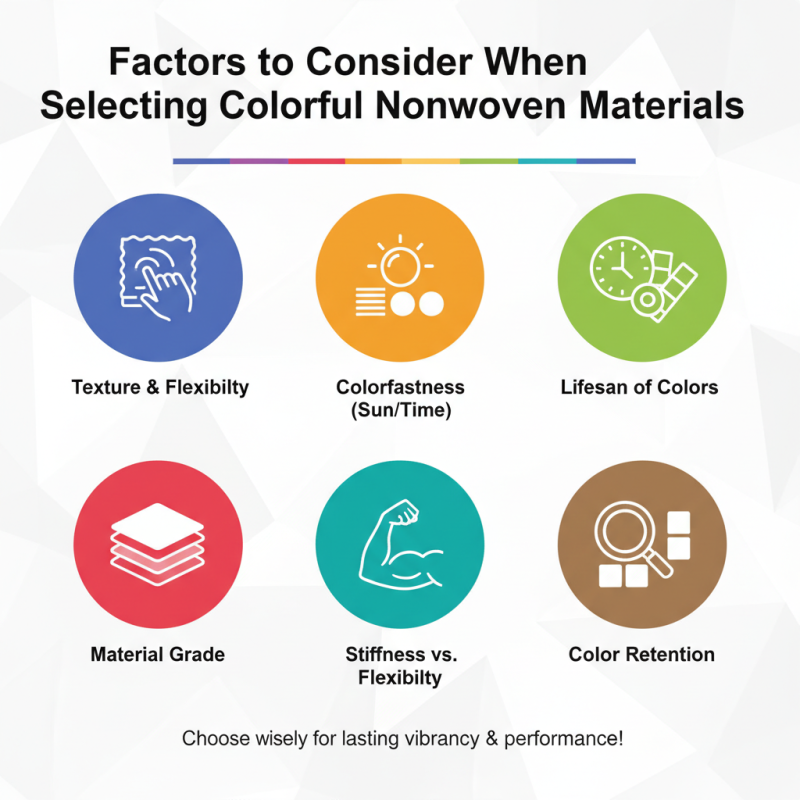
Choosing colorful nonwoven materials for your projects involves several important factors. The texture of the material impacts its effectiveness. Some fabrics might be too stiff, affecting flexibility. Others may not hold colors well over time. Understanding the lifespan of the colors and the grade of the material is crucial. A vibrant hue today might fade quickly in the sun.
The purpose of the project also shapes your selection. For instance, craft projects often require more vibrant colors. Yet, for industrial applications, you might want muted tones. Consider the durability of the material as well. Some bright nonwoven fabrics can tear easily, while sturdier options could cost more. Weighing the trade-offs can lead to better choices.
Another essential factor is the weight of the nonwoven material. Light fabrics are easier to manipulate, but they may lack support. Heavier materials provide structure but can be harder to cut. Testing multiple options can yield surprising insights. Striking a balance between color, texture, and weight may require experimentation. Each project will have its unique demands, encouraging reflection on your material choices.
Applications of Colorful Nonwoven Materials in Various Projects
Colorful nonwoven materials have diverse applications. These fabrics are popular in industries such as fashion, healthcare, and home decor. A recent market report indicates that the global nonwoven fabric market is expected to reach $63.6 billion by 2028. This growth reflects the rising demand for eco-friendly materials and innovative designs.
In fashion, colorful nonwoven materials are transforming clothing and accessories. They provide lightweight, durable options for designers. In healthcare, vibrant nonwoven fabrics are essential for personal protective equipment. Bright colors can enhance visibility and improve user compliance. Additionally, nonwoven materials are used in home decor, offering choices from colorful table linens to unique wall coverings.
However, challenges exist when choosing these materials. Not all nonwoven fabrics are created equal. The manufacturing process can affect colorfastness and durability. It's crucial to consult industry professionals when sourcing materials. Reflecting on specific needs is essential for successful project outcomes. An informed decision can lead to successful and aesthetically pleasing creations.
Tips for Matching Colorful Nonwoven Materials with Project Themes
When selecting colorful nonwoven materials, aligning colors with your project's theme is crucial. For instance, a study by the Nonwoven Fabrics Association noted that color can influence consumer emotions, impacting their engagement. Warm colors like red and orange energize a space, while cool colors like blue and green create calmness. Think about the mood you want to evoke.
In home decor, vibrant yellows or calming blues can transform a room's atmosphere. For example, using a cheerful yellow nonwoven fabric for cushions can enhance a lively kitchen. Yet, choosing colors directly related to your theme is vital. Misalignment may lead to discord in design, where the colors conflict rather than harmonize. According to industry reports, 40% of design failures occur due to poor color matching, leading to undesired outcomes.
Sustainability also plays a role in the choice of colorful materials. Some nonwoven options are made from recycled materials. Their colors may not be as vivid but can offer a unique aesthetic that resonates with eco-conscious consumers. A project aiming for sustainability should carefully weigh the vibrancy against the environmental impact of nonwoven materials.
Sustainable Options for Colorful Nonwoven Materials in Your Projects
When choosing colorful nonwoven materials, sustainability is crucial. Many people are concerned about the environmental impact of their projects. Nonwoven materials can offer eco-friendly options without sacrificing vibrancy. Look for materials made from recycled fibers or biodegradable substances. This helps reduce waste and supports a circular economy.
Tips for selecting sustainable nonwoven materials:
- Check certifications for eco-friendliness.
- Always opt for dyes that are non-toxic.
- Consider sourcing locally to lower carbon footprints.
Colors can convey emotions and themes in your work. Be mindful of how hues interact with your project goals. Some bright colors might fade quickly, affecting the long-term appeal. Test samples in natural light to see how they hold up. Reflect on the balance between aesthetics and durability. Creativity thrives on imperfection, so don’t hesitate to experiment and face challenges. Find beauty in the process.

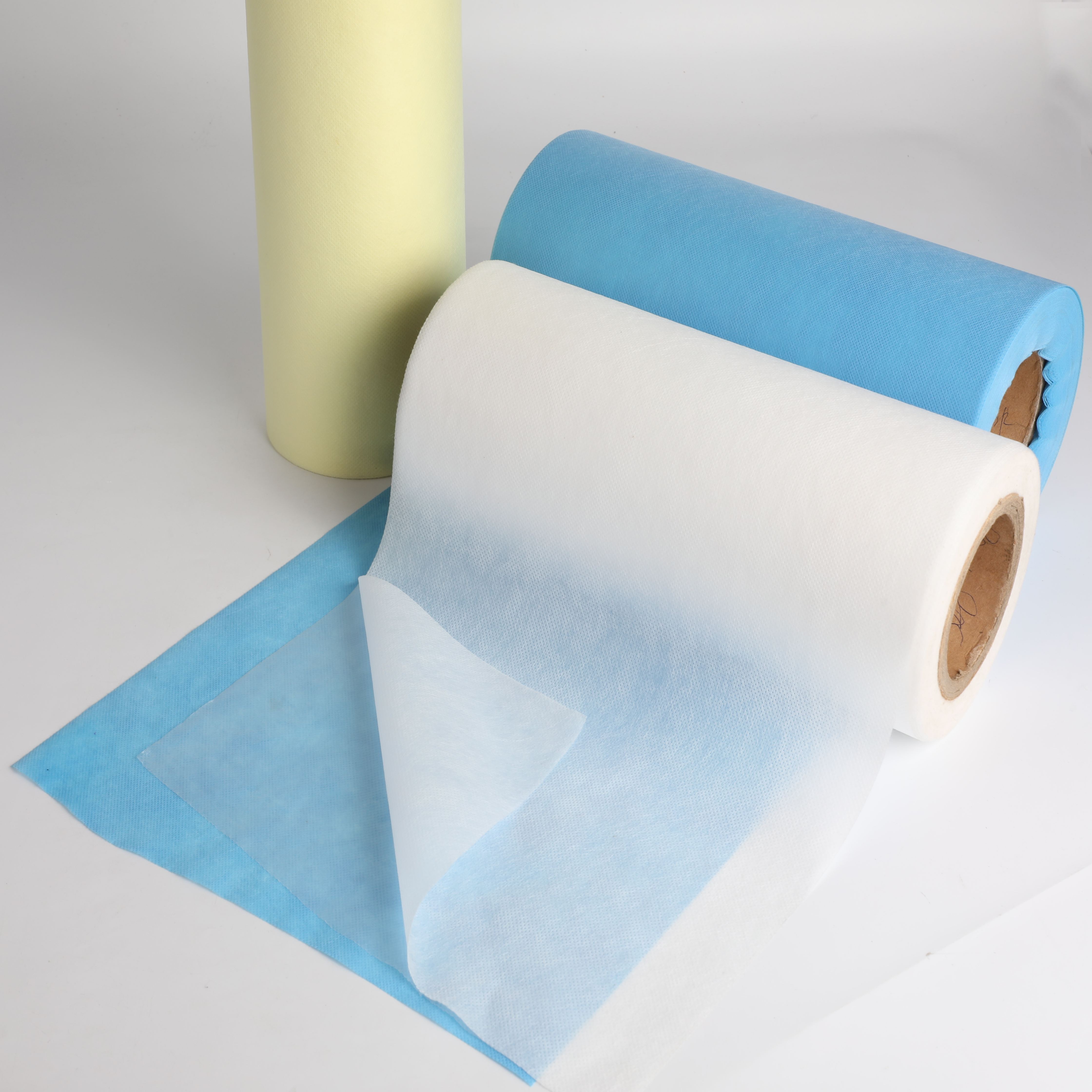 PP Laminates
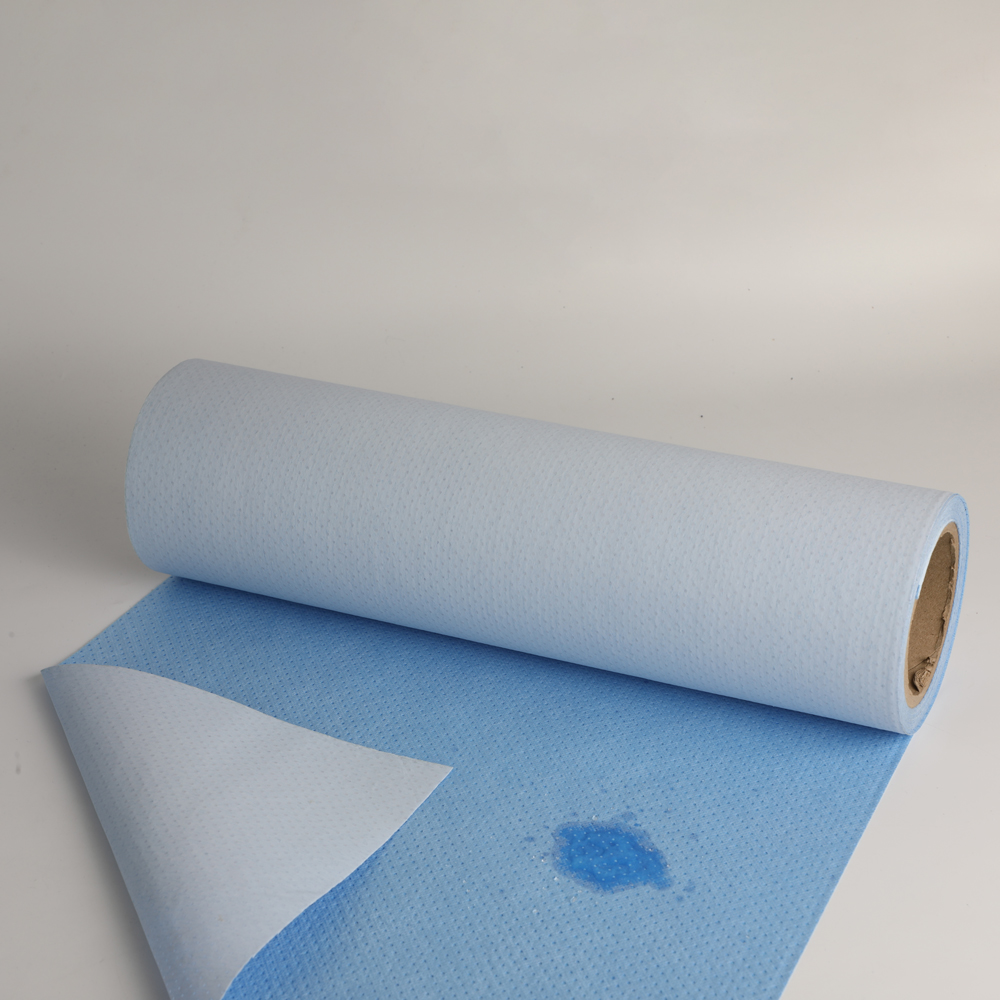 Multi Laminates
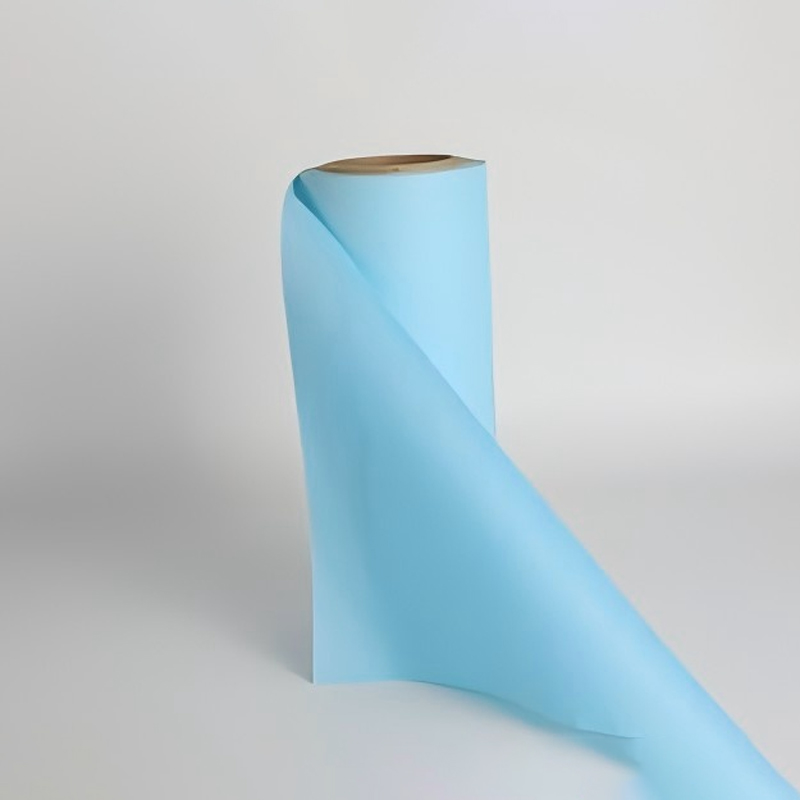 Spunlace Nonwoven Laminates
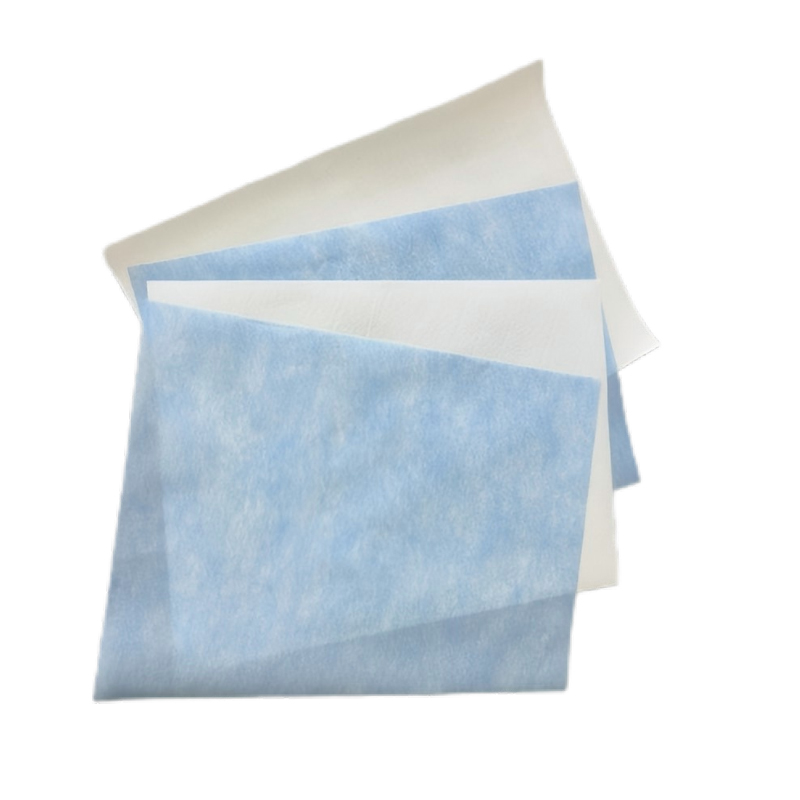 Breathable Film Laminates
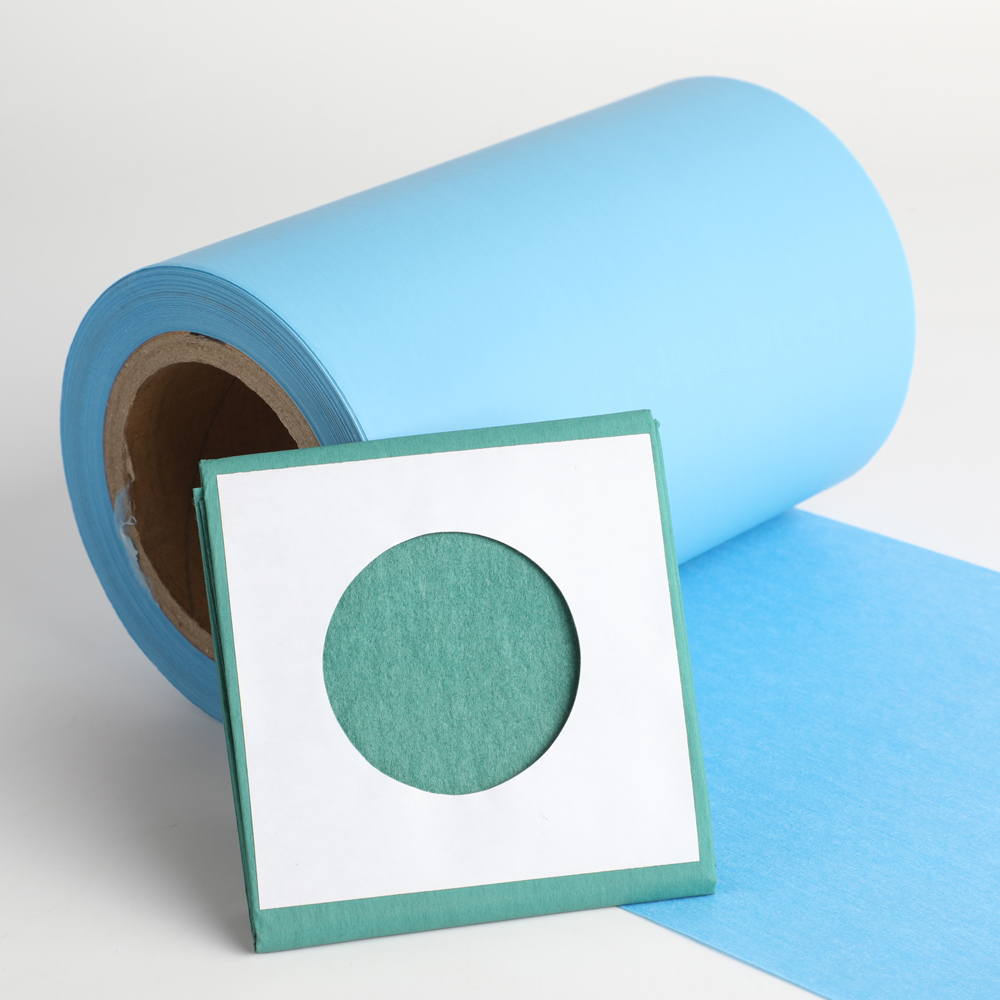 Viscose Laminates
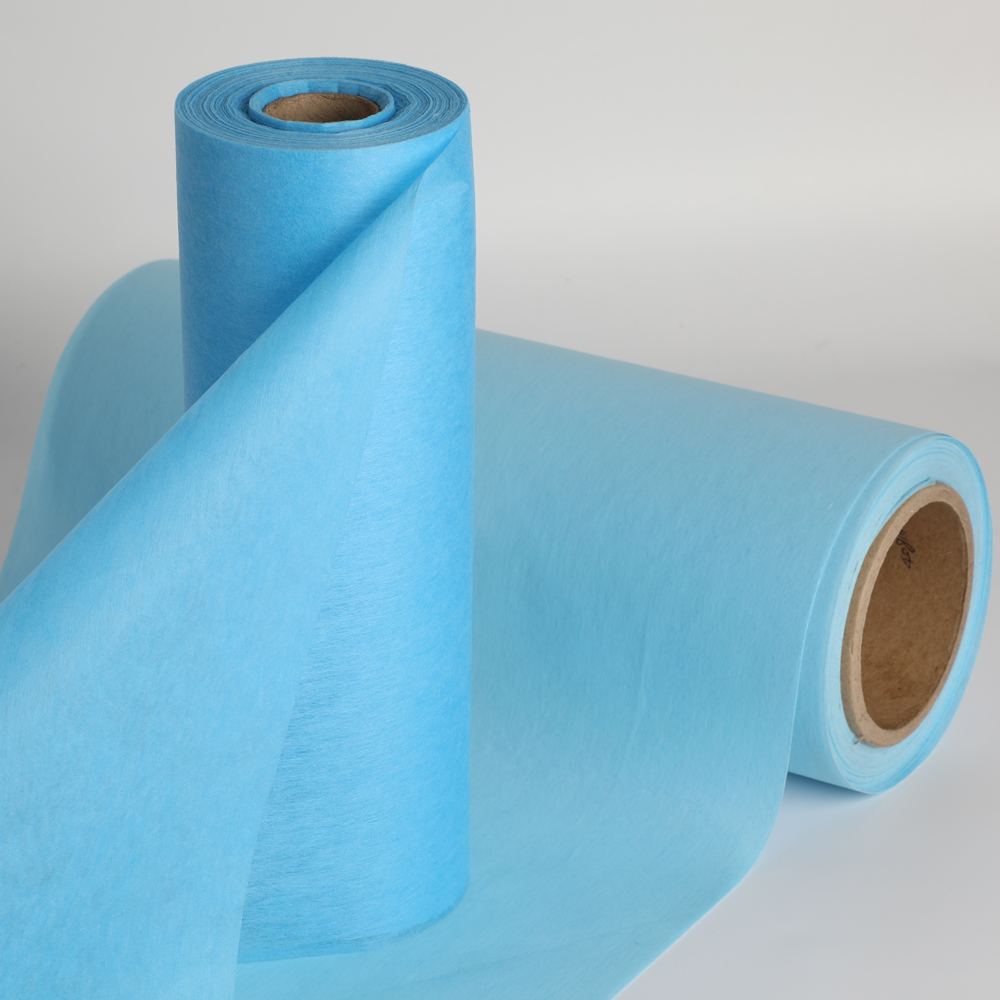 Medical Viscose Nonwoven
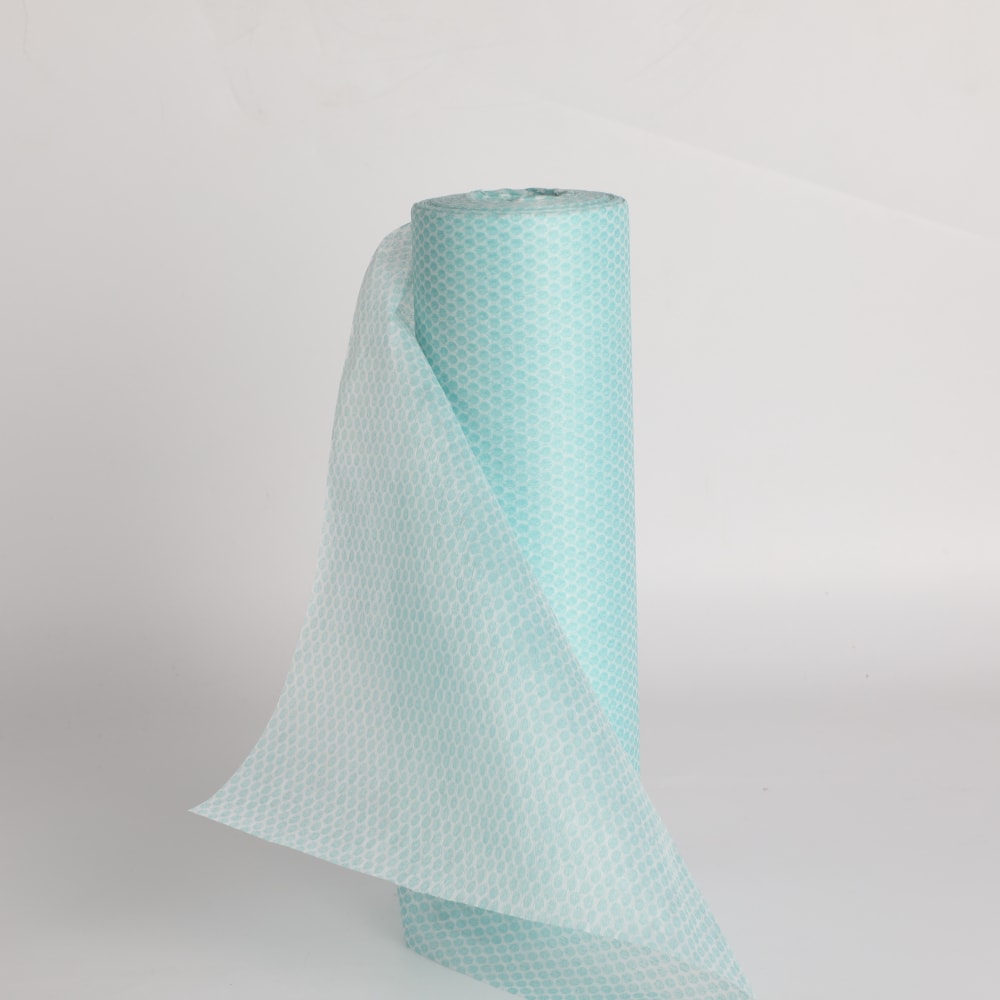 Head Wear Nonwoven
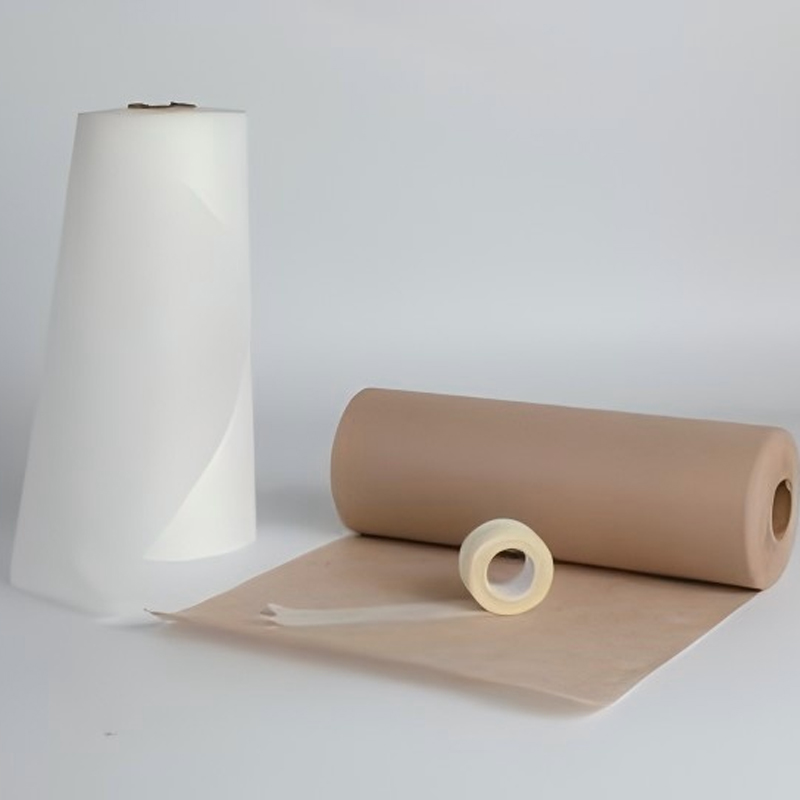 Medical Tape Nonwoven
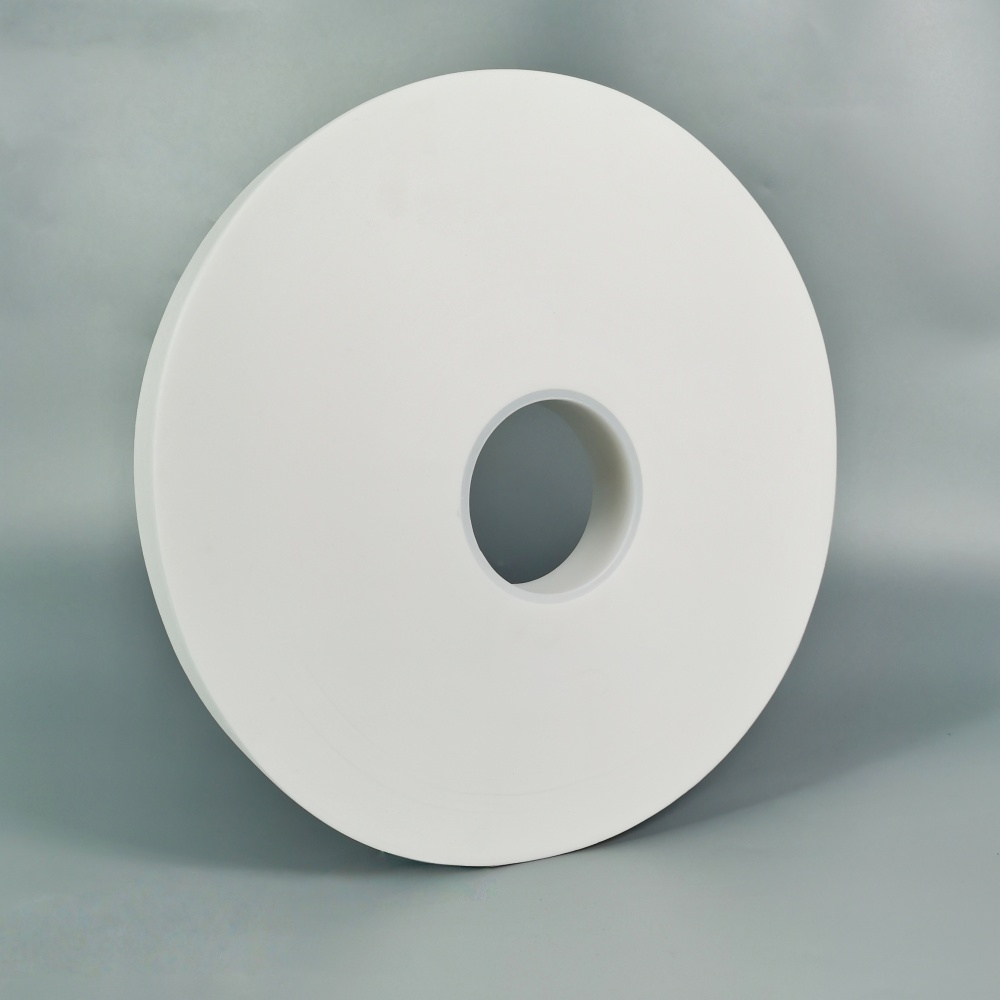 Snus Pouch Nonwoven
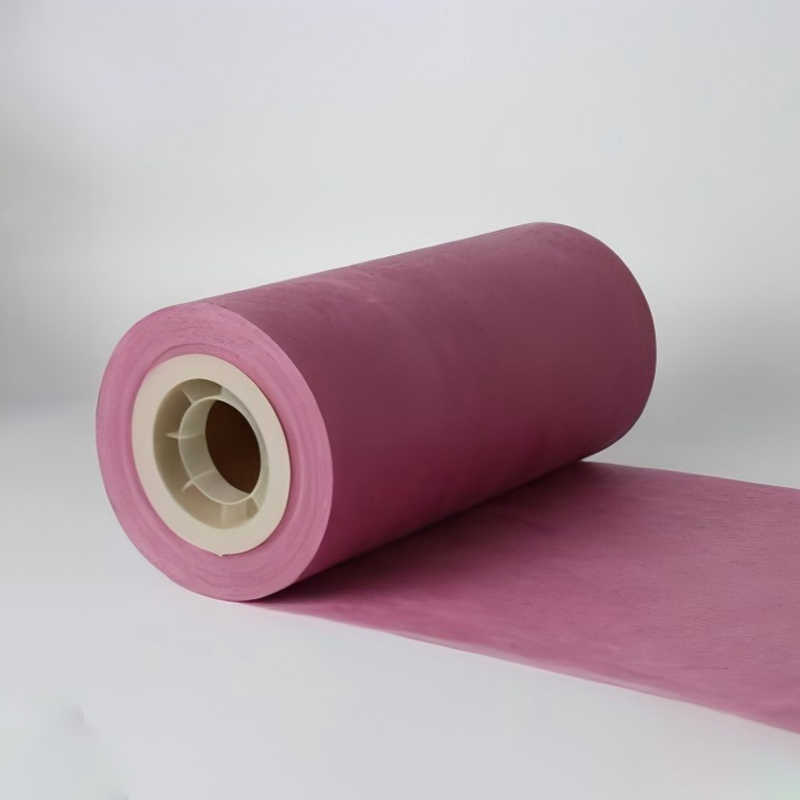 Filtration Nonwoven
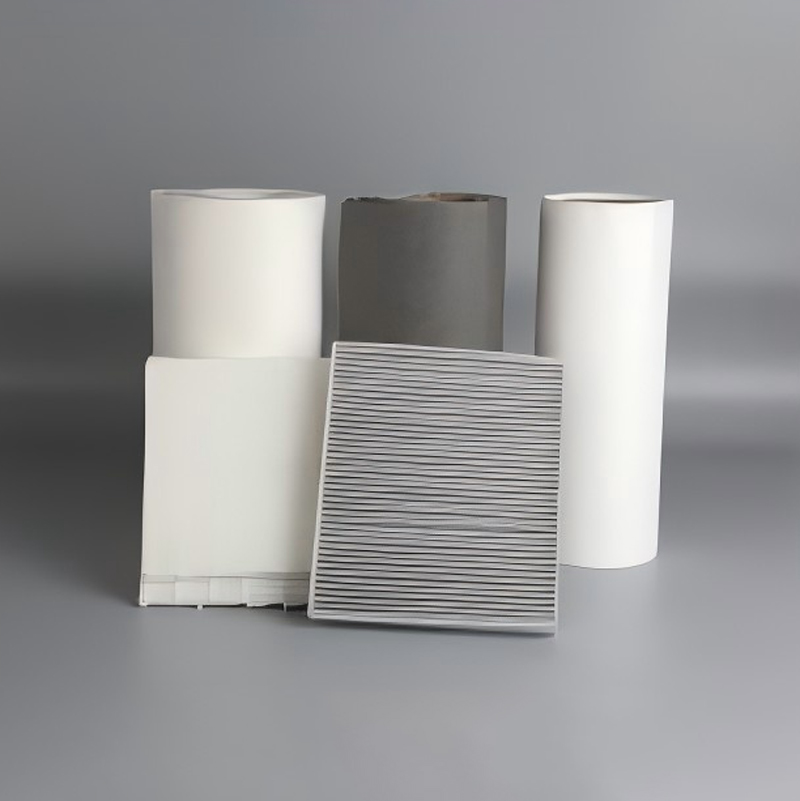 Air Filter Media
 Liquid Filter Media
 Filter Envelope & Filter Sheet
 Breathable Film Laminates
 Nonwoven Interlining
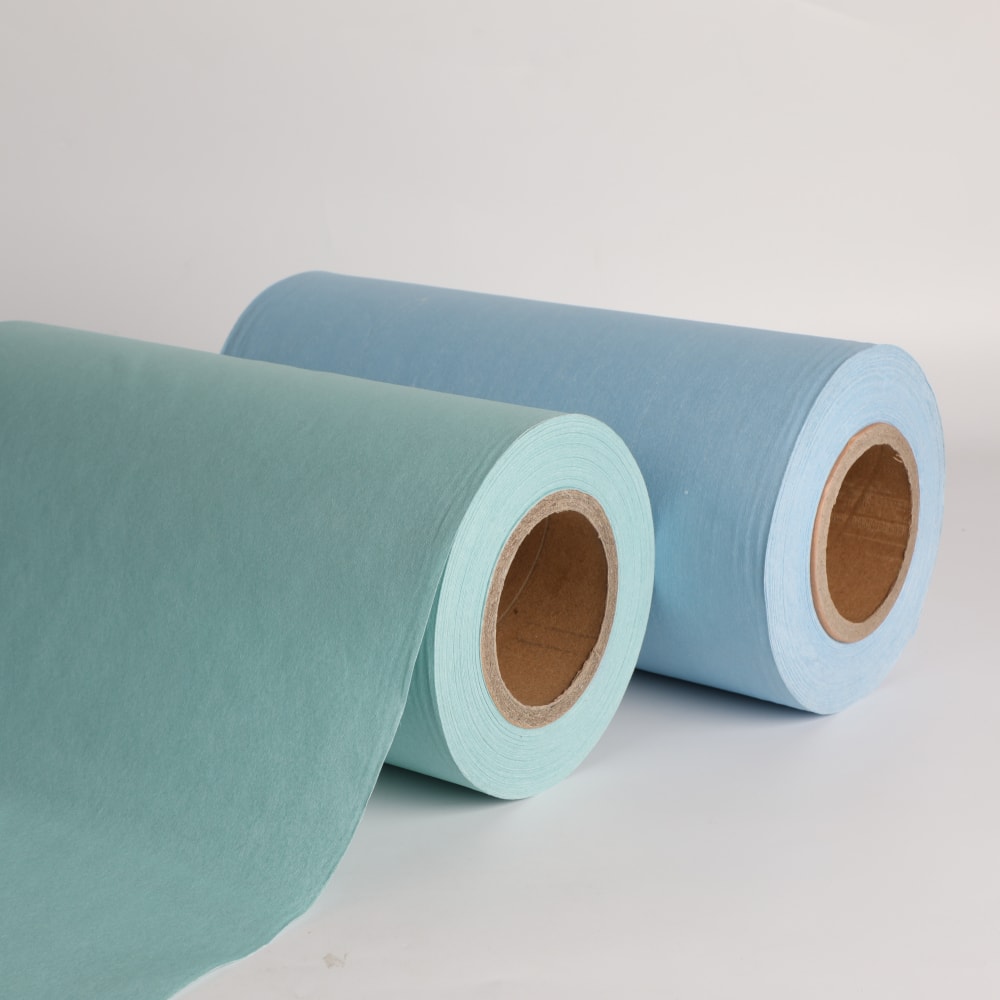 Fluid Repellent Woodpulp Spunlace Nonwoven
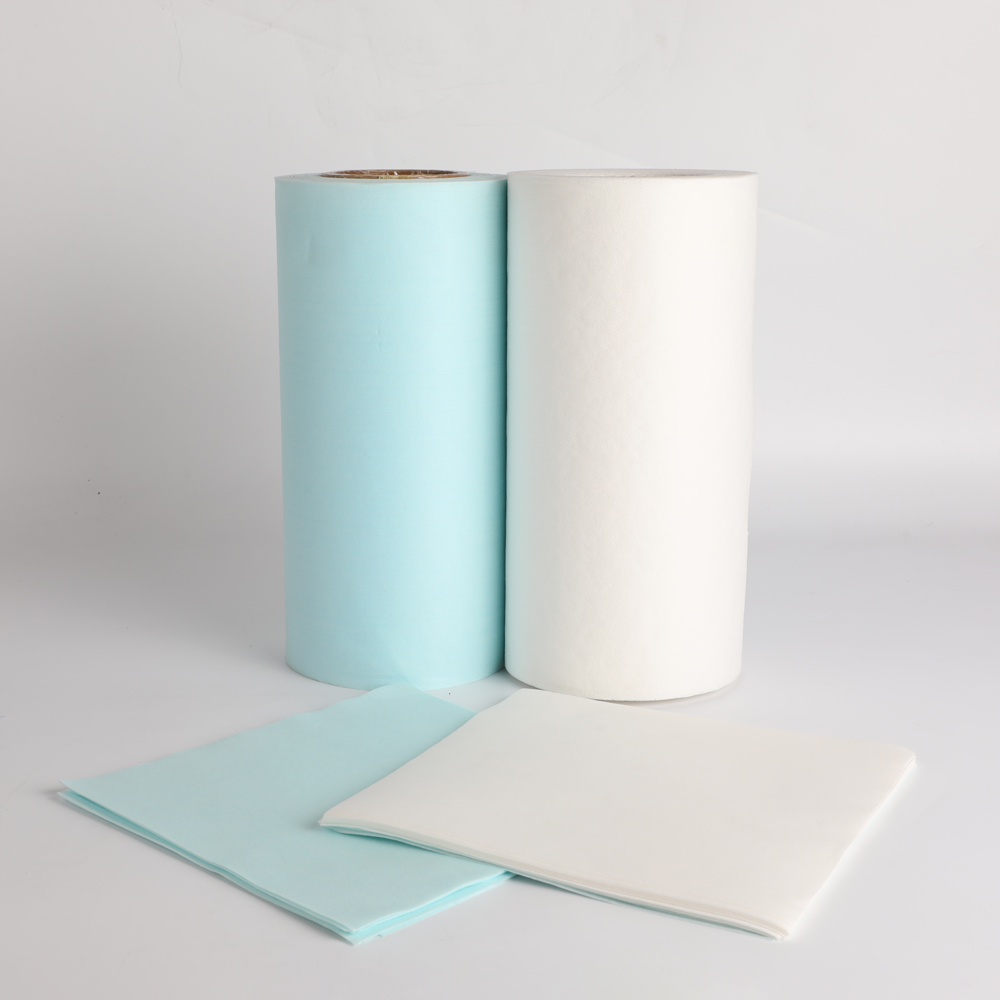 Woodpulp Nonwoven Wipe
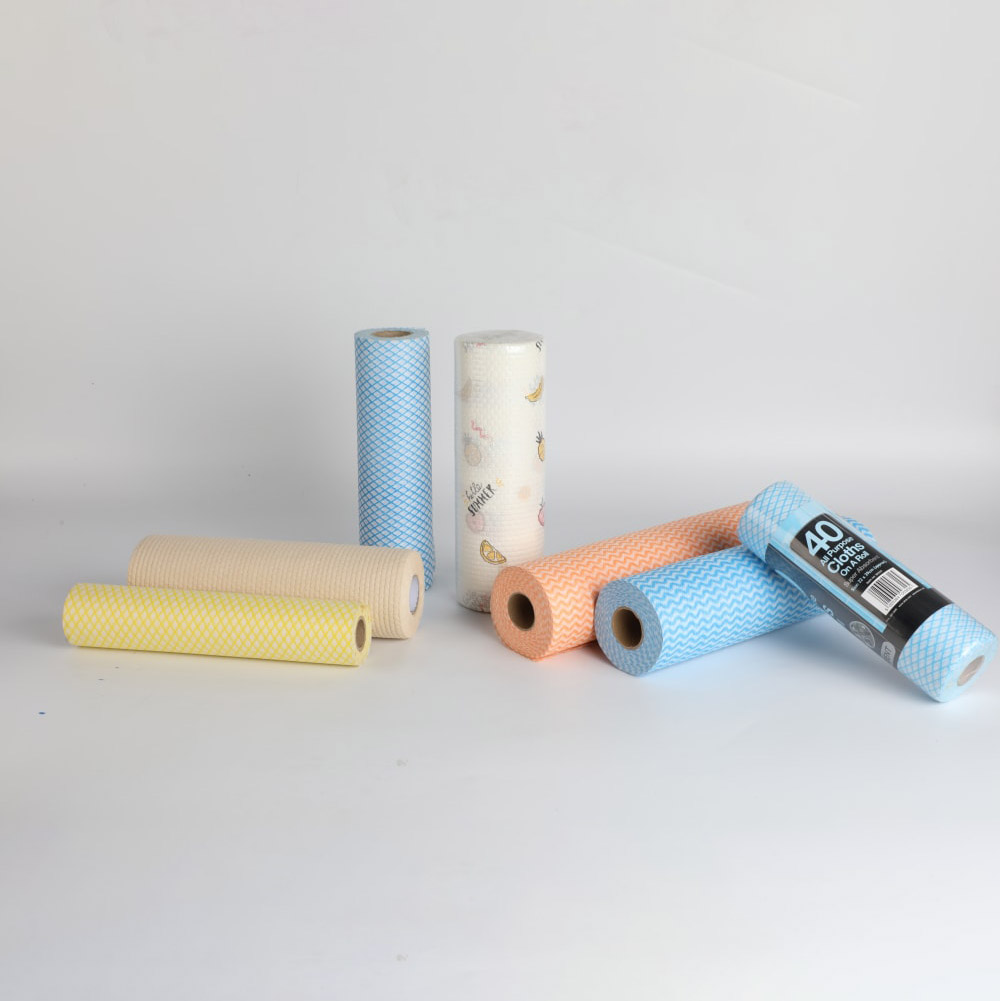 Nonwoven Cleaning Wipe
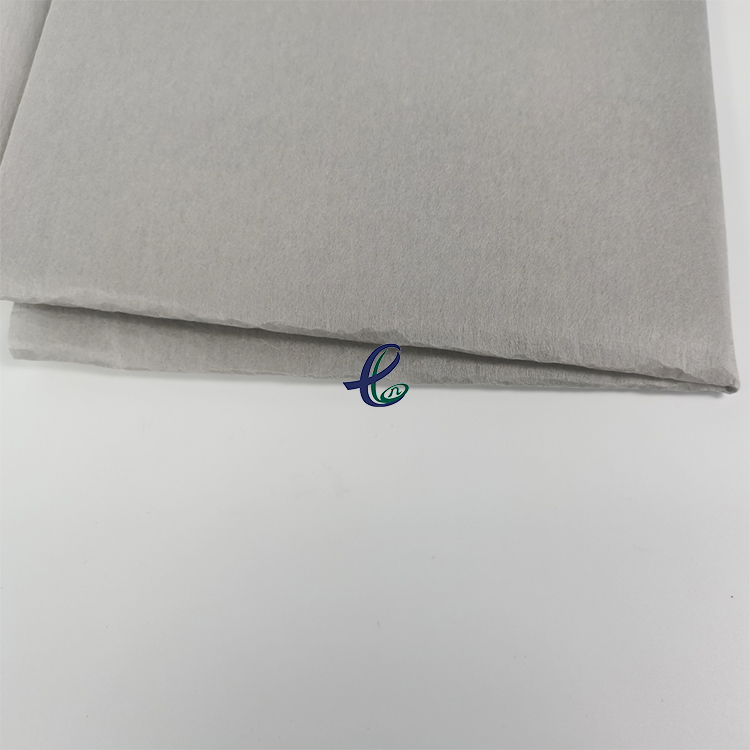 Curtain Nonwoven
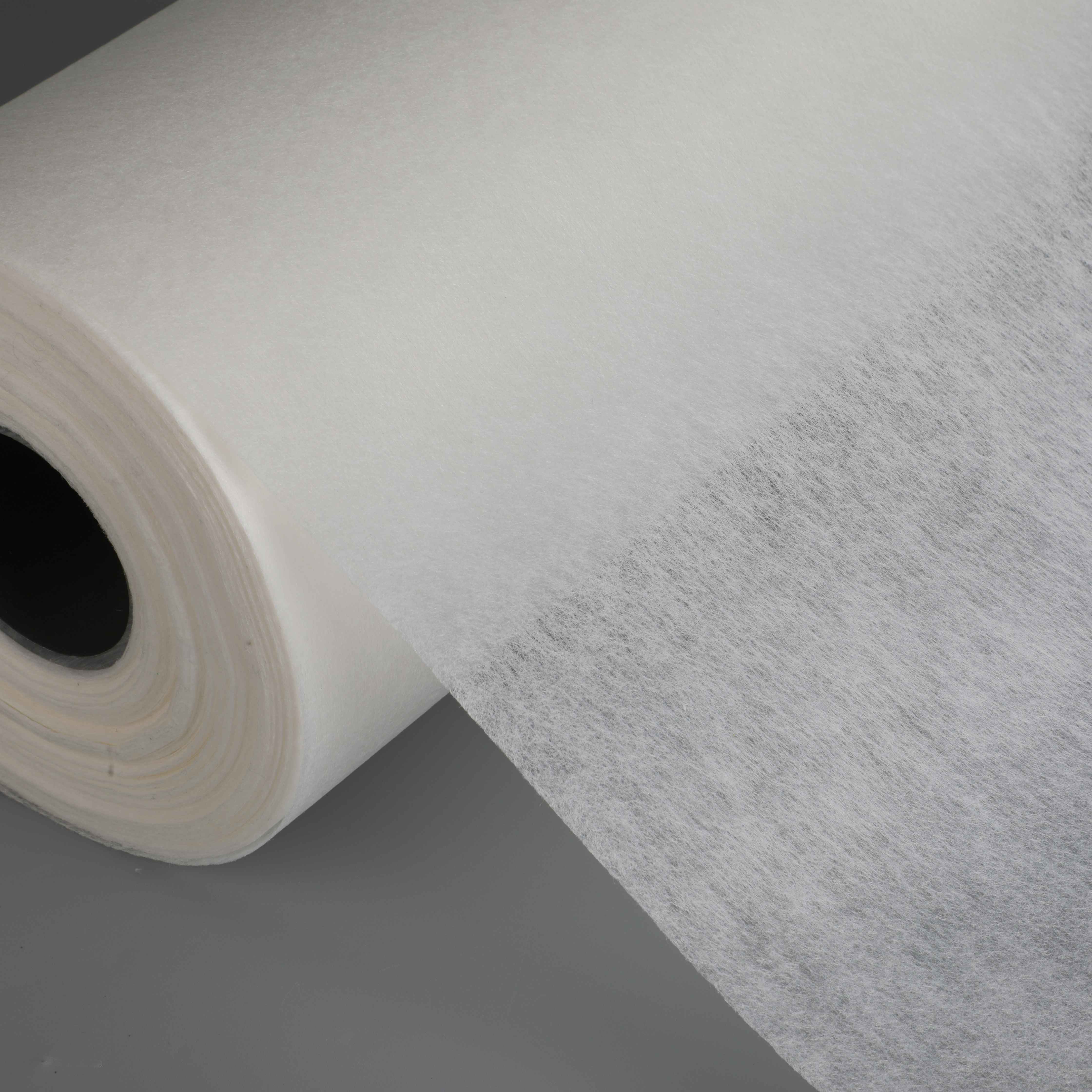 Food Grade Packaging Nonwoven
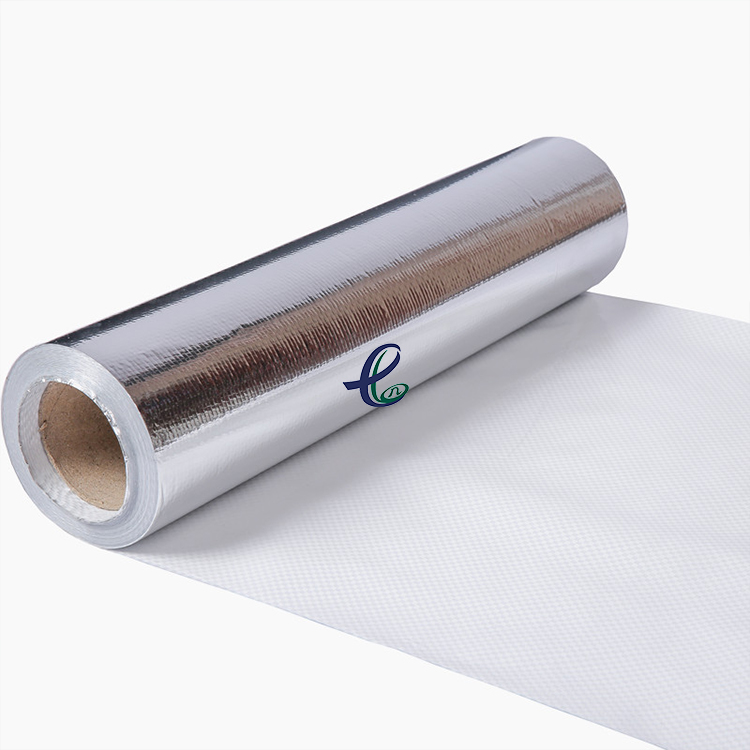 Aluminized Nonwoven
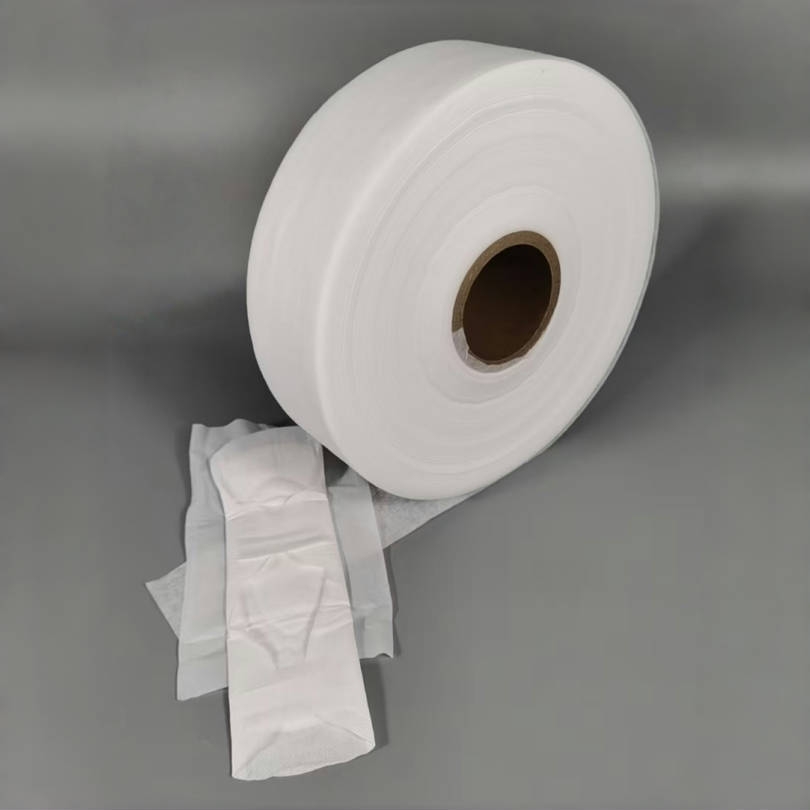 Hot Air Cotton Nonwoven
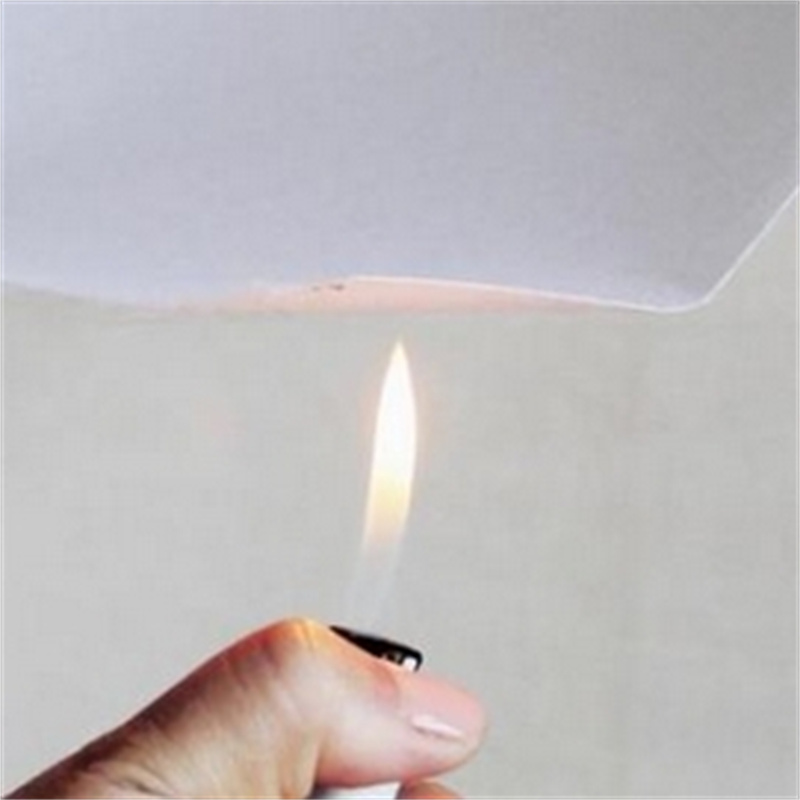 Flame Retardant Nonwoven
 Cable Wrapping Nonwoven
 Semi-conductive Nonwoven
 Anti-Bacterial Nonwoven
 +8613957712400
 CONTACT WhatsApp
 CONTACT WeChat
 CONTACT NUMBER
 CONTACT EMAIL