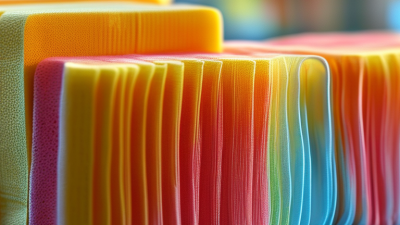
What Are Hygiene Wipes and How Do They Work?
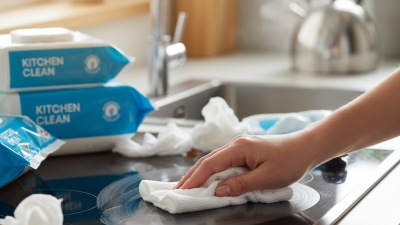
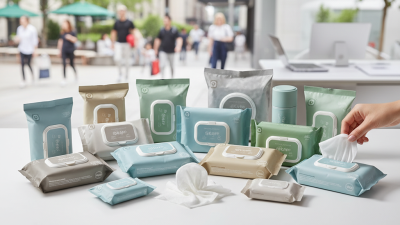
Hygiene Wipes are pre-moistened sheets designed to clean skin, hands, equipment, or household surfaces. Their purpose depends on the formulation. Some remove visible dirt, oils, and microbes through physical wiping. Others contain antimicrobial ingredients that can reduce specific germs when used correctly. They are not all interchangeable. A wipe for hands may be unsuitable for food-contact surfaces. A surface disinfecting wipe may irritate skin. Read the label carefully.
Dr. Charles P. Gerba, a microbiologist known for researching household contamination, emphasizes a practical cleaning principle: “A disinfectant must remain wet long enough to work.” This matters because users often wipe too quickly. The surface may look clean, but appearance proves little. Contact time, coverage, and correct disposal affect performance. The fabric also matters. A textured wipe can lift residue from a phone, desk, or bathroom handle more effectively than a thin, dry-feeling sheet.
Hygiene Wipes can support daily hygiene, travel routines, caregiving, and workplace cleaning. They cannot replace every cleaning method. Soap and running water remain essential for many handwashing situations. Wipes also create waste, and excessive use deserves honest consideration. I have found that convenience encourages better habits, but convenience can also encourage careless habits. A rushed swipe across one small area is not thorough cleaning. This guide examines wipe materials, active ingredients, contact time, safety, storage, and real-world limitations. It asks a simple question: do Hygiene Wipes truly solve the problem, or only make cleanliness easier to see?
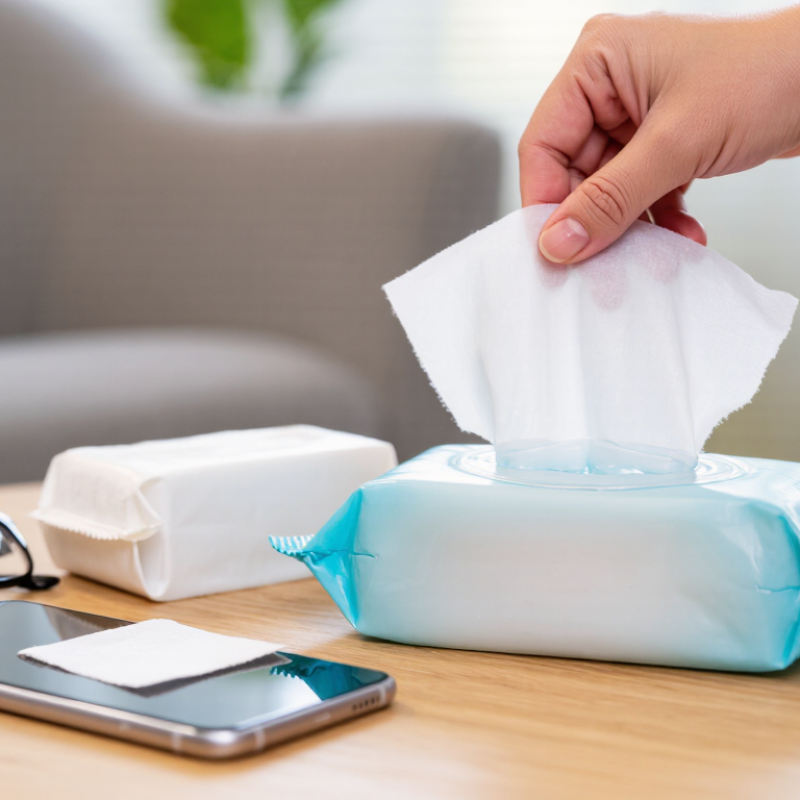
Definition and Purpose of Hygiene Wipes
Hygiene wipes are pre-moistened sheets designed to remove dirt, sweat, oils, and some germs from the skin or other surfaces. Their exact purpose depends on the product’s labeling. A wipe made for hands may contain cleansing agents, while a surface wipe may use stronger ingredients that should not touch skin. This difference matters.
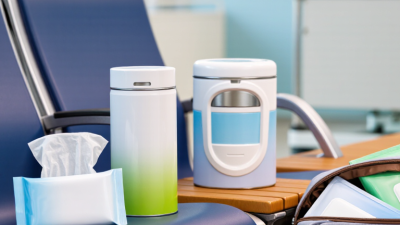
In daily use, hygiene wipes offer a practical cleaning option when soap, water, or a sink is unavailable. A traveler might wipe dusty hands before eating, or a caregiver might clean a small area of skin during a change. The cloth lifts residue as it moves across the surface. Moisture helps loosen particles, but one wipe may not remove everything. They are not magic.
Good hygiene practice means reading the label, checking the intended use, and following the stated contact time when disinfection is claimed. Do not use surface wipes on the body unless the instructions clearly allow it. Avoid the eyes, broken skin, and areas that react easily. I once assumed a fresh-smelling wipe was automatically gentle, but fragrance does not prove safety. Skin can become dry or irritated after repeated use. Wash with soap and running water when possible, and place used wipes in a bin rather than flushing them.
Key Materials and Ingredients in Hygiene Wipes
What Are Hygiene Wipes and How Do They Work?
Key Materials and Ingredients in Hygiene Wipes
Hygiene wipes combine a soft nonwoven sheet with a carefully balanced liquid formula. The sheet commonly uses viscose, polyester, polypropylene, or cellulose fibers. Viscose feels smooth and absorbs liquid well. Polyester adds strength during wiping. Cellulose-based fibers can improve biodegradability, but performance depends on processing and disposal conditions.
The liquid is mostly purified water. It may also contain humectants, mild cleansing agents, preservatives, pH adjusters, and skin-conditioning ingredients. Humectants help reduce a dry, tight feeling. Surfactants lift oils and surface soil. Preservatives protect the water-rich formula from microbial growth. That protection is essential. However,
“gentle” does not mean risk-free for every skin type.
According to Grand View Research, the global wet wipes market was valued at about 23.6 billion US dollars in 2024. The report forecasts approximately 5% annual growth through 2030, reflecting wider household and personal-care use.
This growth increases pressure to improve fiber selection and packaging efficiency. A 2024 Smithers industry outlook also highlights nonwoven innovation, including lighter materials and more renewable fibers. Yet renewable content alone proves little. I have seen material claims become unclear when disposal systems are ignored.
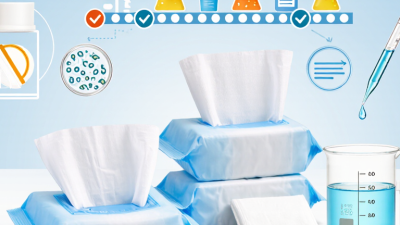
Testing should examine softness, tensile strength, liquid retention, pH, and preservative performance. Real skin contact can reveal weaknesses that laboratory data misses.
How Hygiene Wipes Clean and Remove Impurities
What Are Hygiene Wipes and How Do They Work?
Hygiene wipes are pre-moistened sheets designed to lift sweat, oils, dust, and everyday residue from skin or surfaces. Their cleaning action combines moisture, gentle cleansing agents, and physical wiping. Water softens dried particles, while surfactants surround oil and loosen it from the surface. The wipe’s fibers then trap these impurities and carry them away.
A single pass may remove visible dirt, but pressure and movement matter. In practical use, wiping from a cleaner area toward a dirtier one helps prevent spreading residue. A folded wipe also exposes a fresh section for each stroke. Do not scrub aggressively. Excess friction can cause redness, especially on sensitive skin.
Not all wipes work the same way. Some contain moisturizing ingredients for hands or body, while others are made for hard surfaces. Their labels should explain the intended use and contact time when antimicrobial claims apply. A wipe can clean effectively without making a surface sterile. That distinction is easy to miss.
A wipe is not a magic eraser.
It may leave behind a thin film if too much lotion or cleanser is present. I have also noticed that very dry residue sometimes needs a second pass, not stronger pressure. For skin, avoid eyes, broken areas, and prolonged rubbing. After wiping, allow the area to dry naturally when practical. Proper disposal matters because many wipes do not break down safely in plumbing.
What Are Hygiene Wipes and How Do They Work?
Hygiene wipes clean by combining a pre-moistened fabric with water, mild surfactants, and skin-conditioning ingredients. Surfactants loosen oils and particles so they can be lifted from the skin and absorbed by the wipe.
The chart compares typical pH ranges relevant to skin cleansing. Healthy skin is naturally mildly acidic, while traditional soap is usually more alkaline. Mild syndet-style cleansing systems are formulated closer to the skin’s natural pH, although actual hygiene-wipe formulas vary.
Safety, Disposal, and Environmental Considerations
Hygiene wipes are pre-moistened sheets designed to remove dirt, body fluids, or microorganisms from skin and surfaces. Their liquid may contain water, cleansing agents, preservatives, or disinfecting chemicals. The purpose matters. A cleaning wipe is not automatically a disinfecting wipe. Disinfectants need enough wet contact time, as stated on their safety labels. If a surface dries too quickly, performance may be reduced.
Use wipes gently and avoid damaged skin, eyes, and unnecessary chemical exposure. In healthcare settings, the World Health Organization reports that about 85% of healthcare waste is general waste, while 15% may be hazardous. Used wipes can become higher-risk waste when they contain blood, chemicals, or infectious material. Gloves and sealed bags may be appropriate in those situations. Ordinary household wipes should usually enter general waste, not the toilet. They can swell, snag, and contribute to sewer blockages. “Flushable” is not always a simple promise.
Environmental pressure is real. The OECD’s Global Plastics Outlook reports that global plastic waste more than doubled from 2000 to 2019, while only 9% was ultimately recycled. Many wipes contain synthetic fibers, so they may persist after disposal. Choosing low-packaging products and using one sheet only when needed can reduce waste. Still, disposal labels can be confusing, and recycling systems differ widely. I have found that a wipe may look harmless in a bathroom bin, yet its material and contamination determine the responsible route. That detail deserves more attention.

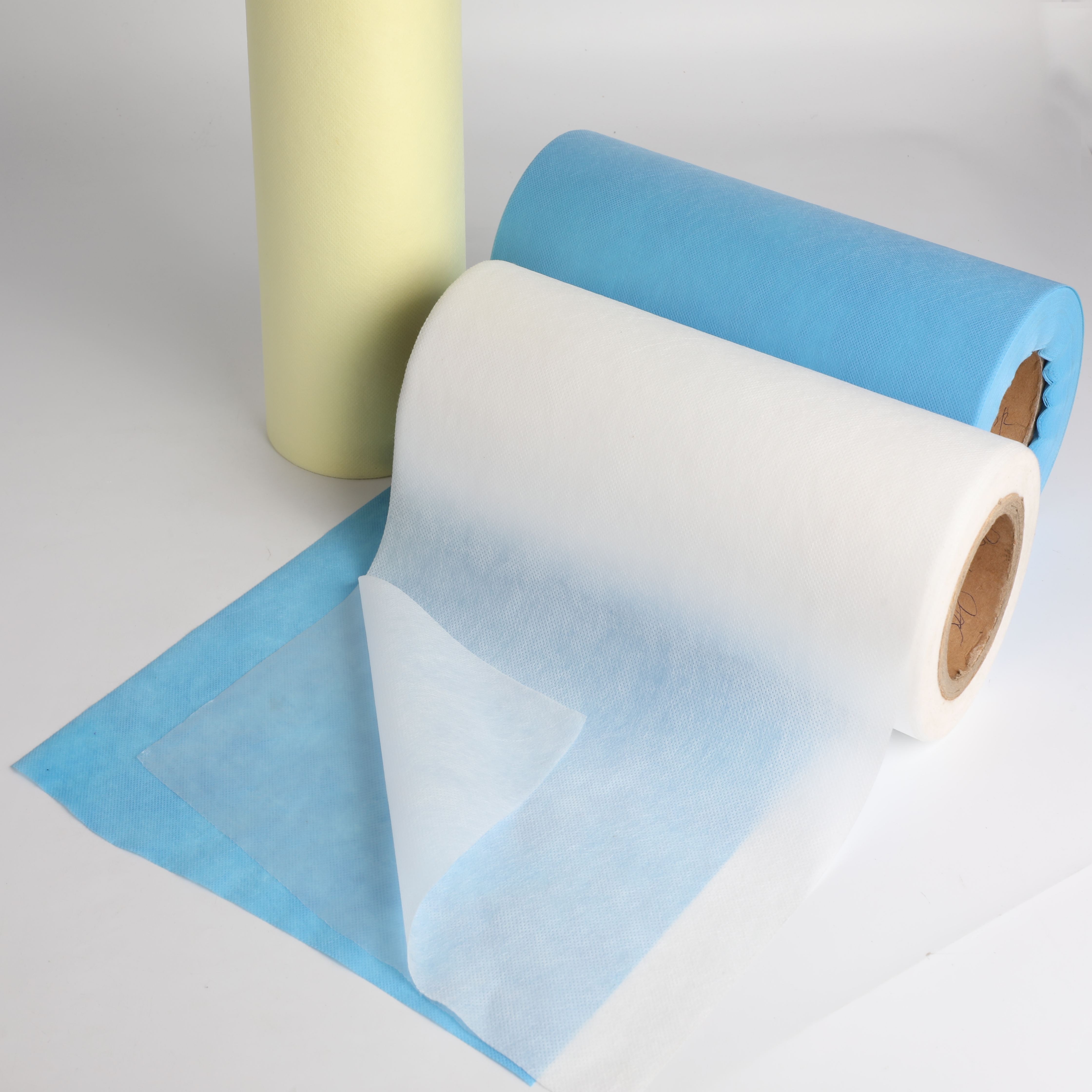 PP Laminates
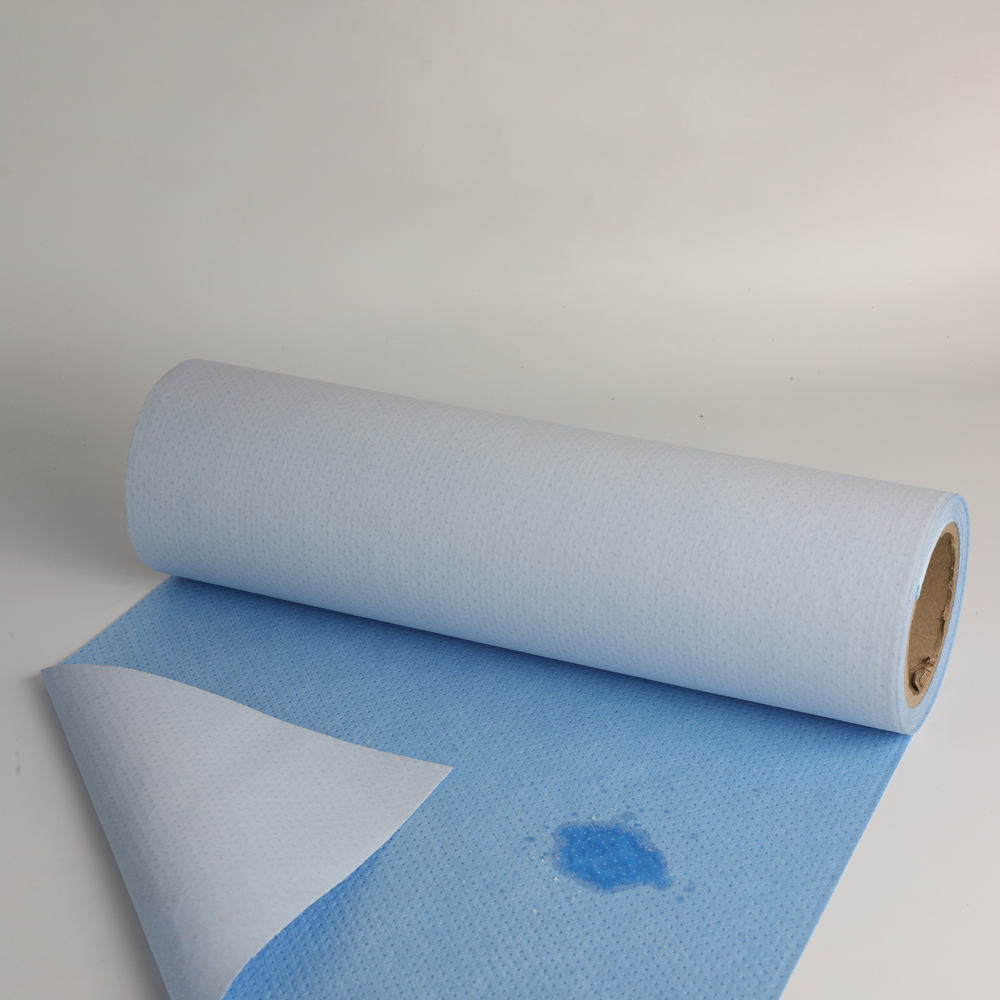 Multi Laminates
 Spunlace Nonwoven Laminates
 Breathable Film Laminates
 Viscose Laminates
 Medical Viscose Nonwoven
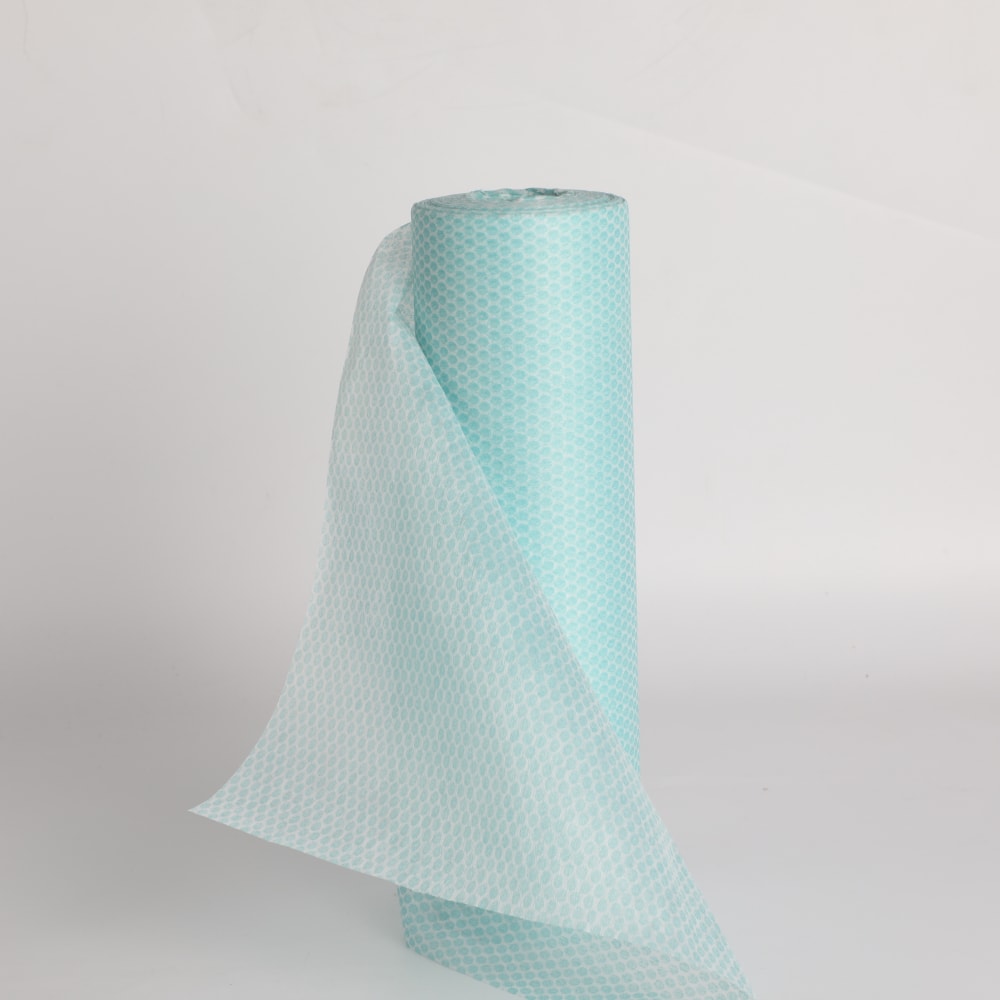 Head Wear Nonwoven
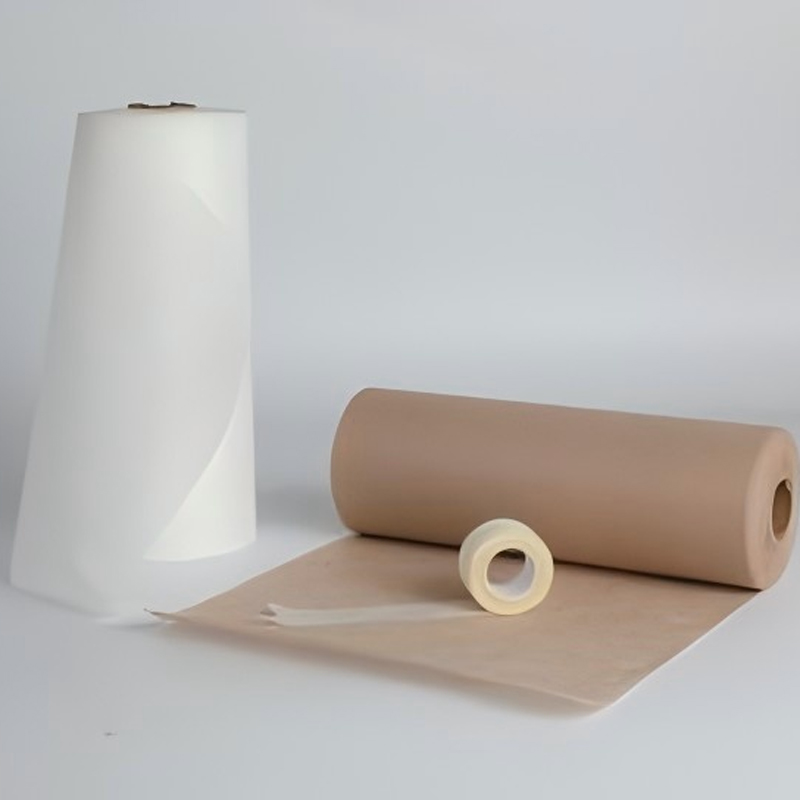 Medical Tape Nonwoven
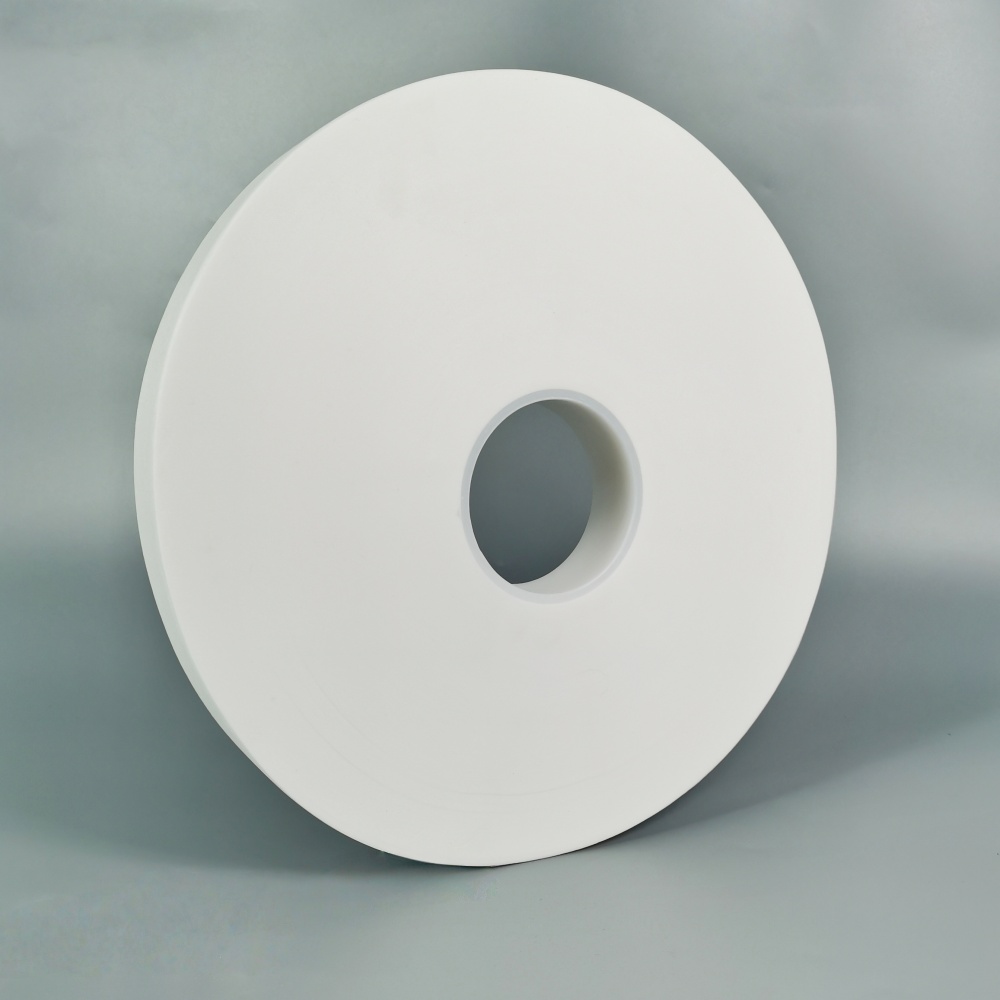 Snus Pouch Nonwoven
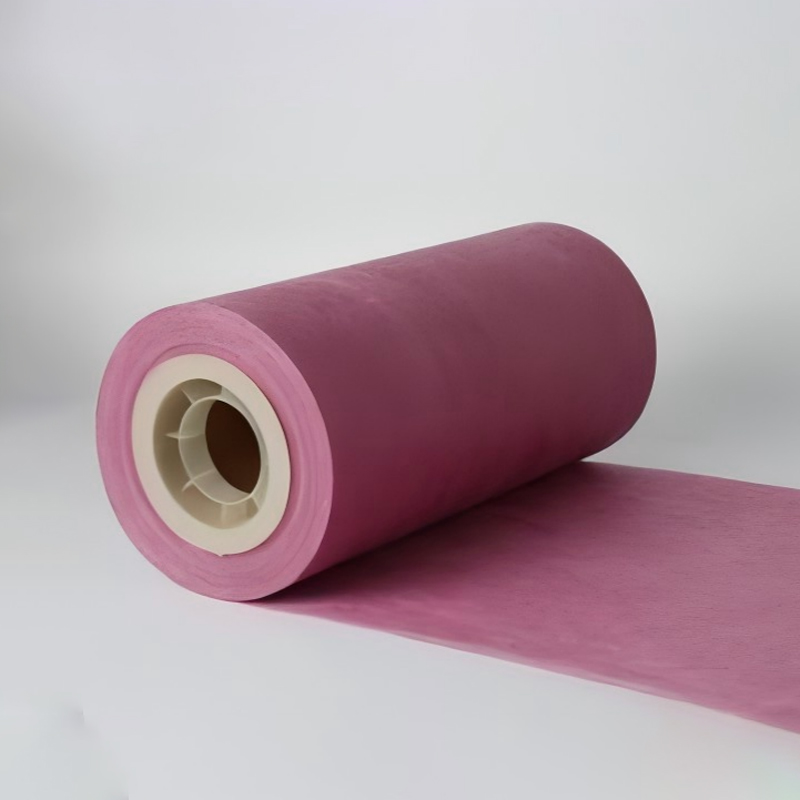 Filtration Nonwoven
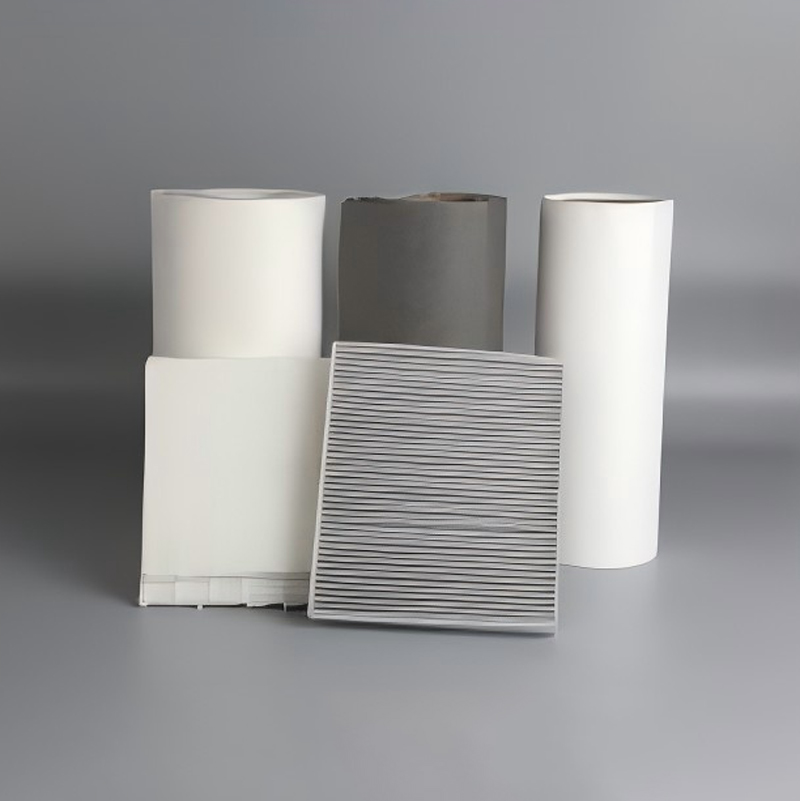 Air Filter Media
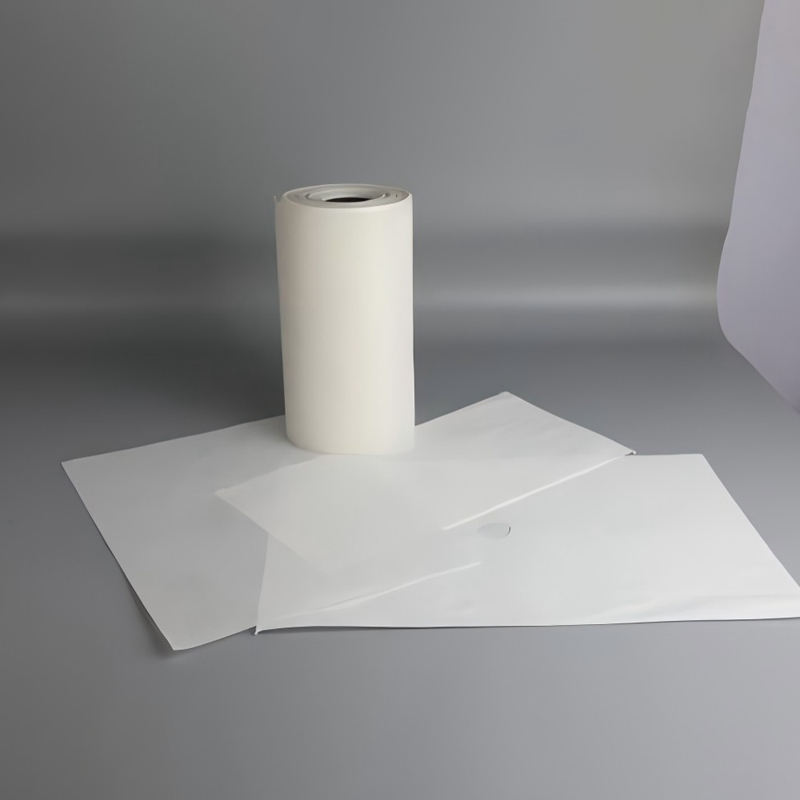 Liquid Filter Media
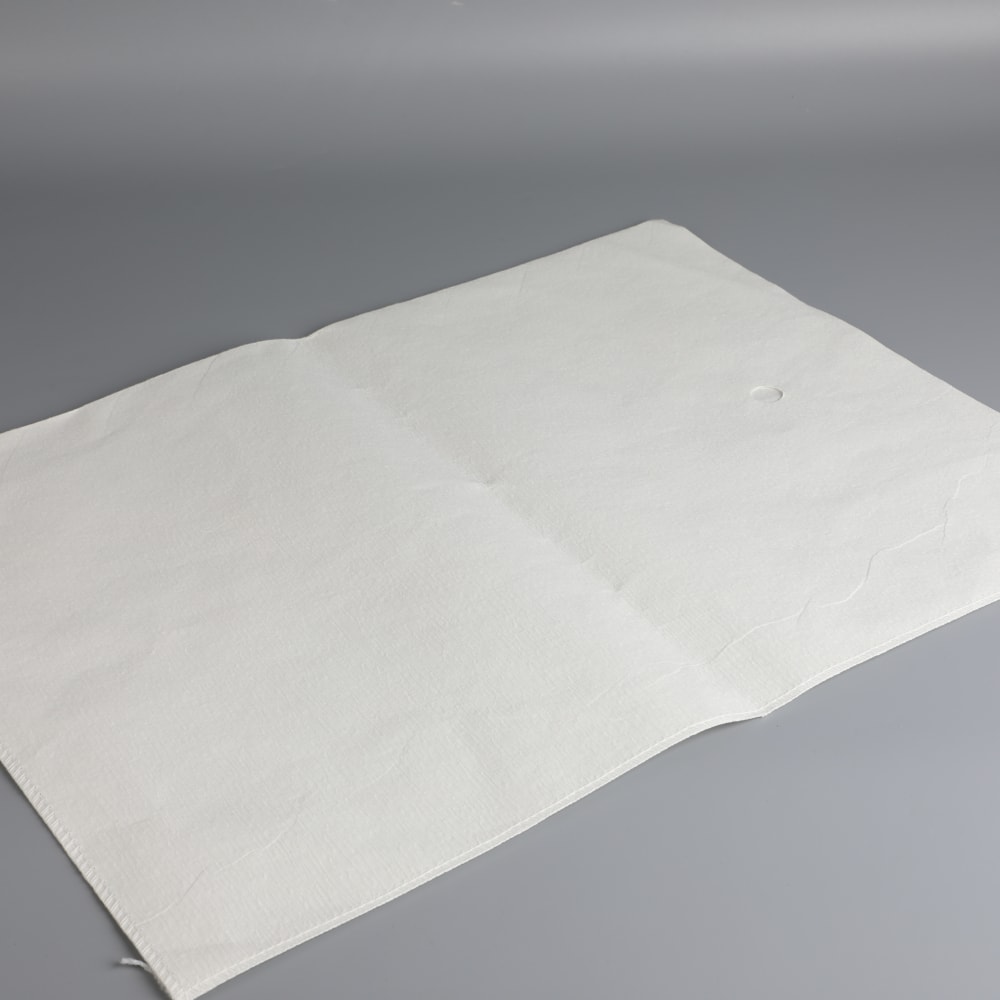 Filter Envelope & Filter Sheet
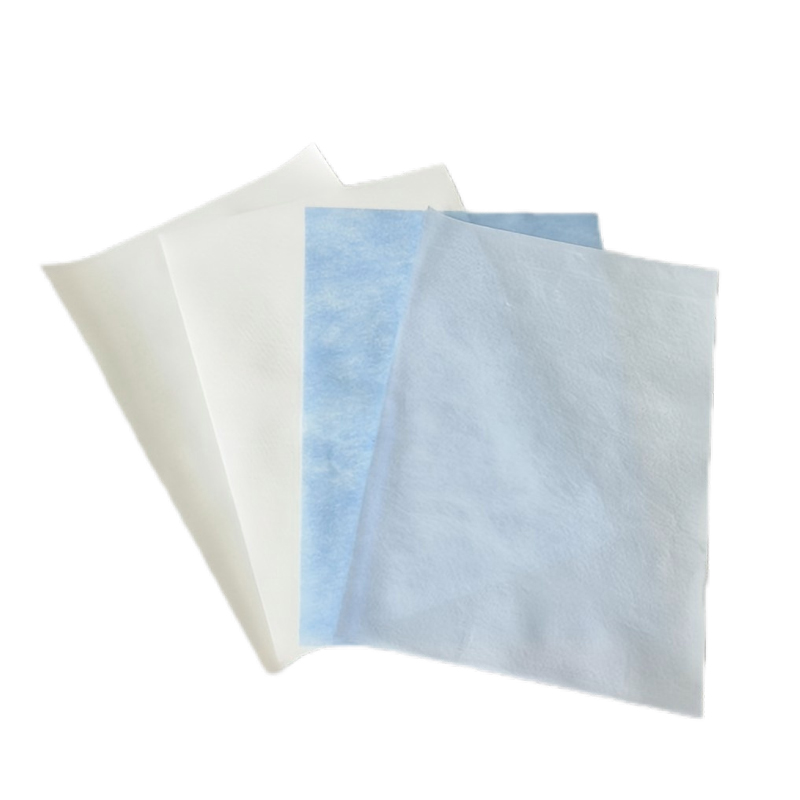 Breathable Film Laminates
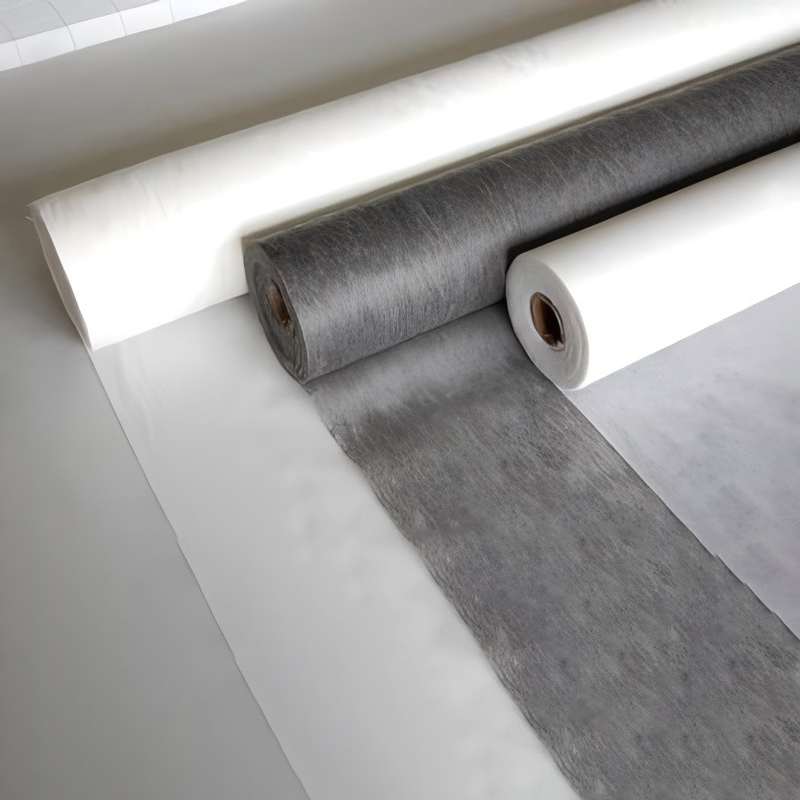 Nonwoven Interlining
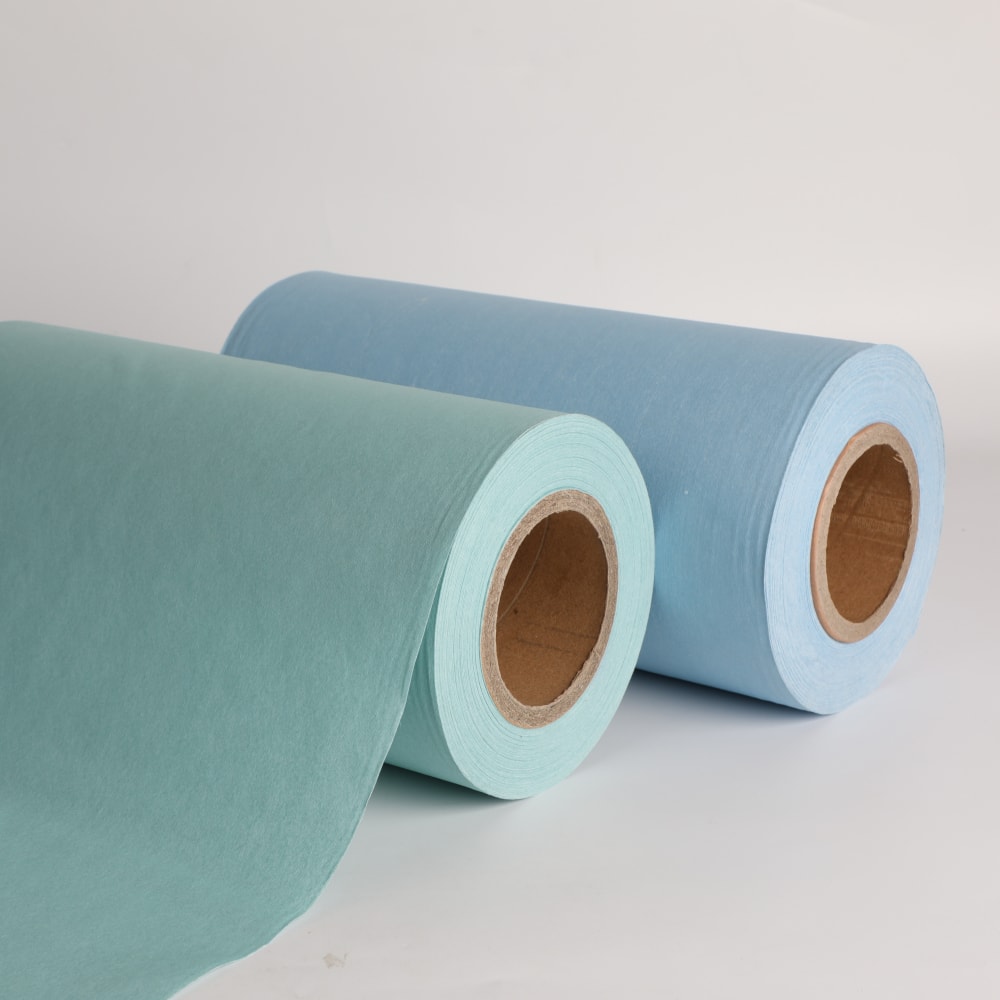 Fluid Repellent Woodpulp Spunlace Nonwoven
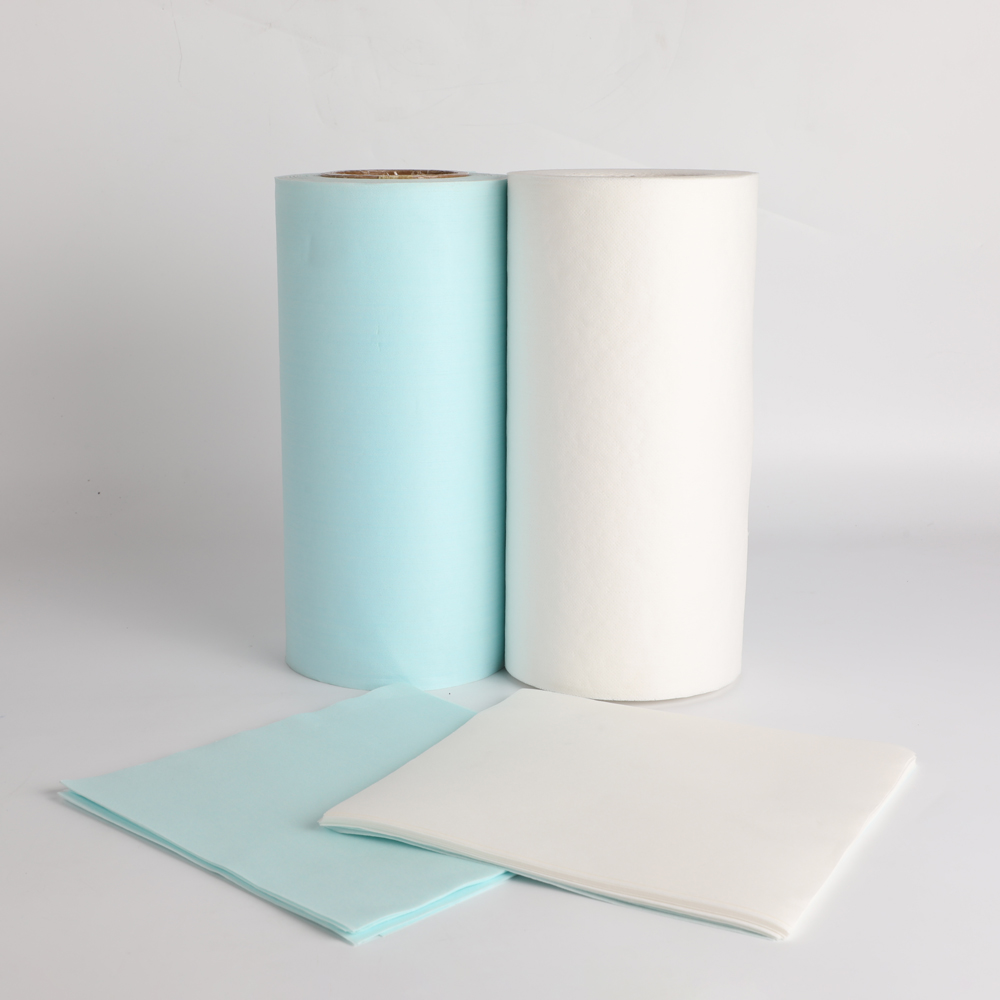 Woodpulp Nonwoven Wipe
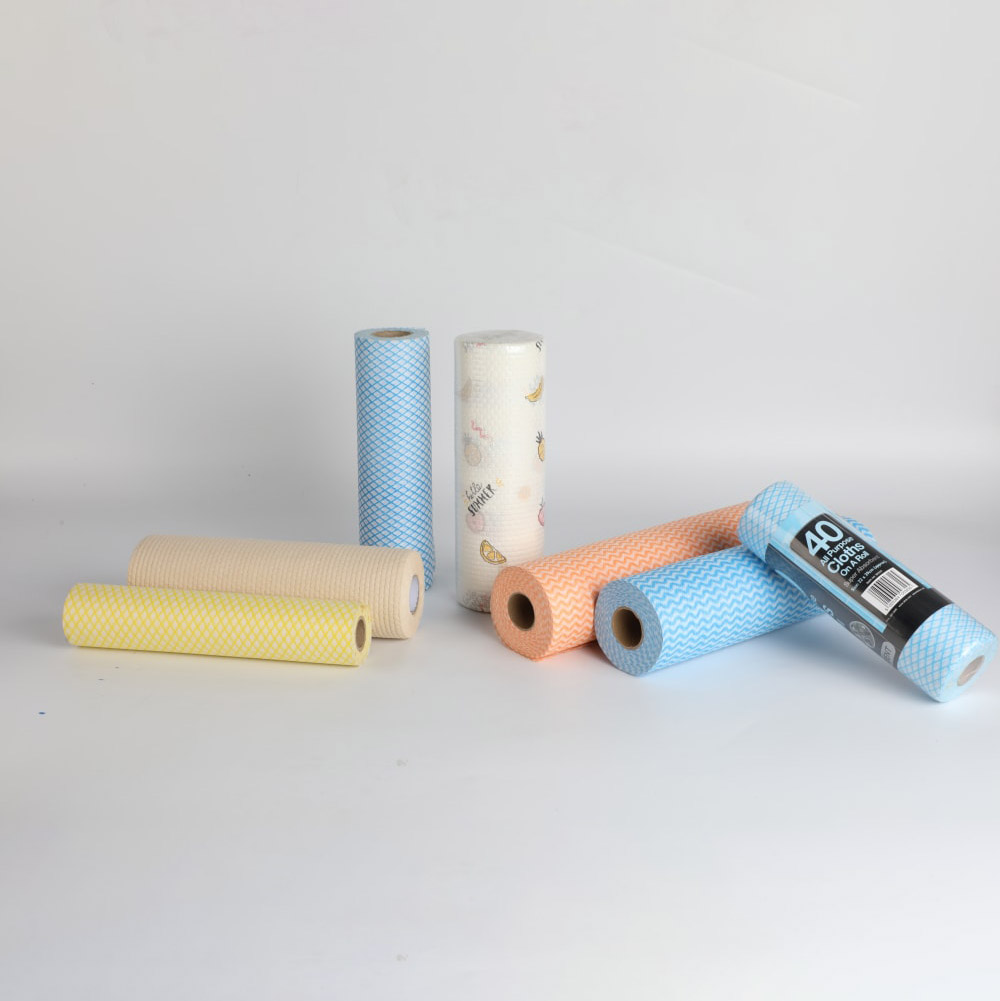 Nonwoven Cleaning Wipe
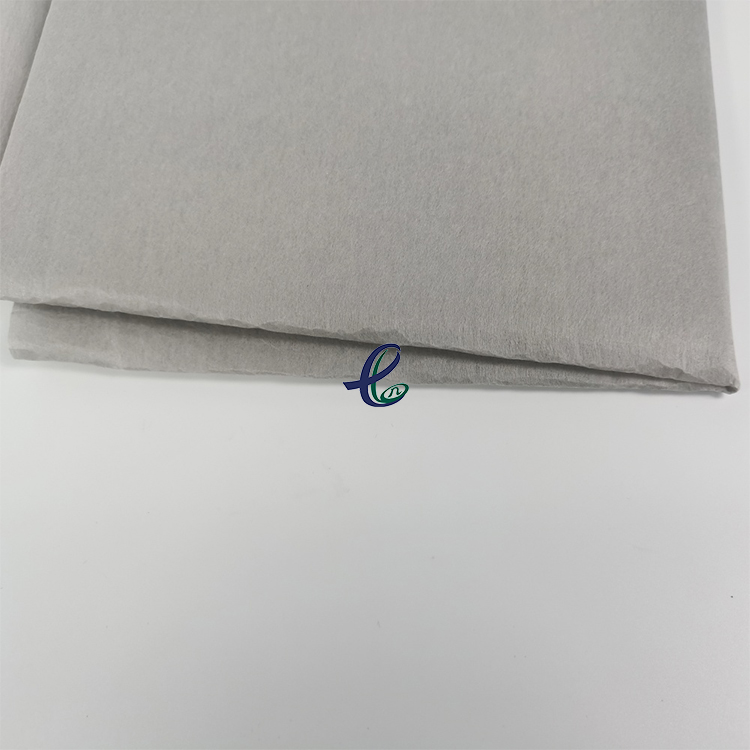 Curtain Nonwoven
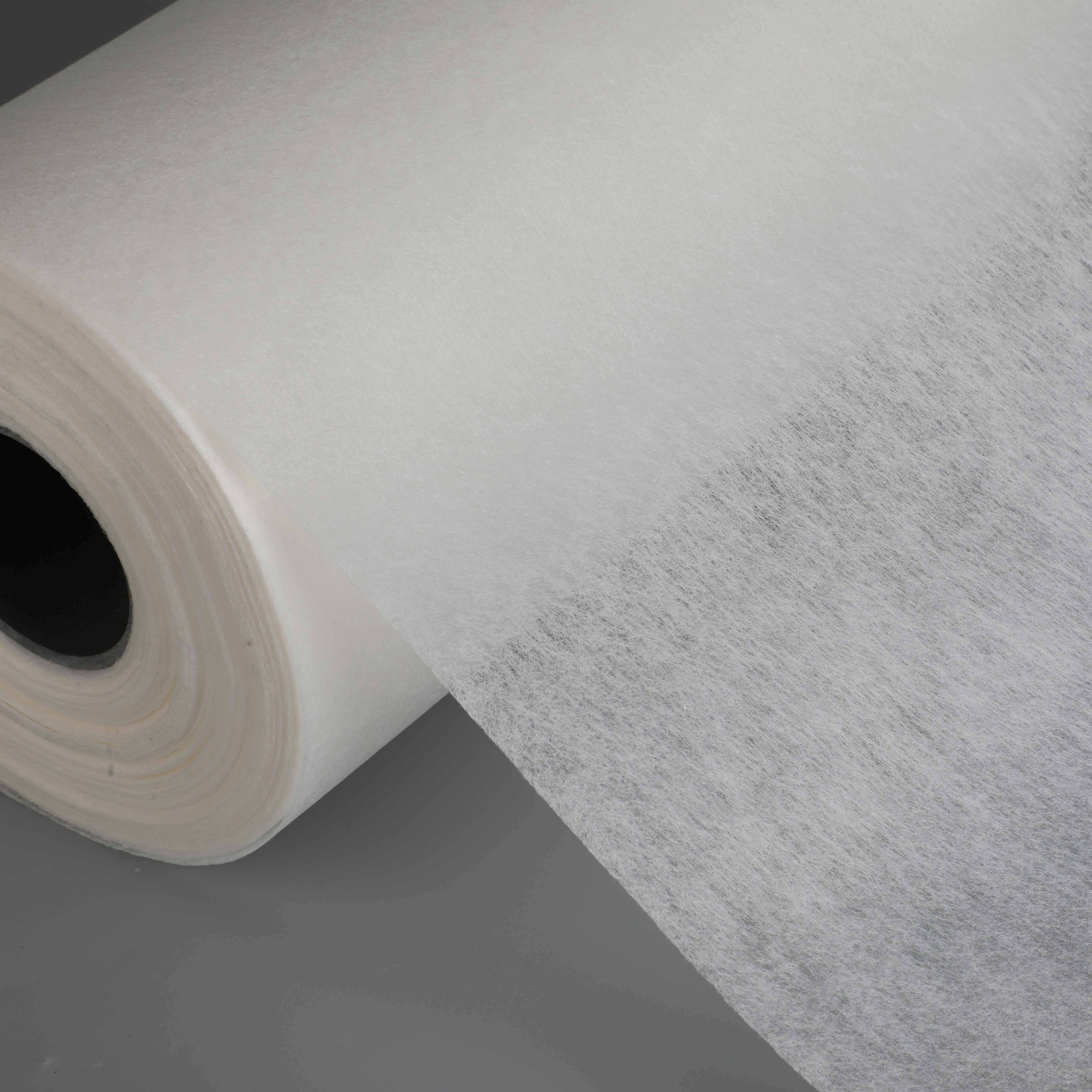 Food Grade Packaging Nonwoven
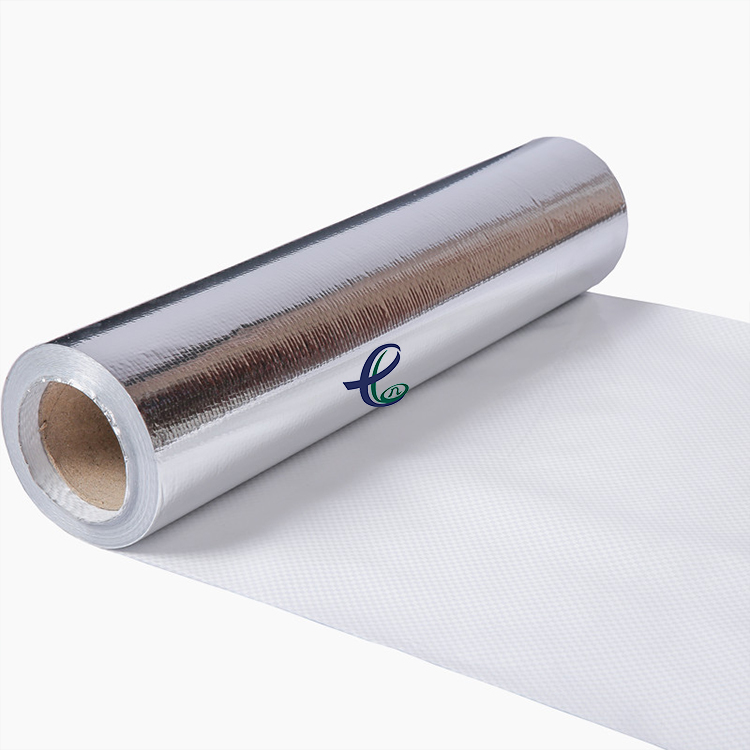 Aluminized Nonwoven
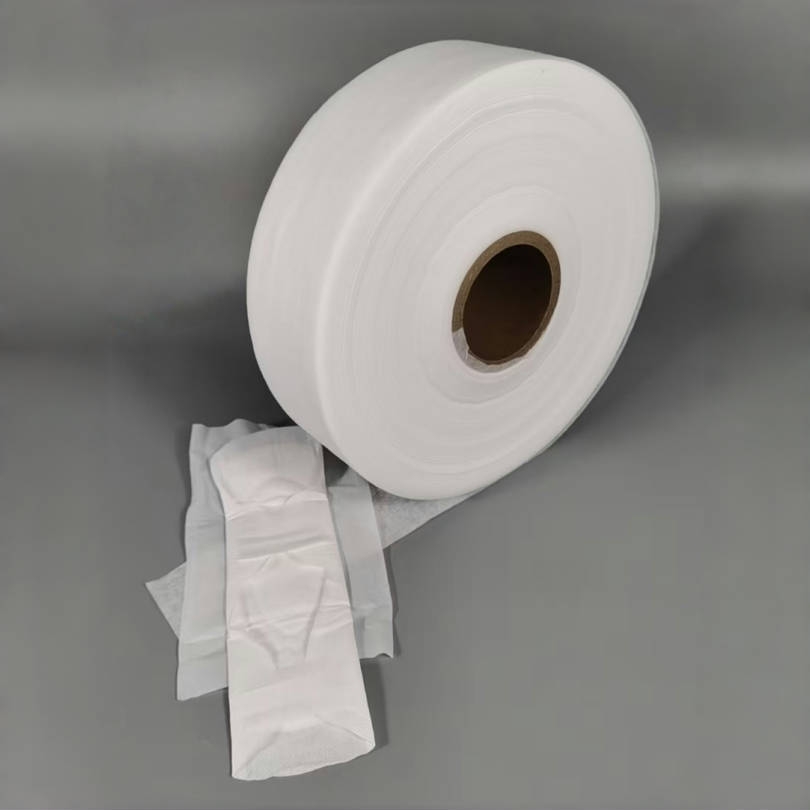 Hot Air Cotton Nonwoven
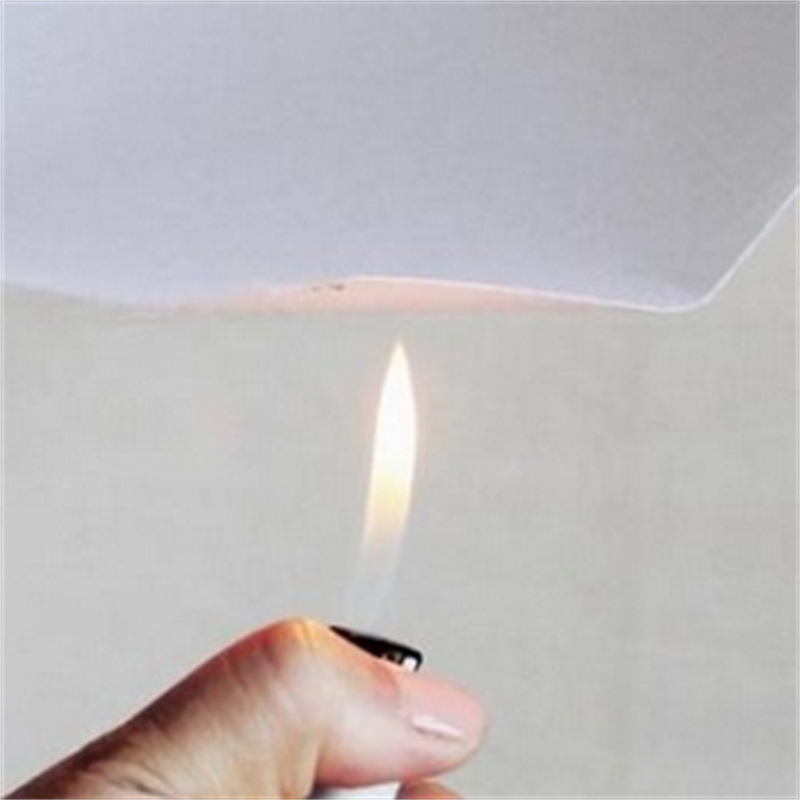 Flame Retardant Nonwoven
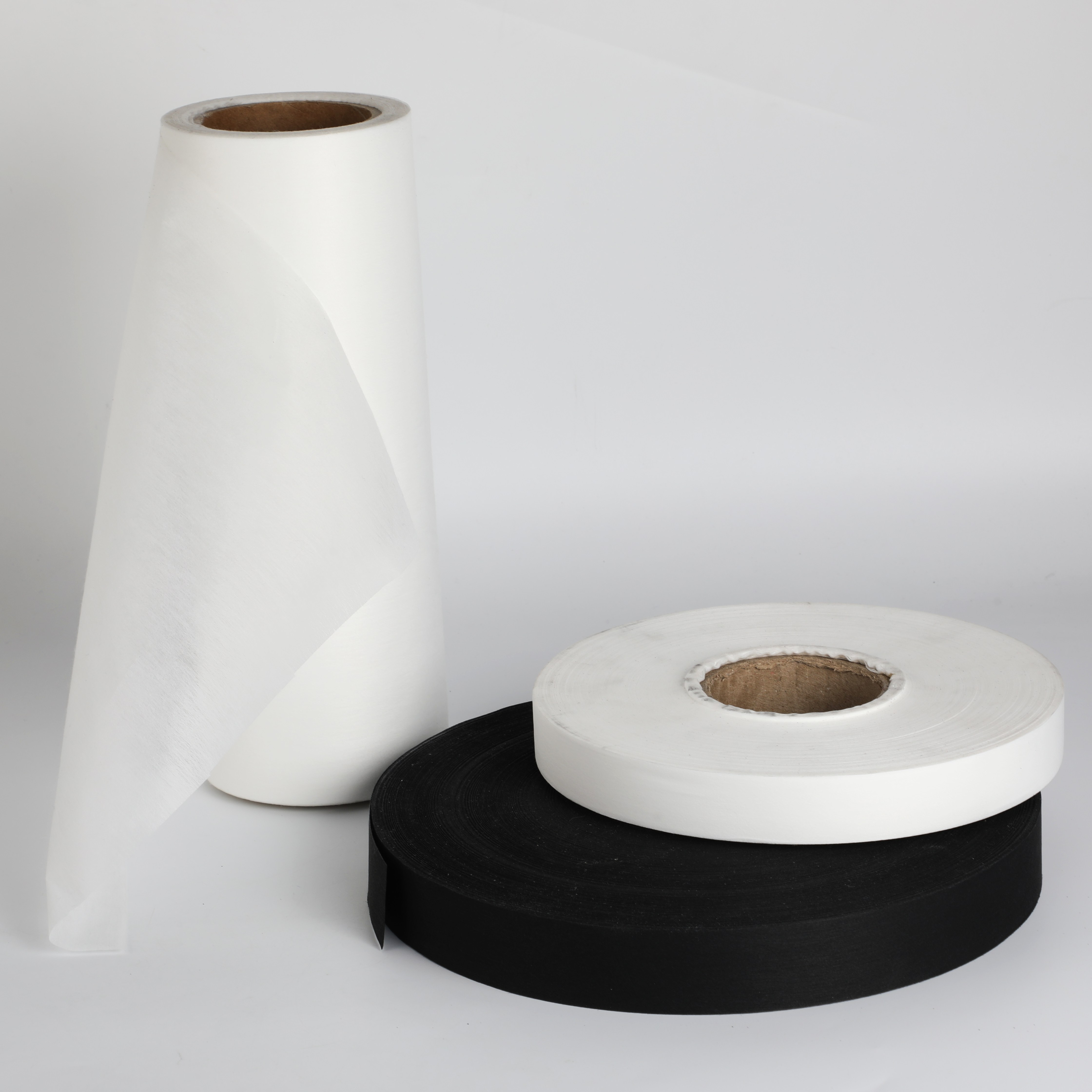 Cable Wrapping Nonwoven
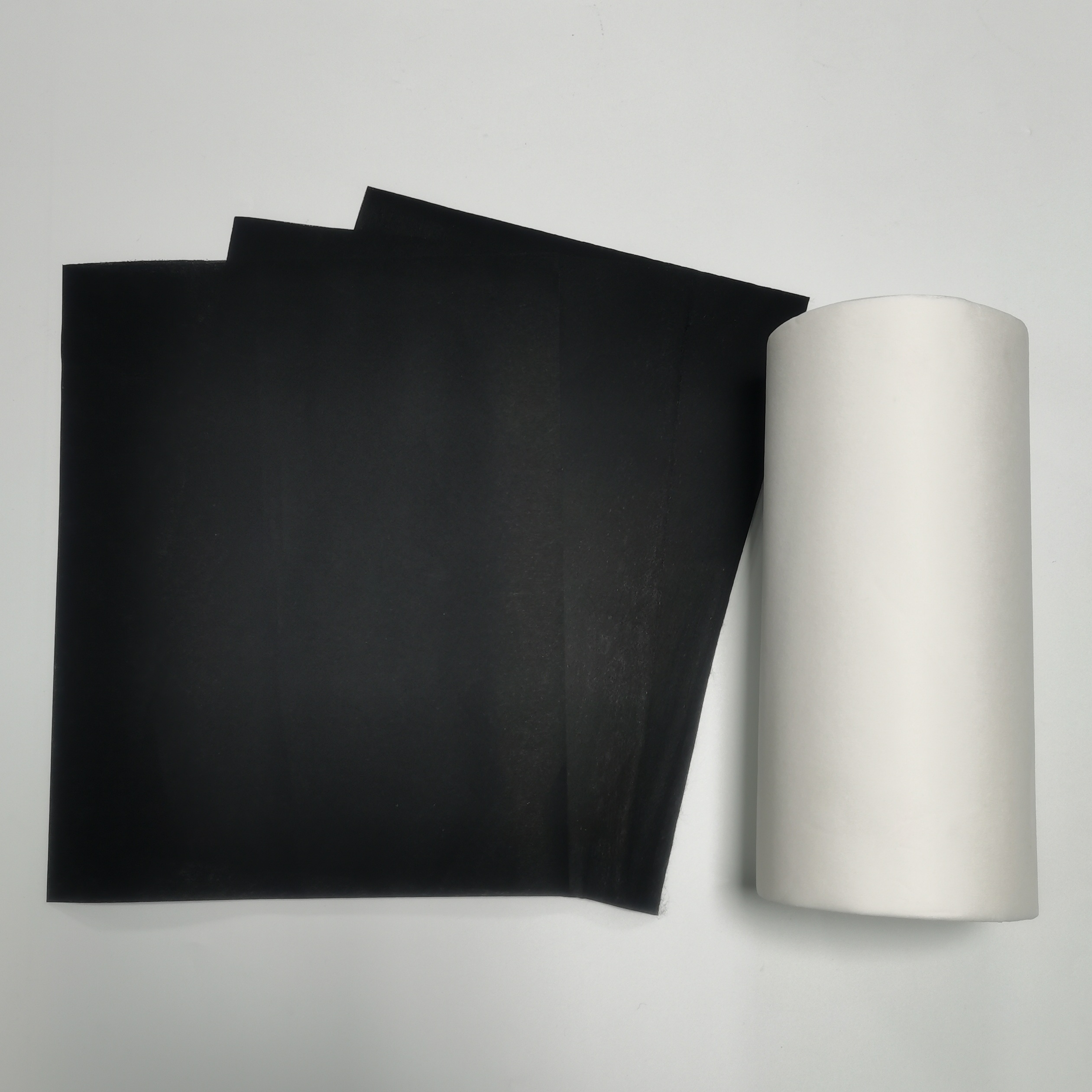 Semi-conductive Nonwoven
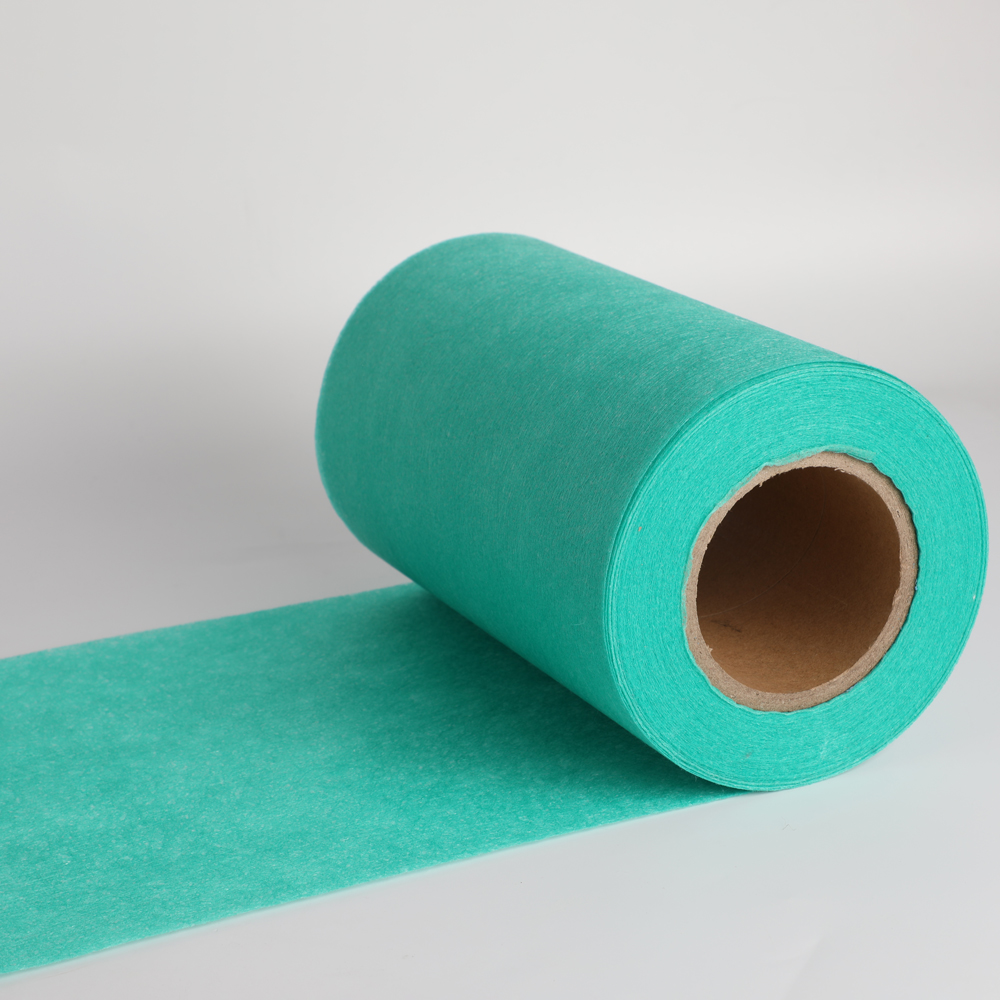 Anti-Bacterial Nonwoven
 +8613957712400
 CONTACT WhatsApp
 CONTACT WeChat

 CONTACT NUMBER
 CONTACT EMAIL