Top 10 Flame Retardant Nonwoven Products for Global Buyers?
In the world of safety and performance, the importance of Flame Retardant Nonwoven products cannot be overstated. Industry expert Dr. Emily Chang emphasizes this: "Flame Retardant Nonwoven materials save lives by preventing the spread of fire." As global demand for these materials grows, understanding their applications and benefits is crucial for buyers.
These innovative textiles are utilized in various sectors, including construction, automotive, and personal protective equipment. They provide essential fire safety without compromising comfort or functionality. However, the market is rife with options that differ in quality and effectiveness. Buyers must navigate through diverse offerings carefully.
When evaluating Flame Retardant Nonwoven products, it's vital to consider factors such as composition, durability, and environmental impact. Not all products are created equal. There is a need for industry standards to ensure reliability. Reflecting on this, it's clear that both buyers and manufacturers must engage in continuous dialogue to enhance quality and safety in this critical field.

The Importance of Flame Retardant Nonwoven Products in Safety Standards
In today's world, flame retardant nonwoven products play a vital role in safety standards across various industries. Many sectors, including automotive and textiles, rely on these materials to reduce fire hazards. According to a report by Smithers, the global market for flame retardant nonwoven fabrics is projected to grow at a CAGR of 4.5% through 2025. This highlights the increasing awareness of safety in product development.
Flame retardant nonwoven products often incorporate specific chemicals designed to inhibit ignition. For example, they can reduce flammability and help delay the spread of fire. Reports indicate that materials like polypropylene can be enhanced for better flame resistance. However, the effectiveness of these treatments depends on proper application. Not all nonwoven products perform equally. Testing and adherence to safety standards are crucial in ensuring reliability.
Fire safety regulations are demanding, often requiring rigorous testing. While many manufacturers strive to meet these standards, inconsistencies in production can lead to challenges. The complexity of achieving optimal flame resistance highlights the need for ongoing research and development. Understanding the limitations of current materials is essential. It fosters innovations aimed at improving safety without compromising performance.
Top 10 Flame Retardant Nonwoven Products for Global Buyers
| Product Type |
Material |
Flame Retardant Standard |
Typical Applications |
Thickness (mm) |
Weight (g/m²) |
| Nonwoven Fabric |
Polyester |
EN 13501-1 Class B |
Furniture Upholstery |
0.5 |
50 |
| Geotextile |
Polypropylene |
ISO 11925-2 |
Road Construction |
3.0 |
150 |
| Insulation Mat |
Fiberglass |
ASTM E84 |
Building Insulation |
12.0 |
800 |
| Acoustic Panels |
Recycled PET |
BS 476 Part 7 |
Soundproofing |
25.0 |
1000 |
| Protective Coveralls |
Aramid Blend |
NFPA 701 |
Industrial Safety |
0.3 |
200 |
| Decorative Wall Covering |
Vinyl |
UL 723 |
Interior Design |
0.2 |
250 |
| Carpet Padding |
Foam |
ASTM E648 |
Residential & Commercial |
10.0 |
400 |
| Medical Textiles |
Polyethylene |
ISO 7866 |
Surgical Applications |
0.5 |
60 |
| Industrial Filters |
Polyester |
DIN 53438 |
Air Filtration |
1.5 |
120 |
| Automotive Components |
Fiberglass |
FMVSS 302 |
Vehicle Interiors |
4.0 |
600 |
Key Characteristics of Flame Retardant Materials Used in Nonwovens
Flame retardant nonwoven materials play a crucial role in various industries, particularly in safety applications. These materials stop flames from spreading, reducing fire hazards. Key characteristics define their effectiveness. Most importantly, these materials utilize specific flame-retardant additives and treatments to enhance their resistance to combustion.
Material choice is significant. Fibers like polyester and polypropylene often incorporate flame retardants. According to industry reports, products with a high LOI (Limited Oxygen Index) demonstrate improved fire resistance. A LOI above 30 indicates better performance. Furthermore, many nonwovens meet stringent safety standards, like UL 94, ensuring reliability in high-risk environments.
Tip: Buyers should consider the intended application when selecting flame-retardant nonwovens. Different standards apply to upholstery, automotive, and industrial uses. All applications require thorough testing to verify compliance.
Another important aspect is durability. Flame retardant treatments can affect the lifespan of nonwoven products. Regular exposure to heat and chemical agents might degrade protective properties. Monitoring performance over time is vital for maintaining safety.
Tip: Engage with reputable suppliers who provide clear documentation on product performance. This can enhance your confidence in making informed decisions. A proactive approach to understanding material characteristics will yield better outcomes in fire safety.
Top 10 Flame Retardant Nonwoven Products
Top Global Manufacturers of Flame Retardant Nonwoven Products in 2023
The demand for flame retardant nonwoven products continues to increase globally, driven by safety regulations across various industries. In 2023, manufacturers are innovating in areas such as automotive, construction, and textiles. According to a recent report by Smithers, the market for nonwoven fabrics is expected to reach $36 billion by 2025. This growth highlights the importance of effective flame retardant solutions.
Leading players in this sector are focusing on advanced materials and eco-friendly processes. Many use a combination of synthetic fibers and specialized additives to enhance flame resistance. A study by Freedonia Group indicates that the global flame retardant market will grow by 3.5% annually through 2027. This reflects a growing awareness of fire safety and the need for value-added nonwoven products.
However, challenges remain. Not all flame retardants are created equal, and some may pose environmental risks. The industry must balance performance and safety while adhering to stringent regulations. Continuous research into safer alternatives is critical. The evolution of flame retardant nonwoven products will depend on addressing these complexities effectively.
Market Trends: Growth and Demand for Flame Retardant Nonwovens Worldwide
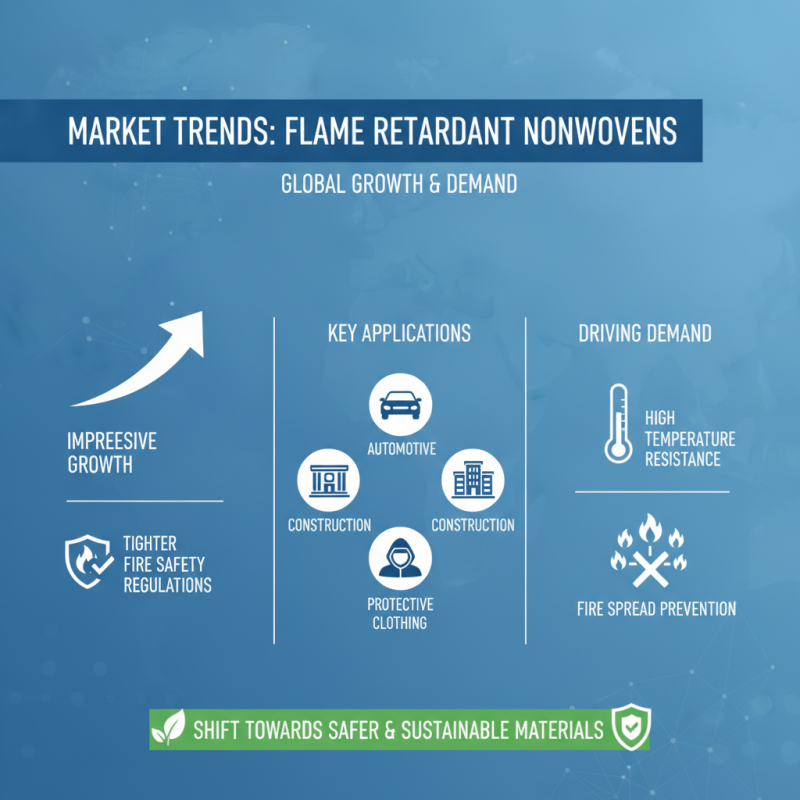
The global market for flame retardant nonwovens is witnessing impressive growth. As fire safety regulations tighten, industries are increasingly turning to these materials. They find applications in automotive, construction, and protective clothing sectors. The demand for nonwoven products that can withstand high temperatures and prevent fire spread is at an all-time high. This shift points to a greater emphasis on safety and sustainability.
Emerging technologies are enhancing the performance of flame retardant nonwovens. Companies are innovating to create lightweight, effective solutions. However, the challenge lies in maintaining durability while adhering to environmental standards. Manufacturers must balance safety features with ecological considerations. This ongoing evolution raises critical questions about material sourcing and long-term impacts on the environment.
As buyers consider flame retardant nonwovens, they seek reliable options. They require thorough testing and certification to ensure products meet safety standards. Transparency in manufacturing processes is essential for building trust. While the market expands, the focus must remain on creating safe, effective products without compromising ecological integrity. Continual improvement and innovation will drive the future of flame retardant nonwovens.
Applications of Flame Retardant Nonwoven Products Across Various Industries
Flame retardant nonwoven products have gained significant traction across various industries due to their critical safety applications. These materials are particularly essential in sectors such as construction, automotive, and healthcare. According to a recent market report by Smithers, the global demand for flame retardant nonwoven textiles is expected to reach $3 billion by 2025. This rising trend highlights the increasing importance of safety standards in manufacturing.
In the automotive industry, flame retardant nonwoven fabrics are used in interior components to ensure passenger safety. With vehicle fires accounting for almost 10% of total fires reported, the use of these materials can greatly reduce risk. In healthcare, nonwoven products are vital for protective gear. They help prevent the spread of fire during medical procedures, where every second counts. However, the industry faces challenges. Regulatory demands and the need for sustainable materials put pressure on manufacturers to innovate while maintaining safety.
While flame retardant properties are essential, the effectiveness of these nonwoven products can vary. Some materials may lose their flame resistance after exposure to certain chemicals. This inconsistency raises concerns about the long-term reliability of these products. It is crucial for manufacturers to focus on rigorous testing and certification processes to ensure that their offerings meet necessary standards.

 PP Laminates
 Multi Laminates
 Spunlace Nonwoven Laminates
 Breathable Film Laminates
 Viscose Laminates
 Medical Viscose Nonwoven
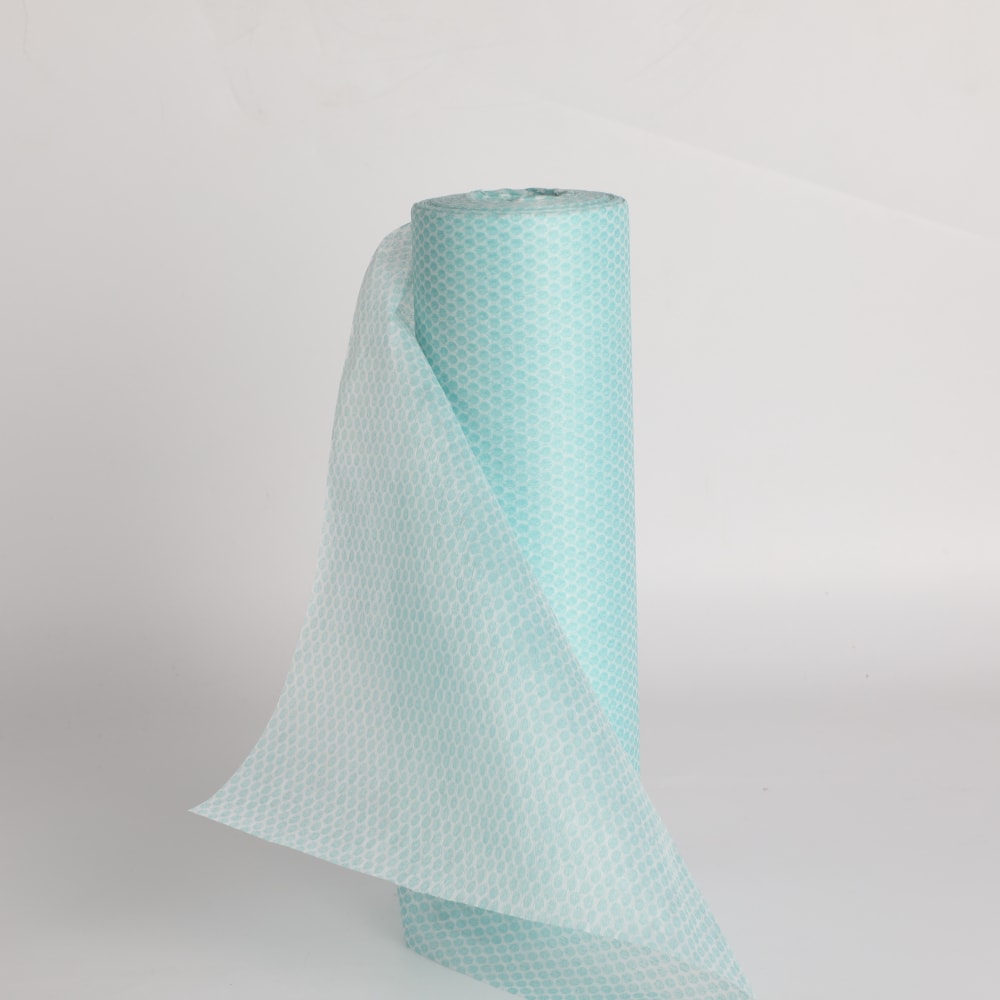 Head Wear Nonwoven
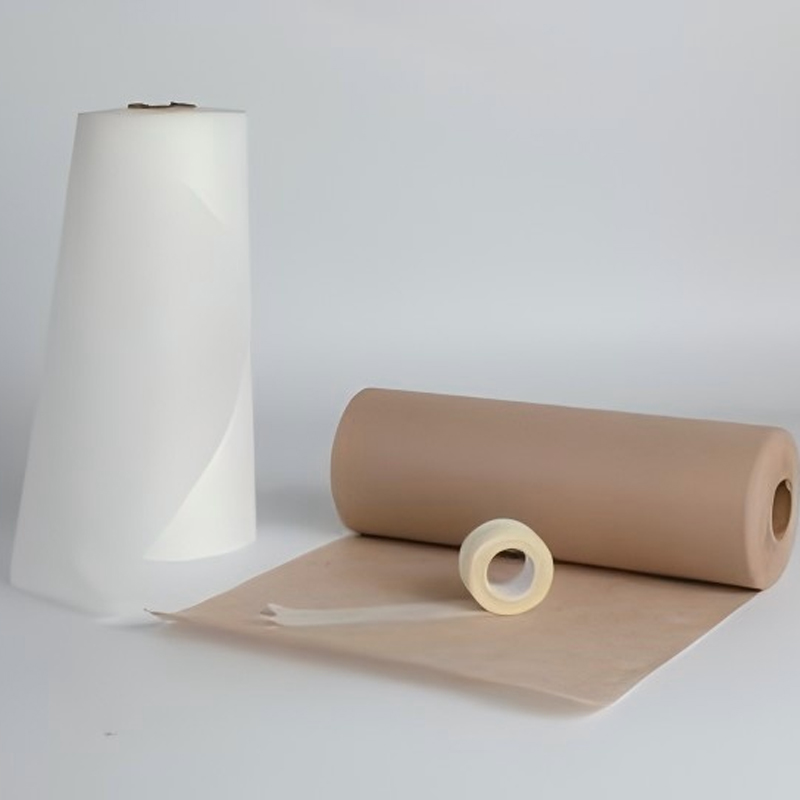 Medical Tape Nonwoven
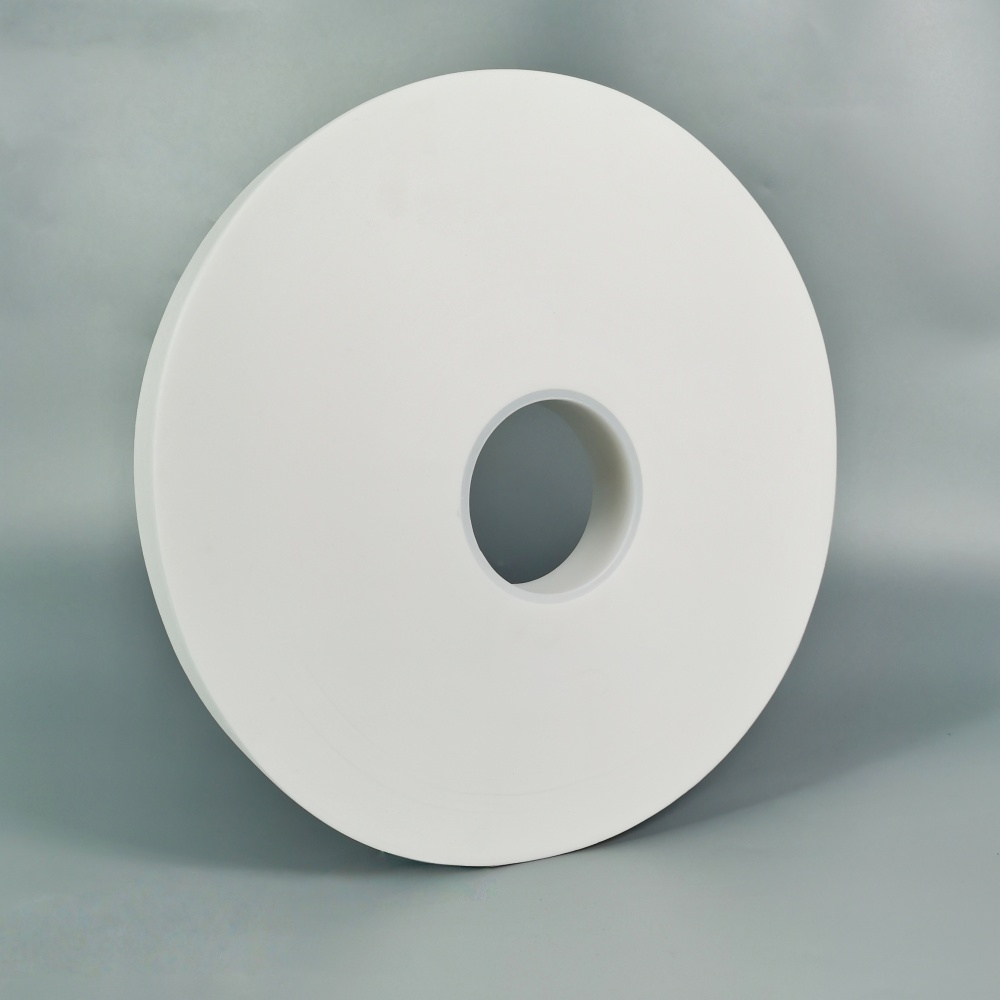 Snus Pouch Nonwoven
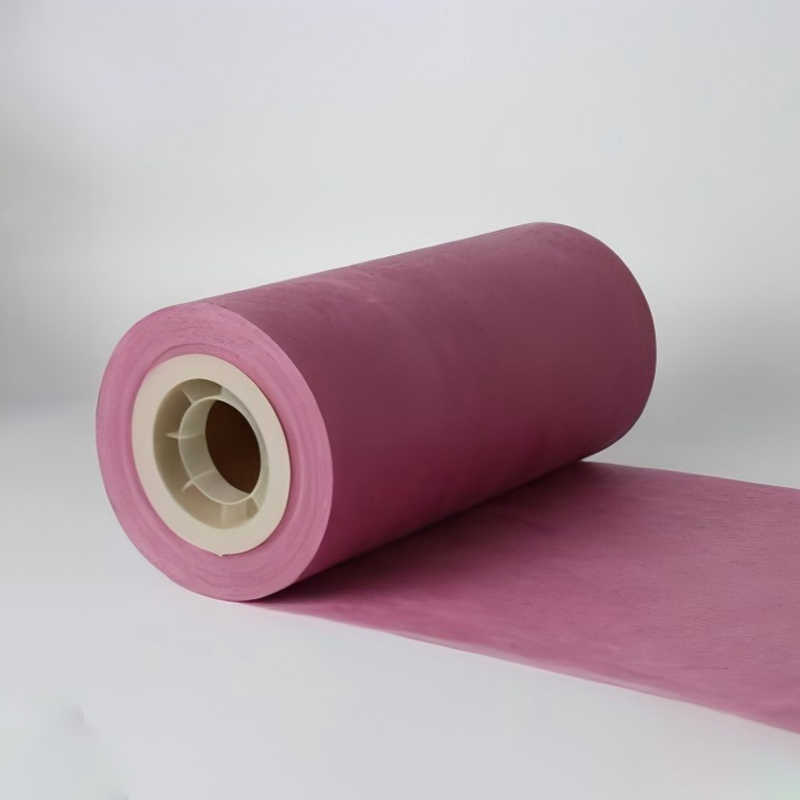 Filtration Nonwoven
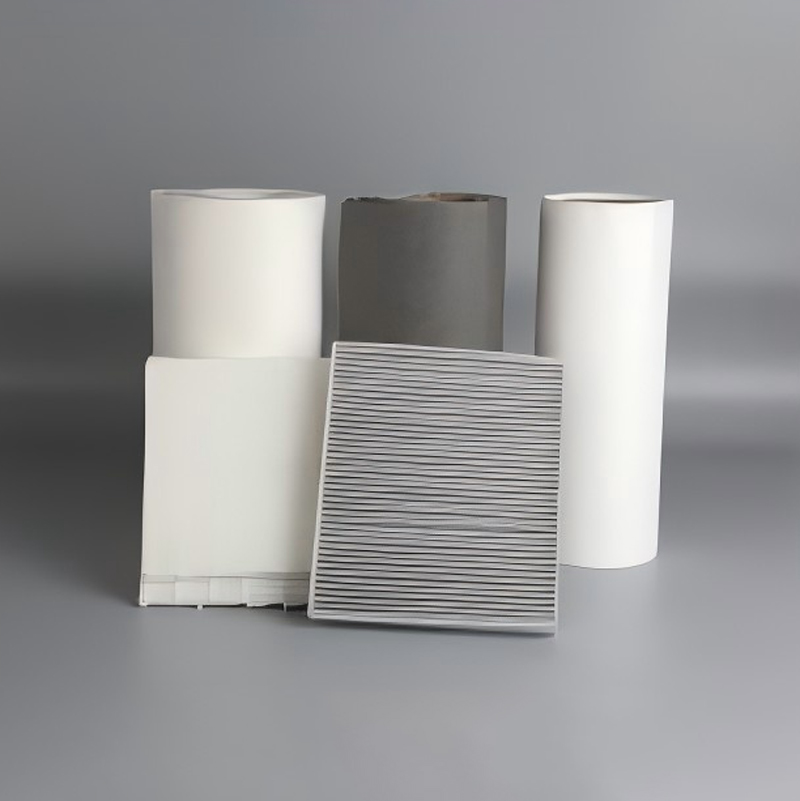 Air Filter Media
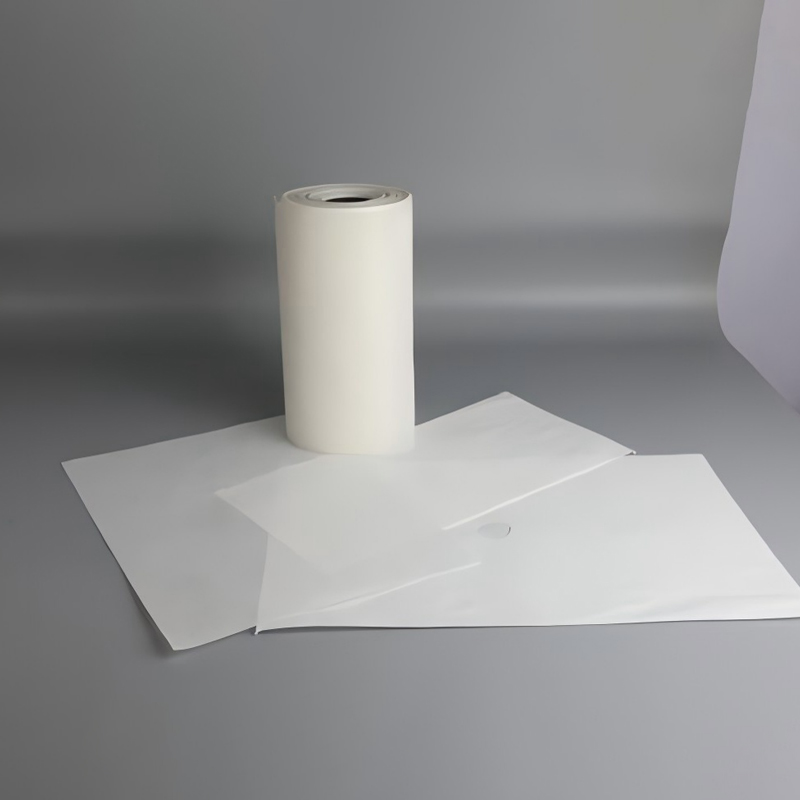 Liquid Filter Media
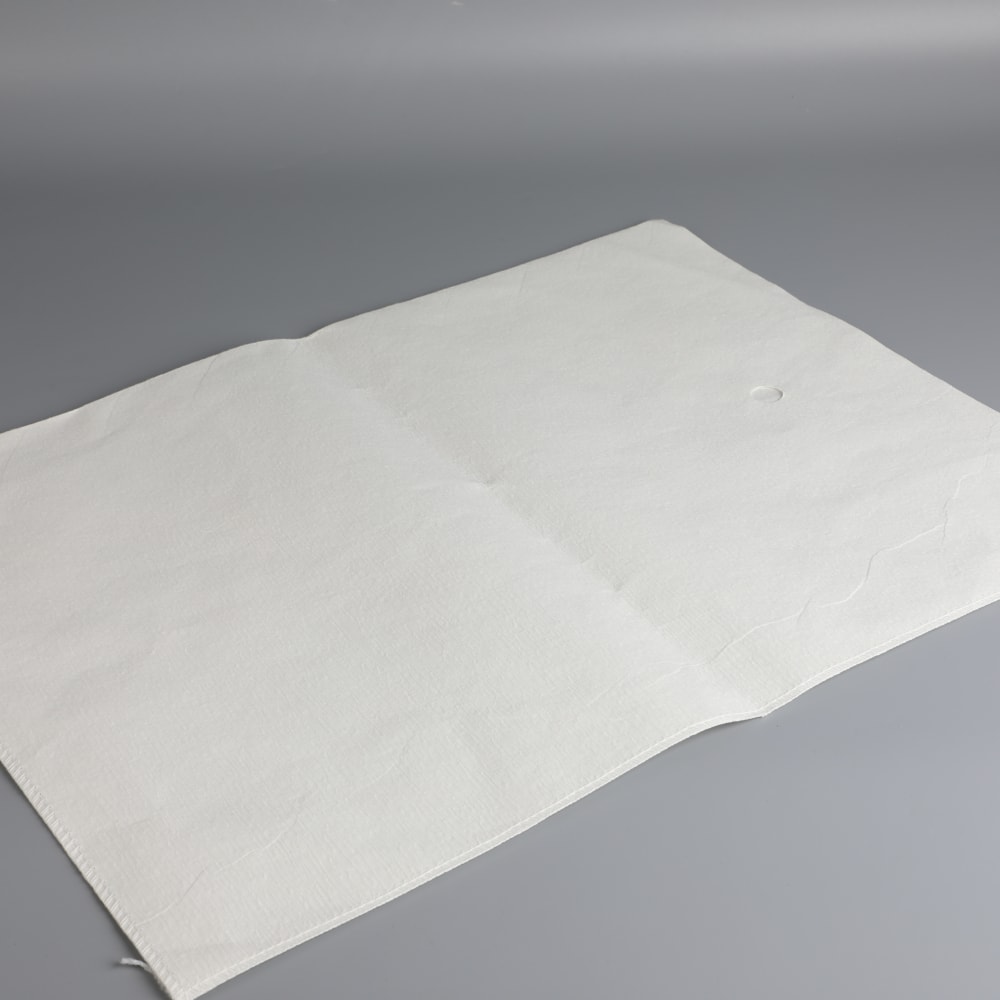 Filter Envelope & Filter Sheet
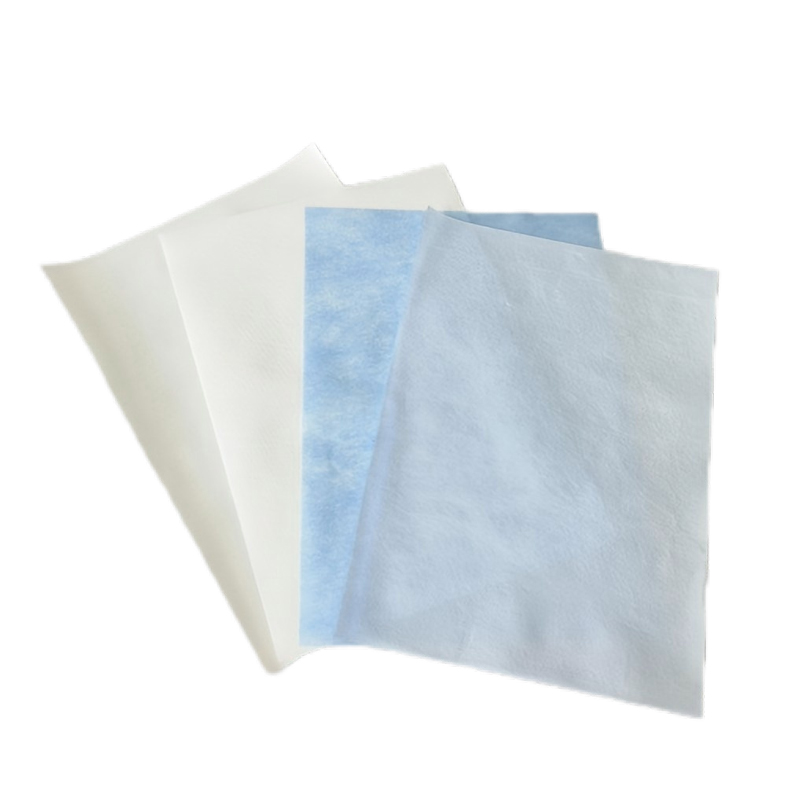 Breathable Film Laminates
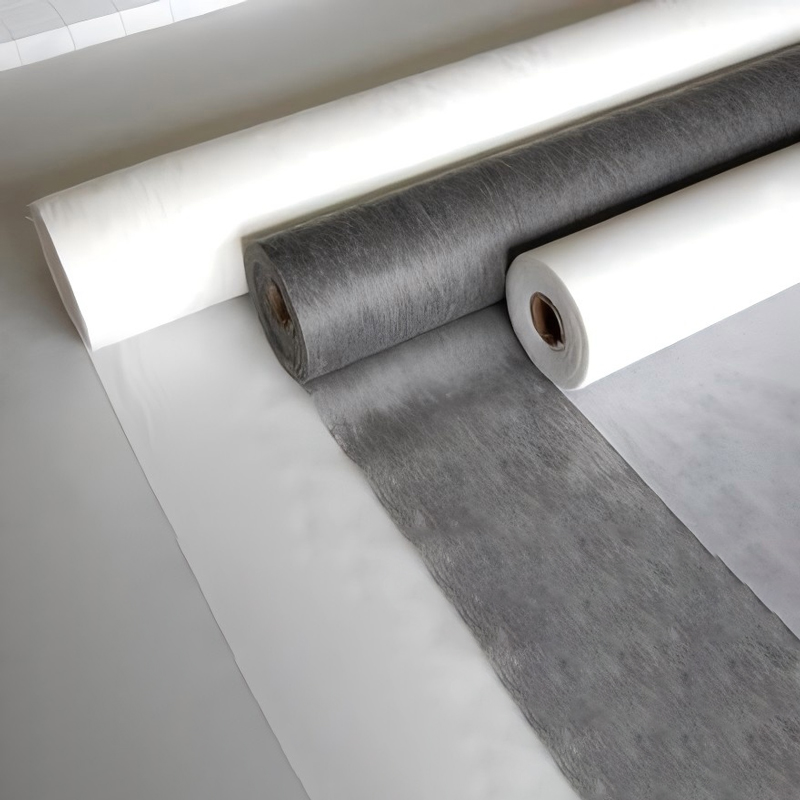 Nonwoven Interlining
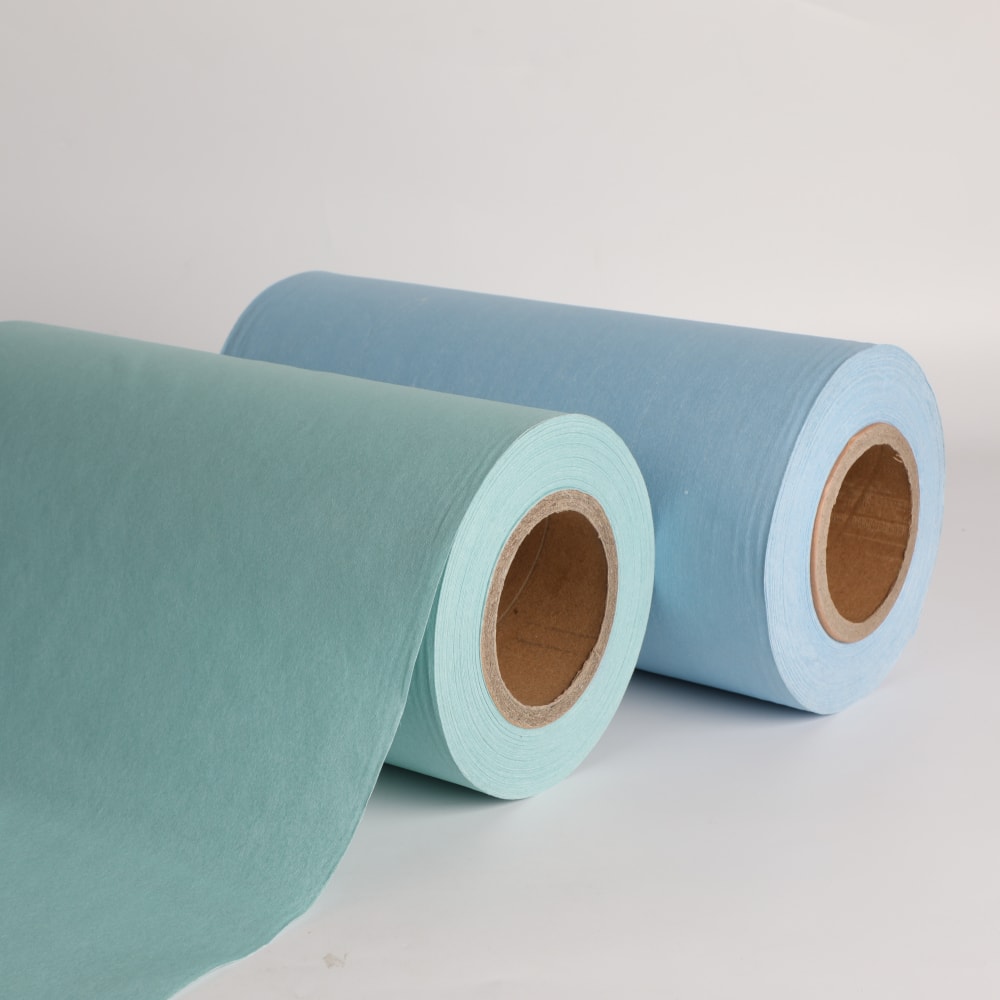 Fluid Repellent Woodpulp Spunlace Nonwoven
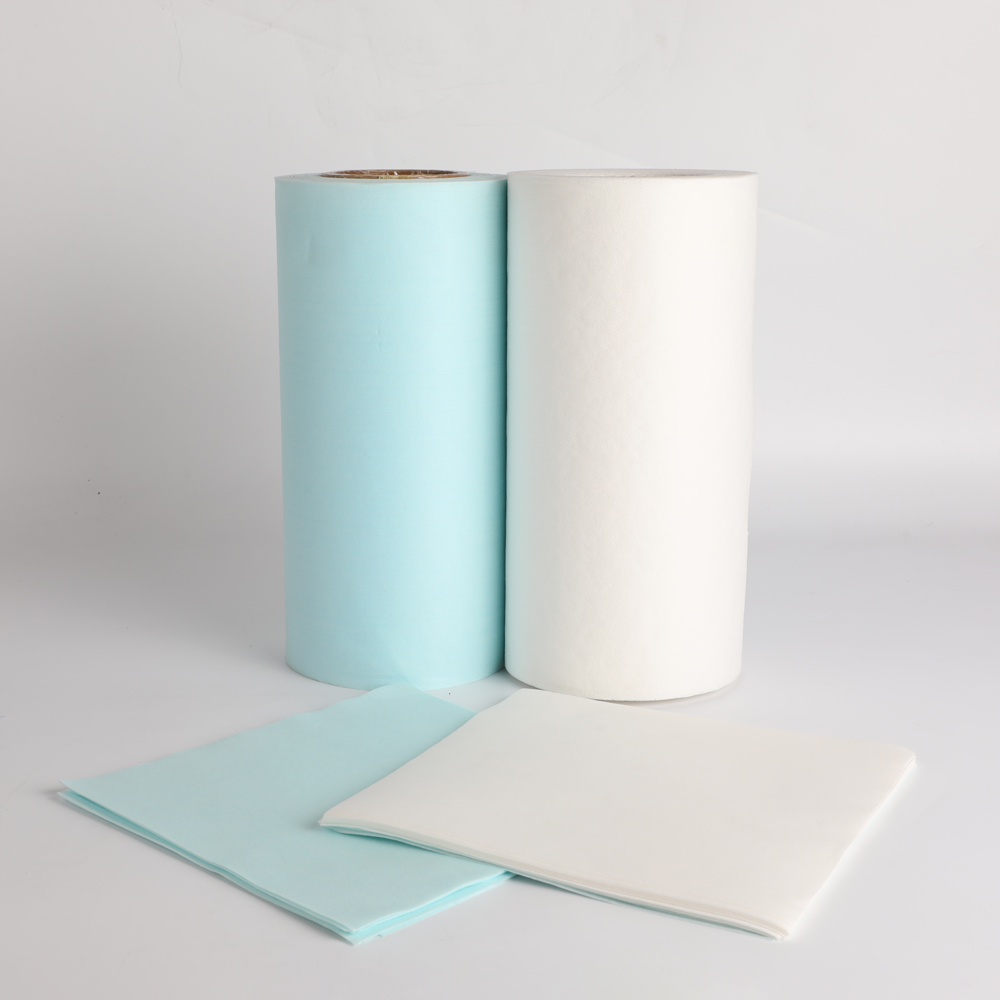 Woodpulp Nonwoven Wipe
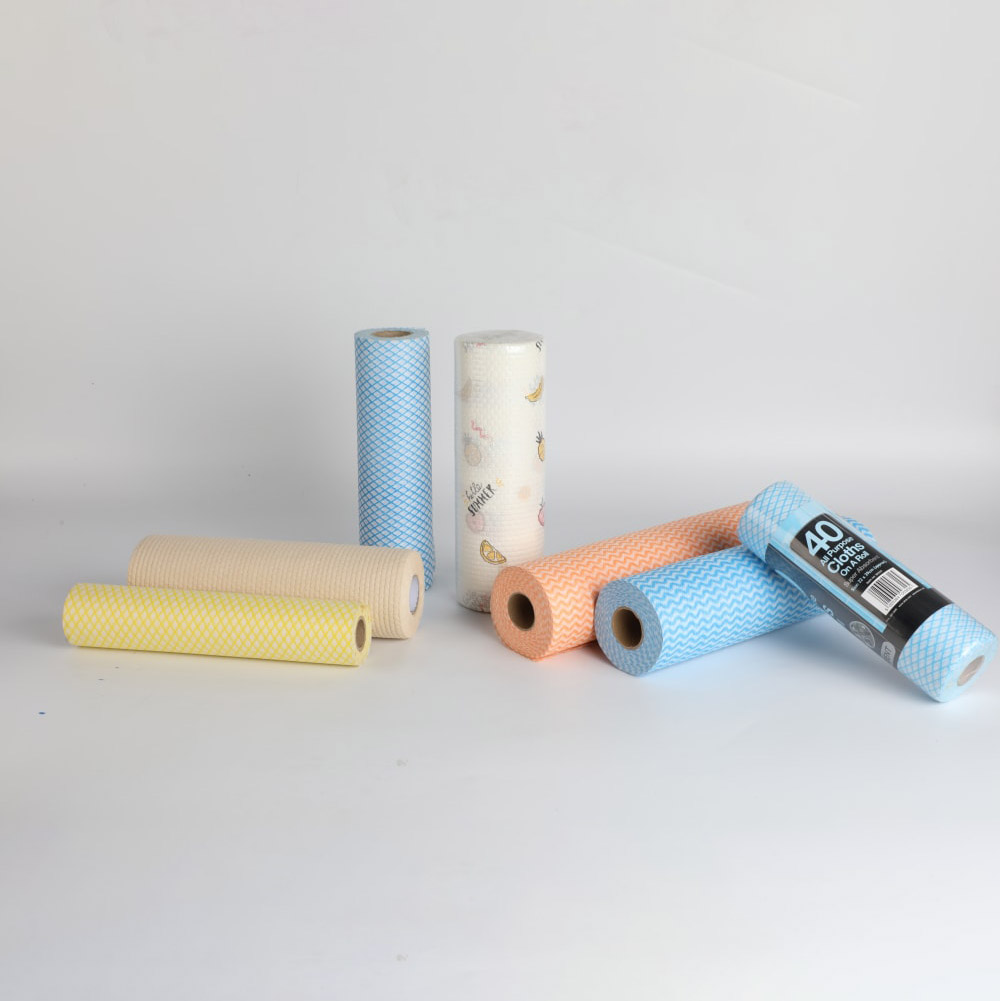 Nonwoven Cleaning Wipe
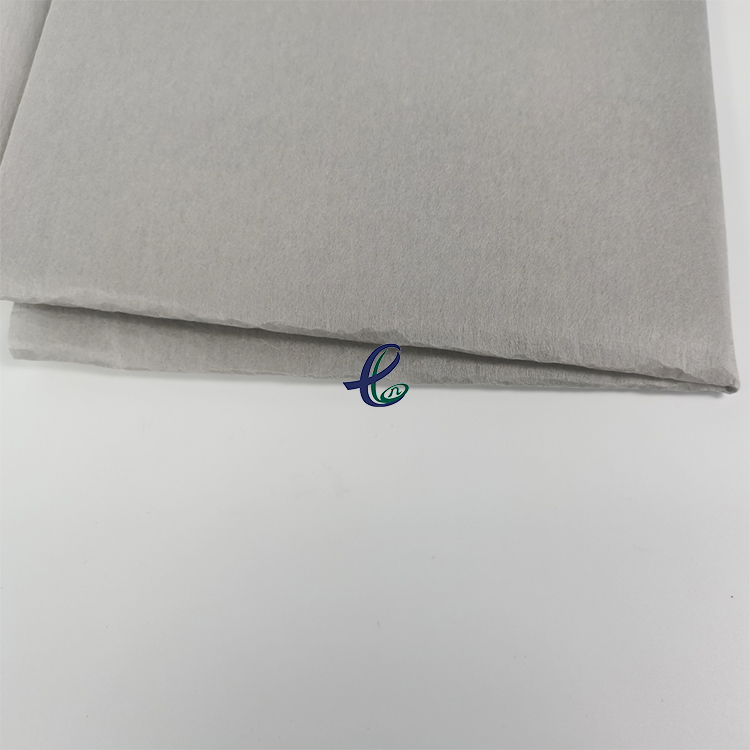 Curtain Nonwoven
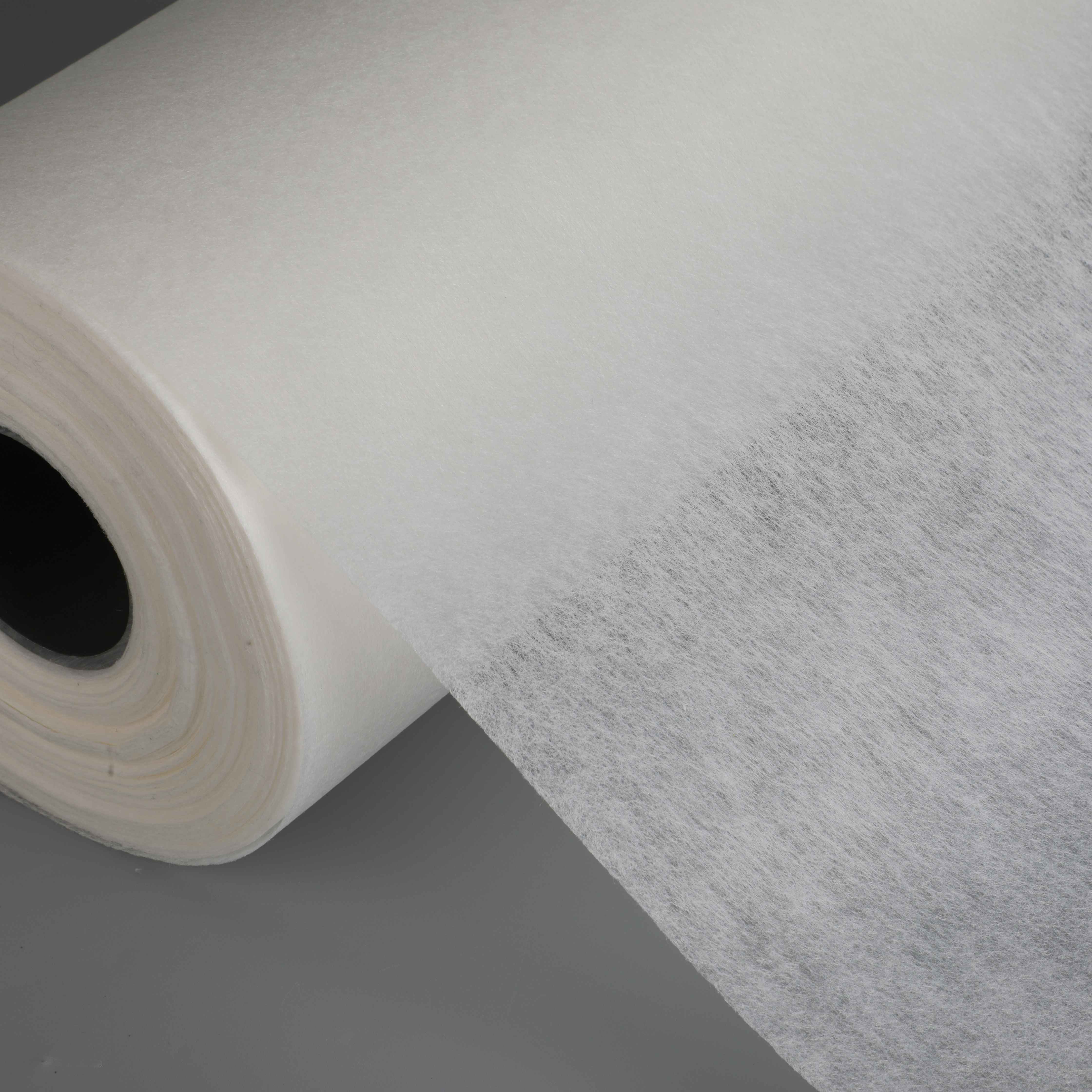 Food Grade Packaging Nonwoven
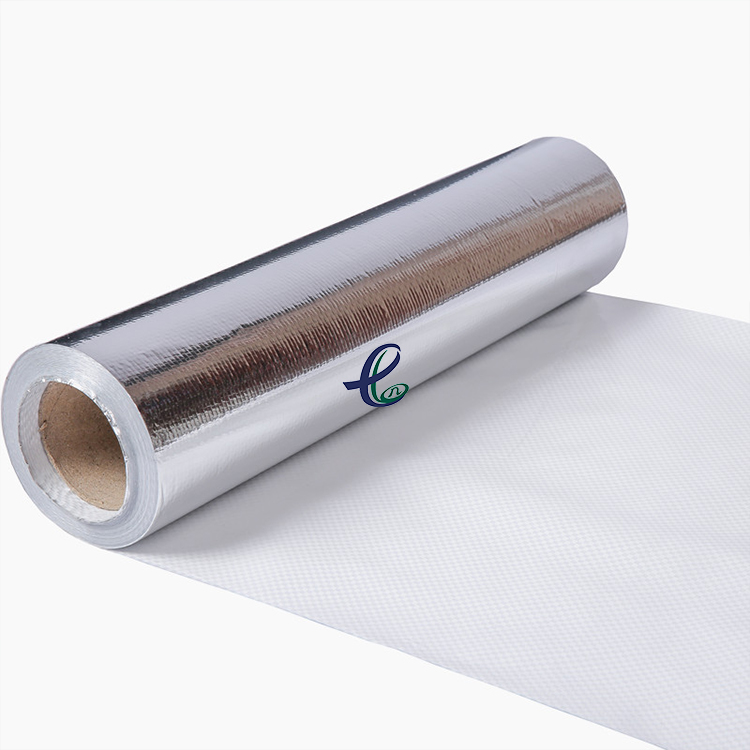 Aluminized Nonwoven
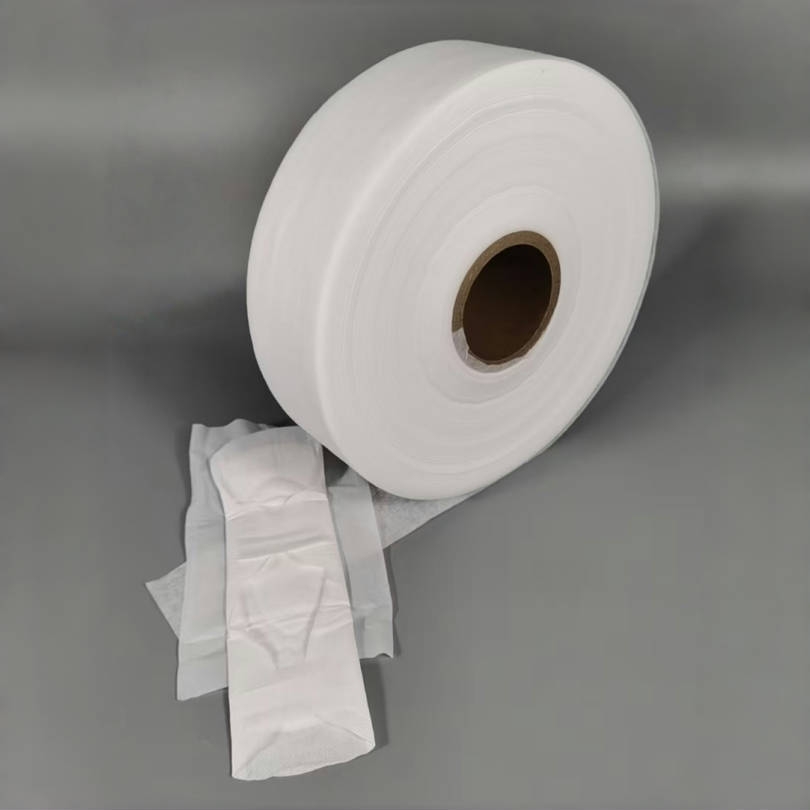 Hot Air Cotton Nonwoven
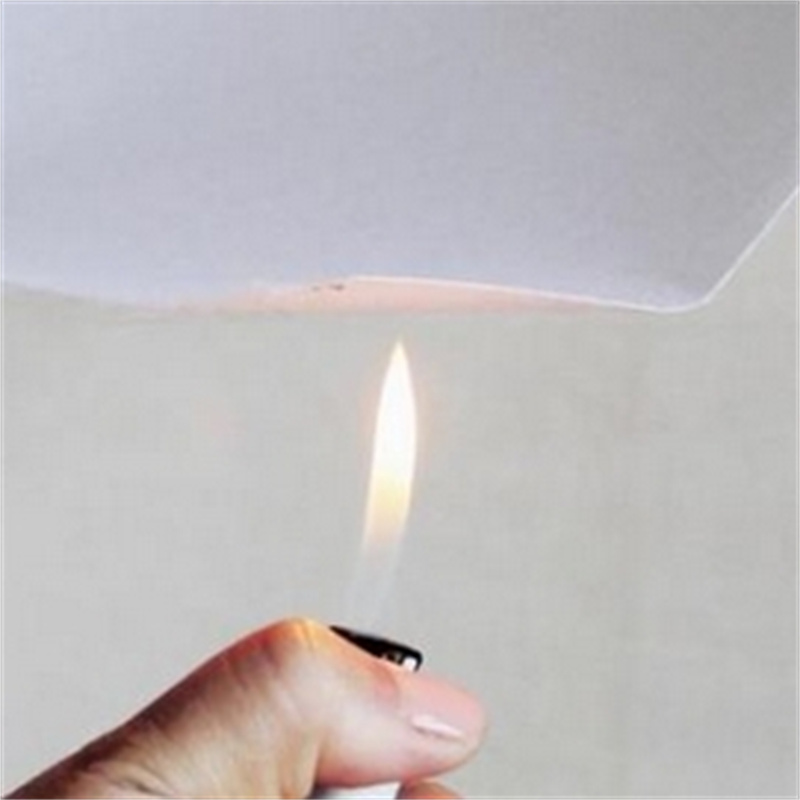 Flame Retardant Nonwoven
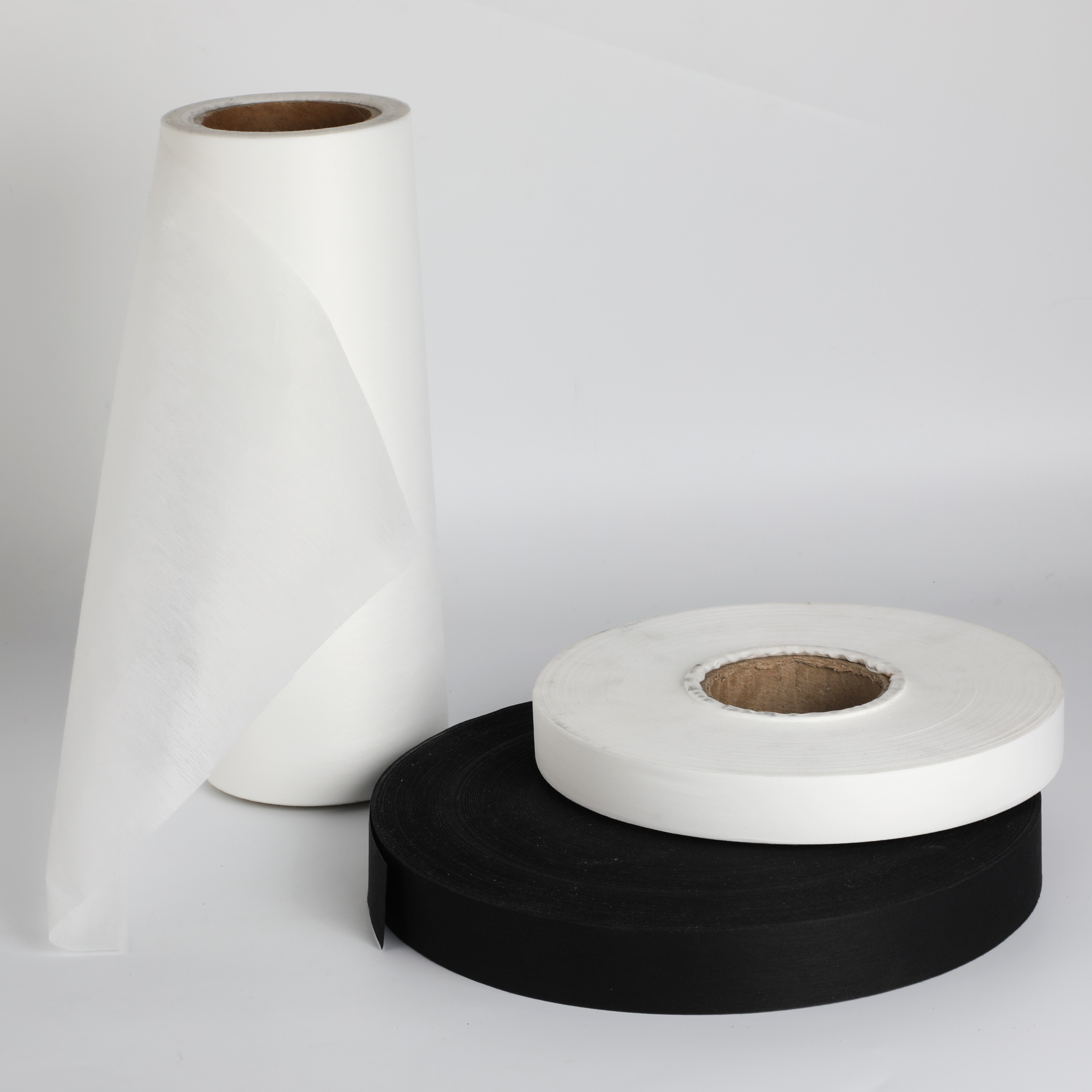 Cable Wrapping Nonwoven
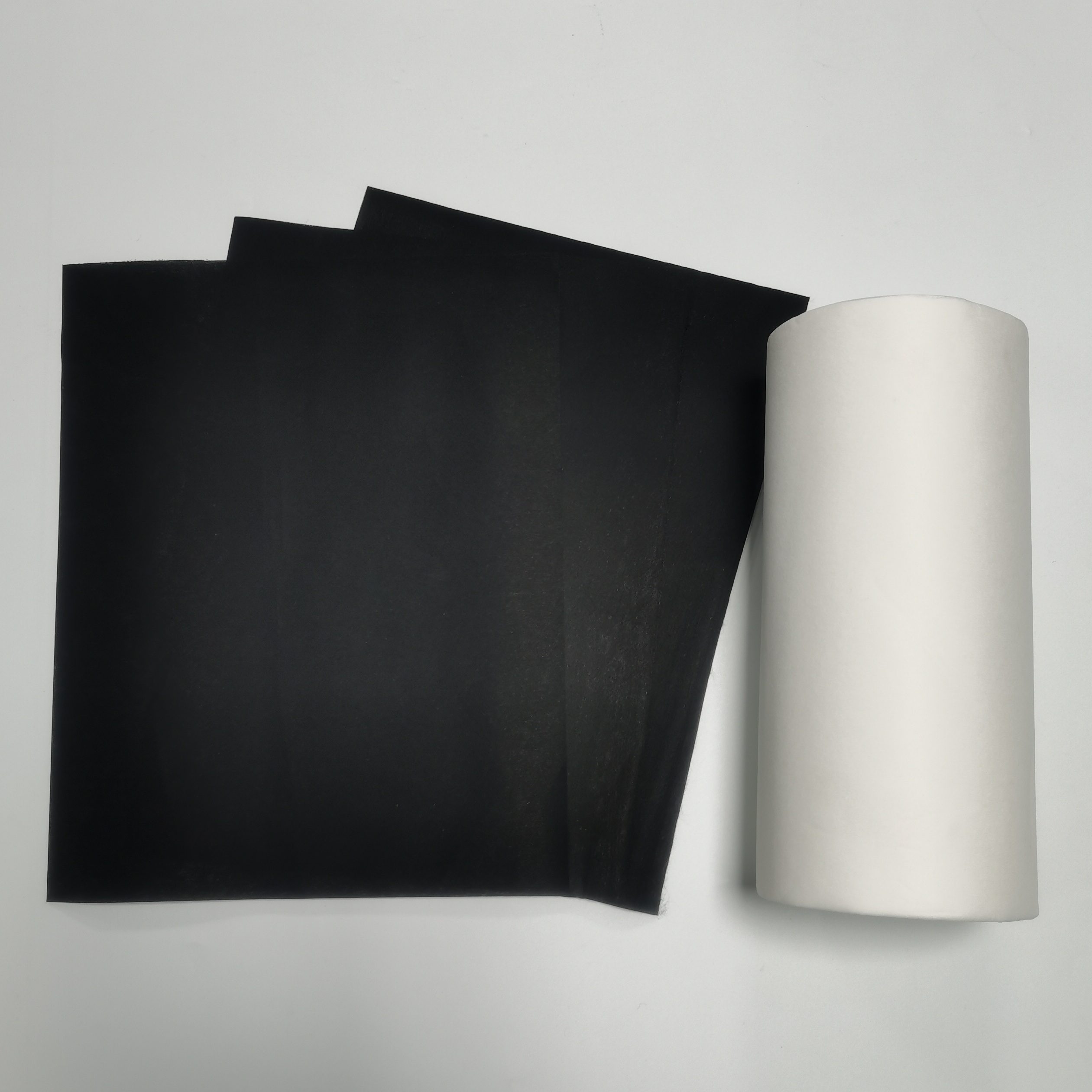 Semi-conductive Nonwoven
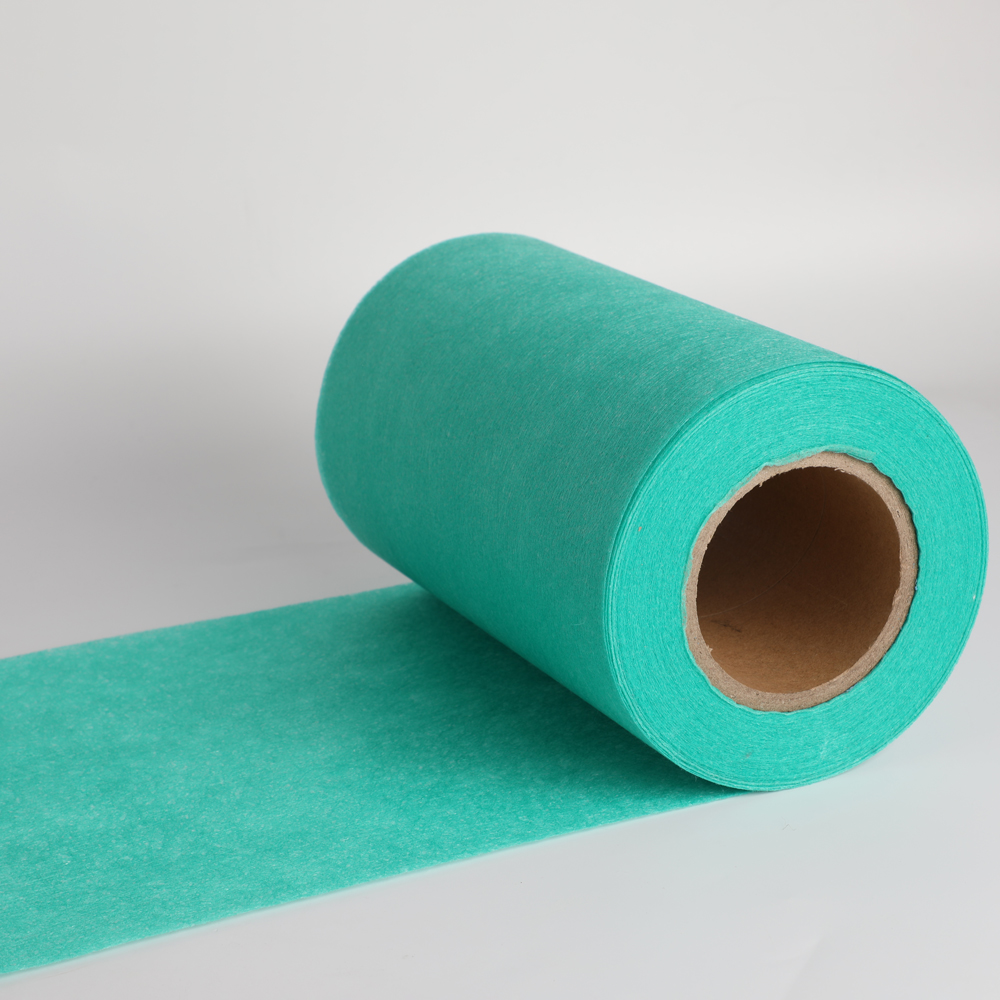 Anti-Bacterial Nonwoven
 +8613957712400
 CONTACT WhatsApp
 CONTACT WeChat
 CONTACT NUMBER
 CONTACT EMAIL