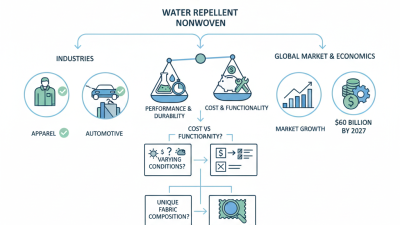
Top 10 Benefits of Water Repellent Nonwoven Fabrics for Everyday Use?
In our daily lives, practical materials can make a significant difference in comfort and convenience. Water Repellent Nonwoven fabrics stand out as one of the most innovative solutions available today. These fabrics effectively resist moisture, making them ideal for various applications like clothing, bags, and home textiles.
One of the key advantages of Water Repellent Nonwoven is their versatility. They are lightweight and breathable, offering ease of use in everyday items. Many people may overlook these benefits, unaware of how such materials can enhance quality of life. This fabric type also supports various eco-friendly initiatives, appealing to the environmentally conscious consumer.
As we explore the top benefits of Water Repellent Nonwoven, it is essential to recognize both their potential and limitations. These fabrics are not invincible; they require proper care to maintain their water resistance. The effectiveness may diminish over time, urging consumers to reflect on their choices. Understanding these factors can guide us toward more informed decisions in our daily lives.
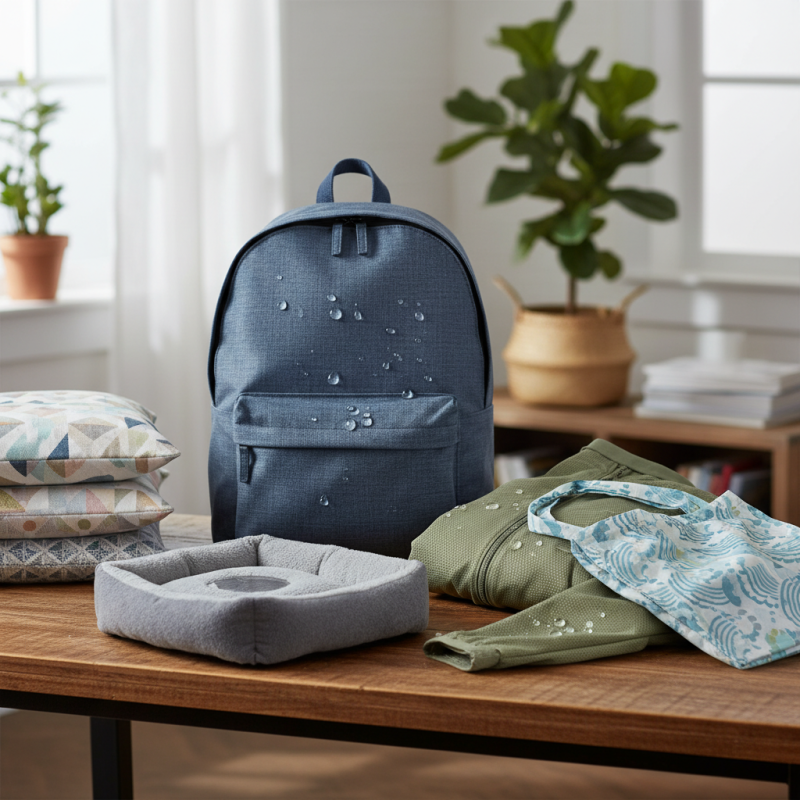
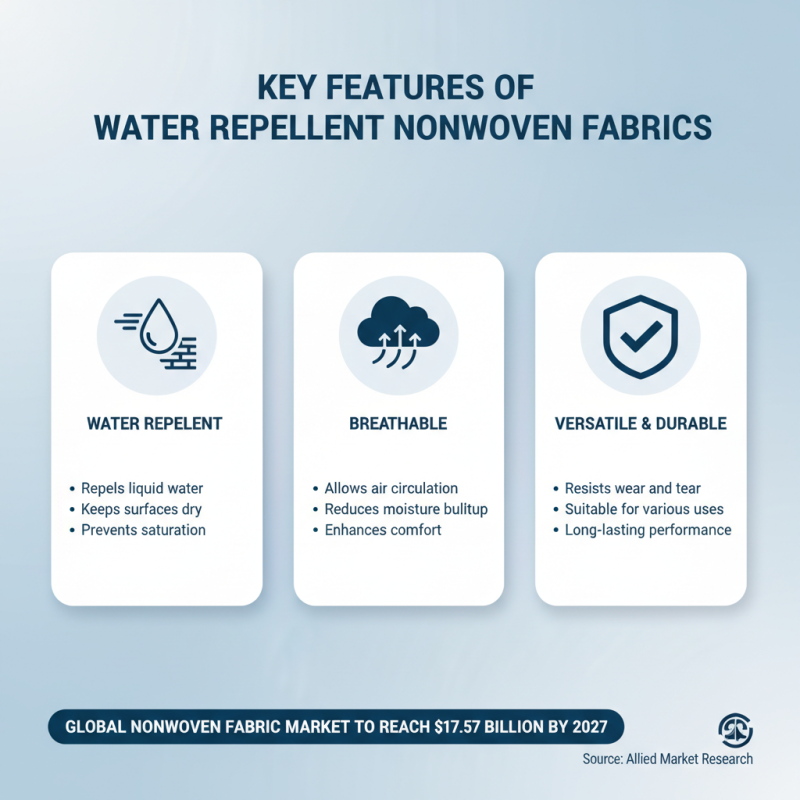
Key Features of Water Repellent Nonwoven Fabrics
Water repellent nonwoven fabrics have gained popularity in various everyday applications, thanks to their unique features. These fabrics are specifically designed to repel water while maintaining breathability. According to a recent industry report by Allied Market Research, the global nonwoven fabric market is projected to reach $17.57 billion by 2027, reflecting a growing demand for effective and versatile materials.
One of the key advantages of water repellent nonwoven fabrics is their lightweight nature. This makes them ideal for use in items like sportswear, outdoor gear, and personal accessories. These fabrics often feature a fine fiber structure that enhances their hydrophobic properties, allowing them to repel moisture efficiently. Furthermore, their resistance to mildew and mold adds to their appeal, especially in humid environments where traditional materials may struggle.
Another noteworthy feature is their durability. Water repellent nonwoven fabrics can withstand various stresses, making them suitable for reusable products. They are often designed for easy maintenance, allowing them to retain their protective qualities through multiple washes. Despite these advantages, challenges remain. For instance, the manufacturing process can sometimes lead to inconsistent quality. This inconsistency may influence their long-term performance in real-world applications.
Applications of Water Repellent Nonwoven Fabrics in Daily Life
Water repellent nonwoven fabrics have become essential in everyday life. Their unique properties offer benefits across various applications. From protective clothing to medical supplies, these materials are valued for their durability and functionality. In the outdoor gear sector, for example, according to the Nonwovens Innovation & Research Institute, water-resistant textiles can increase product longevity by up to 30%. This makes them ideal for jackets and shoes.
In healthcare, water repellent nonwoven fabrics are used in surgical gowns and masks. A study by the Institute of Textile Technology indicates that these materials reduce liquid penetration, thus enhancing safety for both patients and medical staff. Additionally, in home textiles, these fabrics are used for furniture and upholstery, providing a barrier against spills. This feature is particularly useful for families with children or pets.
Tip: Look for water repellent fabrics when shopping for everyday items. Always check the care instructions to maintain their protective qualities. Regular washing can diminish effectiveness, so consider spot cleaning when possible. Reflect on your use of nonwoven products; while they're durable, they still require responsible management. Embracing these materials can lead to a more functional and enjoyable daily life.
Top 10 Benefits of Water Repellent Nonwoven Fabrics for Everyday Use
Advantages of Water Repellent Nonwoven Fabrics for Outdoor Activities
Water repellent nonwoven fabrics offer a range of benefits for outdoor activities. These fabrics are designed to repel moisture, keeping you dry. Imagine a rainy day hike or an unplanned splash while kayaking. With water repellent nonwoven fabrics, you can enjoy these experiences without discomfort. They shield you from wetness, allowing you to focus on your adventure.
In addition to moisture resistance, these fabrics are lightweight and breathable. They provide comfort during physical exertion. Consider a camping trip where you need to move quickly. You wouldn't want heavy, damp materials weighing you down. Water repellent nonwoven fabrics are easy to pack and carry. They often dry quickly, minimizing the hassle after unforeseen weather changes.
However, it's essential to remember that while they offer protection, they can wear over time. Regular checking and maintenance are crucial for their longevity and effectiveness in keeping you dry.
Durability and Longevity of Water Repellent Nonwoven Fabrics
Water repellent nonwoven fabrics are gaining popularity for their impressive durability and longevity. According to a report published by the Nonwoven Fabrics Association, these materials can last three to five times longer than traditional fabrics under similar conditions. This durability makes them ideal for a range of everyday applications, from outdoor gear to home textiles.
One key aspect of these fabrics is their ability to withstand wear and tear. They are engineered to resist moisture, preventing the growth of mildew and mold. As a result, water repellent nonwovens can maintain their integrity and appearance over time. In certain tests, fabrics treated with water repellents showed a 95% reduction in moisture absorption. This characteristic not only enhances their lifespan but also keeps them looking new longer.
Despite these benefits, it's essential to recognize potential limitations. Over time, the effectiveness of water repellency can diminish after multiple washes. Manufacturers usually recommend specific care instructions to help maintain the fabric's properties. This aspect may require consumers to be more mindful of their laundry practices, ensuring they do not inadvertently shorten the lifespan of their water repellent nonwoven items. Balancing maintenance while enjoying their longevity is crucial for optimal use.
Top 10 Benefits of Water Repellent Nonwoven Fabrics for Everyday Use
| Benefit |
Description |
Durability Rating |
Longevity (Years) |
| Water Resistance |
Prevents water from penetrating the fabric. |
High |
5+ |
| Lightweight |
Easy to carry and use for various applications. |
Medium |
3-5 |
| Versatile |
Suitable for a range of applications like bags and clothing. |
High |
5+ |
| Easy Maintenance |
Can be cleaned easily; often machine washable. |
High |
5+ |
| Eco-Friendly Options |
Made from recycled materials or sustainable processes. |
Medium |
4-6 |
| Cost-Effective |
Provides good performance at a reasonable price. |
High |
5+ |
| Breathability |
Allows moisture vapor to escape while blocking water. |
High |
4-6 |
| Aesthetic Appeal |
Available in numerous colors and styles. |
Medium |
3-5 |
| Resistance to Stains |
Easy to clean with less risk of permanent stains. |
High |
4-7 |
| Strong Performance |
Maintains integrity under stress and wear. |
High |
5+ |
Environmental Impact of Water Repellent Nonwoven Fabrics Use
The environmental impact of water repellent nonwoven fabrics is increasingly significant. These materials often derive from synthetic fibers. Around 60% of global textile production comes from synthetic sources, raising concerns about pollution. The production of synthetic fabrics can contribute to water and air pollution. However, when utilized efficiently, nonwoven fabrics can mitigate waste.
Water repellent nonwoven fabrics allow for reduced water usage. They require less frequent washing due to their resistance to water and stains. Research indicates that reducing laundry frequency by just one wash per week can save over 5,000 gallons of water annually for a household of four. This water conservation is crucial in addressing global water scarcity issues.
Moreover, the durability of these fabrics can lead to a longer lifecycle. A report by the Textile Exchange states that extending a garment’s life by just nine months can reduce its carbon, water, and waste footprint by 20-30%. While these nonwovens provide practical benefits, the reliance on synthetic materials reflects a need for more sustainable practices in textiles. We must balance convenience with environmental responsibility.

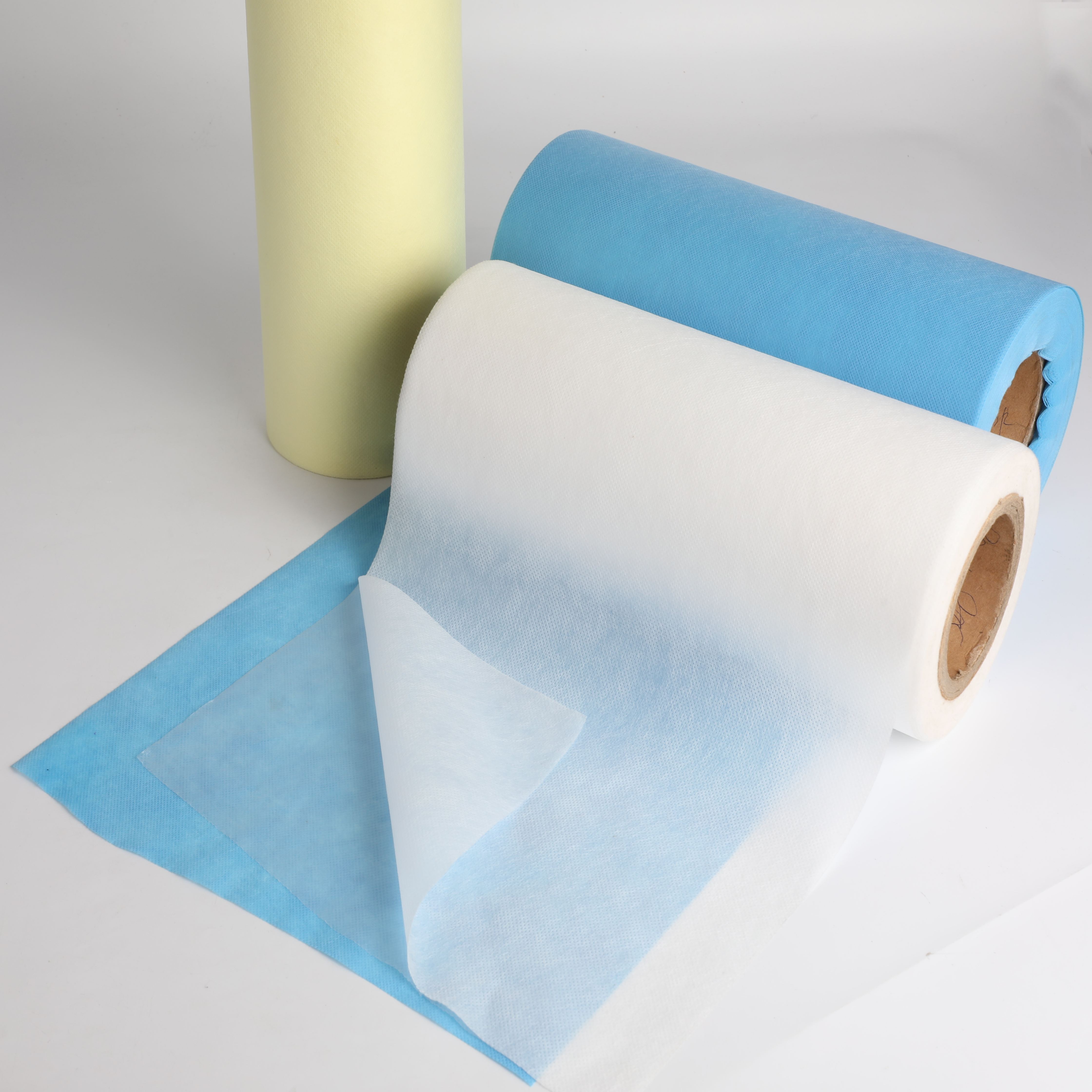 PP Laminates
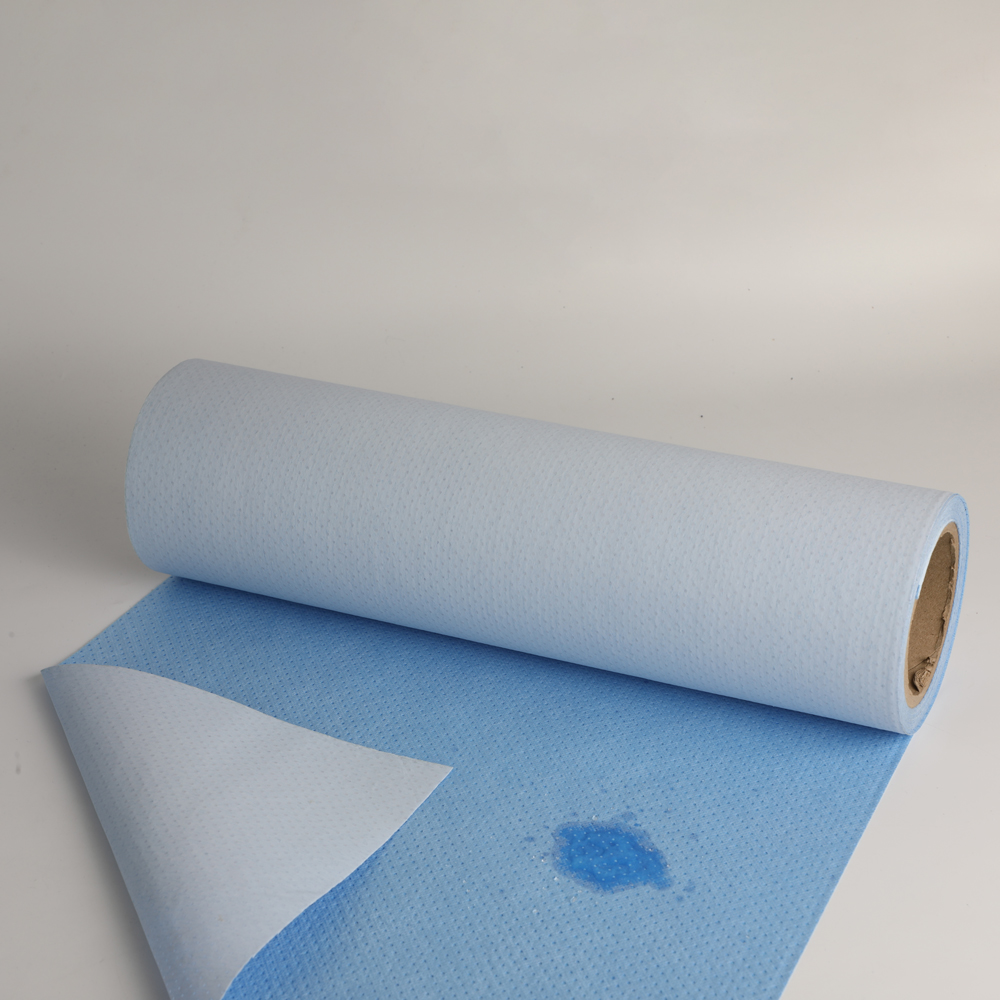 Multi Laminates
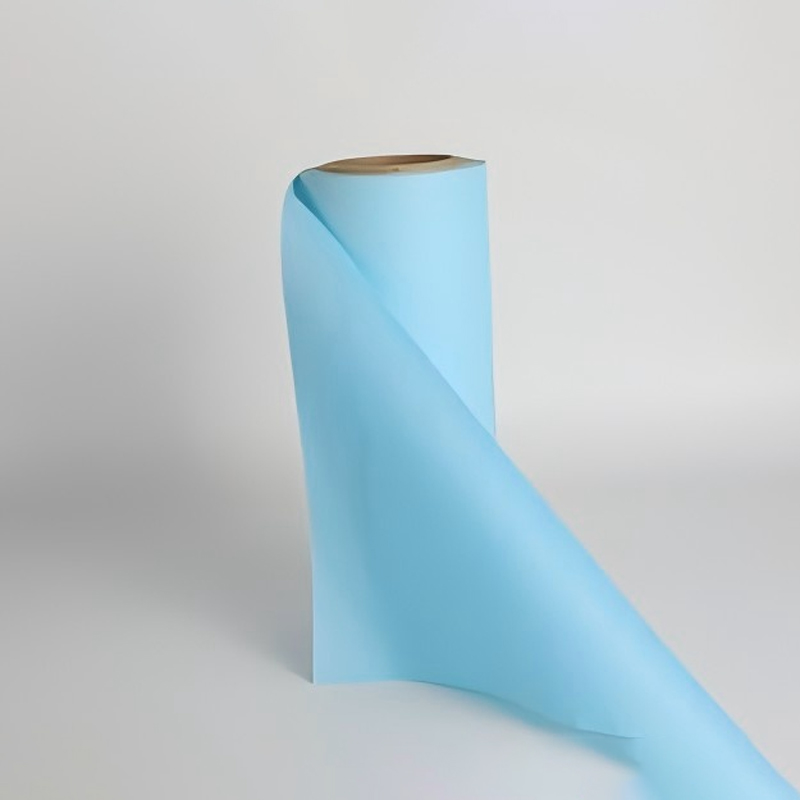 Spunlace Nonwoven Laminates
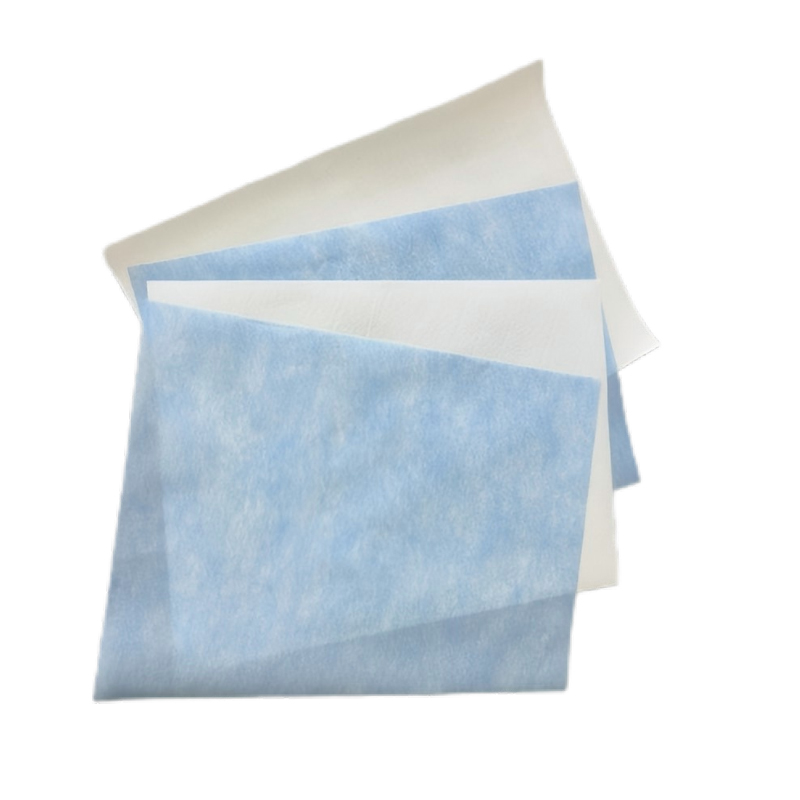 Breathable Film Laminates
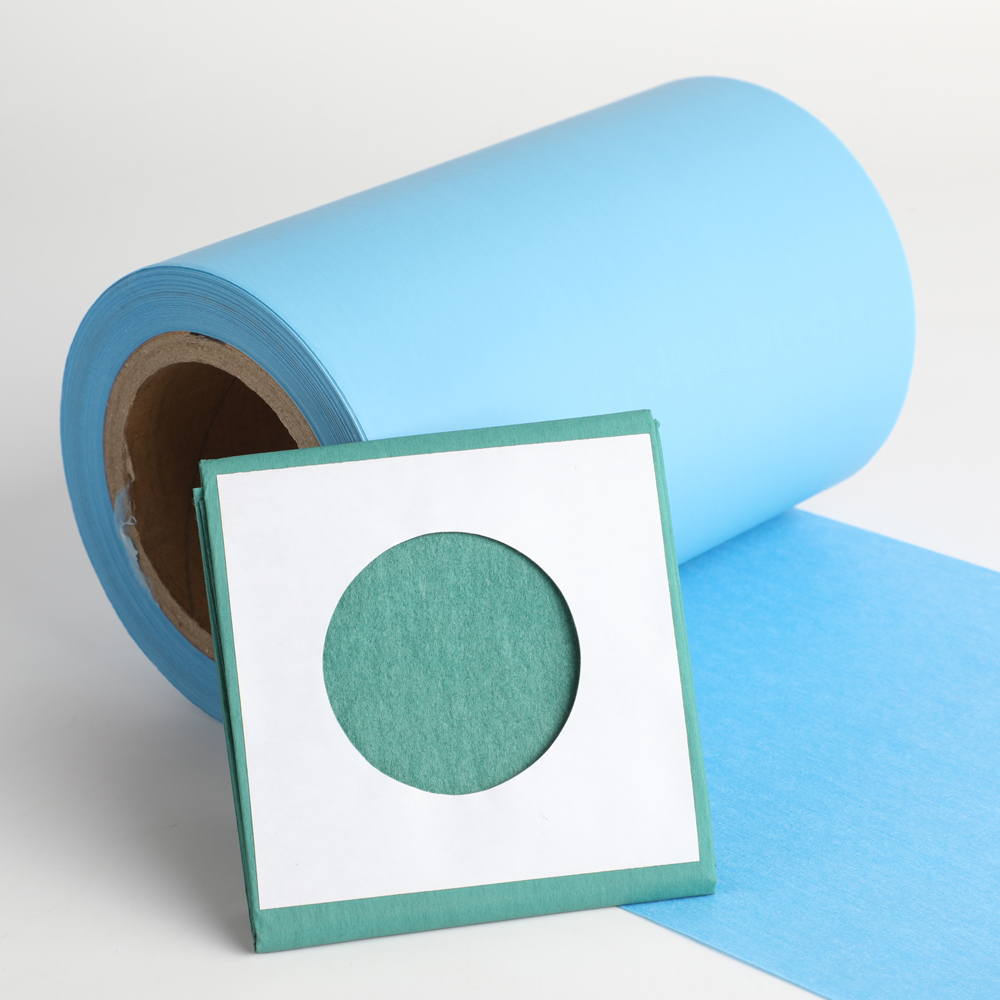 Viscose Laminates
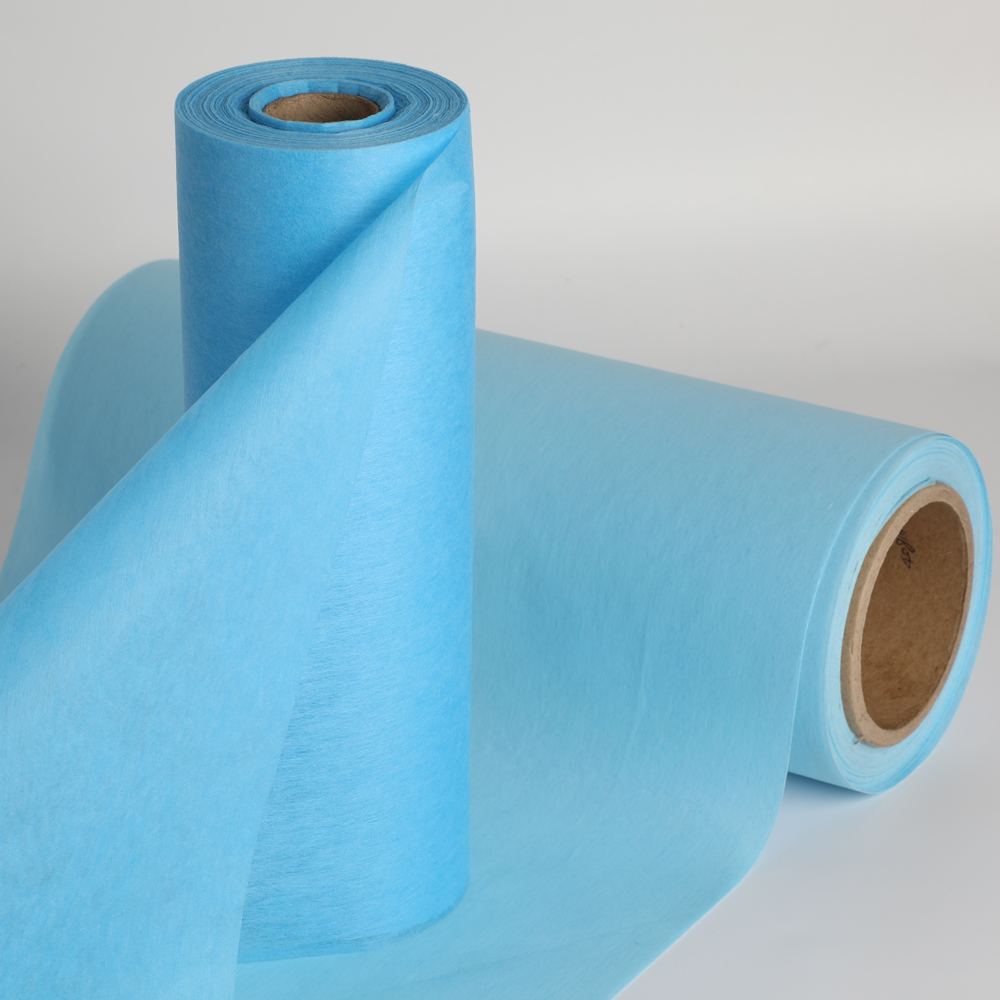 Medical Viscose Nonwoven
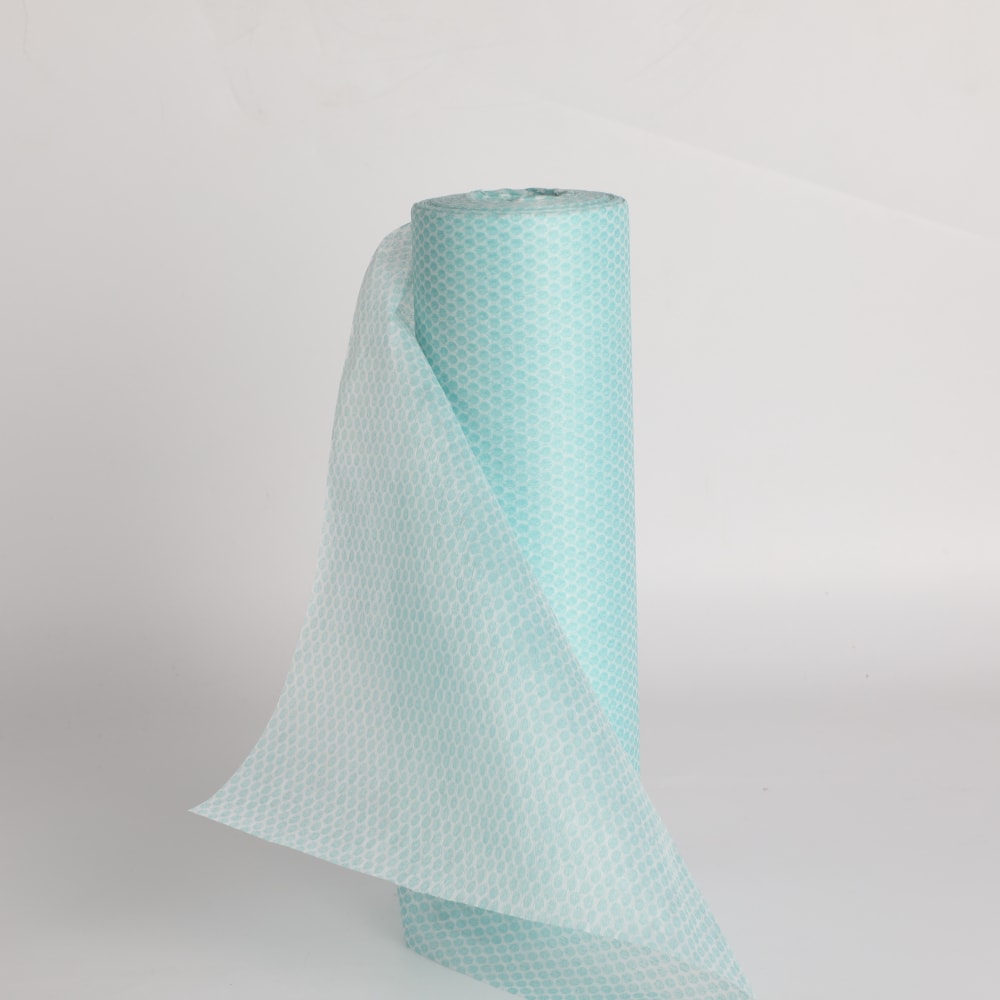 Head Wear Nonwoven
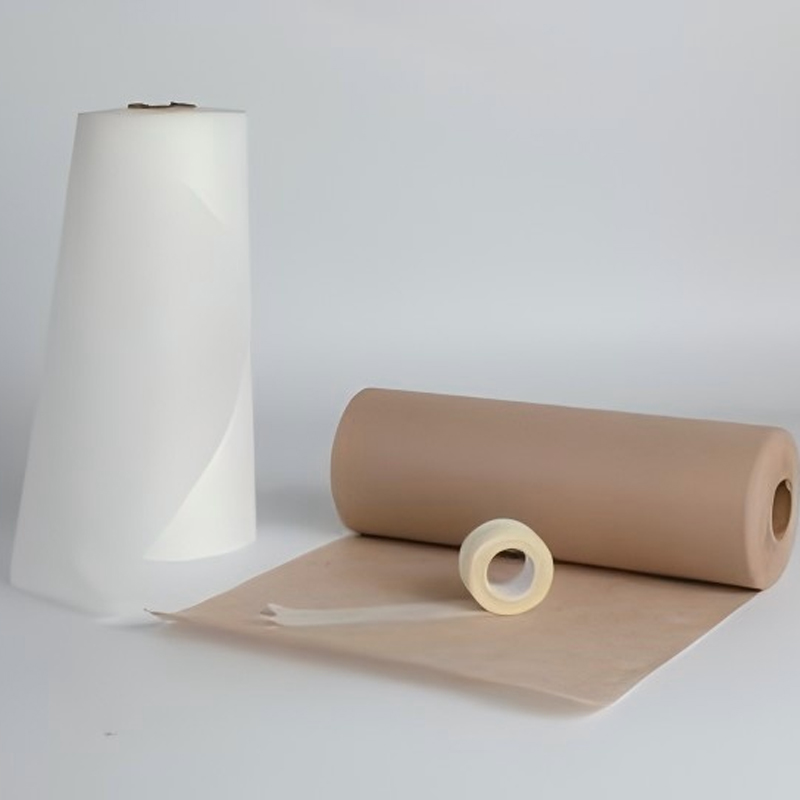 Medical Tape Nonwoven
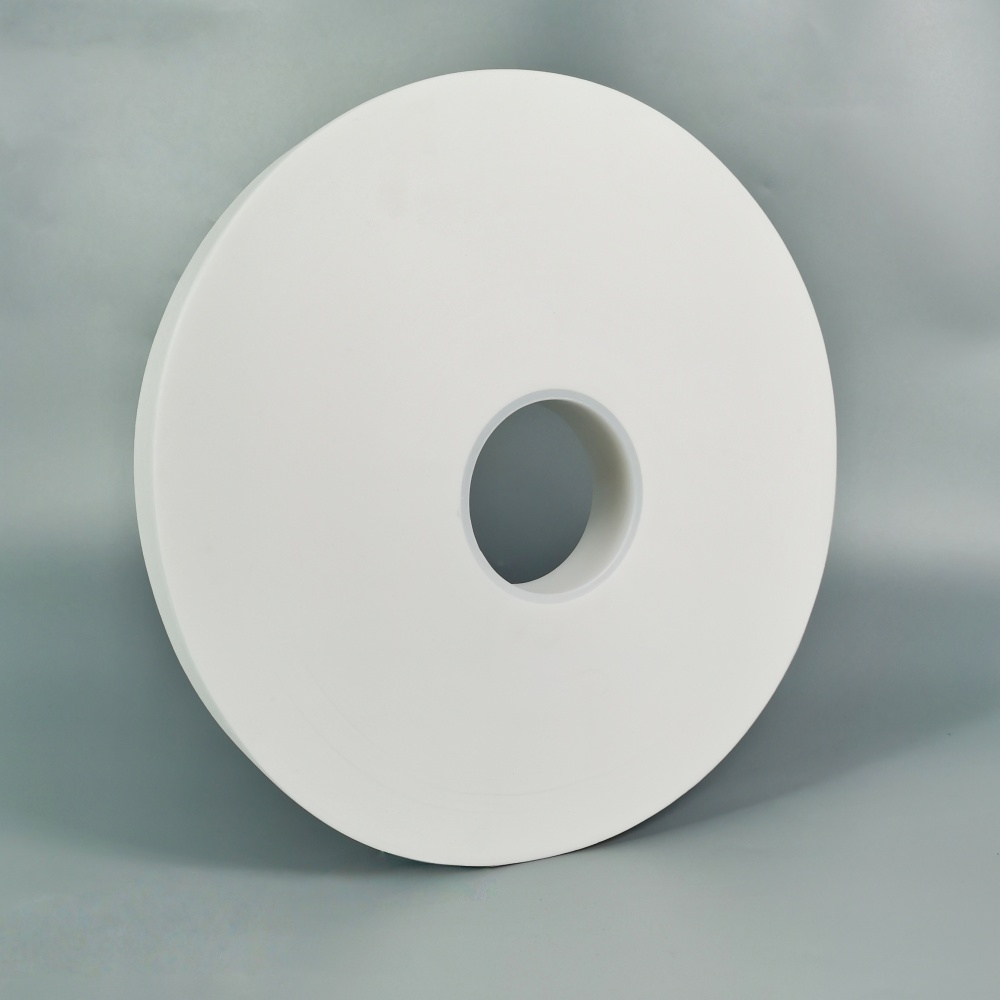 Snus Pouch Nonwoven
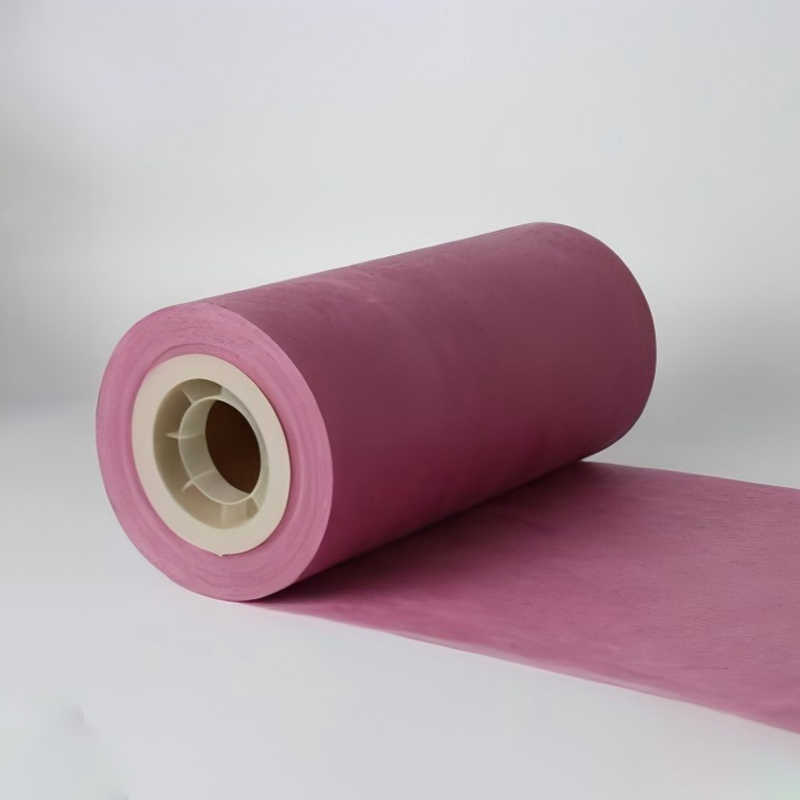 Filtration Nonwoven
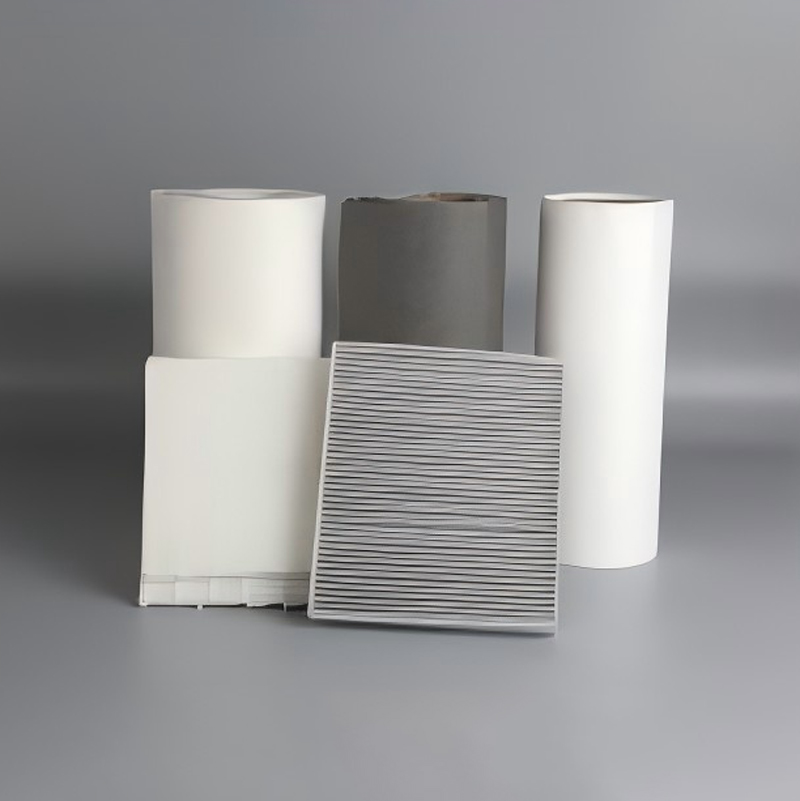 Air Filter Media
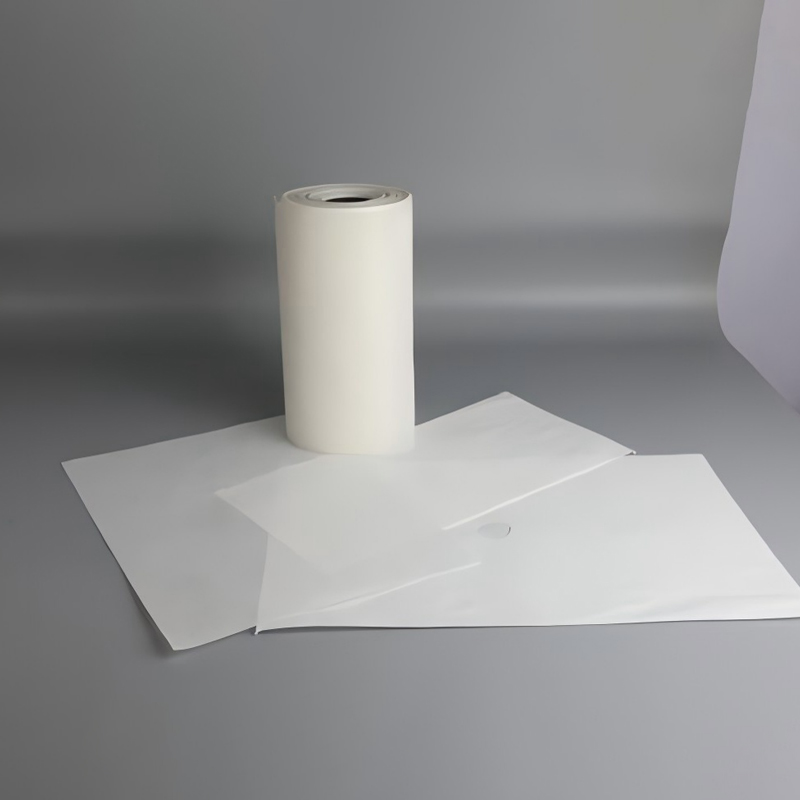 Liquid Filter Media
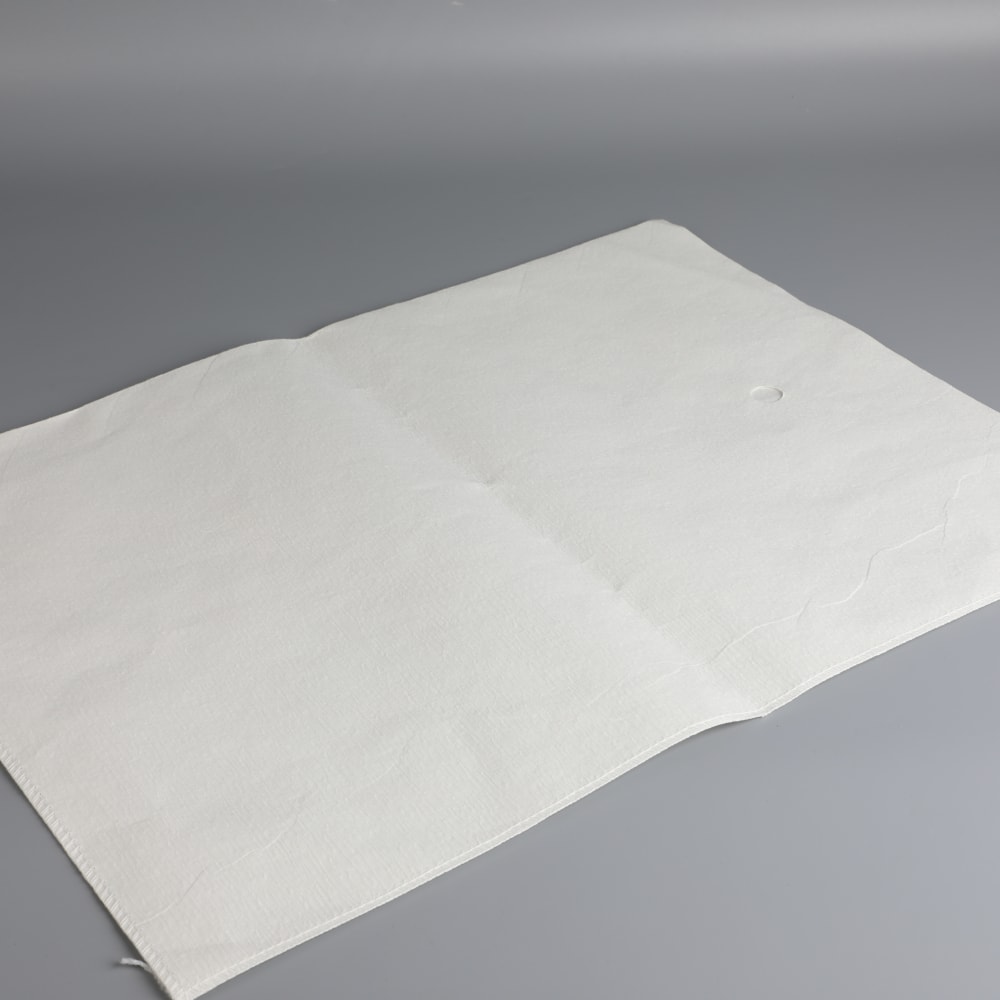 Filter Envelope & Filter Sheet
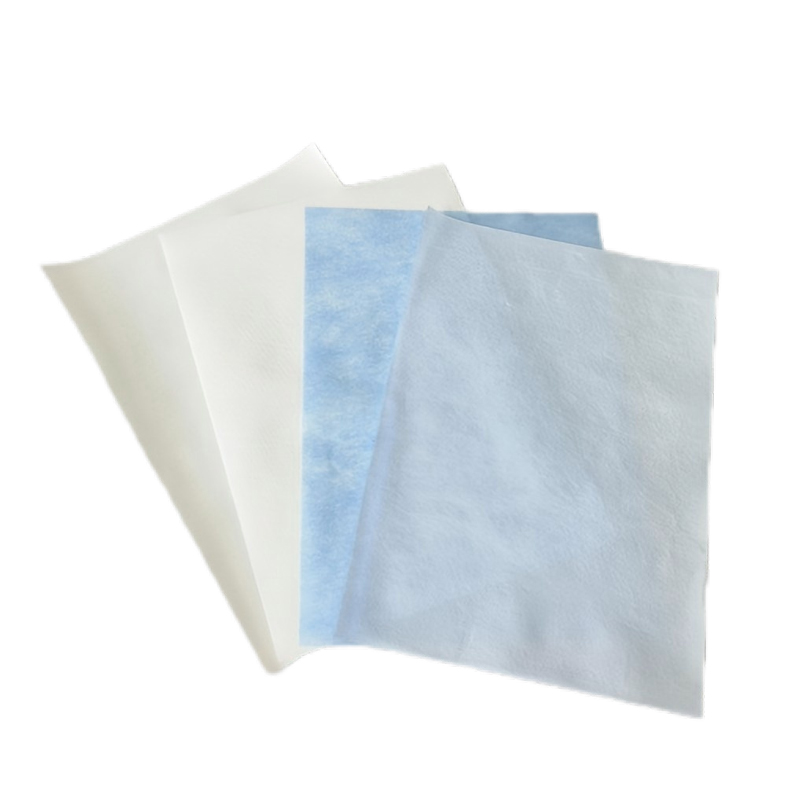 Breathable Film Laminates
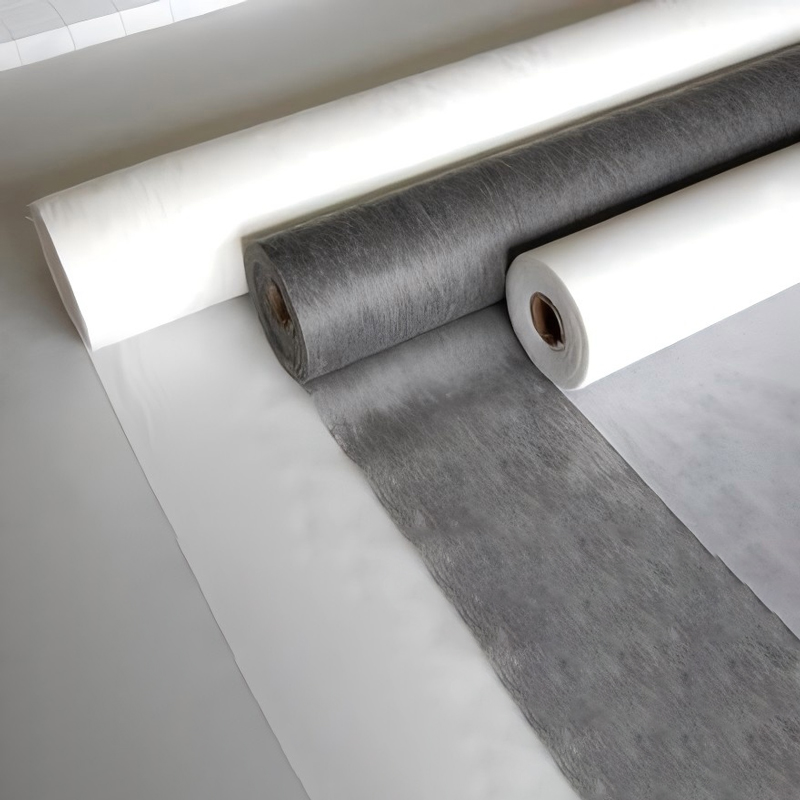 Nonwoven Interlining
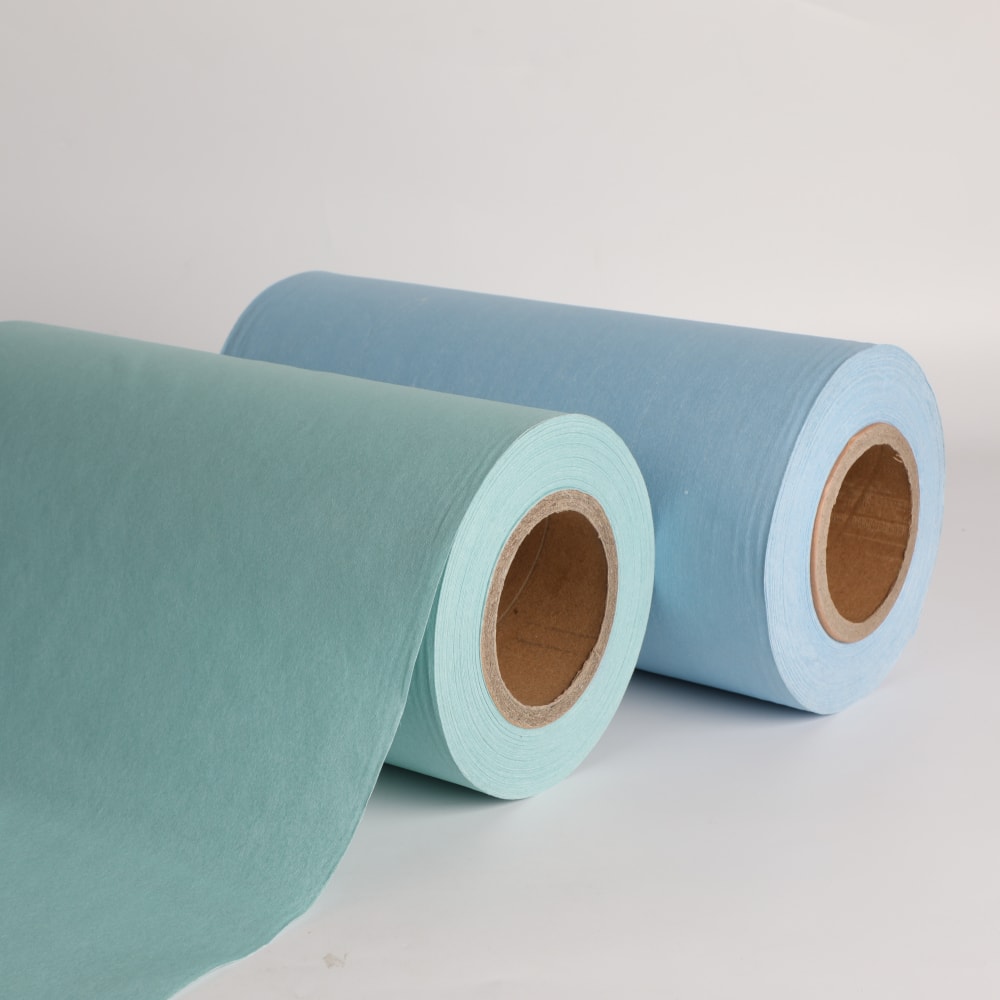 Fluid Repellent Woodpulp Spunlace Nonwoven
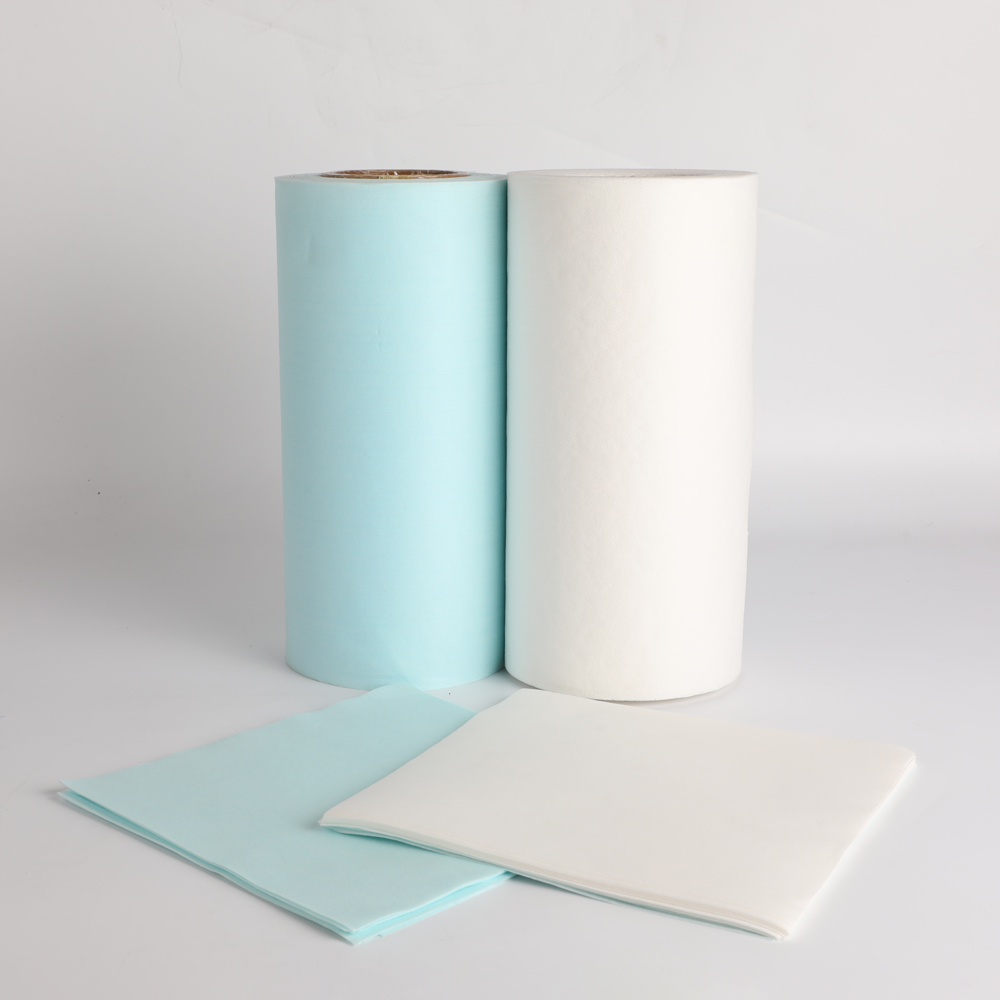 Woodpulp Nonwoven Wipe
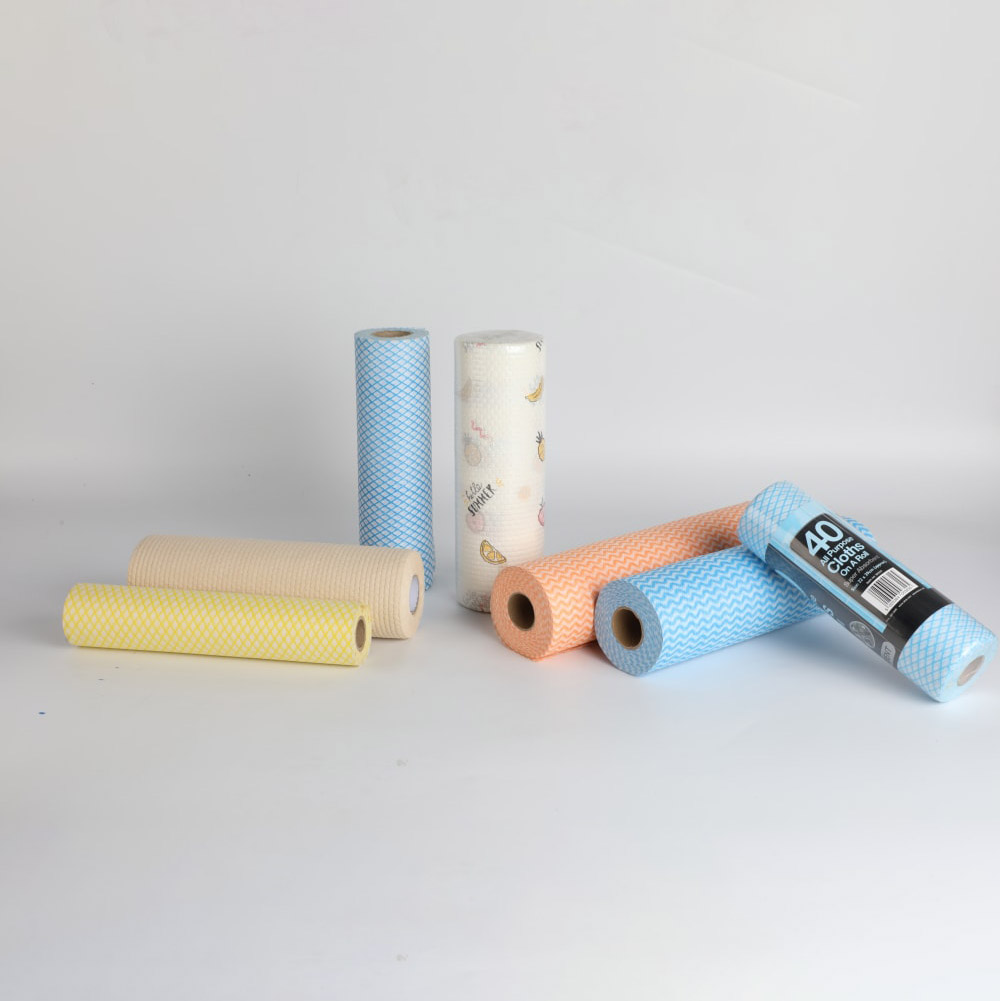 Nonwoven Cleaning Wipe
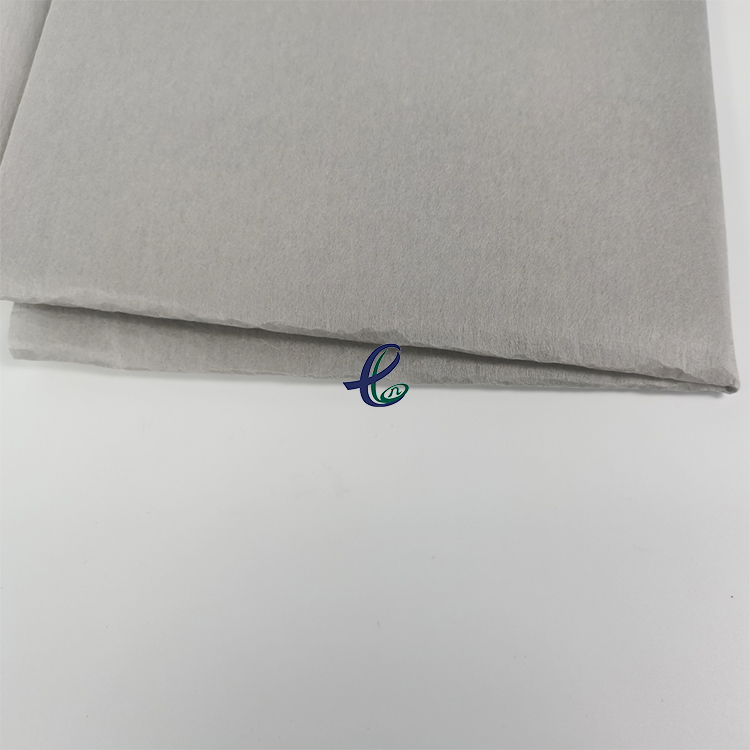 Curtain Nonwoven
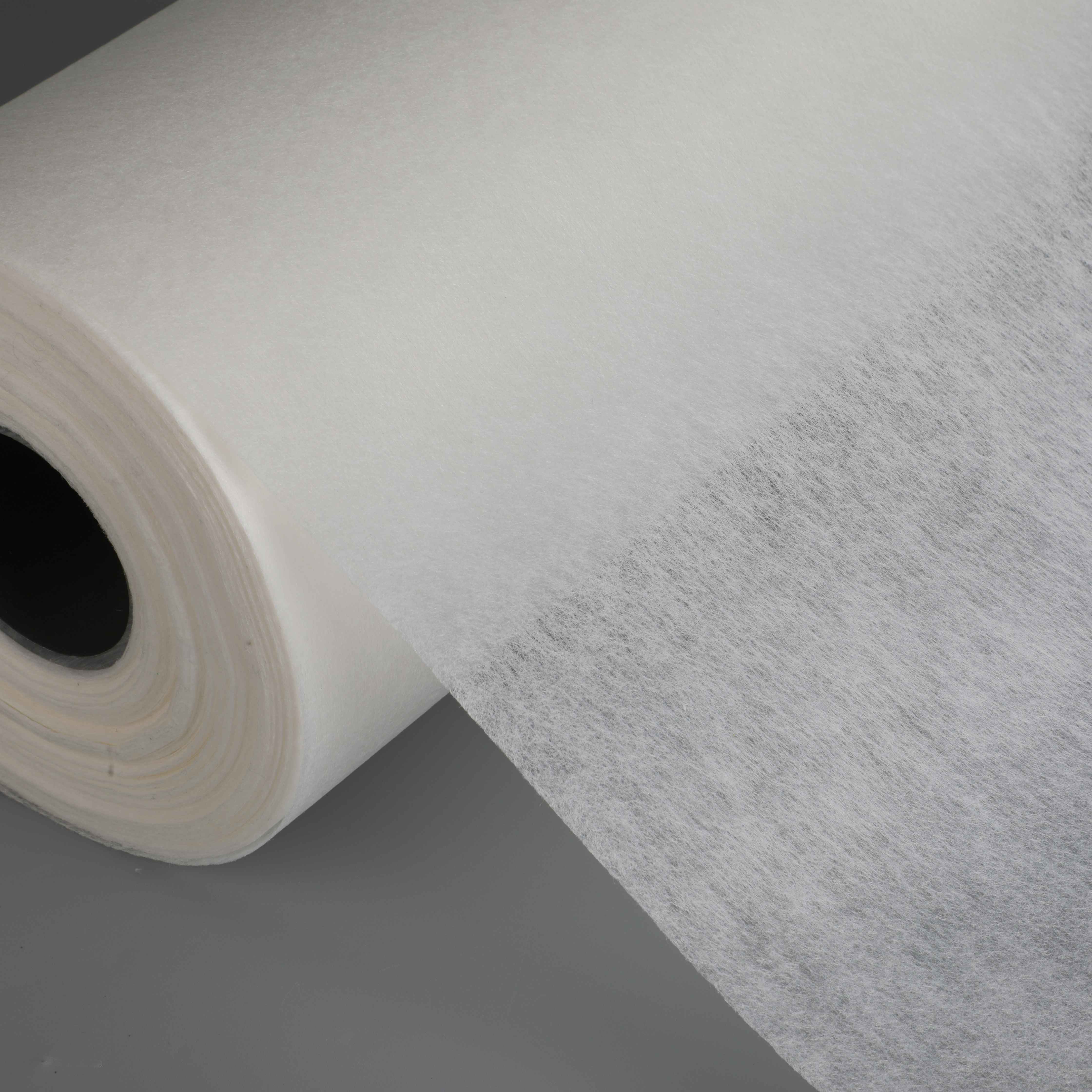 Food Grade Packaging Nonwoven
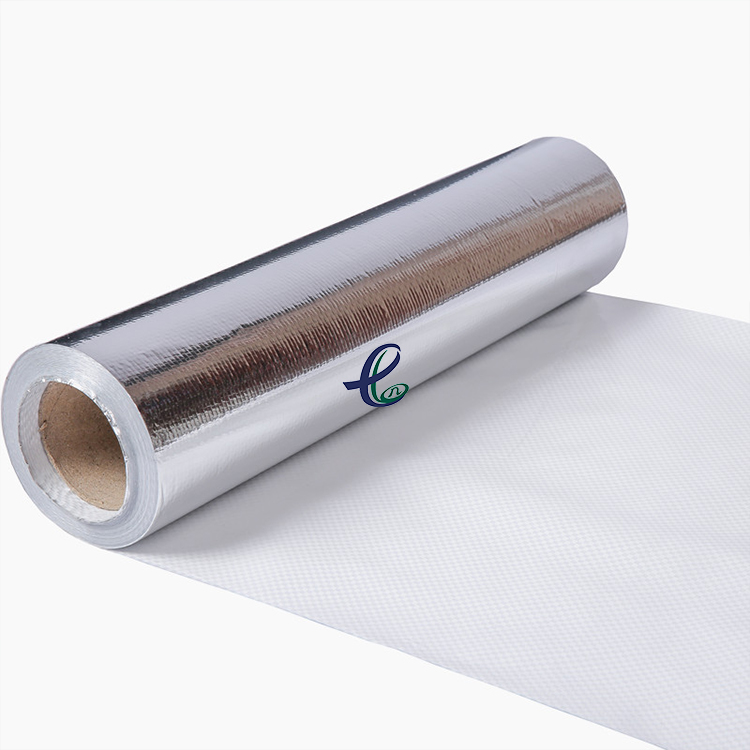 Aluminized Nonwoven
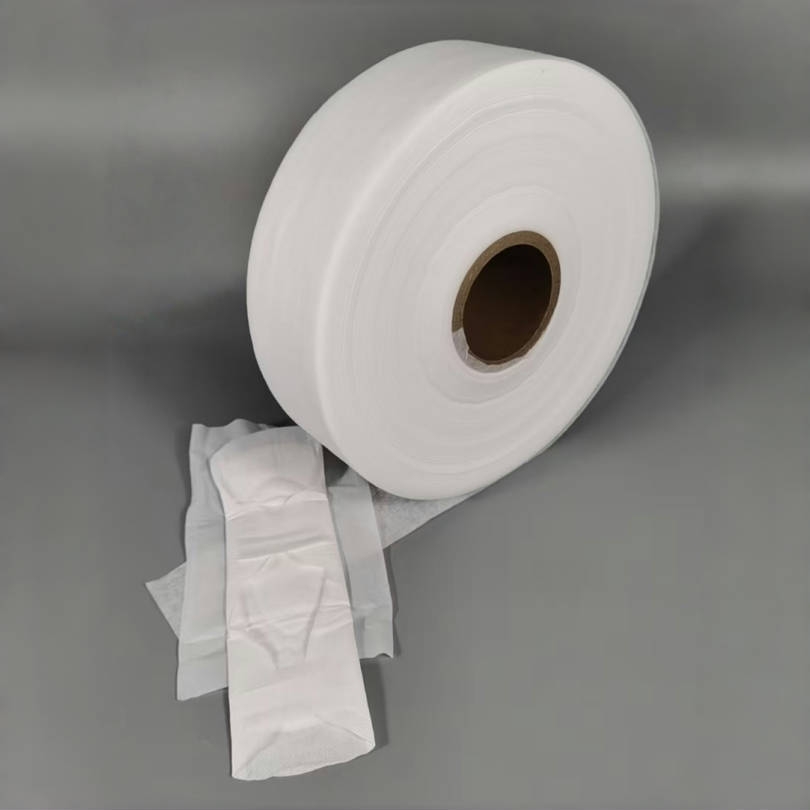 Hot Air Cotton Nonwoven
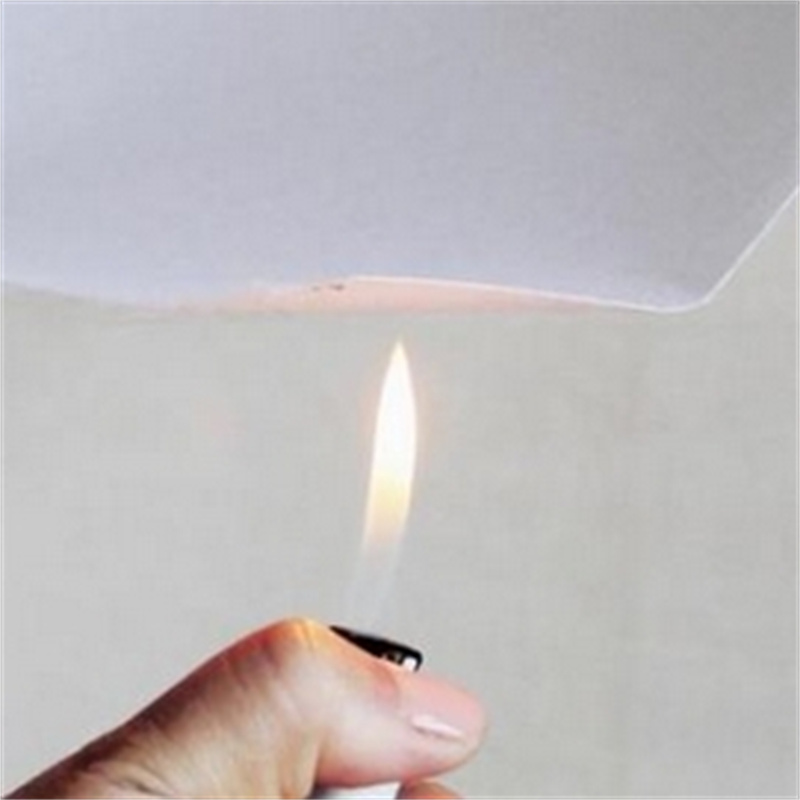 Flame Retardant Nonwoven
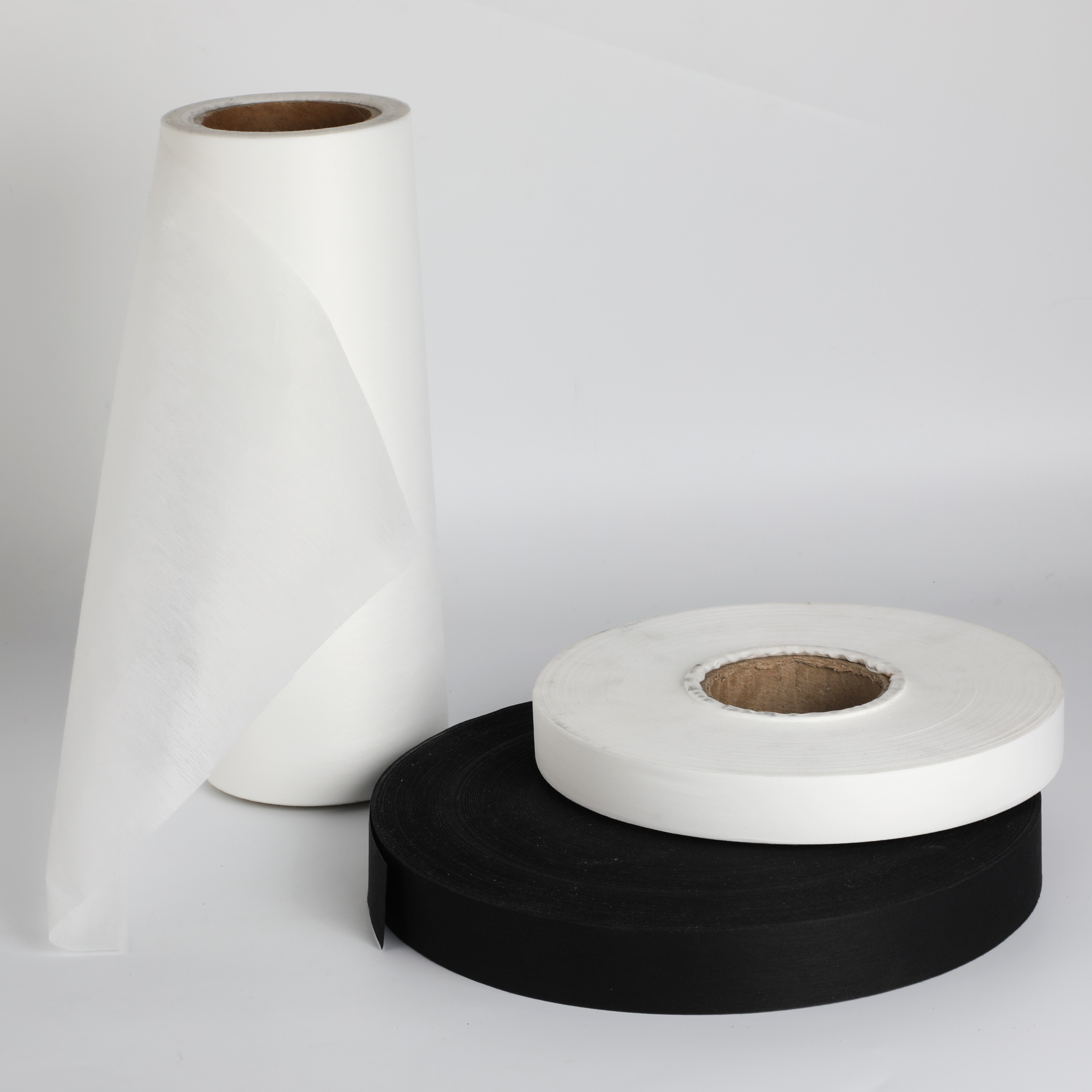 Cable Wrapping Nonwoven
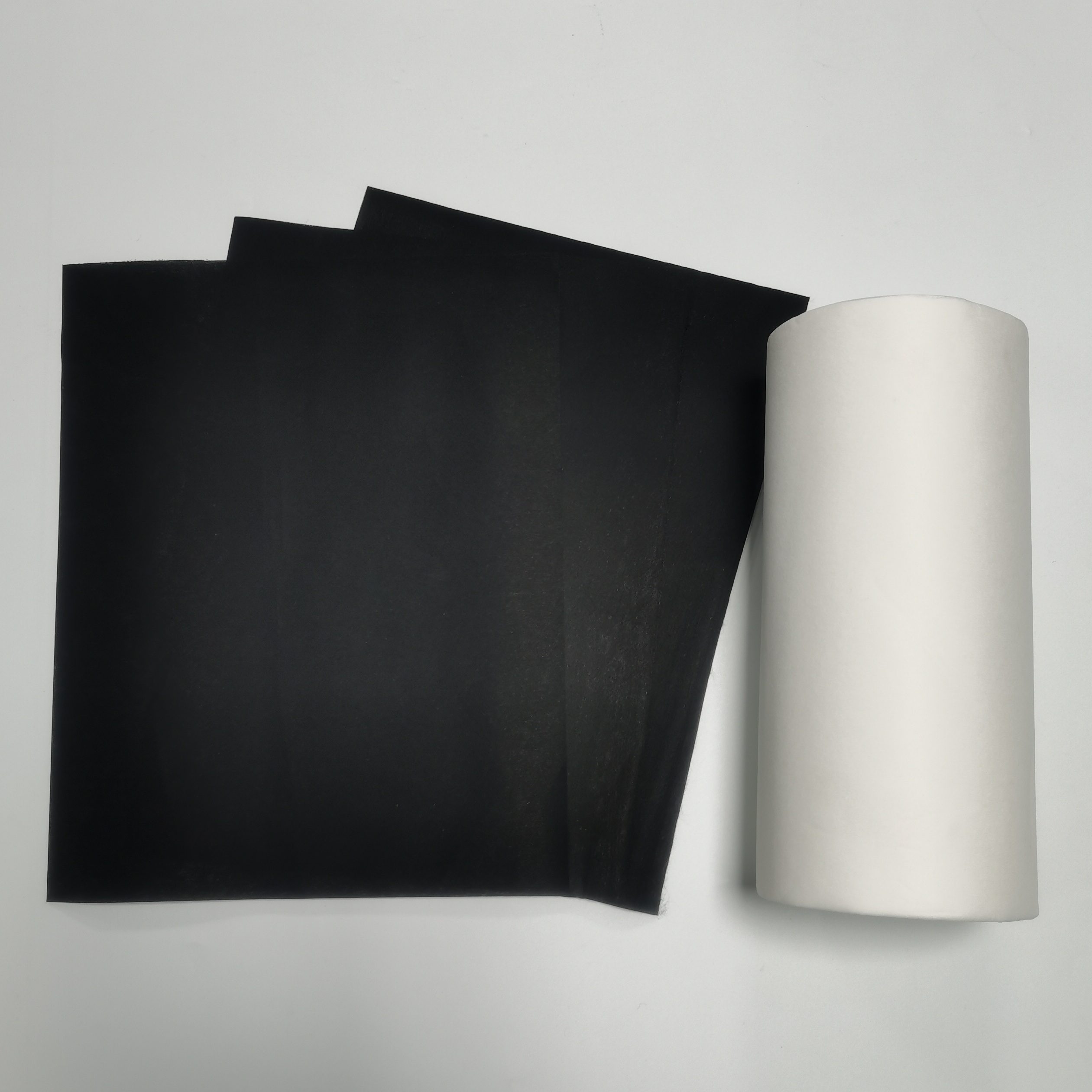 Semi-conductive Nonwoven
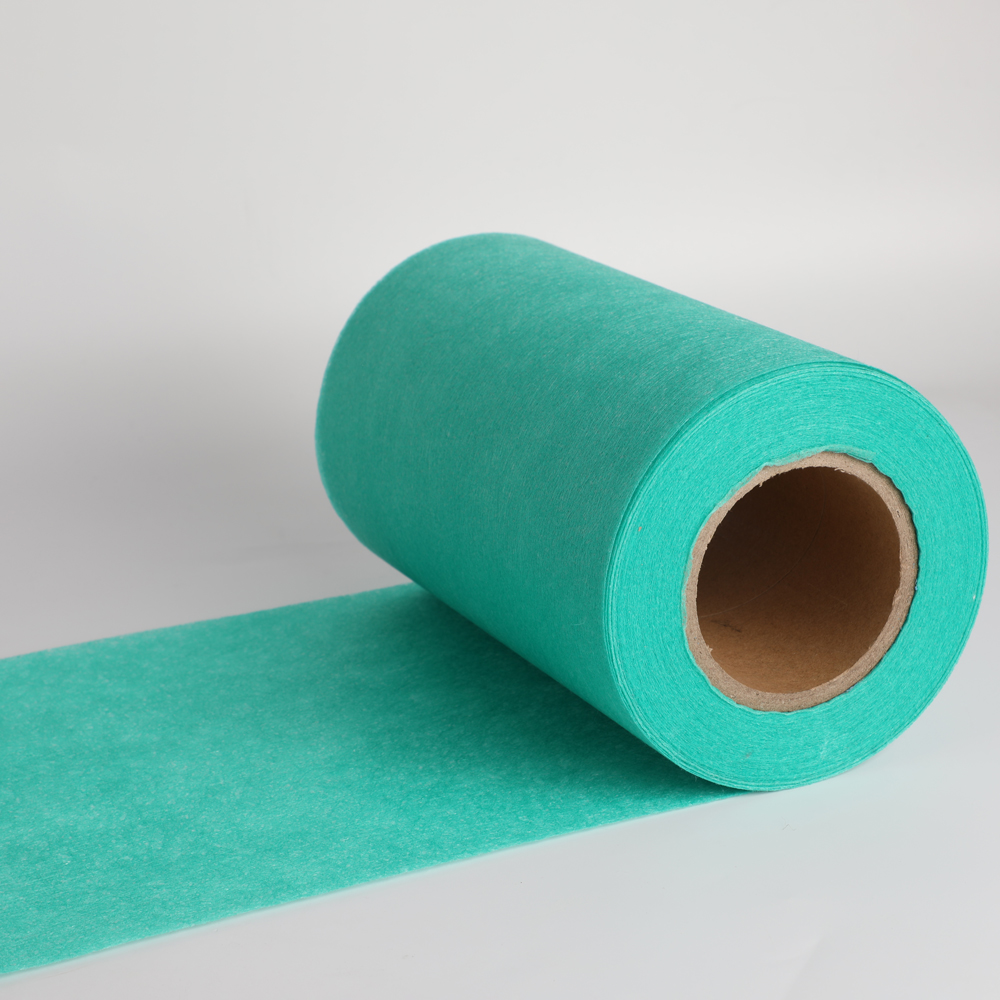 Anti-Bacterial Nonwoven
 +8613957712400
 CONTACT WhatsApp
 CONTACT WeChat
 CONTACT NUMBER
 CONTACT EMAIL