Durable Nonwoven Filter Fabric for Global Sourcing Needs?
Durable Nonwoven Filter Fabric plays a crucial role in various industries, from automotive to healthcare. The global nonwoven fabric market was valued at approximately $49 billion in 2022 and is projected to reach $70 billion by 2028. This growth indicates a rising demand for high-performance materials like Durable Nonwoven Filter Fabric.
In the filtration sector, the use of nonwoven fabrics has become increasingly popular due to their superior properties. They provide excellent filtration efficiency, durability, and breathability. Reports show that these fabrics can filter out particles as small as 0.3 microns. Such performance is vital for applications in air and water purification systems.
However, sourcing Durable Nonwoven Filter Fabric can pose challenges. Quality varies significantly among suppliers. Reliability in material performance is essential, yet not guaranteed in every case. Manufacturers must ensure that their choices meet industry standards and compliance regulations. This reflection on sourcing highlights the importance of due diligence in selecting the right partners.
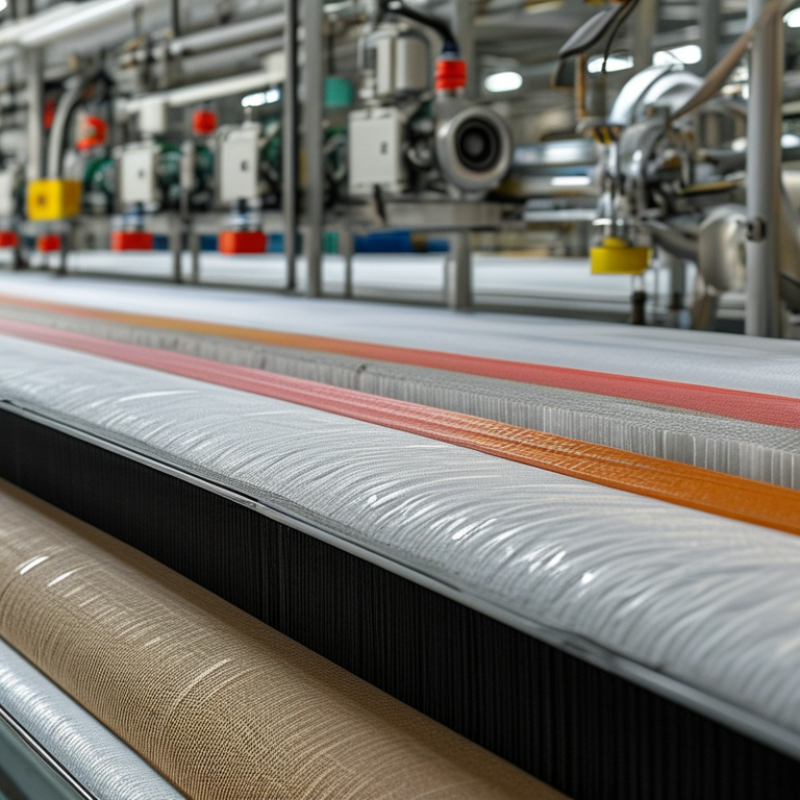
Durable Nonwoven Filter Fabric: An Overview of Key Features
Durable nonwoven filter fabric is increasingly essential in various industries. Its capability to filter and separate particles makes it valuable in air and liquid filtration applications. This fabric is engineered for strength, ensuring longevity even in demanding environments.
One key feature of this fabric is its resilience. Unlike traditional woven fabrics, nonwoven options often maintain their integrity under stress. They can be designed to be lightweight yet sturdy, allowing for versatility in different settings. The structure can be customized to meet specific filtration needs, enhancing performance.
However, challenges exist. The production process can lead to variations. There is often a trade-off between cost and quality. Users may find inconsistencies in durability depending on the source of the fabric. Therefore, careful consideration and testing are necessary when sourcing. Understanding the specific requirements can help mitigate these issues, leading to better filtration solutions.
Durable Nonwoven Filter Fabric: Key Features
The Importance of Durable Nonwoven Filter Fabrics in Sourcing
Durable nonwoven filter fabrics play a critical role in various industries. These materials are designed for extended use, offering exceptional filtration and efficiency. Their ability to withstand harsh conditions makes them indispensable for sourcing needs across the globe.
In many applications, durability is key. For instance, in water treatment, nonwoven fabrics must maintain integrity under pressure while filtering contaminants. This requires precision in material selection and production processes. However, not all fabrics live up to this standard. Some may degrade quicker than expected or fail to meet performance benchmarks, which can lead to increased costs and operational failures.
Sourcing these materials involves navigating a complex landscape of manufacturers and suppliers. Organizations need reliable partners who understand the nuances of nonwoven technology. It's essential to assess a supplier’s track record, certifications, and production capabilities. Transparency in sourcing results fosters trust and enhances long-term relationships. Yet, this process is not always straightforward. Miscommunication and quality variability are common pitfalls that can arise. Attention to detail is vital to ensure that sourcing decisions align with operational goals.
Global Sourcing Requirements for Nonwoven Filter Fabrics
Global sourcing of nonwoven filter fabrics plays a crucial role in various industries. As demand for filtration solutions rises, manufacturers are seeking durable materials. Industry reports indicate that the global nonwoven fabric market is projected to reach $26 billion by 2025, growing at a compound annual growth rate of 5.5%. This growth is driven by increasing regulations on air and water quality, and the need for efficient filtration systems.
In selecting nonwoven filter fabrics, companies face challenges. One major issue is ensuring material reliability. Not all materials perform consistently under different environmental conditions. Additionally, sourcing from multiple regions can complicate logistics and increase costs. A recent study revealed that 32% of companies experienced disruptions in their supply chains due to unforeseen circumstances. Therefore, businesses must conduct thorough risk assessments when identifying their sourcing partners.
Sustainability is another significant concern when sourcing nonwoven filter fabrics. Manufacturers are under pressure to provide eco-friendly options without sacrificing performance. According to a market analysis, over 45% of consumers favor sustainable products. However, balancing quality and environmental impact remains a complex task. Companies need to evaluate material sourcing and production processes continuously to meet evolving market demands.
Applications of Durable Nonwoven Filter Fabrics Across Industries
Durable nonwoven filter fabrics have become essential across various industries. These materials are widely used in air and water filtration systems, medical applications, and automotive sectors. According to a recent report by MarketsandMarkets, the global market for nonwoven filter media is projected to reach $5.2 billion by 2027. This growth is driven by increasing environmental regulations and a surge in demand for cleaner air and water.
In the healthcare sector, nonwoven fabrics are crucial for making face masks and surgical gowns. The unique properties of these materials enhance comfort while providing necessary filtration. High-efficiency particulate air (HEPA) filters, made from durable nonwoven textiles, capture at least 99.97% of airborne particles. This performance standard underlines their importance in respiratory protection.
Tips: Always consider the specific application when selecting filter fabrics. Look for materials that balance durability with breathability to ensure optimal performance. Testing the fabric under environmental conditions can also reveal potential shortcomings. Regular assessments of filtration efficiency help maintain performance standards, ensuring safety and health across applications.
Sustainability and Innovations in Nonwoven Filter Fabric Production
Sustainable practices in nonwoven filter fabric production are becoming essential. As the global demand for these materials grows, manufacturers are seeking innovative processes. By integrating recycled fibers, companies can minimize waste and reduce their carbon footprint. Every step in production offers an opportunity for improvement. However, not all innovations lead to immediate benefits.
Using biodegradable options, while beneficial, poses challenges in performance and durability. The balance between sustainability and functionality is often delicate. Moreover, sourcing quality raw materials can be complex. The supply chain's intricacies require constant attention to ensure reliability. Innovations must be scrutinized for their true environmental impact.
Testing and certifications are needed to validate new methods. Transparency throughout the production process builds trust. Yet, as we push for greener materials, some traditional practices may resist change. This tension highlights the ongoing need for collaboration among industry experts. Continuous learning and adaptation will ultimately drive progress in the world of nonwoven filter fabrics.

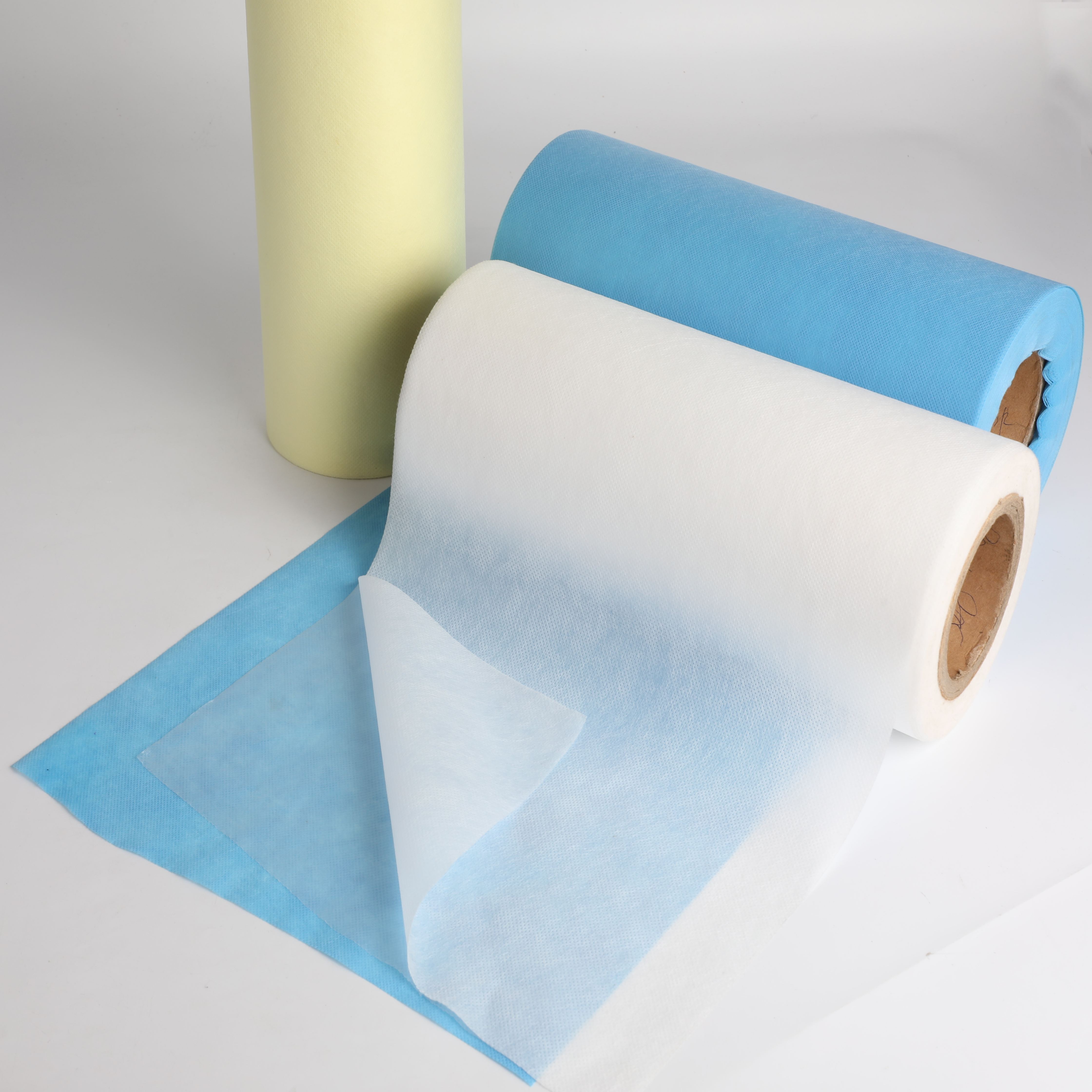 PP Laminates
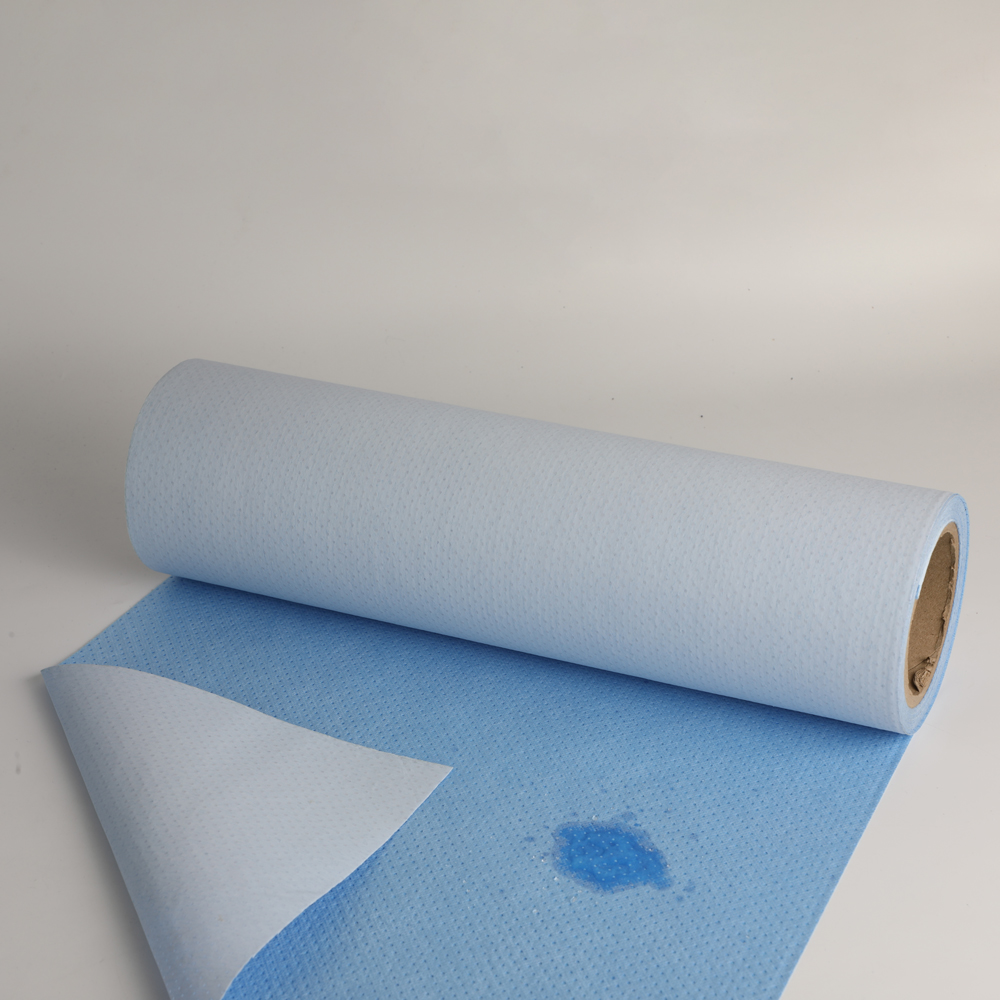 Multi Laminates
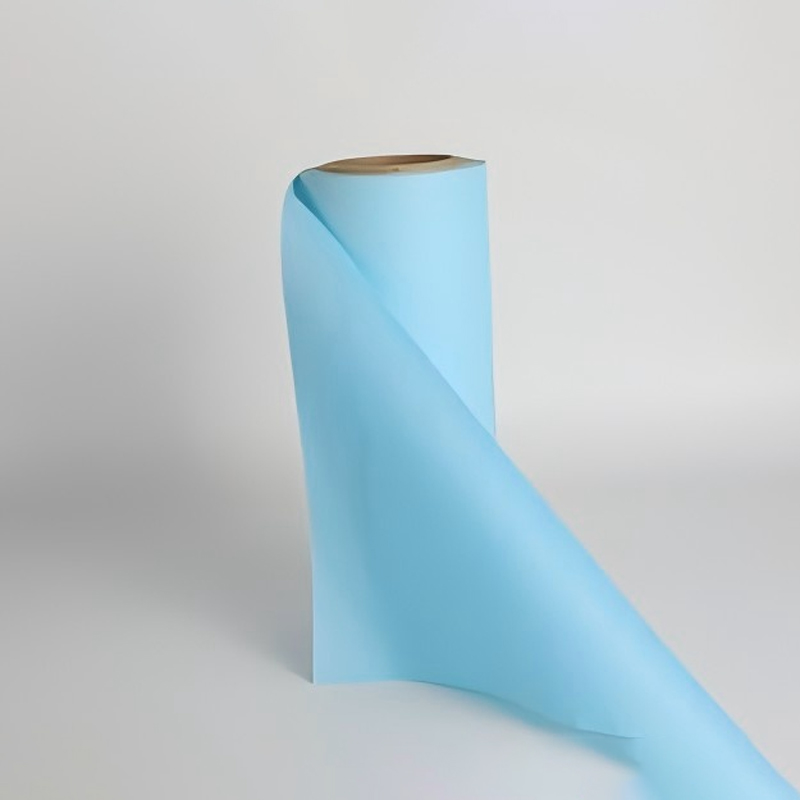 Spunlace Nonwoven Laminates
 Breathable Film Laminates
 Viscose Laminates
 Medical Viscose Nonwoven
 Head Wear Nonwoven
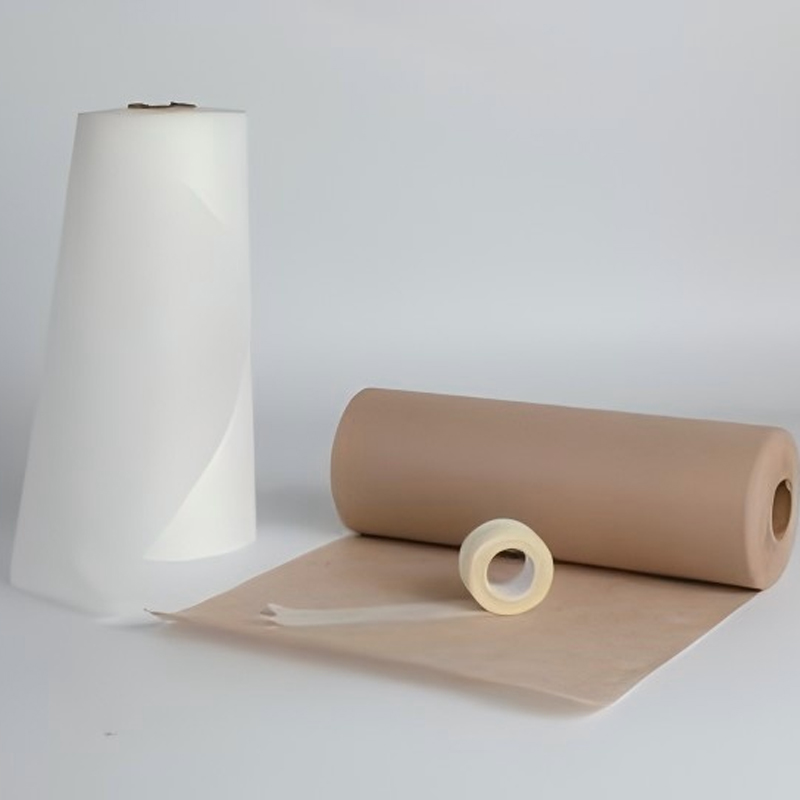 Medical Tape Nonwoven
 Snus Pouch Nonwoven
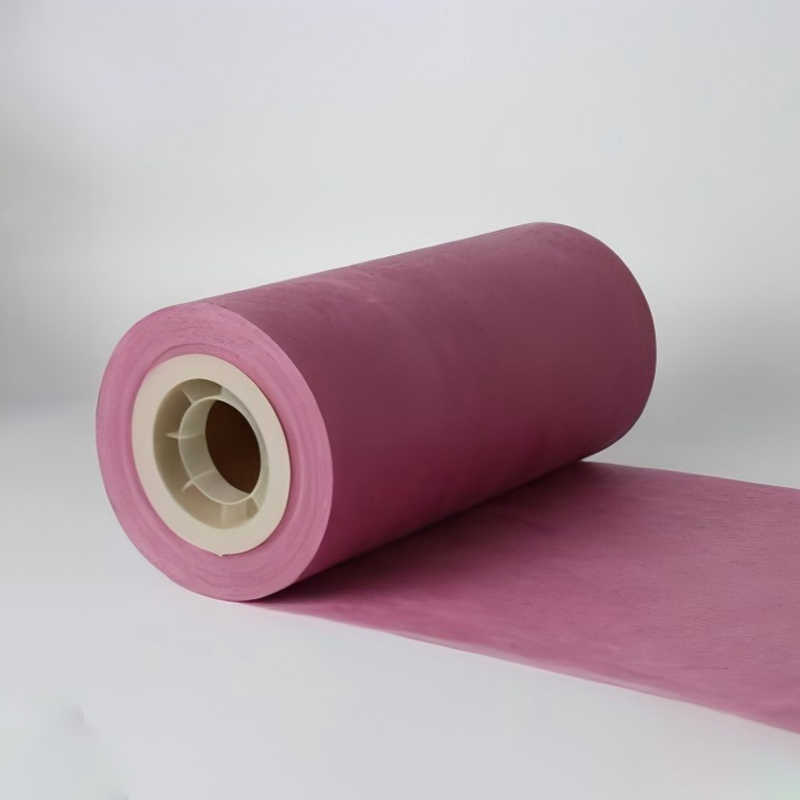 Filtration Nonwoven
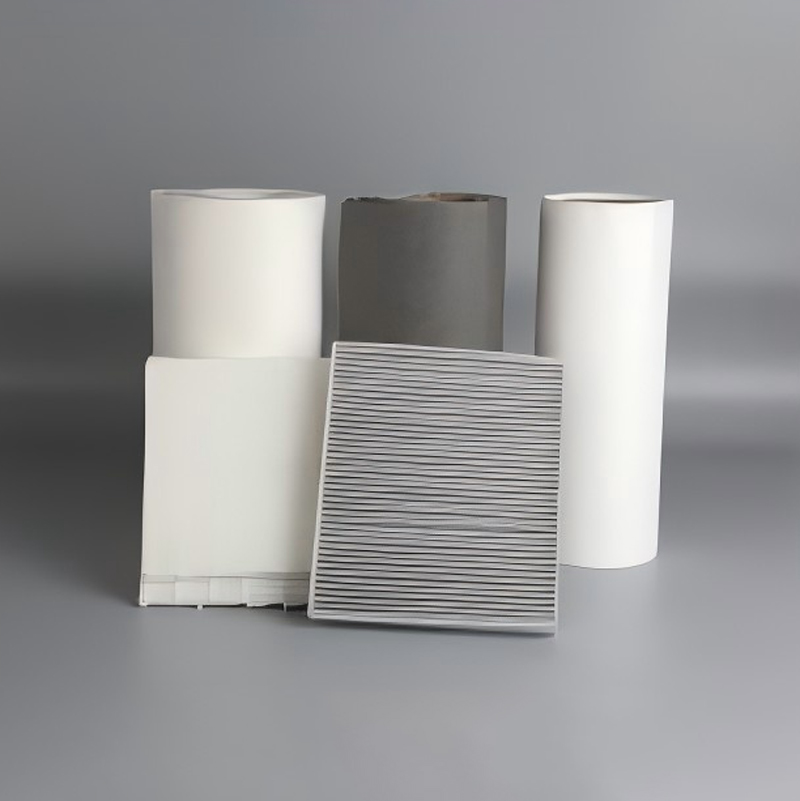 Air Filter Media
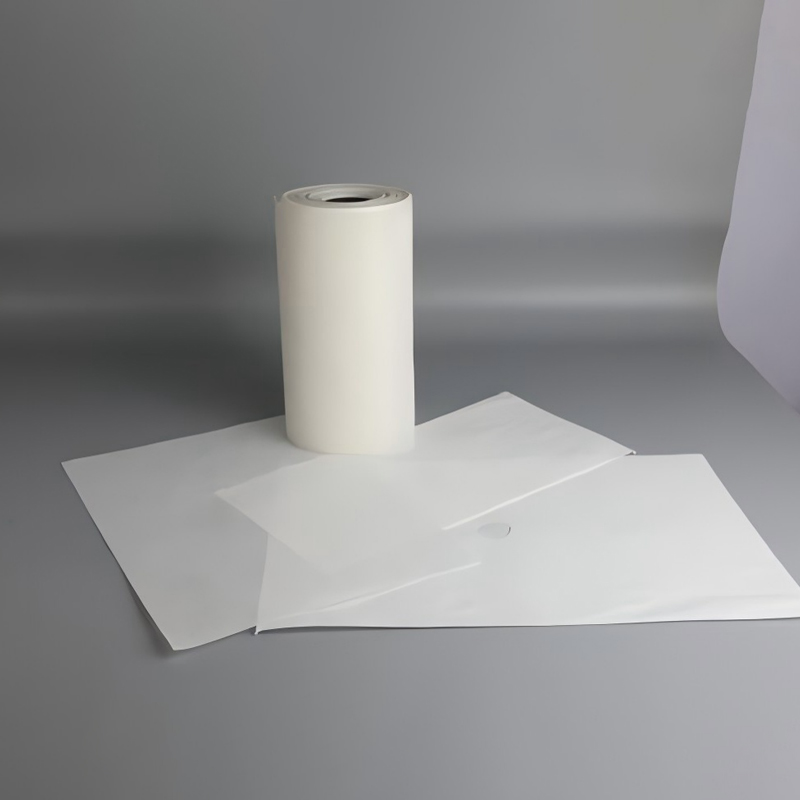 Liquid Filter Media
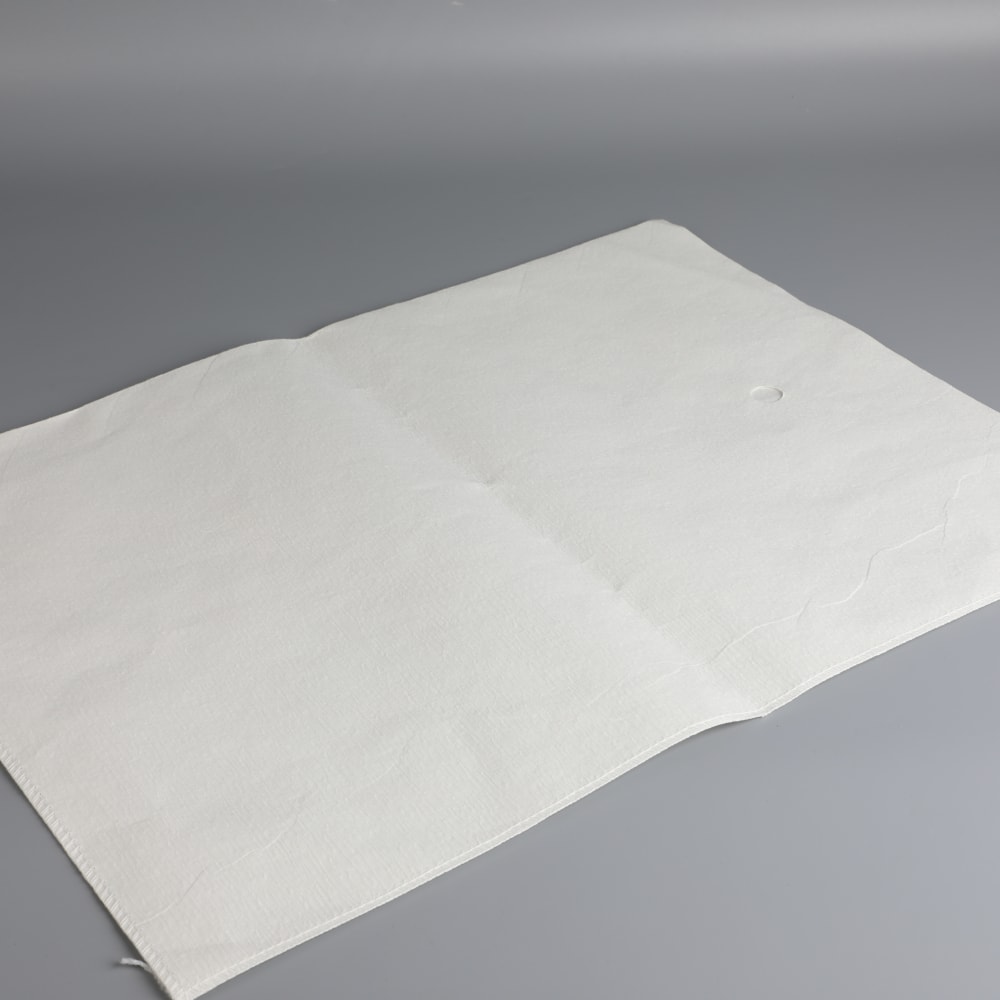 Filter Envelope & Filter Sheet
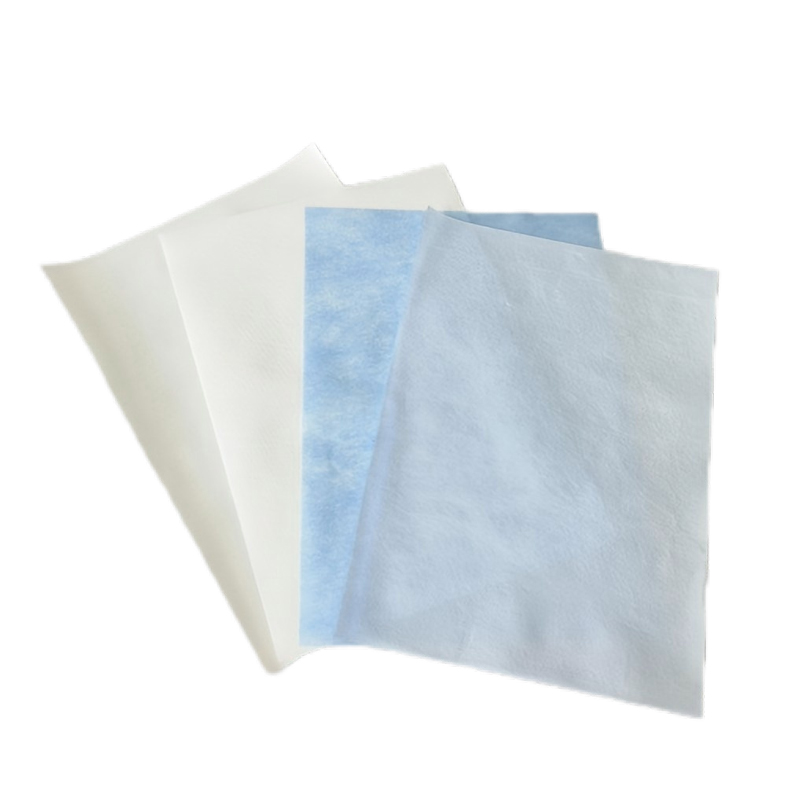 Breathable Film Laminates
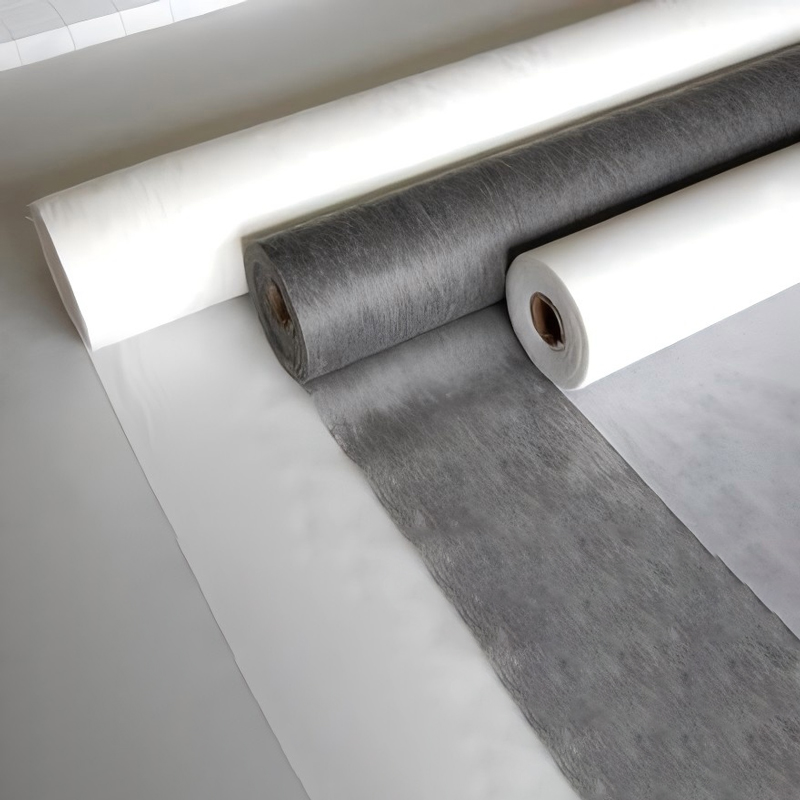 Nonwoven Interlining
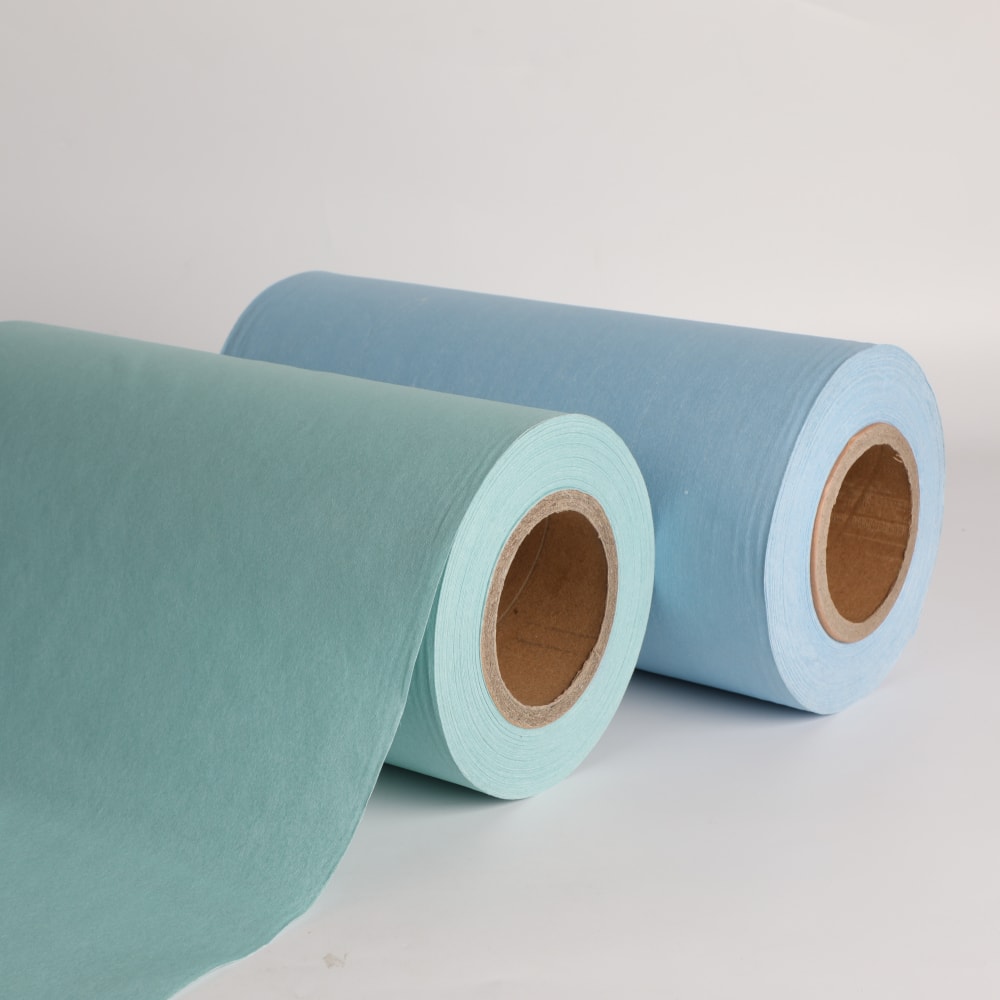 Fluid Repellent Woodpulp Spunlace Nonwoven
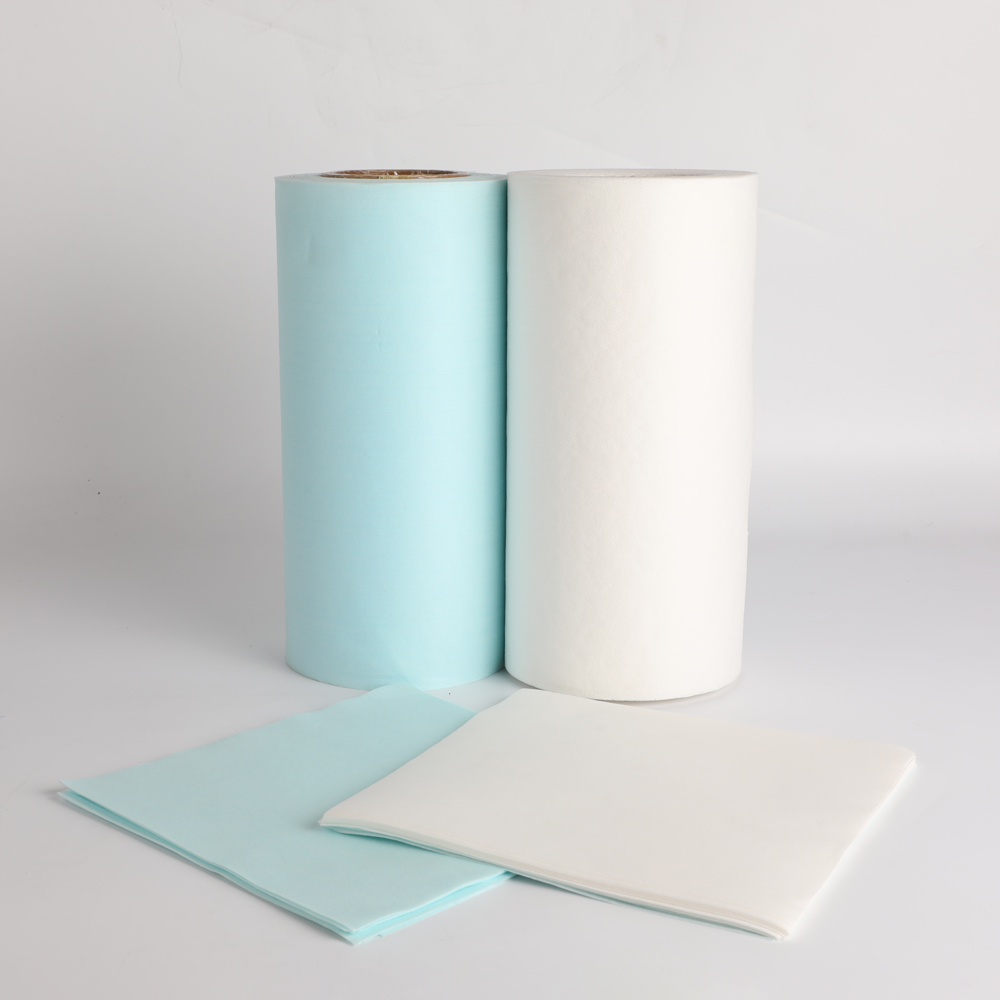 Woodpulp Nonwoven Wipe
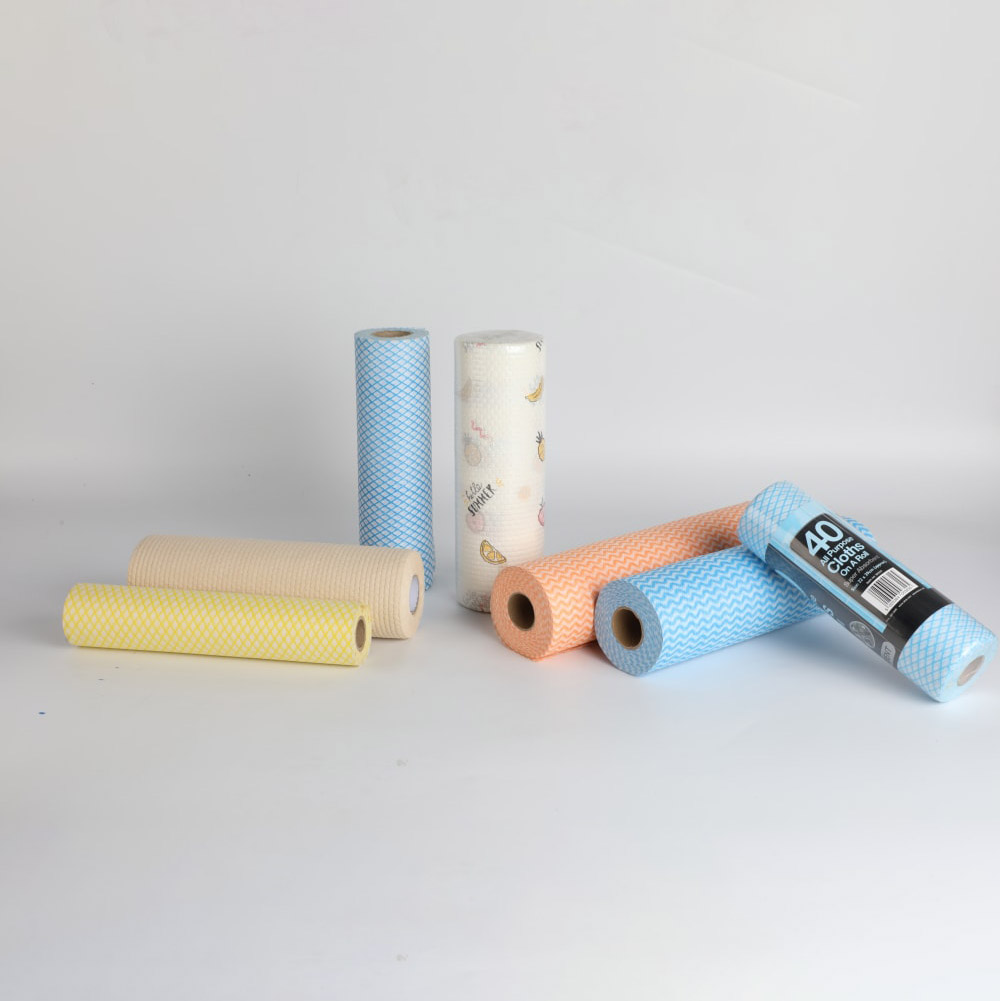 Nonwoven Cleaning Wipe
 Curtain Nonwoven
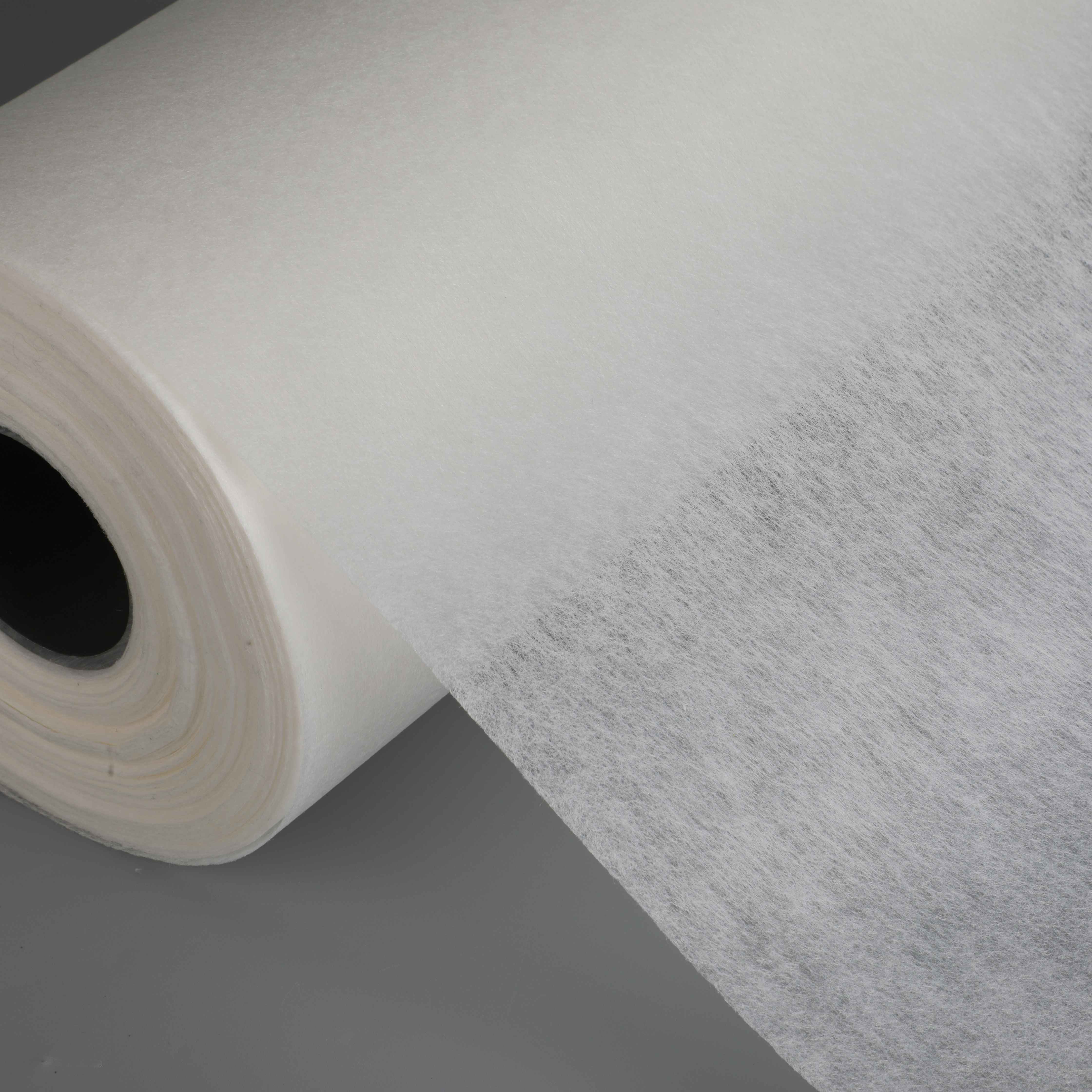 Food Grade Packaging Nonwoven
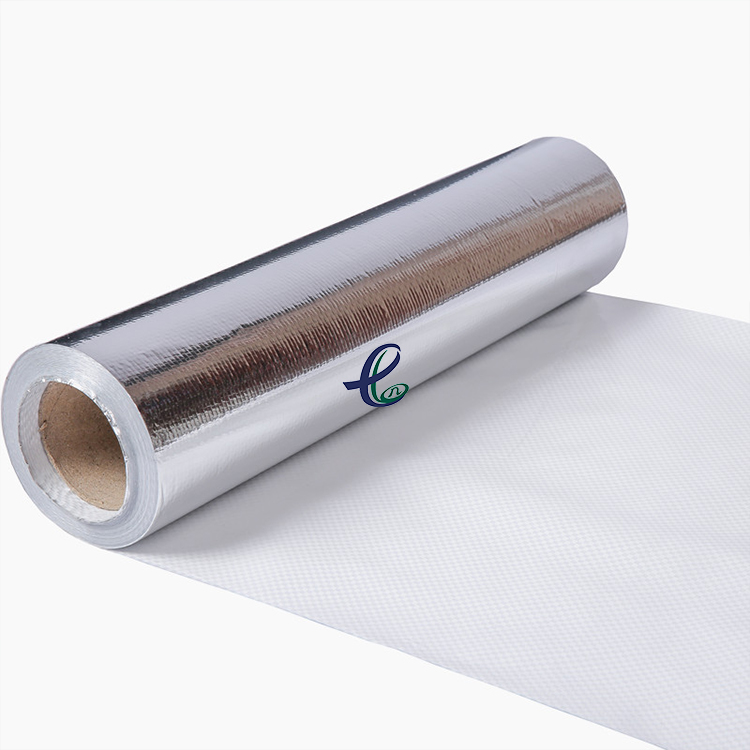 Aluminized Nonwoven
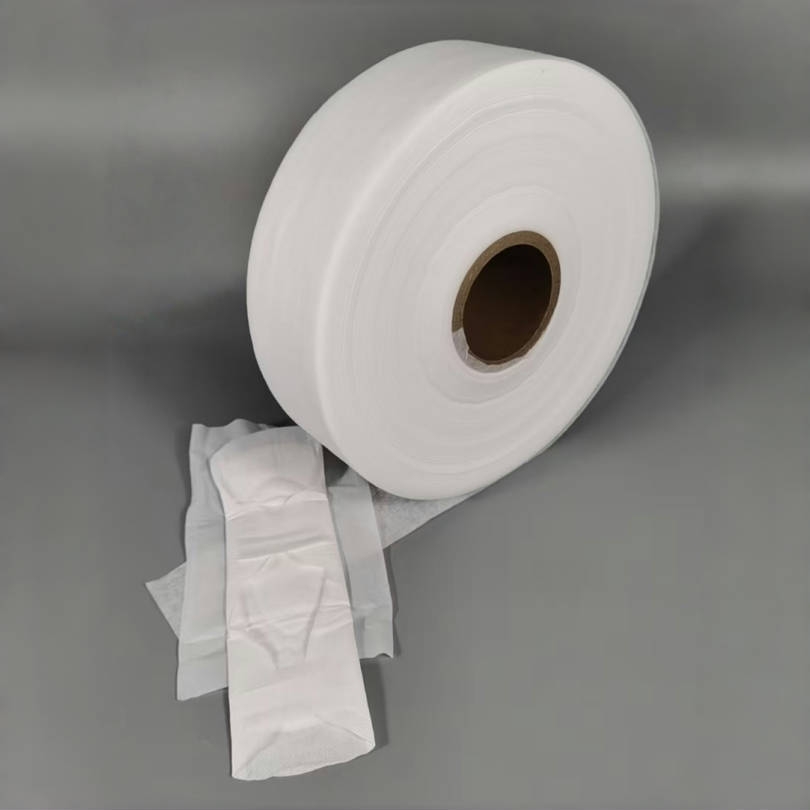 Hot Air Cotton Nonwoven
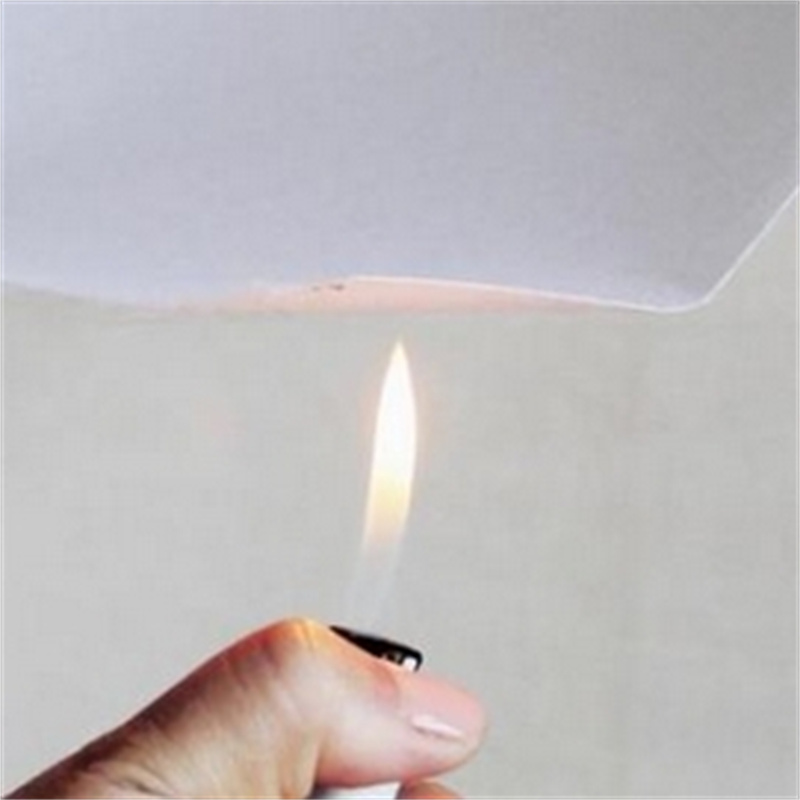 Flame Retardant Nonwoven
 Cable Wrapping Nonwoven
 Semi-conductive Nonwoven
 Anti-Bacterial Nonwoven
 +8613957712400
 CONTACT WhatsApp
 CONTACT WeChat
 CONTACT NUMBER
 CONTACT EMAIL