+8613957712400


The 2026 filter market will reward buyers who compare performance, not fabric labels. Filter Nonwoven Fabric now supports HVAC systems, automotive cabins, industrial dust collectors, liquid filtration, and healthcare equipment. Smithers’ The Future of Global Nonwovens to 2028 estimates that global nonwoven sales will rise from approximately USD 53.5 billion in 2023 to nearly USD 67 billion by 2028. Filtration remains one of the industry’s most technically demanding applications.
The choice is rarely simple. Spunbond fabrics provide strength and stable support layers. Meltblown media offer fine-fiber filtration and high surface area. Needle-punched materials handle heavier dust loads. Wet-laid and composite structures suit precision liquid and air applications. According to filtration researcher Dr. Theodore J. Heindel, “A filter must be judged in the system, not in isolation.” That principle matters when pressure drop, humidity, airflow, cleaning cycles, and dust loading change actual performance.
Buyers should review independent test data, including efficiency, pressure loss, basis weight, fiber diameter, and dust-holding capacity. EN 779 was withdrawn, while ISO 16890 is widely used for general ventilation evaluation. However, laboratory ratings cannot fully predict field results. This is where procurement decisions can become imperfect. A low-cost fabric may appear efficient, yet consume more energy through higher resistance. A strong material may last longer, but provide weaker fine-particle capture. The following 2026 guide compares leading Filter Nonwoven Fabric types, their practical strengths, and the risks global buyers should examine before approving samples or suppliers.
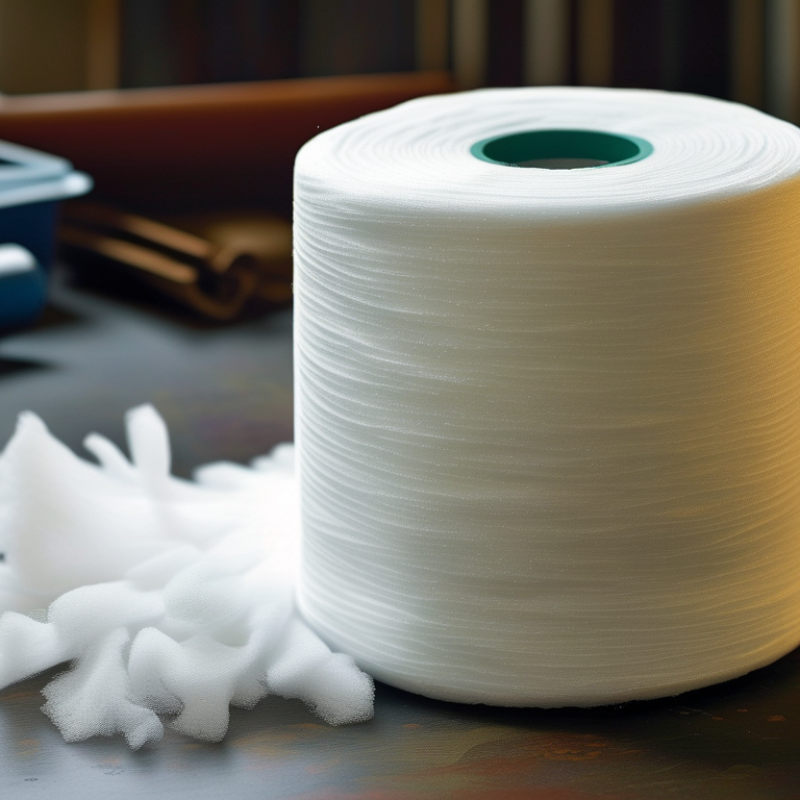
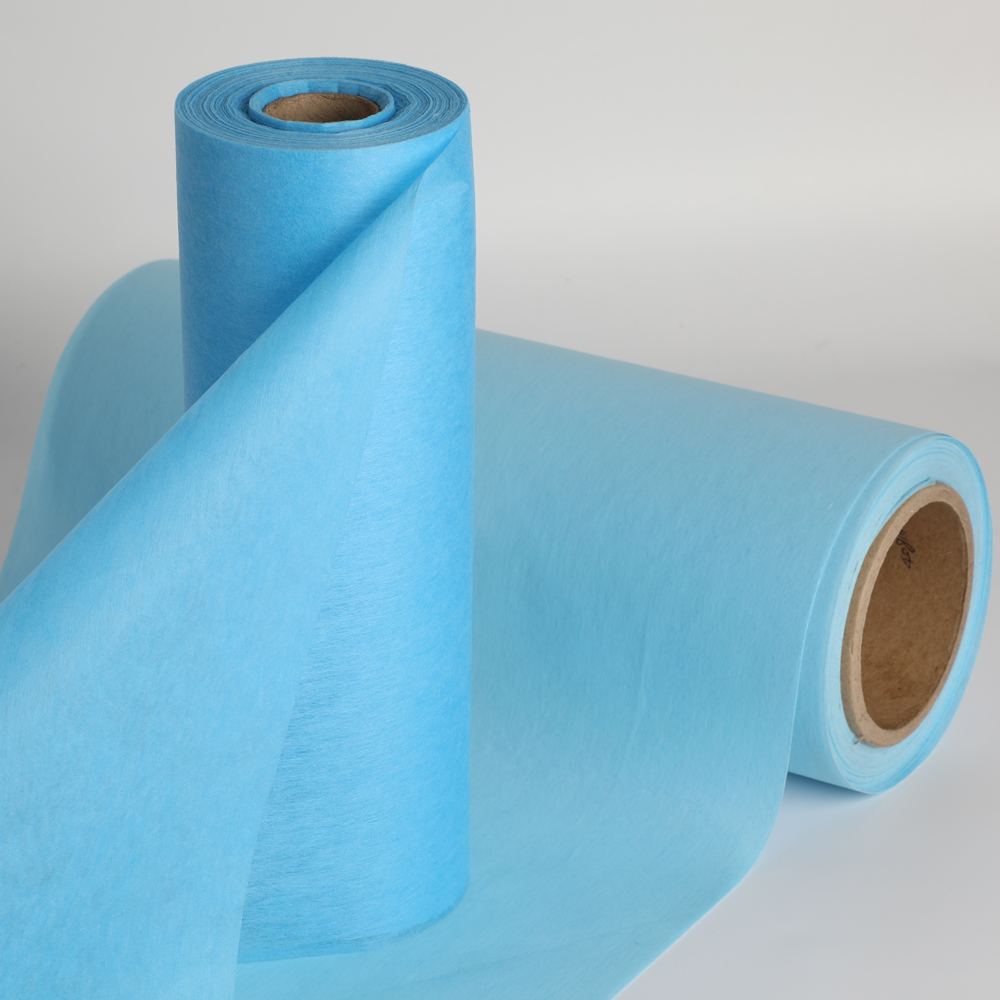
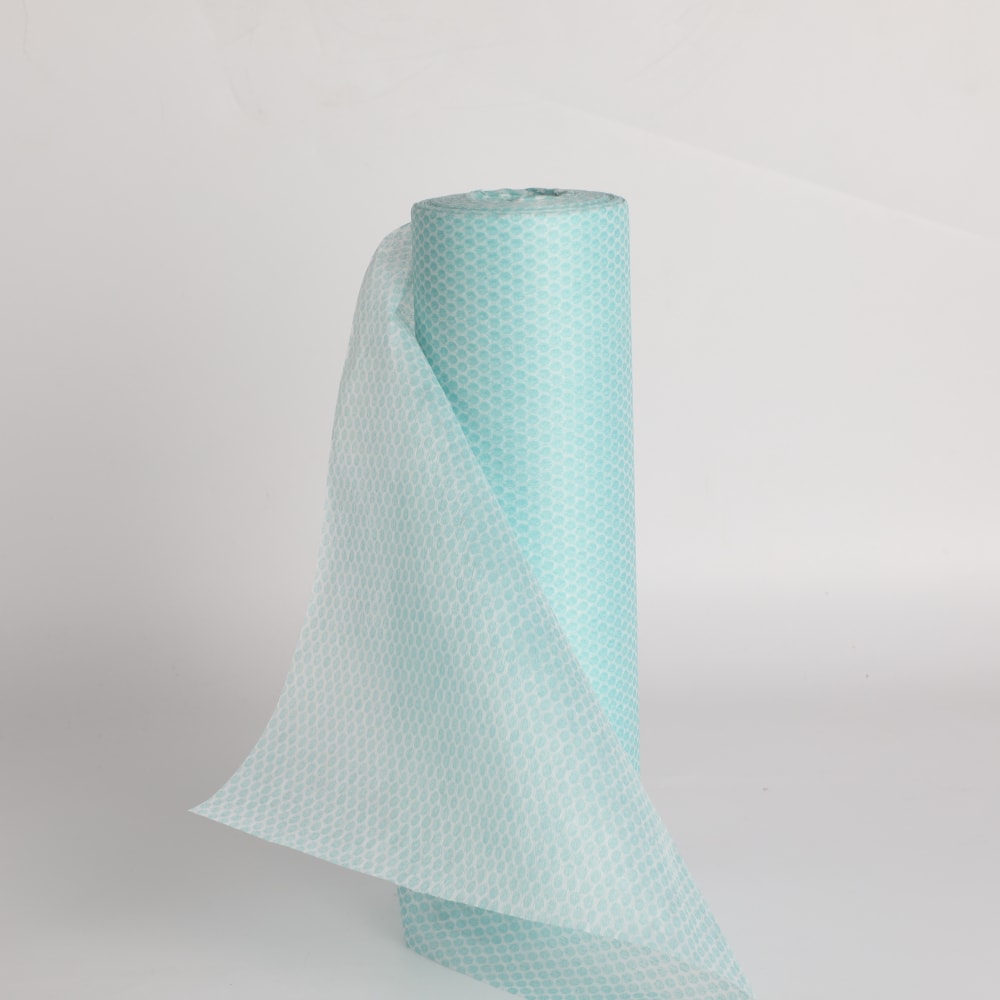
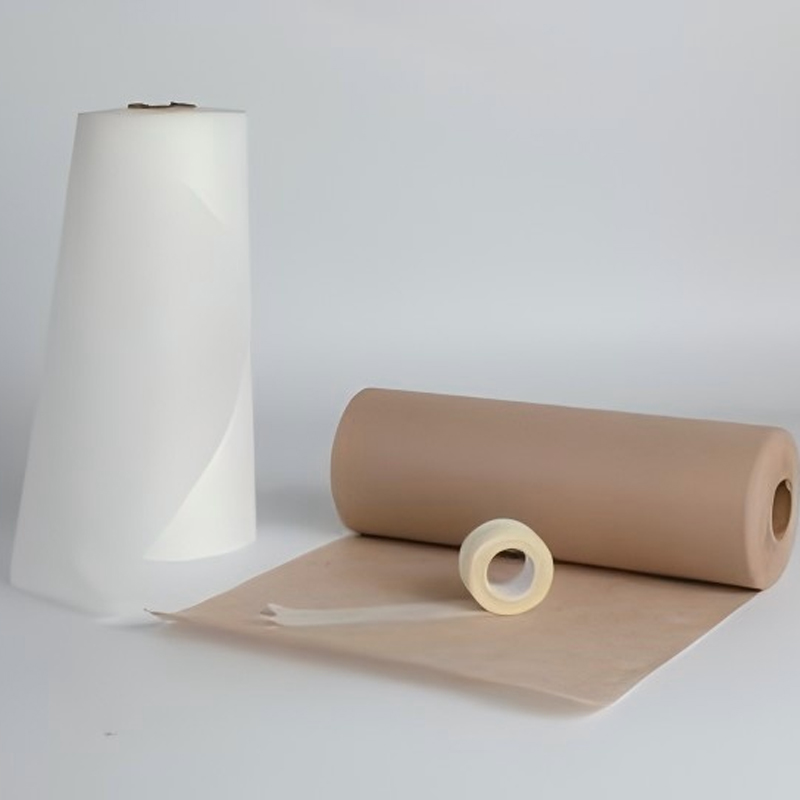
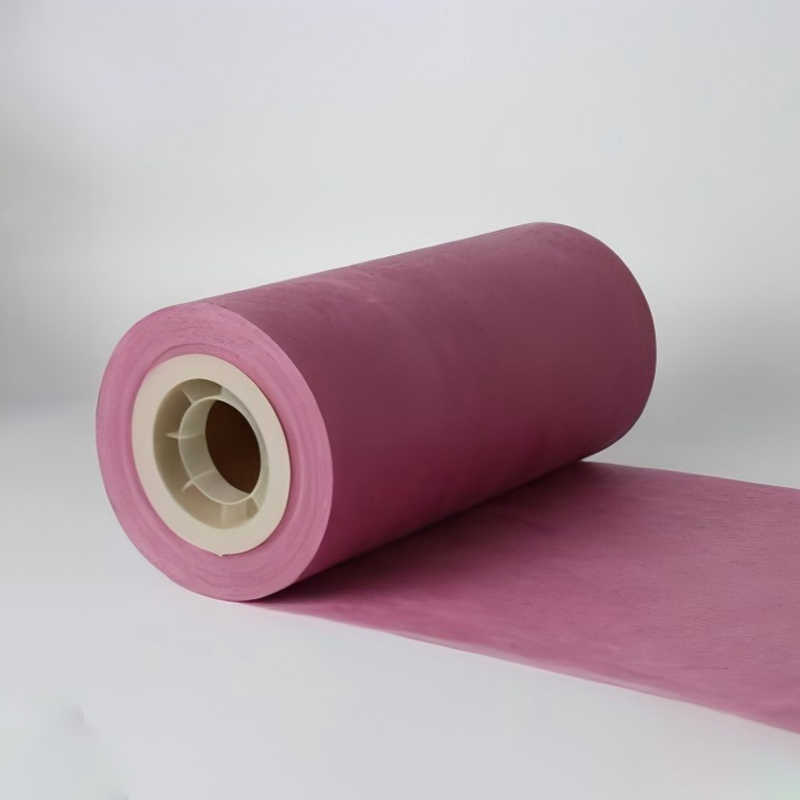
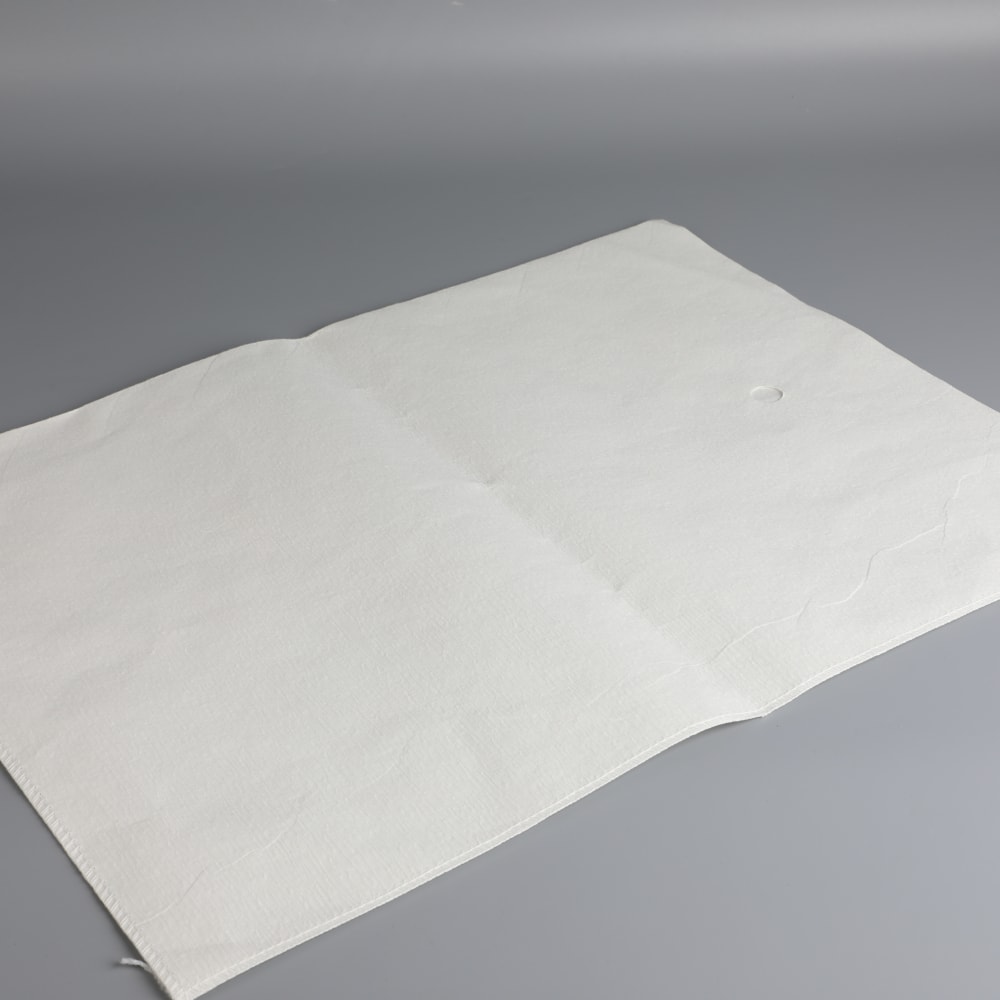
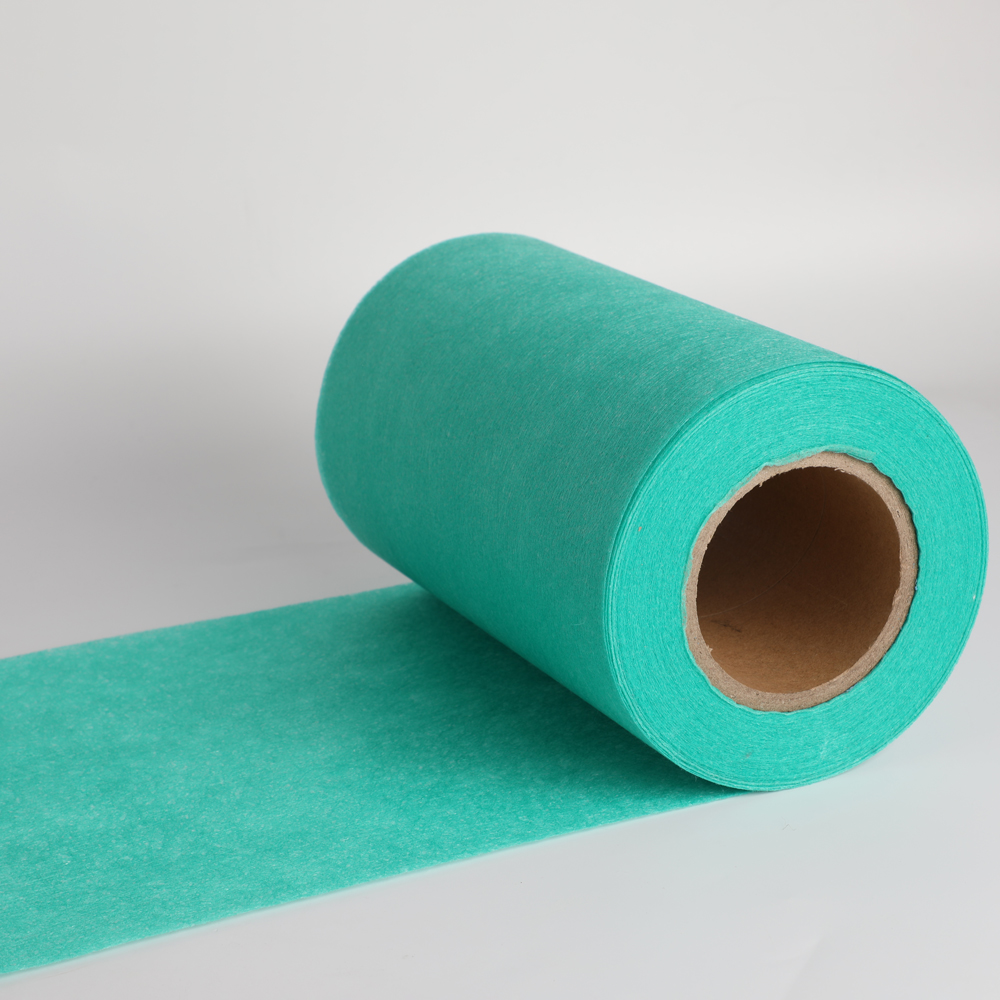
Filter nonwoven fabric is an engineered web of fibers designed to capture particles, droplets, or contaminants. It is not simply a cheaper textile.
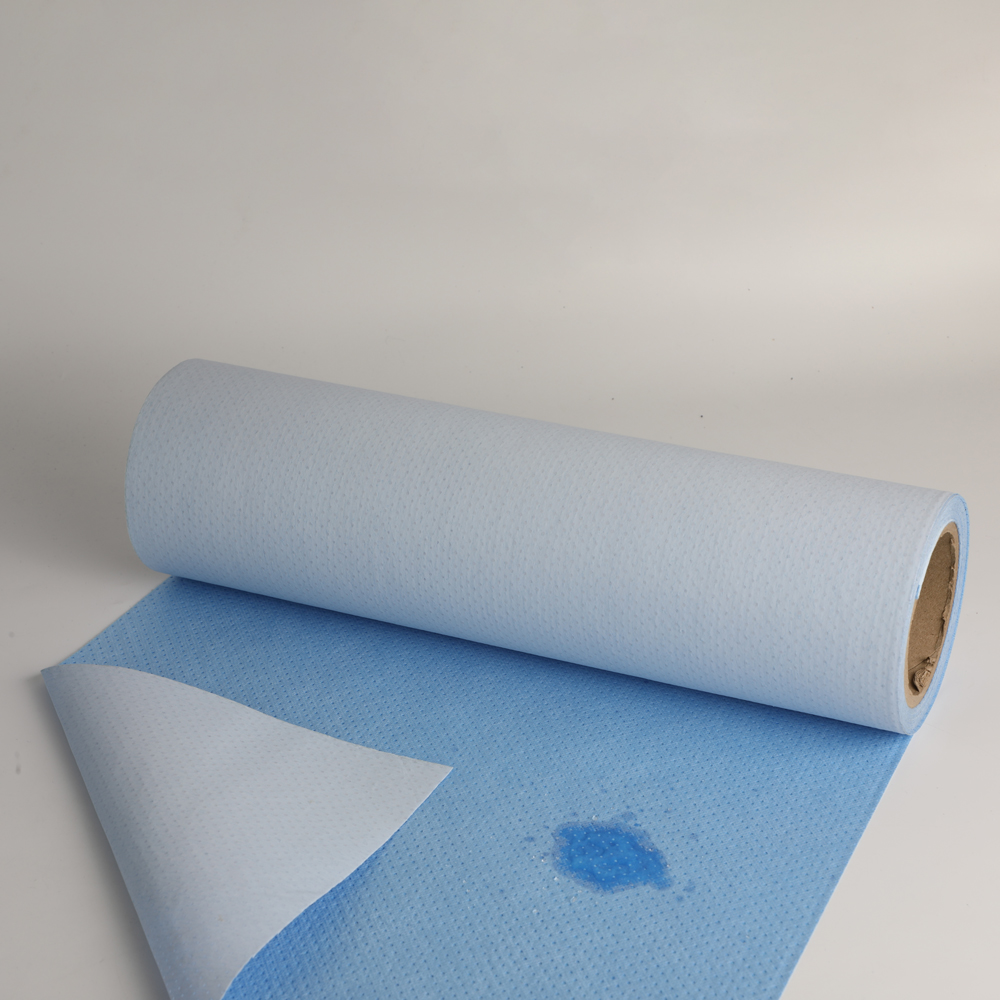
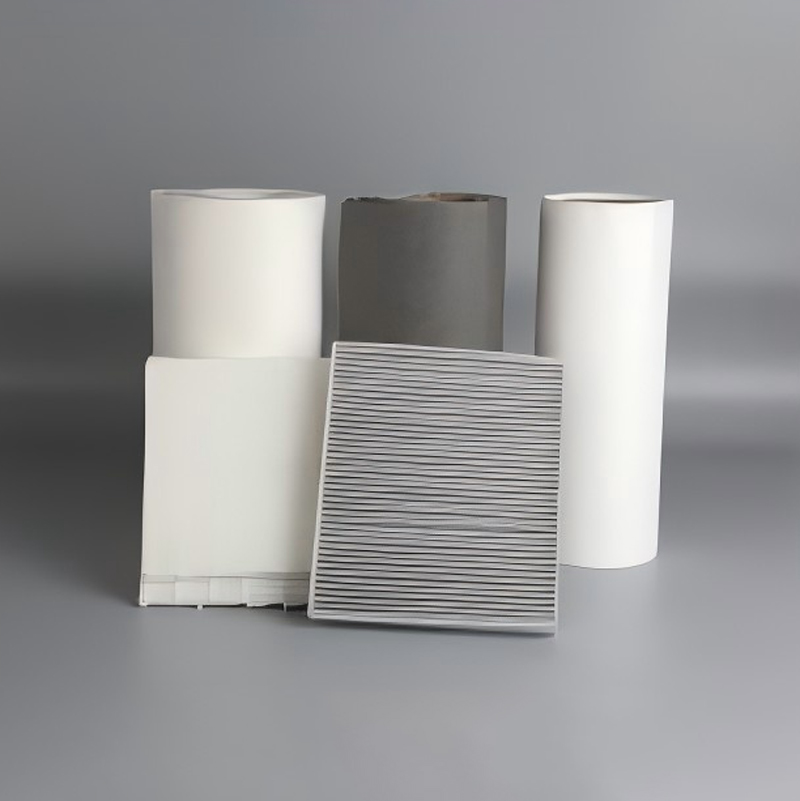
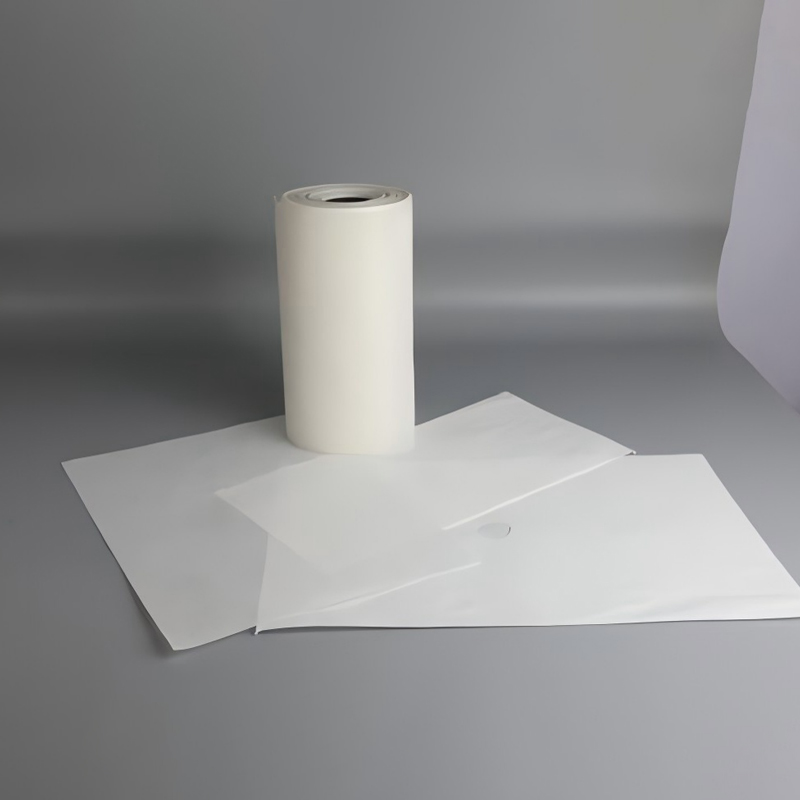
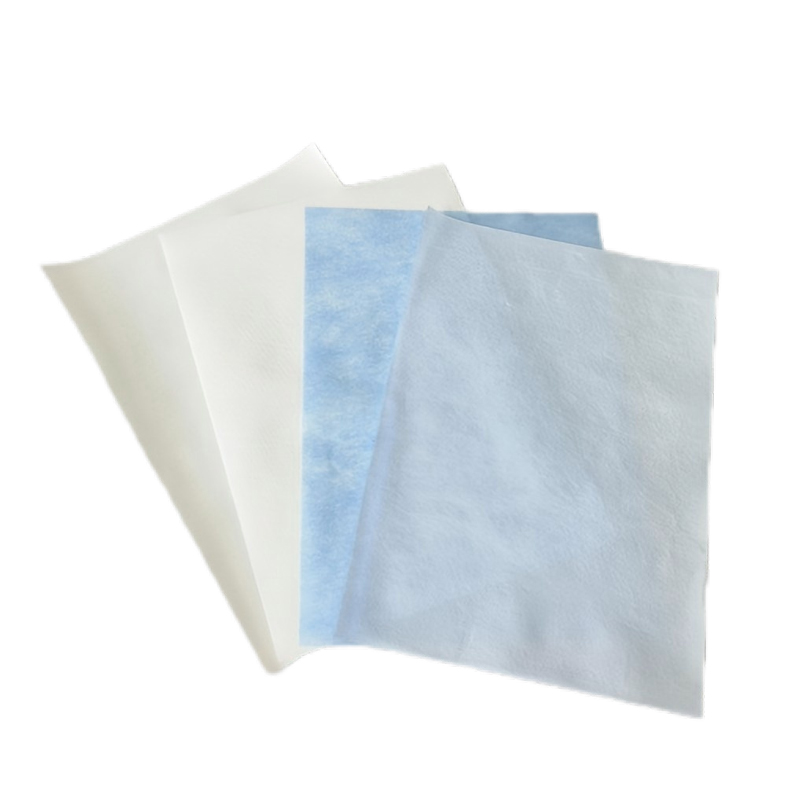
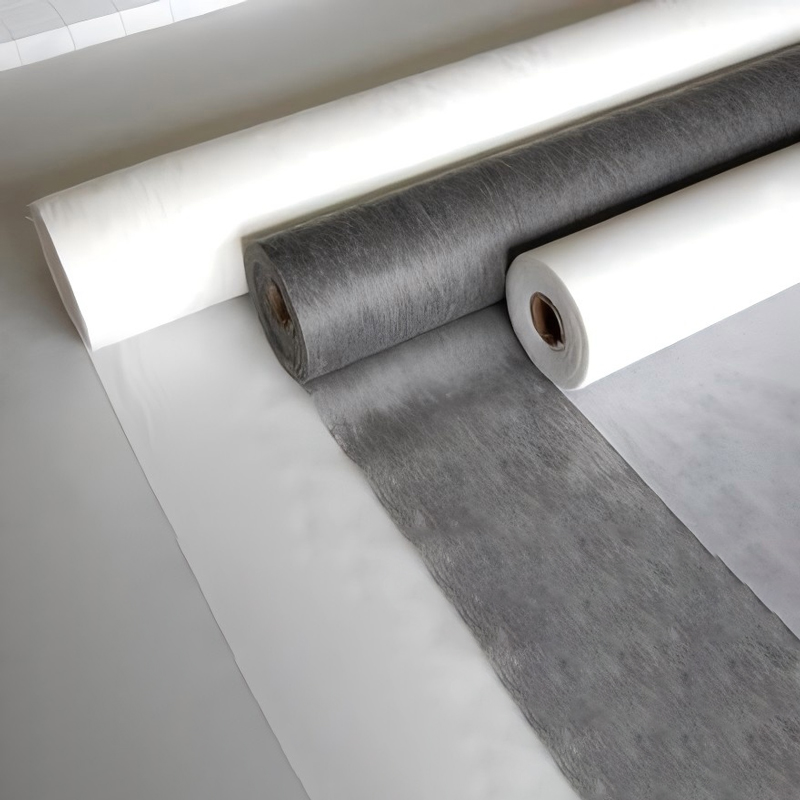
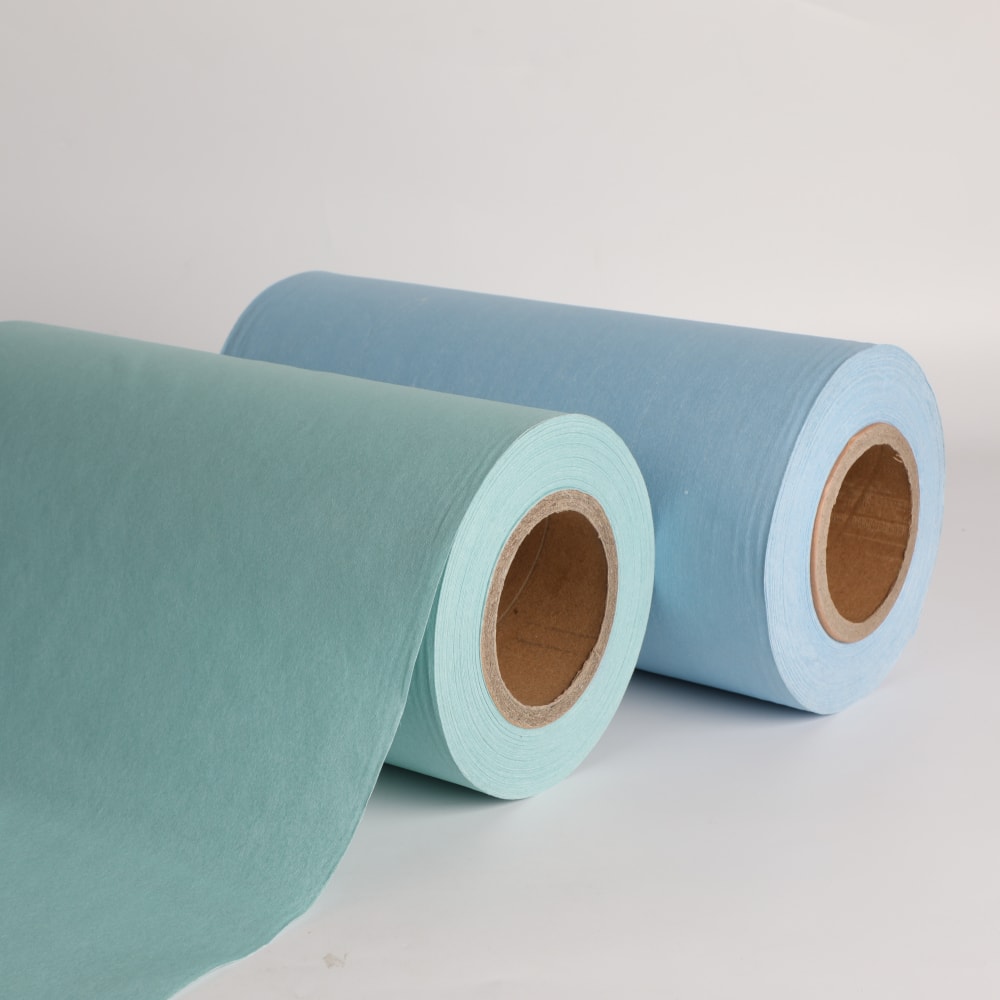
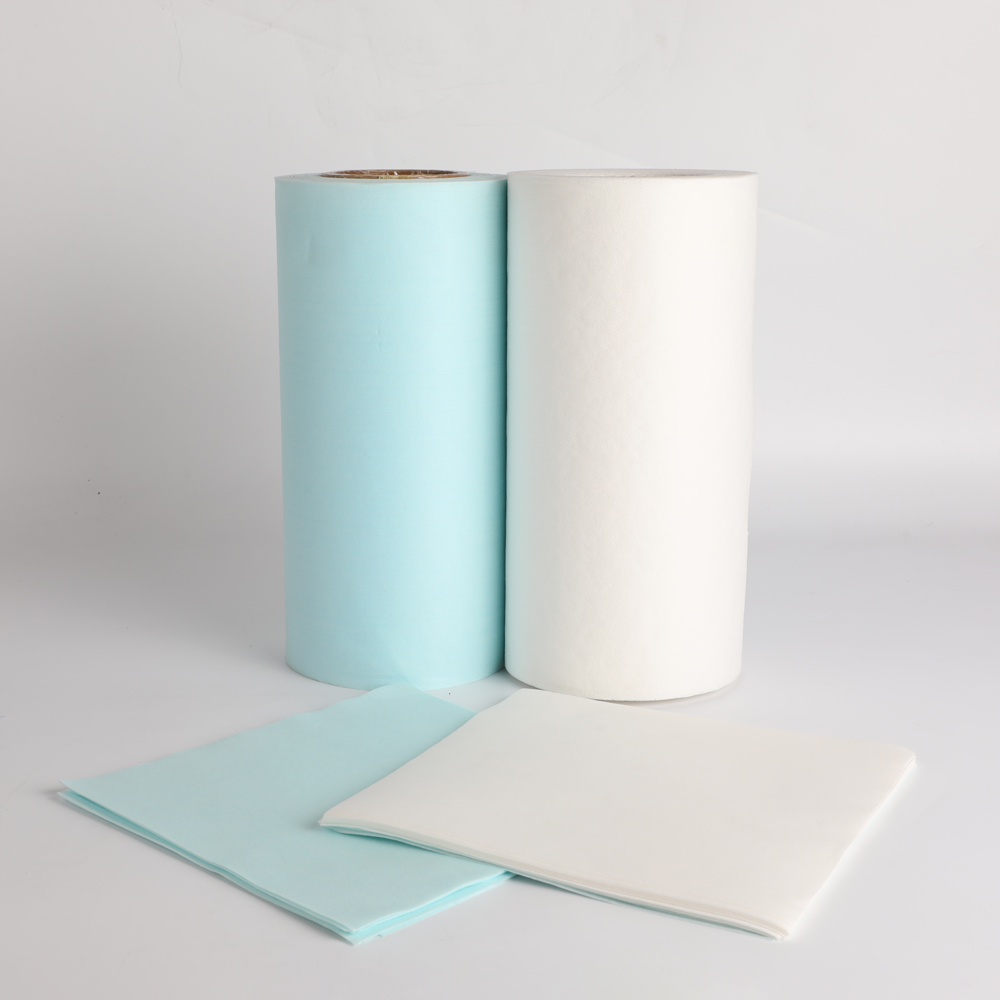
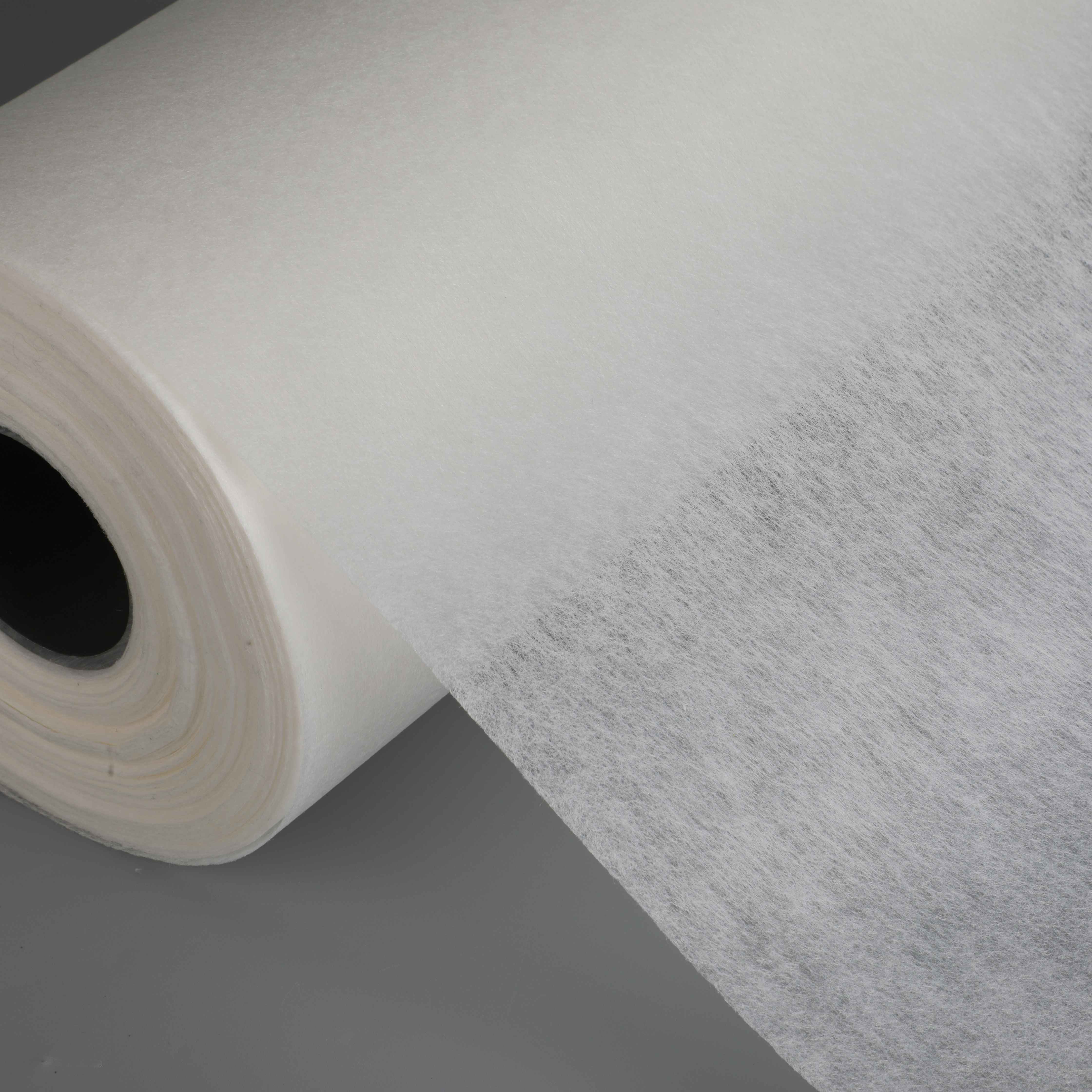
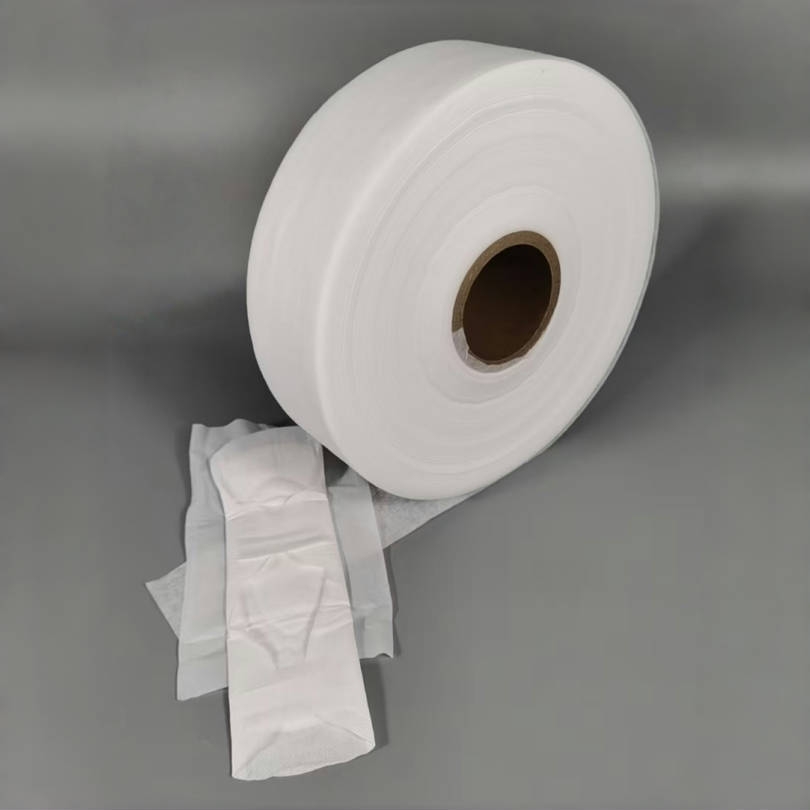
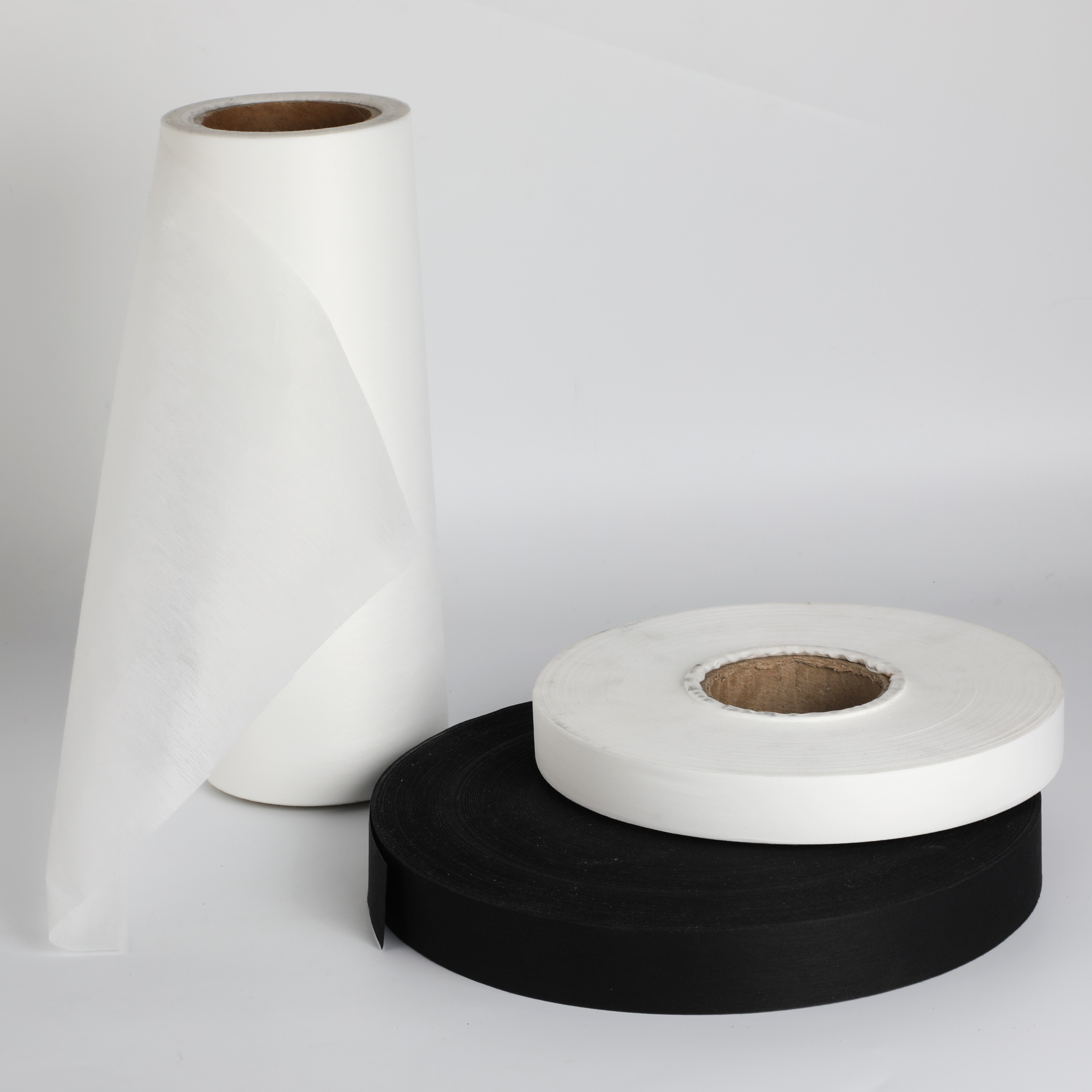
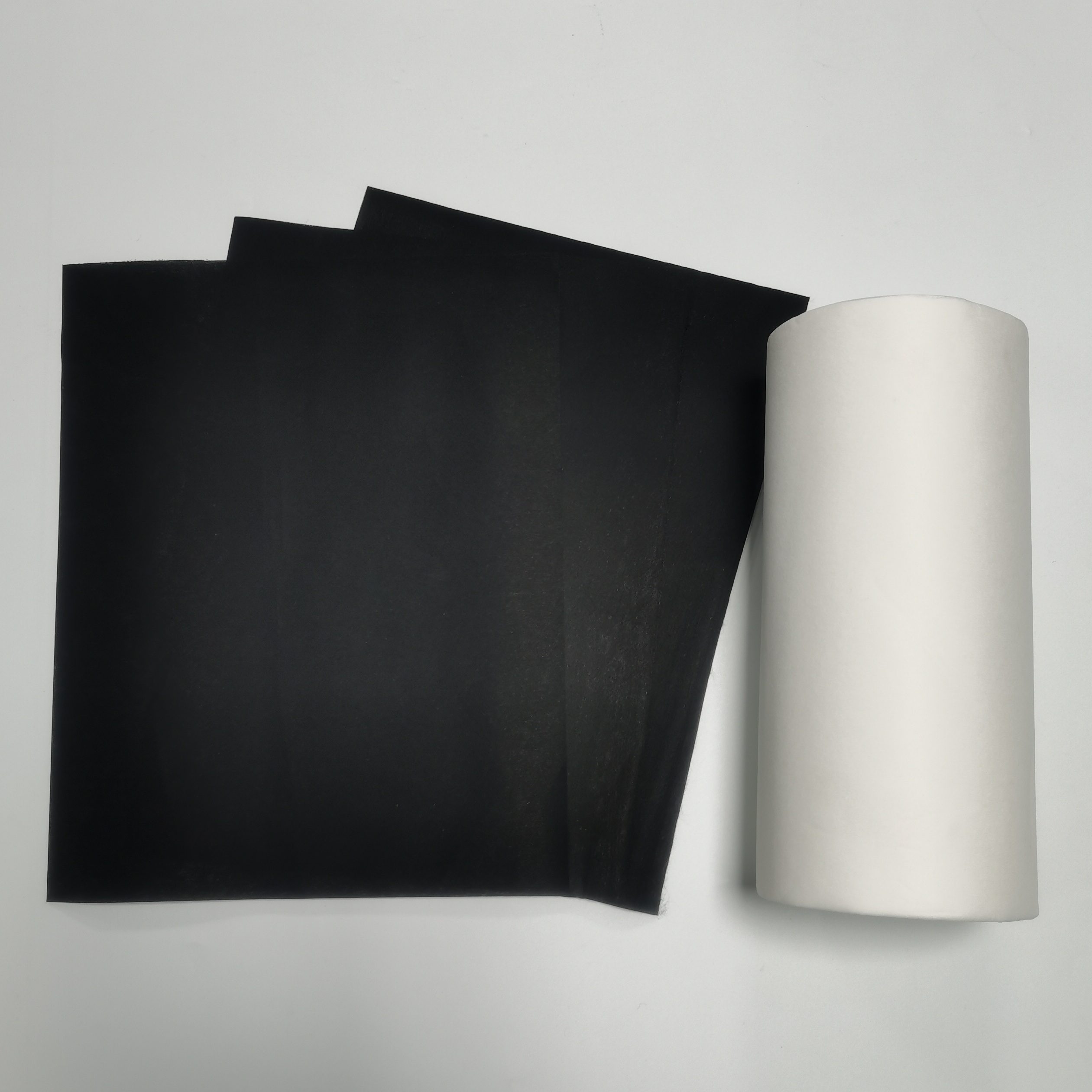
Common structures include meltblown, spunbond, wetlaid, and needle-punched media. Meltblown webs offer fine fiber networks for high particle capture. Spunbond layers add strength and handling stability. Wetlaid media can deliver controlled uniformity. Needle-punched materials suit heavy dust and industrial air filtration.
According to Grand View Research’s 2024 market assessment, the global nonwoven fabric market reached about USD 53.52 billion in 2024. It is projected to expand at roughly 7.8% annually through 2030. Smithers’ 2024 technical nonwovens analysis also identifies filtration as a strong growth application. Demand is rising across HVAC systems, vehicles, water treatment, and factory ventilation. Yet efficiency alone can mislead buyers. A filter with high initial efficiency may create excessive pressure drop. That increases energy use.
Tips: Request test data for filtration efficiency, pressure drop, dust loading, tensile strength, and humidity resistance. Check whether results follow recognized methods, such as ISO 16890 or EN 779 where applicable. Ask for samples under real operating conditions. A clean laboratory result is not the whole story.
I have seen specifications focus heavily on basis weight. That number matters, but it cannot predict service life alone. Fiber diameter, pore distribution, pleat design, and sealing quality also influence performance. Buyers should compare the complete filter construction, not only the fabric roll. Some decisions remain uncertain, especially when local dust and moisture conditions change.
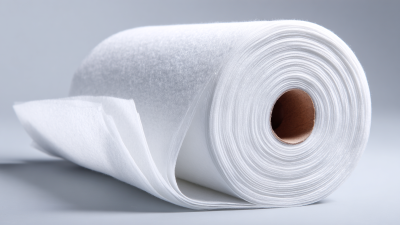
2026 Top Filter Nonwoven Fabric Types for Global Buyers
Filter nonwoven fabrics are commonly classified by fiber and structure. Fiber choice controls chemical resistance, heat tolerance, strength, and moisture behavior. Polypropylene is lightweight and economical for general air and liquid filtration. Polyester offers better dimensional stability and repeated-use performance. Cellulose supports wet-laid media where fine fibers and smooth formation matter. Glass fiber provides high-temperature stability, but it can be brittle during converting.
The distinction matters.
Structure changes how particles travel through the media. Meltblown fabrics contain very fine fibers and create strong depth filtration with relatively low weight. Spunbond layers add strength and support, especially in composite filter media. Needle-punched nonwovens use entangled fibers, producing thicker media for dust collection and liquid prefiltration. Wet-laid sheets form uniform fiber networks for precise filtration. Spunlace structures may provide softness and flexibility, although their filtration performance depends heavily on fiber blend and bonding.
For global purchasing, specifications should include fiber content, basis weight, thickness, air permeability, pressure drop, and filtration efficiency. A layered structure may improve performance, but it can complicate recycling and quality control. In factory evaluations, uneven bonding often appears as weak spots near roll edges. That small defect can affect pleating and service life. Laboratory results also need practical testing under humidity, dust loading, and real flow rates. A perfect initial efficiency figure may not predict field performance. Classification helps, but it should never replace application-based verification.
In 2026, global buyers are comparing filter nonwoven fabrics by particle capture, airflow, strength, and service life. Spunbond nonwovens offer a stable support layer and good dimensional control. They work well in prefilters, protective wraps, and composite filter structures. Meltblown media provide fine fiber networks for high-efficiency particle filtration. Their performance can change with humidity, dust loading, and manufacturing consistency. That detail is easy to overlook. Buyers should request pressure-drop and filtration data from the same test method.
Wet-laid nonwovens suit applications needing uniform basis weight and controlled fiber distribution. They can use cellulose, synthetic, or blended fibers, depending on moisture and temperature demands. Needle-punched media are thicker and more resilient, making them useful for industrial air, liquid, and dust collection systems. Hydroentangled fabrics offer a soft, clean surface and can support fine filtration with suitable fibers. Yet softness alone does not prove efficiency. It can mislead.
Composite nonwovens combine layers with different roles, such as prefiltration, fine filtration, and drainage. This design may extend service life, but added layers can increase resistance and cost. Experienced buyers should check fiber compatibility, roll width, bonding method, tensile strength, and storage conditions. Ask for batch records, sample rolls, and independent test reports when performance is critical. A small pilot run can reveal pleating problems or weak edges before full production. Specifications still need review after field testing. Real dust is rarely as predictable as laboratory dust.
Choosing filter nonwoven fabric requires more than reading one efficiency percentage. Meltblown media often provide fine particle capture, while spunbond layers add strength and support. Needle-punched fabrics suit dust collection and thicker liquid filtration. Wet-laid materials can offer a more uniform structure for precise applications.
Compare filtration performance under matching conditions. Check particle size, airflow, pressure drop, test duration, humidity, and loading level. For liquid filters, examine pore size, dirt-holding capacity, flow rate, and chemical compatibility. Material specifications should include fiber type, basis weight, thickness, tensile strength, and thermal limits. A higher efficiency number is not automatically better. Excessive pressure drop may increase operating costs.
Tips: Request samples and third-party test reports. Test them with your actual fluid or air volume. Compare results after loading, not only when clean. Ask whether figures reflect production batches or laboratory prototypes. In factory evaluations, I have found small thickness changes can affect sealing and pressure drop. That detail is easy to miss. It also deserves a second check. Buyers should confirm roll width, tolerance, packaging, storage conditions, and traceability before approving a supplier. Standards can improve comparison, but they cannot replace application testing. Performance may vary across climates, equipment designs, and installation methods. One overlooked variable can change the final result.
In 2026, global buyers will compare several filter nonwoven fabric types, including meltblown, spunbond, needle-punched, and wet-laid materials. Each structure behaves differently inside an air, liquid, or dust filtration system. Meltblown fabrics can provide fine particle capture with low basis weight. Needle-punched fabrics often offer stronger thickness and better dust-holding capacity. Wet-laid materials may deliver more uniform fiber distribution. The right choice depends on the actual filter design, not only the product label.
Before sourcing, request measured filtration efficiency and pressure-drop data from the same test method. Ask for basis weight, thickness, fiber composition, pore information, temperature limits, and chemical resistance. Humidity also matters. A fabric that performs well in dry laboratory air may behave differently in a damp factory. Check roll width, winding quality, splice control, packaging, shelf life, and storage instructions. Small details create production waste.
Sample testing should use your own housing, airflow, liquid, or dust conditions whenever possible. Request several batches, not one attractive sample. Review inspection records, material traceability, and change-notification procedures. Production capacity and lead time deserve equal attention; a perfect specification is useless if supply remains unstable. A high efficiency number can still mislead. Ask how it was measured. I have learned that buyers often overlook pressure drop until the finished filter consumes too much energy. Some specifications may need revision after pilot testing. That is normal, and honest feedback improves sourcing decisions.