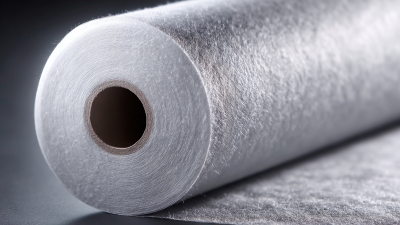
Top 10 Benefits of Fusible Nonwoven Interlining Fabric?
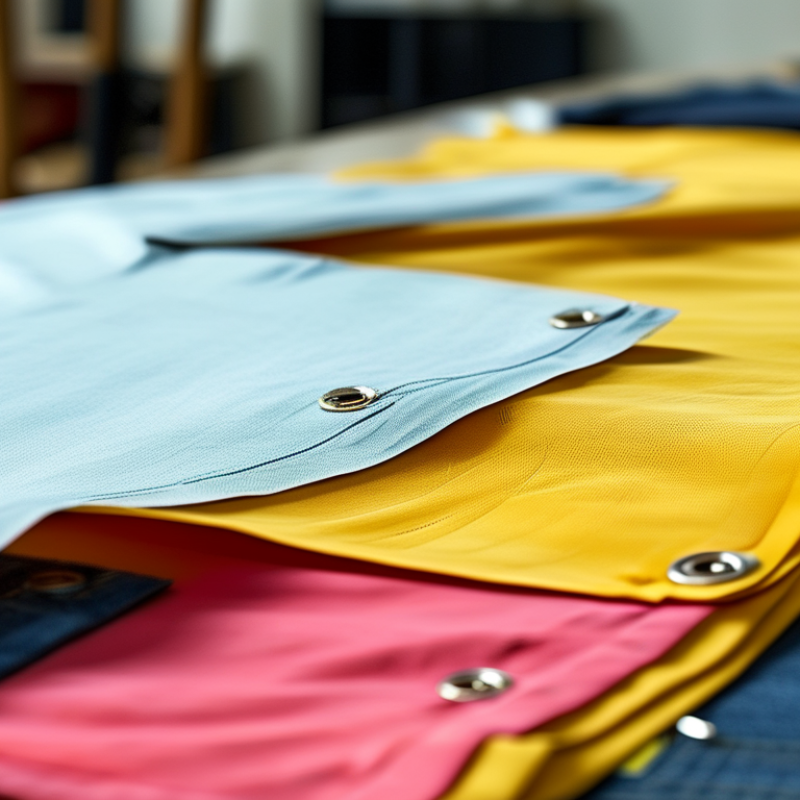
Fusible Nonwoven Interlining Fabric plays a crucial role in garment construction. This fabric provides strength and stability, enhancing the overall quality of clothing. It bonds easily to other materials, which simplifies the manufacturing process.
One major benefit is its lightweight nature. This fabric offers support without adding unnecessary bulk. It allows for a sleek finish, making it perfect for tailored garments. Many designers appreciate its versatility. Fusible Nonwoven Interlining Fabric adapts well to various fabrics, from delicate silks to sturdy denims.
However, choosing the right interlining can be challenging. Not all fusible fabrics perform equally, and improper application can lead to poor results. It's essential to test and ensure compatibility with your main fabric. Makers should reflect on their selection process to achieve the best outcome.
Understanding Fusible Nonwoven Interlining Fabric
Fusible nonwoven interlining fabric is a versatile material used in garment construction. Understanding its structure and benefits can enhance the quality of clothing. This fabric is made from polyester or nylon fibers. It combines strength with flexibility, providing support while maintaining a lightweight feel.
One significant advantage of fusible nonwoven fabric is its easy application. The fusible side adheres well to various fabrics when heat is applied. This process can create a stable foundation for collars, cuffs, and hems. The fabric offers excellent dimensional stability, which helps prevent stretching and distortion. It remains smooth and flat after washing, ensuring a polished final appearance.
However, some users might face challenges with adhesive compatibility. Not all fabrics bond effectively with fusible interlinings. Testing is essential to avoid peeling or bubbling during wash cycles. Additionally, precise application of heat and pressure is crucial. Overheating can compromise the fabric's integrity, causing damage. Careful attention to detail during the application can lead to beautifully structured garments that withstand the test of time.
Key Properties and Characteristics of Fusible Nonwoven Interlining
Fusible nonwoven interlining fabric offers unique properties that enhance garment construction. This fabric is lightweight yet sturdy, providing excellent support without adding bulk to attire. Its ability to bond with fabrics through heat allows for smooth and seamless integration. This characteristic eliminates the need for stitches, making application quicker and more efficient.
The versatility of fusible nonwoven interlining is noteworthy. It can be used in various garments, including tailored suits and casual wear. The texture of the fabric is soft, reducing irritation for wearers, which is crucial for comfort. Many manufacturers appreciate its ease of handling. However, challenges can arise when aligning patterns. Precision is vital to avoid misalignments that might compromise garment aesthetics.
Durability is another significant advantage. The fabric can withstand multiple wash cycles, retaining shape and texture longer than traditional options. Although it is generally reliable, improper heat settings can lead to adhesive failure. Recognizing these variables is essential for achieving the best results in garment production. By understanding its properties, designers can utilize fusible nonwoven interlining to create high-quality pieces.
Top 10 Benefits of Fusible Nonwoven Interlining Fabric
| Benefit |
Description |
| Improved Fabric Structure |
Enhances the firmness and support of fabrics, ensuring better shape retention. |
| Ease of Application |
Simple to use with a heat press, allowing quick and efficient application. |
| Versatility |
Suitable for a wide range of fabrics, including cotton, polyester, and blends. |
| Durability |
Offers long-lasting support, resisting fraying and wear over time. |
| Lightweight |
Does not add significant weight to the fabric, maintaining comfort. |
| Cost-Effective |
Reduces material costs by minimizing the need for additional backing materials. |
| Improved Appearance |
Creates a smooth, professional finish that enhances garment aesthetics. |
| Wash and Wear |
Maintains shape and integrity through multiple washes without losing effectiveness. |
| Eco-Friendly Options |
Available in sustainable materials, catering to environmentally conscious consumers. |
Applications of Fusible Nonwoven Interlining in Fashion and Apparel
Fusible nonwoven interlining fabric is an essential component in the fashion and apparel industry. This lightweight material provides structure and stability to garments. Its applications range from shirts to coats, enhancing fit and longevity. According to a report by the Textile Research Journal, the global market for nonwoven fabrics is projected to reach $50 billion by 2025, demonstrating its increasing relevance.
In fashion, fusible interlining plays a critical role in tailoring. It helps maintain the shape of collars, cuffs, and waistbands, ensuring a polished look. Designers favor this fabric for its ease of application. The bonding process is straightforward, making it accessible even for small-scale operations. Many artisans appreciate how it allows for precision in garment construction.
Tips: Always choose the right weight of interlining for your fabric. A lighter interlining works well with delicate fabrics, while heavier options suit structured designs. Testing on a fabric swatch is advisable to check compatibility. Monitor your fabric’s care instructions, as some interlinings may alter under heat or washing. Understanding your material can significantly improve garment quality.
Advantages of Using Fusible Nonwoven Interlining for Garment Durability
Fusible nonwoven interlining fabric plays a crucial role in enhancing garment durability. This material provides additional strength to various textiles, making them more resilient. It bonds seamlessly to fabrics using heat, adding an extra layer of stiffness where needed. Garments remain structured over time, even after numerous washes.
Choosing fusible interlining leads to improved shape retention. This means clothes maintain their form, ensuring they continue to fit well. For instance, collars and cuffs often benefit from this added support. However, not all fusible interlinings are created equal, and finding the right type can be challenging. Some may not provide desired longevity, requiring careful selection.
Moreover, fusible nonwoven interlining can impact breathability. This is a vital factor to consider, especially for summer clothing. If the interlining is too thick or heavy, it may lead to discomfort. Designers must weigh the benefits against potential drawbacks. This balance is essential for producing quality apparel that performs well in daily wear.
Sustainability and Environmental Impact of Fusible Nonwoven Materials
Fusible nonwoven interlining fabric is gaining attention for its sustainability. These materials often use recycled fibers, reducing waste. By employing eco-friendly adhesives, they diminish harmful chemical usage. This thoughtful approach leads to a lower environmental footprint in the textile industry.
However, the production process still consumes energy. Manufacturers are exploring renewable energy sources. This shift can transform the industry, aligning with global sustainability goals. The challenge lies in ensuring these solutions are accessible and affordable for all producers.
Moreover, while the fabric itself may be sustainable, its lifecycle often needs improvement. Many nonwoven products are not biodegradable. There is a need for better end-of-life options. Recycling programs for these materials are still in their infancy, leaving many discarded in landfills. As we push for innovation, this area must not be overlooked.

 PP Laminates
 Multi Laminates
 Spunlace Nonwoven Laminates
 Breathable Film Laminates
 Viscose Laminates
 Medical Viscose Nonwoven
 Head Wear Nonwoven
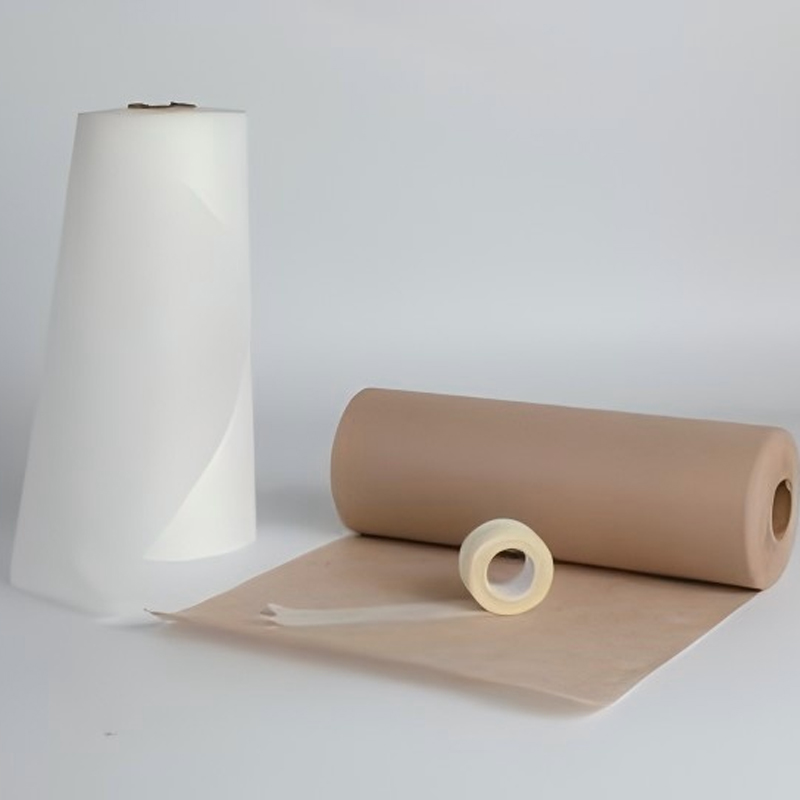 Medical Tape Nonwoven
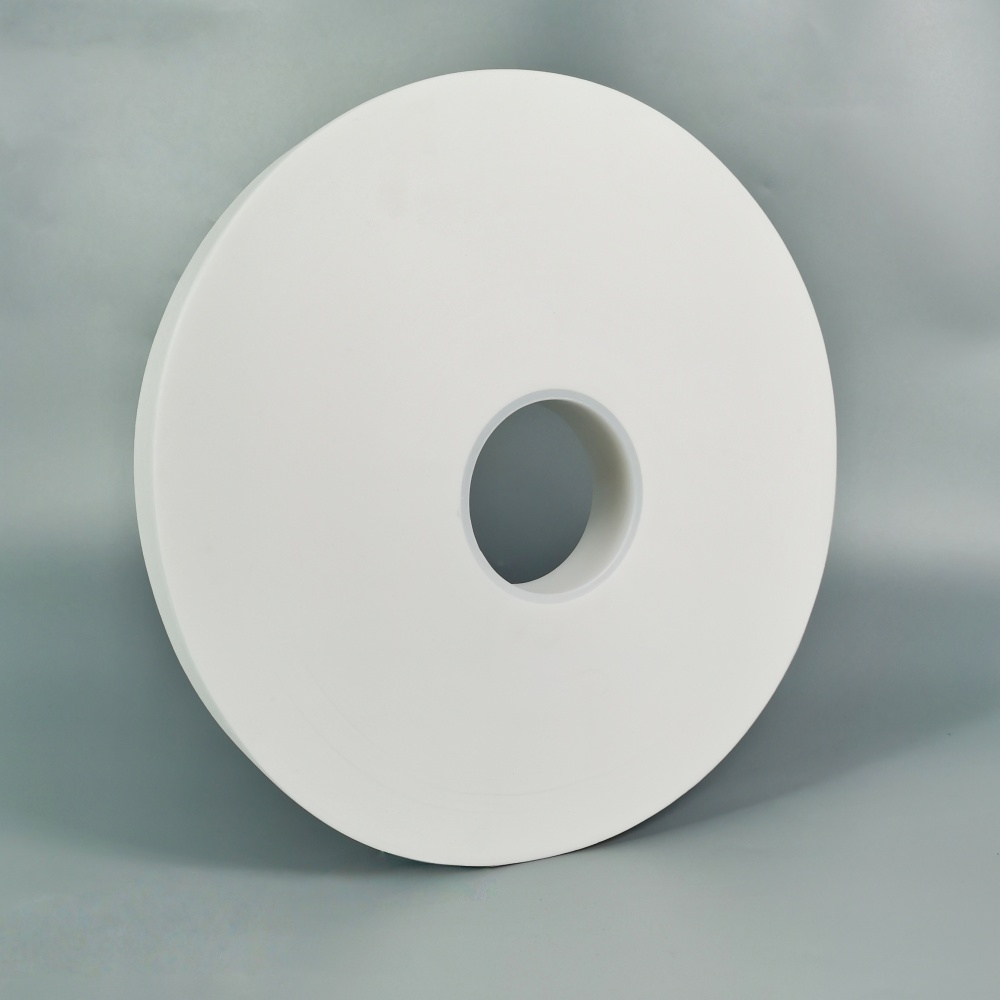 Snus Pouch Nonwoven
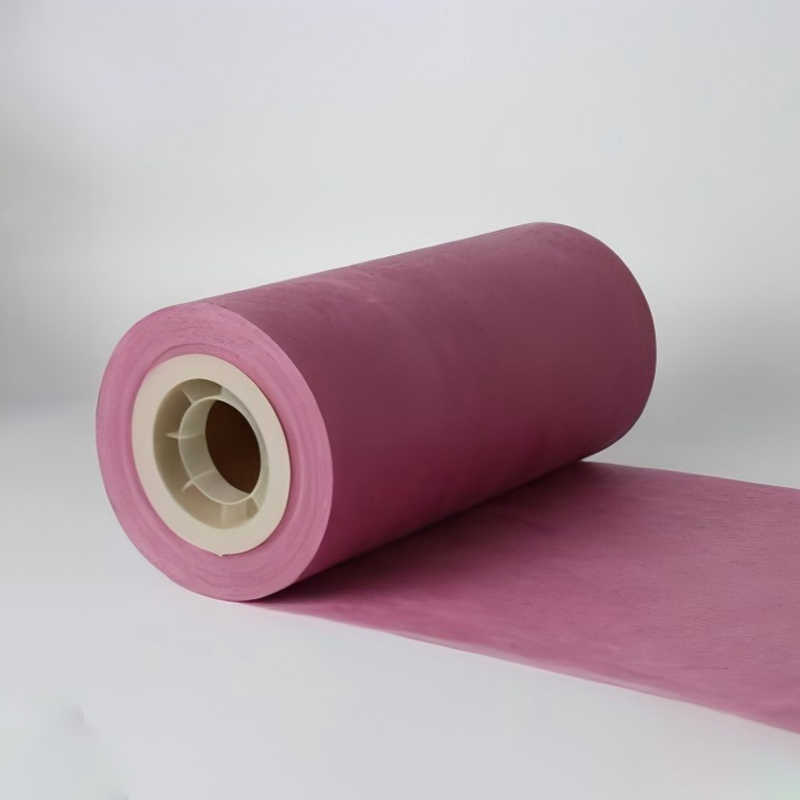 Filtration Nonwoven
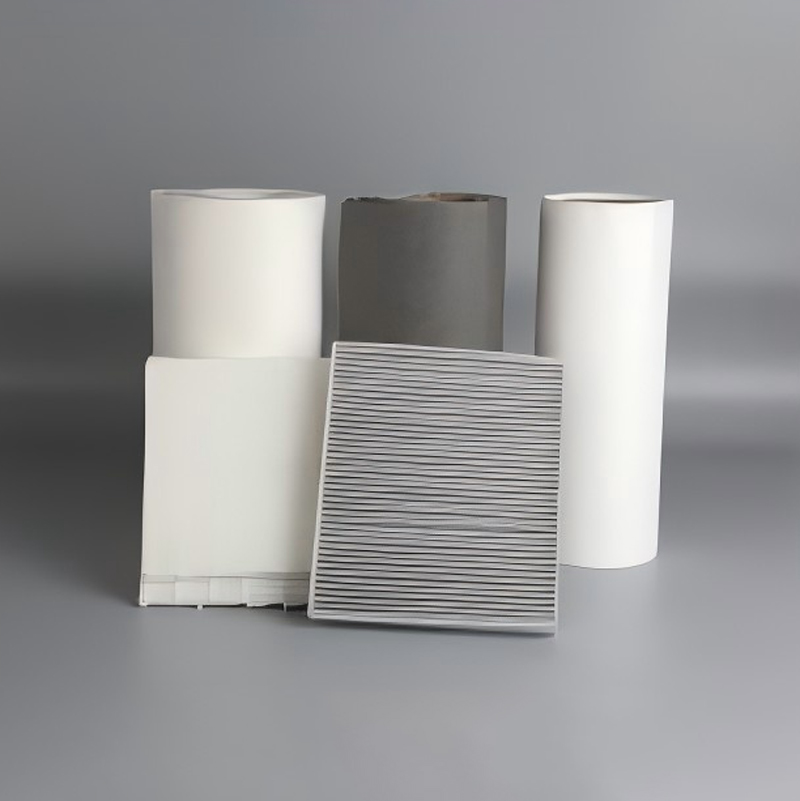 Air Filter Media
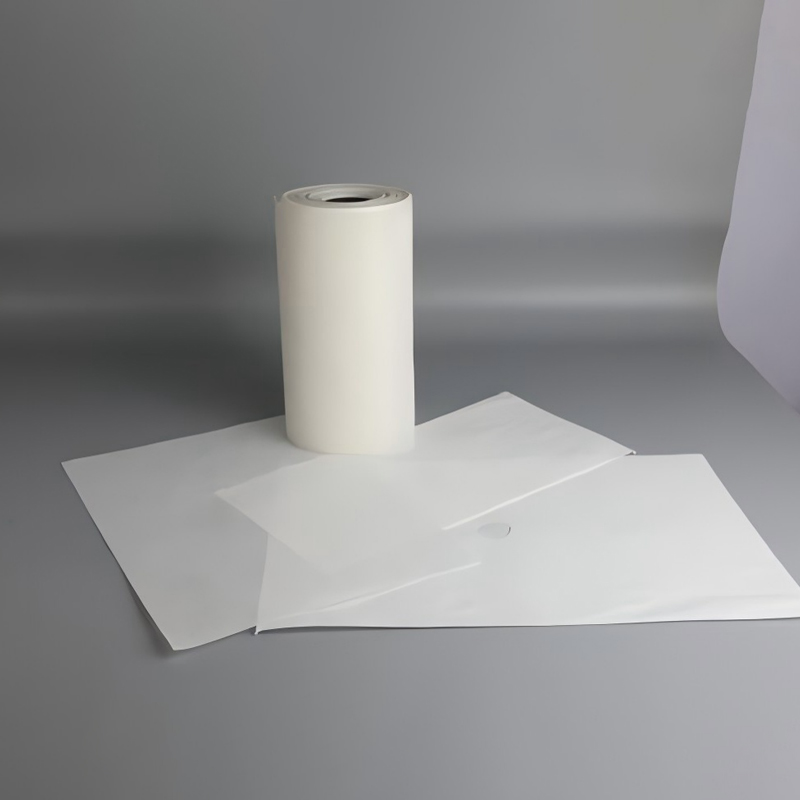 Liquid Filter Media
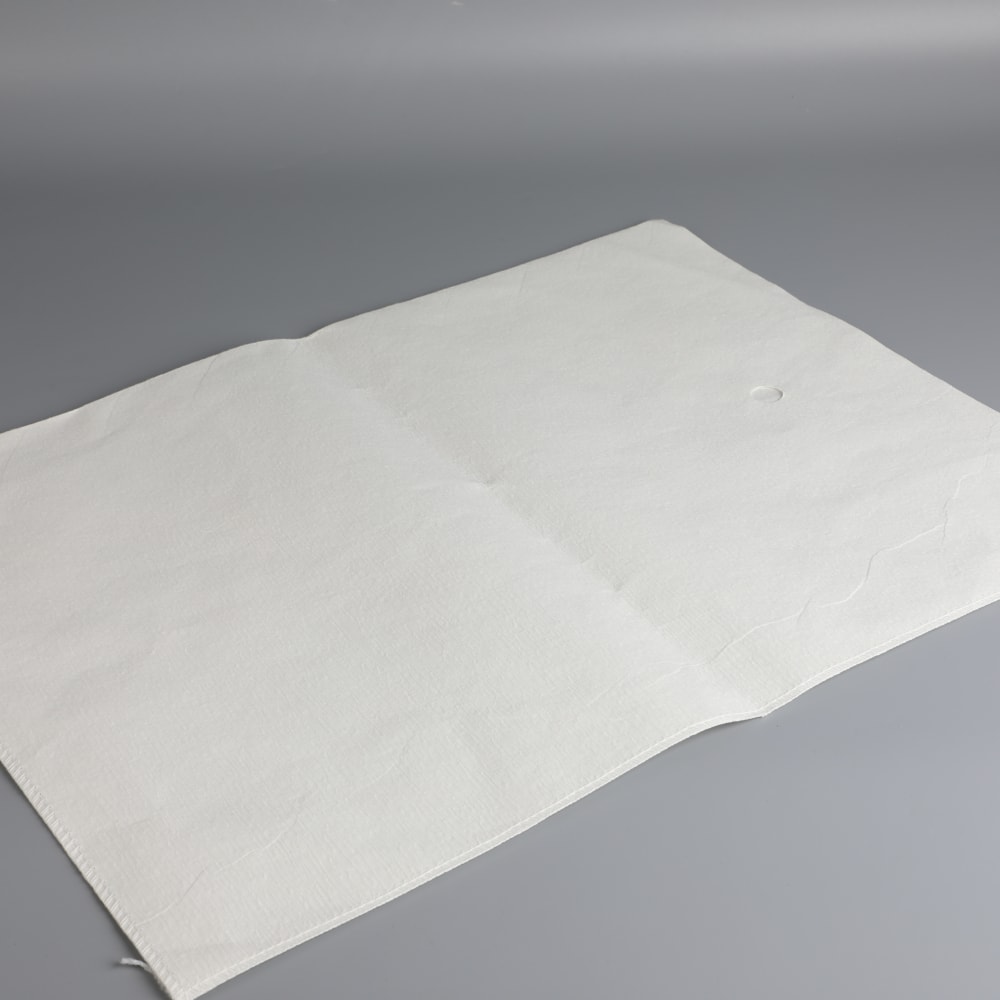 Filter Envelope & Filter Sheet
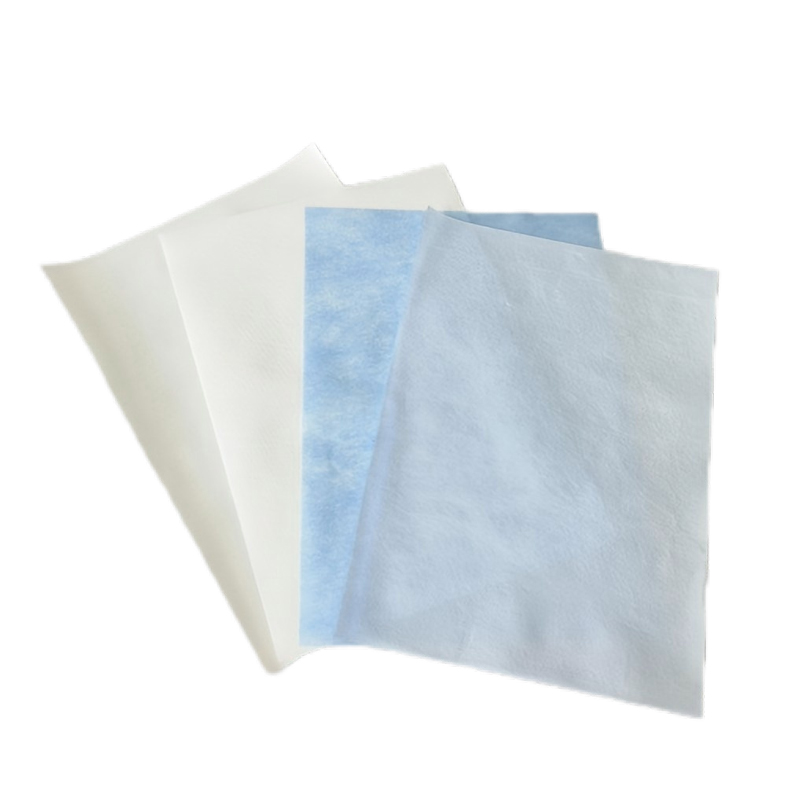 Breathable Film Laminates
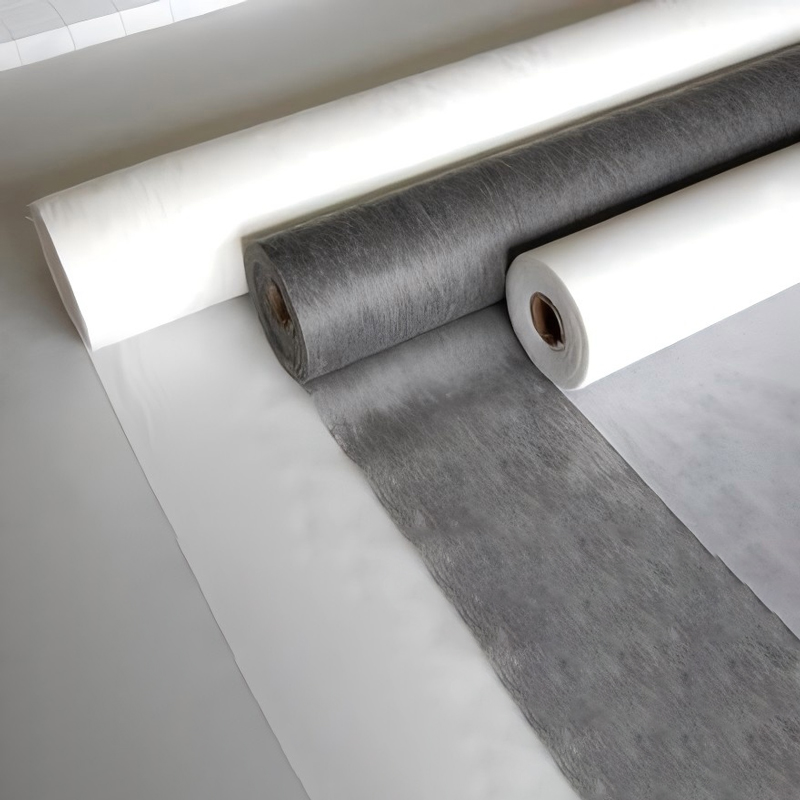 Nonwoven Interlining
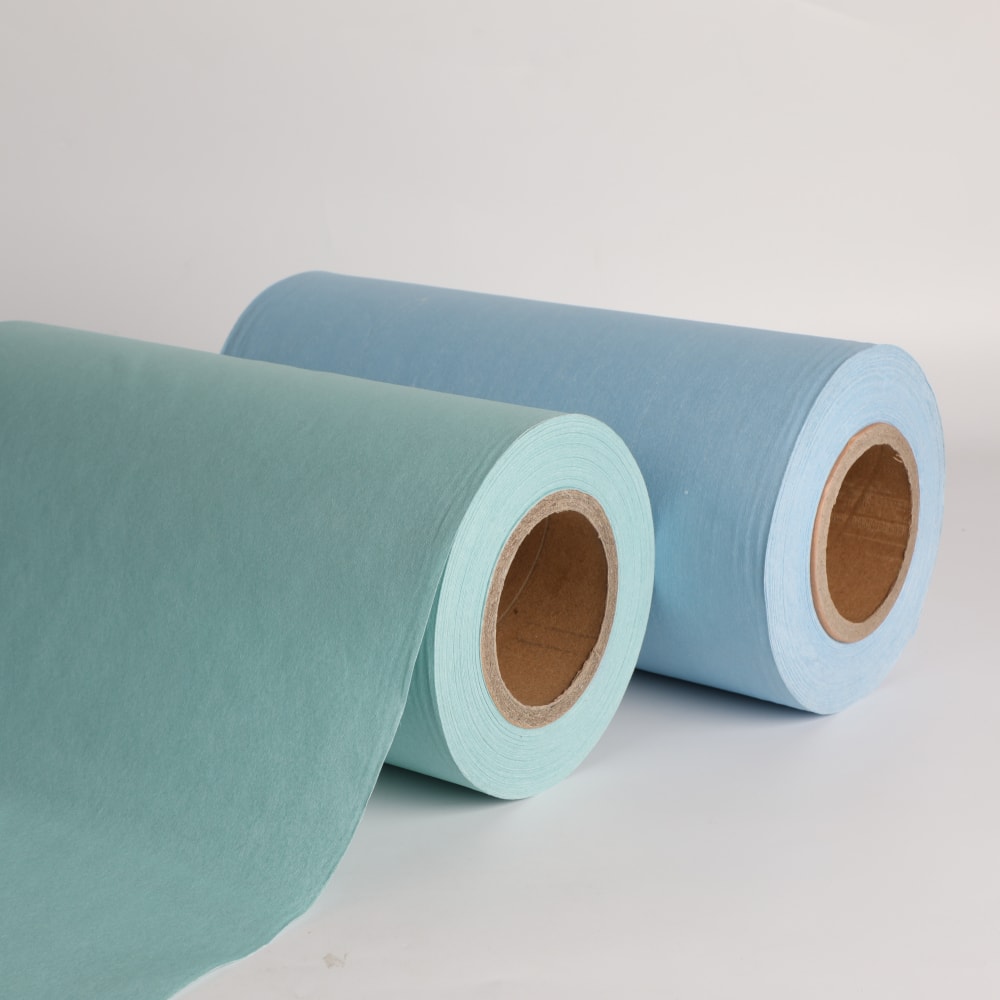 Fluid Repellent Woodpulp Spunlace Nonwoven
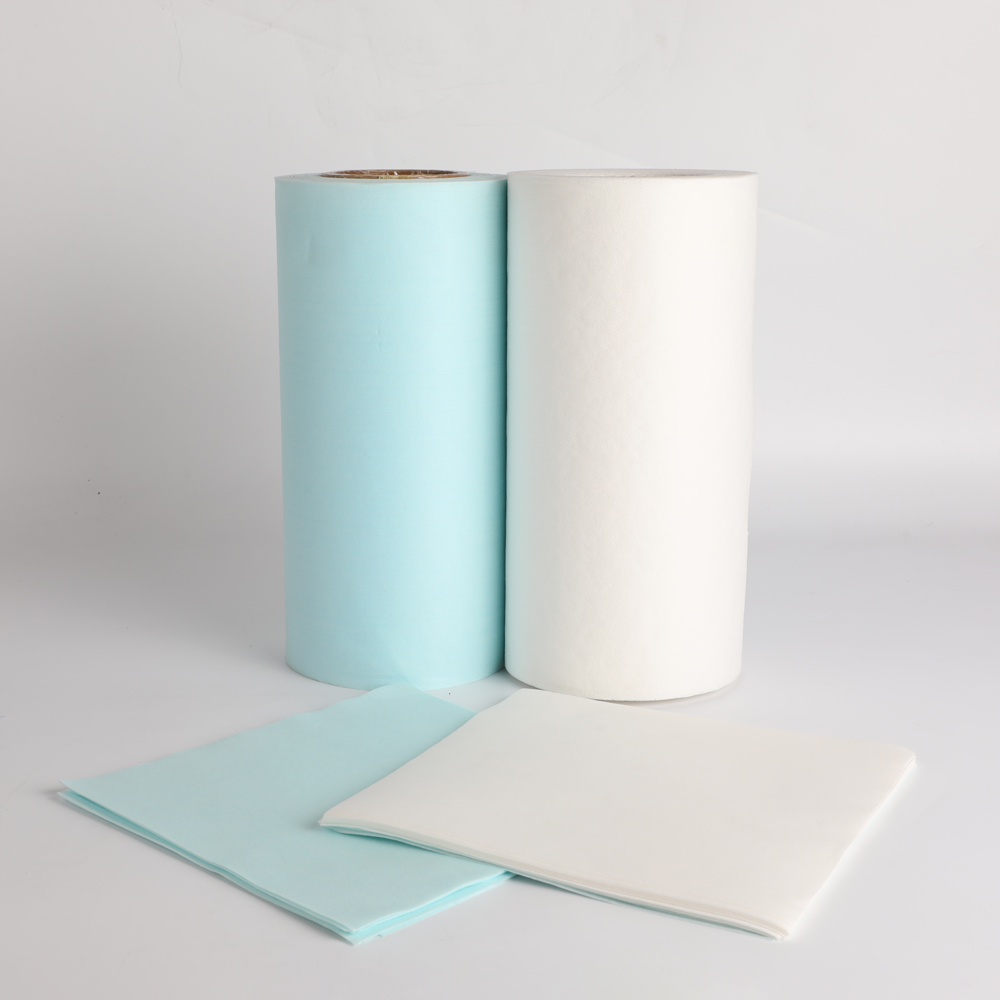 Woodpulp Nonwoven Wipe
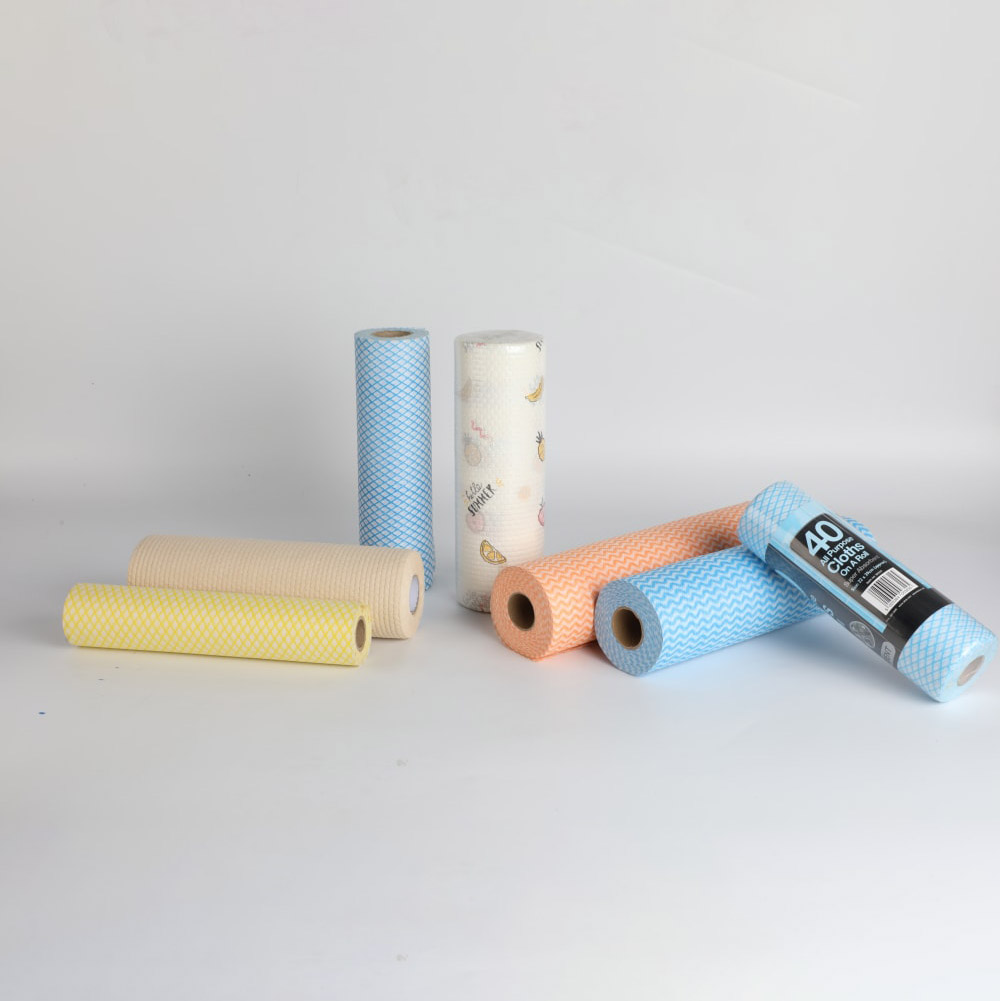 Nonwoven Cleaning Wipe
 Curtain Nonwoven
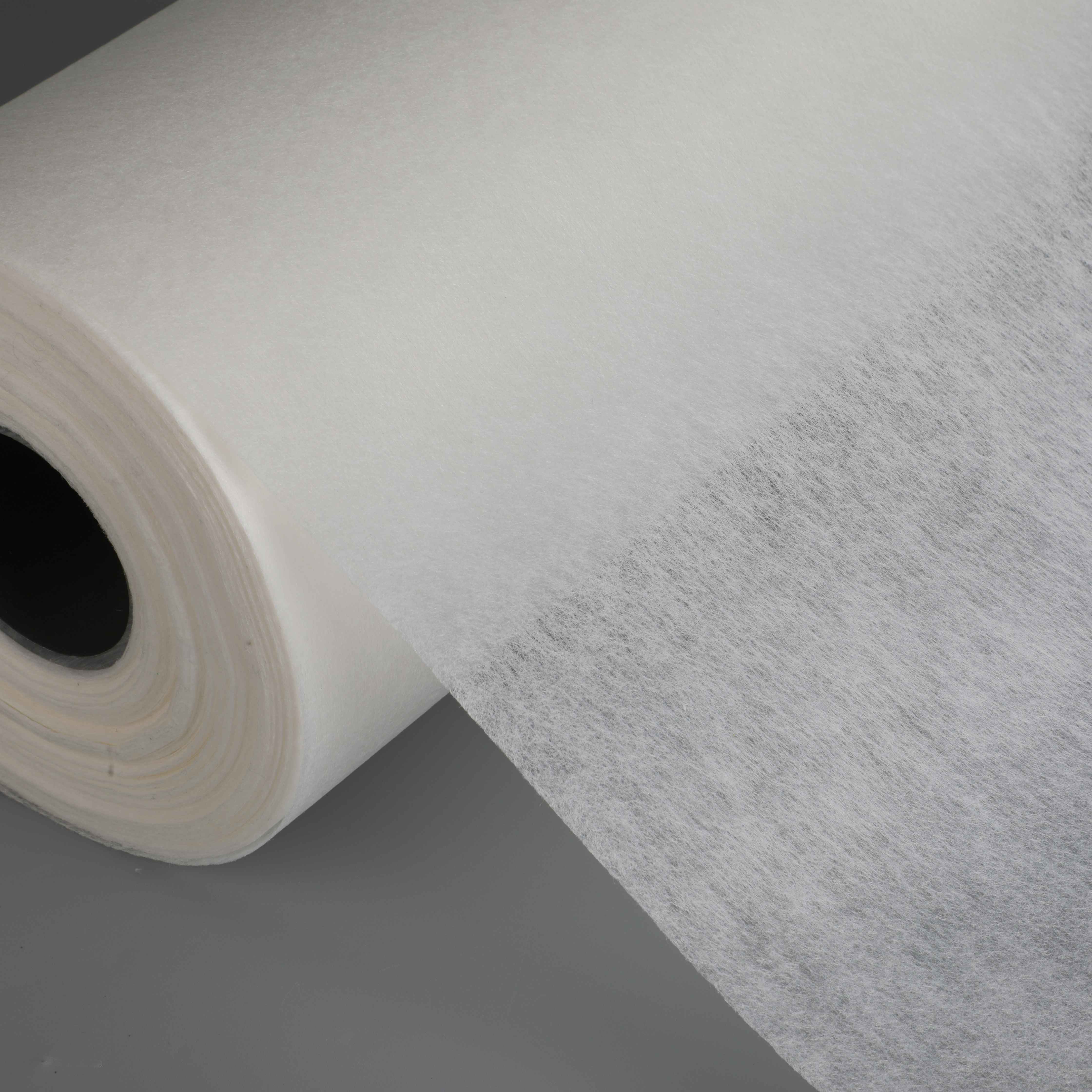 Food Grade Packaging Nonwoven
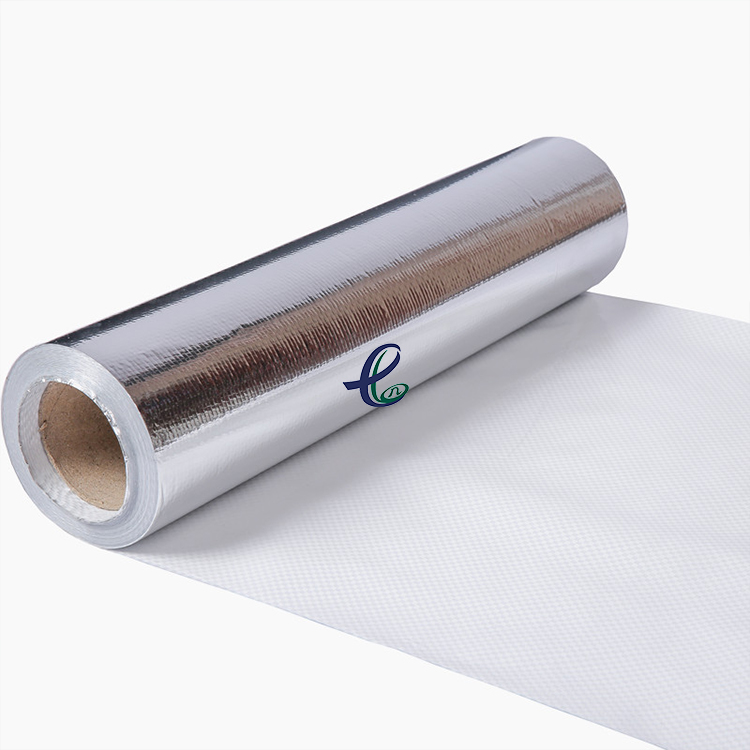 Aluminized Nonwoven
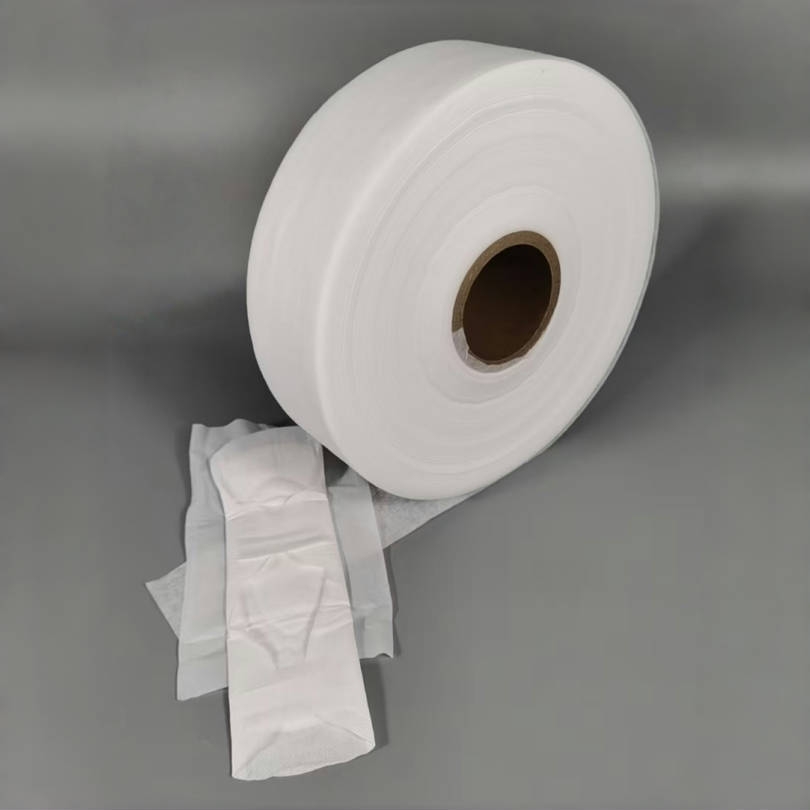 Hot Air Cotton Nonwoven
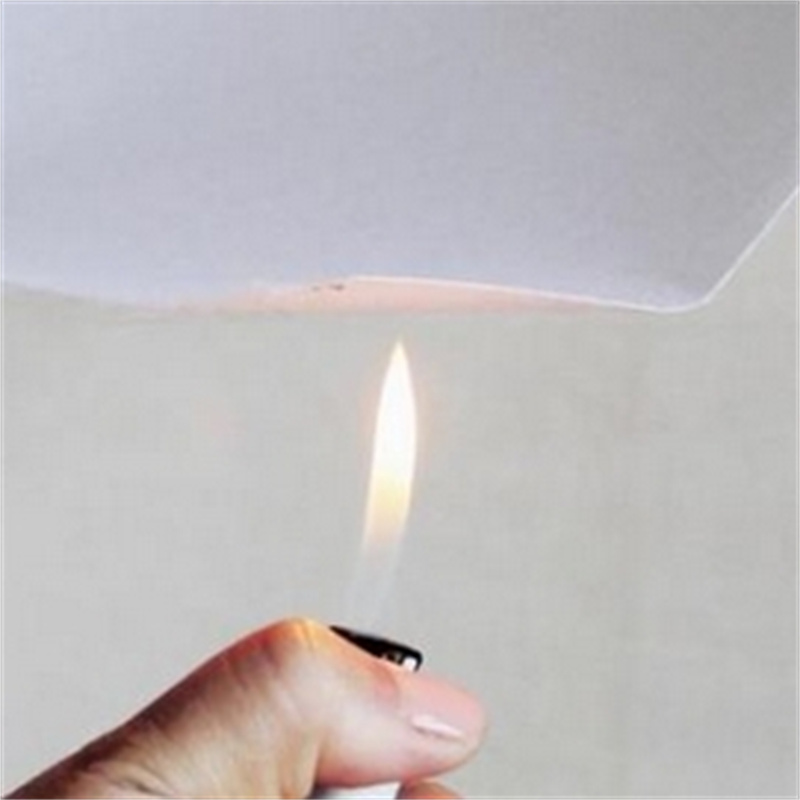 Flame Retardant Nonwoven
 Cable Wrapping Nonwoven
 Semi-conductive Nonwoven
 Anti-Bacterial Nonwoven
 +8613957712400
 CONTACT WhatsApp
 CONTACT WeChat
 CONTACT NUMBER
 CONTACT EMAIL