+8613957712400


Sourcing Sanitary Wipes Women products calls for more than comparing unit prices. Grand View Research estimated the global feminine hygiene products market at USD 42.7 billion in 2022, with projected growth through 2030. That broad category includes products beyond wipes, so its figure should not be mistaken for a wipes-only market size. Definitions vary. Buyers should verify what each supplier’s data actually covers before using it to forecast demand.
Product safety and clear claims matter just as much. Gynecologist Dr. Jen Gunter is widely associated with the reminder, “The vagina is a self-cleaning oven.” Her point is a useful check against marketing that implies internal cleansing is needed. For sourcing, focus on wipes intended for external use, clear ingredient lists, fragrance disclosure, material composition, and substantiated product claims. Ask suppliers for current test reports, batch traceability, and written quality procedures—not just polished brochures. Then check whether the pack opens cleanly, reseals securely, and stays moist after repeated use. Small details count.
The seven tips ahead will help buyers compare suppliers, assess samples, and ask sharper questions about consistency and documentation. No checklist replaces careful verification. Nor does a low quote guarantee a dependable product. Supplier claims deserve scrutiny, including claims that sound reassuring. That is a useful place to begin.
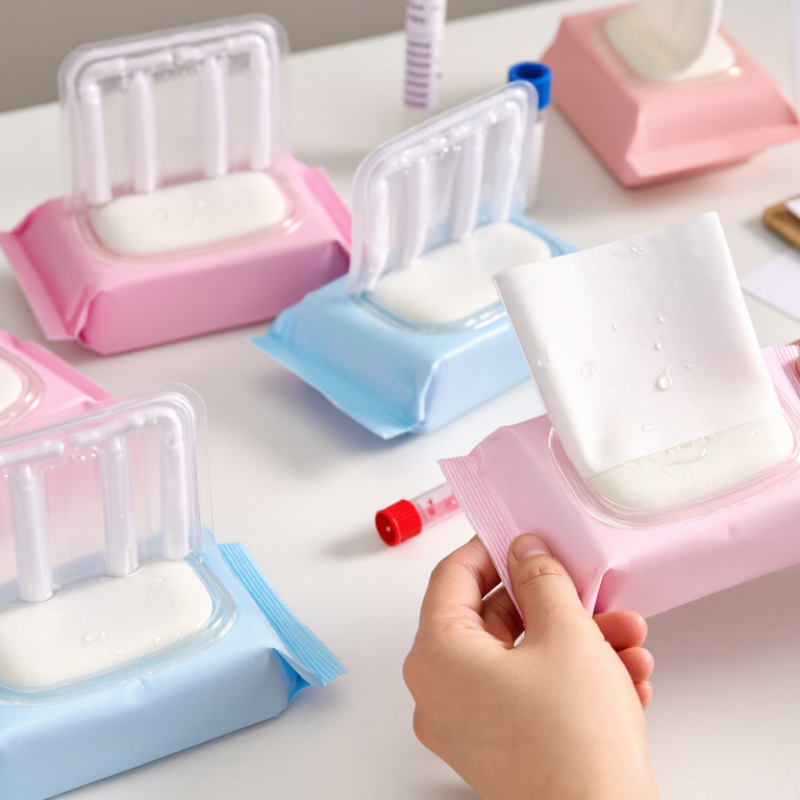
Before requesting samples, define where and when users will use the wipes. A daily external freshening wipe has different needs from a menstrual clean-up wipe used in a public restroom or during travel. Ask target users about skin sensitivity, preferred texture, scent tolerance, pack size, and disposal habits. Small details matter. A packet must fit a handbag, open quietly, and stay moist after repeated use. Do not assume “for women” describes one user group. Age, routines, access to water, and personal preferences vary widely.
UNICEF’s 2019 Guidance on Menstrual Health and Hygiene emphasizes that menstrual materials should be effective, acceptable, and accessible. UNICEF has also cited an estimated 500 million women and girls without adequate facilities for menstrual hygiene management. This points to practical needs, not automatic demand for wipes. The WHO/UNICEF Joint Monitoring Programme’s 2023 report estimates that 2 billion people lack basic hygiene services at home, making portable use relevant for some audiences. For sourcing, translate these needs into sample criteria: gentle materials, clear ingredient disclosure, secure resealable packaging, and usage instructions that do not imply medical benefits. I would avoid treating fragrance as a universal preference; it can be a poor fit for sensitive users. Ask real users to test prototypes. One round may not be enough.
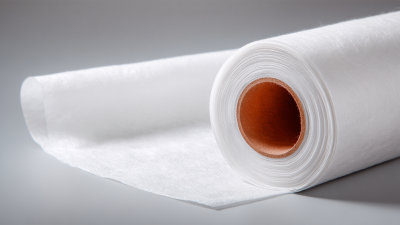
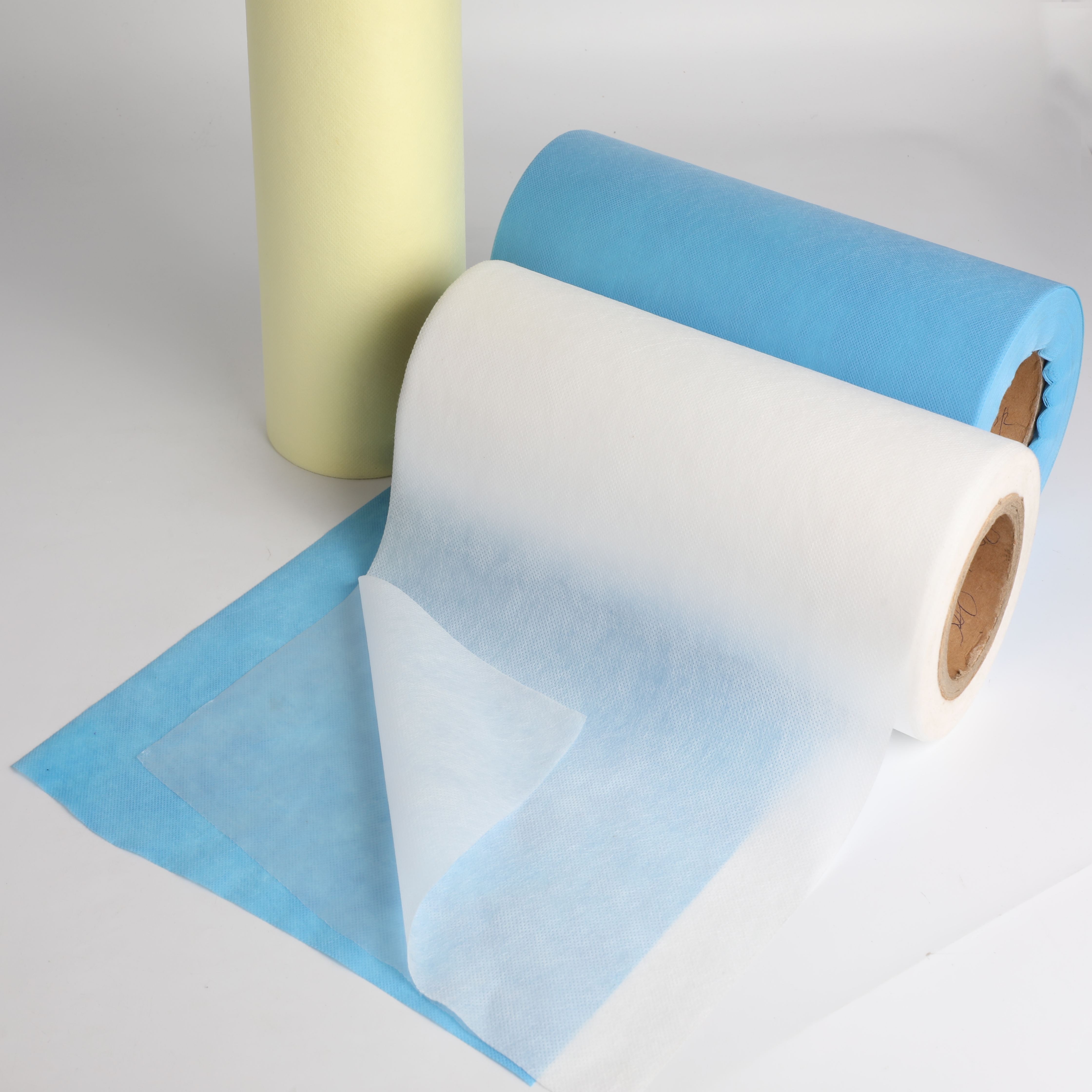
Set a written specification before requesting samples. Name the wipe substrate, such as viscose, cotton, or a stated blend, and record its weight, texture, and sheet dimensions. Ask suppliers to disclose every lotion ingredient and provide current safety documentation. “Gentle” is not a measurable standard. Review fragrance, preservatives, and pH against your intended use, and seek qualified safety review rather than relying on marketing claims.
Tips: Compare samples after opening and during use. Check whether the sheet stays intact when pulled, feels comfortable on dry skin, and dispenses one at a time. Ask how the product performs after storage in its sealed pack. Small details matter.
Define performance with observable checks, not vague promises. Specify lotion distribution, sheet strength, pack seal quality, and acceptable variation between production lots. Request test methods, sample results, and a process for handling complaints or changes to materials. For skin-related claims, require evidence that matches the exact finished product and intended use. Keep retained samples from each lot when practical. A specification can still miss a real-world issue; I would revise it when user feedback reveals a gap, rather than treating the first draft as final.
A qualified sanitary wipe supplier should explain what each wipe contains, how it is made, and how quality is checked. Ask for current product specifications, ingredient details, and test reports that match the exact item you plan to buy. A document for a similar formulation is not enough. Ask for evidence.
Review manufacturing controls, batch records, and procedures for handling complaints or product changes. If possible, assess the production site or request a recent independent audit summary. Check that packaging protects the wipes from drying out, and confirm that lot numbers can be traced from finished packs to production records. Small details matter.
Request samples from more than one production batch. Compare texture, fragrance, moisture, seal strength, and how the wipes feel after opening the pack for several days. Ask how skin-safety claims are supported, and have a qualified reviewer assess the evidence before using them. A polished sample can hide uneven production. I have seen supplier checks focus heavily on certificates while overlooking a loose seal or inconsistent wipe size. That is an easy mistake to make. Record questions, answers, and unresolved gaps before approving a supplier.
Use this checklist to assess supplier evidence across seven key qualification areas. Bar values show the number of example evidence items to review in each area; they are checklist counts, not supplier audit results or industry benchmarks.
Request relevant records and confirm they match the product, intended use, manufacturing site, and applicable market requirements. Verify claims and regulatory obligations for the product’s specific classification.
For women’s sanitary wipes, verify the product’s intended use before reviewing certificates. A wipe for external skin may face different requirements from one intended for mucous membranes. Ask suppliers for current certificates, full test reports, and the scope of each certification; a certificate alone does not prove that the finished wipe passed safety testing. Check that reports identify the tested formula, substrate, batch, and laboratory.
Request microbial limits and preservative efficacy results for the finished, packaged wipe. ISO 17516:2014 sets a maximum of 10² CFU/g or mL for Category 1 cosmetics, including products intended for mucous membranes; Category 2 allows 10³ CFU/g or mL. The correct category depends on intended use and applicable local rules. ISO 11930:2019 provides a challenge-test framework for assessing whether a cosmetic’s preservation system controls bacteria, yeasts, and molds. Ask for test results over the full test period, not just a pass statement.
Check irritation and compatibility data for the actual formula and nonwoven material. Fragrance, preservatives, and lotion can behave differently after long storage or contact with packaging. Request stability data, packaging compatibility results, and traceable batch records. FDA’s MoCRA guidance requires registered cosmetic facilities to renew registration every two years, where applicable. Regulatory details vary by market. I would still scrutinize vague “gentle” claims; they are not test results.
When sourcing sanitary wipes for women, compare samples under realistic conditions. Check sheet size, softness, lint, fragrance, lotion feel, and whether the pack reseals after repeated use. Tip: Ask for samples from the intended production line, not only a laboratory prototype. Test them after storage in a warm room and in a handbag. A neat first impression can hide a weak seal or a wipe that dries too quickly.
Compare like-for-like prices: specify wipe count, material, pack format, carton quantity, and any printing or tooling charges. Request a written breakdown of minimum order quantity, payment milestones, and costs for repeat orders. Check capacity against your forecast, then ask how the supplier handles peak-season demand and equipment downtime. I would not treat a large stated capacity as proof of dependable output; production plans can change.
Delivery terms deserve the same scrutiny as unit cost. Confirm the production lead time, inspection window, dispatch date, and who books and pays for freight. The World Bank’s 2023 Logistics Performance Index reports an average 44 days from goods entering an exporting country to reaching their destination, including about 20 days in ports. Treat this as a planning benchmark, not a promise for your route. Tip: Ask for recent shipment records and build buffer time into launch dates. I still find freight delays easy to underestimate.