How to Choose the Best Flame Retardant Nonwoven for Your Needs?
Choosing the right Flame Retardant Nonwoven material is crucial for safety in various applications. Experts in the industry, like Dr. James Carter, emphasize, “Selecting the right nonwoven can significantly reduce fire risks.” This statement highlights the importance of making an informed decision.
Flame Retardant Nonwoven materials are used widely in sectors such as automotive, aerospace, and construction. Each application has unique requirements. Understanding your specific needs is vital before selecting a product. Quality varies across different manufacturers. This can complicate the decision-making process.
It is also essential to consider the certifications and standards a product meets. However, not all Flame Retardant Nonwoven materials are created equal. Some may claim to be flame resistant without meeting reliable safety tests. Potential buyers should approach these claims cautiously. Ultimately, the right choice should balance safety, durability, and compliance.

Understanding Flame Retardant Nonwovens: Definition and Applications
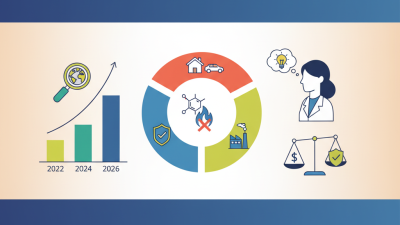
Flame retardant nonwovens are materials engineered to resist ignition and slow down the spread of fire. These fabrics find applications across various industries, including automotive, construction, and personal protective equipment. According to a report by MarketsandMarkets, the global flame retardant textiles market is projected to reach $5.68 billion by 2025, reflecting the growing demand for safety in hazardous environments.
The effectiveness of flame retardant nonwovens is influenced by the type of flame retardant used, the fabric structure, and the manufacturing process. Different industries often require specific properties. For instance, transportation sectors need lightweight and durable options. Yet, fire safety standards often evolve, and it’s critical to stay updated on regulations affecting nonwoven materials. The challenge lies in balancing safety, performance, and environmental impact, as some flame retardants may pose health risks.
Testing methods are essential to determine the flame resistance of nonwovens. A notable standard is ASTM E84, which assesses the material's flame spread index. Many manufacturers face difficulties in meeting these standards consistently. Understanding these nuances is crucial for selecting the right flame retardant nonwoven. Providing a safe environment often demands continual research and adjustments as technologies and regulations change.
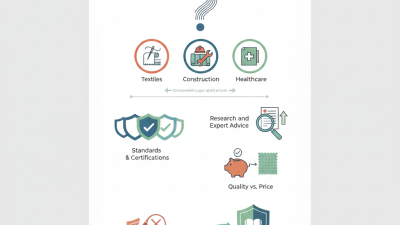
Flame Retardant Nonwovens: Usage by Industry
Key Criteria for Selecting Flame Retardant Nonwoven Materials
Choosing the right flame retardant nonwoven material is crucial for safety and performance. Key criteria involve understanding the material's specific applications and fire ratings. According to recent industry reports, flame retardant nonwovens must meet standards like ASTM E84, which measures surface burning characteristics. Materials that pass this test are often deemed safer for various applications, ranging from automotive to construction.
Another important factor is the composition of the nonwoven itself. Many manufacturers utilize synthetic fibers infused with flame retardant chemicals. However, some methods can compromise the material’s durability. Research indicates that nonwovens with a balance of stability and flexibility perform better in real-world conditions. Evaluating each product's tensile strength and elongation is essential when deciding on the best option.
Sustainability is increasingly a consideration. Nonwovens are being produced from recycled materials, which can still meet flame retardant standards. However, sourcing sustainable options requires careful vetting to ensure they don’t sacrifice safety for eco-friendliness. This balancing act highlights the ethical dilemmas producers face. Ultimately, assessing the certifications and application-specific performance data will guide you to the right choice for your needs.
Evaluating Performance Standards and Certifications for Safety
When selecting flame retardant nonwovens, understanding safety certifications is crucial. Various performance standards exist across industries. These standards help gauge a material's effectiveness in fire resistance. Look for independent certifications when evaluating products. They provide assurance that a material has passed rigorous testing protocols.
Tips: Check for compliance with NFPA, ASTM, or ISO standards. Each of these organizations has specific criteria for flame resistance. Consider regional regulations too; they may differ significantly. This can affect safety and material choice.
Always review test method details. A certification may look impressive at first glance. However, testing conditions can impact results. It’s essential to question how tests were conducted. Understand the limitations of the materials. No fabric is entirely fireproof, and overconfidence can lead to unsafe choices. Prioritize transparency from manufacturers about their product's performance. This helps in making informed decisions.
Comparing Types of Flame Retardants Used in Nonwoven Fabrics
When selecting flame retardant nonwoven fabrics, understanding the types of flame retardants is crucial. These materials are treated with various chemicals that enhance their resistance to fire. Some common flame retardants include halogenated compounds, phosphorus-based solutions, and nitrogen-based additives. Each has its unique mechanisms and effectiveness.
Halogenated flame retardants are widely used. They work by producing a gas that interrupts flame propagation. However, concerns about environmental impacts and health risks have raised questions about their safety. Phosphorus-based flame retardants are gaining popularity. They provide effective fire suppression and have a lower environmental impact. Yet, their longevity and stability can sometimes be a concern.
Nitrogen-based additives are less common. They act by forming a char layer that protects the material underneath. This technology is still evolving and may require more research. As you navigate these options, reflect on your specific needs. Consider factors like fire safety ratings and environmental requirements. Balancing safety and sustainability is a challenge but essential for informed decision-making.
Assessing Cost-Effectiveness and Supplier Reliability in Selection
Choosing the right flame retardant nonwoven material requires evaluating cost-effectiveness and supplier reliability. Recent industry reports indicate that pricing can vary significantly, making it essential to assess what meets both budgetary constraints and safety requirements. According to a 2022 industry study, high-quality flame retardant nonwoven materials can range from $2 to $5 per linear yard. While lower-priced options may seem appealing, they often compromise performance and safety standards.
Supplier reliability plays a crucial role in your selection process. Ensure manufacturers provide certificates of compliance and data sheets demonstrating their products' flame retardant properties. A reputable supplier will also offer transparent communication and consistent delivery schedules. According to a 2021 reliability survey, 78% of buyers reported prioritizing long-term partnerships with trusted suppliers over one-time, low-cost purchases.
Tip: Always check customer reviews and industry ratings. This can give insight into supplier reliability.
Tip: Request samples before committing to a large order. Testing material performance in your specific application can prevent costly mistakes.
Evaluating these factors will equip you to make informed decisions. Keeping costs in check while ensuring quality is a delicate balance worth pursuing. However, make sure you don’t overlook the potential pitfalls of choosing based solely on price.

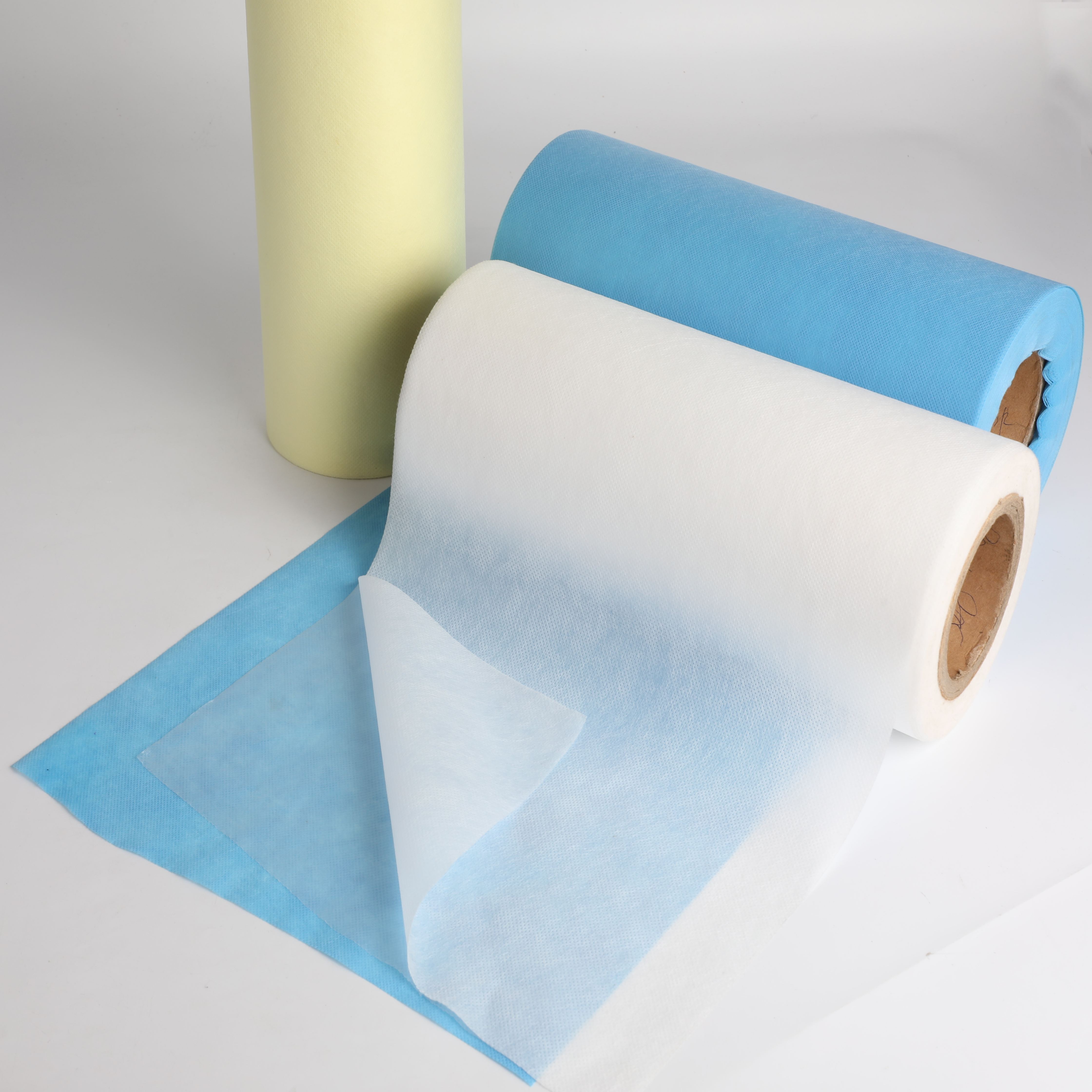 PP Laminates
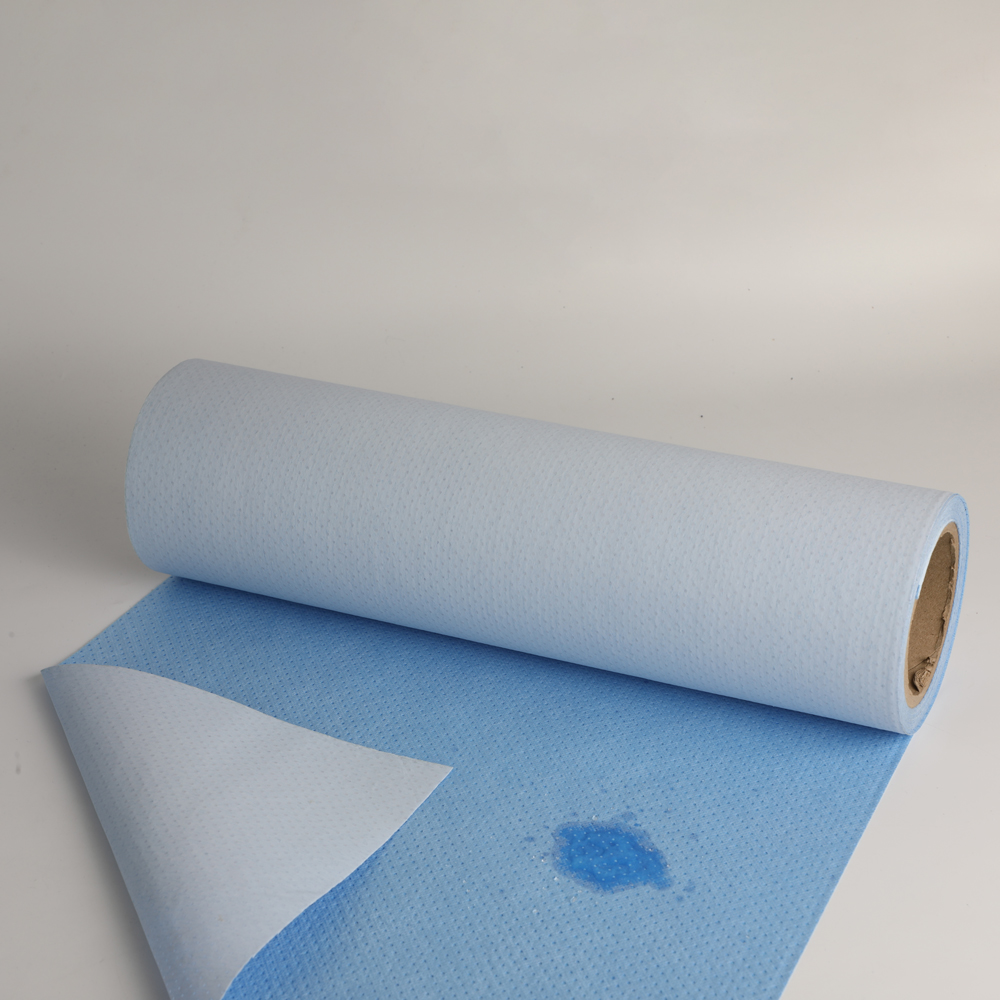 Multi Laminates
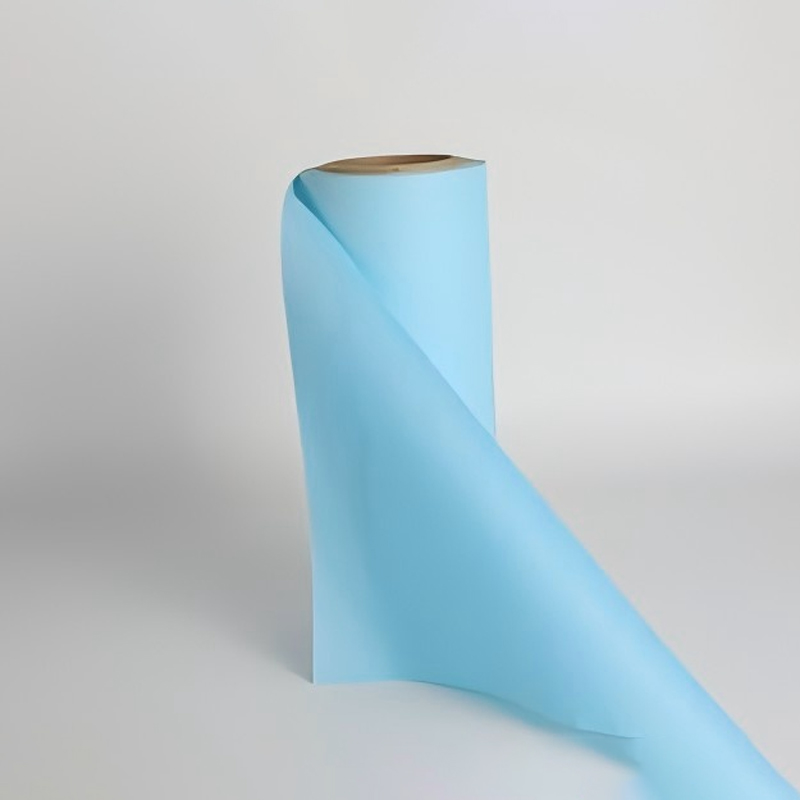 Spunlace Nonwoven Laminates
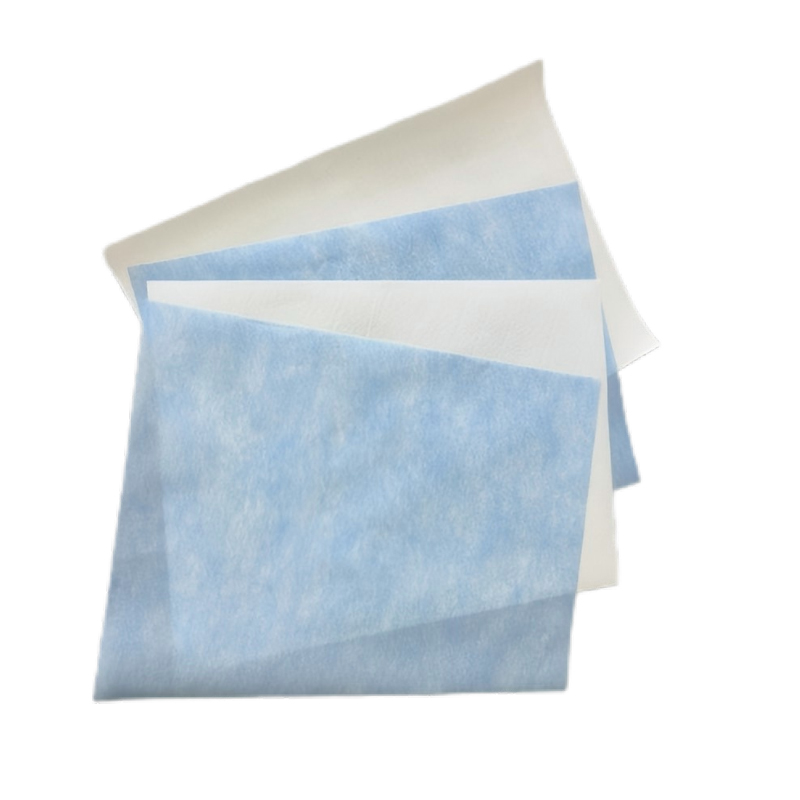 Breathable Film Laminates
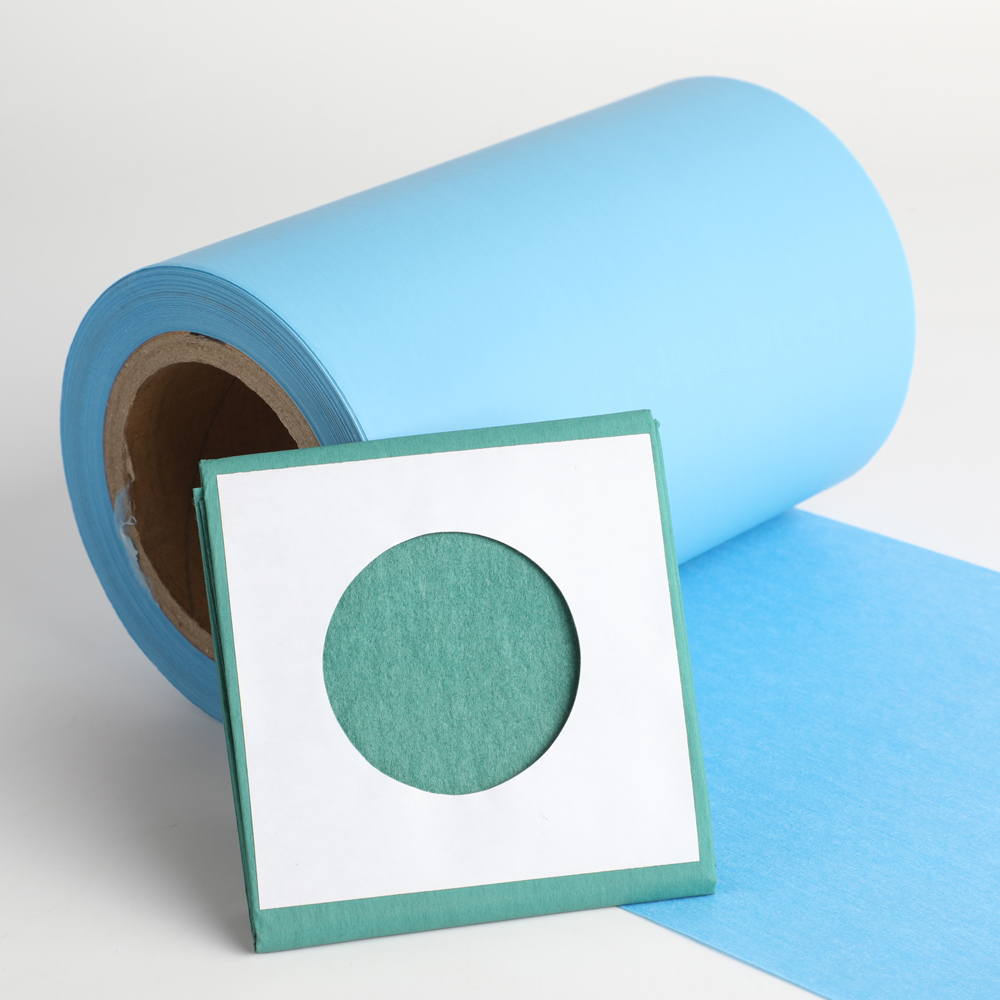 Viscose Laminates
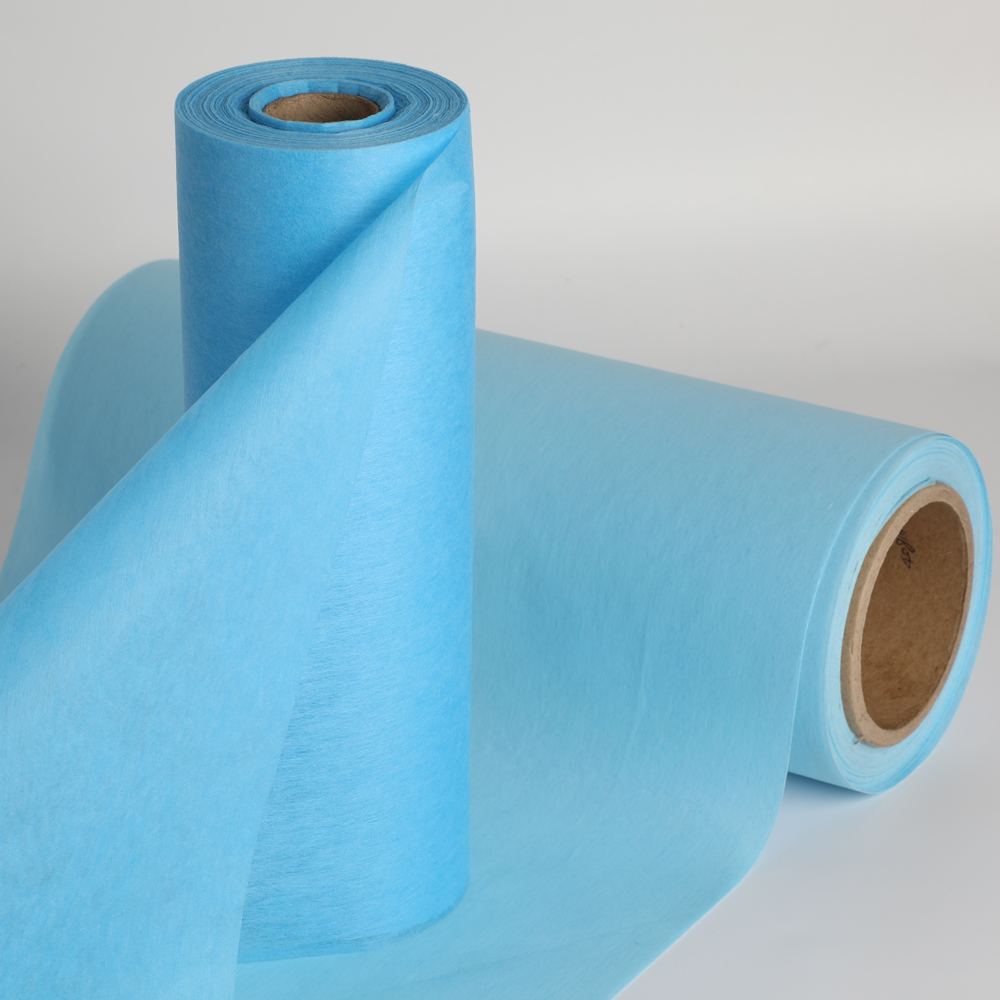 Medical Viscose Nonwoven
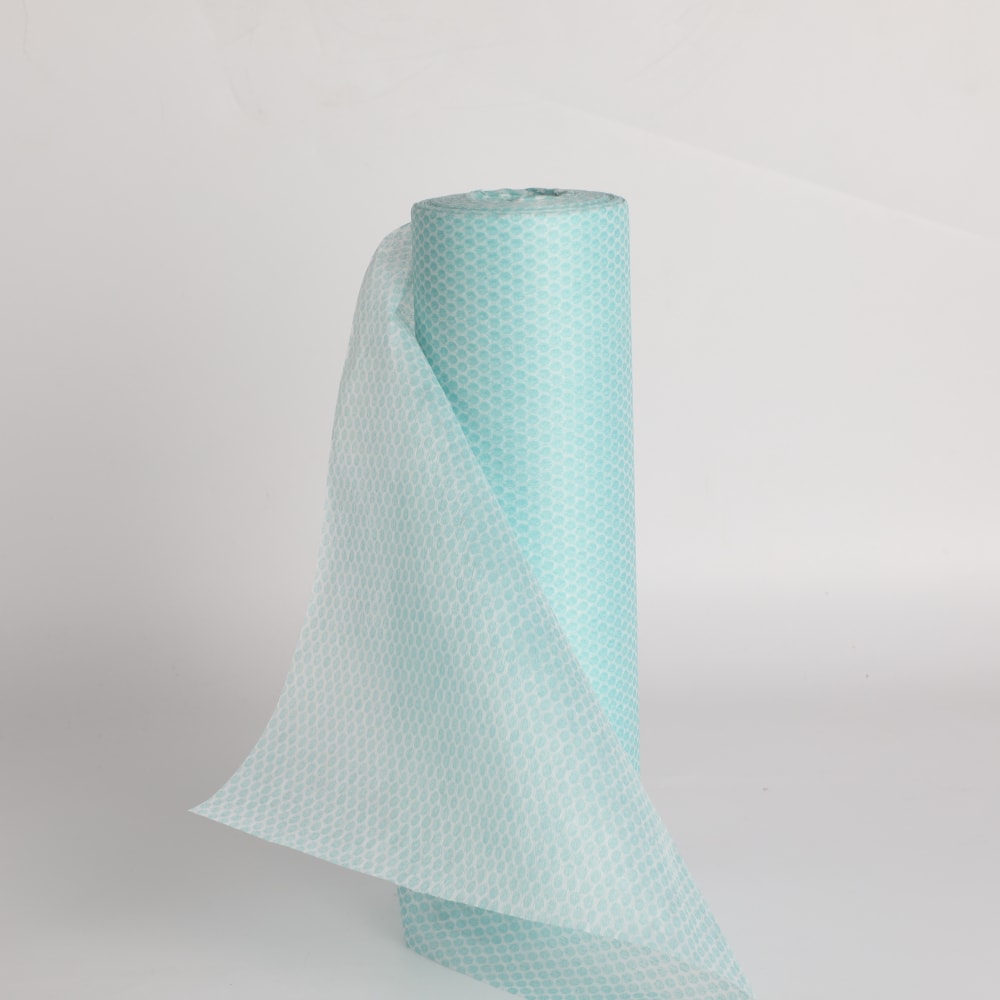 Head Wear Nonwoven
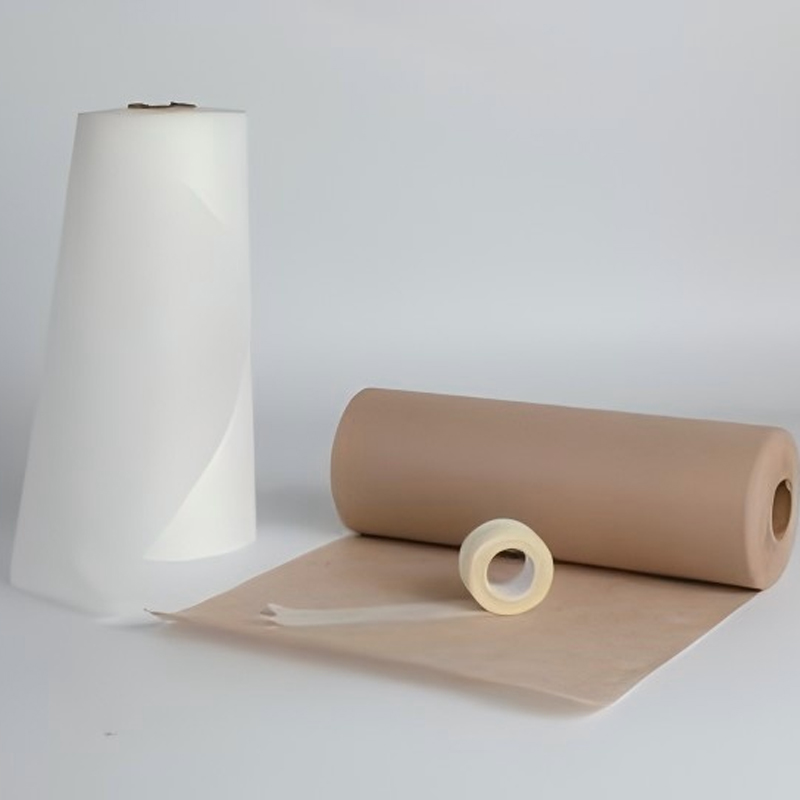 Medical Tape Nonwoven
 Snus Pouch Nonwoven
 Filtration Nonwoven
 Air Filter Media
 Liquid Filter Media
 Filter Envelope & Filter Sheet
 Breathable Film Laminates
 Nonwoven Interlining
 Fluid Repellent Woodpulp Spunlace Nonwoven
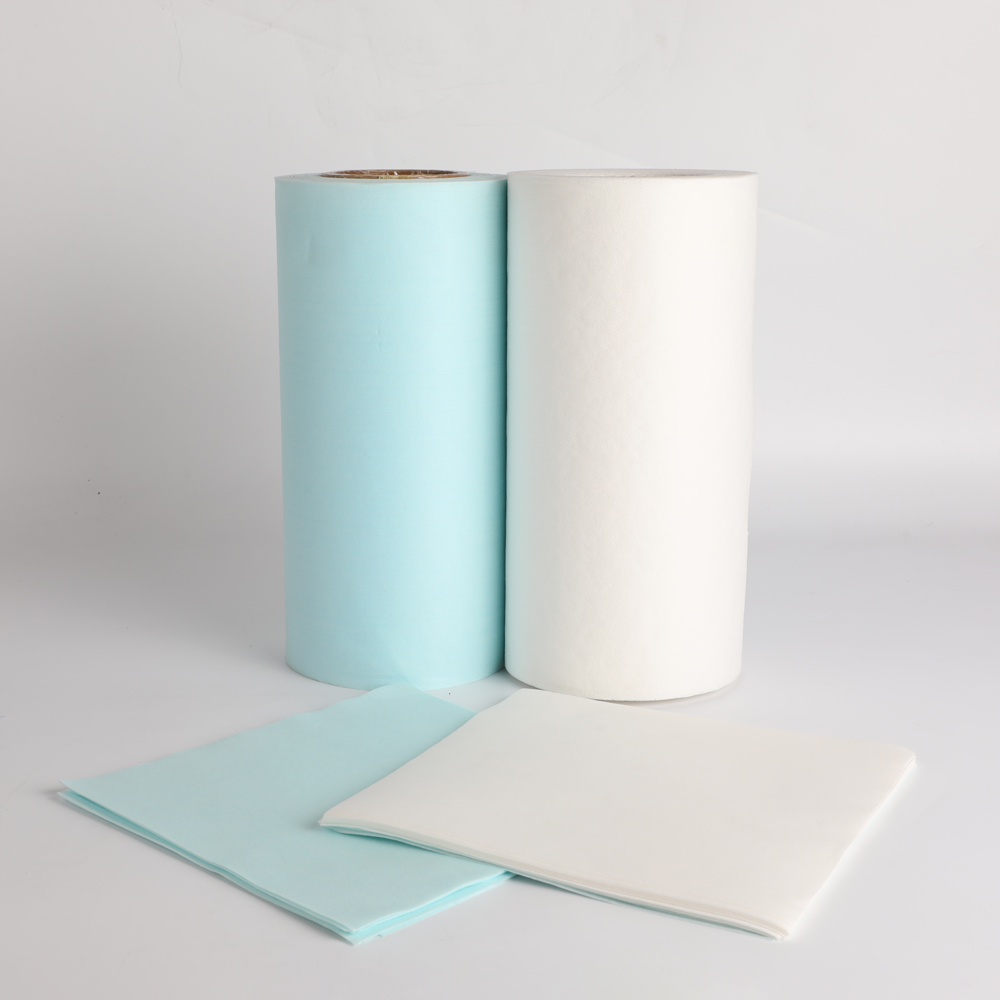 Woodpulp Nonwoven Wipe
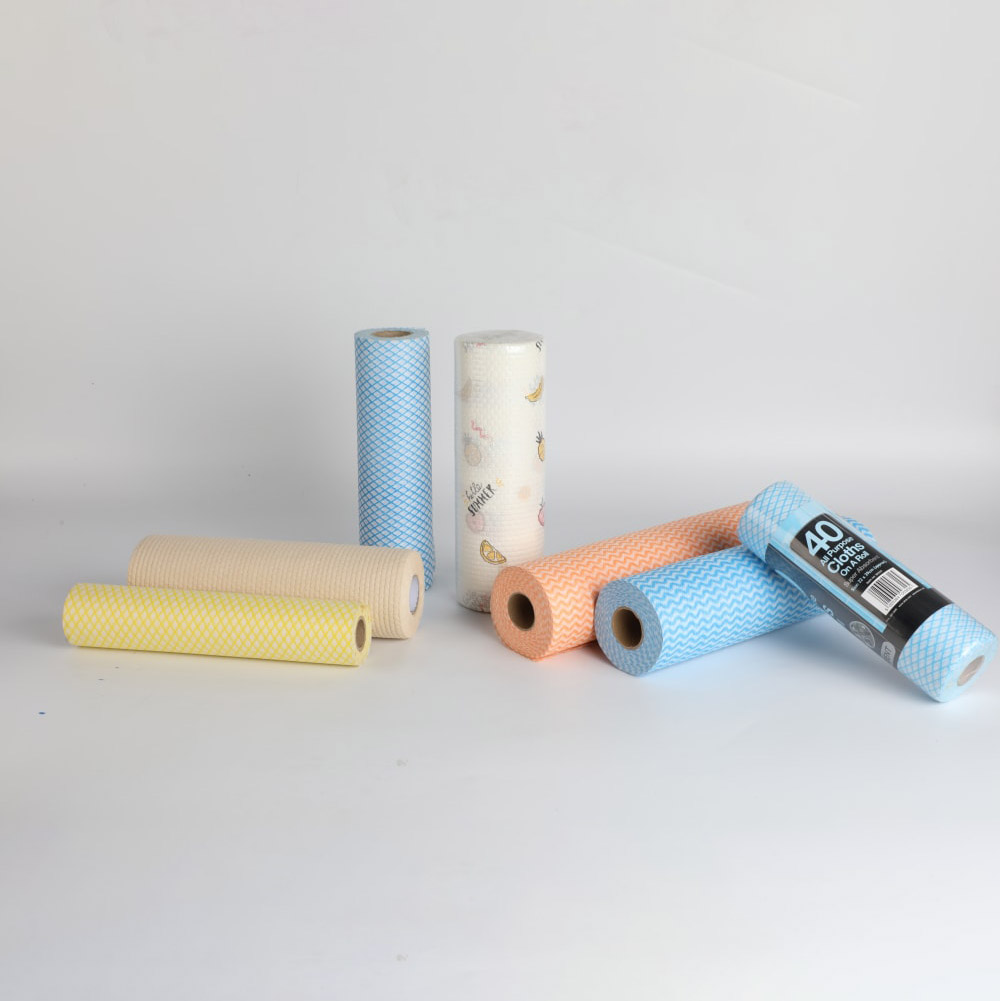 Nonwoven Cleaning Wipe
 Curtain Nonwoven
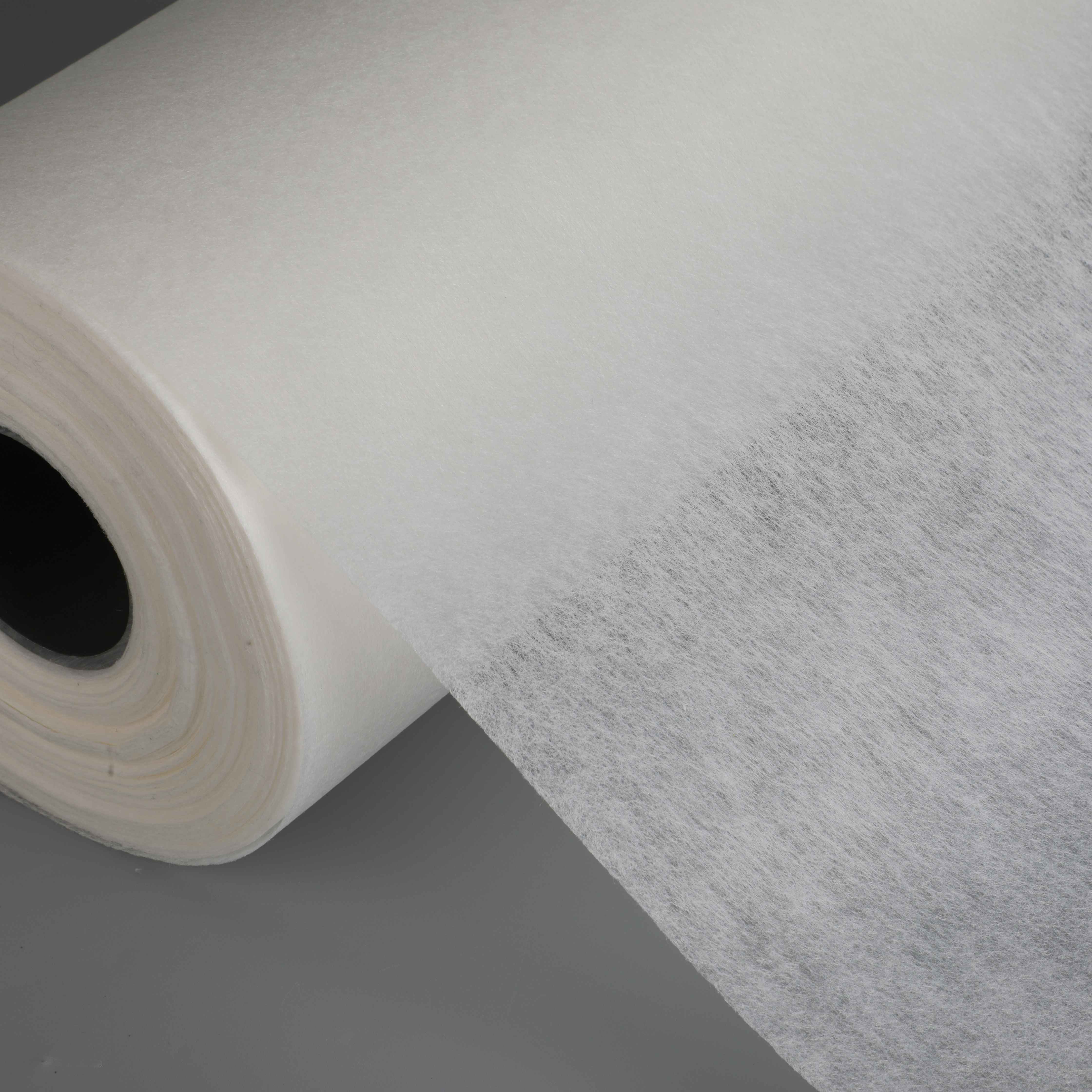 Food Grade Packaging Nonwoven
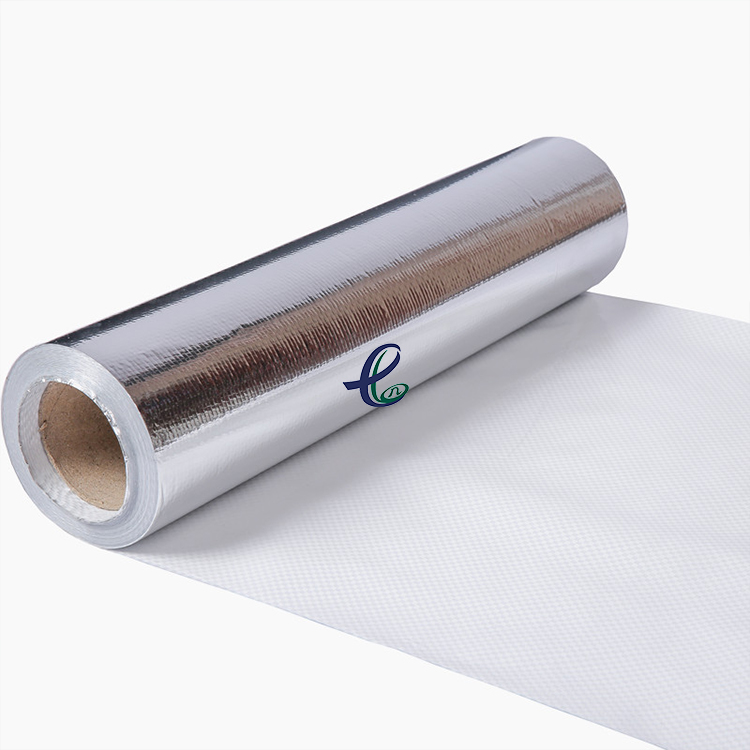 Aluminized Nonwoven
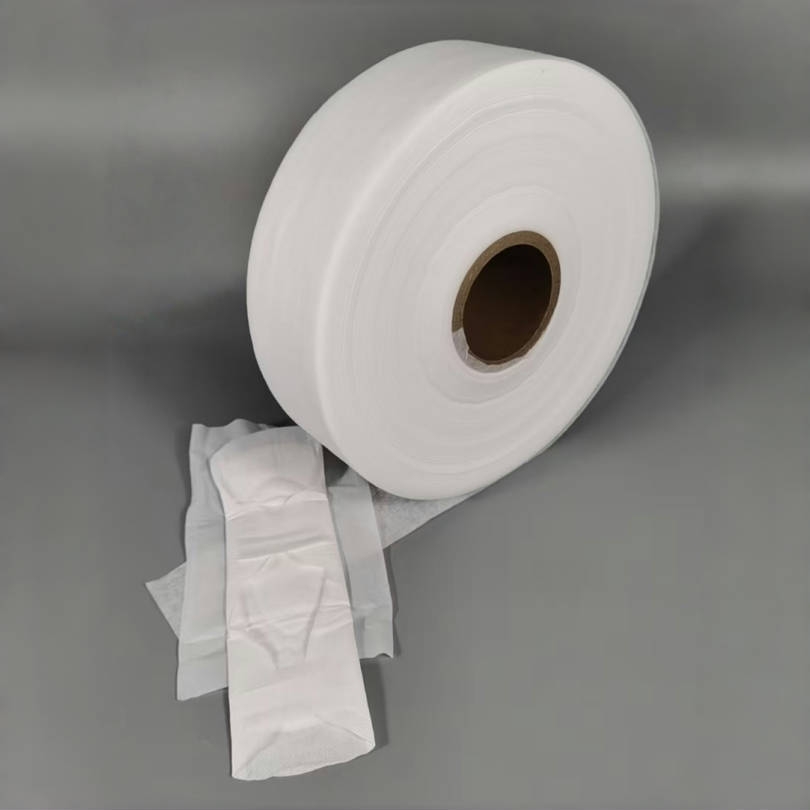 Hot Air Cotton Nonwoven
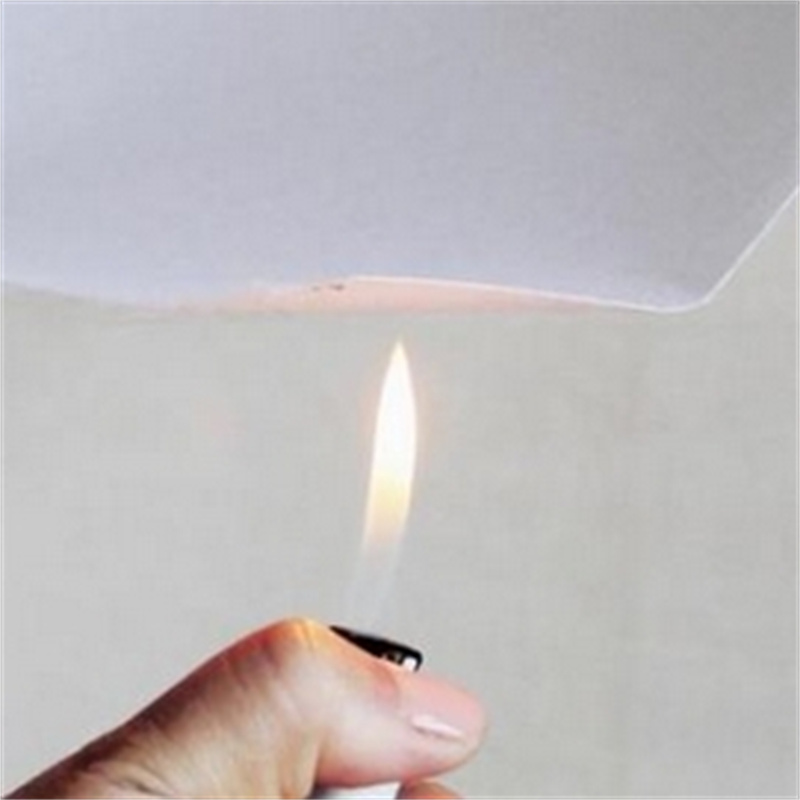 Flame Retardant Nonwoven
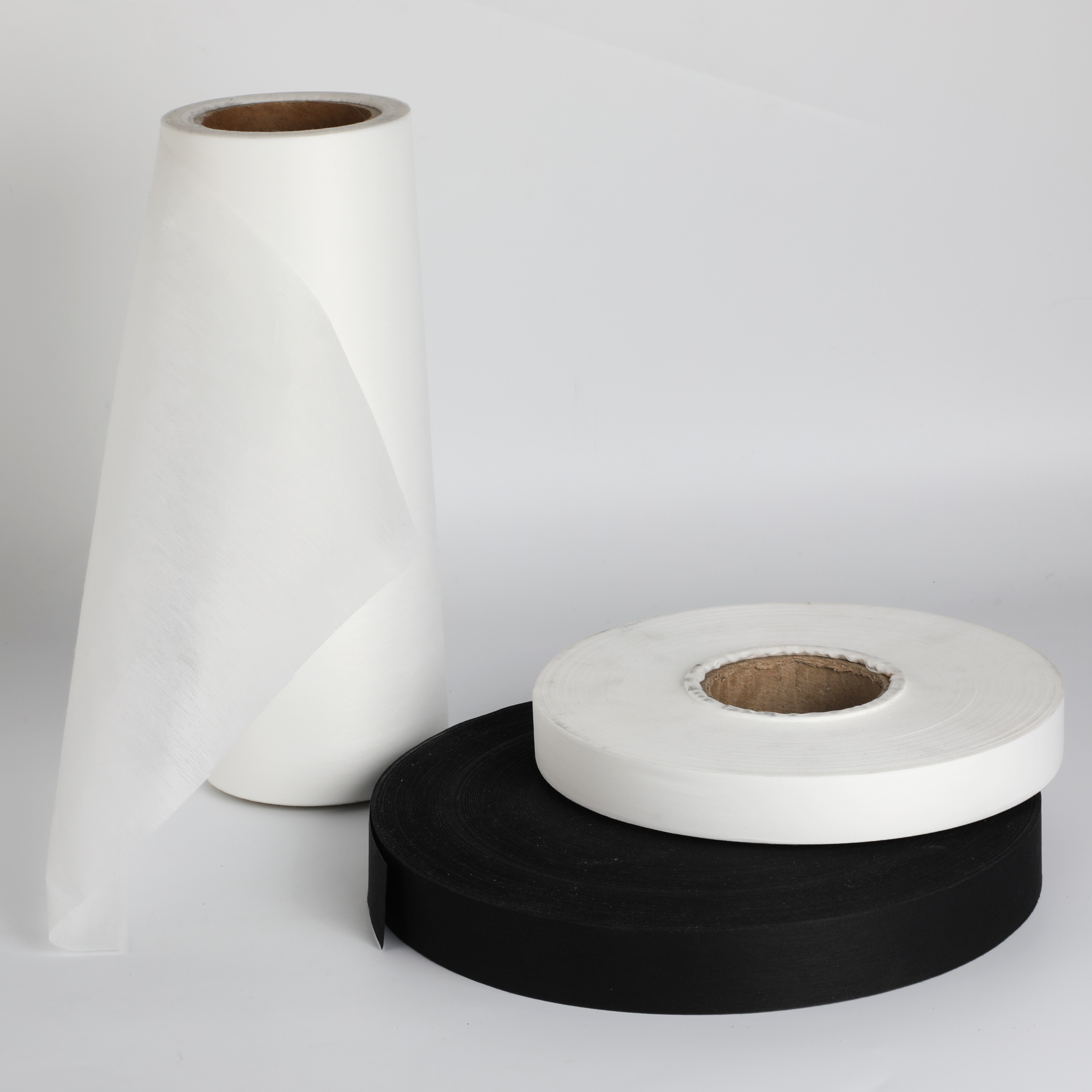 Cable Wrapping Nonwoven
 Semi-conductive Nonwoven
 Anti-Bacterial Nonwoven
 +8613957712400
 CONTACT WhatsApp
 CONTACT WeChat
 CONTACT NUMBER
 CONTACT EMAIL