2026 Best Water Repellent Nonwoven Materials for Every Application?
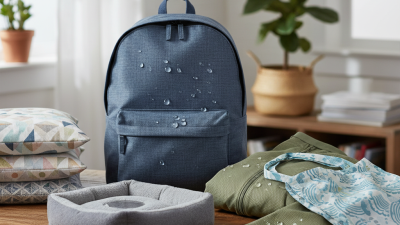
In recent years, the demand for high-performance materials has surged across various industries. One standout category is Water Repellent Nonwoven materials. These versatile fabrics offer superior protection against moisture, making them essential in applications from outdoor gear to medical supplies. Industry expert Dr. Emily Carter, a leading researcher in nonwoven technology, emphasizes, "Water Repellent Nonwoven materials are revolutionizing product durability and functionality."
As we approach 2026, the advancements in Water Repellent Nonwoven materials are promising. Manufacturers are exploring innovative technologies to enhance water resistance while maintaining breathability. This balance is critical in applications that require performance without compromising comfort. However, challenges remain in achieving consistent quality across different production processes.
While many companies are optimistic, some grapple with quality control and scalability. The quest for the best Water Repellent Nonwoven materials continues, as experts urge the need for ongoing research and development. Investing time in understanding material behavior under various conditions can lead to significant breakthroughs. As the industry evolves, collaboration between researchers and manufacturers will drive the next generation of products.
Overview of Water Repellent Nonwoven Materials
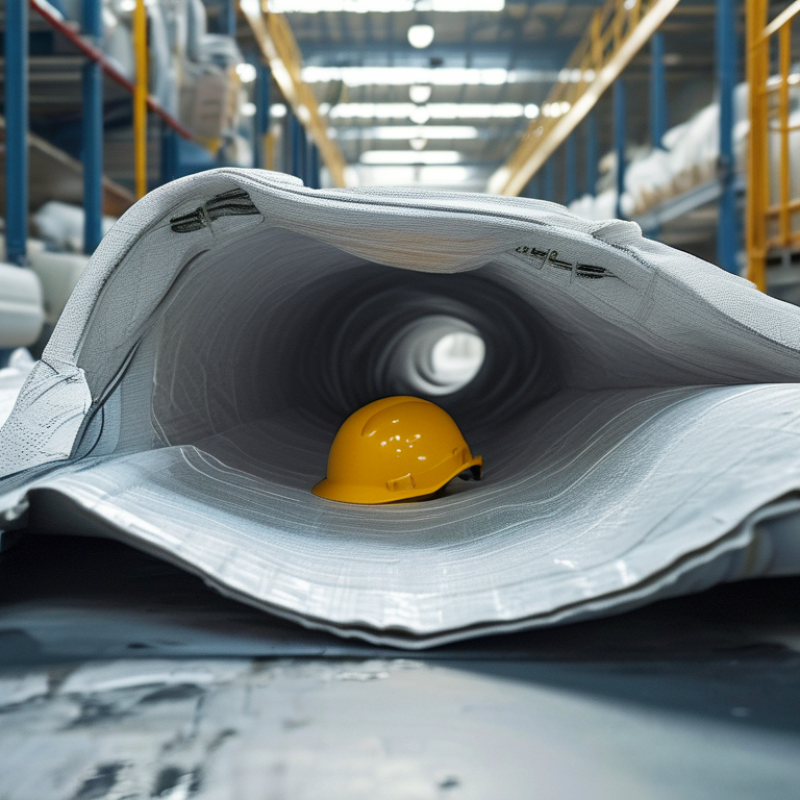
Water repellent nonwoven materials are gaining traction across various applications. These materials showcase unique performance capabilities, making them crucial in sectors such as filtration, construction, and hygiene products. The global nonwoven fabric market is projected to reach $53.3 billion by 2026, with water-repellent textiles playing a significant role in this growth. Studies indicate that these materials can reduce water absorption by over 90%, which enhances their functionality in diverse environments.
Tips: When selecting water repellent nonwoven materials, consider the end use. Different applications may require varying levels of water resistance. For instance, medical and filtration applications demand higher standards compared to consumer products.
The challenge lies in balancing performance and sustainability. The production of water repellent nonwoven fabrics can sometimes lead to environmental concerns. Many manufacturers are exploring eco-friendly chemicals to achieve water resistance without compromising on sustainability. Adopting innovative materials can be a game-changer. Industry reports suggest that biomaterials are on the rise, potentially reducing the carbon footprint of these textiles.
In conclusion, the landscape of water repellent nonwoven materials is evolving. There’s an increasing need for manufacturers to adapt their processes while considering both performance and environmental impact.
2026 Best Water Repellent Nonwoven Materials for Every Application
Key Characteristics of Effective Water Repellent Materials
When considering water repellent nonwoven materials, certain characteristics are essential. First, the ability to resist water penetration is crucial. This means the material must feature a tight fiber structure. A higher density often leads to better water resistance. Additionally, these materials should possess a durable finish that can withstand multiple washes and exposure to harsh conditions. This durability is key for maintaining performance over time.
Another vital aspect is breathability. Effective water repellent materials must allow moisture to escape while preventing water ingress. This property helps maintain comfort, especially in outdoor applications. Furthermore, understanding the hydrophobic treatments is important. The treatment process affects how long the water-repelling features last. Manufacturers often use various chemicals or coatings that need careful selection based on the intended use.
Lastly, consider the weight and flexibility of the materials. Lightweight nonwoven fabrics are easier to handle and use in various applications. However, striking a balance between lightweight and durability can be challenging. Some users may find lighter materials less robust than expected. Exploring user experiences can provide insights into performance in real-world scenarios. Attention to these characteristics enhances decision-making for choosing the right water repellent solution.
Applications of Water Repellent Nonwoven Materials
Water repellent nonwoven materials are transforming various industries. These materials, treated with hydrophobic finishes, excel in applications where moisture barriers are essential. For instance, in the medical field, they are crucial in surgical gowns and drapes. According to industry data, the global nonwoven fabric market reached $44.54 billion in 2020 and is projected to grow. Medical applications are expected to account for a significant portion of this growth.
In agriculture, these materials serve vital roles. They protect crops by allowing air and moisture management without excess water penetration. A recent study indicated that using nonwoven fabric in crop production can increase yield by up to 30%. Yet, challenges remain in ensuring sustainability within the production process. Many manufacturers struggle with balancing efficiency and environmental impact.
The automotive industry also benefits from these materials. They are utilized in interior linings and soundproofing. Research shows that water repellent nonwoven fabrics can improve vehicle durability while enhancing comfort. However, not all products meet stringent quality standards. Consumers and manufacturers alike should prioritize reliable sources and certifications to ensure optimal performance.
Top Trends in Water Repellent Nonwoven Technology for 2026
The nonwoven materials industry is experiencing a surge in water repellent technology advancements. By 2026, it's projected that the market for water repellent nonwovens will reach USD 5.5 billion, as reported by industry analysts. This growth is steered by increased demand in sectors like hygiene products, automotive, and construction. These sectors require reliable protection against moisture, enhancing product performance and longevity.
Innovations in fabric treatment techniques are key trends. Nano-coating technologies are gaining traction, providing enhanced durability and water resistance. This method increases the fabric’s ability to repel water, reducing penetration. Furthermore, biocompatible water repellents are emerging, which prioritize eco-friendliness while maintaining effectiveness. However, challenges remain. The cost of production for high-performance nonwovens can be significantly higher. Manufacturers must balance quality and affordability.
Sustainability is another pressing issue. Critics argue that some water repellent treatments may not align with green practices. As the industry evolves, there will be a push for entirely biodegradable options. The shifting consumer preferences towards sustainable materials may reshape the landscape. Technology is advancing rapidly, yet manufacturers must remain vigilant. They need to consider the environmental impact alongside technical performance.
Comparative Analysis of Leading Brands in Water Repellent Nonwovens
Water-repellent nonwoven materials are key in various industries, from automotive to healthcare.
Recent reports indicate that these materials can reduce water absorption by up to 90%.
This remarkable figure highlights their effectiveness in numerous applications.
Leading brands focus on different aspects of nonwoven technologies, including fiber composition and treatment methods.
Some opt for polyethylene fibers, while others prefer polypropylene.
Each choice influences water repellency and durability.
A comparative analysis shows that the correct treatment enhances the longevity of waterproof features.
Not all materials perform equally under stress, suggesting room for improvement in certain product lines.
Another challenge is the environmental impact of nonwoven production.
Although advancements are evident, some processes still rely on chemicals that raise sustainability concerns.
This inconsistency requires further research and innovation for environmentally friendly solutions.
Manufacturers face a dual challenge: enhancing performance while addressing ecological footprint considerations.

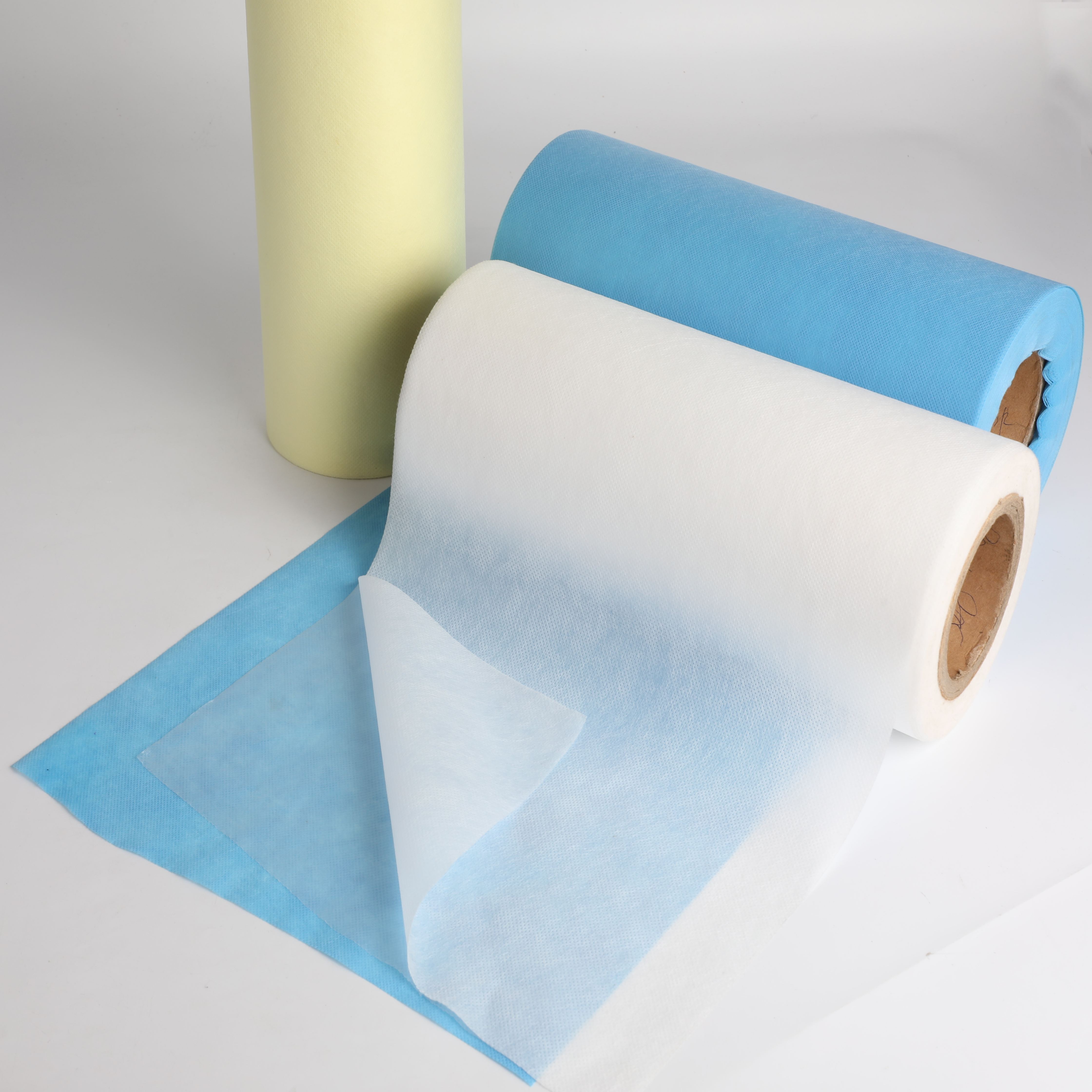 PP Laminates
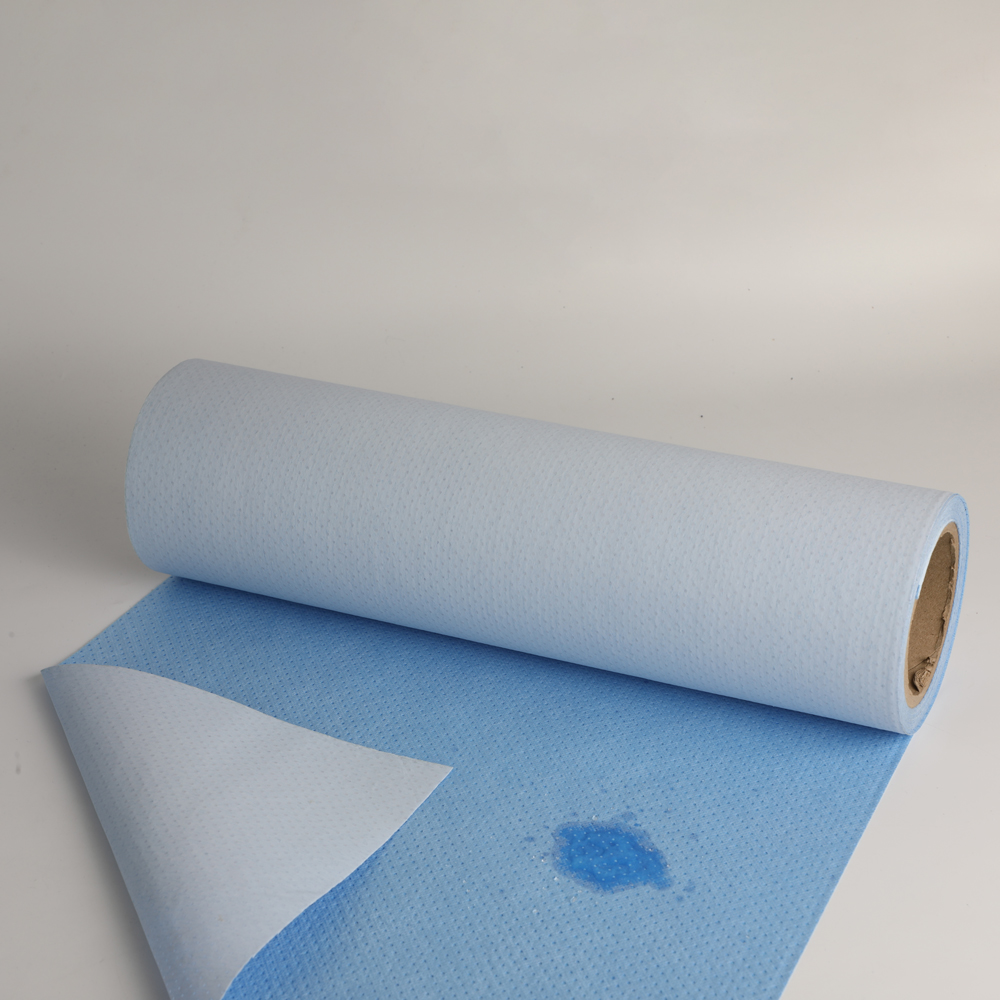 Multi Laminates
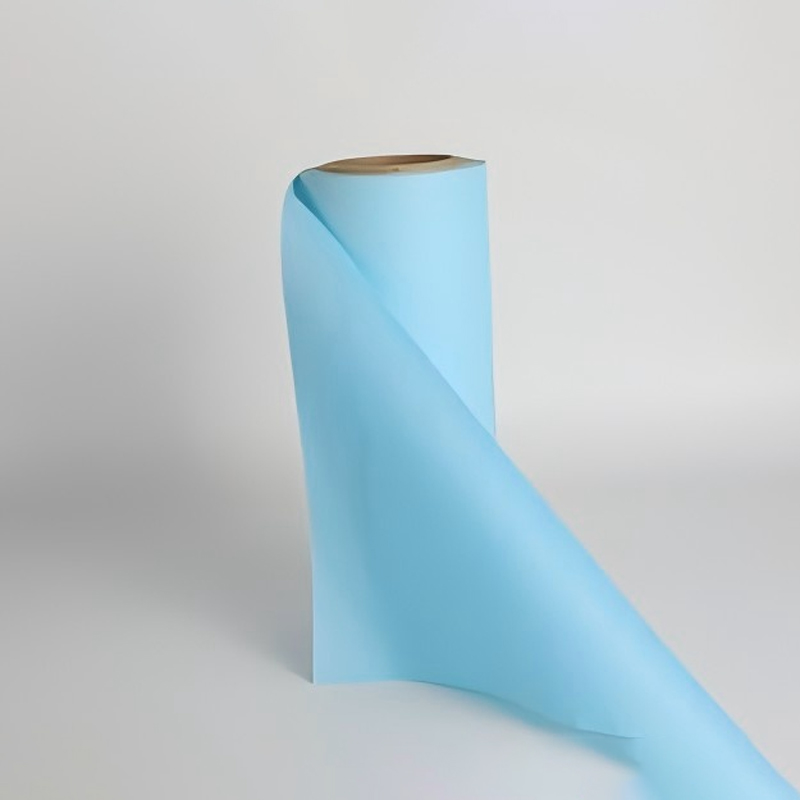 Spunlace Nonwoven Laminates
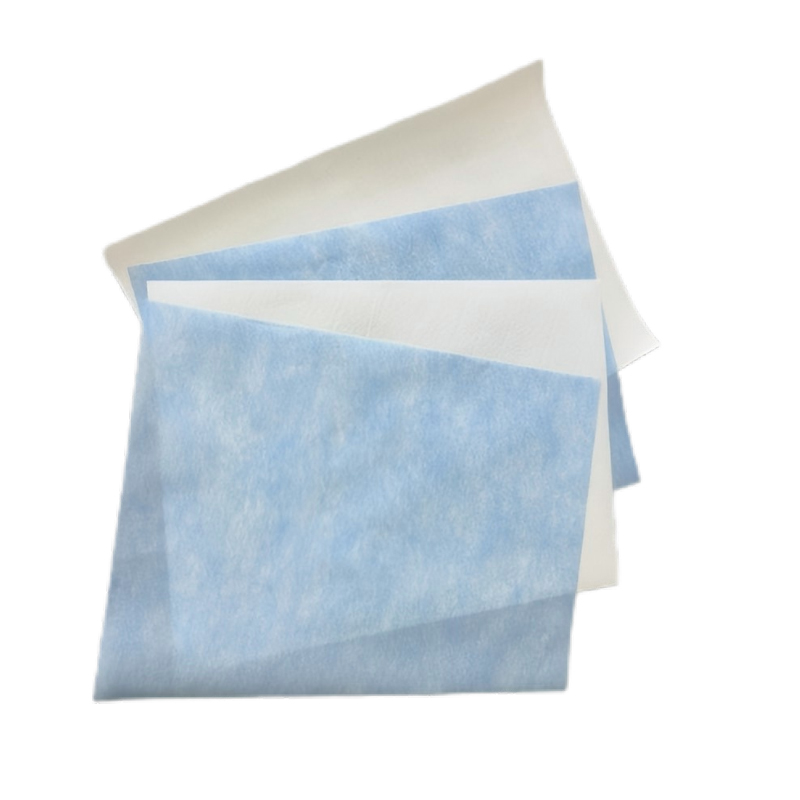 Breathable Film Laminates
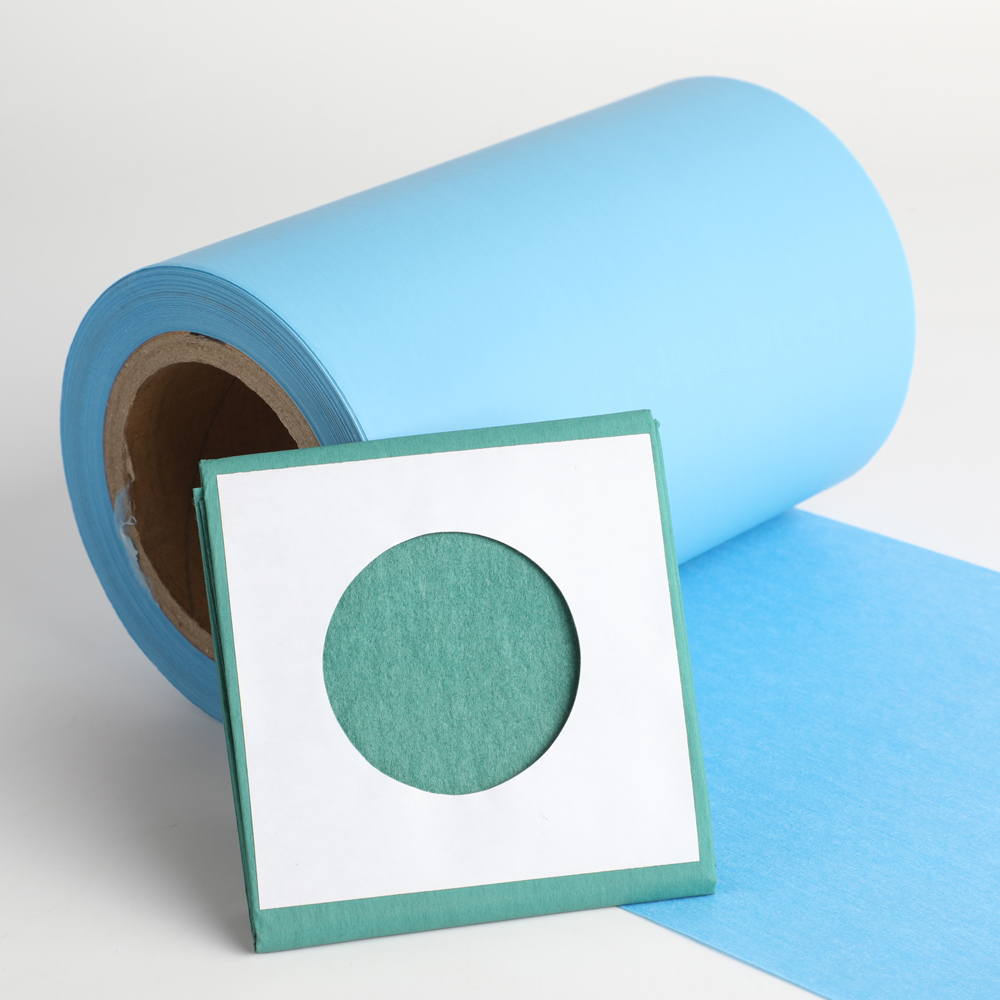 Viscose Laminates
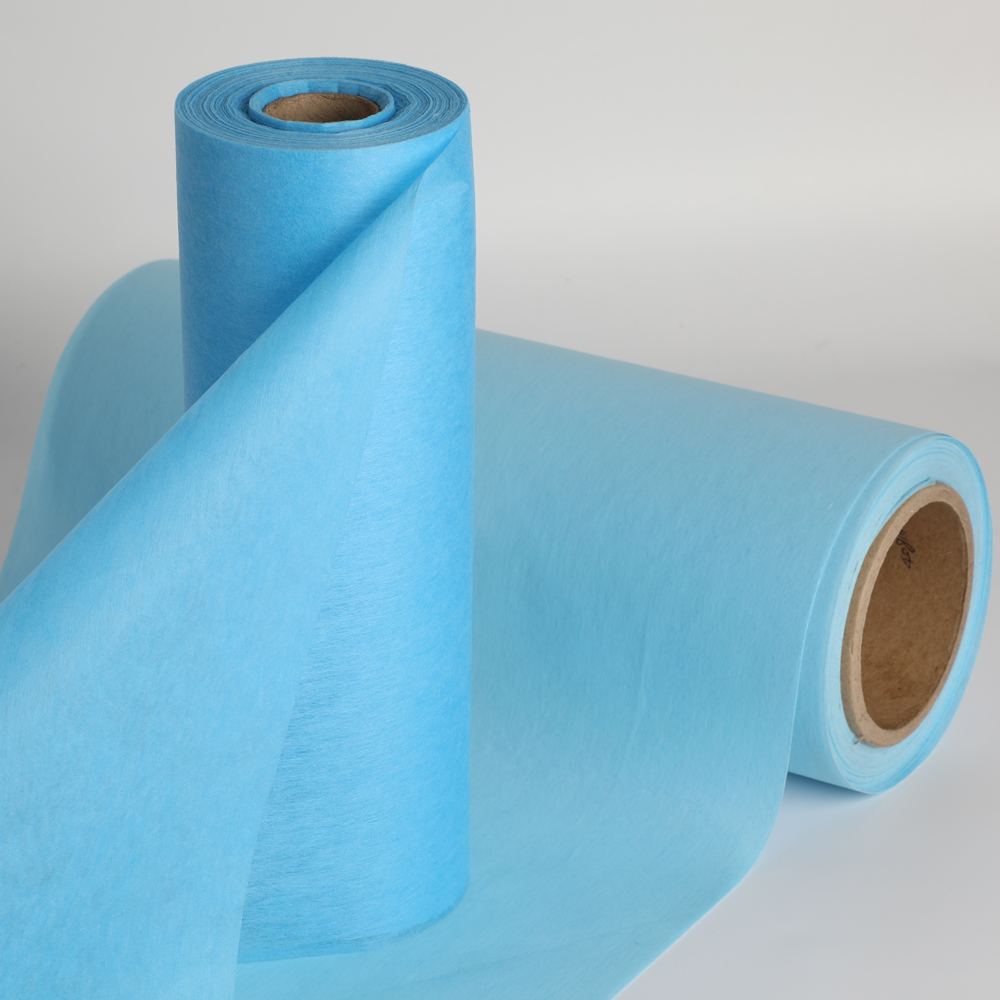 Medical Viscose Nonwoven
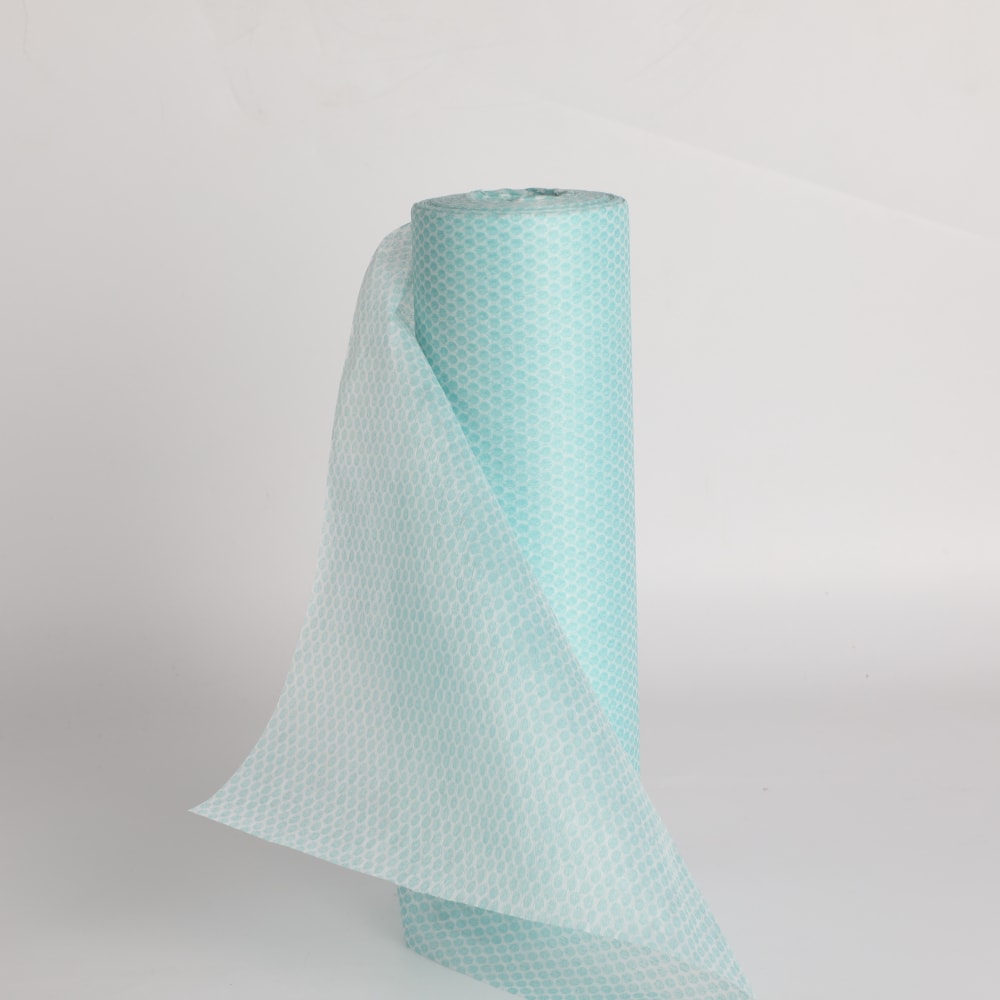 Head Wear Nonwoven
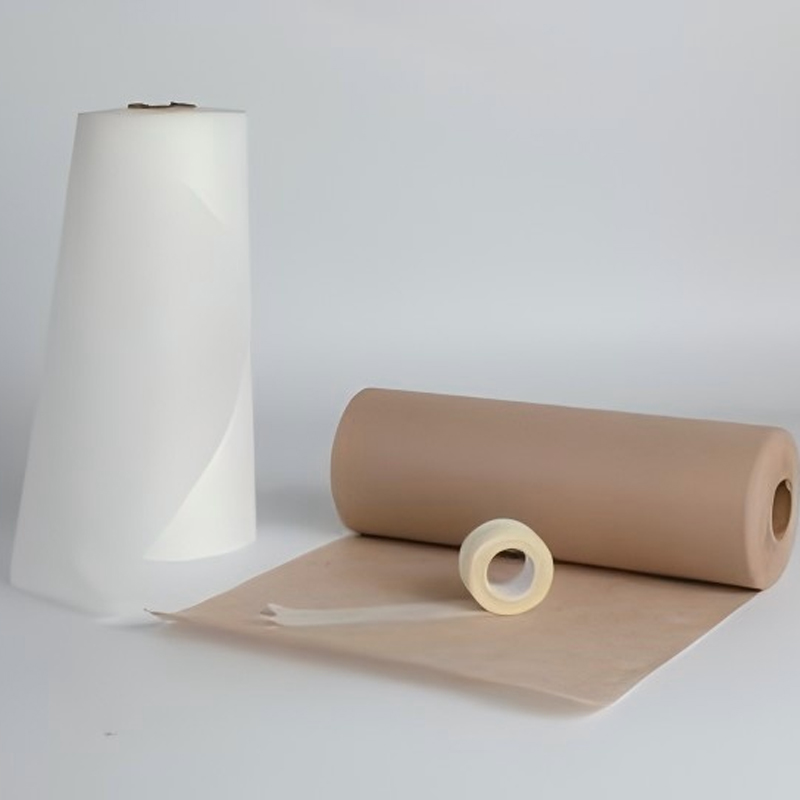 Medical Tape Nonwoven
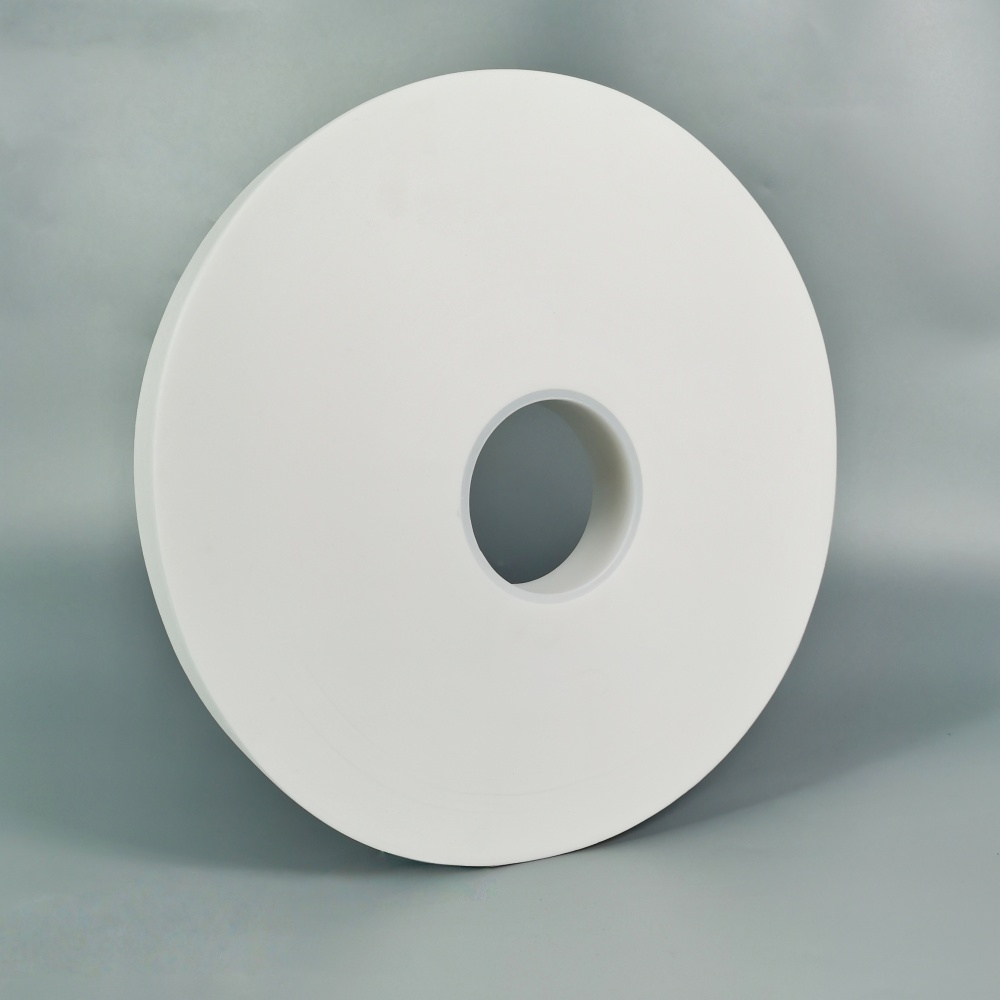 Snus Pouch Nonwoven
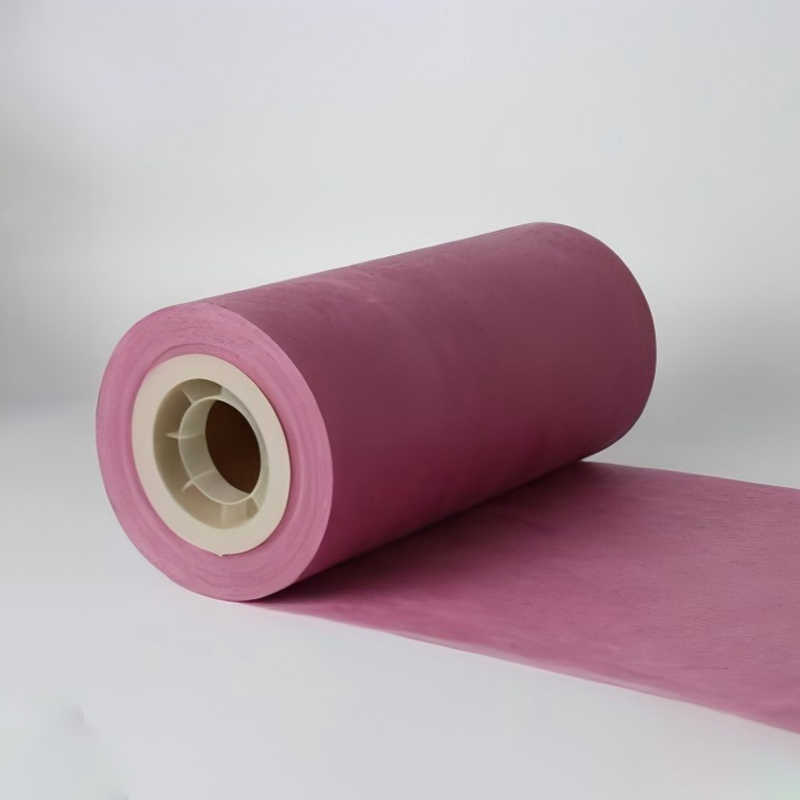 Filtration Nonwoven
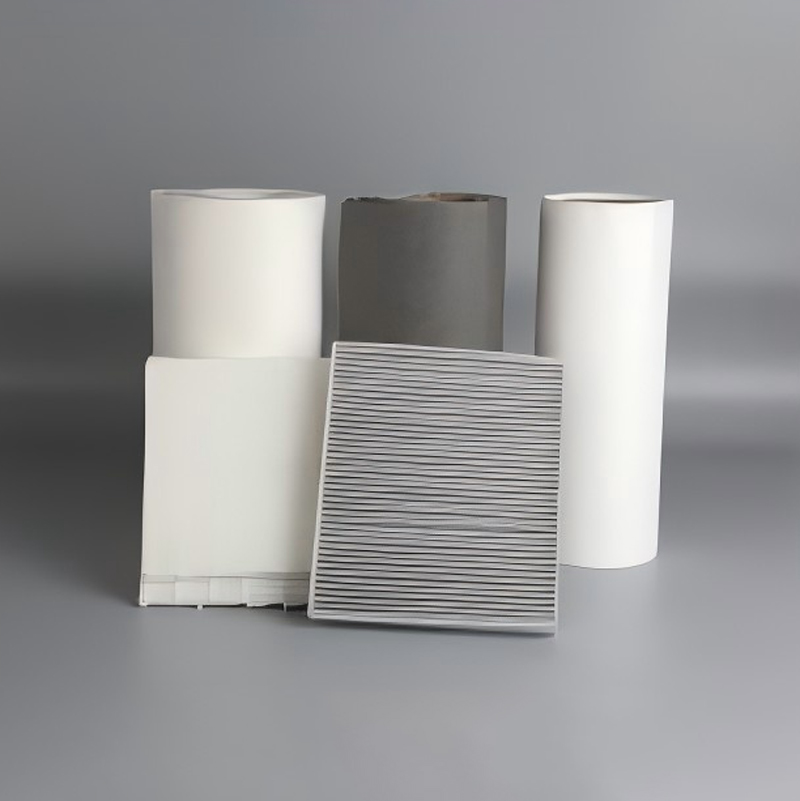 Air Filter Media
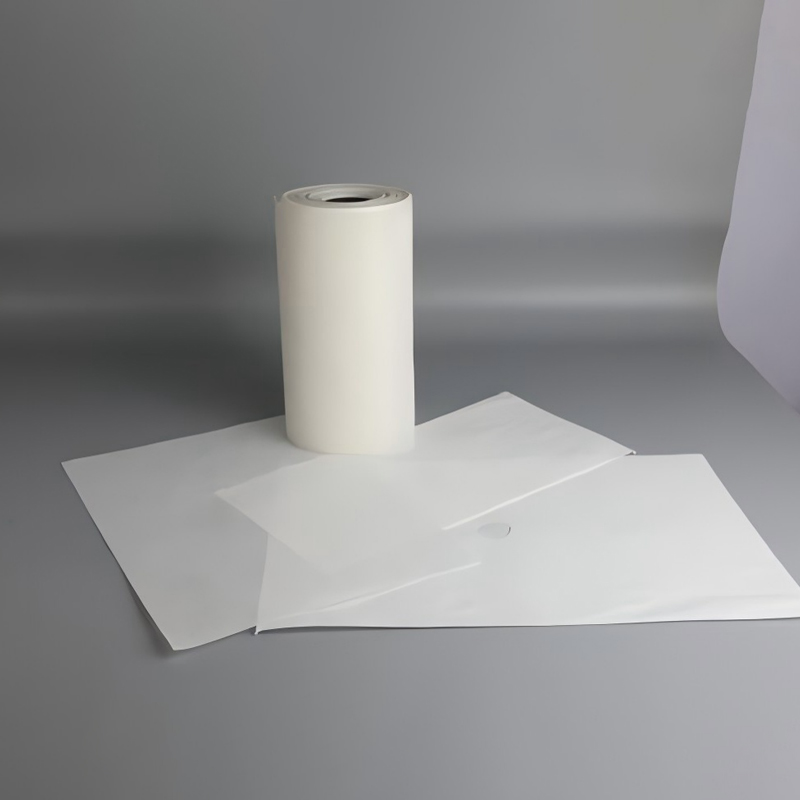 Liquid Filter Media
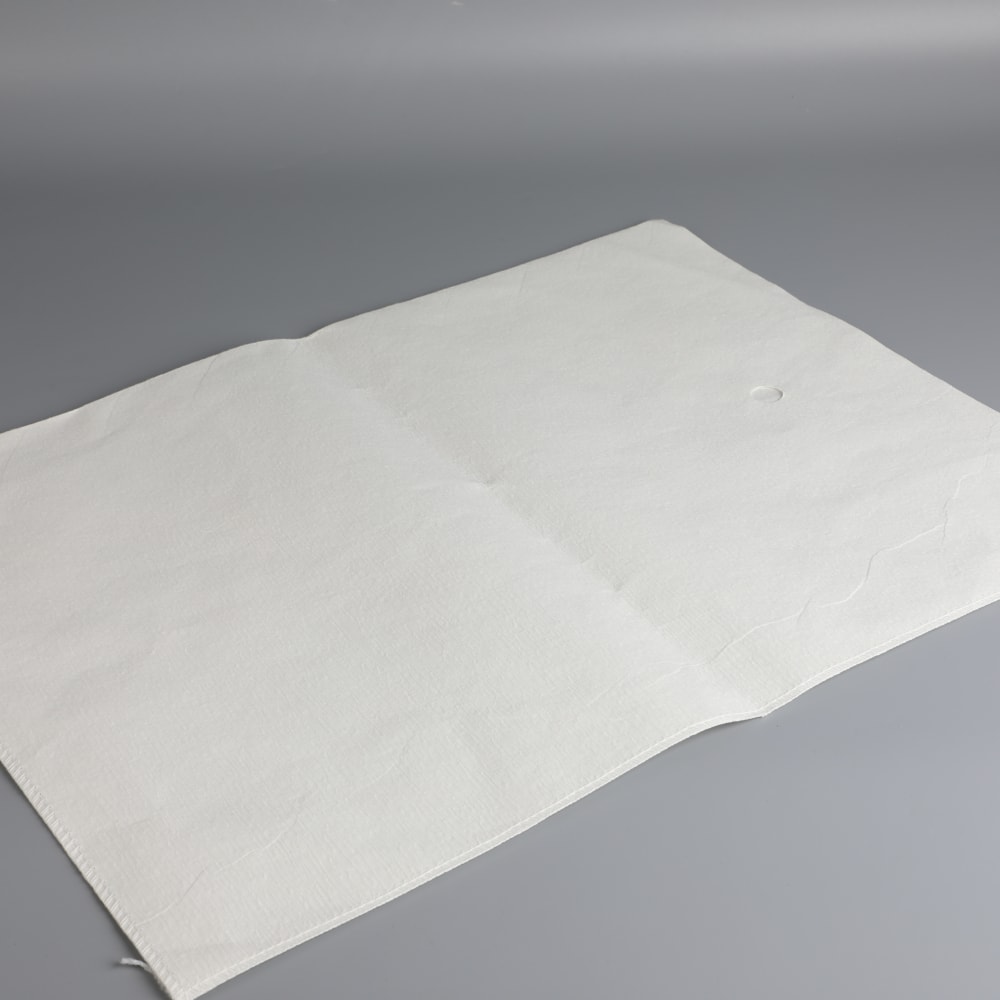 Filter Envelope & Filter Sheet
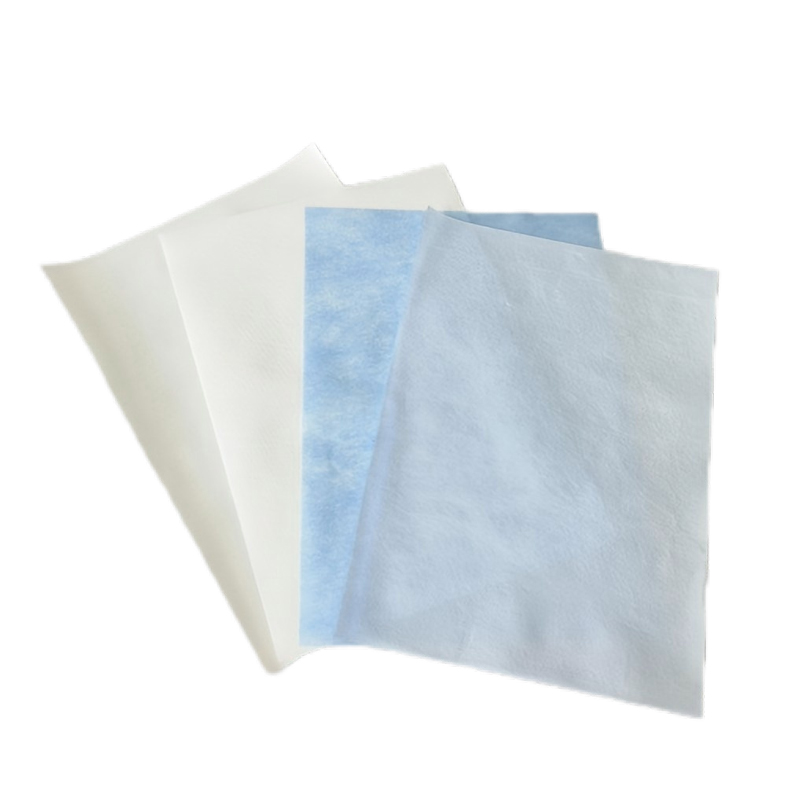 Breathable Film Laminates
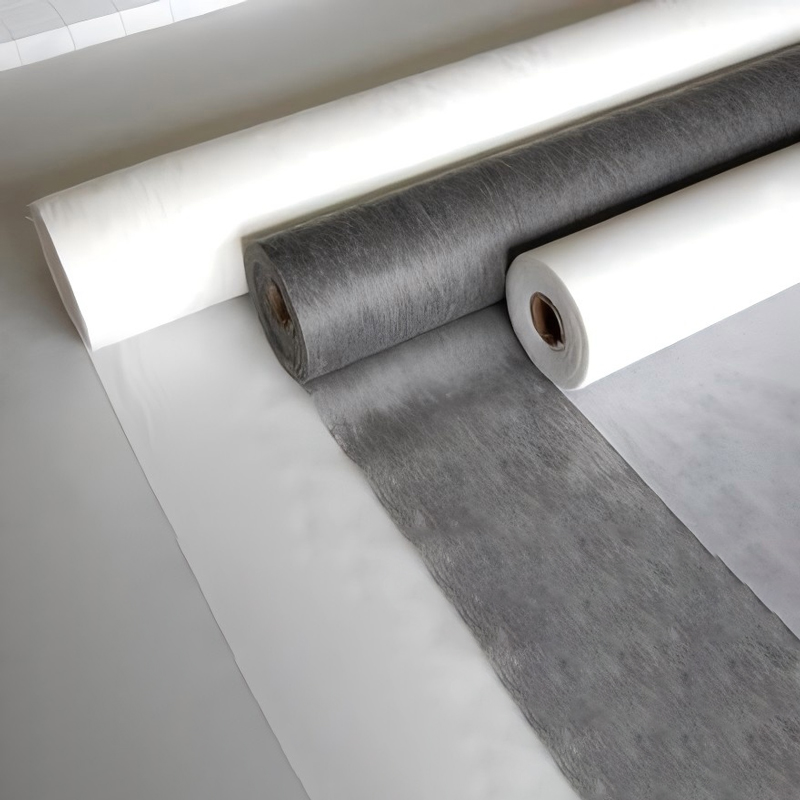 Nonwoven Interlining
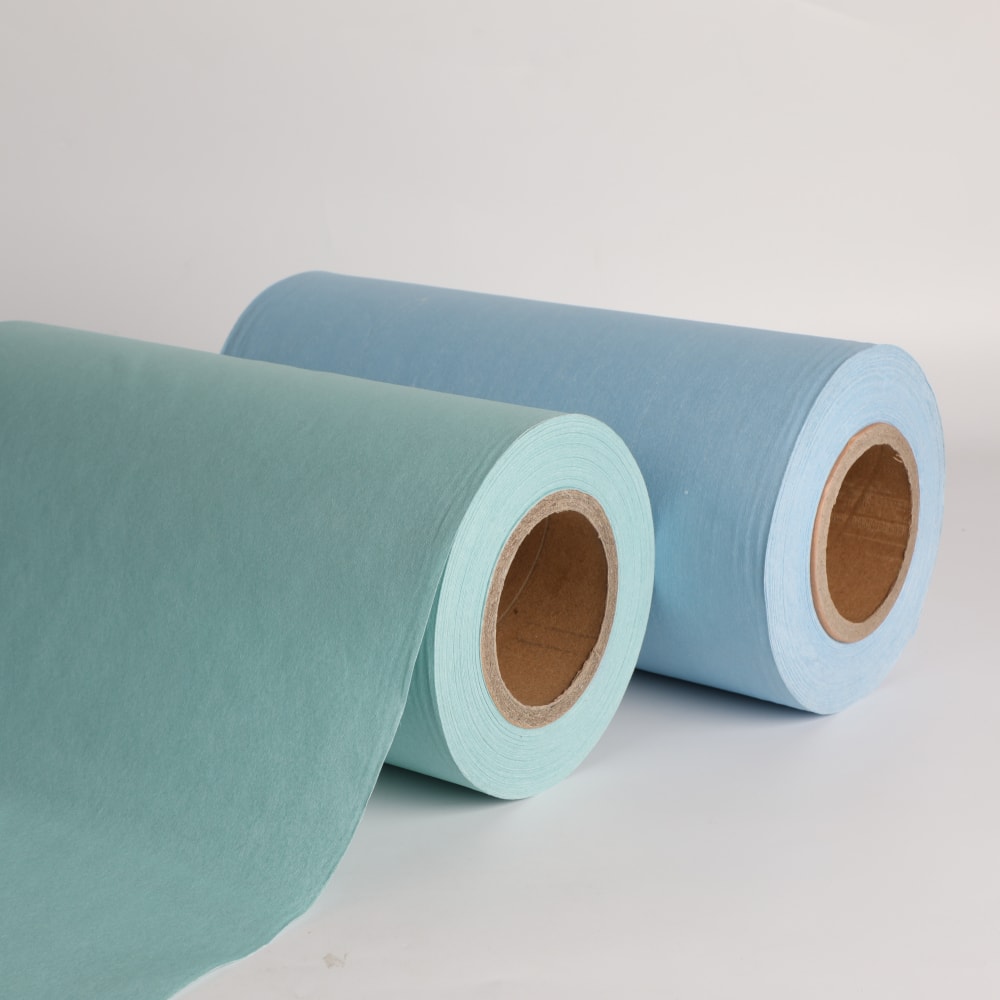 Fluid Repellent Woodpulp Spunlace Nonwoven
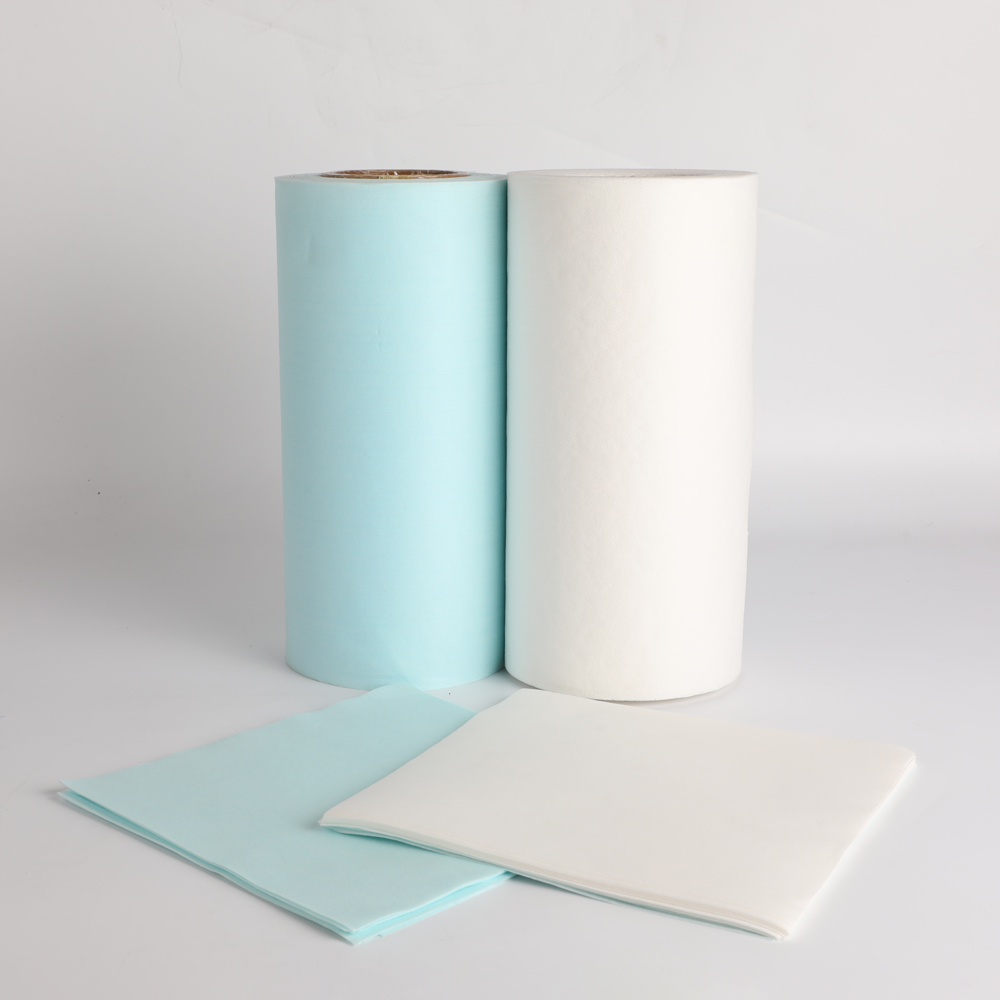 Woodpulp Nonwoven Wipe
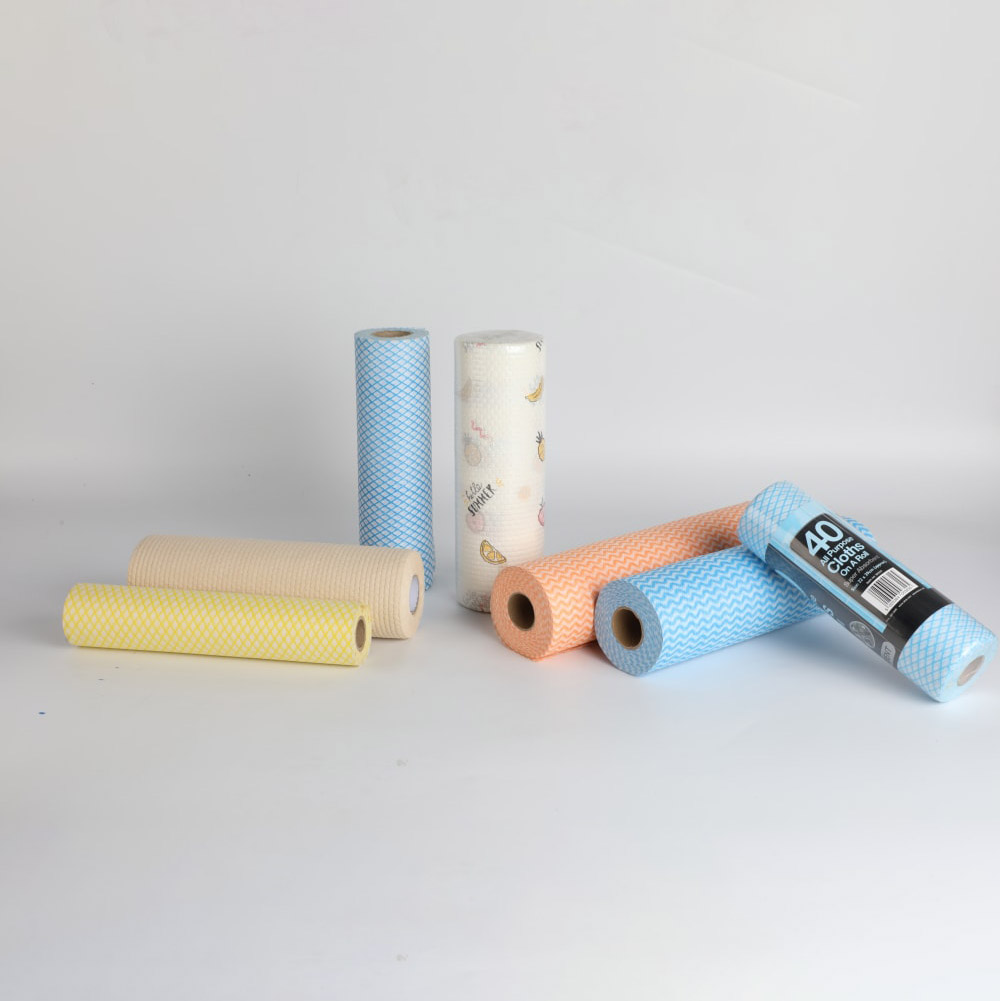 Nonwoven Cleaning Wipe
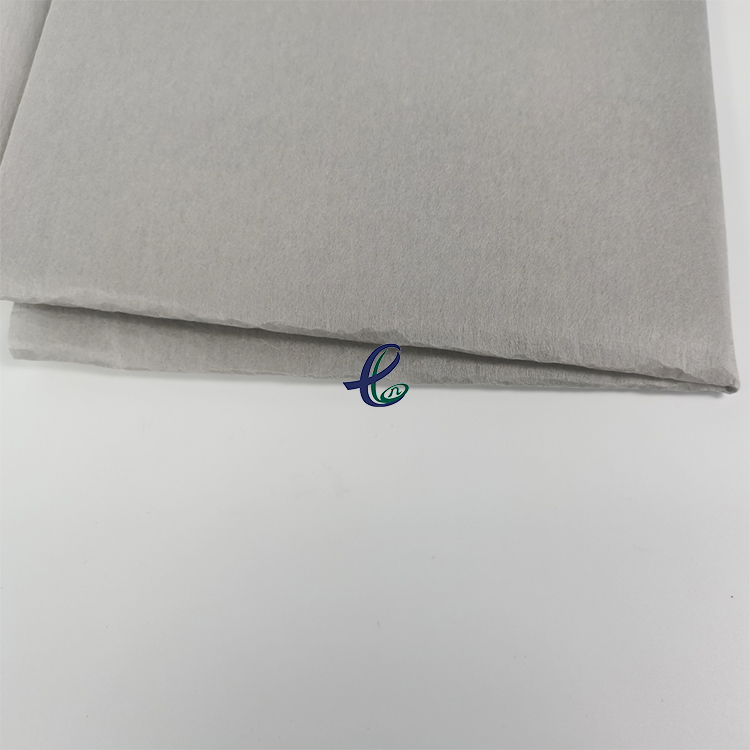 Curtain Nonwoven
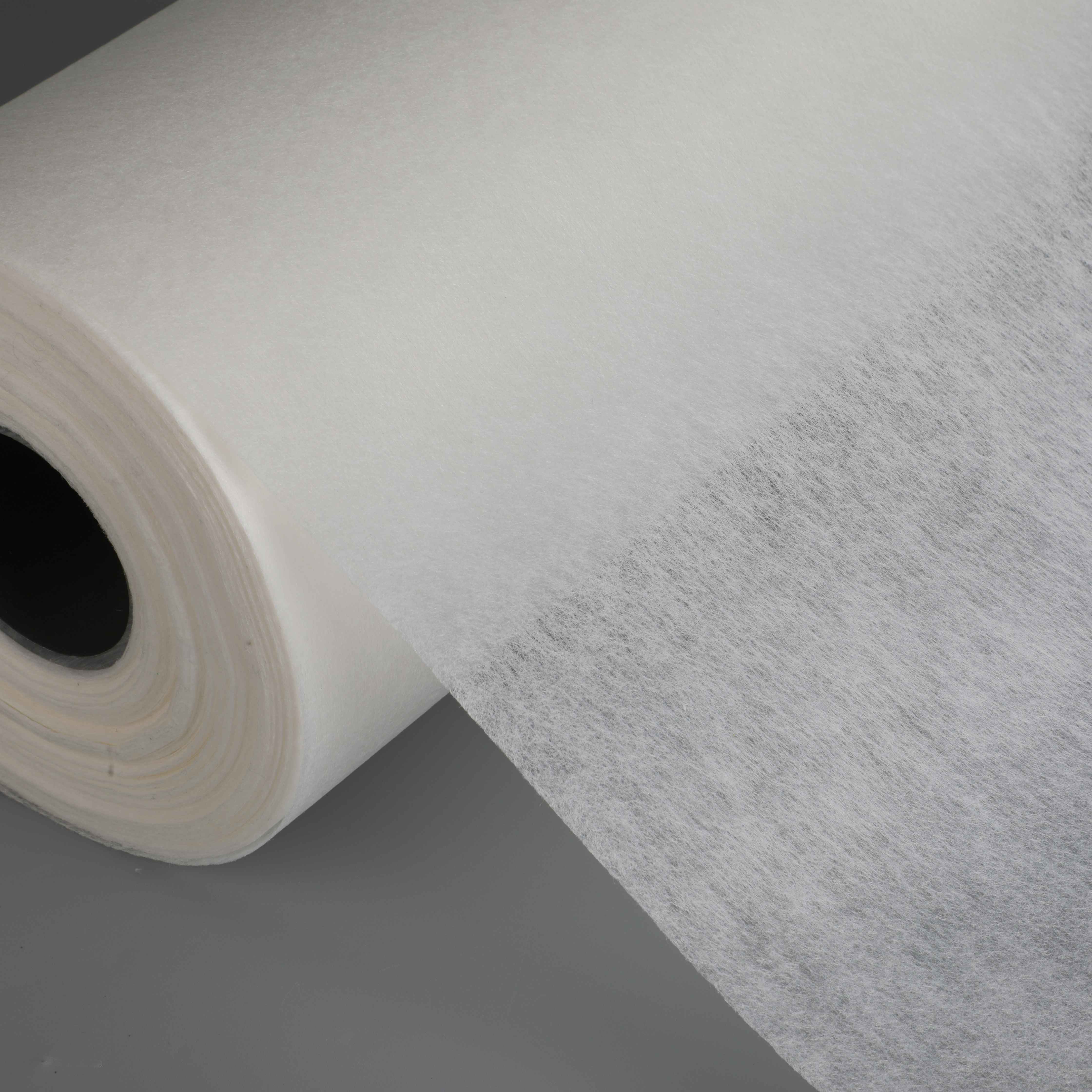 Food Grade Packaging Nonwoven
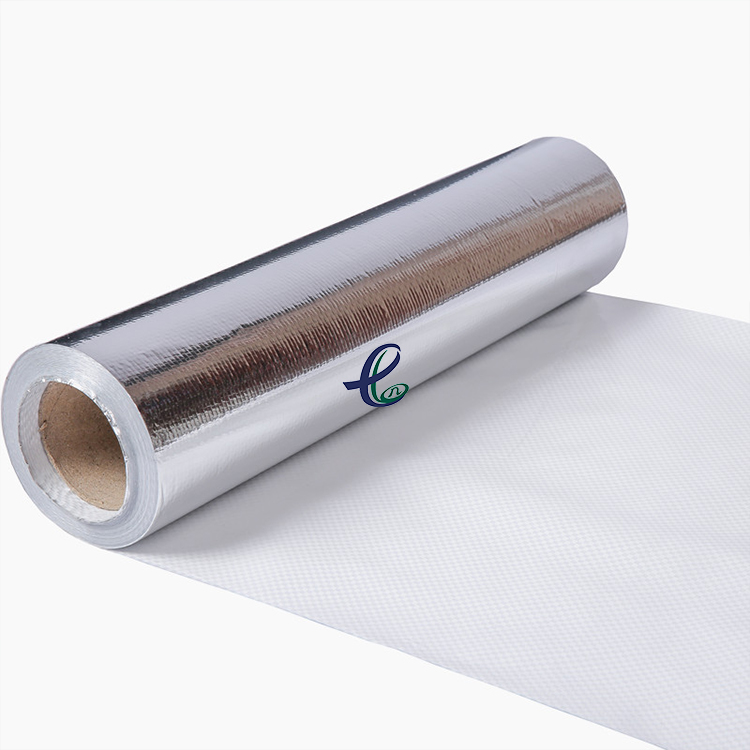 Aluminized Nonwoven
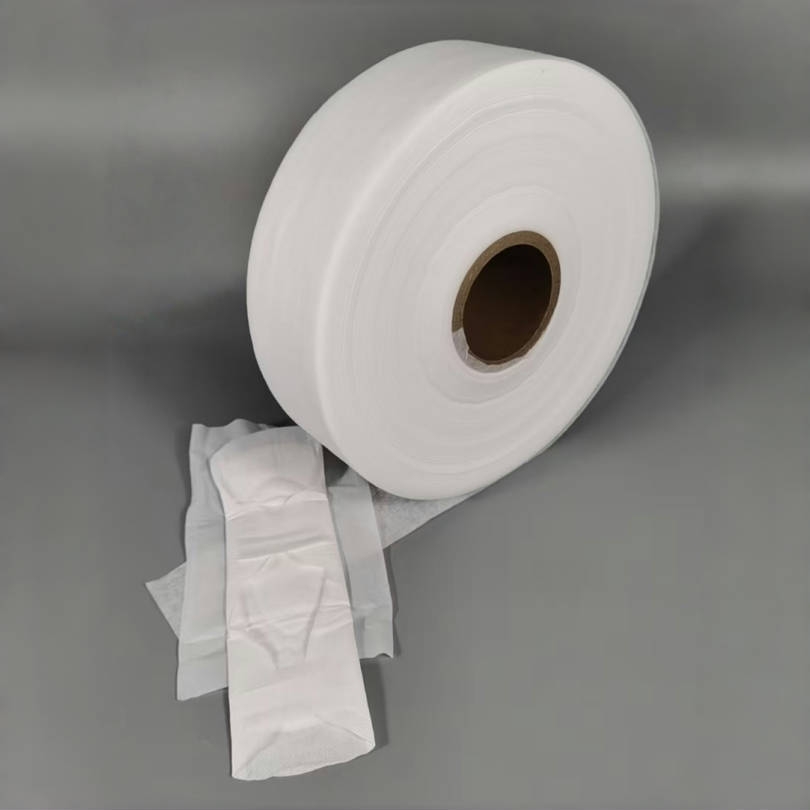 Hot Air Cotton Nonwoven
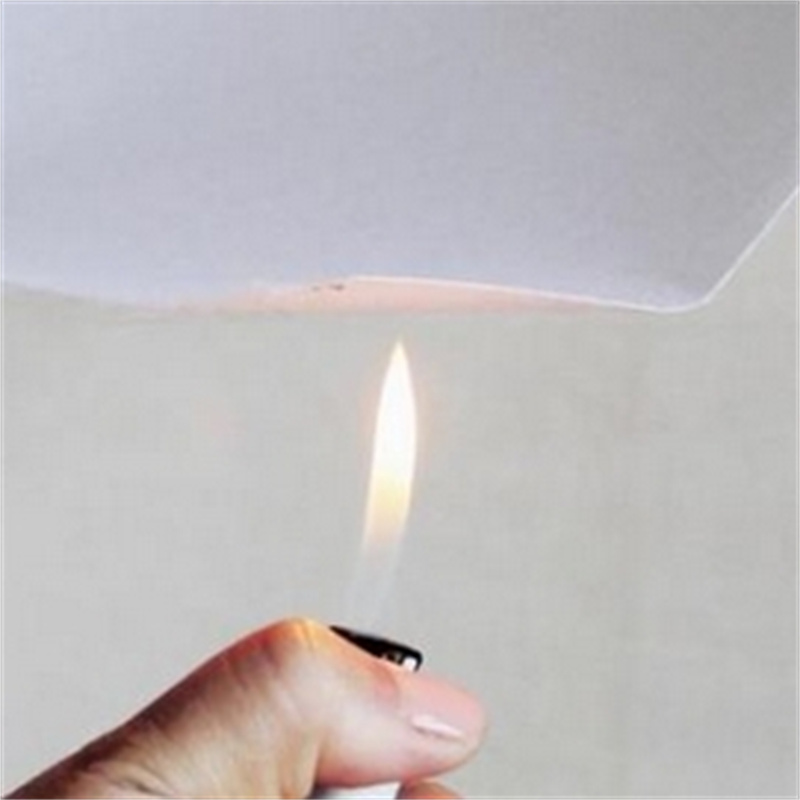 Flame Retardant Nonwoven
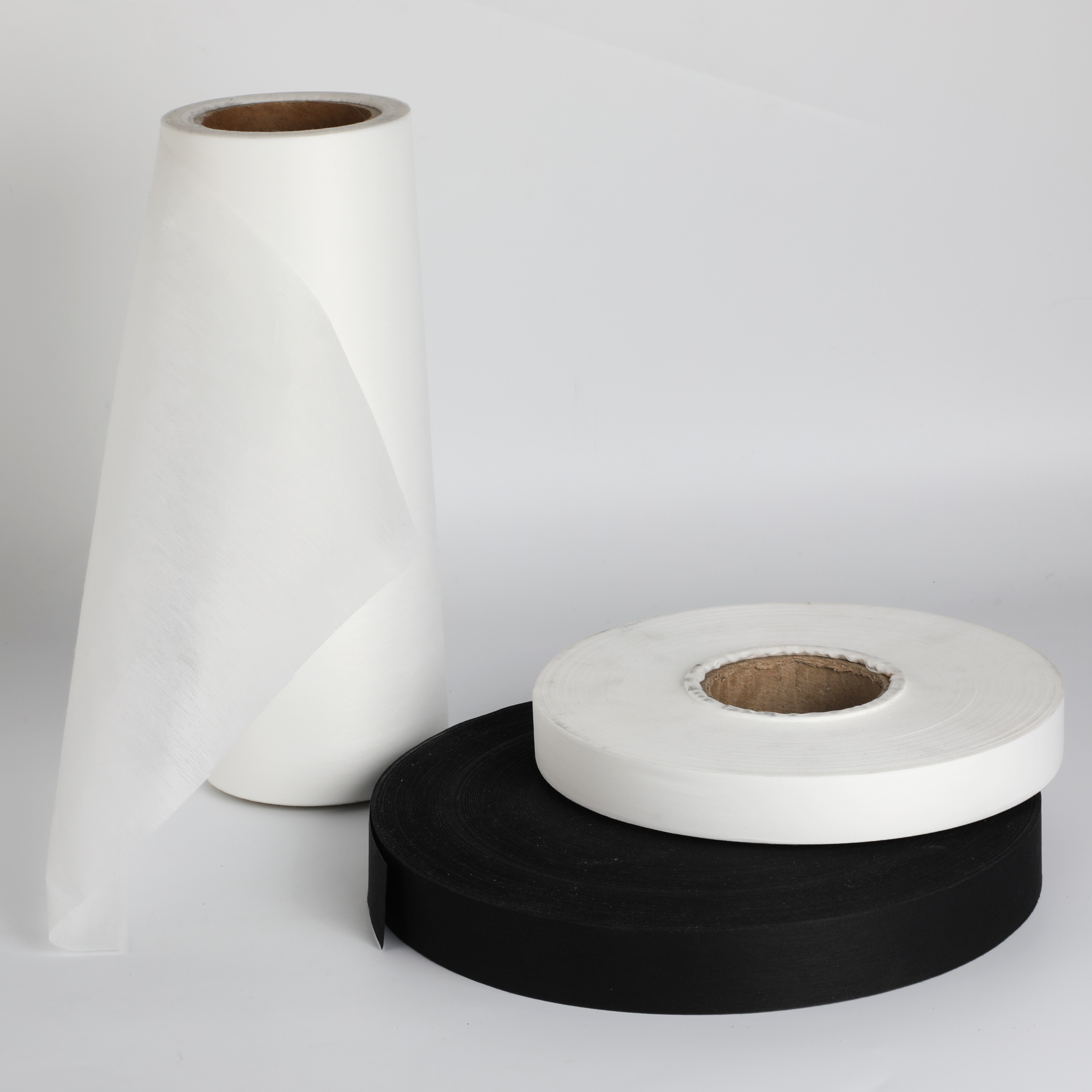 Cable Wrapping Nonwoven
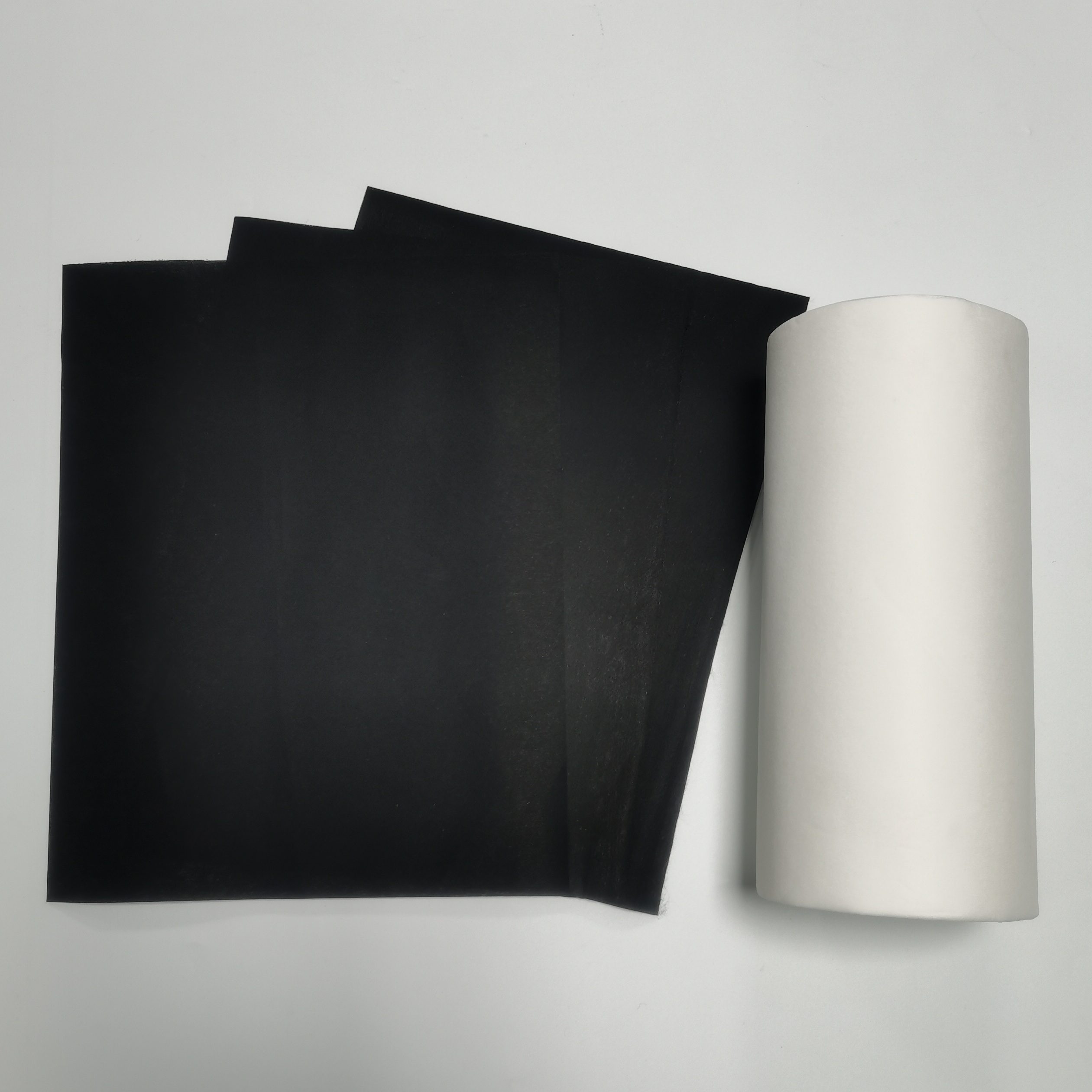 Semi-conductive Nonwoven
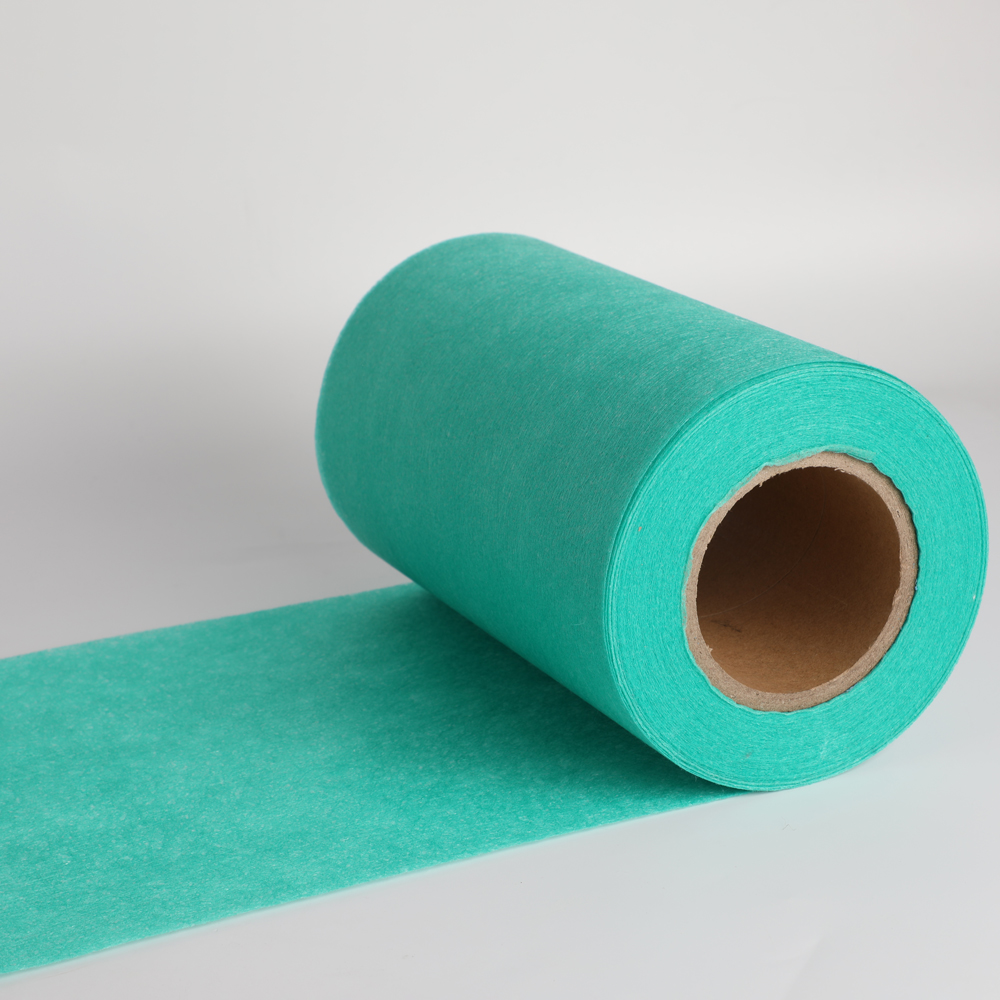 Anti-Bacterial Nonwoven
 +8613957712400
 CONTACT WhatsApp
 CONTACT WeChat
 CONTACT NUMBER
 CONTACT EMAIL