+8613957712400


Choosing the right sanitary wipes can make a small but noticeable difference during travel, after exercise, or on a long workday. This guide to “Sanitary Wipes Women” explains what to check before buying, without treating any product as essential for every woman. Skin sensitivity, personal preference, and the situation all matter. Small details matter.
Start with the label. Look for wipes intended for external intimate use, and read the ingredient list if you have sensitive skin or known allergies. Fragrance-free options may suit some people better, though “gentle” on the package is not a guarantee against irritation. Claims can be distracting. A simple formula and clear directions are more useful than impressive wording. Check the packaging, too: a secure closure helps prevent wipes from drying out in a handbag or gym bag.
The article will also compare portability, texture, moisture, and value, while explaining when wipes may be less suitable. They do not replace regular washing, and they should be used only as directed. Do not flush them unless the label specifically says they are safe for your plumbing system; even then, local guidance may differ. If a wipe causes burning, itching, or a rash, stop using it and seek medical advice if symptoms persist. There is no perfect choice for everyone. Finding the right one may take a little trial and reflection.
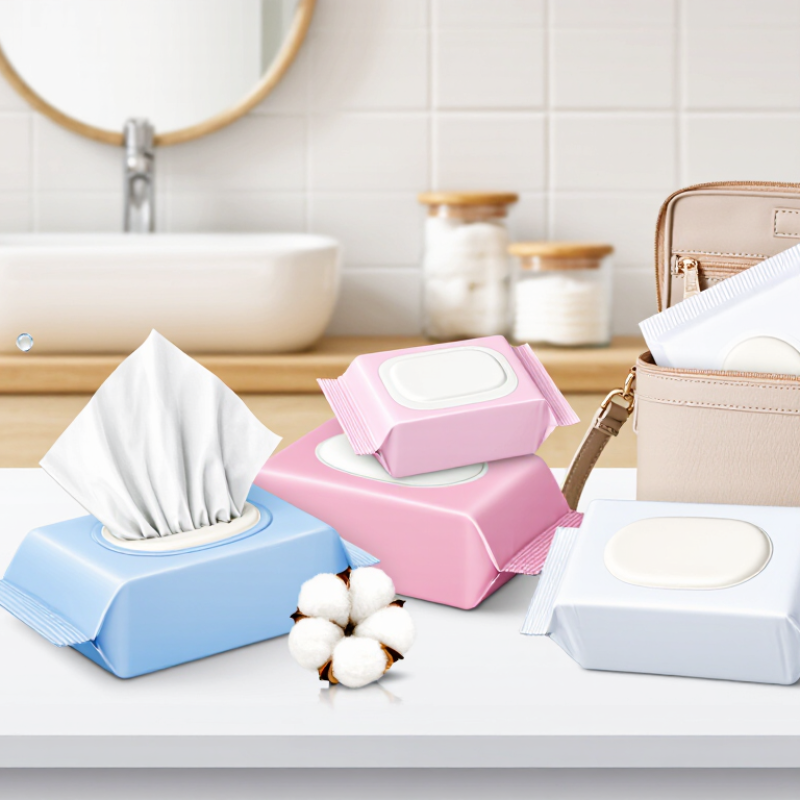
Women’s sanitary wipes are portable, pre-moistened cloths for cleaning the external vulvar area when water is inconvenient, such as after exercise or during travel. They are not meant to clean inside the vagina, which is self-cleaning. Common options include fragrance-free wipes, scented wipes, and general body wipes; ingredients and intended use differ. Labels can confuse. A Grand View Research industry report estimated the global feminine hygiene products market at US$42.87 billion in 2022, but that figure covers many products, not wipes alone. Market size does not show that wipes are necessary or medically beneficial.
For routine care, a soft cloth and water are often enough. If choosing wipes, look for fragrance-free products with a short ingredient list, and stop using them if itching, burning, or redness develops. “Flushable” on a package does not guarantee a wipe will break down like toilet paper; binning it is a cautious choice. The American College of Obstetricians and Gynecologists advises against douching, which supports keeping cleansing external and gentle. Less is often enough. A wipe may feel convenient, but “fresh” is not proof of better hygiene, and even mild products can bother sensitive skin.
How to Choose the Best Sanitary Wipes for Women?
Check the ingredient list, not just the front label. Fragrance, essential oils, and some preservatives can irritate sensitive skin. “Unscented” may still include masking fragrance, so look for “fragrance-free” and verify the ingredients. A North American Contact Dermatitis Group report on patch testing in 2017–2018 found fragrance mix I reactions in 10.3% of tested patients. These were people assessed for suspected contact dermatitis, not a sample of the general population. Still, the finding shows why fragrance deserves attention.
Choose a wipe intended for external vulvar skin, with a short, clearly listed ingredient panel. If you have eczema or a history of reactions, test a small area first and wait a day. Stop using it if you notice burning, itching, or redness; persistent symptoms warrant advice from a healthcare professional. “Natural” is not automatically gentler. I’d be cautious about assuming otherwise.
Tips: Check the label under bright light. Try one wipe on the outer skin first. Avoid wiping inside the vagina, and don’t ignore a mild sting—it may be a useful warning.
| What to Check | What to Look For | Potential Caution | Skin-Compatibility Tip |
|---|---|---|---|
| Intended use | Clear directions for gentle, external use on the vulvar area. | Wipes are not for use inside the vagina and do not replace medical care. | Use only when needed; water and gentle washing are often enough for routine external cleansing. |
| Fragrance | A clearly labeled “fragrance-free” formula is generally a sensible choice for sensitive skin. | Fragrance and scented botanical extracts can trigger irritation or contact allergy in some people. “Unscented” may still include ingredients that mask odor. | If you have had reactions to scented products, compare the ingredient list and choose fragrance-free. |
| Cleansing ingredients | A short, clearly listed formula with water and mild cleansing ingredients may be easier to assess. | Strong cleansers or a formula that leaves a noticeable residue may feel drying or irritating for some users. | Ingredient names alone do not predict everyone’s reaction; personal sensitivity matters. |
| Preservatives | A properly preserved wipe helps prevent microbial growth in a moist product. | Some people can develop sensitivity to particular preservatives, but their presence does not automatically mean a product is unsafe. | If you know you react to a specific ingredient, check the full ingredient list or ask a healthcare professional. |
| Alcohol and cooling agents | Choose a formula that feels comfortable and does not cause stinging or excessive dryness. | Alcohol-based ingredients, menthol, or strong cooling agents may sting or irritate sensitive external skin. | Avoid products that cause burning, stinging, or redness, especially on irritated or broken skin. |
| “pH-balanced” claims | Treat the claim as product information, not proof that a wipe is suitable for everyone. | A pH claim alone does not establish that a product prevents irritation or treats infection. | Prioritize comfort, the full formula, and external-use directions over marketing claims. |
| “Hypoallergenic” claims | Use the ingredient list to check for known personal triggers. | The term does not guarantee that a product will not cause an allergic reaction. | Stop using a wipe if a rash, itching, swelling, or persistent irritation develops. |
| Personal trial | Try one new product at a time and follow the package directions. | Repeated use of a product that causes discomfort can worsen irritation. | For ongoing itching, pain, unusual discharge, or odor, seek medical advice rather than relying on wipes. |
General guidance: individual sensitivities vary. Use wipes externally only and discontinue use if irritation occurs.
A good sanitary wipe should feel soft when damp, yet stay intact during use. Compare the fiber label: cellulose-based materials may reduce reliance on plastic, but “plant-based” does not automatically mean home-compostable or sewer-safe. Not always. If your skin is easily irritated, a fragrance-free option may be worth testing; stop using it if discomfort develops. Packaging matters, too. A resealable lid can help keep wipes moist, while a smaller pack may suit a handbag. Check whether the wrapper is accepted by your local recycling program before treating it as recyclable.
Disposal claims deserve a careful read. Water UK’s 2017 blockage research attributed 93% of sewer blockages to wet wipes, a reminder that “flushable” wording is not a guarantee for every plumbing system. Put used wipes in household waste unless local wastewater guidance says otherwise.
Small detail.
For packaging context, the OECD’s Global Plastics Outlook (2022) estimated that only 9% of plastic waste was ultimately recycled worldwide in 2019. That figure covers plastic waste broadly, not wipe packets alone. Still, it supports choosing less packaging where practical and checking local collection rules. Labels can be confusing; I would not assume a wipe or wrapper breaks down simply because it feels thin.
Choosing wipes for your needs, budget, and daily routine starts with where and how often you will use them. For occasional freshness after exercise or travel, a small resealable pack may be enough. If your skin is sensitive, choose fragrance-free, alcohol-free wipes and check the ingredient list. Use them on external skin only; the vagina cleans itself. A wipe should feel gentle, not sting or leave a strong scent.
Budget matters, but compare cost per wipe rather than pack price alone. Individually wrapped wipes can be convenient in a handbag, while larger packs may suit home use. Grand View Research estimated the global feminine hygiene products market at $42.7 billion in 2023, with projected growth through 2030. This broad category includes many products, so the figure does not show wipe-specific prices or quality. A low price does not automatically mean poor quality, but packaging claims are not proof of suitability. Personal reactions vary, and that deserves attention.
Tips: Test one wipe on a small external area before regular use. Stop if irritation occurs, and dispose of used wipes in a bin, not the toilet. Keep it simple.
Feminine wipes are for the external vulva only, not inside the vagina. The vagina cleans itself; wiping internally can disturb its natural balance. ACOG’s guidance recommends gentle external washing and avoiding irritating products. If you use a wipe, choose a fragrance-free option and make one gentle pass from front to back. Don’t scrub. Even products labeled “unscented” may irritate sensitive skin, so stop if you notice burning, redness, or itching. Fresh scent is not proof of better hygiene.
Wipes can cover up symptoms without treating their cause. A CDC-supported analysis of U.S. NHANES data found bacterial vaginosis in 29.2% of women aged 14–49 in 2001–2004; that older estimate describes prevalence, not a risk caused by wipes. Persistent unusual odor, discharge, itching, or pain deserves medical advice rather than another wipe. One detail is easy to miss: irritation may come from repeated wiping, not just an ingredient. When traveling, a clean, damp, soft cloth and water may be enough. This is not perfect advice for everyone; skin sensitivities differ, and symptoms matter more than a feeling of freshness.
Using Feminine Wipes Safely and Knowing When to Avoid Them
What this means for wipes: Vaginal pH is not a score for choosing a wipe. The vagina is self-cleaning; if you use a wipe, use it gently on the external vulva only. Choose fragrance-free products, avoid inserting wipes, and stop using them if you notice irritation. Water alone is also a suitable option for external cleansing.
Reference: Cleveland Clinic: Vaginal pH Balance · ACOG: Vulvovaginal Health