2026 How to Choose the Best Hygiene Wipes for Your Needs?
Choosing the right hygiene wipes is crucial for maintaining cleanliness and health. Hygiene wipes come in various types, catering to different needs. They are essential for parents, travelers, and anyone seeking convenient sanitation.
Understanding your requirements helps narrow down options. Some hygiene wipes are specifically designed for hands, while others target surfaces. Ingredients matter too; unscented and hypoallergenic wipes may be preferable for sensitive skin. Additionally, consider the packaging—easy-to-open and resealable packs are more user-friendly.
It’s important to acknowledge that not all products perform the same. Sometimes, a well-known brand may disappoint. User reviews can be revealing, exposing flaws that marketing may overlook. Balancing convenience with effectiveness creates a thoughtful approach to selecting hygiene wipes.
Understanding the Different Types of Hygiene Wipes Available
Hygiene wipes come in various types, and selecting the right one can be challenging. Understanding the specific types available can make this process easier. Each type is designed for specific purposes, catering to different needs. For instance, antibacterial wipes are effective against germs and are great for surfaces or hands. Yet, they might contain chemicals that not everyone prefers.
Moist towelettes are another option. These wipes are gentle on the skin and can be used for personal hygiene. Many people find them soothing, especially for travel or outdoor activities. However, some towelettes may not be biodegradable, raising environmental concerns.
Tips for choosing the right wipes include checking the ingredients. Look for products that are alcohol-free and hypoallergenic if you have sensitive skin. Always consider the packaging; resealable packs keep wipes moist longer. Read reviews to understand the experience of other users. Balancing convenience and safety is crucial. Evaluate your specific needs and don’t hesitate to experiment with different types until you find the perfect match.
Identifying Your Specific Hygiene Needs and Preferences
When selecting hygiene wipes, it’s essential to understand your specific needs. Consider the environments in which you will use them. For instance, outdoor activities may require stronger, more durable wipes. In contrast, wipes for home use might focus on gentleness and skin hydration. Identifying these factors can significantly influence your choice.
Personal preferences also play a crucial role. Fragrance-free or hypoallergenic options are vital for sensitive skin. You might prefer wipes with natural ingredients if you are eco-conscious. Think about the texture and size of the wipes as well. A thicker wipe can provide more effective cleaning, while a smaller size may be more portable.
Reflecting on your routines can help refine your choices. Are the wipes meant for quick clean-ups or are they part of your daily hygiene practice? Sometimes, trial and error is needed to find what truly works best. It’s common to feel overwhelmed by options. Take the time to research and test different types to discover which suits your lifestyle. Your hygiene should not compromise on comfort or efficacy.
Evaluating Ingredients and Safety Features in Hygiene Wipes
When choosing hygiene wipes, understanding the ingredients is crucial. Many products contain alcohol, fragrances, and preservatives. Studies show that about 30% of consumers report skin irritation from these additives. It’s essential to read ingredient labels carefully.
Look for wipes that highlight natural or hypoallergenic ingredients. According to research, wipes without synthetic fragrances are less likely to cause allergic reactions. Additionally, consider wipes that are free from parabens and sulfates. These can reduce the risk of harmful effects over time.
Safety features are just as important. Ensure the wipes have undergone rigorous testing for efficacy. Dermatologist endorsements can also enhance credibility. Various reports indicate that properly conducted tests can reduce bacterial presence by over 99%. However, not all wipes are tested equally, leading to inconsistencies. Reflect on your needs and choose accordingly.
Considering Environmental Impact and Sustainability of Wipes
When selecting hygiene wipes, consider their environmental impact. Many wipes are made from synthetic materials that do not break down. This contributes to landfill waste, affecting ecosystems. Opting for biodegradable wipes can help mitigate this issue, but not all biodegradable options are created equal. Some may break down only in industrial composting facilities.
Sustainability is another important factor. Look for wipes produced with minimal resources and renewable materials. Certifications like FSC or organic can indicate better environmental practices. Packaging also matters; recyclable packaging reduces overall waste. Another point to ponder is the balance between convenience and environmental responsibility. While disposable wipes offer ease, reusables can be washed and reused, forming a sustainable loop.
Think carefully about your daily habits. It’s easy to grab a pack without considering the impact. Educate yourself about the materials and processes behind hygiene wipes. Small changes can make a significant difference. Reflect on what you choose to buy and its long-term effects on our planet.
2026 How to Choose the Best Hygiene Wipes for Your Needs? - Considering Environmental Impact and Sustainability of Wipes
| Wipe Type |
Material Composition |
Biodegradability |
Sustainability Rating |
Price Range (per pack) |
| Non-Woven Fabric Wipes |
Polyester/Viscose Blend |
Not Biodegradable |
C |
$5 - $15 |
| Cotton Wipes |
100% Organic Cotton |
100% Biodegradable |
A+ |
$10 - $20 |
| Bamboo Wipes |
100% Bamboo Fibers |
100% Biodegradable |
A+ |
$8 - $18 |
| Plant-Based Wipes |
Plant Cellulose |
70% Biodegradable |
B+ |
$6 - $12 |
| Synthetic Wipes |
Polypropylene |
Not Biodegradable |
D |
$4 - $10 |
Analyzing Brand Reputation and Customer Reviews for Hygiene Wipes
When selecting hygiene wipes, brand reputation plays a vital role. Many consumers rely heavily on reviews from others. According to surveys, 88% of customers trust online reviews as much as personal recommendations. This highlights the importance of analyzing what others say before making a purchase.
Customer feedback often reveals useful insights. For instance, some consumers report irritation from wipes with certain chemicals. An overwhelming 60% of users prefer wipes labeled "hypoallergenic." This preference indicates a significant concern over sensitive skin. Quality assessment through online platforms can guide users towards safer options.
However, not all feedback is constructive. Some reviews may stem from isolated experiences. Users sometimes overlook instructions, leading to poor evaluations. A balanced look at reviews, weighing both positive and negative, is crucial. Industry reports emphasize the importance of consistent quality across batches. Therefore, taking the time to read multiple reviews is essential for informed decisions.

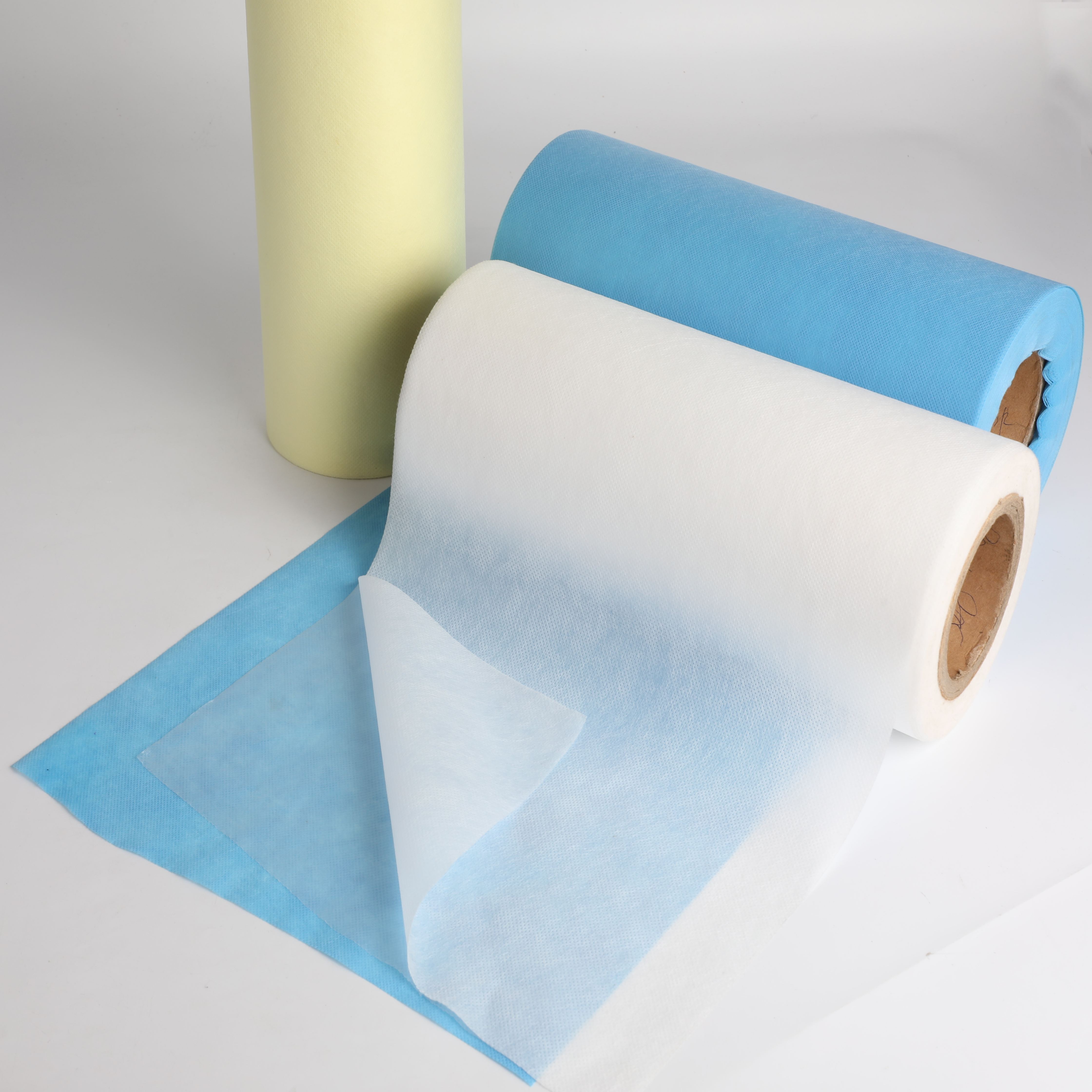 PP Laminates
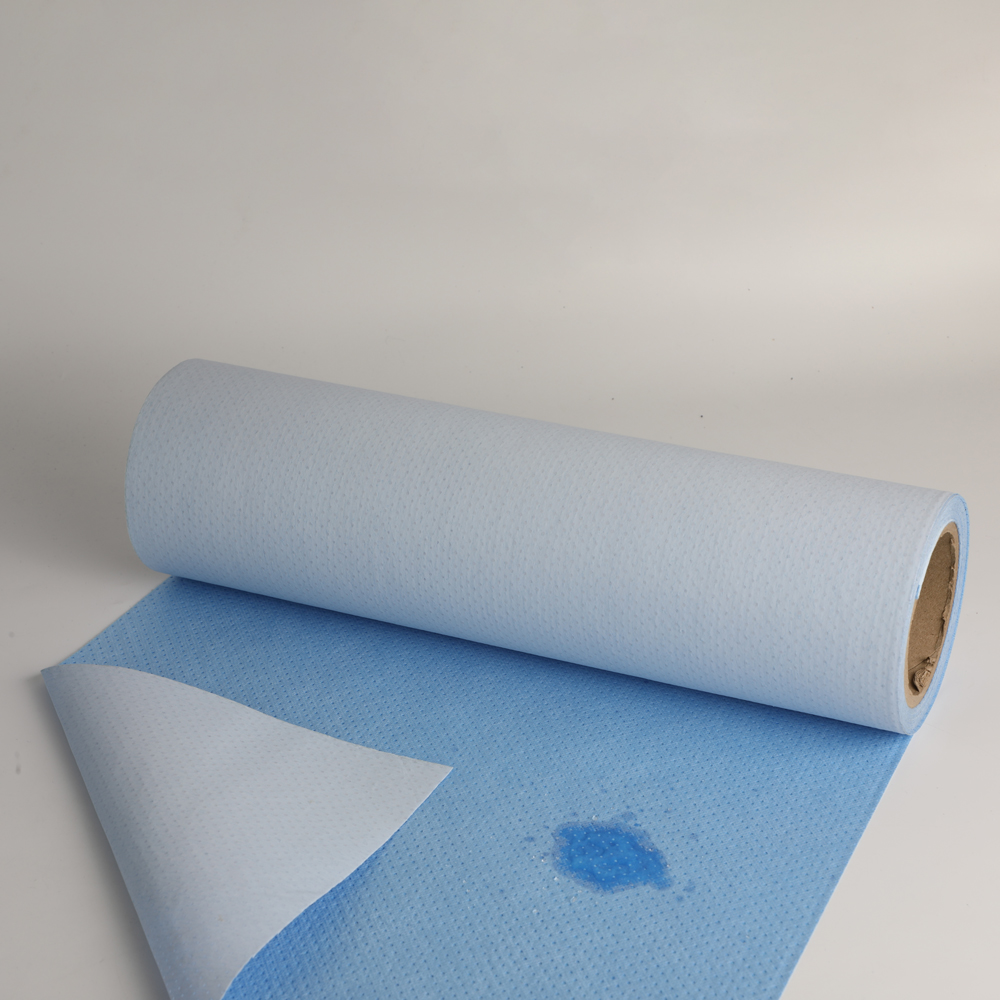 Multi Laminates
 Spunlace Nonwoven Laminates
 Breathable Film Laminates
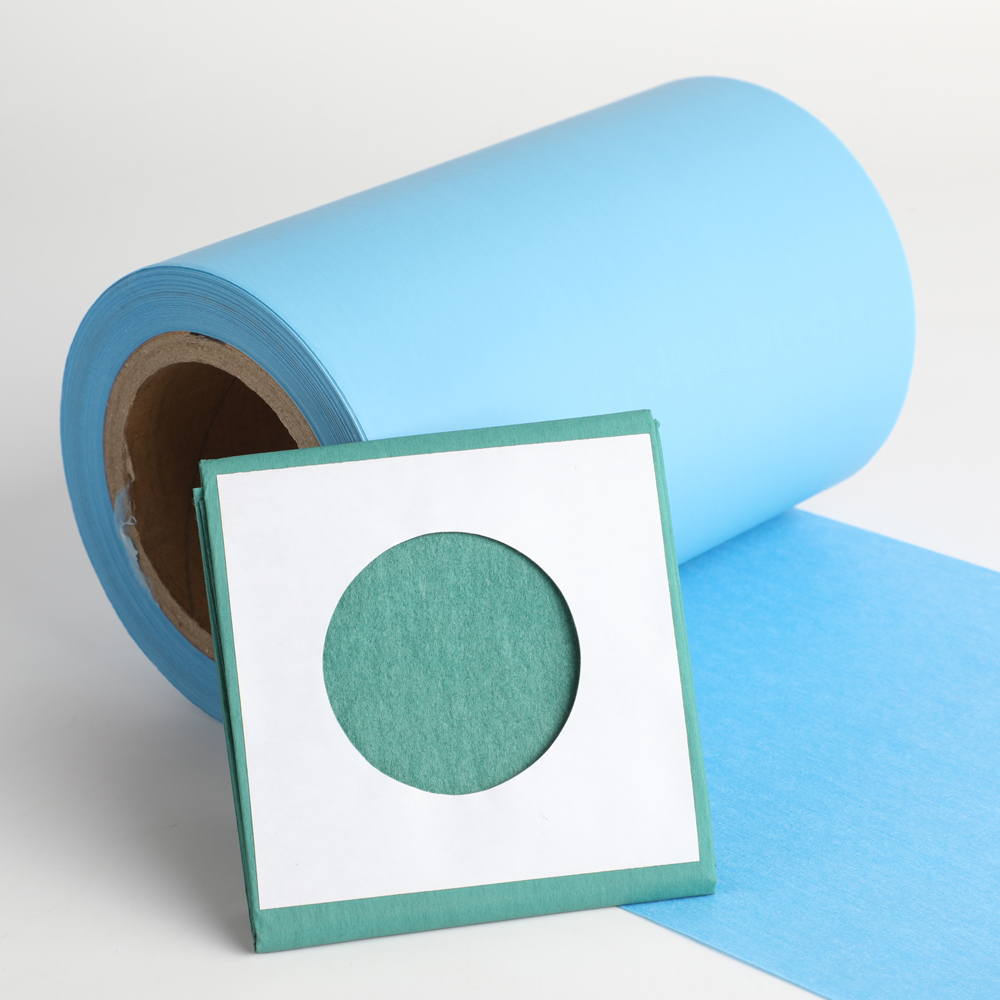 Viscose Laminates
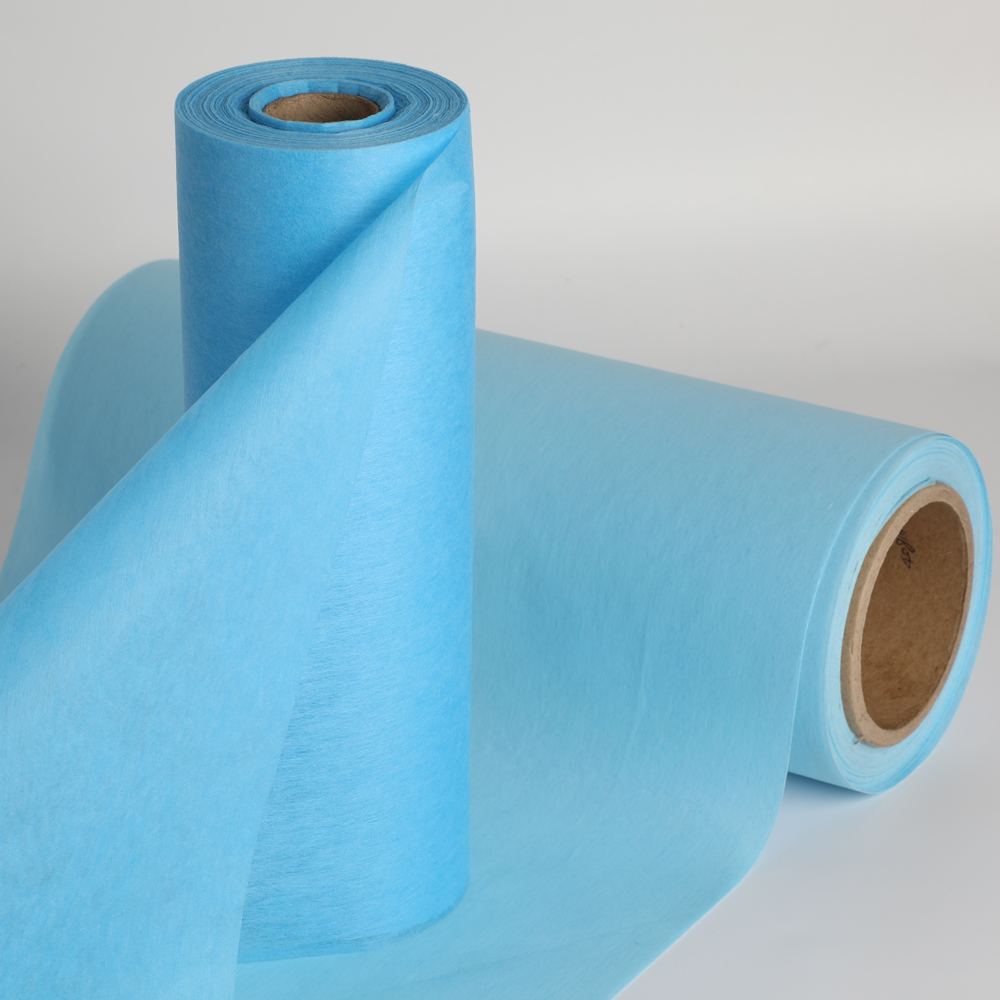 Medical Viscose Nonwoven
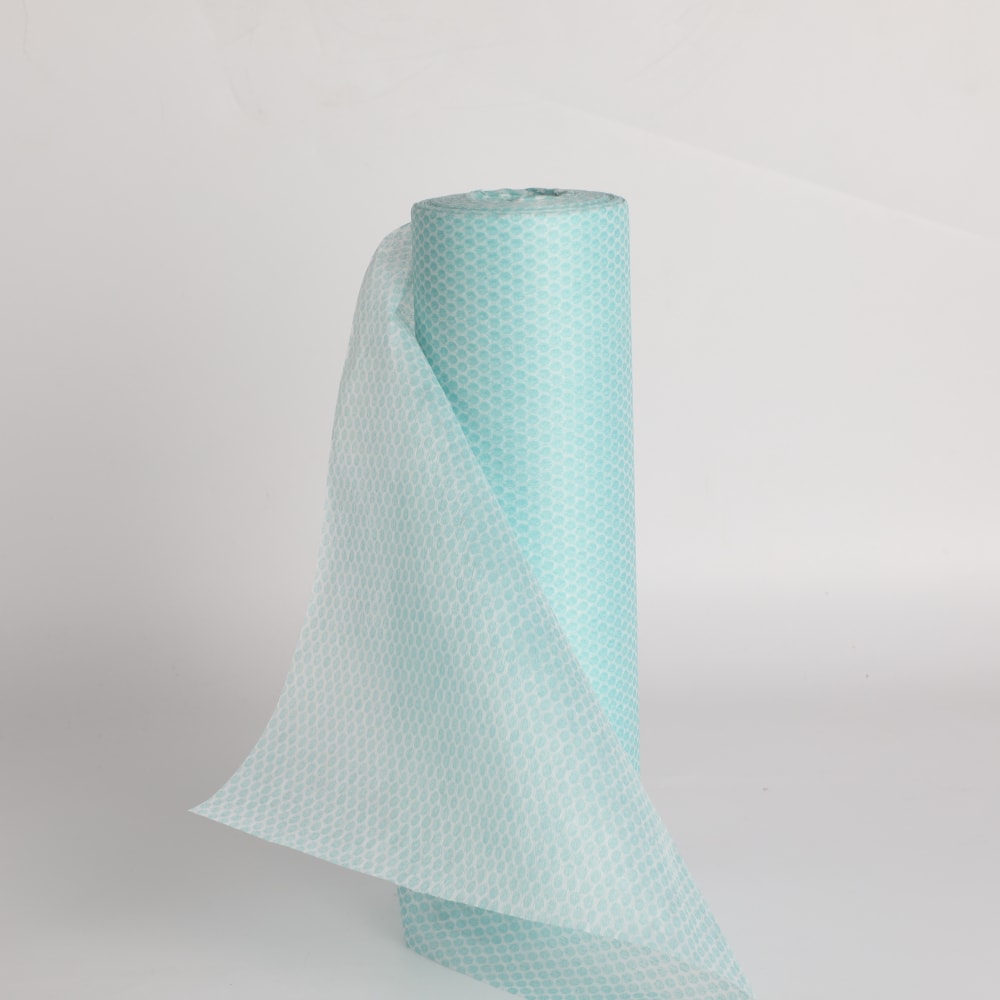 Head Wear Nonwoven
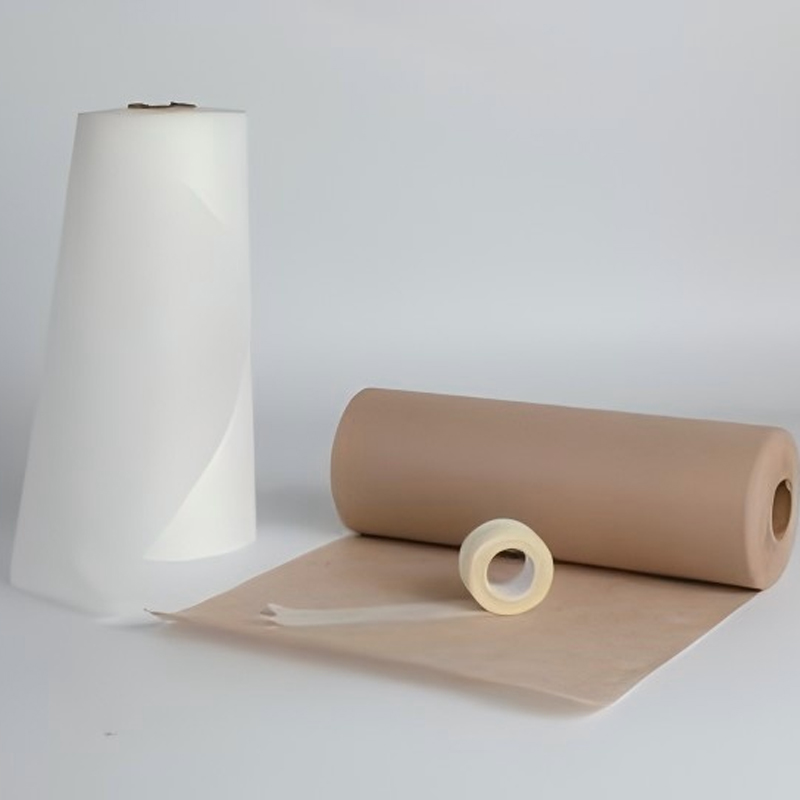 Medical Tape Nonwoven
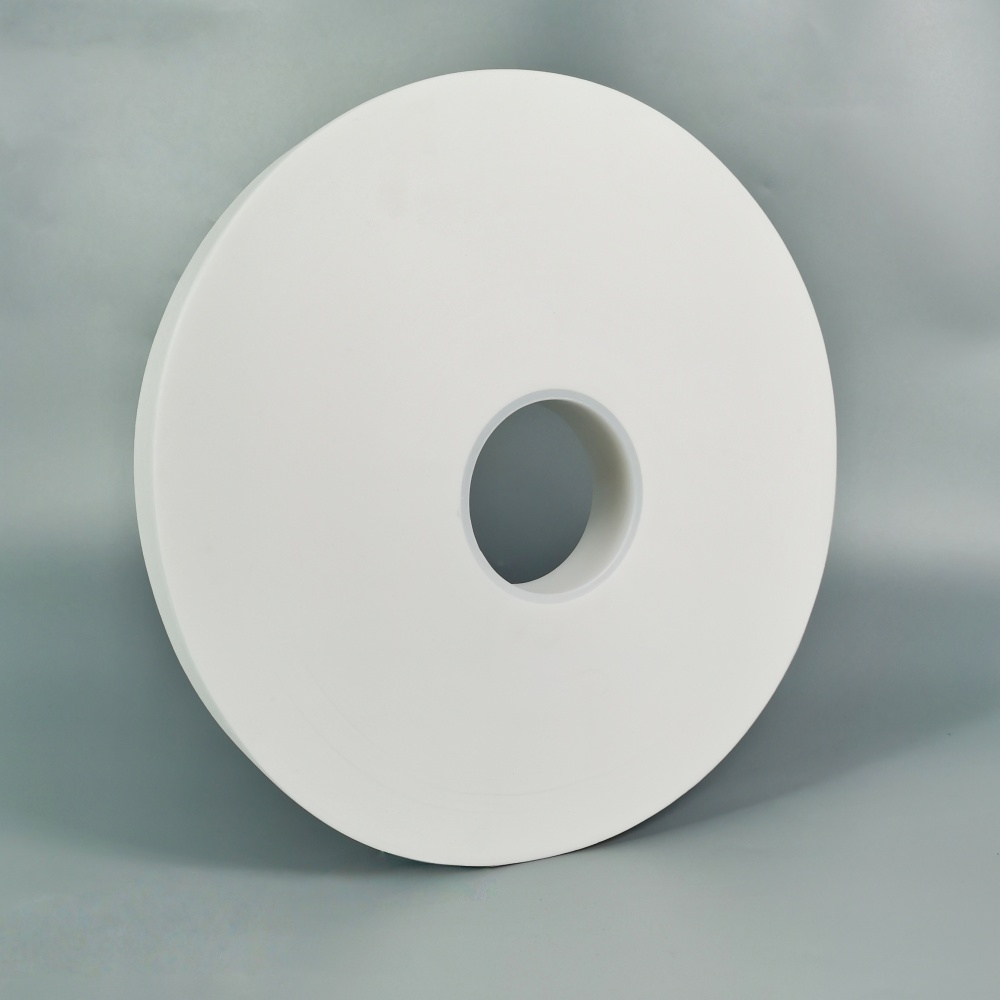 Snus Pouch Nonwoven
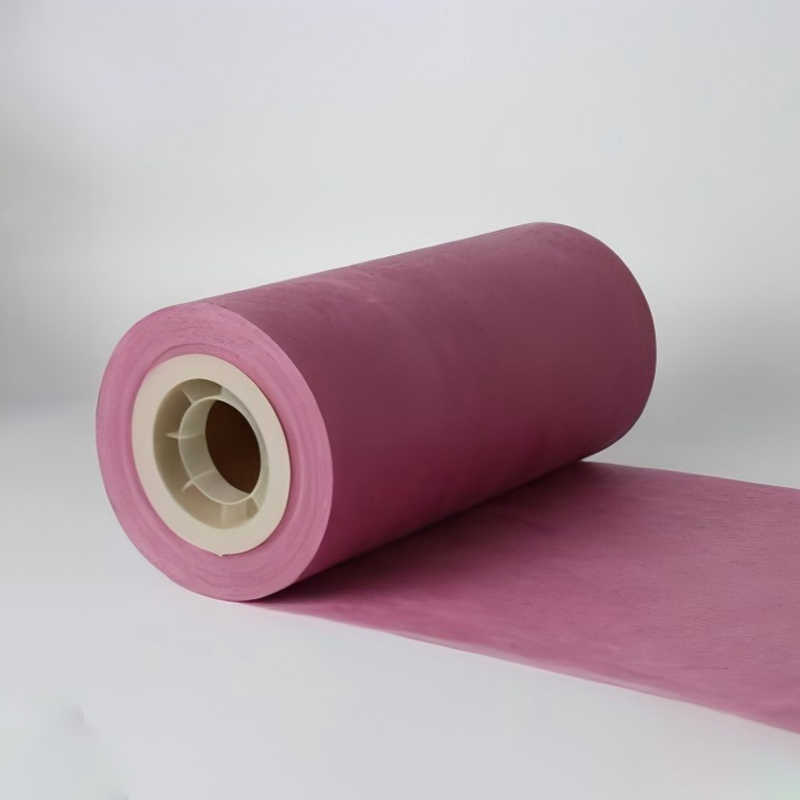 Filtration Nonwoven
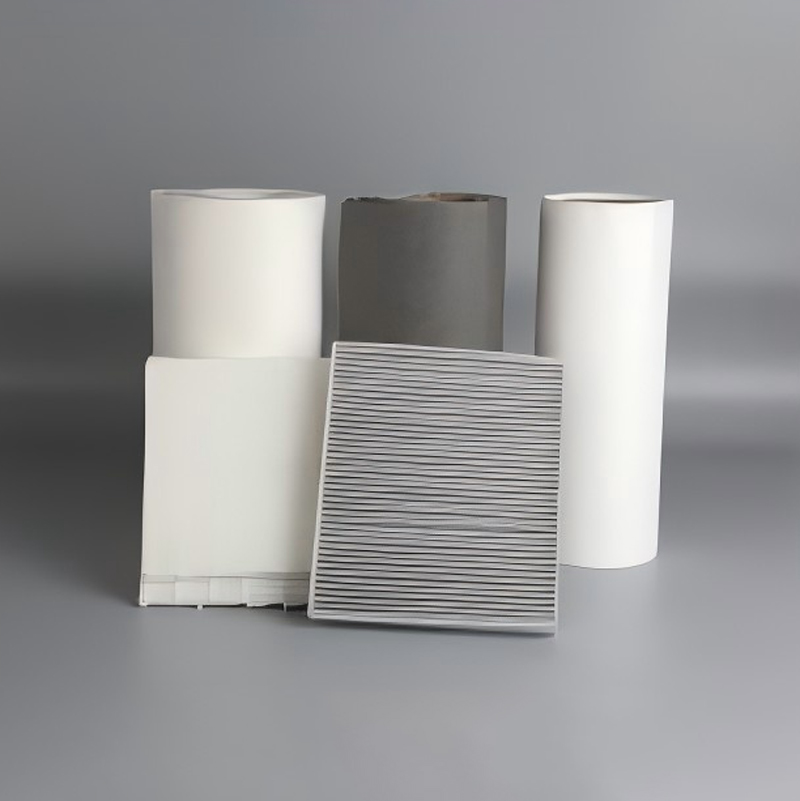 Air Filter Media
 Liquid Filter Media
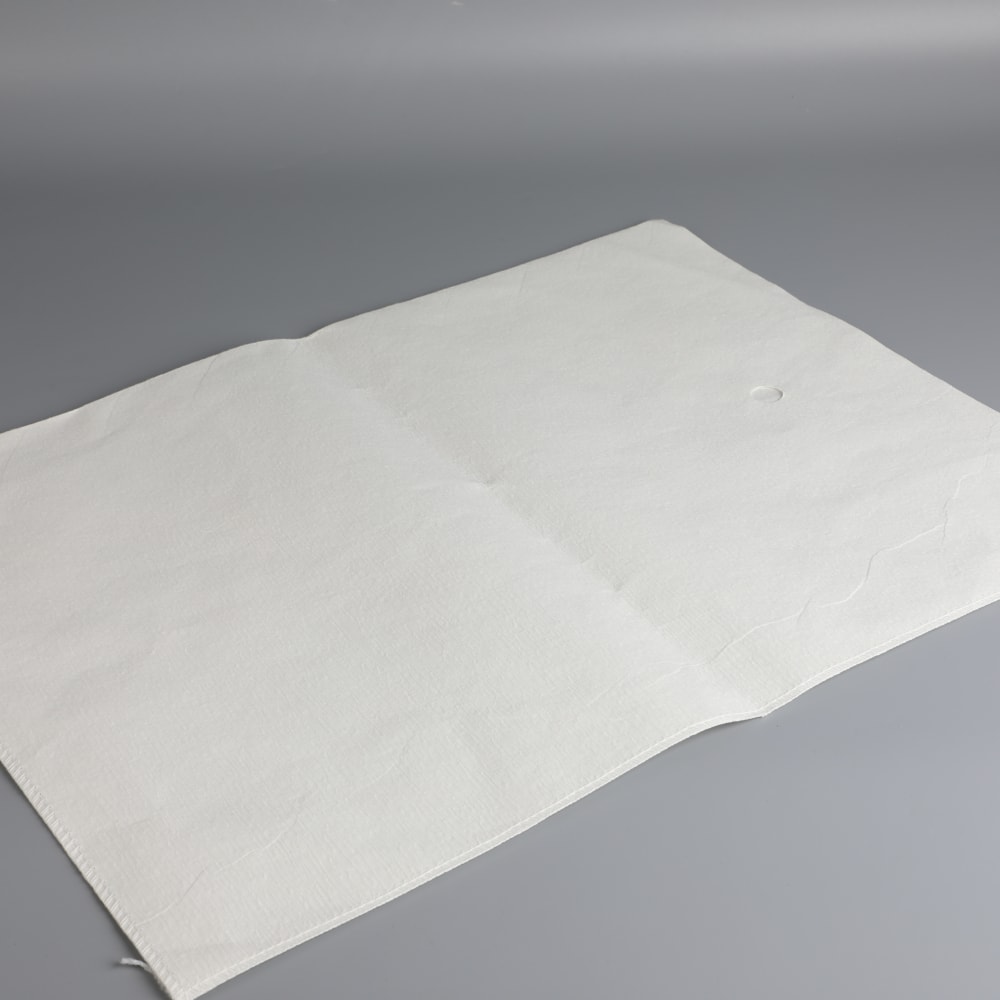 Filter Envelope & Filter Sheet
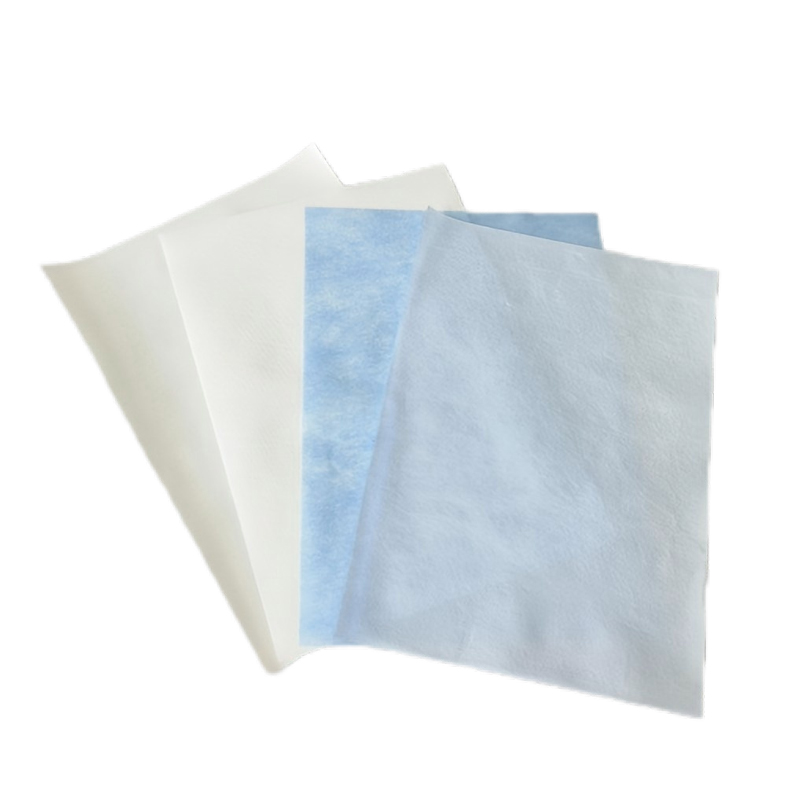 Breathable Film Laminates
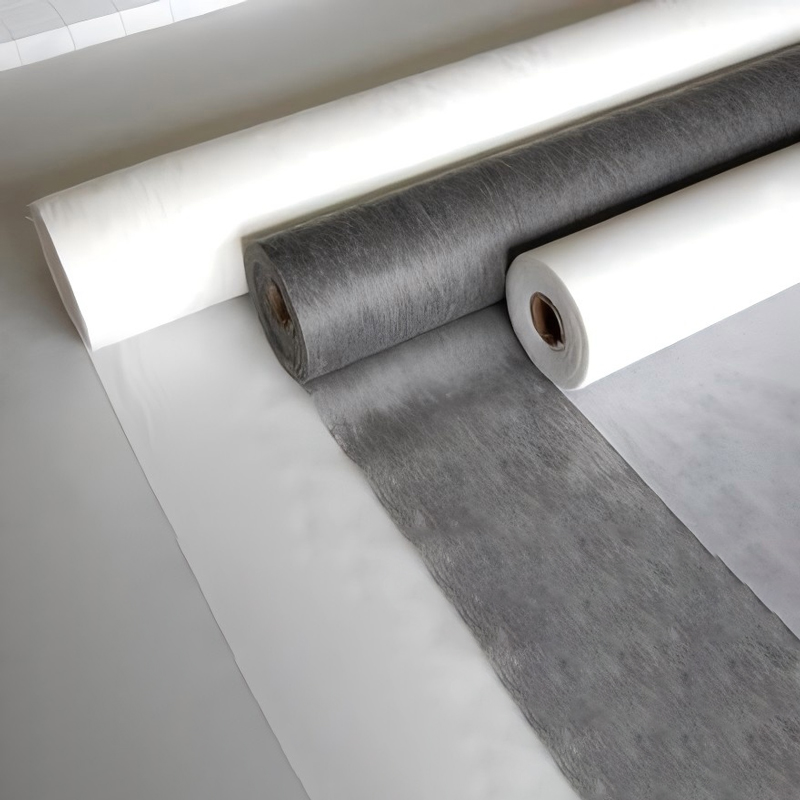 Nonwoven Interlining
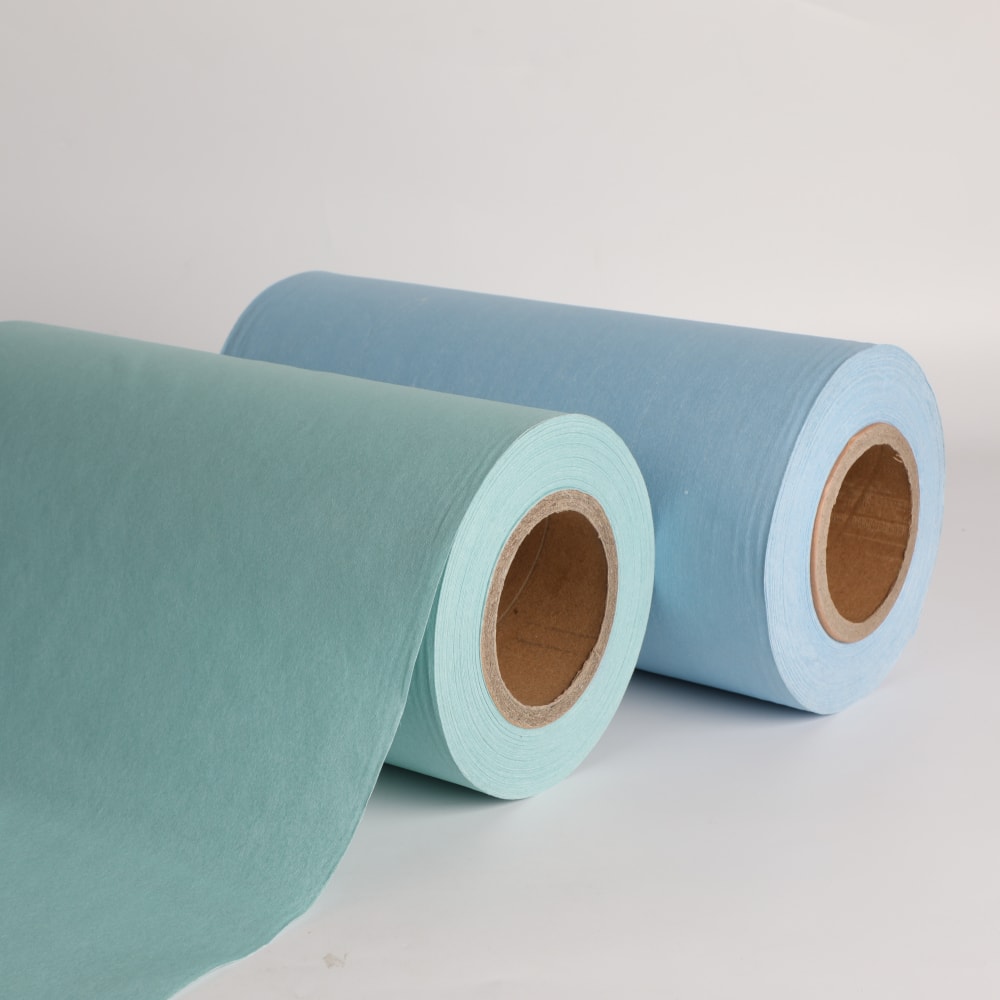 Fluid Repellent Woodpulp Spunlace Nonwoven
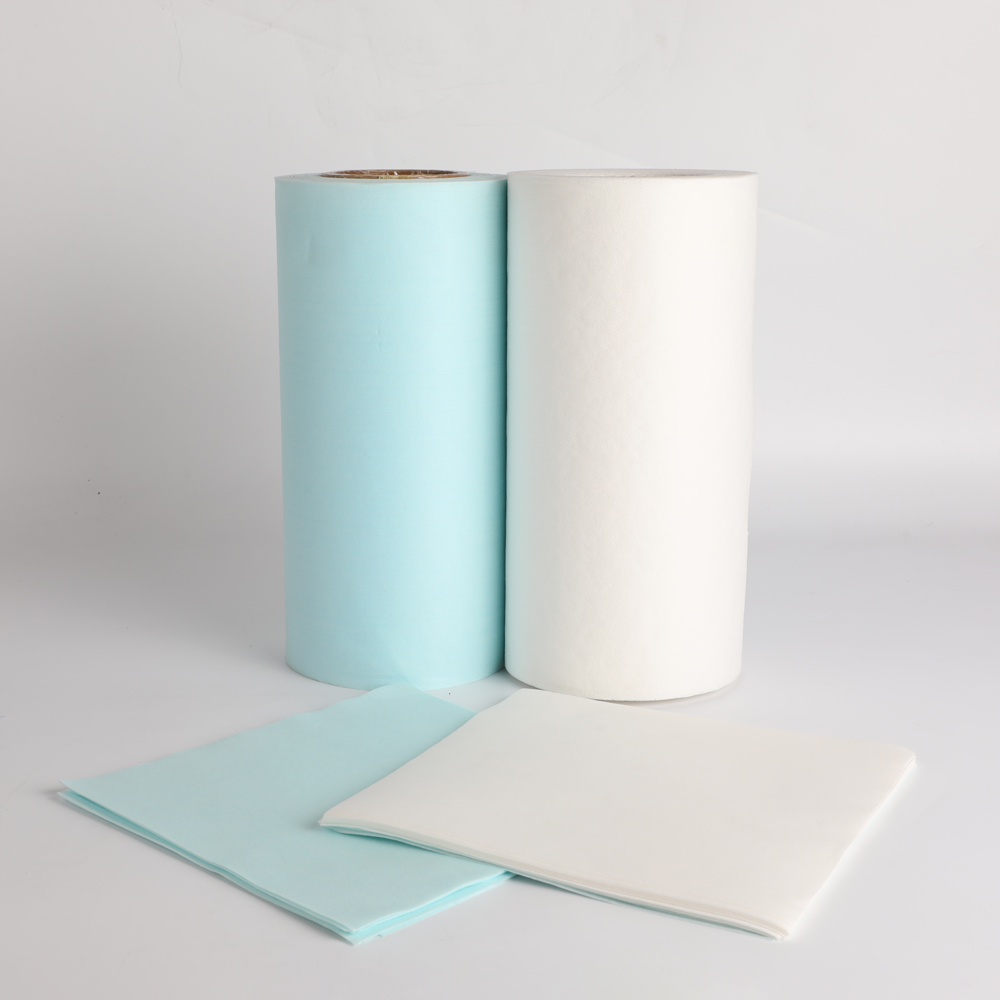 Woodpulp Nonwoven Wipe
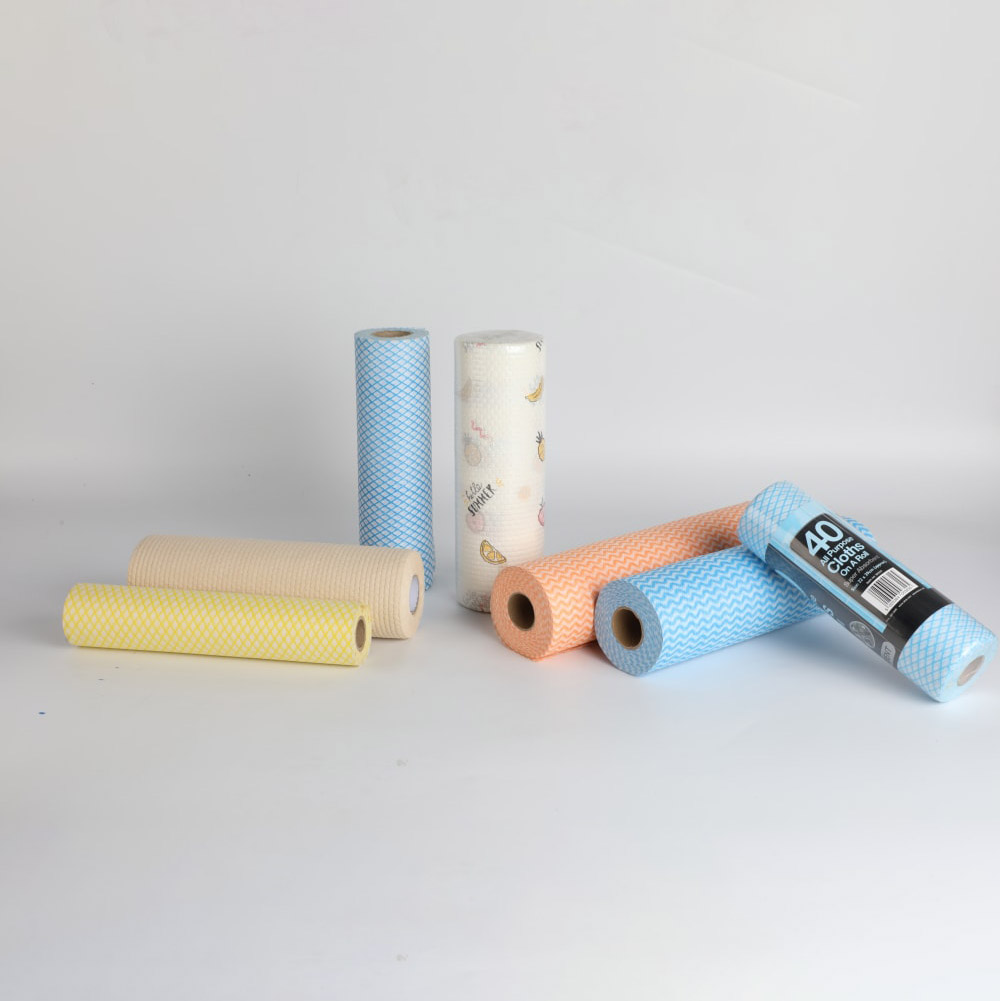 Nonwoven Cleaning Wipe
 Curtain Nonwoven
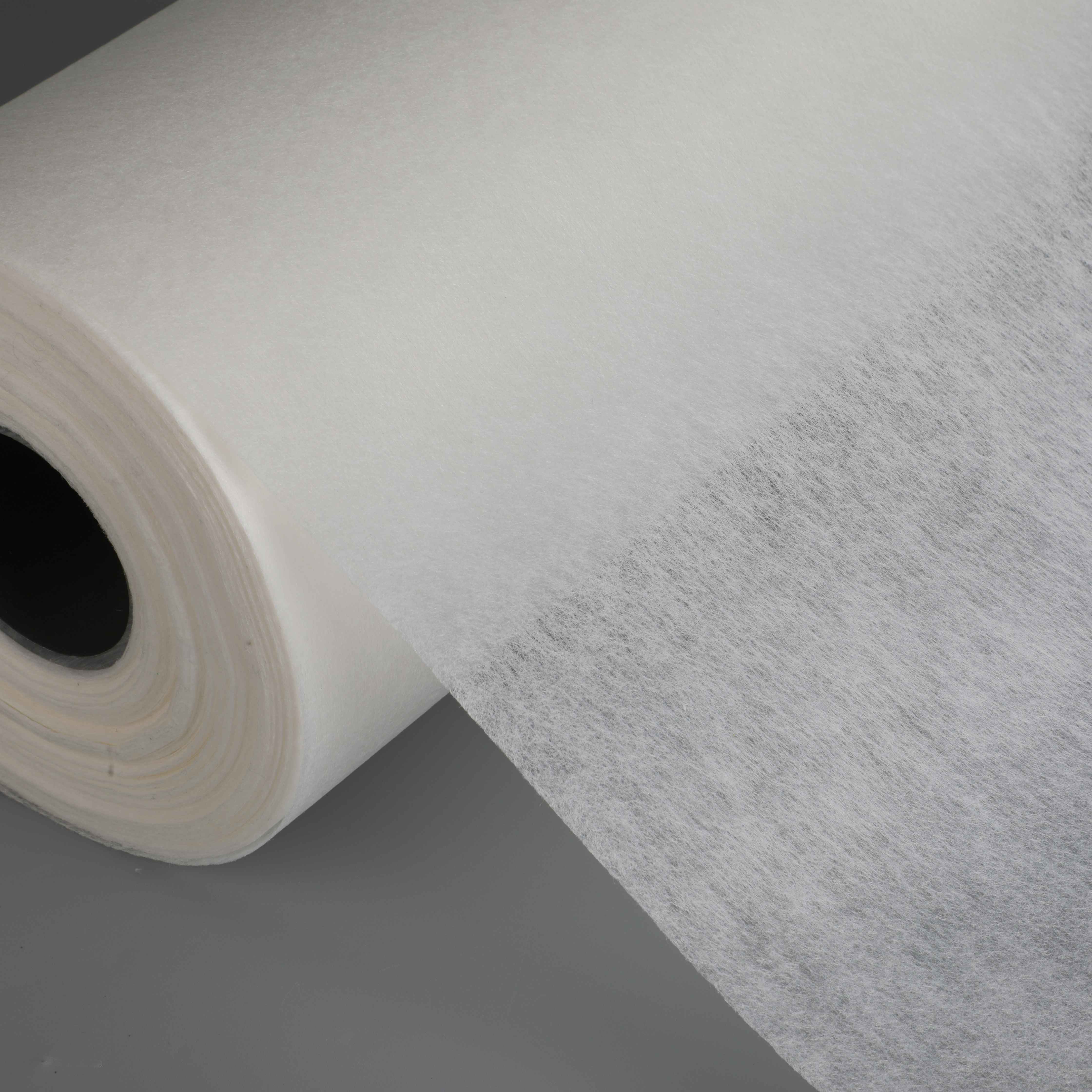 Food Grade Packaging Nonwoven
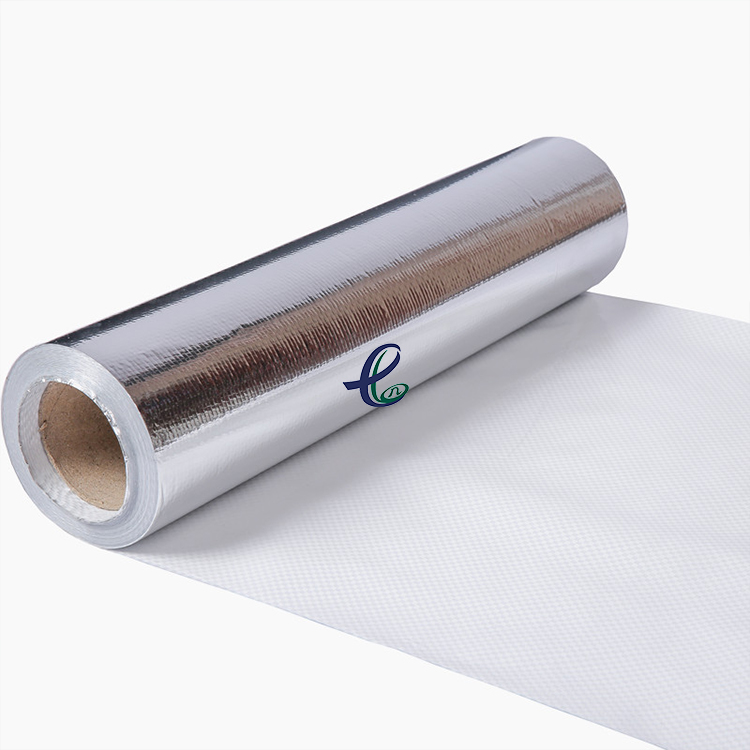 Aluminized Nonwoven
 Hot Air Cotton Nonwoven
 Flame Retardant Nonwoven
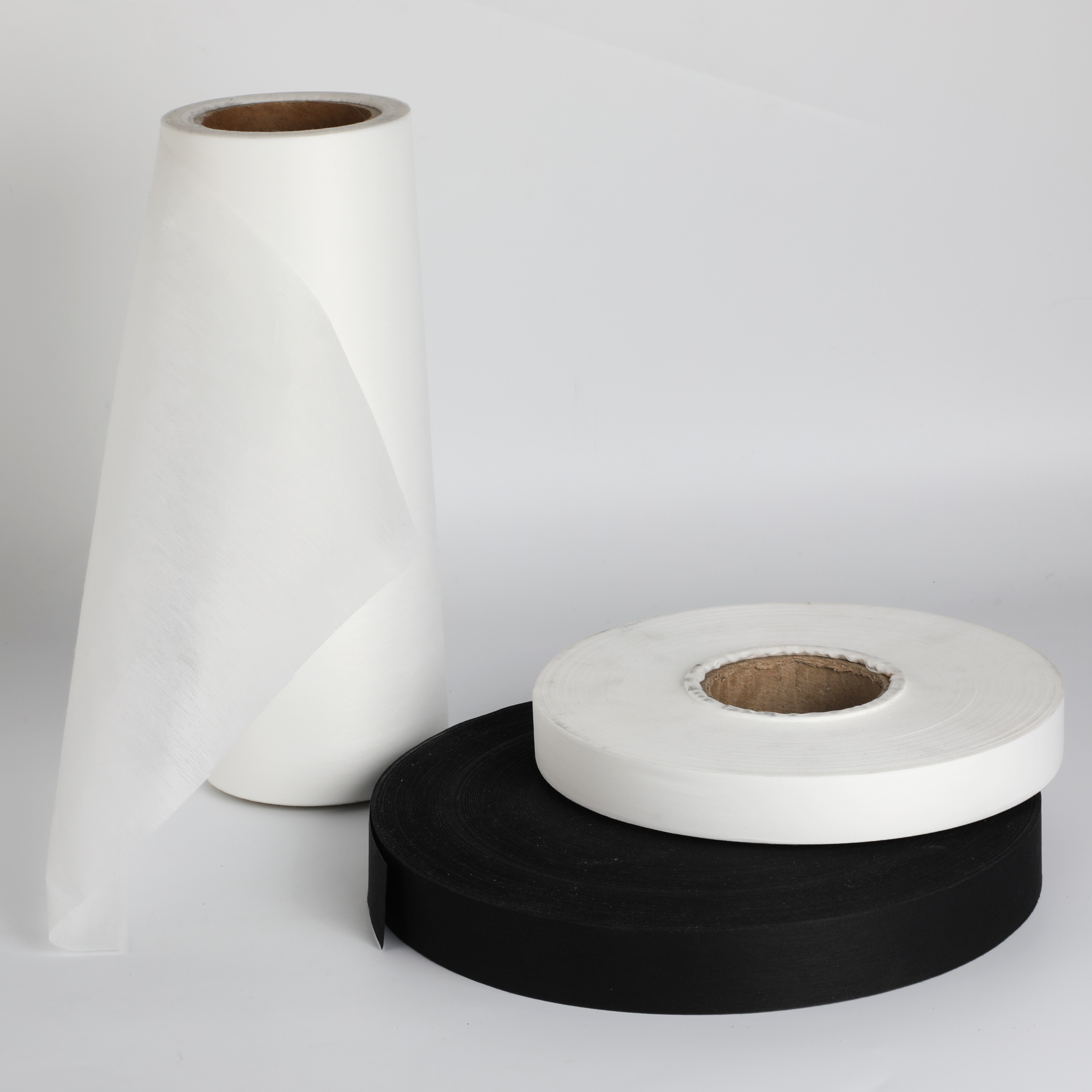 Cable Wrapping Nonwoven
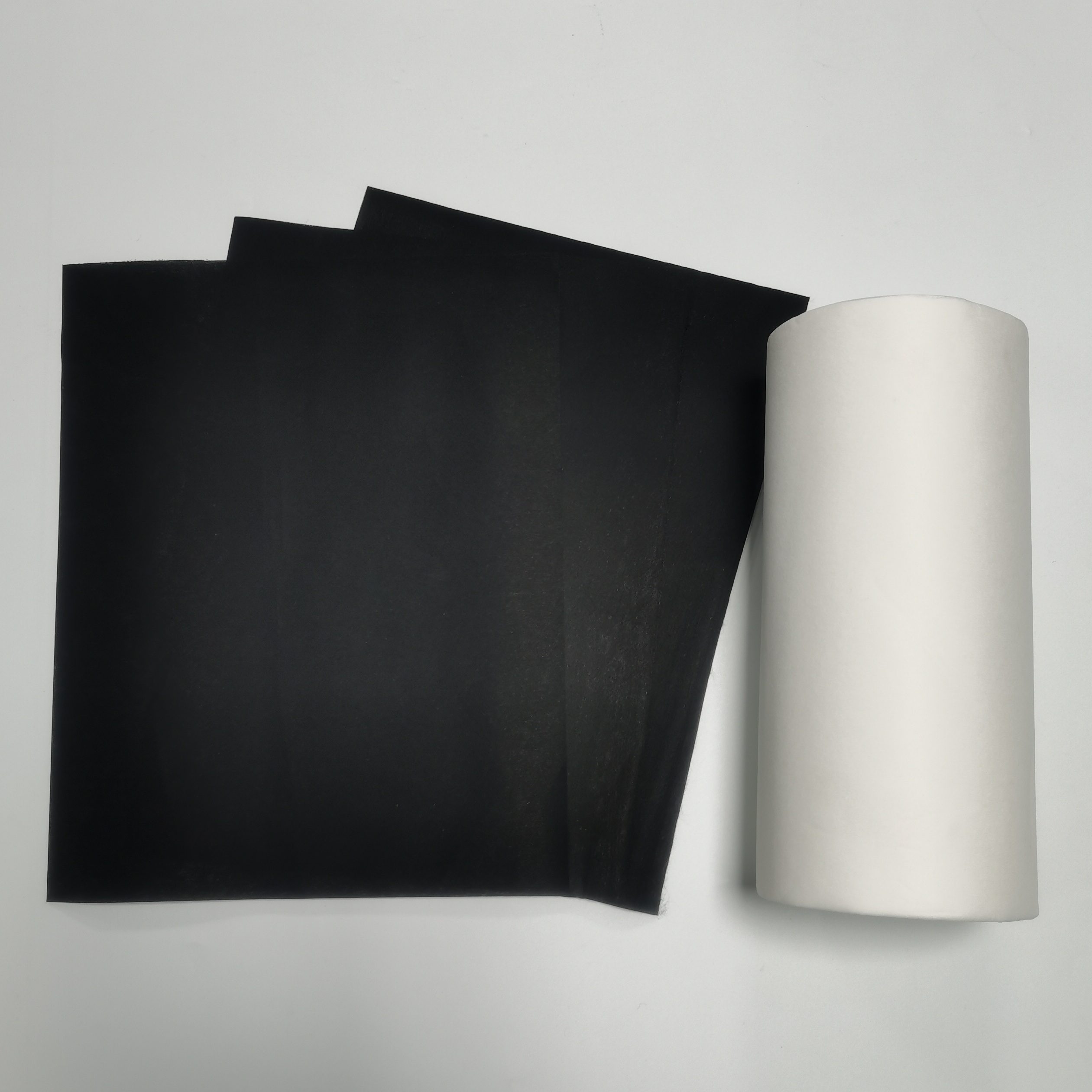 Semi-conductive Nonwoven
 Anti-Bacterial Nonwoven
 +8613957712400
 CONTACT WhatsApp
 CONTACT WeChat
 CONTACT NUMBER
 CONTACT EMAIL