2026 Best Non Woven Material Applications for Global Buyers?
Non Woven Material is becoming increasingly relevant in various industries. As the global demand for sustainable products rises, the non woven sector is expanding. According to recent reports, the global non woven fabric market is projected to reach $44.63 billion by 2026. This growth indicates its crucial role in areas like hygiene products, medical supplies, and automotive applications.
One notable application is in the healthcare industry. Non woven materials are used for surgical gowns, face masks, and other medical textiles. Their advantages include breathability and fluid resistance. In the hygiene segment, products such as diapers and feminine hygiene items benefit from non woven technology. However, some concerns remain about their environmental impact and recyclability.
For global buyers, understanding the nuances of non woven material applications is essential. Challenges like quality control and sourcing reliable suppliers can arise. The need for research and partnerships is evident. Overall, as the non woven market evolves, informed decisions will empower buyers to navigate these complexities.

Overview of Non-Woven Materials: Definition and Properties
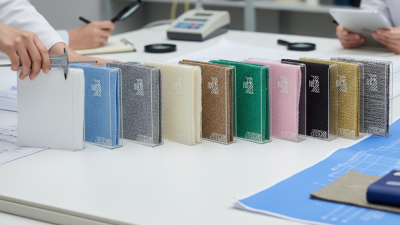
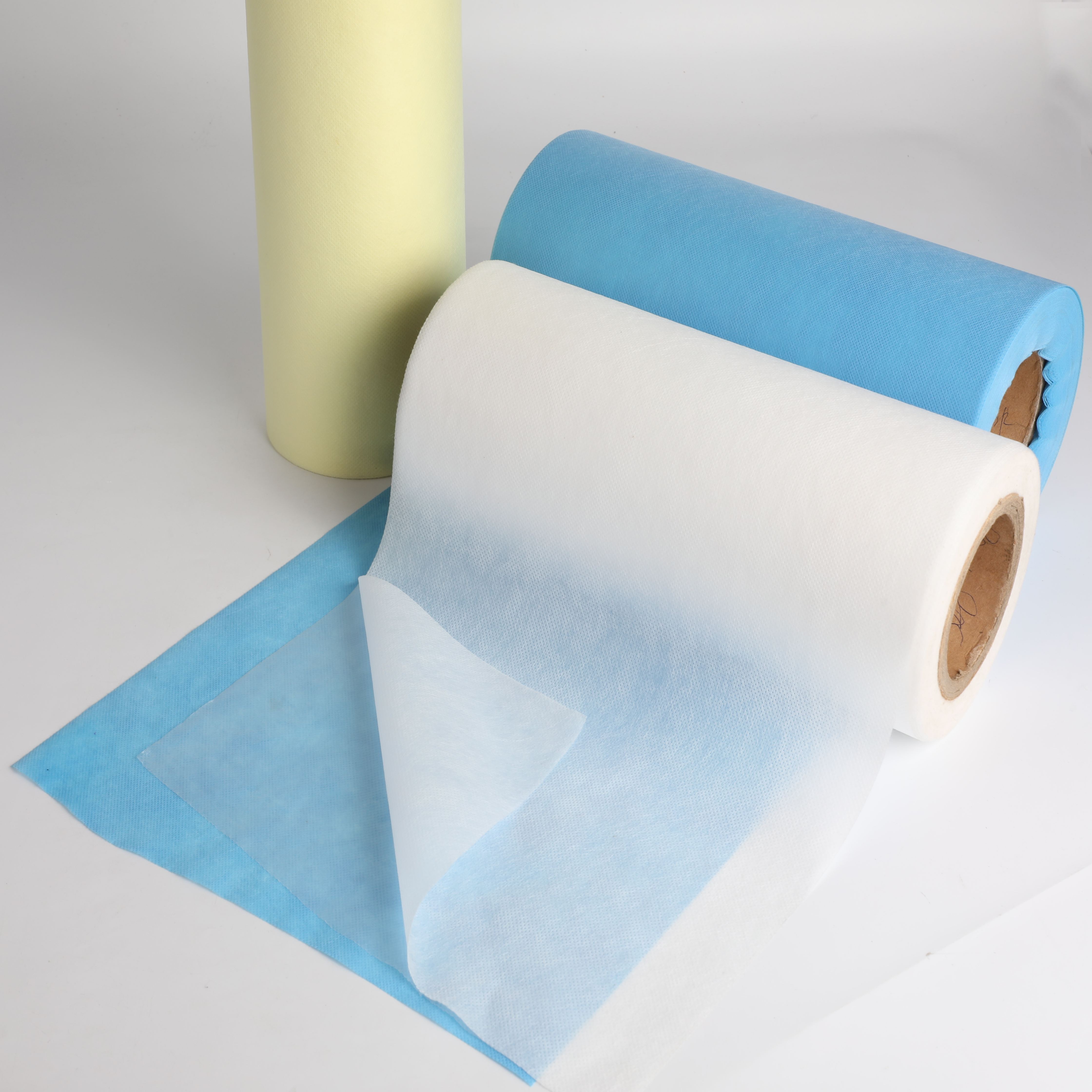
Non-woven materials have gained significant attention across various industries due to their unique properties and applications. Defined as textiles created by bonding fibers, non-wovens lack a traditional weave structure. They offer several benefits, including high strength, lightweight nature, and breathability. These materials are widely used in healthcare, personal care, filtration, and construction sectors. Reports indicate that the global non-woven fabric market is projected to reach USD 53 billion by 2026, driven by increasing demand for disposable products and eco-friendly alternatives.
The manufacturing process of non-woven materials includes techniques like spunbonding, meltblowing, and thermal bonding. These methods dictate the final properties of the fabric. For example, spunbonded non-wovens are commonly utilized in hygiene products due to their soft texture and moisture resistance. Meanwhile, meltblown non-wovens play a crucial role in filtration applications due to their fine fiber structure, which effectively captures airborne particles. This versatility underlines the importance of choosing the right method based on desired characteristics.
Despite their advantages, there are concerns regarding the environmental impact of non-woven materials, especially single-use products. Recycling options remain limited, which prompts a need for innovation in sustainable practices. As manufacturers strive to meet global sustainability goals, the challenge lies in balancing performance with eco-friendliness. The industry's evolution is an ongoing process, highlighting the importance of thorough research and development.
Key Industries Utilizing Non-Woven Materials in 2026
Non-woven materials are transforming various industries in 2026. These materials, made by bonding fibers together, have gained traction for their versatility.
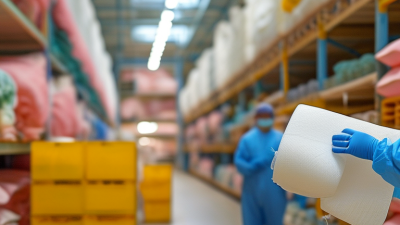
Healthcare is a leading sector utilizing non-woven fabrics. Surgical gowns, masks, and disposable bed linens benefit from
their cost-effectiveness and barrier protection. These products enhance hygiene and safety in medical environments.
In the automotive industry, non-woven materials are becoming essential. They are used in interior linings, sound insulation,
and even filter systems. Their lightweight nature contributes to fuel efficiency. However, the challenge lies in ensuring sustainability in
production. Innovating eco-friendly solutions is critical as environmental concerns grow.
Additionally, the construction industry leverages non-woven materials for insulation and filtration. Their unique properties help improve air quality
and reduce noise pollution. Yet, the market faces hurdles with recycling and waste management. Finding effective ways to address these issues
will be crucial for continued growth.
Innovative Applications of Non-Woven Materials in Consumer Products
The innovative applications of non-woven materials have transformed consumer products across various sectors. According to the latest industry report from Grand View Research, the global non-woven fabric market is expected to reach $45.61 billion by 2026. This dramatic growth indicates an increasing reliance on these versatile materials. Non-woven fabrics are not just limited to medical and hygiene products; they are making strides in fashion, automotive, and home goods.
In the fashion industry, brands utilize non-woven materials to create lightweight, breathable garments. Products are becoming more sustainable, using recycled non-woven fibers. However, challenges remain in balancing durability and comfort. In the automotive sector, non-woven materials are used for insulation and upholstery. They effectively reduce weight, leading to improved fuel efficiency. Yet, as manufacturers prioritize sustainability, the sourcing of these materials can sometimes fall short of eco-friendly standards.
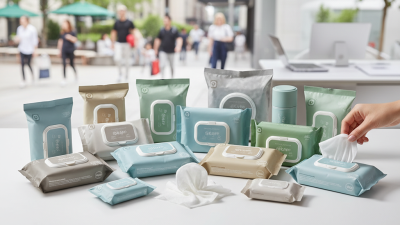
Home products such as cleaning wipes and pet bedding are also capitalizing on non-woven technologies. For instance, cleaning wipes made of 100% biodegradable non-woven materials are gaining popularity among eco-conscious consumers. Despite these advancements, there’s a pressing need for awareness about disposal methods. Many consumers overlook that not all non-woven products break down easily. The industry must continue to innovate, ensuring these materials do not compromise environmental integrity.
Sustainability and Environmental Impact of Non-Woven Materials
The sustainability of non-woven materials is a pressing concern for manufacturers and consumers alike. These materials are often made from polymers like polypropylene and polyester. A report from Smithers shows that over 2.5 million tons of non-woven materials are produced annually. This growth brings environmental questions to the forefront. Non-woven fabrics are generally not recyclable, leading to increased landfill waste.
Biodegradable alternatives are emerging. Research indicates that non-woven materials designed from renewable resources can decompose within a few months. This shift is crucial, as the textiles waste accounts for about 8% of global greenhouse gas emissions. Moreover, consumer awareness is rising. Studies show that 66% of consumers are willing to pay more for eco-friendly products. The challenge remains. Manufacturers must balance cost-effectiveness with sustainability.
Innovation is necessary but often lacking. Some companies are exploring methods to recycle non-woven materials. However, the infrastructure for recycling these textiles is still in its infancy. Encouragingly, brands that prioritize sustainable practices are gaining market share. Yet, the industry must do more to address the environmental impact fully. The road to sustainability in non-woven materials is challenging but vital for future generations.
Future Trends in Non-Woven Material Development and Usage
The future of non-woven materials is promising, reflecting significant trends in innovation and application. According to a report by Smithers Pira, the global non-woven fabric market is projected to reach $62 billion by 2027. This growth is fueled by advancements in technology and increased demand across various sectors. Industries like hygiene, medical, and automotive are leading the way in adopting non-woven fabrics for their lightweight and versatile properties.
Sustainability continues to shape the development of non-woven materials. Manufacturers are seeking eco-friendly alternatives by incorporating recyclable and biodegradable fibers. The report emphasizes that over 30% of non-woven products will undergo significant changes to enhance their sustainability by 2026. Consumers are increasingly demanding transparency about material origins, prompting brands to adapt.
Tip: When considering non-woven materials, assess their lifecycle impact. Look for certifications that indicate sustainable practices. Focus on suppliers committed to reducing environmental footprints.
Moreover, despite the encouraging trends, challenges persist. The industry faces fluctuations in raw material prices and regulatory hurdles regarding safety standards. Companies must remain agile to navigate these uncertainties effectively. Collaboration between manufacturers, researchers, and policymakers will be crucial for overcoming these challenges while fostering innovation.
Tip: Stay informed about regulatory developments in your region. It’s essential for making compliant and informed sourcing decisions.
2026 Best Non Woven Material Applications for Global Buyers

 PP Laminates
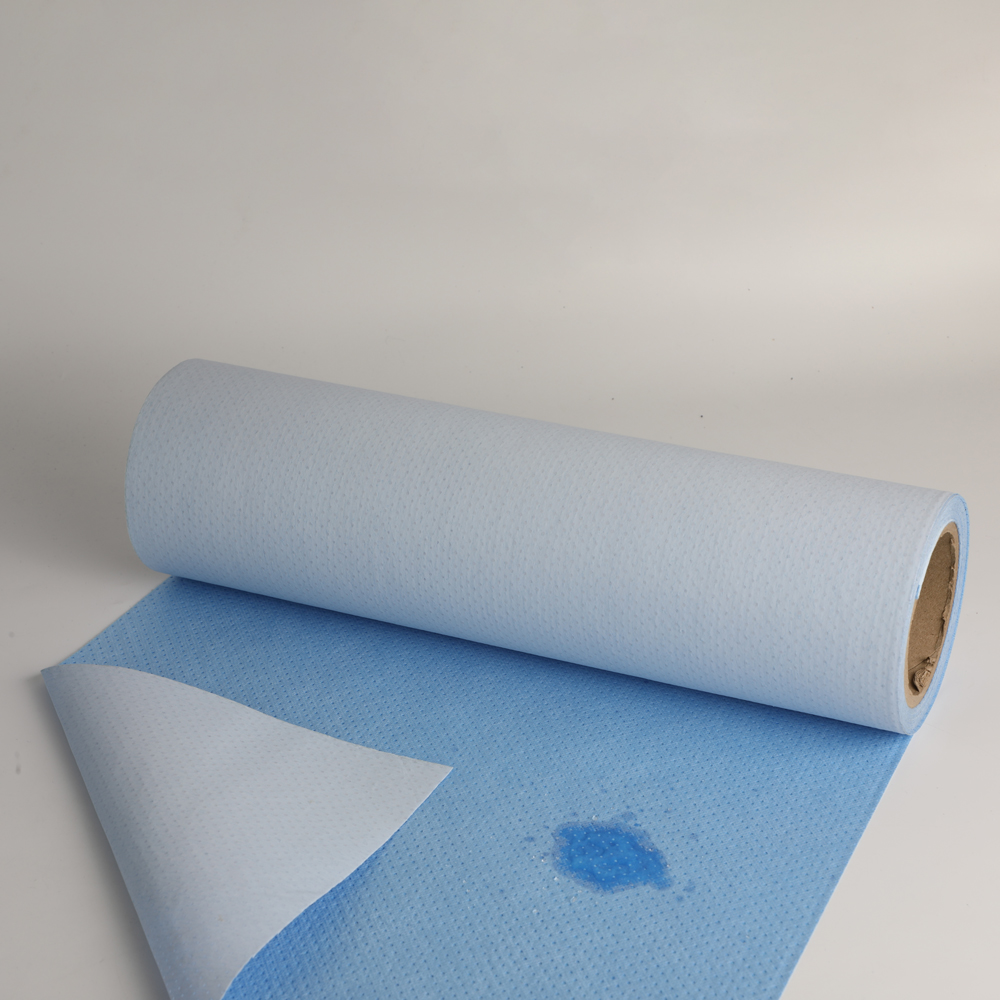 Multi Laminates
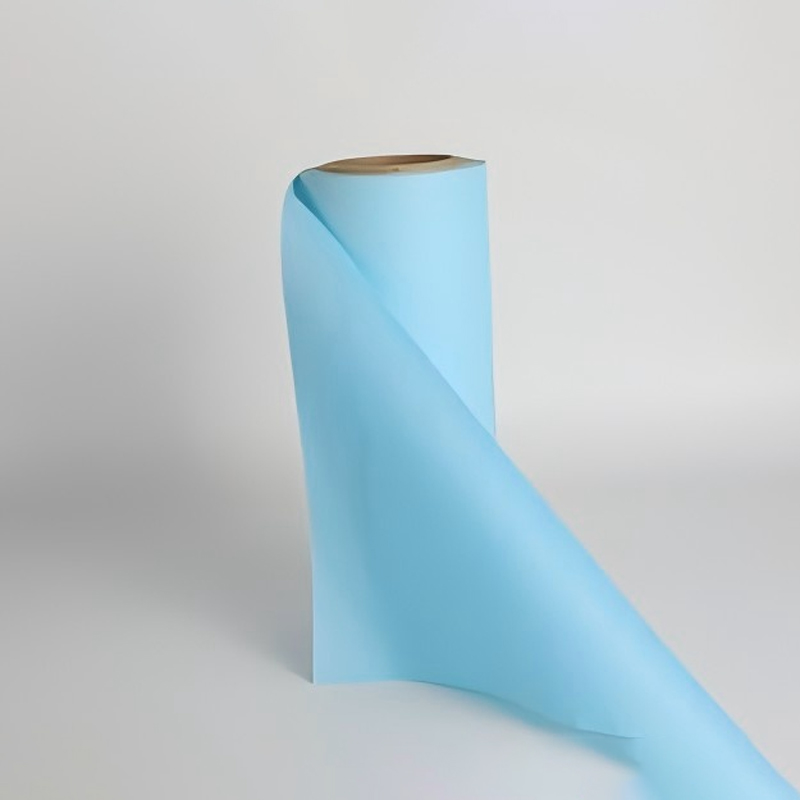 Spunlace Nonwoven Laminates
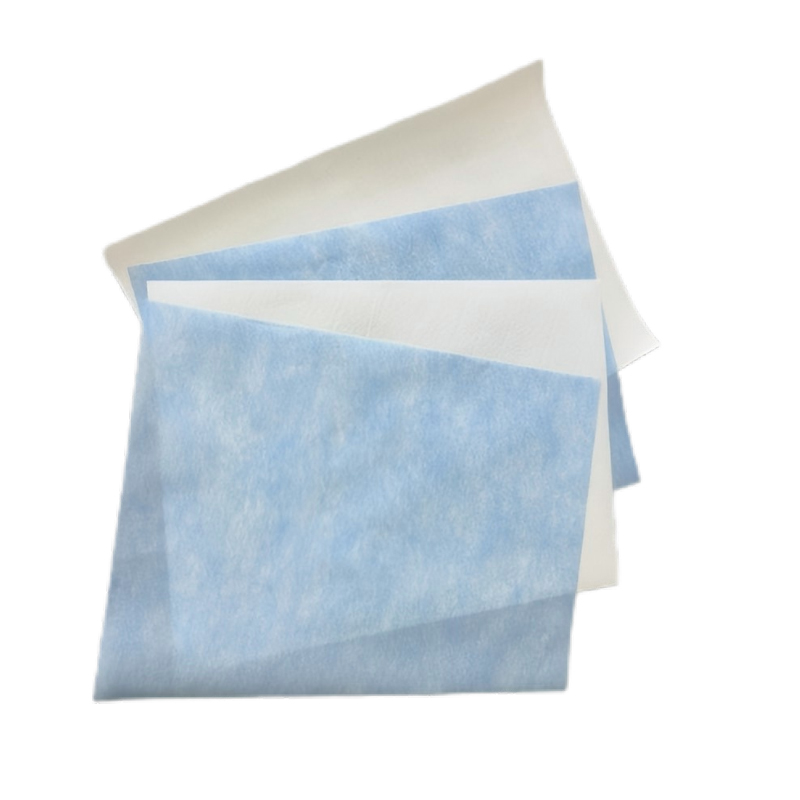 Breathable Film Laminates
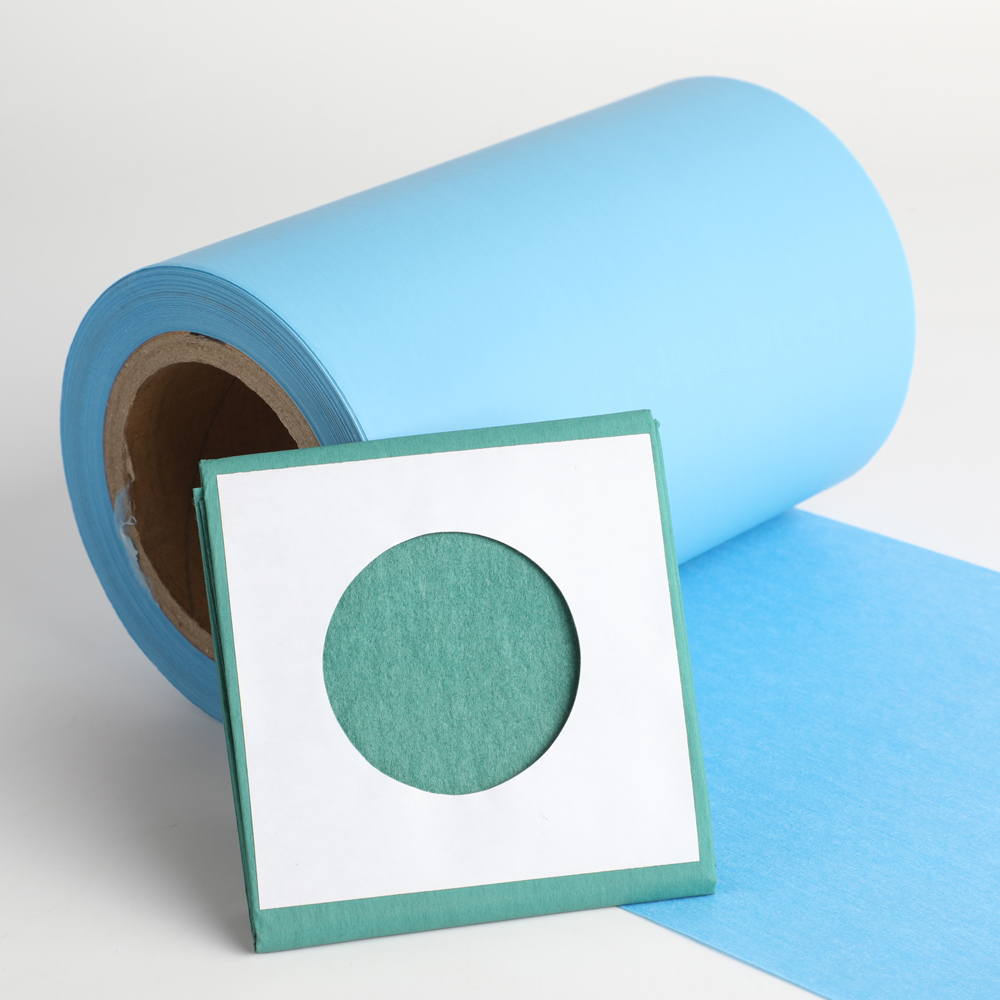 Viscose Laminates
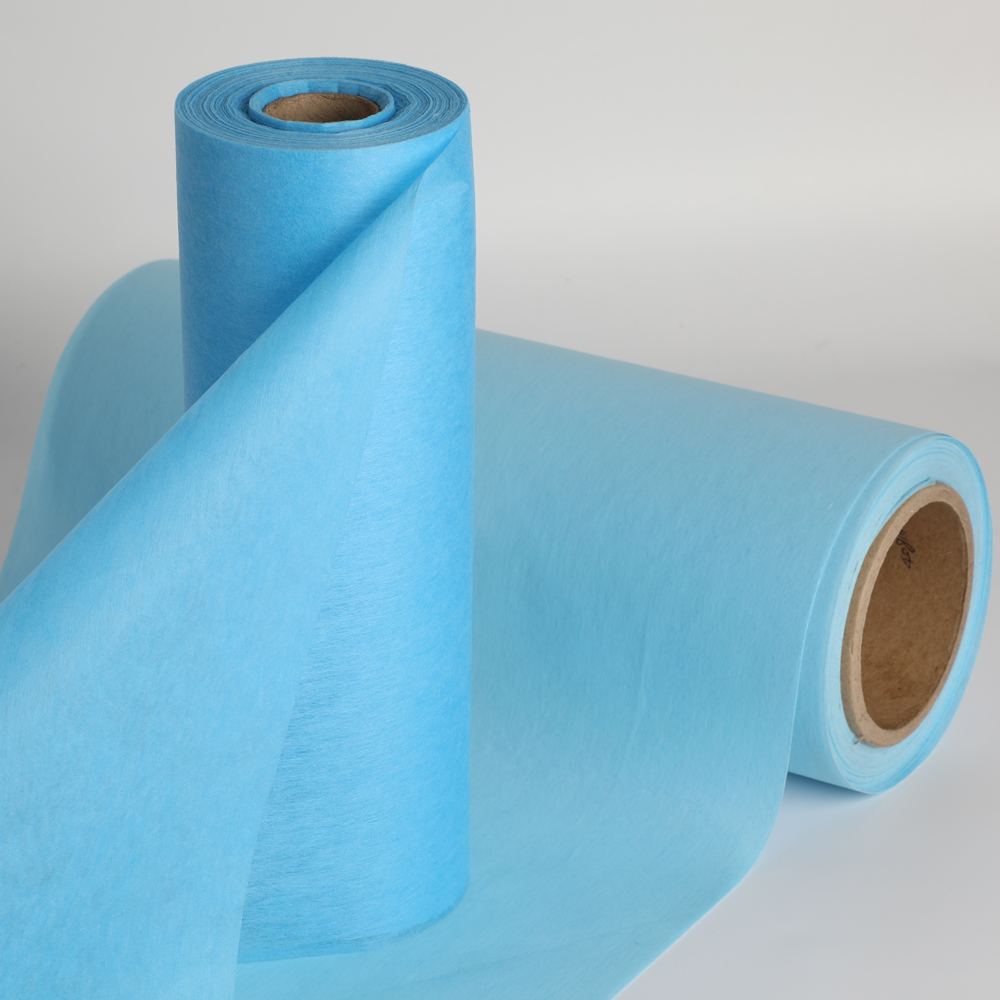 Medical Viscose Nonwoven
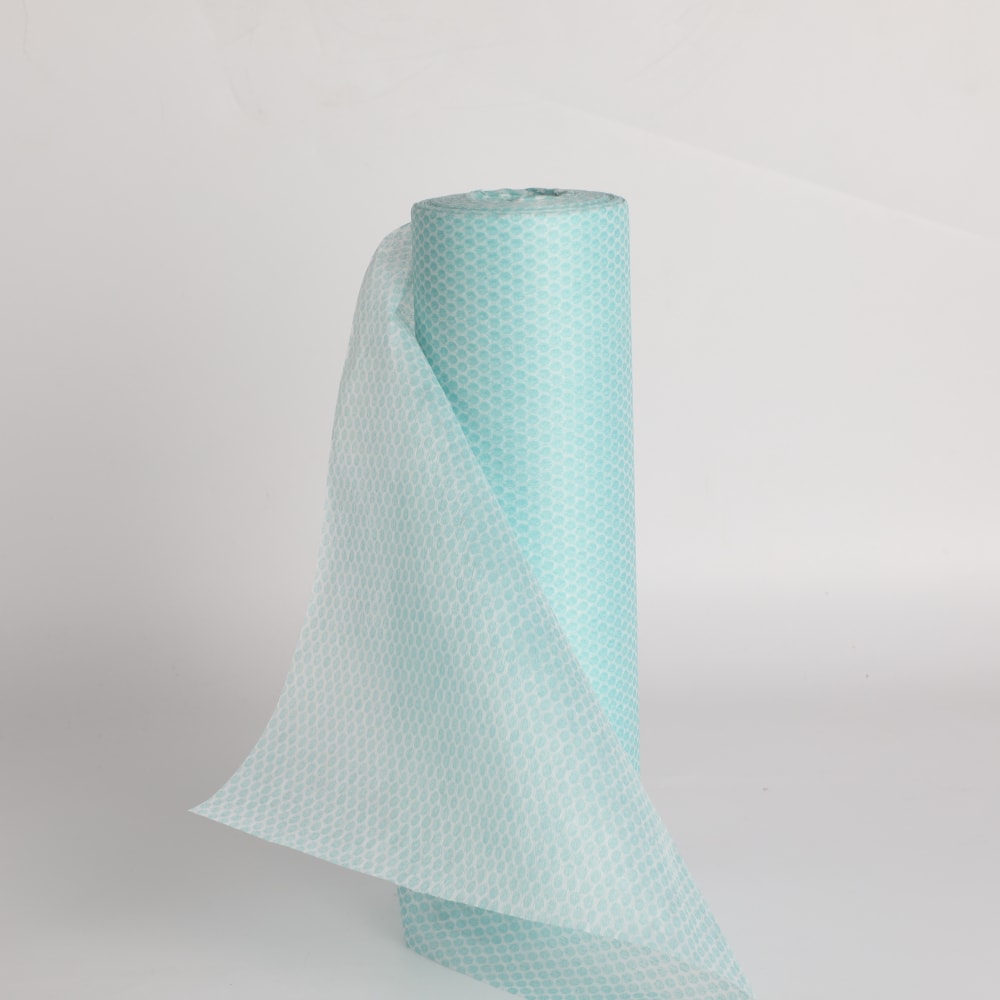 Head Wear Nonwoven
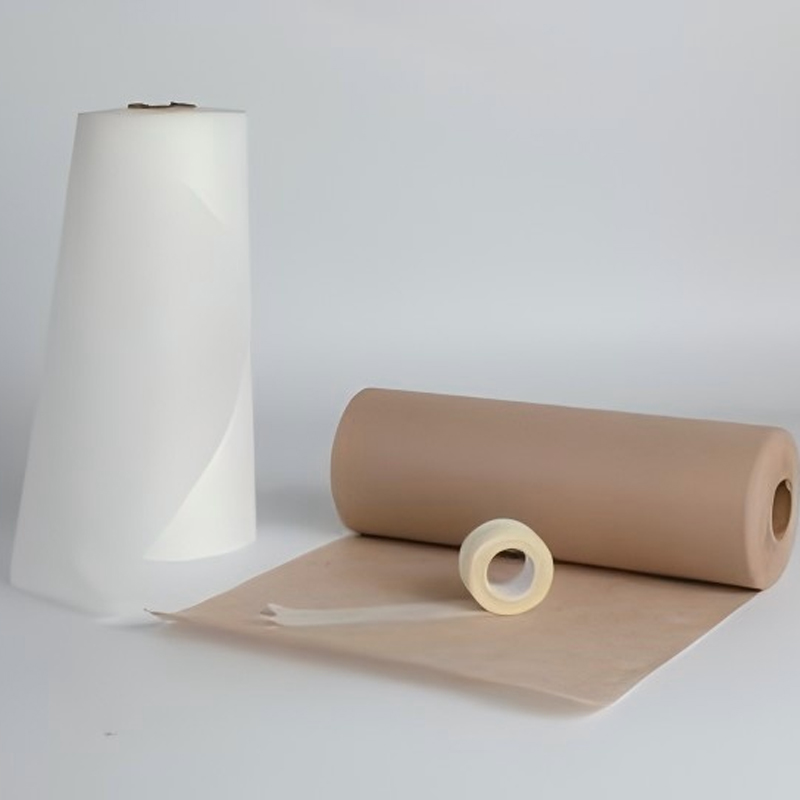 Medical Tape Nonwoven
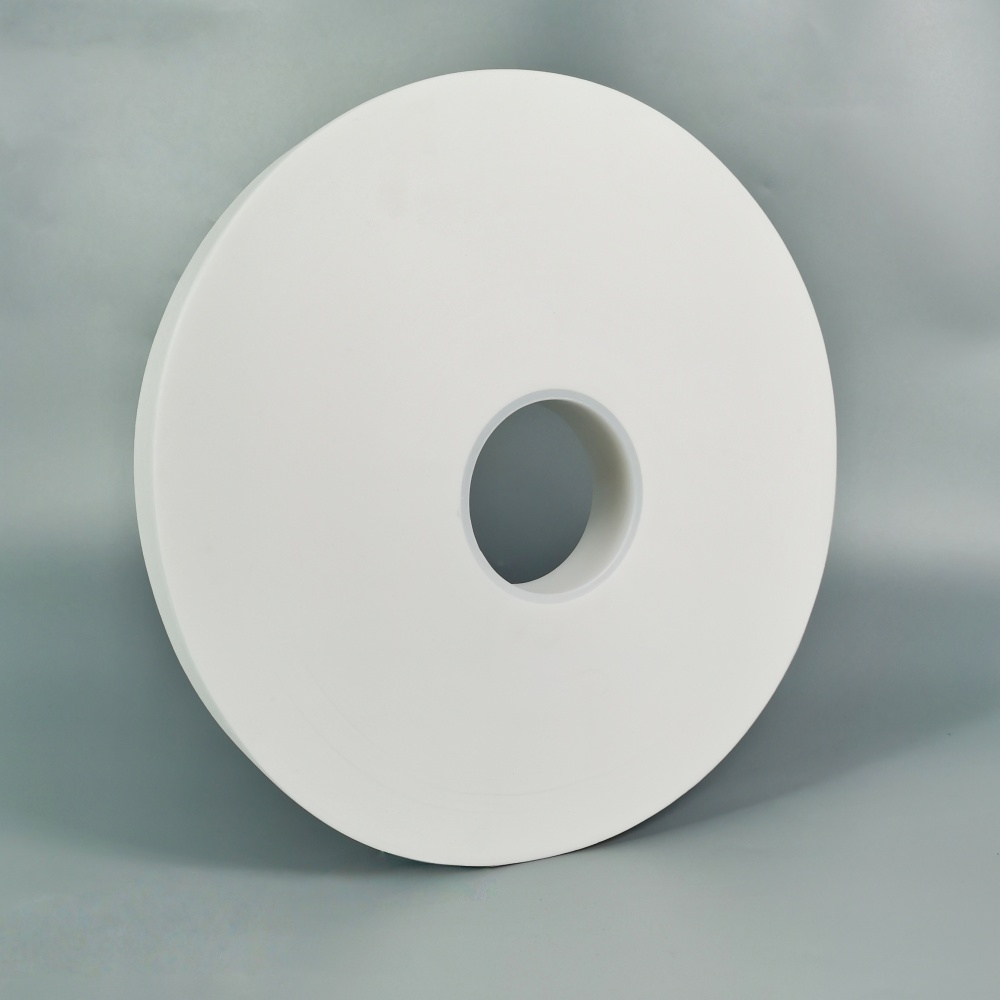 Snus Pouch Nonwoven
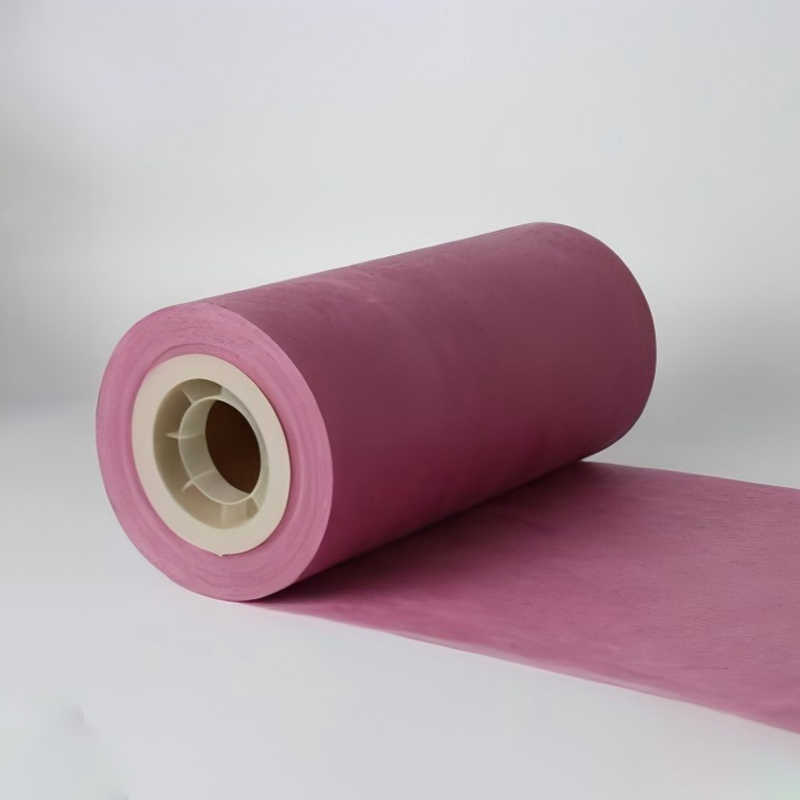 Filtration Nonwoven
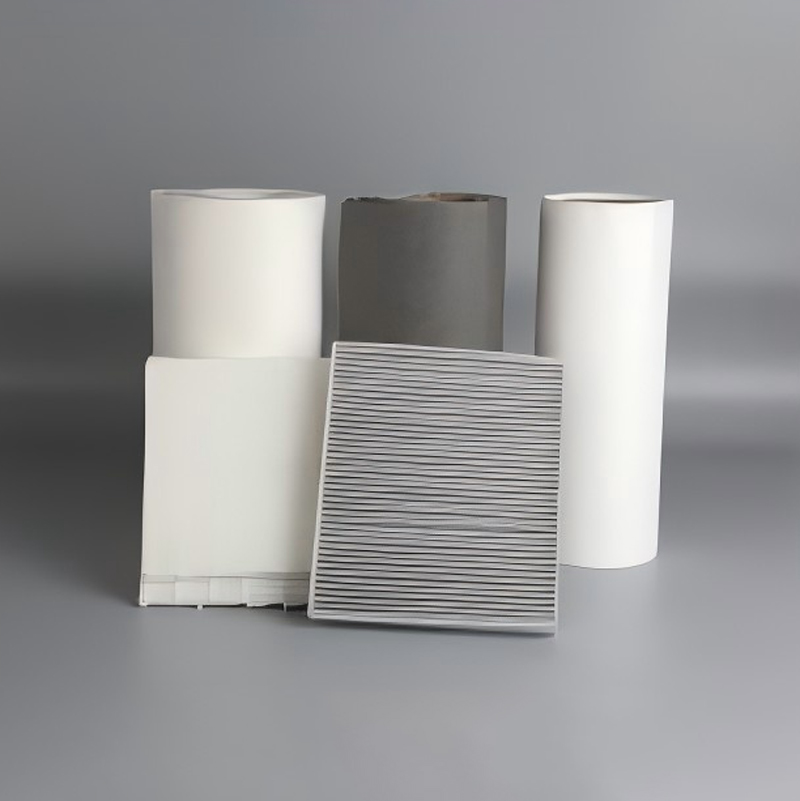 Air Filter Media
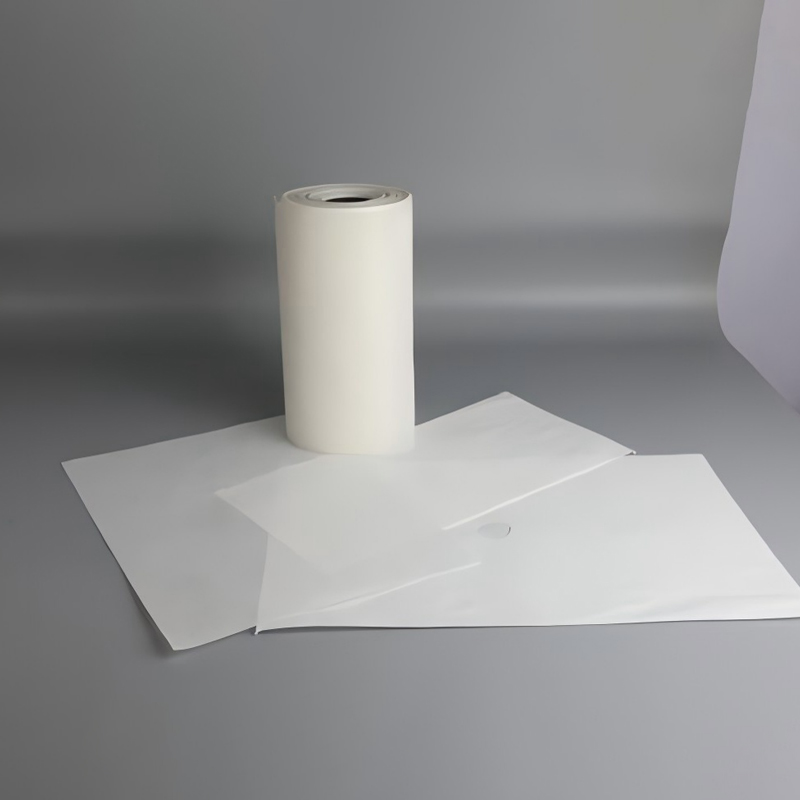 Liquid Filter Media
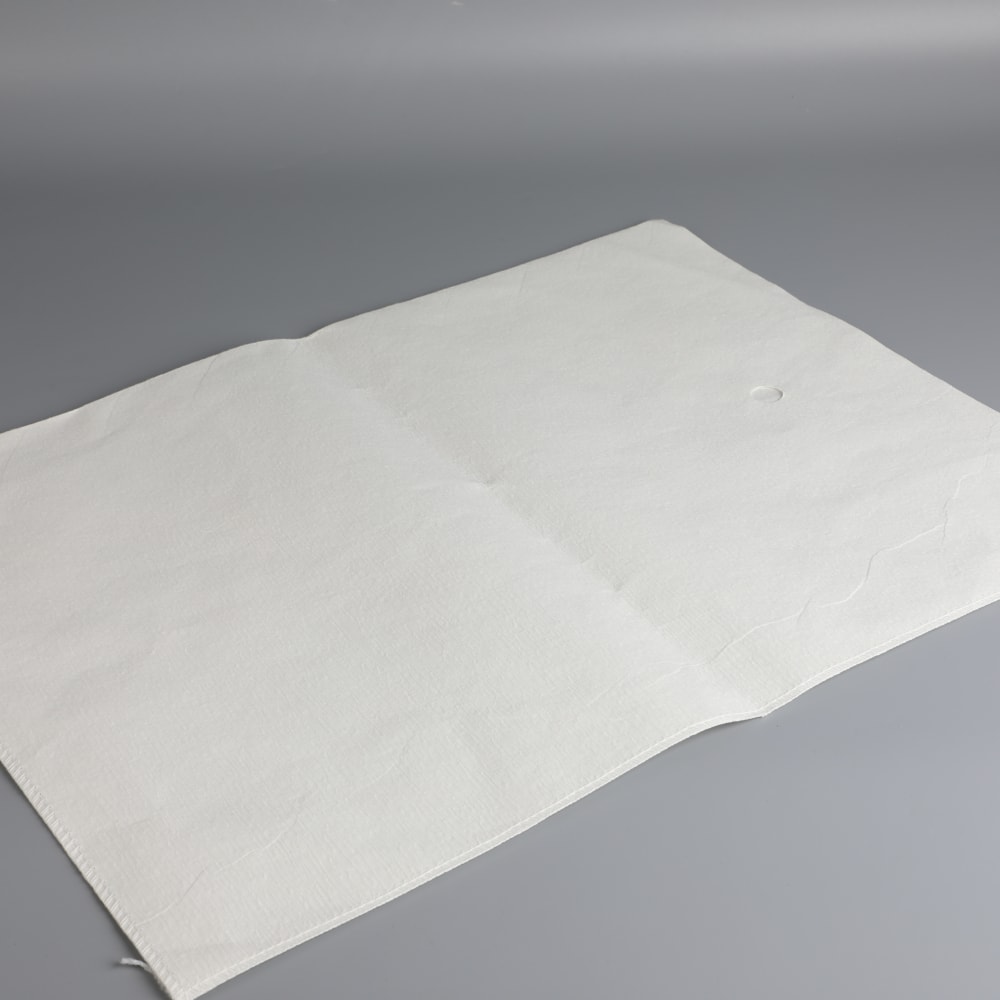 Filter Envelope & Filter Sheet
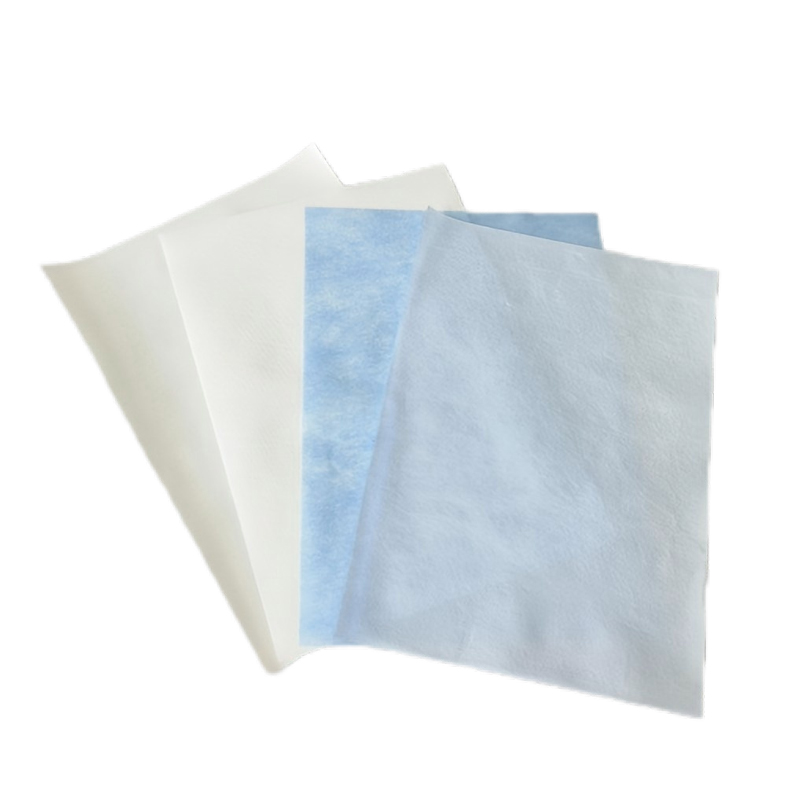 Breathable Film Laminates
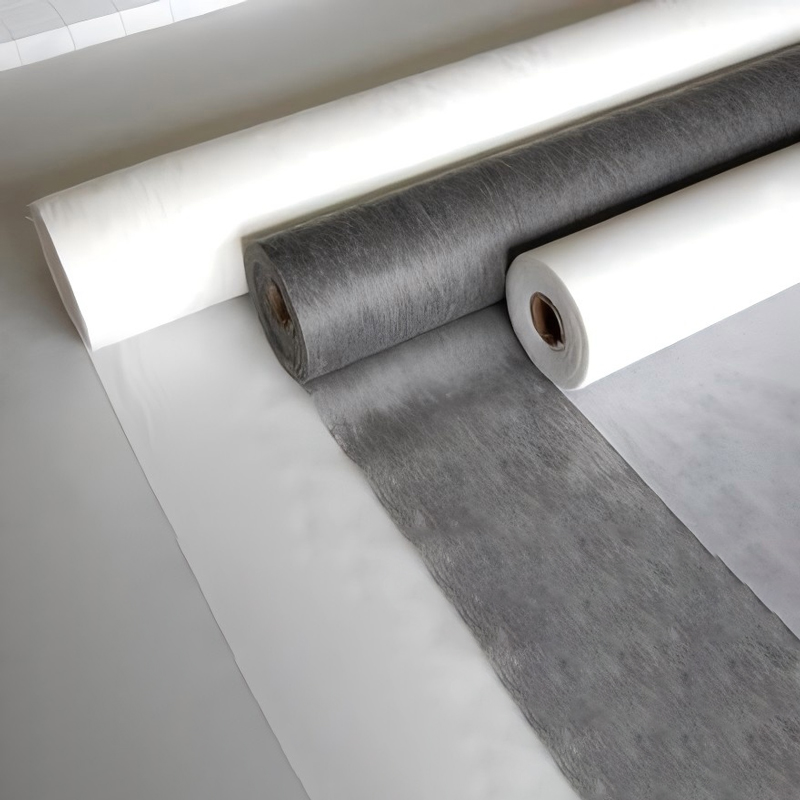 Nonwoven Interlining
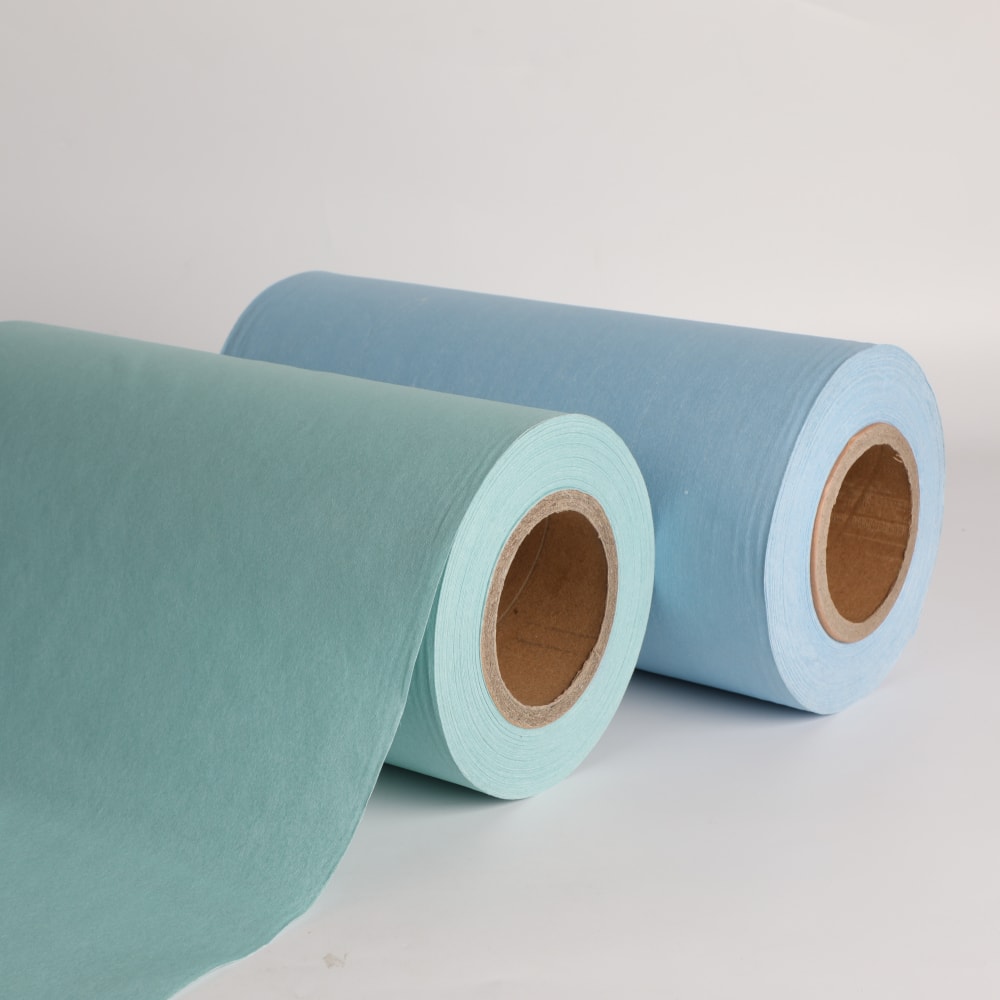 Fluid Repellent Woodpulp Spunlace Nonwoven
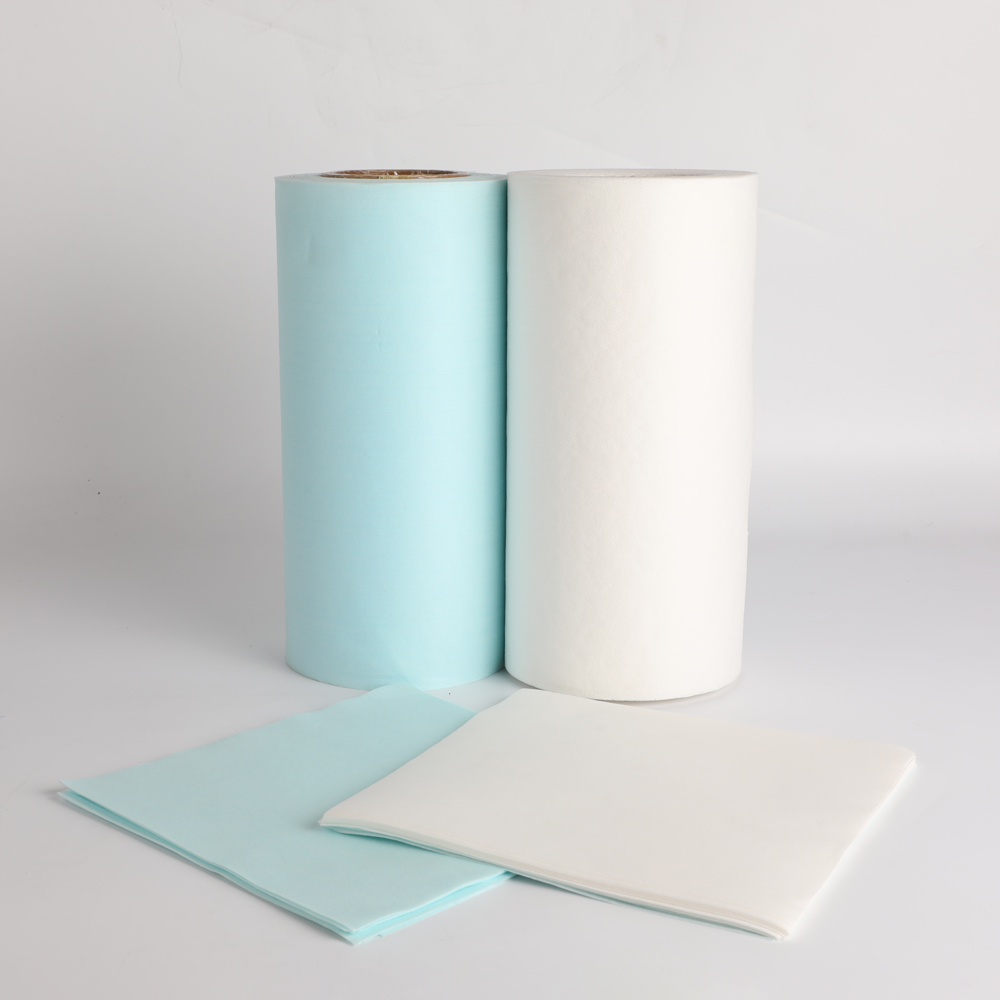 Woodpulp Nonwoven Wipe
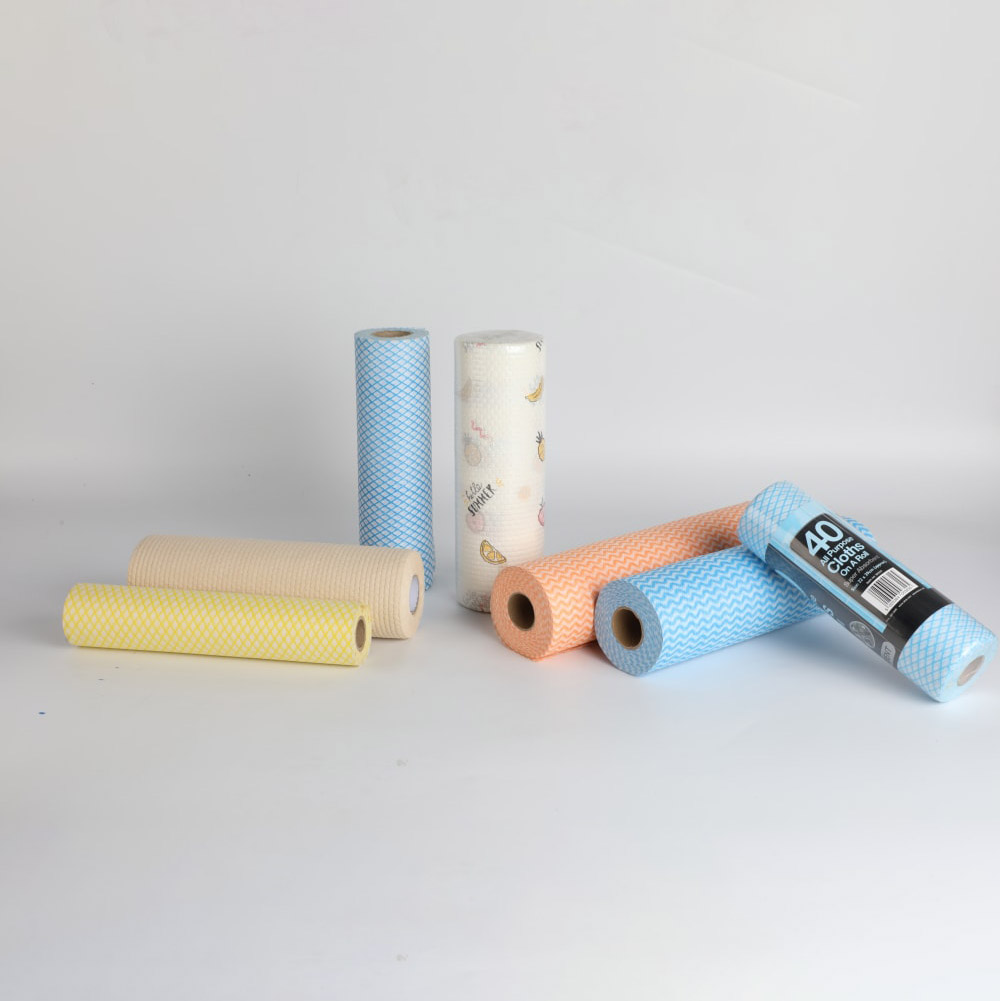 Nonwoven Cleaning Wipe
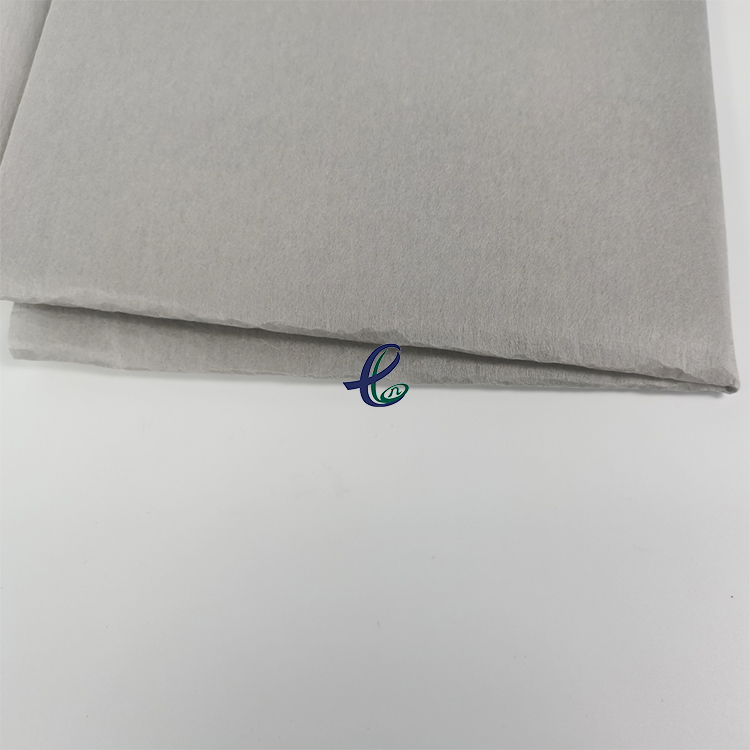 Curtain Nonwoven
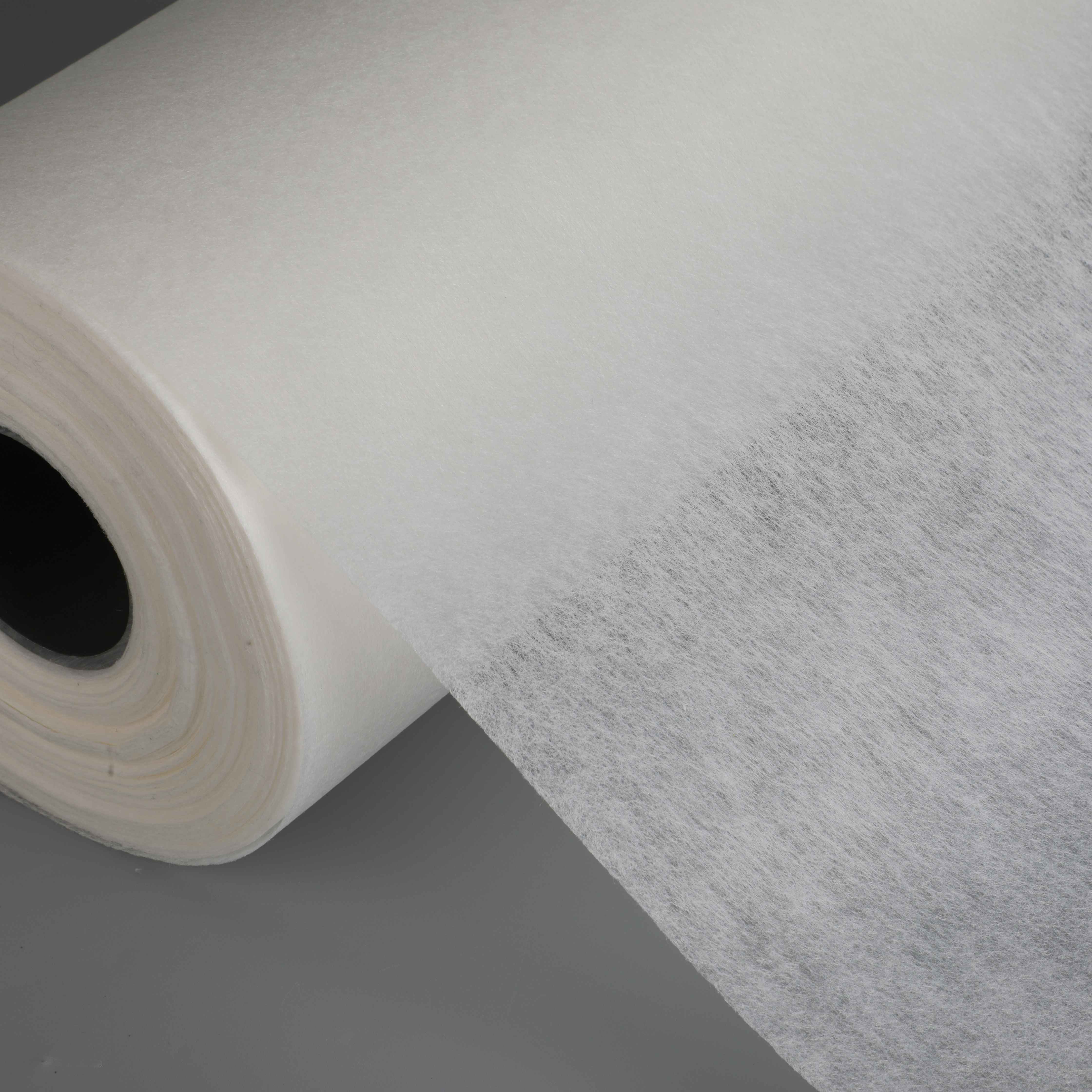 Food Grade Packaging Nonwoven
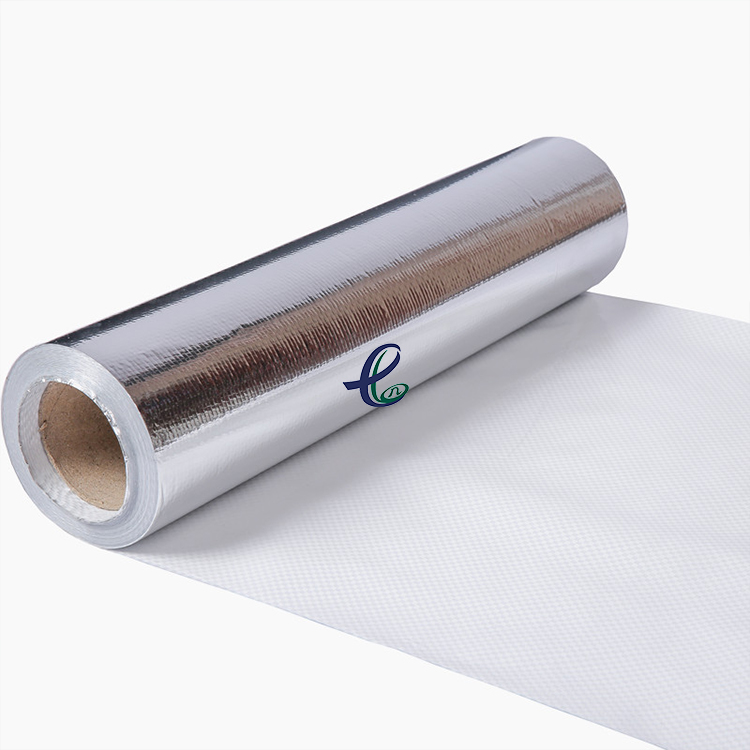 Aluminized Nonwoven
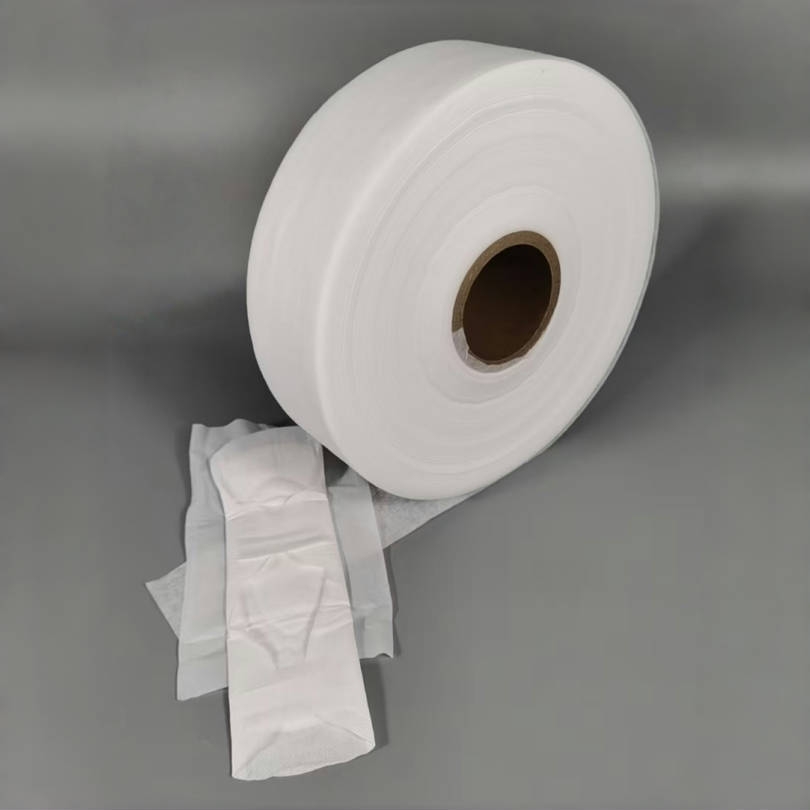 Hot Air Cotton Nonwoven
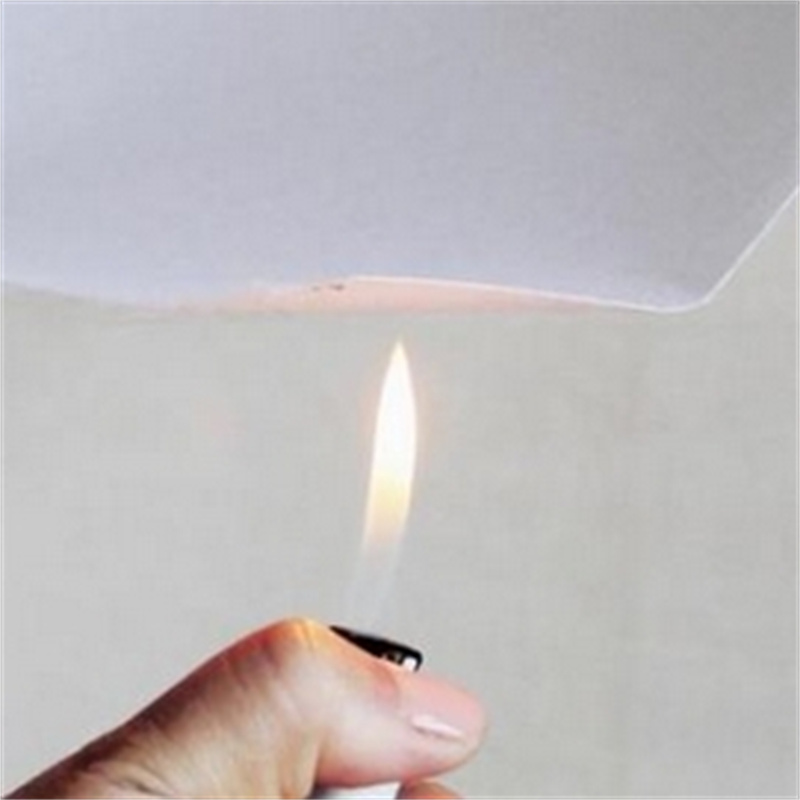 Flame Retardant Nonwoven
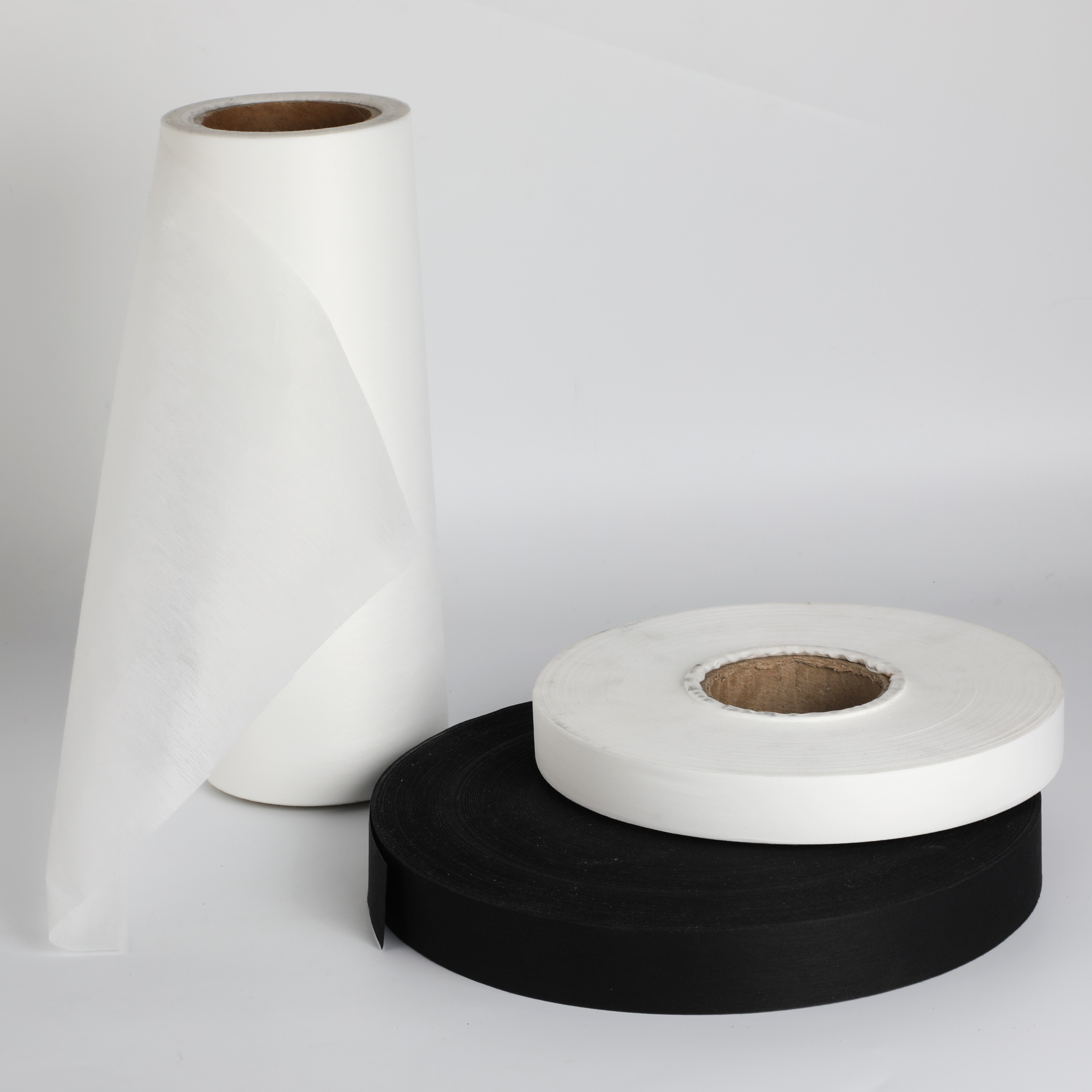 Cable Wrapping Nonwoven
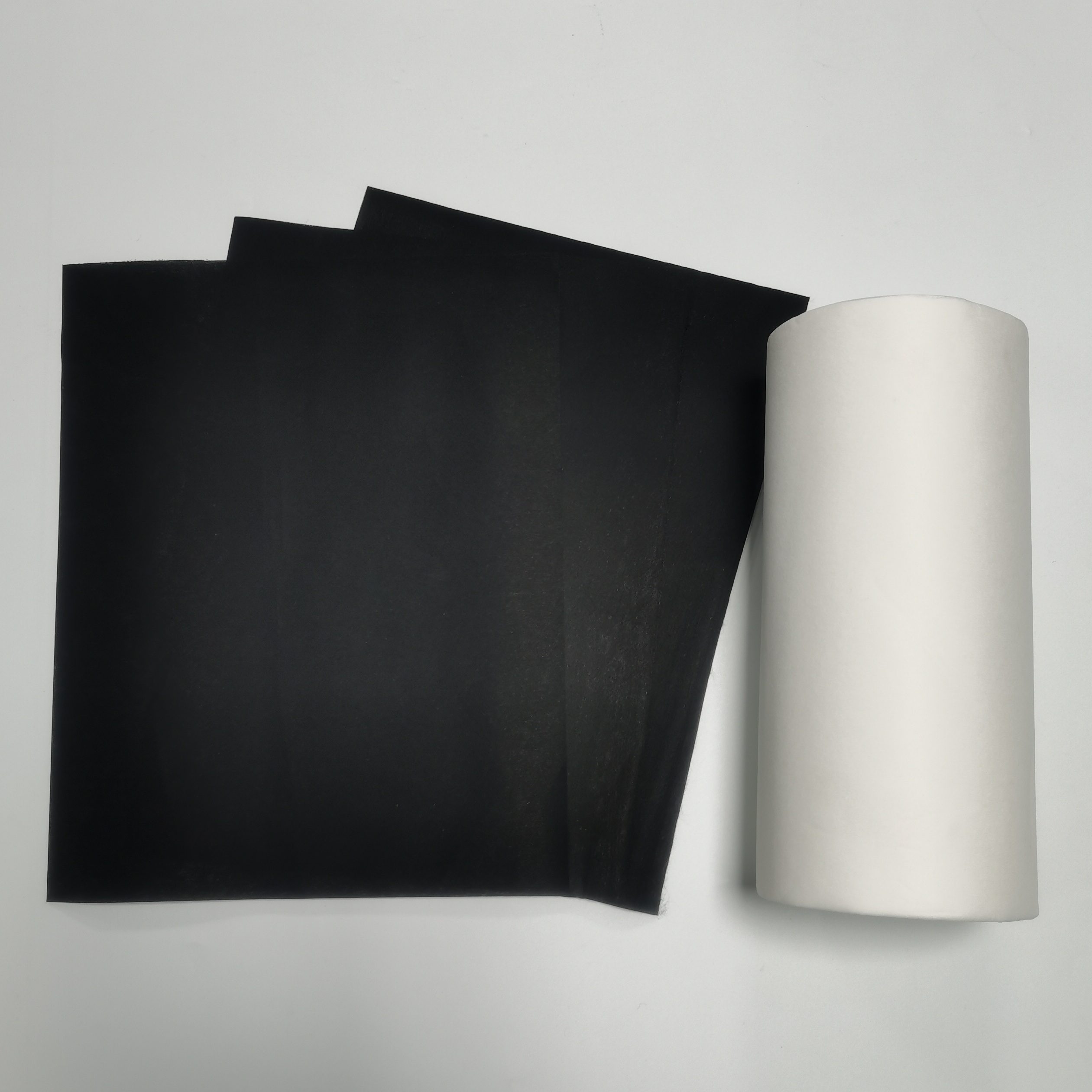 Semi-conductive Nonwoven
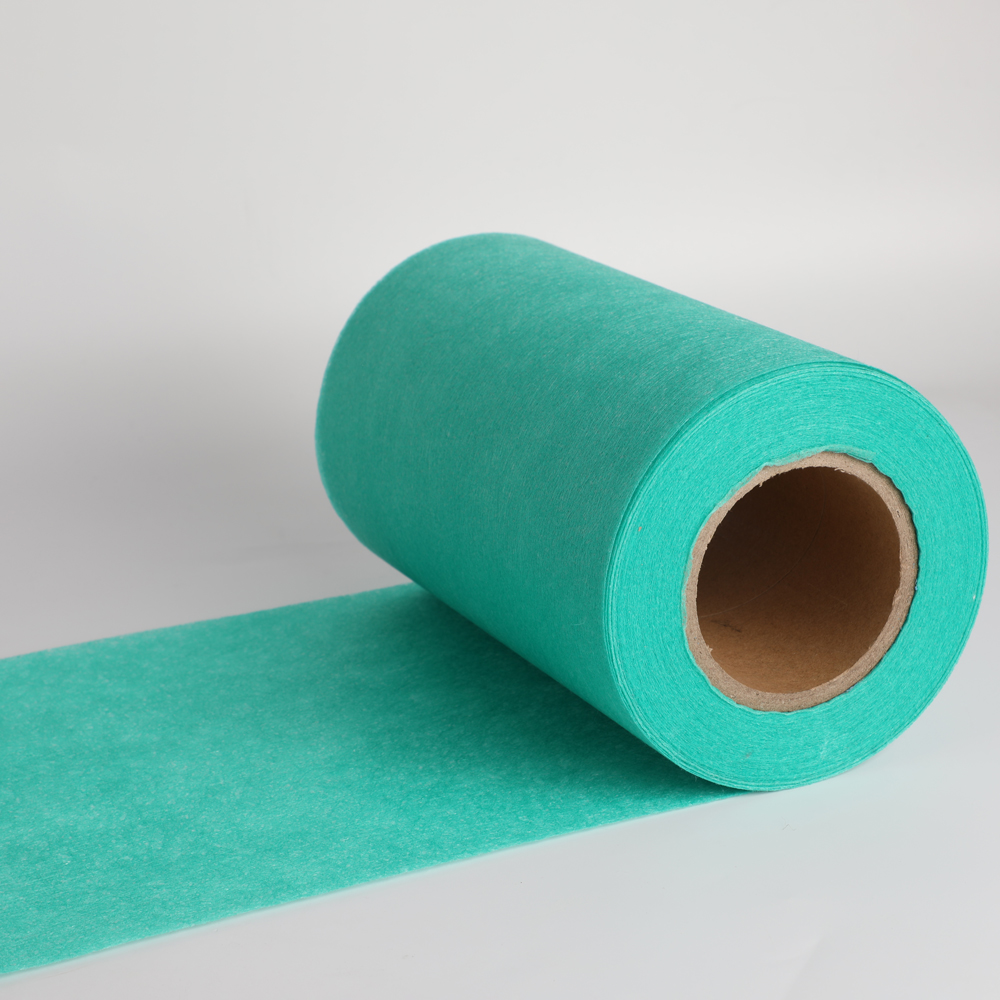 Anti-Bacterial Nonwoven
 +8613957712400
 CONTACT WhatsApp
 CONTACT WeChat
 CONTACT NUMBER
 CONTACT EMAIL