 PP Laminates
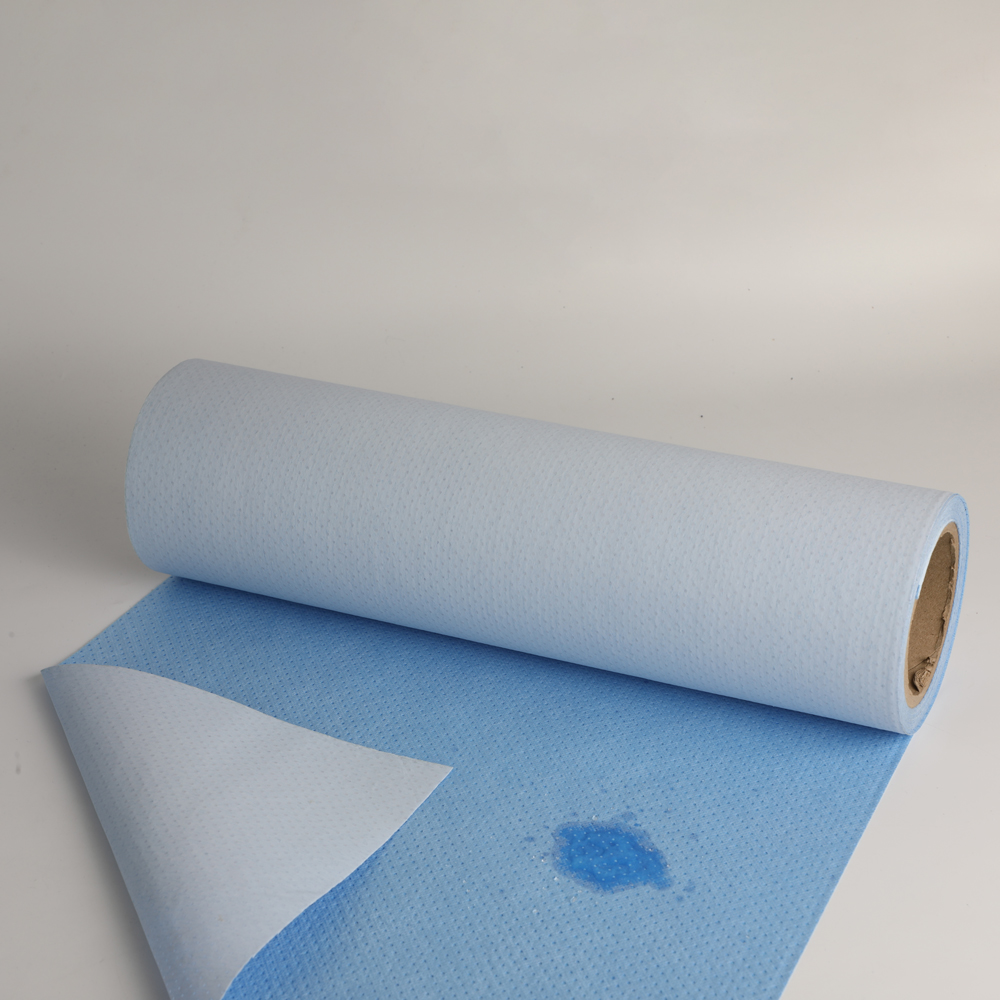 Multi Laminates
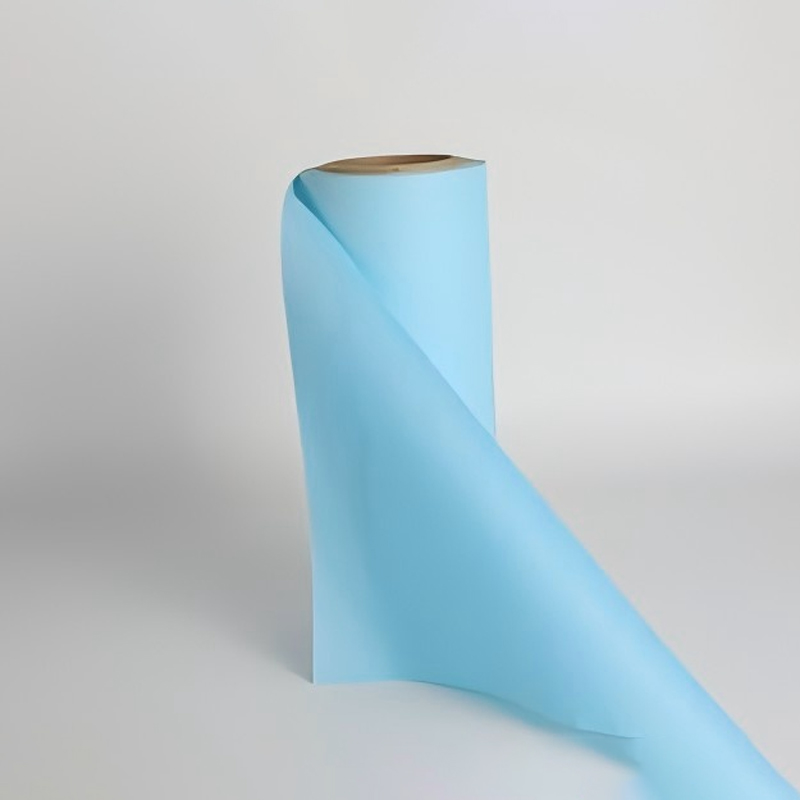 Spunlace Nonwoven Laminates
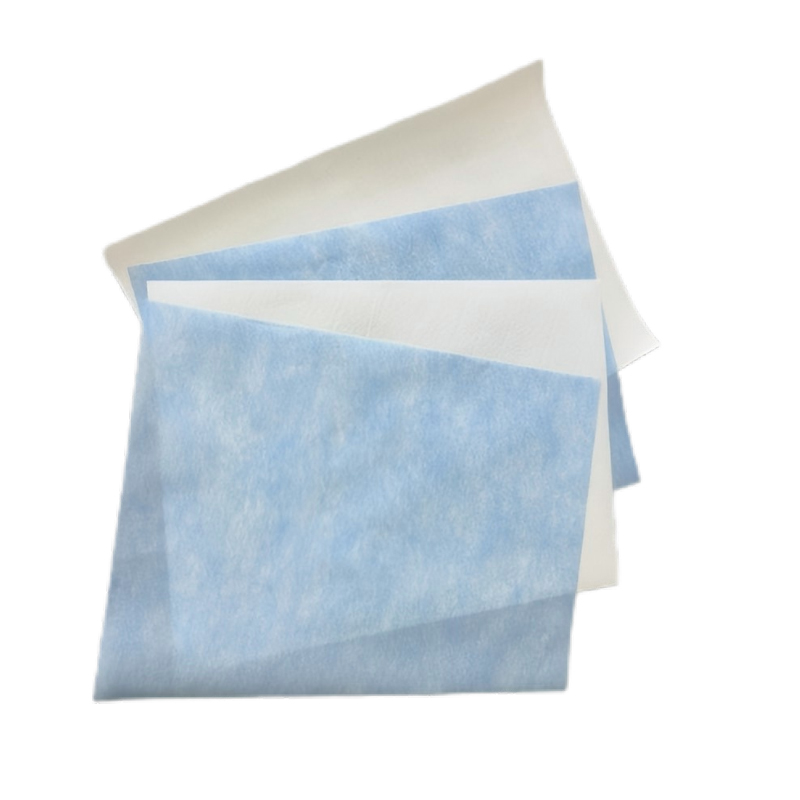 Breathable Film Laminates
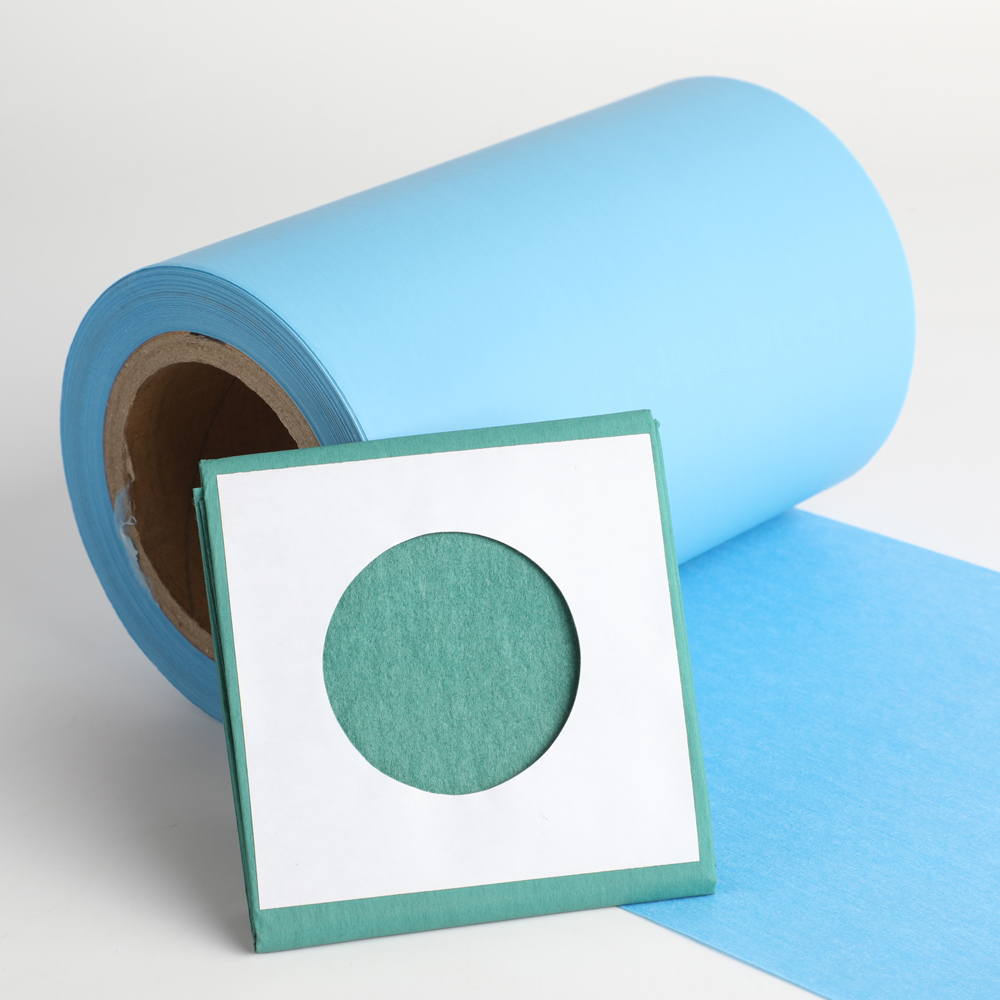 Viscose Laminates
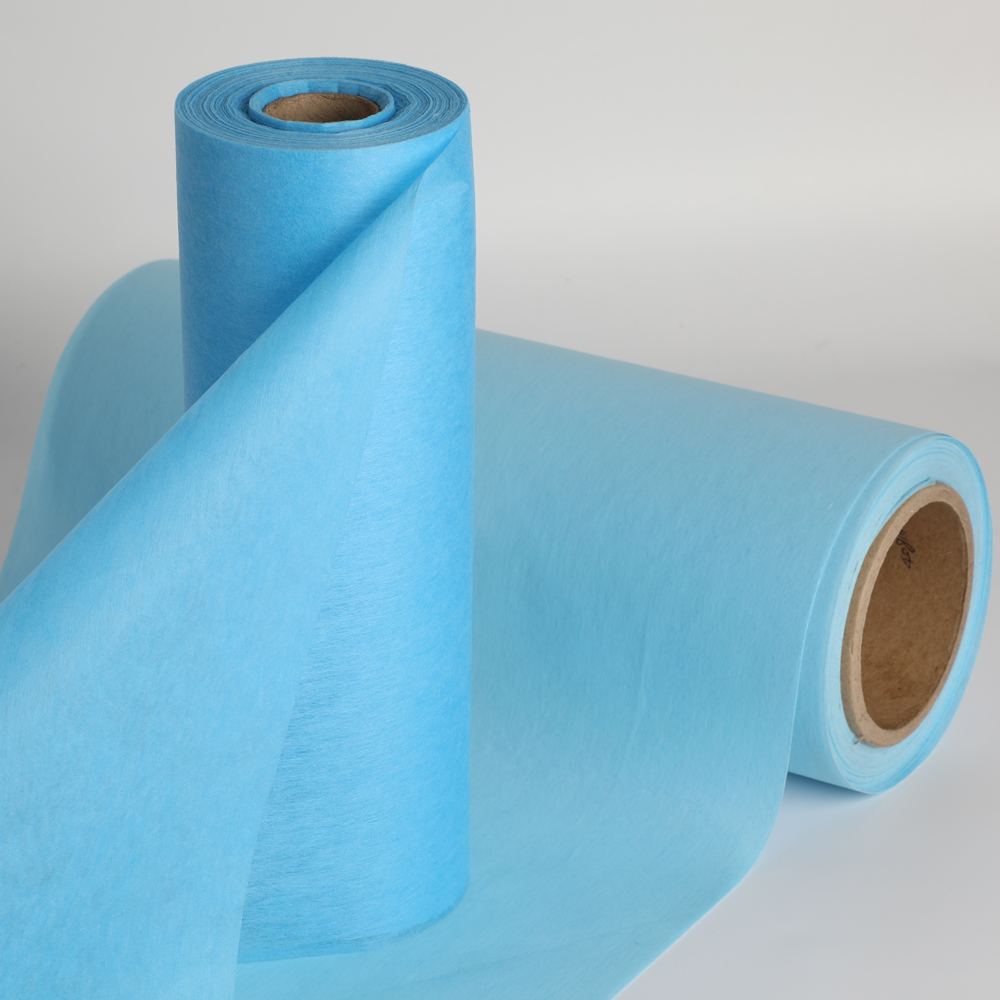 Medical Viscose Nonwoven
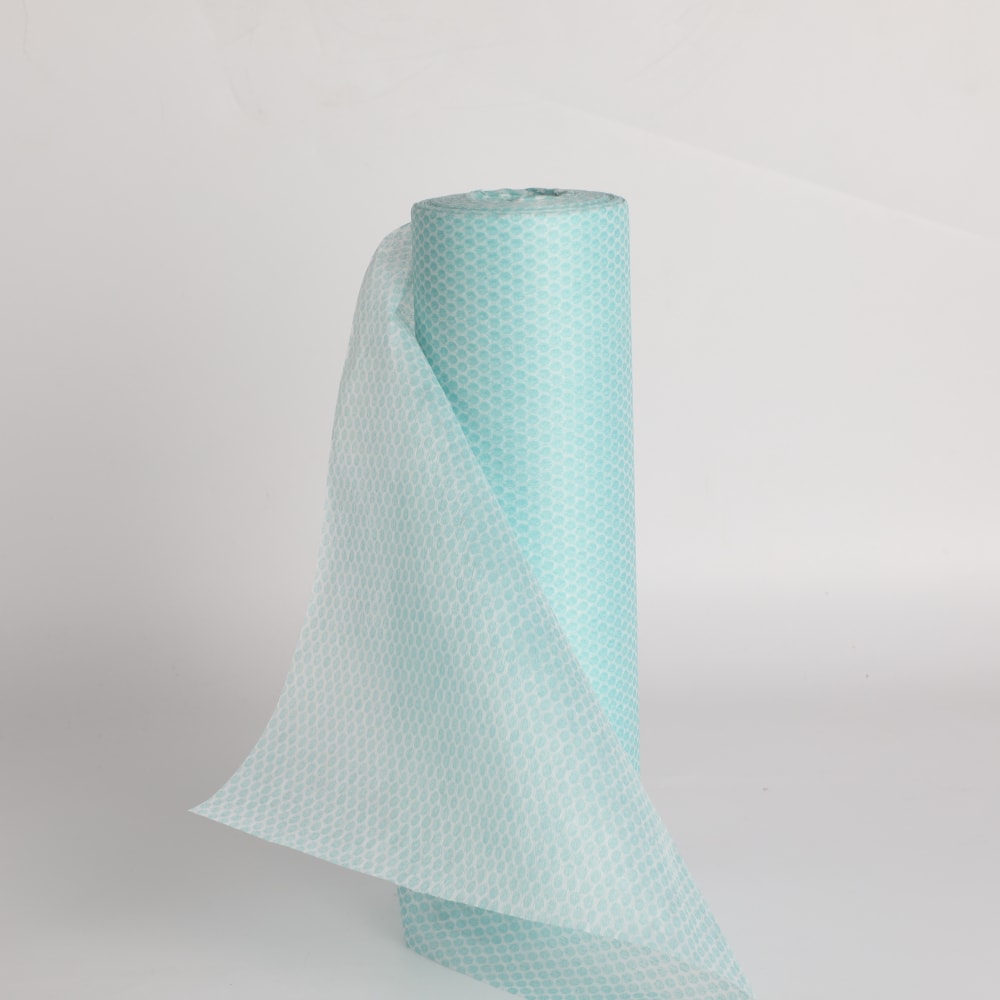 Head Wear Nonwoven
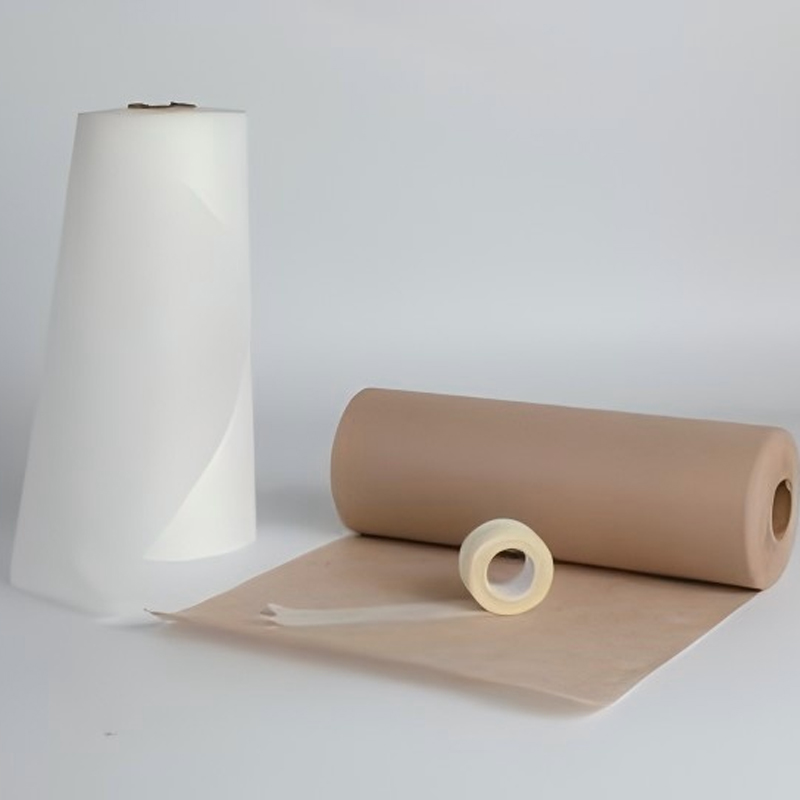 Medical Tape Nonwoven
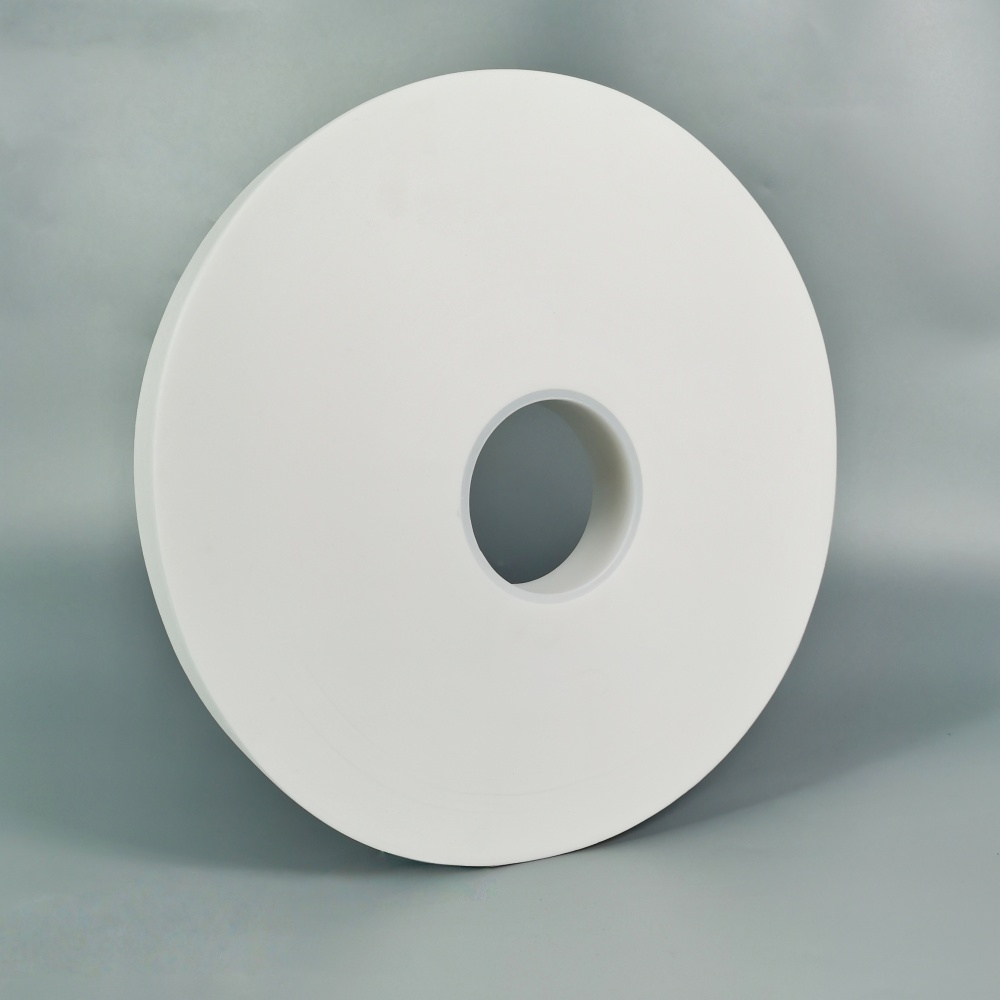 Snus Pouch Nonwoven
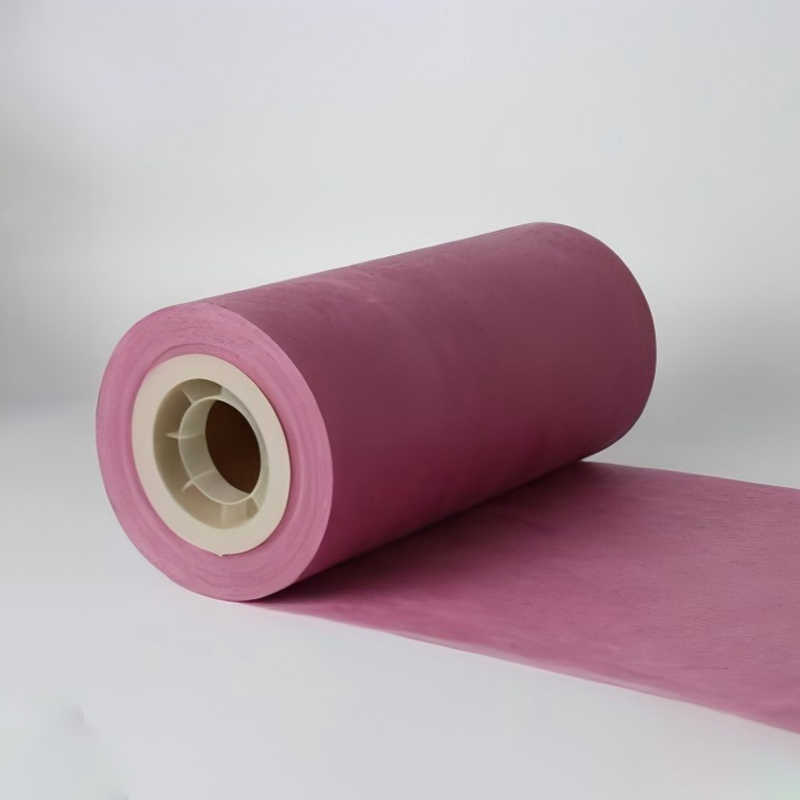 Filtration Nonwoven
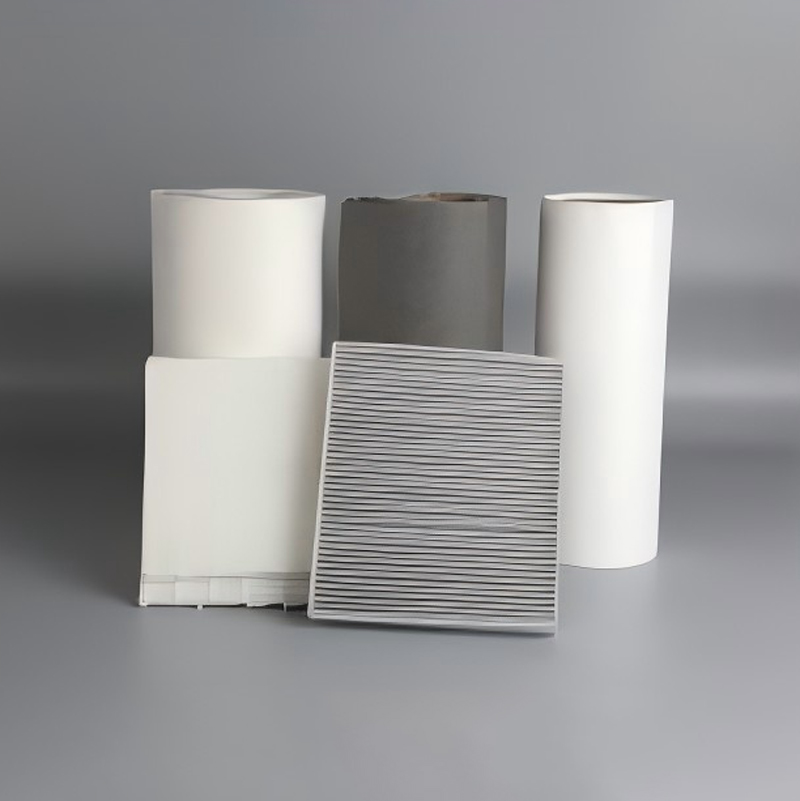 Air Filter Media
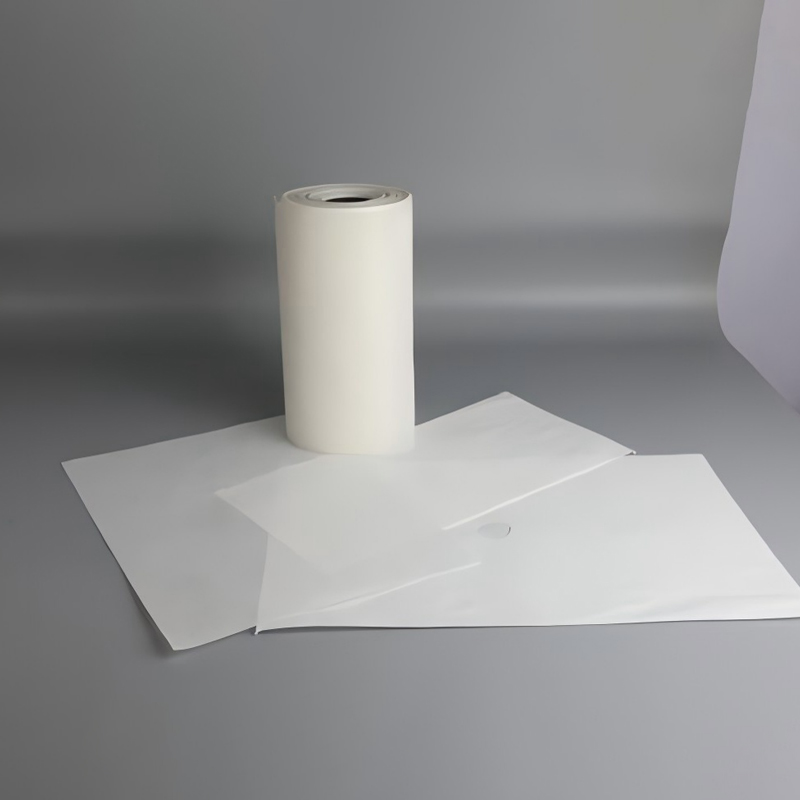 Liquid Filter Media
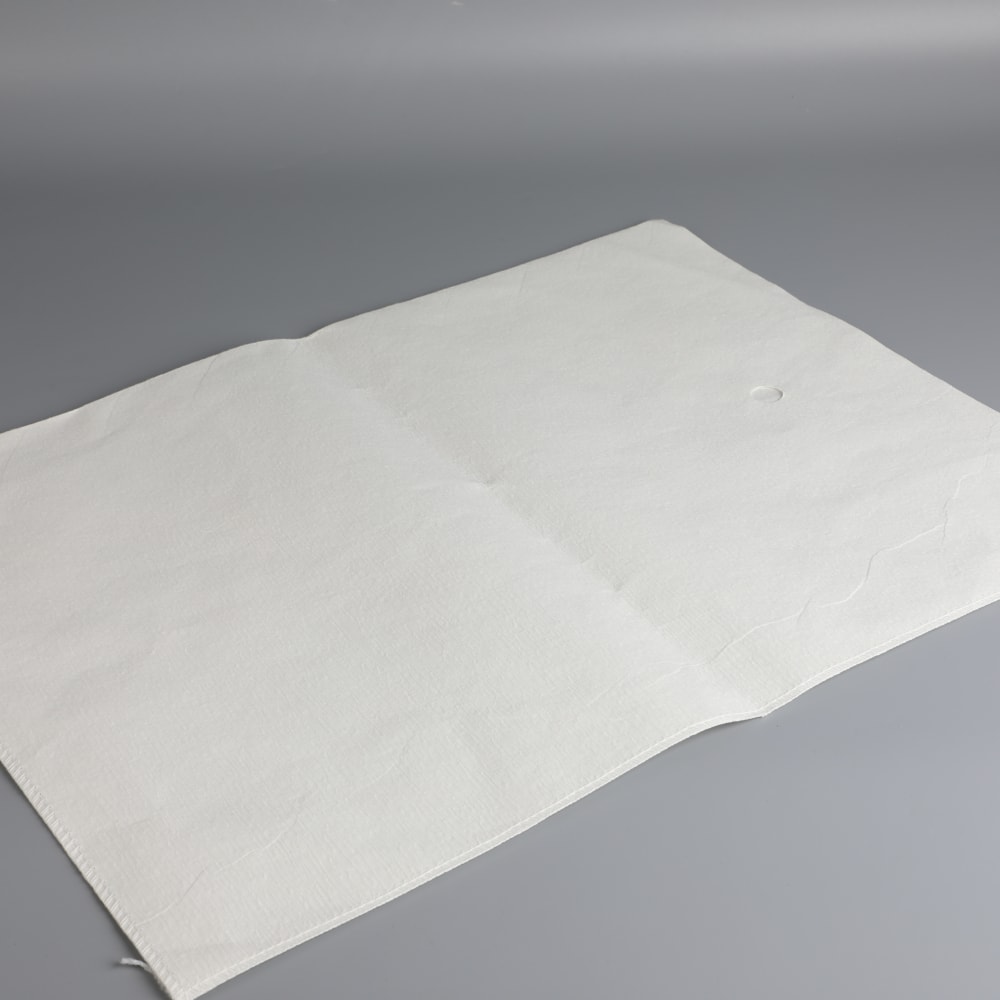 Filter Envelope & Filter Sheet
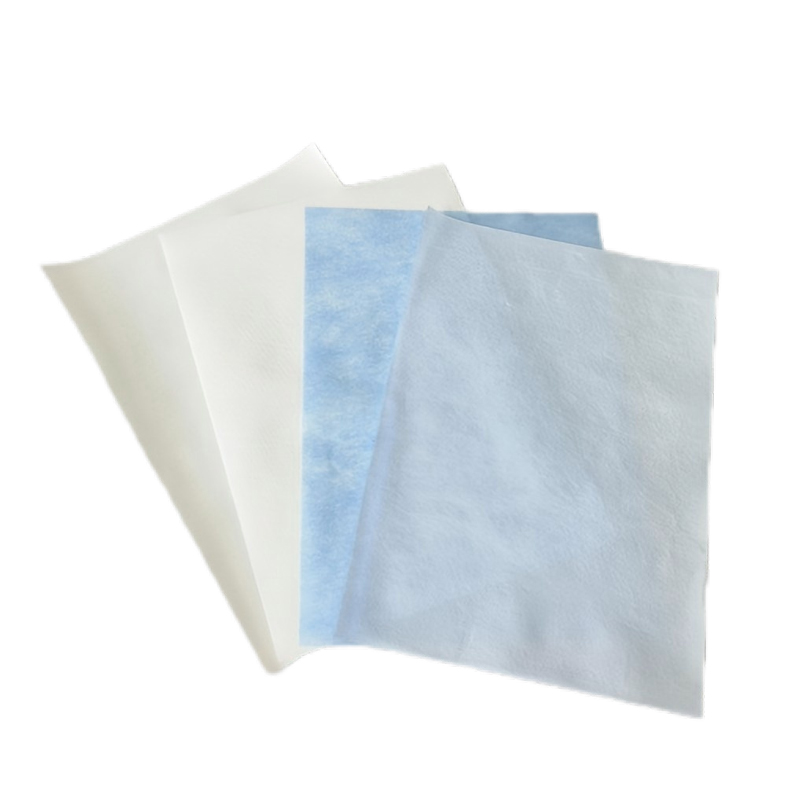 Breathable Film Laminates
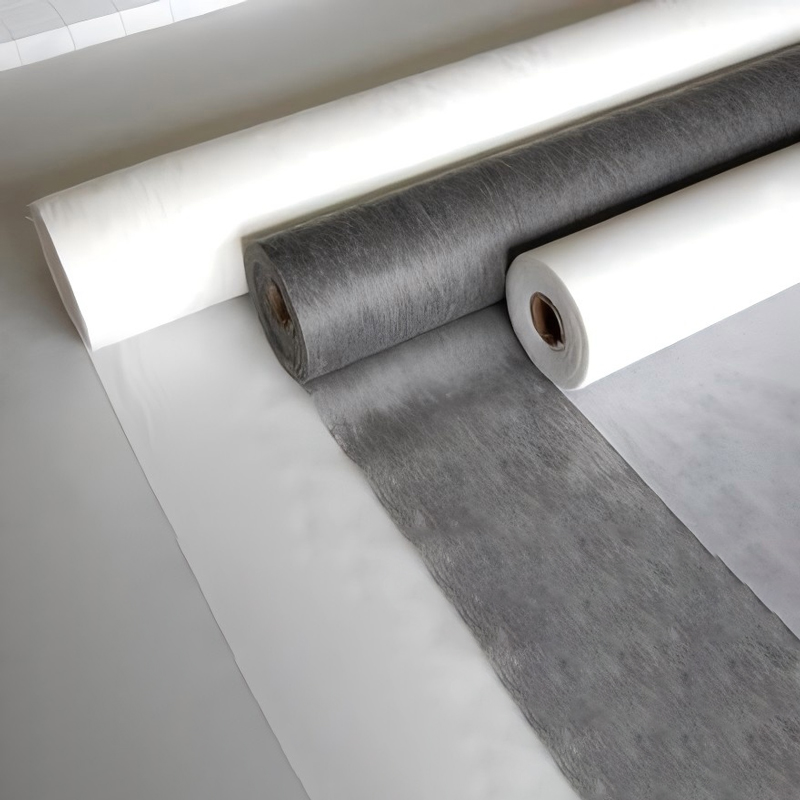 Nonwoven Interlining
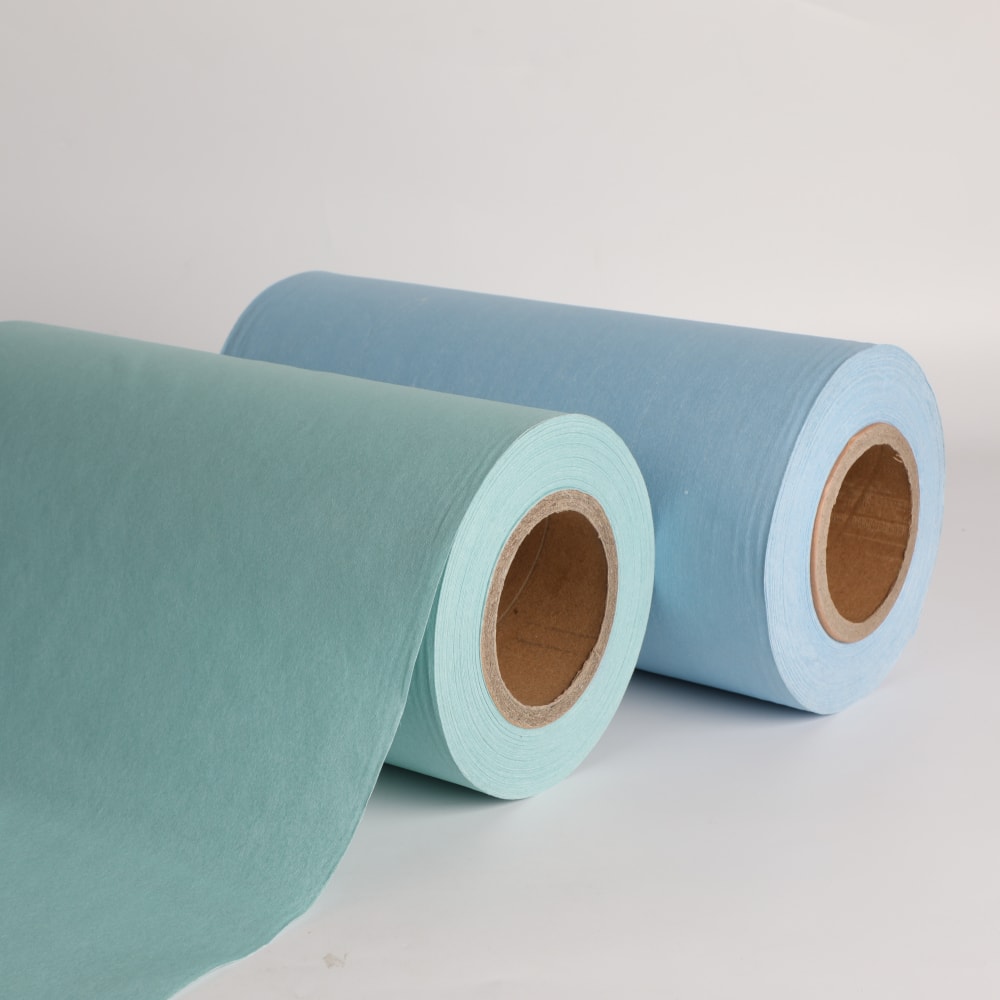 Fluid Repellent Woodpulp Spunlace Nonwoven
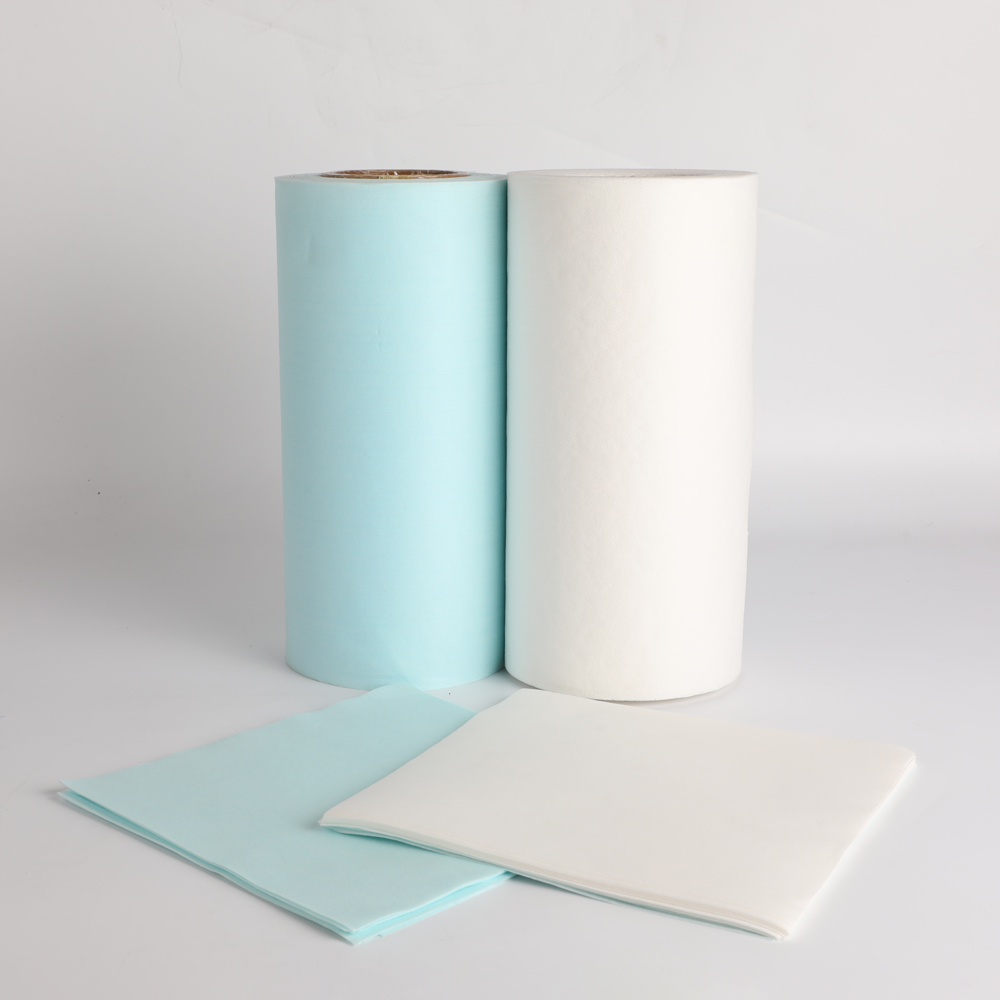 Woodpulp Nonwoven Wipe
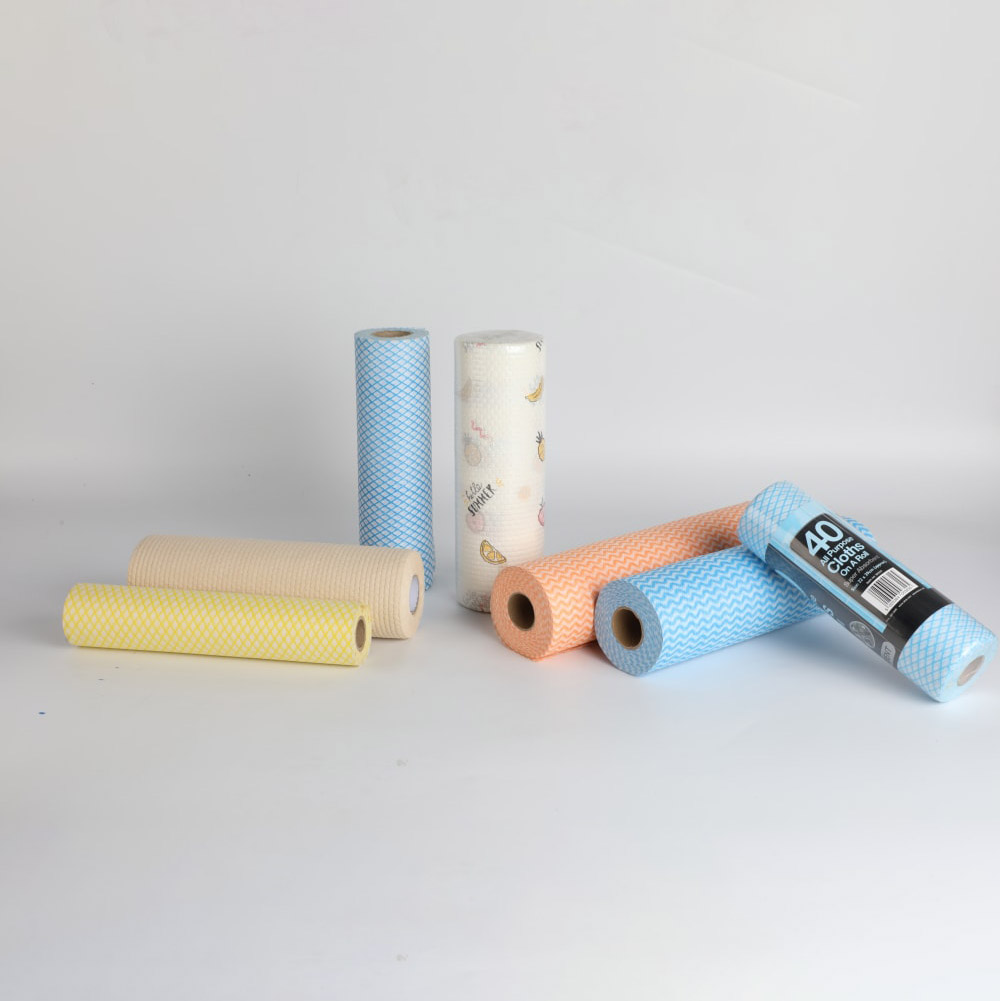 Nonwoven Cleaning Wipe
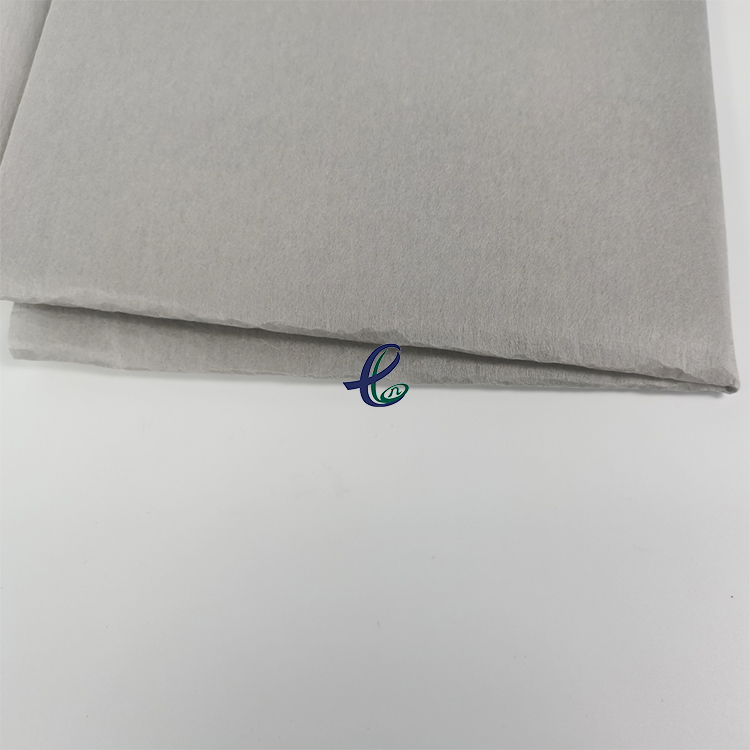 Curtain Nonwoven
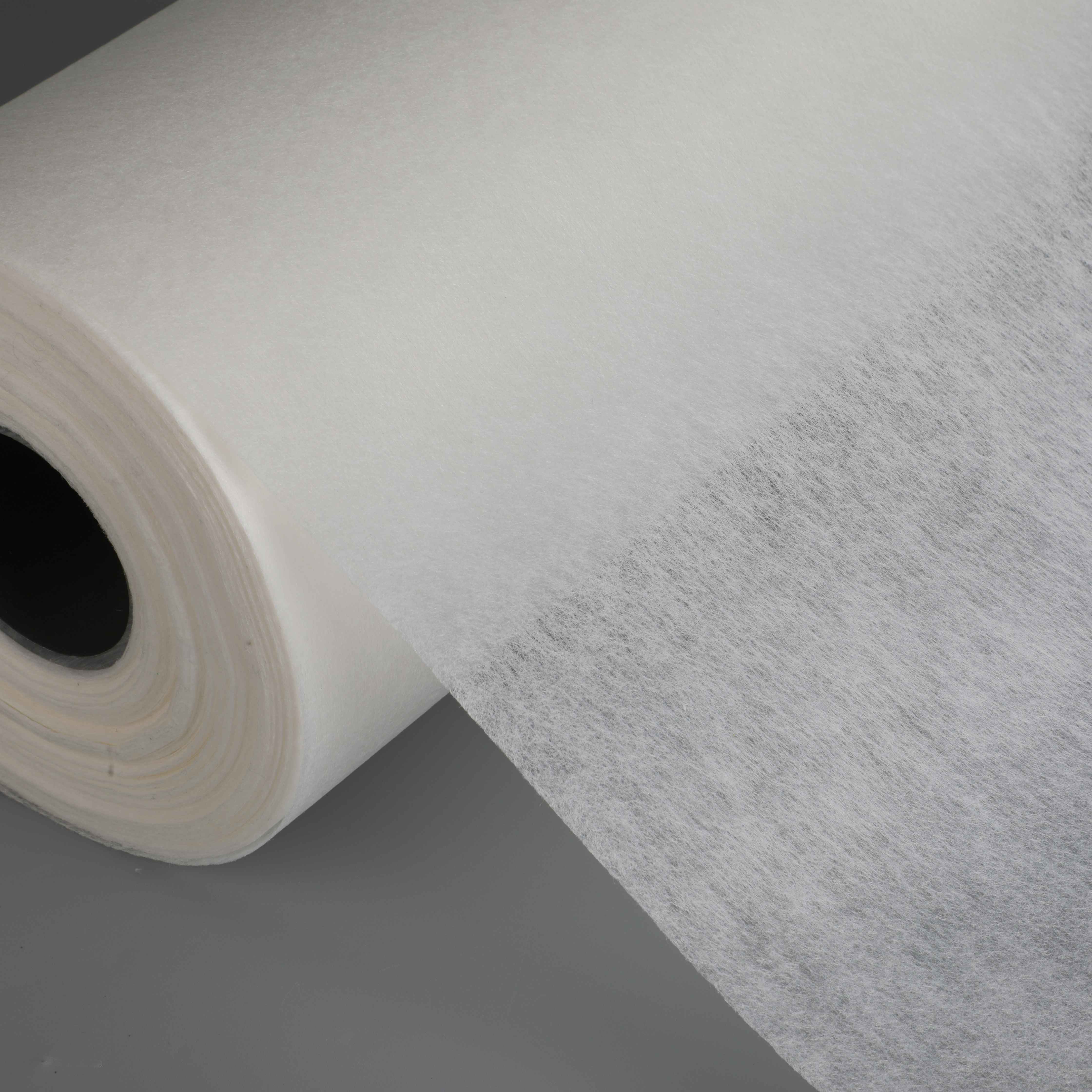 Food Grade Packaging Nonwoven
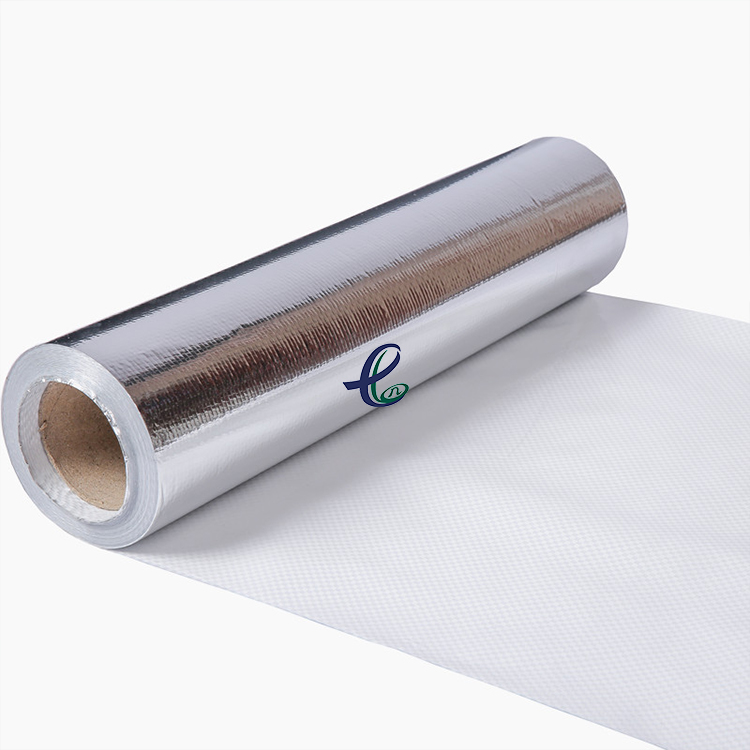 Aluminized Nonwoven
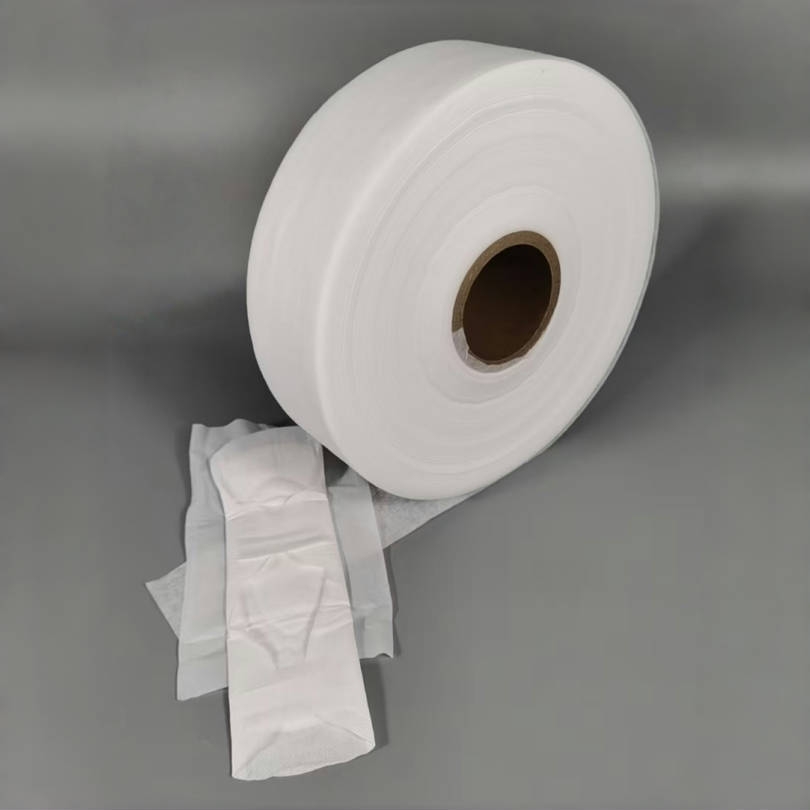 Hot Air Cotton Nonwoven
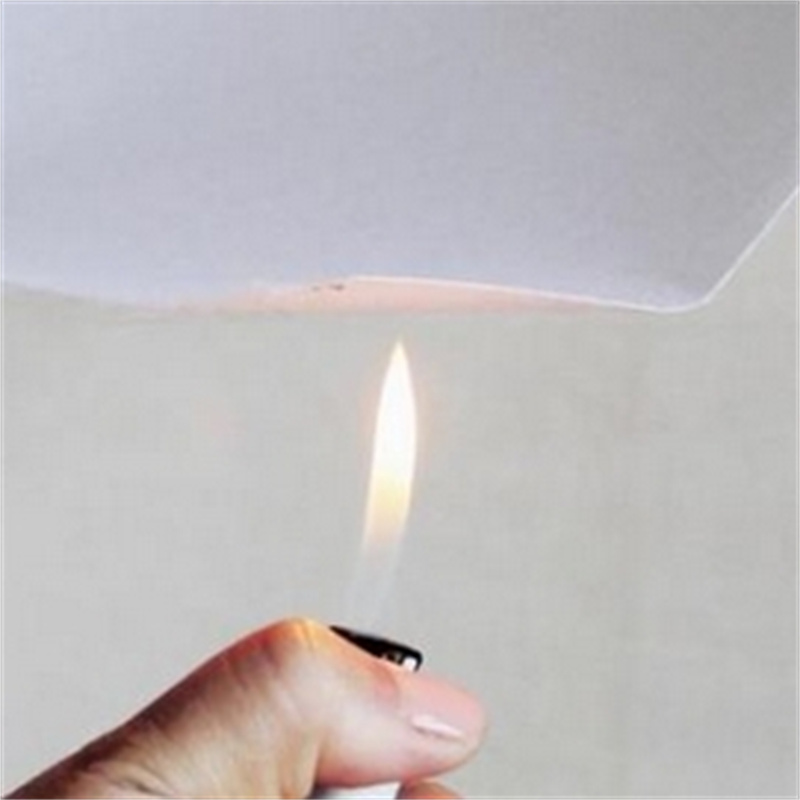 Flame Retardant Nonwoven
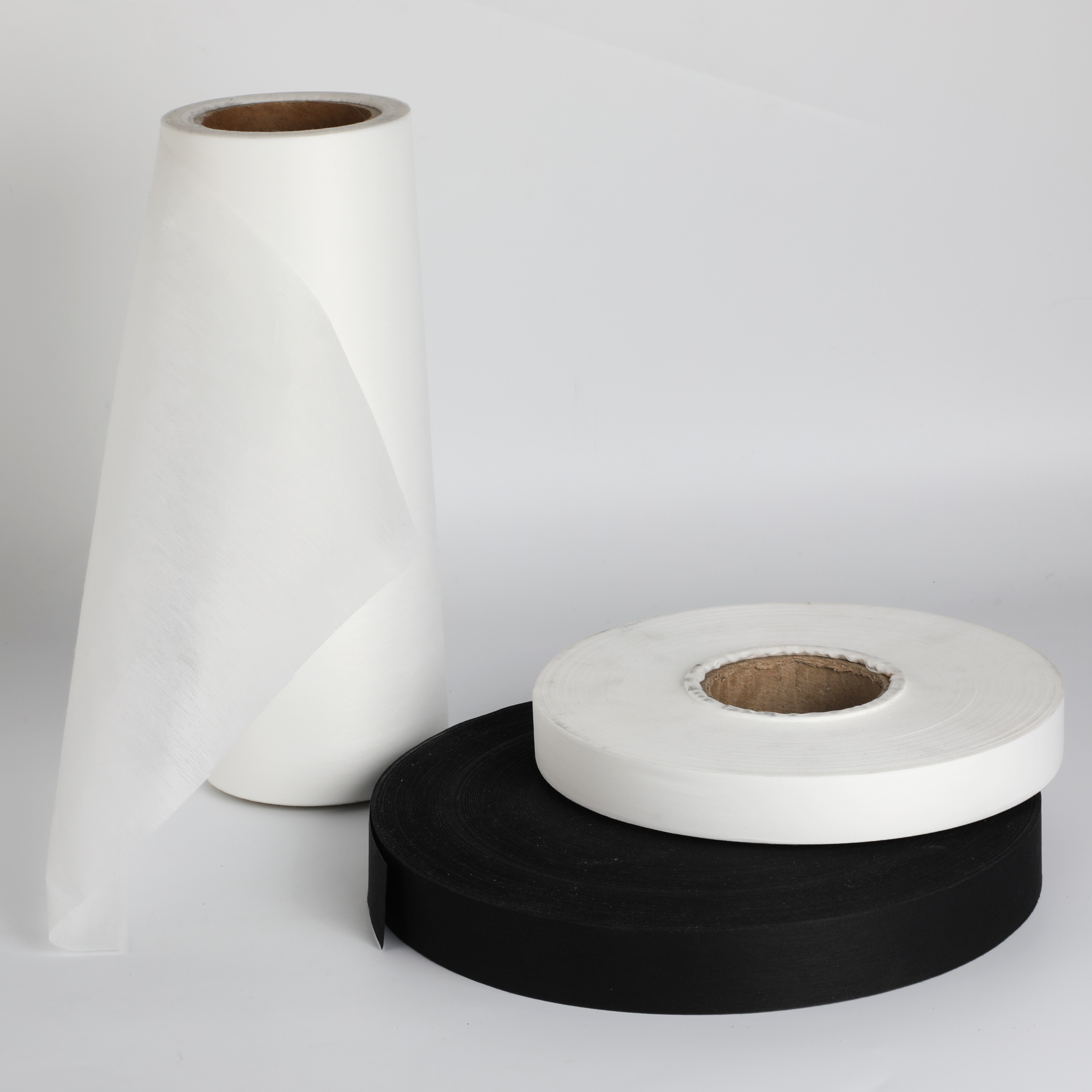 Cable Wrapping Nonwoven
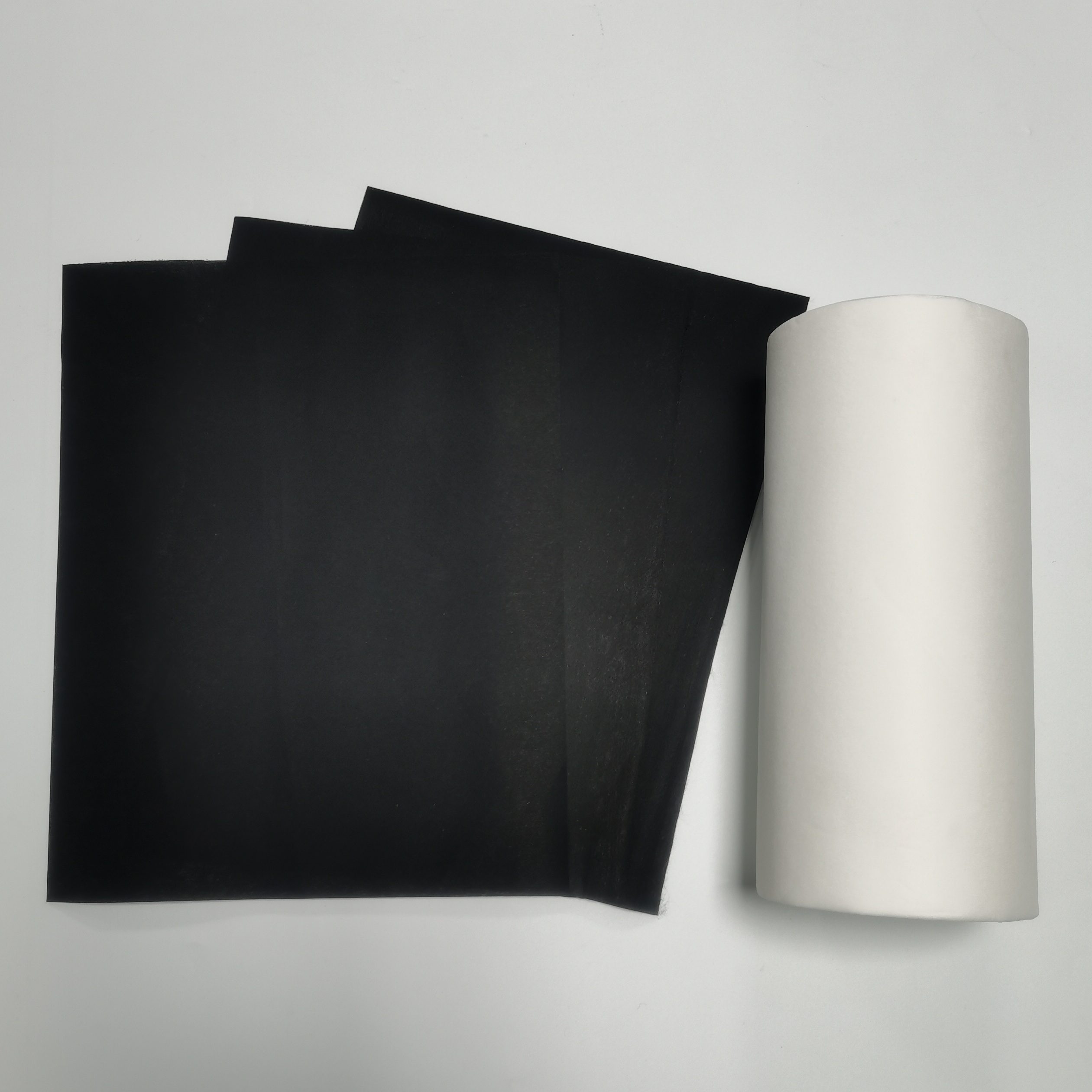 Semi-conductive Nonwoven
 Anti-Bacterial Nonwoven
 +8613957712400
Leave Your Message
-
 CONTACT WhatsApp
 -
 CONTACT WeChat
-
 CONTACT NUMBER
 -
 CONTACT EMAIL
The global push for sustainable packaging solutions is intensifying. Many industries are turning to innovative materials, and "Food Grade Nonwoven Fabric" is emerging as a key player in this trend. According to a report by Smithers Pira, the global sustainable packaging market was valued at over $400 billion in 2021, with strong growth projected through 2026.
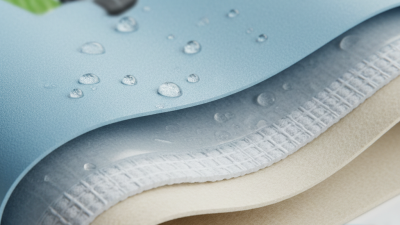
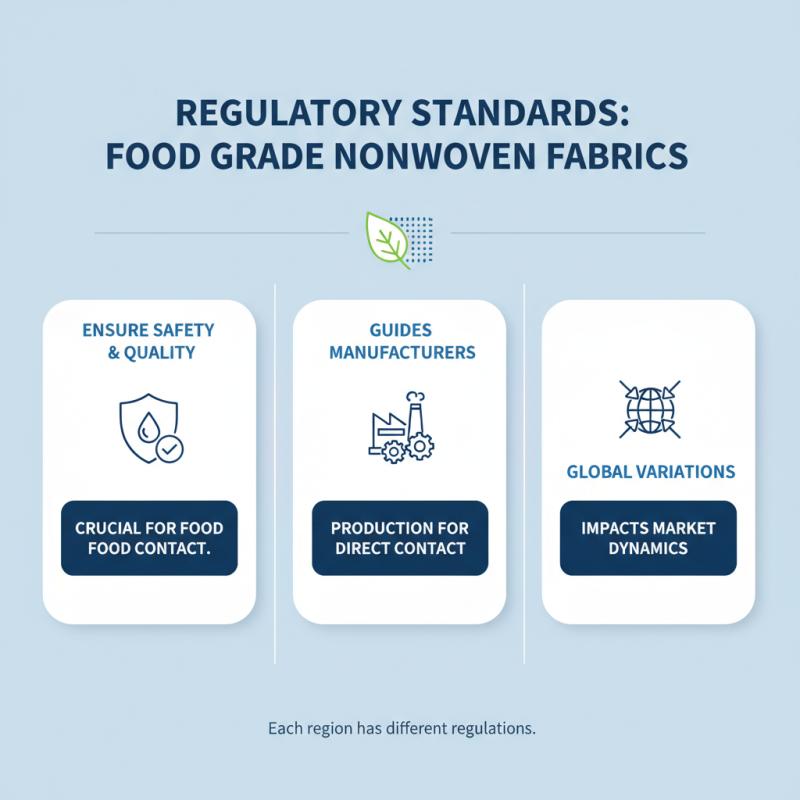
Food Grade Nonwoven Fabric presents advantages in both functionality and safety. It is breathable, lightweight, and cost-effective, making it suitable for various food applications. Recent studies indicate that this material can reduce environmental impact by curbing plastic waste. However, challenges remain. Not all food grade nonwovens are created equal; some may not meet strict regulatory standards.
As the demand for packaging evolves, producers face pressure to ensure quality and safety. Balancing sustainability with performance will be crucial. The future of Food Grade Nonwoven Fabric in sustainable packaging hinges on continuous innovation and adherence to regulatory guidelines. The industry must reflect on existing practices and strive for more effective solutions.
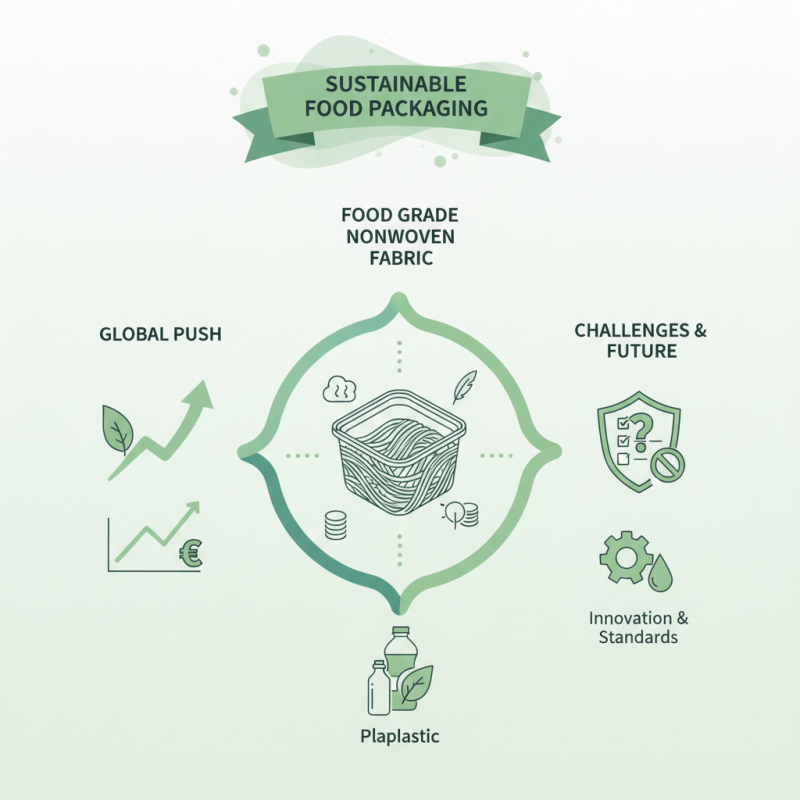
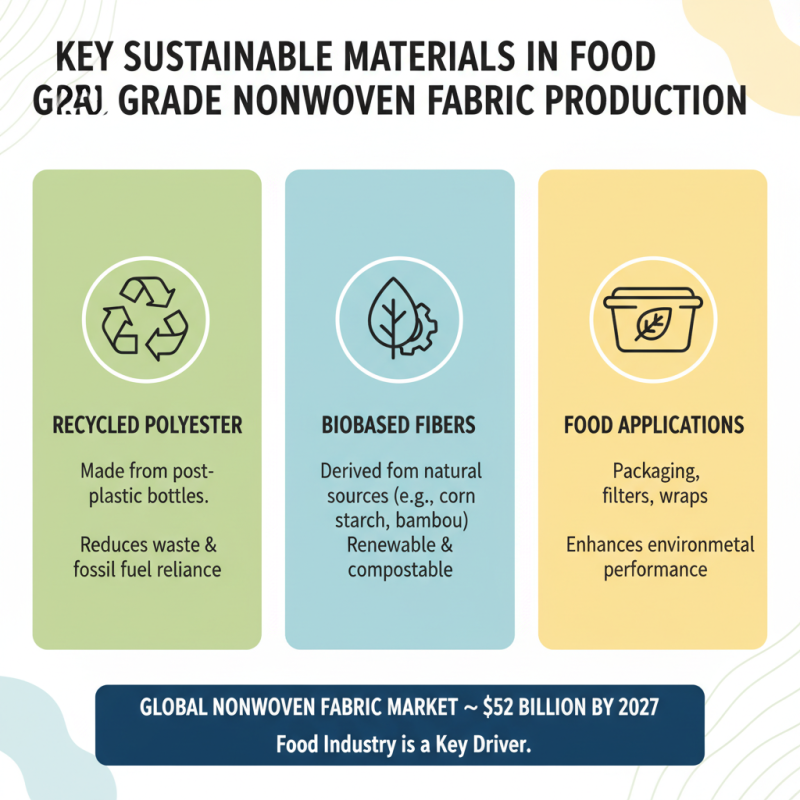
Emerging innovations in food grade nonwoven fabrics for packaging are transforming the industry. These materials offer excellent barrier properties and are breathable, essential traits for food preservation. As sustainability becomes a priority, manufacturers focus on materials like biodegradable and recycled components. This shift not only benefits the planet but also meets consumer demand for eco-friendly options.
When selecting nonwoven fabrics for food packaging, consider their source. Opt for fibers derived from renewable resources like corn or sugarcane. These materials typically have a lower carbon footprint. Also, ensure they comply with food safety standards. Always verify certifications to avoid potential contamination issues.
Tips: Regularly review literature on advancements in nonwoven fabrics. Technology in this field evolves rapidly. Implementing new findings can enhance the effectiveness of your packaging solutions. Stay updated on regulations, as they can shift significantly, impacting your material choices. Embrace innovations, but reflect on your current practices to identify areas for improvement.