 PP Laminates
 Multi Laminates
 Spunlace Nonwoven Laminates
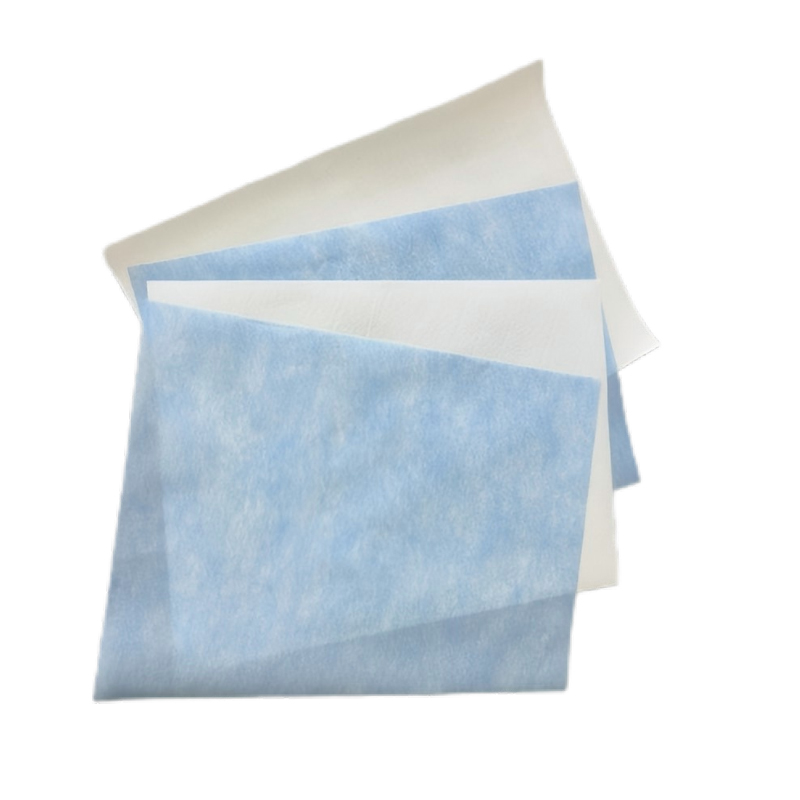 Breathable Film Laminates
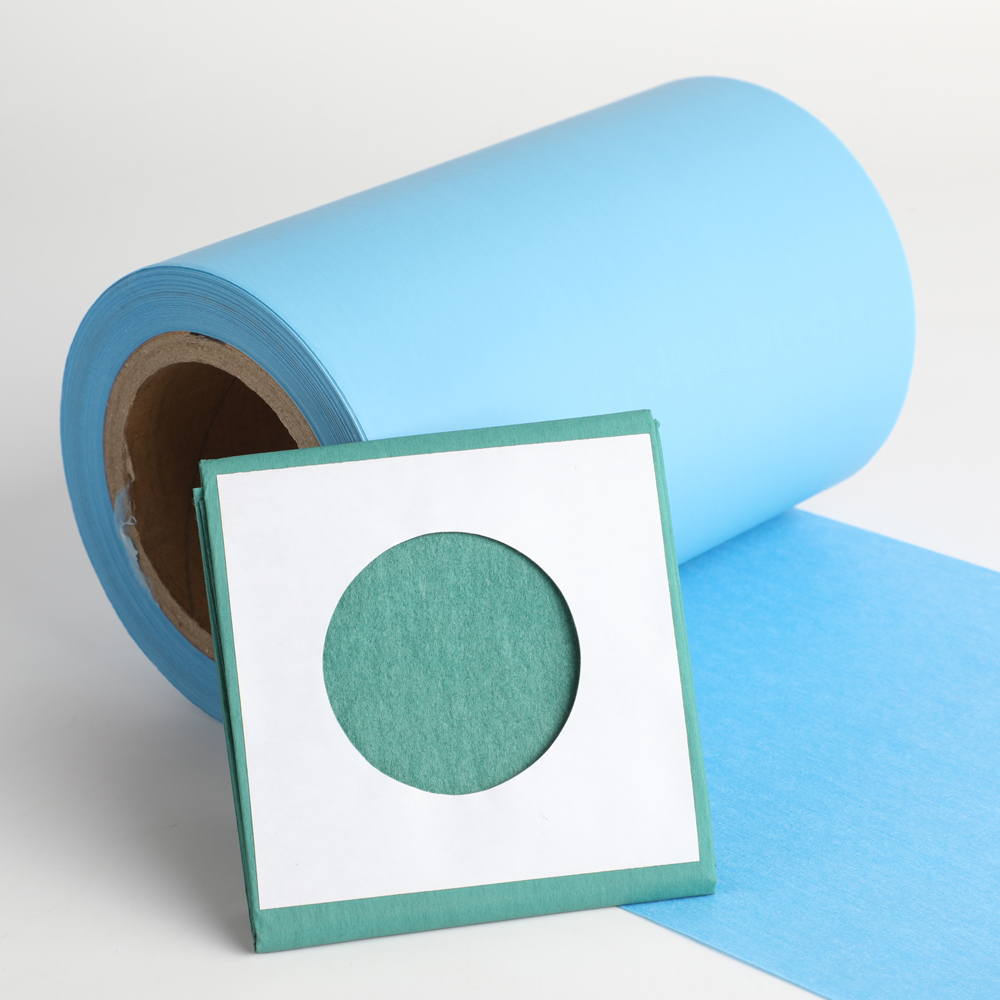 Viscose Laminates
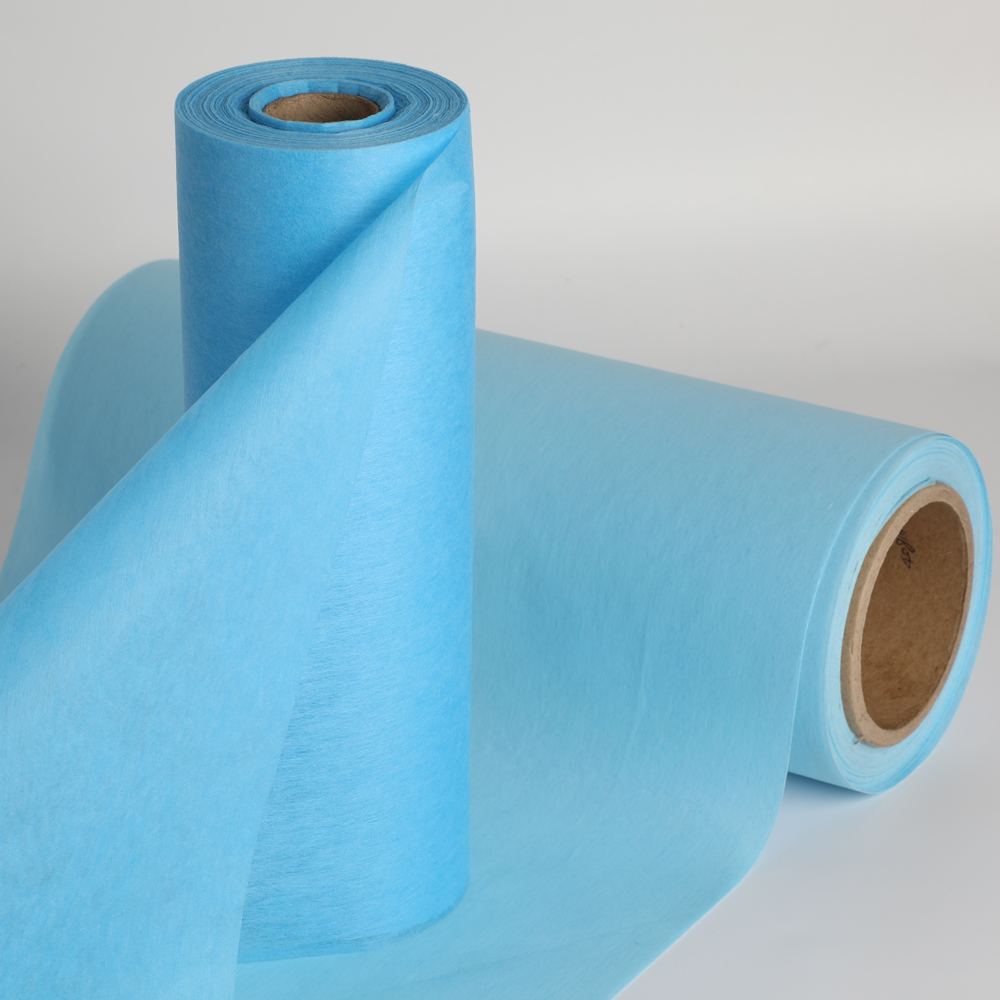 Medical Viscose Nonwoven
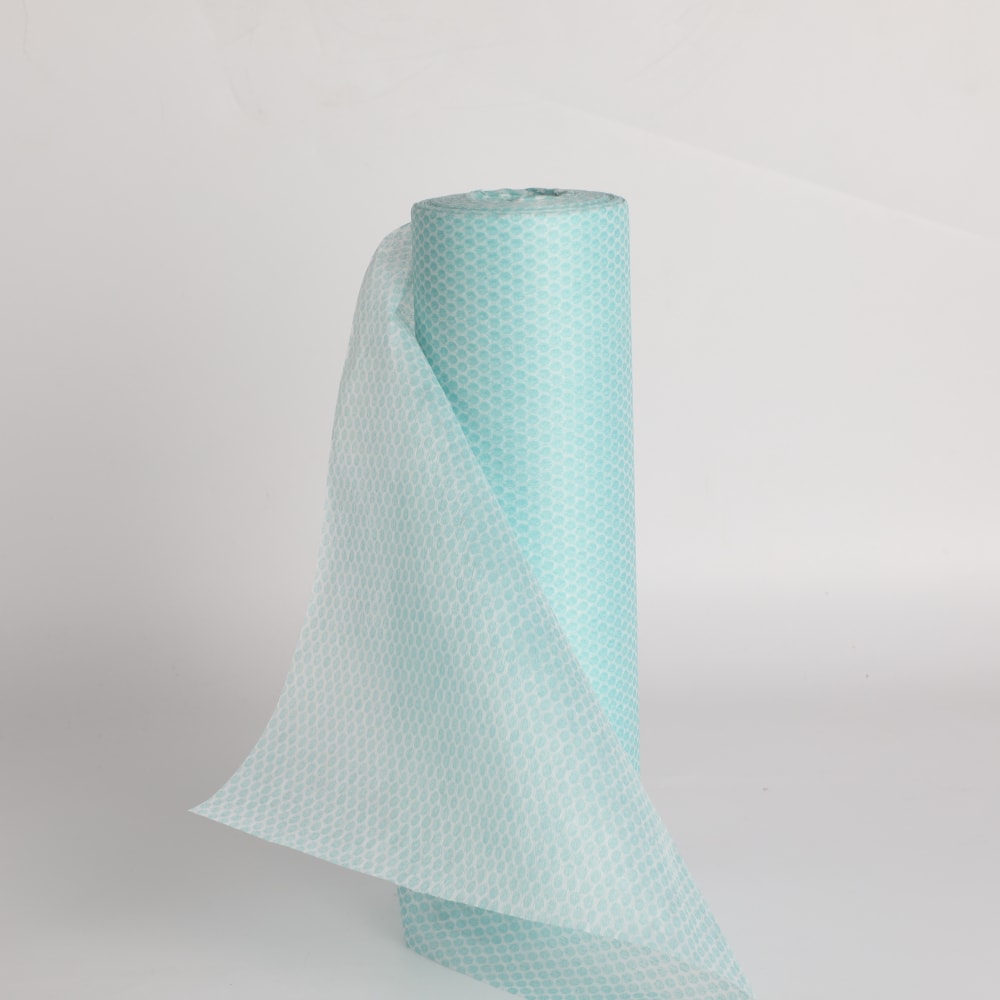 Head Wear Nonwoven
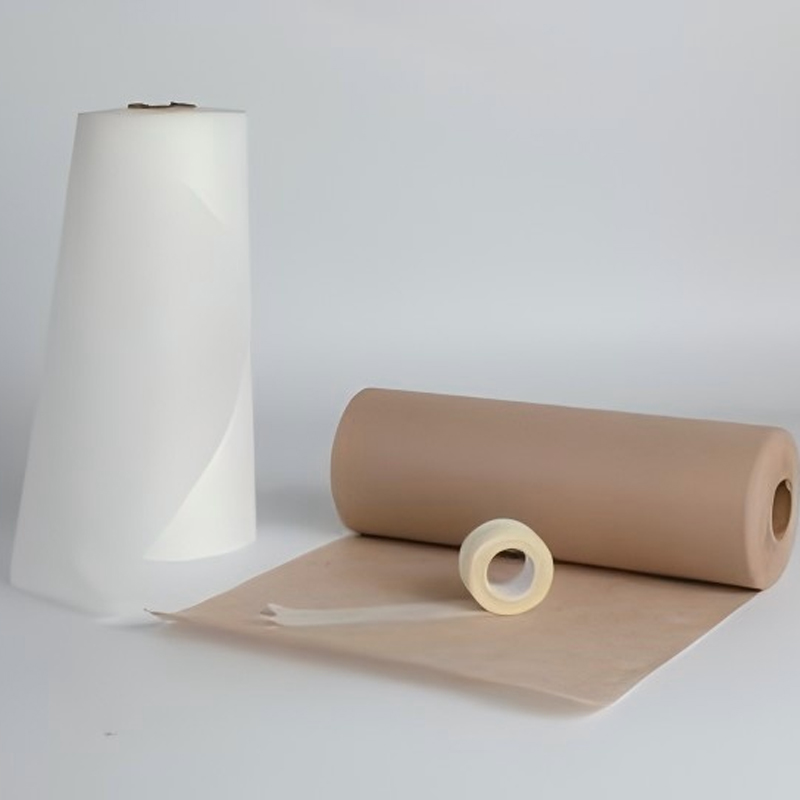 Medical Tape Nonwoven
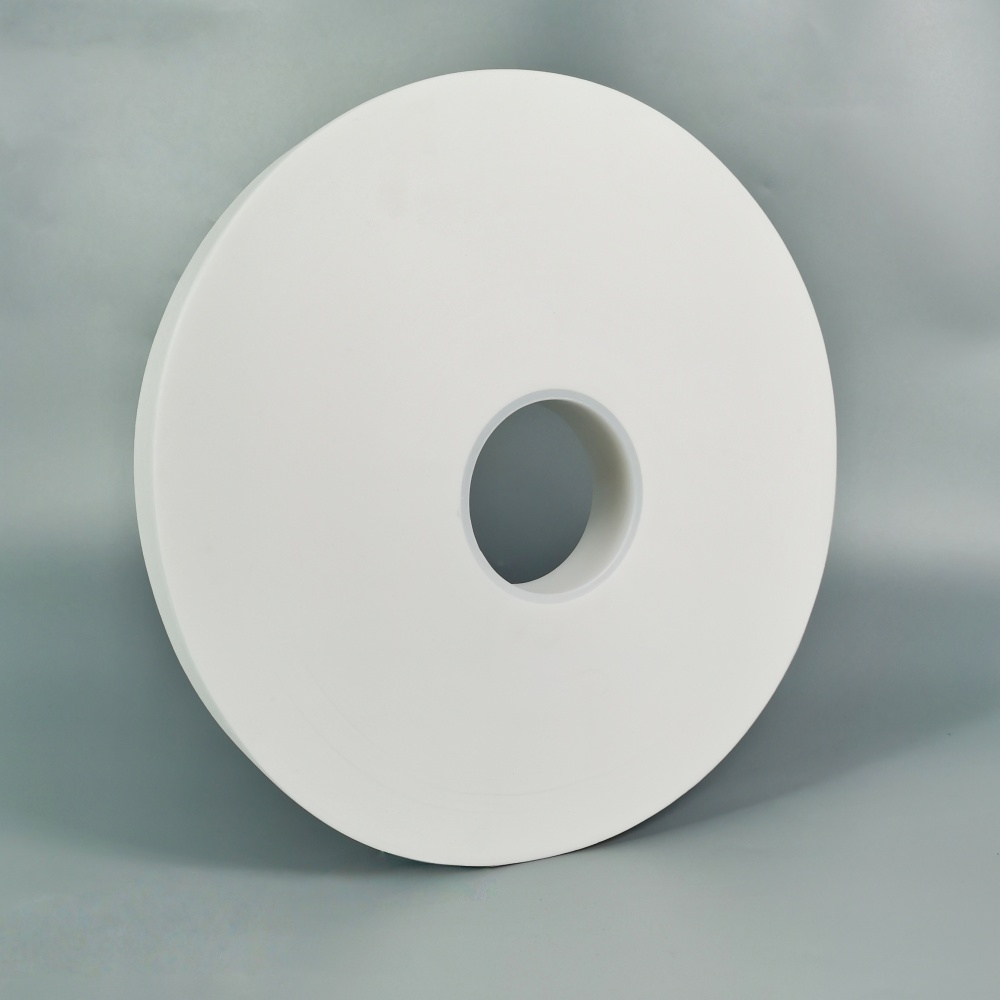 Snus Pouch Nonwoven
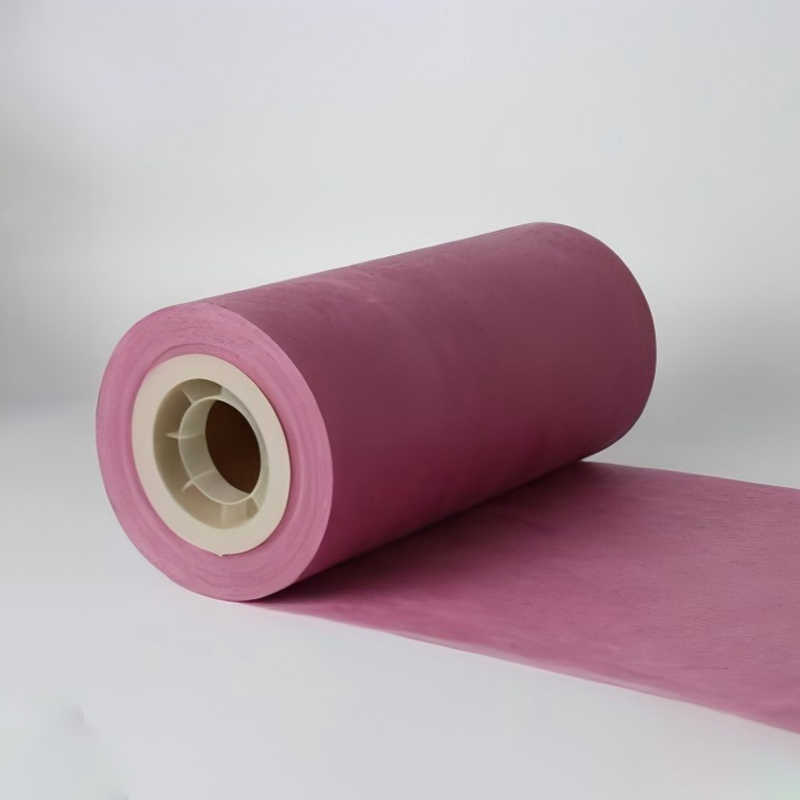 Filtration Nonwoven
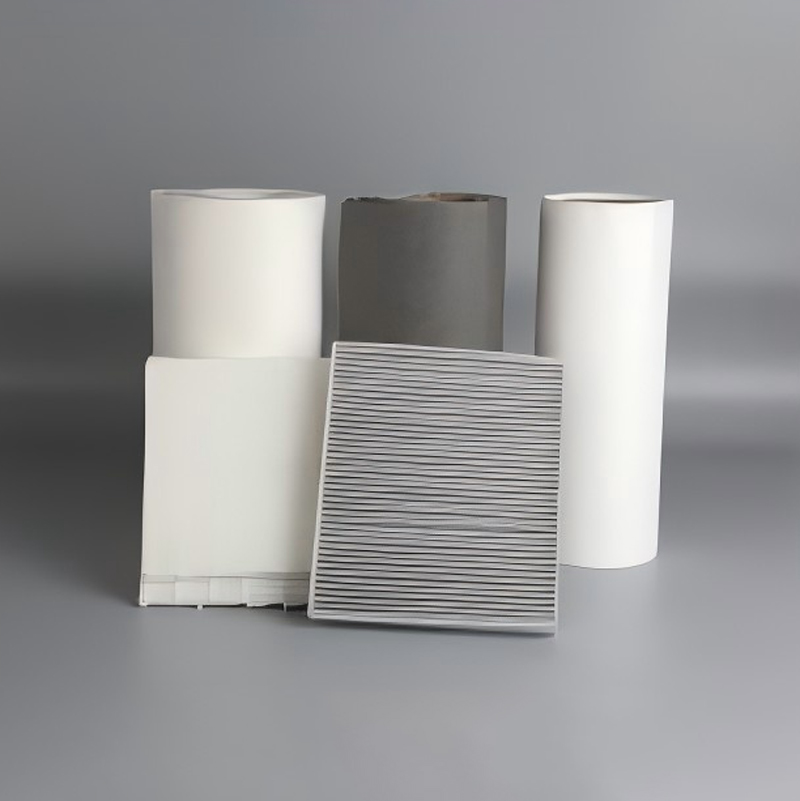 Air Filter Media
 Liquid Filter Media
 Filter Envelope & Filter Sheet
 Breathable Film Laminates
 Nonwoven Interlining
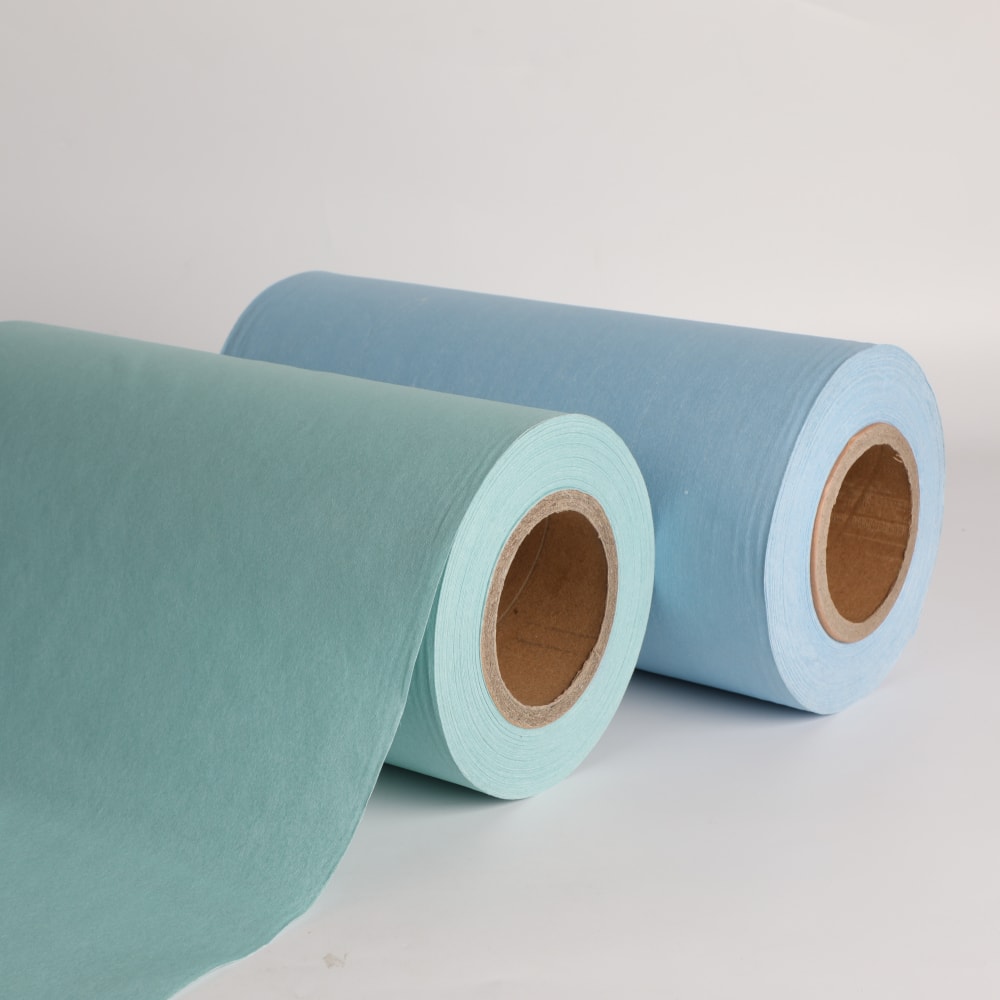 Fluid Repellent Woodpulp Spunlace Nonwoven
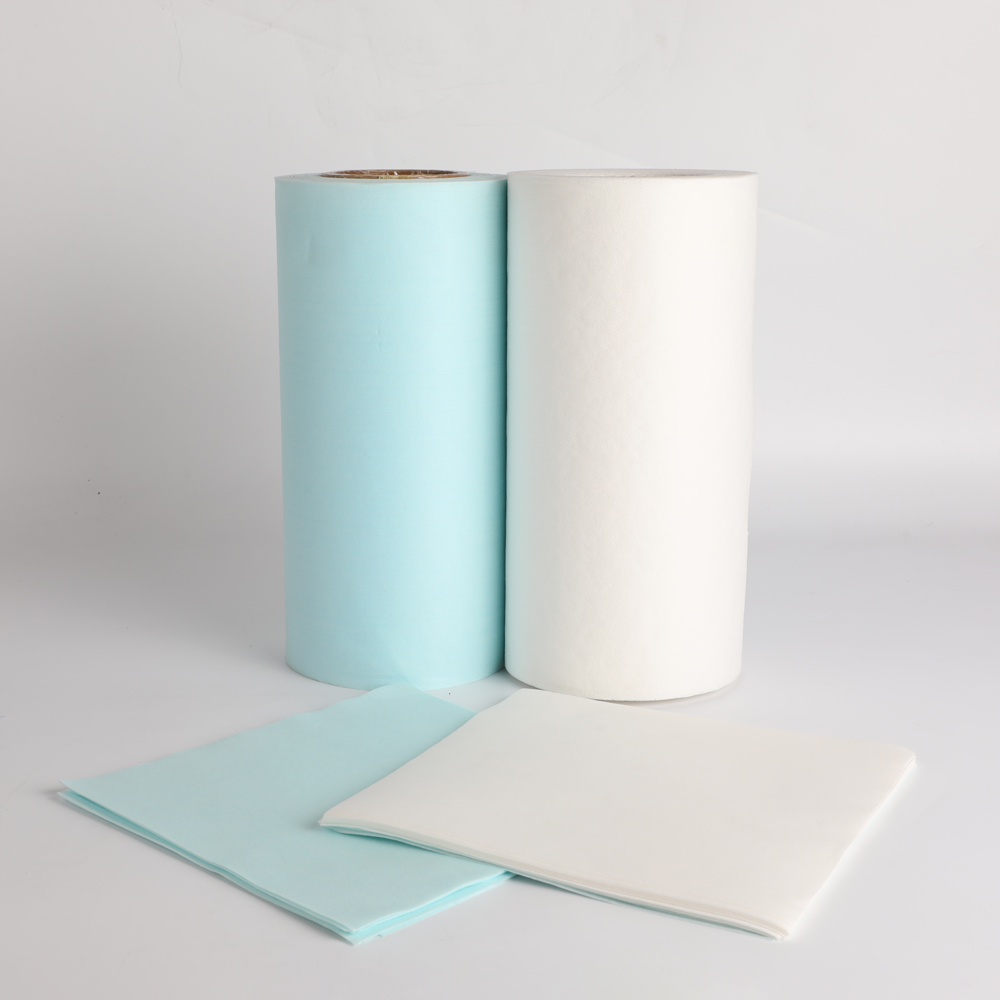 Woodpulp Nonwoven Wipe
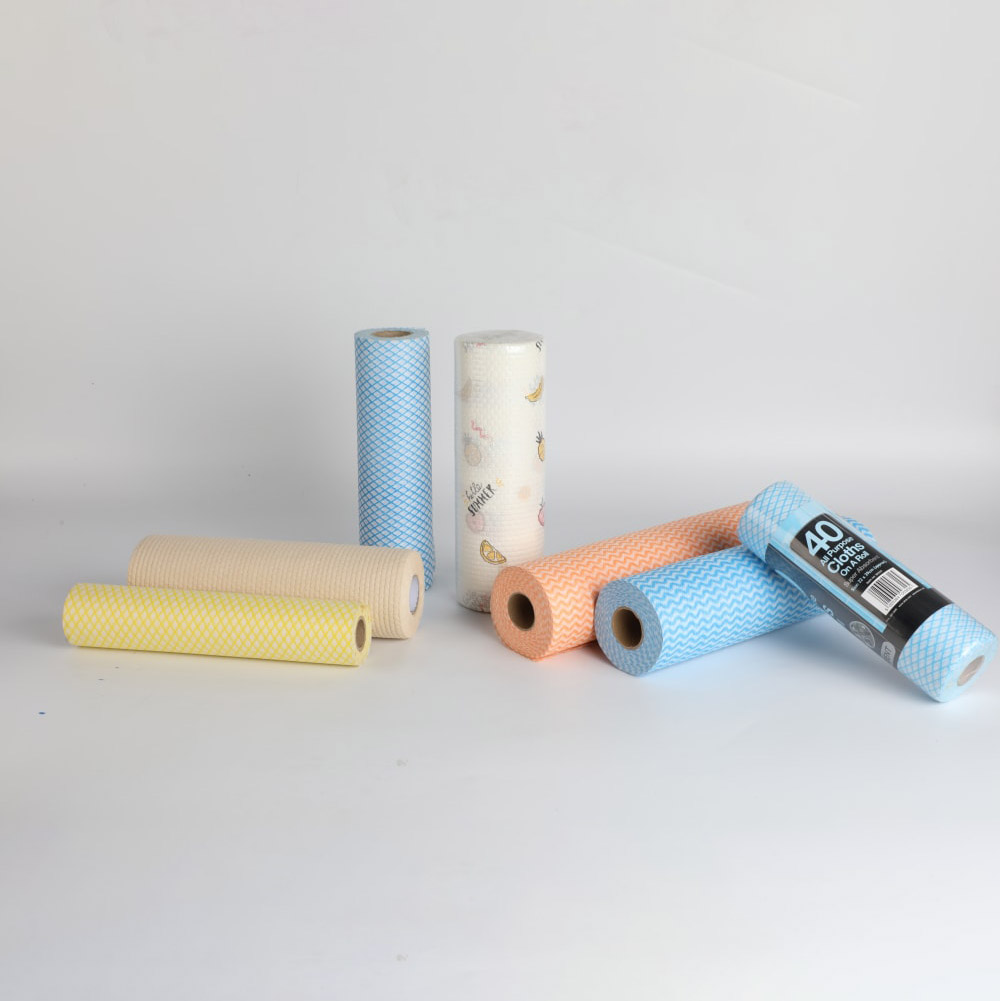 Nonwoven Cleaning Wipe
 Curtain Nonwoven
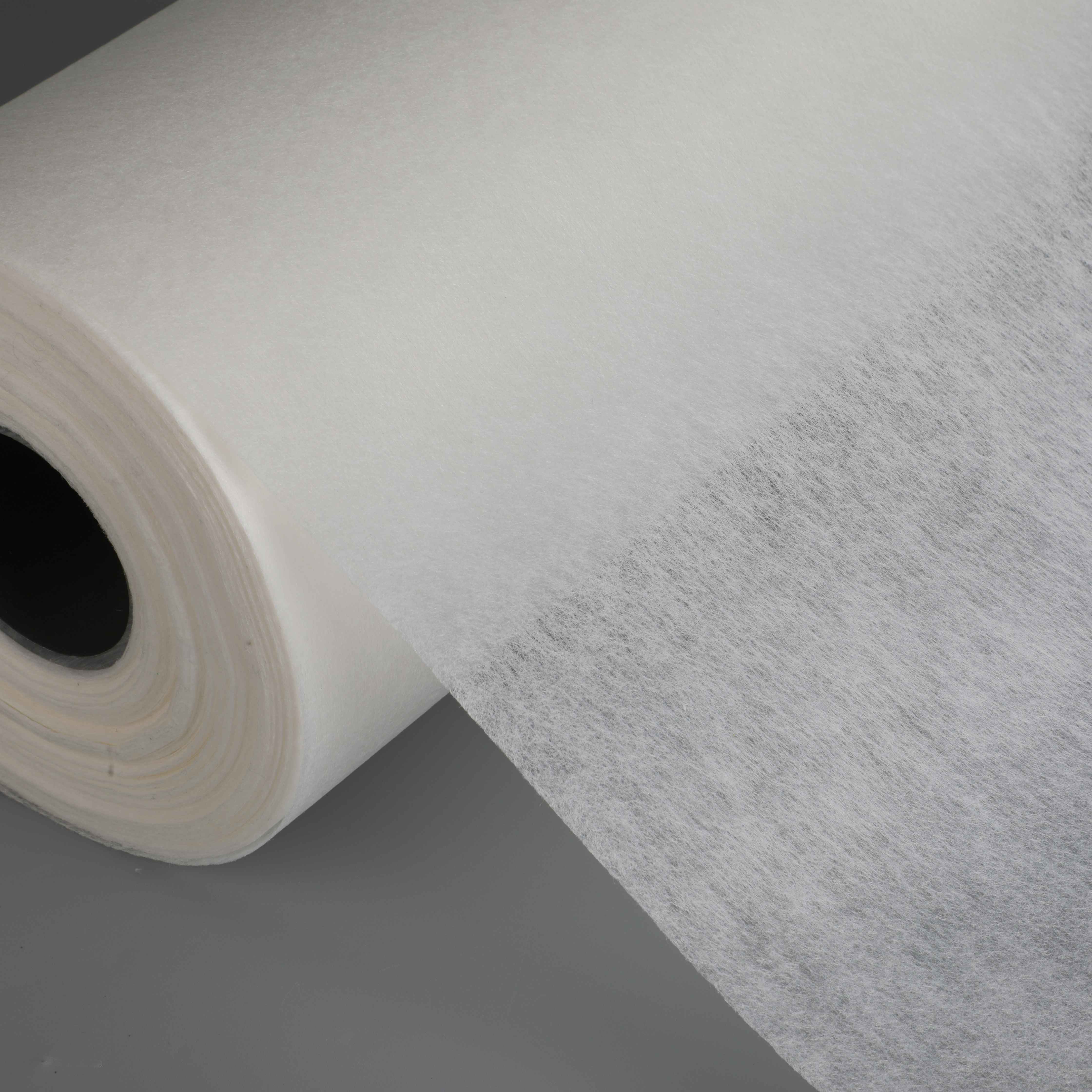 Food Grade Packaging Nonwoven
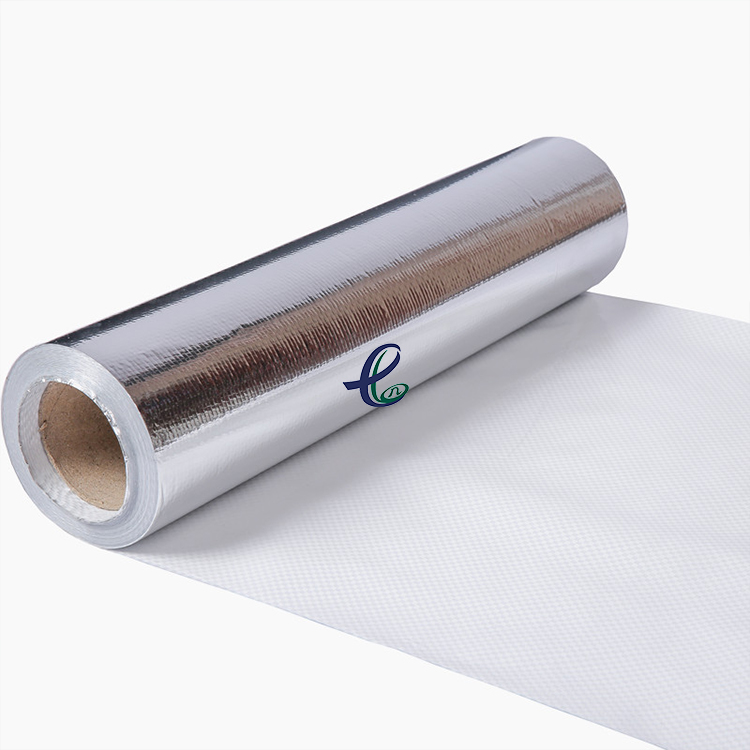 Aluminized Nonwoven
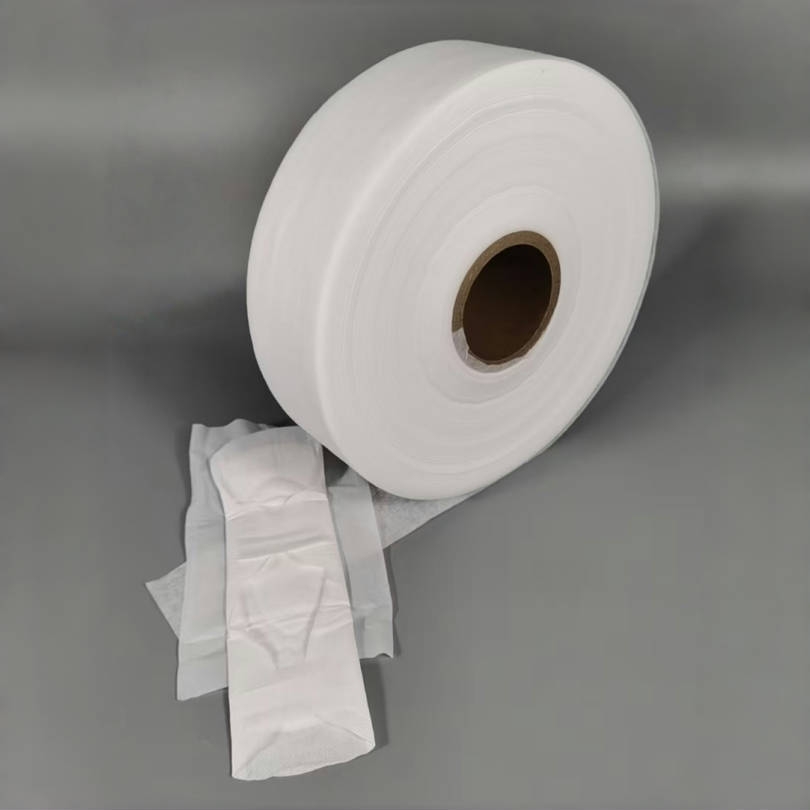 Hot Air Cotton Nonwoven
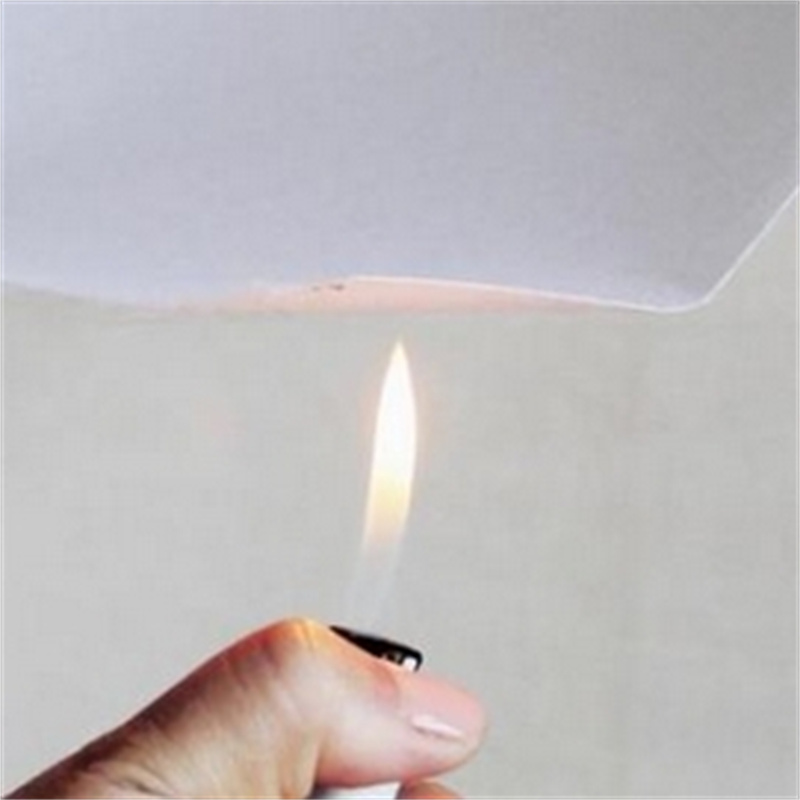 Flame Retardant Nonwoven
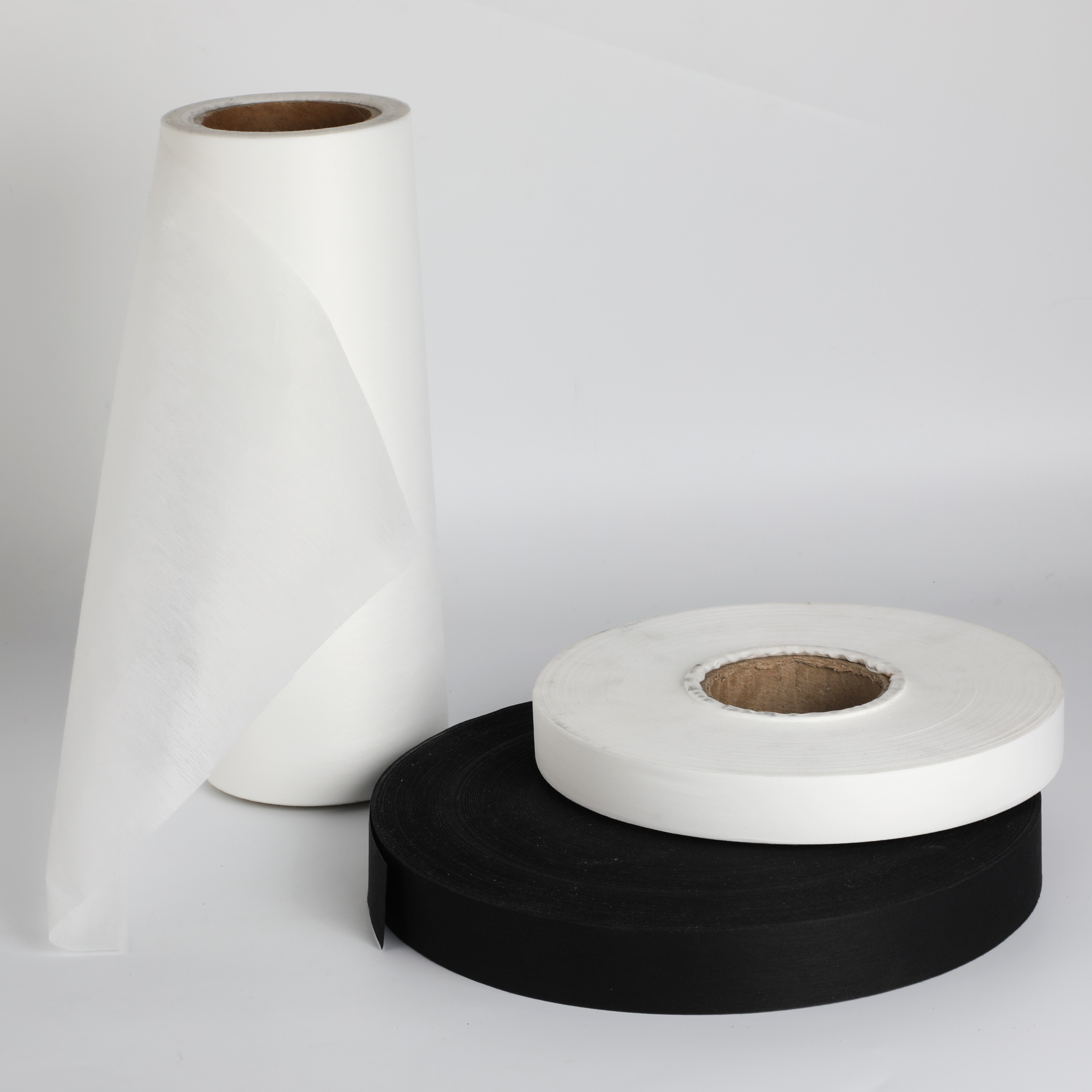 Cable Wrapping Nonwoven
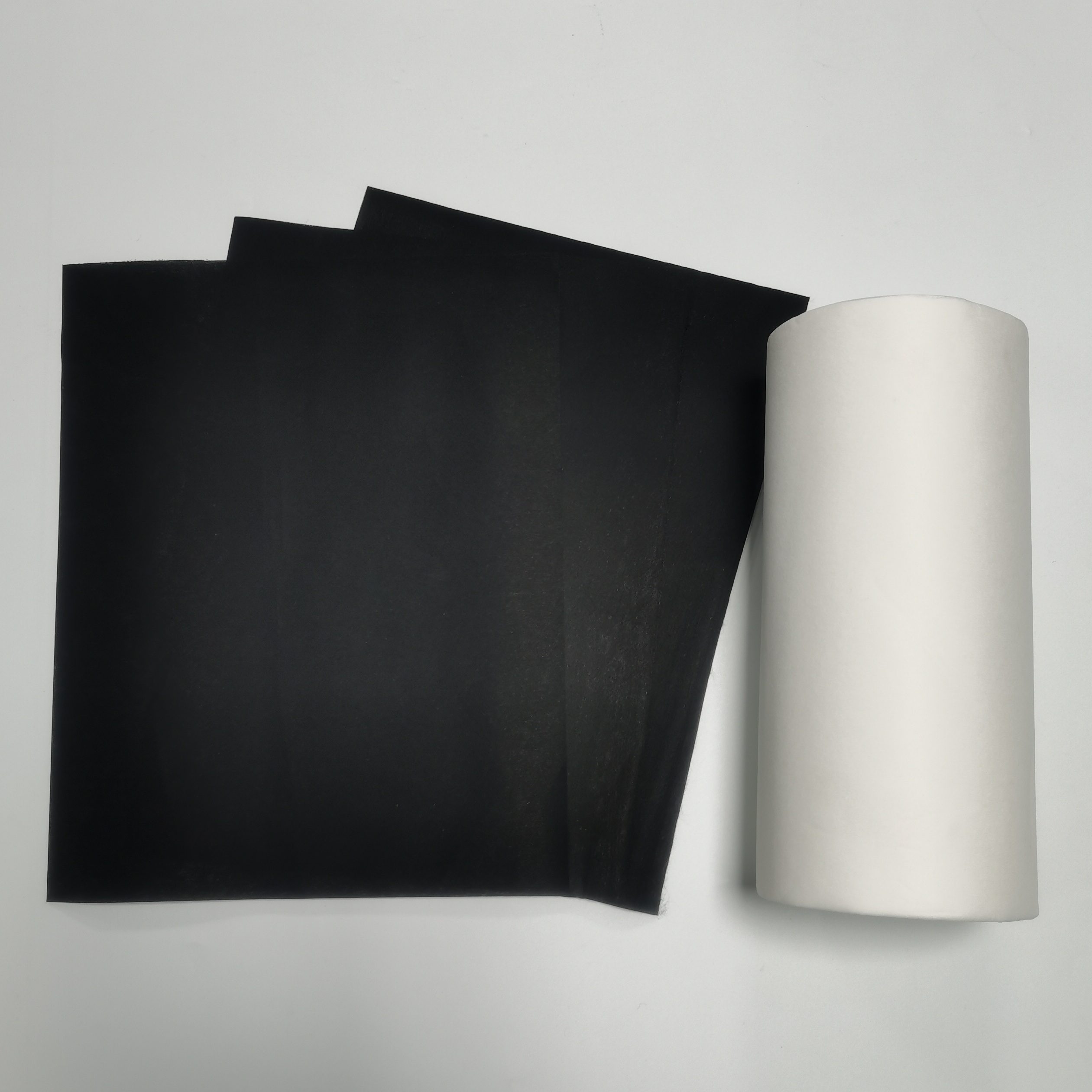 Semi-conductive Nonwoven
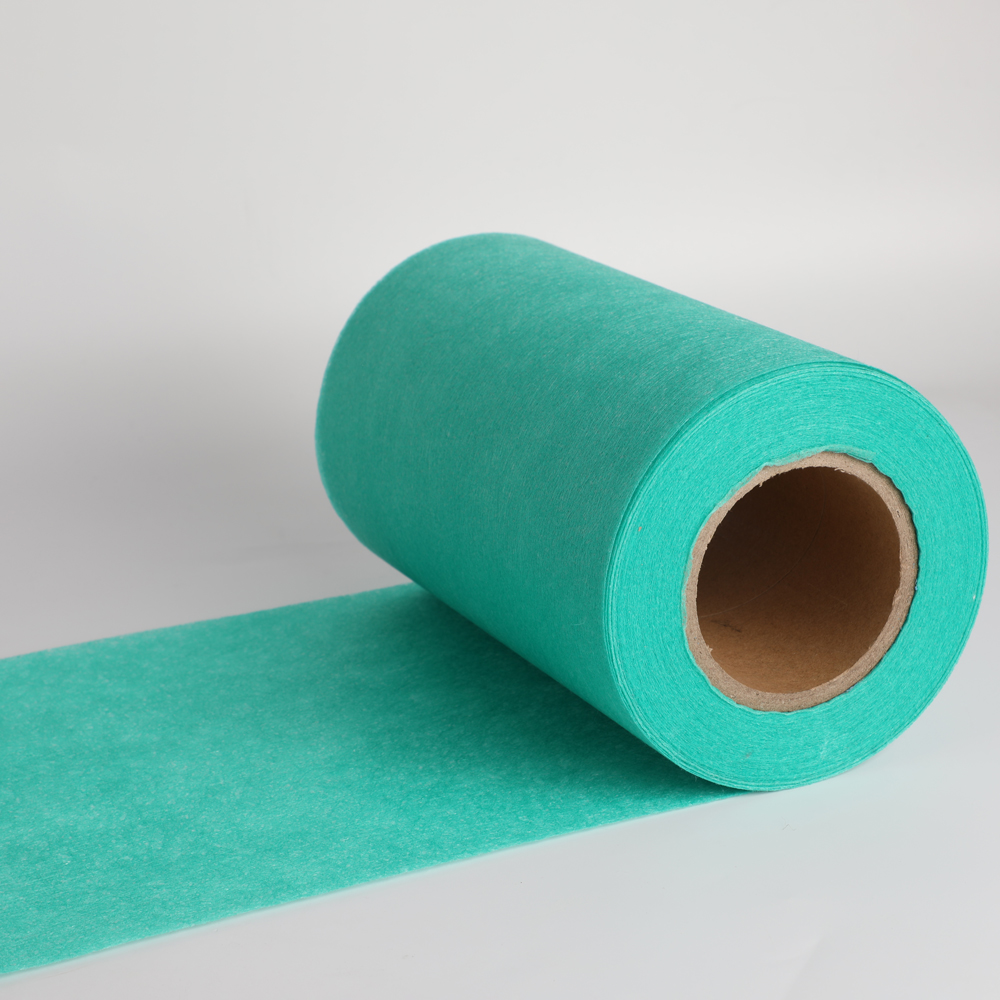 Anti-Bacterial Nonwoven
 +8613957712400
Leave Your Message
-
 CONTACT WhatsApp
 -
 CONTACT WeChat
-
 CONTACT NUMBER
 -
 CONTACT EMAIL
The 2026 buying landscape for Nonwoven Wipe products is becoming more technical and less forgiving. Fortune Business Insights valued the global wipes market at approximately USD 23.56 billion in 2023. Its report also expects continued growth through the decade, supported by hygiene, healthcare, and industrial demand. However, market growth does not guarantee product quality. Buyers still need to examine fiber selection, basis weight, absorbency, tensile strength, lotion compatibility, and packaging performance.
A reliable sourcing decision begins with the intended application. A soft spunlace wipe may suit facial care, while a stronger hydroentangled structure can perform better in maintenance environments. Cotton, viscose, polyester, and polypropylene each create different handling and disposal considerations. INDA and EDANA guidance also reminds buyers that dispersible claims require specific testing, not casual marketing language. That distinction matters near toilets, drains, and wastewater systems.
Small details matter.
This guide compares leading Nonwoven Wipe options for global buyers in 2026. It considers supplier experience, production consistency, test documentation, and real-world handling. Smithers’ nonwovens industry research points to continued innovation in sustainable fibers, lighter structures, and higher-value applications. Yet sustainability claims can remain incomplete without evidence on fiber origin, chemical inputs, packaging, and end-of-life conditions. Buyers should request current technical data sheets, quality certificates, batch samples, and independent test results. No single wipe fits every market. That is the uncomfortable part. A product that feels excellent in a showroom may tear during warehouse use or fail after prolonged storage. Careful comparison remains more dependable than attractive specifications alone.
Nonwoven wipes are sheet materials made from bonded fibers rather than woven threads. They may use cellulose, polyester, viscose, polypropylene, or blended fibers. Manufacturing methods affect softness, strength, absorbency, lint, and liquid release. They are not fabric. In practical use, a wipe should feel stable when wet, open smoothly, and leave minimal residue on glass, skin, or equipment.
Why do they matter in 2026? Global buyers need reliable hygiene products for healthcare, hospitality, household cleaning, personal care, and industrial maintenance. A suitable nonwoven wipe can reduce product waste and improve cleaning consistency. However, “eco-friendly” claims need careful review. Fiber origin, processing, packaging, disposal guidance, and supporting test documents all matter. A wipe made with recycled content may still have poor wet strength. No wipe is perfect. That trade-off deserves honest evaluation.
Tips: Request samples from each supplier and test them with the intended liquid. Check basis weight, dimensions, absorbency time, tensile strength, lint level, odor, and packaging protection. Ask for material specifications and relevant safety or quality documentation. Compare performance after storage in warm and humid conditions. Small details matter. A carton that absorbs moisture can damage otherwise reliable wipes. Test before scaling, because a promising sample may not represent every production batch.
| Wipe Category | Typical Fiber Composition | Typical Basis Weight | Absorbency and Strength Profile | Best-Fit Applications | Sustainability and Disposal Considerations | Buyer Priority in 2026 |
|---|---|---|---|---|---|---|
| Hydroentangled Spunlace | Viscose, polyester, wood pulp, cotton, or blended fibers | 30–100 g/m² | High liquid uptake; soft hand feel; good conformability; wet strength depends strongly on fiber blend and bonding | Personal care, baby care, facial cleansing, medical and household wipes | Cellulosic content can improve renewable content; polyester reduces biodegradability; do not flush unless specifically tested and legally approved | Balanced softness, absorbency, and cost |
| Airlaid Cellulose | Fluff pulp and other cellulose fibers; may include synthetic binder fibers | 50–150 g/m² | Very high absorbency and liquid-holding capacity; thick, soft, and generally less durable when saturated | Spill control, industrial wiping, table cleaning, food-service and medical absorbent products | High cellulose content supports renewable-material goals; disposal depends on contamination and local waste rules | Maximum absorbency and thickness |
| Spunbond Polypropylene | Continuous polypropylene filaments | 20–80 g/m² | High tensile and tear strength; low intrinsic absorbency; often used with lotions or cleaning formulations | Industrial wiping, surface cleaning, pre-moistened disinfecting wipes, and durable utility wipes | Fossil-based and generally not biodegradable; lightweight construction can reduce material use; dispose according to contamination level | Durability and dimensional stability |
| Meltblown Polypropylene | Fine polypropylene microfibers | 15–60 g/m² | Fine fiber structure provides good particle capture and liquid distribution; usually lower tear strength than spunbond material | Specialized cleaning, filtration-related wiping, oil absorption, and technical applications | Synthetic and non-biodegradable; recycling is limited where wipes are contaminated or chemically treated | Fine-fiber performance and controlled pickup |
| Cellulose–Polyester Blend | Cellulose fibers blended with polyester fibers | 35–90 g/m² | Good absorbency, softness, and wet strength; performance can be tuned through blend ratio and bonding method | Healthcare, laboratory, electronics-safe cleaning, cosmetics, and general-purpose wiping | Mixed fibers are difficult to recycle together; polyester content limits biodegradability; incineration and landfill rules vary by region | Reliable all-round performance |
| Cotton Nonwoven | Cotton fibers, often blended with cellulose or other fibers | 40–100 g/m² | Soft, absorbent, and skin-friendly; wet strength and lint performance vary by construction and finishing | Premium personal care, cosmetic removal, wound-care support, and sensitive-skin applications | Renewable and biodegradable under suitable conditions; agricultural origin, processing, and certification should be verified | Natural-fiber positioning and softness |
| Viscose or Lyocell Nonwoven | Regenerated cellulose fibers from wood pulp or other cellulose feedstock | 30–80 g/m² | High absorbency and softness; lyocell generally offers strong wet performance; exact results depend on fiber and bonding | Beauty, baby care, personal hygiene, medical cleansing, and premium disposable wipes | Cellulosic and potentially biodegradable; biodegradability claims require testing of the finished wipe, including binders and additives | Lower-plastic product development |
| PLA-Based Nonwoven | Polylactic acid fibers derived from fermented plant-based sugars | 25–80 g/m² | Moderate absorbency and useful strength; heat sensitivity and processing conditions must be controlled | Selected personal-care, agricultural, packaging, and specialty wiping products | Bio-based does not automatically mean home-compostable; industrial composting availability and certification should be checked in the destination market | Bio-based material innovation |
| Flushable-Designed Cellulosic Wipe | Dispersible cellulose fibers and water-sensitive bonding systems | 40–80 g/m² | Designed to retain strength during use and disperse under specified water, agitation, and time conditions | Toilet tissue alternatives and personal hygiene products where local wastewater systems permit | Flushability must be validated against applicable industry tests and local regulations; many wipes should still be disposed of in solid waste | Verified dispersibility and regulatory compliance |