
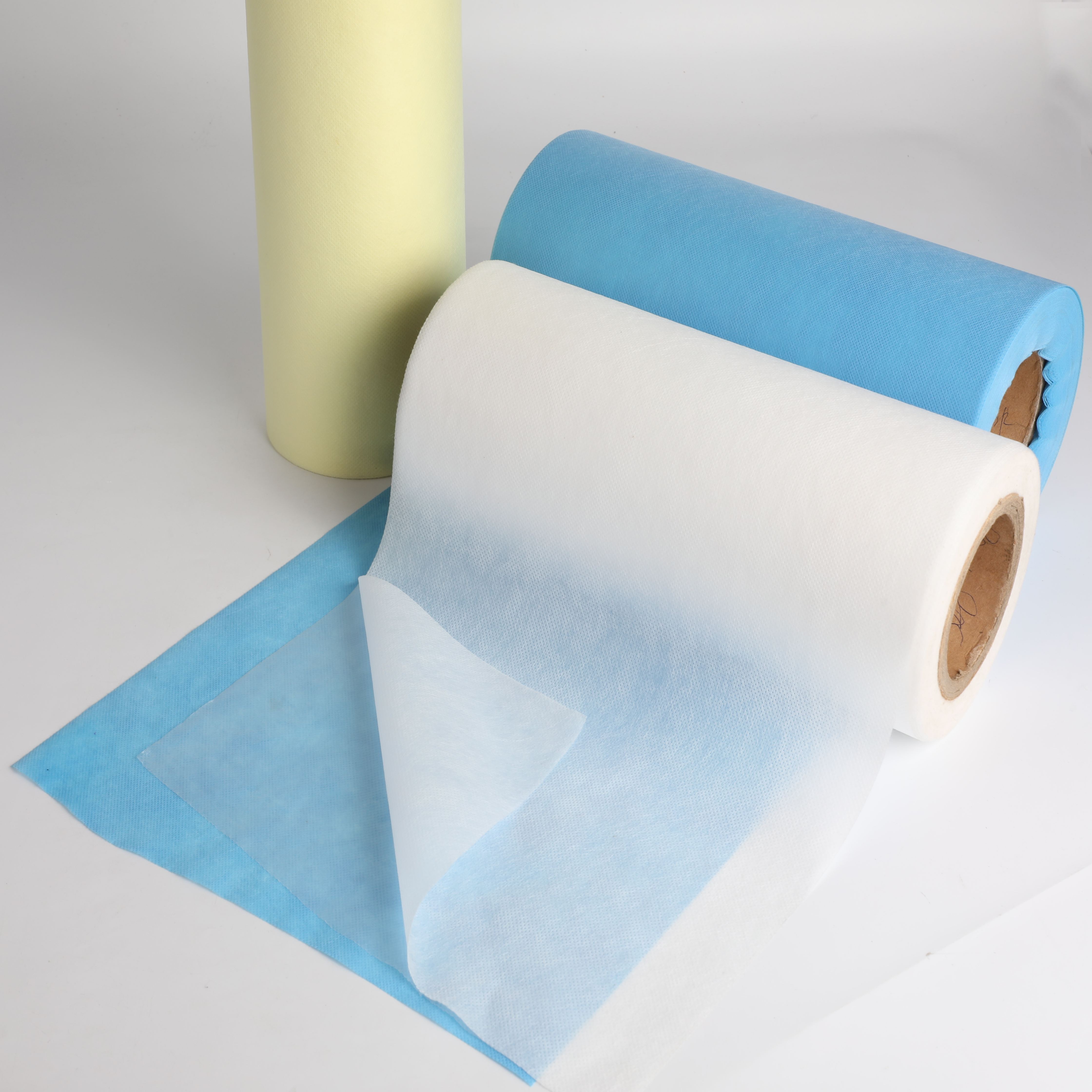
 PP Laminates
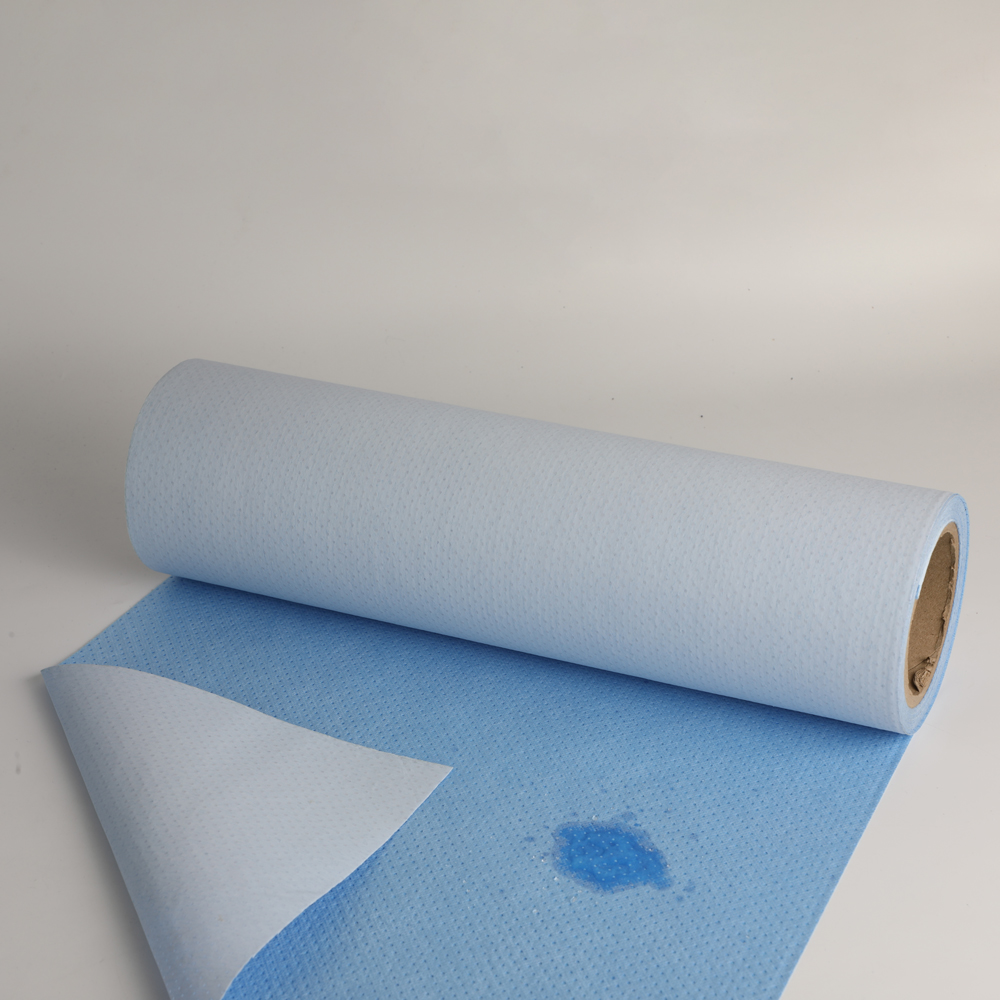 Multi Laminates
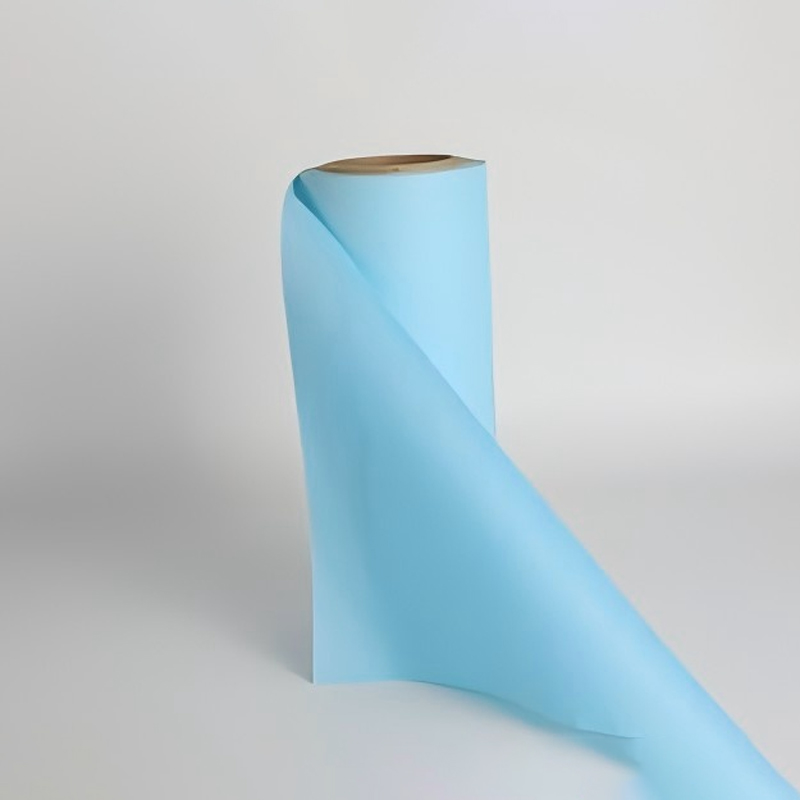 Spunlace Nonwoven Laminates
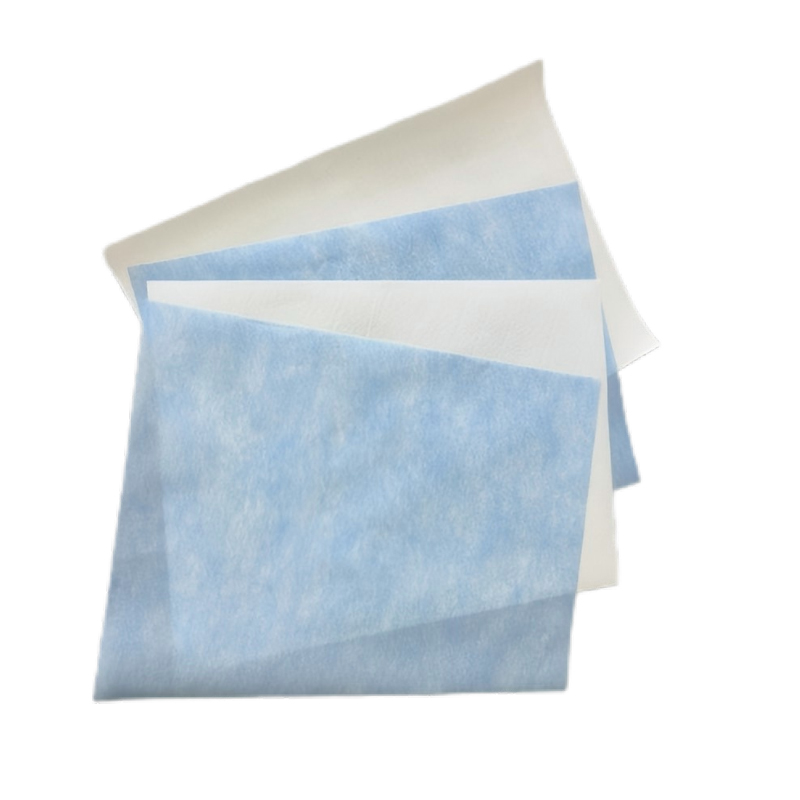 Breathable Film Laminates
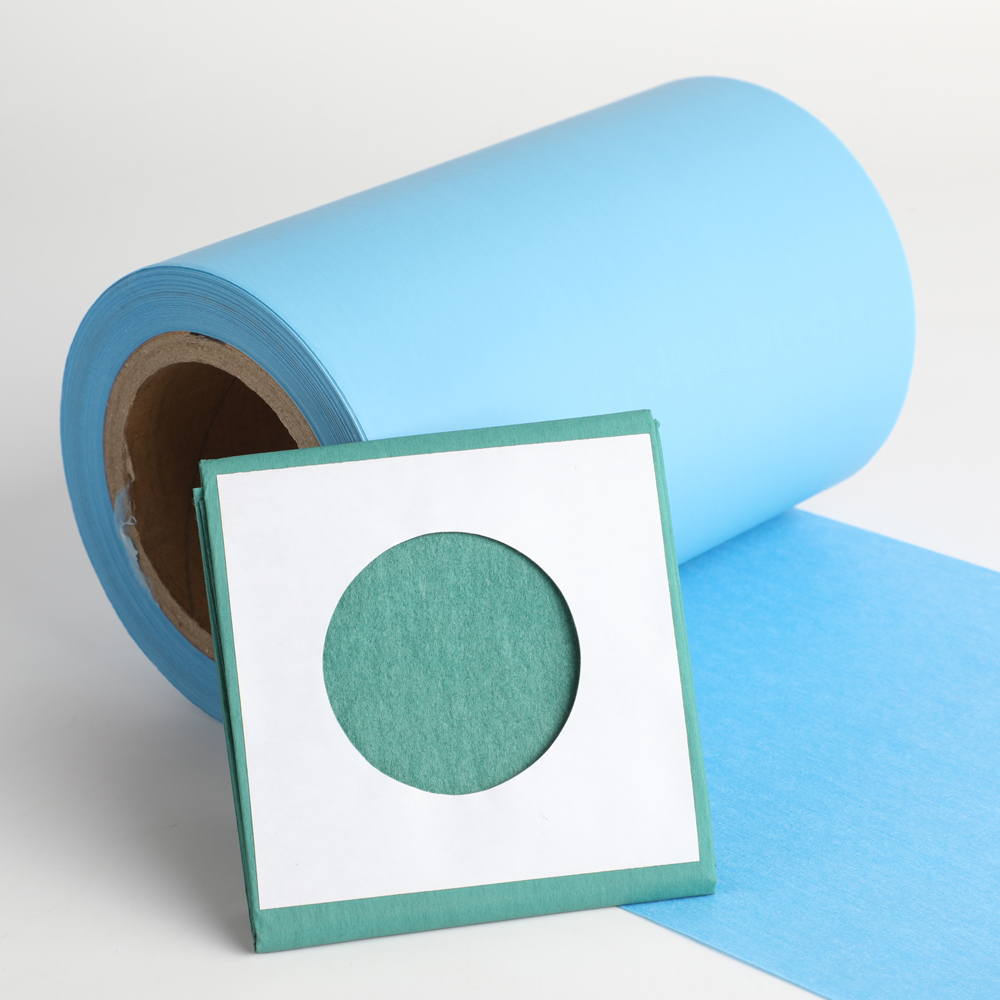 Viscose Laminates
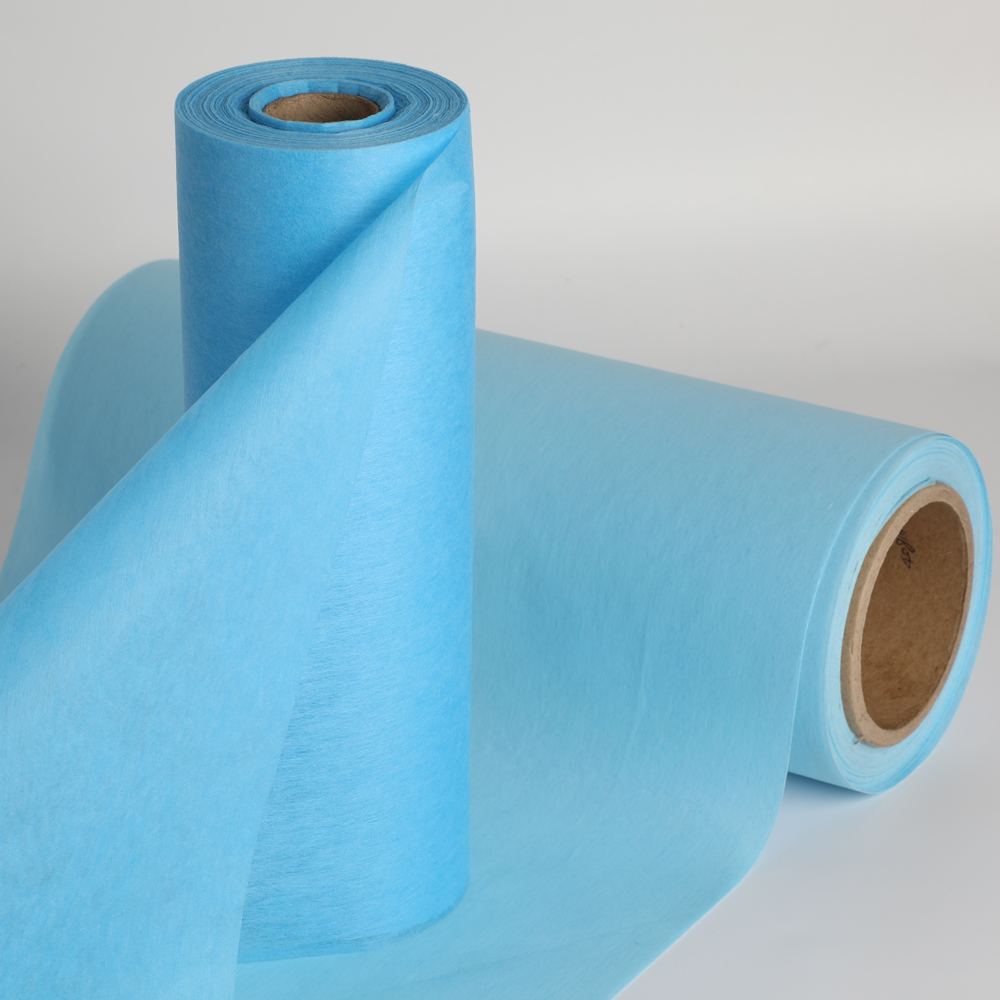 Medical Viscose Nonwoven
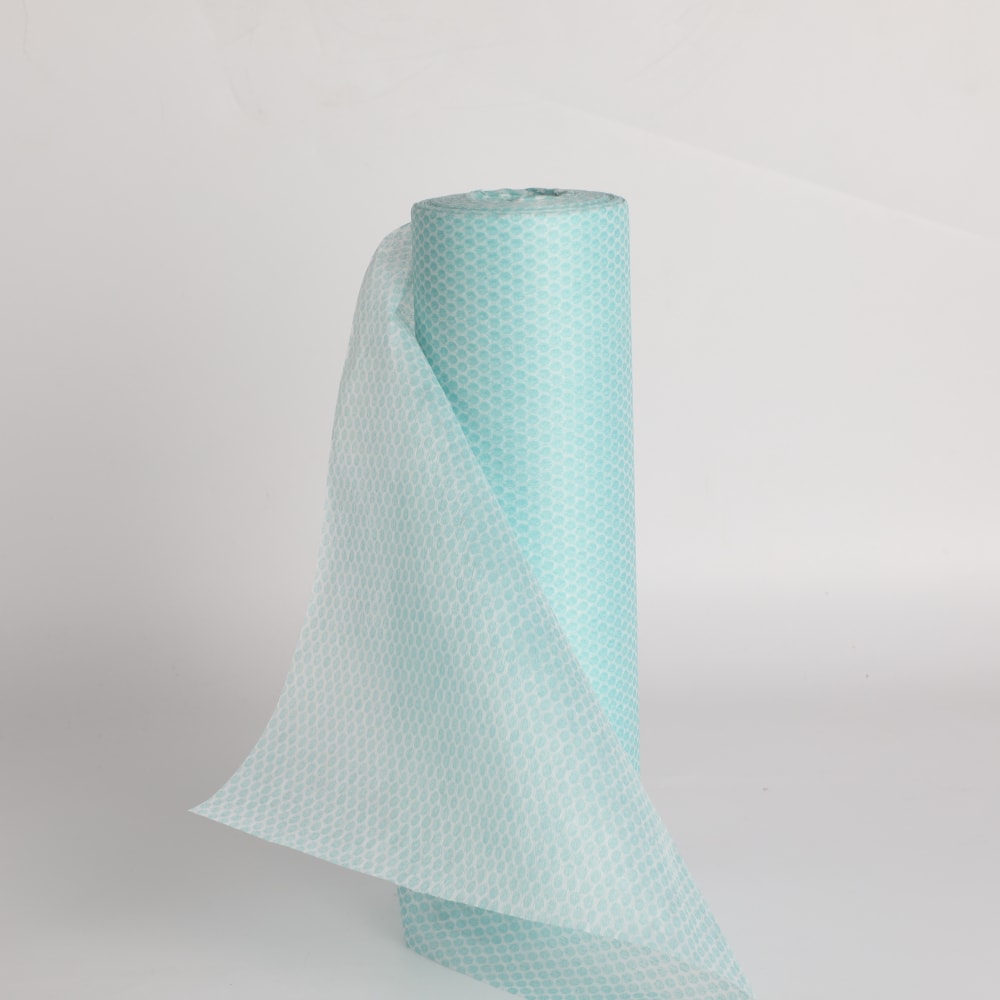 Head Wear Nonwoven
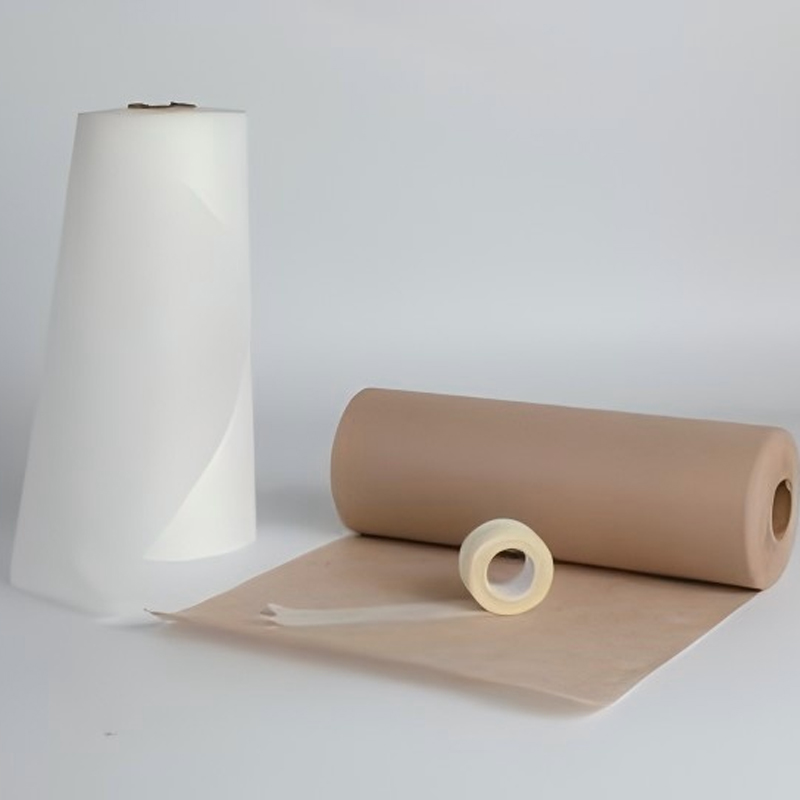 Medical Tape Nonwoven
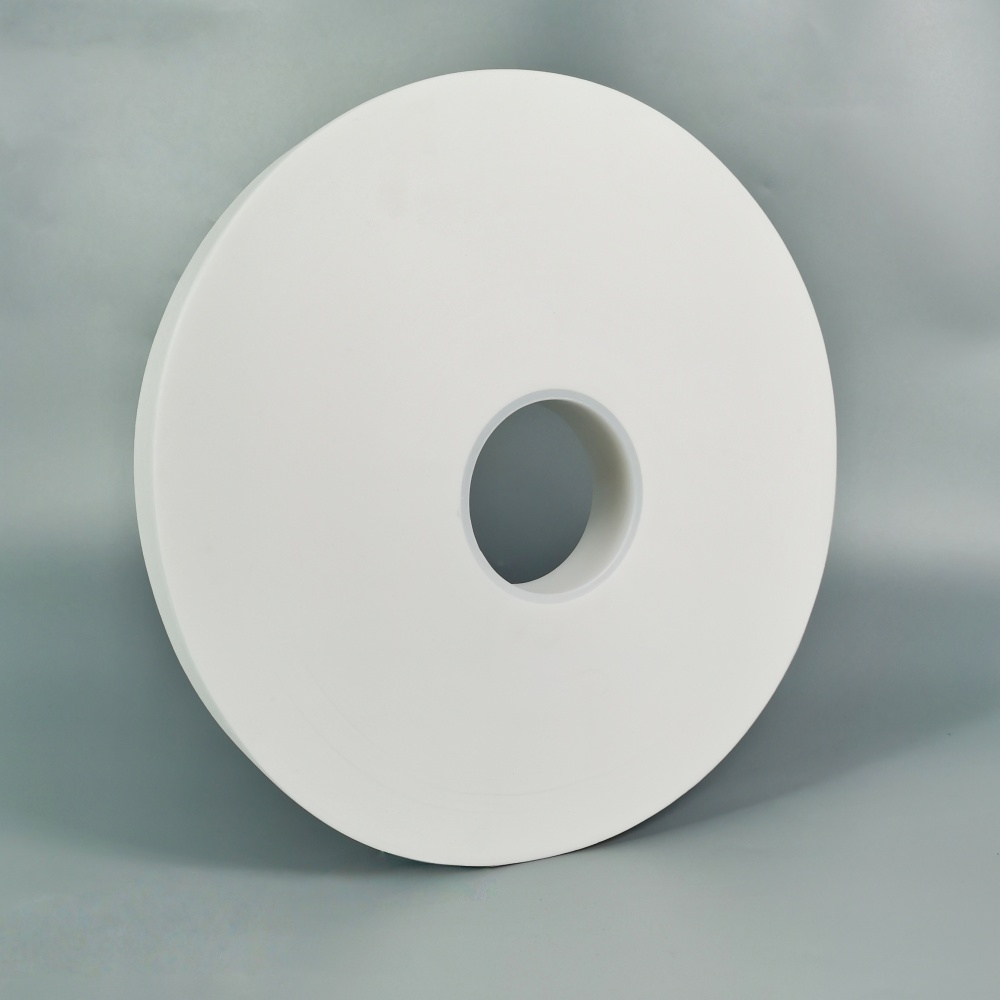 Snus Pouch Nonwoven
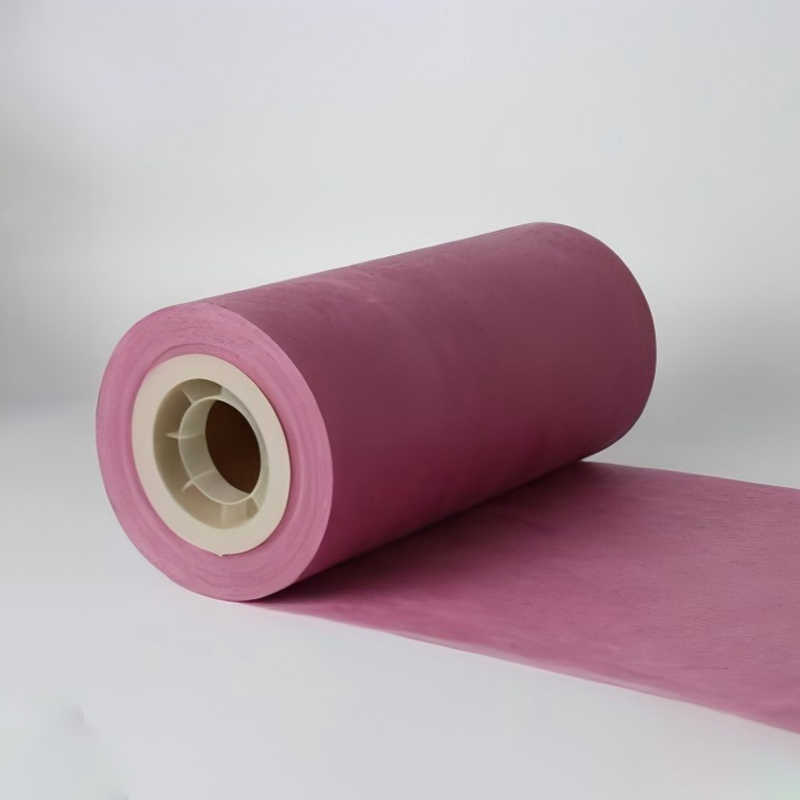 Filtration Nonwoven
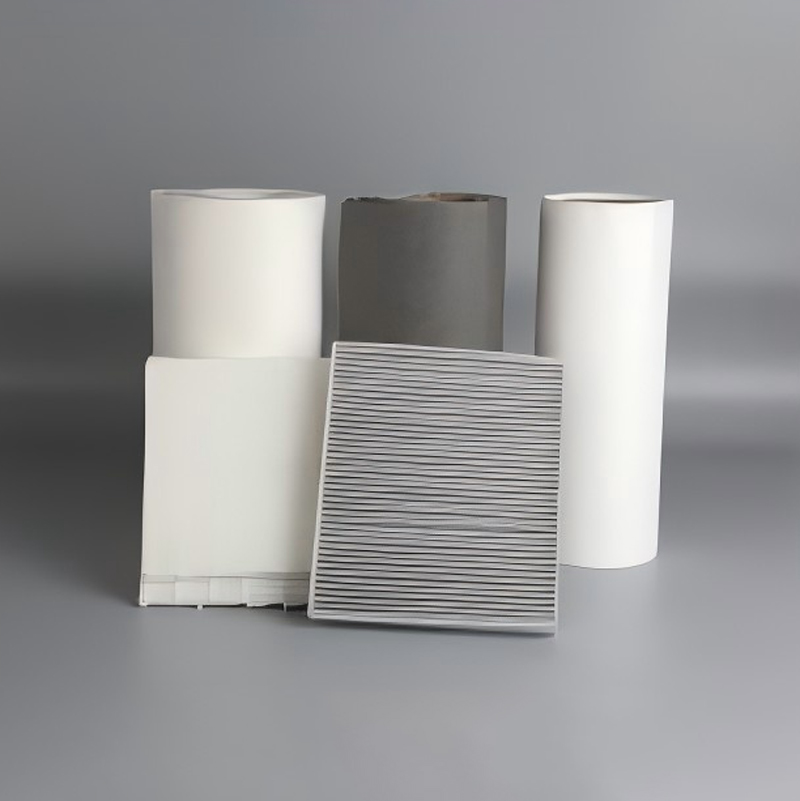 Air Filter Media
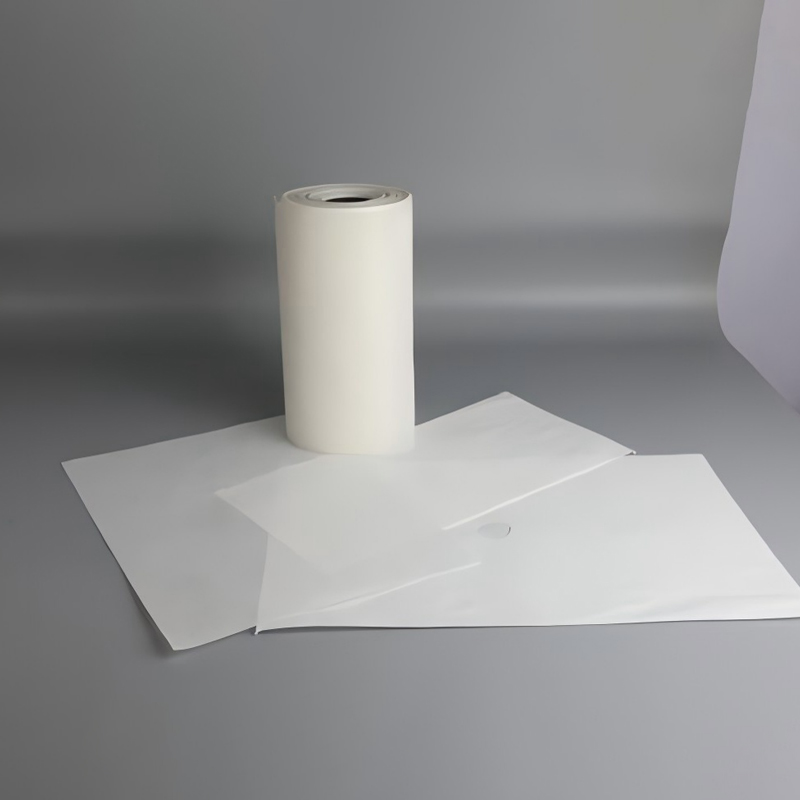 Liquid Filter Media
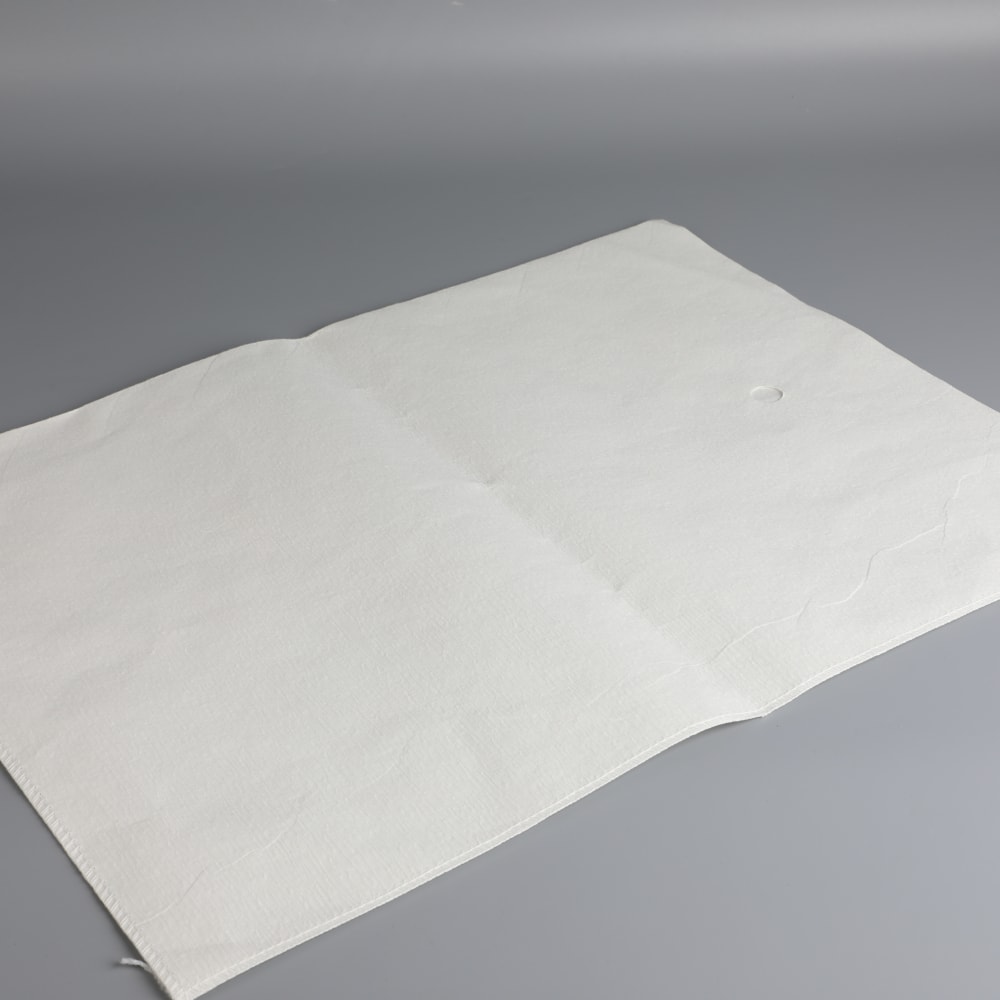 Filter Envelope & Filter Sheet
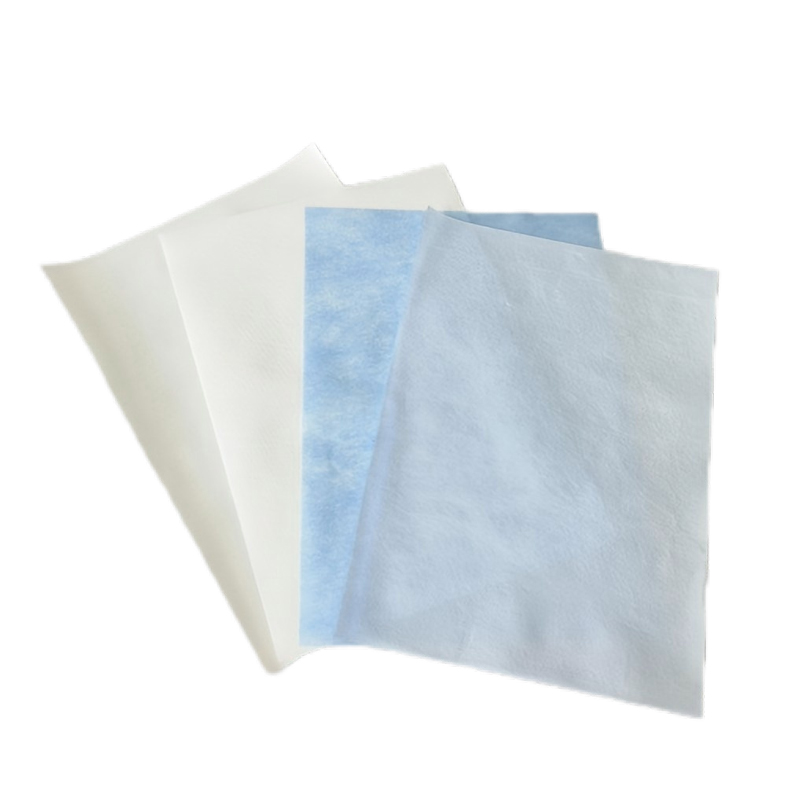 Breathable Film Laminates
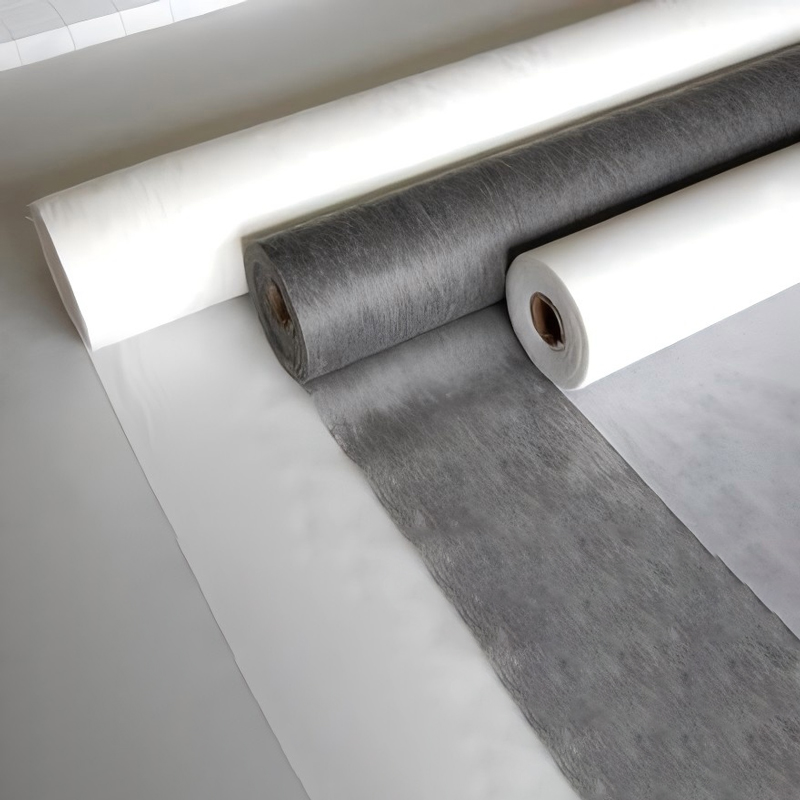 Nonwoven Interlining
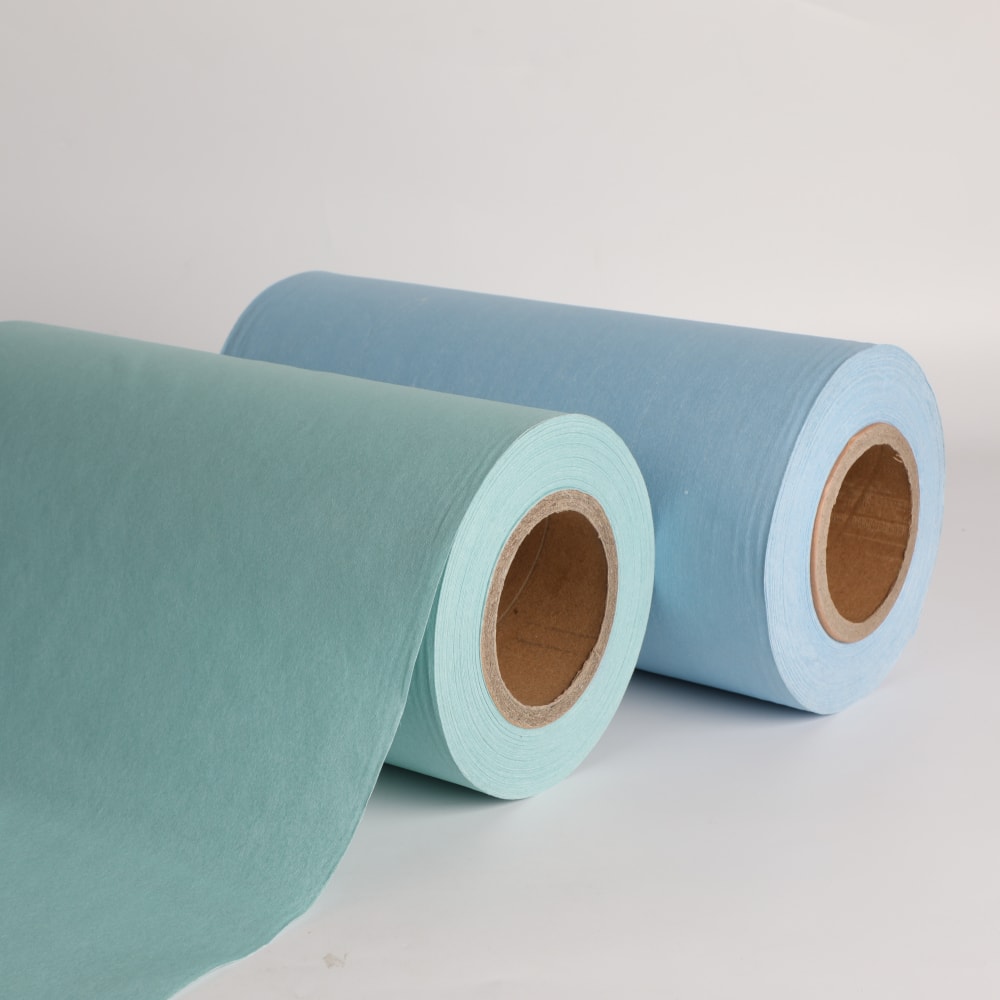 Fluid Repellent Woodpulp Spunlace Nonwoven
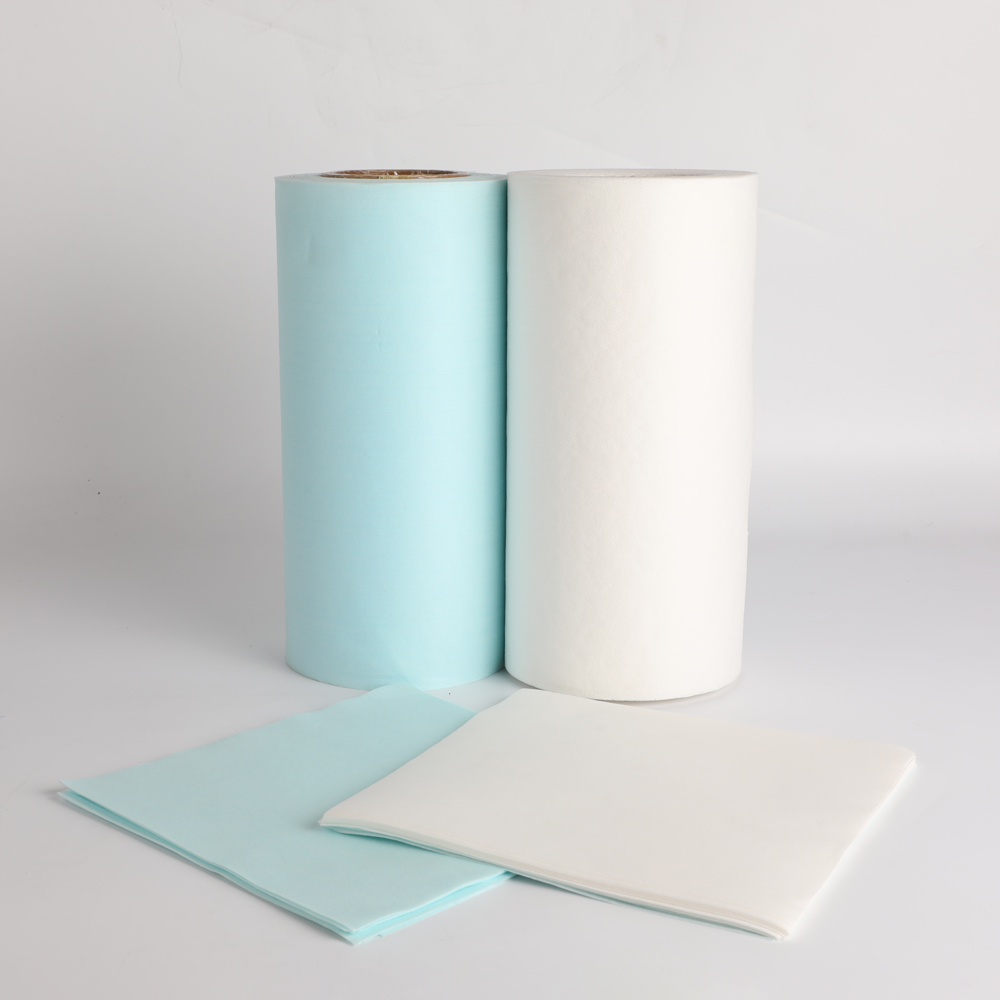 Woodpulp Nonwoven Wipe
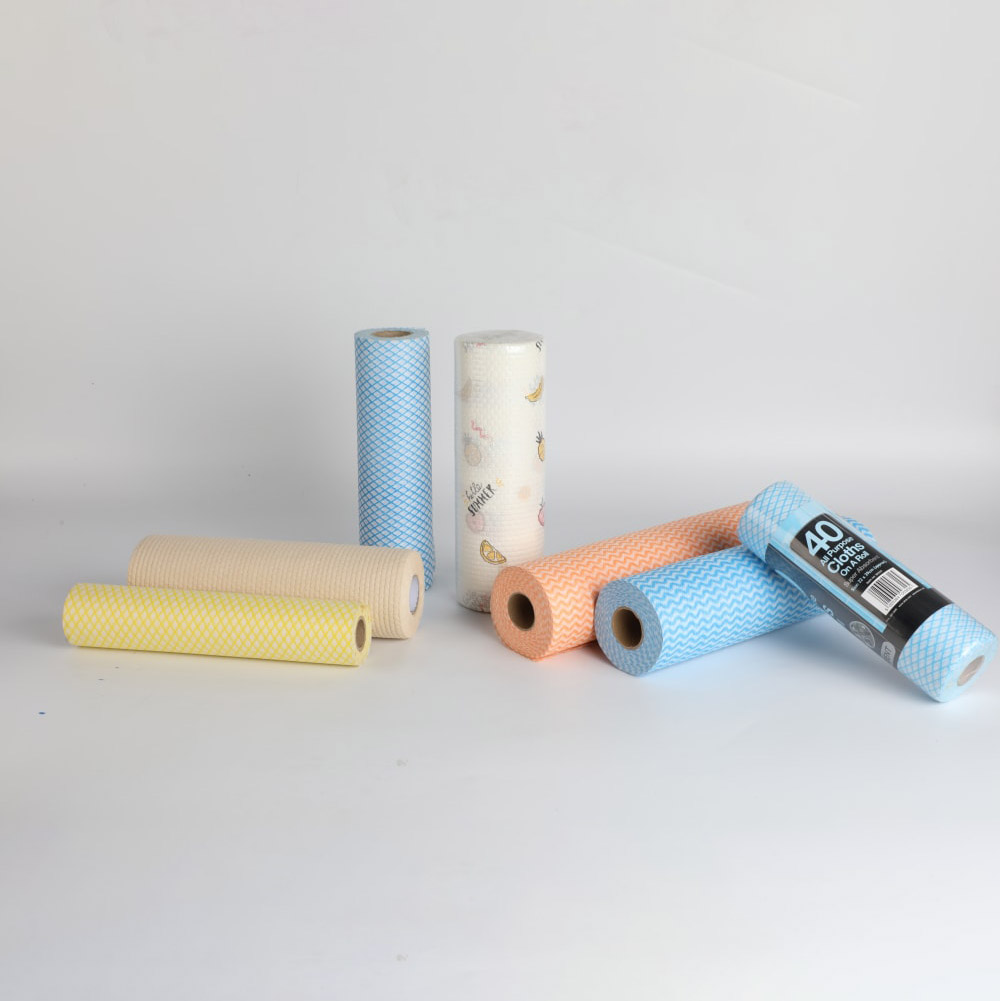 Nonwoven Cleaning Wipe
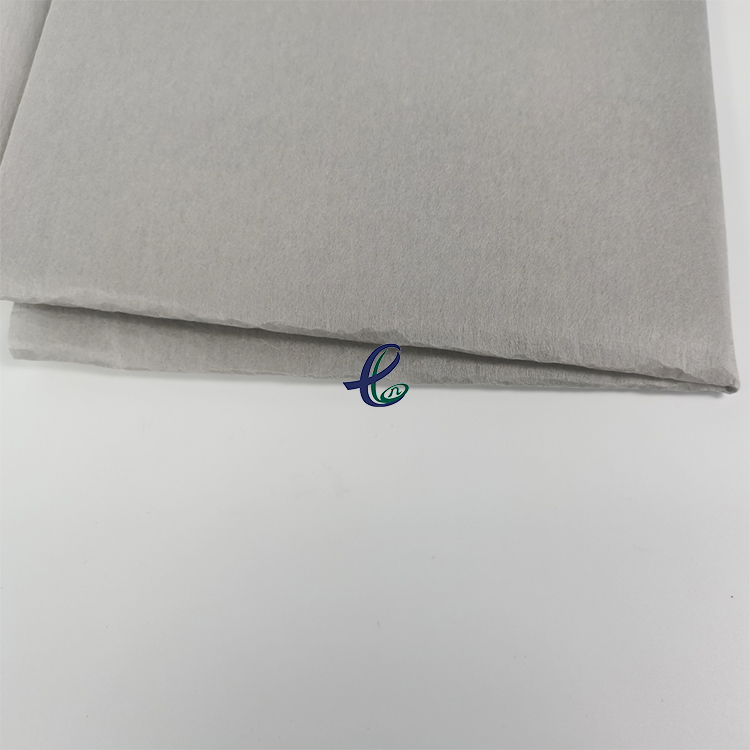 Curtain Nonwoven
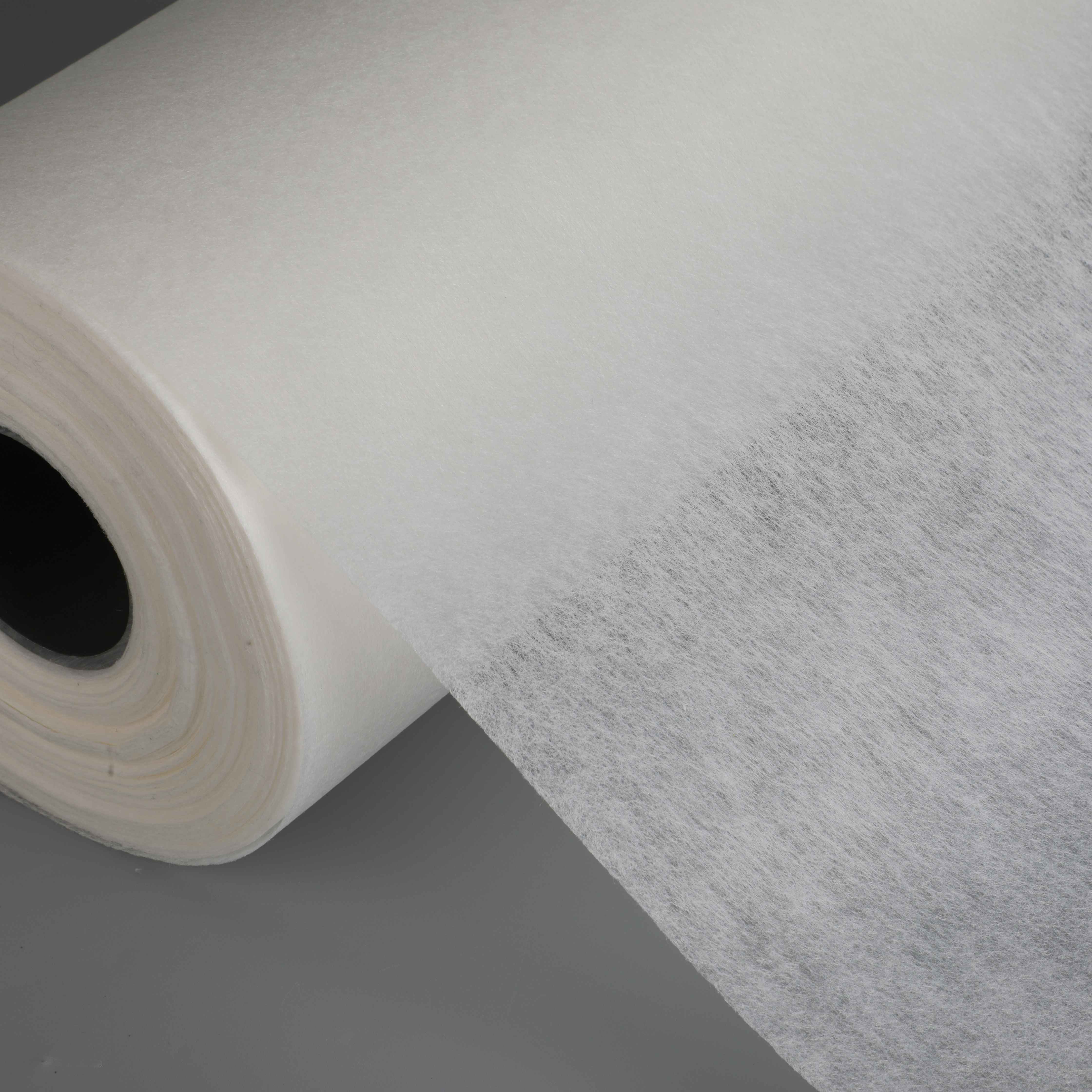 Food Grade Packaging Nonwoven
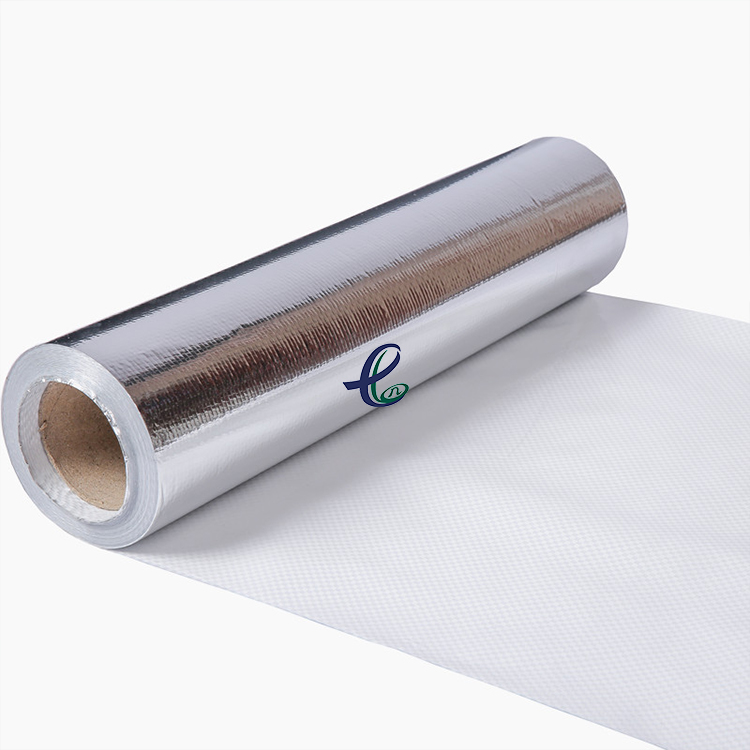 Aluminized Nonwoven
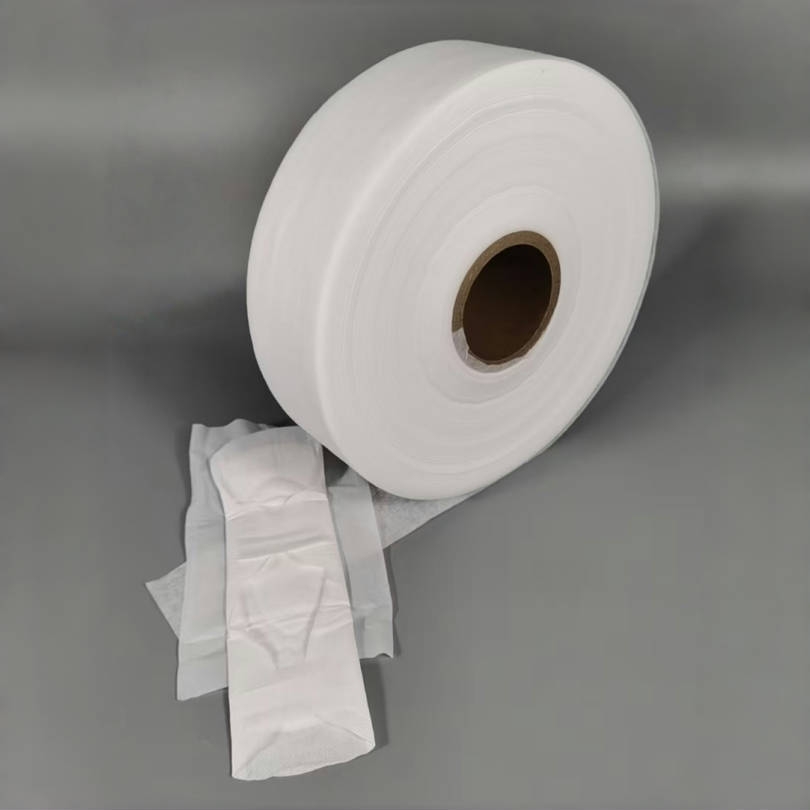 Hot Air Cotton Nonwoven
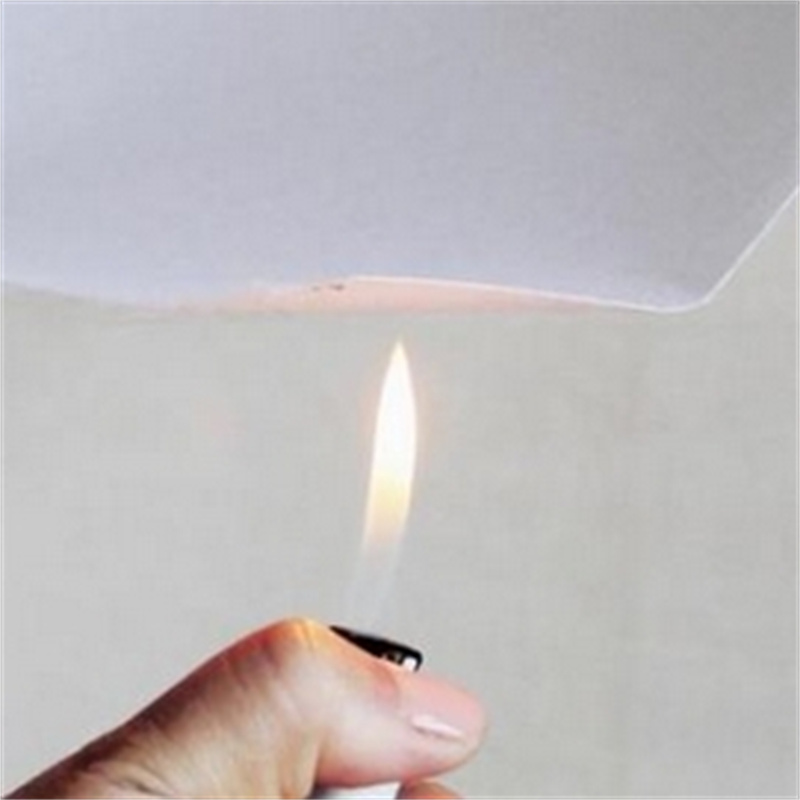 Flame Retardant Nonwoven
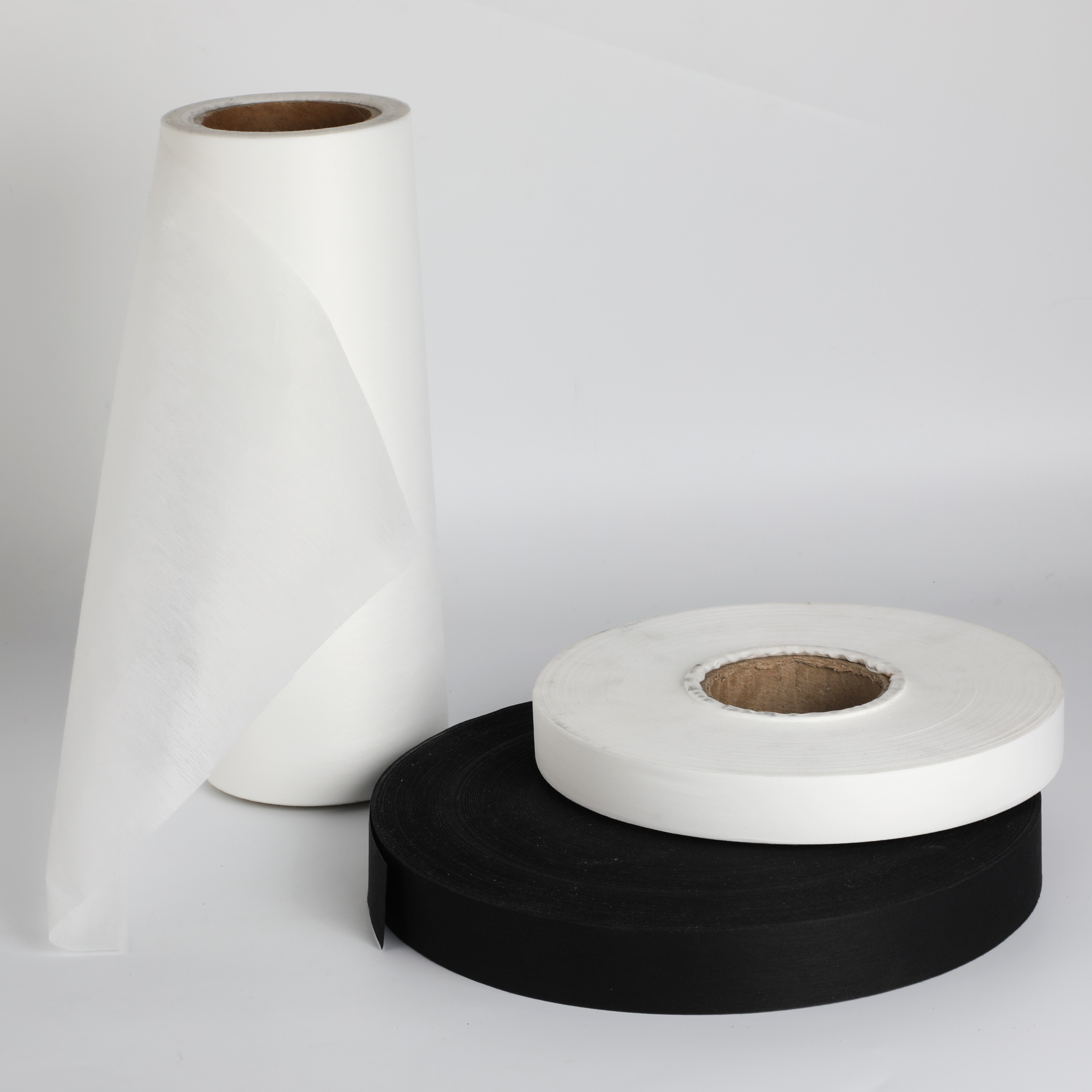 Cable Wrapping Nonwoven
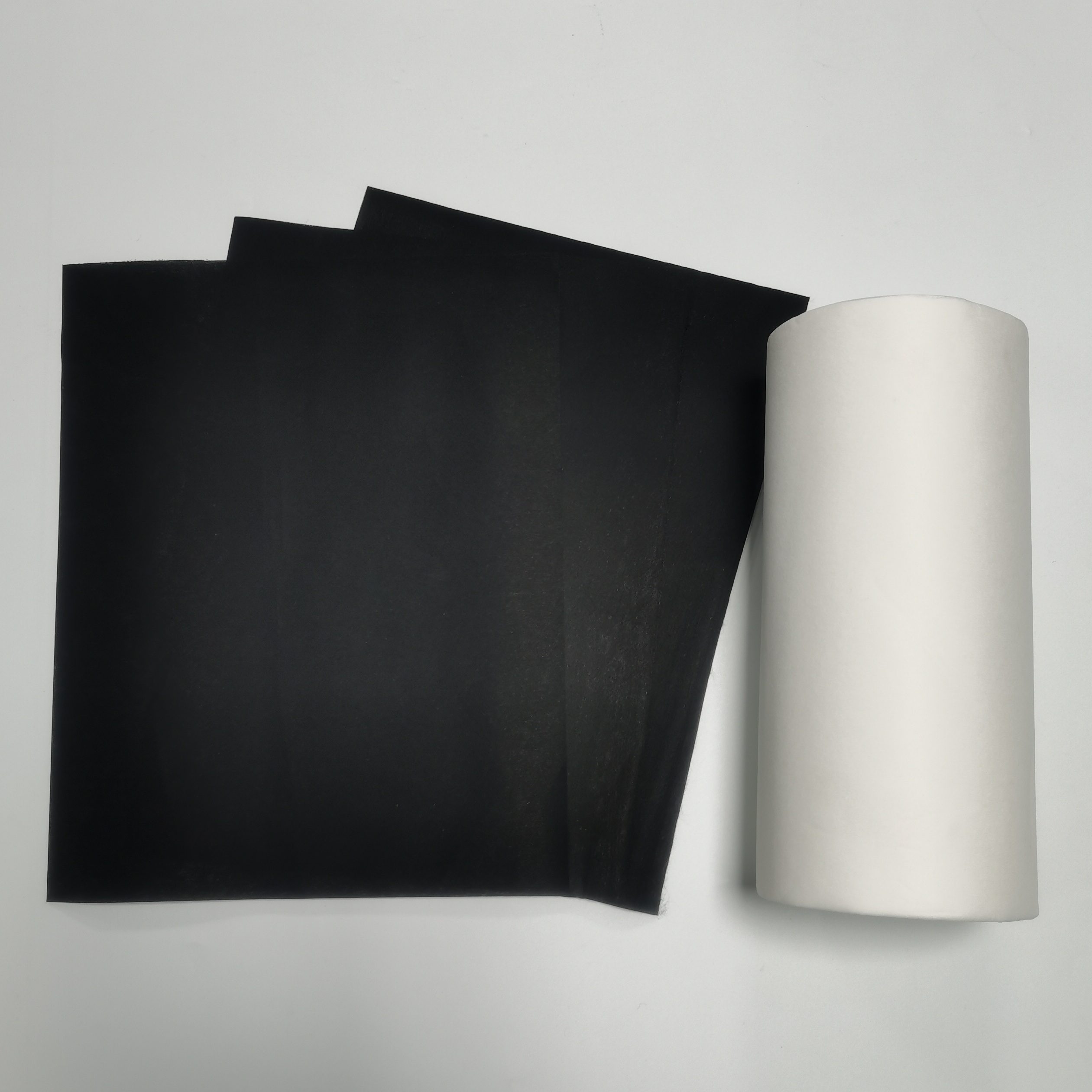 Semi-conductive Nonwoven
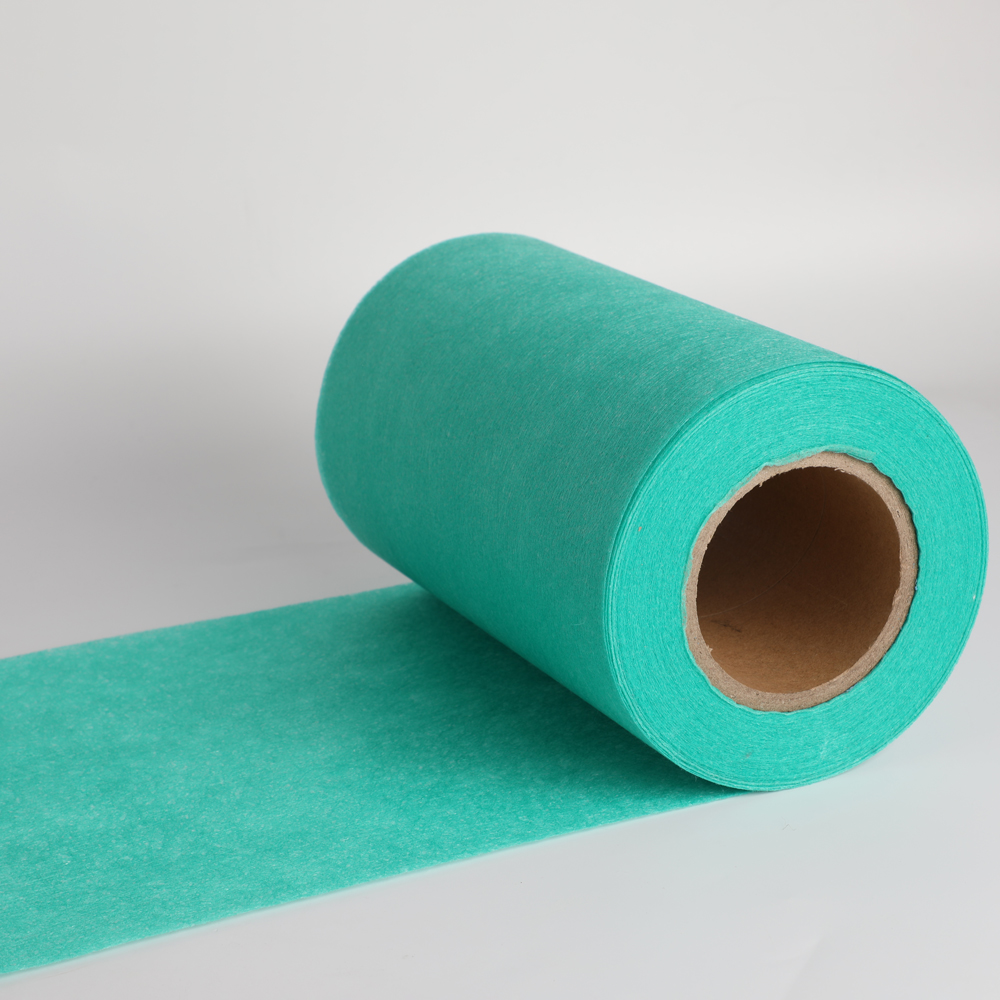 Anti-Bacterial Nonwoven
 +8613957712400




Custom Nonwoven Thermal Insulation Fabrics - Top Quality Manufacturers & Suppliers
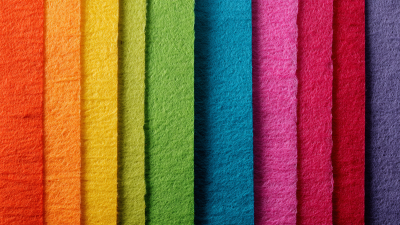
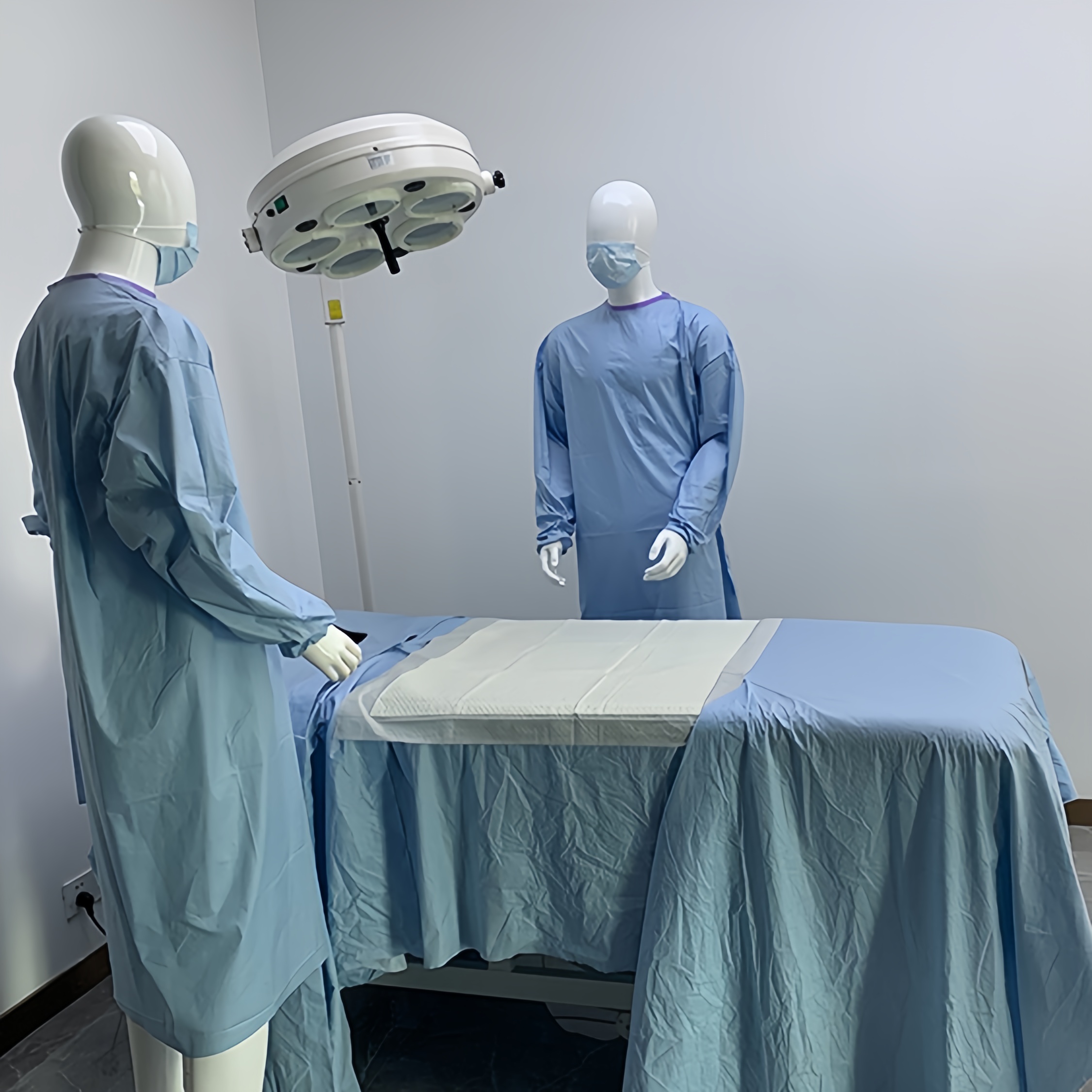
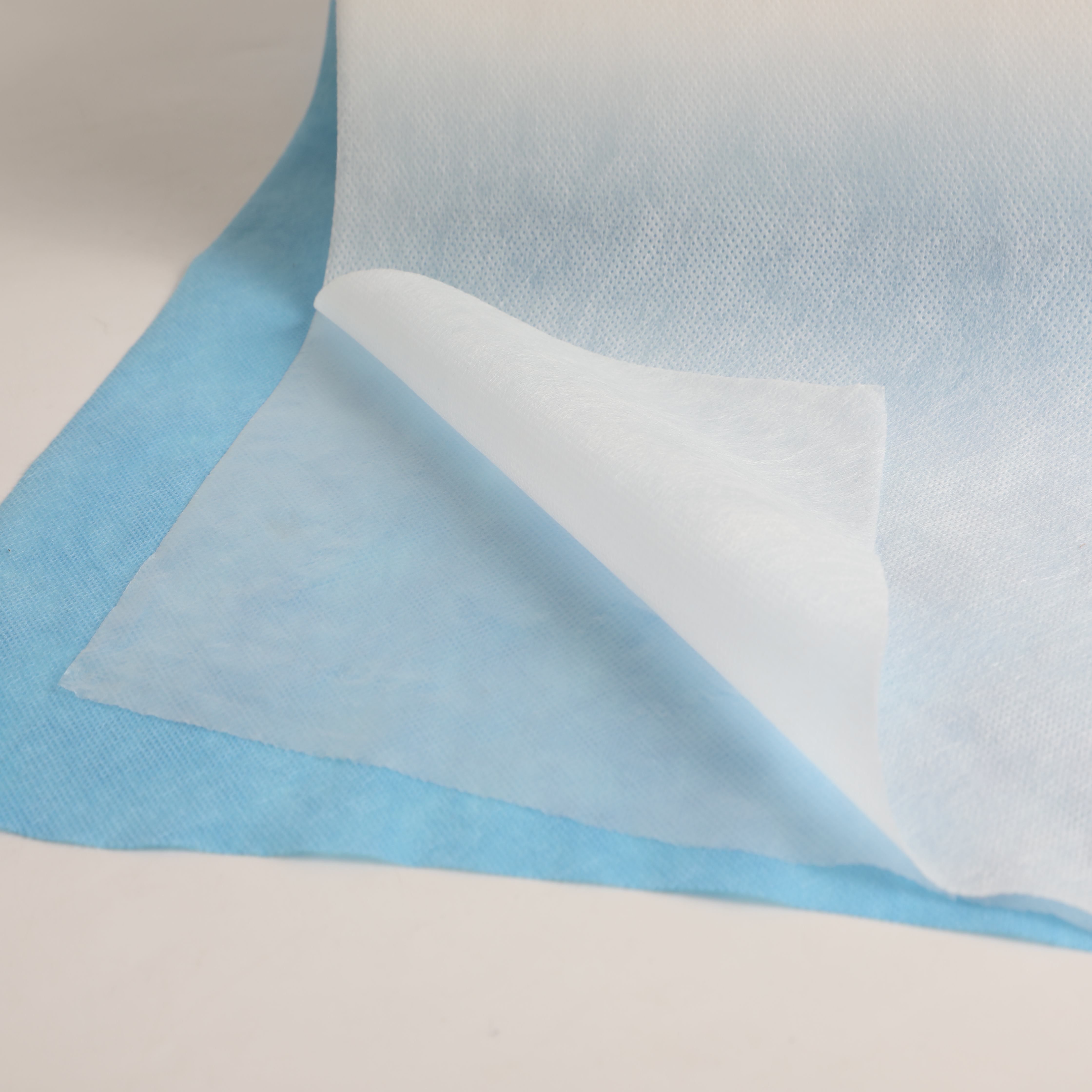
Our high-quality nonwoven fabric is expertly designed for optimal thermal insulation, catering to the rigorous requirements of various industries. As a leading manufacturer, we utilize premium materials to ensure that our nonwoven fabrics provide remarkable thermal resistance and durability. We prioritize innovation and quality throughout our production process to deliver superior insulation solutions suitable for construction, automotive, and other sectors where reliability is essential.

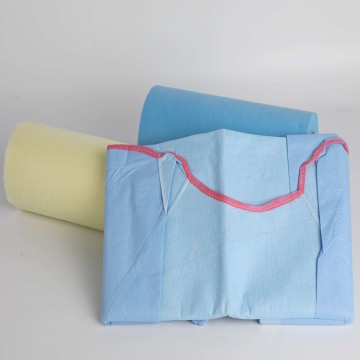
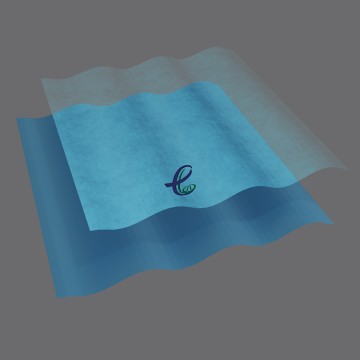
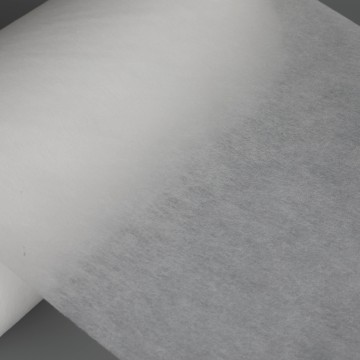
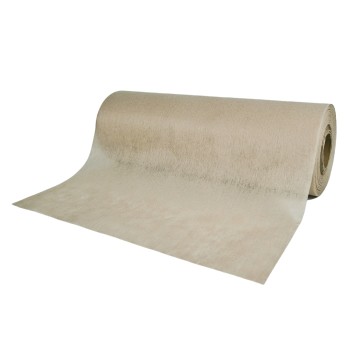
Key Steps to Choosing Nonwoven Fabric For Thermal Insulation Service Where Service Meets Innovation
When it comes to selecting nonwoven fabric for thermal insulation services, understanding the unique qualities and innovations available in the market is crucial. As global demand for energy-efficient solutions continues to grow, the importance of thermal insulation cannot be overstated. Nonwoven fabrics have emerged as a versatile solution, offering enhanced thermal stability, lightweight properties, and ease of application. However, with numerous options available, how do procurement professionals ensure they make the right choice? First, understanding the specific thermal insulation requirements of your project is essential. This involves evaluating the environmental conditions, desired performance characteristics, and compatibility with other materials. Different nonwoven fabrics possess varying thermal resistance, weight, and structure, which can significantly affect performance. Additionally, advancing technologies have led to the development of innovative nonwoven solutions that offer superior properties, such as moisture resistance and breathability, making it vital to stay updated with the latest trends and innovations in the market. Secondly, customization plays a key role in the selection process. Engaging with manufacturers who prioritize research and development enables customers to access tailored solutions that meet their unique needs. This not only ensures optimal performance but also enhances operational efficiency. A collaborative approach allows procurement professionals to explore diverse options, making it easier to align their thermal insulation strategies with the specific demands of their projects. In this rapidly evolving landscape, prioritizing innovation and customization will ultimately lead to effective thermal insulation options that cater to a variety of applications.
Key Steps to Choosing Nonwoven Fabric For Thermal Insulation Service Where Service Meets Innovation
| Criteria | Details | Importance |
|---|---|---|
| Thermal Conductivity | Measure of the fabric's ability to conduct heat; lower values indicate better insulation. | High |
| Material Composition | Types of fibers used (e.g., polyester, polypropylene) and their impact on insulation properties. | Medium |
| Weight | The weight of the fabric can affect its insulation effectiveness and ease of installation. | Medium |
| Water Resistance | Ability to resist water penetration, crucial for outdoor applications. | High |
| Sustainability | Environmental impact of materials used, including potential for recycling. | High |
| Cost | Overall price per square meter and its impact on project budget. | High |
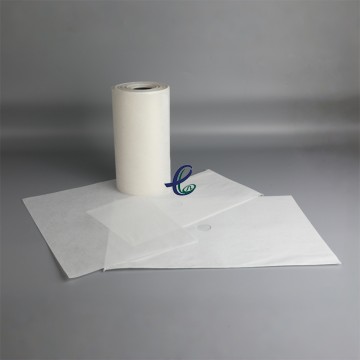
Top 5 Nonwoven Fabric For Thermal Insulation Service Backed by Expertise From Concept to Delivery

J
Jessica Lewis
This item is of superior quality! Customer service was prompt and handled everything effortlessly.
09 June 2025
E
Edward Phillips
Great quality! The customer service team was incredibly understanding and helpful.
04 June 2025
S
Sara Ward
Fantastic experience! The quality of the product is matched by the professionalism of the support team.
24 June 2025
M
Monica Garcia
Wonderful product! The professionalism of the customer service team was truly commendable.
24 June 2025
M
Madison Rivera
High-quality product! The follow-up assistance was efficient and very pleasant.
05 July 2025
A
Abigail Simmons
This has been a fantastic purchase! The assistance I received was professional and timely.
09 May 2025