
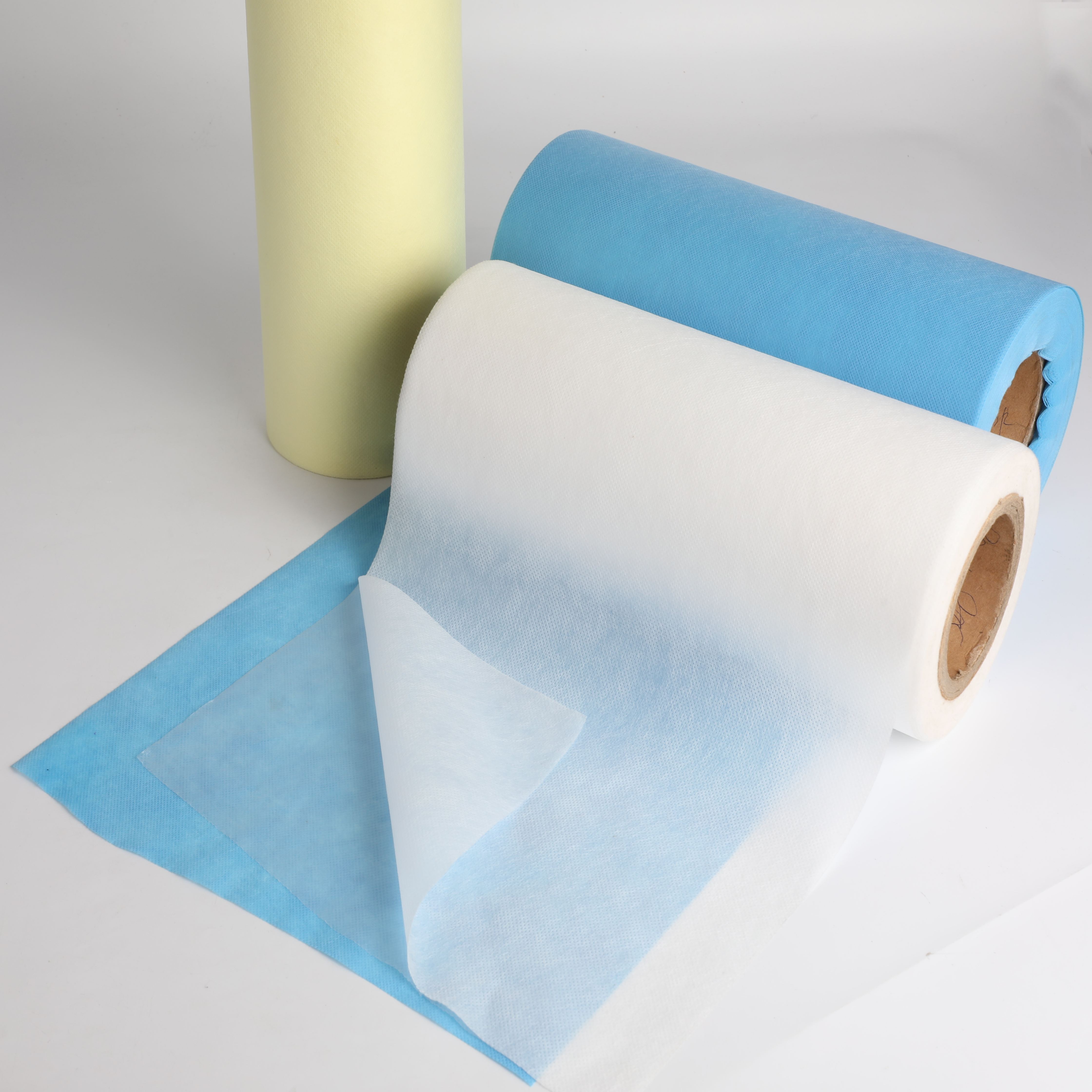
 PP Laminates
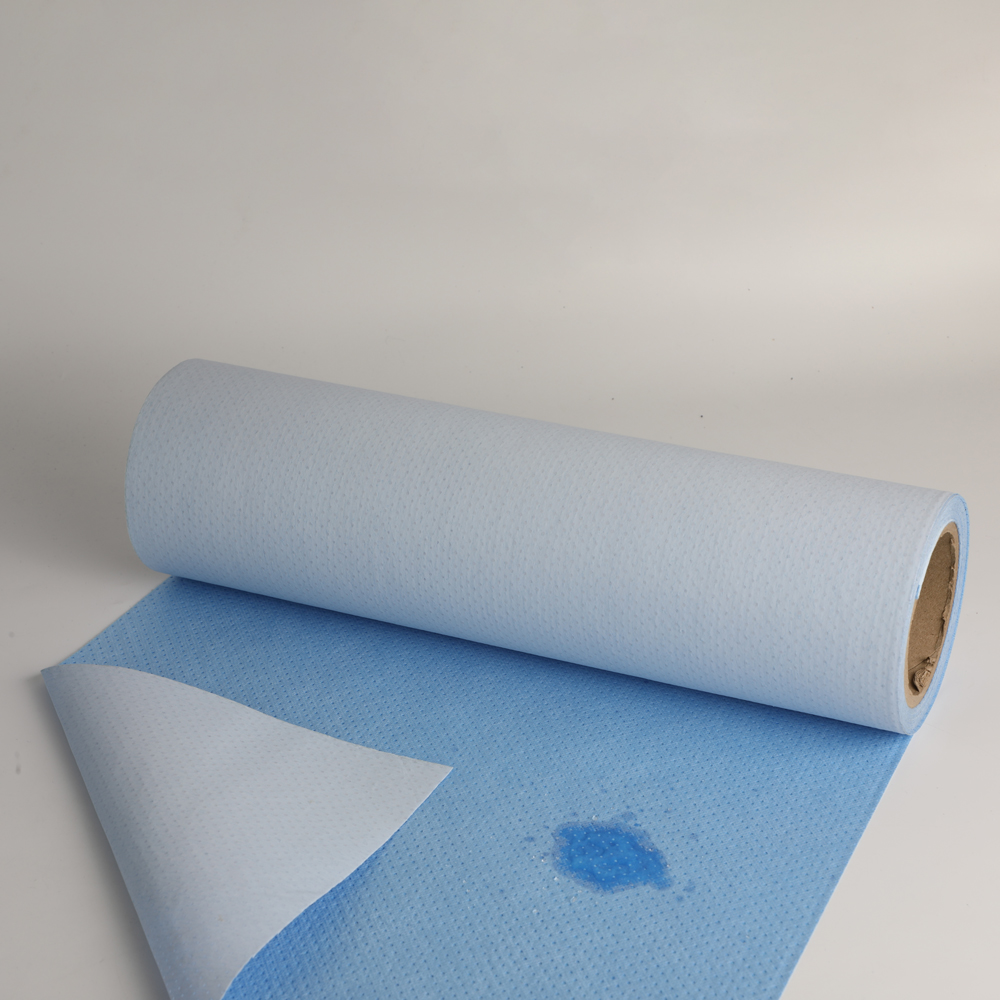 Multi Laminates
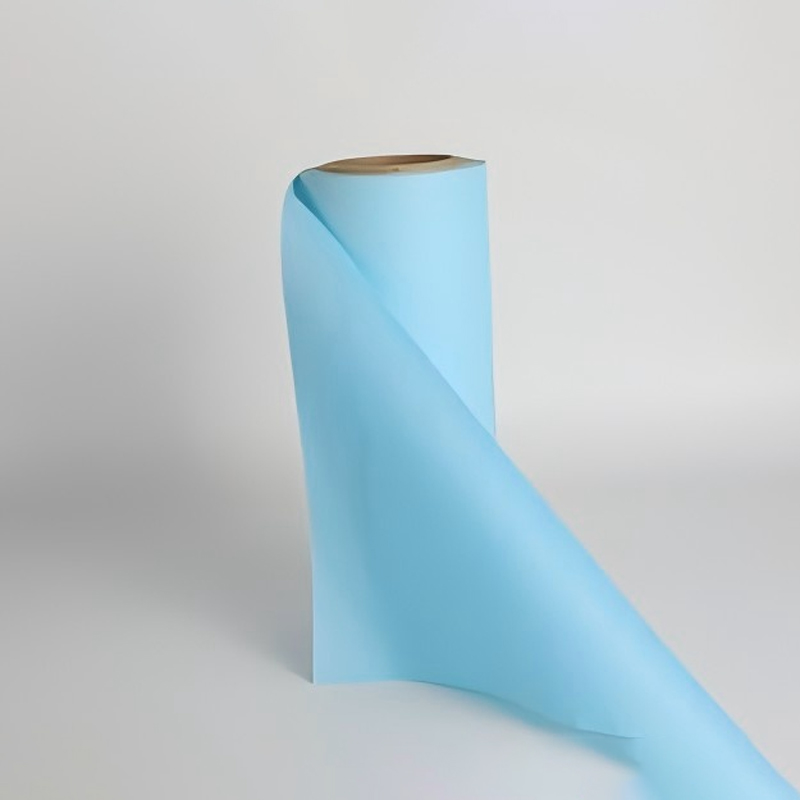 Spunlace Nonwoven Laminates
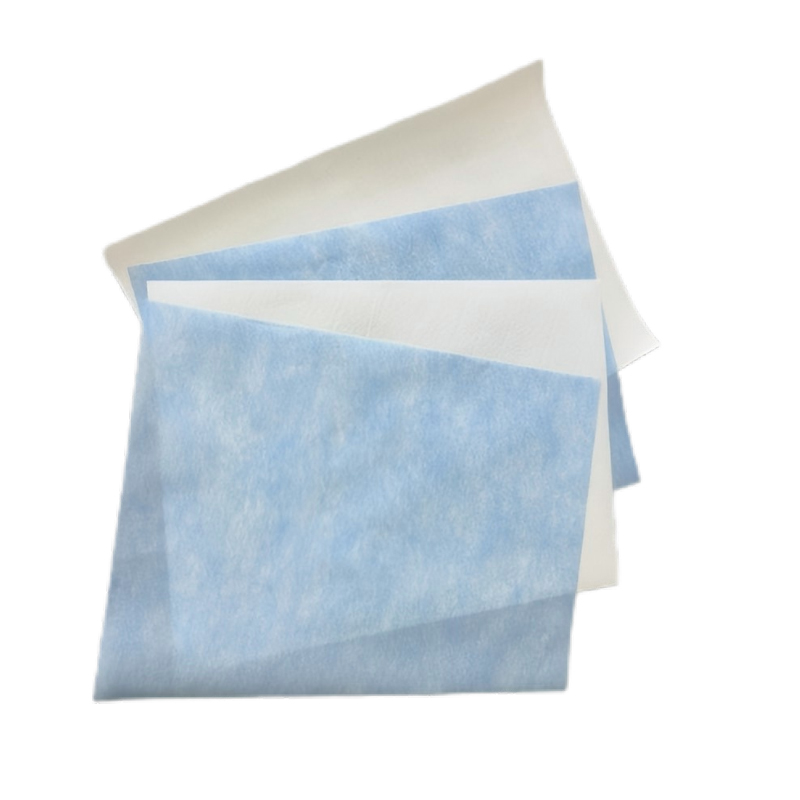 Breathable Film Laminates
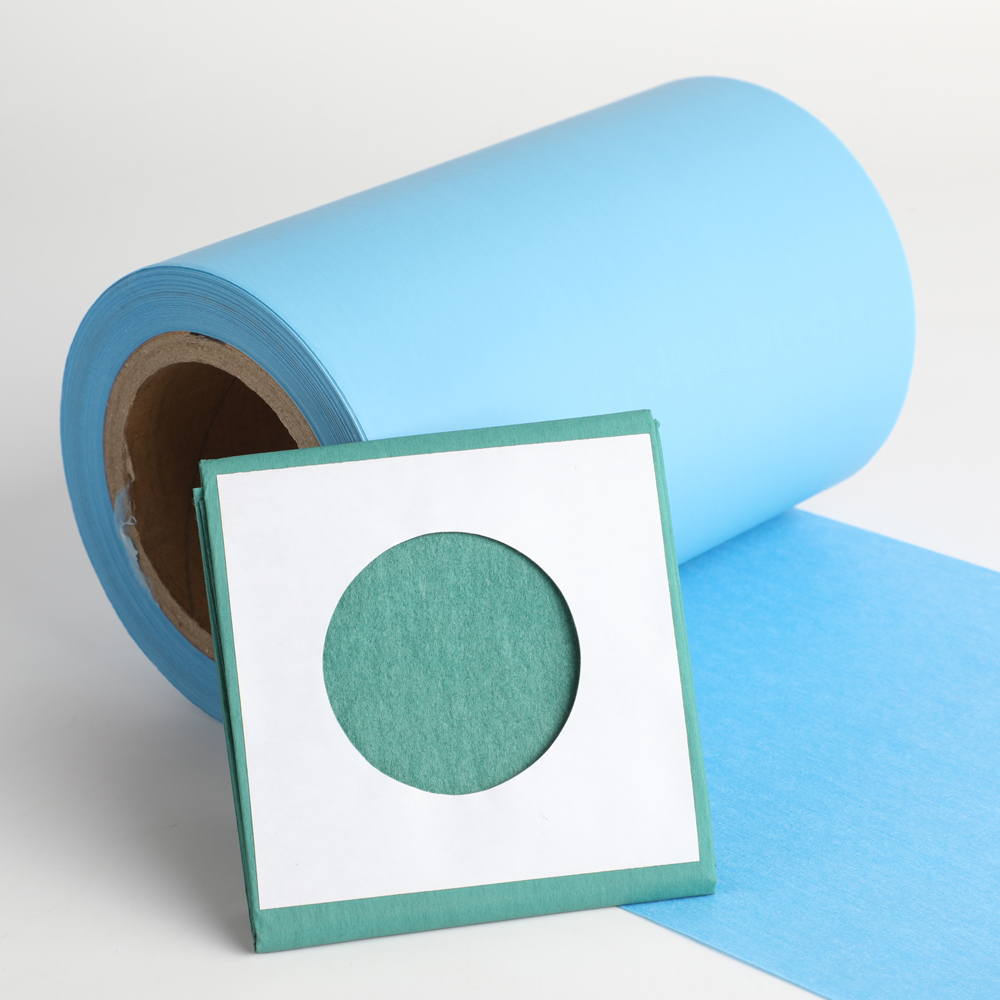 Viscose Laminates
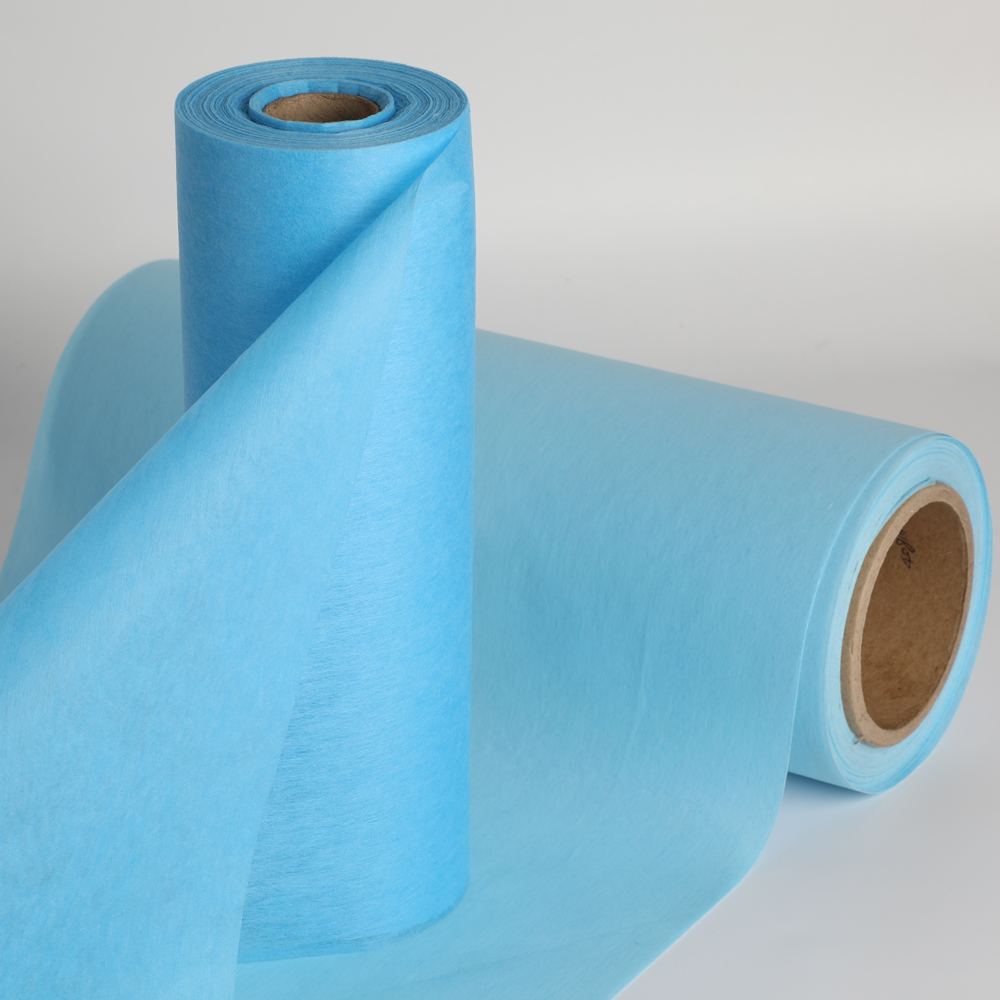 Medical Viscose Nonwoven
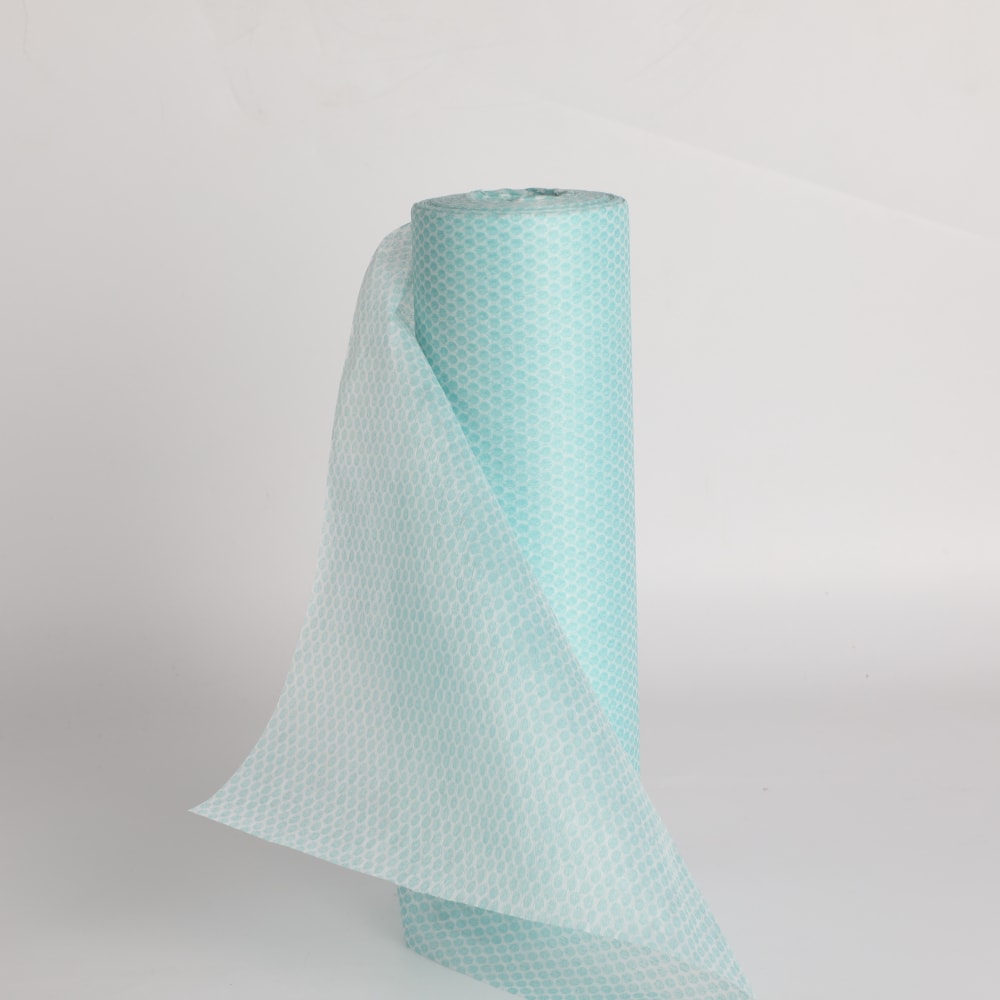 Head Wear Nonwoven
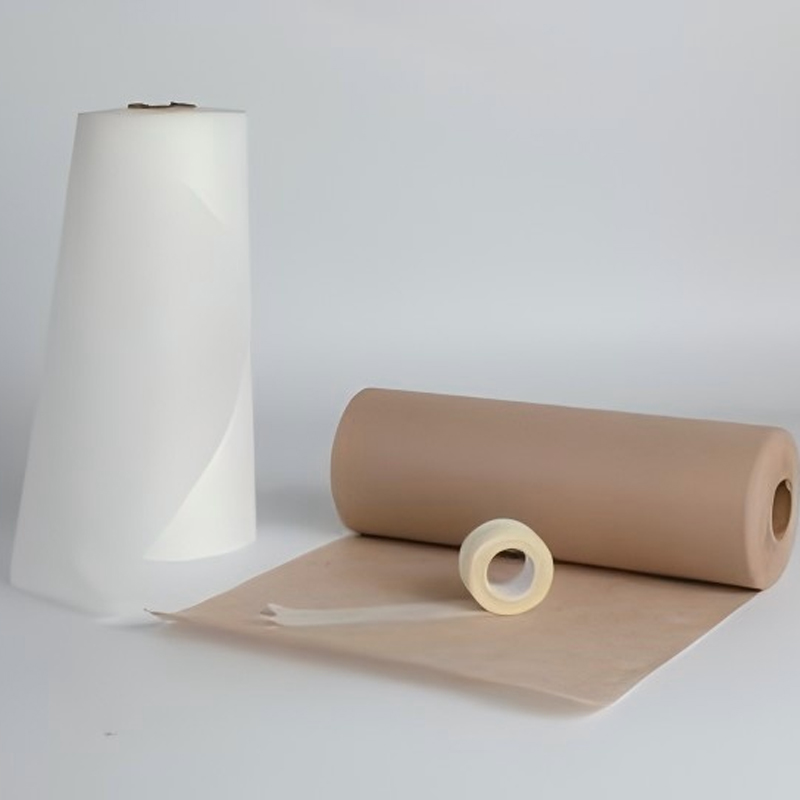 Medical Tape Nonwoven
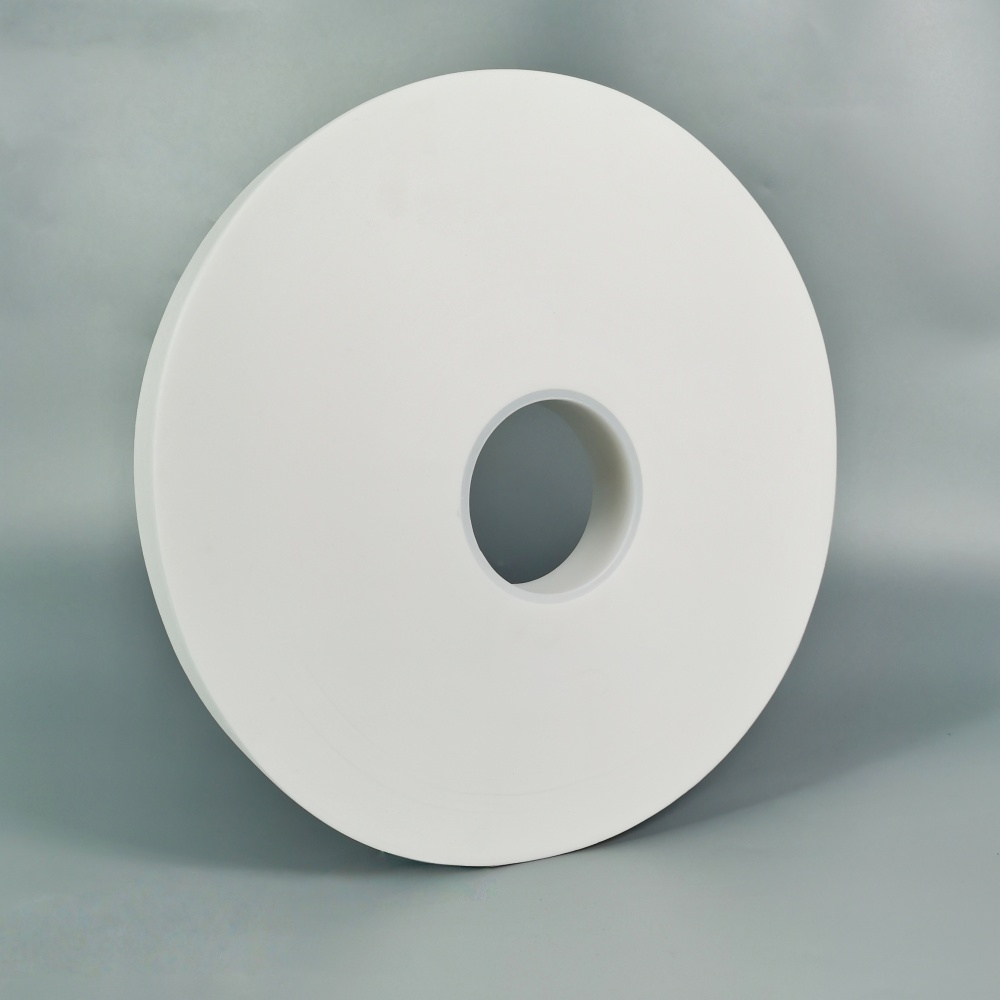 Snus Pouch Nonwoven
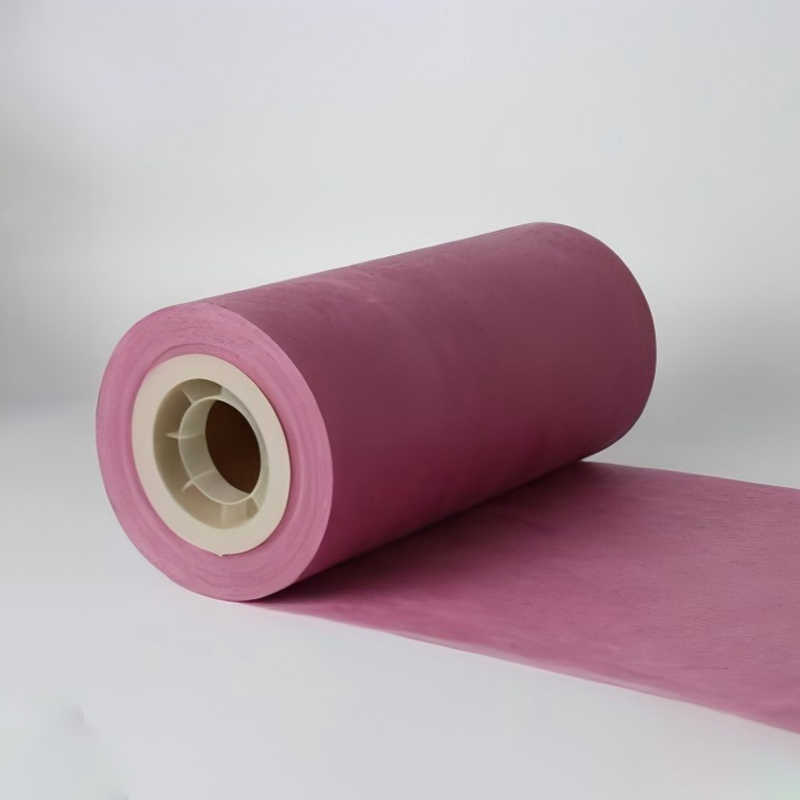 Filtration Nonwoven
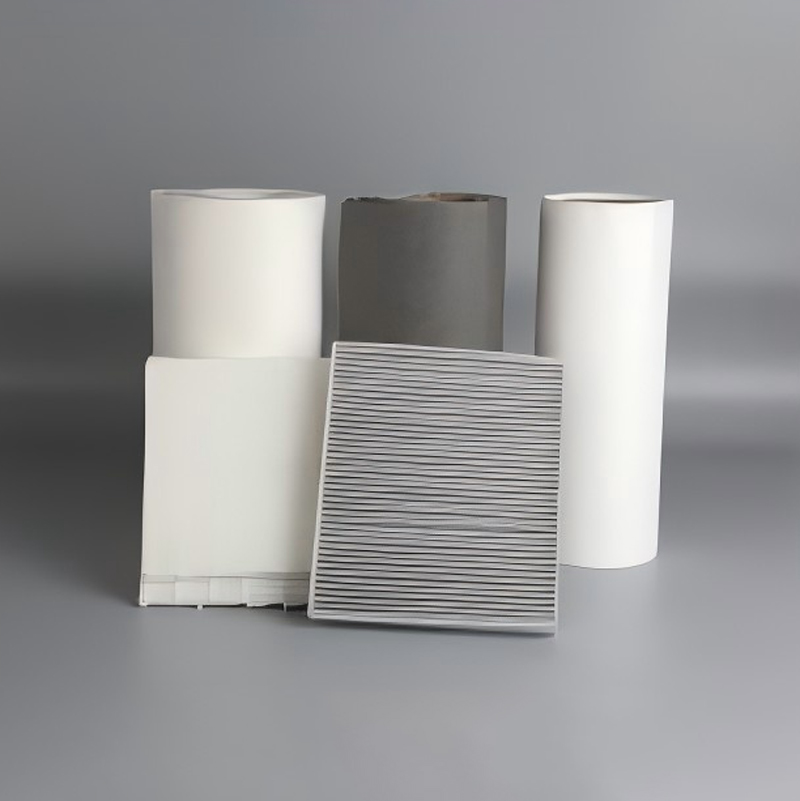 Air Filter Media
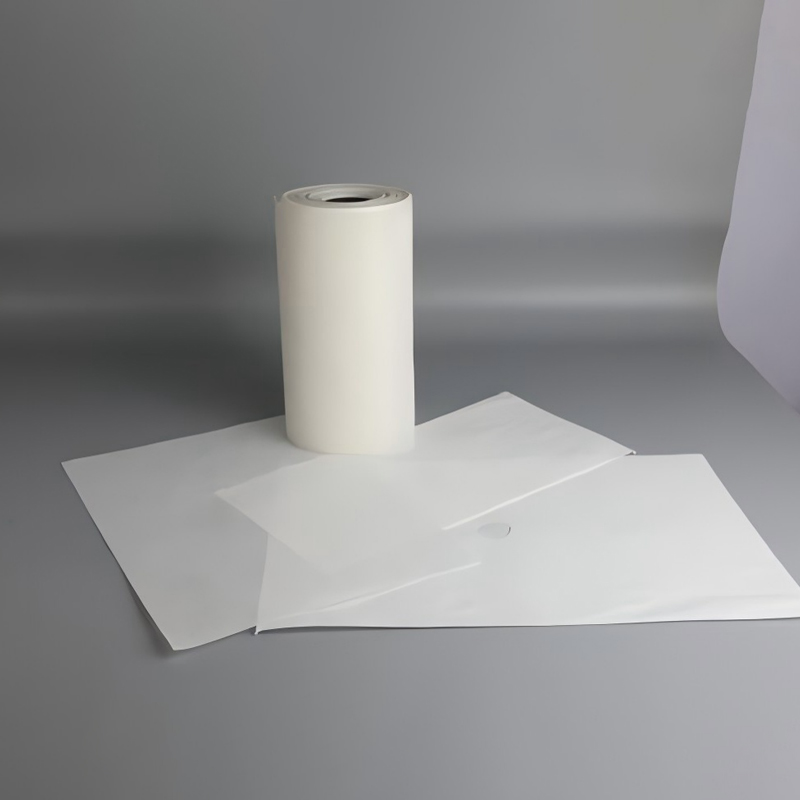 Liquid Filter Media
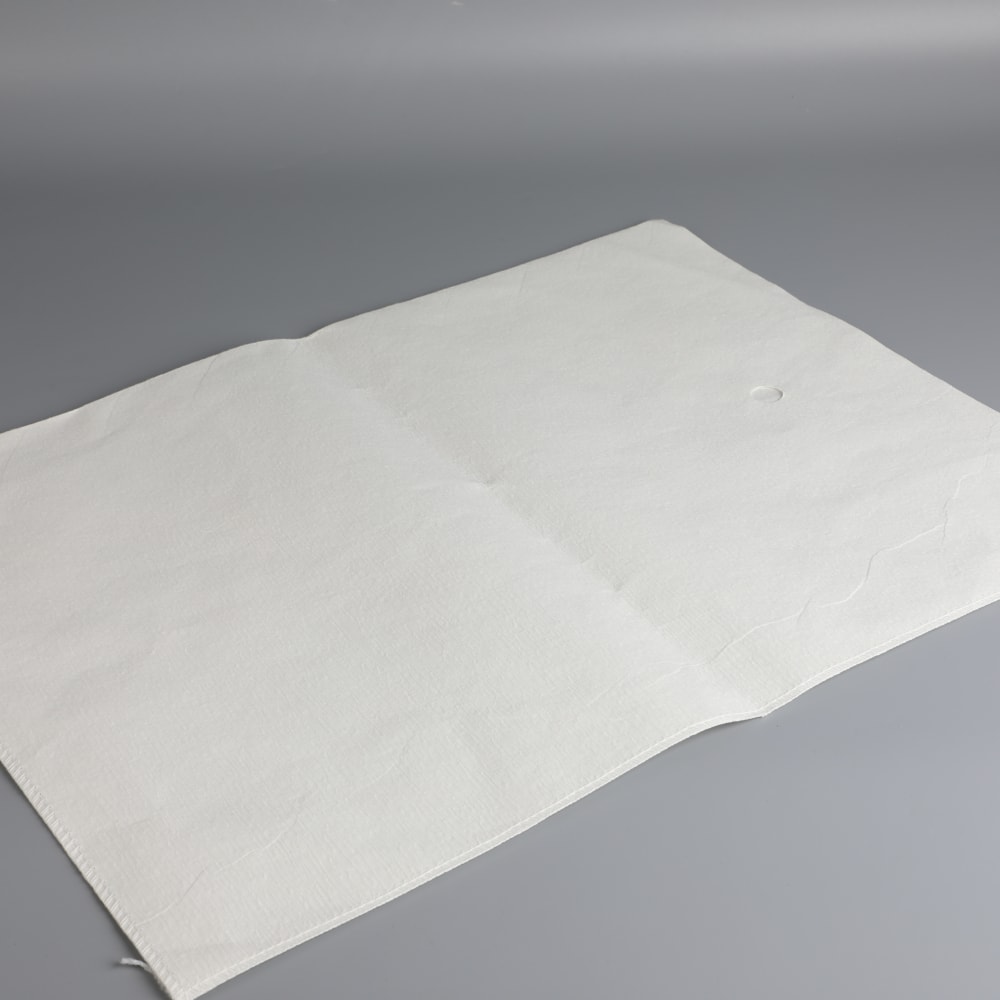 Filter Envelope & Filter Sheet
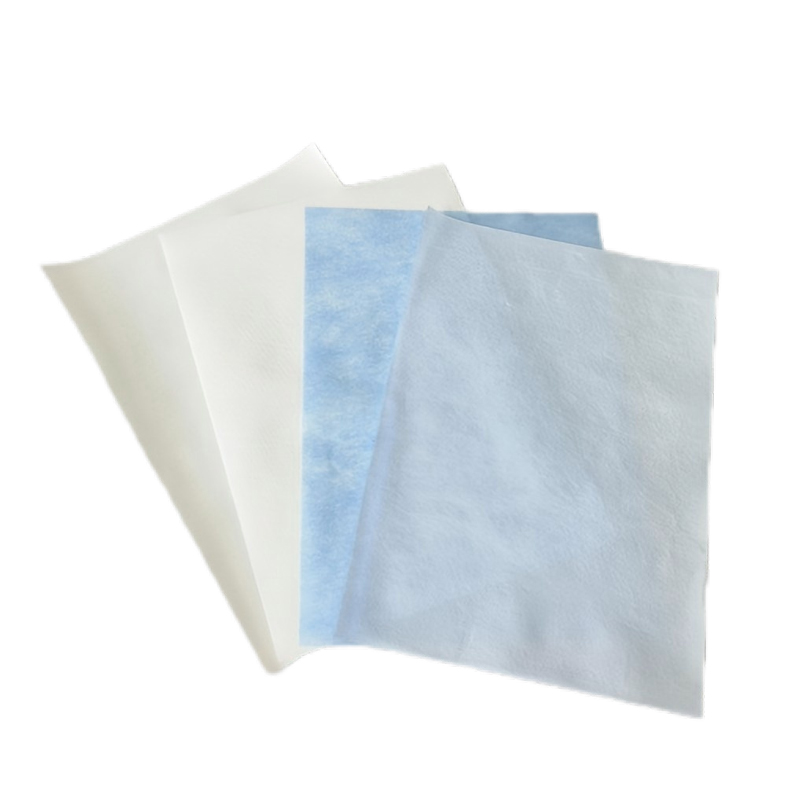 Breathable Film Laminates
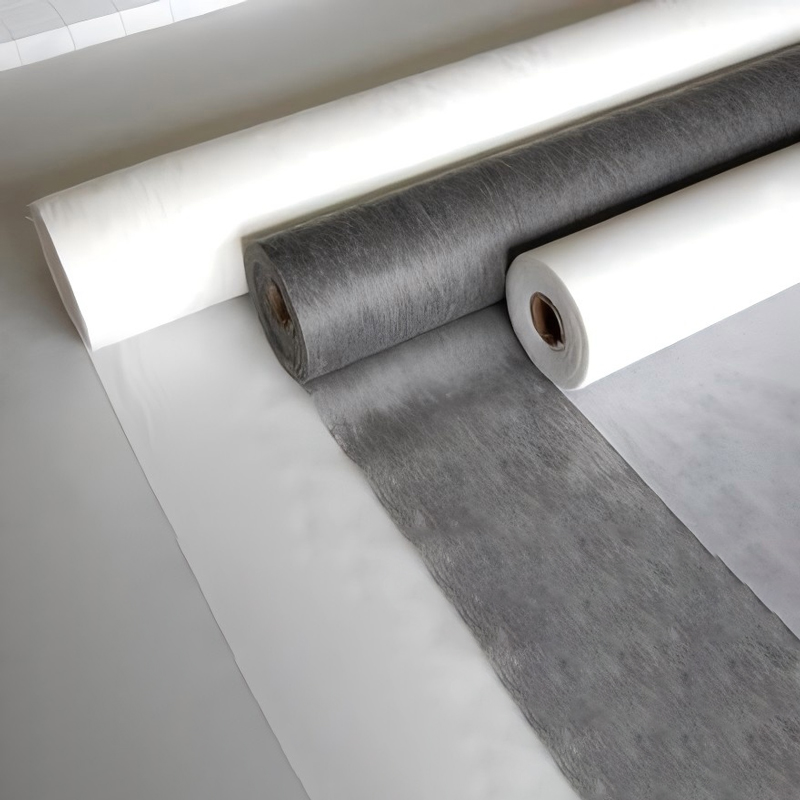 Nonwoven Interlining
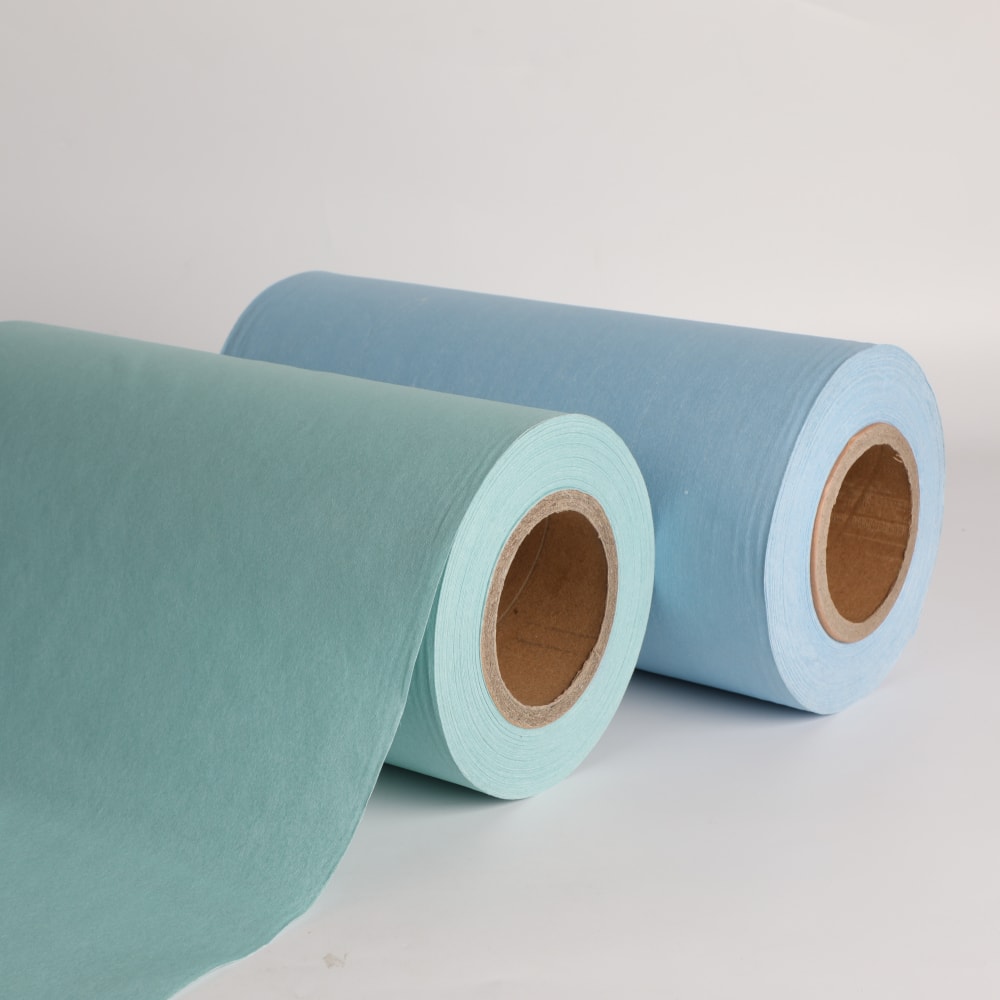 Fluid Repellent Woodpulp Spunlace Nonwoven
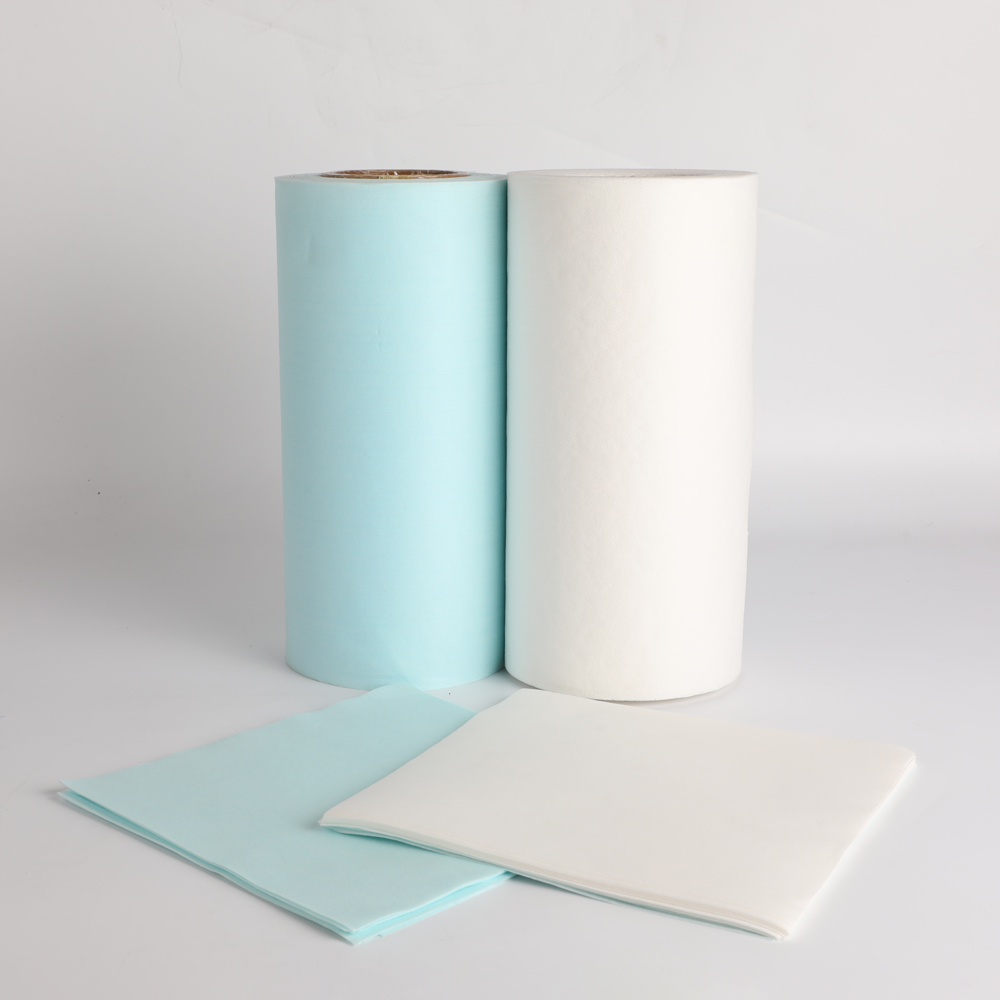 Woodpulp Nonwoven Wipe
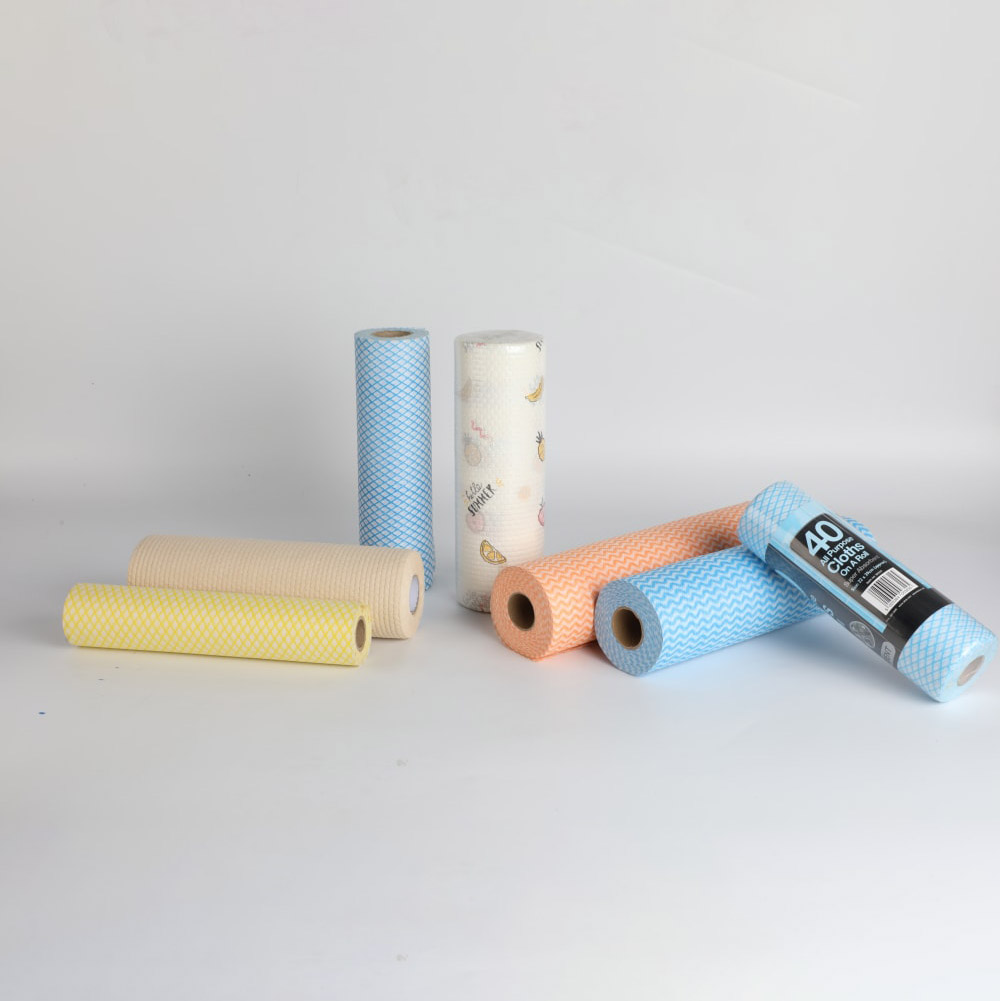 Nonwoven Cleaning Wipe
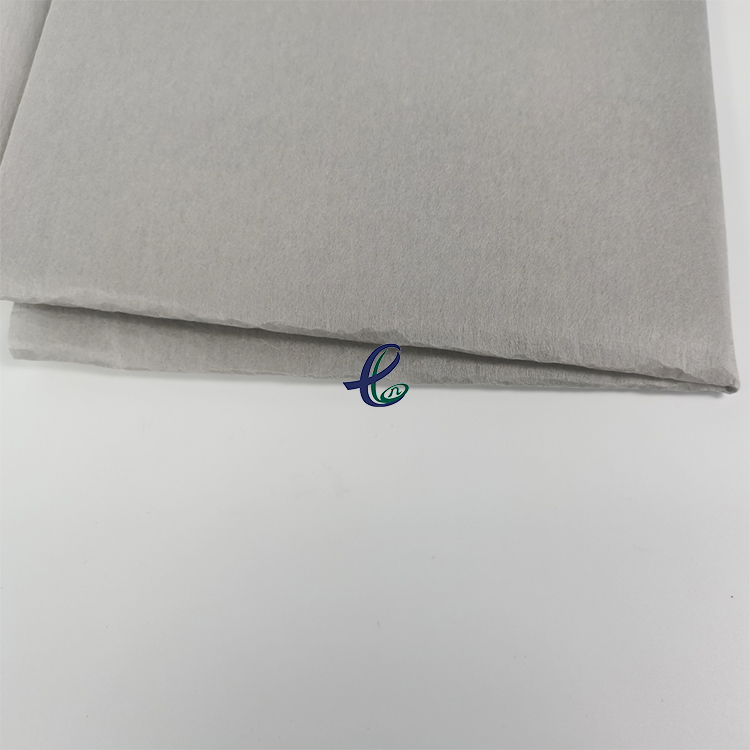 Curtain Nonwoven
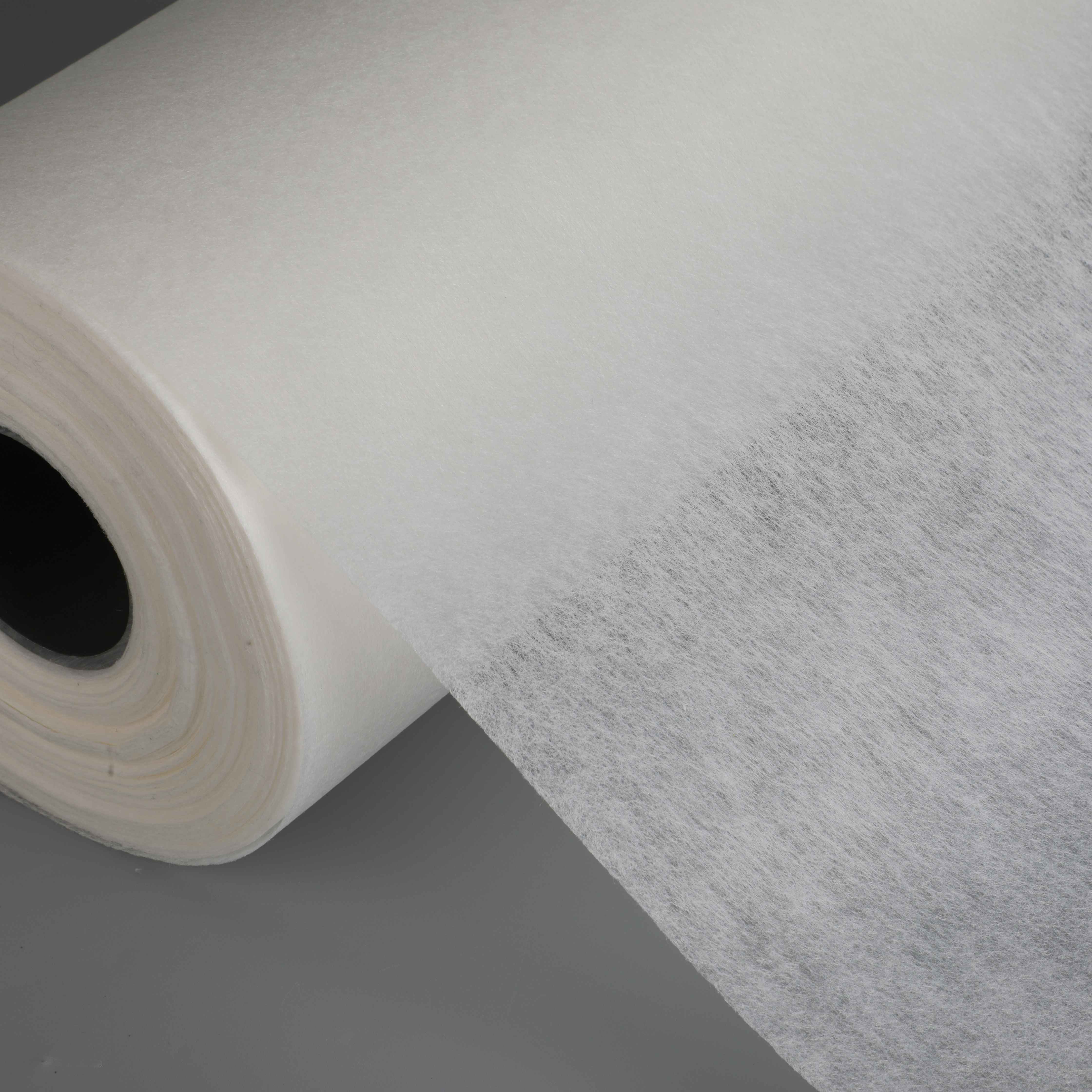 Food Grade Packaging Nonwoven
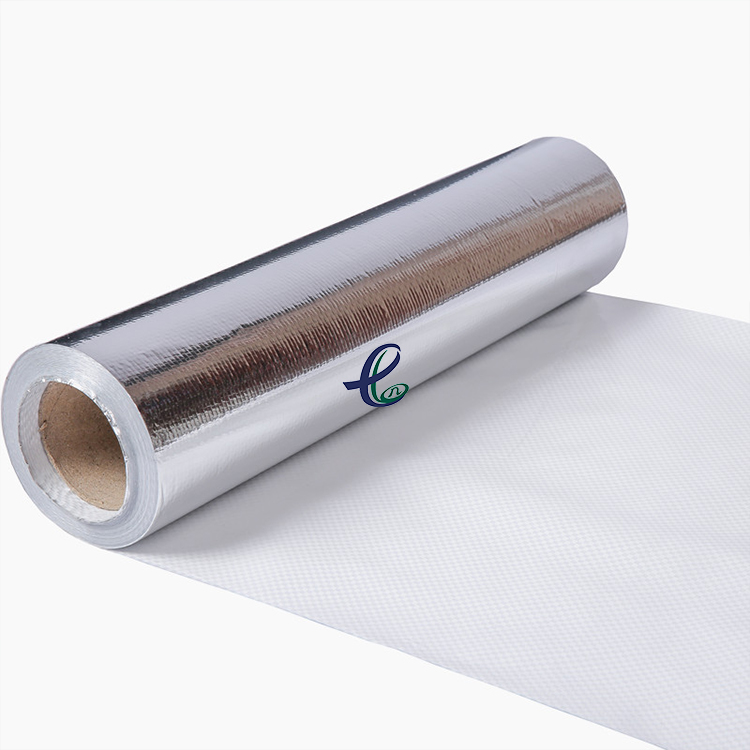 Aluminized Nonwoven
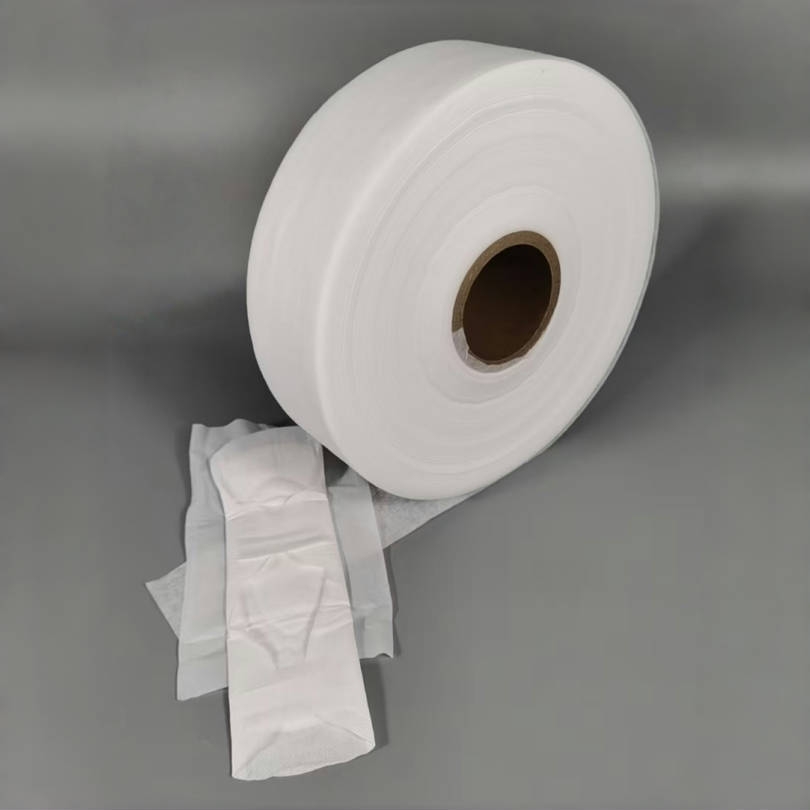 Hot Air Cotton Nonwoven
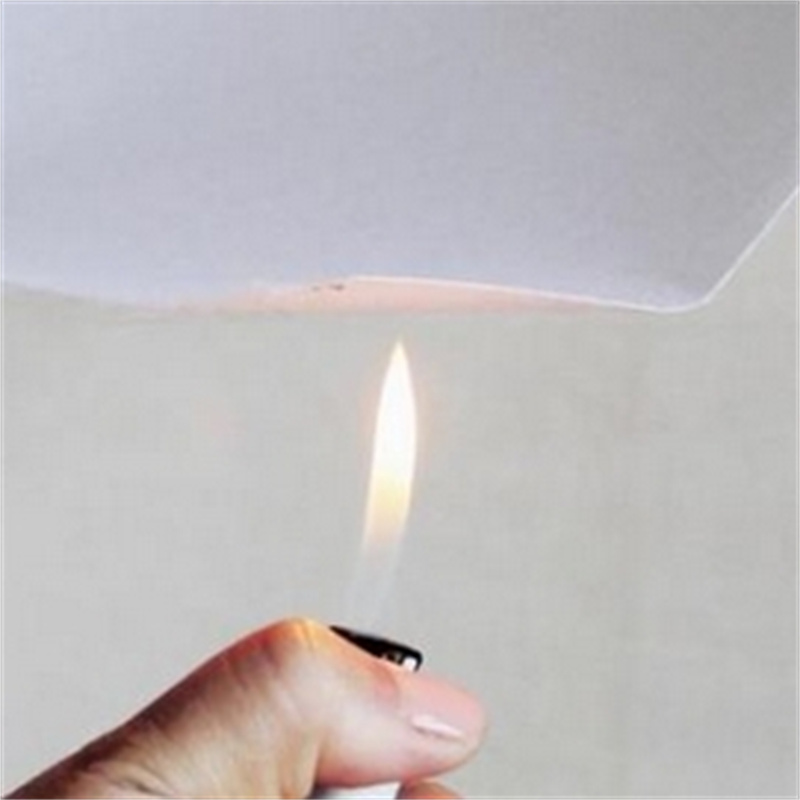 Flame Retardant Nonwoven
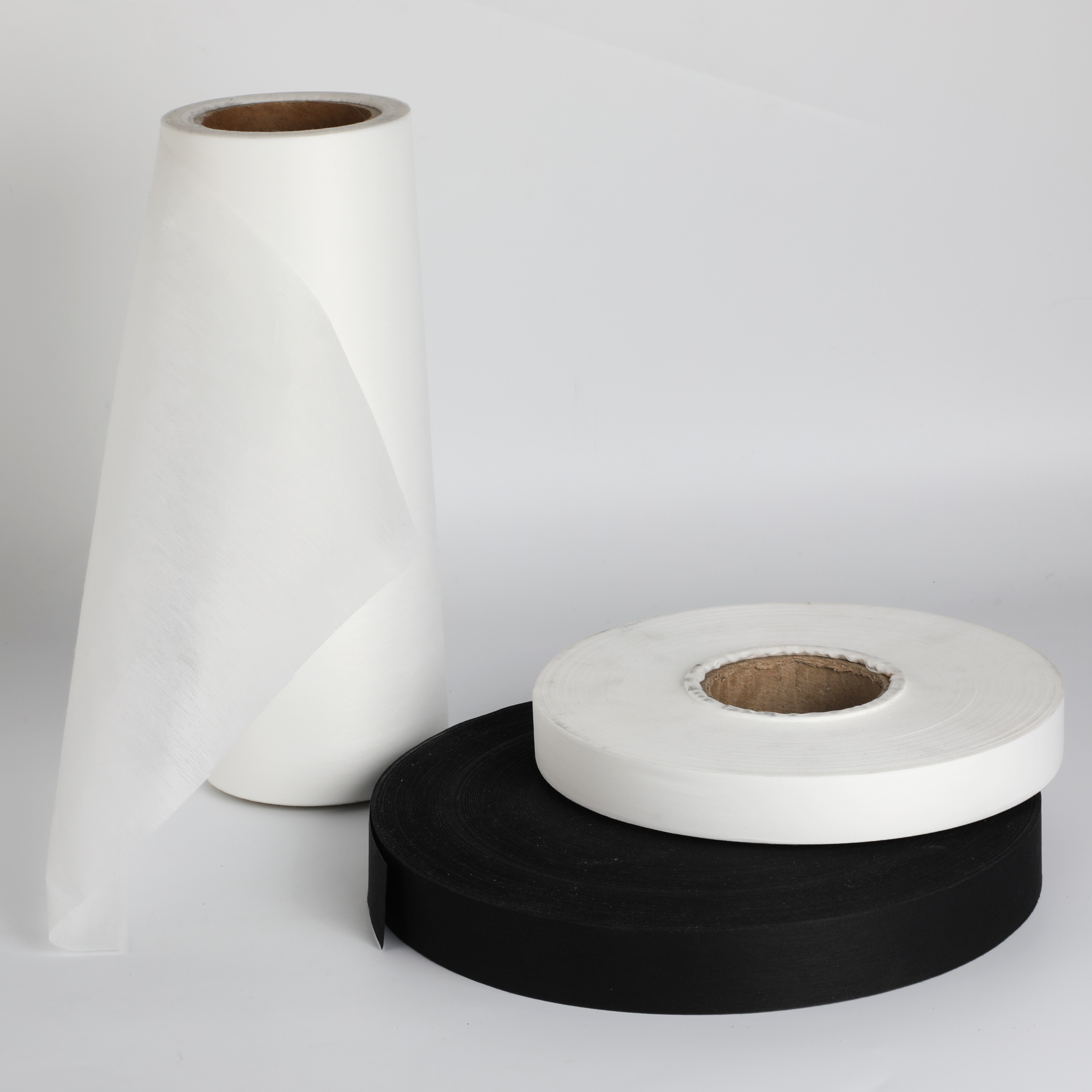 Cable Wrapping Nonwoven
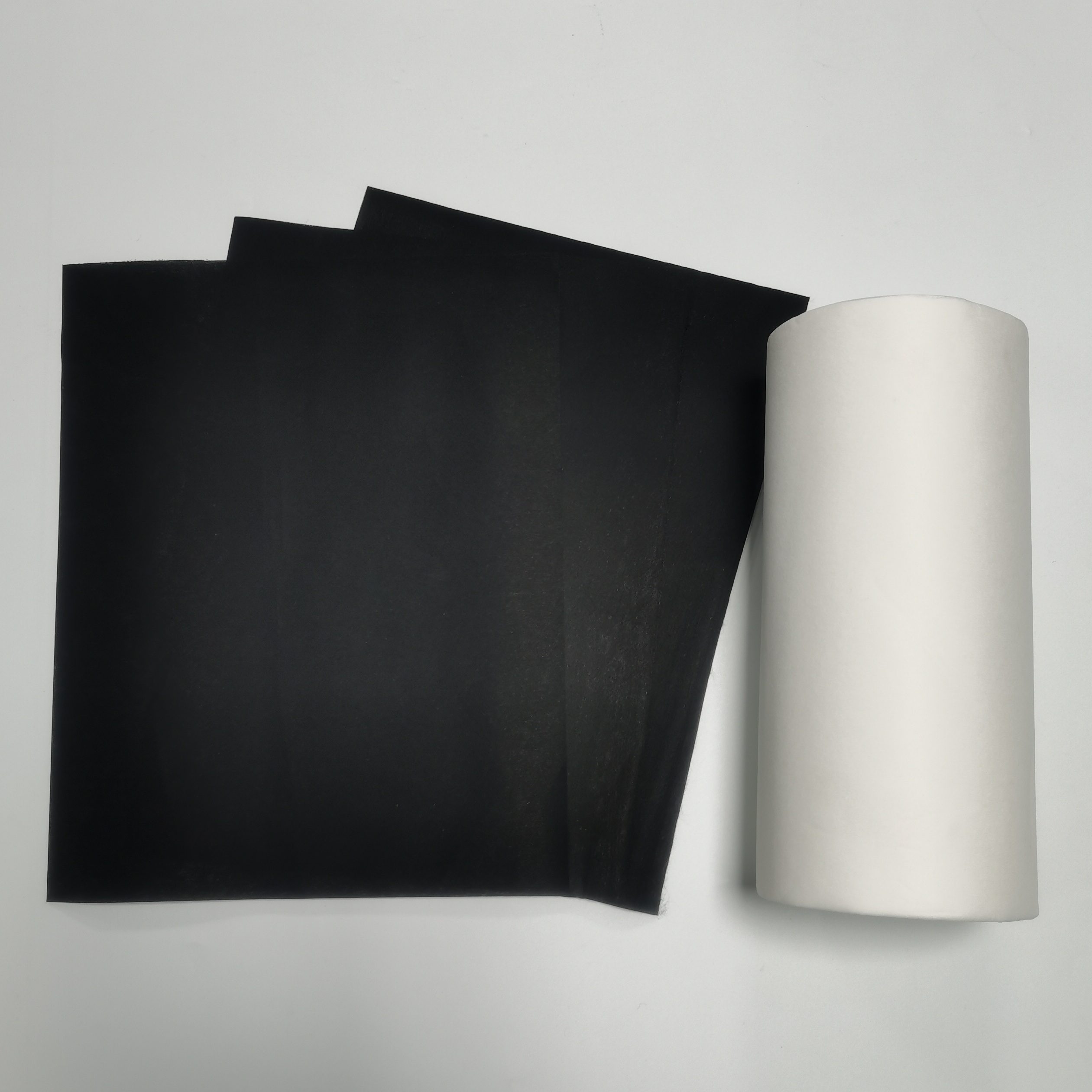 Semi-conductive Nonwoven
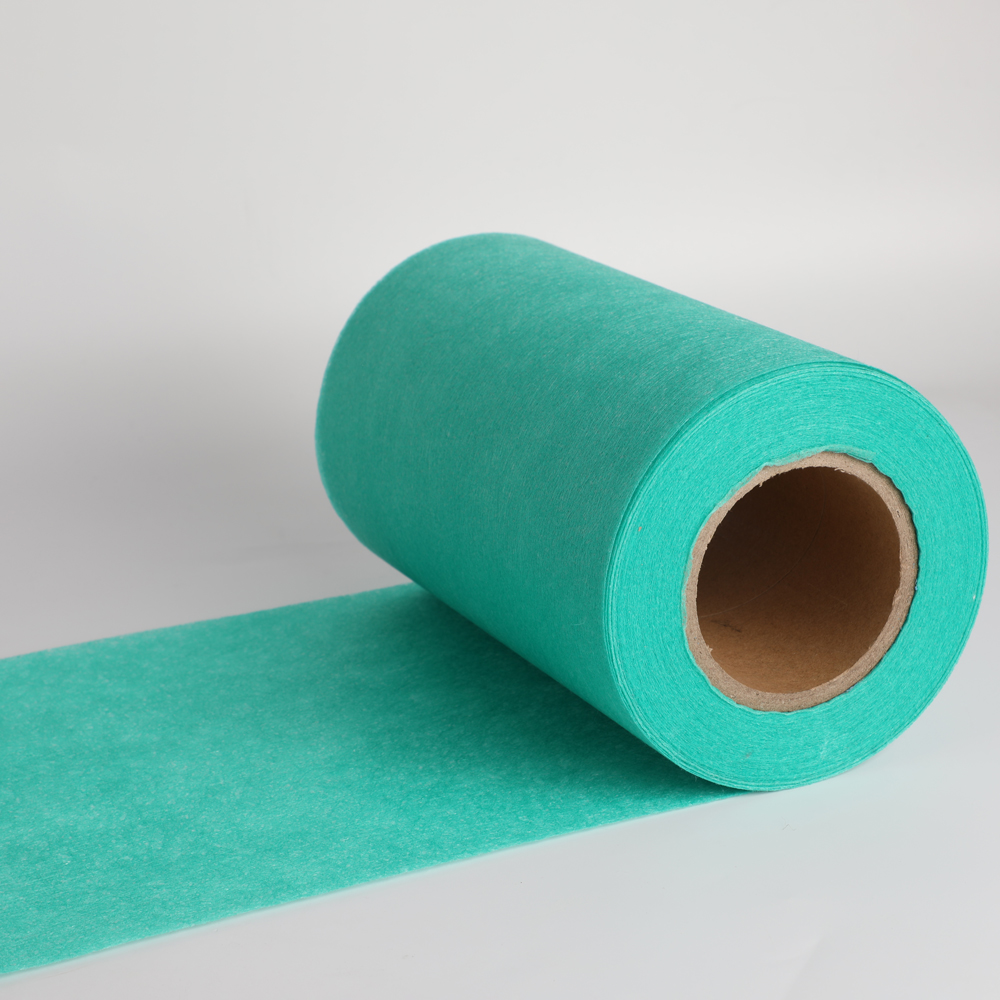 Anti-Bacterial Nonwoven
 +8613957712400




Premium Non-Woven Fusible Interfacing from Leading Brands for Quality Crafting
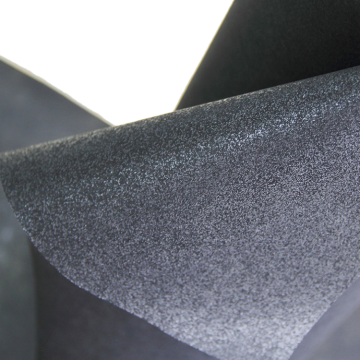
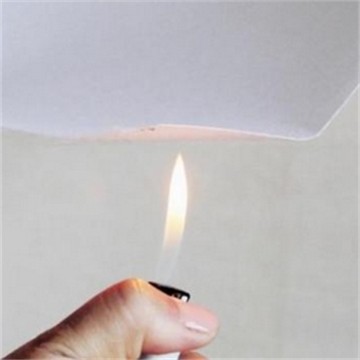
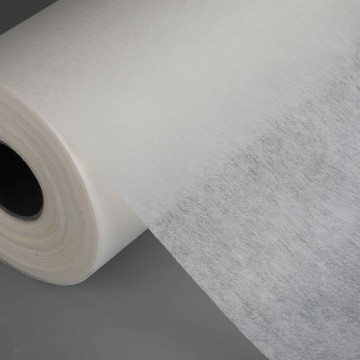
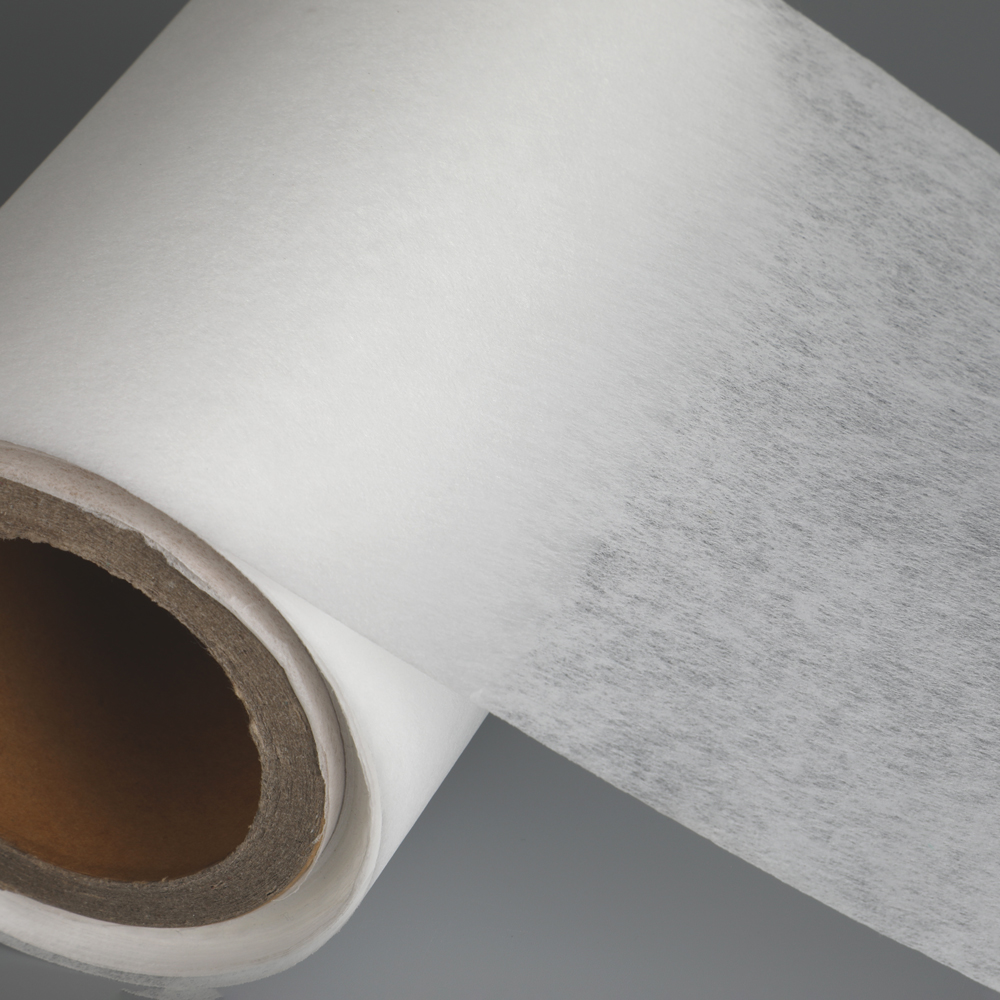
As a leading supplier of premium non-woven fusible interfacing, we are committed to providing exceptional solutions tailored to meet the diverse needs of our clients. Our products enhance the stability and structure of various fabric applications, making them a preferred choice for manufacturers in the textile industry. Designed for excellent adhesion while ensuring softness and flexibility, our non-woven fusible interfacing is suitable for both light and heavy fabrics, helping your projects achieve standout quality. Partnering with Hangzhou Econ Nonwoven New Materials Co., Ltd. guarantees reliable and customized solutions, with a focus on quality and consistency for businesses of all sizes. Elevate your products with our superior interfacing solutions.
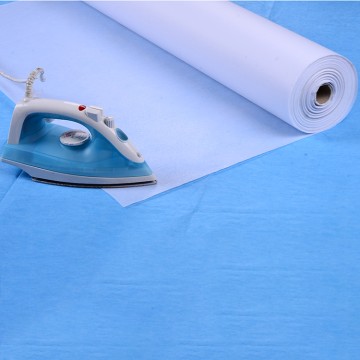
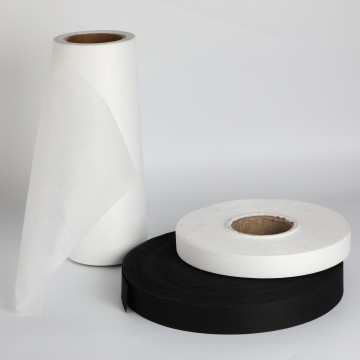
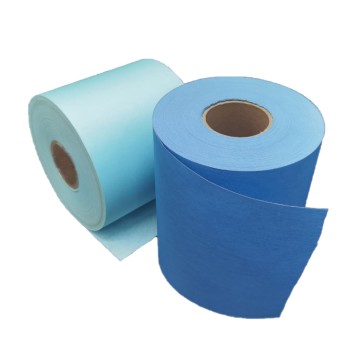
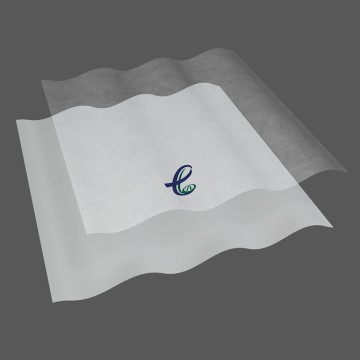
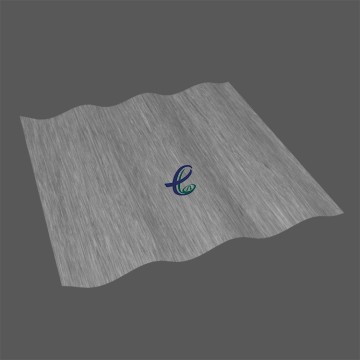
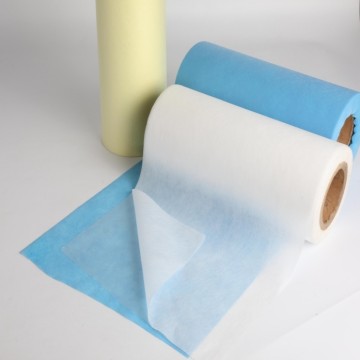
Best Ways To non woven fusible interfacing Service Factory-Direct Excellence
When it comes to sourcing non-woven fusible interfacing, understanding the benefits of working with a factory-direct service is essential for global buyers. Factory-direct providers are often at the forefront of innovation, continuously developing differentiated and functional nonwoven products. By accessing these direct sources, purchasers can ensure they receive high-quality materials that meet specific project requirements while also benefiting from lower costs and streamlined communication. Diversification is key in today’s competitive market, and factory-direct service providers excel in offering tailored solutions that address the varied needs of customers. With the ability to customize products, they can deliver personalized interfacing solutions, from weight specifications to adhesive types, facilitating better integration into diverse applications. This level of responsiveness not only enhances product performance but also supports creativity in design. Investing in factory-direct non-woven fusible interfacing is not just about acquiring a product; it's about partnering with innovators ready to elevate your projects. By focusing on research and development, these manufacturers can provide extensive support and insight, ensuring that their customers remain competitive in a fast-evolving marketplace. Embracing this approach allows global buyers to sustain quality, improve supply chain efficiency, and achieve significant added value in their offerings.
Best Ways To Non Woven Fusible Interfacing Service Factory-Direct Excellence
| Feature | Description | Benefits | Application |
|---|---|---|---|
| High Durability | Made from strong synthetic fibers for lasting support. | Increases the longevity of garments and projects. | Used in clothing, bags, and crafts. |
| Easy to Use | Lightweight and adheres easily to fabrics. | Saves time and effort in sewing projects. | Ideal for DIY enthusiasts and professional sewers. |
| Variety of Weights | Available in different thicknesses for various needs. | Provides the right support for any project. | Used in clothing types from lightweight to heavy-duty. |
| Heat Transfer Technology | Activates with heat for a strong bond. | Ensures a secure and permanent application. | Perfect for quilting and tailoring. |
| Eco-Friendly Options | Made from recycled materials. | Contributes to sustainable practices in textile production. | Great for environmentally conscious projects. |

Best Way To non woven fusible interfacing More Than a Supplier - A Partner Factory


R
Rebecca Edwards
Fantastic quality! The staff went above and beyond in assisting me with my purchase.
18 May 2025
J
Jonathan Parker
Very pleased with the product. The support team was very thorough and professional.
07 May 2025
O
Olivia King
I love this product! Their support team was responsive and very professional throughout.
06 June 2025
Z
Zachary Young
Thrilled with the purchase! The support team was very knowledgeable and resolved my concerns effectively.
27 May 2025
H
Hailey Bailey
Very impressed! The product quality combined with their excellent service is rare.
24 May 2025
W
Willow Powell
Really pleased with my purchase! The support staff was knowledgeable and very responsive.
31 May 2025