
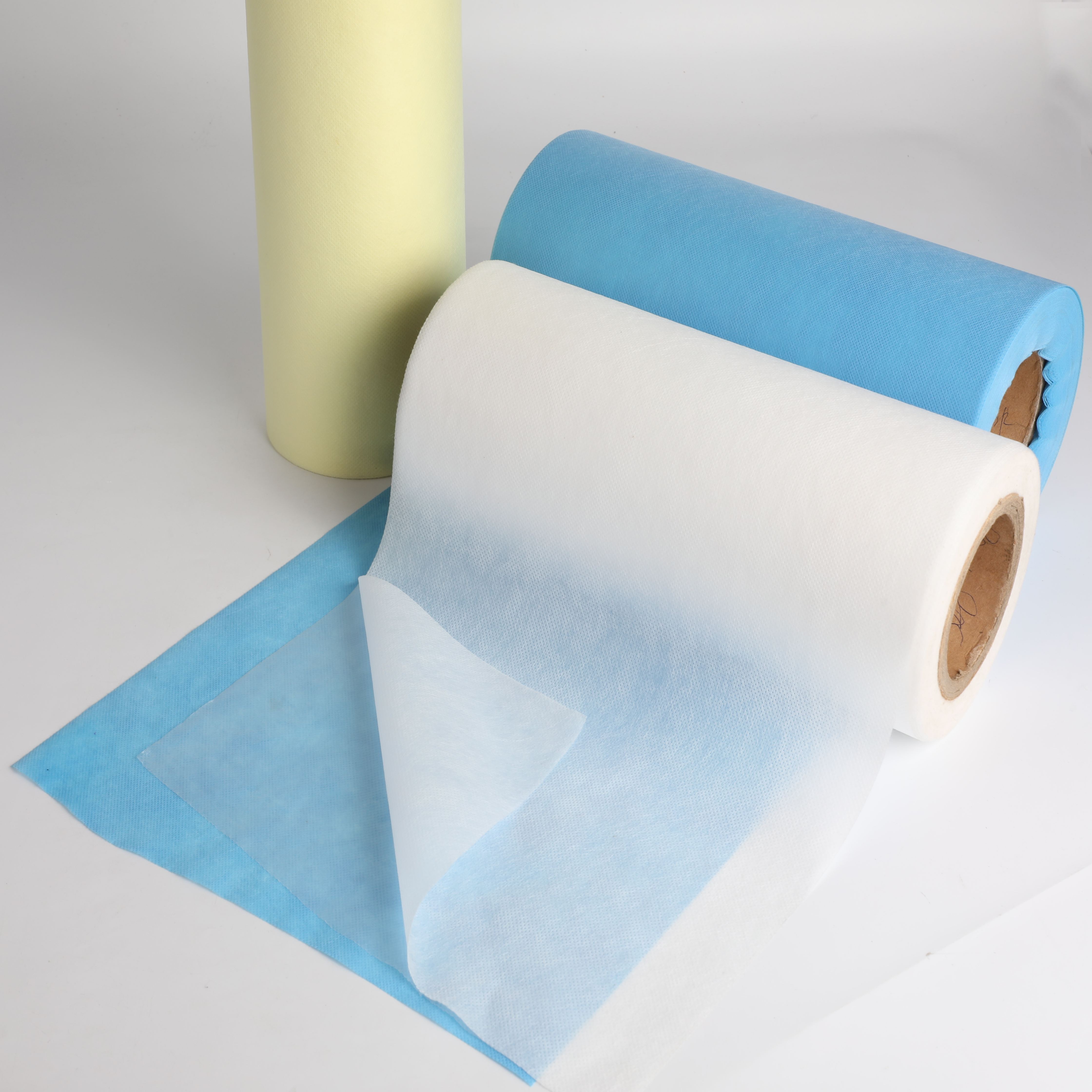
 PP Laminates
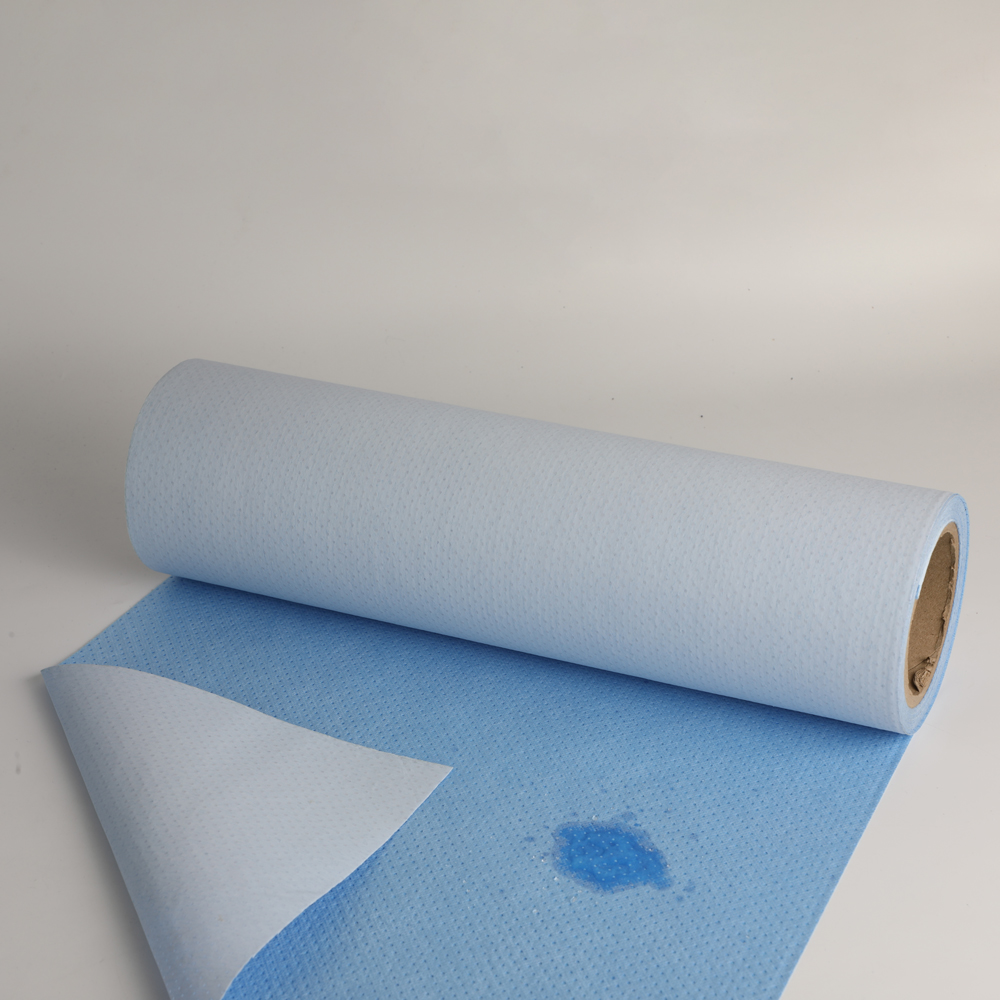 Multi Laminates
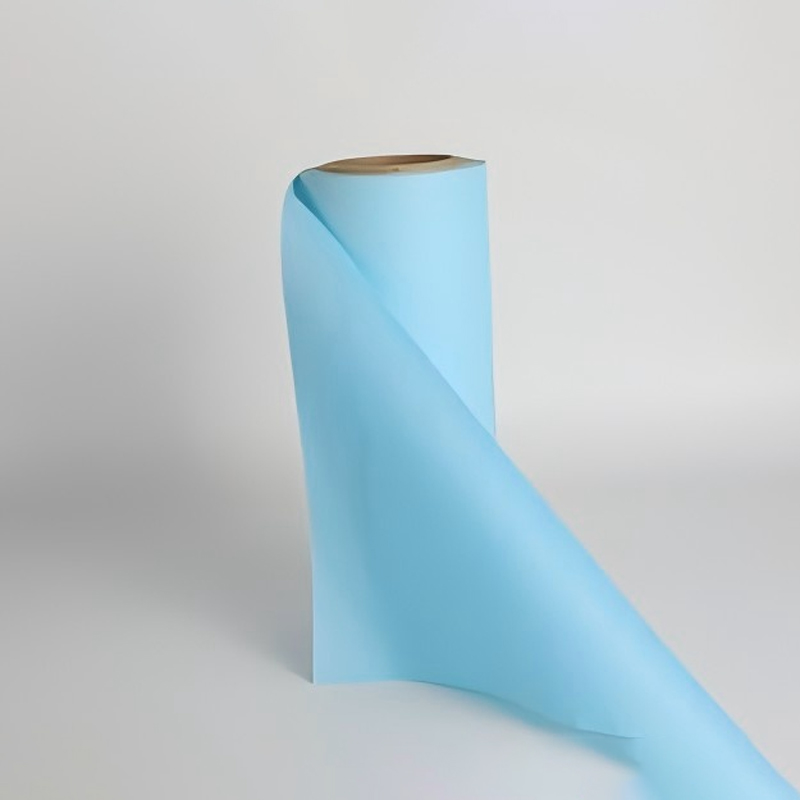 Spunlace Nonwoven Laminates
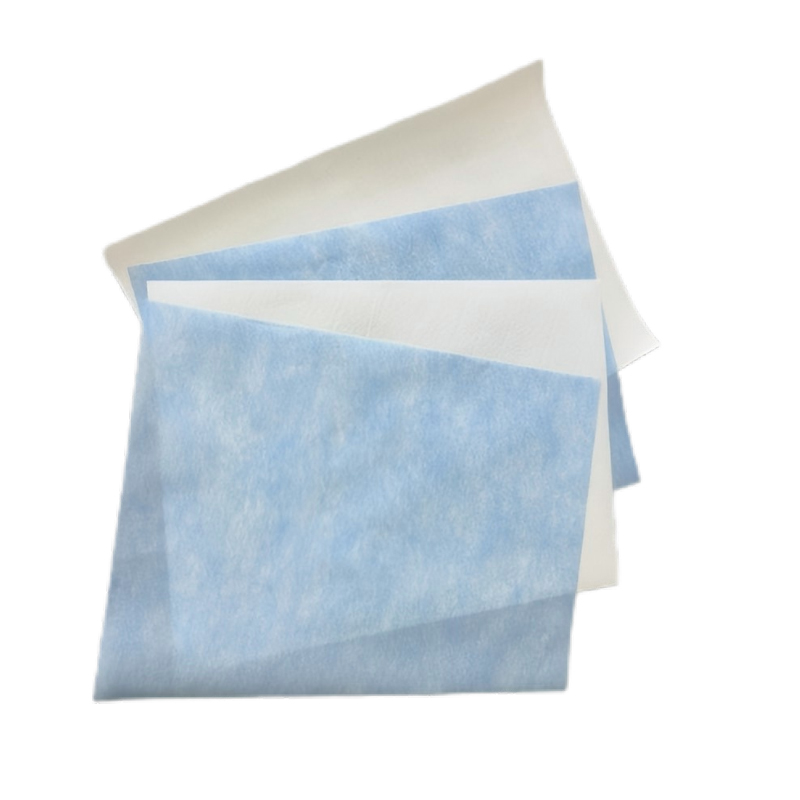 Breathable Film Laminates
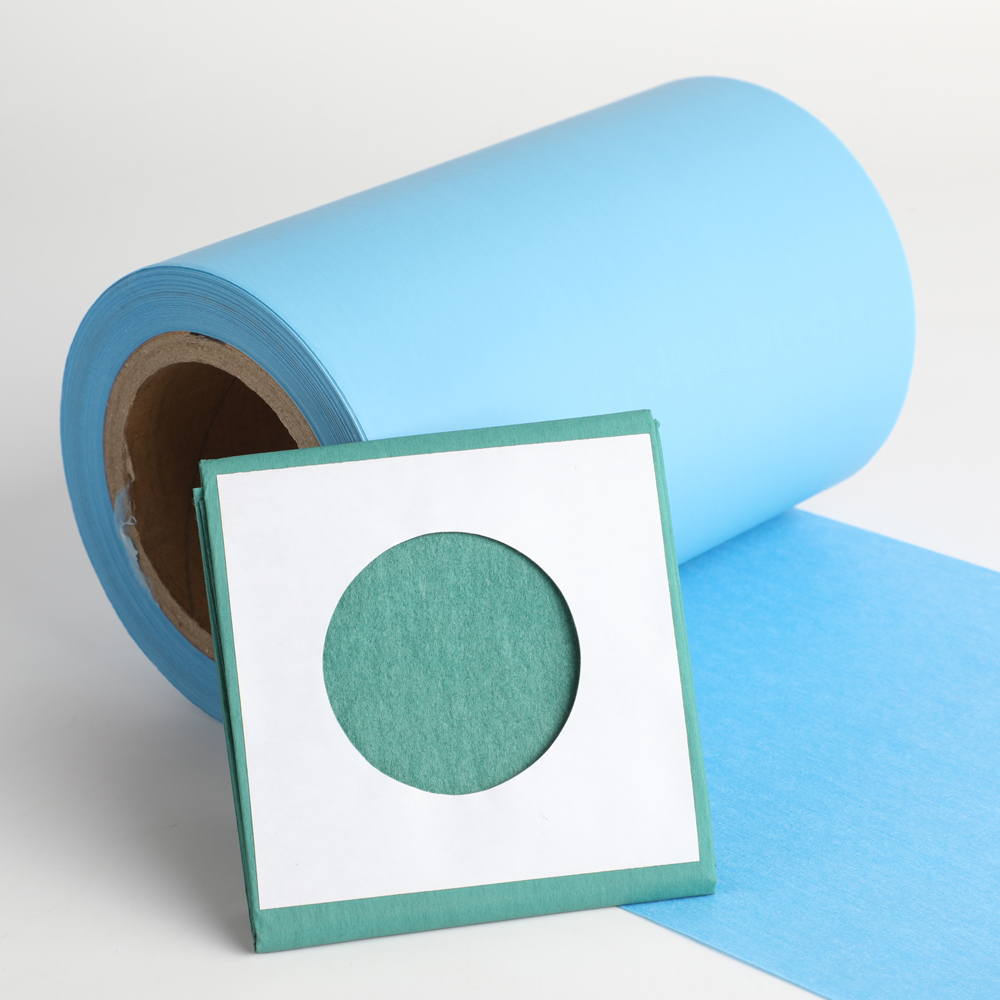 Viscose Laminates
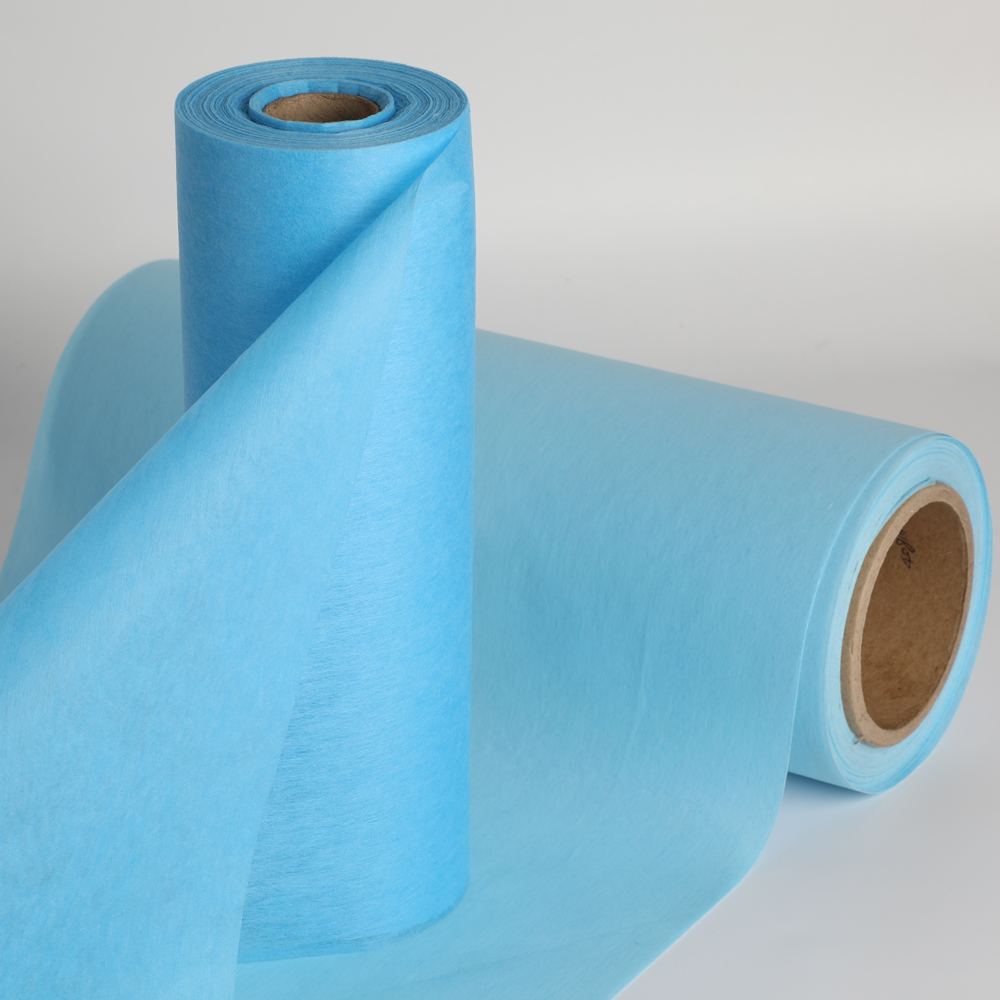 Medical Viscose Nonwoven
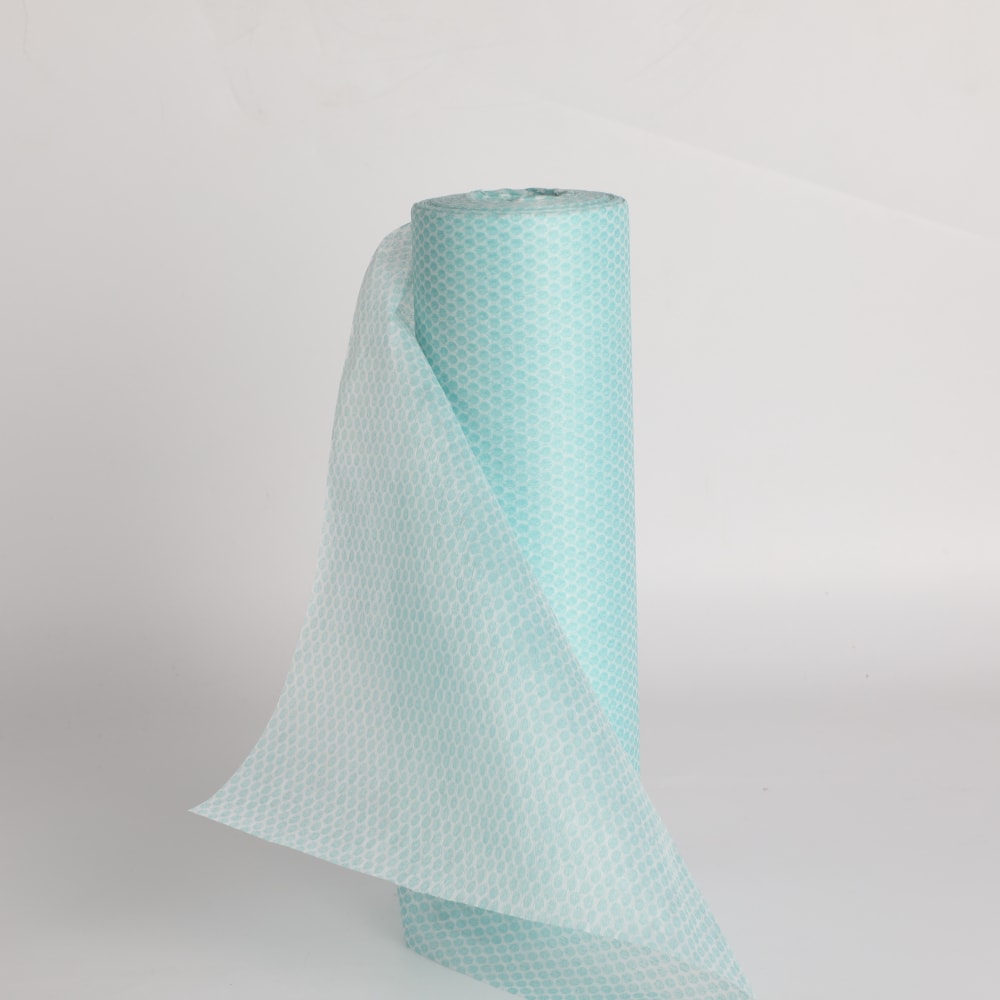 Head Wear Nonwoven
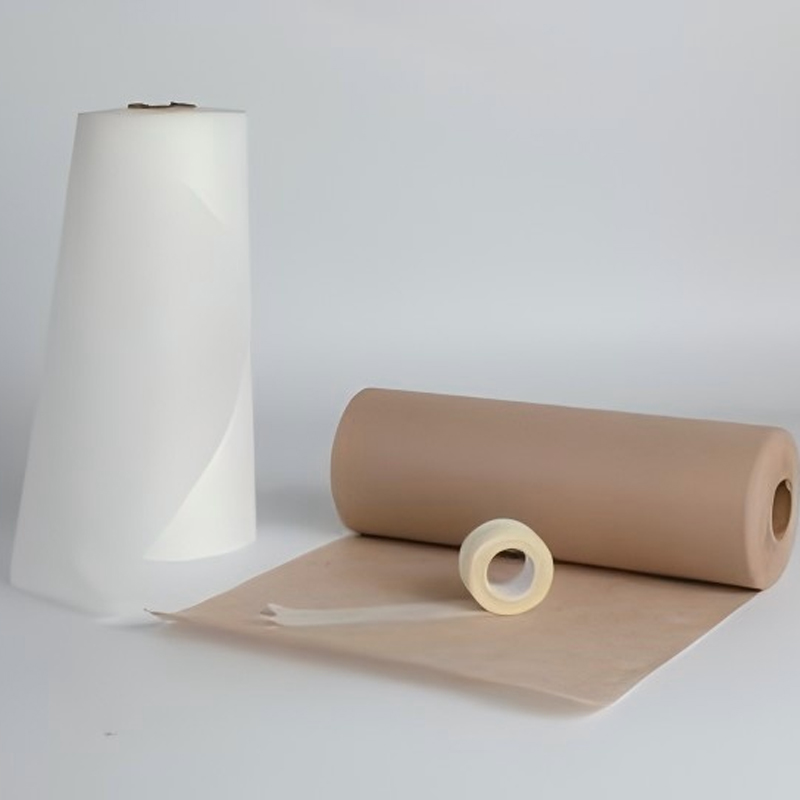 Medical Tape Nonwoven
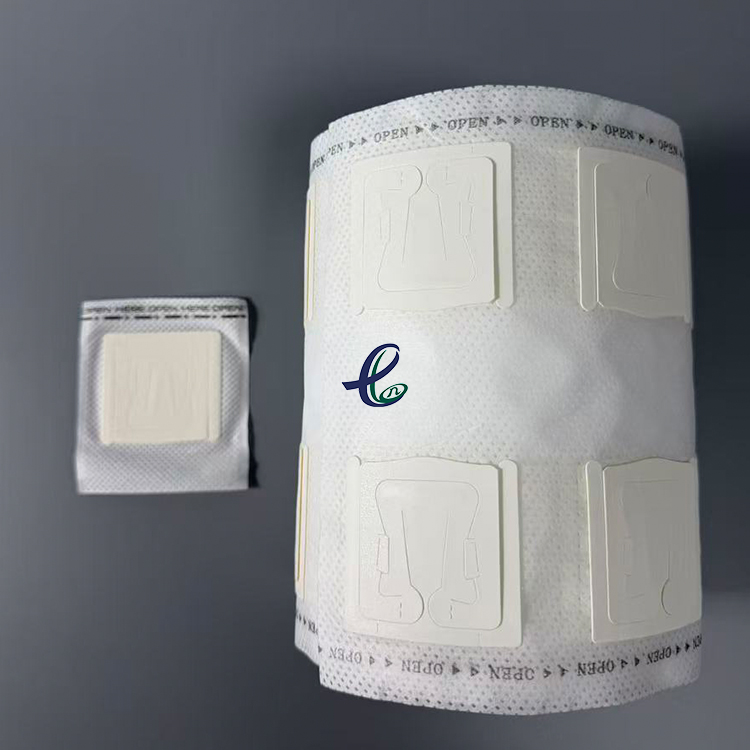
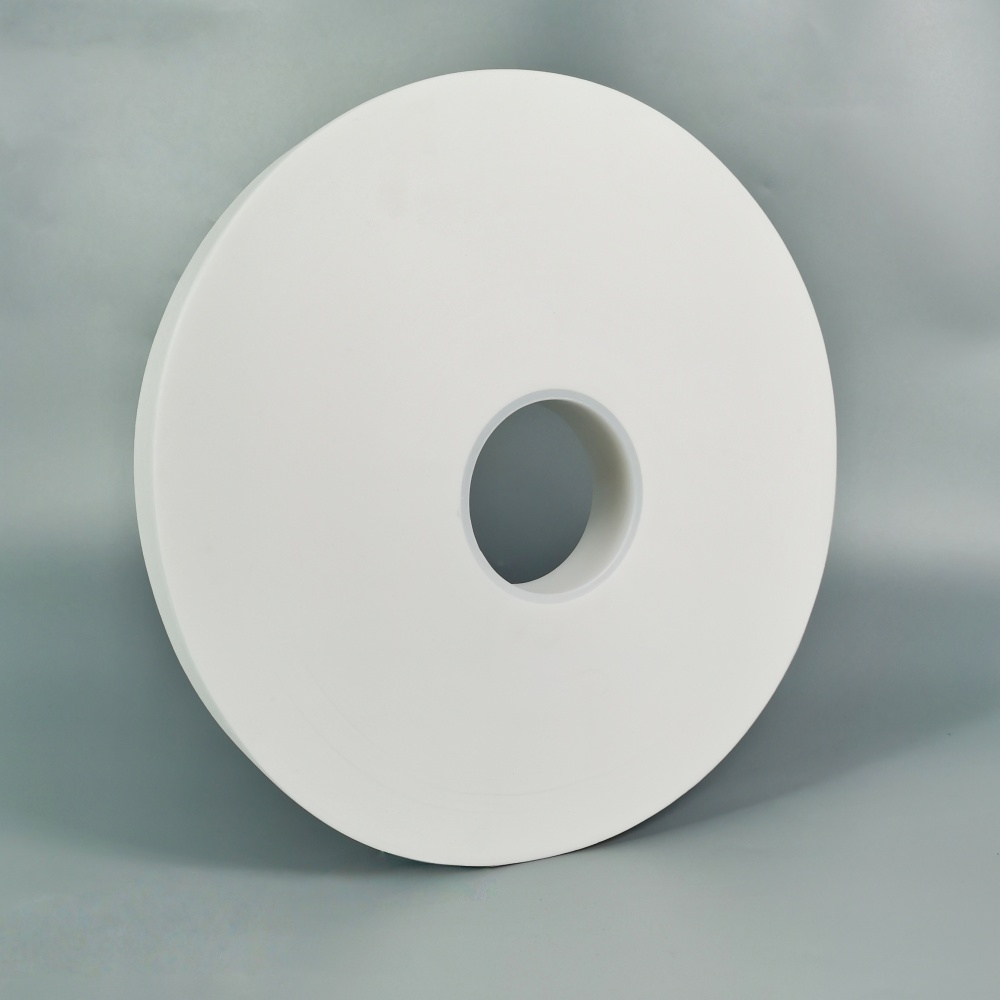 Snus Pouch Nonwoven
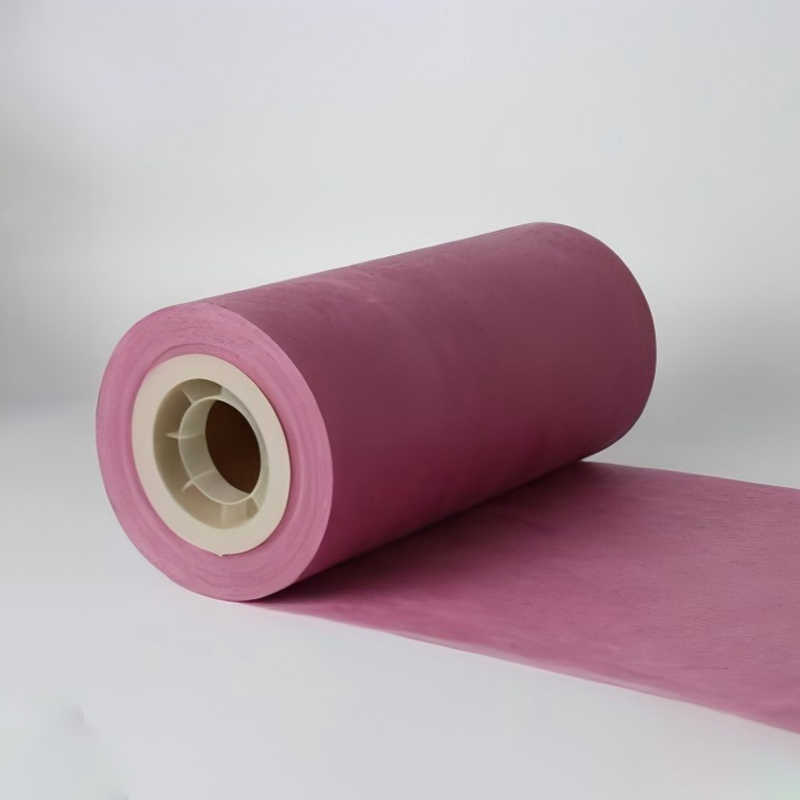 Filtration Nonwoven
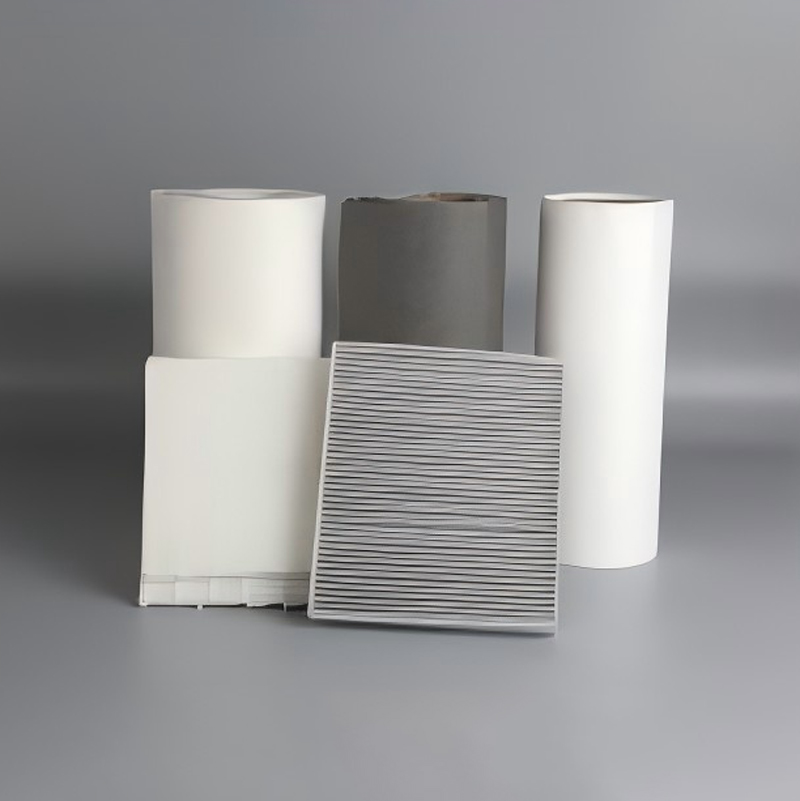 Air Filter Media
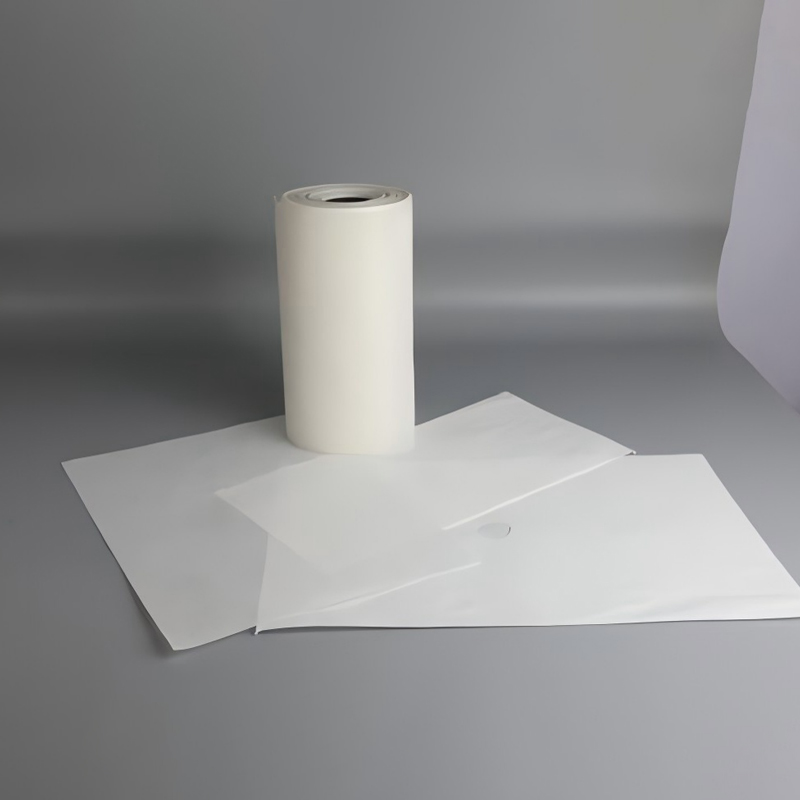 Liquid Filter Media
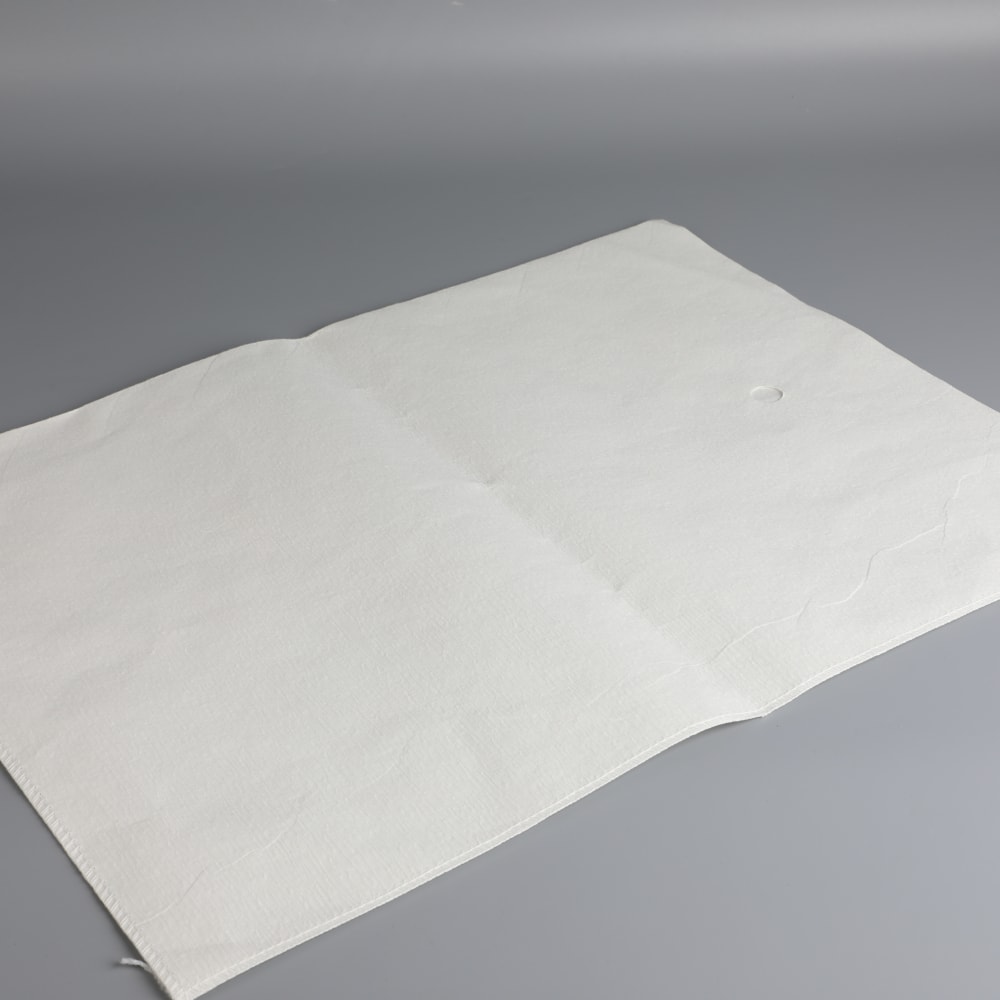 Filter Envelope & Filter Sheet
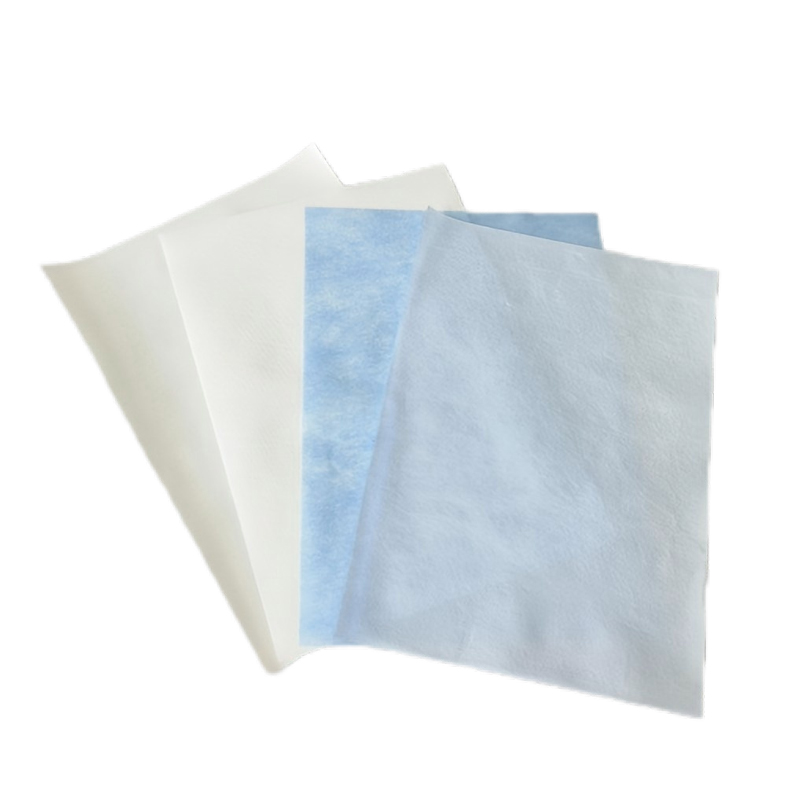 Breathable Film Laminates
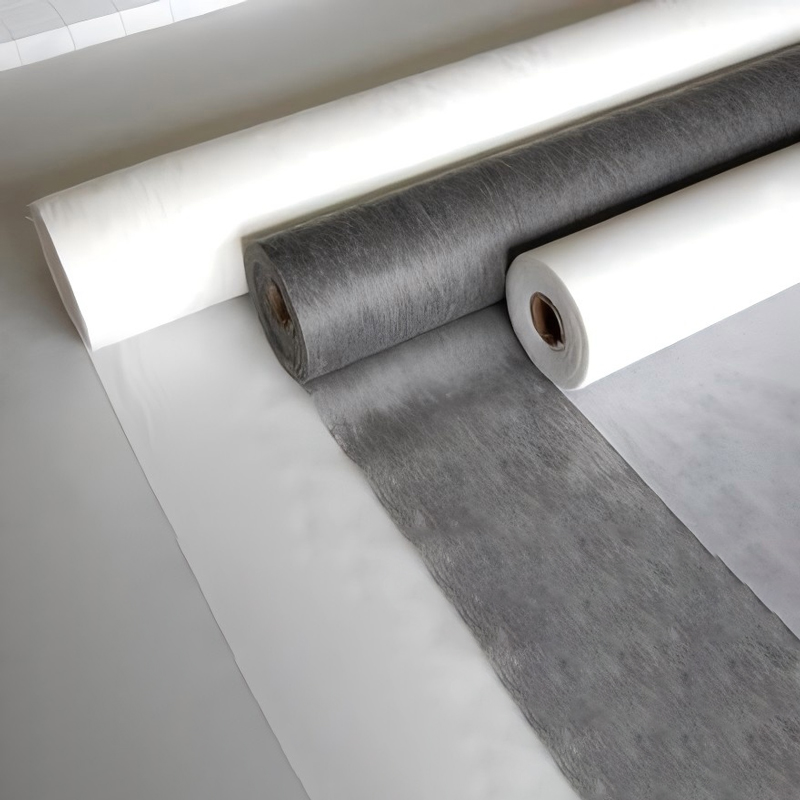 Nonwoven Interlining
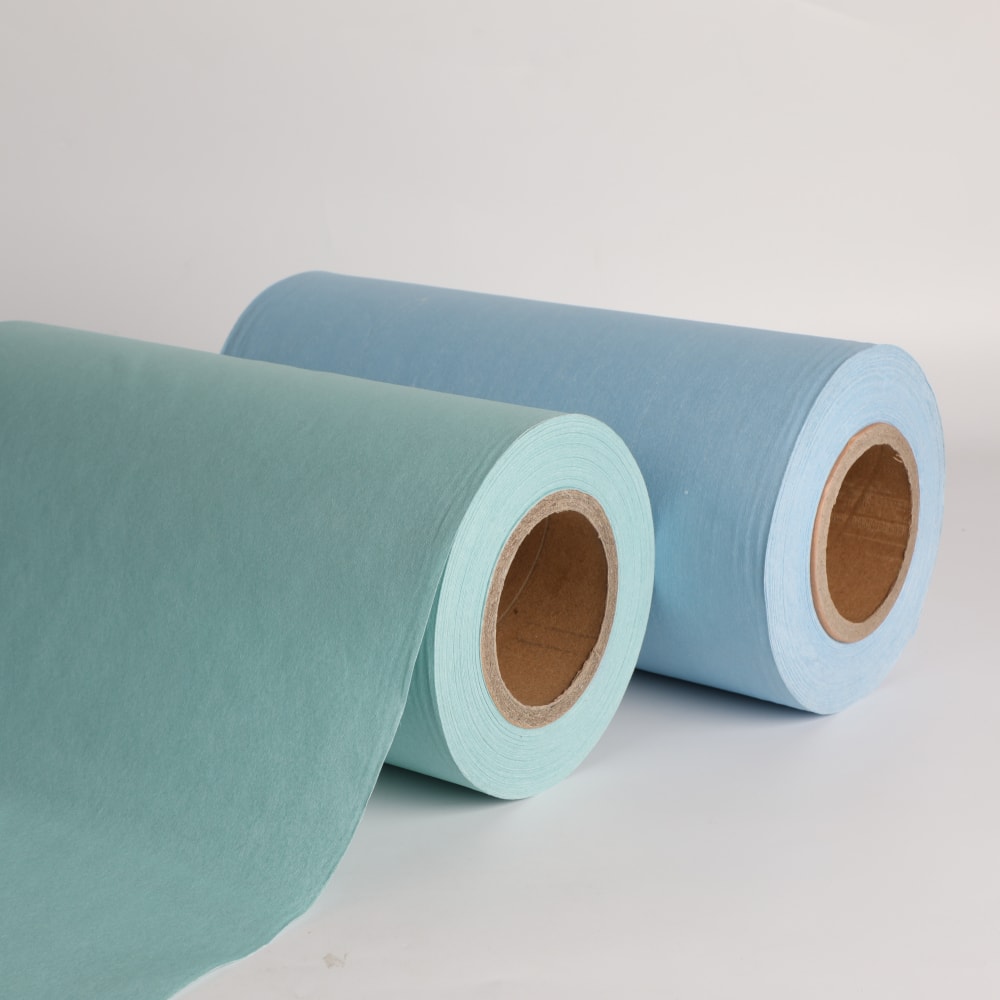 Fluid Repellent Woodpulp Spunlace Nonwoven
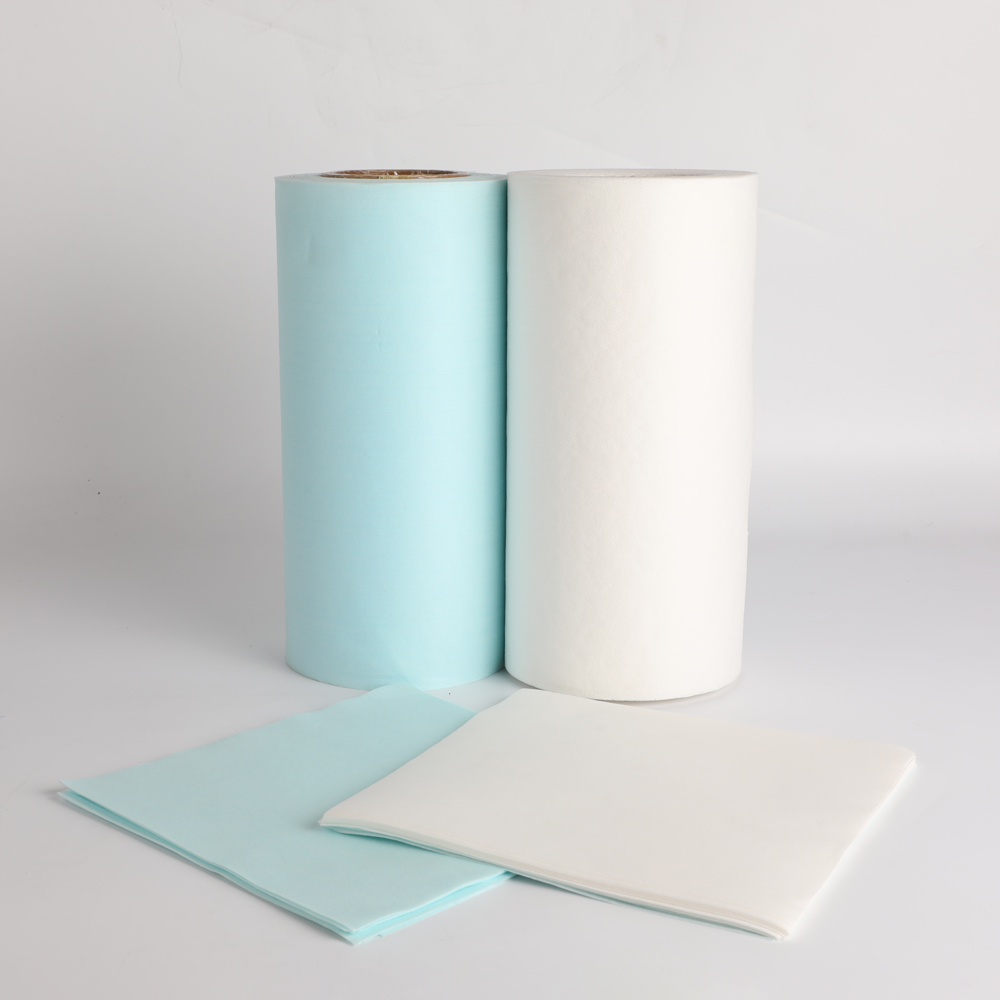 Woodpulp Nonwoven Wipe
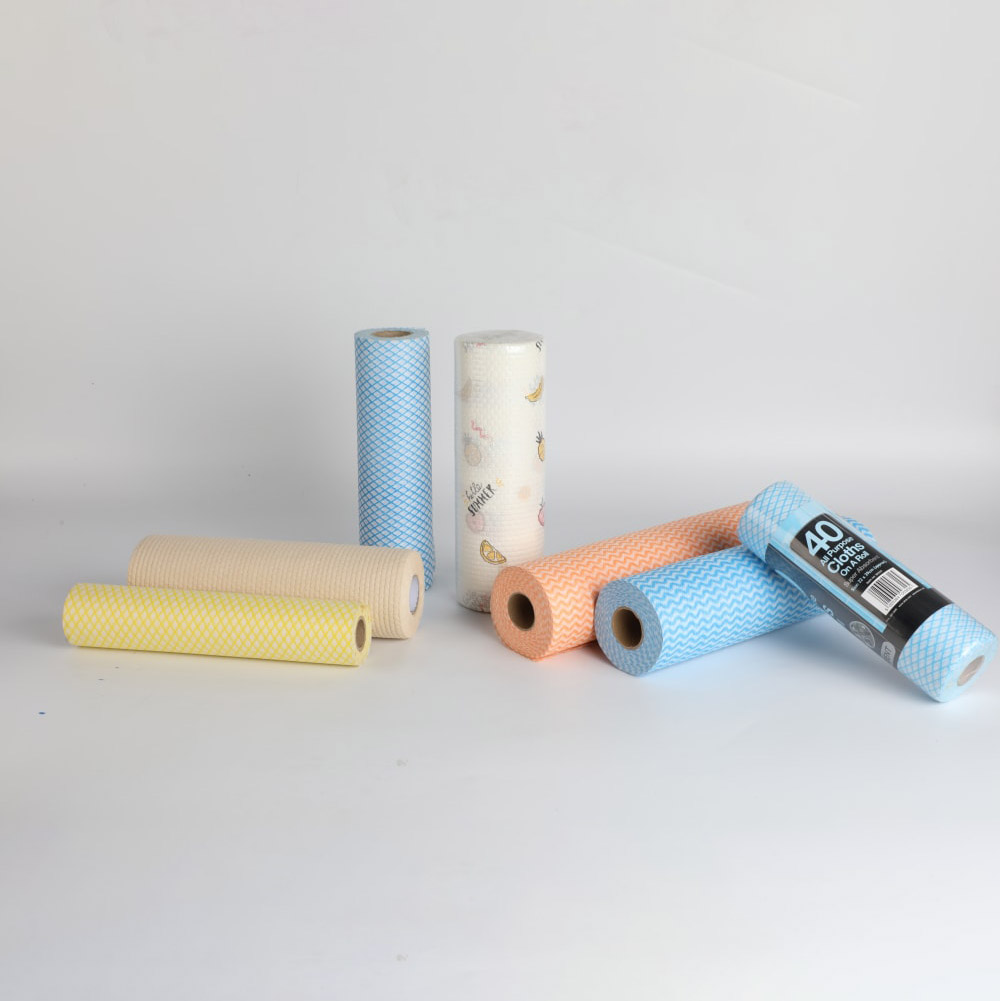 Nonwoven Cleaning Wipe
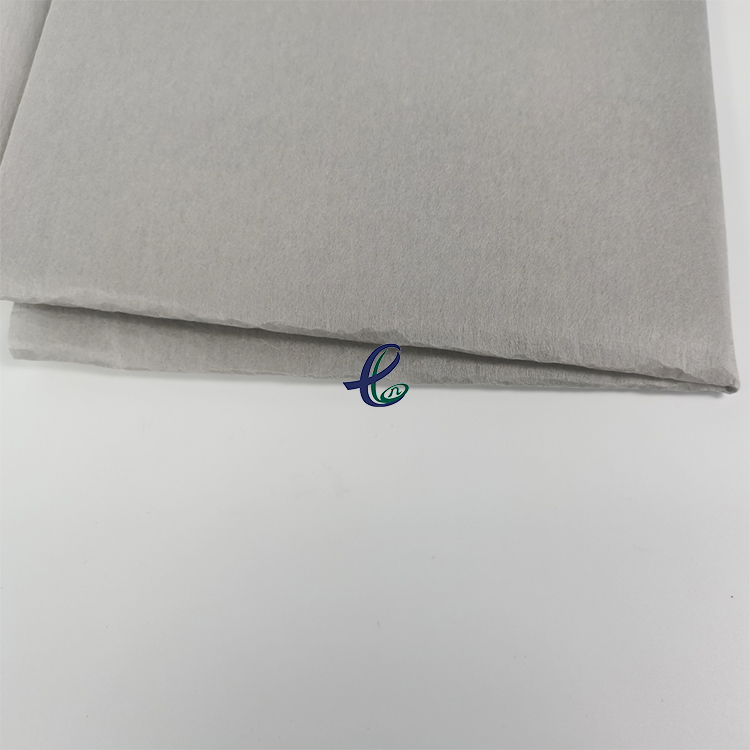 Curtain Nonwoven
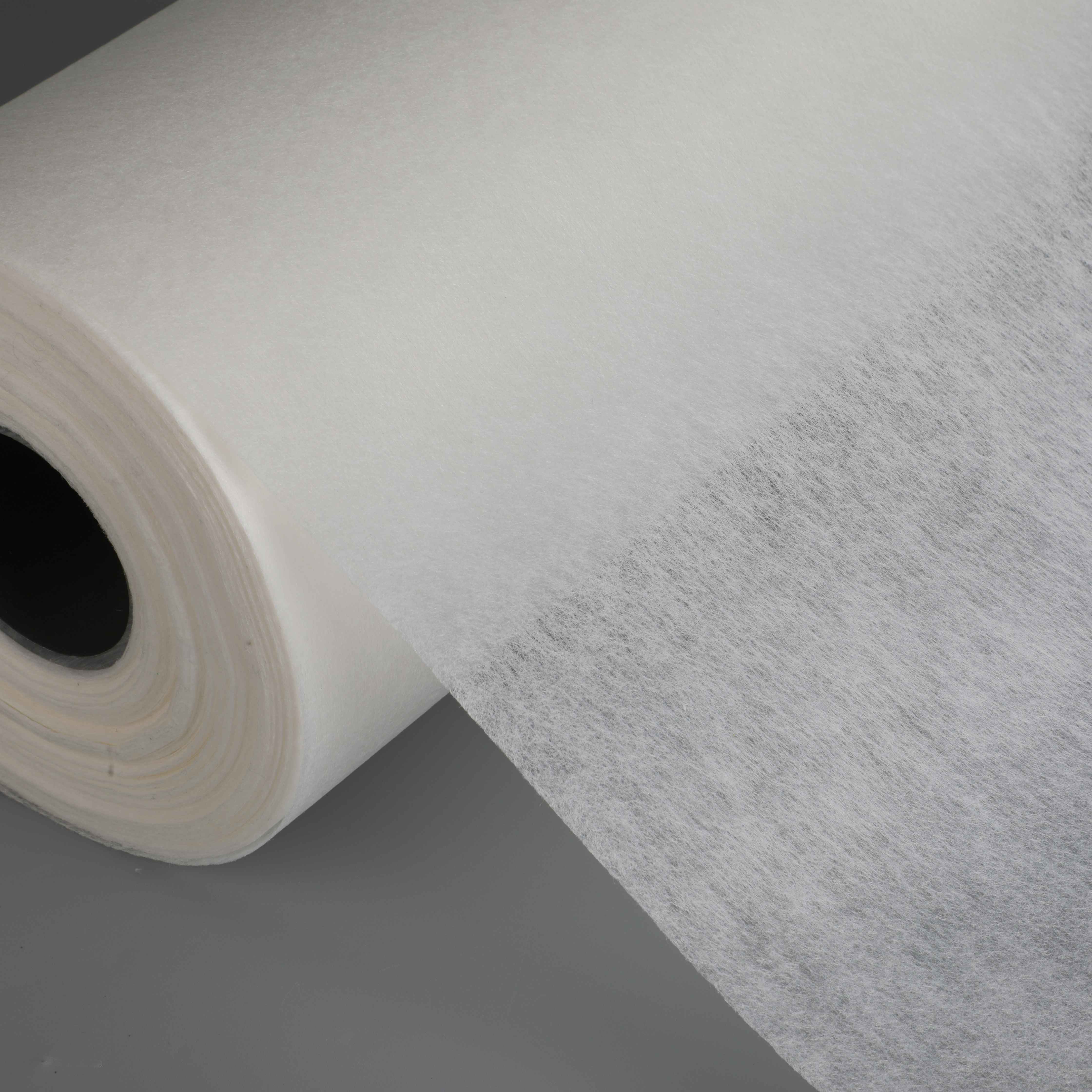 Food Grade Packaging Nonwoven
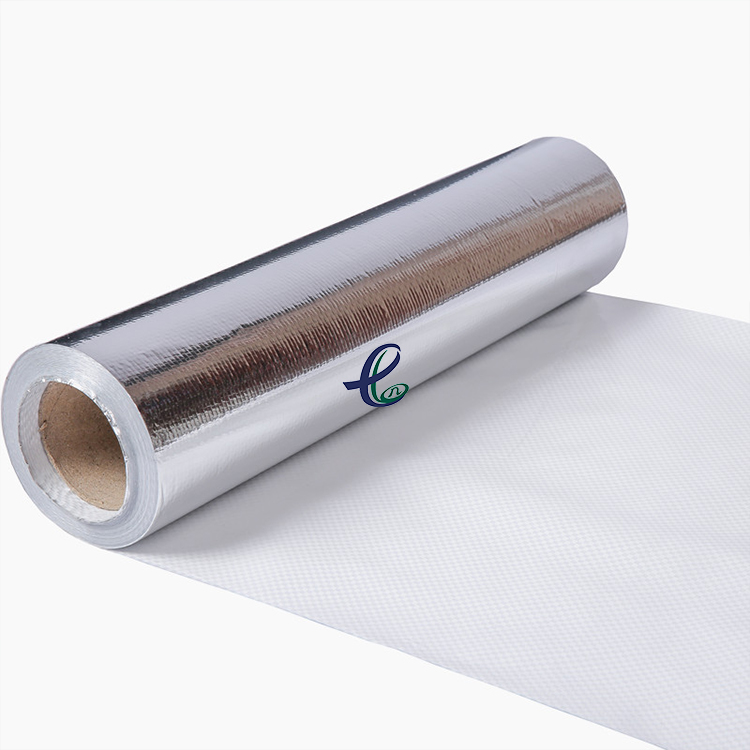 Aluminized Nonwoven
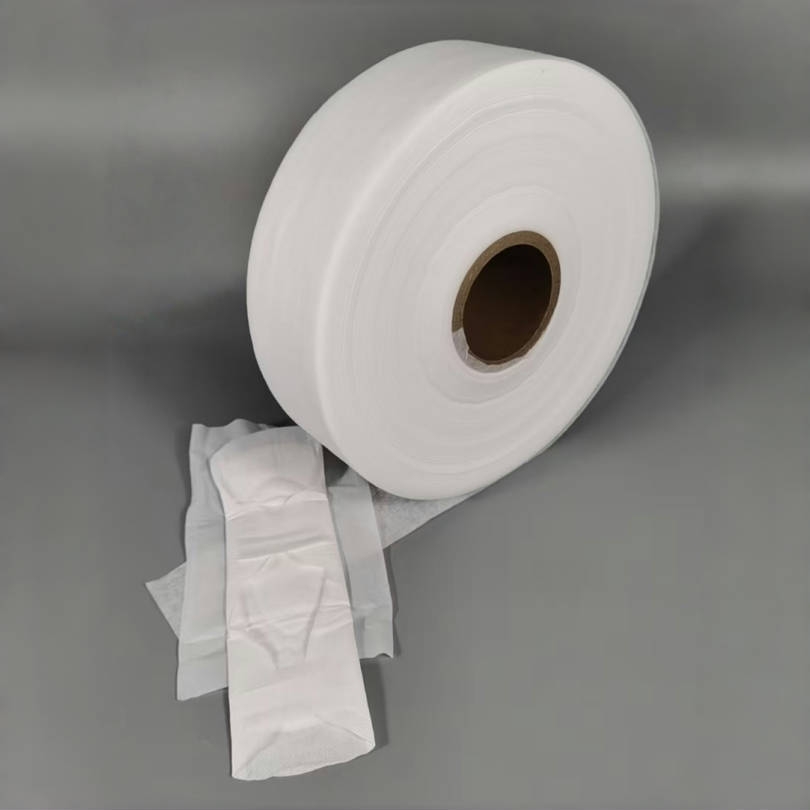 Hot Air Cotton Nonwoven
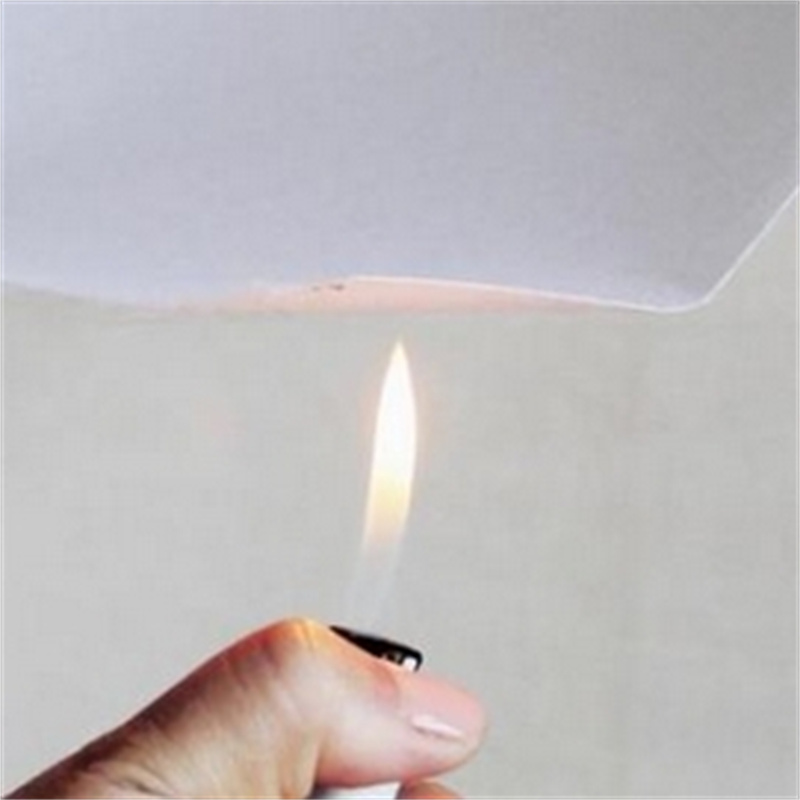 Flame Retardant Nonwoven
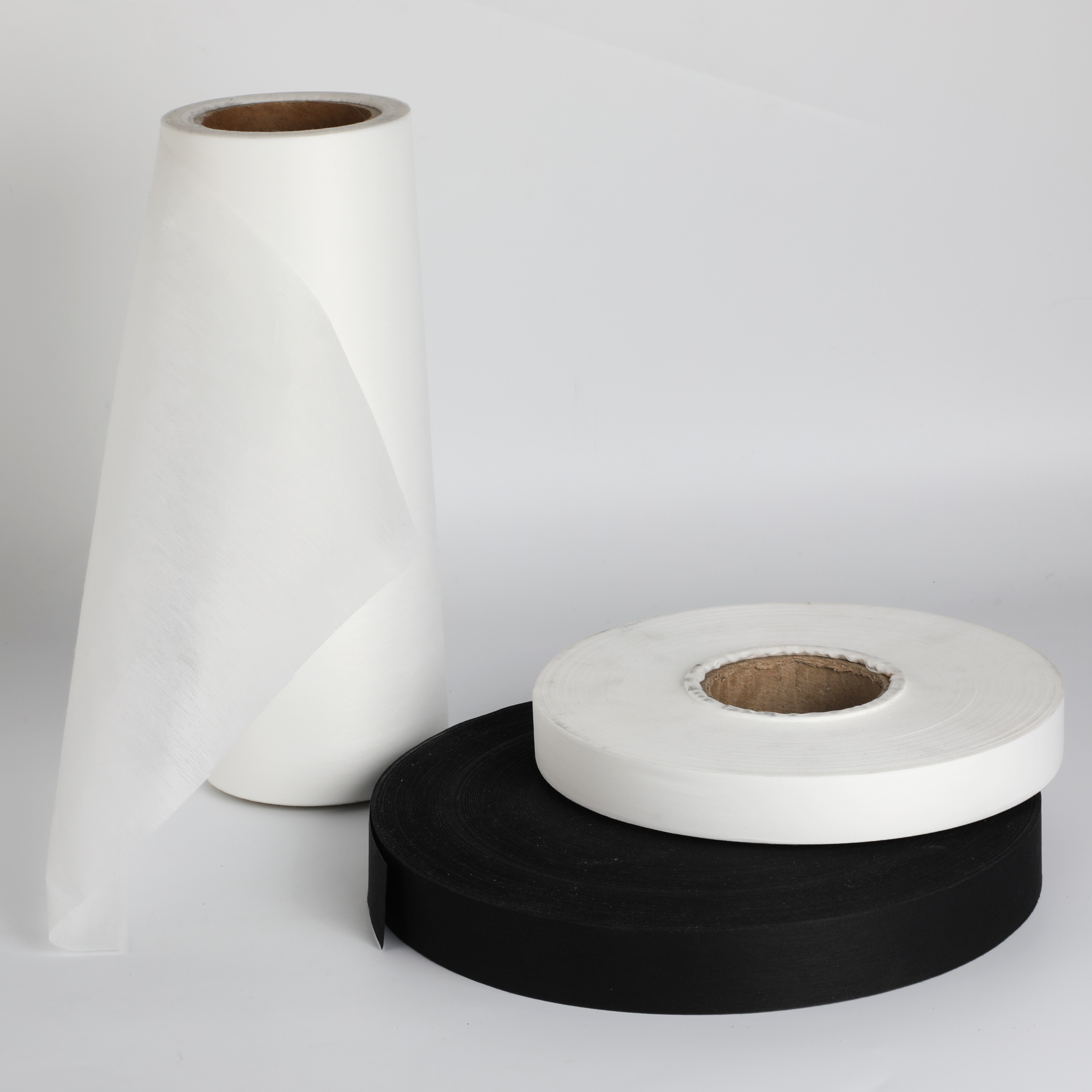 Cable Wrapping Nonwoven
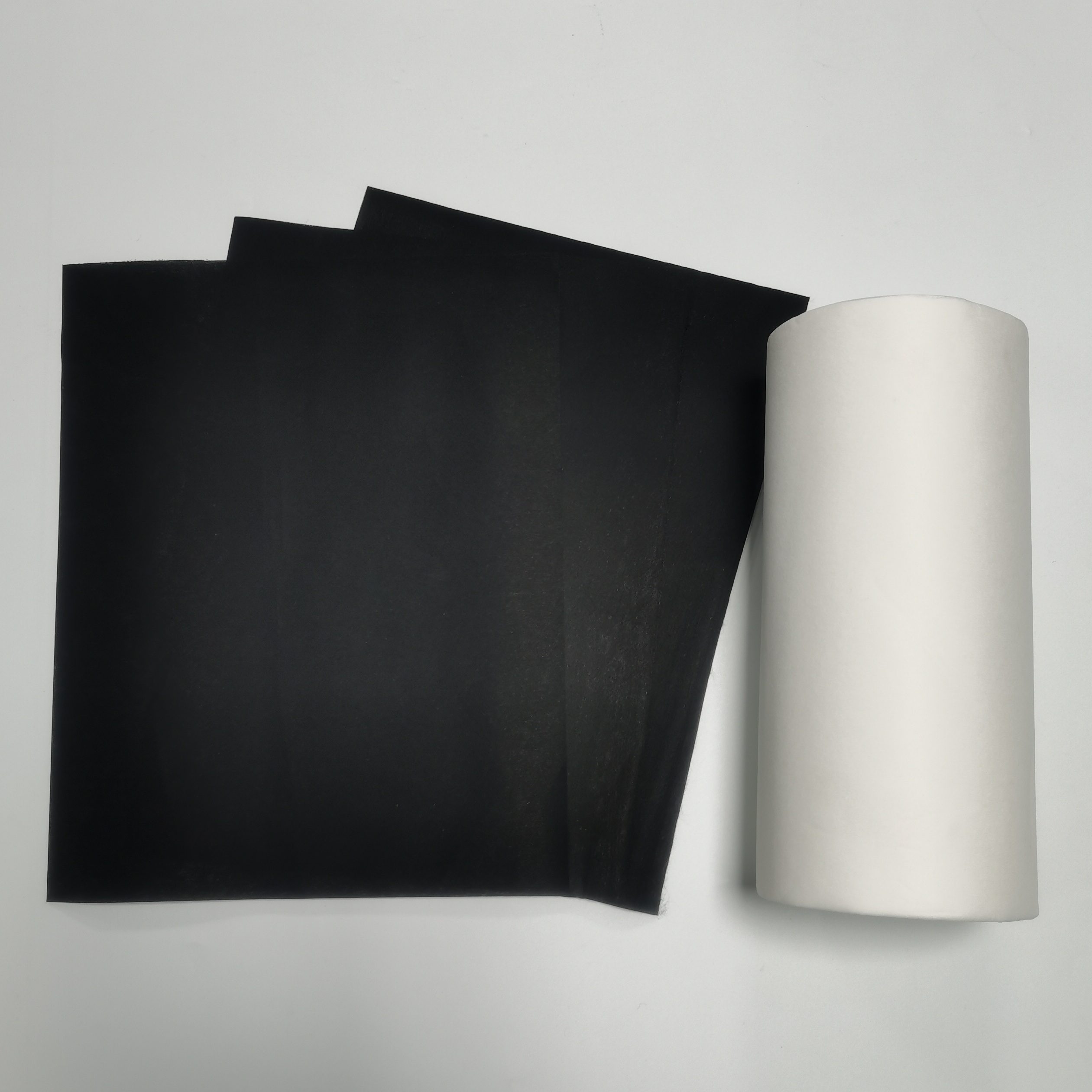 Semi-conductive Nonwoven
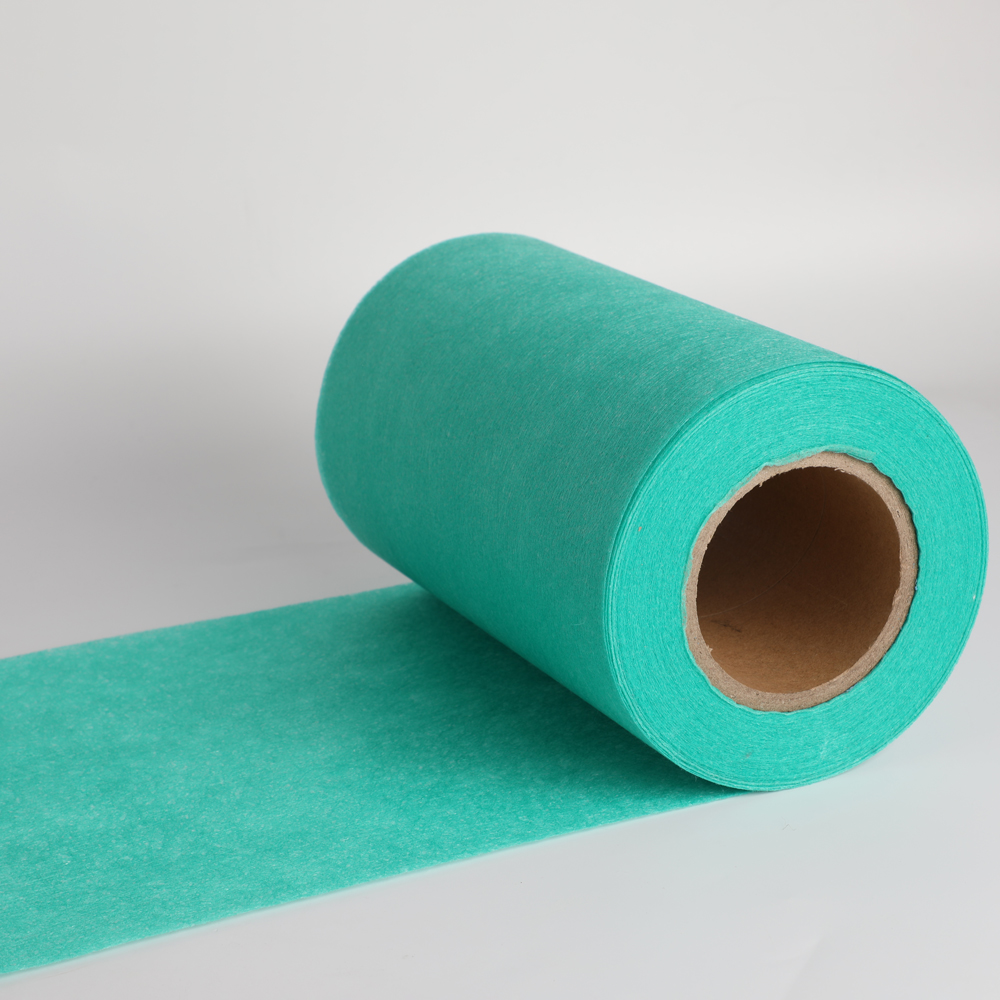 Anti-Bacterial Nonwoven
 +8613957712400





0102030405
Current Status and Development of China's Non Woven Fabric Industry (2025 Outlook)
2025-08-21
Market Scale & Growth
- Current Size: China's non-woven fabric market reached ¥128.5 billion in 2023, with a 5-year CAGR of 6.3%.
- Projection: Total market size expected to exceed ¥140 billion by 2025, driven by:
-25% growth in medical protective gear demand
-25% growth in biodegradable packaging
-30% surge in new energy vehicle interior applications
- Global Position: China accounts for >40% of global production capacity. The global SMS non woven market will surpass $16 billion by 2025, with China as the top producer.
Regional Distribution & Industrial Clusters
- Core Production Bases:
-East China (Jiangsu/Zhejiang):
Yizheng, Jiangsu ("China's Famous Non-Woven & Chemical Fiber Town"): Focuses on high-end spunbond fabrics.
Shaoxing, Zhejiang: Leads in spunlace non-wovens with 80% digital factory adoption.
-South China (Guangdong):
Jiujiang Town, Nanhai ("National Medical Non-Woven Product Demonstration Base"): Targets ¥20 billion annual output.
Foshan: Supplies 35% of China's smart home air filters.
-Central China (Hubei):
Xiantao ("Capital of China's Non-Woven Industry"): Commands 60% domestic market share, producing daily:200 million masks,3 million protective suits
Hosts >3,000 enterprises with ¥49.36 billion output (2022).
-Emerging Clusters:
Shandong Zibo: Specializes in geotextiles.
Anhui Tongcheng: Absorbs Yangtze River Delta industrial transfer.
Achieves 98% on-time delivery rate via the "4-Hour Emergency Supply Chain Circle".
Technology & Policy Drivers
- Green Transition:
Bio-based materials (PLA/PBAT) to grow from 5% (2020) to 18% (2025) of production, reducing carbon emissions by 45%.
Conclusion
China's non-woven industry thrives on medical demand and sustainability initiatives. Regional clusters (East/South China dominance, Xiantao's medical supply leadership) enhance competitiveness through digitalization and green manufacturing. It is expected that by 2025, the proportion of recycled materials will reach 15% and digitalization 70%, which will drive the industry towards high-value innovation.