Top 10 Filter Media Solutions for Global Buyers Available Now?
In the dynamic world of filtration, the importance of "Filter Media" cannot be overstated. Experts like Dr. Laura Chen, a renowned authority in environmental technology, emphasize, “The right filter media is essential for effective filtration and pollutant removal.” As industries grapple with rising environmental concerns, selecting the ideal filter media is a crucial task.
Today, buyers have an abundance of filter media solutions at their fingertips. From activated carbon to synthetic fibers, each type offers unique advantages. Yet, this diversity can be overwhelming. The decision-making process necessitates careful consideration of factors like application, efficiency, and sustainability. Some filters may not perform as expected, leading to frustrations and costly oversights.
As we explore the top 10 filter media solutions, it is vital to reflect on this journey. Users must evaluate not only the available products but also the long-term impacts of their choices on the environment and operational efficiency. A potential pitfall lies in overlooking the nuances of filter media properties, which can significantly influence performance. The right choice not only solves immediate challenges but also paves the way for future successes.

Overview of Filter Media and Its Importance in Various Industries
Filter media play a vital role across industries, ensuring efficient separation and purification processes. These materials are essential in water treatment, air filtration, and industrial processes. They help maintain cleanliness and safety, impacting public health and environment.
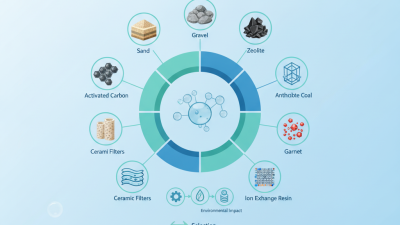
In water treatment, filter media can remove contaminants. Different types, like activated carbon and sand, serve various needs. Air filtration media, on the other hand, trap dust, pollen, and pathogens. This protects indoor air quality, crucial for health. The choice of media must focus on efficiency and longevity.
Despite their importance, many buyers underestimate the complexity in selecting filter media. A lack of knowledge can lead to suboptimal choices. Understanding the specific application needs is key. Buyers should consider performance metrics and environmental impacts. This awareness can make a significant difference in outcomes. Choosing the right filter media involves a combination of technical expertise and practical understanding.
Criteria for Selecting the Right Filter Media for Global Applications
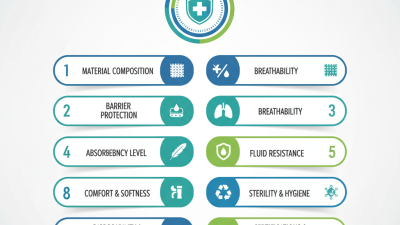
Choosing the right filter media is crucial for effective filtration across various applications. Buyers must consider factors such as particle size, porosity, and chemical compatibility. These criteria directly affect the efficiency and longevity of the filter in operational settings.
Particle size often dictates the type of contaminants a filter can capture. For example, fine particles require media with smaller pore sizes. However, overly fine filters can create excessive pressure drop, leading to system inefficiency. Additionally, understanding the fluid chemistry upfront matters. Some media may degrade or react negatively, impacting performance over time.
Cost is also a significant factor. While cheaper options may seem appealing, they may lead to higher maintenance costs later. Researching supplier credibility can save buyers time and resources. Seek providers with proven expertise and reliable products. Reflections on these criteria can guide better filtration choices and improve overall operational success.
Top 10 Innovative Filter Media Solutions for Different Uses
In the realm of filter media solutions, innovation plays a key role in meeting various application needs. Different industries require tailored solutions for effective filtration. From air purification to water treatment, the right filter media ensures optimal performance.
One innovative solution is activated carbon. It's extensively used for adsorbing pollutants. Its porous structure captures a range of contaminants effectively. However, it's vital to select the right grade based on specific requirements. Overlooking this could lead to inadequate filtration.
Another promising option is melt-blown polypropylene. This material offers high dirt-holding capacity. It's perfect for liquid filtration within a compact design. However, users should verify compatibility with their processing environments. This essential check can prevent costly replacements.
Tips for choosing filter media include assessing the application’s specific needs. Understand the type and concentration of contaminants involved. Always consider the longevity and maintenance required for the filter. Regular evaluation ensures continued efficiency, promoting better outcomes.
Comparative Analysis of Filter Media Types Based on Performance
Filter media play a crucial role in various industries, including water treatment, HVAC systems, and air purification. A recent industry report highlights the significance of selecting the right type of filter media based on performance metrics. High-efficiency particulate air (HEPA) filters, for example, capture over 99.97% of particles as small as 0.3 microns. This efficiency is critical for ensuring clean air in industrial and residential settings.
In contrast, activated carbon filters excel in odor and chemical removal, thanks to their extensive surface area. Studies indicate that carbon filters can adsorb volatile organic compounds (VOCs) up to 50% more effectively than traditional fiberglass filters. However, they may require more frequent replacement, depending on usage and exposure levels. Choosing between these options often depends on specific needs, highlighting the importance of thorough performance evaluation.
Not all filter media are suitable for every application. Some may fail to meet efficiency standards and can result in higher operational costs. Regular testing and analytics are necessary to gauge performance. Buyers must weigh the costs and benefits of each type, as improper selection can lead to inadequate filtration and compromised air quality. Understanding the nuances of filter media will result in better choices and improved outcomes.
Future Trends in Filter Media Technologies for Global Buyers
The filter media market is rapidly evolving. New technologies are reshaping the landscape. According to a recent report, the global filter media market is projected to reach $10 billion by 2025. This growth is fueled by increasing demand in industries such as water treatment and air filtration.
One future trend in filter media technologies is the use of advanced materials. Nanofibers and bio-based materials are gaining traction. These materials offer superior filtration efficiency and sustainability. Industry experts note that their adoption could reduce energy consumption in air purification systems by 25%. However, challenges remain. Sourcing raw materials sustainably is still a concern for manufacturers. Finding a balance between cost and performance is essential.
Another area of innovation is in smart filter technologies. These filters have sensors that provide real-time data on their status. Such capabilities can enhance maintenance practices significantly. Yet, the integration of these technologies into existing systems poses complications. Legacy systems may not support new smart features, highlighting the need for careful planning. As the industry continues to innovate, collaboration between technology developers and traditional manufacturers will be crucial to overcoming these barriers.

 PP Laminates
 Multi Laminates
 Spunlace Nonwoven Laminates
 Breathable Film Laminates
 Viscose Laminates
 Medical Viscose Nonwoven
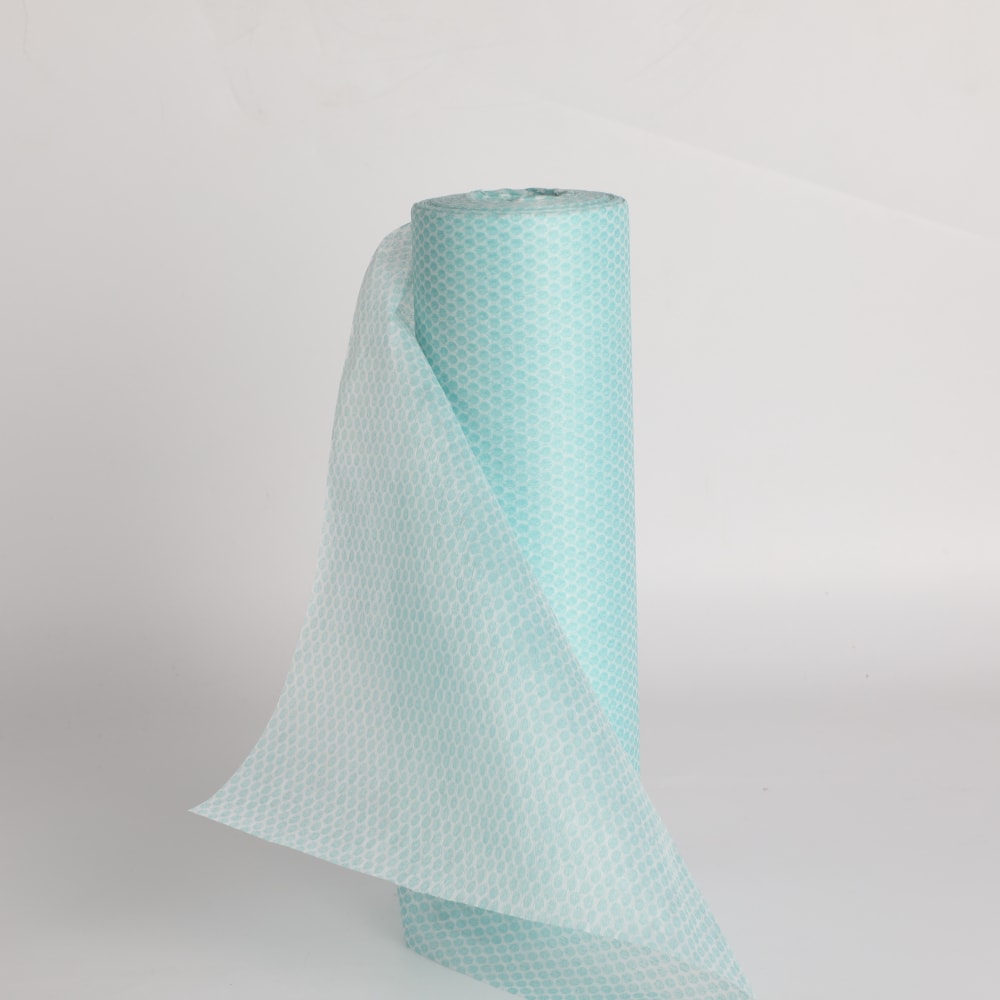 Head Wear Nonwoven
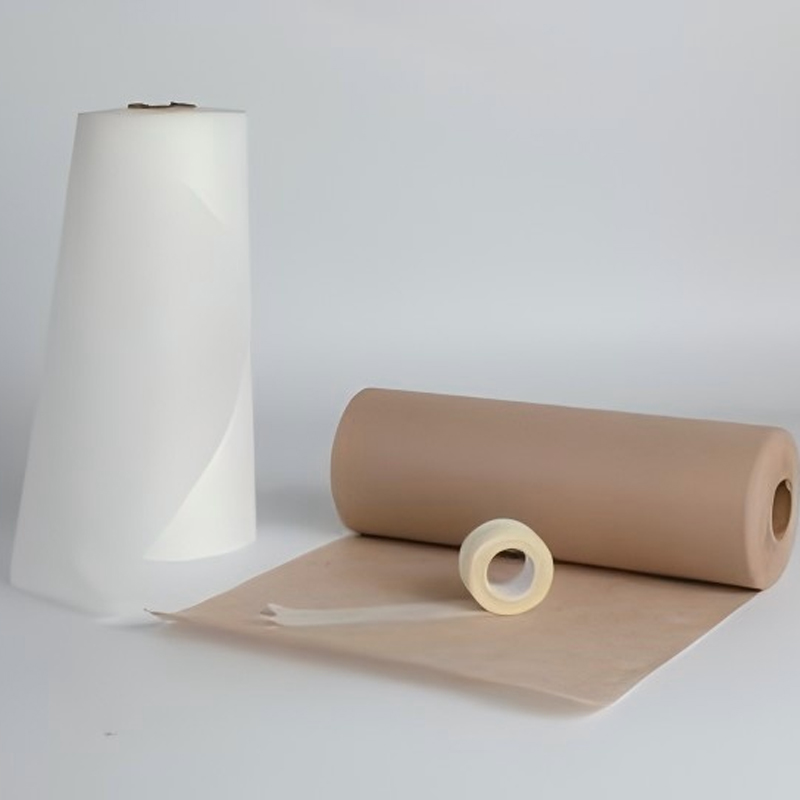 Medical Tape Nonwoven
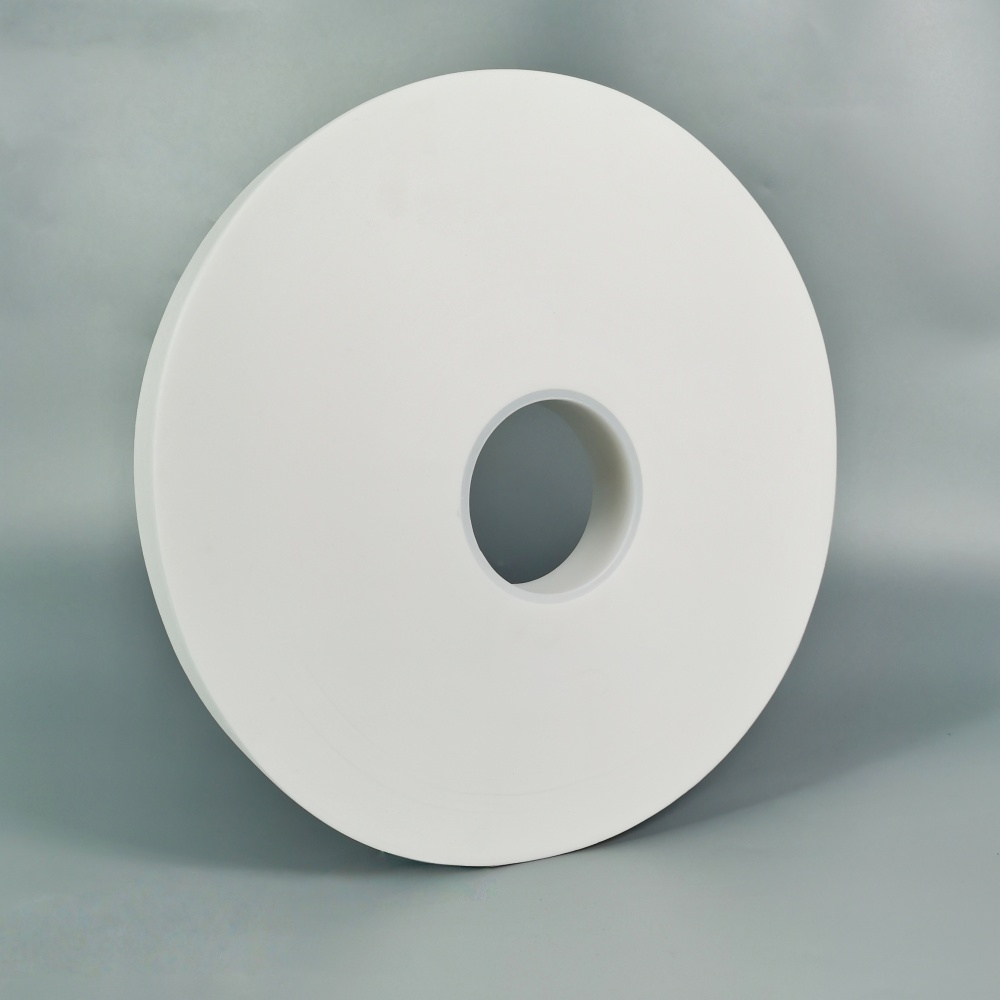 Snus Pouch Nonwoven
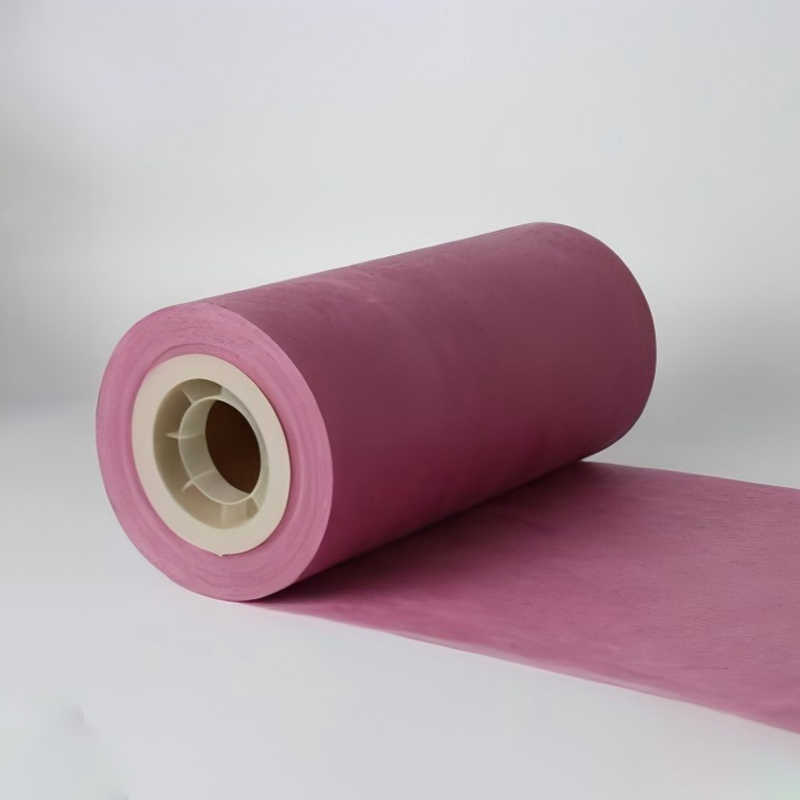 Filtration Nonwoven
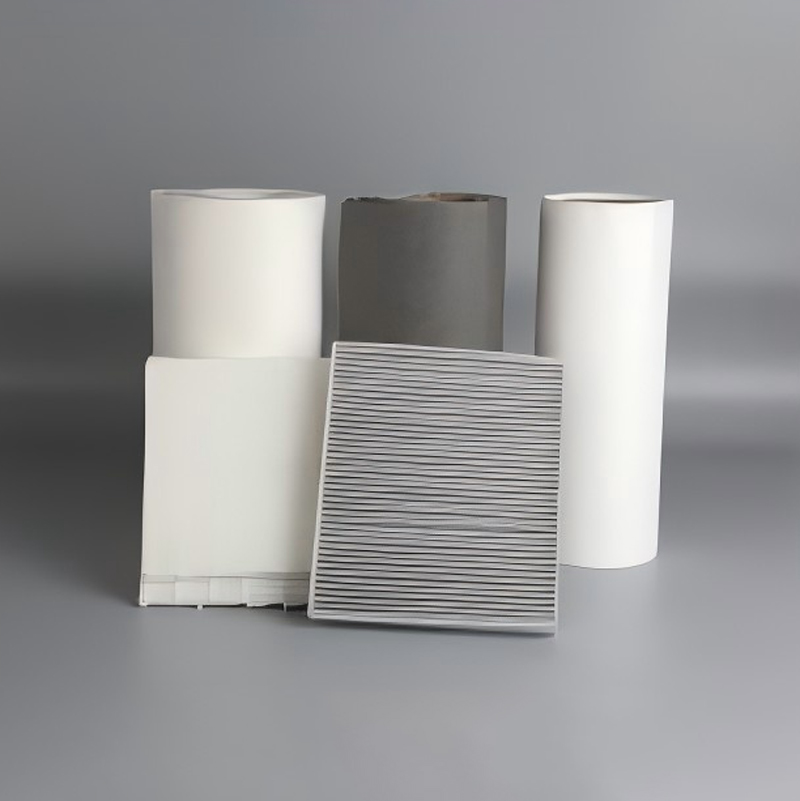 Air Filter Media
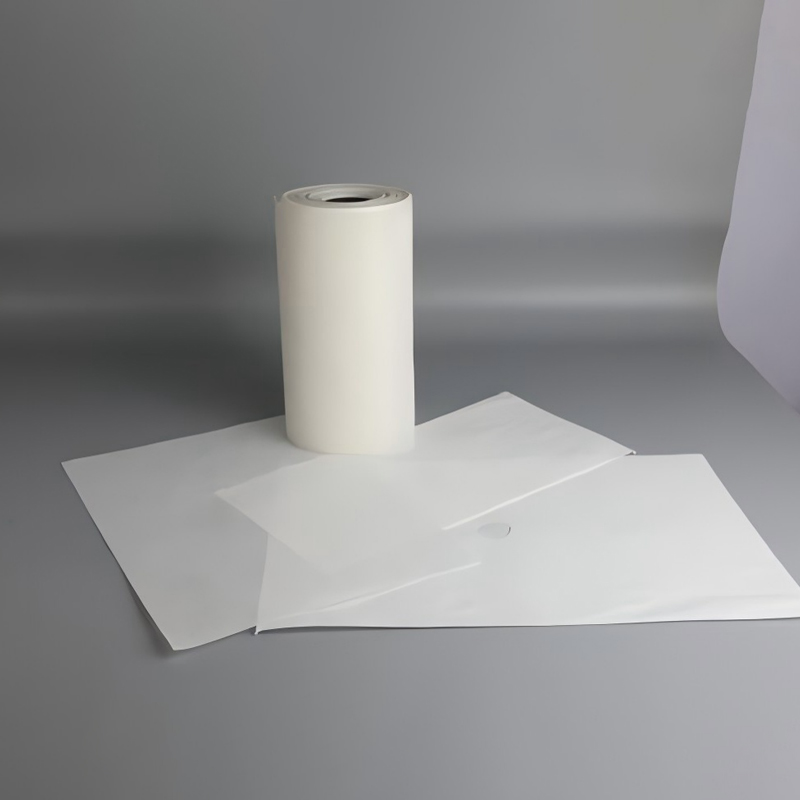 Liquid Filter Media
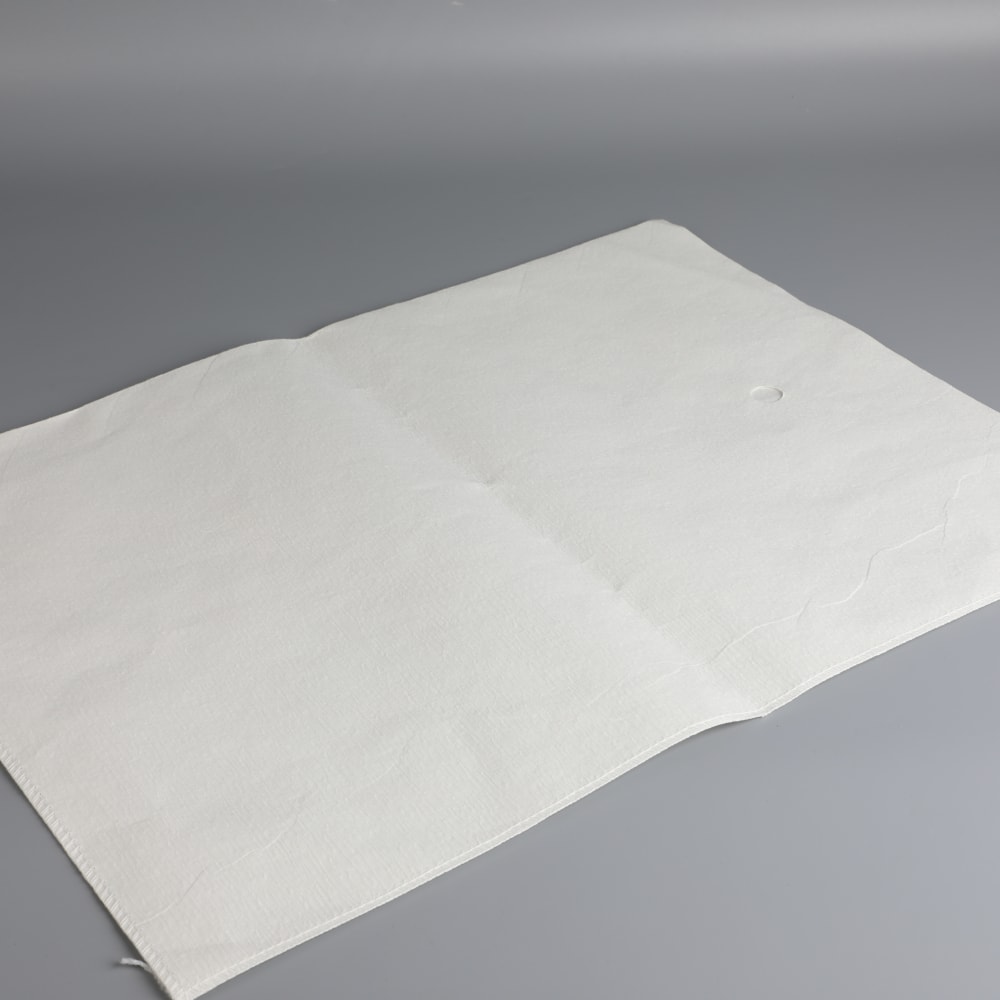 Filter Envelope & Filter Sheet
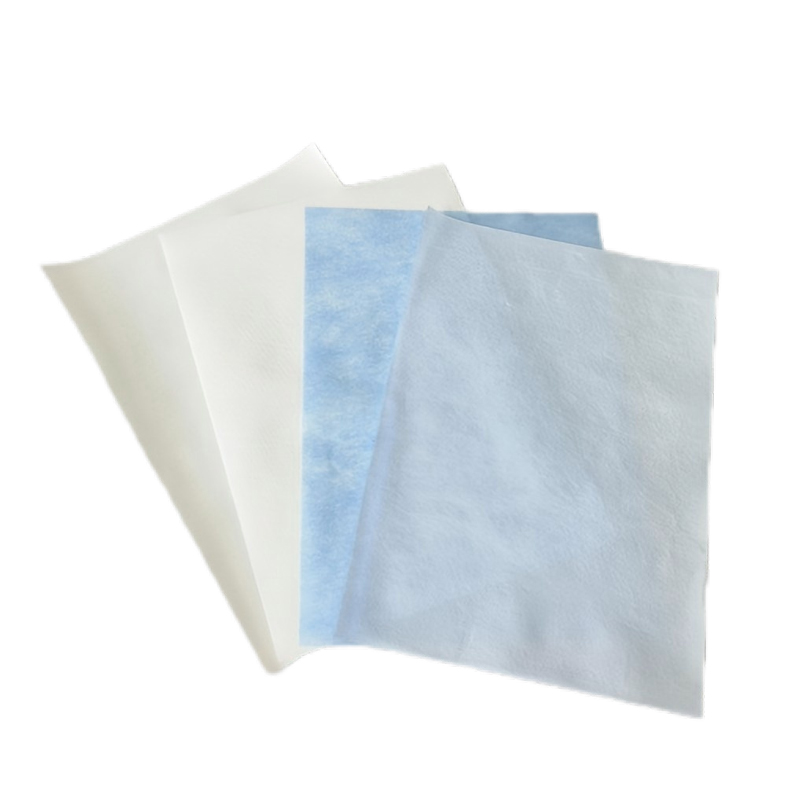 Breathable Film Laminates
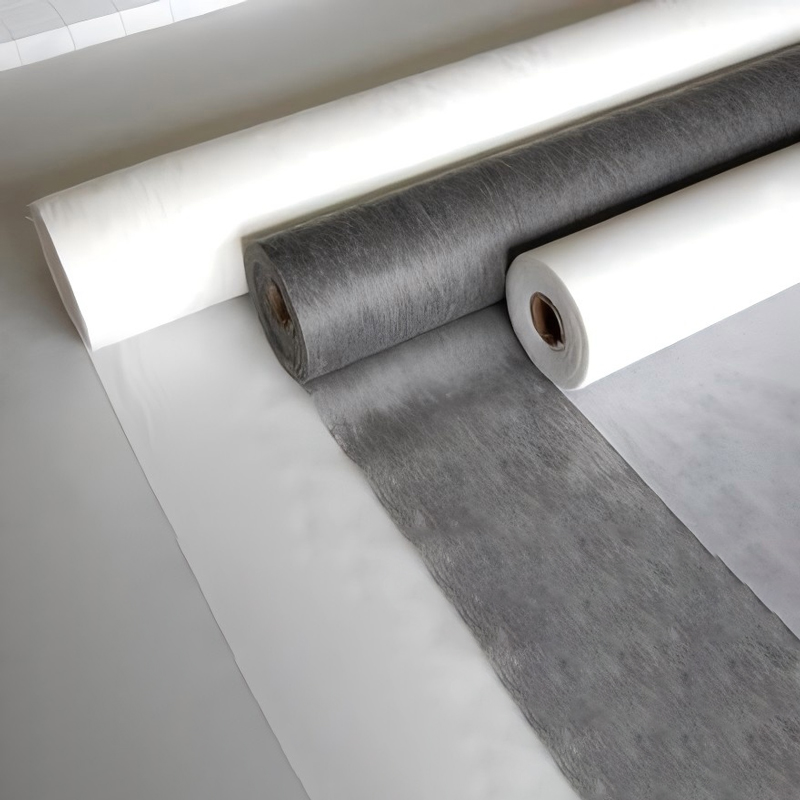 Nonwoven Interlining
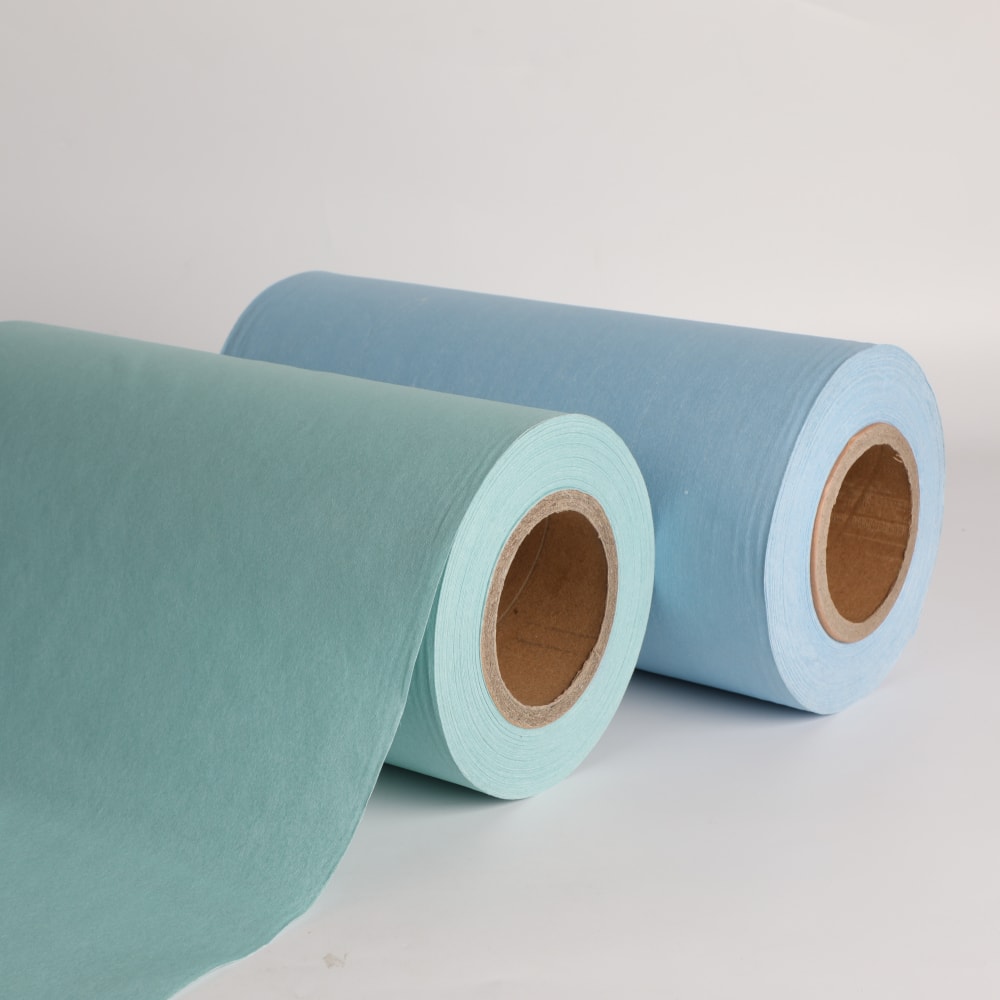 Fluid Repellent Woodpulp Spunlace Nonwoven
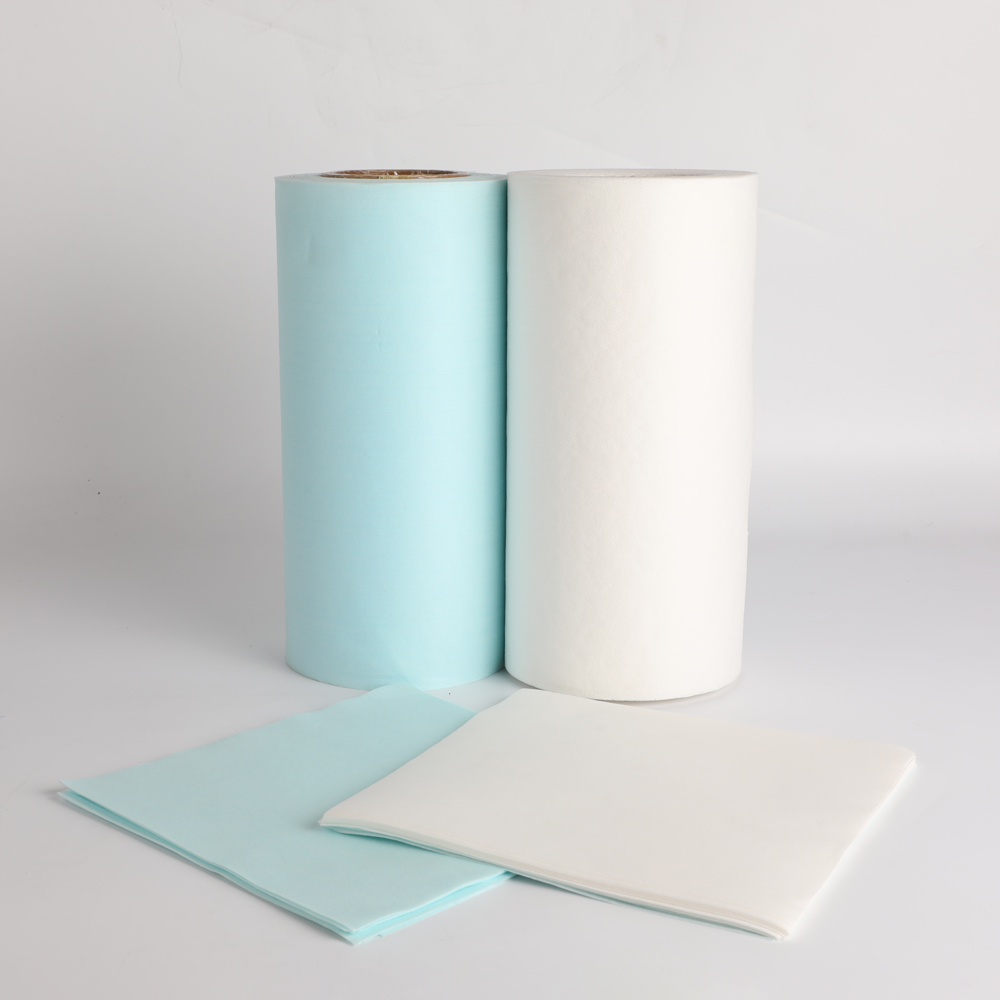 Woodpulp Nonwoven Wipe
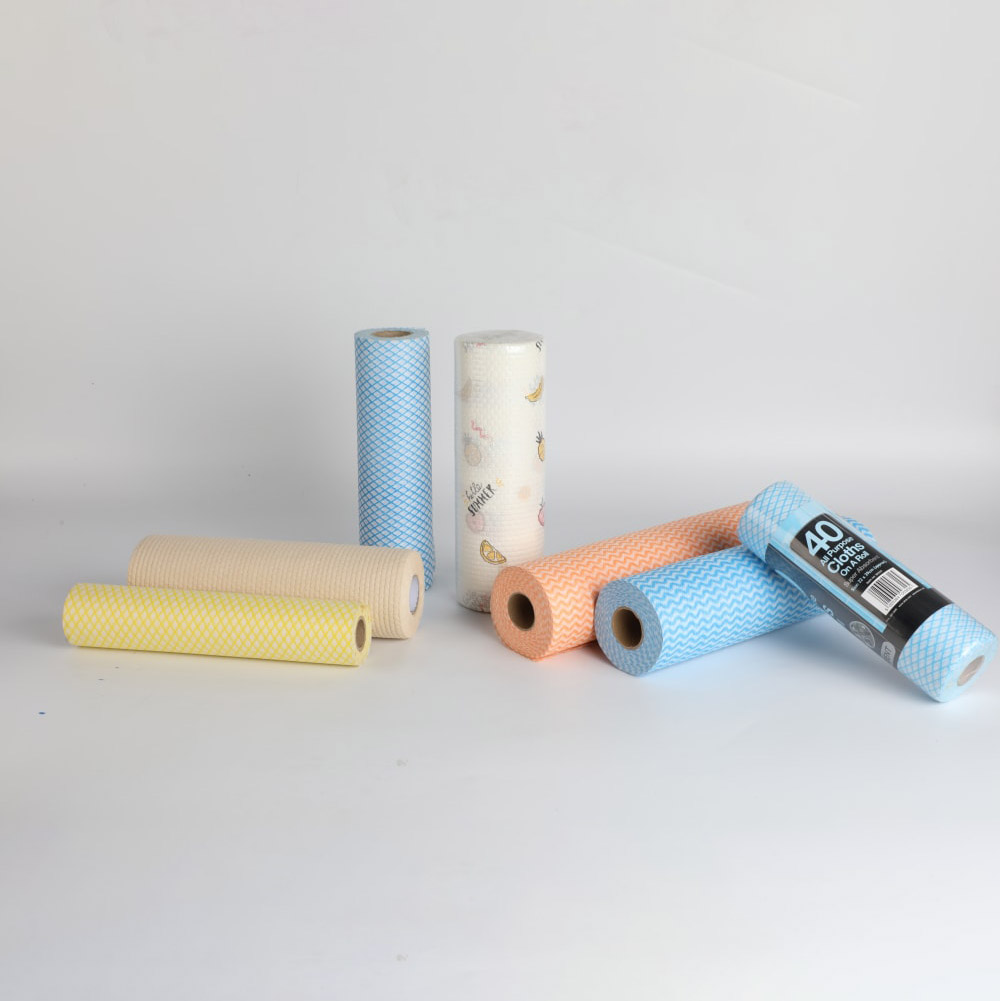 Nonwoven Cleaning Wipe
 Curtain Nonwoven
 Food Grade Packaging Nonwoven
 Aluminized Nonwoven
 Hot Air Cotton Nonwoven
 Flame Retardant Nonwoven
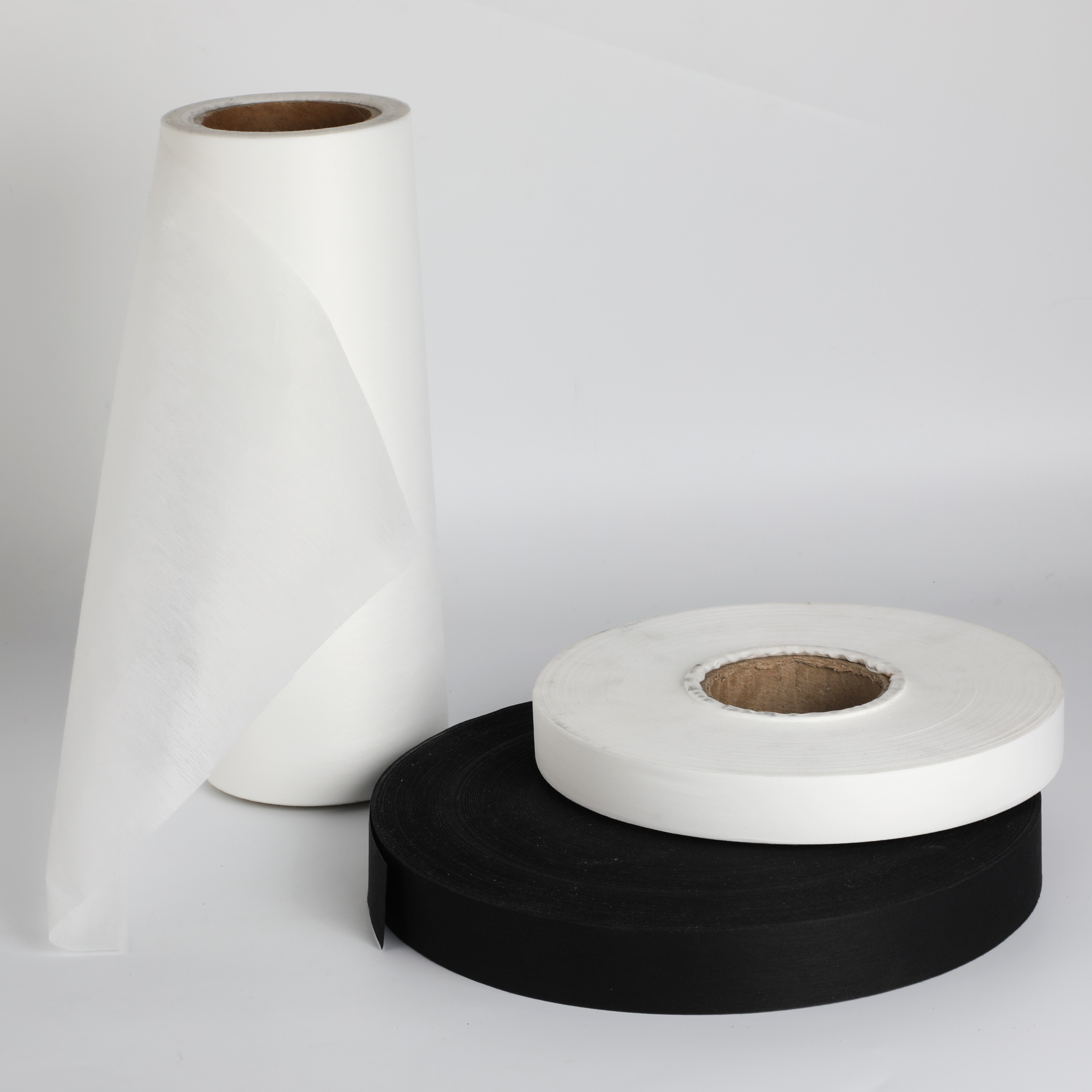 Cable Wrapping Nonwoven
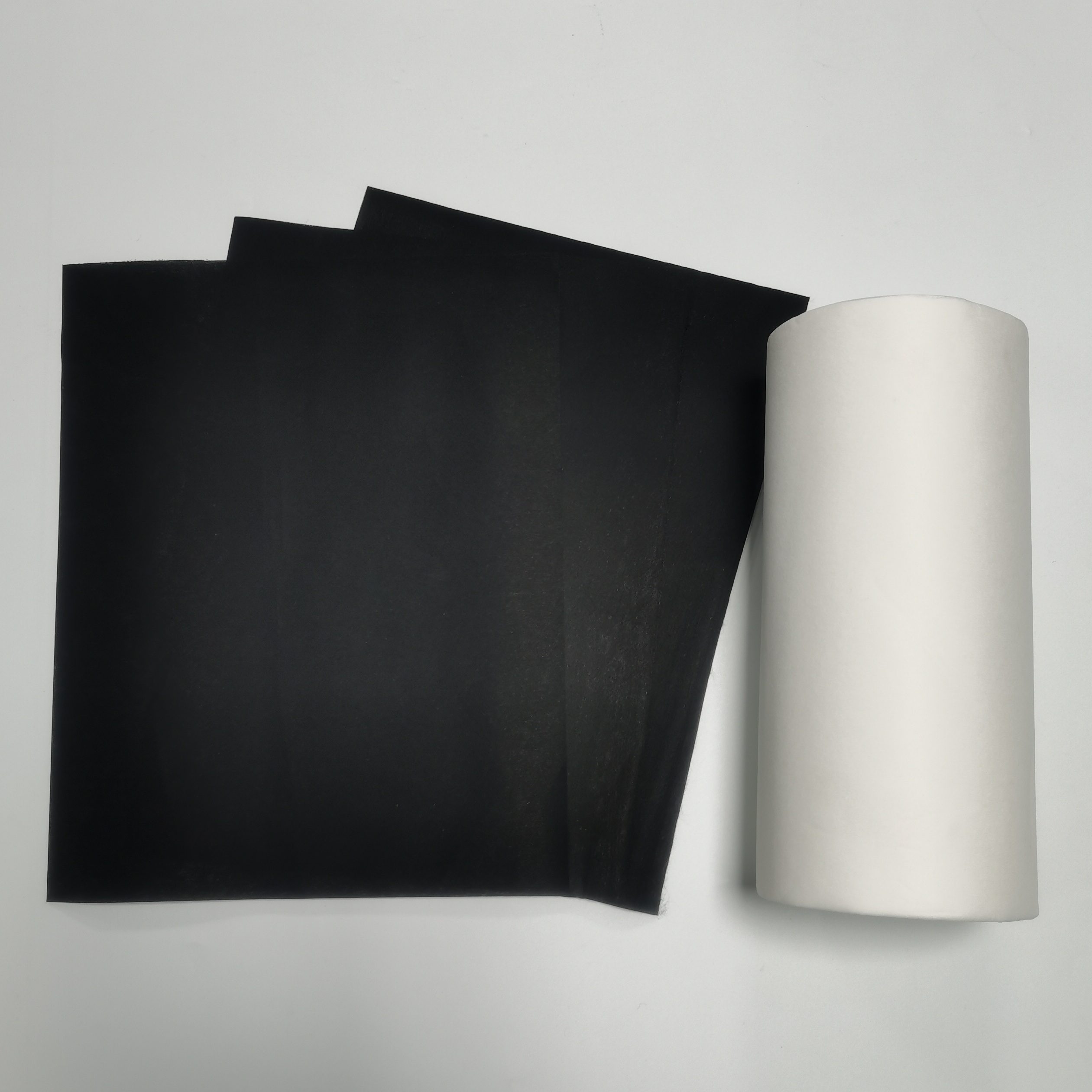 Semi-conductive Nonwoven
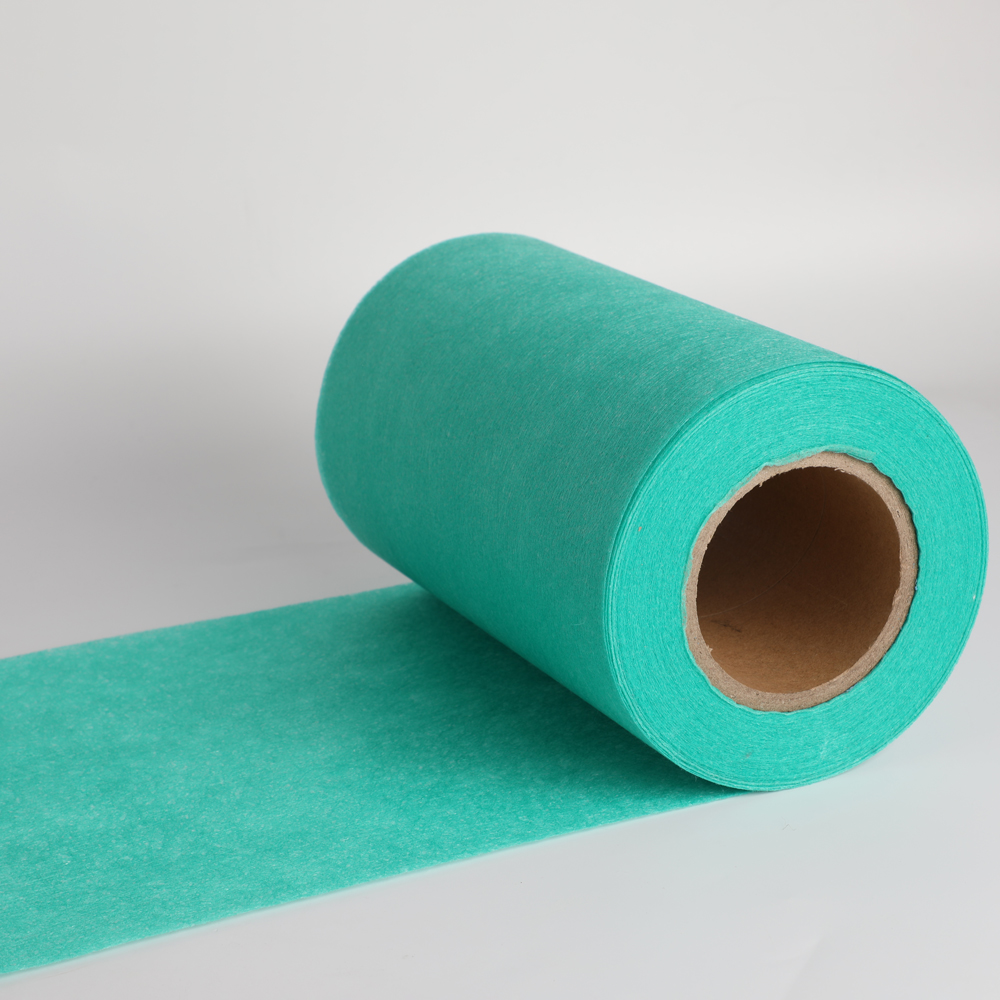 Anti-Bacterial Nonwoven
 +8613957712400
 CONTACT WhatsApp
 CONTACT WeChat
 CONTACT NUMBER
 CONTACT EMAIL