+8613957712400


In the world of water treatment, filter media plays a crucial role in maintaining water quality. Recognized expert Dr. Sarah Thompson, a leading specialist in water purification technologies, once stated, "The right filter media can make all the difference in effective water treatment." This underscores the importance of selecting the proper materials for various filtration processes.
Understanding the types of filter media available is essential for effective water treatment solutions. Each type of filter media offers unique properties that can impact the efficiency of the treatment system. For instance, activated carbon is well-known for its adsorption capabilities, while sand filters are favored for their simplicity and cost-effectiveness. However, the choice of filter media often requires reflection and careful consideration of specific needs and applications.
Moreover, not all filter media perform equally in every circumstance. Some may require frequent replacement or maintenance, leading to higher operational costs. As we delve into the ten best filter media types, it's vital to evaluate their performance, cost, and environmental impact. Choosing the right filter media is more than a technical decision; it shapes the overall effectiveness and sustainability of water treatment processes.
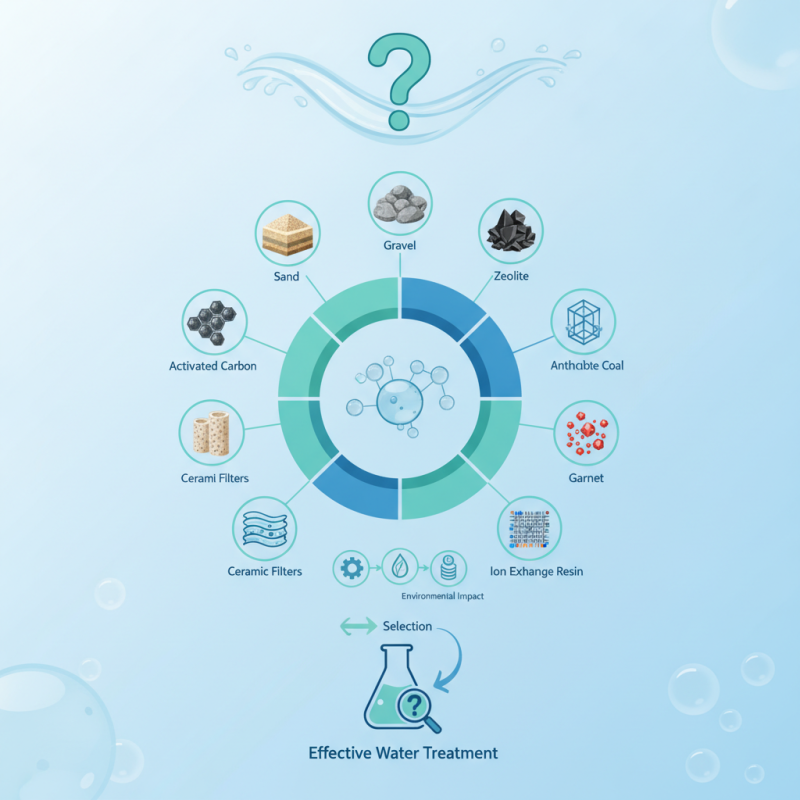
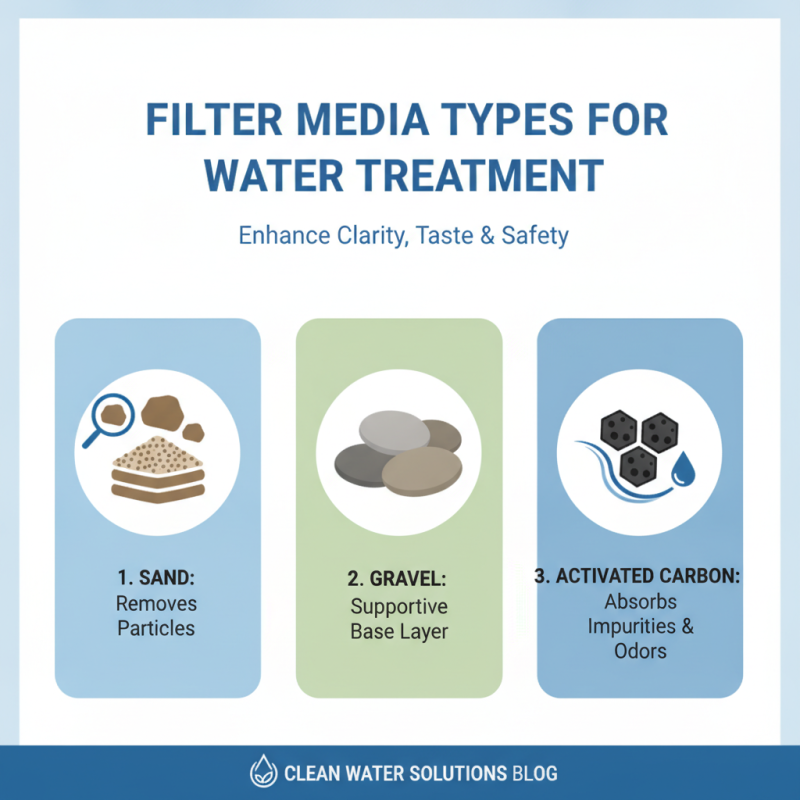
Understanding filter media types is crucial for effective water treatment. The right media can significantly enhance water clarity, taste, and safety. Sand, gravel, and activated carbon are common choices, each offering unique benefits. Sand excels at removing larger particles, while gravel serves as a supportive layer in filtration systems. Activated carbon is renowned for its ability to absorb impurities and odors, making water more enjoyable to drink.
Choosing the appropriate filter media requires careful consideration. Each type has its limitations and may not address all contaminants. For instance, while activated carbon is effective against many chemicals, it may not capture heavy metals effectively. It's essential to understand the specific impurities present in your water. Regular testing can help identify these issues.
Incorporating multiple filter media types can enhance overall filtration. A layered approach might include sand for coarse filtration, gravel for structure, and activated carbon for finer purification. However, this combination can complicate maintenance. Assessing the effectiveness of your system over time is vital. There may be a need for adjustments based on changing water quality or filtration performance.

Effective filter media play a crucial role in water treatment processes. The best types significantly affect the overall quality of treated water. Key characteristics of effective filter media include particle size, porosity, and chemical stability. According to a 2022 industry report, filters with optimal particle size can reduce suspended solids by up to 95%. This highlights the necessity of careful selection in filtration systems.
When assessing filter media, porosity is vital. A recent study showed that media with higher porosity allows for better flow rates and contaminant removal. Chemical stability ensures that the material does not leach harmful substances into the water. Regular maintenance is equally important; certain media might require frequent replacements, leading to additional costs.
**Tips:** Always analyze the characteristics of various filter media before selection. Conduct routine assessments of your filtration system. Keep in mind that not all filter media perform well under all conditions. Understanding your specific water treatment needs will improve efficiency.
| Filter Media Type | Key Characteristics | Applications |
|---|---|---|
| Sand | Natural, effective for removing suspended solids | Swimming pools, municipal water treatment |
| Activated Carbon | Adsorbs organic compounds and chlorine | Drinking water purification, aquariums |
| Glass Media | High filtration efficiency, durable | Industrial water treatment, swimming pools |
| Anthracite | Effective for sedimentation and filtration | Municipal water systems, wastewater treatment |
| Polypropylene | Lightweight, resistant to chemicals | Microfiltration, water purification |
| Ceramic | High durability, effective for fine filtration | Point-of-use water filtration, aquaculture |
| Zeolite | Natural ion exchanger, removes ammonia | Aquarium filtration, agricultural runoff control |
| Granular Activated Carbon (GAC) | Effective for removing impurities and odors | Drinking water systems, air treatment |
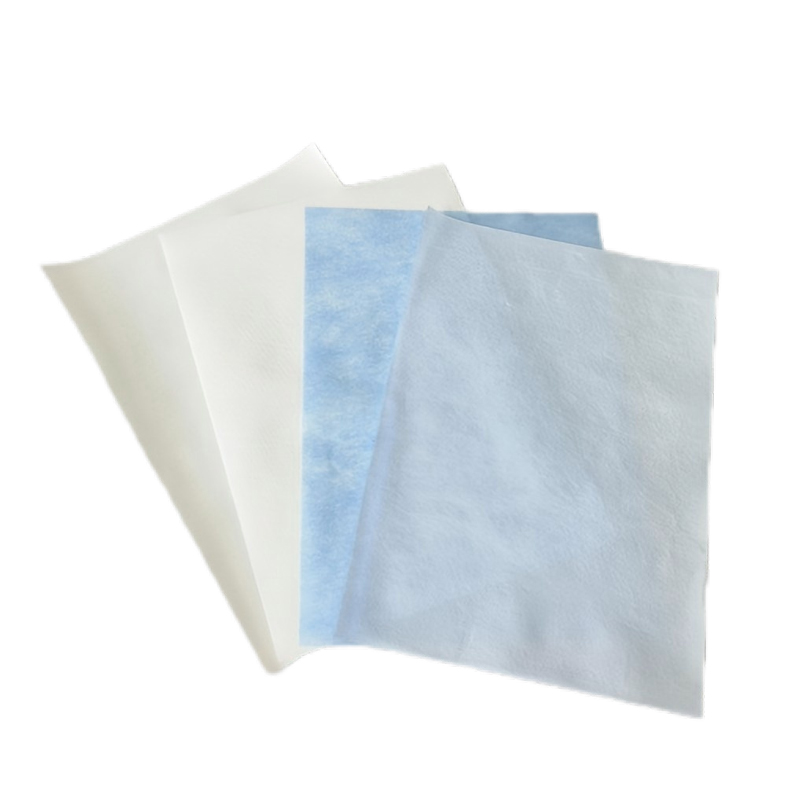
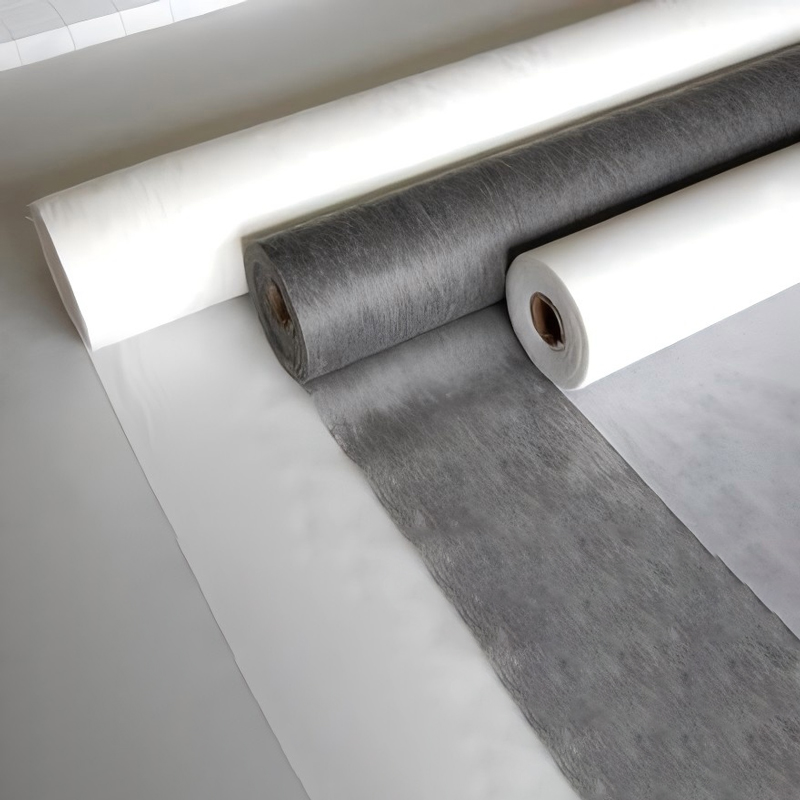
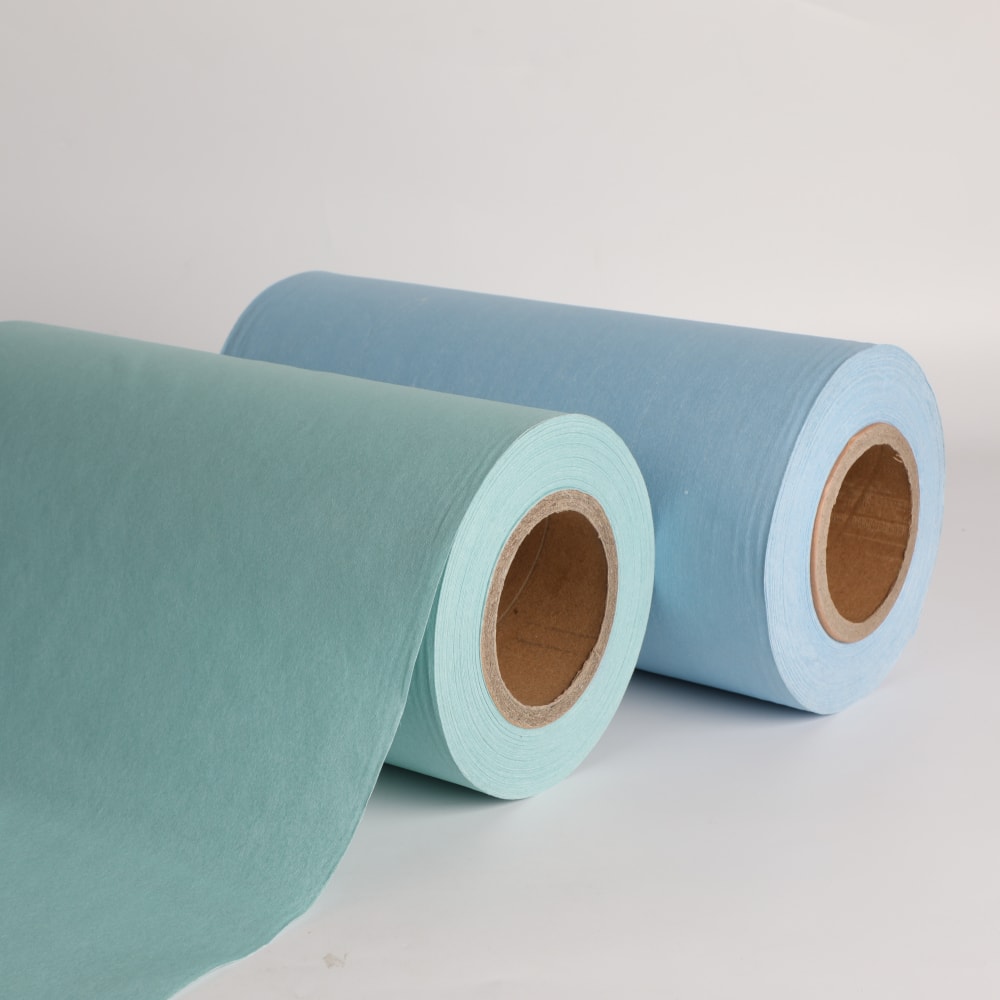
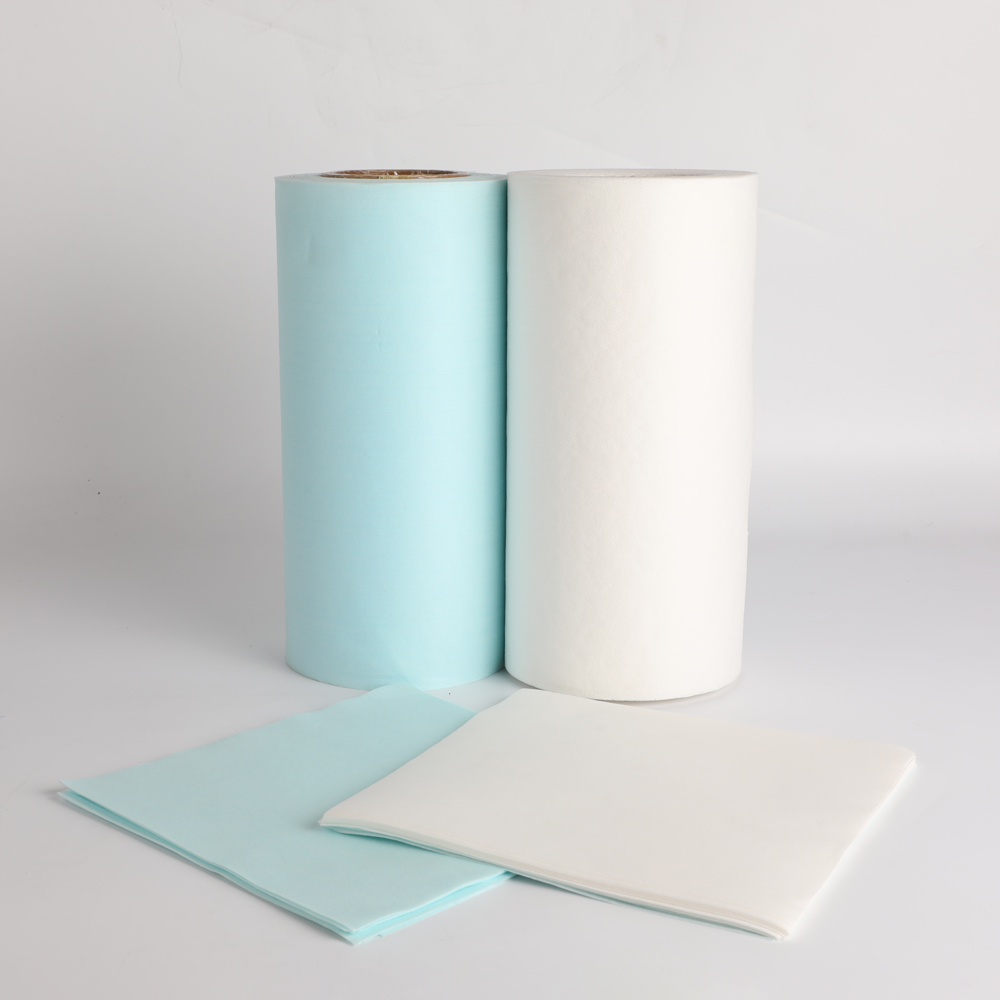
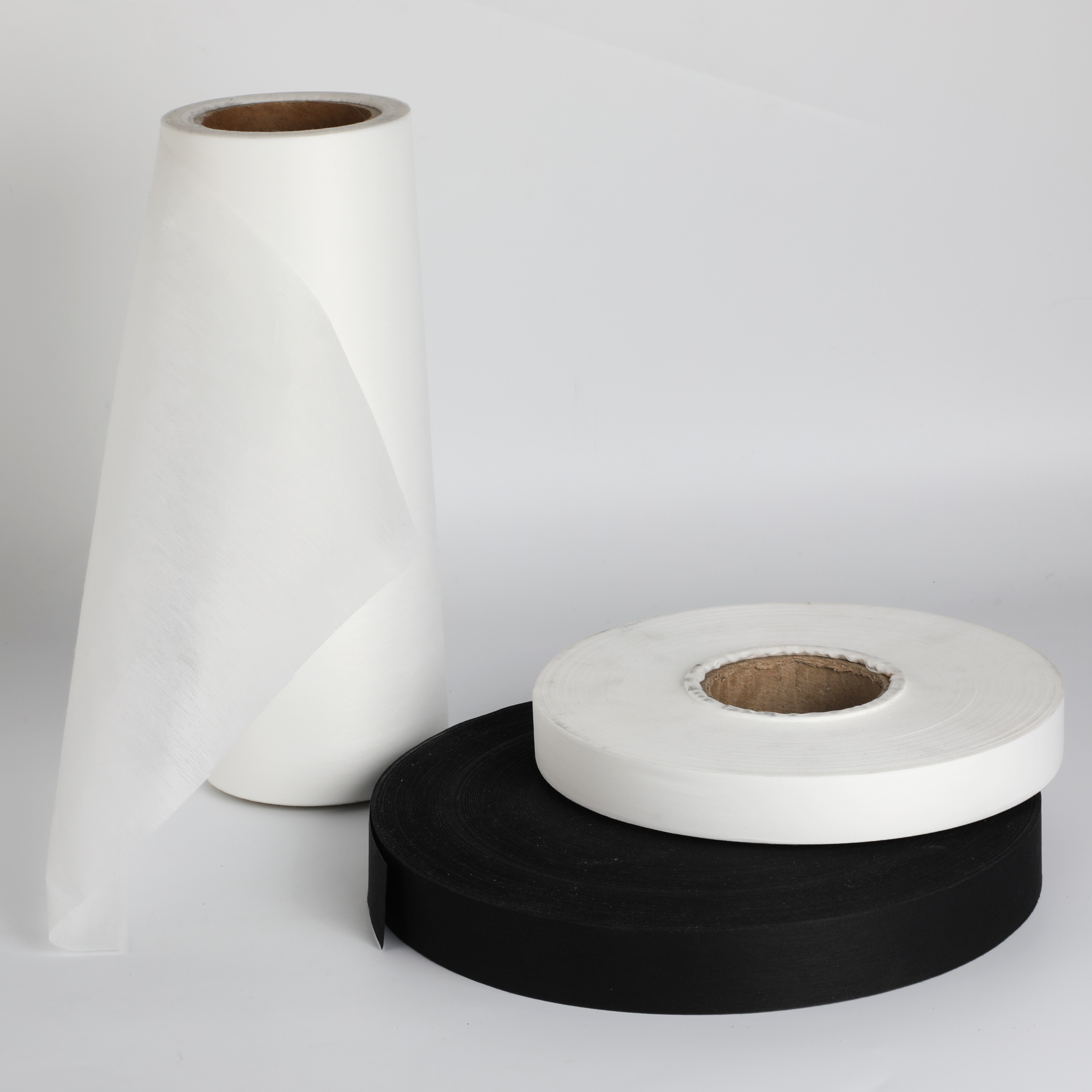
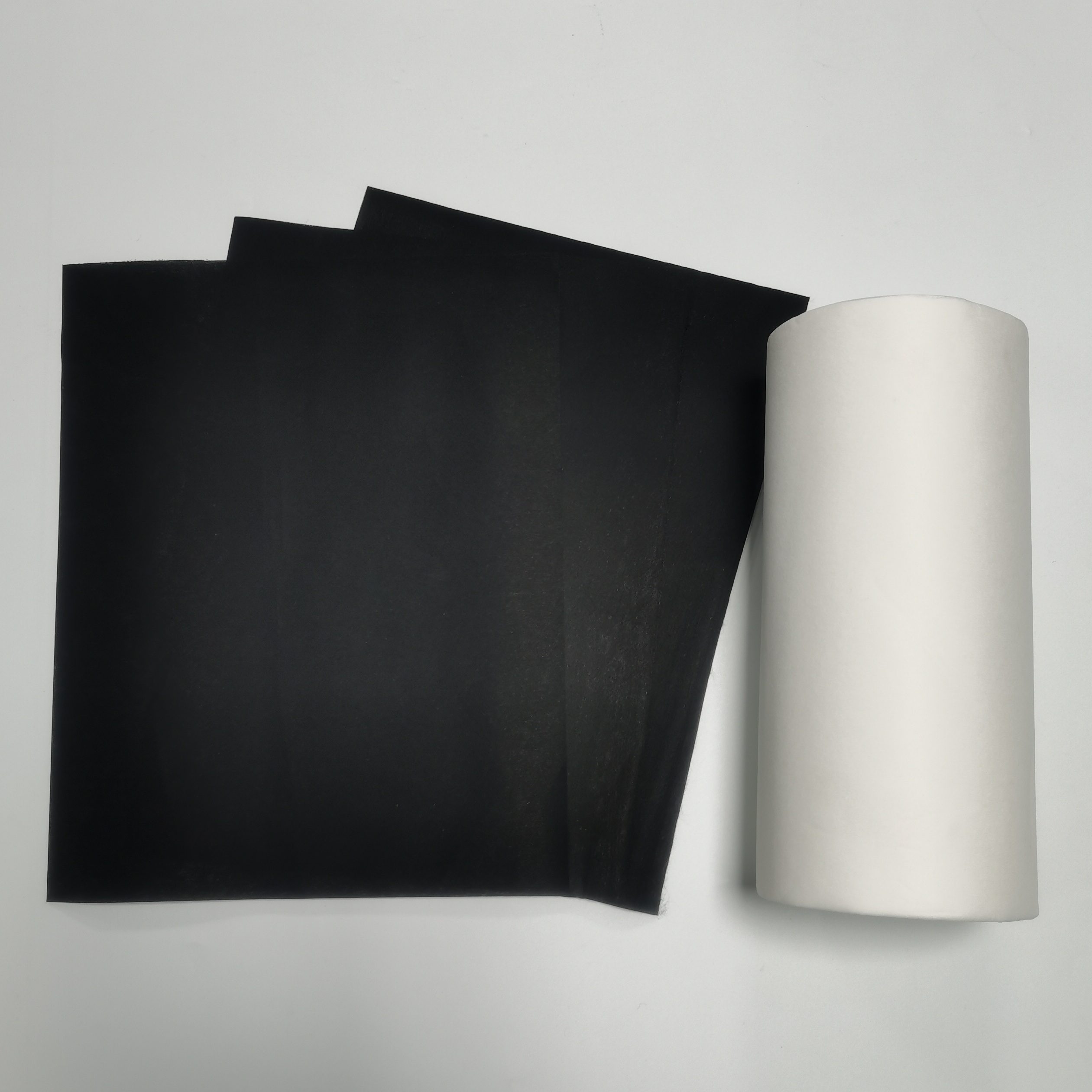
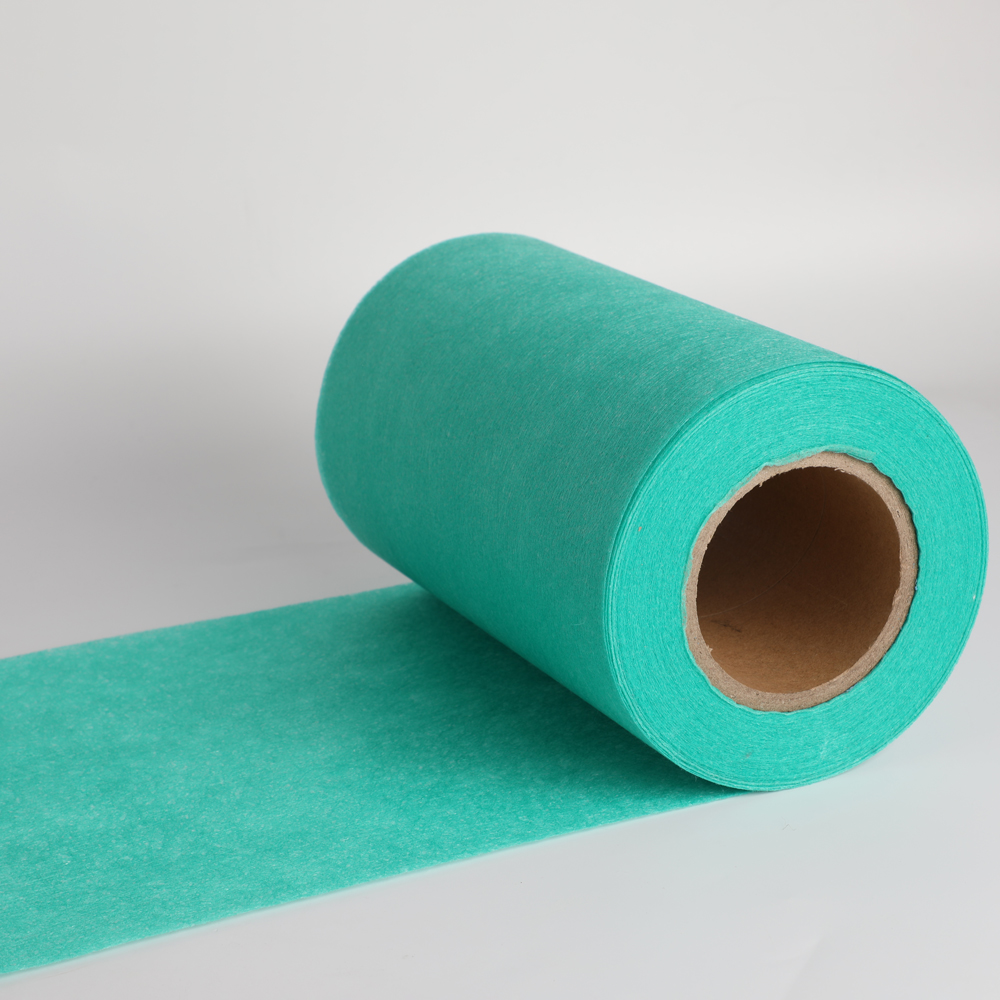
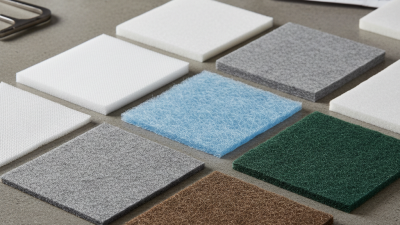
| Filter Fabrics | Various materials for different filtration needs | Wastewater treatment, stormwater management |
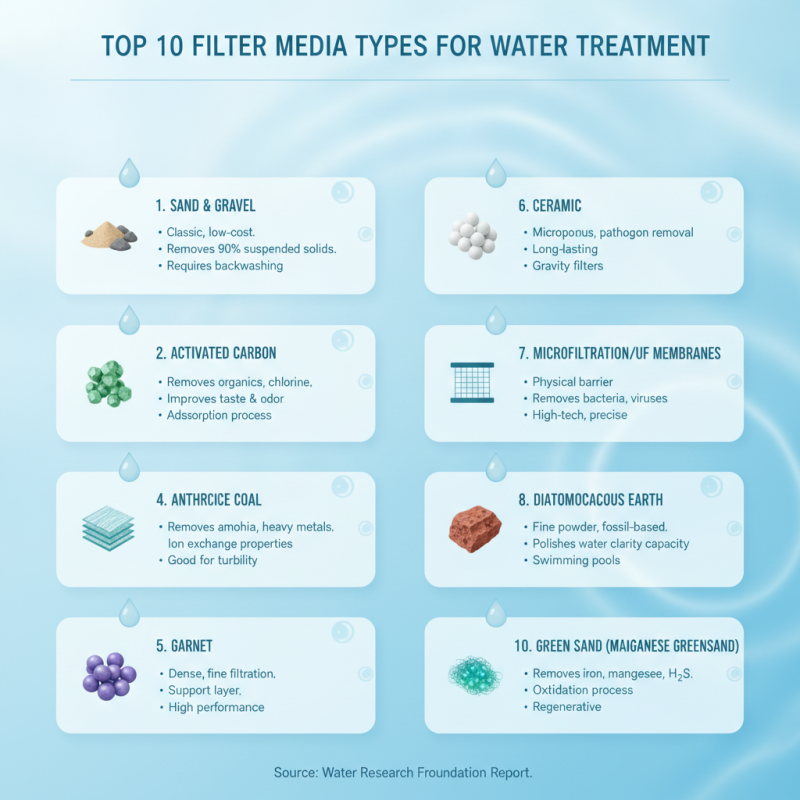
Choosing the right filter media type is crucial for effective water treatment. Various materials have unique properties that cater to specific filtration needs. For instance, sand and gravel are classic choices due to their availability and low cost. A report from the Water Research Foundation highlights that sand filters can remove up to 90% of suspended solids when maintained correctly.
Activated carbon is another popular option. It excels in adsorbing organic contaminants and chlorine. Studies show that a granular activated carbon filter can decrease chemical levels by over 50%. However, it requires regular replacement to remain effective. Ceramic filters are also noteworthy, particularly for removing bacteria, providing an efficacy of up to 99.9% in lab tests.
**Tip:** Regularly monitor your filter media for clogging or degradation. This can enhance the efficiency of your water treatment system.
Polymer-based media are gaining traction, offering superior filtration capabilities. Their design allows for high flow rates and reduced maintenance. Yet, they may not be as environmentally friendly compared to natural materials.
**Tip:** Always consider the environmental impact of your selected filter media. Sustainable options can help reduce long-term ecological footprints.
With so many filter media types available, it’s essential to choose based on specific needs and water quality goals. Each option comes with benefits and challenges. Understanding these factors will lead to better decisions in water treatment.
When examining filter media for water treatment, it's essential to evaluate their performance characteristics. Different types of media, such as sand, activated carbon, and ceramics, offer varied benefits.
Sand filters are commonly used due to their cost-effectiveness. However, they may not remove all contaminants effectively.
Activated carbon is known for its superior adsorption capabilities. It excels in removing organic compounds and odors.
Nevertheless, it requires regular maintenance and replacement. Ceramics provide a robust solution for fine filtration. They can eliminate pathogens but may suffer from reduced flow rates.
Ultimately, choosing the right filter media involves understanding trade-offs. Some may prioritize cost-saving, while others focus on performance. The best choice will depend on specific water quality needs and the intended usage.
Continuous evaluation of filter media performance is crucial for effective water treatment solutions.
When selecting filter media for water treatment, understanding the unique needs of your system is crucial. Different types of filter media, such as sand, activated carbon, and ceramic, serve distinct purposes. A study from the American Water Works Association highlights that properly chosen filter media can improve removal rates of contaminants by up to 90%. This statistic emphasizes the need for a tailored approach to media selection.
Evaluating the physical and chemical properties of filter media is essential. For instance, sand filters are excellent for removing larger particles, while activated carbon is effective for organic compounds. Moreover, differing sizes and shapes of media influence flow rates and filtration efficiencies. Knowledge of these properties aids in optimizing performance. However, some users overlook maintenance needs, leading to reduced efficacy and potential system failures. Regular checks and replacements are vital for sustained performance.
Always consider the source of your filter media. The improper choice can result in health risks, such as introducing unwanted contaminants into treated water. Research from the Water Environment Federation shows that almost 30% of water systems report issues linked to poor media quality. Awareness of these factors fosters better decision-making and long-term reliability in water treatment systems. Balancing initial costs with quality and performance is a challenge, yet it is integral to achieving effective water filtration.