2026 How to Source High Quality Lamination Nonwoven Fabric?
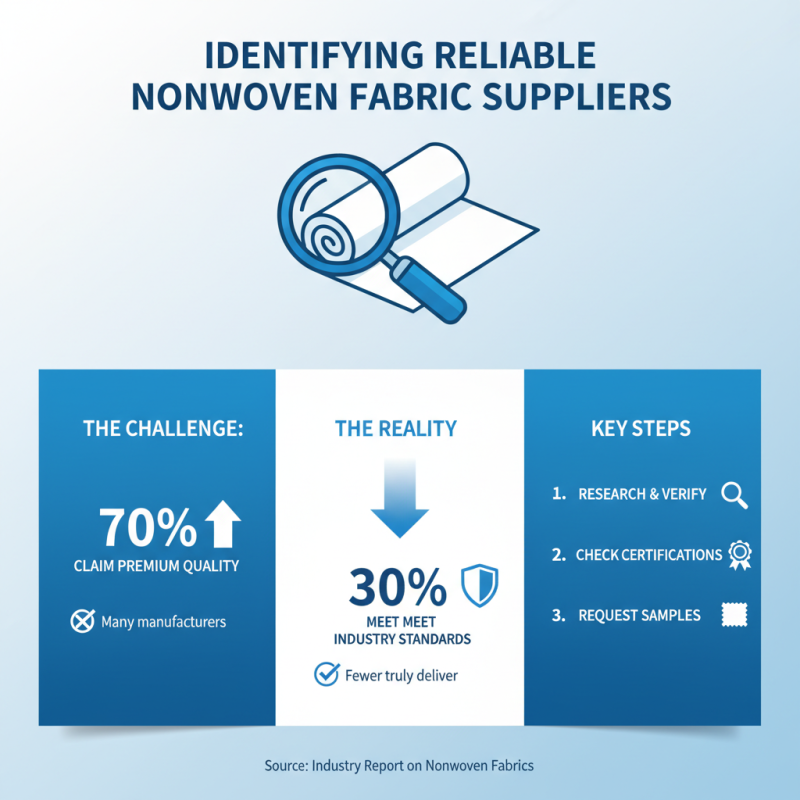
In the evolving textile industry, sourcing high-quality Lamination Nonwoven Fabric is crucial. This material is widely used in various applications, including medical, automotive, and consumer goods. According to recent data from Smithers Pira, the global nonwoven fabric market is projected to reach $50 billion by 2026, driven by innovations and increased demand.
To ensure the quality of Lamination Nonwoven Fabric, manufacturers need to focus on reliable suppliers and rigorous testing processes. Not all fabrics meet the stringent demands of different sectors. This inconsistency can lead to product failures and brand damage. A thorough assessment of suppliers is essential.
Evaluating certifications and production methods can help. For example, look for ISO certifications, which indicate a commitment to quality standards. Investing time in research often pays off. Yet, many companies struggle with sourcing, overlooking the importance of quality over cost. In a competitive market, making informed decisions about Lamination Nonwoven Fabric can significantly impact a business's success.
Understanding Lamination Nonwoven Fabric and Its Applications
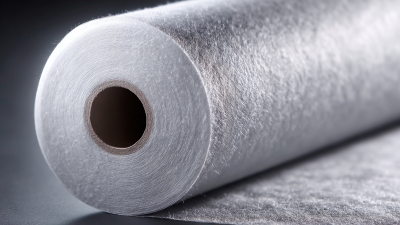
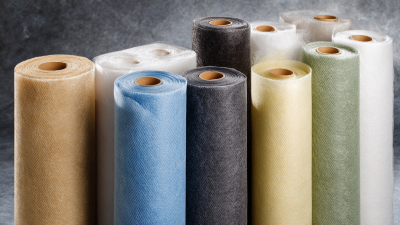
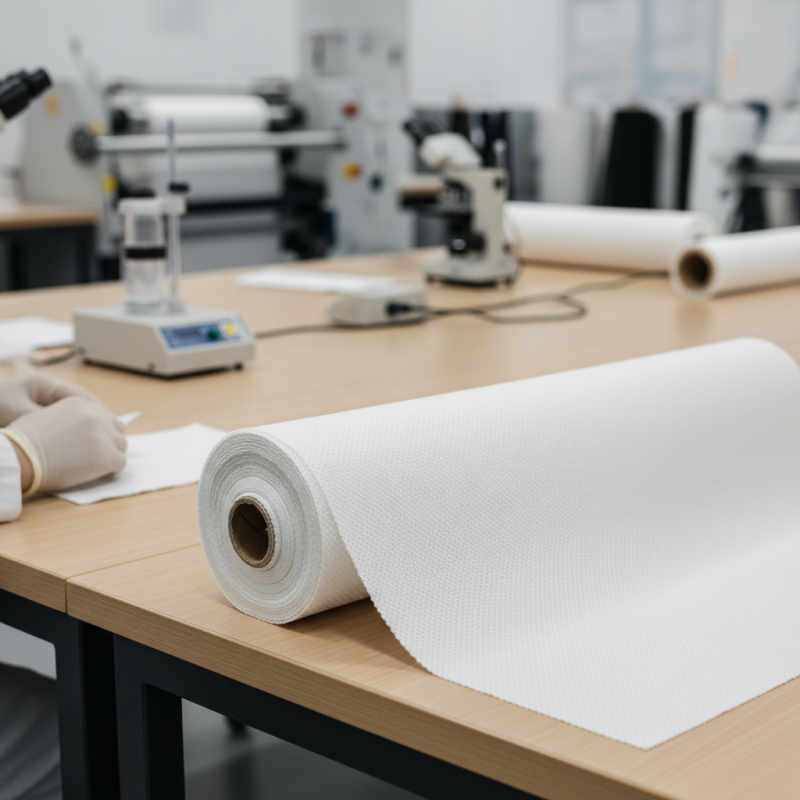
Lamination nonwoven fabric is versatile and increasingly popular in various industries. It combines layers of nonwoven materials with a protective laminate. This process enhances durability and adds different properties. Applications range from medical supplies to automotive interiors. These fabrics offer advantages like waterproofing and chemical resistance. Their lightweight nature is also a significant asset.
Understanding the characteristics of lamination nonwoven fabric is crucial. The quality of raw materials directly influences the final product. Effective sourcing requires knowledge of fabric types and lamination techniques. Look for suppliers that prioritize eco-friendly practices. The demand for sustainable materials is rising, but the selection process can be overwhelming.
Finding high-quality options often leads to exploration and uncertainty. Some manufacturers may not meet the required standards. Test samples and gather feedback from potential users. Engage with professionals who have experience in this field. Their insights can guide effective sourcing decisions, though challenges remain present.
2026 How to Source High Quality Lamination Nonwoven Fabric? - Understanding Lamination Nonwoven Fabric and Its Applications
| Dimension |
Details |
| Material Composition |
Polypropylene, Polyester, or a blend |
| Weight |
60-150 GSM (grams per square meter) |
| Thickness |
0.5-2.5 mm |
| Lamination Type |
Hot lamination, Cold lamination |
| Applications |
Packaging, Medical, Hygiene, Agriculture |
| Benefits |
Water resistant, Durable, Lightweight |
| Quality Indicators |
Tensile strength, Tear resistance, Surface finish |
Key Features to Consider When Sourcing Quality Lamination Nonwoven Fabric
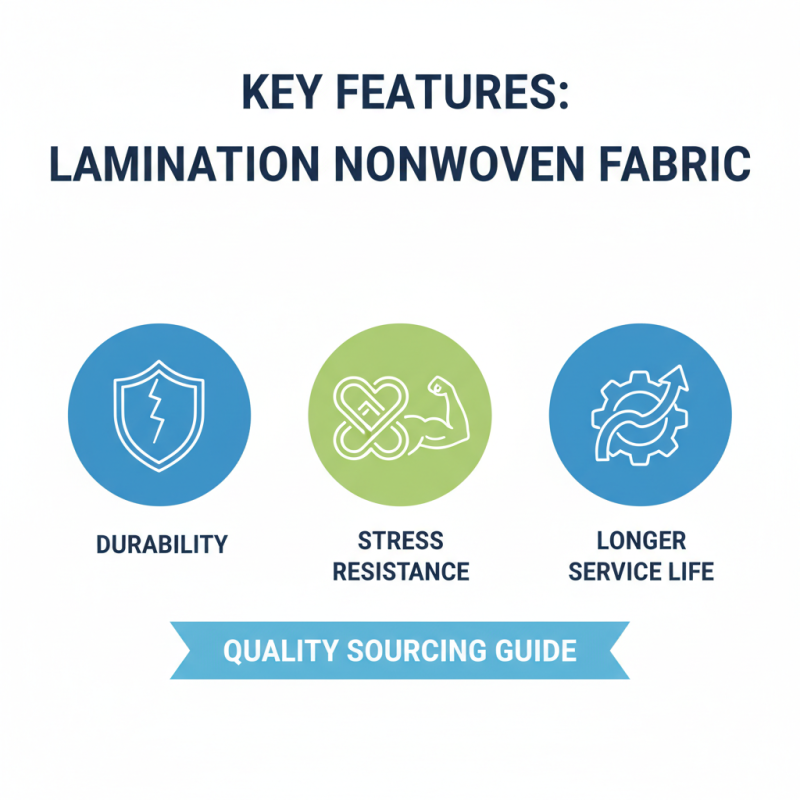
When sourcing high-quality lamination nonwoven fabric, key features deserve careful consideration. Fabric durability is essential. Look for materials that withstand stress and maintain integrity under various conditions. A robust nonwoven fabric can resist tearing and provide longer service life.
While quality is paramount, one must also assess the fabric's thickness. Thicker fabrics often offer better strength and insulation. However, the right thickness depends on the intended application. Overly thick fabric may be unnecessary and cumbersome, while too thin may lack protection.
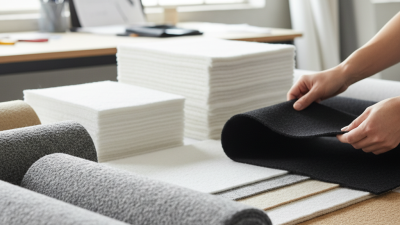
It’s important to consider the fabrication process. Nonwoven fabrics can differ in manufacturing techniques, which impacts their properties. Techniques such as needle punching or spunbonding yield various textures and strengths. Know the production method to align it with your needs. Evaluate samples critically. Sometimes, what appears perfect may fail in real-world applications. Quality assessments must involve practical testing.
Evaluating Fabric Certifications and Standards for Quality Assurance
In the process of sourcing high-quality lamination nonwoven fabric, understanding fabric certifications and standards is essential. Certifications assure that the fabric meets specific quality benchmarks. This assurance is vital for industries like healthcare, where material reliability is paramount. Familiarizing yourself with these standards can help you make informed choices.
Tips: Check for certifications like OEKO-TEX or GOTS. These ensure safety and environmental standards are met. Look for detailed documentation from suppliers. This is often a sign of a reputable company.
Researching the specifics of each certification is necessary. Not all certifications cover the same aspects. Some focus on environmental impact, while others emphasize performance. Pay attention to your specific fabric requirements. Reflect upon any gaps in your knowledge. They can lead to mistakes in material selection.
Tips: Attend workshops or industry events to learn about certifications. Networking can also connect you with experts in the field. This can be invaluable for sourcing decisions.
Negotiating Pricing and Terms for Nonwoven Fabric Procurement
Negotiating pricing and terms for nonwoven fabric procurement can be complex. Understanding market trends is crucial. Prices can fluctuate based on demand, raw materials, and production costs. Research suppliers to determine competitive pricing. Engaging multiple suppliers can enhance your bargaining position. Transparency can lead to better deals.
It is essential to define clear terms in your contracts. Payment terms, delivery schedules, and quality assurance must be explicit. Seek flexibility in negotiations, as unexpected issues may arise. Establishing a good rapport with suppliers can foster long-term relationships. This can lead to favorable terms in future transactions.
Reflect on your past negotiations. Were they successful in achieving your goals? Sometimes, compromises may not meet your quality expectations. Ensure that price savings do not come at the expense of quality. Building a reliable sourcing strategy requires ongoing evaluation and adjustments. Always be prepared to revisit negotiations.

 PP Laminates
 Multi Laminates
 Spunlace Nonwoven Laminates
 Breathable Film Laminates
 Viscose Laminates
 Medical Viscose Nonwoven
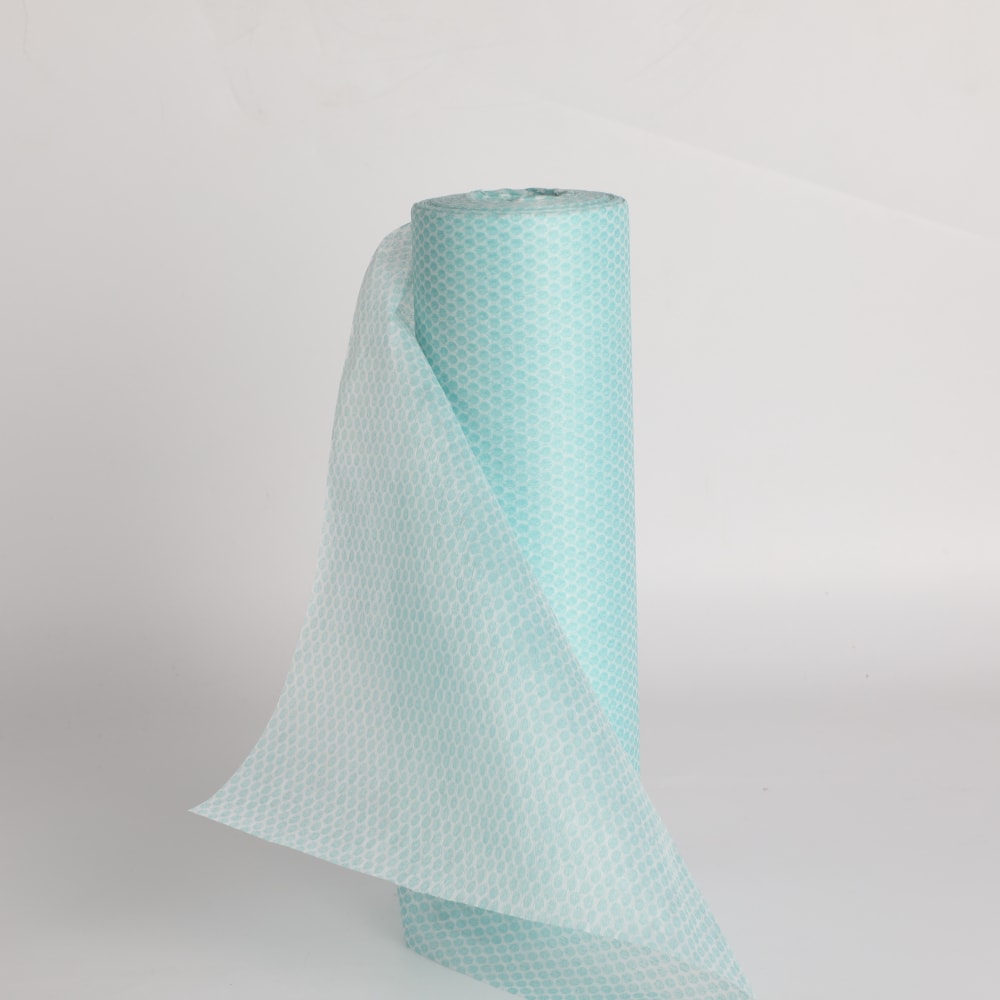 Head Wear Nonwoven
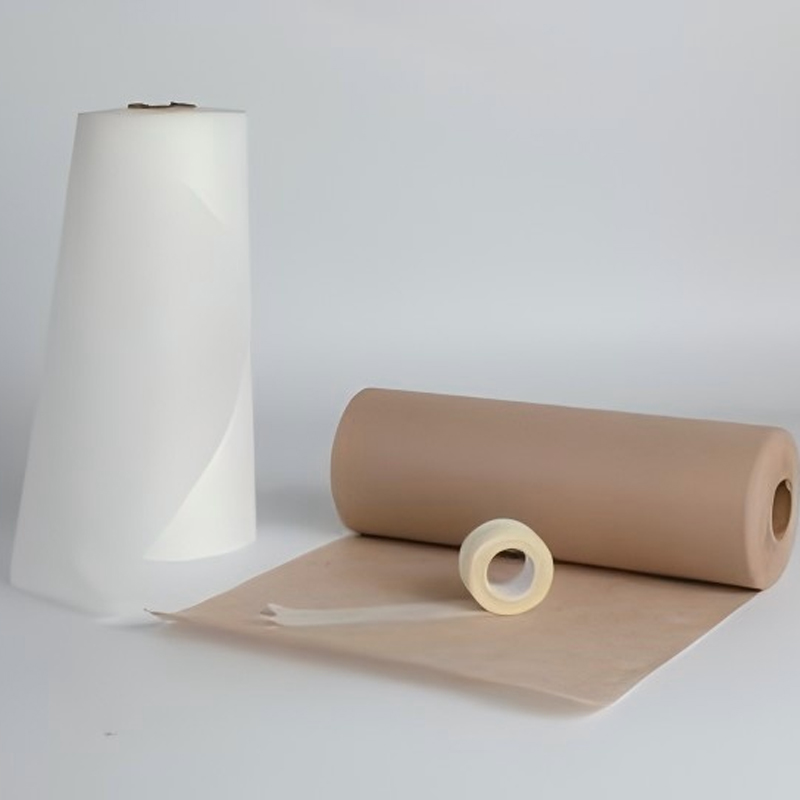 Medical Tape Nonwoven
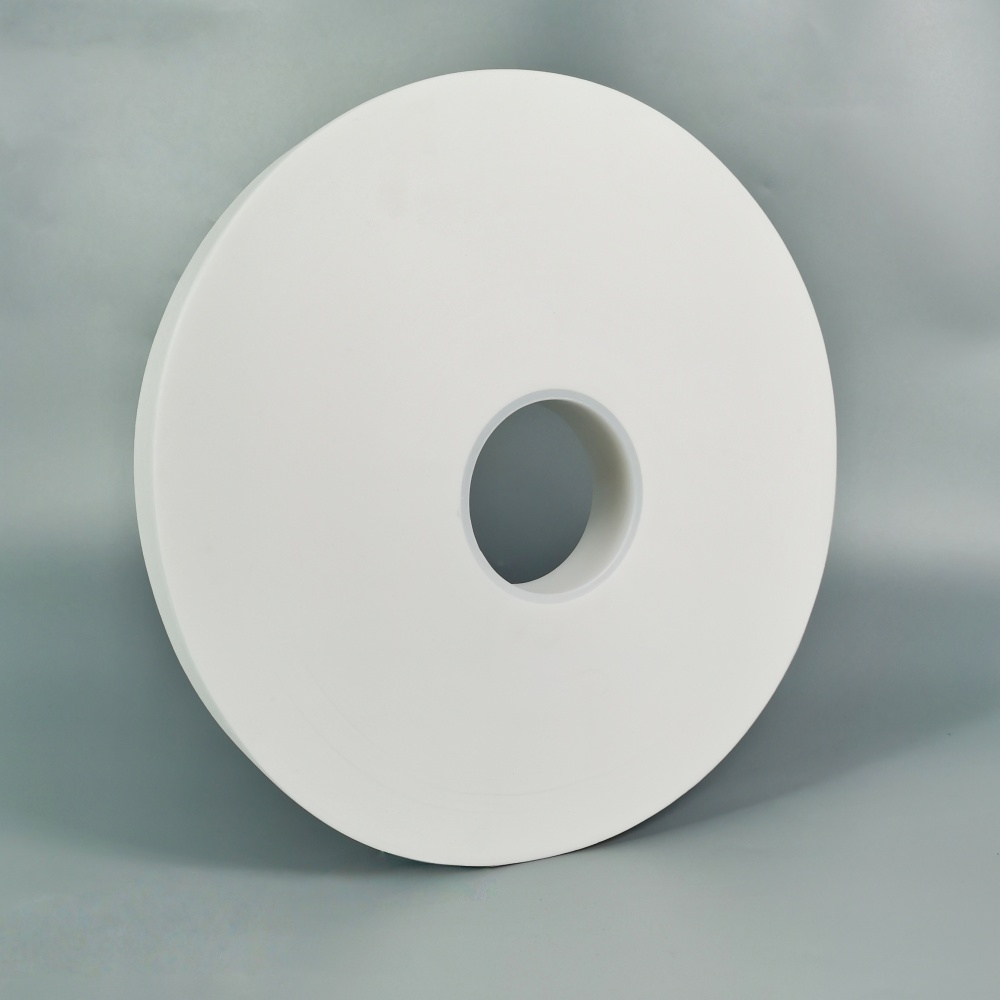 Snus Pouch Nonwoven
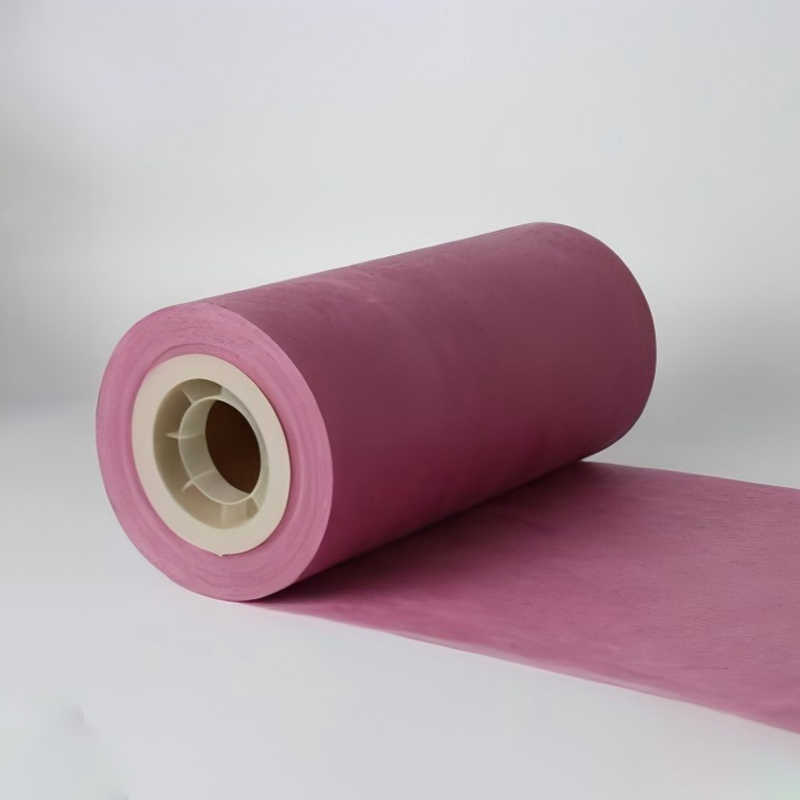 Filtration Nonwoven
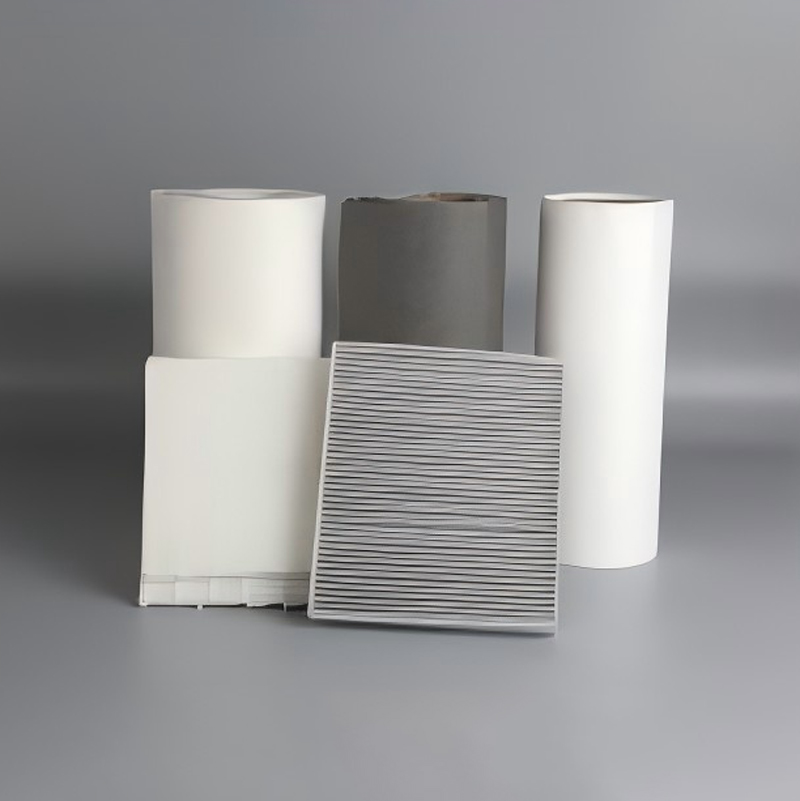 Air Filter Media
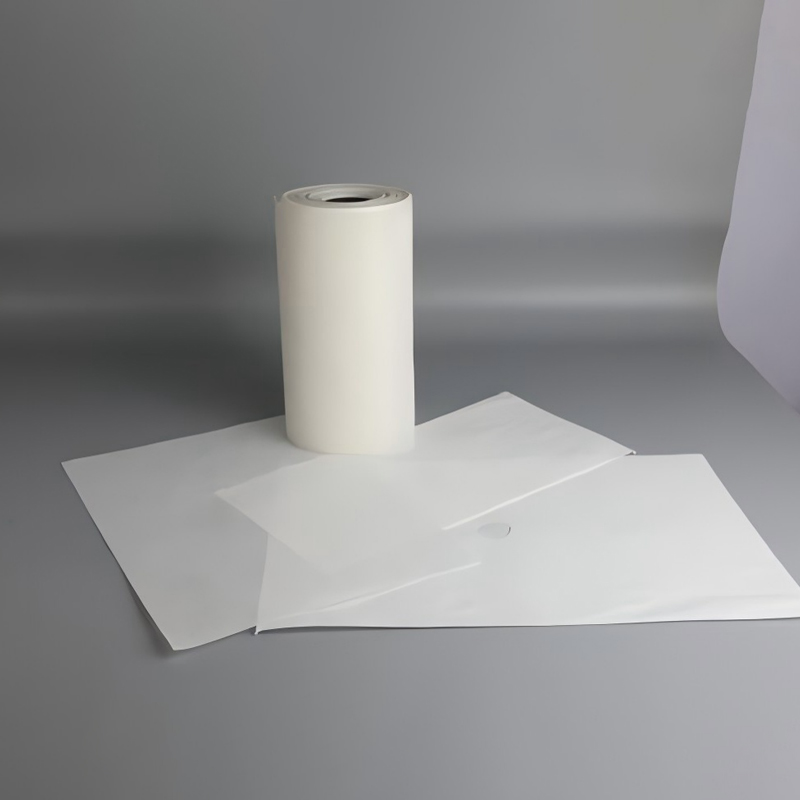 Liquid Filter Media
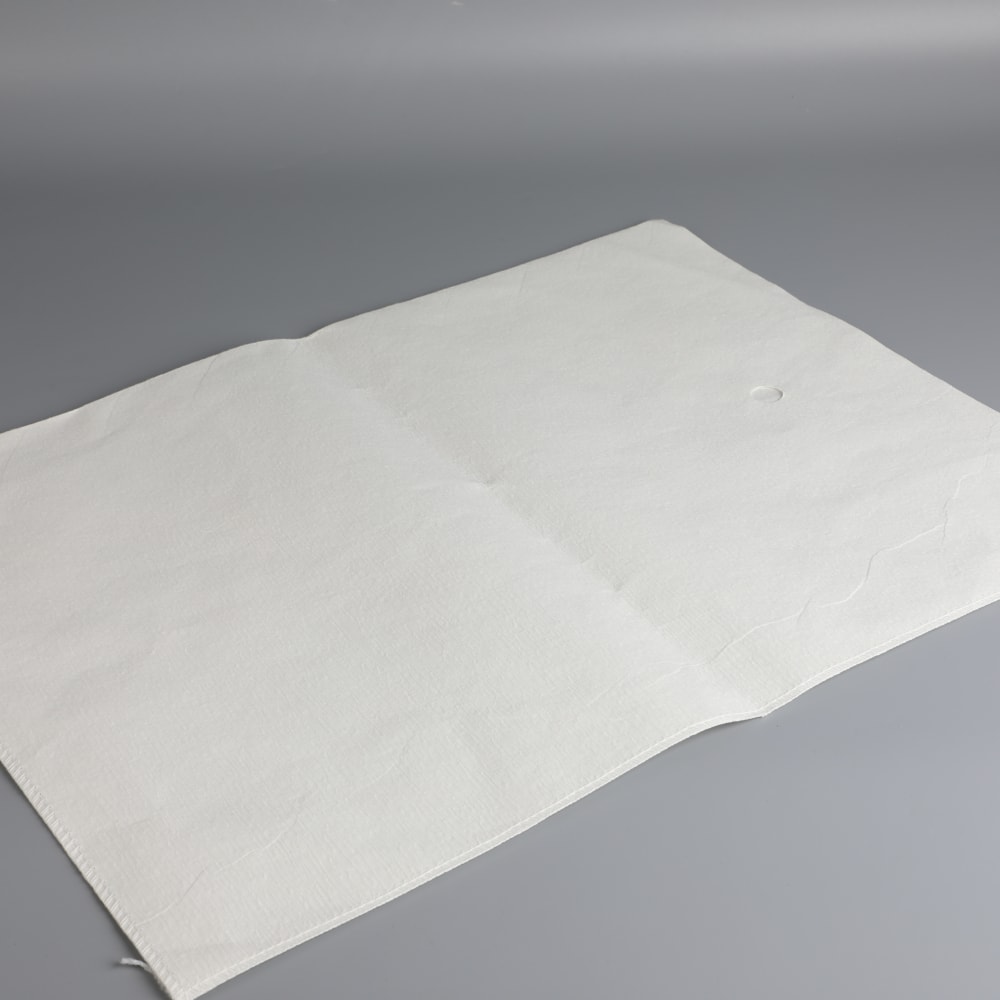 Filter Envelope & Filter Sheet
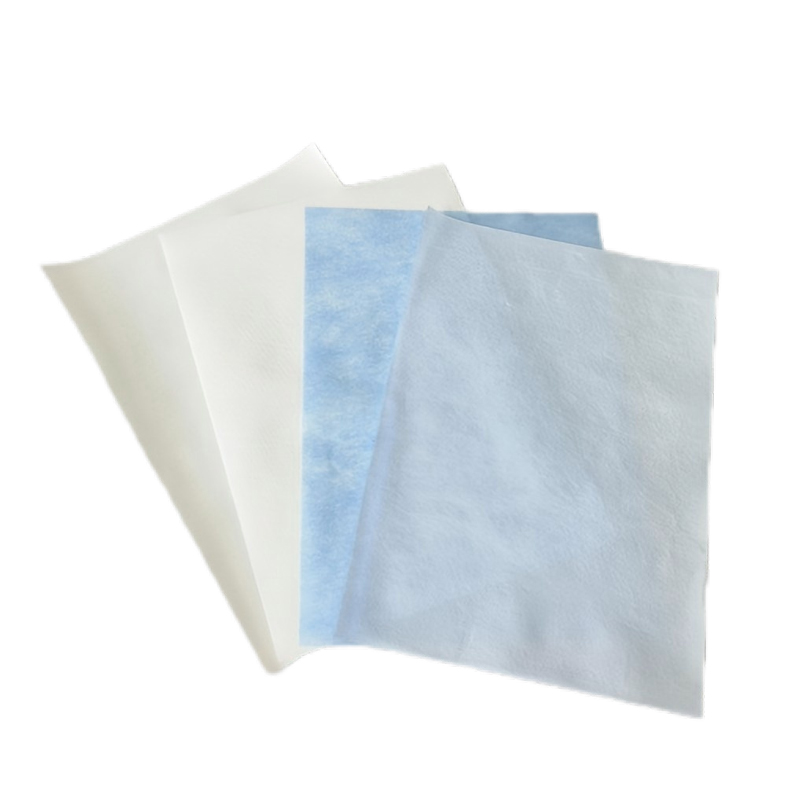 Breathable Film Laminates
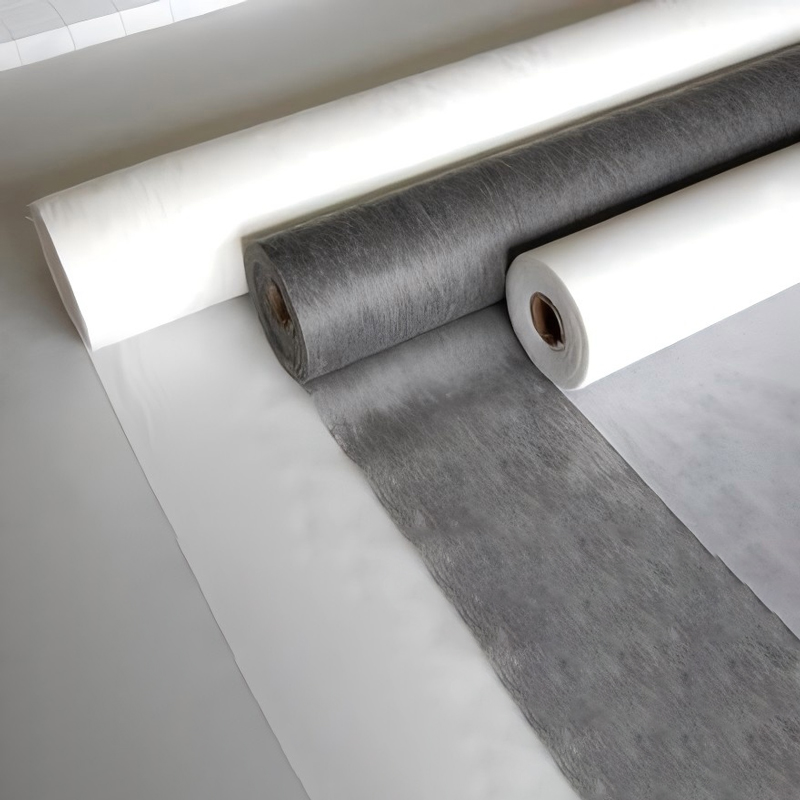 Nonwoven Interlining
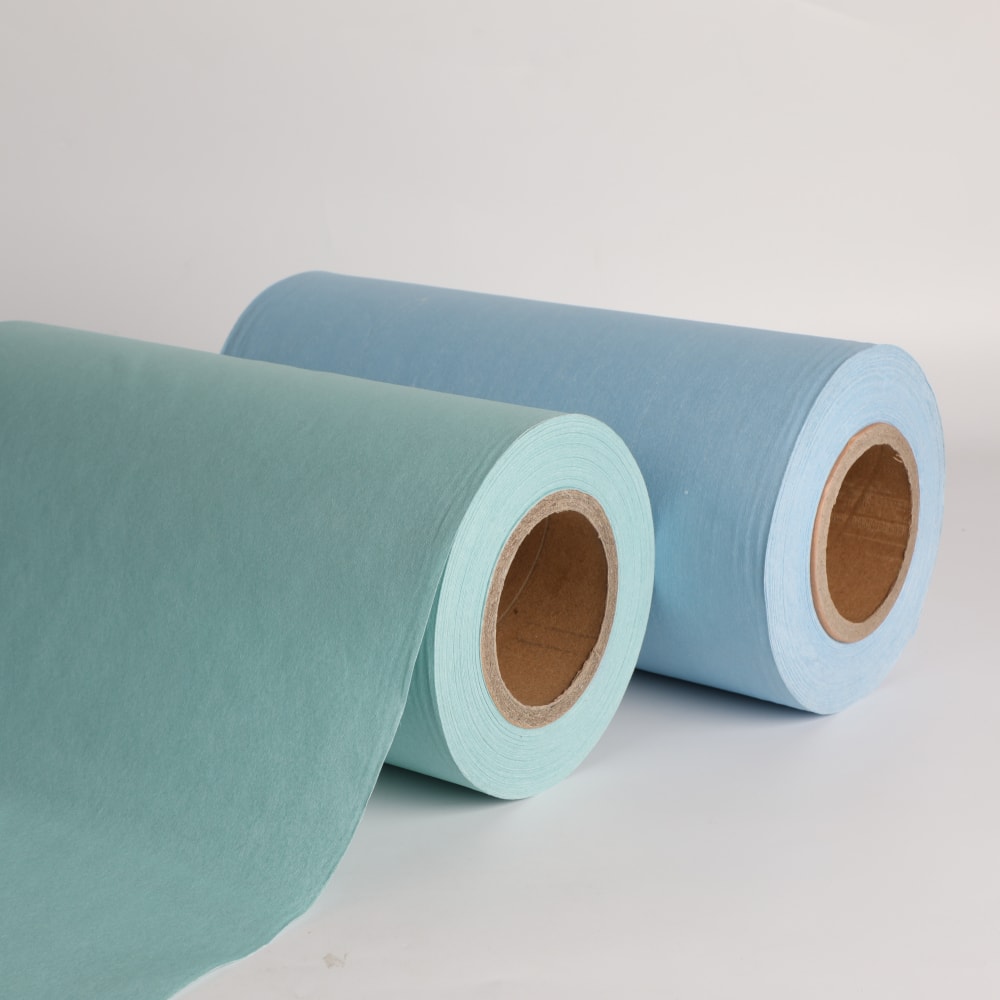 Fluid Repellent Woodpulp Spunlace Nonwoven
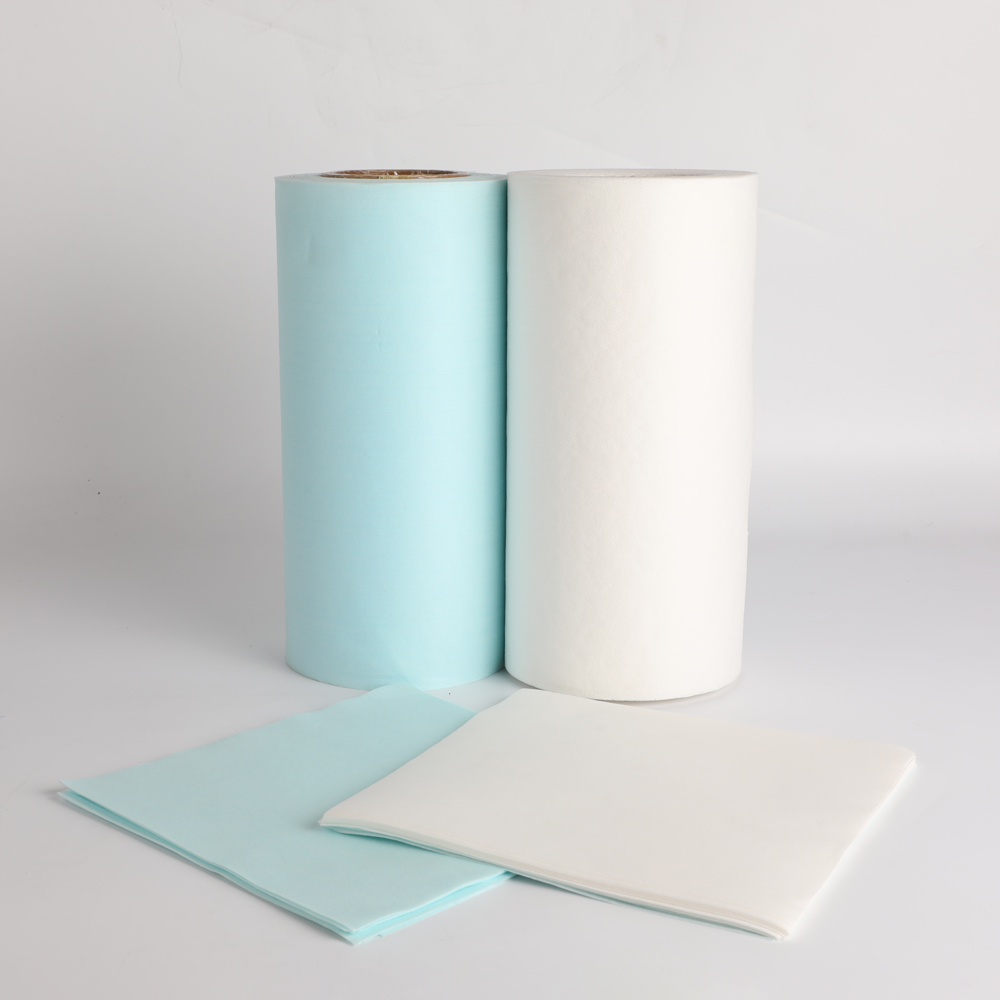 Woodpulp Nonwoven Wipe
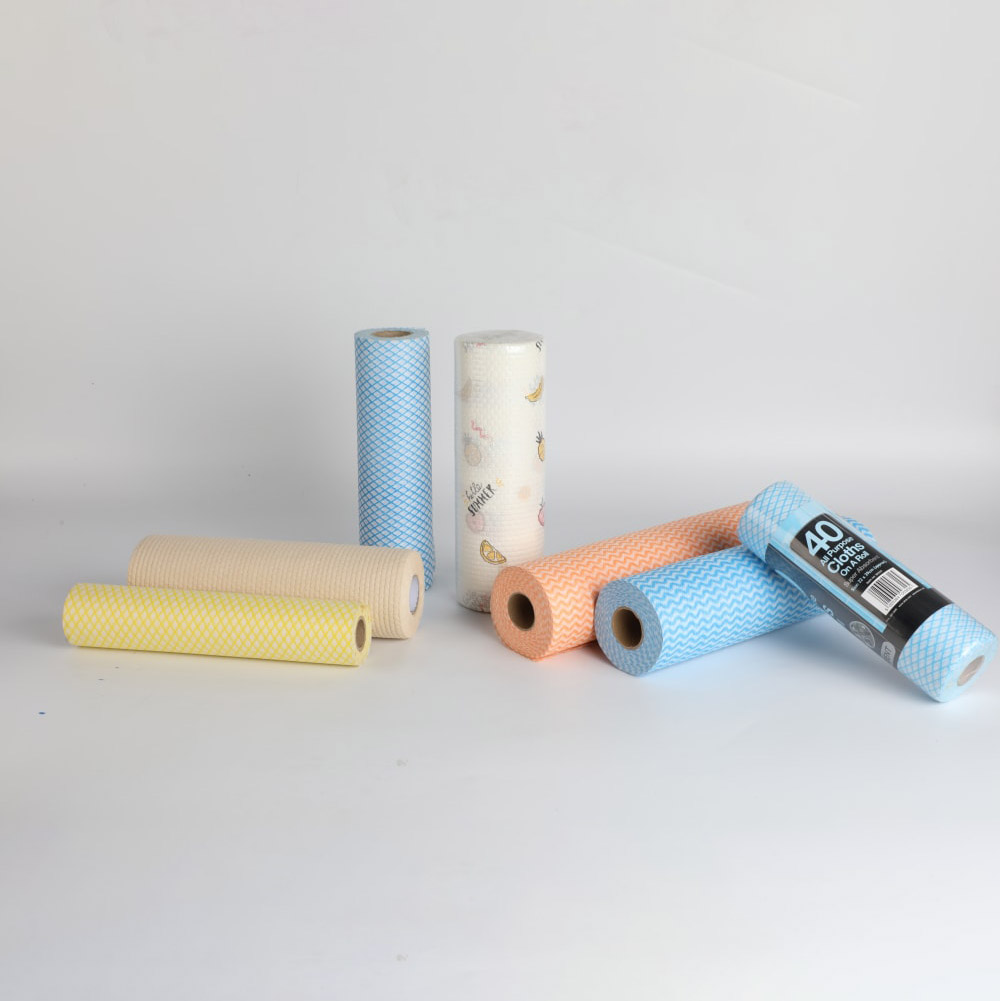 Nonwoven Cleaning Wipe
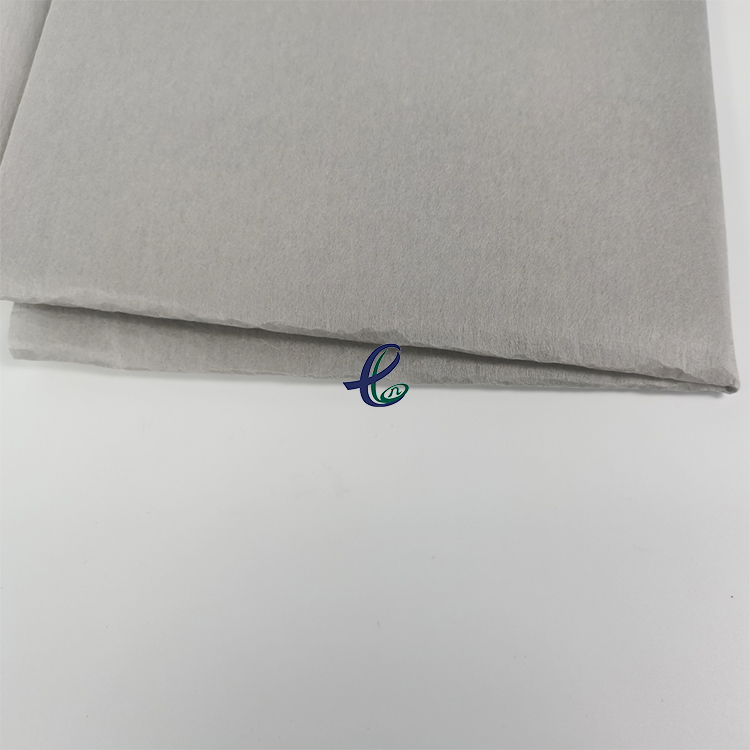 Curtain Nonwoven
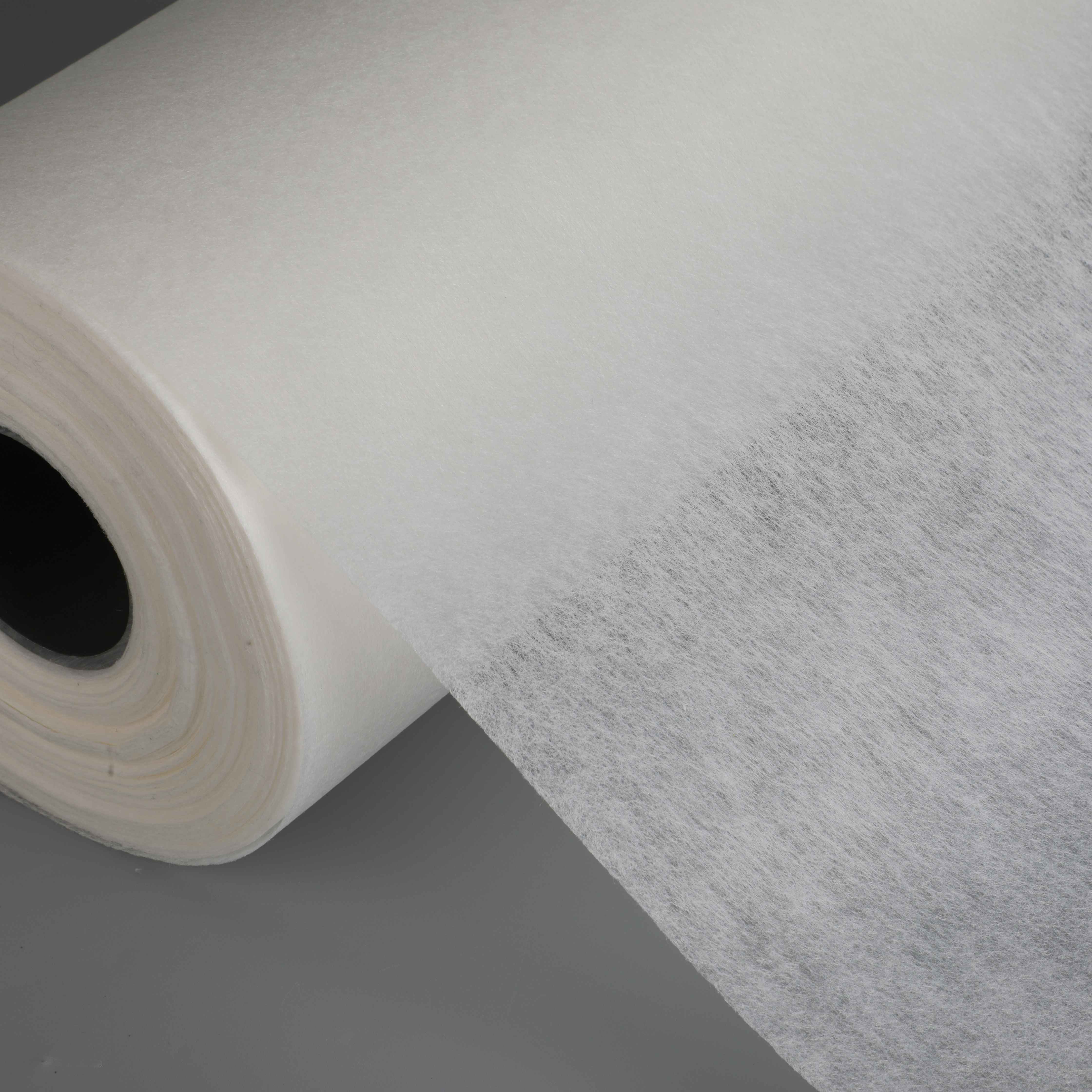 Food Grade Packaging Nonwoven
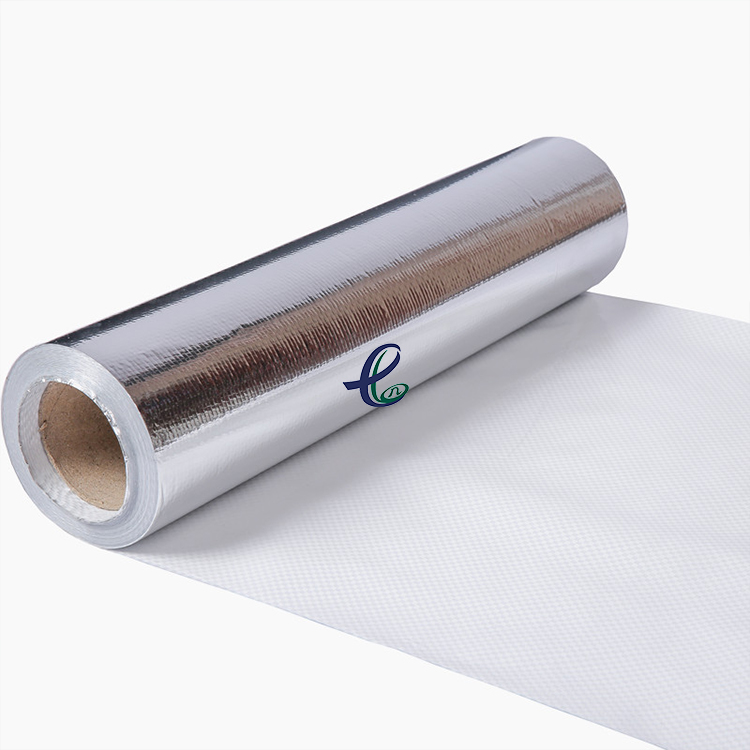 Aluminized Nonwoven
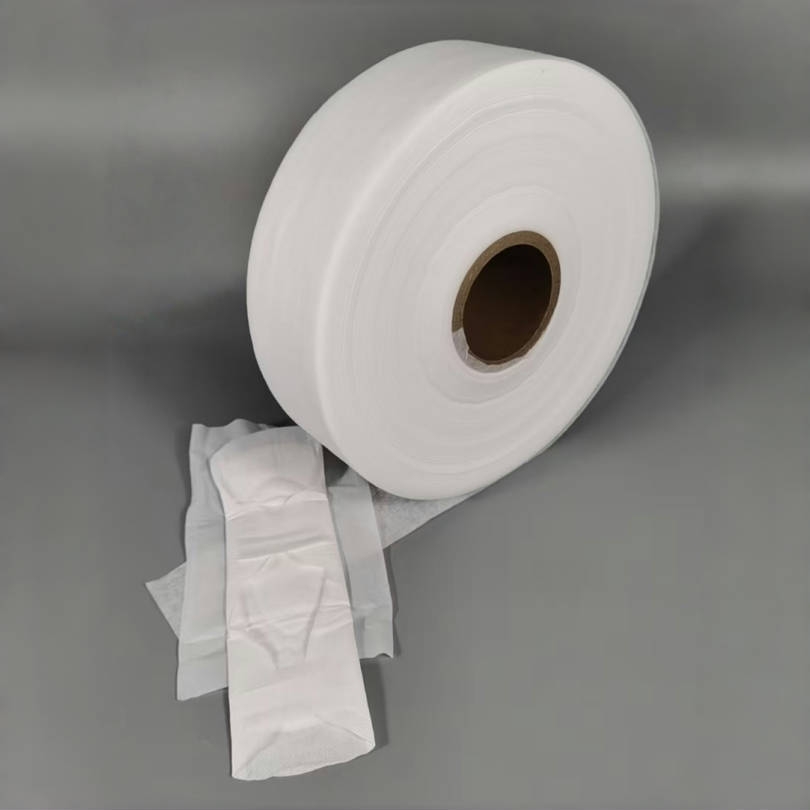 Hot Air Cotton Nonwoven
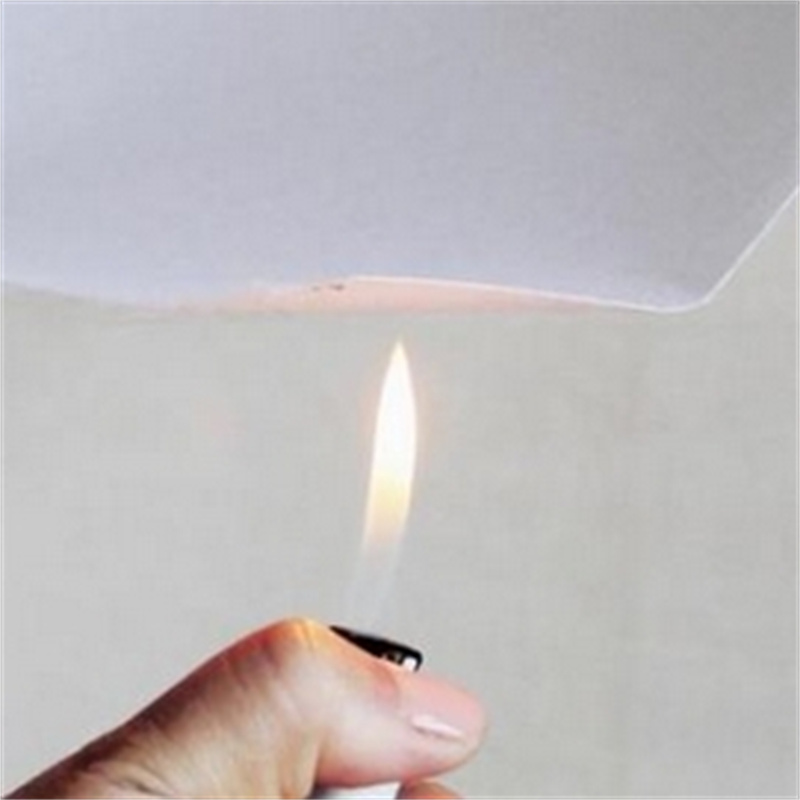 Flame Retardant Nonwoven
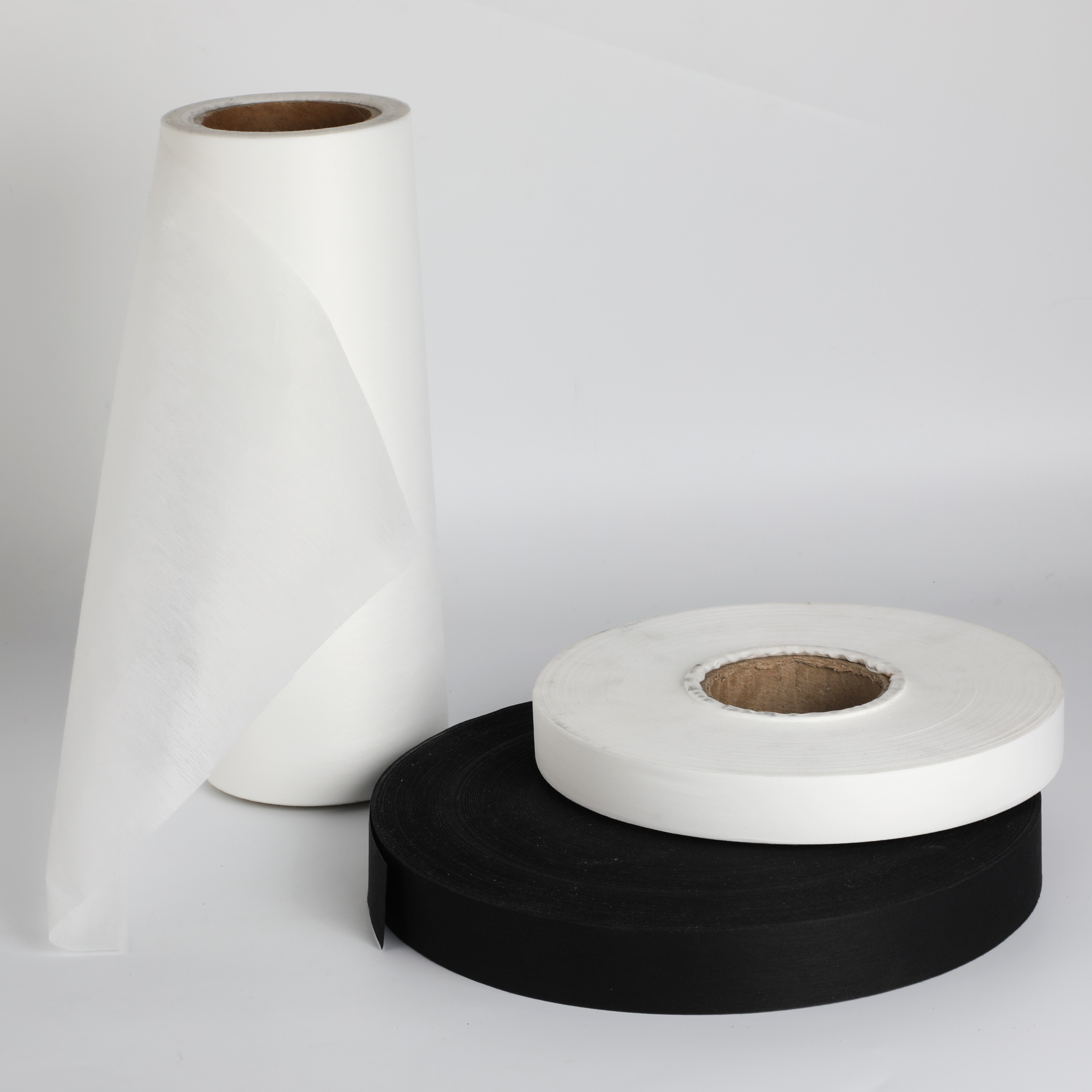 Cable Wrapping Nonwoven
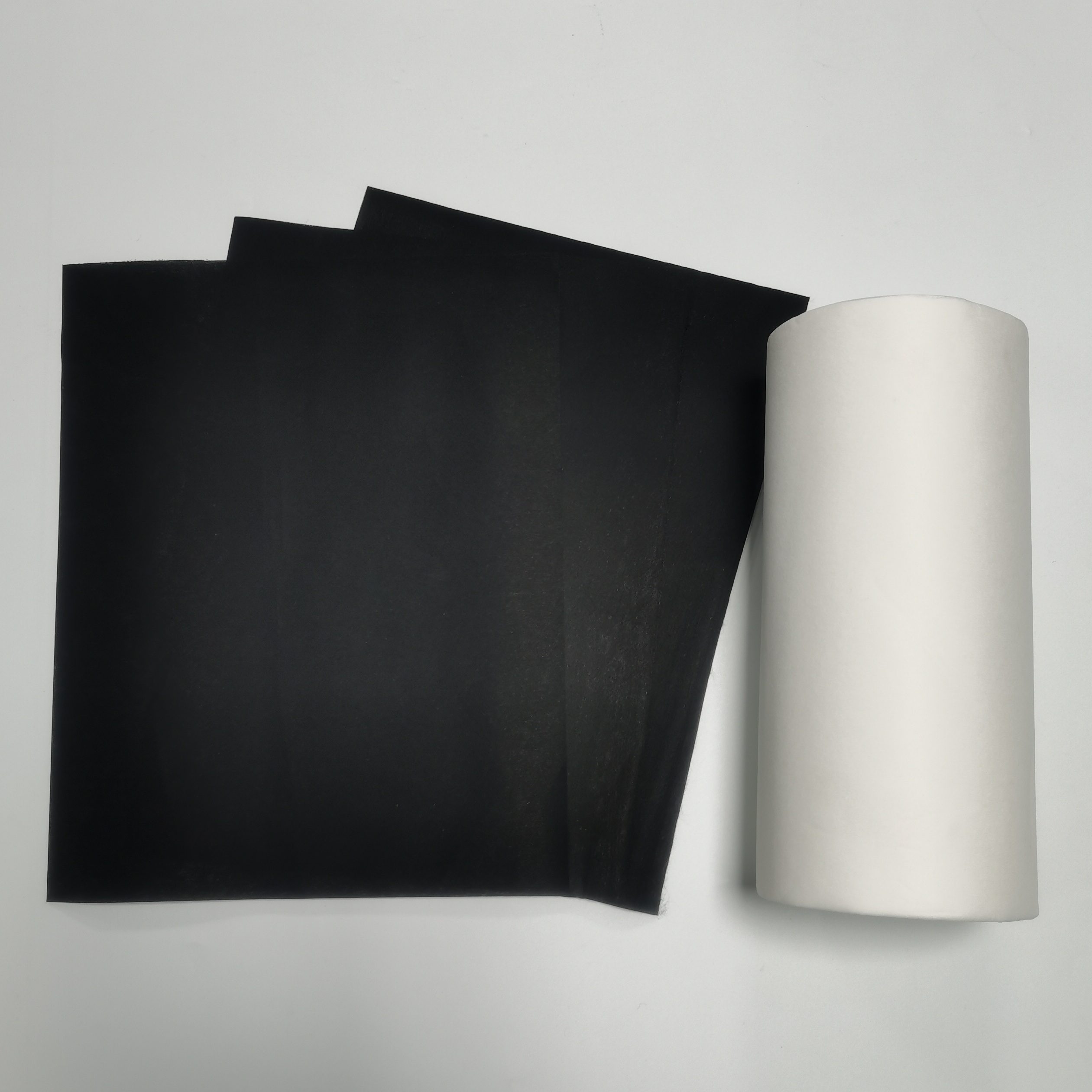 Semi-conductive Nonwoven
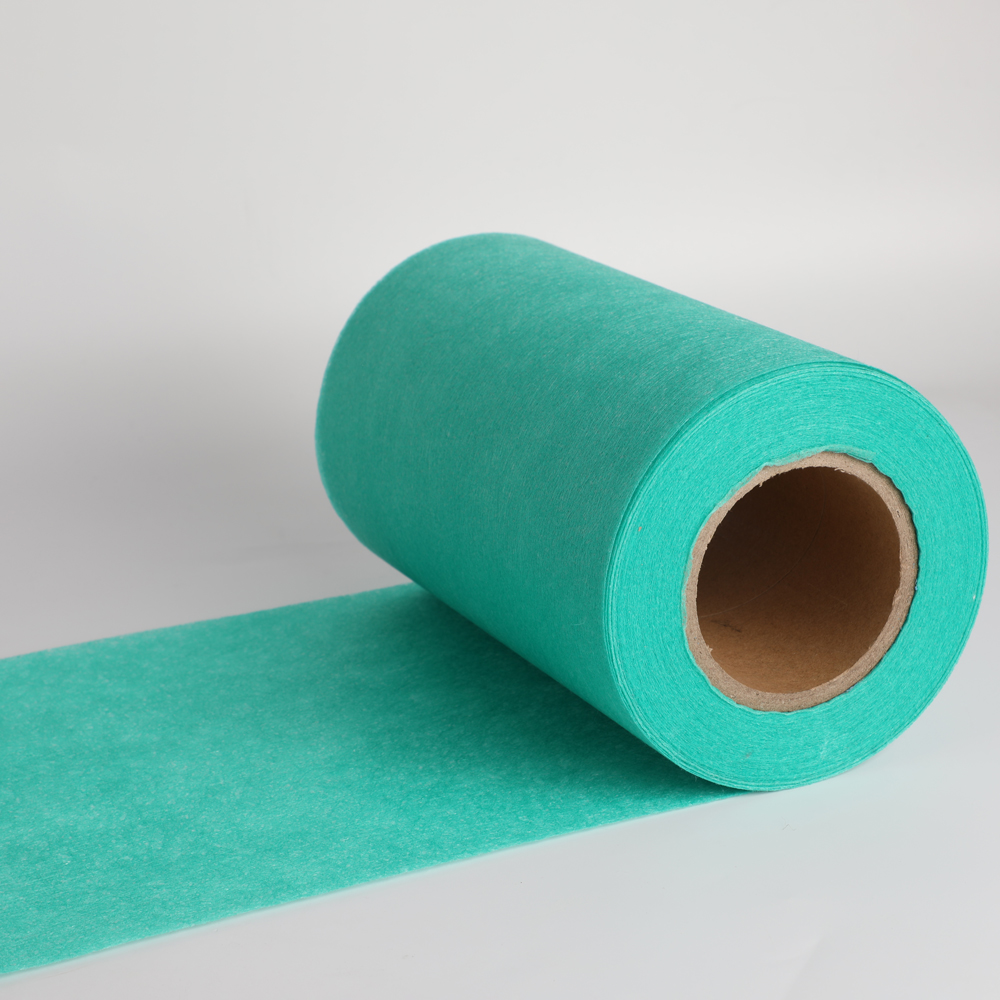 Anti-Bacterial Nonwoven
 +8613957712400
 CONTACT WhatsApp
 CONTACT WeChat
 CONTACT NUMBER
 CONTACT EMAIL